
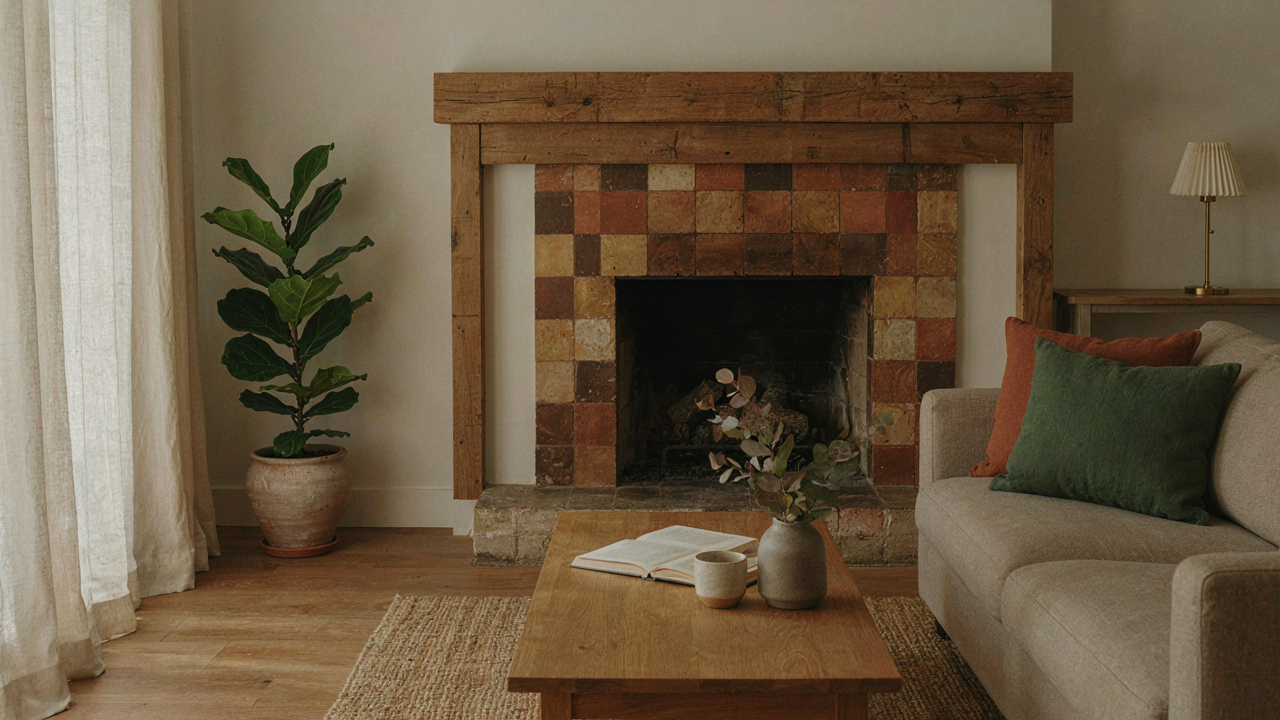
The Craftsman Fireplace Fallacy: It’s Not About The Wood
What “Craftsman” Actually Means
You want to build a craftsman fireplace because you think it signals taste and permanence. Here’s what you’re missing: “Craftsman” doesn’t describe materials. It describes a philosophy of visible joinery and honest construction where function dictates form. The movement emerged in the early 1900s as a reaction against factory-made furniture that hid its seams. A craftsman fireplace reveals how it’s built instead of disguising it.
Most people confuse “craftsman” with “rustic” or “natural looking.” They’re opposites. Craftsman design is precise and intentional. You see the exact placement of each tile. You notice how the timber frame connects at joints. The aesthetic power comes from clarity, not atmosphere. When you skip this distinction, you end up with a fireplace that looks old without looking built, which reads as confused rather than considered.
When Timber From The Big Box Store Fails
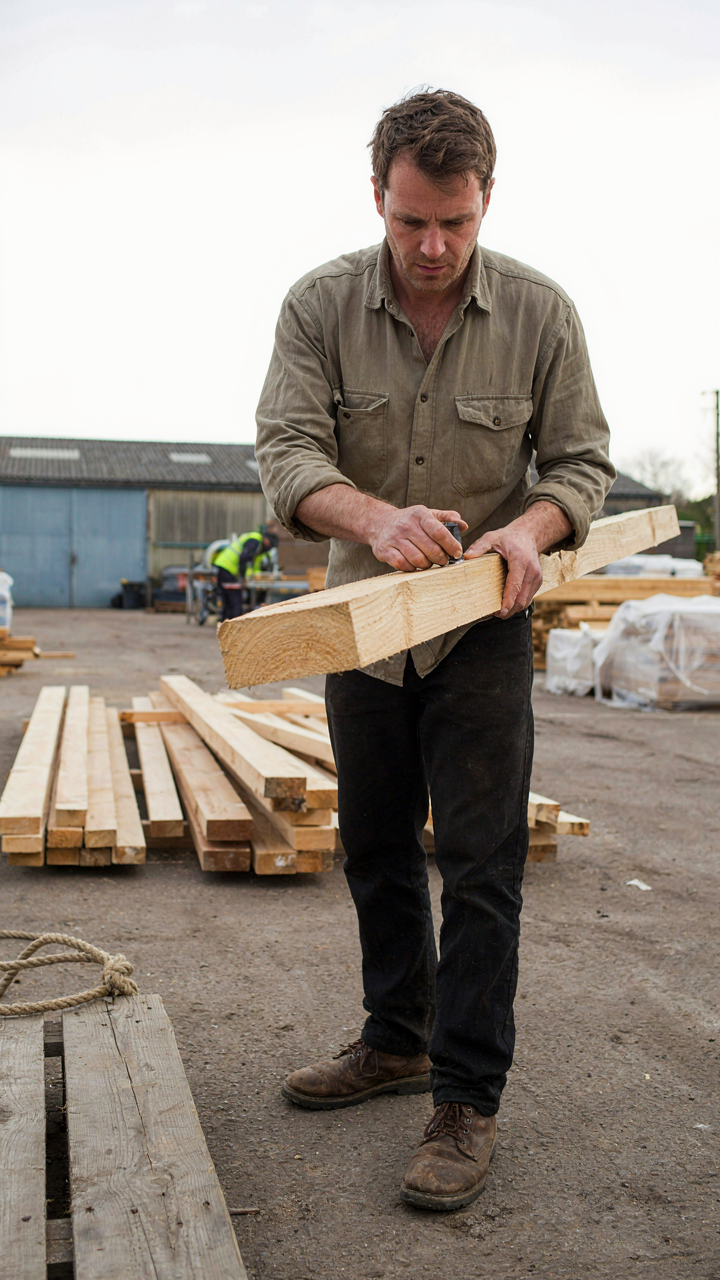
Mass production in the timber supply chain breaks the craftsman principle at its foundation. Dimensioned lumber sold at scale comes from optimization for yield, not for the specific structural or visual needs of your fireplace surround. Factory-milled beams prioritize speed and uniformity over the grain character or wood movement properties that matter in a high-heat zone.
The mechanism at work here is the same one that governs industrial agriculture: specialization kills variation. A timber supplier sending beams to 500 contractors nationwide can’t account for the moisture conditions, thermal cycling, or load requirements of your specific wall. You need wood chosen for your fireplace’s actual environment, cut by someone who understands wood movement near heat. That requires a local timber yard or a craftsman who selects material themselves, not a purchase order from inventory.
Decoding Craftsman Fireplace Tile: Beyond Subway & Hex
What The Tiles Actually Signaled
You want to know about tile because you suspect it separates a thoughtful fireplace from a generic one, and you’re right. The real mechanism at work is messaging through constraint. Craftsman tile patterns communicated social position and craft knowledge through deliberately limited palettes and handmade imperfection, not excess. The Arts and Crafts movement rejected industrial uniformity. Artisans chose specific patterns to signal they’d rejected mass production.

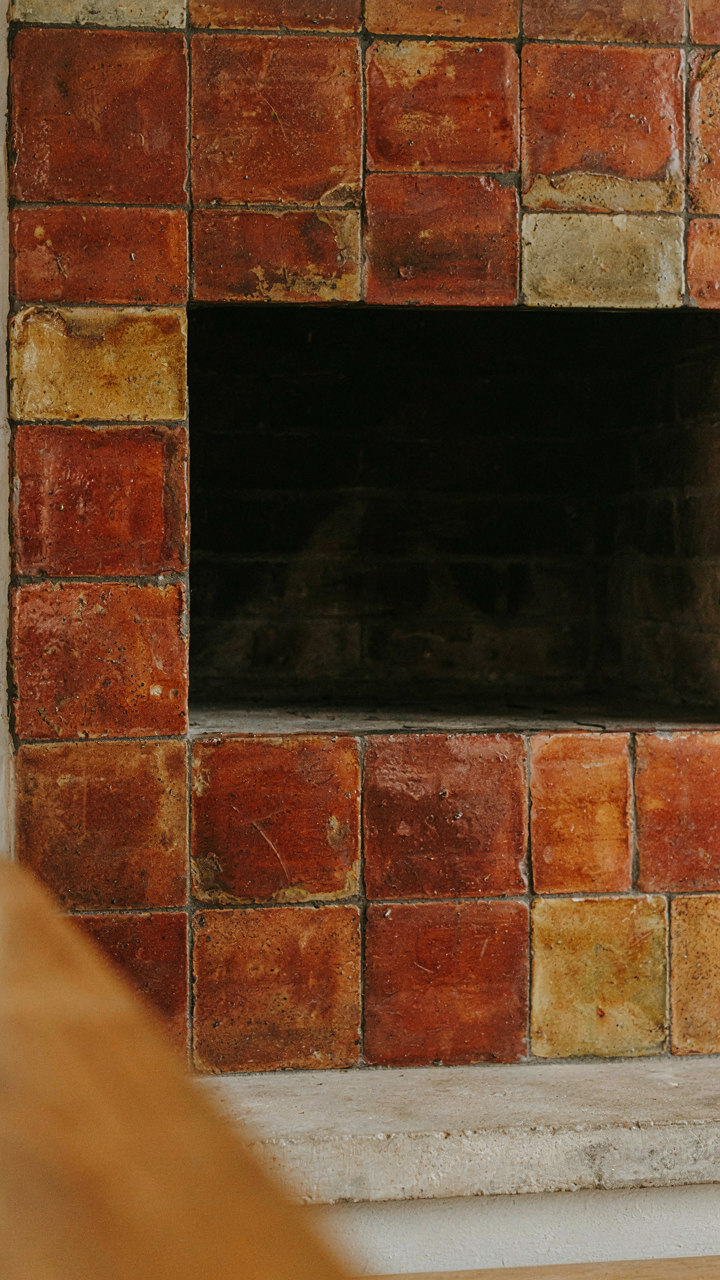
Clinker tiles appeared in Craftsman fireplaces between the 1890s and 1920s. These intentionally irregular tiles with uneven glazing and visible firing marks proved the maker’s hand touched the work. Earth-tone clays dominated: deep reds, burnt oranges, soft golds. Geometric patterns like small-scale Spanish tile work appeared frequently, but always restrained. The fireplace tile didn’t demand attention through color variation. It demanded respect through evidence of craft labor.
The Weight Of Where Each Tile Goes
Placement strategy determines whether tiles read as intentional or scattered. Treat fireplace tile placement like typography hierarchy: certain tiles carry more visual load based on position. The tiles surrounding the firebox opening receive more scrutiny than those climbing toward the mantel. Symmetry matters here, not for aesthetic fussiness but because asymmetry registers as either accident or pretension. Craftsman design demanded that symmetry emerge from honest material behavior, never forced composition.
Field tiles form the backdrop. These anchor the composition and should recede visually. Accent tiles appear at junctions, corners, and the header course above the opening. This is where you introduce pattern variation or glaze shifts without chaos. The tile directly framing the firebox opening functions as the frame within the frame. Border tiles run along the mantel shelf edge and base. Each zone requires a decision: does this tile advance the eye or settle it. The specific placement rule is to establish visual rest points rather than create continuous pattern noise.
The 3 Pillars Of A Timeless Craftsman Fireplace
Materials That Actually Age
You want people to know you didn’t cut corners. Here’s what nobody admits: material integrity is the only defense against looking cheap in five years. Think of a craftsman fireplace like structural engineering—load-bearing integrity matters more than appearance. Use materials that weather honestly, not materials dressed up to hide what they are.

Real brick, natural stone, and solid wood behave predictably over decades. They don’t peel, crack from thermal shock, or fade unevenly. Tile must be installed with proper substrate and mortar rated for fireplace heat—skip the shortcuts. The mechanism is simple: poor materials force you into constant maintenance or premature replacement. Good materials become part of the house’s story instead of its liability.
Human Scale Matters Most
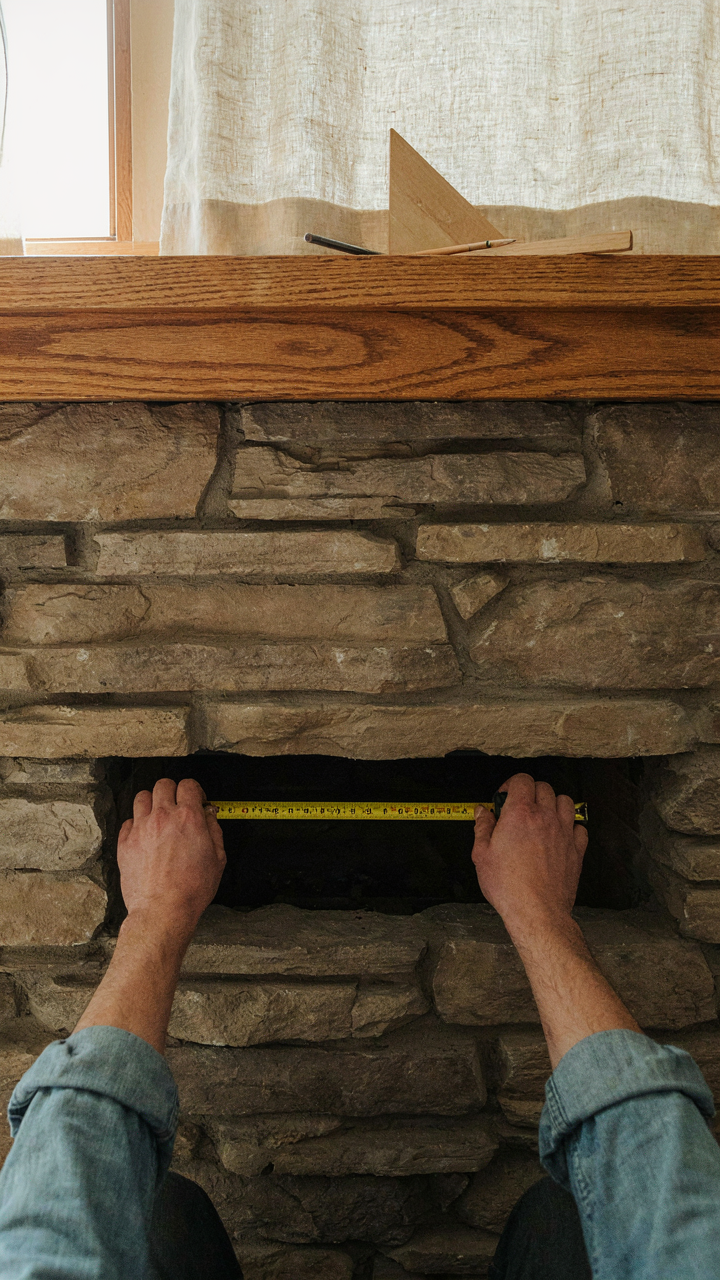
McMansion design proves that bigger isn’t better—it’s just louder. A fireplace scaled to the room it occupies creates proportion that feels intentional, not compensatory. Measure the wall, measure the seating distance, then build down from those constraints instead of building up from ego.
A craftsman fireplace typically sits between 36 and 48 inches wide, with the hearth extending 16 to 18 inches into the room. The opening height stays closer to 32 to 40 inches for proper draft and visual balance. These dimensions come from decades of functional fireplace design, not trend cycles. If you violate these proportions, you either starve the fire of oxygen or create visual dominance that exhausts the eye rather than settling it.
Mission Style Fireplace: The Overlooked Blueprint
Where Mission Design Came From
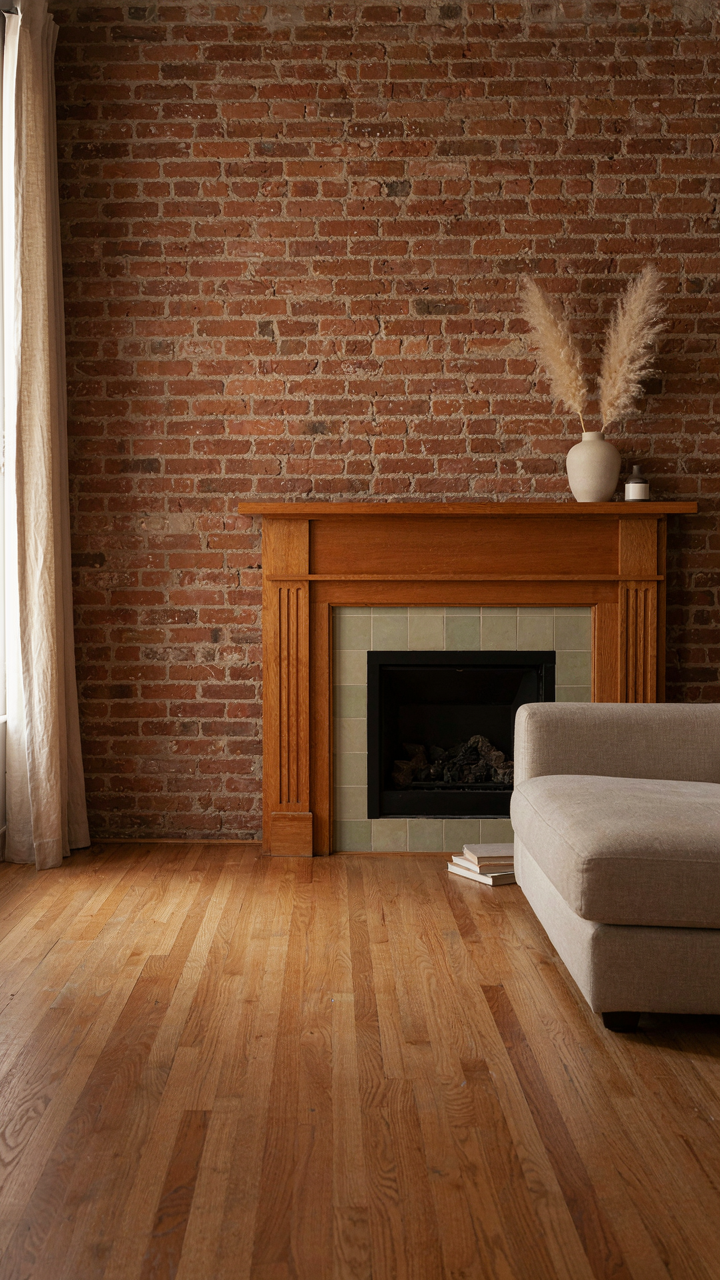
You want to know about Mission style because it signals restraint and authenticity—two things your Instagram feed convinces you that you lack. Here’s the actual mechanism: Mission emerged in the late 1800s as a direct reaction against industrial mass production and Victorian excess. Craftsmen built furniture and architectural details with visible joinery, exposed materials, and zero ornament. The movement wasn’t about beauty for beauty’s sake. It was about honest construction that revealed how things were made.

Mission applied this principle to fireplaces by stripping away applied decoration and letting materials speak. A Mission fireplace shows its tile layout without borders. Wood trim runs in clean lines without carved flourishes. The hearth sits as a simple platform. This restraint demands better craftsmanship, not less. Sloppy tile work becomes obvious when there’s nowhere to hide it. The fireplace becomes an artifact of how it was built, not what was added to it afterward.
Applying Mission Logic To Today’s Spaces
The common advice says Mission works only in period homes or rustic cabins. That’s wrong. Mission principles apply anywhere you want a fireplace that doesn’t compete for attention. Think like an engineer optimizing for function: each element does one job and nothing more. A substantial timber mantel isn’t decorative—it frames the opening and supports itself visually. Square tile in earth tones isn’t nostalgic—it’s durable and honest about its material limits.
Modern homes benefit from Mission restraint because they’re already cluttered with visual noise. A Mission fireplace becomes the room’s gravitational center precisely because it refuses to perform. You build it by selecting materials that require no stain or glaze to look complete, arranging tile in grids without decorative cuts, and stopping the design where structure naturally ends. The fireplace then works in contemporary settings, industrial lofts, and minimalist interiors because it respects the wall it occupies instead of demanding forgiveness for its existence.
Craftsman Living Room Fireplace: Focal Point, Not Afterthought

Where Your Eye Actually Goes
You want the fireplace to feel important because you’re betting your living room layout on it. Here’s the physics: a fireplace operates as a gravitational anchor in any room. Your eye moves toward it because it’s the warmest object, the highest contrast point, and the only thing that moves (fire). This isn’t psychology. It’s optics. Light sources pull attention harder than any wall color or furniture arrangement. The Craftsman movement understood this instinctively by centering the hearth in room composition, not burying it behind a sofa.

Craftsman designers placed the fireplace where sightlines converged naturally. This meant thicker timber mantels, raised brick or tile surrounds, and asymmetrical stonework that caught light from multiple angles. The fireplace didn’t need to shout. It commanded the room because it was physically positioned to receive and redirect attention. Your job is to resist the modern mistake of treating the fireplace as one element among many. It’s the visual anchor. Everything else orbits it.
Traffic Flow Beats Symmetry
Most design advice says “balance the room around the fireplace.” That’s incomplete. What matters is whether people move through the space without circling back. A poorly placed fireplace creates dead zones where foot traffic stalls or funnels awkwardly. Craftsman homes solved this by positioning the hearth on a wall that didn’t block movement between entry points.
Test your layout by tracing the natural path from the room’s entry to its exits. The fireplace should sit perpendicular to this flow, not across it. If guests pause mid-stride to navigate around furniture facing the hearth, your layout failed. Tile and timber around the fireplace should extend slightly into the room as a defined zone, not a barrier. This psychological boundary tells people where to stop and sit without forcing them to squeeze past the seating cluster. When the fireplace sits flush against the wall with seating arranged at a 90-degree angle, traffic continues uninterrupted while the hearth still reads as the focal point.
The Arts And Crafts Fireplace Ideas: Rejecting The Industrial
Material Selection That Actually Matters
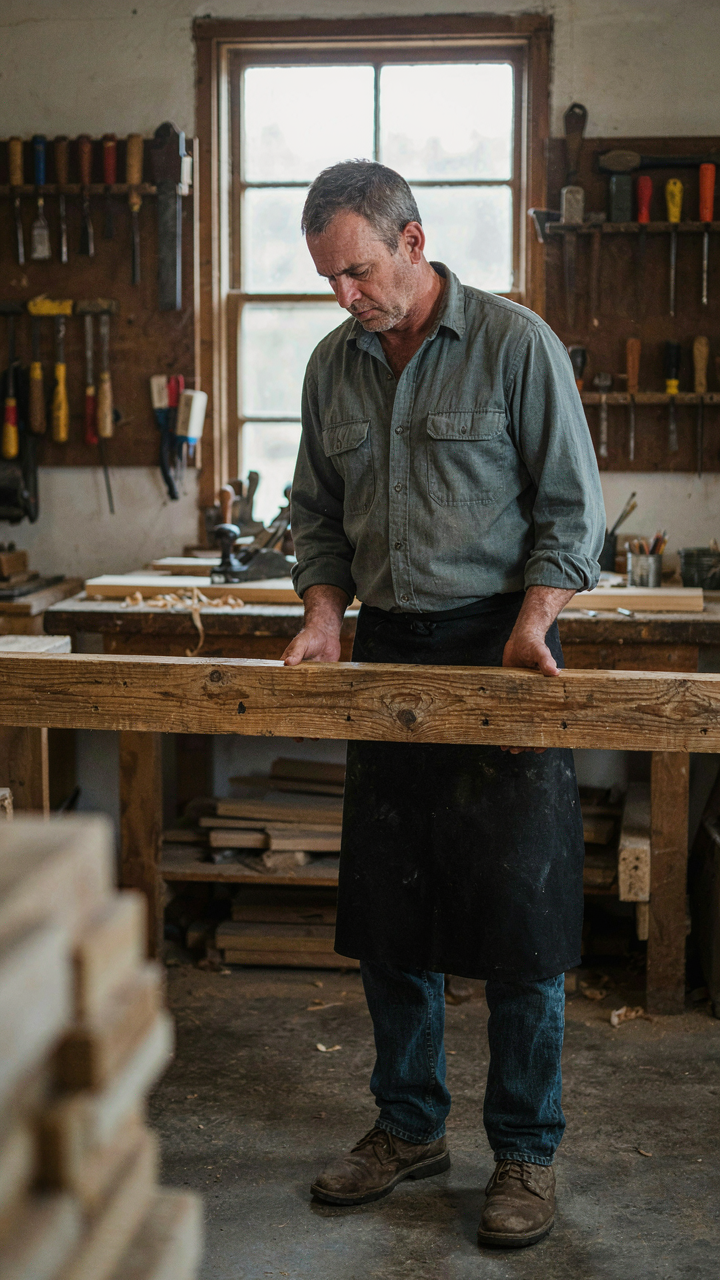
You want handcrafted materials because mass production feels cheap, and you’re right to notice that—but the real reason to care is that factory materials hide their failures. A machine-made brick arrives uniform. A hand-thrown brick shows settlement, weathering, asymmetry. That variation isn’t aesthetic noise. It’s structural honesty. The Arts and Crafts movement rejected industrial standardization because standardization allows manufacturers to hide defects at scale.

Hand-selected timber and stone force visibility. When a fireplace surround uses reclaimed wood, you see grain variation, knots, color shifts. These aren’t flaws. They’re data. A mason working with irregular stone can’t hide behind repetition—every piece demands placement logic. Factory tile hides intention. Handcrafted materials expose it. That exposure is what makes a Craftsman fireplace read as intentional instead of ordered.
Sourcing From Local Makers
The common advice here is wrong: finding local artisans isn’t about supporting your community or feeling good. It’s about procurement control. When you work with a local mason, tile maker, or timber supplier, you gain real-time feedback on material behavior. A factory supply chain buries problems in documentation. A local craftsperson shows you the actual piece before installation.
- Custom tile commissions: Work directly with ceramic artists to design surrounds that match your fireplace dimensions exactly, eliminating standard sizing constraints and factory minimums.
- Reclaimed timber sourcing: Partner with local salvage operations or timber specialists who understand wood species, grain patterns, and structural integrity for mantel and trim work.
- Stone selection with masons: Meet at quarries or supplier yards to choose individual stones for the hearth and surround rather than accepting pre-sorted batches.
- Custom metalwork: Hire local blacksmiths for fireplace hardware, grates, and screens that reflect actual design intent instead of catalog standardization.
- On-site material review: Require samples delivered to your space before final installation so you see how light and surrounding finishes interact with your chosen pieces.
Local sourcing creates accountability. When the artisan knows you’ll see them at the farmer’s market, quality becomes personal. More importantly, you access documentation of material origin. You know when wood came from, how long it’s been seasoned, what stresses it’s withstood. That transparency is unavailable through retail channels. Build material relationships, not material transactions.
Craftsman Fireplace Tile: The Color & Texture Imperative
Earth Tones Ground The Space In Reality
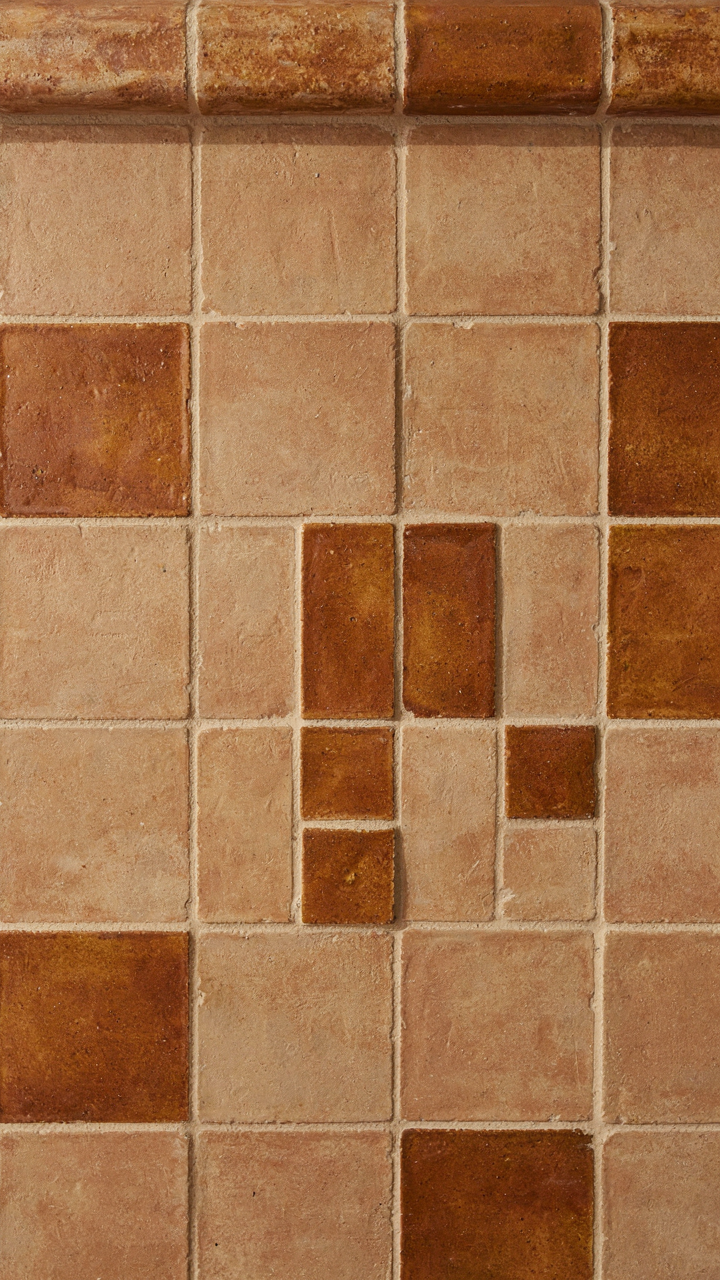
You want earth tones because you think they look timeless. That’s the surface reason. The real one is fear that bold color will date your fireplace and tank your home’s resale value. Here’s the mechanism: earth tones work in craftsman design because they mirror the material palette of the movement itself—clay, stone, wood, iron. Arts and Crafts designers rejected industrial uniformity by pulling directly from nature’s existing color range. This wasn’t aesthetic preference. It was ideological rejection of synthetic dyes and mass production.

Ochre, umber, burnt sienna, and warm grays anchor a craftsman fireplace to its surroundings rather than competing with them. These colors absorb light instead of reflecting it, which creates visual weight that matches the solid timber framing and substantial masonry typical of the style. When you tile a fireplace surround in these tones, you’re not decorating. You’re establishing hierarchy. The fireplace becomes a load-bearing visual anchor, not a accent piece screaming for attention.
Surface Variation Creates Depth Without Gimmicks
The common advice says to mix tile sizes and patterns for visual interest. That’s incomplete. Visual depth in craftsman design comes from texture contrast, not geometric play. This principle borrows from tactile architecture—the field of understanding how surfaces affect spatial perception. A smooth glazed tile next to a matte or hand-pressed tile creates optical variation even in monochromatic color schemes.
Craftsman builders used handmade tiles precisely because their imperfect surfaces caught light differently than factory-pressed alternatives. When you layer smooth field tiles with textured trim pieces or vary glaze finishes across the same color family, you replicate this effect. The eye reads variation in surface character as depth, not as pattern. This is why a single-color fireplace with mixed textures outperforms a multi-color fireplace with uniform glazing. Specify at least one matte field tile, one glossy accent tile, and one hand-textured border tile in your selection.
Timber Selection: More Than Just “Stained Wood”
Wood Species And Their Inherent Properties
You want to pick wood that looks intentional, not like you grabbed whatever was cheapest at the big box store. Here’s the real mechanism: wood density and grain structure determine how it responds to heat, how it accepts finish, and whether it will crack or move over years. Craftsman design borrowed from materials science the principle of matching material properties to function. Dense hardwoods near the firebox resist thermal stress better than soft species. Oak, walnut, and cherry are the working choices because their grain is tight enough to read as refined and stable enough to survive temperature swings without checking or cupping.

The species you choose also dictates maintenance burden. Walnut accepts stain unevenly if the wood is quarter-sawn versus plain-sawn from the same board, creating visual inconsistency that reads as sloppy. Oak’s open grain traps dust and requires more frequent cleaning. Cherry moves less with humidity changes, making it the lowest-friction option for fireplace surrounds where seasonal expansion matters. Pick the species based on the specific geometry of your surround, not because it matches your flooring elsewhere in the house.
Surface Treatment For Performance And Age
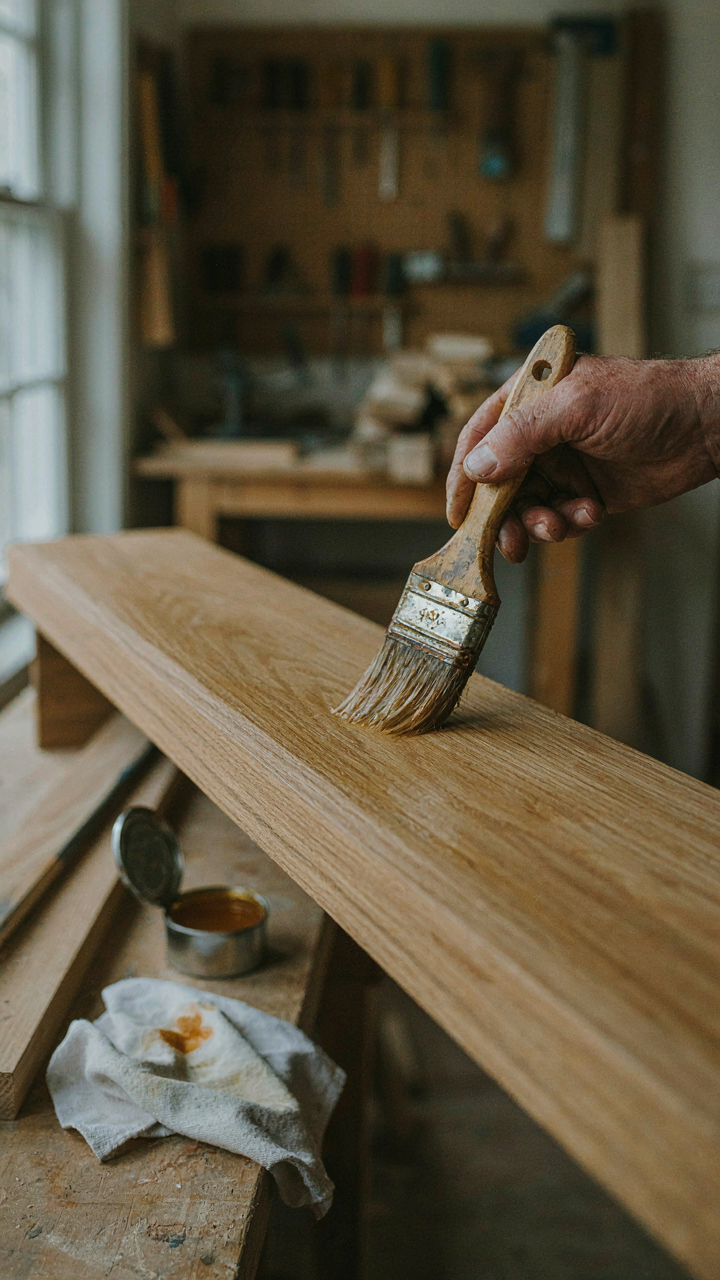
The common advice treats finishing as decoration. Wrong. Finishing is a barrier system that either protects wood from thermal cycling or it doesn’t. Craftsman interiors typically used oil-based finishes or wax because they aged visibly and developed patina that read as authentic craft. Modern polyurethane is more durable but creates a plastic appearance that contradicts the material honesty craftsman design demands. The real decision: do you want a finish that hides damage, or one that documents it?
For fireplace timber, thin coats of oil-based polyurethane or hard wax oil outperform single thick coats because they flex slightly as wood expands and contracts with temperature. Apply in three to four thin passes rather than one or two thick ones. This prevents the finish from crazing or peeling at seams. After installation, reseal joints and end grain annually because those areas lose moisture faster and absorb more heat radiation than face grain.
Craftsman Style Fireplace Ideas: Beyond The Pinterest Board
Build Your Aesthetic From Constraint, Not Inspiration
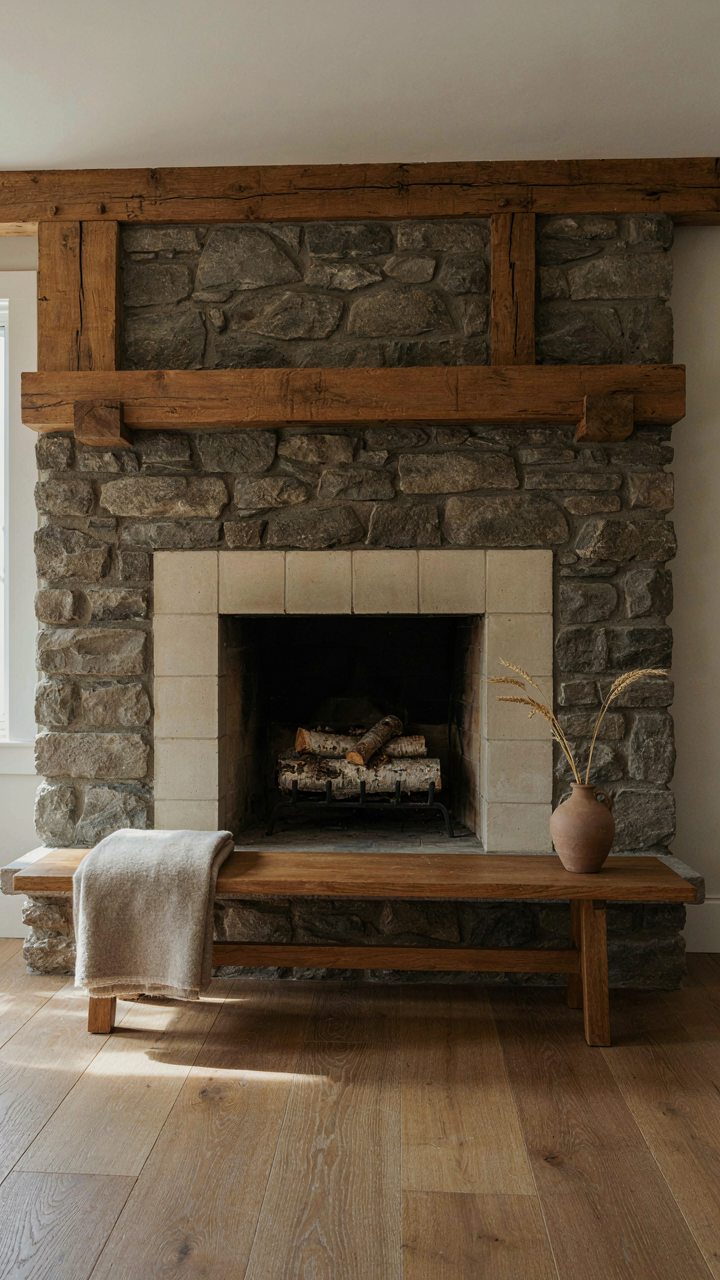
You want a craftsman fireplace because you’re tired of generic, because you sense it signals taste, and because you’re afraid your space will look like everyone else’s. That fear is actually useful. The mechanism that separates a real craftsman fireplace from a themed one is constraint. Craftsman emerged from the Arts and Crafts movement’s rejection of mass production. It wasn’t about looking precious. It was about honest materials, visible joinery, and labor you could see. Your fireplace should reflect that same logic, not just borrow its aesthetics.

Start by identifying what you’ll actually use and maintain. Craftsman design works backward from material reality, not forward from mood boards. If you choose a tile surround, pick one you can clean without obsessing. If you select wood trim, use species that ages gracefully in your climate rather than requiring constant refinishing. The constraint is the work. Your fireplace’s aesthetic emerges from solving real problems with real materials, not from collecting Craftsman references online. Every element should earn its place through function or honest beauty, never decoration alone.
Strip Away What Doesn’t Belong
Most advice tells you to “mix textures” and “layer warmth,” which is useless. What actually matters is recognizing what the Craftsman movement rejected, then rejecting it yourself. Ornament for its own sake. Applied decoration that serves no purpose. Materials pretending to be other materials. Marble tile mimicking stone. Prefab surrounds that look handmade but aren’t. These contradict the entire philosophy. A craftsman fireplace should announce what it is, not hide it behind styling.
The mistake designers make is treating Craftsman as a visual style rather than a design principle. You don’t achieve it by adding reclaimed wood and mission-style tile. You achieve it by making deliberate choices about material, scale, and detail that align with how the thing actually functions. Remove anything decorative that you can’t justify. Remove anything that requires constant upkeep to maintain its appearance. What remains is your fireplace.
The Real Obstacle Isn’t Finding The Right Tile; It’s Your Fear Of Embracing Authentic Design Over Fleeting Trends
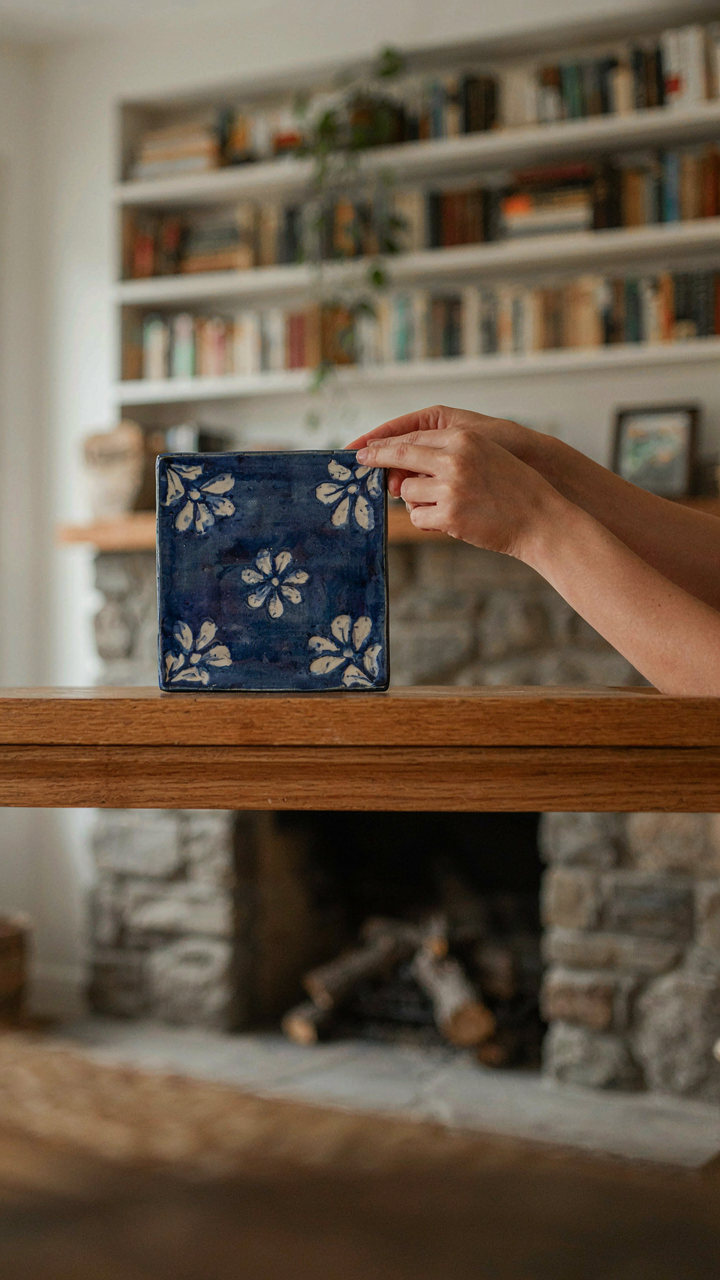
You already know what a craftsman fireplace should look like. You’ve seen the timber beams, the handmade tile, the honest materials refusing to apologize. What stops you is the voice in your head saying this style will feel dated in five years. That voice is broke. Authentic design compounds. It gains character. Pull one Pinterest inspiration board today and show it to a contractor. Stop researching and start building. A craftsman fireplace doesn’t whisper trends, it declares a choice.



