
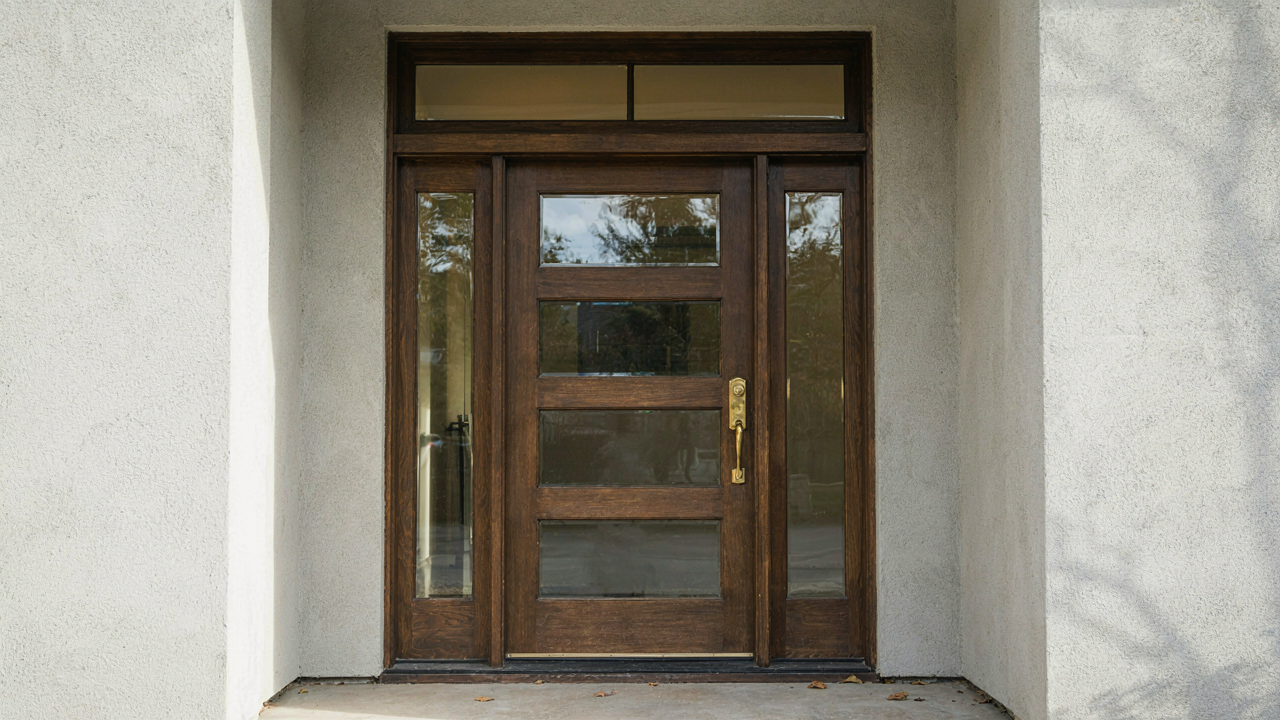
Beyond Pinterest: Deconstructing The Craftsman Front Door Illusion
What You Think Craftsman Means
You want people to see your house and assume you have taste and money without trying too hard. That’s the real driver. The problem is that most people confuse “Craftsman” with “anything with visible wood and some detail work.” Craftsman design emerged from the Arts and Crafts movement in the late 1800s as a direct reaction against mass production. It prioritized handmade quality and honest materials. Your front door isn’t Craftsman just because it has panels.
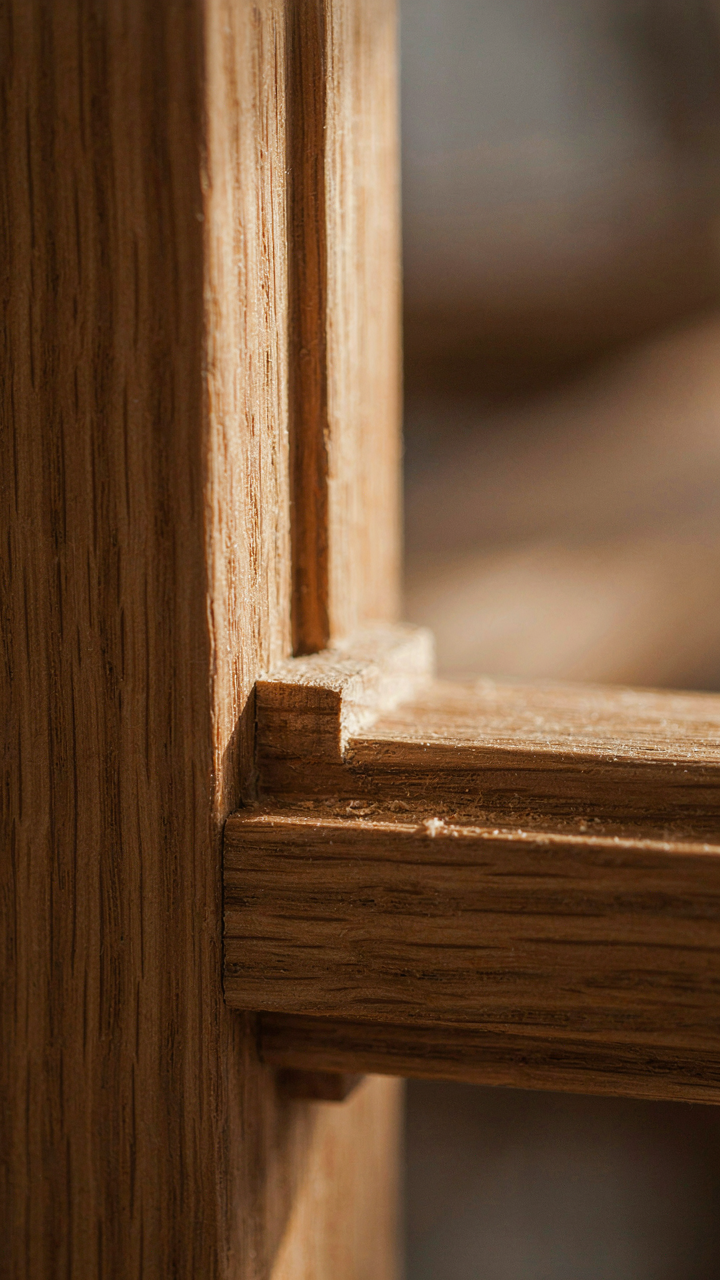
Real Craftsman doors reject pretense. They show joinery, wood grain, and construction methods. They don’t hide behind veneers or fake finishes. The style refuses to disguise what something is made of or how it was built. A door with applied trim that doesn’t align with actual construction details isn’t Craftsman, it’s decoration playing dress up. The mechanism at work is honesty of construction: what you see should match how the piece functions.
Where Craftsman Actually Came From
The Arts and Crafts movement borrowed a principle from traditional craftsmanship: the maker’s skill should be visible in the object. Apply systems thinking here, and you’ll see the constraint creates the aesthetic. Craftsman design didn’t emerge from a desire to look a certain way. It emerged as a rebellion against industrial furniture and doors that hid their assembly behind uniform surfaces. Architects and designers like Gustav Stickley used visible joinery because it solved a problem: how to prove quality in an era of cheap knockoffs.
This matters because it reshapes how you evaluate a craftsman front door. The best Craftsman doors feature mortise and tenon joints, frame and panel construction, and wood species left unadorned. These aren’t decorative choices. They’re structural solutions that also happen to look intentional. When you select materials and design, start with how the door needs to perform in your climate, then let the construction method show itself. Visible quality beats visible styling every time.
The Craftsman Style Entry Door: Not Just Wood And Glass, But Intentionality
Material Choices Signal Actual Quality
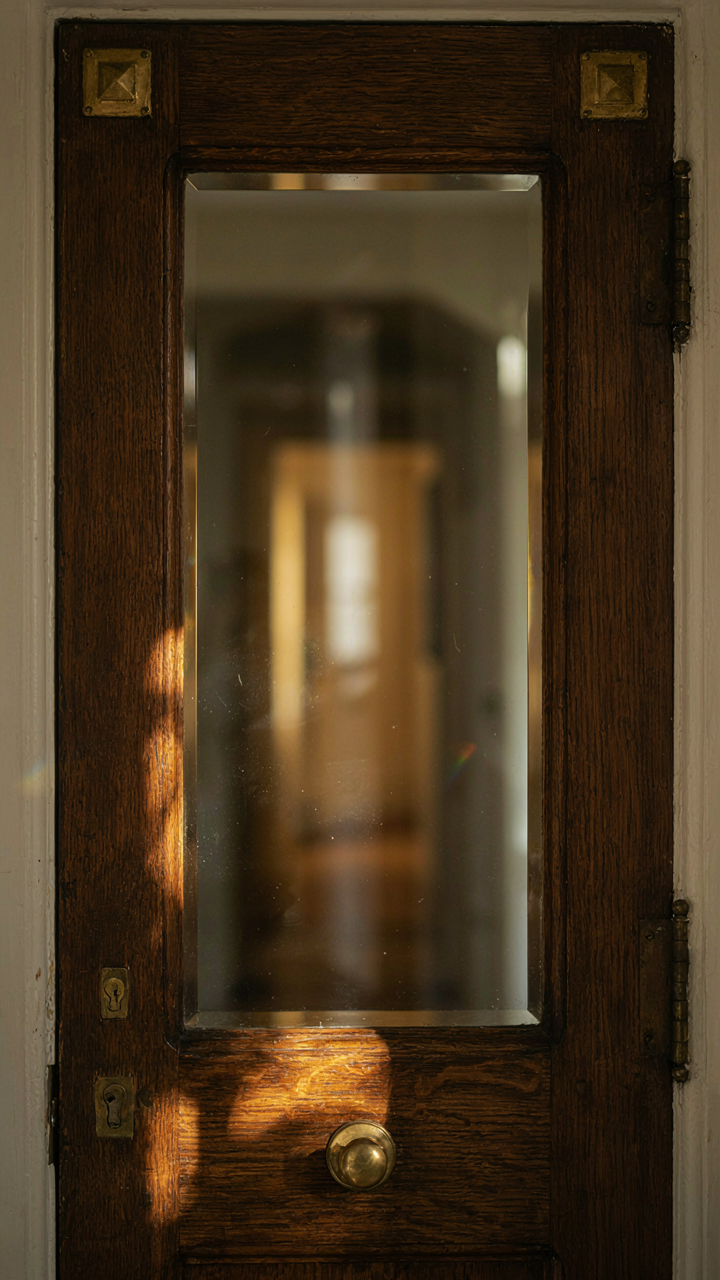
You want people to know you didn’t cheap out, and you’re right to care about that because material selection is the mechanism that separates a craftsman door from a generic one. Wood species, glass type, and hardware composition don’t just look different—they perform differently and decay at different rates. Hemlock, fir, and mahogany each have distinct grain patterns and weather resistance profiles. The wood you pick becomes the visible proof that someone made deliberate choices instead of following a template.

Glass thickness and frame joinery amplify that signal. Thick, beveled glass costs more because it requires precision manufacturing, and that extra cost gets noticed on a subconscious level. The mortise and tenon joinery holding rails to stiles either shows craftsmanship through clean joinery lines or reveals cost-cutting through visible gaps that expand and contract seasonally. Material choices dictate perceived value because they dictate actual durability.
Glass Patterns: Privacy Meets Light Strategy
Nobody talks about this plainly: most glass patterns are a compromise disguised as a design choice. You either want privacy or natural light—rarely both equally—and the grid pattern you select determines which one wins. Economical advice says “choose what looks good,” but that ignores the engineering reality. A dense grid of small panes blocks more light and offers more privacy. Large panes flood the entry with daylight but expose interior sightlines completely.
The real decision protocol requires naming your priority first. If the entry faces a street or close neighbors, dense grids like 15-light or 18-light configurations reduce sight angles into the home while still admitting ambient light. If your entry faces a garden or private courtyard, 1-light or 3-light patterns maximize illumination. Specify the glass pattern based on sight lines and solar orientation—not aesthetics alone—and you’ll avoid the regret of choosing blinds permanently.
The Integrity Index: Decoding Craftsman Doors Exterior Front Entry
What Real Craftsmanship Actually Looks Like
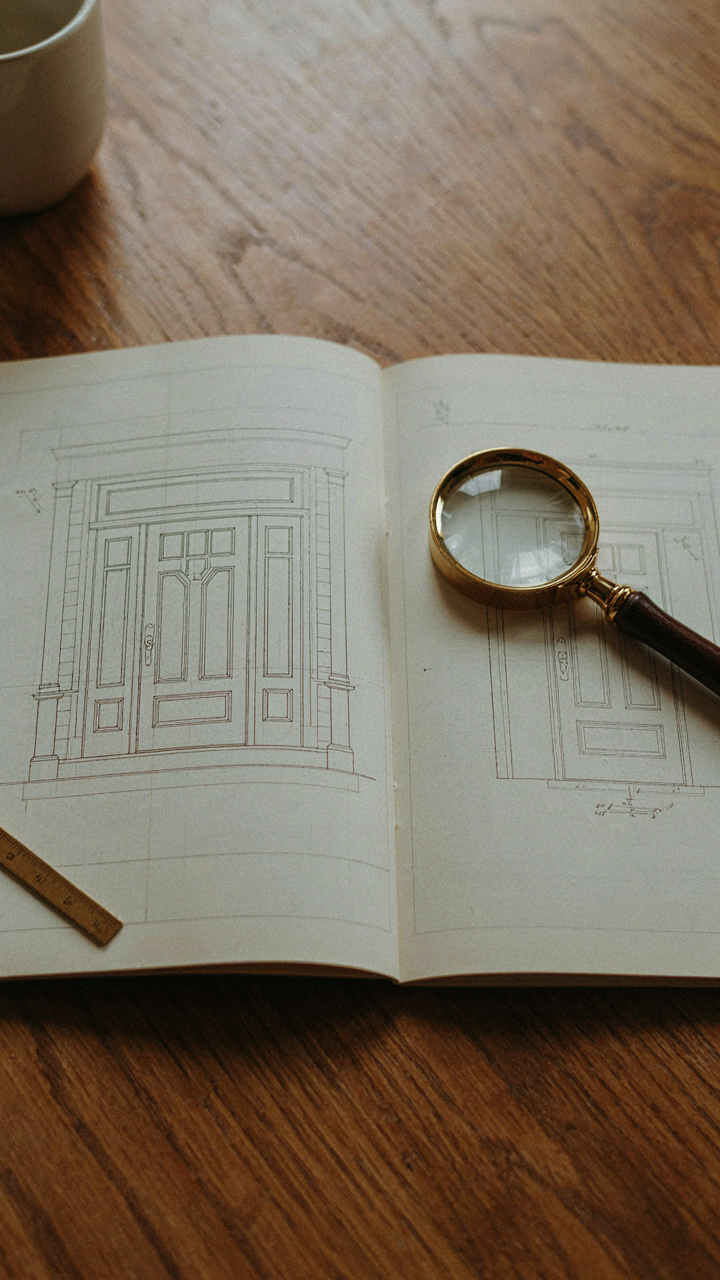
You want to know you’re not getting scammed. That’s the real reason you’re reading this. The mechanism separating authentic craftsman doors from mass-produced fakes is material consistency and joinery visibility. Genuine craftsman doors expose their joints because the builder trusts the construction method itself. The frame connects to the panel without hiding the connection under trim or filler. You see how it’s made because the maker has nothing to hide.

Borrow from structural engineering: load paths. In a craftsman door, the wood grain direction, mortise and tenon joints, and frame thickness all follow a deliberate load path from the hinge side down to the threshold. The wood doesn’t fight itself. Cheap reproductions reverse this. They use thin frames, hide joints under applied molding, and use wood species that shrink at different rates. Within two seasons, gaps appear at the corners. The door becomes honest about its dishonesty.
The Expensive Shortcuts Nobody Admits
Everyone says “check the hardware” and “look at the glass detail.” That’s incomplete advice. The real tell is what the manufacturer decided not to spend money on: the back of the door. Genuine craftsman doors finish the rear frame with the same attention as the front. This costs more. It solves a problem nobody talks about: wood movement. When both sides of the frame weather identically, the door stays square. Builders know this but rarely mention it because it doesn’t show in photos.
The second shortcut appears in the rail and stile dimensions. A real craftsman door uses frame members thick enough to support mortise and tenon joinery without failure. That usually means rails and stiles at least one and three-quarter inches thick. Production doors often go thinner, compensating with corner blocks glued and screwed underneath. The screw heads eventually work loose. The glue eventually fails. When you run your hand along the inside perimeter of a door, you should feel no gaps, no glue squeeze-out, and no hardware installed to hide a structural weakness.
Craftsman Entryway: The Psychological Gateway Protocol
First Impressions Work Because They’re Irreversible
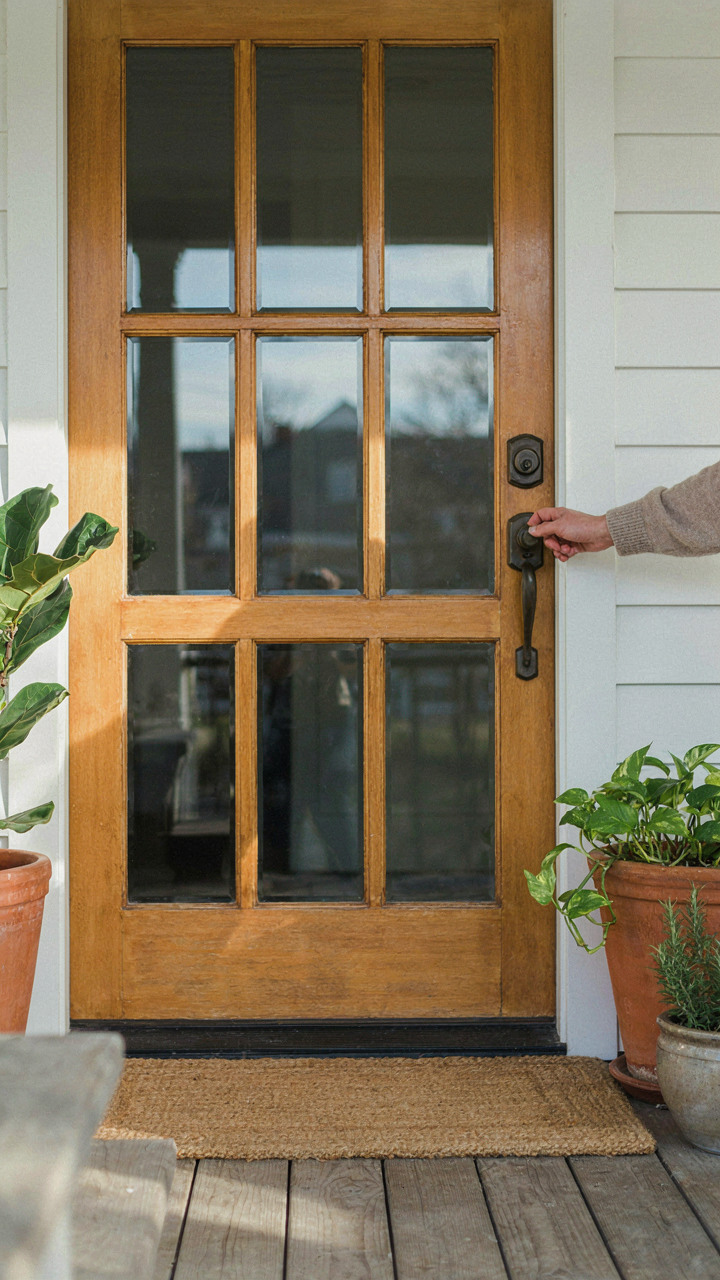
You care about this because you know a bad entry ruins everything else, and you can’t undo that judgment. The mechanism is simple: visitors form conclusions about your home’s quality and your taste in the first three seconds. A craftsman front door works because it signals intentionality. The design doesn’t whisper—it declares. Wood and glass in the right proportion tell visitors you chose this deliberately, not by accident or default. Cheap doors invite contempt. Thoughtful ones invite respect.

Craftsman doors succeed because they break from the hollow-core standard. The frame sits proud. Hardware carries weight. Glass panels frame views instead of hiding behind blinds. This isn’t luxury signaling. It’s competence signaling. Visitors unconsciously register the door’s solidity, the reveal of the jamb, the proportions of the sidelights. These details compound into a single conclusion: someone built this right. That conclusion transfers to every room beyond it.
Threshold Dynamics And Spatial Pressure
Fluid mechanics teaches that flow accelerates when passage narrows and decelerates when it expands. Apply this to your entryway. A cramped, unclear threshold creates friction. A clear, proportional one invites movement. The craftsman door manages this through geometry. The frame width, the glass panel divisions, and the hardware placement all work together to define the threshold as a deliberate zone, not an accident. A 36-inch opening with proper reveals reads generous. The same width without them reads tight.
Entry flow fails when visitors hesitate. Hesitation means confusion about where to step, where to look, or what comes next. A craftsman door eliminates that hesitation by being unambiguous. Divided lights guide the eye. Proportional reveals signal “enter here.” The transom above, if present, tells visitors the ceiling height before they cross the plane. The result is fluid movement instead of awkward pausing. When a guest moves smoothly through your threshold, the entire home feels intentional by comparison.
The “Sidelight & Transom” System: Amplifying Your Craftsman Front Door
Light Control Without Sacrificing Privacy
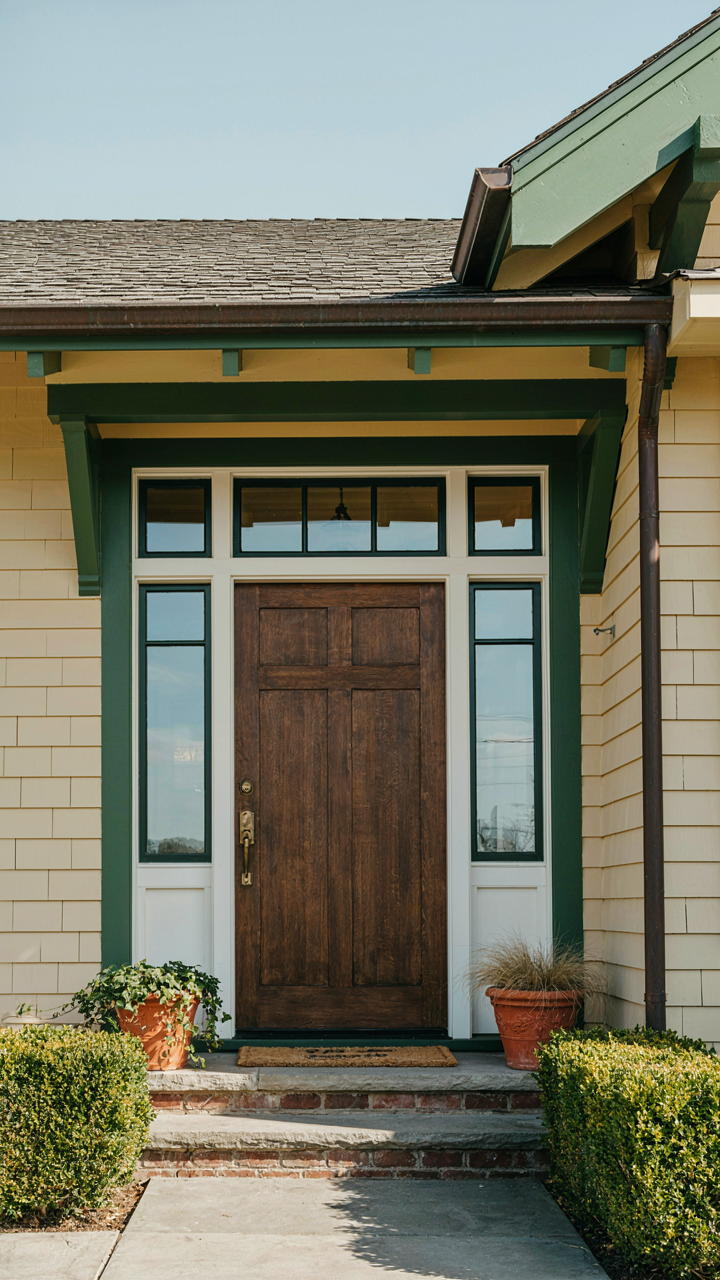
You want people to see you have taste before they step inside. That’s the real reason sidelights and transoms matter to you. The mechanism is simple: they manage daylight entry while keeping the door itself narrow and structurally sound. Craftsman doors typically measure 36 to 42 inches wide. Adding glass panels to the sides and above distributes visual weight horizontally, making the entry appear larger without widening the actual door frame.

Transoms sit directly above the door, running the full width of the opening. Sidelights flank the door on one or both sides. Both serve identical optical functions: they multiply light penetration and create architectural rhythm without compromising security or insulation. The glass fills dead space that would otherwise sit empty, turning wasted geometry into a design asset. Your door stays the standard width. Your entry gains presence through frame multiplication.
Placement Determines Actual Impact
The positioning question everyone gets wrong is whether to add glass everywhere you can fit it. The answer is no. Your entry works as a hierarchy, not a gallery. The door itself must remain dominant. Sidelights work best when they’re narrower than the door, typically 8 to 12 inches wide per side. A transom should span the full entry width but remain shallow, usually 12 to 18 inches tall. This maintains visual priority on the door while the glass elements amplify context.
Asymmetrical placement breaks rhythm on purpose. One sidelight instead of two creates tension that reads as intentional rather than unfinished. Transoms work everywhere, but they deliver maximum effect on south and west-facing entries where sunlight exposure is constant. Consider your house’s orientation before deciding. If you’re installing on a north-facing entry, transom glass becomes a liability during winter, admitting cold air with minimal daylight benefit. Match placement to actual weather patterns and sun path, not just aesthetic preference.
Wooden Front Door With Transom Window: The Durability Fallacy
The Species Game That Isn’t What You Think
You want to believe a wood front door signals taste and permanence. Here’s the mechanism nobody states plainly: wood species selection is marketing theater masquerading as engineering. The door fails not because you chose the wrong species, but because you ignored installation and finish protocol. Mahogany, oak, and Douglas fir perform identically when sealed correctly. They fail identically when they’re not. Species choice is the variable people obsess over because it’s visible and easy to discuss. The actual variables, water intrusion and film integrity, are invisible and require attention.

The craftsman movement valued solid wood doors because they used them in climates where they worked and replaced them when they didn’t. Modern thinking reverses this. We spend research time choosing between wood types that cost ten percent different from each other, then install them wrong and wonder why they rot. Exterior wood performs on finish thickness and recoat frequency, not on whether the heartwood contains more tannins. Pick a species that matches your climate’s moisture profile, then execute the coating schedule. That’s the entire calculation.
When Maintenance Claims Become Expensive Denials
The common advice is that wood doors “require maintenance” while fiberglass “doesn’t.” This is incomplete and costly. Both require maintenance. A fiberglass door requires caulk reapplication and hardware tightening. A wood door requires finish renewal. The difference is timing and visibility. You see wood degradation because it’s happening on the surface. You miss fiberglass failure because the substrate separates silently inside the door structure. When you finally notice, replacement is the only option. Wood doors fail on schedule. Fiberglass doors fail on surprise.
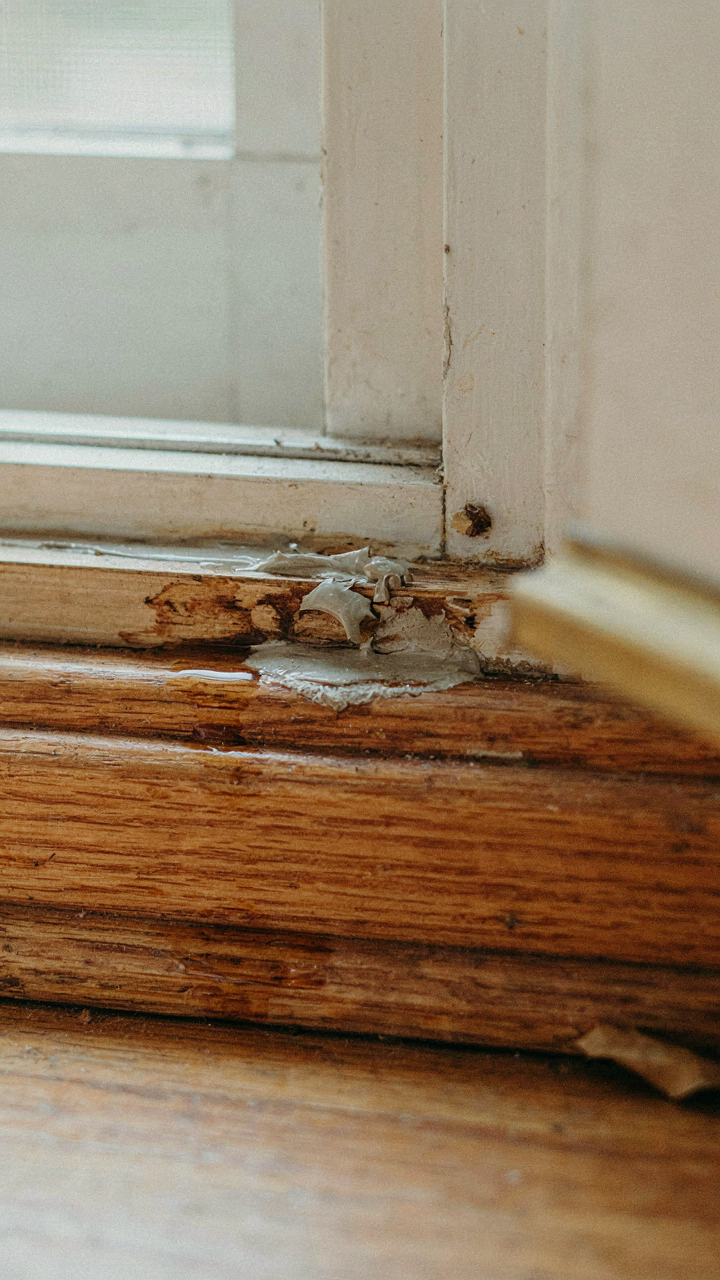
The recoat protocol for a wood door is every three to five years on the exterior, depending on climate exposure and finish type. This is not maintenance burden, it’s the cost of material ownership. A two-coat polyurethane finish lasts longer than single-coat lacquer or oil-based products. Water ingress happens through failed caulk first, not through the finish itself. Check your threshold and frame seals annually. If caulk cracks or peels, reapply before the finish fails. This prevents the compounding damage that makes people abandon wood entirely.
Craftsman Front Door With Sidelights: The Proportionality Principle
Door To Sidelight Width Ratios
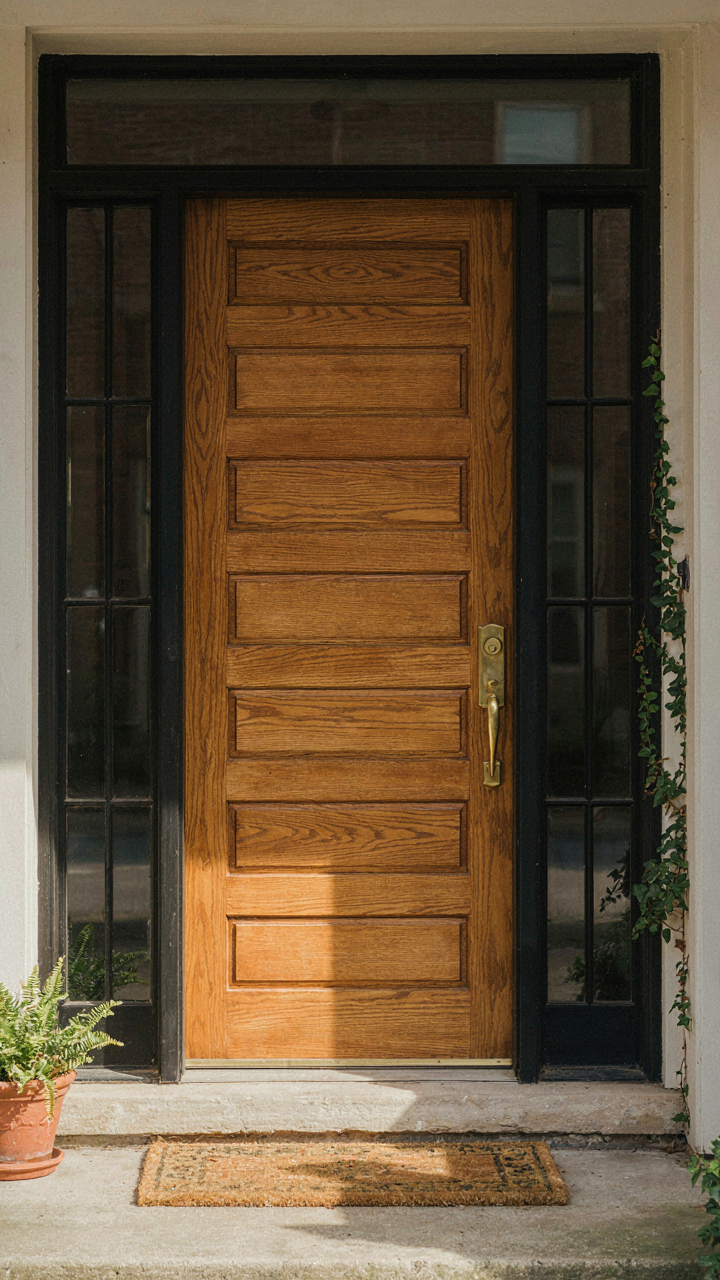
You want sidelights because they signal wealth and taste without saying it out loud. Here’s what actually matters: the craftsman front door demands specific proportional relationships to sidelights, borrowed from architectural load-bearing logic. The door itself should occupy 50 to 60 percent of the total opening width when flanked by equal sidelights. Narrower sidelights feel like an afterthought. Wider sidelights steal visual weight from the door and make the entry look diluted. This ratio isn’t aesthetic preference—it’s the visual equilibrium that the movement’s original designs maintained.

Craftsman builders worked with standardized frame widths and glass pane counts. A 36-inch door with two 10-inch sidelights creates the 3:1 proportion that reads as intentional. Deviate and you’re fighting optics, not nature. Measure your rough opening first, then design backward from door width. Never squeeze the sidelights because the framing lumber ran short. The entire entry loses credibility when proportions collapse. Establish your door width, then calculate sidelight dimensions to maintain that 50 to 60 percent dominance.
Visual Weight Without Visual Noise
The common advice says more glass equals more light and openness. That’s incomplete. A craftsman front door with sidelights risks becoming a chaotic grid if you don’t control the visual hierarchy. Limit your total glass segments to fewer than twelve panes across the entire assembly. The door itself should use most of that budget—typically eight to ten panes arranged in two vertical columns or a 3×2 grid.
Each sidelight should mirror or echo the door’s pane pattern, not compete with it. If your door has eight panes, each sidelight should have four. This creates rhythm without fracturing the view. Your eye moves across the entry as one unified surface, not three separate glass boxes. The muntins—the wood strips between panes—act as visual anchors that prevent the space from feeling scattered. Place them deliberately; they’re doing structural and aesthetic work simultaneously. Make the muntins match in width and profile across door and sidelights, then stop adding detail.
The Investment Fallacy: Why A Craftsman Style Front Door Isn’t An Expense
Long Term Value Beats Short Term Cost
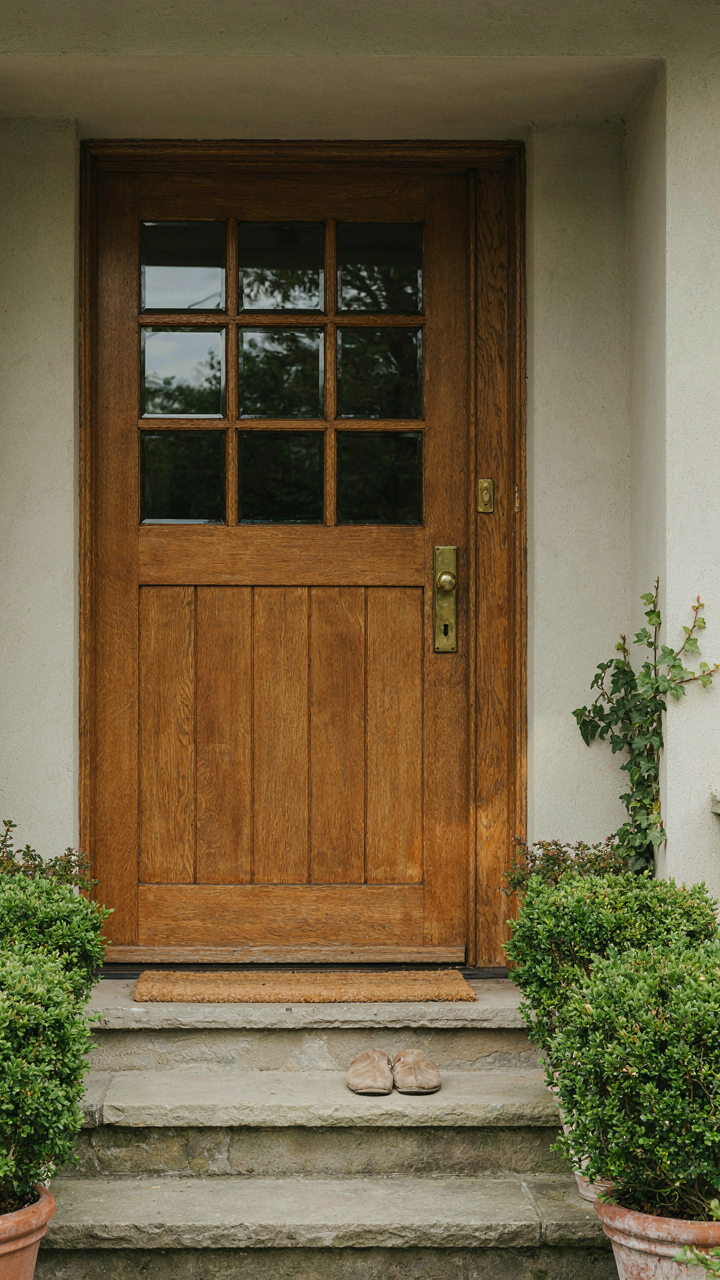
You’re worried you can’t afford it. That’s the real question hiding under this section. Here’s the mechanism: a craftsman front door operates like a bond in finance—you pay upfront for a stream of returns that compound over time. A quality wood and glass craftsman door lasts 30 to 50 years with proper maintenance. Mass-produced doors fail in 10 to 15 years. Over three decades, you’re replacing a cheap door two or three times while your craftsman door still functions. The per-year cost of ownership drops dramatically once you account for replacement cycles.

Most people calculate door cost by dividing the sticker price by years lived. They miss the total cost of ownership: installation labor, repeated replacement, paint or stain reapplication, hardware swaps, and the friction of project management. A craftsman door costs more upfront because the materials and joinery actually hold. The wood moves naturally with humidity. The joints stay tight because traditional mortise and tenon construction tolerates wood movement. Cheap doors use stapled frames and MDF that delaminate when moisture changes. You’re not paying for status. You’re paying to stop the replacement treadmill.
Resale Impact The Subtle ROI
Listing agents won’t mention this directly, so buyers don’t see it. A visible, quality front door influences buyer perception of entire property condition within the first 10 seconds. Craftsman doors with genuine glass panels and wood construction signal that previous owners maintained the house itself—not just cosmetics. Appraisers don’t line-item “good door,” but they do factor overall condition into property valuation. A craftsman door in visible decline pulls value down faster than most people expect.
- Buyer psychology at first viewing: Quality front door acts as a credibility signal for the rest of the property. Poor condition doors create suspicion about hidden deferred maintenance elsewhere.
- Appraisal factor, not line item: Doors influence overall condition rating. Better condition rating supports higher appraisal value across the property.
- Regional market variation: Craftsman architecture markets in the upper Midwest, Pacific Northwest, and Northeast show stronger ROI on authentic period doors than suburban markets built after 1990.
- Condition-to-price ratio: A well maintained original or replica craftsman door holds visual impact 25 to 30 years. Budget doors deteriorate visibly in 8 to 12 years, signaling neglect to buyers.
- Listing price justification: Homes with quality front doors support asking price better in competitive markets. Buyers use visible doors as one anchor for what “maintained” looks like.
Resale isn’t a 3 to 5 year hold for most homeowners. A craftsman door is visible for the entire ownership period. If you sell after 15 years, that door is either an asset or a liability in the buyer’s mind. Quality craftsman doors remain visually current because the design language hasn’t changed since the early 1900s. Trends don’t age craftsman doors the way they age trendy fixtures. When you’re ready to sell, your door doesn’t scream “outdated”—it signals stability and care. This isn’t emotional. It’s how buyers value what they see first.
Craftsman Style Front Doors Entrance: Beyond Trends, Towards Timelessness
What Actually Lasts In Design
You want to know which choices won’t look dated in ten years because you’re afraid of wasting money on something that becomes tacky. The mechanism is this: trends are consensus choices made during a specific economic and cultural moment. Craftsman design survived because it wasn’t a trend. It was a reaction against mass production that happened to align with how humans actually want their homes to function. The difference matters tactically. A trend obeys the moment. A design principle obeys material constraints and use patterns that don’t change.

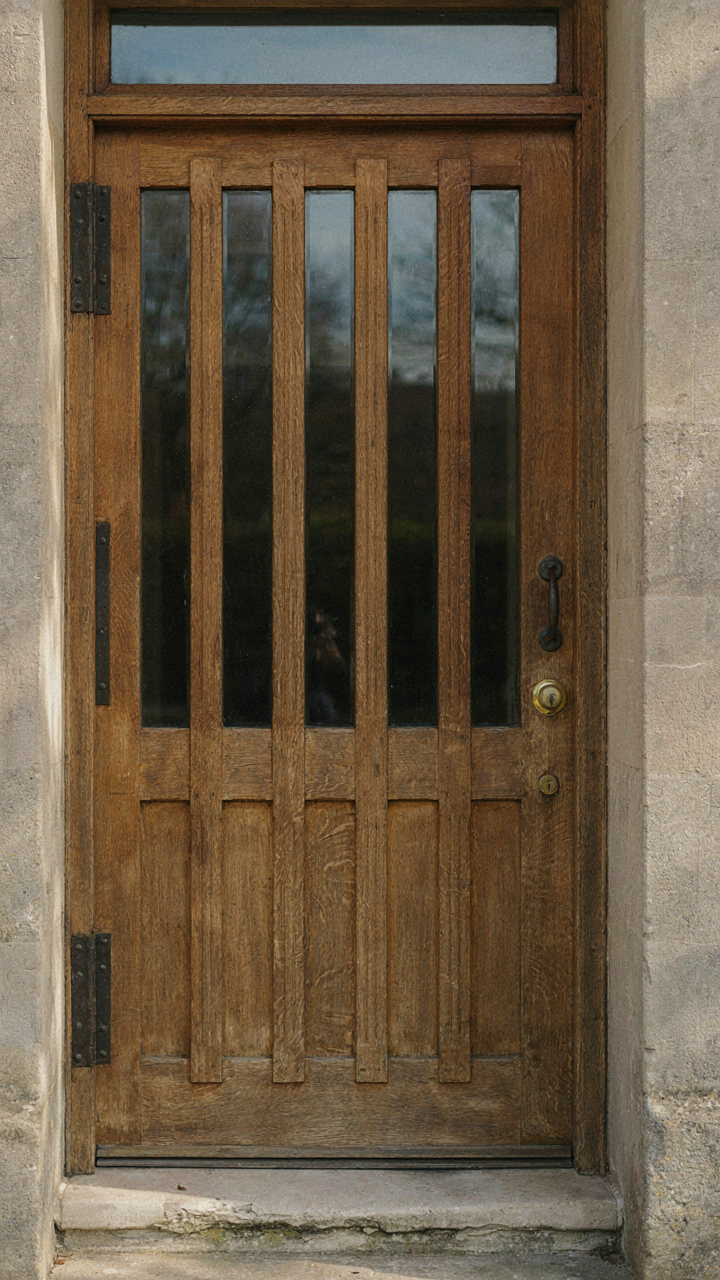
Craftsman front doors endure because they solve a real problem: how do you make a threshold that signals quality without depending on fashion cycles? Heavy glass panels, solid wood frames, visible joinery, and hardware designed for function all read the same way to the human eye regardless of the decade. Compare this to a door trend from 1995 or 2005. Those designs relied on proportions or color palettes that only made sense in their moment. Craftsman doors rely on the fact that people recognize good wood, authentic joinery, and honest materials. That recognition doesn’t expire.
The Architecture Of Preference
Neuroscience calls it the mere exposure effect. The more your brain encounters a pattern, the more it likes it. Craftsman doors have been present in American homes for over a century, which means multiple generations have internalized their proportions, their lines, their visual weight. Your preference for them isn’t random. Your nervous system recognizes them as safe and familiar because they’re everywhere in well-maintained neighborhoods and historic districts.
This creates a compounding advantage. You buy a craftsman door because it feels right. That choice reinforces the perception that it’s the right choice. Your neighbors see it. They internalize it. They want the same. Suddenly it’s no longer a personal preference but an environmental standard. The door doesn’t go out of style because the environment keeps validating it. The mechanism is pure: repeated exposure plus material authenticity plus functional honesty equals staying power. When you’re selecting a front door, choose something you’d still recognize as good quality in old photographs.
Your Door, Your Doctrine: The Unspoken Rules Of A Craftsman Front Door
Statement Over Entrance
You want people to know you have taste before they step inside. A craftsman front door isn’t furniture you buy because it’s functional. It’s a filter. It tells visitors whether you understand the difference between mass-produced and intentional. The mechanism is simple: materials and joinery communicate what you value before a single word is spoken.
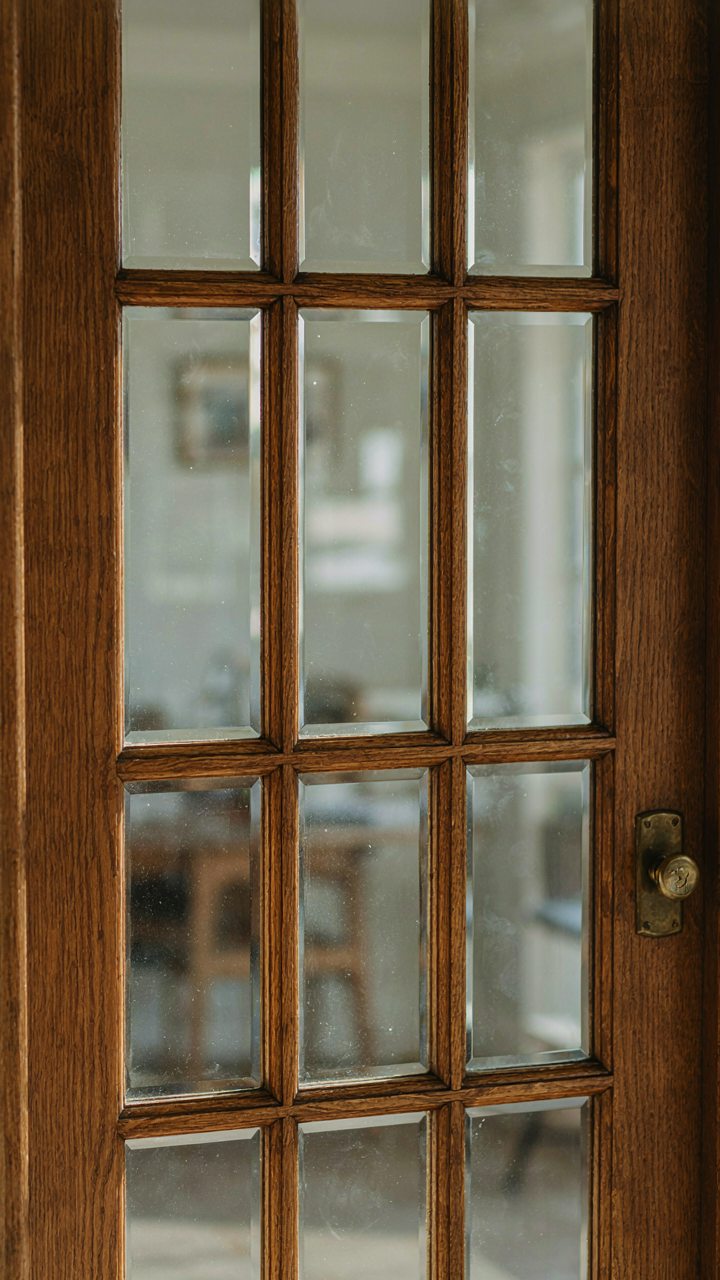
Craftsman doors work because they reject the shortcuts that define modern construction. Mortise and tenon joinery, quarter-sawn oak, hand-routed muntins, real glass lights—these aren’t decorative choices. They’re commitments to a building philosophy that says “things should be made to last.” The door becomes the physical manifesto of your standards. When someone walks up to a properly executed craftsman front door, they’re reading your doctrine about quality.
Confidence Through Irreplaceable Detail
Economics teaches us that scarcity creates value. Your craftsman front door’s signal power comes from the fact that most people will never own one like it. Mass production trains us to expect uniformity. A craftsman door rejects that entirely. The wood grain differs from panel to panel. The joinery is visible and individual. You can’t order this from a catalog and have it arrive identical to ten thousand others.
The real confidence signal isn’t in looking expensive. It’s in looking impossible to replicate at scale. Custom glass patterns, specific wood species, hand-finished details—these say you were willing to wait, to invest, to refuse the convenient option. People recognize that immediately. Install your craftsman front door as the final structural decision of your home’s exterior, not a last-minute selection. The specificity of what you choose becomes proof of your actual standards, not just your stated ones.
The Ultimate Obstacle: Conforming To Trends Instead Of Building Legacy

Most people buy the door everyone else buys. They want permission to pick what they actually like. Your craftsman front door isn’t a trend to chase. It’s a statement that you build things to last, not to look right this season. Stop asking if glass and wood combinations are “in.” Ask yourself what your home says about your standards. Today, sketch what your ideal entrance looks like without checking Instagram first. Your door either whispers that you follow, or it announces that you lead.



