
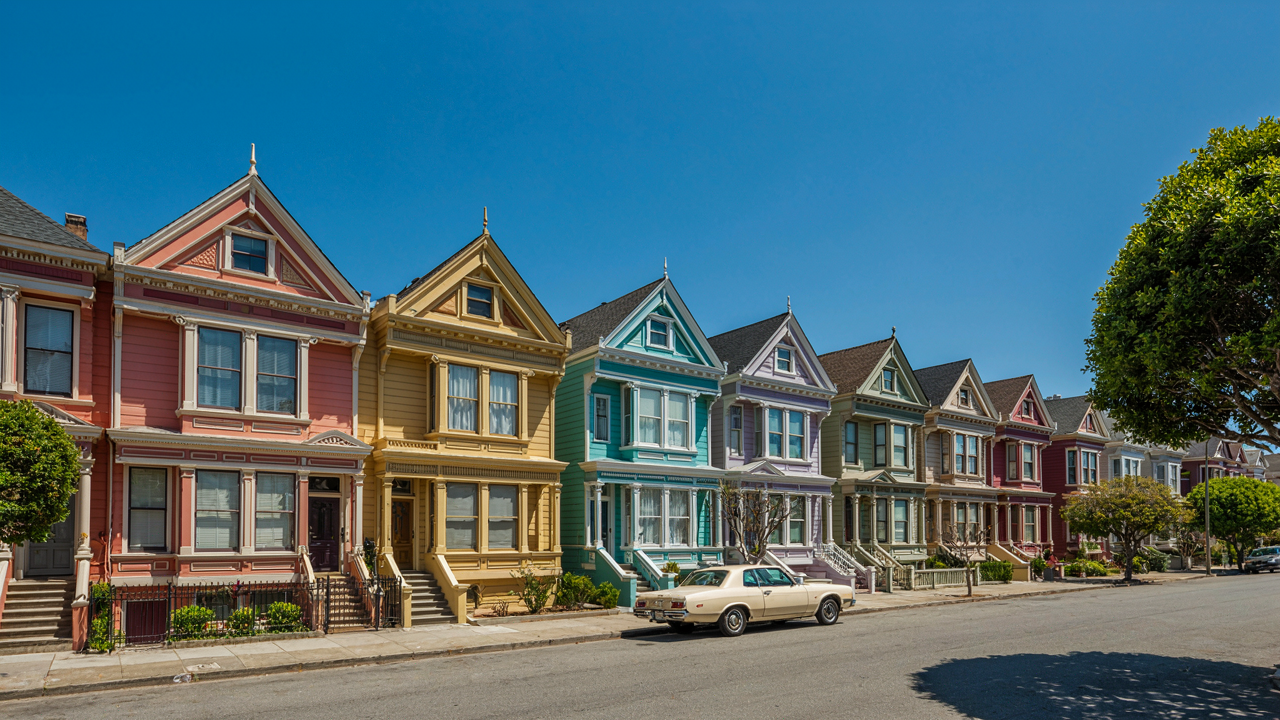
The Myth Of Superficial Charm: What Everyone Gets Wrong About Painted Lady Houses
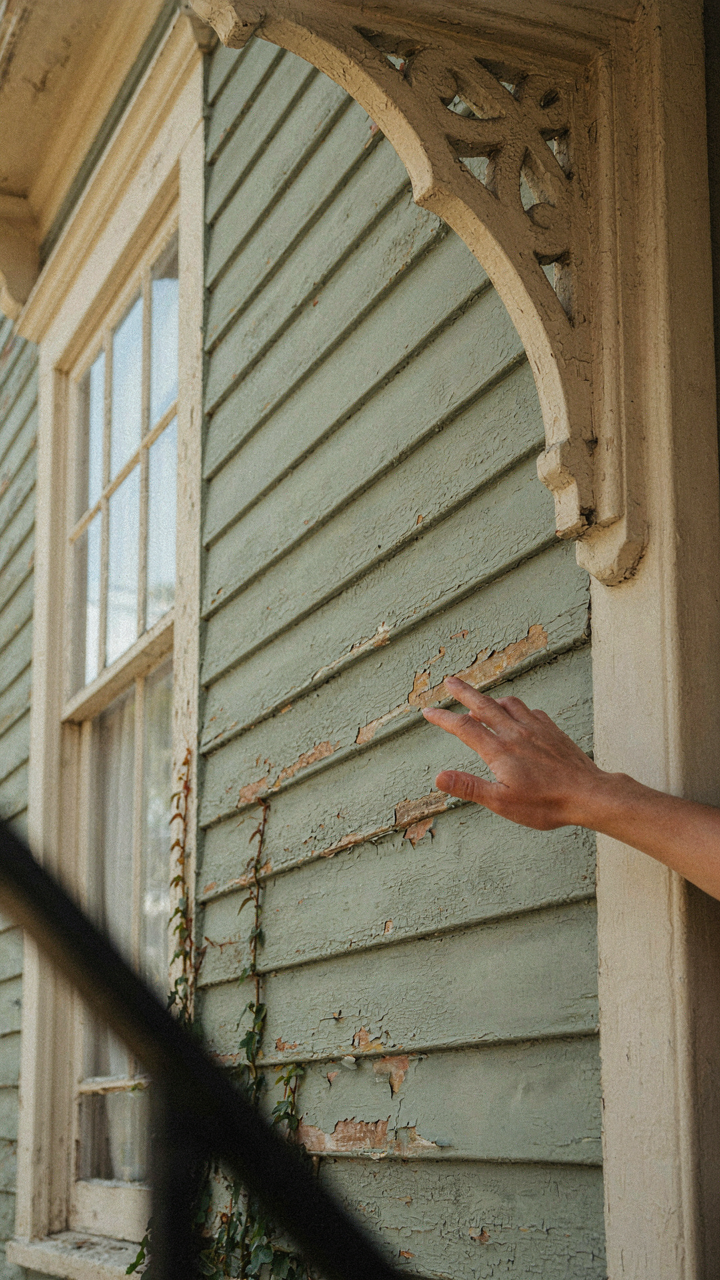
They’re Not Just Pretty
You want to believe painted lady houses are aesthetic choices—pure decoration that signals taste and heritage. They aren’t. Painted lady houses emerged from a specific economic and social mechanism: the need to protect wood from rot and weather damage in climates that destroyed unfinished structures within years. Victorians didn’t paint their homes in three or four colors because they felt artistic. They did it because multiple paint layers served as a practical defense system against moisture infiltration and structural decay. The color combination wasn’t arbitrary—it highlighted architectural details that justified the expense of construction and signaled wealth through material investment, not just visual preference.
The industry mythology around painted ladies strips away this functional logic. Most people think the colors are historically “correct” to the era, but Victorian homeowners chose their palettes based on available pigments, paint quality in their region, and what neighboring homes displayed. A painted lady house in San Francisco looked different from one in Boston for reasons tied to supply chains and local manufacturing, not some unified Victorian design doctrine. Paint wasn’t cheap. The number of colors on a facade correlated directly to a family’s ability to afford multiple paint jobs and maintenance crews. This is economics wearing a costume of aesthetics.
The Real Purpose Behind The Paint Scheme
Victorian homeowners used color as a legibility tool for class distinction, not self expression. Think of it using the framework of signal theory from economics: color communicated information about financial capacity and social standing to everyone passing by. A three or four-color scheme required hiring specialized painters, sourcing quality pigments, and scheduling regular repainting—all expensive propositions. A single-color house signaled either poverty or indifference. The Victorian elite painted lady house became the visible proof of disposable income in an era before electric signs or other forms of commercial status display.
The specific placement of colors mattered tactically. Darker tones on lower walls and trim protected against dirt and street mud. Lighter colors on upper sections and main wall faces caught light and reflected it, making the home appear larger and more valuable from the street. Paint served as both material protection and visual propaganda. Homeowners weren’t expressing personality—they were executing a calculated strategy to maintain property value, signal creditworthiness to lenders and neighbors, and establish territorial claim within the neighborhood hierarchy. The painted lady house was a working tool, not a canvas.
The Victorian Resilience Protocol: Enduring San Francisco Victorian Houses
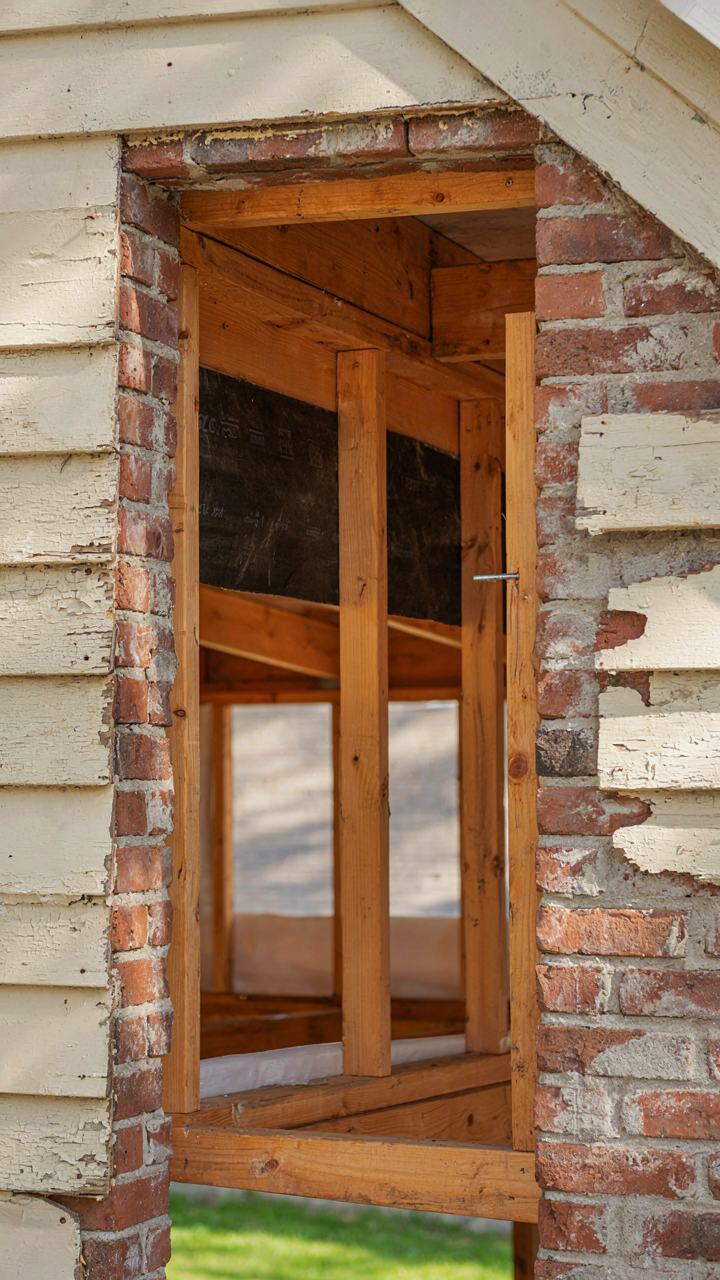
How Structures Survive Time And Weather
You want to believe your Victorian will hold up because it’s beautiful. The real reason these houses last is mechanical: they’re built with redundancy at every layer. Victorian construction uses a wood frame with balloon or platform framing, surrounded by masonry or wood siding that handles weather exposure while the inner frame stays protected. The design doesn’t depend on a single material to do all the work.

The key materials do specific jobs. Redwood and Douglas fir frames resist rot better than modern softwoods. Lime mortar between bricks stays flexible enough to move with thermal expansion without cracking like rigid cement does. Double-layered roofing systems shed water first through shingles, then through tar paper underneath. When one layer fails, the structure doesn’t fail with it.
Design Patterns That Outlast Trends
Evolutionary biology calls this “fitness through redundant traits.” Victorian painted ladies demonstrate this through their bay windows, which don’t exist for status alone. The bay window is a structural solution: it distributes load differently than flat walls, reduces stress concentration, and creates air gaps that slow moisture penetration into the frame. The form persists because the mechanism works.
Pitched roofs with deep eaves follow the same logic. Water runs off faster. Snow doesn’t accumulate against the wall. Attic ventilation channels moisture away before it reaches the ceiling joists. These aren’t decorative choices. They’re load-bearing decisions disguised as style. Builders in the 1890s didn’t understand thermodynamics the way engineers do now, but they built structures that naturally regulate temperature and moisture because they’d observed what failed. Replicate the material choices and proportions, and you replicate the survival rate.
The Aesthetic Algorithm: Decoding Colorful Victorian House Exterior
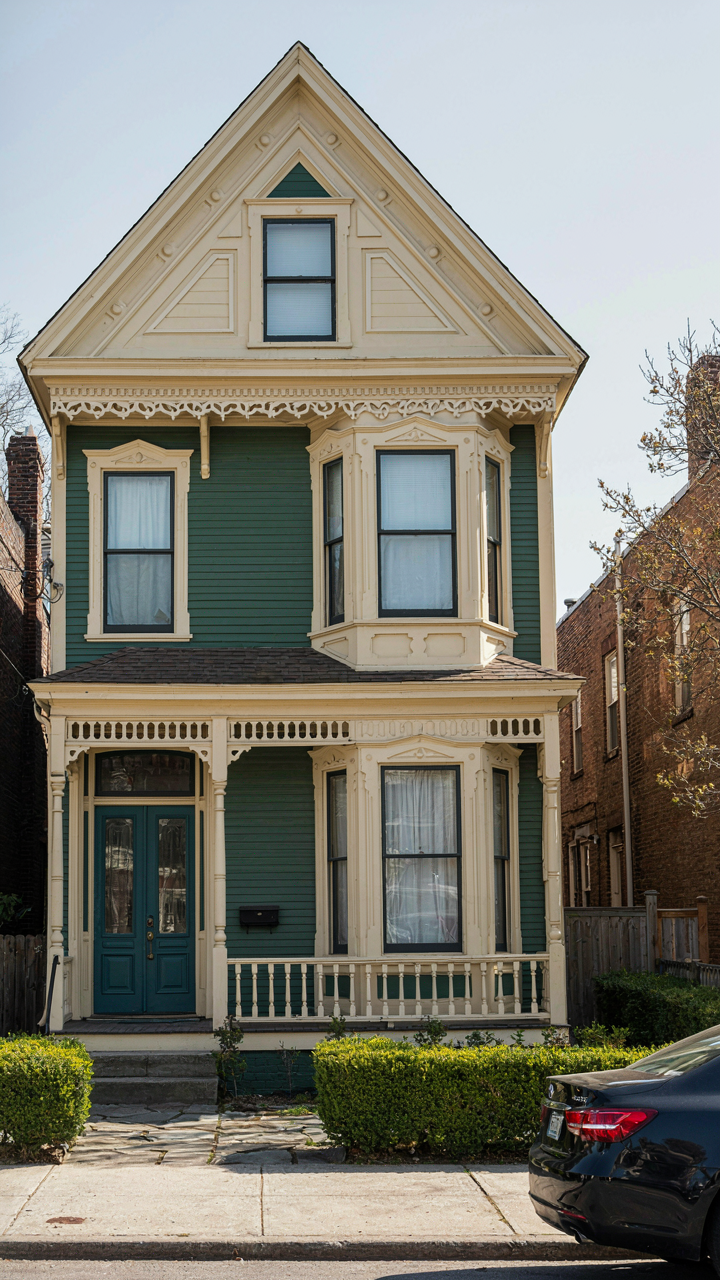
How Victorians Used Color As Urban Code
You want to know if painting your house in three colors makes you look tasteful or insane. The real mechanism is simpler: Victorians weaponized color contrast to signal wealth and education in crowded city blocks. During the Victorian era, aniline dyes made vibrant pigments cheap enough for mass production but still expensive enough to separate owners from renters. Color wasn’t decoration. It was legibility at fifty paces.

San Francisco’s painted ladies emerged from this exact logic. Building owners stacked contrasting hues on trim, body panels, and architectural details to create visual hierarchy. The technique amplified Victorian ornamentation that would otherwise blur together in urban density. Deeper colors receded, lighter ones advanced. This forced the eye to parse the building’s actual structure. The algorithm worked: more differentiated color meant more perceived complexity, which meant more perceived value.
The Real Neurological Price Of Saturation
Most advice about vibrant facades stops at “it catches attention.” That’s incomplete. The actual principle comes from perceptual psychology: saturation fatigue. Your brain treats high-saturation colors as urgent signals. Sustained exposure without relief triggers cognitive load, not delight. Painted lady houses avoid this trap through a specific mechanism: they use saturation strategically, not universally.
The typical painted lady deploys three to five colors with deliberate restraint. The base is usually a muted tone—sage, cream, or soft gray. Trim and accent colors are where saturation concentrates. This creates visual rest stops. Your eye lands on the high-saturation elements, then retreats to the base color to recover. The rhythm is deliberate. Without this pacing, even beautiful colors become noise. When selecting a palette, treat saturation as a finite resource. Spend it only on architectural elements you want to emphasize.
Beyond The Purple Victorian House Design: A Spectrum Of Identity
When Bold Color Stops Being Safe
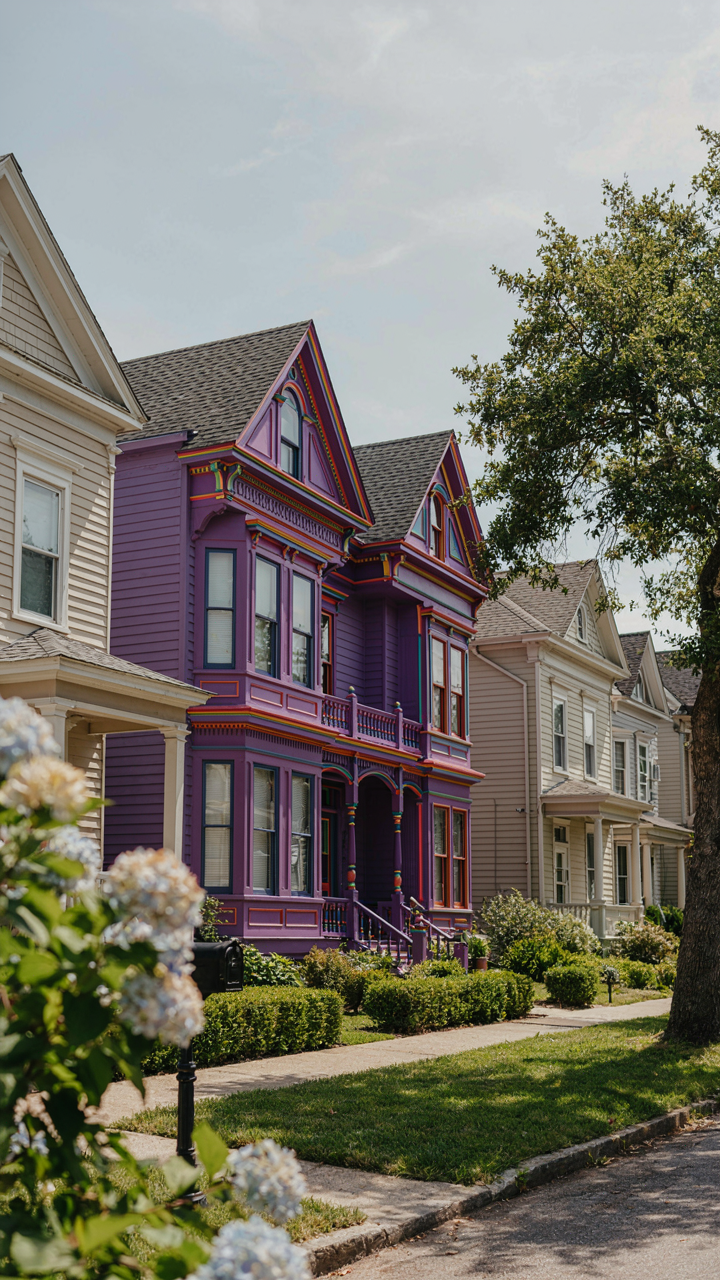
You want permission to paint your house a color that makes neighbors uncomfortable. That’s the real question hiding under all this. Painted ladies work because they exploit a mechanism from semiotics: the signal. A three-color Victorian doesn’t just sit there. It communicates ownership, deliberation, and refusal to blend. The original San Francisco painted ladies emerged in the 1890s when Victorians were being demolished or ignored. Owners painted them in contrasting palettes to stand out against fog and urban decay. Color wasn’t aesthetic luxury. It was visibility strategy.

The spectrum of bold color choices operates on constraint, not freedom. Most homeowners default to safe combinations: cream with two accent colors, usually deep reds or greens, because design guides repeat these formulas. But painted ladies actually used the full chromatic range available in period-accurate paints. Terracottas with sage and gold. Deep plums with mustard and cream. Charcoal with burgundy and pale pink. The constraint wasn’t the colors available. It was the owner’s willingness to commit to a choice that would broadcast itself every day.
Marking Territory Through Paint
Psychology has a term called identity signaling, and painted ladies are pure territory markers in architectural form. When you paint a Victorian in three bold colors instead of neutral tones, you’re executing a specific protocol: first, you reject the default aesthetic of your neighborhood; second, you declare the property distinct enough to maintain as a landmark; third, you accept that people will form opinions about your choices and you proceed anyway. This isn’t self-expression in the vague sense. It’s a calculated stand.
The mechanism operates in layers. A single bold color reads as bold. Two colors read as intentional. Three colors read as deliberate ownership. Every painted lady uses this gradient. The homes that hold their three-color palettes for decades are the ones whose owners understood they were making a permanent statement about their relationship to the street, the neighborhood, and conformity itself. You pick the colors first, then you commit to defending them, or you don’t paint at all.
The Human Element: Woman Painting As A Force Multiplier
Work Converts Intent Into Visible Outcomes
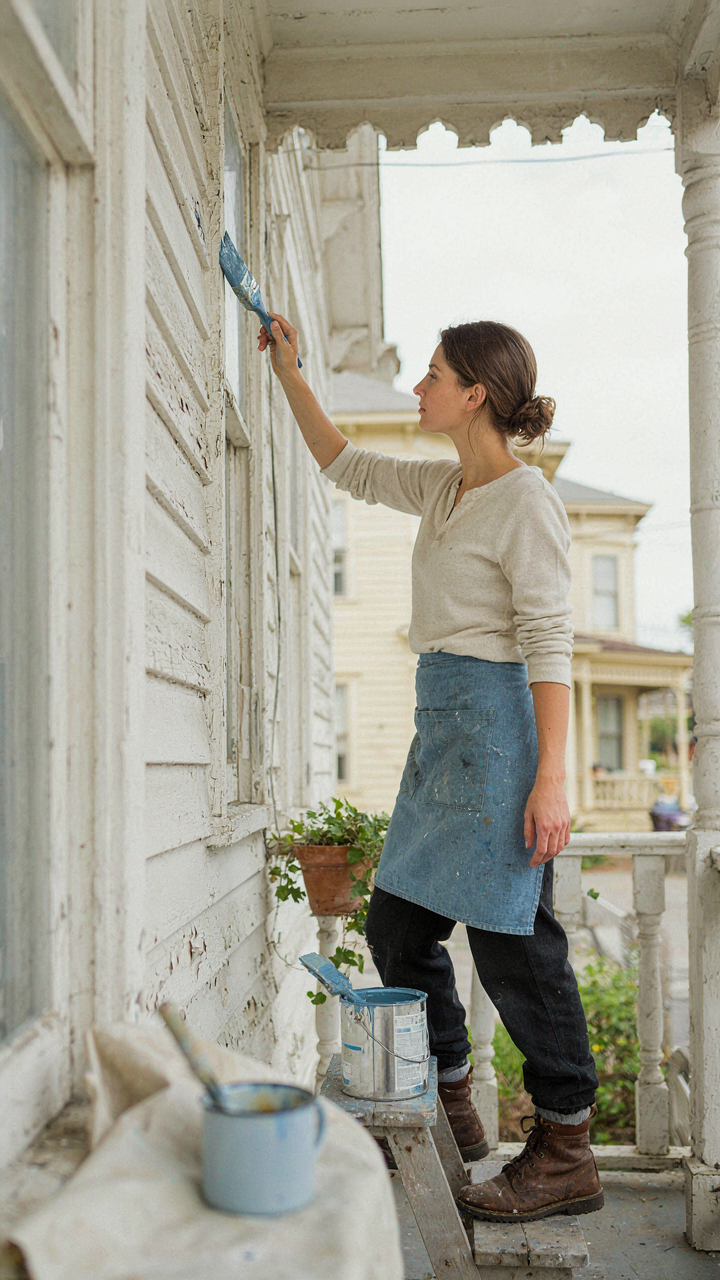
You want to believe painted lady restoration is about preserving history. It’s not. It’s about the fact that labor moves paint onto wood, and labor is the only variable that actually determines whether a house gets restored or stays faded. Physics calls this kinetic energy: force applied over time produces motion. In painted ladies, the force is human effort, and the motion is the transformation from neglected Victorian to showpiece property. Without someone actively moving a brush, no color scheme manifests. No vision becomes real.

The woman painting a Victorian isn’t just applying latex or oil-based enamel to clapboard. She’s converting intention into measurable property value and neighborhood perception. A single painter working systematically can transform a painted lady from invisible to magnetic within weeks. The house doesn’t change. The effort does. Most restoration conversations skip this entirely and jump to color theory or historical accuracy. They miss the engine: sustained application of skill and time.
Neighborhoods Reorganize Around Visible Care
Community restoration efforts don’t inspire people through inspiration seminars. They work because one restored house creates a visible standard, and standards cascade. When a painted lady on a street corner shifts from weathered to intentional, the property next to it stops being acceptable. Neighbors see proof that restoration is possible, not theoretical. This isn’t sentiment. It’s social proof operating as a mechanism for collective action.
A single volunteer-led painted lady project alters neighborhood economics and attention. Property values lift incrementally around restored Victorians. But the real multiplier is social permission: if one house owner invests in bold color and proper restoration, others stop seeing it as risky. The mechanism works faster than code enforcement or city initiatives ever will, because it operates through observation and imitation instead of mandate. Visible care spreads.
Colorful House Exterior: Investment Or Vanity Project?
Historical Preservation Returns Cash Flow
You’re asking this because you want permission to spend money on something impractical without feeling broke. Here’s what actually happens: economics treats restoration like capital allocation. A painted lady absorbs renovation spend the way a bond absorbs principal—the return comes through prevented depreciation and modest appreciation, not quick flips.

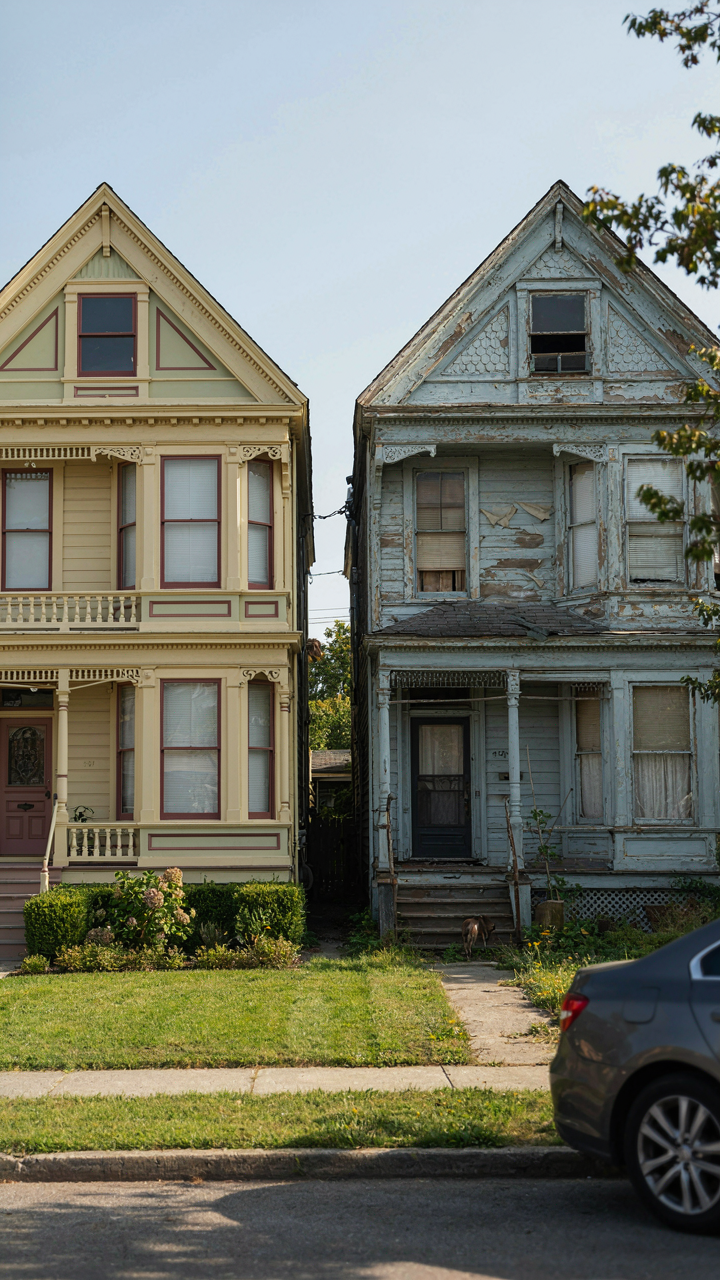
Properties that maintain authentic Victorian color schemes and exterior details experience slower value decay in neighborhoods where historical character drives demand. The mechanism isn’t magic. Buyers in these markets pay premiums for homes that require no immediate cosmetic work and signal that the owner maintained standards. A peeling exterior costs you 5 to 10 percent on resale in heritage districts. A restored one stops the bleeding.
Market Premium For Consistency And Maintenance
Unique homes don’t sell faster or higher because they’re unique. They sell because consistency signals competence. A well-maintained painted lady tells buyers the electrical, plumbing, and structure probably got the same treatment. Neglect compounds visually.
The practical edge: homes with period-appropriate exteriors in recognizable condition attract fewer price negotiations. Appraisers in historic zones reference comps that share architectural integrity. A painted lady in documented original colors or appropriate historical palettes becomes a comparable property faster than a house owners modified into something ambiguous. The payoff isn’t status. It’s reduced friction during sale.
The San Francisco Victorian Houses Paradox: Blending In By Standing Out

Distinctiveness Through Strategic Repetition
You want to know how to make your house memorable without looking like you’re trying too hard. The real mechanism is this: painted ladies became iconic not by being rare, but by being deliberately uniform within a specific aesthetic code.

San Francisco’s painted ladies follow strict color logic—typically three to five colors per facade, with darker bases and lighter trim. This constraint forced architects and owners into a narrow design lane. Within that lane, variation became leverage. A house with navy body, cream trim, and burgundy accents reads as “distinctive” precisely because it obeys the same rules as its neighbors while executing them differently. Distinctiveness requires a framework to deviate from.
When Context Determines Visibility
The role of context operates like signal-to-noise dynamics in information theory. A painted lady house isolated in the suburbs reads as absurd. The same house on Alamo Square reads as iconic because it sits within a coherent cluster of similar structures built across the same decades with the same materials and color discipline.
Most people think visibility comes from standing out. It actually comes from standing out in the right setting. The painted ladies on Postcard Row gained status because photographers framed them against the San Francisco skyline and identical architectural neighbors. Without that context, they’re just houses with multiple paint colors. With it, they become a brand. Your painted lady only commands attention if similar houses surround it, establishing the visual grammar you’re participating in.
Purple Victorian House With Rainbow: The Future Of Architectural Dissent
When Constraint Becomes Currency
You want permission to paint your house a color that breaks the neighborhood agreement because you’re tired of performing normalcy. Here’s the mechanism: painted ladies emerged not from artistic impulse but from practical limitation. In the 1890s, house paint came in earth tones by default. Adding multiple colors required buying separate pigments and hiring skilled labor. Only wealthy Victorians could afford it. The practice became a status signal disguised as aesthetics.

Today that signal flipped. Constraint lifted. Paint costs nothing. Labor is cheap. So now the rebellion isn’t adding color to a drab canvas—it’s choosing vibrant combination when beige costs the same. The future of painted ladies isn’t about reclaiming Victorian excess. It’s about recognizing that ornamental color now signals conviction, not wealth. Purple with rainbow trim means you decided to stand out when blending in was free.
Design Rebellion Requires An Audience First
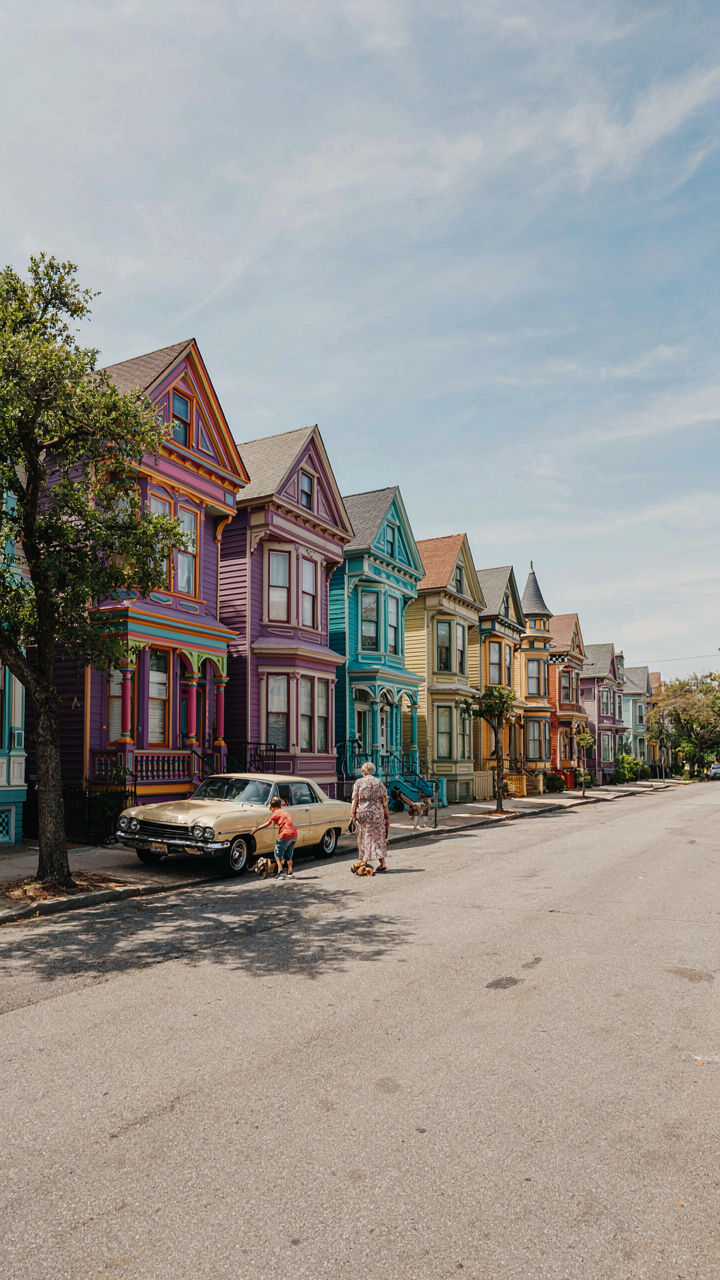
Borrowed from marketing, the concept of resonance threshold applies here: your bold exterior only disrupts if enough people see it. Painted ladies concentrate in specific neighborhoods—San Francisco’s Alamo Square, New Orleans’ Garden District—because clustering matters. A single purple Victorian on a block of gray colonials registers as eccentric. A street where half the houses break the chromatic code registers as a movement.
The mechanism is network effect. Paint your house rainbow in isolation and you absorb the social cost alone. But when multiple owners choose bold color, each decision validates the others. The neighborhood transforms from deviation to precedent. Future generations don’t ask permission to paint bold because the visual evidence already exists. They simply inherit the permission structure their predecessors built. To inspire future design choices, document and cluster your color choice with others making the same move in your area.
The Real Problem Isn’t House Color; It’s Your Fear Of Standing Out In A Beige World
Most people don’t paint their houses bold colors because they’re afraid of what neighbors think. That fear costs them daily. Painted lady houses don’t make neighborhoods worse, they make them honest. They say someone lives here who refuses to disappear into the crowd. Today, pick one exterior wall and commit to a color that actually excites you. Your house doesn’t need permission to be alive.




