
The Unseen Forces Shaping Prairie Style Interior

The Landscape Writes The Rules
You want prairie style because it feels timeless, but you’re actually responding to geography encoded into a design language. Frank Lloyd Wright didn’t invent horizontal lines—the flat Midwestern plains did. The mechanism is simple: form follows the dominant visual force in the environment. Prairie style emerged from Illinois and Wisconsin where the horizon dominates your field of vision. Low ceilings, deep overhangs, and extended horizontal sightlines aren’t aesthetic choices. They’re structural echoes of a landscape that has no vertical drama.
Wright studied this geography deliberately and built homes that made occupants feel continuous with their surroundings rather than imposed upon them. The horizontal bands of wood, stone, and glass don’t just look like the prairie. They train your eye to move the way the landscape moves. When you use prairie style interior elements, you’re importing that geographical logic into your space whether your actual environment is flat or mountainous. The horizontal proportion becomes the organizing principle that makes everything else cohere.
Where Light Actually Does The Work
The common advice treats light as decoration. Wrong. In prairie style, light functions like load-bearing structure in architecture—it carries weight and determines what people focus on. The overhang depths, ribbon windows, and material choices all exist to manage how daylight enters and moves through a room at specific times.
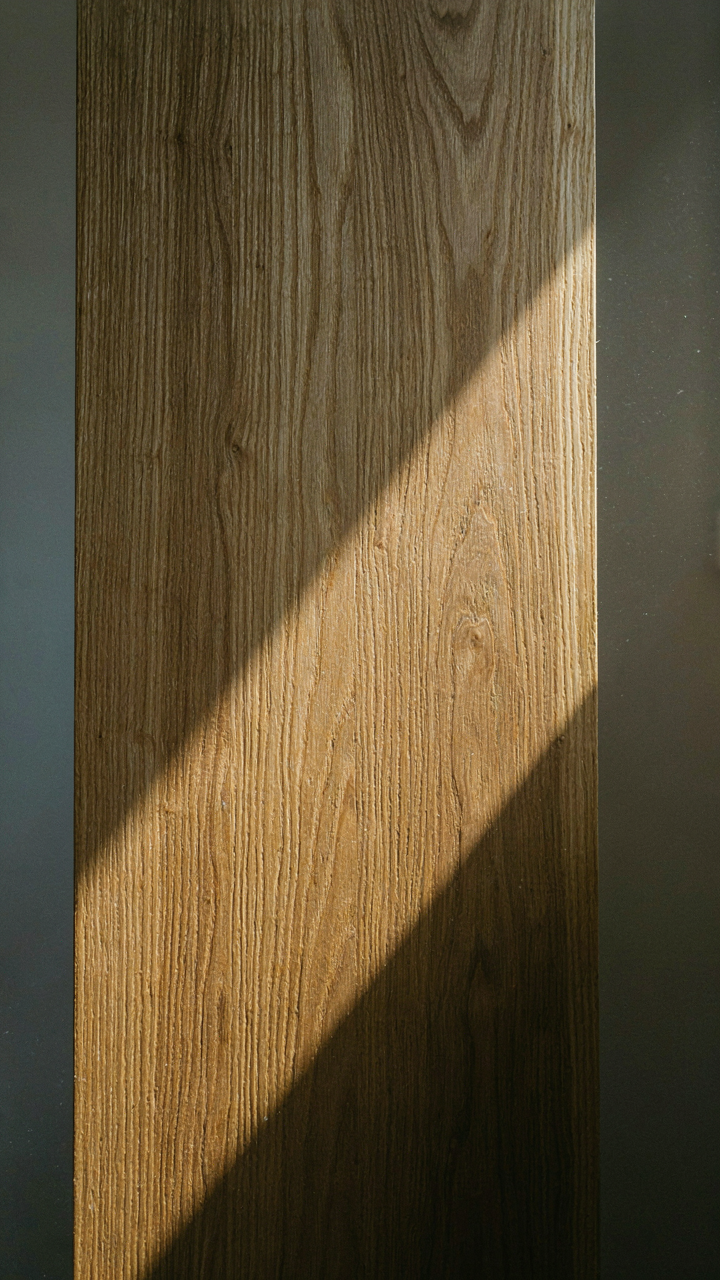
Wright positioned horizontal bands of windows to capture southern and eastern light while deep overhangs prevent harsh overhead sun from washing out the warm wood tones. This isn’t about mood or ambiance. It’s about controlling the visual hierarchy of materials throughout the day. When light hits quarter-sawn oak at a low angle through a clerestory window, grain becomes visible. That visibility is the design working, not a happy accident. Replicate this by positioning warm wood surfaces to receive directional light during peak occupancy hours, and ensure horizontal elements create shadow lines that accentuate depth and material texture.
Horizontal Lines: More Than Just A Look
Grounding The Space
You want horizontal lines because they make you feel in control of a room that could otherwise feel chaotic. That’s the real reason. The mechanism is anchoring: horizontal lines signal stability to your brain the same way a low center of gravity stabilizes a physical object. Frank Lloyd Wright understood this. Prairie style uses continuous horizontal bands—in woodwork, shelving, and sight lines—to root the eye and the body to the ground plane rather than let it drift upward.

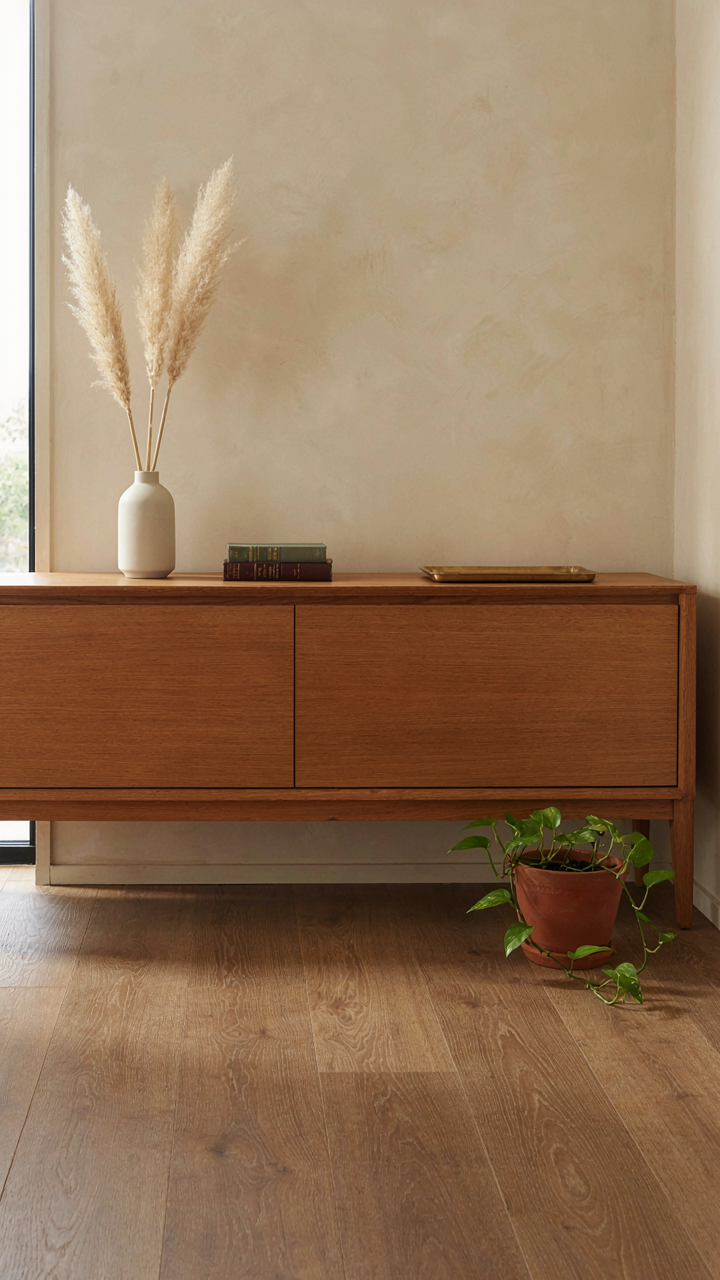
This grounding works because your nervous system reads horizontal as settled. A room with strong horizontal elements feels less anxious than one dominated by verticals or diagonals. In prairie interiors, this shows up as bands of dark wood trim running the perimeter, continuous shelving at consistent heights, and furniture that emphasizes width over height. The effect isn’t decoration. It’s a structural signal that tells your body the space is organized and safe to inhabit.
Visual Expansion Without Decoration
The common advice says horizontal lines make rooms feel bigger. That’s incomplete. Horizontal lines actually compress vertical height while extending perceived width, which is a different mechanism entirely. Designers confuse “feels spacious” with “looks bigger,” but prairie style solves this differently: it trades ceiling height for floor-to-wall continuity. Lower sight lines created by horizontal wood bands and furniture profiles keep visual weight at human scale, making the space feel intentional rather than cavernous.
When you run horizontal woodwork or shelving across a wall, you’re interrupting the eye’s vertical climb and forcing it to travel laterally. This lateral movement is what creates the expansion sensation, not actual square footage. In practice, this means installing chair rails, continuous wood bands, or shelving at consistent heights between 3 and 4 feet, matching the proportions Wright favored. The result: a room feels organized and proportional because the horizontal plane now defines the space rather than the walls containing it.
Warm Wood: The Structural Imperative
Wood As The Load Bearing Decision
You want warm wood because it signals permanence and taste without demanding explanation. But the real mechanism is structural: Frank Lloyd Wright used wood in prairie homes not for aesthetics but because it solved a material problem. In architecture and design, load-bearing capacity determines form. Wright needed horizontal spans without visible support columns. Wood allowed him to cantilever ceilings and shelving systems that made spaces feel weightless while actually distributing load across hidden beams and posts.

When you choose warm wood in a prairie-style interior, you’re choosing a material that performs compression and tension simultaneously. This isn’t decoration. The wood grain itself reveals growth rings, which indicate directional strength. Oak and walnut, Wright’s preferred species, provide both the visual warmth and the actual structural reliability to carry weight across long horizontal runs. Placing a solid wood beam or shelving unit isn’t about looks. It’s about making the load visible and honest, which is the entire point of prairie design.
The Trap Of Veneer And Finish
Most advice tells you to use wood finishes to create warmth. That’s incomplete. The problem is that veneer and surface stain hide the material’s actual capacity, making decoration dominate instead of structure. In prairie style, finish serves one purpose: it reveals the wood’s character and protects the grain, not masks it. You apply clear or matte finishes that show the wood’s natural color shifts, knots, and growth patterns. These details communicate that the wood is doing real work.
Apply finish strategically to horizontal surfaces first: shelving, mantels, tabletops. These are the planes that carry visual weight and actual load. Use oil finishes like tung oil or wax-based compounds that darken wood gradually and reveal grain texture. Never use high-gloss polyurethane on structural wood planes in prairie interiors, it flattens the material and reads as protective coating rather than honest material expression. The finish should disappear into the wood, not sit on top of it like a skin.
Built In Furniture: The Spatial Efficiency Protocol
When Walls Become Storage
You want built-ins because you’re terrified of looking cluttered. That’s the real reason. The mechanism is simple: built-in furniture eliminates the visual noise of freestanding pieces by anchoring storage directly into the architectural frame. Prairie style embraces this ruthlessly. Wright and his contemporaries understood that a room without visual clutter reads larger, moves faster, and feels intentional. Built-ins force you to commit to what stays and what goes. There’s no hiding behind moveable pieces.

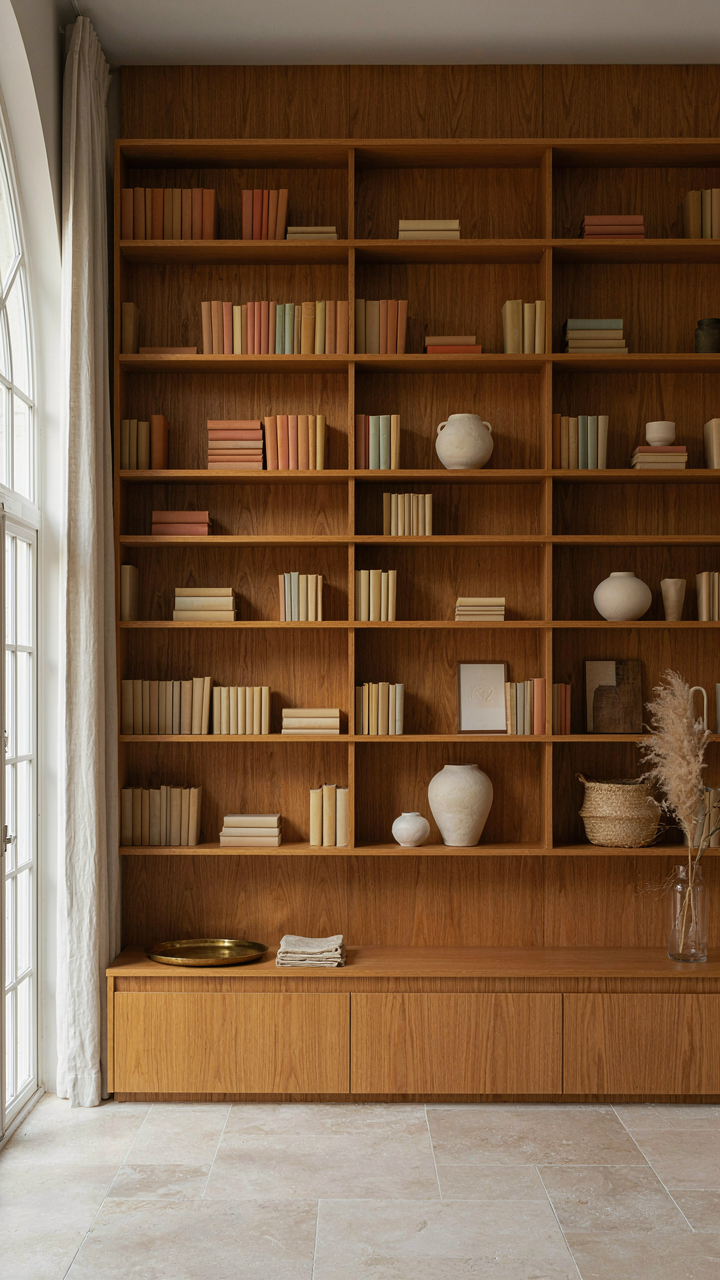
Horizontal built-ins amplify the prairie style’s core principle: the eye tracks along continuous lines. Shelving, cabinetry, and window seats that span wall-to-wall reinforce the geometry of the space itself. You’re not adding furniture to a room. You’re extending the room’s structure. The flow improves because people navigate around fewer obstacles. The visual weight distributes evenly instead of clustering in the center of the floor. This is efficiency, not aesthetics.
Form Solves The Inhabitant’s Problem
Biology teaches us that organisms adapt their behavior to available resources. Prairie style interior design flips this: the built environment adapts to how inhabitants actually move and live. Built-in furniture doesn’t demand compromise. A window seat with storage below solves three problems simultaneously: seating, insulation break, and hidden storage. A horizontal shelf system matches the depth people naturally reach. Cabinets at elbow height eliminate bending. The form follows the body’s operational needs, not a designer’s preference.
Wright measured spaces against human scale and function first. Built-ins in prairie homes were never decorative. They were solutions to real spatial constraints. A built-in desk eliminates the desk-that-doesn’t-fit problem. Low horizontal cabinets replace tall, space-eating dressers. The inhabitant experiences the room as more spacious because the built-ins integrate with the walls instead of competing with the floor plan. Integration is the protocol: every built-in must solve a specific inhabitant problem or remove it entirely.
The Prairie Style Interior: Beyond The Ornament
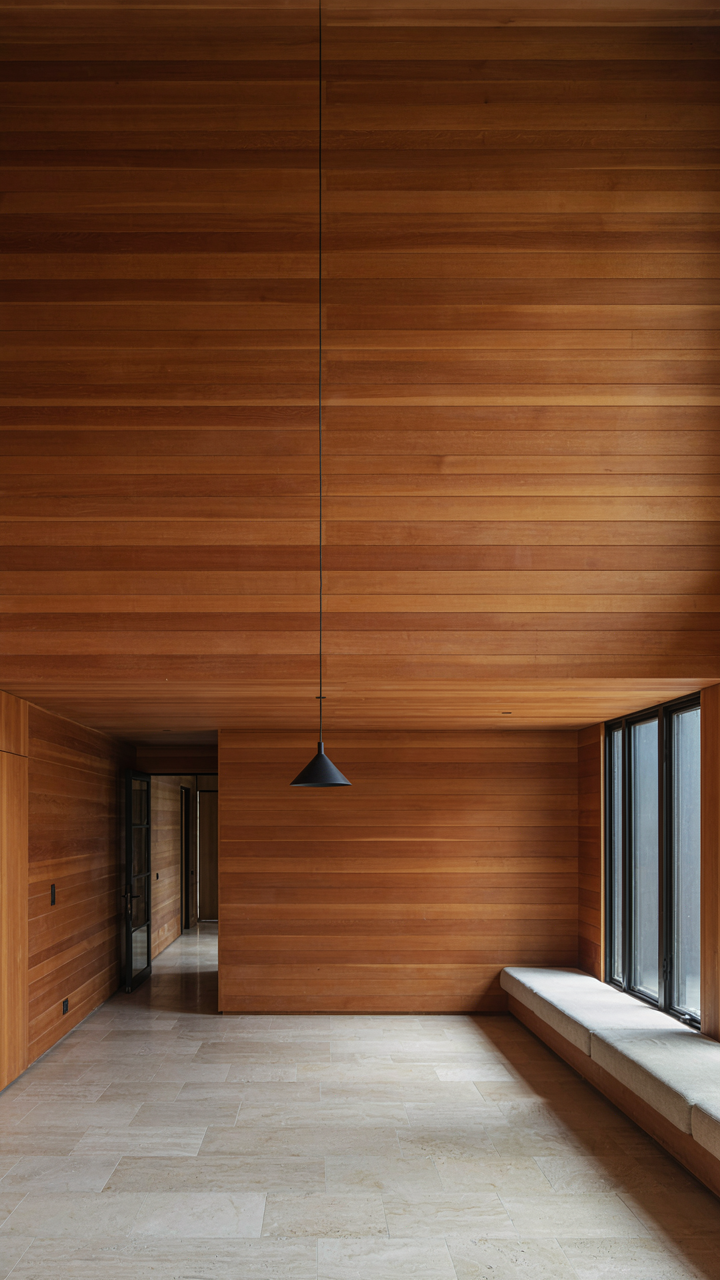
Ornament As Distraction, Not Design
You want permission to strip things down and call it sophisticated. The truth: most people use ornament as camouflage for weak structure. Prairie style rejects this entirely. Frank Lloyd Wright built on principles from architectural theory that emphasized form following function. Load-bearing elements and spatial flow are the ornament—the visual noise gets cut. A prairie interior doesn’t hide behind decoration because the bones don’t need hiding.

The mechanism is radical subtraction. Wright understood that every line should justify its existence through either structure or sightline. Decorative trim, applied molding, and pattern-work don’t appear unless they’re integral to how light moves through space or how a room’s geometry reads. Horizontal lines become the only visual rhythm you need. This isn’t minimalism dressed up in midwestern clothing. It’s restraint built on confidence that good proportion doesn’t require rescue.
Structure Becomes The Language
Utility isn’t a constraint on prairie design—it’s the entire vocabulary. Every shelf, every beam, every wall plane earns placement through functional purpose. Nothing appears for visual interest alone. This is the core difference between prairie style and other period interiors that add ornament after solving the functional problem. Here, function and form arrive simultaneously, inseparable from conception.
Built-in cabinetry, wood banding, and horizontal shelving systems don’t exist to look intentional. They organize living space while reinforcing the design’s primary visual gesture. A credenza isn’t decoration next to a sofa. It’s part of how the room breathes, how storage integrates into the wall plane itself. When you design a prairie interior, start with what the space must do. Let that need determine every material placement and sight line.
Integrating The Landscape: The Outside In Method

Windows As The Load Bearing Element
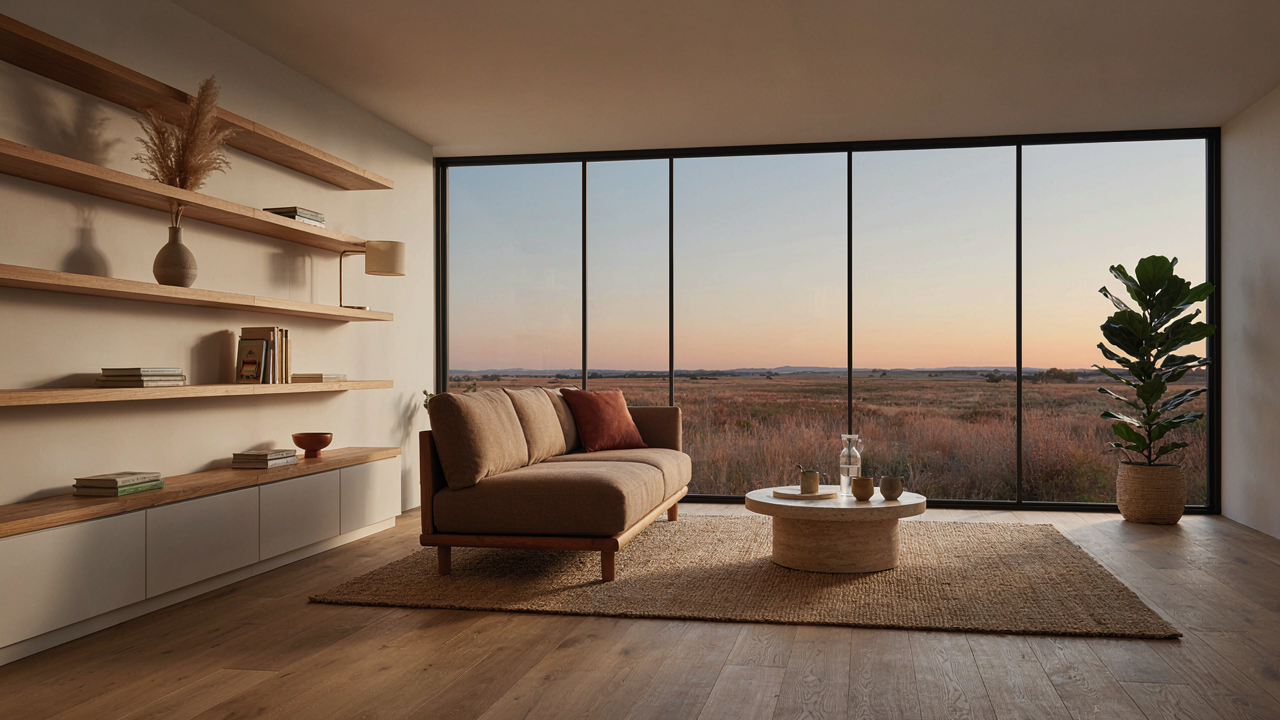
You want your space to feel bigger without admitting you’re compensating for square footage. Here’s what actually happens: in prairie style, windows aren’t decoration. They’re structural anchors that pull the landscape into the room’s visual hierarchy. Frank Lloyd Wright designed homes where the exterior vista became an interior wall. The mechanism is simple. Horizontal window bands—the signature prairie element—force your eye to track the landscape’s depth rather than the room’s boundaries. This creates cognitive expansion. The frame disappears when wood mullions align with sight lines and natural materials inside echo what you see outside.

Most people caulk windows shut and call it done. That misses the real work. Prairie style demands that your interior materials, proportions, and color palette respond to what’s visible beyond the glass. If you’re looking at prairie grassland, your floor tones and wood selection should reinforce that ochre and deep tan vocabulary. If trees dominate, your interior greens emerge from that reference, not from a designer’s mood board. The window placement determines which view dominates which room—this is a structural decision, not a decorative one. Position your seating and your longest sightlines to activate the strongest exterior elements. Weak windows kill the method entirely.
The Horizontal Line As Threshold Dissolving
Borrow a term from landscape architecture: the “sight line” operates as your room’s invisible boundary. Prairie style collapses this boundary by extending horizontal lines from interior trim directly into the exterior plane. The effect isn’t about prettiness. It’s about continuity. Your interior wood banding, shelving, and trim heights create a unbroken datum line that your eye follows from inside through the window and into the landscape. This single visual anchor rewires how you perceive the room’s actual dimensions.
The work happens in material selection and placement. Deep wood tones on interior horizontals must transition into materials visible from outside—deck rails, siding, stone—that share the same visual weight. Don’t change your interior trim color to something lighter because the room feels small. That breaks the sight line and kills the whole principle. Your horizontal lines are contractual agreements with the exterior environment. Keep them consistent in value and material expression from wall to glass to ground. This is the actual mechanism that makes prairie style feel grounded rather than confined.
The Frank Lloyd Wright Fallacy: It’s Not About Him
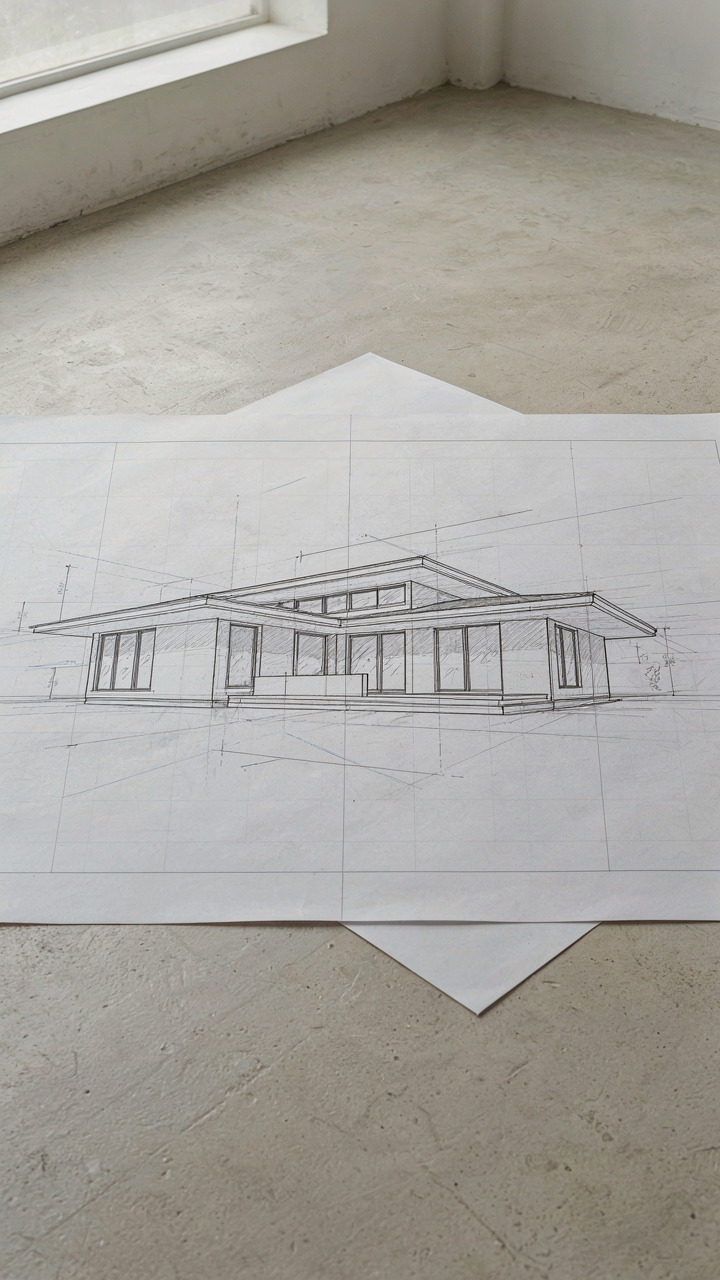
Principles Over Personality Cult
You want permission to use his name as cover for your design choices. Here’s the mechanism: prairie style works because of spatial logic, not because Wright invented it. The horizontal line extends sightlines. The warm wood grounds the space. The integration with landscape reduces visual friction. These operate independent of who designed the first house.

Wright codified what was already emerging in late 19th-century American design. He didn’t invent the horizontal emphasis or the connection between interior and exterior. He systematized them. The mistake most people make is treating prairie style as a historical artifact to revere rather than a set of operational principles to deploy. You don’t need to cite Wright to use his toolkit effectively.
Adapt, Don’t Imitate
The common advice is to recreate prairie style exactly as it appeared in 1910. That’s wrong. Wright designed for specific clients, specific sites, specific budgets that no longer exist. Imitating means you’ll miss the actual principle underneath: adapting the interior to the geography and inhabitant of your space.
Take the horizontal line. In Wright’s work it referenced the flat prairie landscape. In your space it serves the same function regardless of terrain: it creates visual continuity and lowers perceived ceiling height. Take the warm wood. It grounded his interiors because wood was abundant and structurally logical. Use it now because it absorbs light frequency in a way that cool materials don’t, creating a different nervous system response in the body. The material changes. The mechanism stays. Identify what principle solves your actual problem, then execute it with the materials and constraints you have.
Prairie Style Today: Not A Museum Piece
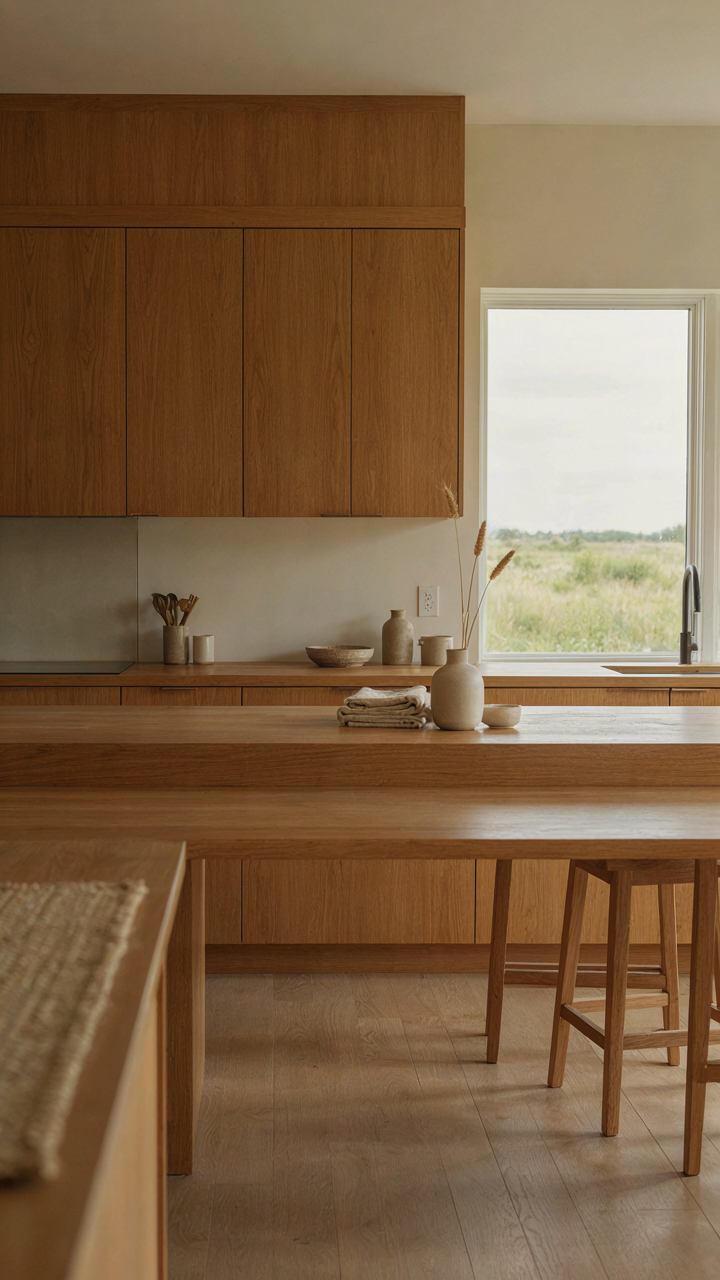
Why Prairie Style Still Works
You want permission to care about a century-old design movement without looking backwards. Here’s the mechanism: prairie style doesn’t date because it solves a real problem that hasn’t changed. Frank Lloyd Wright designed for horizontal sightlines and material honesty. Those aren’t nostalgia. They’re responses to how humans actually move through space and what materials actually do.

The horizontal line stays relevant because it controls visual weight. A room full of vertical emphasis feels chaotic. Prairie style anchors the eye at eye level, which is where you actually spend your attention. The warm wood palette works now because it reads as intentional restraint, not budget limitation. That distinction matters in how people perceive your environment.
What Actually Applies Right Now
The common advice is wrong: you don’t need to recreate a Wright house to use these principles. What you’re looking for is the mechanic, not the museum display. Prairie style’s real leverage today is compression and release. A long horizontal band of wood trim, repeated at mid-wall height, creates visual calm. Then you open the space above it for light and air. That compression-release pattern works in apartments, kitchens, and modern commercial spaces where historical accuracy would fail.
The warm wood doesn’t mean oak and mahogany. It means material consistency. One wood tone throughout, repeated in trim, shelving, and floor, creates coherence your eye actually tracks. Pair this with clean lines and zero ornament. The result reads modern because it respects the room’s geometry instead of fighting it. That’s the protocol: identify your sightline, run a horizontal element through it, keep materials unified, then test the visual weight before adding anything else.
Achieving Timelessness: The Anti Trend Strategy
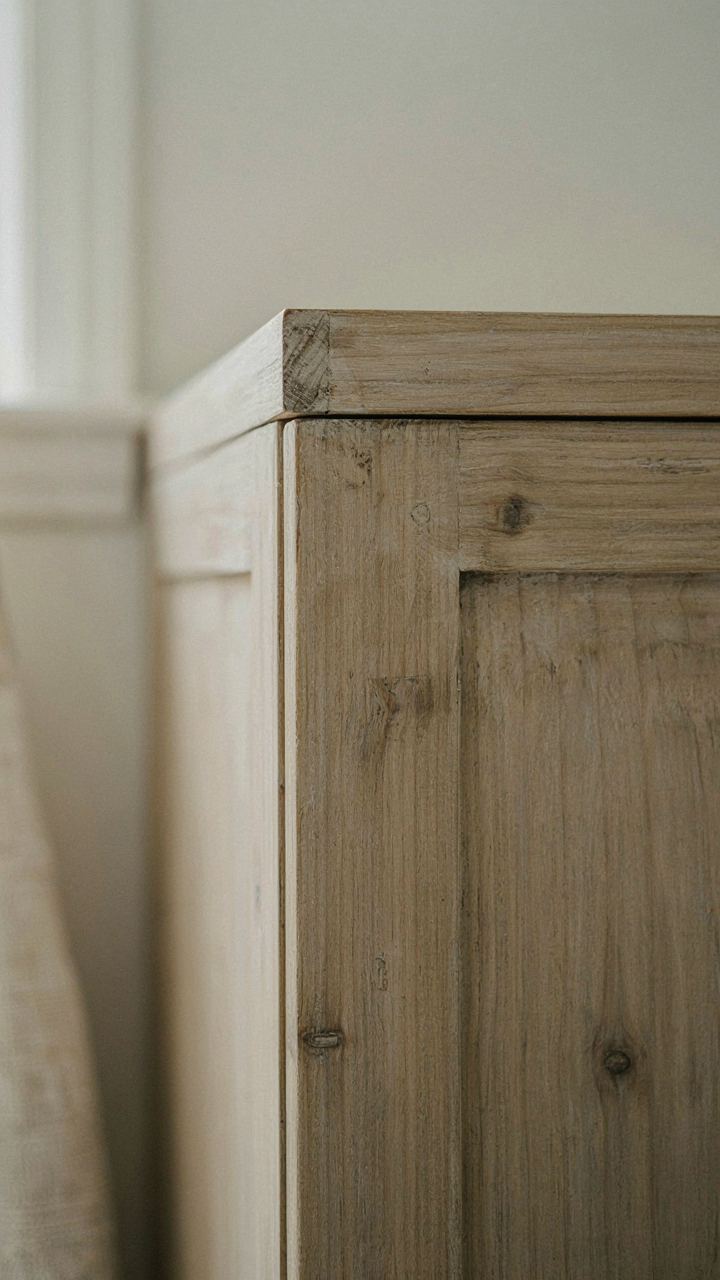
Build For Decades, Not Seasons
You want your space to feel current without looking dated in five years. Here’s what actually matters: prairie style endures because it anchors itself to structural principles, not aesthetic fashion. Frank Lloyd Wright didn’t design around what magazines said was in. He designed around horizontal planes, material integrity, and how light moves through a room at specific times of day. Those variables don’t change.

When you invest in a solid white oak built-in with true mortise-and-tenon joinery, you’re not buying a look. You’re buying a piece that functions the same way in 2025 and 2045. The wood ages. It develops character. It never becomes “wrong.” Compare this to veneer over particleboard, which delaminates and locks you into replacing the entire piece. One is a cost structure. The other is a trap disguised as affordability.
Ignore What Cycle You’re In
The common advice says “stick with neutral palettes” or “choose timeless colors.” That’s not wrong, but it’s incomplete and misses the real mechanism. What matters is material honesty, not color selection. A room painted in a trendy warm gray will feel dated the moment the trend rotates. But a room with natural wood tones, plaster, and stone doesn’t age because these materials carry their own visual weight independent of trend cycles.
Prairie style interiors resist obsolescence because they’re built on absence, not presence. They don’t rely on statement pieces or accent walls that scream “I was designed in 2024.” They rely on proportion, sight lines, and the integrity of materials showing their actual texture. When you decide to keep something, decide to keep the materials beneath it, not the styling on top of it.
The Essential Prairie Style Elements Checklist
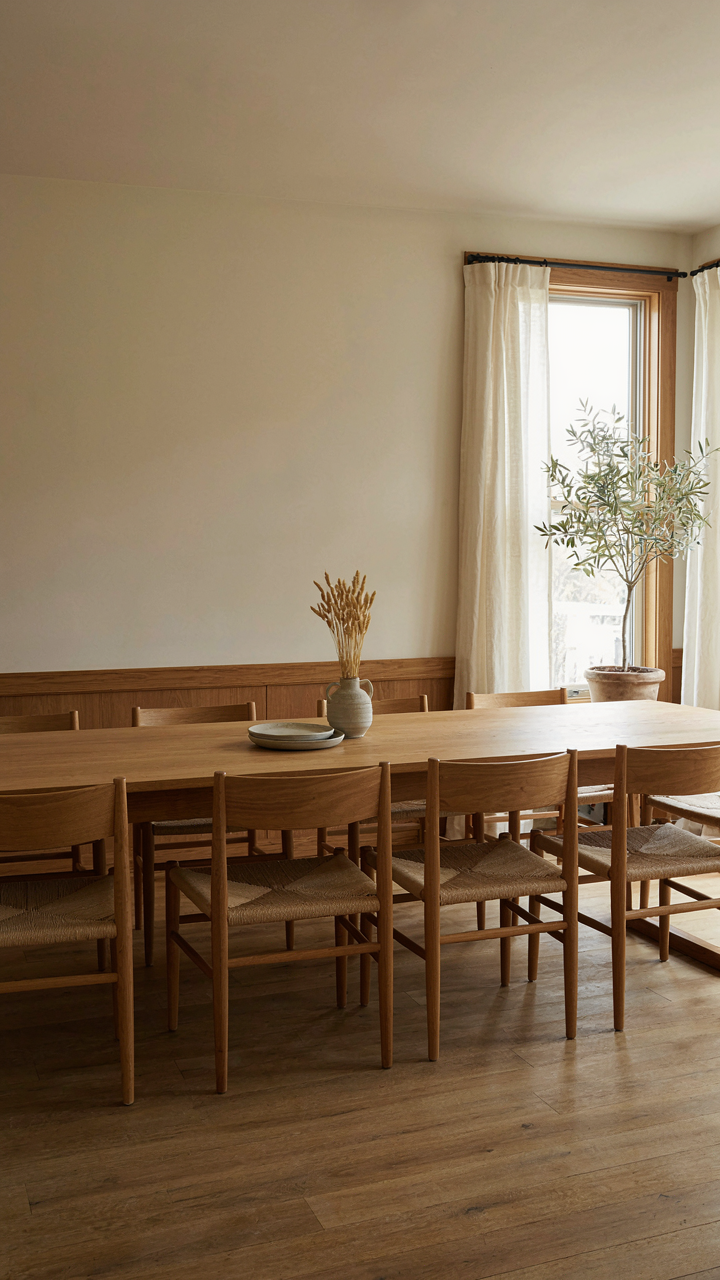
What Actually Matters To Build
You want this checklist because you’re afraid you’ll miss something and end up with a generic modern living room instead of something intentional. Here’s the reality: prairie style works through spatial composition, not decoration. Borrow from architecture’s load-bearing wall principle. The horizontal lines, low profiles, and bands of wood aren’t aesthetic choices—they’re the structure that makes the whole thing read as coherent.
- Horizontal emphasis in all geometry: Furniture, trim, shelving, and architectural elements must align to strong horizontal lines. This is the visual skeleton; everything else hangs from it.
- Warm wood as primary material: Oak, cherry, or walnut in natural or medium finishes. Not stained dark or bleached light. Wood carries the entire color and texture story.
- Low-slung furniture silhouettes: Seating, tables, and storage stay close to the ground. High-backed chairs and tall cabinets break the horizontal gesture and collapse the effect.
- Geometric art glass or windows: Prairie style integrated decorative glass into structure. At minimum, one focal window or glass-fronted cabinet with geometric patterns.
- Earth-tone palette with one accent: Cream, tan, ochre, and muted greens as base. One warm accent color (rust, deep gold, or bronze) appears in textiles or art.
- Integrated storage that doesn’t announce itself: Cabinetry, shelving, and built-ins blend into walls through horizontal banding and consistent finish with trim.
These six elements aren’t optional variations. Remove one and the space stops reading as prairie style and becomes vague mid-century furniture arranged in a room. They work because they reinforce the same visual language across every plane and scale.
Function Dictates Every Decision
Most advice tells you to “balance form and function” as if they’re separate things fighting for space. They’re not. In prairie style, the function of the room generates its form. A reading nook doesn’t need a statement chair—it needs task lighting angled from a low wood shelf built at seat height, with horizontal trim at eye level that pulls the view toward the window. The form emerges from solving the actual problem.
Your layout exists first. Furniture selection follows. A dining table isn’t chosen because it’s beautiful; it’s chosen because its proportions match your room’s horizontal scale and its wood tone ancheres the palette you’ve already committed to. The beauty compounds from this alignment, not the other way around. Start by mapping traffic, light sources, and how people actually spend time in each zone. Then select elements that support those patterns while reinforcing the horizontal language. Aesthetic consistency becomes the byproduct of functional clarity, not its opposite.
Your Home Is A System, Not A Museum Piece. Stop Decorating And Start Engineering Your Environment

Prairie style interior design works because it treats your space as a functional organism, not a gallery for objects. Those horizontal lines and warm wood aren’t aesthetic choices—they’re structural decisions that shape how you move, think, and live. Today, walk through your home and identify one room where form fights function. Change it. Your environment either works for you or against you, and decoration is just expensive friction between the two.



