
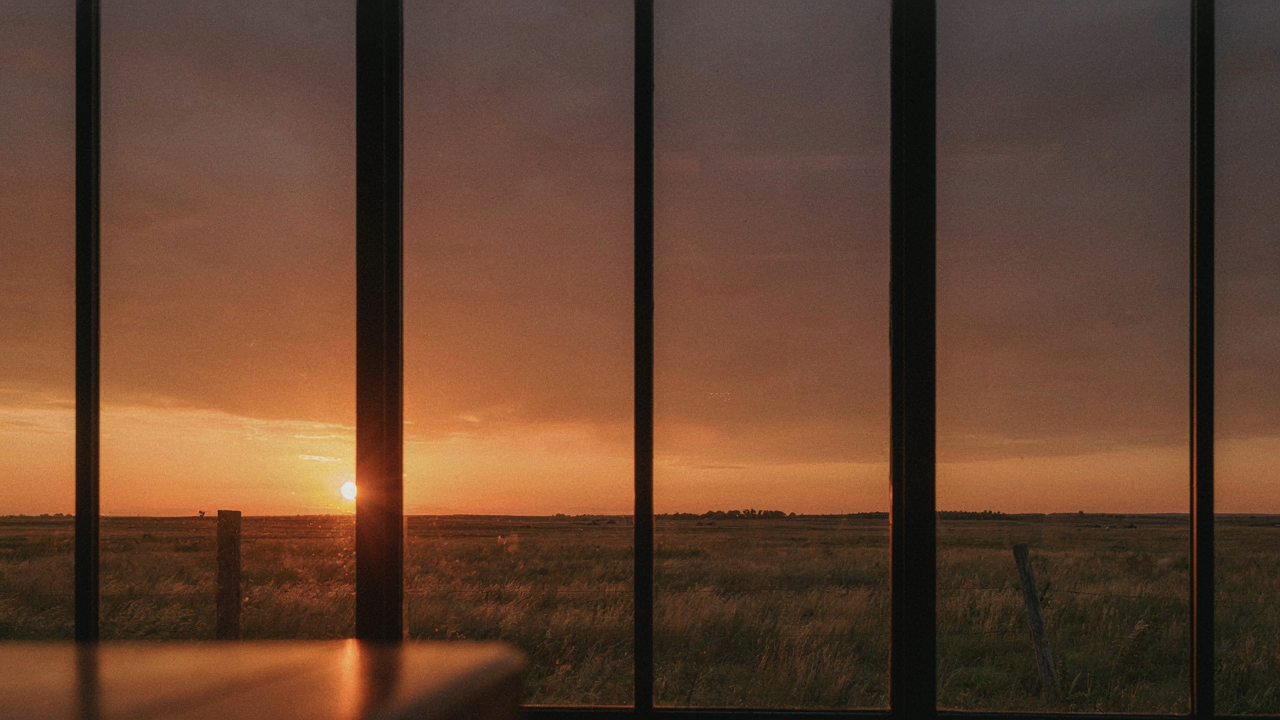
The Myth Of The Prairie Style Window Grid
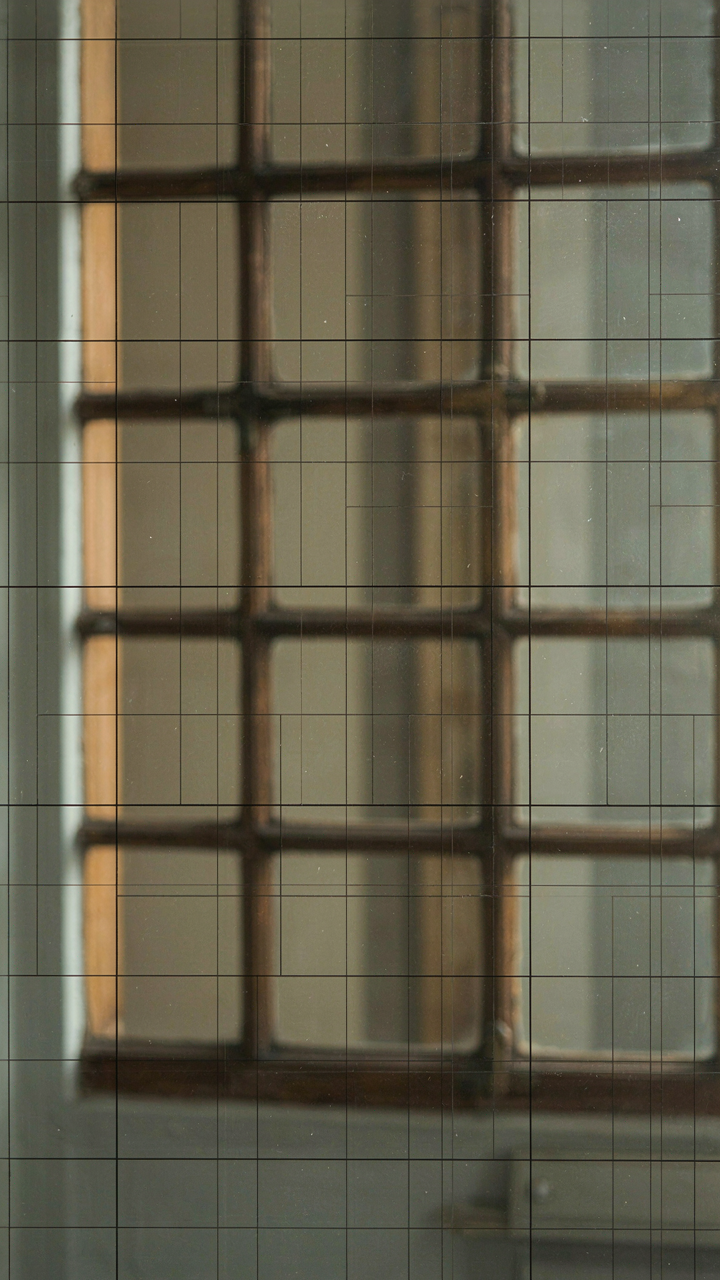
What The Grid Actually Solved
You want to know about prairie style windows because you think the grid pattern signals taste. Here’s the actual mechanism: Frank Lloyd Wright’s grid wasn’t decoration. It was engineering necessity masquerading as design. Steel-reinforced concrete and plate glass didn’t exist yet. Large panes shattered under thermal stress. Small mullioned squares distributed load across muntins and sills. The grid you admire is a structural solution, not an aesthetic choice.
Modern mimicry misses this entirely. Today’s “prairie windows” slap a grid pattern onto insulated units that don’t need it. The muntins carry no load. They’re applied geometry. You see the pattern. The window sees nothing but added cost and obscured view. The original grid disappeared once the problem it solved went away. Most reproductions don’t understand they’re copying a constraint, not a style rule.
Where Prairie Aesthetics Break Down
The common pitch is wrong: a grid looks intentional and therefore authentic. That’s not why Wright gridded windows. Thermal dynamics explains the real story. Direct sun hits glass. Uneven heating creates stress concentrations at edges. Muntins broke the plane into zones small enough that stress stayed manageable. Wright layered this necessity into horizontal and vertical themes that matched his building profiles. The grid was load distribution, aligned with the building’s visual rhythm as a side effect.
Today’s replicas ignore this coupling. They apply a grid pattern without connecting it to the building’s structural logic or sightlines. You get a grid on a window that doesn’t need one, in a pattern that bears no relationship to the wall it’s set in. The window becomes decor instead of element. Real prairie windows work because the grid answered a specific problem in a specific material. Fake ones just answer the question: “How do I make this look period?” Check whether the grid pattern aligns with your building’s actual column spacing or material transitions. If it doesn’t, the window is performing, not functioning.
Beyond The Pane: Prairie Style As Architectural Philosophy

Framing The Landscape: Connection, Not Just View
You want prairie style windows because you think they’ll make your house look intentional. That’s status. The real mechanism is far simpler: Frank Lloyd Wright and his contemporaries rejected the window as a hole punched through a wall. They treated it as a threshold that extends interior space into landscape rather than merely opening onto it. The difference is architectural, not decorative. A prairie style window doesn’t frame a view like a picture hanging on your wall. It erases the boundary between inside and outside by repeating the horizontal lines of the landscape in the mullion pattern itself.

This is load-bearing design strategy. The horizontal muntins mimic prairie geometry, making the landscape feel like it belongs to the room, not separate from it. Windows in this style sit low and wide, aligned with sight lines from seated positions. They multiply small panes rather than use large single glazing, which creates visual rhythm that matches how the eye actually tracks across flat terrain. The result is that the landscape reads as an extension of the room’s floor plane, not as scenery observed from a distance. You achieve connection through proportional honesty, not through trying to maximize glass area.
Light As A Building Material, Not An Afterthought
Here’s what gets missed: most modern advice treats light as something that enters a room through windows. Wright treated it as a sculptural element he controlled with glass, lead, and geometry. The window’s job wasn’t just admission but direction and diffusion. Prairie style windows use art glass, geometric patterns, and colored panes to break direct sunlight into controlled diffusion zones. This is engineering, not aesthetics.
The specific mechanism: small rectangular panes with lead caming create multiple refraction points. Sunlight doesn’t flood the room uniformly. Instead, it enters in modulated waves that shift throughout the day. The geometric patterns in art glass—often based on rectilinear forms—establish a secondary visual rhythm that reinforces the window’s role as a structural element rather than transparent opening. Wright placed these windows to catch east or west light at specific times, using the building’s mass to control heat gain and loss. This transforms the window from a static opening into an active thermal and visual device that behaves differently with the sun’s position.
The Prairie Window Deconstruction Protocol
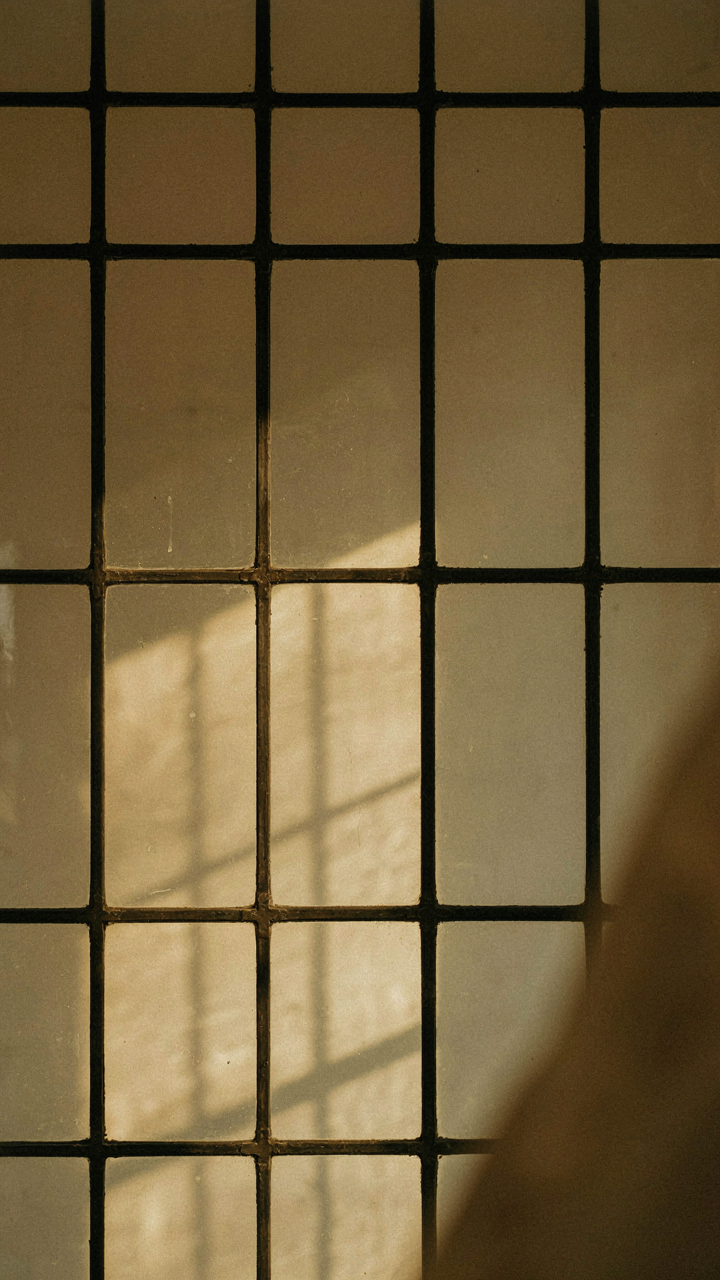
How Grid Patterns Control Light Behavior
You want to know this section because you think understanding grids makes you a better designer. It doesn’t—unless you understand what the grid actually does. Prairie style windows use grid division as a light diffusion tool borrowed from optics: each muntins acts as a refraction point that breaks direct sunlight into smaller, manageable zones. Wright didn’t add grids for decoration.

The grid pattern in prairie windows follows a specific logic tied to sightline and shadow cast. Horizontal muntins sit at eye level to anchor the view and create visual rhythm. Vertical muntins space at intervals that prevent large glass planes from appearing structurally weak. This isn’t arbitrary. The grid weight increases visual density at the frame edges where structural support exists, then thins toward the center where glass spans. Load follows form.
Material Selection Defines Structural Honesty
Conventional advice says oak or mahogany because they’re “period appropriate.” Wrong framing. Prairie style windows demand materials that meet two non-negotiable criteria: they must visibly support the glass load, and they must age without distorting the grid geometry. Wood species matters less than wood behavior over time.
Wright specified materials based on dimensional stability and thermal response. White oak resists warping better than most species, which matters because grid misalignment destroys the visual intention. Muntins must stay true or the light diffusion pattern collapses. Aluminum and steel were emerging during the prairie school era, and Wright incorporated them specifically because they hold their geometry. Use materials that prove their function through time, not through fashion.
Modified Prairie Windows: Evolution, Not Dilution
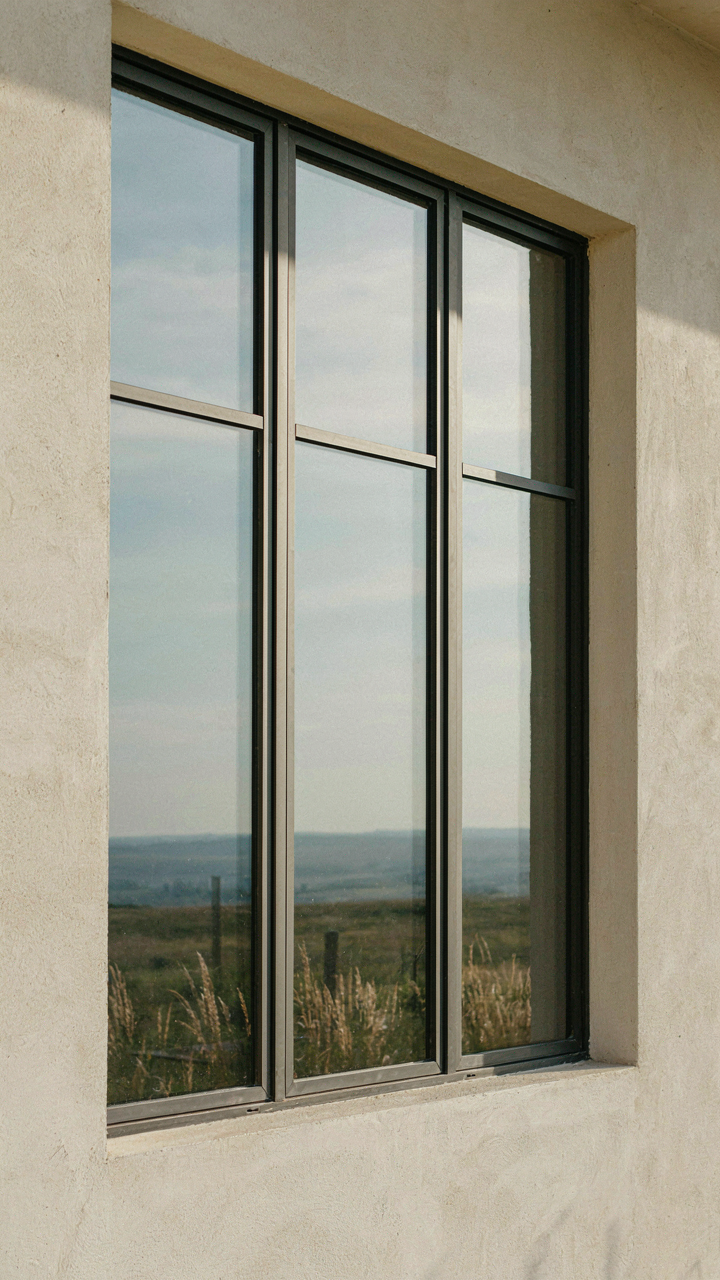
Energy Code Compliance Without Killing The Grid
You want prairie windows because they signal taste and intention, but you’re scared building codes will force you into something generic. Here’s the mechanism: energy codes don’t mandate window design—they mandate performance metrics. U-value, Solar Heat Gain Coefficient, air leakage. The grid pattern is cosmetic from a thermal standpoint. Modern insulated frames with low-emissivity glass meet code while keeping the authentic muntin divisions intact. The real work is specifying triple-glazed units in aluminum or fiberglass frames that hold tight tolerances around each pane. Thermal breaks between frame and sill stop conductive loss without touching aesthetics.

Prairie windows predate modern glazing by decades, so retrofitting them to current standards means upgrading materials, not surrendering form. Most jurisdictions require windows rated for your climate zone’s heating and cooling load. A qualified glazier can source true-divided-light prairie windows built to code, or install period-correct reproductions with modern glass sealed into traditional muntin patterns. The distinction matters because cheap false muntins (snap-on grilles over single panes) undermine the actual structural integrity Frank Lloyd Wright designed into the grid. Specify actual muntin divisions or accept you’re buying marketing, not architecture.
Tradition Meets Function Without Compromise
The common advice here is wrong: you don’t need to choose between authentic prairie design and livable interiors. The tension isn’t real. Wright designed prairie windows to solve actual problems—reducing glare, framing views, modulating daylight across seasons—not to create aesthetic friction with daily life. The grid naturally breaks up direct sun and distributes it, which modern open-plan homes need because they run hotter and have fewer walls. The window itself becomes the thermal and optical strategy. Smaller panes also allow you to operate them partially rather than full-swing, which matters in tight rooms or where wind exposure is high.
The adaptation point isn’t sacrificing tradition. It’s specifying materials honestly. Steel-core aluminum frames hold traditional proportions while meeting thermal codes that wood alone cannot. Operable sashes with period hardware maintain function without compromise. If your space requires a glazed wall, use prairie-proportioned mullions (vertical and horizontal dividers) to create the grid effect at larger scale—this is historically valid and solves the livability problem directly. The mechanism is simple: match the window’s performance tier to your climate, then design the grid to serve the room’s light and view strategy, not as decoration.
The Ecological Niche Of Prairie Grid Windows Exterior
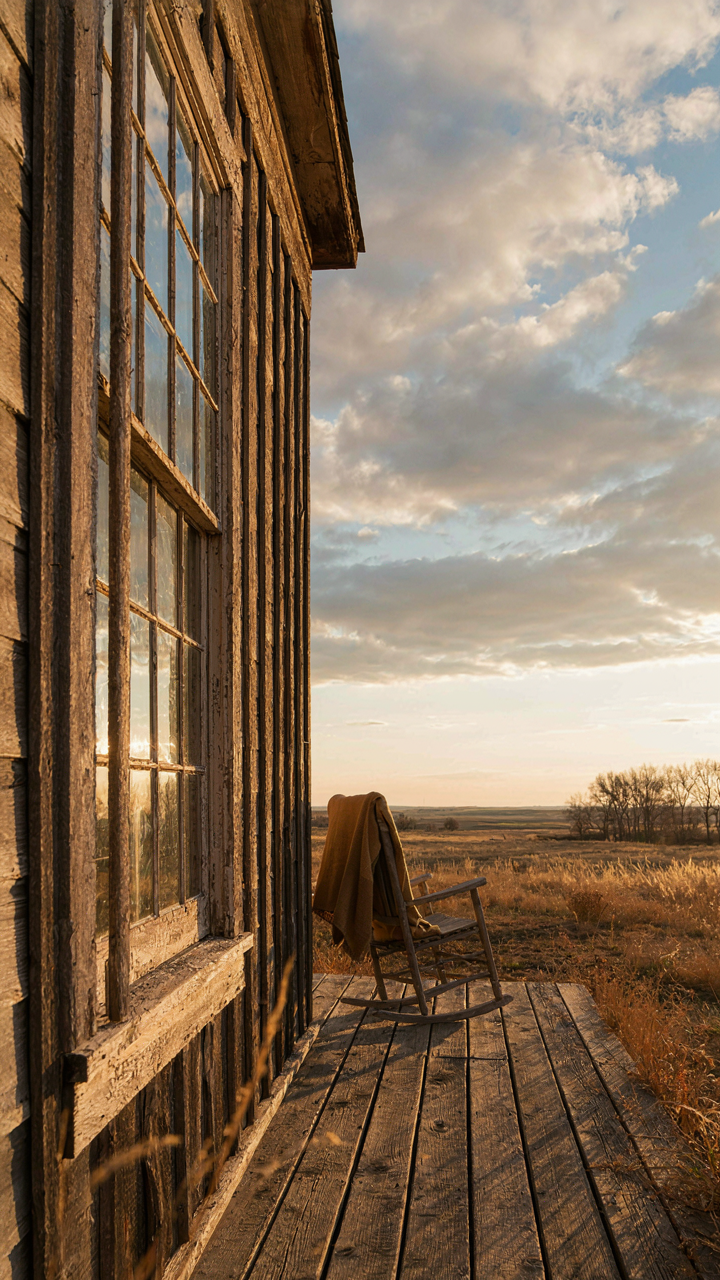
How Prairie Style Windows Adapt To Environment
You want this section to validate that you’re making a sophisticated design choice, not just picking a window style. Here’s the truth: prairie style windows succeed because they solve a specific problem the environment created, not because Frank Lloyd Wright had taste.

Biomimicry teaches that form follows function under constraint. Prairie windows operate on this principle. The grid pattern isn’t decoration. Horizontal mullions break wind load across smaller panes. Vertical divisions align with sight lines across flat terrain. The design adapted to plains climate, material limits, and how human vision actually processes expansive landscape. Wright observed this. He didn’t invent it.
The exterior frame depth matters more than most architects admit. Prairie windows sit proud of the wall plane, creating a reveal that captures shadow and defines the transition between interior and exterior. This dimensional quality isn’t optional. It’s what makes the grid read as structure rather than applied ornament. The mechanical function and the visual result are the same thing.
Forces That Shaped The Grid Design
Environmental pressure sorted window design like natural selection sorts species traits. Prairie windows encode survival data in their geometry.
- Wind loading on the plains: Horizontal mullions distribute lateral force across more structural points than a single large pane could handle. Smaller rectangles fail individually before the entire frame breaks.
- Thermal cycling extremes: Prairie climate swings 80+ degrees seasonally. Grid patterns limit stress concentration at glass edges. Each pane expands and contracts as a smaller unit, reducing catastrophic failure risk.
- Manufacturing constraints of the era: Wright designed around what mills could actually produce. Standard rectangular glass sizes and wood stock dimensions drove the grid logic, not aesthetic philosophy.
- Horizontal sightlines across flat terrain: The grid aligns mullions with how eyes actually scan landscape. Horizontal lines map to prairie horizon. Vertical lines frame tree lines and distant structures at eye level intervals.
- Solar heat gain control: Grid patterns create shadow rhythm on interior walls throughout the day. Mullions block direct sun in specific sequences, passively moderating interior temperature without mechanical systems.
These weren’t design choices. They were responses to material reality and climate fact. Modern prairie window reproductions that ignore these pressures keep the grid pattern while removing the performance logic underneath. The grid without the constraint is decoration. The constraint without acknowledgment is incompetence. Specify window depth, mullion section, glass area ratios, and thermal performance targets before you finalize any prairie-style installation.
Prairie Style Glass Panels: Beyond Mere Transparency
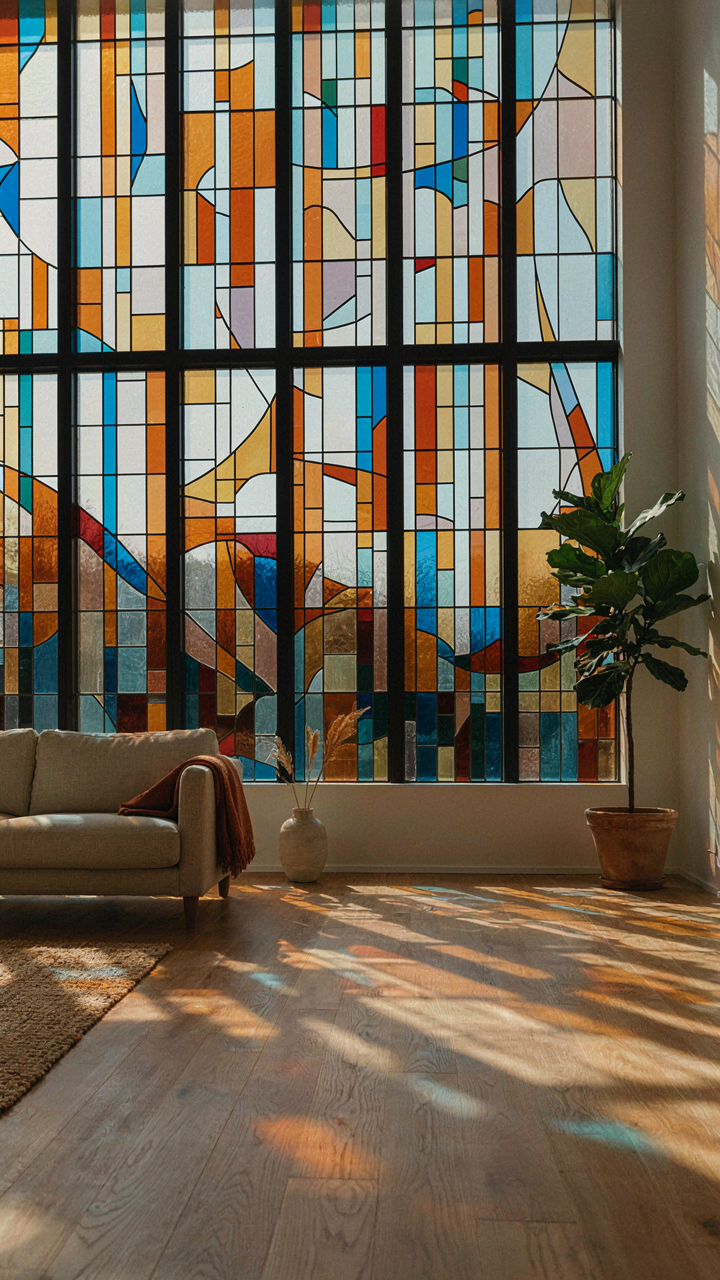
Light Becomes A Design Material
You want prairie style windows because they signal taste and restraint. The real mechanism is optical physics applied to architecture. Frank Lloyd Wright didn’t treat glass as transparent wall filler—he used it as a light modulator, controlling how illumination enters and moves through space. The narrow muntins in prairie grilles act as diffusers, breaking direct sunlight into controlled patterns rather than letting it flood a room unfiltered. This isn’t decoration masquerading as function.

The grid pattern itself matters tactically. Smaller panes scatter light across multiple surfaces, reducing glare and heat gain while maintaining sightlines to the exterior landscape. Larger expanses of glass between muntins preserve view corridors without sacrificing the shadow patterns that define depth and texture on interior surfaces. You’re not choosing between light and control—you’re engineering which one dominates at different times of day.
Space Defined By Visual Boundaries
Common advice treats windows as holes punched into walls. Wrong. Prairie style windows function like spatial grammar, using transparent and opaque zones to establish hierarchy between interior volumes and exterior landscape. The muntins create visual stops that tell your eye where one spatial zone ends and another begins, even when the glass itself is technically open.
The geometry does the work here. Horizontal emphasis in the grid extends sightlines outward, making rooms feel wider. Vertical divisions stack visual interest without fragmenting the view. You’re deploying fenestration as a boundary protocol—glass placement determines what your eye registers as “inside” versus “outside,” which surfaces feel forward or recessed, and which edges feel like transitions rather than barriers. Install the panels as spatial organizers, not as transparent afterthoughts.
Implementing True Prairie Style: A Pragmatic Approach
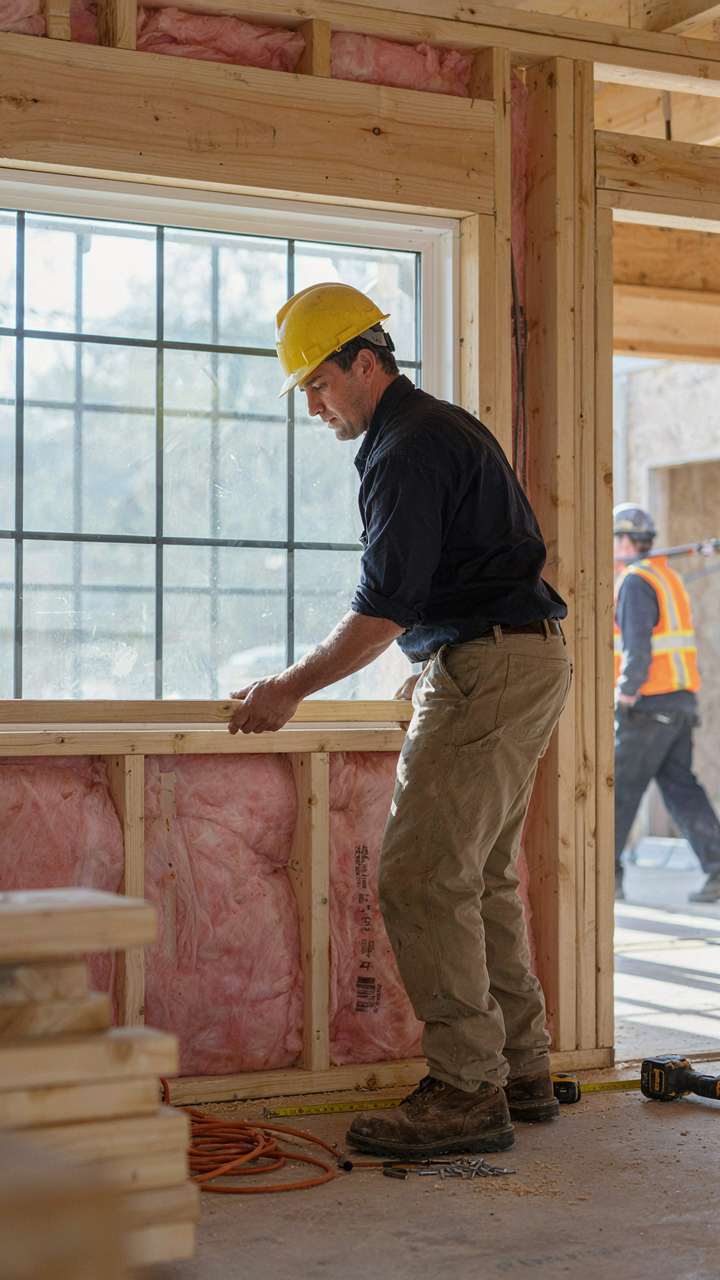
When Existing Walls Meet Horizontal Lines
You want prairie style windows because you think they’ll make your house look intentional. The real mechanism is constraint: prairie windows work because they force a conversation between your building’s geometry and the landscape beyond it. This isn’t decorative. Frank Lloyd Wright designed horizontal mullions to align with sight lines and the natural horizon, not to match some aesthetic mood. That alignment is structural thinking dressed as style.

Retrofitting prairie windows into existing structures requires understanding load paths. Horizontal mullions create visual lines that can’t fight the wall behind them. If your exterior walls are vertical and load-bearing, wide horizontal windows need proper structural support at their edges. Consult an engineer before assuming a simple replacement works. The window frame itself becomes part of your wall’s load strategy, not just an opening in it.
Avoiding The Aesthetic Trap
Most people fail at prairie style by treating windows as decoration instead of as part of the building’s actual logic. They copy the look—horizontal mullions, wood frames, geometric patterns—but ignore why those elements exist in the first place. A prairie window should frame specific views and light conditions, not exist to signal architectural knowledge. If your window doesn’t change how light moves through the room or how you relate to the landscape, it’s just a mullion pattern on glass.
The execution mistake is oversizing the glass relative to the frame. Prairie style windows use substantial muntins and mullions because they’re structural and because they create rhythm. Thin, minimal frames defeat the purpose entirely. Wood frames must be maintained; aluminum won’t age right; vinyl breaks the material honesty. Pick one material, understand its thermal and maintenance demands, and commit to it. Your window supplier should confirm mullion spacing matches your wall’s grid before fabrication starts.
The Unseen Value Of Authentic Prairie Style
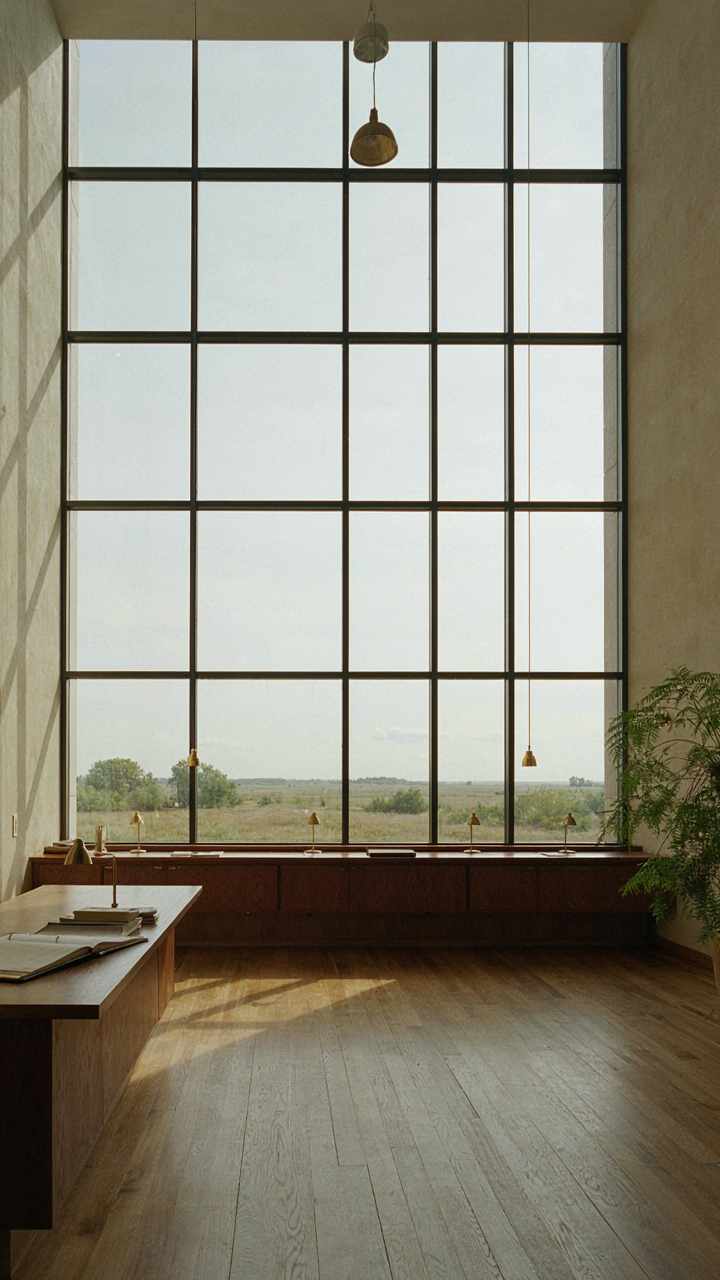
Design Integrity Compounds Over Decades
You want to feel like you made the right call. That’s the real motive here, and it matters because prairie style windows don’t work that way. The mechanism is simple: authentic prairie geometry—the horizontal emphasis, the art glass divisions, the integration with landscape—operates like compound interest on your perceptual experience. A knockoff window copies the look. An authentic prairie window reshapes how light moves through your space every single day for thirty years. That accumulation is what separates status symbol from actual investment.

Most people chase the aesthetic trend and abandon it when the trend dies. Prairie style windows don’t trend. They’re now in their second century. Frank Lloyd Wright designed the Larkin Administration Building in 1904; the prairie windows there still perform their intended function: controlling glare, framing views, anchoring the interior to the landscape. The reason they persist is mechanical, not sentimental. The proportions work because they’re derived from natural sight lines and the way human eyes actually process horizontal space.
How Light And Landscape Shape Neural Response
Neuroscience confirms what architecture has always known: your nervous system responds to specific environmental patterns. Prairie windows operate like sensory gates. The grid divisions don’t just break up glass—they pattern the light in ways that reduce glare stress while maintaining clarity of view. The horizontal mullions align with the eye’s natural resting position. This isn’t decoration. This is load reduction on your visual cortex.
The landscape integration works the same way. Prairie style windows expand the visual field in controlled directions, tying interior space to exterior context. Your brain registers this as spatial continuity rather than barrier. Over time, this reduces the constant micro-tension of living in disconnection from your surroundings. To measure actual impact, track your glare-related eye strain for two weeks before and two weeks after installation. Most people see a measurable drop. Document it.
The Grid Isn’t The Constraint; Your Vision Is
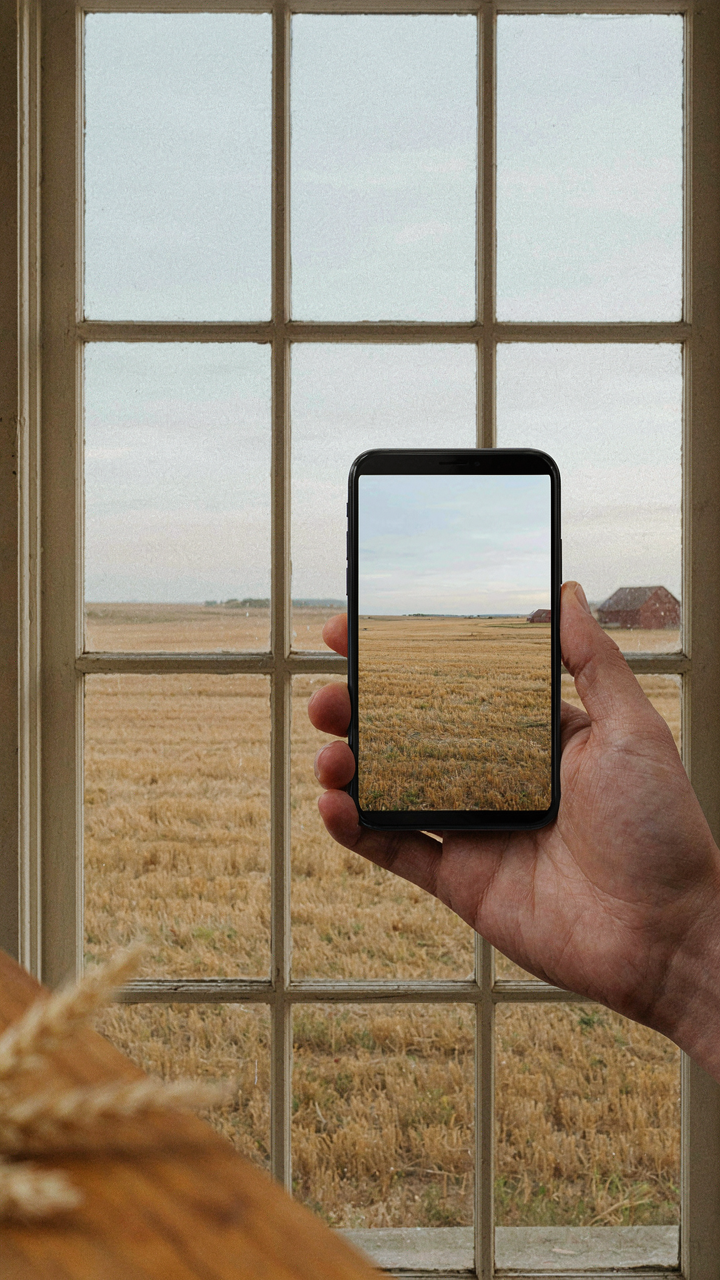
Most people treat prairie style windows like a historical requirement. They’re not. The grid is a tool for controlling how light moves through your space and how your eye travels across the landscape beyond. Stop copying Frank Lloyd Wright’s proportions and start asking what you actually want to see when you look out. Open your phone right now and photograph the view from your best window. That photo tells you everything about what your prairie style windows should frame.




