
The Ignored Imperative: Why Your Shed Roof Demands More
Shelter Becomes Status The Moment You Stop Ignoring It
You want people to notice your shed without admitting that’s what matters. The mechanism is simple: a roof is never just weather protection. It’s the first thing someone’s eye lands on, and it signals whether you maintain your property or let it decay. Most people treat shed roofs as afterthoughts because they’ve internalized the lie that sheds don’t deserve attention. They do.
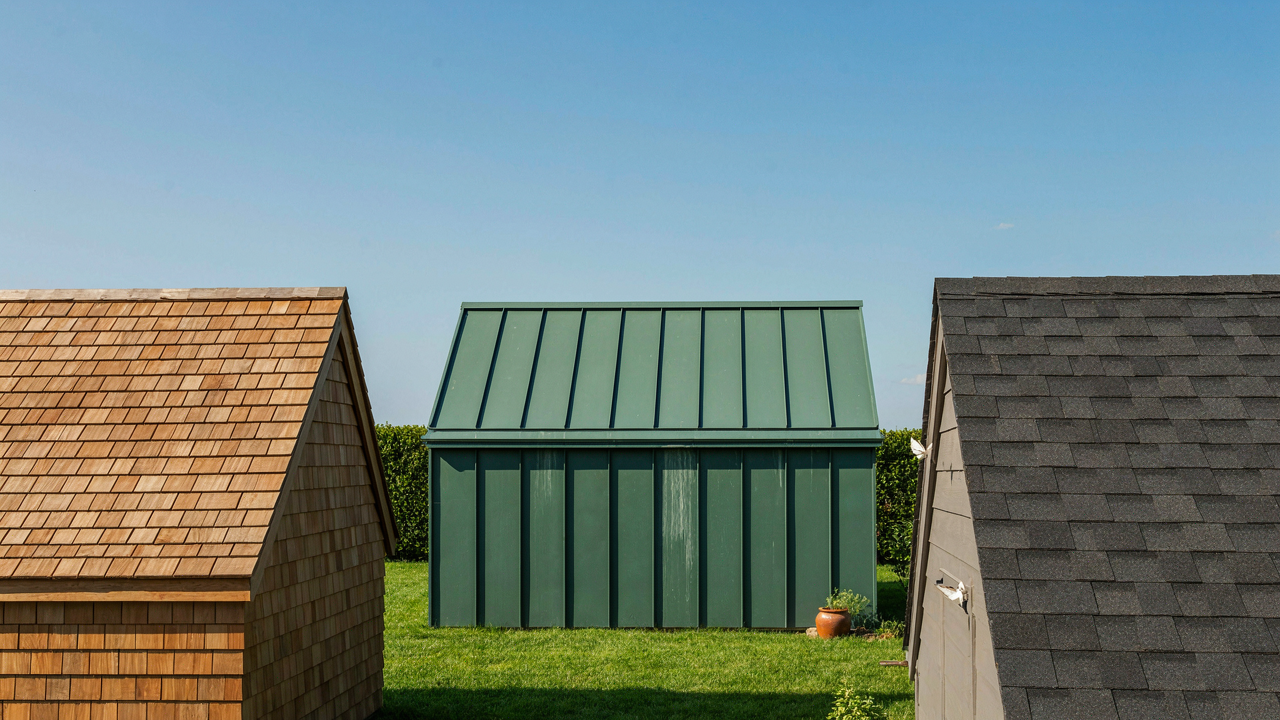
A shed roof communicates competence. Cedar shingles, standing seam metal, or asphalt tell different stories about how you operate. The roof handles 100 percent of weather exposure while sitting in plain view. Choosing one deliberately instead of defaulting to whatever’s cheapest is where intentionality starts. Neglect compounds faster on roofs than anywhere else on your property because weather attacks from above with no mercy.
The True Price Of Picking Wrong
Generic shed roof advice kills budgets quietly. You hear it everywhere: asphalt shingles are cheap, metal lasts forever, cedar looks nice. None of this accounts for your actual climate, maintenance tolerance, or resale value of your property. The hidden cost isn’t the material itself, it’s replacement cycles you didn’t budget for.
Asphalt shingles in harsh sun climates fail in 15 years, not 25. Metal roofs corrode faster near salt water or in acidic rain zones. Cedar demands annual maintenance or it rots from neglect. When you choose without mapping your environment first, you’re paying twice: once for the wrong material, again when you replace it early. Start by documenting your shed’s exposure: sun direction, wind patterns, precipitation type, and surrounding moisture sources before selecting anything.
Flat Roof Fallacy: Dispelling The Low Effort Lie
Flat Roof Drainage: The Silent Killer Of Sheds
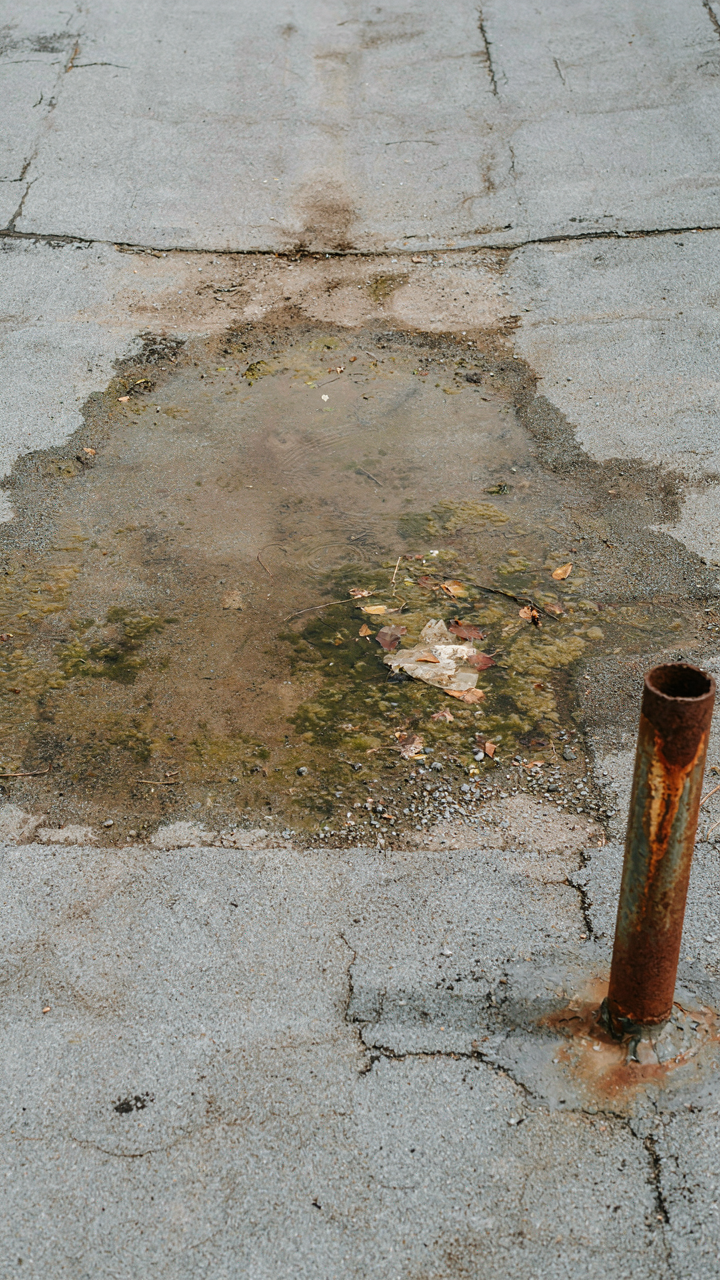
You want a flat roof because you think it’s cheaper and faster to build. It’s not. Using hydrology as the framework: water follows the path of least resistance, and a flat roof creates a basin instead of a channel. Standing water is the mechanism that kills sheds.

Flat roofs fail because they don’t shed water—they collect it. Even a barely perceptible slope means water pools in low spots, finding cracks in membrane seams or ponding in corners. Proper flat roof drainage requires a slope of at least 1/4 inch per 12 inches of run. Most DIY builders skip this or misjudge it, then wonder why they have rot within three years.
Membrane And Structural Load: What Flat Roofs Actually Demand
The common advice says flat roofs are maintenance free. That’s incomplete and misleading. A flat roof demands consistent inspection, membrane resealing every five to seven years, and regular debris removal—leaves, dirt, and standing water accelerate degradation.
Flat roofs also trap snow and debris that pitched roofs shed automatically. This dead load stresses the structure and the membrane simultaneously. A metal pitched roof sheds snow in hours; a flat roof holds it for months, creating freeze thaw cycles that split seams. You’re trading one-time framing complexity for perpetual material failure. Inspect your membrane every spring and fall, removing all standing water and debris before it becomes structural damage.
The Angled Advantage: Pitching For Longevity And Style
Why Roof Pitch Matters More Than You Think
You want your shed to look intentional, not like you settled. Here’s what actually drives the decision: pitch is physics. The steeper the angle, the faster water leaves the surface before it pools and finds cracks. This is gravity doing the work, not the material. A 4:12 pitch (4 inches of rise per 12 inches of run) is the practical minimum for most climates. Anything flatter invites standing water and accelerated deterioration, regardless of your roofing choice.

Most builders treat pitch as aesthetic preference. Wrong. Pitch determines maintenance frequency, material lifespan, and whether ice dams form in winter. A 6:12 or 7:12 pitch sheds water and snow aggressively. The trade-off is wind exposure and steeper ladder work during installation. For cedar shingles especially, steep pitch extends life significantly because water moves off faster. For metal panels, even moderate pitch works because water beads and slides naturally. Pick your pitch based on your climate’s rain volume and snow load, not design Pinterest boards.
Gable Versus Gambrel: Structural Reality
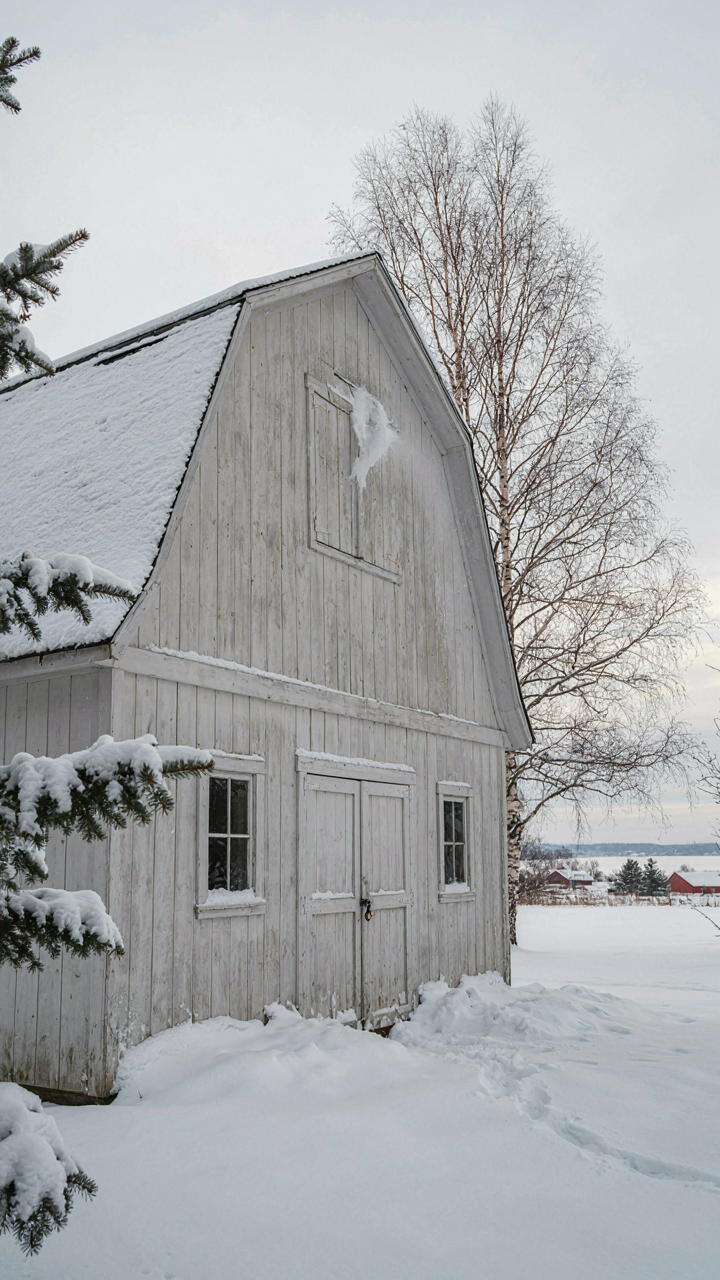
Gable roofs are simpler to frame and cheaper to build. Gambrel roofs give you dramatically more interior headroom and usable loft space. Both work structurally, but they solve different problems. A gable is two triangular planes meeting at a ridge. A gambrel has four planes: two steep lower sections and two shallow upper sections, creating that classic barn silhouette. The gambrel’s lower pitch catches more wind load, requiring stronger framing. This matters if your region experiences heavy wind or you’re in a snow zone.
Gambrel frames demand collar ties and stronger top plate connections to handle lateral stress. You pay more upfront for the extra lumber and engineering complexity. But you gain head height inside, which transforms utility. If your shed houses equipment that requires vertical stacking or you want storage loft space, gambrel justifies the cost. Gable roofs drain faster in steep pitches and handle ice buildup more predictably. Choose gable for simplicity and durability in harsh climates. Choose gambrel when interior volume solves your actual storage problem.
The Material Mandate: Choosing Your Roof’s Legacy
Cedar Shingles: The Labor Tax You’re Not Calculating
You want cedar because it looks intentional. The real mechanism: cedar oxidizes and weathers to silver-gray, which signals age and care to anyone viewing your property. That’s the status play nobody names. Cedar shingles actually deliver on durability when maintained—they resist rot naturally through oils in the wood and can last twenty to thirty years if you stay ahead of decay.

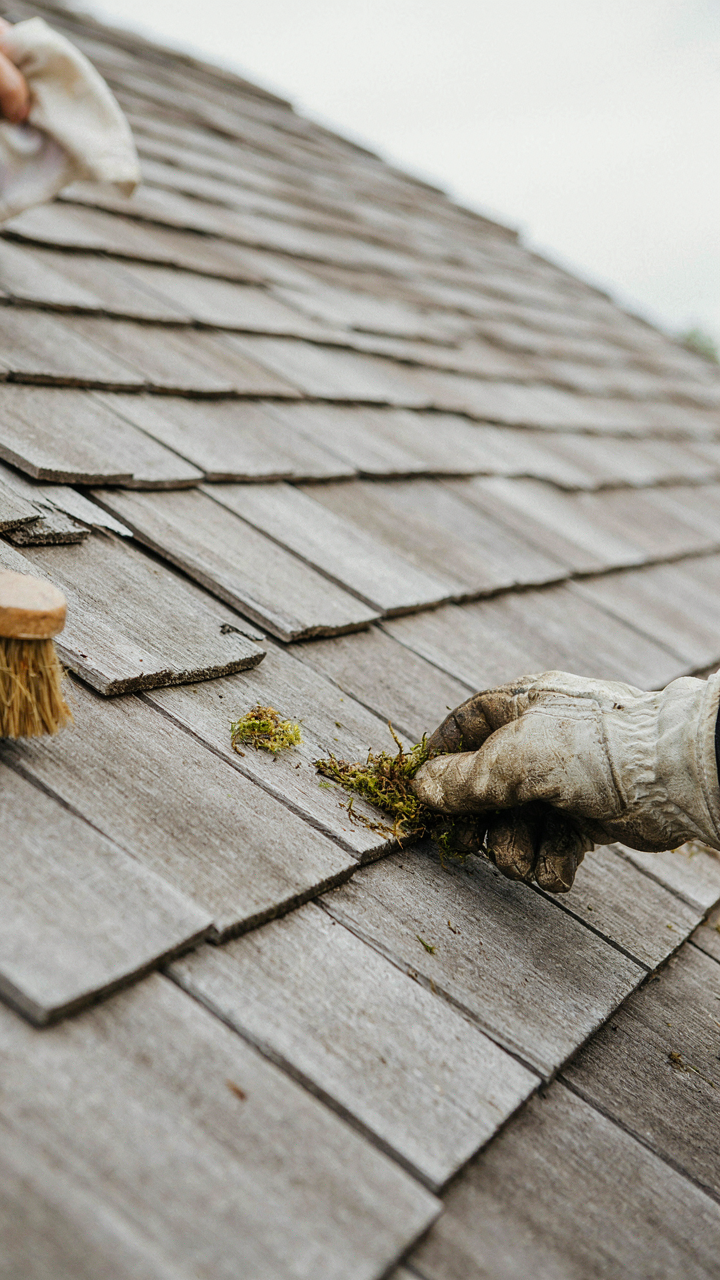
But here’s what consensus skips: cedar demands a protocol, not occasional attention. You’re committing to roof inspections every two years, moss removal, treatment applications, and shingle replacement in patches before failure spreads. The upkeep cost compounds faster than the material cost. Cedar shingles cost more upfront and extract a monthly tax of your attention. Skip it unless you treat maintenance like a non-negotiable business expense.
Metal Roofing: The Physics Of Thermal Movement
Metal roofing borrows from mechanical engineering: thermal expansion means materials change size with temperature swings, and metal responds faster and further than wood or asphalt. A metal roof in full sun climbs in temperature far beyond ambient air, then contracts at night. That cycle drives fastener failure and seal breakdown if installation doesn’t account for movement. Standing seam metal panels solve this by allowing vertical movement while staying watertight.
Metal roofing delivers resilience through speed of shedding water and resistance to impact, rot, and animal damage. A thirty-year metal roof with minimal maintenance beats cedar on economics alone. Installation must happen correctly—fasteners need washers rated for metal, and seams require specific overlap tolerances. Your contractor either understands metal expansion or you’ll chase leaks for years. Find someone who has installed minimum fifty metal shed roofs before signing the contract.
Living Roofs: The Ecological Imperative
Why Living Roofs Actually Matter
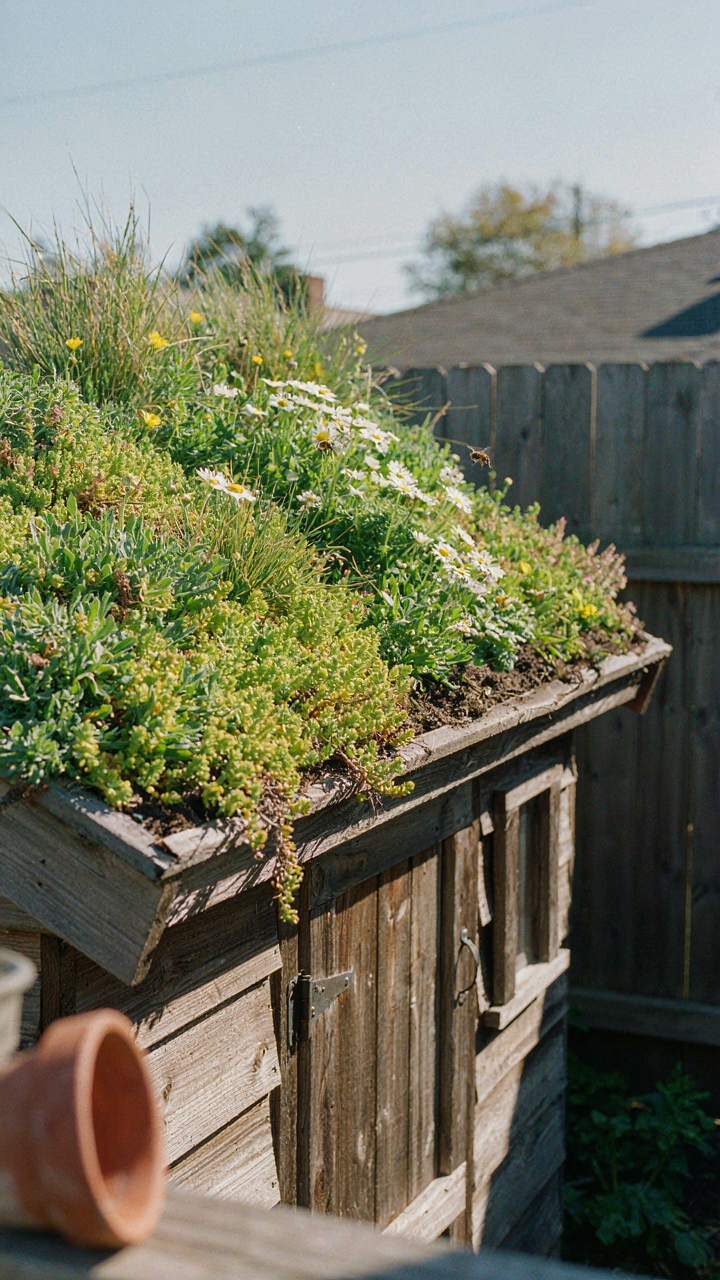
You want the environmental credibility without the maintenance headache. That’s the real trade. Living roofs work because they operate on thermal mass principles borrowed from building physics—soil and vegetation act as a thermal battery, storing and releasing heat to moderate internal shed temperature swings. A six-inch substrate creates measurable insulation value while supporting actual plant growth, not just the idea of it.

The mechanism is simple: wet soil has higher heat capacity than dry air. Plants transpire during heat peaks, cooling the roof surface before that energy transfers into your shed. Stormwater runoff decreases because substrate absorbs rainfall before excess drains. Biodiversity increases because insects and birds actually colonize the plants. None of this happens if you skip the engineering work that makes it function.
Building For What You’re Actually Putting On Top
Most shed owners underestimate the load calculation and regret it during the first heavy rain. Living roofs demand structural support that exceeds standard pitched roof framing. A mature six-inch green roof system weighs forty to fifty pounds per square foot when saturated—that’s five times heavier than asphalt shingles. Your shed’s roof structure must handle this continuous dead load plus the dynamic weight of standing water and snow pressing down on soil that refuses to drain quickly.
Reinforce your roof frame with additional joists or trusses rated for at least fifty pounds per square foot before laying substrate. Install a root barrier membrane over your decking to prevent vegetation from compromising the structure itself. Create a drainage layer underneath the soil to prevent pooling that accelerates rot in your framing. Verify your shed’s foundation can accept this added weight pushing down on concentrated points where posts meet concrete.
The Permaculture Protocol: Integrating Your Shed Roof
Water Harvesting: Turning Runoff Into Resource
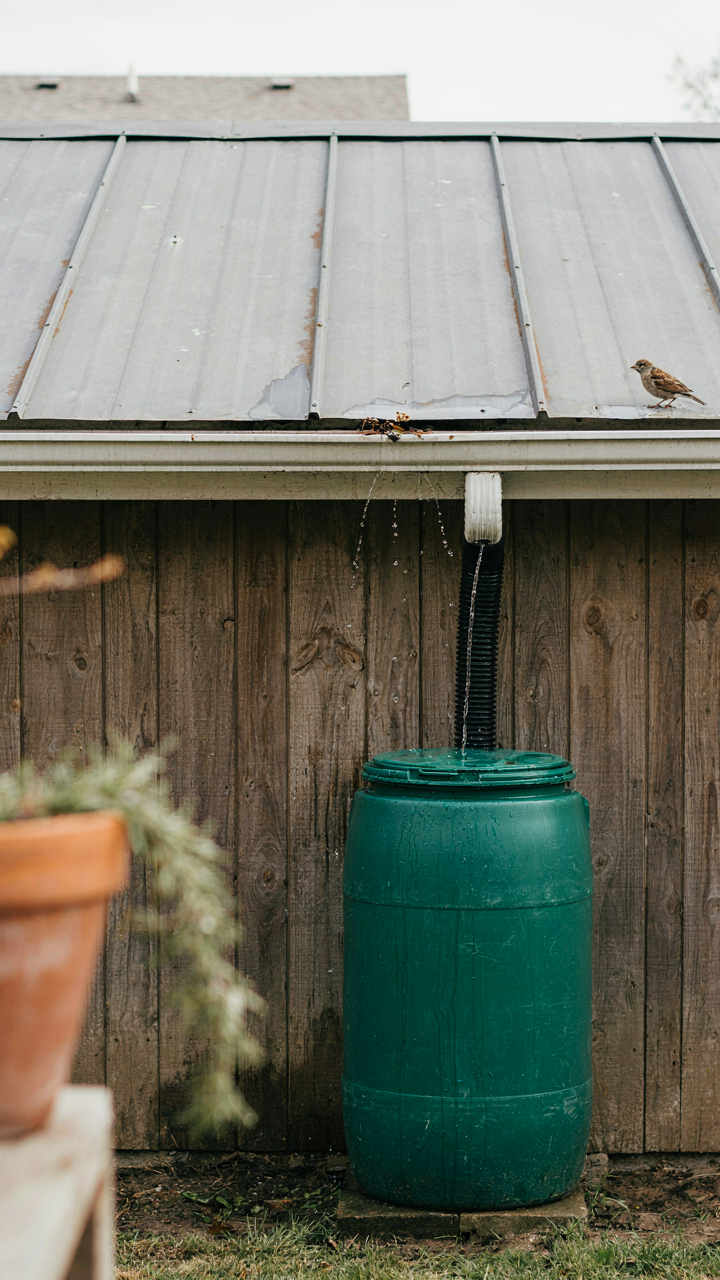
You want this section to justify spending money on a shed roof that does something beyond not leaking. Here’s the mechanism: your roof is a collection surface. Every square foot of roofing captures rainfall. Cedar, metal, and asphalt all shed water at different rates and with different mineral content. The pitch and gutter system determine whether that water becomes waste or becomes stored resource.

A metal roof collects cleaner water faster than cedar because it sheds debris naturally and has fewer surface irregularities. Slope matters more than material. At minimum 4:12 pitch, water moves quickly enough to fill cisterns without stagnation. Connect downspouts to storage tanks sized for your roof area in square footage multiplied by local annual rainfall. Cedar roofs require leaf screens because debris accumulation blocks flow and breeds mosquitoes.
Thermal Mass Thinking: Shed Roof As Climate Regulator
Thermodynamics teaches that mass absorbs and releases heat slowly. Your shed roof operates as a thermal boundary. Metal roofing reflects solar radiation, lowering interior temperature by 15 to 20 degrees on direct sun compared to dark asphalt. Cedar provides insulation value through air pockets in the wood grain, stabilizing temperature swings but requiring proper ventilation to prevent rot. The mechanism is straightforward: material density and color determine how much heat energy transfers into the shed interior.
Pairing roof choice with roof ventilation creates a working system. Metal roofs need airflow underneath to prevent condensation. Cedar roofs need soffit vents to allow moisture escape. This isn’t optional. Without it, insulation fails and rot accelerates. Choose your roofing material first, then design ventilation around it.
Small Sheds, Big Statements: Maximizing Limited Roof Space
Vertical Gardens Leverage Roof Slope For Growth
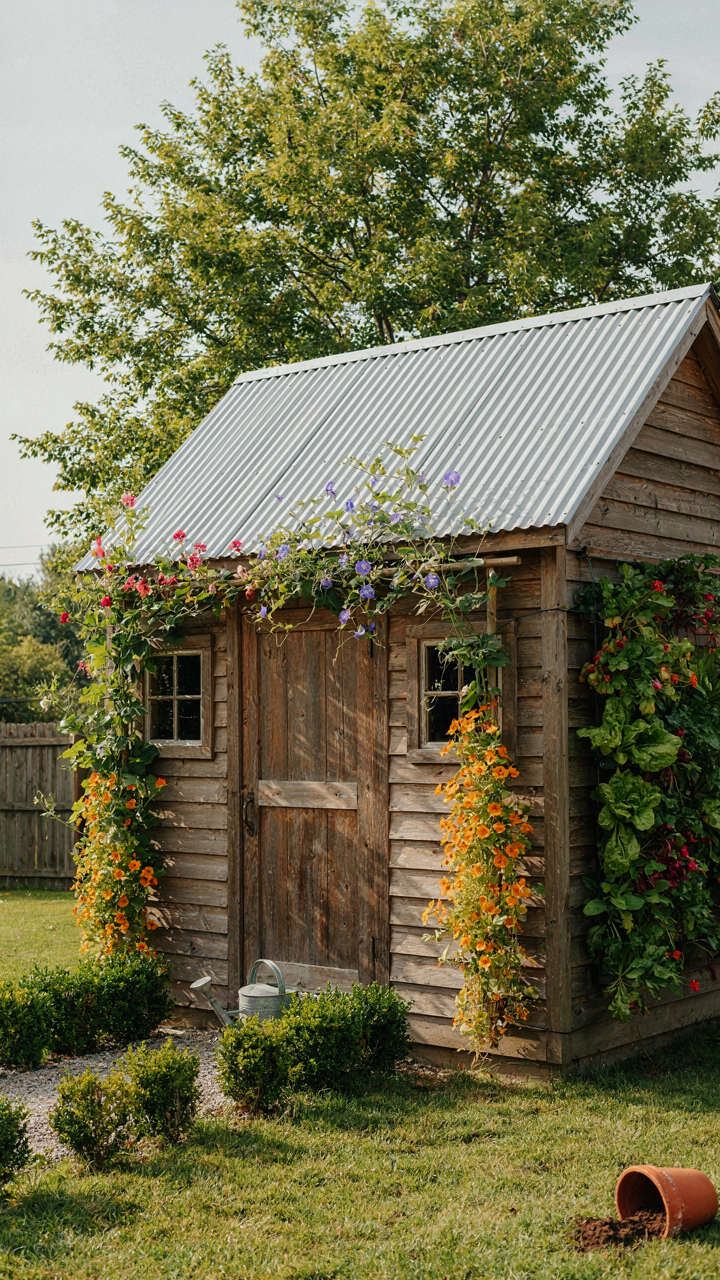
You want your shed to earn its place. Most people waste roof slope on dead air when the pitch itself becomes infrastructure for growing things. Borrowed from horticulture: the concept of “aspect ratio” determines what survives on a slope. A south-facing roof gets more hours of direct light than flat ground. North-facing roofs stay cooler and hold moisture longer. The angle of your roof isn’t decoration—it’s a variable that changes microclimate.

Small sheds with steep pitches hit the efficiency ceiling fastest. A 6/12 pitch on a 8-by-10 shed gives you real surface area without the structural load of a flat garden bed. Install horizontal trellising or shallow pocket planters along the slope itself. Cedar roofs age into this role naturally because the wood texture holds moisture and lets root systems grip. Metal roofs reflect too much heat unless you add a layer of weathered material first. The mechanism is simple: match plant type to roof aspect, then anchor the system so wind load doesn’t rip it off.
Solar Panels Unlock Energy From Tight Spaces
Small roof real estate kills most solar dreams before they start. Stop thinking about powering your whole house and start thinking about what a 4-by-6 panel actually does: it runs your shed’s lights, charges batteries, powers a small compressor. Physics calls this “power density”—output per square unit of surface. South-facing roofs on small sheds get uninterrupted sun exposure that larger structures shade away.
Metal roofs outperform here because solar mounts bolt directly to the standing seam without penetrations. Aluminum and steel conduct heat away from panel backs, which keeps efficiency from dropping in summer. Cedar roofs require additional frame work and don’t age well under the weight of mounting hardware. A single 400-watt panel on a small shed’s roof proves the concept: it generates real kilowatt hours without grid dependency. Size your battery storage first, then choose your panel wattage. Install the mount during initial roofing work, not after—retrofitting costs more and degrades your weatherproofing.
Beyond The Build: Ongoing Roof Resilience
Inspect Before Failure Hits
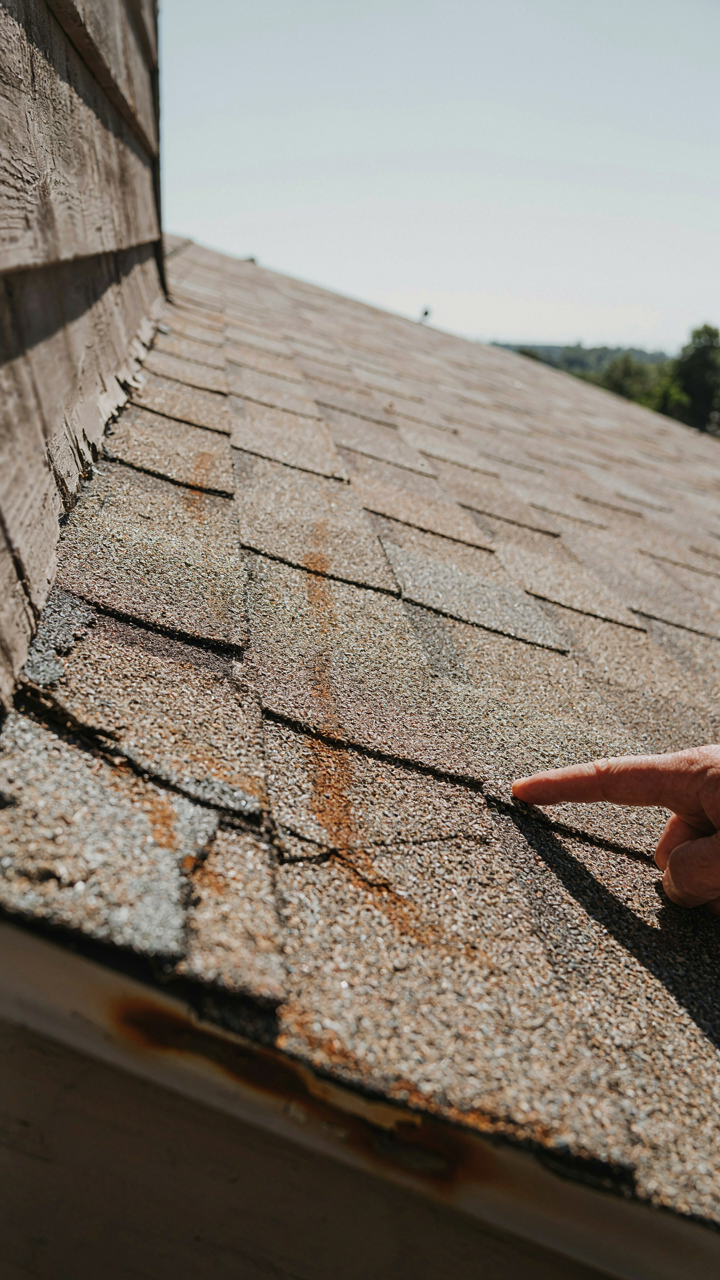
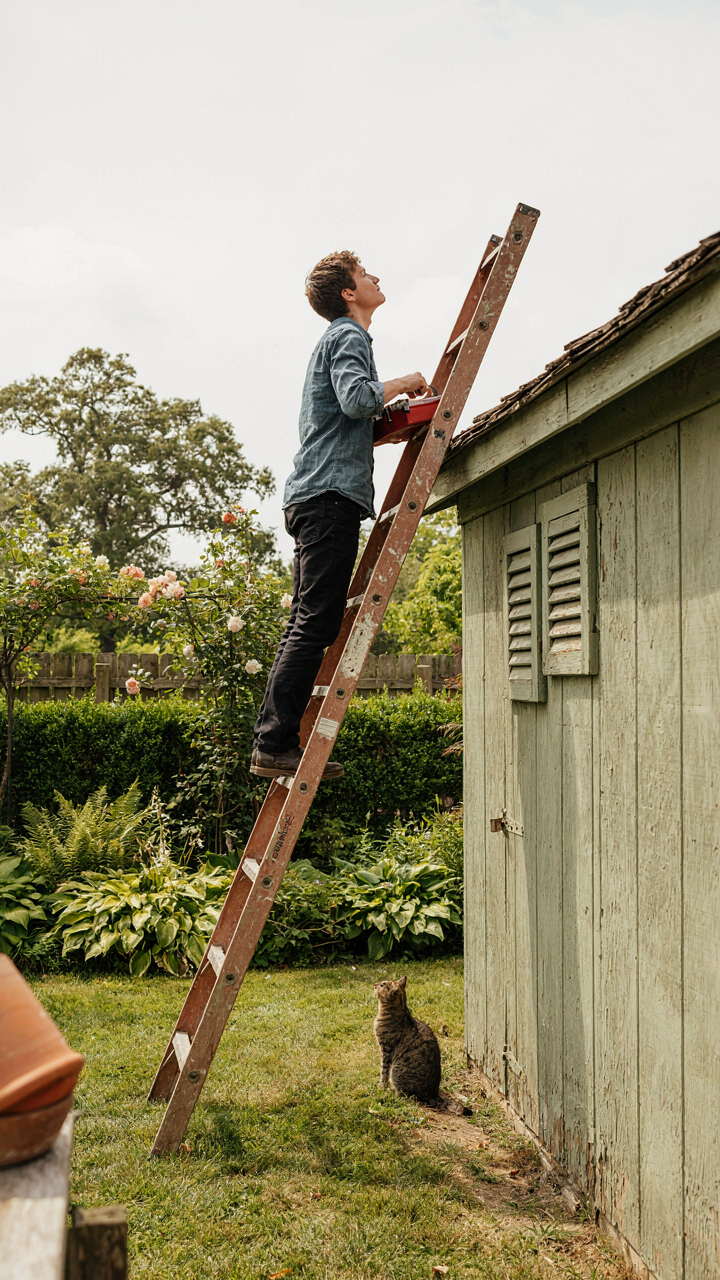
You skip this section because you believe roofs fail suddenly, which absolves you of responsibility until they do. The mechanism is degradation, not collapse. Water finds microfractures first. Cedar checks and splits from sun exposure. Metal fasteners corrode at edges before rust spreads. The inspection catches these at stage one, not stage five. Annual inspections mean walking the roof after winter thaw and before heavy rain season. You’re looking for lifted shingles, pooling water, rust stains on metal, and soft spots in wood.

Most people inspect only after a leak appears inside. That’s reaction, not resilience. The real strategy is documenting changes year to year. Take photos from the same angles each inspection. Note which areas dry slower after rain. Identify where ice dams form. Cedar roofs need checking for rot along the edges where water sits longest. Metal roofs need fastener verification because vibration loosens hardware over five years. Establish the pattern, then you know exactly where failure starts.
Moss, Debris, And The Damage Timeline
Moss and debris aren’t decoration problems, they’re hydraulic problems. Think of your roof like a drainage system in civil engineering, where every obstruction changes water behavior. Moss holds moisture against the roof surface for weeks after rain ends. Wood rots from saturation, not from water passing through. Debris traps moisture in valleys and creates dams. Metal roofs develop accelerated corrosion where leaves pile up and retain acidic compounds. The timeline runs three to five years from light moss to structural compromise.
- Cedar shake roofs: Moss grows fastest here because wood is porous and retains moisture naturally. Remove annually before spring rain intensifies the problem.
- Metal roofs: Debris accumulates in seams and valleys, creating pockets where water pools. Clear quarterly, especially after storms.
- Asphalt shingles: Moss growth reduces granule integrity and accelerates weathering. Treat heavily shaded roofs every two years minimum.
- Gutter systems: Clogged gutters force water to overflow and saturate fascia boards. This becomes the real failure point, not the roof itself.
- Valley areas: The most critical zones where two roof planes meet. These collect debris fastest and dry slowest after rain.
Remove debris by hand or soft brush, never pressure washing which damages shingles and forces water under the surface. Cedar roofs handle gentle raking better than harsh methods. Metal roofs tolerate brushing if you avoid scratching the protective coating. Schedule clearing after leaf drop in fall and again in early spring. The protocol is: inspect gutters first, clear them, then address roof surface.
The Anti Generic Shed: Roofing As A Statement
Reclaimed Materials: Character Over Off The Shelf
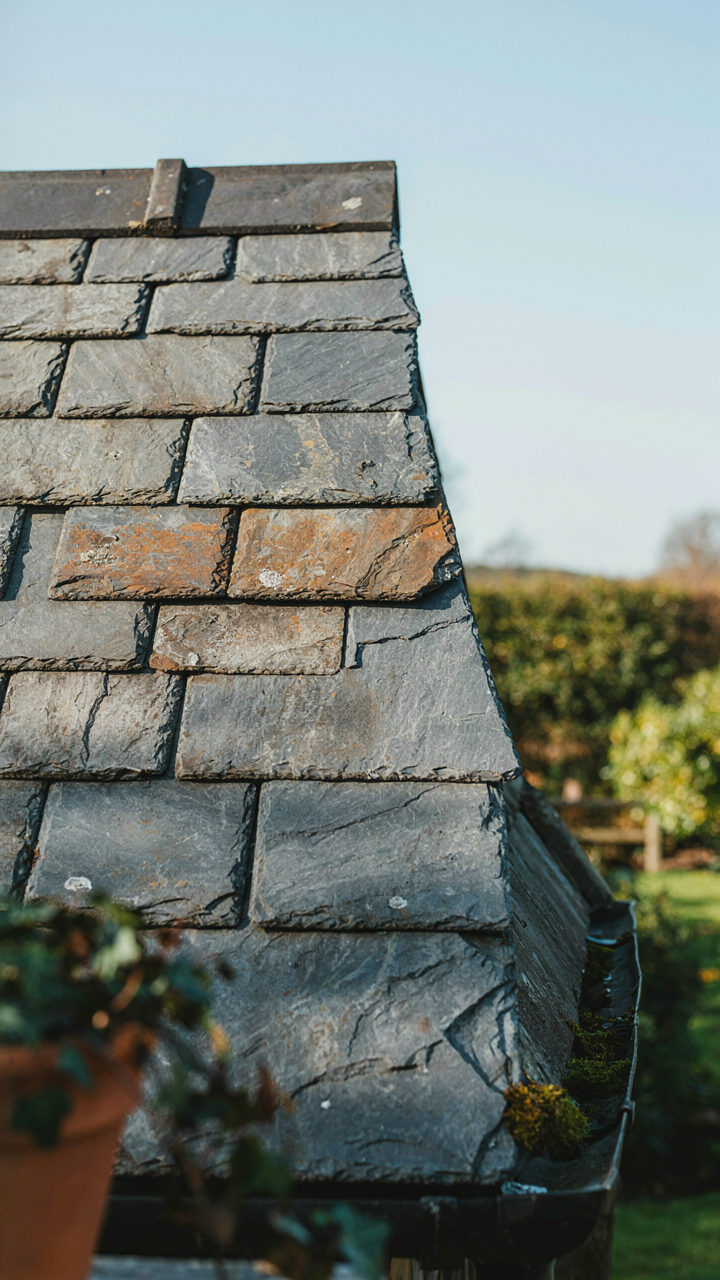
You want people to notice your shed roof because you think it signals taste. The real mechanism is scarcity. When a roof uses materials most people rejected or demolished, it costs more to source and install, which creates perceived value. Reclaimed wood, salvaged slate, and vintage metal standing seam don’t weather the same way new materials do, so they develop patina faster and look intentional rather than aged by accident.

The common advice here is wrong: reclaimed materials aren’t just aesthetically superior. They perform differently. Old growth timber from a 1920s barn has tighter grain and greater density than modern lumber. Salvaged slate carries the specific wear pattern of its original geography and climate. When you install these on a shed roof, you’re not being romantic. You’re using materials that have already proven themselves over decades and won’t fail the way new product does under pressure.
Your Shed Roof Your Identity
A shed roof isn’t neutral backdrop anymore once you stop treating it as utilitarian. In semiotics, the study of signs and meaning, an object communicates intent through contrast with its environment. A copper standing seam roof on a rural shed reads differently than the same roof in a suburban backyard. The difference isn’t the roof. It’s what the roof signals about who chose it and why they chose it there.
Most people copy what they see in magazines or what their neighbor built. That’s not identity. That’s imitation with liability. Your roof makes a claim about your taste, your resources, and whether you think about details most people ignore. The action is simple: pick a roofing material that contradicts what the surrounding area expects, then own that choice publicly.
The Real Failure Isn’t A Leaky Roof, It’s Settling For Invisible When You Could Have Built A Statement
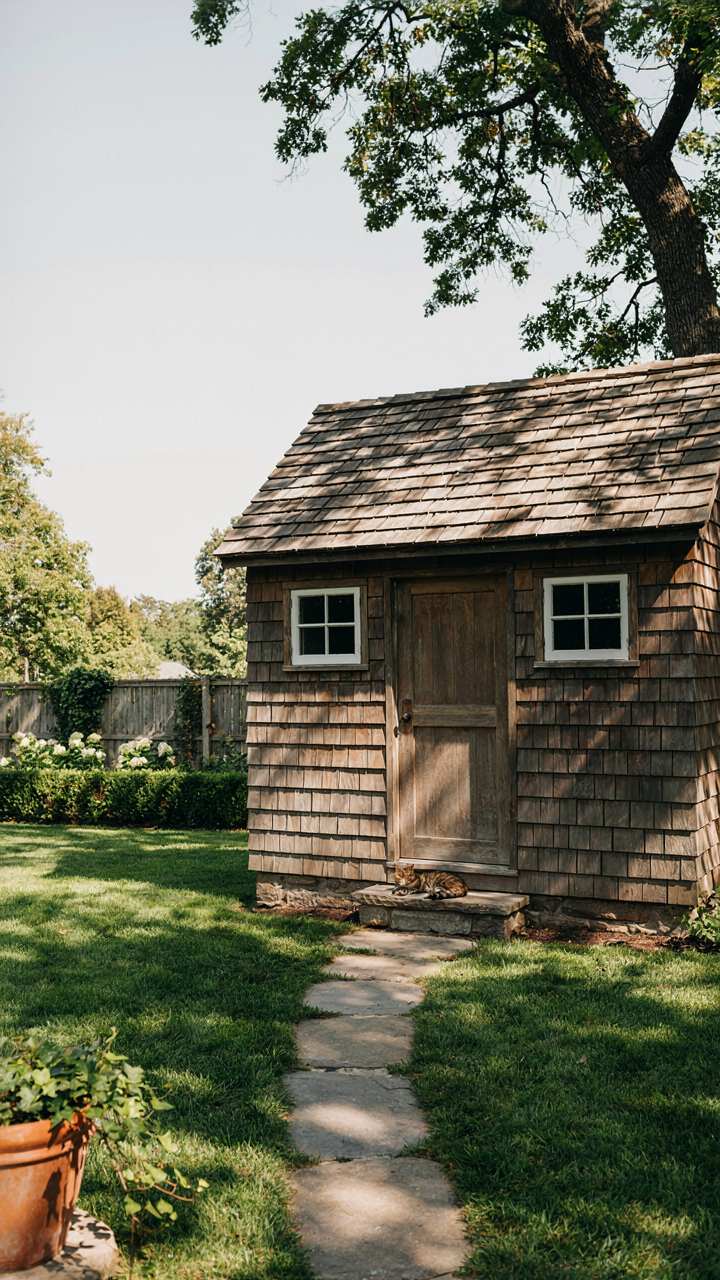
Most people treat their shed roof like a problem to solve. They pick the cheapest material, slap it on, and forget it exists. That’s backwards. Your shed sits in your yard every single day. It either whispers or it screams. Cedar doesn’t just last longer than asphalt. It tells visitors you actually care about the space. Pick one material this week. Not because it’s practical. Because it changes how you see that corner of your property. You don’t build a garden shed. You build a reason to step outside.



