
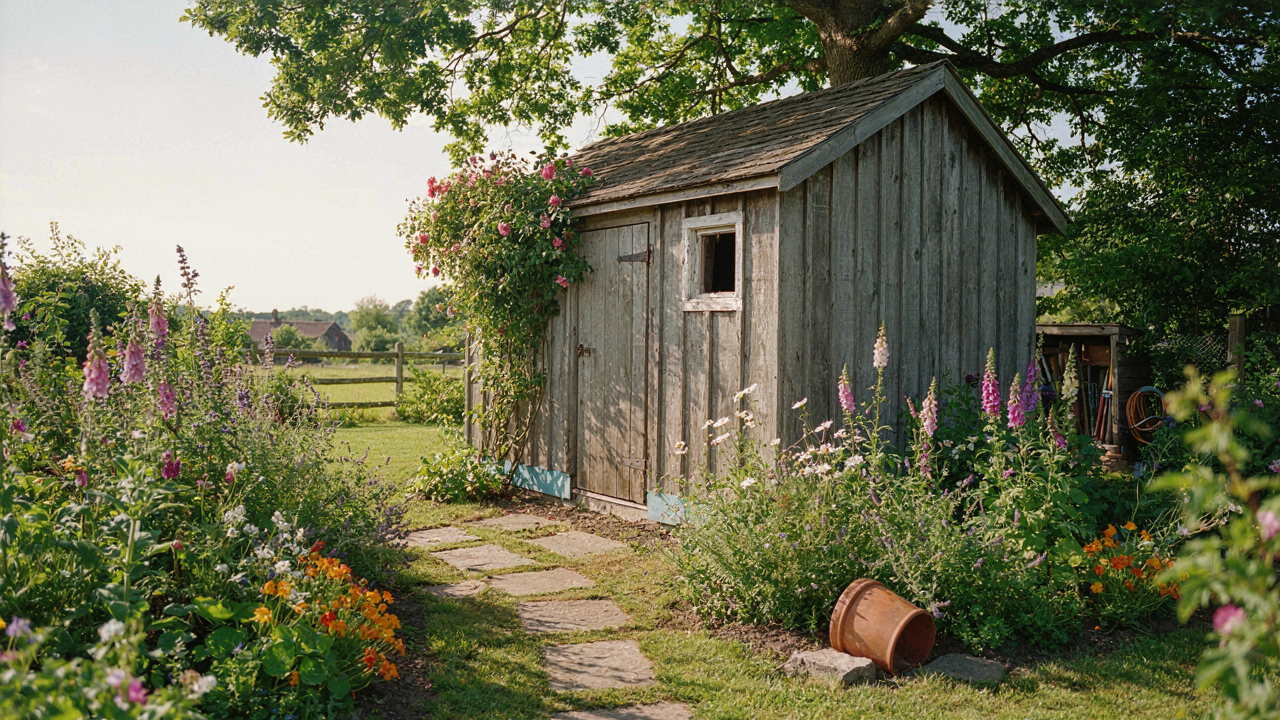
Beyond Shabby Chic: The Durability Fallacy Of “Weathered” Wood
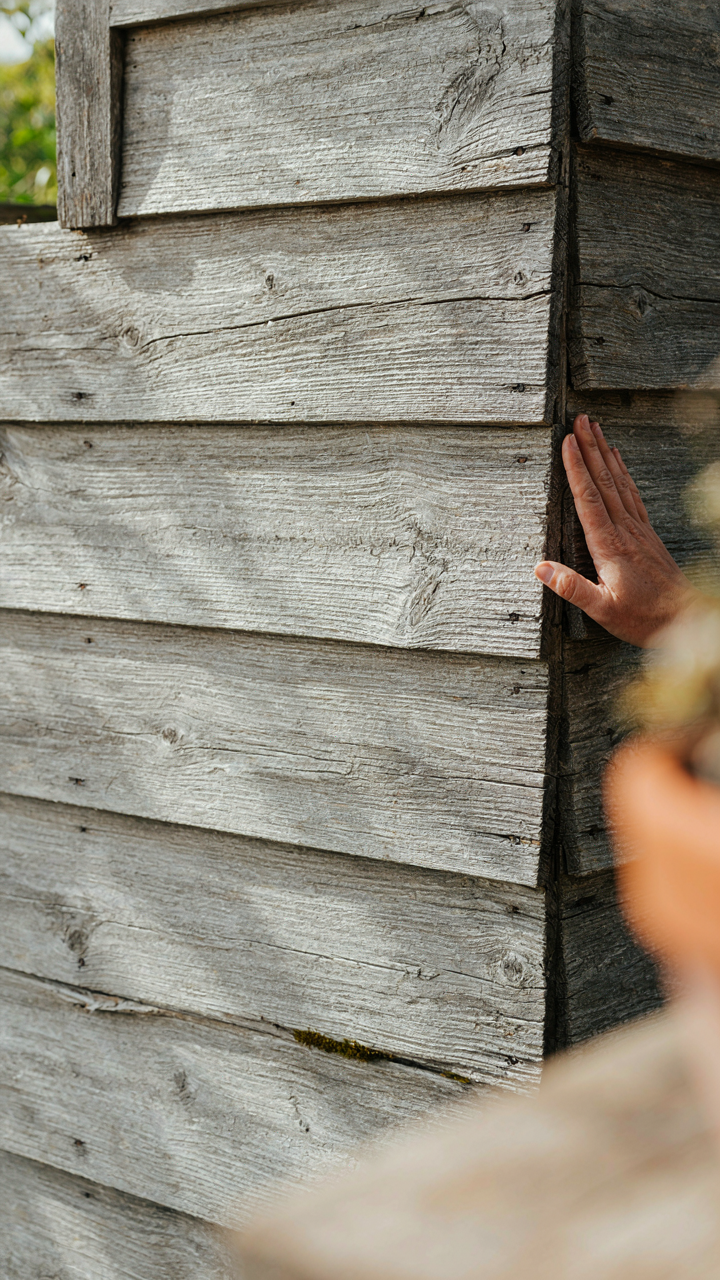
Natural Weathering Versus Artificial Aging
You want the look without the wait, and that’s exactly why you’ll fail at this if you don’t understand what’s actually happening. Weathering is biology, not design. Wood exposed to UV radiation, moisture cycles, and temperature swings undergoes lignin breakdown and cellular collapse—the gray patina isn’t aesthetic, it’s decay.
Artificial aging shortcuts this process through chemical stains, sandblasting, or torching, but none replicate the structural changes real weathering creates. A shed stained to look old is still new wood underneath. It still rots at the same rate. The visual trick masks zero durability gains, which means you’re paying for appearance while the clock on rot damage starts fresh.
Wood Selection For Genuine Longevity
The common advice is backwards: don’t chase weathered aesthetics first. Choose rot-resistant species first, then let time do the work. Cedar, redwood, and black locust contain natural oils that slow decay. Treated pine and hemlock don’t—they need protection regardless of how aged they look.
A weathered shed that lasts thirty years used rot-resistant stock from day one. The weathering became the bonus visual, not the foundation. Select your wood species based on heartwood density and natural decay resistance, apply proper ventilation to shed moisture, and then accept that genuine patina takes five to seven years minimum. Skip this sequence and you’re maintaining rot, not a rustic aesthetic.
The Biomimicry Protocol: Letting Your Rustic Shed Design Evolve
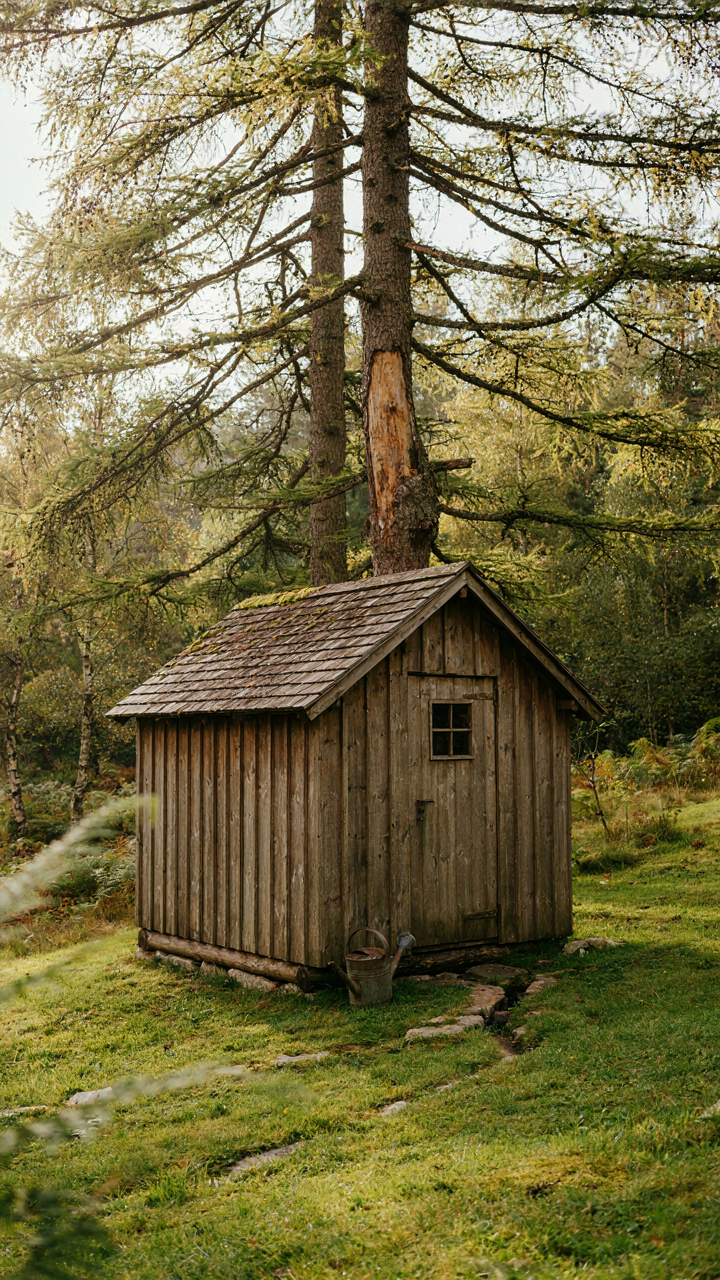
Site Selection Through Ecosystem Logic
You want your shed to look intentional, not like you just threw it somewhere. Here’s the mechanism: ecosystems don’t place structures randomly—they follow water flow, wind patterns, and soil stability. Borrow this from ecology. Your shed placement should mirror how natural systems organize themselves around existing conditions, not against them.

Place your shed where water naturally drains away, where wind has a clear path rather than funneling through a gap, and where the ground stays firm year-round. This isn’t aesthetic advice. It’s structural longevity. A shed positioned against ecosystem patterns rots faster, settles unevenly, and forces constant repair cycles. Position it aligned with your land’s natural topology.
Materials That Perform Across Time
The common advice says “weathered wood looks rustic.” Wrong. Weathered wood is the end result of material failure. What you actually want is wood that ages gracefully because its cellular structure adapts to moisture and temperature swings without breaking down internally. Larch and cedar naturally resist decay because their grain density increases as they age, not decreases.
Select heartwood from species bred for durability in variable climates, not sapwood or plantation-grade lumber. Heartwood contains natural oils that protect fiber integrity through seasonal expansion and contraction. Your shed won’t just look rustic five years in—it will actually be more structurally sound than it was new. This is adaptation, not degradation.
Integrating Rustic Gardens: The Shed As An Ecological Node
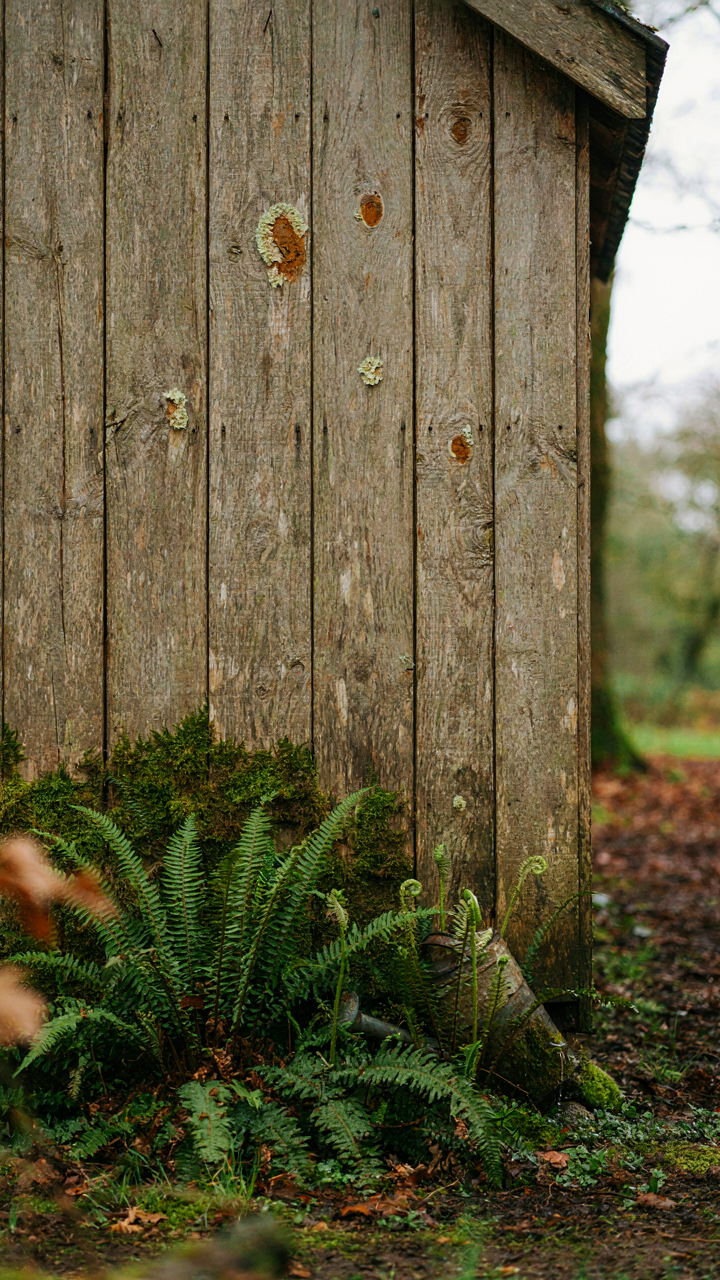
Your Shed Isn’t A Garden Feature Yet
You want your shed to look intentional, like you designed the whole property as one system instead of just parking a structure and planting around it. Here’s the mechanism: a shed becomes ecologically functional when it stops being isolated storage and starts operating as a microhabitat node. Ecology doesn’t recognize arbitrary boundaries between “shed” and “garden”—it recognizes energy flow and shelter provision. Your weathered wood structure already provides thermal mass, wind protection, and substrate for decomposition. The gap is deciding to amplify these functions deliberately instead of treating them as side effects.

The shed’s real value emerges when you treat it as a ecological anchor point rather than a backdrop. Weathered wood naturally collects moisture on north-facing walls, creating conditions for moss and lichen growth that support insects. The foundation perimeter becomes a microclimate buffer where temperature and humidity fluctuate less than open ground. Small mammals and beneficial insects shelter in crevices and under eaves. You’re not “decorating” the shed with plants—you’re recognizing the shed already functions as shelter, then positioning your planting strategy to feed into that existing system instead of against it.
Planting Patterns That Serve The Structure
Start by mapping your shed’s microclimates: north side receives indirect light and stays cool, south side heats rapidly and dries fast, east and west sides experience morning and afternoon extremes. This isn’t garden design theory—this is basic solar geometry. Plant accordingly instead of treating all shed perimeter space as identical. Shade-tolerant species on the north reduce your water load. Heat-tolerant species on the south create a buffer that keeps interior temperatures stable.
- North-side groundcover (ajuga, creeping thyme): Low water needs, spread naturally, suppress weeds near foundation where digging risks plumbing or structural damage.
- South-side heat deflectors (lavender, Russian sage): Absorb solar radiation before it hits the shed wall, reduce cooling load on stored tools and materials.
- East-side vigorous climbers (clematis, climbing hydrangea): Morning sun exposure drives growth; vertical coverage protects siding from weather while managing water runoff from roof.
- Foundation perimeter perennials (sedums, hellebores): Root systems stabilize soil drainage around base; low height prevents water splashback onto wood.
- Roofline edge natives (berry-producing shrubs): Attract pollinators and seed dispersers; feed the broader garden ecosystem while creating visual continuity between shed and landscape.
Symbiotic integration means your planting strategy reduces maintenance on the shed while the shed’s existence improves plant survival odds. Weathered wood sheds water down predictable paths—place thirsty plants where runoff collects, drought-tolerant plants where it doesn’t. This isn’t aesthetics. This is hydraulics meeting horticulture. Your planting pattern becomes the protocol: identify each shed face’s exposure, select species matched to that exposure’s water and light reality, position plants to intercept what the structure provides naturally.
The “Entropy Reversal” Method For Rustic Shed Exterior Ideas
Design For Energy Dissipation, Not Resistance
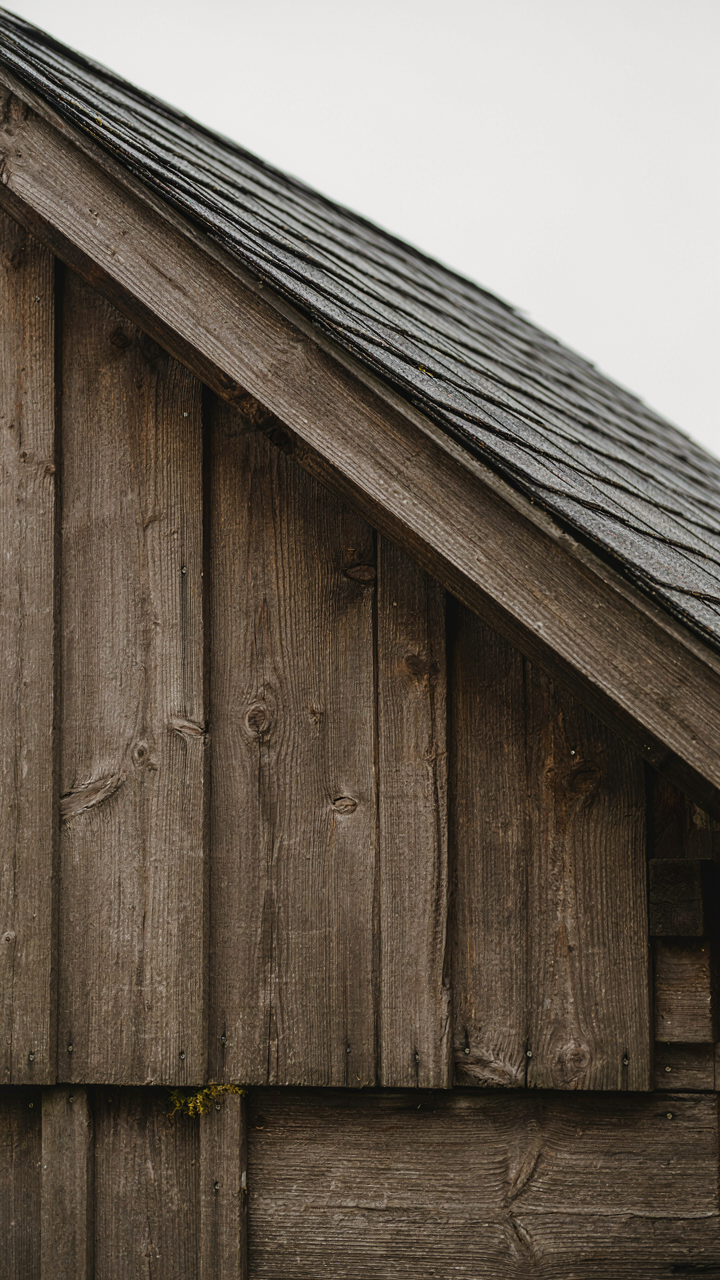
You want your shed to look intentionally aged without collapsing in five years. Here’s what actually matters: physics governs how structures fail, and treating your rustic shed like a dissipative system instead of a resistant one changes everything. In thermodynamics, entropy increases when energy flows freely through a system rather than building up in stress points. Your shed’s exterior should channel water, wind, and temperature swings away from structural vulnerabilities instead of fighting them.

The common advice is to just pick weathered wood and call it rustic. Wrong. Weathered wood fails fastest when it resists moisture. Instead, design surfaces that shed water actively: sloped rooflines beyond typical pitch, exterior walls that breathe rather than trap condensation, gaps between boards that allow airflow. A rustic exterior that lasts uses geometry and material spacing to move energy through the structure, not store it. Wood grain orientation, board overlap angles, and foundation ventilation all serve this single mechanism: energy moves out before it degrades the frame.
Materials That Age Without Failing
Embrace the actual material cycles and stop pretending reclaimed wood magically stays intact. The materials that hold up in rustic sheds are those engineered to degrade predictably and uniformly, not those that look dramatic while rotting unevenly. Cedar and larch naturally shed water and resist fungal attack through tannin content, not because they’re pretty. Weathered wood performs best when you match species to your climate’s moisture patterns, not to aesthetic preference.
The real work is selecting wood species that fail gracefully. Pine fails fast because it absorbs water uniformly and rots from the inside out. Cedar fails slowly because it sheds water and resists decay organisms through chemistry. Your shed’s exterior materials determine whether rust stains, warping, and structural weakness compound over time or stabilize. Use native species suited to your region’s humidity and freeze cycles. Paint or stain only surfaces that face sustained moisture; leave protected areas bare to breathe. The shed that looks rustic for twenty years wasn’t chosen for appearance—it was built with materials that move through their decay cycle on your timeline, not nature’s.
Vines & Ventilation: The Living Skin Of Your Garden Shed
How Vines Control Temperature Without Equipment
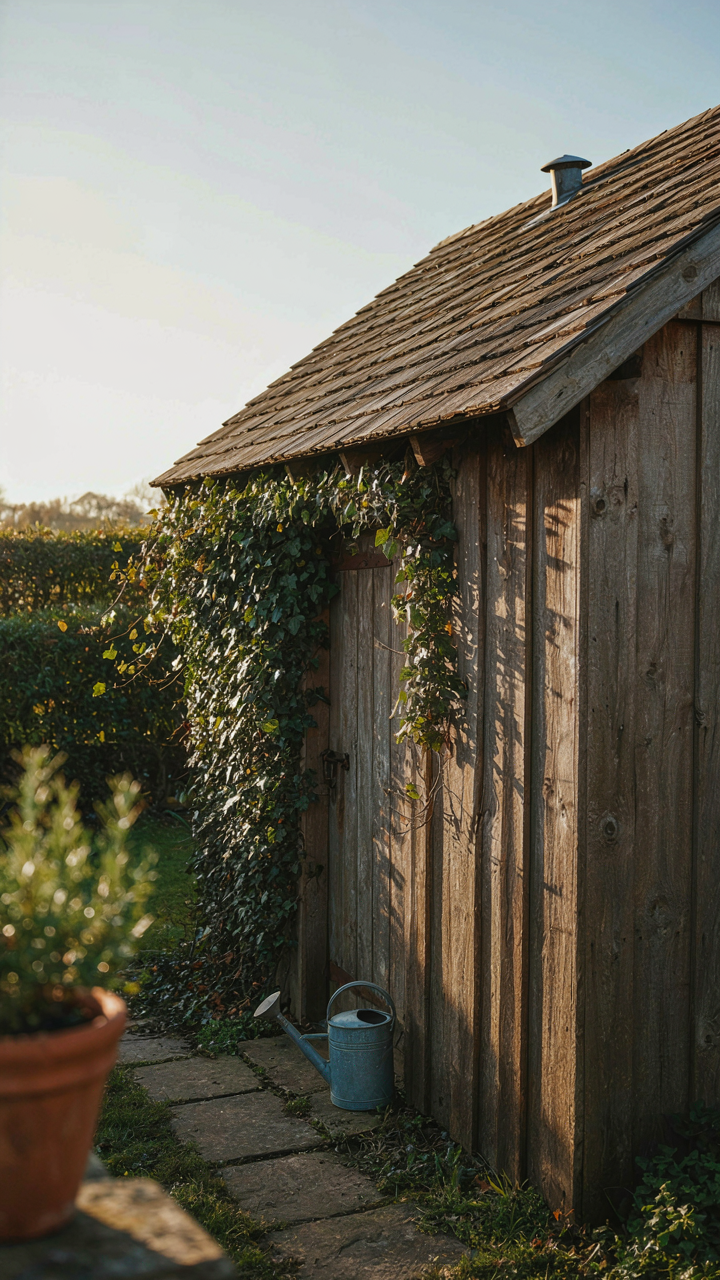
You want vines on your shed because you think it looks good. What actually matters is that they’re a passive thermal regulator. Borrowing from thermodynamics, vines function as a boundary layer, the zone where moving air slows down and heat transfer stops. Dense ivy or climbing hydrangea create dead air space between leaf cover and weathered wood, reducing direct solar radiation by 20 to 30 percent on exposed walls. This isn’t decoration working overtime, it’s applied physics keeping moisture and temperature fluctuations from accelerating wood rot.

Plant coverage works best on west and south-facing walls where sun exposure peaks in afternoon hours. Slower-growing vines like climbing hydrangea take three to four years to establish dense coverage, while faster options like clematis varieties fill in quicker but need annual pruning discipline. The mechanism is straightforward: less temperature swing equals less wood expansion and contraction, which means fewer stress fractures in your weathered siding. Start vine installation in spring when soil warms enough for root establishment and growth hormones activate.
Gaps, Grates, And Airflow Design
The common advice here is wrong: you do not want “good ventilation” evenly distributed across your shed. Strategic airflow is the goal, not universal circulation. Air needs low intake points and high exit points to establish stack effect, a pressure difference that moves moisture out naturally without fans. Place vented grates near the floor on the side facing prevailing winds, then position roof vents or gable openings on the opposite upper wall. This forces humid air out before it condenses on tools and wood surfaces inside.
Weathered wood sheds already have micro-gaps in siding joints where mortar or caulk has failed. Instead of sealing everything, use those gaps intentionally by directing wind pressure toward them. A single four-inch roof vent positioned correctly pulls more moisture than three randomly placed wall vents. The protocol is simple: identify your prevailing wind direction, place intake low on the windward side, place exhaust high on the leeward side, then let thermodynamics handle the rest.
Sheds Design: Structural Honesty, Not Decorative Fluff
Exposed Framework As Visual Language
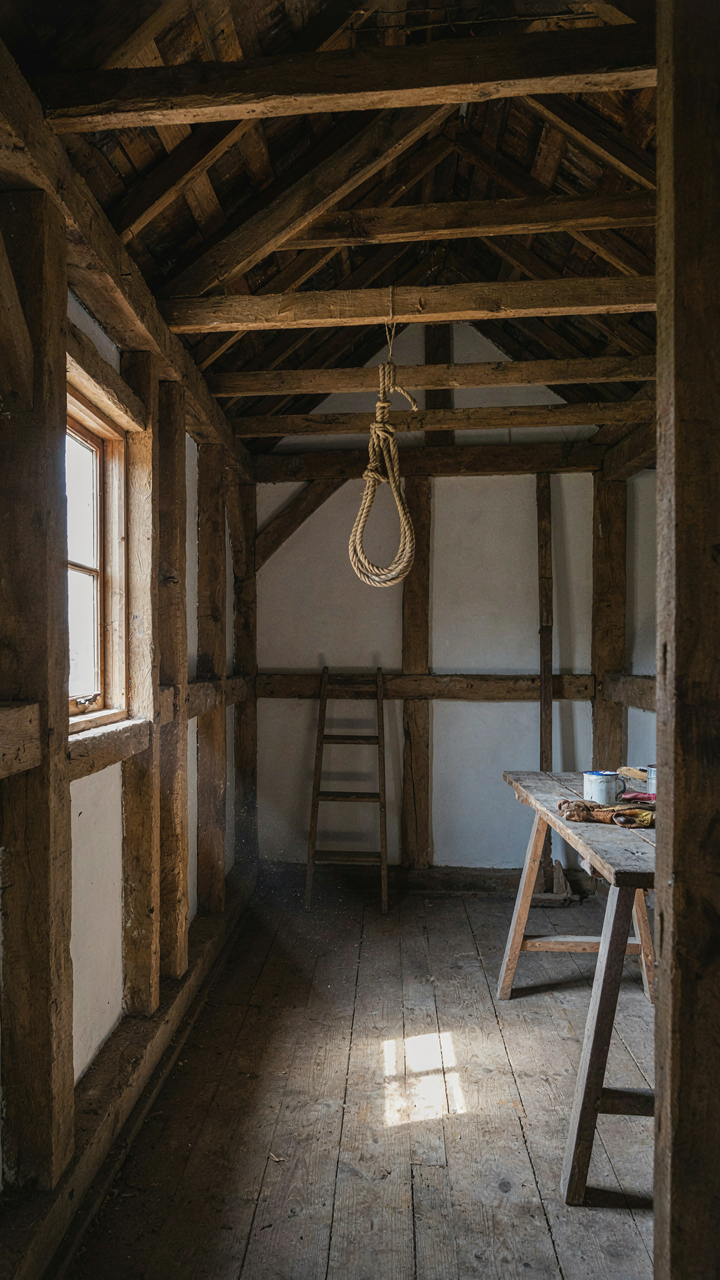
You want the shed to look intentional, not like you ran out of money for siding. Here’s the mechanism: borrowed from architecture, the shed’s load-bearing frame functions as both structure and expression. When you leave joists, beams, and bracing visible, you’re not hiding function—you’re making function the design. This works because the eye reads exposed wood as deliberate craft, not unfinished work.

Weathered wood beams become the dominant visual element when they’re left exposed. The grain patterns, knots, and color variation from UV exposure tell a story of time passing. Barn siding or rough-hewn timber framing creates rhythm and scale without requiring additional materials. The cost stays low because you’re not covering up what already exists. Most sheds fail this test by adding siding over perfectly good structure, then pretending the siding matters.
Utility Reads As Design When Visible
People mistake “rustic” for “old and falling apart.” That’s wrong. The real mechanism is this: when construction methods become visible, they communicate purpose directly. A shed with exposed rafter tails, visible lag bolts, and functional cross-bracing says “this thing stands for a reason,” not “this thing is decorative.”
The joints, fasteners, and support systems should be readable from outside. Deep eaves created by extended rafter tails serve water shedding and provide shade for stored items. Visible corner bracing prevents racking in high wind. Heavy base timbers elevate the structure off wet ground. Each of these moves looks good because each one solves a real problem. Stop treating utility and aesthetics as separate categories. On a rustic shed, they’re the same thing.
The Spartan Aesthetic: Rustic Garden Shed Interior Ideas
Minimalism As Functional Clarity
You want your shed to look effortless because you fear it will look like neglect instead. Here’s the mechanism: constraints force priority. In systems design, a constraint is a limiting factor that determines output capacity. Your rustic shed’s constraint is square footage. Work within it instead of against it by treating empty wall space as operational advantage, not wasted real estate.

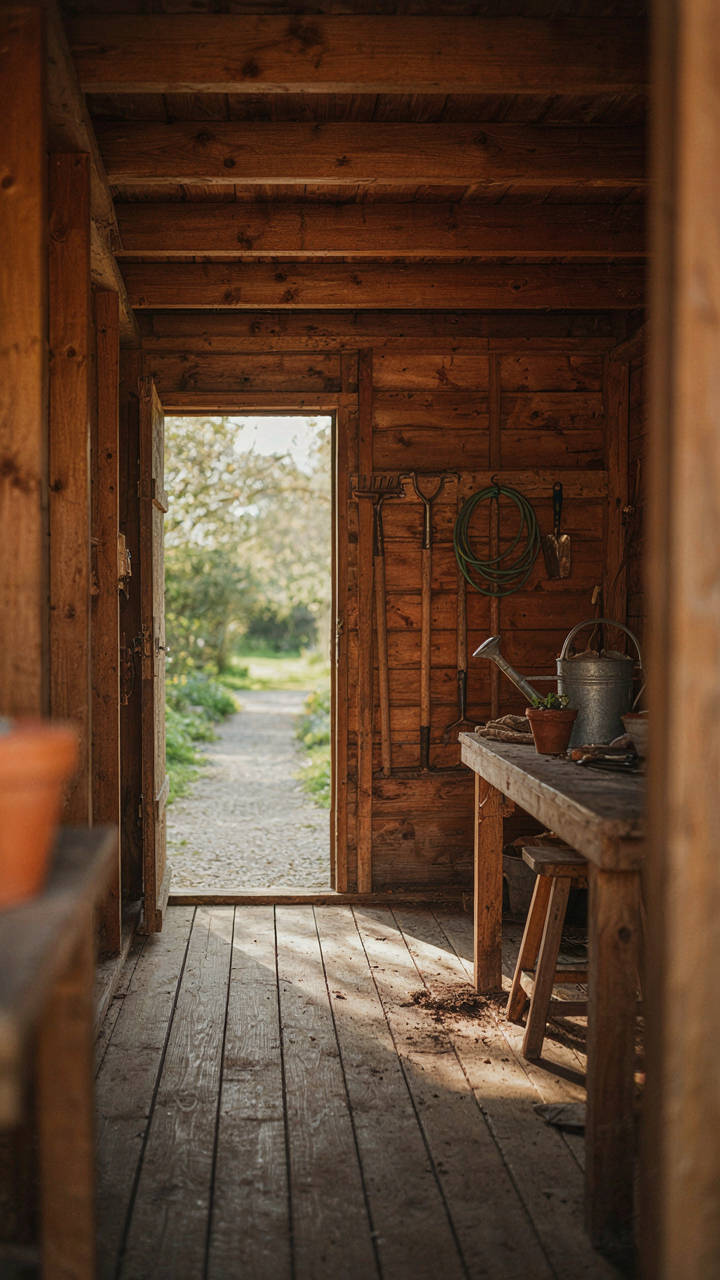
Most people fill sheds with “character” pieces that obstruct workflow. Stop. Bare walls and open floor near the door aren’t sparse because you lack taste. They’re sparse because you need to move through the space without obstacle. A rake handle shouldn’t require spatial choreography to retrieve. The absence of clutter is the presence of function.
Tools Direct The Layout, Not The Reverse
Your workflow determines placement, period. Hang frequently used implements within arm’s reach of your work zone. Store seasonal equipment in back corners where you don’t trip over it during regular tasks. Group related tools together by task, not by tool type. This means pruning shears and twine live near your potting station, not isolated on a specialty pegboard.
The common mistake: organizing for visual appeal first, accessibility second. Flip that. A rustic shed organized by actual use pattern will look more authentically weathered than one arranged for Instagram. Place your most-reached-for tool at standing height, elbows bent. This simple protocol cuts task time and wears your space in ways that actually matter to you.
The Anti Fad Rustic Shed: Avoiding Pinterest Pitfalls
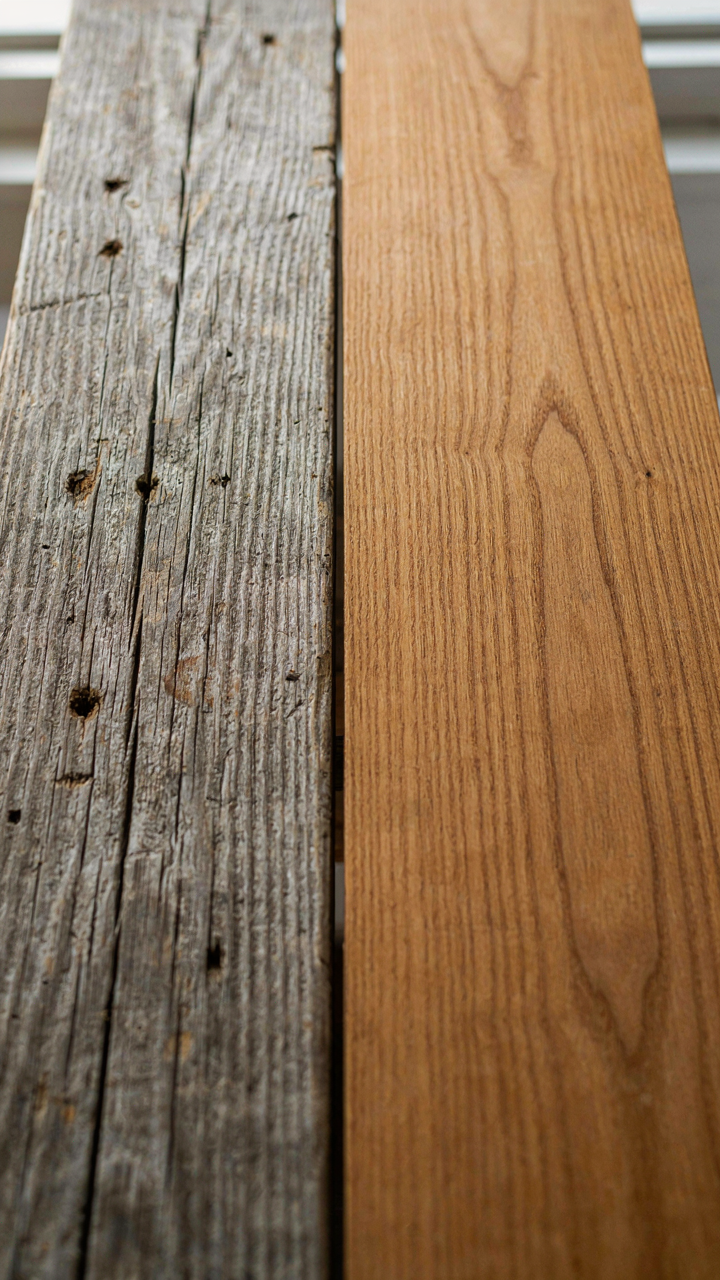
Real Weathering Versus Factory Distress
You want people to think your shed has history without admitting you built it last month. Here’s the mechanism: authentic aging happens through specific environmental stress, while manufactured distress is visual theater with no structural logic behind it.

Real weathering follows patterns. Wood that faces south and west grays faster than protected sides. End grain splits predictably. Metal rusts in oxygen-rich areas first, not randomly. Nails create rust halos where water pools. When you see distressing that ignores these patterns, it reads as fake to anyone who has actually maintained old buildings.
Durability Over Aesthetic Trends
The common advice says choose materials that photograph well. That’s backwards. Materials that last through actual weather cycles happen to look authentic because authenticity is what survives.
- Reclaimed barn wood: Costs more but has already proven its durability through decades of exposure. Patina indicates genuine material performance, not applied finish.
- Untreated hardwoods like oak or walnut: Gray naturally over five to seven years when left bare. No refinishing required to maintain the weathered effect.
- Hot dipped galvanized metal roofing: Develops a stable gray patina that protects underlying steel. Won’t rust through like cheaper alternatives do within ten years.
- Lime mortar and stone foundations: Breathes with humidity shifts, reducing crack formation. Trending concrete blocks trap moisture and fail faster in freeze thaw cycles.
- Untreated cedar siding: Weathers to silver gray naturally. Stained cedar requires reapplication every three to four years or fails unevenly.
Material choices that last define rustic sheds. You stop pretending to care about trends when you realize repainting every other year costs more than buying the right material once. Buy what performs, then let time do the work for you.
The Unfinished Truth: Why Your Rustic Shed Is Never “Done”
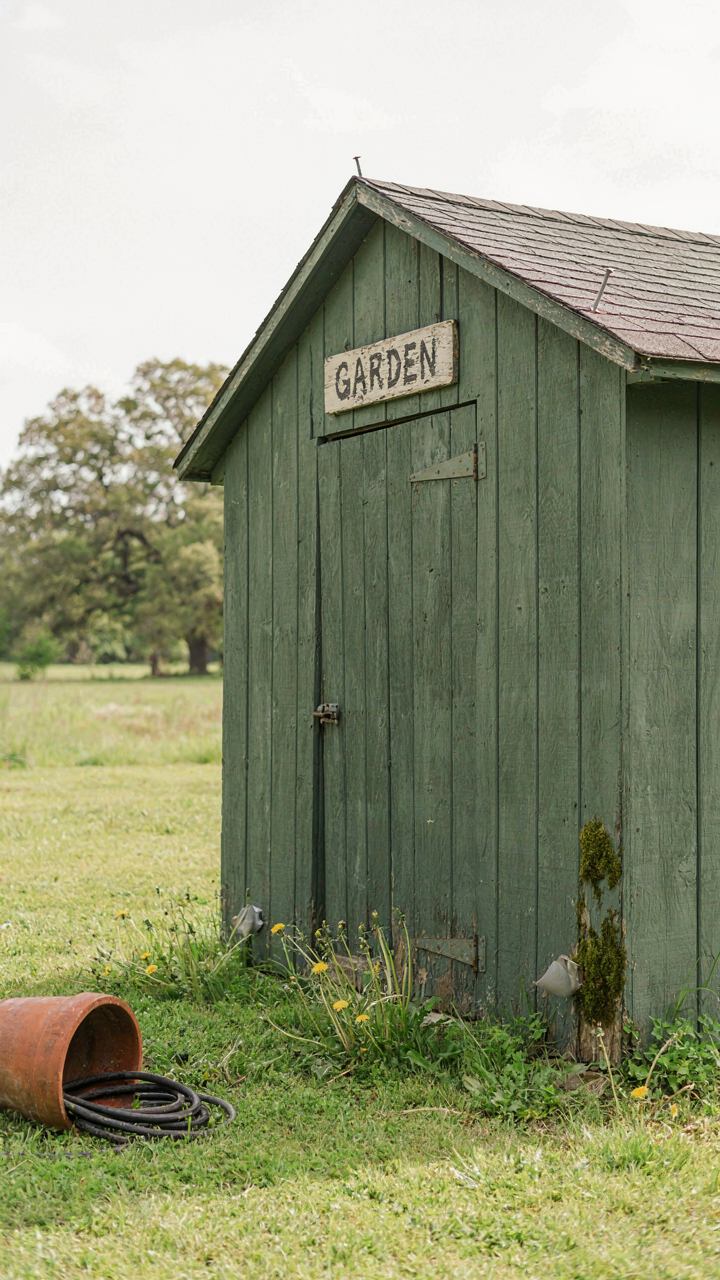
Maintenance Compounds Over Time
You want to believe that building a rustic shed is a project with an endpoint, that completion exists. It doesn’t. The mechanism at work here is material degradation, and it accelerates the moment weathered wood stops being treated like a living system and starts being treated like furniture.

Weathered wood doesn’t stabilize after year one. It continues absorbing and releasing moisture with seasonal shifts. This cycle causes checking, warping, and surface checking to deepen. Paint and stain protect against this, but neither is permanent. You repaint every three to five years, seal gaps every two, and replace boards every decade depending on your climate. The shed you built in 2015 is not the same shed in 2025.
Structure Demands Seasonal Attention
Biology uses the term “homeostasis” to describe how organisms maintain stable internal conditions despite external pressure. Your rustic shed operates the same way, except you’re the regulatory system. Without intervention, entropy wins fast.
Rust spreads on hardware. Roof fasteners back out from freeze-thaw cycles. Joints loosen. Flashing separates from walls. Rodents find entry points you didn’t seal. The weathered aesthetic people chase comes from neglect, not design, and neglect creates real structural problems underneath. You inspect quarterly, tighten hardware annually, and seal penetrations before winter arrives. The shed asks you to show up consistently or watch it fail.
The Real Obstacle Isn’t Aesthetics; It’s Your Fear Of Nature’s Inherent Impermanence
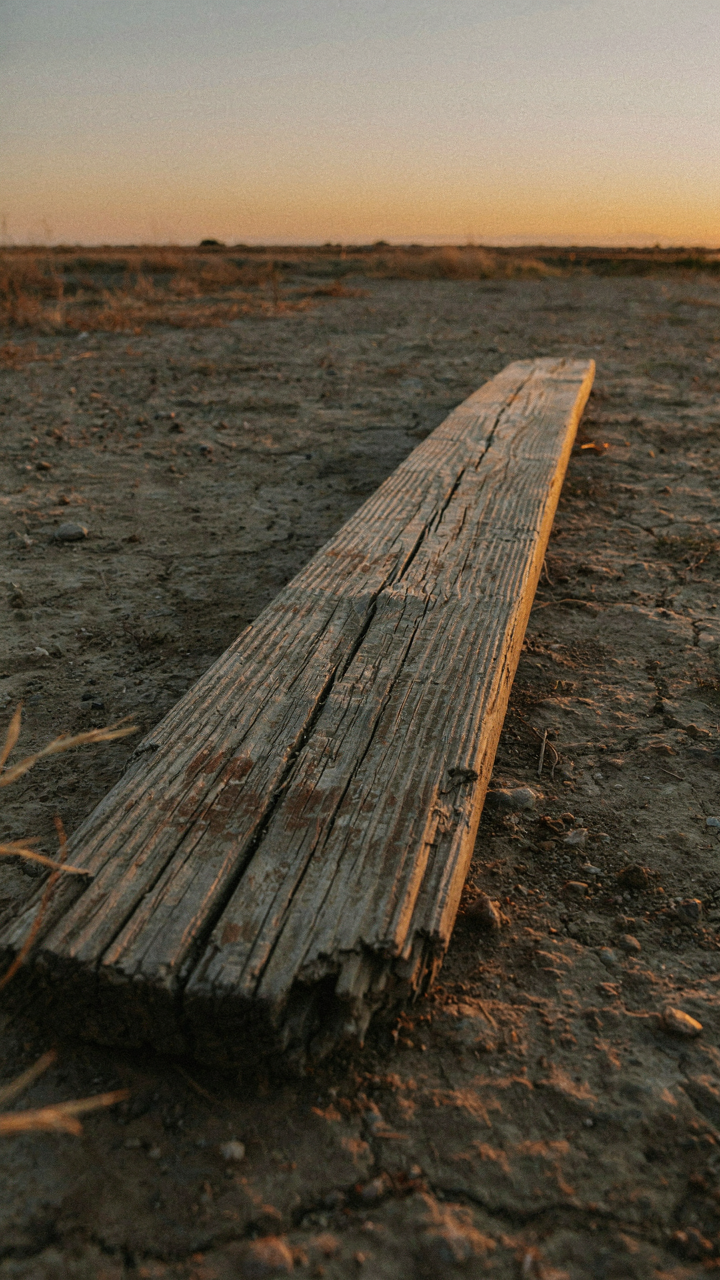
You’re not afraid of building a rustic garden shed. You’re afraid of watching it age. That weathered wood you admire? It demands you accept decay as part of the design. Most people can’t do that. They want permanence. They want to build once and forget it. Stop thinking like that. Your shed will rot. Your wood will crack. That’s not failure, that’s the point. Pick one weathered board today and touch it. Feel the texture. Understand what you’re actually committing to. A rustic garden shed isn’t a structure you build; it’s a cycle you join.



