
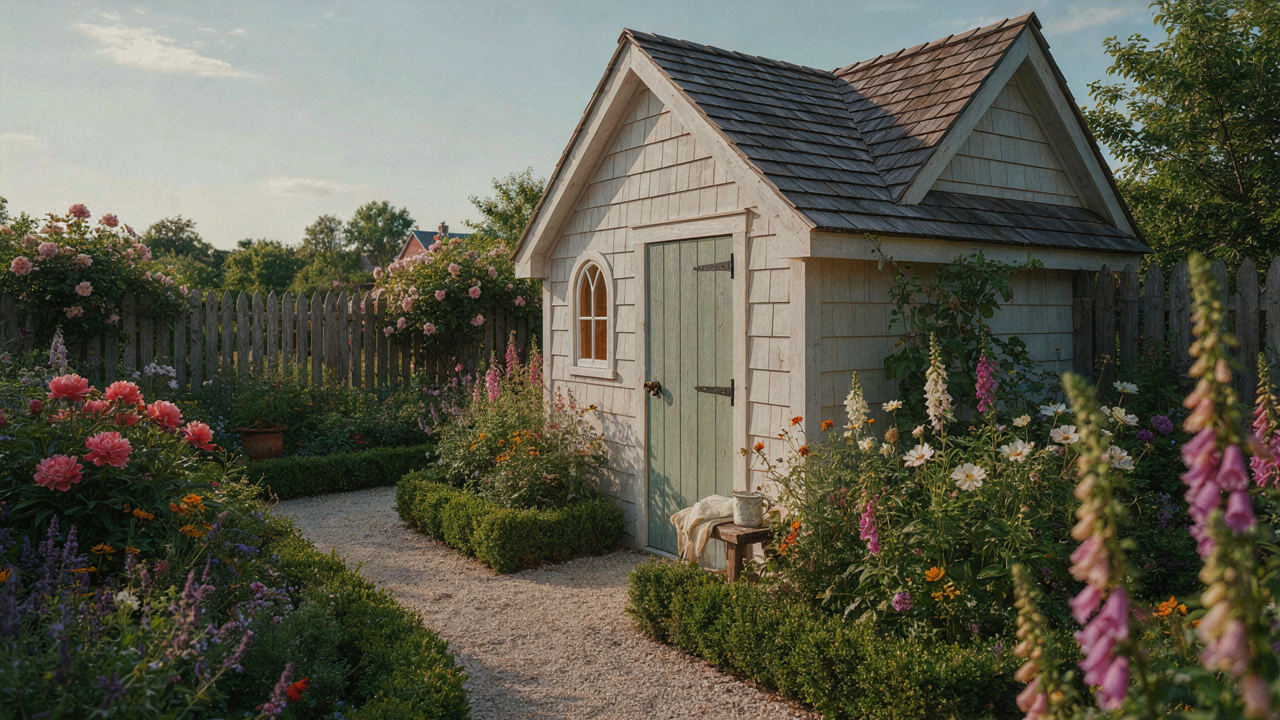
The Intentional Core: Why Your She Shed Cottage Needs A Blueprint
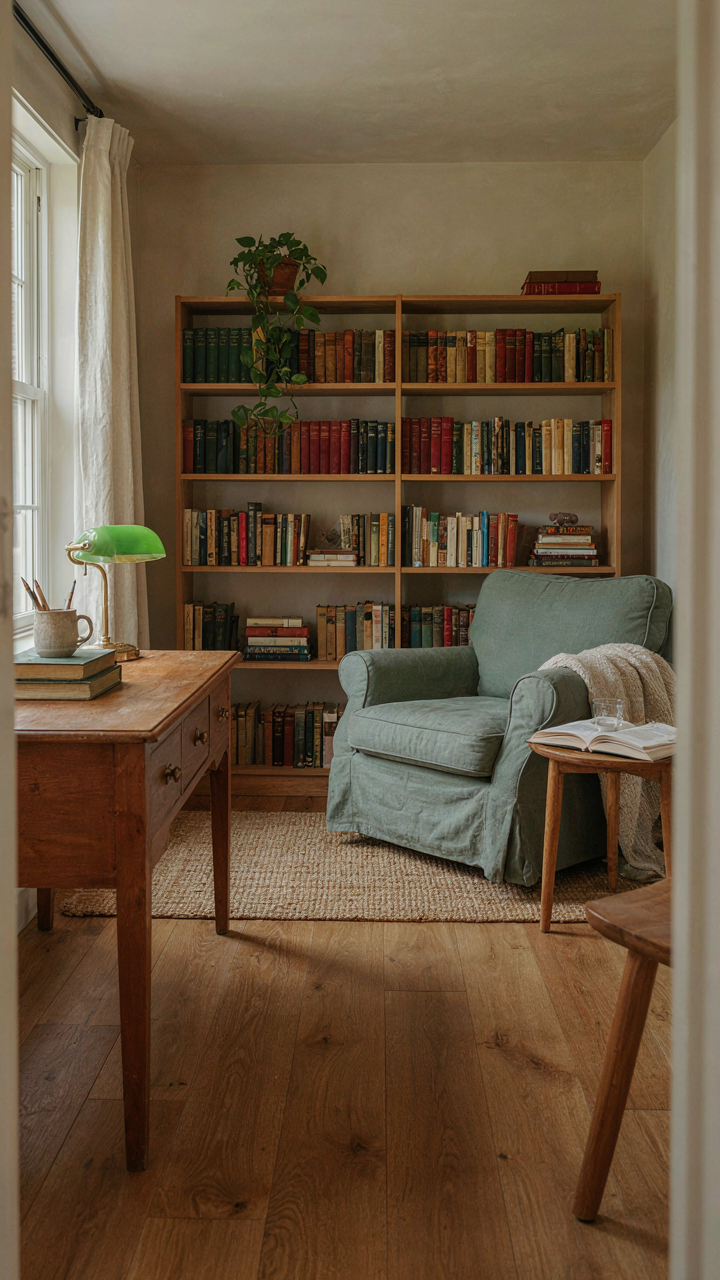
Pick One Thing, Not Everything
You want your she shed to feel complete and purposeful because the alternative is a expensive storage room that happens to look nice. Here’s the mechanism: constraint breeds design. Economics teaches us that scarcity forces allocation. Your shed has limited square footage, so every inch either serves your stated purpose or competes against it. Most people skip this step and end up with a hybrid space that does nothing well.
Define what the space actually does. Is it a creative studio? A reading retreat? A guest space? A hobby workshop? Not all of these simultaneously. The cottage aesthetic works because historical cottages weren’t multipurpose by choice but by necessity, and that limitation created visual coherence. Your shed needs the same clarity. Write down one primary function. That becomes your north star for every material, furniture, and layout decision that follows.
Map Activity Into Zones
A zone isn’t a decorating concept. It’s a functional division of labor that keeps activities from bleeding into each other and creating visual noise. Your reading corner shouldn’t compete with your work table for attention or space. The cottage style actually demands this separation because the movement emerged from efficiency, not from aesthetic whimsy.
Identify three to four zones based on your primary purpose and how you’ll actually move through the space. A writing shed might have a desk zone, a reference zone, a coffee prep zone, and a transition zone near the door. A hobby studio needs a supply zone separate from the creation zone. Zones aren’t walls. They’re arrangement decisions. Align furniture, lighting, and material choices to reinforce where each zone begins and ends. This prevents the space from feeling scattered and ensures cottage charm reads as intentional rather than accidental.
Vintage Charm As A Force Multiplier: Beyond Rustic Aesthetics

Why Patina Matters More Than You Think
You want vintage charm because it signals you have taste without trying too hard. The real mechanism: patina and visible history trigger the brain’s reward center for authenticity. In neuroscience terms, we call this signal detection—your nervous system recognizes genuine wear as proof something has survived time. A scratched wood table hits different than a new one because damage proves use, proves survival, proves value. Objects that show age create comfort because they contradict our throwaway culture. That contradiction is what makes them magnetic.

Real patina forms through actual use and environmental exposure over decades. Sunlight fades wood stain unevenly. Hands polish metal edges smooth. Humidity causes subtle warping. These patterns cannot be manufactured in a factory. When you place an authentically aged piece in a she shed, your brain registers it as stable, trustworthy, outside the disposable economy. That sensation is not sentimental—it’s neurological recognition of durability and real cost absorbed over time.
The Distressed Fake Problem Nobody Names
The industry sells “distressed” finishes because they’re cheaper to produce and easier to scale. Real talk: most of what you see labeled vintage or reclaimed is new wood treated to look old. Manufacturers spray paint, sand edges with power tools, and sometimes use chemicals to artificially age surfaces. This is not vintage charm. This is costume jewelry pretending to be heirloom silver. The gap between authentic and imitation is not aesthetic—it’s structural. Genuine aged pieces have different wood movement, different weight distribution, different response to humidity.
Sourcing authentically requires three steps: buy from estate sales and auctions where provenance is documented, inspect wood grain and construction joints for hand-tool marks from pre-1950s craftsmanship, and accept that real pieces cost more upfront but retain value. A genuine 1950s ladder-back chair with original woven rush seat beats ten new “farmhouse” knockoffs. Visit local antique dealers who specialize in furniture from a specific era—they stake their reputation on authenticity and will show you how to spot reproductions. This matters because your she shed becomes either a retreat that deepens over time or a disposable set piece that feels hollow within two years.
The ‘Scarcity Mindset’ Method For Cottage Garden Sheds
Work Within Real Constraints, Not Wishes
You want this space to feel intentional and rare because abundance feels cheap. The mechanism is biological: scarcity sharpens focus and triggers conservation behavior in the brain. Design cottage sheds by mimicking natural resource limits, not fighting them. A small footprint forces you to choose what matters. Artificial constraint beats unlimited options every time because unlimited options create decision paralysis and clutter masquerading as coziness.

The cottage aesthetic itself emerged from necessity, not nostalgia. Rural structures before industrialization had to serve function first. Limited materials meant every element earned its place. Modern she sheds replicate this by working with actual square footage, actual light sources, and actual seasonal changes rather than pretending the space is something it isn’t. Your shed has real limits. Use them as design parameters, not problems to solve.
Essential Tools Only, Everything Else Out
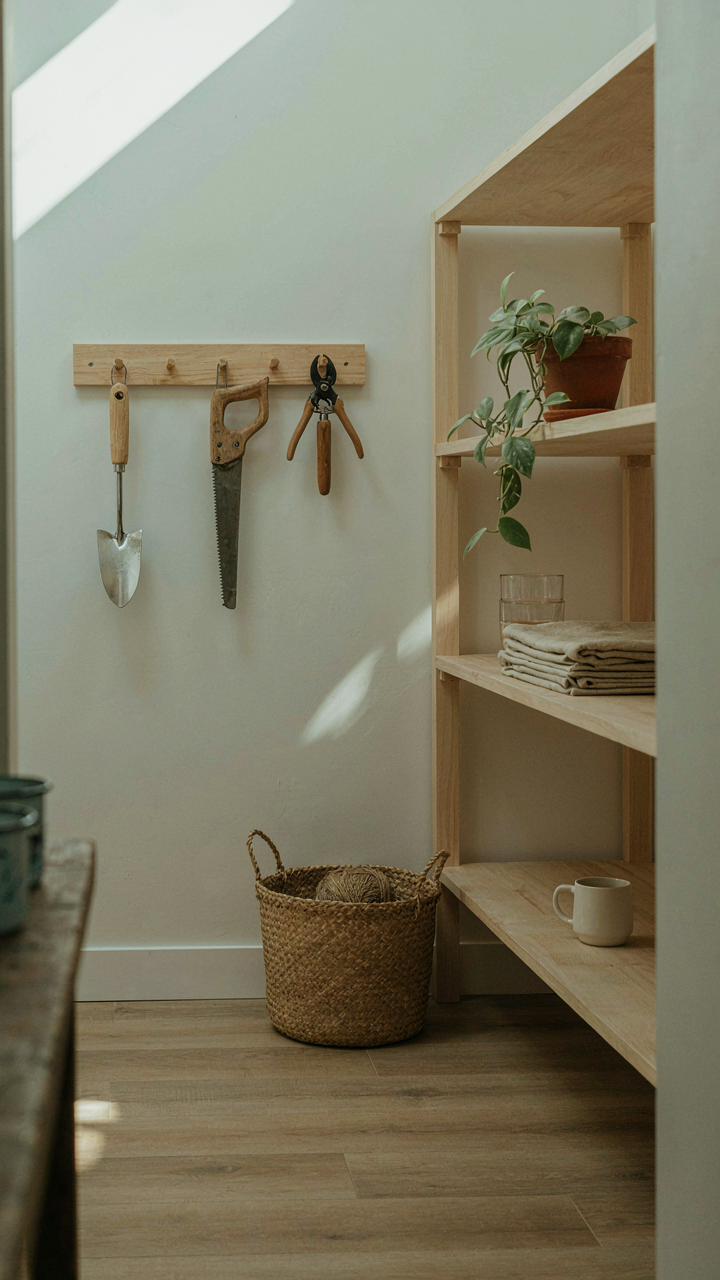
Most advice says to “organize and display” your collections. That’s backward. The real move is ruthless deletion. Cottage style doesn’t mean crowded with vintage trinkets. It means each object has clear purpose and earned visibility. Tools you actually use go on hooks or shelves. Everything else leaves. This isn’t minimalism dressed up. It’s the original design constraint: keep what functions, remove what doesn’t.
The visual power of cottage spaces comes from negative space around essential items, not from filling every surface. A single well-made basket, three hand tools on a wall rack, natural wood shelving with air around objects. Compare this to sheds packed with sentimental clutter masquerading as charm. The full shed feels heavier. The edited shed feels deliberate. Your selection process becomes the design statement itself.
She Shed Exterior: The Psychological Gateway
The Threshold Effect
You want people to notice your she shed from the house. That’s the real reason you’re reading this. The mechanism is threshold design, borrowed from architecture and neuroscience: a deliberate boundary signals to the brain that you’re entering a distinct space with its own rules. Your exterior isn’t decoration. It’s permission.

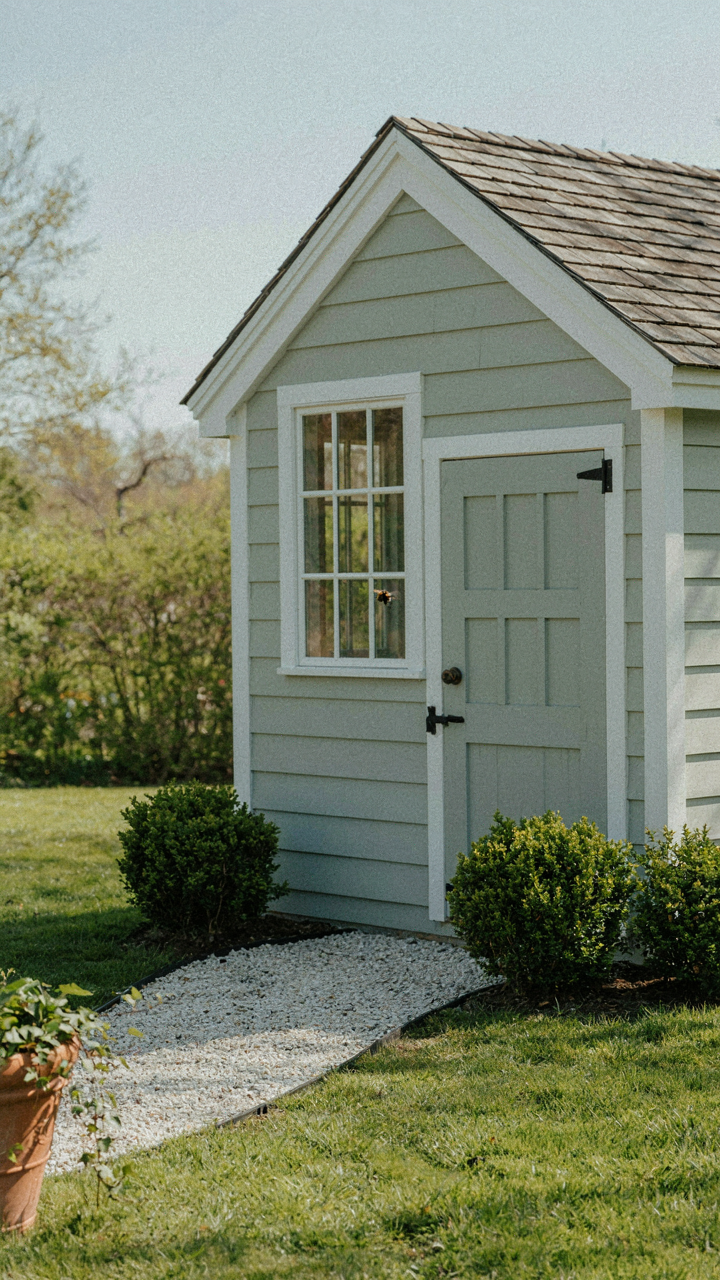
The cottage aesthetic works here because it establishes legitimacy through familiarity. Weathered shiplap, a pitched roof, a single window with divided panes, a defined door frame—these read as “real building” not “yard structure.” The transition happens before you step inside. Pale gray, cream, or soft sage paint on exterior walls matters because it doesn’t shout. It whispers that this space exists on its own terms, separate from the main house energy.
Integration Without Invisibility
Most advice says “blend it in.” That’s incomplete. You want integration without disappearance—your shed occupies a specific location in the landscape, not scattered everywhere at once. The constraint here comes from landscape design’s hierarchy principle: every element on your property has visual weight and demands placement logic.
Position your she shed where it catches morning or afternoon light, not in dead space between trees. Use perennials or low shrubs around the perimeter, not a ring fence that screams “I built a barrier.” Cottage style demands the structure feel planted, not dropped. A small gravel pathway leading from the house, or a single stepping stone approach, anchors the shed into the land’s existing flow. This is the protocol: establish sightline, define approach, integrate without hiding.
Cottage Core She Shed: The “Sensory Immersion” Protocol

Build A Scent And Texture Layer
You want people to feel something when they walk in—not think it’s nice. That’s the real mechanism. Sensory design borrows from neurobiology: specific stimuli trigger memory recall faster than visual cues alone. In a she shed, this means scent and texture work as anchors that make the space feel intentional, not accumulated.

Dried lavender, beeswax candles, and cedarwood are factual choices rooted in cottage tradition. They’re not trendy. Layer textures through linen curtains, wool throws, and rough-hewn wood surfaces. Touch the materials before buying them. What feels right in your hand becomes the invisible force that keeps people in the space longer.
Strip Away Everything That Competes
The common advice about “cozy layering” is incomplete. Adding more textures, scents, and sounds doesn’t compound comfort—it fragments attention. Your nervous system has a load capacity. Exceed it and the space becomes chaotic, not calming.
Start with one dominant scent source. Choose one primary textile texture per wall zone. One sound layer, not ambient background noise plus music plus wind chimes. The mechanism works because constraint forces presence: when fewer stimuli compete for attention, each one registers more deeply. Edit ruthlessly before you decorate.
Shed Design Ideas: Optimizing Flow And Focus
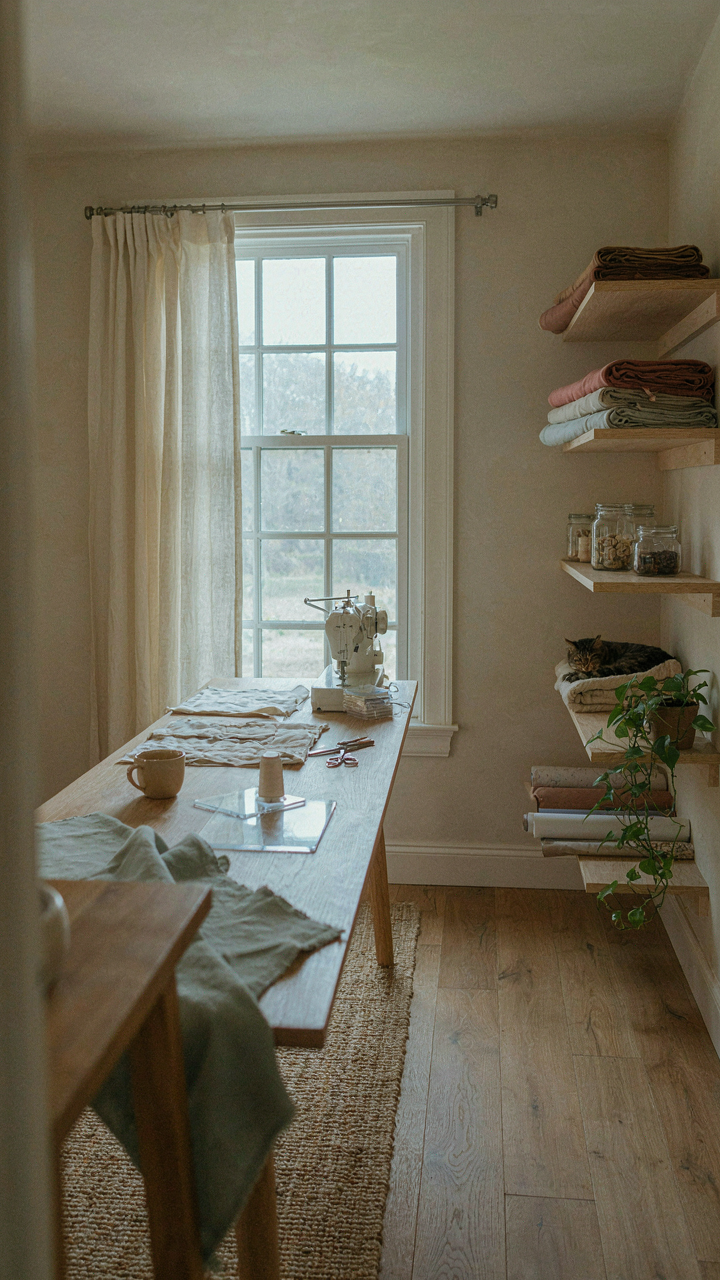
Arrange For Your Actual Activity
You want your she shed to feel purposeful because an undefined space feels like wasted money. The mechanism is friction. Every step between you and your chosen activity is friction. Layout defeats itself when you design for aesthetics instead of task sequence.

Start with the activity’s natural workflow. If you sew, your cutting table needs to be near light and storage. If you read, your chair needs to face away from the door. If you work remotely, your desk requires a surface behind you and power within arm’s reach. Map the sequence, then place furniture to eliminate backtracking. Cottage style doesn’t override function. It wraps around it.
Most people reverse this. They buy vintage pieces they like, arrange them to look cottagecore, then wonder why they never actually use the space. The real constraint isn’t square footage. It’s friction reduction. Place your primary work zone first. Everything else orbits that zone. Only after the activity flows smoothly do you layer in the aesthetic details that make cottage style work.
Light And Air As Infrastructure
Cottage design borrowed from vernacular architecture’s survival mechanism: buildings respond to climate, not ego. Windows and ventilation aren’t decoration in cottage style. They’re structural to the entire aesthetic because natural light makes vintage finishes read as charming instead of dingy.
A she shed without cross-ventilation becomes a humidity trap. Vintage wood, fabric, and finishes degrade in stagnant air. Install windows on opposing walls if possible. If your shed is small, one large window beats multiple small ones because it controls sightlines and shadow patterns. Position your work area to use natural light for at least part of the day. Artificial light fills gaps, but it doesn’t replace the anchoring effect of sunlight on wood grain and fabric texture. When air moves through the space and light changes throughout the day, the cottage aesthetic sustains itself. When neither moves, you’re maintaining a storage unit that looks vintage.
The ‘Feedback Loop’ She Shed Exterior Ideas
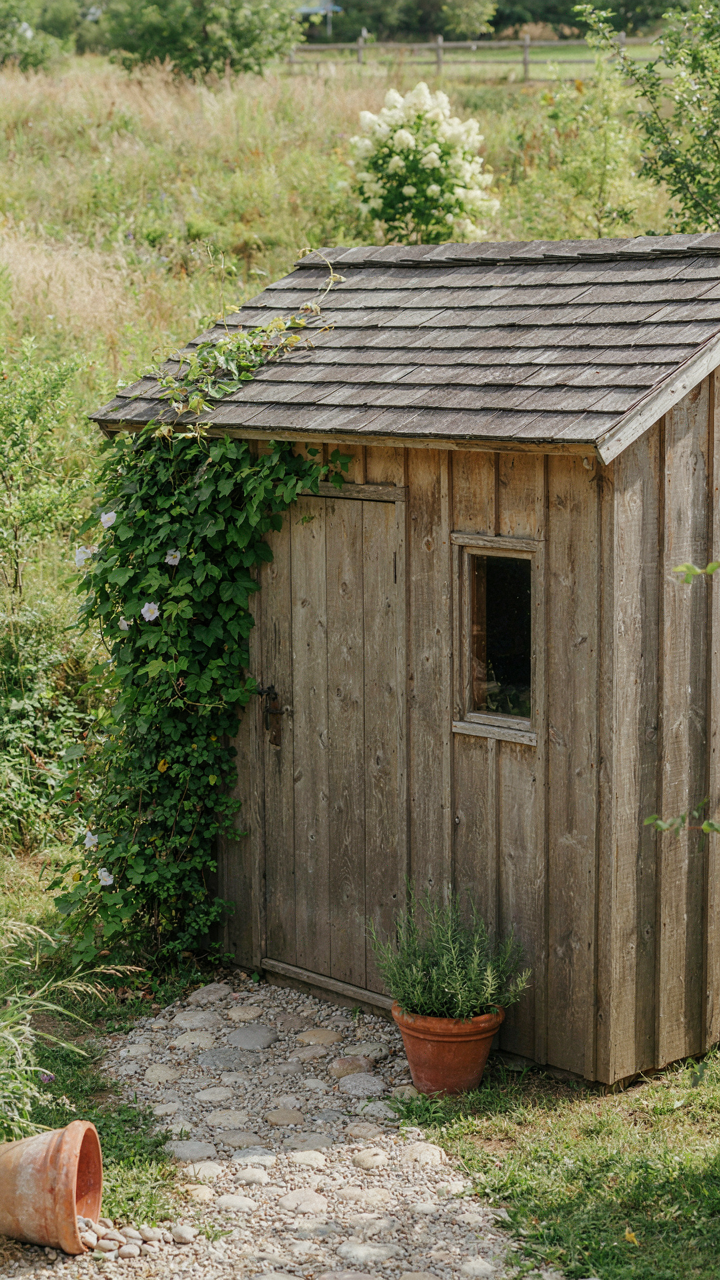
How Your Exterior Signals What Happens Inside
You want people to know you’re the kind of person who has a she shed. That status signal matters more than you’d admit. But here’s the mechanism: cybernetics teaches us that systems self-correct through feedback. Your she shed exterior is a control loop. The outside appearance instructs your brain on what behavior belongs inside. A cottage-style exterior with weathered wood and climbing vines doesn’t just look quaint. It trains you to move slower, speak softer, and protect solitude instead of broadcast it.

The feedback loop works in both directions. Your exterior choices become environmental inputs that reshape your internal state. Whitewashed walls and a pitched roof prime you toward rest before productivity. Metal fixtures and worn surfaces prime you toward restoration work before leisure. You’re not choosing an aesthetic. You’re choosing which feedback signals you want your nervous system to receive every time you approach the structure.
Sight Lines That Shape Behavior
Common advice says “design what you like.” That’s backwards. You don’t like things that work. Your eyes land on elements that signal safety or purpose, and that’s what feels appealing. Cottage-style she sheds use layered sight lines. A front porch rail frames entry. Weathered siding breaks the wall plane. A pitched roof creates visual weight. Each element blocks certain views and directs gaze toward others. You stop seeing the shed as utilitarian structure. Your brain processes it as a destination.
The positioning of windows, doors, and textures controls where attention goes when you approach. A single window placed asymmetrically changes how you enter. You don’t walk to the center. You walk toward the window first. Climbing plants on one side create a natural focal point that slows your approach. These aren’t decorative choices. They’re behavioral architecture. Your exterior design determines whether you rush inside or pause at the threshold.
Cottage Sheds: Tools For Creative Constraint
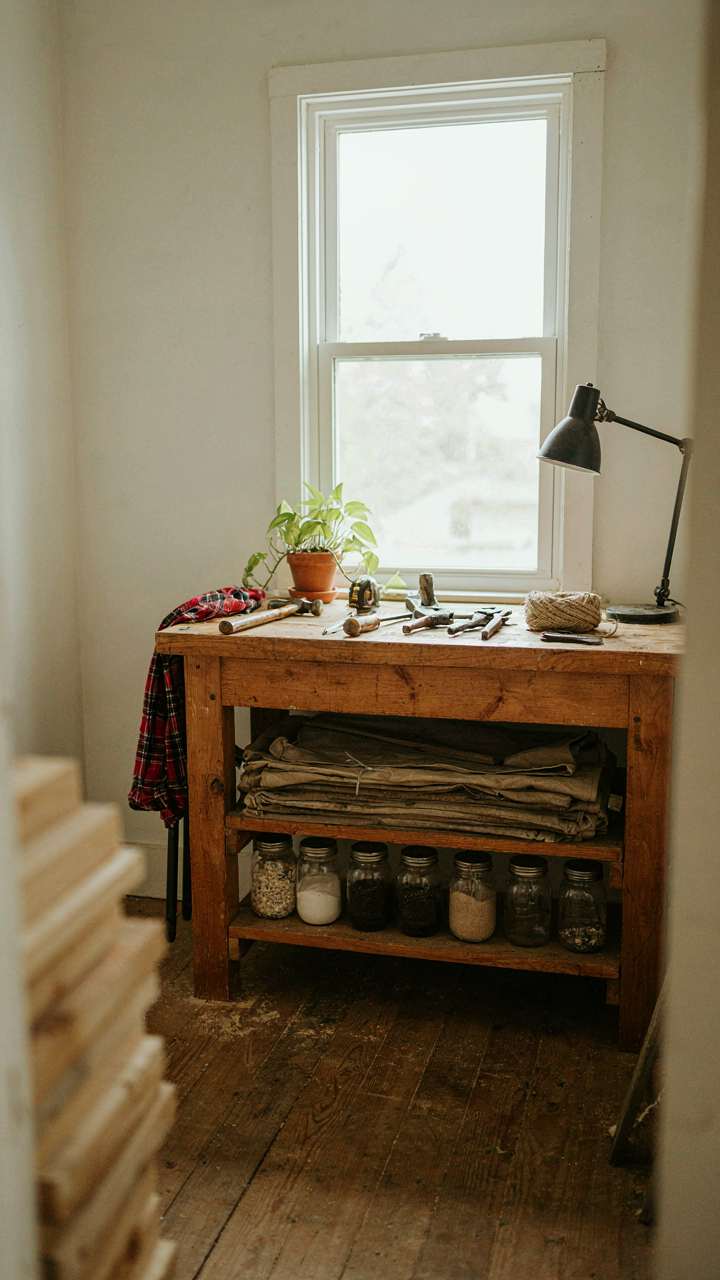
Tools That Enable Deep Work, Not Distraction
You want your she shed to feel productive so you can justify the space to yourself and others. The real mechanism is this: constraint forces creativity. Neuroscience calls it “directed attention fatigue”—your brain burns out when forced to choose between unlimited options. Cottage design solves this by limiting your tool palette intentionally. You’re not being deprived. You’re being protected from decision paralysis.

A cottage shed works because it mirrors how makers actually worked before industrialization. They had one workspace, one set of hand tools, one light source. They didn’t context-switch. This isn’t nostalgia. It’s a system that produces finished work.
- Hand tools over power equipment: Saws, chisels, planes, and rasps demand focus. You can’t multitask while using them. They force single-task workflows that reduce cognitive load and increase output quality.
- Single light source as primary: One adjustable task lamp or window-facing workbench eliminates the decision of where to position yourself. You work where the light is. Cottage sheds typically used natural light augmented by oil lamps or single overhead fixtures.
- Limited storage, visible tools: When tools sit on pegboards or open shelves instead of buried in drawers, you see them. Visibility reduces the mental search time your brain wastes hunting for the right instrument, keeping you in flow state.
- One primary material focus: Whether wood, textiles, or ceramics, cottage craftspeople specialized. Dedicating your shed to one material means one set of tools, one skill tree, one learning curve. No switching between conflicting workflows.
- Analog time tracking: A clock on the wall, not a phone timer. No notifications interrupt your session. Cottage aesthetics naturally pull you away from digital distraction.
The setup works only if you treat it as non-negotiable. Add a second tool category or an extra light source “just in case” and you’ve collapsed the constraint. The cottage shed’s power lies in what you exclude, not what you include.
Vintage Items As Functional Hybrids
Most design advice tells you to repurpose vintage items for “character.” That’s incomplete and misses the actual advantage. Cottage design uses multi-purpose vintage pieces because they were engineered for durability and simplicity, not planned obsolescence. A cast iron stove heats the space and dries wood. A vintage apothecary cabinet stores tools and doubles as display. A milk can becomes a waste container. The “reuse” isn’t sentimental. It’s efficient.
The reason this works in a she shed is economic and practical. You need storage, heating, and work surfaces. Vintage pieces accomplish multiple functions in one footprint, which matters in small spaces. A wooden workbench from the 1940s has tool storage built into the base, an indestructible top, and weighs enough to stay stable under heavy use. A new one copies the look but not the engineering. When you source vintage, you’re not paying for design. You’re paying for structural integrity that manufacturers stopped building into new furniture forty years ago.
Shed Exterior Ideas: The Unseen Influence Of Boundaries
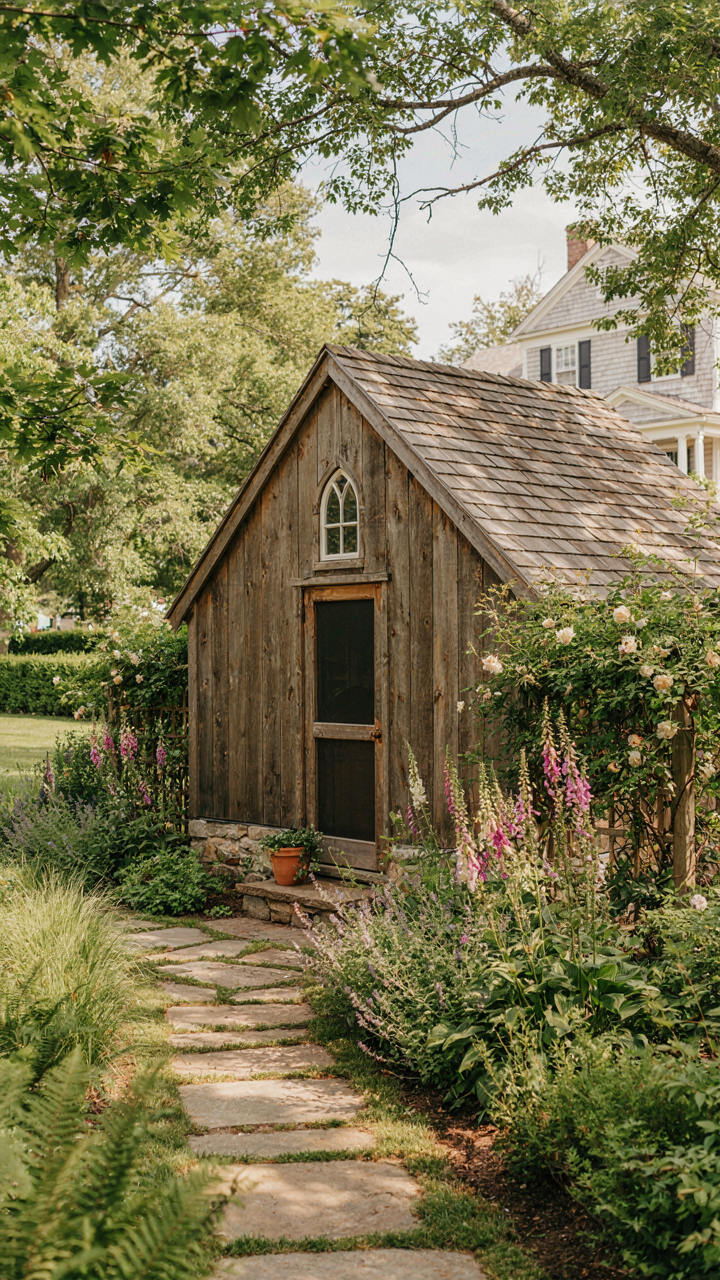
How Walls Become Permission Structures
You want a she shed because you need permission to be alone. That’s not weakness, it’s architecture doing its job. Physical barriers work like a fence in property law: they establish that something belongs to you and operates under your rules. The exterior of a cottage-style shed functions exactly this way. It signals ownership and separation from the main house, which your brain reads as legitimate solitude. Most people frame this as aesthetics when it’s actually psychology translated into materials.

The cottage aesthetic specifically reinforces this because it borrows from historical garden structures and servants’ quarters that were always physically distinct from primary dwellings. Stone, brick, or weathered wood on the exterior creates visual weight that says “this is a separate space.” The cottage style doesn’t whisper, it states. That boundary effect is why a plain shed fails to deliver what a cottage-styled one does, even if they’re the same square footage.
Strategic Placement For Mind And View
Location determines whether your exterior reads as intentional retreat or convenient storage. A she shed cottage style placed at the property line or behind mature trees creates actual visual separation from the main house. If you can’t see it from kitchen windows, you can’t mentally access it mid-workday, which means you’ll actually use it. The line of sight matters more than decoration.
Place the entrance to face away from the house and street. This isn’t about mysterious vibes, it’s about controlling who watches you enter and exit. Cottage-style structures from the Victorian era used similar placement to create privacy by design, not by hoping nobody notices you there. A screened entrance or planted border along the path matters tactically: it breaks the sightline and forces a deliberate transition into the space. When entry requires a small walk, your mind shifts modes instead of staying tethered to household demands.
Maintenance As A Ritual: Sustaining Your Sanctuary

The System That Stops Decay
You want to believe maintenance happens naturally once you’ve built the space. It doesn’t. Entropy wins without a protocol. A she shed cottage style interior deteriorates faster than standard rooms because vintage materials and layered textures trap dust, moisture, and neglect differently than modern finishes. The mechanism is simple: wood absorbs humidity, fabric collects particulates, and wicker loosens at joints. Without a scheduled system, you’re managing crisis instead of preventing it. Two quarterly deep cleans plus monthly surface work stops the spiral before it starts.
The difference between a maintained sanctuary and a failed project is documentation. Create a log tied to seasons, not feelings. Spring means checking wood for swelling, summer means inspecting fabrics for mold, fall means sealing any gaps, winter means monitoring humidity. This isn’t busywork. Each season creates specific stressors on cottage materials. Assign one person ownership and one calendar reminder. The cost of a single hour per quarter beats replacing a deteriorated dresser or refinishing floors.
Purpose Drift And Design Recalibration
Most people skip this because they confuse a finished space with a finished process. Your she shed cottage style interior will pull in a different direction over time because your actual use patterns diverge from your intended ones. A corner you designed as a reading nook becomes a storage zone. A wall you envisioned displaying collections becomes a functional catchall. This isn’t failure. It’s information. Document what changed and why over six months. Then decide whether to restore the original intent or accept the new reality.
Evaluate every piece annually for functional fit, not just aesthetic appeal. Does that vintage side table still serve the workflow, or does it just occupy space? Are the plants thriving in their current light conditions, or are they slowly dying? Does the seating arrangement match how you actually spend time there? These aren’t decorative questions. They’re operational ones. Make one structural adjustment each season based on observation, not impulse. This keeps the space responsive to real life instead of frozen in a design fantasy.
The True Obstacle To Your She Shed Is Not Space, But Your Lack Of Strategic Intent
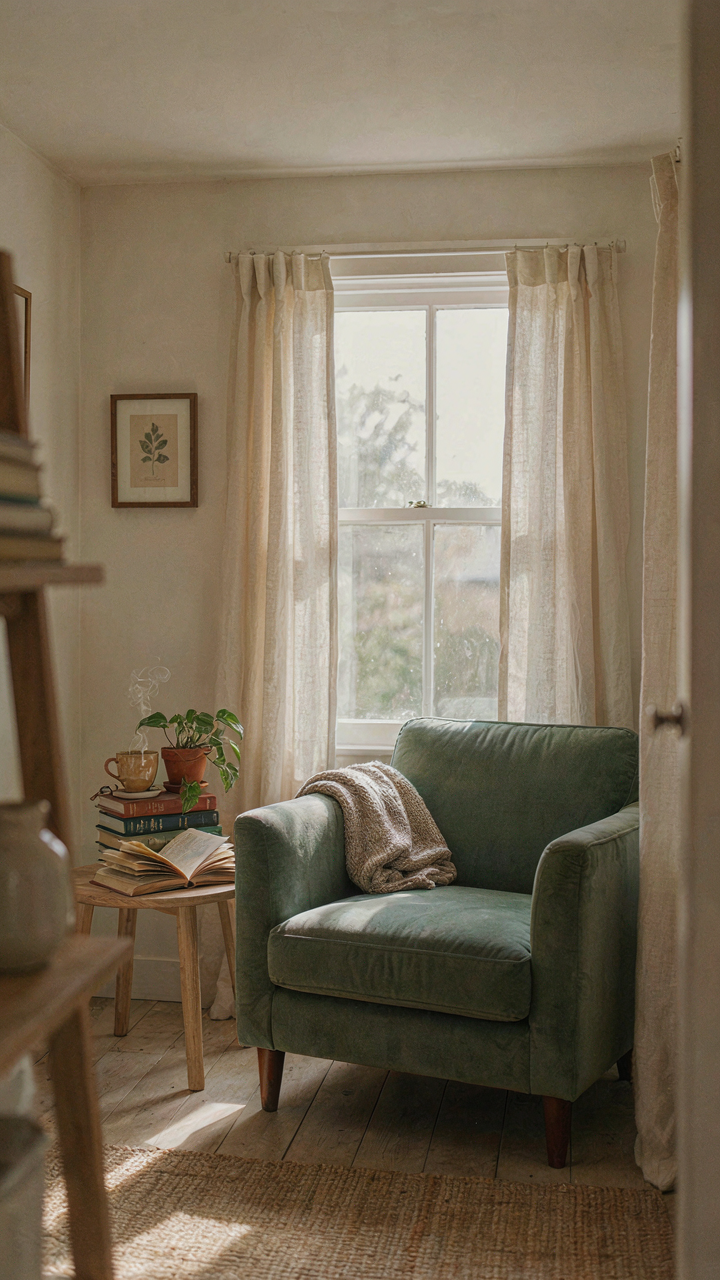
Most people treat their she shed like a storage problem instead of a lifestyle statement. You don’t need more square footage. You need a reason. Pick one purpose today. Not someday. Today. Is it a reading sanctuary? A creative studio? A quiet escape? Write it down. That single decision cuts through every design choice that follows. Your she shed cottage style becomes intentional instead of accidental. Everything else is just decoration around a void. Know your why, and the space builds itself.



