The Unseen Geometry Of Joanna Gaines Staircase Flow

How Staircases Direct Movement Without Speaking
You want this section because you’re afraid your staircase looks like everybody else’s, and you’re right to be afraid. Here’s what matters: a staircase operates like a vector in physics, not decoration. It doesn’t just connect floors. It creates a forced path through your home that either accelerates or halts the eye and body. Joanna Gaines staircases work because they treat the staircase as the primary conductor of how people actually move through a house, not an afterthought wedged into leftover space.
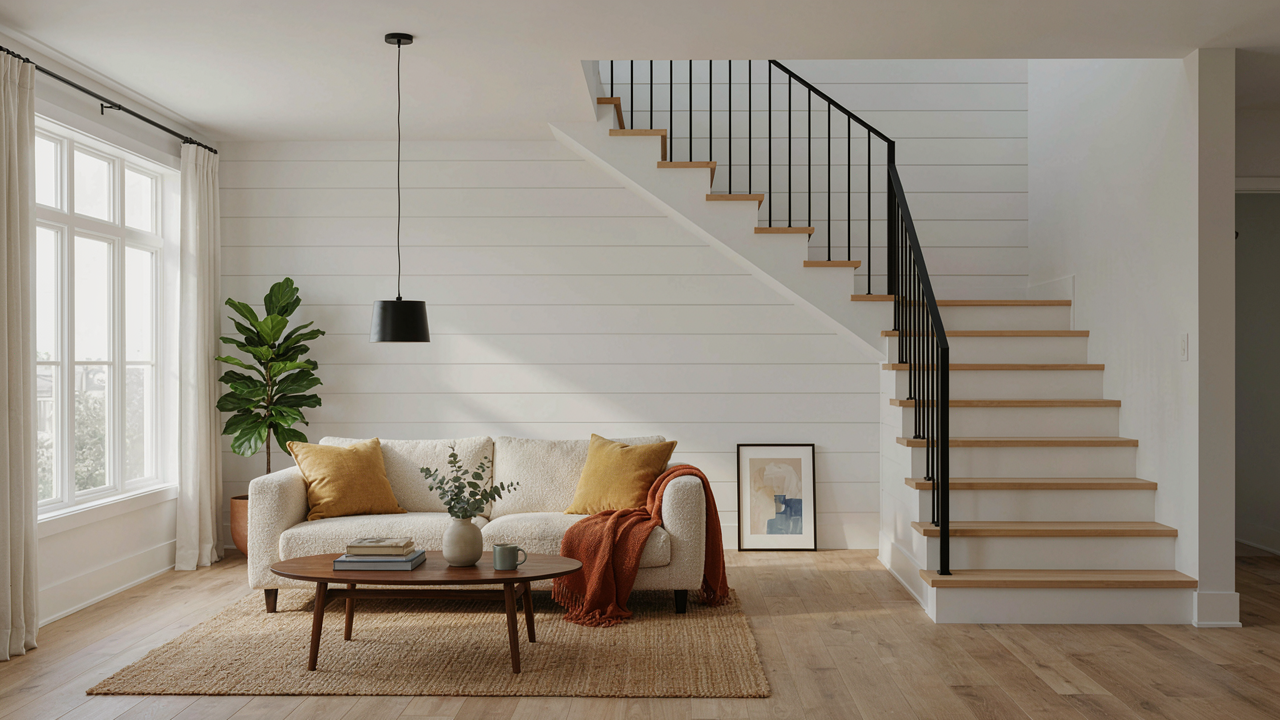
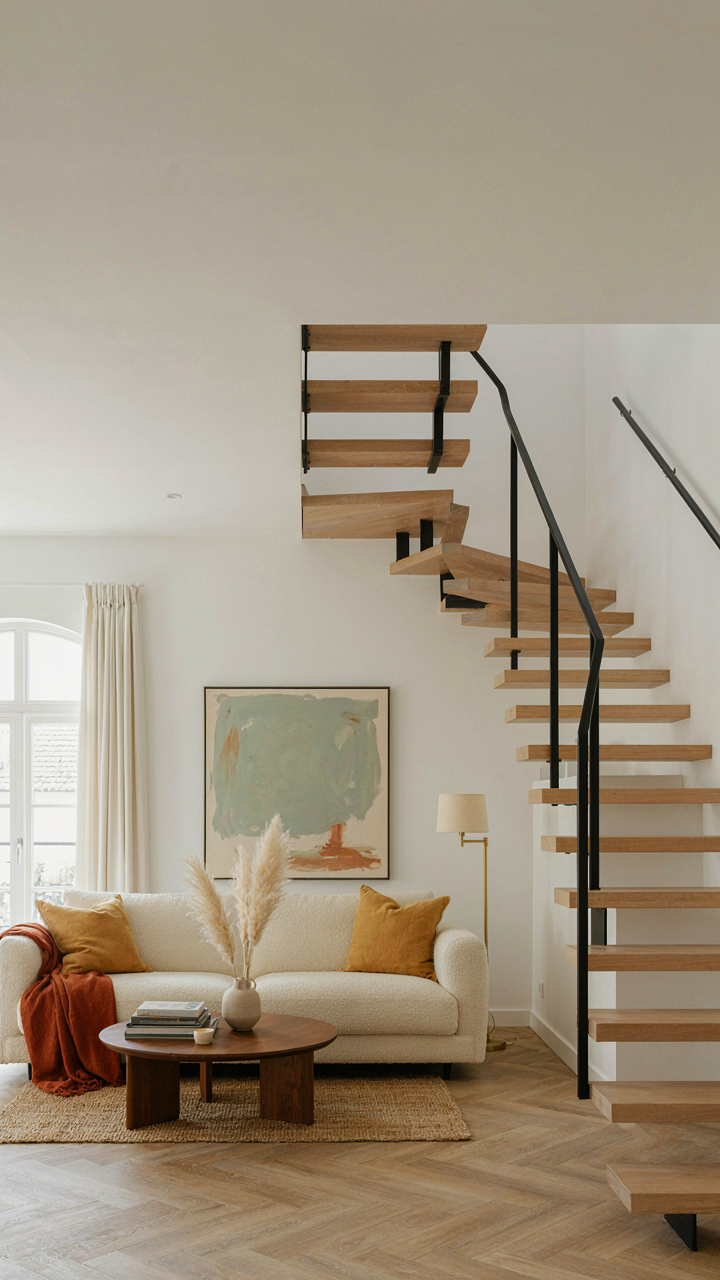
The standard move is to hide a staircase or minimize it. Wrong. Her farmhouse approach does the opposite. The staircase becomes a focal point positioned to channel movement deliberately. Open treads without risers, simple balusters, and exposed stringers guide the eye along a clear route. This forces visitors to move through the space in a specific way, which changes how they experience the entire layout. That geometric intentionality is the mechanism.
Visual Pathways, Not Just Steps, Define The Space
Most people talk about staircase aesthetics. They miss the real job: a Joanna Gaines staircase establishes visual continuity that either breaks or bonds adjacent rooms. The eye follows the line of the treads and handrail before the foot climbs. A farmhouse staircase with open stringers and no wall enclosure creates a transparent pathway that lets sight lines travel from entry to landing. This transparency is not neutral. It reshapes how spacious or cramped the entire ground floor feels.
The construction details cement this effect. Shiplap walls flanking the staircase, whitewashed or light wood treads, and simple steel railings establish visual rhythm. These elements don’t decorate the staircase. They extend its geometric logic into the rooms around it. When you walk toward or past the staircase, you’re not just seeing steps. You’re reading a designed sequence that organizes the entire floor plan. The staircase becomes the spatial grammar the rest of the home speaks.
Beyond Shiplap Under Stairs: Texture As The True Architect

Material Weight Determines Visual Credibility
You want people to think your staircase is expensive without saying the price out loud. That’s the real problem this solves. In architecture, load-bearing capacity determines structural hierarchy—which materials sit where based on what they can support. In Joanna Gaines staircases, visual hierarchy works the same way: heavier, denser materials anchor the design, while lighter ones float above them. This isn’t about preference. It’s about the eye reading stability.

Most people stack materials randomly and call it texture. Wrong move. Gaines sequences them vertically. Thick timber treads ground the piece. Painted risers sit in the middle. Metal or thin spindles occupy the top. Each layer signals to your brain that something solid is holding something delicate. The mechanism is contrast through material density. Without it, a staircase reads as decoration rather than craft.
Authentic Rough Finish Over Cosmetic Texture
The advice that rough-hewn wood adds warmth is incomplete. It doesn’t. Rough-hewn wood adds visual resistance. Resistance signals age and genuine use, which signals value. Gaines sources reclaimed or hand-hewn timber for stair components—not because it’s trendy, but because toolmarks and grain variation create depth that prevents the eye from settling on any single point. Smooth surfaces collapse visual distance. Rough surfaces expand it.
Apply this specifically: use hand-planed or unfinished wood on at least one tread component per staircase. Let the chisel marks stay visible under a matte finish. Leave the grain natural in high-traffic areas where wear patterns will eventually form anyway. Don’t sand it smooth and stain it dark. The authenticity comes from the surface speaking its own history. That’s the protocol.
The Joanna Gaines Personal Home: Contrast And Negative Space
Maximizing Impact Through Deliberate Restraint
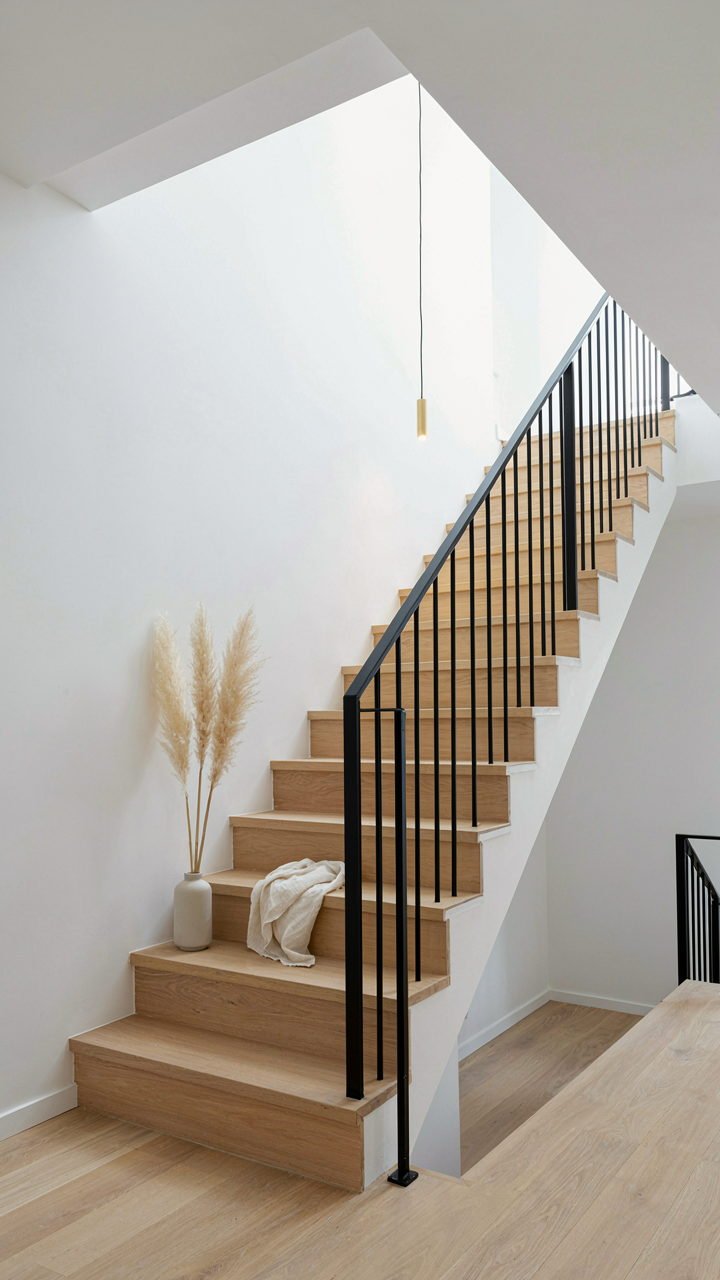
You want to know how to make a staircase look expensive without spending like it. The mechanism is contrast. In design physics, contrast is tension between elements, and Joanna Gaines built her staircase reputation on understanding that most people add when they should subtract. Her personal home staircases use white walls, simple railings, and open space to force attention onto the structure itself. Nothing competes for your eye. The staircase becomes the room instead of furniture in it.

The common advice says “add character with details.” Wrong. Character comes from what you remove. Gaines strips away baseboards, crown molding, and wall treatments around her staircases. This restraint creates a visual anchor. Rooms feel larger because the staircase doesn’t scream for attention through decoration. The wood, the lines, the geometry speak alone. This is why her designs photograph so cleanly and why they stay relevant. Busy staircases age fast. Empty ones compound in value.
The Power Of What Isn’t There
Open space around a staircase is structural. Your brain processes emptiness as intentionality, not neglect. Gaines leaves walls bare beside her staircases, lets light flood through open risers, and avoids runner rugs that divide visual flow. The absence of these elements creates psychological weight. You notice the staircase because there’s nothing else demanding recognition. Most homeowners fill empty walls with console tables or art. That’s filler masquerading as design.
The mechanic works like this: measure the wall space beside your staircase. If it’s more than three feet wide, leave it empty or paint it the same color as the staircase wall. Do not add furniture. Do not hang mirrors. Light and shadow become your only decoration. This forces the staircase geometry to carry the entire visual load. That structural honesty is what separates Joanna Gaines staircases from generic ones. The emptiness is the design.
The “Chip And Joanna House” Lighting Protocol

Ambient Versus Task Lighting
You want your staircase to look like theirs because you believe lighting is decoration. It’s not. Lighting is psychology dressed up as design. In architectural terms, you’re managing contrast ratios—the relationship between light and shadow that makes surfaces legible or invisible. Joanna Gaines staircases work because they layer two different light systems that serve completely separate jobs without competing for attention.

Ambient lighting floods the staircase zone with even, directionless light. This keeps people from tripping. Task lighting targets the treads, risers, or handrail with intentional brightness at specific points. Most homeowners skip task lighting entirely and wonder why their staircase feels flat at night. The mechanism is simple: ambient light alone reveals nothing. Task light reveals texture, depth, and the staircase’s actual geometry.
Natural Light On Staircase Features
Joanna Gaines staircases almost always sit where daylight can hit them. This isn’t accident. Strategic placement of a staircase near windows creates a moving light show throughout the day—morning gold on the handrail, midday shadow patterns on the risers, evening silhouette definition. The common mistake is treating natural light like a bonus. It’s your primary design tool. Without it, your farmhouse staircase looks like a farmhouse staircase in a basement.
Position your staircase to catch light from the side, not head-on. Side light sculpts the staircase’s lines and highlights texture in the wood or paint. Install your handrail where morning or afternoon sun will actually reach it. Run a simple wooden staircase past a window and let the sun do the work that expensive fixtures can’t replicate. Your lighting protocol: maximize south or east-facing windows first, then fill in gaps with task lighting after dark.
Bookcase Under Stairs: The Functional Aesthetics Doctrine

Every Surface Earns Its Keep
You want a staircase that looks intentional, not cluttered. That’s the real ask here. The mechanism is simple: in architecture, load-bearing walls teach us that structure and purpose align. Under-stair storage in Joanna Gaines designs works the same way. Every shelf, every compartment, every surface holds something specific. The bookcase isn’t decoration masquerading as utility. It’s utility that happens to look composed because constraint breeds clarity.

Gaines applies this in her homes by sizing shelves to match actual book dimensions, not arbitrary spacing. Dead space disappears. The visual rhythm follows the function, not the other way around. When you force a shelf to hold what fits, the proportions self-correct. A narrow shelf for design books. A deeper shelf for baskets. The arrangement tells a story because the story is true.
When Visual Continuity Requires Honest Editing
Most advice says to match your staircase trim and under-stair storage to “create flow.” That’s incomplete. Flow without intentionality reads as indecision. What Gaines actually does is use material consistency, not color uniformity, to link the spaces. She’ll run the same white painted finish on stair risers and bookcase frames, but change the backing material. Shiplap on stairs, painted drywall in the bookcase. Same palette, different texture. The visual continuity works because the surfaces earn different finishes through different functions.
The protocol: decide what the under-stair space must store. Then select materials that serve that purpose while echoing the stair’s existing finish. Paint color unifies. Material choice differentiates. Install the bookcase backing, then the shelves, ensuring each shelf depth matches its intended load. This removes the guesswork. The space reads as resolved because nothing contradicts its purpose.
Under Stairs Bookshelf With Decor: The Evolutionary Advantage

Form Follows Function For Survival
You want the under-stairs bookshelf to look intentional and designed, not like a storage mistake. That desire is legitimate but superficial. The real mechanism at work comes from evolutionary biology: organisms survive by eliminating waste. In Joanna Gaines staircase design, the under-stairs cavity is dead space unless it serves dual purpose. A bookshelf converts architectural liability into functional asset while maintaining visual coherence with the staircase structure itself.

The farmhouse aesthetic Gaines popularized doesn’t hide this utility beneath decoration. Instead, it celebrates it. Open shelving under stairs displays books and objects that actually get used, not staged props. This satisfies the human instinct for efficient use of space. When you see a Gaines-designed under-stairs bookshelf, the visual appeal emerges directly from its utility, not despite it. The wood tones, the spacing, the proportions all resolve around what the space can practically hold and access.
What Gets Used Gets Kept In View
Design fitness means a space earns its place through daily interaction. An under-stairs bookshelf fails if books sit untouched or if decorative objects block access to the ones that matter. Gaines avoids this trap by treating the bookshelf as a working storage system first and a design element second. The books and objects visible on those shelves should reflect what the household actually reads and uses, not what coordinates with the staircase color.
This principle cuts against the common advice to treat under-stairs storage as a display opportunity for seasonal decor or curated collections. That approach creates visual debt: items you maintain for appearance rather than function. The actual mechanism is simpler. Stock the shelves with books your family reads, keep some breathing room between objects, and ensure the top shelf sits low enough to reach without strain. When form aligns with actual use patterns, the design maintains itself without constant effort or restaging.
The Joanna Gaines Instagram Effect: Curated Imperfection
Why Flaws Signal Authenticity, Not Neglect
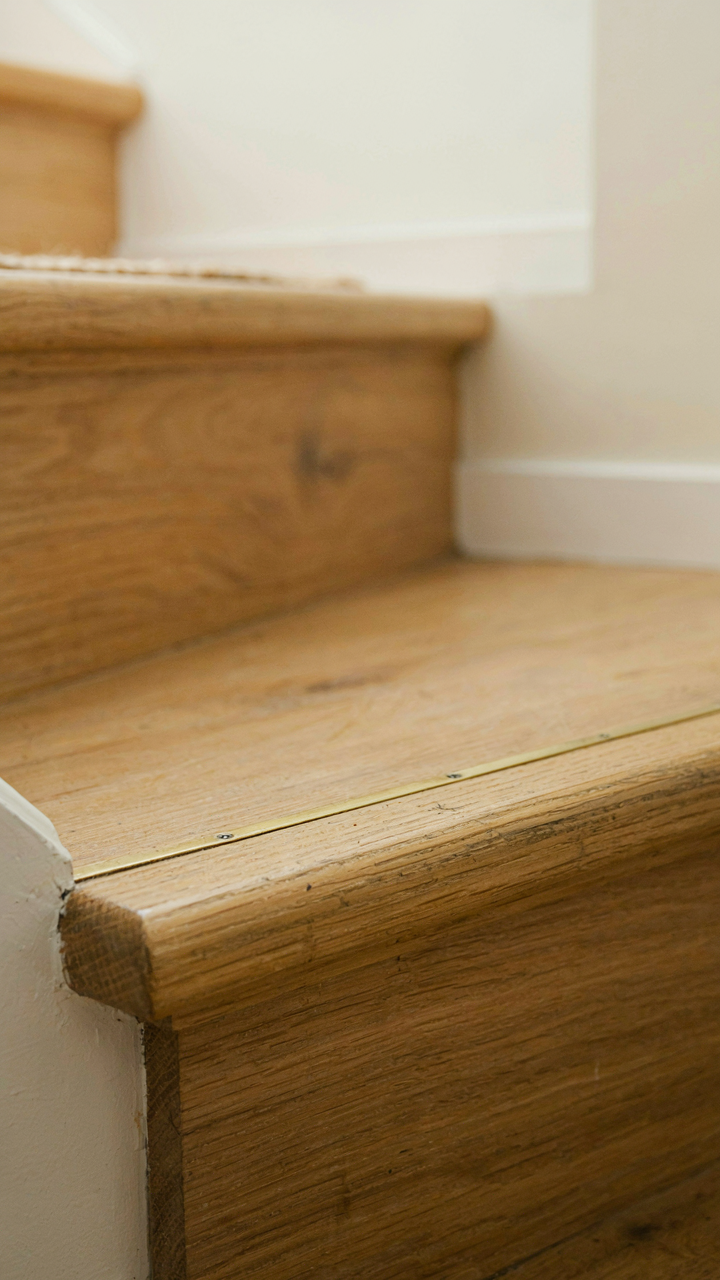
You want people to believe your home is effortlessly beautiful, which means you’re terrified of looking like you tried too hard. The mechanism at work here is scarcity signaling from economics. When a staircase appears imperfect, it communicates scarcity of fakeness. Joanna Gaines staircases often feature visible wood grain variation, hand-planed edges, and finishes that show age. These aren’t mistakes. They’re proof the materials predate the design trend.

Worn treads and weathered railings work because they suggest history rather than Instagram curation. A staircase that looks lived-in contradicts the aesthetic anxiety of the viewer. Most design advice tells you to hide flaws. The real play is inverting that. Intentional imperfection creates credibility modern interiors lack. Smooth, perfect staircases trigger skepticism. Imperfect ones trigger belonging.
How To Build Character Without Counterfeiting It
The fastest way to spot fake authenticity is watching someone sand paint off a new board to make it look old. Don’t do that. Real character comes from material selection, not fakery. Choose reclaimed wood where the grain and knots vary naturally. Use finishes that weather predictably, like matte polyurethane or hand-rubbed stain. Vary the stair tread depths slightly during installation to create subtle irregularities real craftsmen made before power tools standardized everything.
Let time do the work instead of forcing it. A farmhouse staircase develops character through foot traffic, dust, and light exposure over months and years. Visible fasteners, slightly uneven railings, and stain variations become evidence of realness. Install the staircase, use it, photograph it after six months. The material itself will have shifted and settled into genuine wear patterns you cannot manufacture.
Crafting Your Own Timeless Staircase: Eschew Trends

The Difference Between What Sells Now And What Lasts
You want permission to copy what’s popular right now without feeling guilty about it later. Here’s the mechanism: trends operate on visibility, not durability. A farmhouse staircase trend peaks when enough people see it, then collapses when those same people move on to the next visual signal. Joanna Gaines staircases work because they strip away the decorative noise that dates fastest. Open risers, shiplap, black metal railings—these aren’t trendy because they’re new. They’re durable because they’re reductions.
The real test is simplicity under pressure. Can you remove one element and the staircase still works? If you can’t, you’ve built a trend, not a structure. Farmhouse design survived because it solved a problem: how to make a staircase feel intentional without requiring constant updates. Trends demand refreshes. Principles demand nothing but attention to material and proportion.
Building For The Next Decade, Not The Next Season
Most design advice tells you to “invest in quality materials and timeless colors.” That’s incomplete. Quality matters, but only if you’ve made decisions that won’t force replacement. A staircase built with solid wood treads, steel railings, and neutral finishes ages differently than one built with trends baked into the structure itself. Joanna Gaines staircases endure because they prioritize function over visual novelty.
The protocol: choose materials that improve with age, not deteriorate. Wood develops patina. Paint chips predictably and can be refreshed without structural work. Steel oxidizes uniformly. Trends demand perfection; timeless design accommodates wear. When you design for the next decade, you stop asking whether something looks current and start asking whether it will still be functional and honest when it’s ten years old.
Your Fear Of Tastelessness, Not Design Principles, Is The Real Obstacle To A Timeless Staircase
You’re not stuck because you don’t understand what makes a Joanna Gaines staircase work. You’re stuck because you’re terrified of choosing wrong. That paralysis costs you more than a bad choice ever could. Stop researching and pull three images you actually love from Pinterest right now. Don’t analyze them. Don’t compare them. Just sit with what moves you. That gut feeling is your design compass, and it works better than any rule ever will. Taste is just courage applied to your own home.