

The Myth Of “Authentic” Farmhouse Window Trim
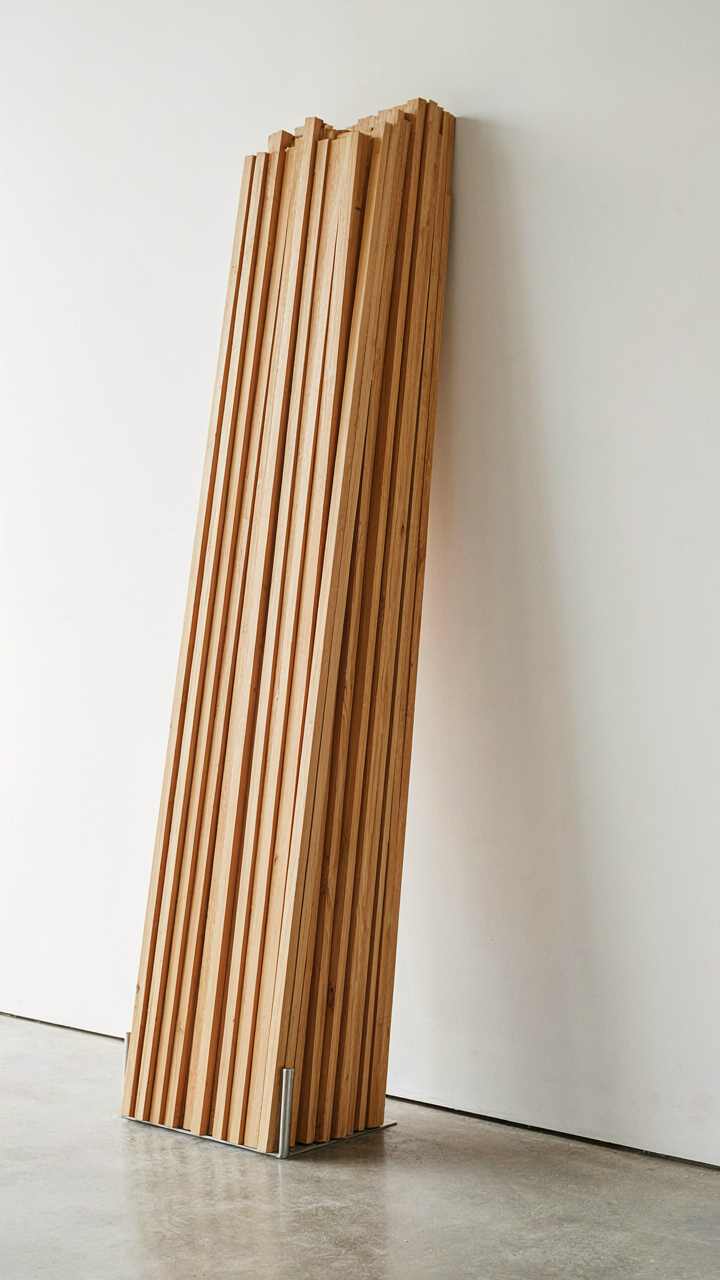
Pinterest Aesthetic Versus Regional Reality
You’re worried that your trim choices won’t look “real” enough—that someone will recognize you’re copying an image instead of inheriting a design. Here’s the mechanism: farmhouse window trim never had a single authentic look. Regional builders used what materials they had access to and what their clients could afford. A farmhouse in Vermont looked nothing like one in the Midwest or the South. Pinterest flattened regional variation into a single aesthetic, then called it timeless.
The clone problem isn’t that farmhouse trim is being copied. It’s that one narrow interpretation got mass-produced and sold as the authoritative version. That interpretation often includes materials and finishes that didn’t exist in actual historical farmhouses. Wide casings, heavy sills, and deliberately distressed paint are modern inventions wearing vintage clothes. When everyone follows the same Pinterest board, the result is visual uniformity disguised as authenticity.
Why Consistency Beats Originality In Mass Production
The real reason farmhouse trim looks identical everywhere comes down to economics, not design principle. Manufacturers standardize profiles because variation costs money. When a mill produces 10,000 linear feet of trim, they use one cutter head, one finish process, one paint color. Custom profiles require custom tooling. Individual finishes require skilled labor. The market chose the cheapest replicable option and called it timeless.
Builders and homeowners compound this by trusting the same five profiles available at big-box stores. Those profiles sit at the intersection of cheap-to-produce and popular-enough-to-move-inventory. Nobody’s making a strategic design choice. They’re selecting from constrained options and calling it preference. To break this pattern, you need to either source material from specialty mills or accept that your trim will match everyone else’s. The mechanism isn’t inspiration—it’s supply chain efficiency.
Beyond The Generic: Reclaiming Farmhouse Trim Individuality
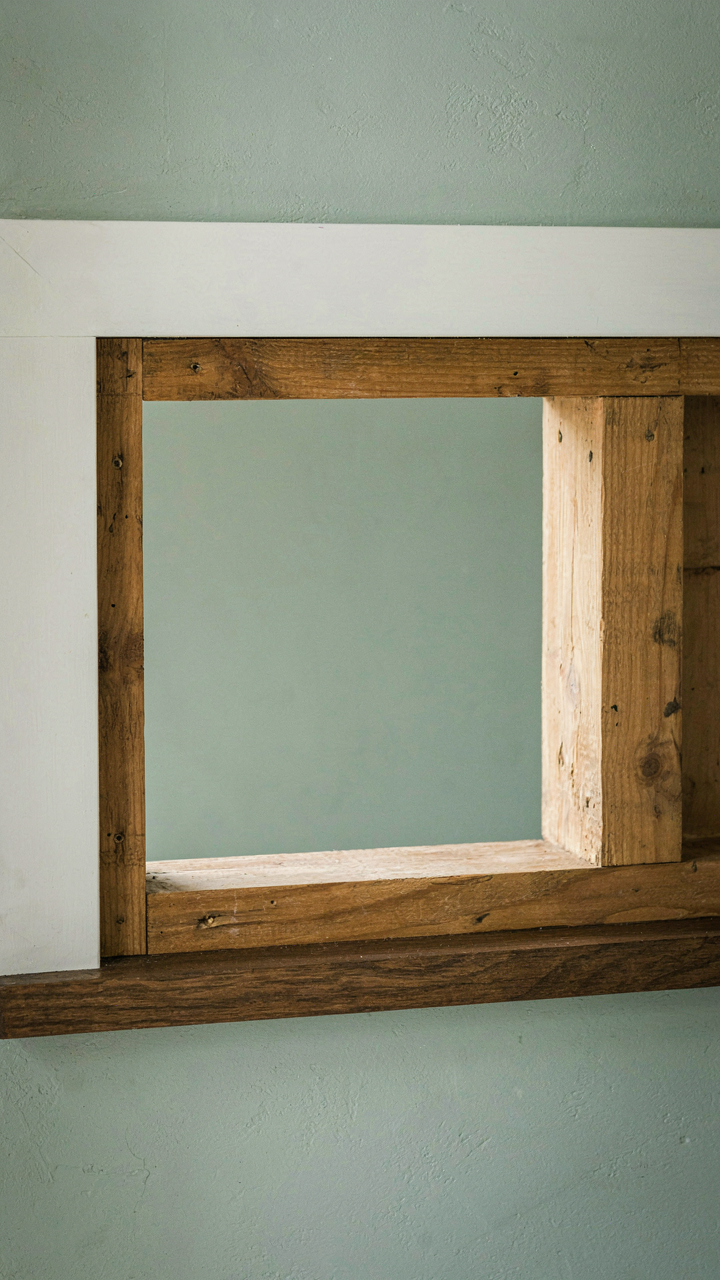
Mix Profile Heights And Materials Within One Frame
You want farmhouse trim to look effortless, like it wasn’t designed at all. That’s the real trap. It signals you have taste without trying, which costs more thought than actual effort.

The mechanism here borrows from architecture’s stacking principle: layering structural elements creates visual weight without adding bulk. A farmhouse frame works the same way. Instead of matching all trim widths, use a wider base board, a narrower cap, and a medium-depth backband. Paint them different colors or leave one natural. The eye reads this as intentional restraint, not budget compromise.
Most trim guides tell you to keep everything uniform for “clean lines.” That’s backwards. Farmhouse trim actually gained its character from mixing what was available on the farm. A wider pine board for the sill, thinner poplar for the head casing, reclaimed oak for the corner blocks. The variation created presence. You achieve this now by deliberately choosing materials and proportions that contrast with each other, not by accident.
Select your materials first, then scale everything else to them. If your sill is solid 2-inch pine, your head casing should be 1-inch or 3-inch, not also 2-inch. The asymmetry reads as knowledge.
Establish Trim Depth As Your Design North Star
Most people pick trim width by scrolling pictures. They see “farmhouse trim” and guess the measurements, ending up with proportions that feel off because they never defined what their walls actually need.
Trim depth—how far the casing projects from the wall plane—controls whether your frame looks substantial or thin. On an 8-foot ceiling with standard drywall thickness, 1.25 inches of projection looks timid. 2.5 to 3.5 inches creates presence without reading as overdone. This ratio matters more than the width of each individual piece. Once you lock in your depth, every other choice flows from it. Your corner blocks scale to it, your backband aligns to it, your paint breaks follow it.

The intentional move is this: measure your actual window opening, your ceiling height, and your wall thickness. Calculate what projection feels proportional to your room. Then size every trim component to serve that depth. Don’t let trend images or supplier catalogs override your math. One room with correct proportions educates your eye better than a hundred Pinterest boards.
Farmhouse Window Trim Ideas Interior: The Visual Hierarchy Protocol

How Contrast Creates Perceived Structure
You want your trim to feel intentional because sloppy trim reads as poverty. Gestalt psychology explains why: the human eye groups elements by proximity, similarity, and contrast. Farmhouse trim works through contrast, not complexity. A flat painted board next to drywall creates visual weight without adding material cost.
The mechanism is straightforward. Your brain perceives the trim as a boundary or frame because it differs from the wall. This difference can come from color, material, or depth. Cream trim against white drywall still registers as trim because of the tonal shift. The contrast does the work; ornament does not.
Strategic Emphasis Controls Where Eyes Land
Most farmhouse trim advice says to add trim everywhere for character. That’s wrong. Overused trim becomes visual noise. Strategic emphasis means choosing which windows deserve the visual weight and which stay minimal.
Apply this rule: emphasize windows that anchor rooms. The window above a kitchen sink or the one opposite the entry gets full treatment. Secondary windows stay simple. Depth matters more than width. A three-inch trim band with shadow line reads heavier than six inches of flat board. One well-placed window becomes the focal point; multiple emphasized windows cancel each other out and dilute the effect.
Modern Window Trim Ideas Interior: The Unconventional Contrast

Where Farmhouse Meets Industrial
You want permission to break the rules without looking like you made a mistake. That’s the real mechanism at play. Farmhouse trim typically lives in one lane: painted wood, simple lines, cream or white finishes. Breaking that pattern requires deliberate material contrast, not random experimentation. Steel casings, concrete sills, or blackened metal frames create tension against traditional farmhouse bones. The contrast signals intentionality rather than budget cuts or design confusion. This approach borrows from tension principles in graphic design, where opposing elements create visual weight. Your trim becomes the force that holds the eye, not just the frame around the view.
Material pairing works because farmhouse already embraces mixed textures. Reclaimed wood trim paired with polished concrete or matte black steel doesn’t violate farmhouse logic. It extends it. The rule most designers miss: the secondary material must match the trim’s visual weight, not disappear into background. A thin steel reveal around a thick wood casement reads as deliberate. A thin steel reveal around a thin wood frame reads as cheap. Install your contrast material at equal thickness to the primary trim, or make it visually heavier through color saturation or material density.
Subverting The Expected Frame
The common advice says add trim thickness and call it traditional. That’s incomplete. Real elevation happens when you remove expected elements instead of adding them. Standard farmhouse trim stacks: outer casing, inner frame, apron, header. Stripping one layer and replacing it with a single bold material creates sophistication, not simplification. A 1.5-inch solid wood outer casing with no inner frame and a concrete sill replaces fussy layering. The contrast reads as intentional restraint. You’re not following farmhouse convention. You’re editing it.

Subversion requires one non-negotiable rule: the frame must still function. Remove ornamentation, not structural logic. A stripped trim profile still needs caulk depth, flashing integration, and weather sealing. The visual restraint doesn’t mean structural compromise. Most installers confuse minimalism with negligence. Measure twice, cut once applies here. Install your single-material trim with full flashing, proper reveals for paint movement, and depth enough for seasonal wood expansion. That’s where the design lives. Not in the idea. In the installation protocol.
Farmhouse Trim: Function Over Fake Aesthetics

Materials That Actually Survive Weather
You want farmhouse trim because it signals authenticity and taste. Here’s what actually matters: farmhouse trim works because it uses materials selected for structural survival, not Instagram appeal. Think of trim as load-bearing in an engineering sense—it protects the window opening from water infiltration and temperature swings. Authentic farmhouse trim used wood species chosen for rot resistance: cypress, heart pine, or locust. Modern versions use cellular PVC or primed finger-jointed pine because they resist moisture without the cost of rare woods. The mechanism is simple: water finds every gap, and cheap materials fail within five years.
The common advice to “just pick what looks good” ignores material reality. Paint-grade materials outlast stain-grade materials in farmhouse applications because the paint seals against UV and moisture. Stained trim on a north-facing window rots. Primed and painted trim doesn’t. If you want trim that lasts twenty years without replacement, choose closed-grain materials that accept primer and hold paint. Avoid materials with open grain or natural finishes on exterior-facing sides. Start by specifying paint-grade pine or PVC for all trim exposed to weather or high humidity.
Avoiding Trends That Die Faster Than The Trim
Farmhouse design trends shift every three to four years, but your trim stays for decades. Narrow profiles, ultra-thin casings, and decorative corbels look modern-farmhouse today and dated tomorrow. Real farmhouse trim was thick and functional because window openings were rough, and trim needed to cover gaps and provide mounting surface for hardware. Thin trim is visual noise masquerading as elegance. It also fails practically: it flexes with seasonal wood movement, paint cracks, and water creeps behind it. Thick, simple profiles hold paint longer and hide imperfect drywall or masonry transitions.

Skip the decorative elements that serve no function: ornamental rosettes, applied medallions, or stacked trim layers. These trap moisture, collect dust, and cost money without benefit. A simple 1×10 or 1×12 trim board painted in matte white or off-white performs better and photographs the same way. The distinction between trend-chasing and durability is width and simplicity. Wider boards cover more surface area, require fewer joints, and move less with humidity. Simple profiles shed water better and accept paint more evenly. Specify trim depth based on wall thickness and window frame depth, not on what’s trendy.
Window Trim Styles Farmhouse: The Architectural Archetype Audit

Classical Proportions Built To Last
You want farmhouse trim to feel timeless so you don’t regret the decision in five years. The mechanism is borrowed proportion. Classical architecture works backward from human perception, not forward from trend. Farmhouse trim inherits this by using ratios—the relationship between trim width, reveal depth, and wall surface—that appear balanced to the eye across centuries. A 3.5-inch casing paired with a 0.75-inch reveal creates visual rest. This isn’t opinion. It’s geometry.
The Greeks formalized these ratios because they worked. Farmhouse adopted them wholesale, which is why Georgian, Federal, and Greek Revival homes still feel composed decades after construction. When you copy these proportions, you’re not borrowing aesthetics. You’re borrowing math that survived because it’s hard to dislike balance. Start by measuring existing farmhouse trim in your region—local examples already solved your climate and material constraints.
Know The Style, Then Break It Deliberately
Most advice says “pick a style and stick to it.” That’s backwards thinking. The real move is learning what defines each style so deeply that you know what to deviate from without breaking the whole system. Farmhouse encompasses narrow range: simplified Greek Revival, stripped Federal, or rural Victorian. Each has non-negotiable elements. Greek Revival demands sharp, squared edges and paint-grade materials. Victorian allows profiles but rejects ornament overload. Rural farmhouse strips both down to flat casings and corner blocks.
The mistake people make is mixing these without understanding the swap. You can’t graft Victorian profile curves onto a Greek Revival structure because the reveal and wall relationship changes the visual weight. Identify which one matches your home’s actual bones, not which one looks pretty in a photo. Then personalize within constraints—paint color, material choice, corner block proportion—rather than redesigning the core profile itself.
The Power Of Negative Space In Farmhouse Window Trim

When The Wall Matters More Than The Frame
You want farmhouse trim to look effortless, which means you’re actually afraid of looking like you tried too hard. Here’s the mechanism: negative space is borrowed from graphic design, where white space doesn’t weaken a composition—it anchors it. Apply this to window trim and the wall around it becomes your primary tool. Most farmhouse trim fails because homeowners fill every available surface. The real move is restraint. A simple 3 to 4 inch painted trim band stops working the moment you add crown molding, corbels, and applied details. The wall breathes when the trim doesn’t compete.
Farmhouse windows perform better when trim takes up less visual territory, not more. Early American farmhouses used minimal trim because lumber was labor-intensive and expense was real. Modern farmhouse ignores this constraint and stacks details, which kills the aesthetic. Your window should feel framed, not suffocated. Measure the trim width against the wall expanse. If trim consumes more than 15 percent of the wall’s visual weight in a given room, you’ve broken the principle. Step back from the installed trim and ask whether the wall still dominates the composition. If the trim draws your eye first, reduce the profile width or remove applied details.
Restraint Compounds The Signal
Less trim on each window lets you install more windows without visual chaos. This is the actual leverage farmhouse design offers. Most homeowners believe adding more trim elements increases farmhouse authenticity. The opposite is true. Clean, thin trim lines allow rooms to read as simple and bright, which is what farmhouse communicates. A 4 inch painted band around a window costs less, installs faster, and photographs better than a 6 inch band with corner blocks and head casings. The economy isn’t the bonus—it’s the point.

When you subtract, each window becomes a distinct architectural element rather than competing noise. Farmhouse trim works because it lets wall color and natural light dominate the room’s story. Install your trim at a consistent height and width across all windows in a room, then stop. Do not add corner elements, head casings, or decorative returns. Paint the trim the same color as the wall trim system runs on or slightly contrasting to the wall. This single protocol—consistent width, single paint color, zero applied details—produces the farmhouse window aesthetic without guesswork.
Farmhouse Window Trim Ideas: The Material Integrity Check

Wood Species That Actually Last
You want to know which wood won’t fail you because replacing trim in five years costs money and kills your credibility. Here’s the mechanism: wood density determines moisture resistance, and farmhouse trim sits in the exact environment where wood rots fastest—exterior exposure with temperature swings and water infiltration.
- White Oak: Naturally rot-resistant due to high tannin content. Handles exterior moisture without treatment. Expensive but lasts 30+ years without degradation.
- Cypress: Lower density than oak but contains natural oils that repel water. Historically used in wet climates. Moderately priced and readily available in reclaimed form.
- Cedar: Lightweight and workable, contains natural oils. Less durable than oak for trim taking weather exposure. Best reserved for interior applications or protected soffits.
- Pine with Proper Sealing: Common in historical farmhouse trim. Requires consistent exterior paint and sealant maintenance every 3-5 years. Cheap material, expensive upkeep.
- Reclaimed Wood: Salvaged from barns and old structures. Already weathered and stabilized. Authenticity advantage, but verify structural integrity before installation.
The mistake most people make is buying whatever pine is on sale and assuming paint solves the problem. Paint doesn’t prevent water from entering the grain—it just delays it. Choose the wood species first, then the finish as reinforcement.
Climate Performance And Actual Longevity
Wood trim fails not from use but from seasonal movement. Think in terms of material stress like civil engineers do: expansion and contraction cycles create micro-fractures that eventually crack joints and allow water behind the trim. Farmhouse trim endures more cycles than interior trim because it faces daily temperature and humidity swings.

Pine trim in a humid continental climate fails in 8-12 years. Oak trim in the same environment survives 25-40 years. The difference isn’t the finish—it’s the wood’s ability to absorb and release moisture without structural distortion. Cypress sits between them, giving you 15-20 years if sealed properly. Paint matters, but species selection is what actually determines whether your trim looks new or compromised a decade from now. Apply two coats of exterior paint and reseal every four years to catch failing spots before water gets into the structure.
Farmhouse Windows: Crafting Your Own Visual Narrative

Trend Resistance Builds Equity
You want your trim to still look intentional in five years, not dated. That’s the real driver here. The mechanism is simple: trends move fast because they’re designed to move fast. Farmhouse trim that resists trend pressure uses restraint. It favors proportion over decoration, material authenticity over applied texture, and permanence over novelty. The farmhouse aesthetic was never about following a schedule. It emerged from constraint and use, not from editorial calendars.
Every decision you make about trim thickness, paint color, and profile detail compounds. You’re building either a time-locked snapshot or a framework that ages with purpose. Farmhouse windows work because they don’t announce themselves. They perform their job—frame light, protect against weather, age gracefully—without demanding attention. The trim serves the window, not the other way around.
Personal Standards Over Borrowed Opinions
Your design philosophy isn’t something you inherit from a mood board. It’s the set of rules you actually follow when nobody’s watching. Most people treat farmhouse trim like a costume they’re trying on, which is why they abandon it when the next trend surfaces. The real work is deciding what your home actually needs, not what farmhouse design currently permits. This requires naming your constraints first: climate, budget, the actual age of your structure, how you use the rooms, what materials wear well in your specific situation.
Once you know those constraints, you build standards inside them. Do you repair or replace when trim fails? Do you paint or stain? Do you favor symmetry or asymmetry? These aren’t aesthetic questions dressed up as philosophy. They’re operational decisions that determine whether your trim survives or deteriorates. Write these down. Follow them on every window in your home. Consistency compounds faster than any single choice does.
Your Struggle Isn’t Trim Styles; It’s The Fear Of Defining Your Own Aesthetic

You’re paralyzed by choice, not trapped by options. Pick one farmhouse window trim style today. Buy the materials. Install it on a single window. Watch how it feels in your space instead of obsessing over Pinterest boards. Your aesthetic forms through action, not contemplation. The trim that matters most is the one you actually commit to.



