
The Frank Lloyd Wright Fallacy: Why Copying Fails
Principles Over Aesthetics
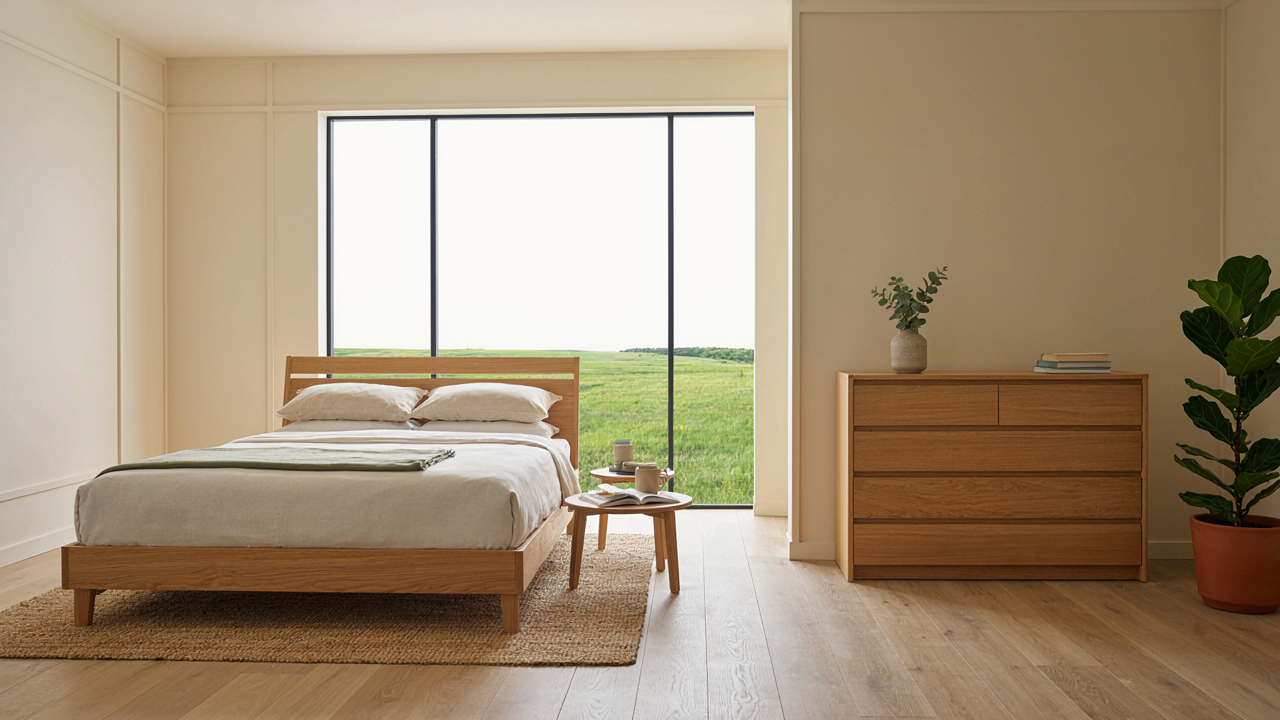
You want the credibility that comes with owning something authentic, which is why you’re tempted to just buy low furniture and call it prairie style. The mechanism is simpler than that: Wright didn’t design low lines because they looked good. He designed them to dissolve the boundary between interior and exterior space. The low horizontal plane pulls your eye outward through windows toward the landscape. Without that relationship to context, low furniture is just short furniture in a box.
Wright’s actual method involved analyzing the site first, then deriving the form from what the land demanded. Most reproductions skip this step entirely. They copy the artifact but ignore the logic. You see the result in showrooms and online: prairie style bedrooms that feel disconnected from their rooms because the proportions and sight lines were never calibrated to that specific space. The work starts with asking what your bedroom’s windows frame, what your walls’ actual dimensions require, and how you move through the space. Only then does the furniture decision make sense.
Spatial Philosophy Over Furniture Selection
This section requires understanding one term from architecture: load paths. In structural engineering, a load path is the route that force takes from point A to point B. In prairie style bedroom design, the spatial load path is how your eye and body move through the room. Most advice tells you to “add a low bed frame” as if the furniture style matters more than the room’s internal geometry.
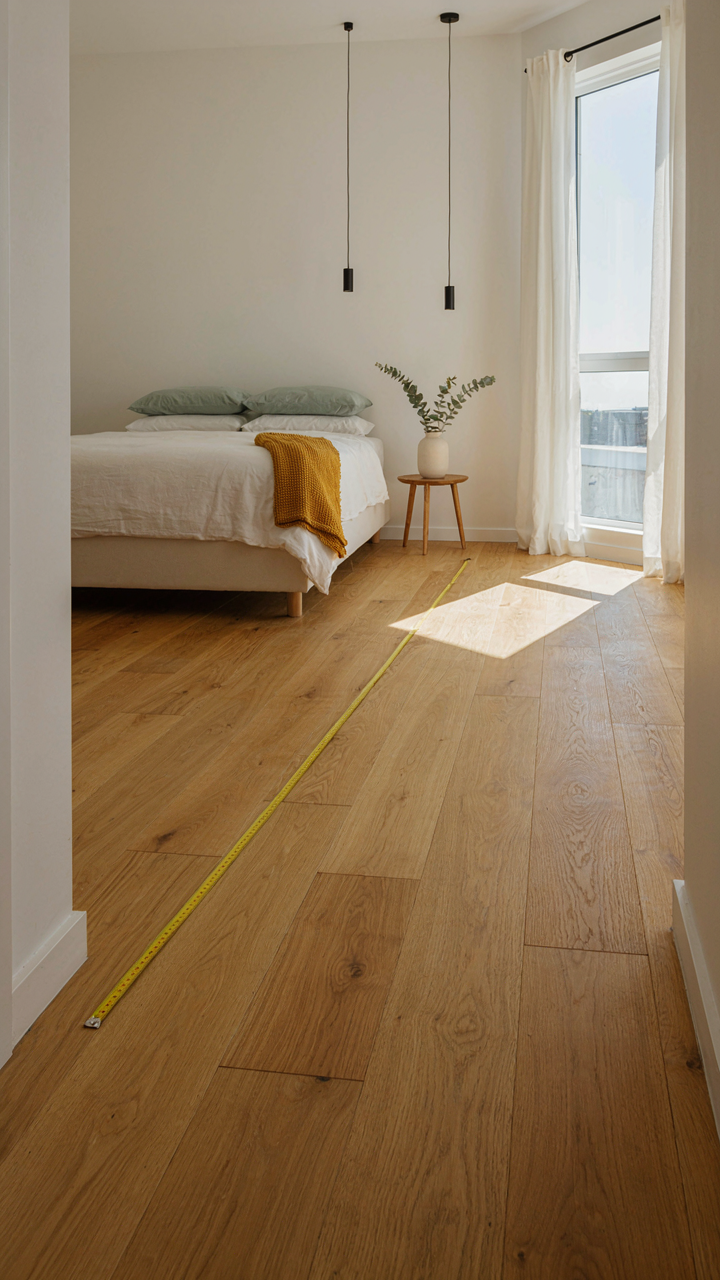
The real work is invisible. You need to map how light enters the room at different times, where the eye naturally settles when you’re lying down, what proportion the bed should occupy relative to wall length, and how the horizontal lines of the furniture align or break the existing architectural lines. A properly proportioned low bed in a 10-by-12-foot room reads completely different from the same bed in a 14-by-16-foot room. Change the ceiling height by two feet and the entire visual weight shifts. The furniture doesn’t make the style. The spatial relationships do. Start by measuring your room’s proportions, identifying its strongest sight line, and positioning your bed so it anchors that line rather than fighting it.
Deconstructing “Warm Wood”: It’s Not About The Stain

Grain Pattern Over Color Temperature
You think warm wood matters because it signals luxury and taste. The real mechanism is visual rhythm. Prairie style uses wood grain as the primary pattern element, not the stain color as the primary signal. Frank Lloyd Wright specified grain direction and species visibility intentionally. Oak, hickory, and walnut show strong grain patterns that Prairie architects leveraged. The grain itself—not warmth—creates the visual continuity that makes a space feel intentional versus decorated.

When you specify wood for a Prairie bedroom, you’re selecting for grain visibility and directional pattern, not HSL values on a color wheel. A quarter-sawn white oak with visible medullary rays reads as Prairie because the grain pattern echoes the horizontal lines of the architecture itself. The stain color is secondary scaffolding. A light or medium stain shows grain better than dark stain. Your wood choice succeeds or fails based on how clearly the grain pattern communicates structure.
Materials Shaped By Region, Not Trend
Prairie style emerged from the American Midwest because the materials available there were oak, cherry, and walnut. This wasn’t aesthetic preference. This was logistics. Wright and his contemporaries built with what grew locally and what mills could reliably process. The warm tone you associate with Prairie wood is actually the default color of Midwestern hardwoods, not a deliberate color theory choice. Understanding this distinction changes how you source materials for an authentic Prairie bedroom.
Regional material constraint created the Prairie look. When you copy the aesthetic without understanding the constraint, you end up with decorative warm wood instead of structural wood. Your wood selection protocol: identify hardwoods native to your region, source from local mills when possible, and let the species’ natural grain and color define the palette. This grounds the space in place and material honesty. Skip the stain matching game. Select species, then let the finish protect rather than transform.
The “Low Line” Lie: It’s About Horizon, Not Horizon
Weight That Pulls Your Eye Horizontal
You want low furniture because you think it looks sophisticated and calms a room, but that’s backwards reasoning. The real mechanism is borrowed from graphic design: visual weight. Objects with horizontal emphasis distribute mass across a plane rather than stacking it vertically, which makes a space feel grounded instead of cramped. Prairie style uses this deliberately. A low platform bed or dresser with extended lines pulls your eye sideways, not up, forcing your brain to process the room as landscape rather than interior.

Frank Lloyd Wright obsessed over this because he understood something most designers miss: a low line doesn’t shrink a room visually, it expands it. When furniture sits close to the ground with strong horizontal edges, it anchors the space and makes ceilings feel higher by contrast. This is physics, not decoration. The bed frame sits lower, the nightstands stretch wider, the headboard becomes a thin band running the length of the wall. Your eye travels the horizon first. The vertical walls register as secondary.
Where Interior Stops, Outside Begins
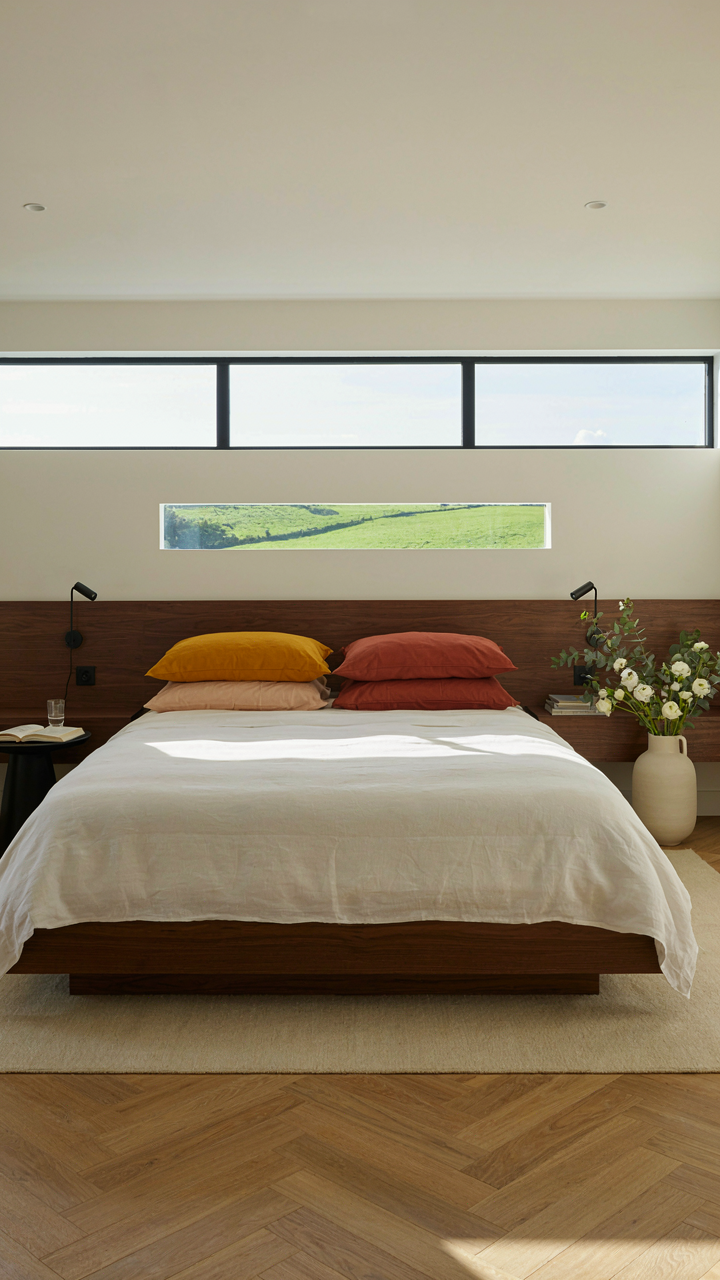
Prairie style bedrooms don’t sit inside a house separate from nature. They erode the boundary. Low sightlines from the bed should align roughly with window heights so your gaze travels from the interior horizontally out through glass to the exterior landscape. This isn’t romantic nonsense. It’s mechanical. Wright designed homes where bedroom furniture heights coordinated with exterior lawn sight lines so the boundary between inside and outside became invisible at eye level.
Warm wood on furniture and walls completes this connection. Wood repeats the palette of the exterior and signals continuity. When you lie in a prairie style bed with low lines and warm wood, your eye movement follows a single horizontal plane that doesn’t interrupt when it crosses the window frame. The landscape becomes part of the bedroom’s visual weight. Position the bed so its edge alignment, the top of your dresser, and the bottom window sill create one perceived line. This is how you lock the interior to the site instead of just placing a bed in a room.
Prairie Style Interior Design: The Subtraction Principle
Minimalism As A Design Tool, Not An Aesthetic
You want permission to buy less stuff and feel sophisticated about it. Here’s the mechanism: prairie style uses minimalism as operational strategy, not moral stance. Frank Lloyd Wright didn’t strip rooms bare for purity—he removed elements that competed with sight lines and structural logic. Every object had to justify its existence through function or spatial relationship. This isn’t about owning fewer things. It’s about designing so deliberately that nothing extraneous survives the plan.

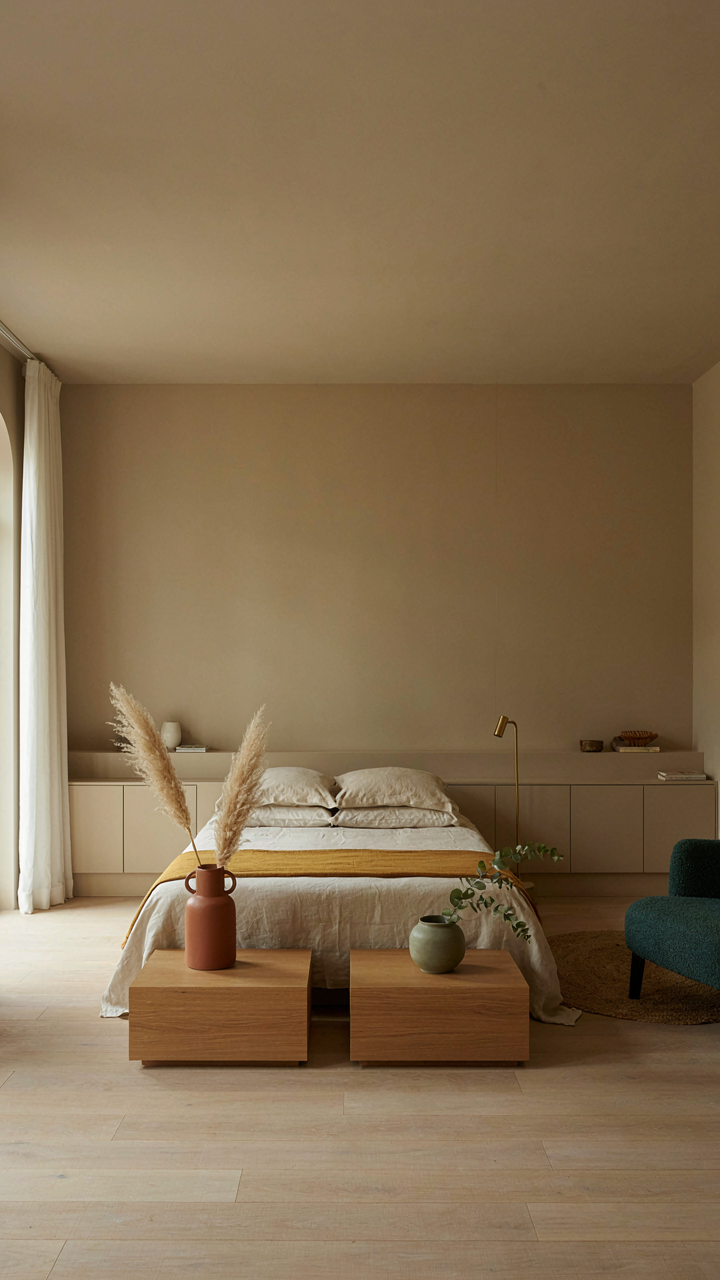
Prairie style bedrooms apply this through material restraint and spatial clarity. You’re not aiming for sparse emptiness. You’re aiming for a room where every surface, piece of furniture, and material choice advances the design’s core logic. The low horizontal lines, the warm wood, the integration with architectural structure—these elements demand a clean visual field. Clutter breaks the sight line that makes prairie style actually work. When you remove competing visual information, the design’s bones become visible.
The Geometry Of Attention In Confined Space
Think like a signal-to-noise engineer. In communication, you maximize signal by eliminating everything that isn’t the message. Prairie style bedrooms operate the same way: the message is horizontal continuity and material authenticity, and noise is anything that fractures that continuity. A room with too many textures, colors, or decorative objects forces your eye to process competing information. Your nervous system works harder. The space feels smaller, not larger.
Eliminating visual noise for clarity means making hard choices about what stays visible. That means built-in storage that hides objects, walls painted in warm neutrals that don’t fight the wood grain, and furniture with clean lines that don’t scatter visual weight across the room. The prairie style bedroom becomes restful because your eye settles on what matters: the wood, the geometry, the natural light moving across horizontal surfaces. You achieve this by inventorying every item in the room and removing anything that doesn’t either serve function or enhance the sight line.
The Craftsman Style Bedroom Ideas Crossover: Shared Roots, Different Leaves
Materials That Actually Matter
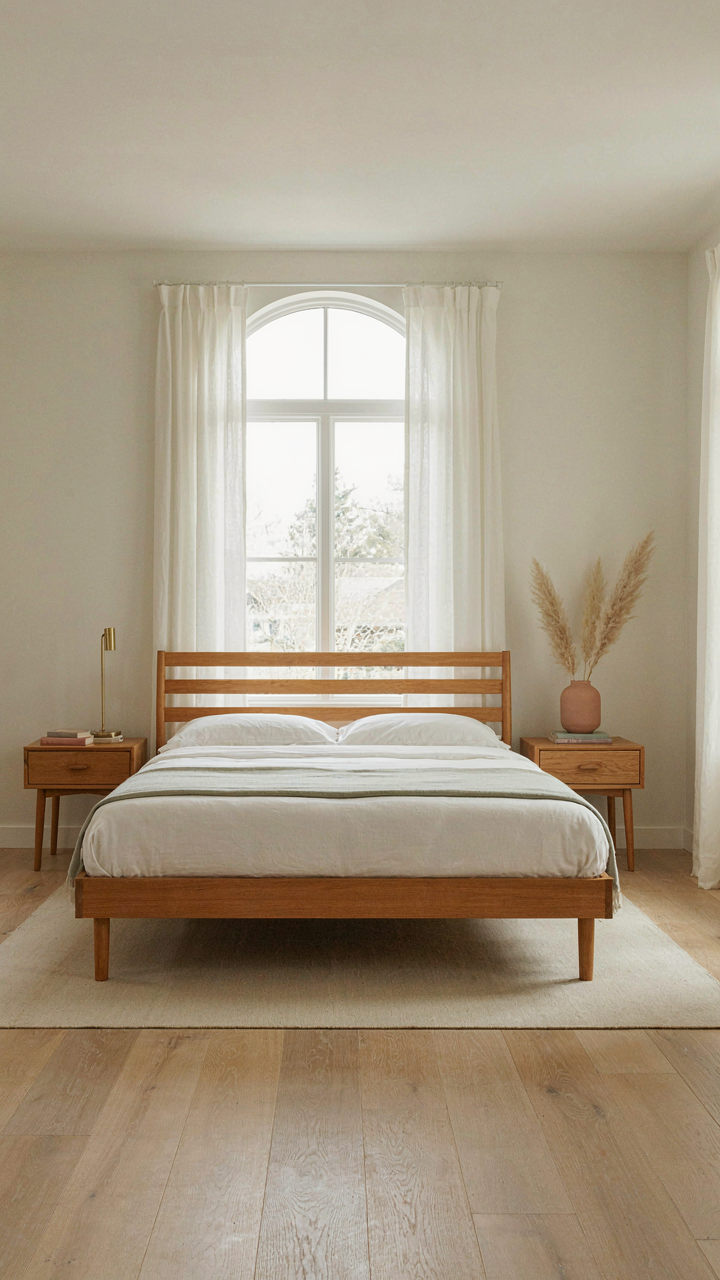
You’re reading this section because you want permission to blend two styles without looking confused or cheap. Here’s the real mechanism: both Prairie and Craftsman movements rejected industrial mass production in favor of visible craft, but they sourced different materials to prove it. Prairie architects used what the Midwest had in abundance—oak, cherry, brick. Craftsmen imported the same woods but treated them as moral statements. The distinction matters because it determines which pieces actually belong together and which ones fight.

Both movements demand honest materials, which means no veneers hiding particle board, no stains covering cheap wood, no shortcuts pretending to be authenticity. In a Prairie bedroom, you’ll see exposed wood joinery, solid construction, and materials left to age naturally. Craftsman spaces share this honesty but emphasize handwork—mortise and tenon joints visible as design elements, hand-planed surfaces showing tool marks. The overlap works when you build from the principle that every material should declare its origin and method, not disguise it.
The Horizontal Line Versus Vertical Accent
Prairie style uses geometry borrowed from architecture’s load-bearing logic: horizontal lines run parallel to the ground plane, mimicking the flat Midwestern landscape. Craftsman design emphasizes verticality and structural honesty, with posts, beams, and supports becoming visual anchors. This isn’t a preference—it’s a directional choice that changes how a room reads. A Prairie bed frame extends low and wide across the floor. A Craftsman bed frame rises with prominent vertical posts and a defined frame that shows its structure doing work.
When you blend them, the mechanism breaks if you fight the dominant direction. Place a Prairie platform bed (horizontal, grounded, low-profile) with Craftsman nightstands (vertical, columnar, sturdy) on each side. The horizontals anchor the space. The verticals punctuate it. Let each style own its direction instead of mixing them equally throughout the room. This creates tension that reads as intentional rather than confused.
Beyond Beige: The True Prairie Palette
Color As Structure, Not Decoration
You want permission to use color without looking like you’re trying too hard. Here’s the mechanism: Frank Lloyd Wright’s prairie homes didn’t use beige because it was safe. They used earth tones because those colors reflected the actual landscape surrounding the building. The palette was functional, not timid. Your bedroom needs colors that anchor the horizontal lines, not colors that disappear into them.

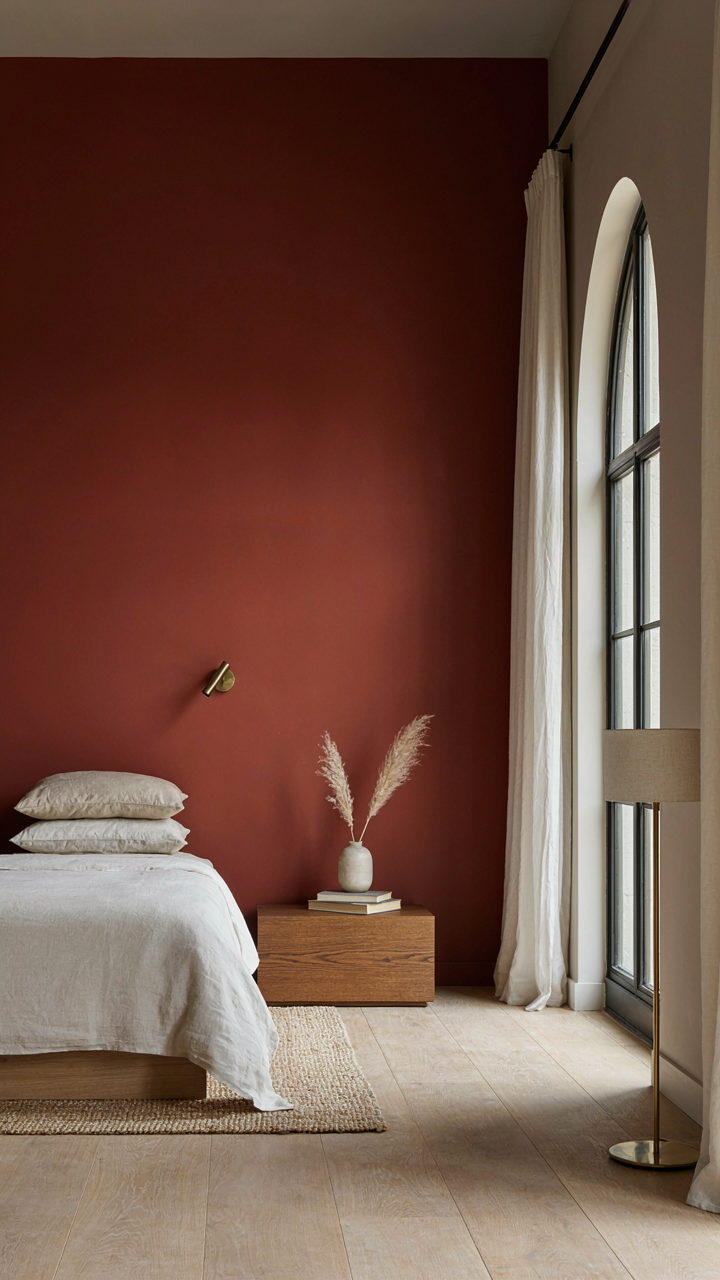
The real prairie palette pulls from specific sources: burnt sienna and ochre from soil, deep greens from prairie grasses in certain seasons, warm grays from limestone and concrete. These aren’t muted. They’re saturated with purpose. A single accent wall in a deep earth red doesn’t feel experimental in a prairie bedroom, it feels inevitable. Apply this by selecting one dominant wall color tied directly to a natural material you can touch, then let the other three walls recede into warm cream or soft gray that supports it rather than competes.
Shadow Defines The Room’s Actual Shape
This borrows from photography: contrast creates form. Without variation in light and dark, a low-slung prairie bedroom becomes visually flat despite its geometry. Wright used deep overhangs and strategic window placement to create shadow patterns that moved across walls throughout the day. Your bedroom needs the same intentionality. This isn’t about mood lighting. Shadow is the tool that makes the horizontal lines visible.
Position your primary light source low and off-center, not overhead. Let natural light from a single window create a defined shadow line across the wall where your bed sits. Wood trim at chair rail height should sit partially in shadow during morning hours. The mechanical step: install a dimmer on one wall sconce positioned at the level where the wall meets cabinetry or built-ins, then set it so it casts shadow upward onto the ceiling, not downward into the room. This reveals the architecture instead of flattening it.
The Zen Of The Prairie Bedroom: Intentional Furnishing Protocol

Every Piece Earns Its Place
You want permission to own less and feel like you’ve won something. That’s the real draw here. Prairie style solves this by treating furniture like load-bearing walls: each item must justify its existence through function or it gets removed. This isn’t minimalism posturing. It’s constraint-based design where the mechanism is simple—scarcity forces intention.

Frank Lloyd Wright didn’t fill rooms with options. He designed built-in storage, low dressers that anchor a wall, nightstands that integrate with bed frames. The bed itself sits low and horizontal, extending the sight line. A single chair positioned at the room’s natural vantage point replaces a cluster of seating. You’re not decorating around emptiness. You’re filling space with architecture that works.
The Difference Between Wanting And Keeping
Most advice tells you to “declutter” and “be intentional”—which is worthless because it doesn’t explain what makes something worth keeping. Prairie bedrooms force a real filter: Does this piece reinforce the low-line horizontal plane? Does it use solid wood or period-appropriate materials? Does it solve a spatial problem or create visual noise? If it fails two of these, it goes.
- Bed frame and headboard: Must sit 12-18 inches off the floor with clean horizontal lines. Upholstered headboards add texture without breaking the plane.
- Nightstands: Low wooden tables, 18-24 inches tall, with simple joinery visible. Open shelving underneath stores books without adding cabinet bulk.
- Dressers: Long, low-profile pieces with tapered legs. Typically 30-36 inches tall. Replaces multiple small storage items.
- Window treatments: Natural linen or canvas Roman shades. No layering. One solution per window.
- Flooring accent pieces: A small wool rug under the bed or in a reading corner. Grounds the space without fragmenting it into zones.
Curation means saying no to lighting fixtures that don’t match the geometry, throw pillows that fight the palette, and accent tables that exist only because you found them. Prairie style reveals which objects you actually use versus which ones you tolerate. Keep what you touch. Remove what you step around.
The Biomimicry Of Prairie Style Bedroom Ideas: Learning From Ecosystems

Form Follows Living Systems
You’re reading this hoping that calling something “biomimetic” will make your bedroom feel intentional instead of assembled. It won’t. But understanding how prairie ecosystems organize themselves will show you why prairie style works physically, not just aesthetically. In biology, organisms eliminate waste and redundancy to survive. Prairie style bedrooms do the same thing. Every line, every material, every piece of furniture exists because it solves a problem, not because it fills space or looks rich.

Frank Lloyd Wright studied prairie grasslands obsessively. He noticed that prairies don’t clutter. Grasses grow low to resist wind. Root systems spread horizontally to share resources. Nothing grows vertically for status. He translated this directly into bedroom design: low furniture profiles, horizontal sight lines, materials that integrate rather than dominate. The mechanism is simple. Remove decoration that serves no function. Keep structural elements visible because they are the decoration. Your bedroom becomes a system instead of a showroom.
Interconnected Parts Make The Whole Stable
A prairie survives drought because every plant, animal, and soil microbe depends on the others staying intact. Remove one species and the system weakens. Your prairie style bedroom works the same way. The wood doesn’t exist separately from the low lines. The low lines don’t work without earth-tone walls. The window placement doesn’t matter without sightlines that connect indoors to outdoors. Most bedroom design treats each element independently. A bed here, a nightstand there, a lamp because lamps are furniture. Prairie style demands that every choice reinforce every other choice.
The wood tones you select must echo the wall color. The height of your bed must align with window frame proportions. The placement of storage must follow the lines of sight you’ve already established. This isn’t aesthetic preference. It’s structural thinking. When elements work as an integrated system, you remove the cognitive load of processing a cluttered visual field. Your nervous system relaxes because nothing contradicts anything else. The room functions. Install low-profile wood furniture that aligns with horizontal wall lines first, then build everything else around that foundation.
Prairie Style Home Inspiration: The Unseen Details
When Built Ins Become The Room
You want this section because you think seeing high-end prairie style bedrooms will make you better at designing yours. It won’t. What matters is understanding how Prairie architects used built-in furniture as load-bearing structure for the entire spatial experience, not decoration bolted to walls afterward. Frank Lloyd Wright’s designs treated cabinetry the way structural engineers treat load walls: essential geometry, not optional detail.

Built-ins in prairie style bedrooms solve a mechanical problem most designers ignore. The low horizontal lines that define the aesthetic require furniture that doesn’t compete for visual weight. A floating nightstand or a detached dresser breaks the sight line. Integrated casework anchors the line to the wall itself, making the horizontal read as structural inevitability rather than styled choice. This is why prairie bedrooms feel intentional instead of decorated.
Natural Fibers As Material Logic
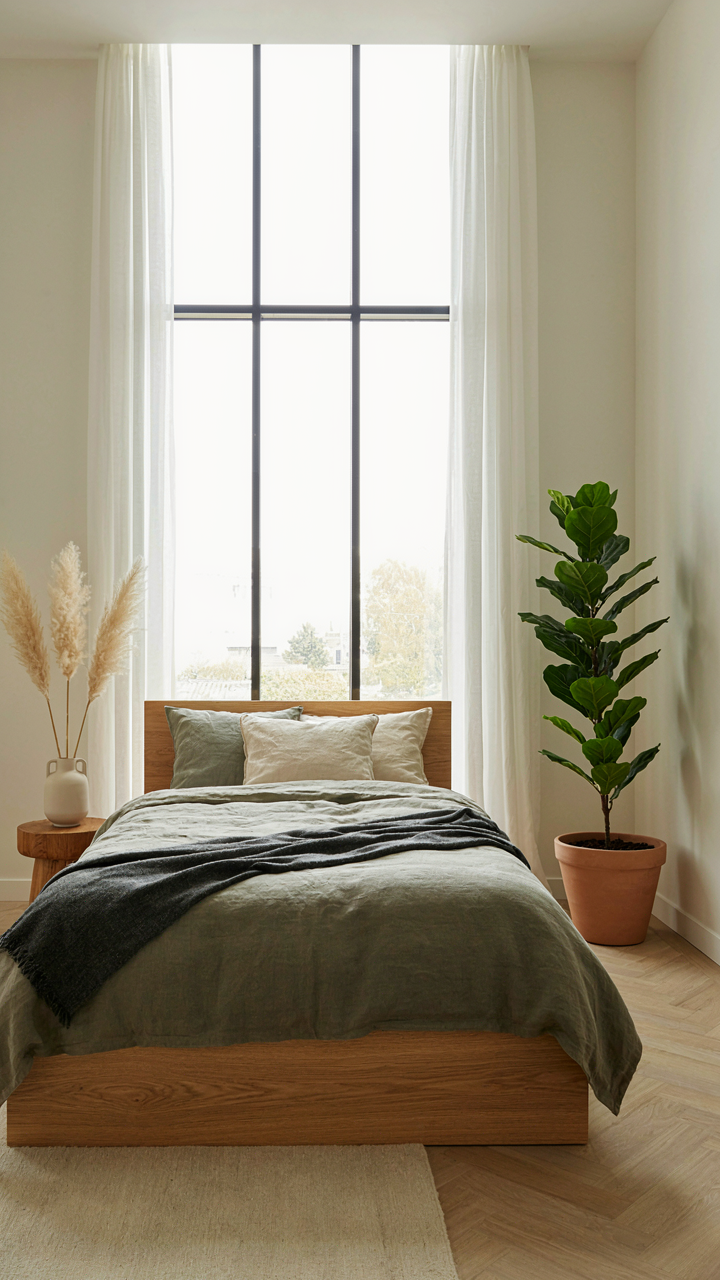
The common advice says use natural fibers because they look warm and organic. Wrong. Prairie style textiles work because they honor the material honesty principle that Frank Lloyd Wright enforced across all his interiors. Linen, wool, and cotton don’t pretend to be something else. They age visibly and wear honestly, which aligns with the movement’s rejection of ornament masking poor construction.
Texture operates like acoustic dampening in a room. Cotton bedding and linen curtains absorb light and sound differently than synthetics, which changes how the space feels spatially. The low wood furniture and horizontal lines can read cold without this absorption layer. Start with a 100-percent linen bedspread or heavy cotton weighted at the edges, then layer a wool throw. This creates the tactile weight that makes the room feel grounded rather than sparse.
The Long Game: Cultivating A Timeless Prairie Bedroom
Materials That Survive The Decade
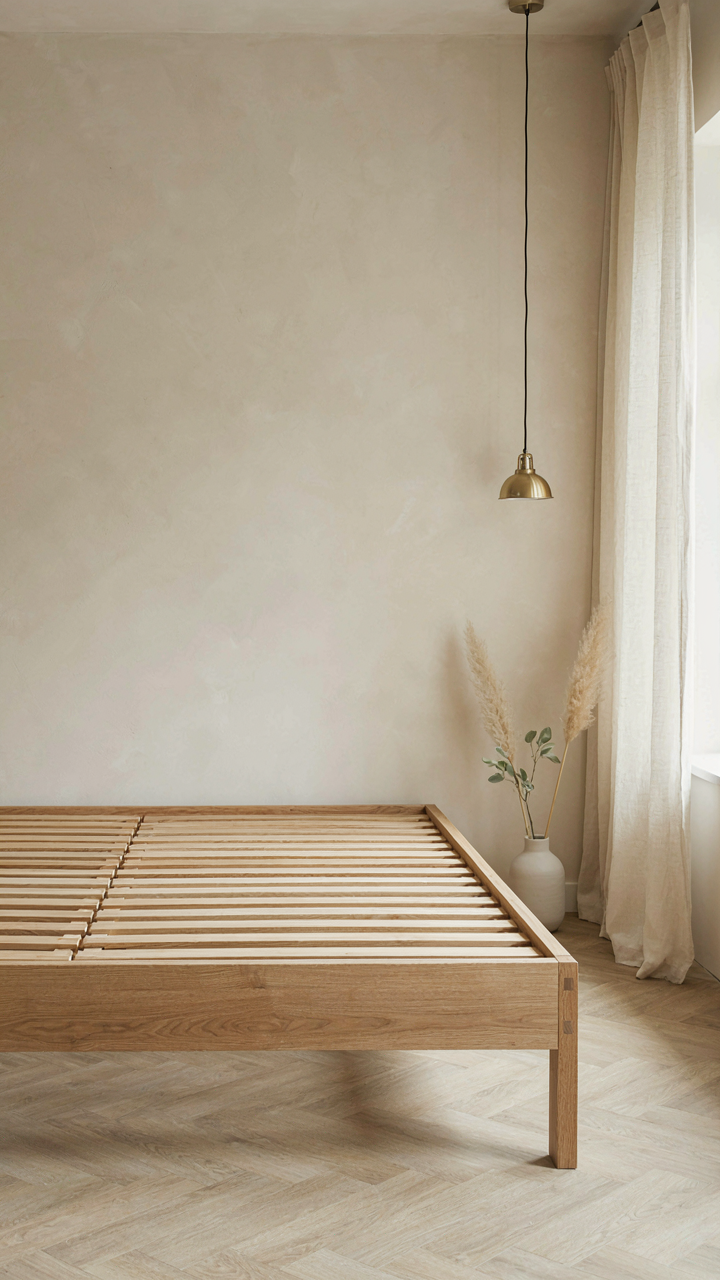
You want your bedroom to feel intentional, not disposable. That’s really about fear of wasting money on something that looks dated in five years. The mechanism here is material decay. Prairie style uses wood as its load-bearing element, both structurally and aesthetically. Oak, cherry, and walnut don’t soften or degrade the way veneers do. The horizontal lines hold their proportion regardless of trend cycles because they mirror natural landscape geometry, not fashion cycles. A low platform bed in solid wood stays functional and visually coherent for twenty years minimum.
Cheap particleboard and laminate finishes yellow, peel, and warp under temperature shifts. Real wood moves with humidity but maintains integrity. Prairie style bedrooms built in the early 1900s by Frank Lloyd Wright’s followers still read as intentional today because the materials aged forward, not backward. Choose joinery over fasteners where possible. Mortise and tenon joints, typical in authentic prairie furniture, distribute stress and last longer than dowels or screws alone. This is not nostalgia. It’s physics.
Build For Replacement, Not Obsolescence
Most interior design advice treats bedrooms like fashion seasons. Buy the set, live with it three years, replace it. That’s consumption disguised as design. The real move in prairie style is the opposite: choose pieces that separate rather than integrate. A prairie bedroom doesn’t rely on matching suites. It relies on individual elements with clean proportions that work independently.
The bed frame, nightstands, dressers, and lighting should function as standalone investments, not a coordinated package. This lets you replace one component without scrapping the entire room. A solid wood platform bed frame outlasts mattresses by decades. Separate nightstands mean one can be refinished while the other stays in use. Modular thinking prevents waste and reduces the cost of adaptation over time. Your bedroom evolves piece by piece instead of cycling wholesale every five years.
The Real Obstacle To A Powerful Prairie Style Bedroom Isn’t Taste; It’s Your Inability To Confront What Truly Serves The Space

Most people fill their bedrooms with objects they like instead of objects that work. Prairie style demands the opposite. You must remove everything that doesn’t earn its place. Walk through your bedroom today and identify one piece that’s purely decorative, purely sentimental, or purely there because you haven’t decided. Remove it. That single act of subtraction teaches you more about authentic prairie design than any magazine ever could. Your space improves the moment you stop filling it and start editing it.



