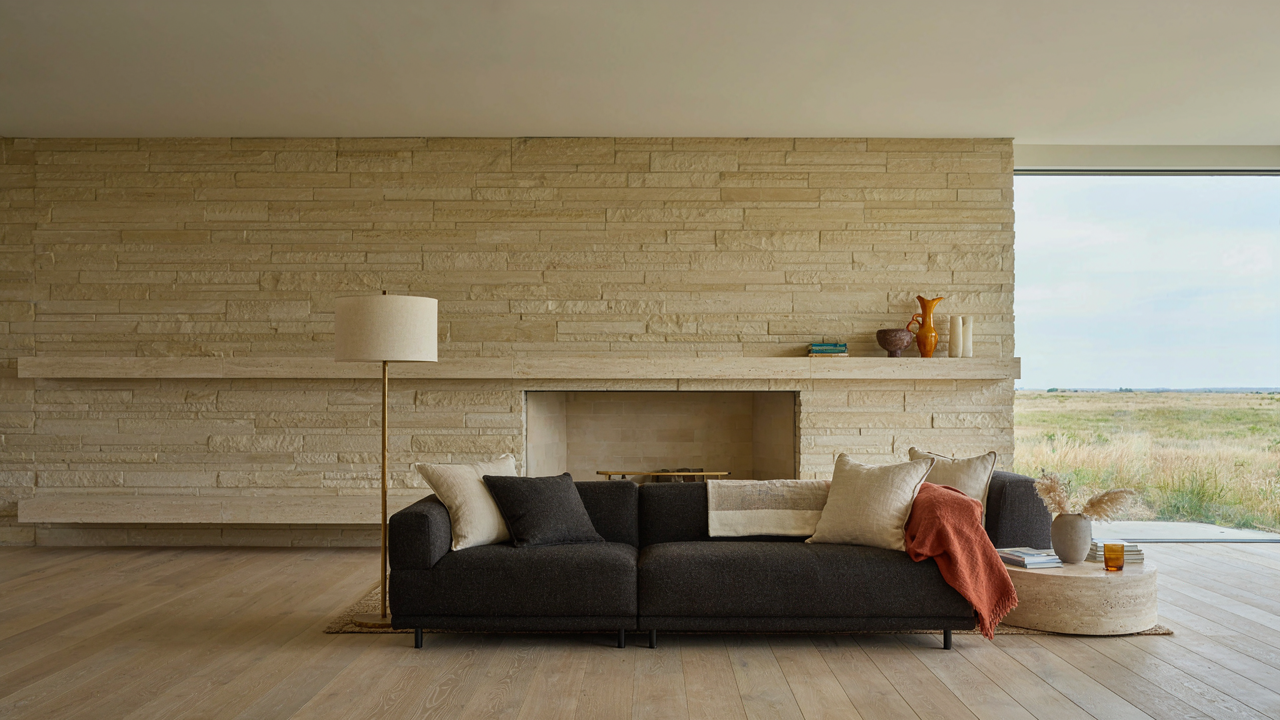
The Frank Lloyd Wright Fallacy: Why Your Prairie Style Interior Is Missing The Point
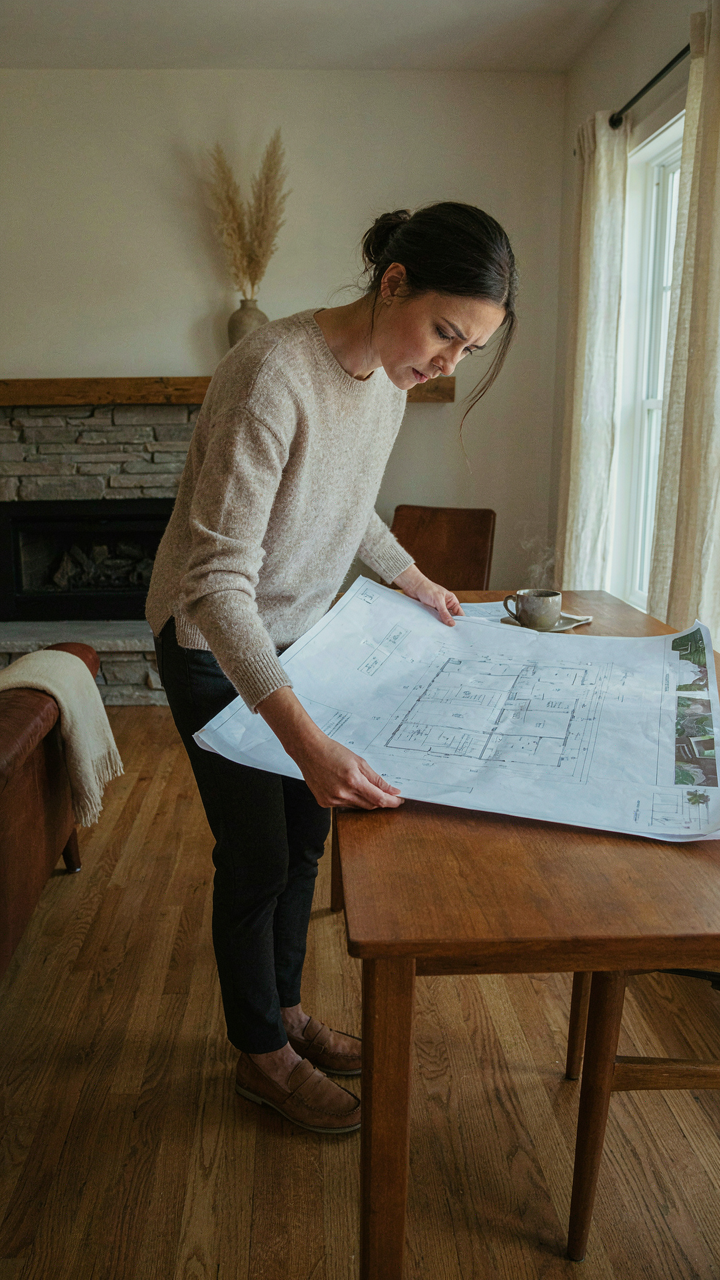
The Fireplace As System, Not Statement
You want to buy the aesthetic without doing the work. A prairie style fireplace isn’t a design object you drop into an existing room—it’s a load-bearing part of how the entire space breathes, moves, and functions. Wright treated the fireplace as the structural and psychological anchor of a home. It wasn’t about looks. It was about organizing everything else around it through material logic and sight lines.
Most people treat a prairie fireplace as decoration because they’ve never seen one operate as designed. The horizontal stone lines aren’t ornamental geometry—they’re a direct response to the prairie’s landscape and the human eye’s tendency to follow horizontal planes. When you place a fireplace in a room without considering wall placement, ceiling height, adjacent openings, and traffic patterns, you’ve installed a sculpture. When you integrate it correctly, you’ve reorganized the room’s entire spatial hierarchy.
Where The Fireplace Lives First
Skip the designer advice about “statement pieces” and focal points. That language inverts the actual mechanism at work. The fireplace location determines room geometry, not the other way around. Wright positioned fireplaces as thermal cores and psychological centers simultaneously—the hearth needed to heat the living space efficiently while anchoring the sight lines from entry, seating, and secondary rooms.
Horizontal stone banding on a prairie fireplace works because it echoes the continuous sight lines of the landscape and creates visual continuity with the room’s other horizontal elements: trim lines, window sills, furniture heights. If your fireplace doesn’t align with these lines, or if the room’s traffic patterns don’t naturally orient people toward it, the horizontal stone reads as random texture instead of structural logic. Measure existing horizontal references in your space first, then position the fireplace to unify them.
Horizontal Stone Lines: More Than Meets The Eye

The Visual Rhythm That Controls Perception
You want horizontal lines because you think they make a space feel calm. That’s the surface read. The real mechanism is compression and expansion. In architecture, compression and expansion govern how the eye moves and how long it lingers. Horizontal stone lines on a prairie style fireplace compress the vertical plane, making the wall feel wider and the room feel longer. Frank Lloyd Wright used this constantly. The lines don’t just sit there—they orchestrate movement.

The horizontal courses break the fireplace into visual intervals. Each line acts as a pause point. Your eye travels across, stops at the line, recalibrates, moves on. This rhythm matters because it prevents visual chaos. Without it, a tall stone fireplace becomes a vertical slab that pulls the eye upward and narrows the sense of space. The lines flatten the composition and anchor it to the horizontal axis of the room itself. This is not decoration. This is structural sight control.
Anchoring The Room To Its Foundation
The landscape principle applies here: prairie style ties interior and exterior through horizontal continuity. In landscape design, the horizon line is the primary organizing element. On a prairie style fireplace, horizontal stone lines mimic the horizon. They echo the sight lines of the surrounding landscape through the windows. This creates a visual bridge between inside and outside. Your fireplace stops being a single object and becomes part of the larger environmental frame.
Stone selection matters for this to work. The horizontal lines must use stone that reads as grounded and substantial. Limestone or rubble courses in earth tones anchor the fireplace to the ground plane conceptually. When you place the fireplace in a room with windows that frame landscape, the horizontal lines reinforce what’s already happening outside. The eye confirms continuity. The space feels intentional, not assembled. The mechanism is alignment: when horizontal elements inside mirror the horizon line visible outside, the room psychologically extends into the landscape rather than closing off from it.
The Biometric Hearth: Engineering Emotional Resonance
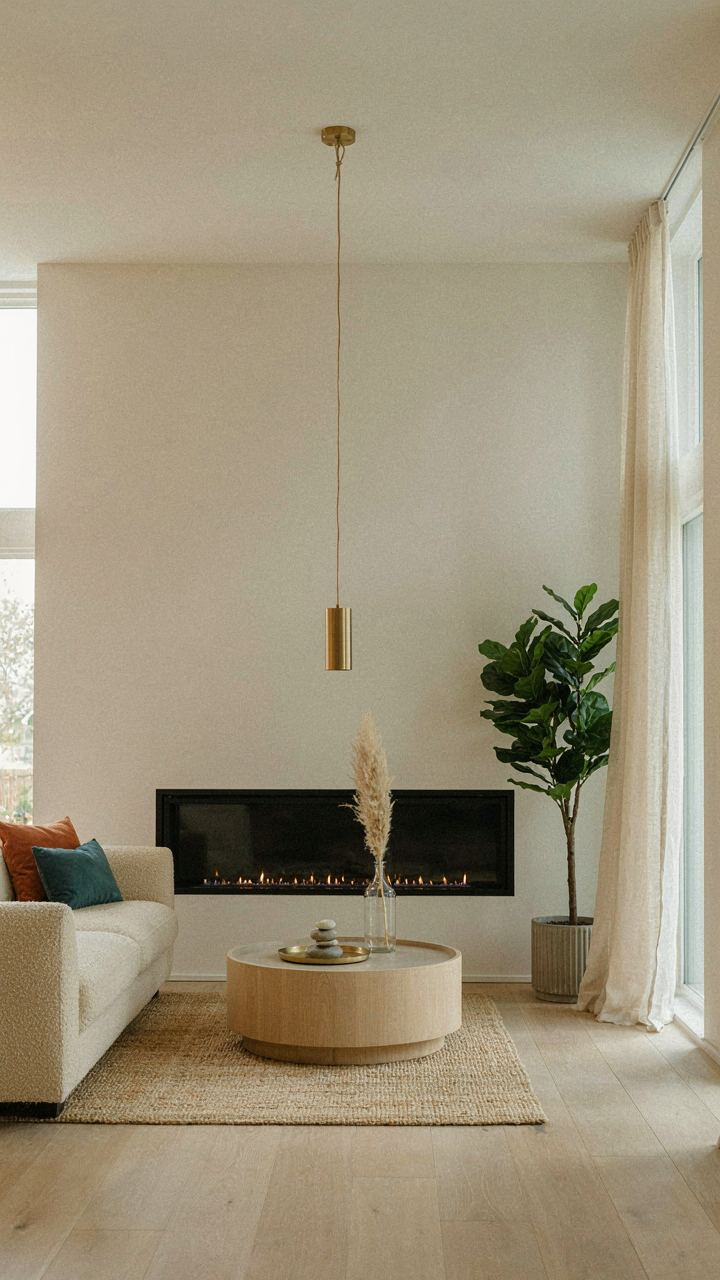
The Fireplace As Biological Anchor
You want this to feel profound because you sense that most design advice is surface decoration, and you’re right. Biophysics maps human stress response through environmental input, and a prairie style fireplace functions as a literal regulator of that response. The horizontal stone lines running across the hearth create visual rhythm that mirrors natural landscapes your nervous system recognizes. This isn’t mystical. It’s mechanical. The hearth becomes a biological anchor because repetition and symmetry lower cortisol measurably. Frank Lloyd Wright understood this intuitively, embedding his fireplaces into the structural center of homes so they commanded attention without competing. The horizontal lines echo the prairie itself, which means your body reads the space as safe and expansive rather than enclosed.

The placement and scale matter more than material choice. A fireplace recessed into a wall with stone banding at eye level creates a focal point your parasympathetic nervous system orients toward automatically. Position it where sight lines from the main living zones converge. The hearth doesn’t decorate the room. It stabilizes it. When the fire runs, that focal point becomes a reference point your brain uses to regulate presence in the space. The horizontal lineation prevents visual chaos and grounds occupants in the moment.
Rhythm And The Gathering Mechanism
Forget the idea that fireplaces create coziness through sentiment. Cybernetics reveals how repeated visual signals organize group behavior, and a prairie style fireplace is a feedback loop for collective attention. The horizontal stone courses act as a pacing mechanism. Eyes follow the lines, which syncs group focus to a shared point. When people gather around that hearth, the visual rhythm coordinates their awareness. This is why Frank Lloyd Wright placed fireplaces as interior focal points rather than background elements. The design enforces togetherness through pattern, not through marketing language about warmth.
To activate this mechanism, integrate the horizontal lines with furniture arrangement. Seat placement should face the hearth directly, allowing the stone patterning to occupy peripheral vision for all occupants. The fireplace becomes a conversation anchor. When multiple people reference the same visual pattern, they synchronize their cognitive state without planning it. Stone lines running at waist to eye height work best because they hold attention without demanding it. Design the hearth so the horizontal banding continues across the full width of the fireplace opening, creating one unbroken visual statement that pulls the room into coherence.
Built In Furniture & Craftsman Fireplaces: The Integration Protocol
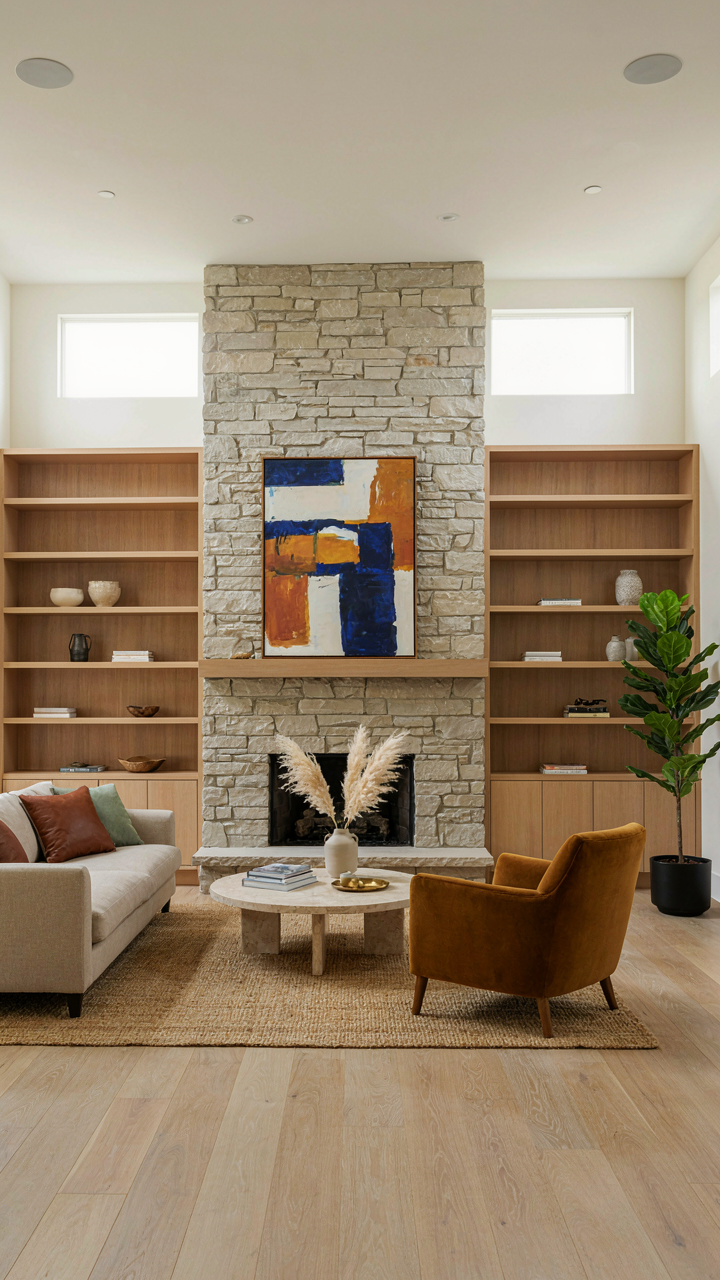
When The Fireplace Commands The Room
You want built ins around your fireplace because you believe they’ll make the space feel intentional and valuable. That’s not wrong. But the real mechanism is this: a fireplace anchored by flanking cabinetry becomes the gravity well of the room. Without built ins, it’s just a hole in the wall. With them, it’s a composed focal point that stops the eye cold and makes everything else arrange itself around it.

Frank Lloyd Wright understood this in his prairie homes. He didn’t scatter fireplaces randomly. He positioned them as the organizing principle for entire rooms, then wrapped them in built in benches, shelving, and storage that reinforced their centrality. The fireplace didn’t sit in isolation. It commanded. The built ins were the physical grammar that said: here is where this room begins and ends. This is where you orient yourself.
The Mantel As Threshold Between Zones
Most mantel advice tells you to decorate it. Wrong frame. The mantel in a craftsman fireplace isn’t decoration real estate. It’s a architectural threshold that separates the functional fireplace below from the wall system above. In prairie style work, the mantel performs as a horizontal datum line that ties into the stone banding running across the facade. It’s not a shelf first. It’s a geometric statement.
Keep the mantel simple and deep enough to land objects without clutter. Eight to twelve inches is standard in Arts and Crafts design. The mantel height should align with nearby built in shelving or cabinet tops to create a continuous horizontal rhythm across the entire wall. When the mantel sits at the same line as your flanking cabinetry, the fireplace stops being an anomaly and becomes part of an integrated system.
Mission Fireplace Mantle: Form Follows Function, Not Trend
The Honest Material Choice
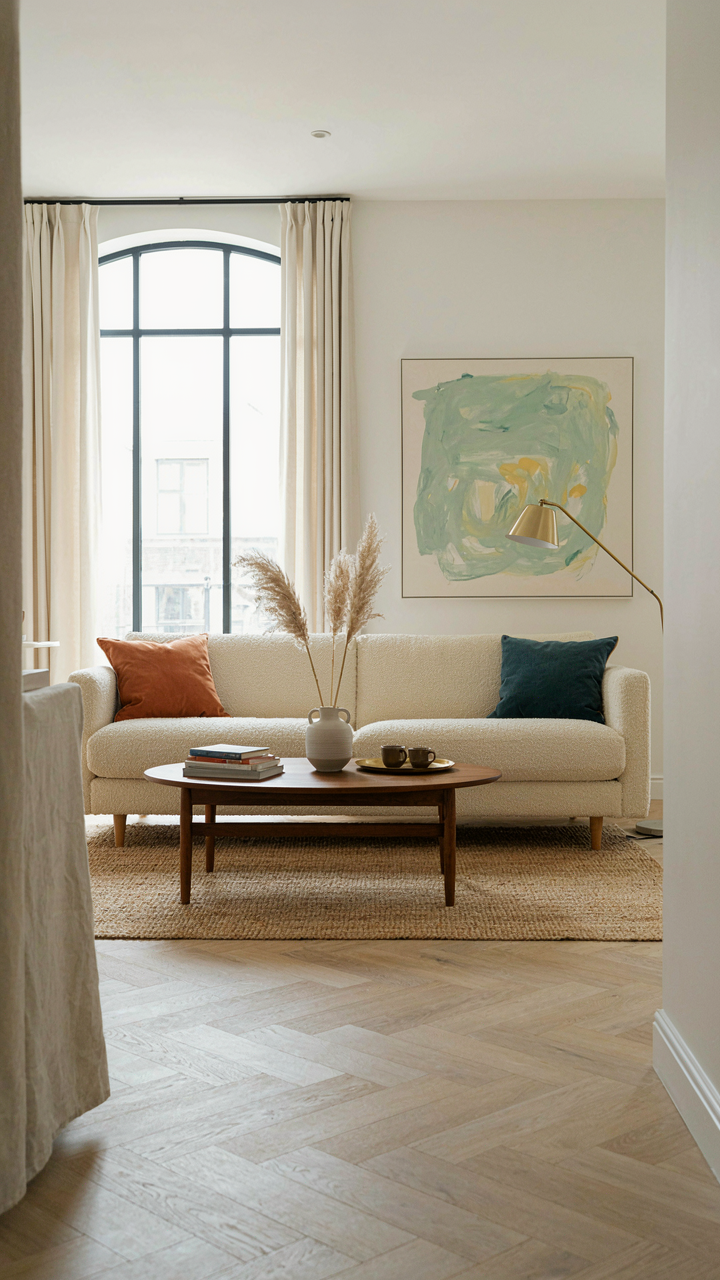
You want the mantle to signal taste and permanence, but you’re afraid cheap materials will betray you in five years. Here’s the mechanism: Prairie style fireplace design borrowed from architecture the principle of load-bearing honesty. Every visible material must do actual work or anchor something that does. A mantle that sits decorative and inert violates the entire philosophy. Frank Lloyd Wright’s mantles carried weight. They didn’t pretend. Stone, brick, and wood in a Prairie style fireplace announce their structural role the moment you look at them.

The common advice here is wrong: slap a polished marble shelf on top and call it refined. That’s interior decoration, not Prairie design. Material honesty means your mantle materials resist what they’re built to endure. Horizontal stone lines in Prairie style fireplaces expose the actual masonry joints and weight distribution. You see where the stones rest on each other. You see the grout lines that hold stress. This transparency kills the impulse to hide bad construction under veneers. When you design a mantle, ask: what is this material actually holding, and does the design show it?
Design That Outlasts The Decade
Trends collapse. Prairie style doesn’t. The difference sits in constraint. Most fireplace designs chase whatever Instagram shows this month, then look dated the moment the algorithm shifts. Prairie style mantles use geometric restraint and material repetition to remain invisible to trend cycles. Horizontal lines dominate. Overhangs are modest. Ornamentation comes from the material itself, not applied decoration. This approach has survived over a century because it answers a permanent human need: a fireplace that feels like it belongs to the house, not borrowed from a showroom.
The structural integrity of a Prairie style fireplace comes from proportion, not embellishment. Your mantle height, depth, and overhang should match the scale of the chimney breast and the room. Get this wrong and the fireplace looks tacked on. Get it right and the fireplace anchors the entire space. When you specify materials and dimensions, use a scale rule tied to the room’s longest wall, not arbitrary industry standards. This discipline creates endurance.
Beyond Aesthetic: The Strategic Placement Of Your Prairie Style Fireplace
Heat Distribution And Room Flow
You want your fireplace to look intentional because an awkwardly placed one signals you don’t understand your own space. This is really about thermodynamics applied to architecture. A prairie style fireplace functions as a thermal anchor, and its position determines whether heat actually reaches the zones where people sit or disappears into dead corners.

Frank Lloyd Wright positioned fireplaces at the geometric center of open floor plans deliberately. This isn’t romantic. It’s tactical. Heat from a centrally-placed hearth radiates outward in all directions, requiring less supplementary heating in adjacent rooms. A fireplace shoved against an exterior wall in a prairie home loses 30 to 40 percent of its radiant output through that wall. You’re essentially heating the outside.
Visual Weight And Spatial Command
Placement determines whether your fireplace controls the room or gets ignored. The common advice says put it somewhere you can see it from the entry. That’s incomplete. What matters is sightline hierarchy and the physics of visual attention in open spaces.
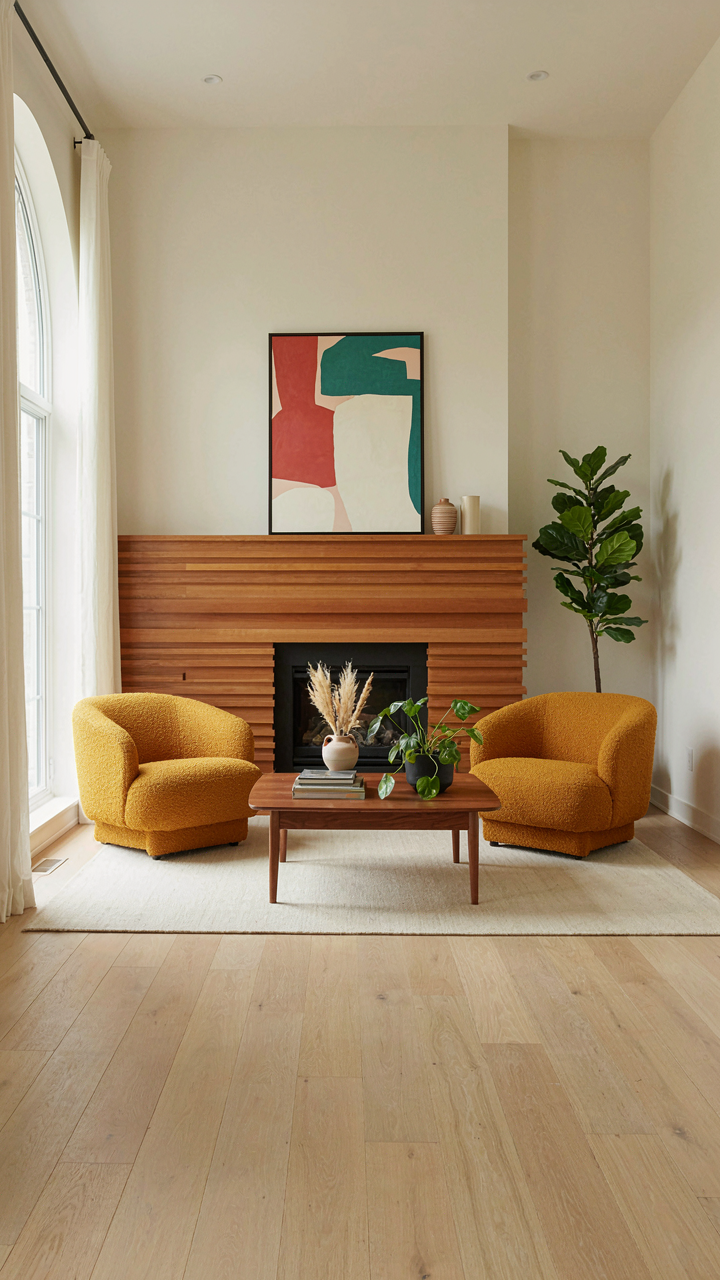
A prairie style fireplace positioned perpendicular to the primary living axis commands more authority than one aligned with it. The horizontal lines of the design amplify this effect when visitors encounter the broad face first, not the narrow side. Place it where the mass interrupts movement through the space, not where it sits as decoration on a wall. This forces the eye to reckon with it first, which means it anchors the entire room’s perceived layout before any furniture does.
Prairie Style Home: The Exterior Dialogue With Interior Warmth
When Interior Masonry Meets Site Language
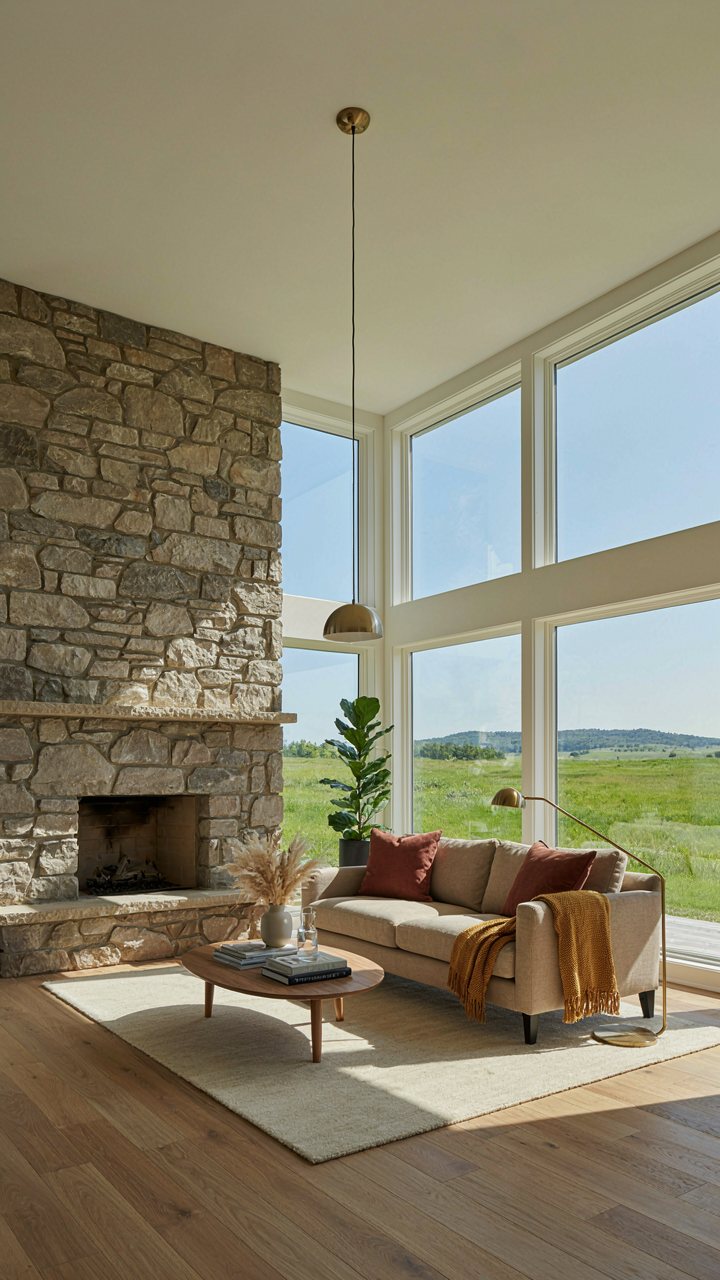
You want your fireplace to feel intentional, not dropped in. The real mechanism is visual continuity—your eye needs a reason to believe the fireplace belongs to this specific house on this specific land, not just any house. Prairie style solves this by treating the fireplace as a geological extension of the site itself. Frank Lloyd Wright didn’t invent this; he borrowed from load-bearing wall logic: the fireplace anchors the interior the way a foundation anchors the exterior. The stone you choose matters because it must read as native to the landscape around the house.

Most designers treat the fireplace as decor. They pick stone that looks good in showroom lighting and call it done. That’s backwards. A prairie style fireplace works because the material selection reflects actual site conditions. If your land has exposed limestone, use limestone. If fieldstone dominates the regional geology, use fieldstone. The fireplace then becomes proof that the house grew from the ground it sits on, not that you imported European aesthetics and bolted them to drywall. This is why material continuity is not optional—it’s the structural argument the entire design makes.
Stone Selection Anchors Both Worlds
Your first paragraph sets material continuity as a spatial grammar issue, and it is. In landscape architecture, the concept of visual weight explains why certain stone choices feel right and others feel imposed. A prairie style fireplace uses substantial, locally sourced stone because it carries the visual weight of the surrounding terrain into the interior. Thin veneer doesn’t work here; the fireplace must look like it could support a roof, because that’s what the design language promises. The material mass itself is the message.
- Coursed limestone or fieldstone: Lays in roughly horizontal bands that echo the prairie horizon line and match regional geological layers, making the fireplace feel anchored to place rather than style.
- Random ashlar granite: Breaks the horizontal rhythm with subtle texture variation while maintaining structural credibility, common in Midwestern sites where granite bedrock influences the landscape.
- Reclaimed building stone: Stone salvaged from regional demolition or quarries carries actual site history, creating material authenticity that new stone cannot replicate.
- Rough-faced limestone with horizontal mortar emphasis: The mortar line becomes a design element that reinforces the prairie’s flatness and extends the architectural language outward through doors and windows.
- Local quarry stone matched to site: Source stone from the same quarry that supplied regional buildings; this creates visual kinship with neighboring architecture and confirms geological belonging.
The fireplace surround should extend the material vocabulary, not compete with it. If the house uses stone piers or base courses, match that stone in the fireplace breast and hearth. The horizontal mortar joints should align or intentionally contrast with exterior banding, creating a readable visual argument rather than random pattern. This continuity is what makes the fireplace feel like a permanent part of the structure instead of a feature bolted onto finished walls.
The Investment Fallacy: Why A True Prairie Style Fireplace Pays Dividends
Stop Treating It Like Decoration
You’re reading this because you want permission to spend money and feel smart about it. That’s the real motive. But a real prairie style fireplace isn’t an aesthetic choice you make once and forget. It’s a load-bearing architectural decision that compounds or fails over decades. Think of it like structural engineering: a fireplace operates under constant thermal stress, and poor materials or design create cascading failures that cost exponentially more to fix later than to build correctly upfront.

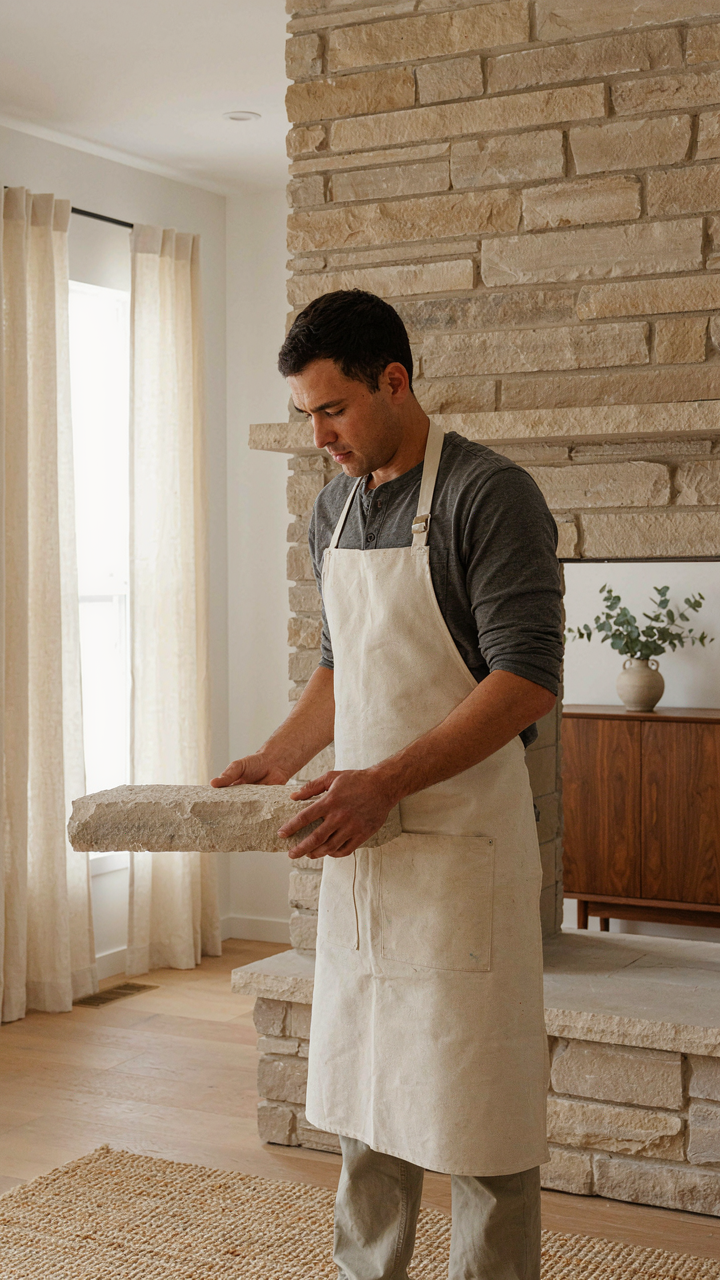
A properly executed prairie style fireplace with horizontal stone lines performs work. It manages heat distribution. It anchors spatial flow. It handles moisture and expansion cycles that destroy corners cut with cheaper materials or sloppy mortar work. When you skip this understanding, you end up with a visual feature that cracks, leaks, or needs replacement in fifteen years. The real cost isn’t the initial build. It’s the rebuild.
Design For The Next Fifty Years
Most fireplace advice treats longevity as a byproduct of good taste. It isn’t. Longevity is a protocol. Start with material selection based on your regional climate, not on what looks good in magazines. Limestone and sandstone common in prairie design absorb water differently in humid versus dry climates. Mortar composition must match the stone’s porosity and your seasonal temperature swings. A prairie fireplace built in the upper Midwest needs different specifications than one in the Southwest, even if both look identical.
The horizontal lines that define prairie style aren’t decorative either. They mirror how stone naturally breaks and settle. They create expansion joints that prevent cracking. They direct water away from joints. When you design around these mechanics instead of against them, the fireplace stays intact through foundation shifts, freeze-thaw cycles, and a century of use. This means specifying materials before aesthetics, running load calculations, and choosing a mason who understands prairie principles rather than just masonry. That’s the difference between an investment and an expensive mistake.
The True Obstacle Isn’t Finding A Style; It’s Understanding That Design Is A Consequence Of Deeply Considered Principles, Not Surface-level Imitation
Most people copy prairie style fireplaces. They slap horizontal stone on a wall and call it done. You won’t. Instead, grab a notebook today and write down why horizontal lines matter to the spaces you actually live in. What problem do they solve? What feeling do you want when you stand in front of that fireplace? Design that answers a real question beats design that answers Instagram. Your fireplace won’t look like everyone else’s because it solves something no one else needed.