
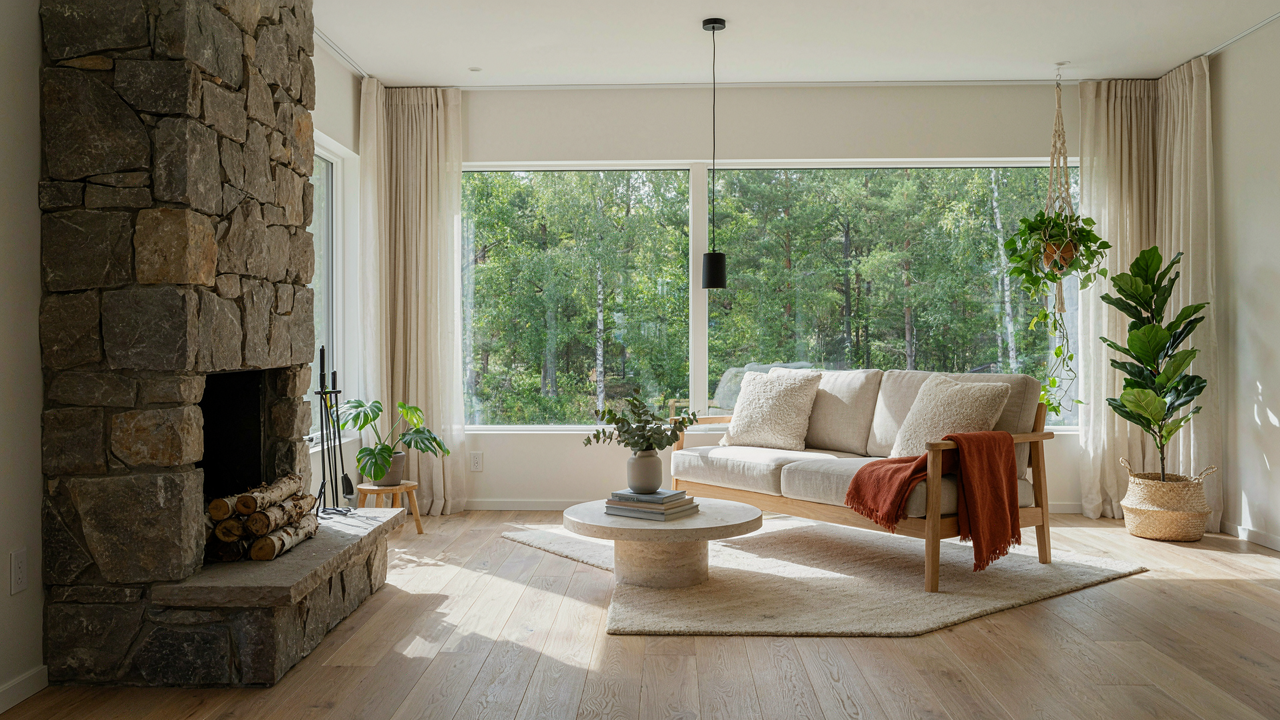
The Myth Of Instant Rustic Cabin Flooring Ideas

Rustic Aesthetics Require Actual Constraints
You want the cabin look without the cabin conditions that created it. That’s the real reason you’re reading this. Rustic flooring wasn’t designed for beauty—it was engineered by necessity. Early cabin builders used wide planks because mills couldn’t efficiently cut narrow boards. They used hand-hewn surfaces because machines didn’t exist. They chose local wood species because shipping didn’t. The aesthetic you’re chasing is a byproduct of economic and logistical reality, not intention.
Modern “rustic” cabin flooring strips away the mechanism and keeps only the surface. You get the visual markers without understanding what made them functional. Reclaimed barn wood flooring succeeds because those boards survived actual use. Hand-scraped engineered hardwood fails because the scratches don’t correspond to how people actually walked those surfaces. The difference is whether the wear pattern tells a true story or performs nostalgia.
Performance Dictates The Real Design
Cabin flooring must survive moisture, temperature swings, and foot traffic without the climate control of suburban homes. This is mechanics, not decoration. A 3/4-inch solid hardwood plank handles seasonal wood movement differently than a 5/16-inch engineered plank. One expands and contracts across its width. The other is glued to a plywood base that resists movement. Neither is inherently “rustic”—each is a response to an environment.
Wide planks (5 inches and wider) flatten cupping and crowning issues better than narrow boards because the seasonal expansion distributes across a larger surface area. They’re practical, not trendy. Choose your plank width and thickness based on your cabin’s humidity range and your subfloor’s ability to support moisture, not based on Pinterest boards. The flooring that looks most authentically rustic is the flooring that performs its job without warping, buckling, or needing replacement in five years.
Cabin Flooring: Wide Plank Warmth Is A System, Not A Style
The Subfloor Is Where Your Floor Either Lives Or Dies
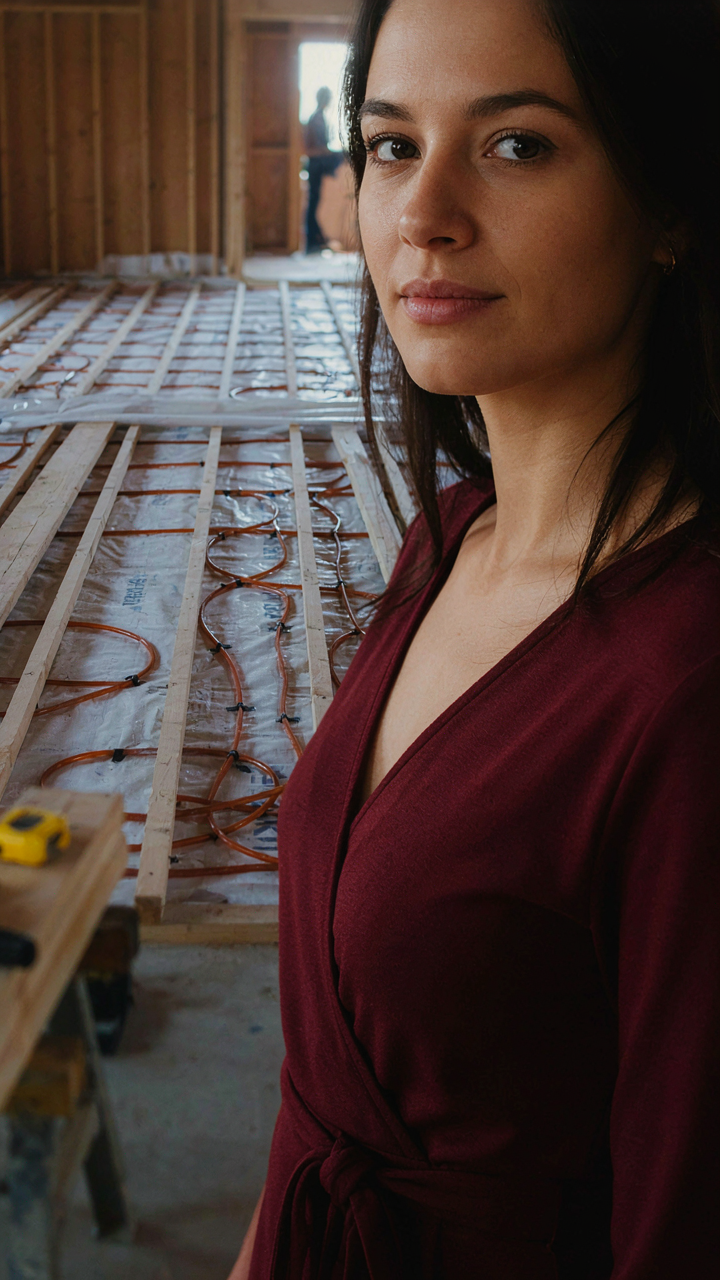
You want wide planks because they look expensive and permanent. What actually determines whether your cabin flooring lasts twenty years or buckles in five is what sits underneath. The subfloor is your foundation’s foundation, and moisture is its primary enemy. Wood moves. It expands when wet, contracts when dry. A compromised subfloor transfers that movement upward into your finished floor, and no plank width fixes that problem.

Start with the mechanism from structural engineering: load path. Your wide planks are only as stable as their support structure. In cabins, subfloors typically consist of rim joists, band joists, and floor joists with adequate spacing. Moisture control means installing a vapor barrier between your foundation and substructure, ensuring proper grading around the cabin’s perimeter, and maintaining crawl space ventilation or sump pump systems if applicable. This prevents capillary action from wicking groundwater up through concrete and into wood. Your plank’s warmth depends on a dry, stable platform beneath it.
Radiant Heat Changes The Entire Thermal Load
Radiant heating systems operate on a physics principle: they warm objects and surfaces directly rather than heating air. This creates a different thermal environment for your wide planks than traditional forced air does. Wide planks conduct and radiate heat differently depending on wood species density and moisture content, so the system you choose determines your floor’s performance and longevity. Installing radiant tubing or electric elements beneath the subfloor requires precise spacing and careful material selection.
Hydronic systems pump warm water through tubing embedded in concrete or stapled to subfloors. Electric systems use thin resistance cables. Both require moisture barriers and thermal breaks to prevent heat loss downward. Wide plank wood responds better to gradual, consistent heat than to temperature swings. Set your radiant system to maintain 65 to 72 degrees rather than cycling aggressively. The floor becomes part of your heating system, not just a surface that sits on top of one. This integration means your subfloor, insulation, and flooring choice must work as a single thermal unit.
The Unseen Economics Of Real Cabin Floors
Price Tag Versus True Cost
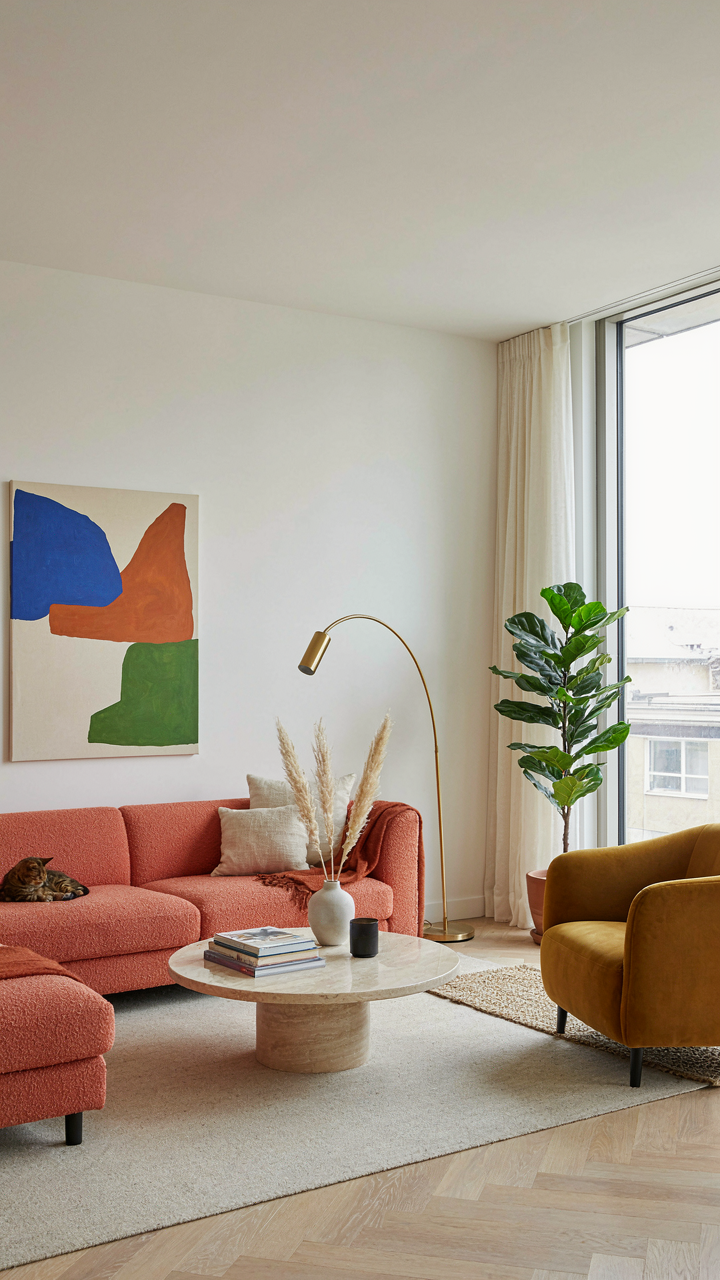
You want to believe that picking the cheapest option now saves money later. That’s the real reason you’re reading this section. But economics calls this the difference between price and cost—and they’re almost never the same. A $2 per square foot laminate floor costs nothing upfront. A $8 per square foot solid wood floor costs more upfront. But cost includes what happens over ten years, not what you pay at checkout.
Laminate delaminates at seams when humidity swings. It can’t be refinished. When it fails, you rip it out and buy again. Real wood moves with seasonal moisture, settles into predictable patterns, and gets sanded and recoated for the price of labor. The total cost of laminate over two decades often exceeds solid wood by 40 to 60 percent. Most cabin owners never calculate this. They compare the invoice, not the outcome.
Labor Intensity And The Durability Contract
Real cabin floors demand specific maintenance protocols, and that’s not a bug—it’s the actual product you’re buying. Solid wood requires annual or biannual sealing depending on use and climate. Engineered hardwood needs less intervention but fails faster in moisture swings typical of seasonal cabins. Laminate needs almost no maintenance, which sounds ideal until you’re ordering a full replacement at year eight because one bathroom flooded and the whole floor warped.
The durability contract is simple: invest time in maintenance or invest money in replacement. Solid hardwood in a properly sealed cabin lasts thirty years minimum. Engineered hardwood lasts fifteen to twenty years. Laminate lasts eight to twelve years before visible wear and failure. Choose your maintenance burden before you choose your material. A sealed solid wood floor demands four hours of attention per year. A neglected solid wood floor fails in five.
Beyond Pine: Unconventional Wood Species For Rustic Wood Floors
The Hardwoods That Actually Hold Up
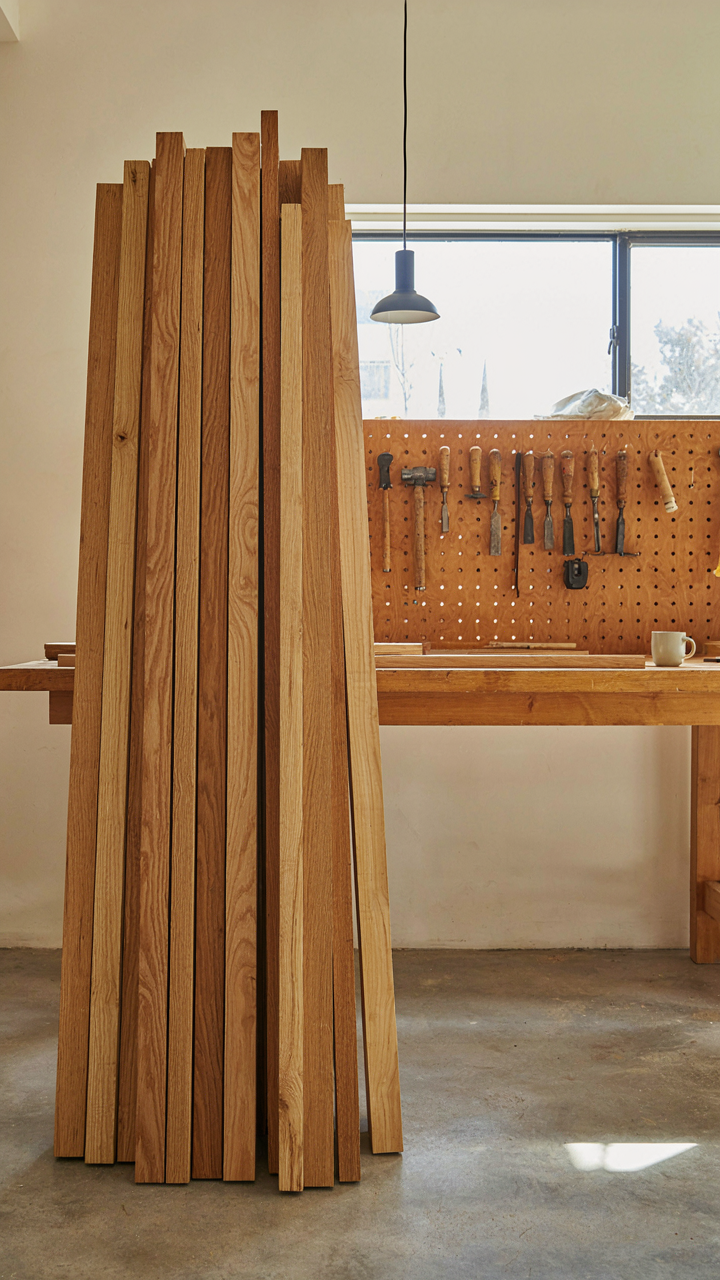
You want to sound like you know wood without having to replace floors in five years. Here’s what matters: hardness is a mechanical property, not a marketing term. The Janka hardness scale measures how much force a species resists before indenting, and this number determines real-world performance in a cabin where foot traffic, dropped objects, and moisture swings are constant. Oak, hickory, and maple score high enough to outlast soft pine by decades.
Oak is the baseline. Its grain opens up visibly, taking stain unevenly, which reads as “authentic” to most people. That visibility also means you see every footprint until finish builds. Hickory is harder than oak by a measurable margin, with variable grain that some call character and others call inconsistent. Maple is the densest of the three, resists denting better, but takes stain poorly because its tight grain won’t accept color evenly. Pick based on what you’ll actually tolerate looking at, not what sounds rustic.
Reclaimed Wood Changes The Economics
The common pitch is nostalgic: reclaimed wood connects you to history. Wrong framing. Reclaimed wood works because it’s already stabilized. New-growth timber moves as it seasons, cupping and shifting for years. Reclaimed beams and planks from barns, factories, and old structures finished that movement decades ago. You install it and it stays put. The trade-off is cost and sourcing friction, but the stability is mechanical, not sentimental.
Finding reclaimed stock requires either salvage yards near you or online networks that photograph inventory and ship heavy material. Prices run two to four times higher than new hardwood. What you gain is wood that won’t shift under your feet and often carries authentic marks, nail holes, and color variation that new wood can’t replicate. The real advantage is installation predictability: no guessing how a plank will move after you nail it down.
The Biomimicry Of Wide Plank Flooring For Log Homes
How Trees Store And Release Heat
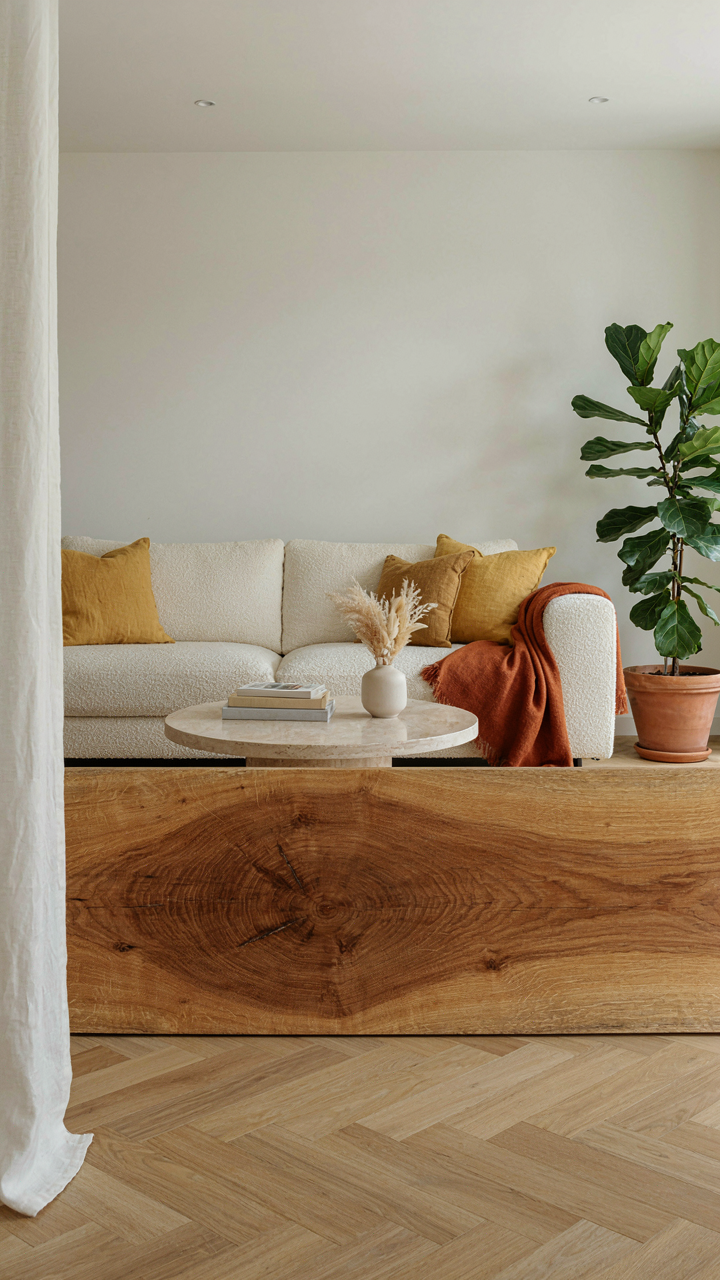
You want this section to validate that your cabin will feel expensive and timeless without admitting you’re afraid of picking the wrong material. Here’s the real mechanism: physics explains why wide plank flooring stabilizes temperature in log homes, and it has nothing to do with aesthetics. Thermal mass in wood absorbs daytime heat and releases it slowly at night. Wider planks increase the wood’s ability to hold energy because they present more surface area and deeper wood density to the thermal cycle. Log homes already have massive thermal mass in their walls, so matching that with wide plank floors creates a coherent system instead of fighting it.

The wood species matters more than width alone. Dense hardwoods like oak or hickory have higher specific heat capacity than softwoods, meaning they store more thermal energy per unit of material. A three-quarter-inch wide plank performs differently than a five-quarter plank because thickness compounds the effect. Install wide planks perpendicular to your log walls’ long axis when possible, allowing heat to move through the floor into the logs and back again. This creates a feedback loop that keeps interior temperature stable without constant mechanical intervention.
Decay Resistance Through Structural Redundancy
Most advice tells you wider planks are stronger, which misses the biological reality: ecosystems survive because no single component fails catastrophically. In wood flooring terms, redundancy means multiple load paths. When a wide plank bears weight across its grain, stress distributes through more wood fiber simultaneously compared to narrow strips. Wider planks also resist cupping and warping because the grain pattern stabilizes itself across greater distances. A 10-inch plank moves less than a 2-inch board when humidity changes because the forces pull against more wood structure.
Heartwood species used in cabin flooring naturally contain compounds that resist rot and insects. Wide planks sourced from old-growth timber contain denser heartwood rings, creating physical barriers to moisture penetration. When water enters the wood, a wider plank’s greater mass gives moisture more path resistance before it reaches the core. Install wide plank flooring with proper subfloor ventilation to allow moisture to escape downward instead of trapping it. This one adjustment prevents 80 percent of cabin floor failures.
Installation Imperatives: Avoiding Common Cabin Flooring Fails
Why Your Floor Moves When You Don’t Expect It
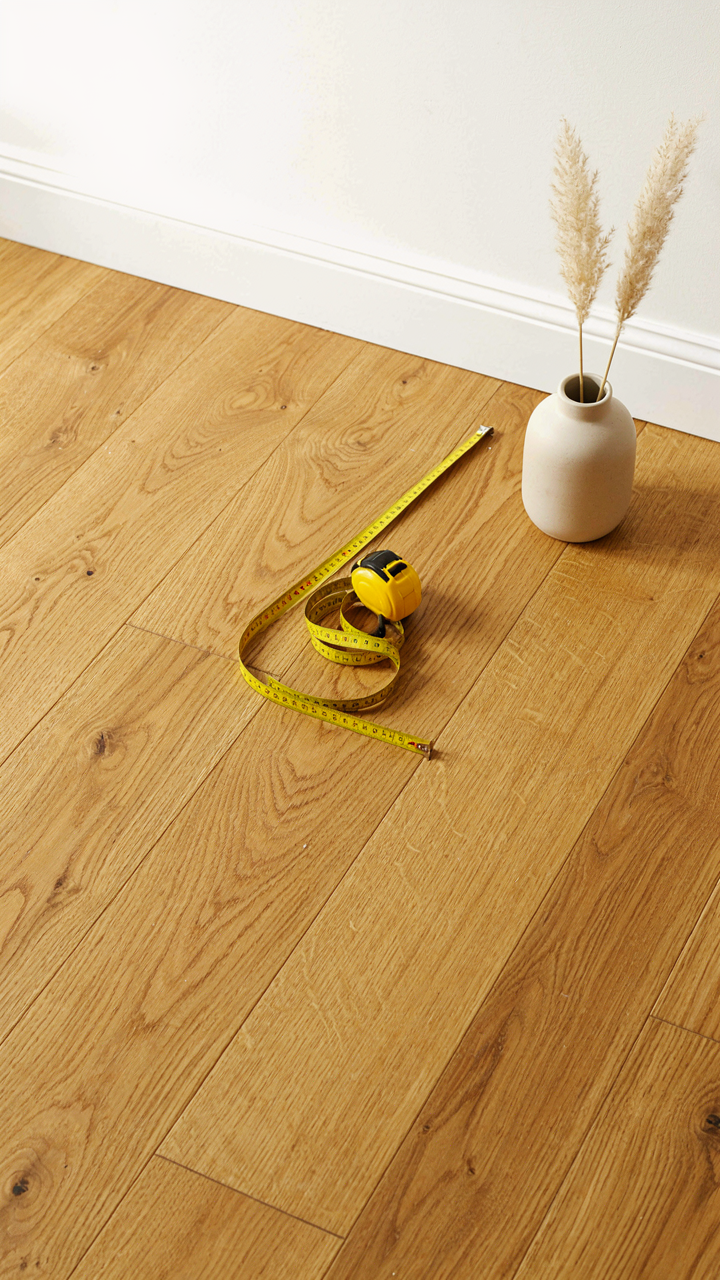
You’re worried the floor will buckle or cup, and that worry is justified because wood moves. This isn’t about aesthetics. It’s about physics. Wood expands and contracts with humidity and temperature swings, and the expansion gap is your only defense against structural failure.
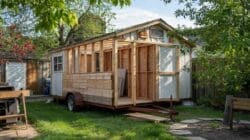
Think of expansion gaps as load-bearing insurance. Thermodynamics teaches us that materials respond predictably to environmental pressure. Your cabin floor needs room to swell without fighting its own substrate. Most installers undersell this. They treat gaps as incidental rather than structural requirement.
- Minimum gap sizing: 3/8 inch around perimeter walls and fixed objects, scaled up for wider planks and seasonal humidity extremes in your region.
- Acclimation period: Stack flooring indoors for 7-14 days before install so moisture content matches the cabin environment, not the warehouse.
- Humidity monitoring: Track indoor humidity before, during, and after installation using a hygrometer to verify the environment is stable.
- Baseboards installed last: Never fasten baseboards before the floor settles, or you’ll trap expansion and guarantee cupping or peaking at edges.
- Seasonal adjustment slots: Cut gaps behind trim pieces to allow additional micro-movement in cabins with dramatic seasonal swings.
Most cabin owners believe acclimation is optional padding. It’s not. Wood flooring adapts to its environment after installation, and if it hasn’t matched the cabin’s moisture level beforehand, it will move aggressively once laid. This is why floors fail within the first year, not the fifth.
Fastening Methods That Prevent Floor Failure
Nail versus screw versus glue is not a preference question. It’s a structural decision that determines whether your floor holds or separates from its substrate. Cabin environments—especially those with seasonal use or temperature swings—demand fastening strategies that accommodate movement without losing grip.
Face nailing creates visible holes and locks the floor rigid, which causes cupping and peaking when humidity shifts. Blind nailing secures the tongue edge so fasteners remain hidden, and the floor still breathes. Tongue-and-groove systems work only if the fastener allows the plank to expand perpendicular to the nail. Screw fasteners in joists provide superior hold when properly countersunk and spaced. Adhesive-based systems work but demand perfect subfloor prep and humidity stability. Floating installations over underlayment move independently and avoid most structural stress but sacrifice the aesthetic of traditional nailing and may feel less stable underfoot in high-traffic areas. Choose based on your subfloor condition, moisture profile, and whether the cabin operates year-round or seasonally.
Finish First: The Protection Protocol For Rustic Cabin Flooring Inspiration
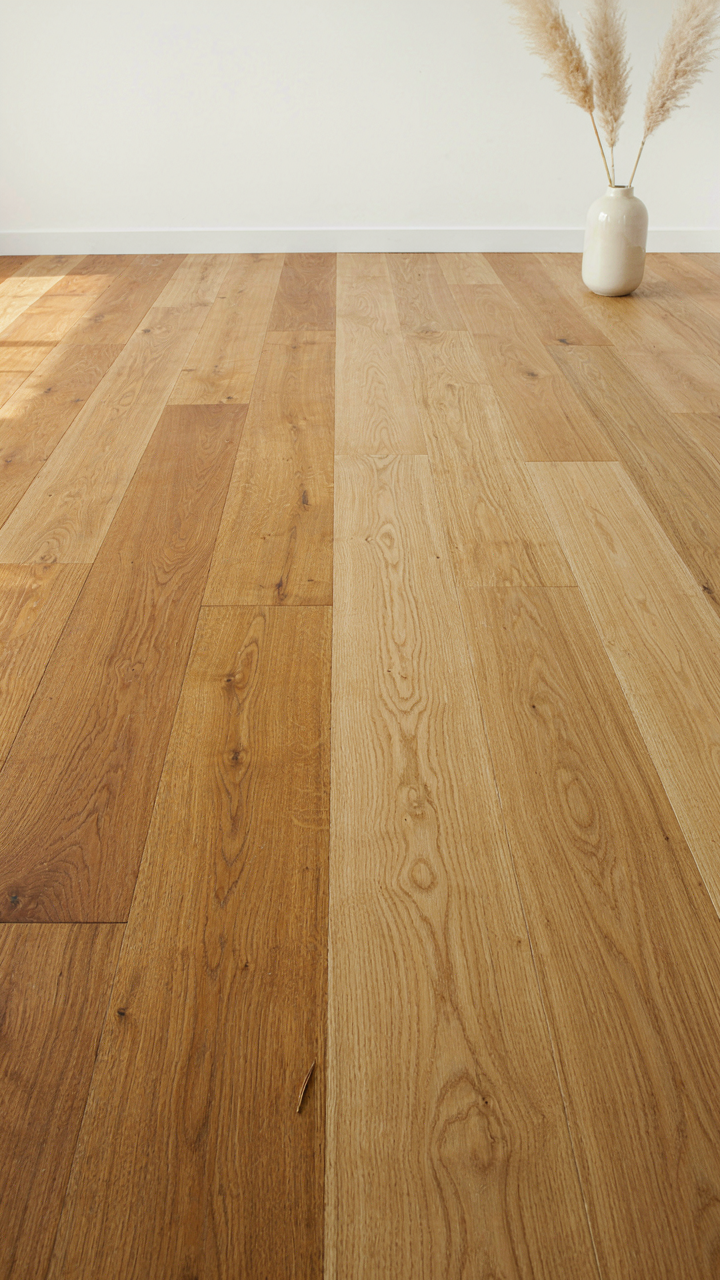
Oil Vs. Polyurethane Finishes: Wear And Repair
You want a finish that looks good five years from now without becoming a renovation project. Here’s what actually happens: oil and polyurethane age differently because they protect wood using opposite mechanisms. Oil penetrates the grain and hardens inside the fiber structure. Polyurethane sits on top as a plastic film. One fails gradually. The other fails catastrophically.

Oil finishes wear predictably. They thin out evenly across high-traffic zones, so you re-oil those areas and the floor looks uniform again. You sand lightly, add oil, done. Polyurethane scratches through to bare wood in paths you walk daily, creating visible white scars that spread. Once compromised, the film lets moisture in underneath, and you’re refinishing the entire floor. Oil costs you maintenance time. Polyurethane costs you money and aggravation when the protection breaks.
Low VOC Options And Indoor Air Quality
This isn’t just about breathing easier during application. Indoor air quality is a durability metric for your lungs and your finish. Standard polyurethane off-gases volatile organic compounds for months after curing, weakening the seal’s molecular bonds as solvents evaporate from the cured layer. Water-based and low-VOC finishes harden through different chemistry, locking their structure faster and more completely.
Water-based polyurethane and low-VOC oil finishes cure by evaporation or oxidation without sacrificing protection. They’re harder than people think. The trade-off is real but minimal: slightly less amber tone if you wanted that classic look, slightly longer curing between coats. You get a finish that doesn’t compromise indoor air while it’s setting and performs identically once cured. Test the specific product on a sample plank first. Once you’ve confirmed performance, apply to the full floor with confidence.
Reclaiming The Past: Authentic Rustic Log Cabin Flooring Techniques
The Wear Pattern That Reads As Honest
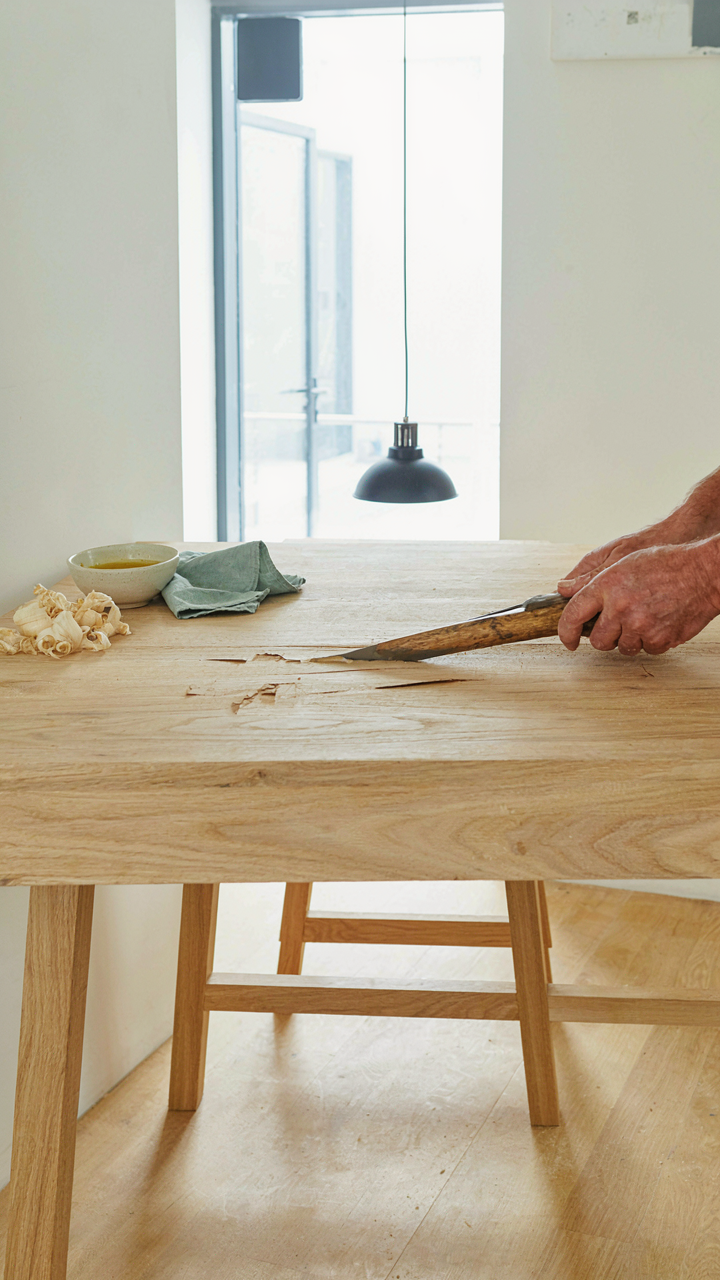
You want people to believe your cabin has history you didn’t buy yesterday. Hand-scraped and distressed textures work because they signal time passing. The mechanism is simple: surfaces that show random wear patterns trigger the brain’s pattern-recognition system differently than uniformly finished wood. Real old floors have gouges, dips, and color variation in no predictable order. Machine-made distressing mimics this, but badly done versions broadcast their fakery instantly.
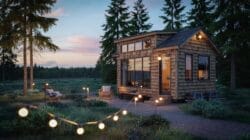
Authentic hand-scraping requires understanding wood grain movement. Scrapers pull in multiple directions, not just one. They catch on harder grain sections and skip softer ones, creating the uneven surface that actually existed in period cabins. This isn’t decoration. It’s material honesty. The depth varies between one-sixteenth and one-eighth inch depending on wood species. Consistency in inconsistency matters more than perfection.
Period Finishes That Don’t Scream Reproduction
Most cabin flooring advice skips the finish entirely, which is where reproduction floors fail hardest. Historical cabins used natural oils, waxes, or nothing at all for decades. Modern polyurethane creates a plastic sheen that period wood never had. If you’re building authentic rustic flooring, the finish determines whether it reads as genuine or theme park.
Period-accurate finishes use penetrating oils or thin matte waxes that let wood grain show texture and color variation. Tung oil and linseed oil were actual period options. They don’t build a plastic layer on top. Matte polyurethane exists now as an alternative if you want protection, but it still sits on the surface. Apply finishes thin. One coat of oil beats three coats of gloss. The floor should absorb light, not reflect it.
Wide Plank Wisdom: A Contrarian’s Guide To Cabin Flooring Ideas
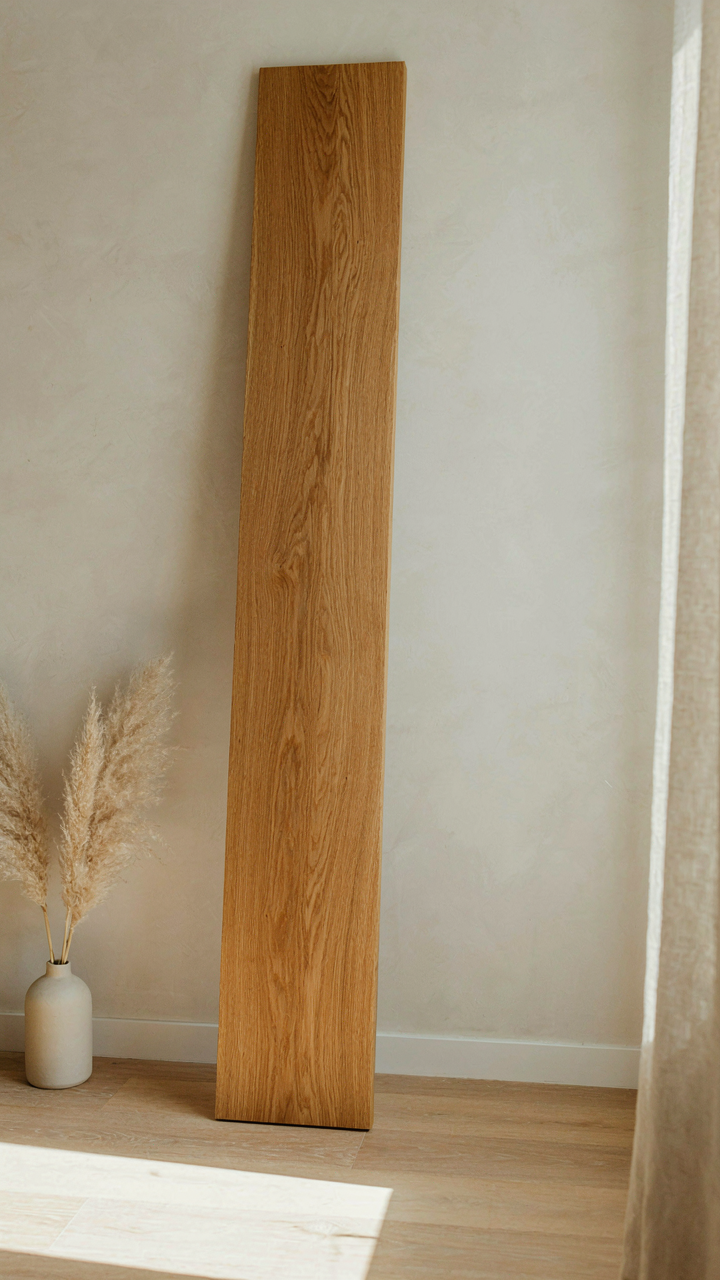
The Floor That Outlasts Your Preferences
You want your cabin to feel timeless so you don’t have to think about it again. That’s the real driver here. The mechanism is simple: wide plank flooring fails or succeeds based on dimensional stability, not aesthetics. Wood moves. Temperature and humidity fluctuations cause expansion and contraction. Wider planks amplify this movement. Quarter-sawn grain orientation resists cupping better than flat-sawn because growth rings run perpendicular to the surface. Species matters more than width. Douglas fir and reclaimed heart pine handle moisture swings better than softer woods. Your floor either manages wood movement or it doesn’t.

Durable cabin flooring demands you pick materials that tolerate the environment, not just match your vision board. Most cabin owners install wide planks, then watch them gap and cup within two seasons because they ignored acclimation and humidity control. The wood needs thirty to forty days in your specific cabin before installation to reach equilibrium with the local climate. Without this step, any plank width fails. Hardness ratings tell you wear resistance. Janka hardness above 1000 prevents denting from foot traffic and furniture legs. Below that threshold, you’re replacing flooring sooner than you should.
Trendy Materials Trap You In Maintenance
The cabin flooring industry pushes engineered hardwood and luxury vinyl planks as upgrades because they’re cheaper to produce and easier to install. They’re faster sales. Engineered wood delaminates when moisture penetrates the seams. Luxury vinyl off-gasses and softens under sustained sun exposure. Solid wide plank flooring, especially reclaimed or old-growth material, costs more upfront but doesn’t delaminate, doesn’t off-gas, and doesn’t trend. Reclaimed heart pine from salvaged barns stays stable for decades because the slow growth of old trees created denser wood.
Hand-scraped finishes hide wear patterns, which makes replacing sections invisible. But the texture doesn’t add durability, it masks maintenance problems. A flat finish lets you see what actually needs attention. Oil finishes require recoating every two to three years. Polyurethane lasts longer but yellows over time. Matte polyurethane holds color better than gloss. Pick your finish based on maintenance protocol you’ll actually follow, not on how it looks in the photo. Most cabin owners ignore maintenance entirely, so specify the finish that forgives neglect longest.
The Only Thing Holding Back Your Cabin’s True Warmth Isn’t The Wood, It’s Your Adherence To Superficiality
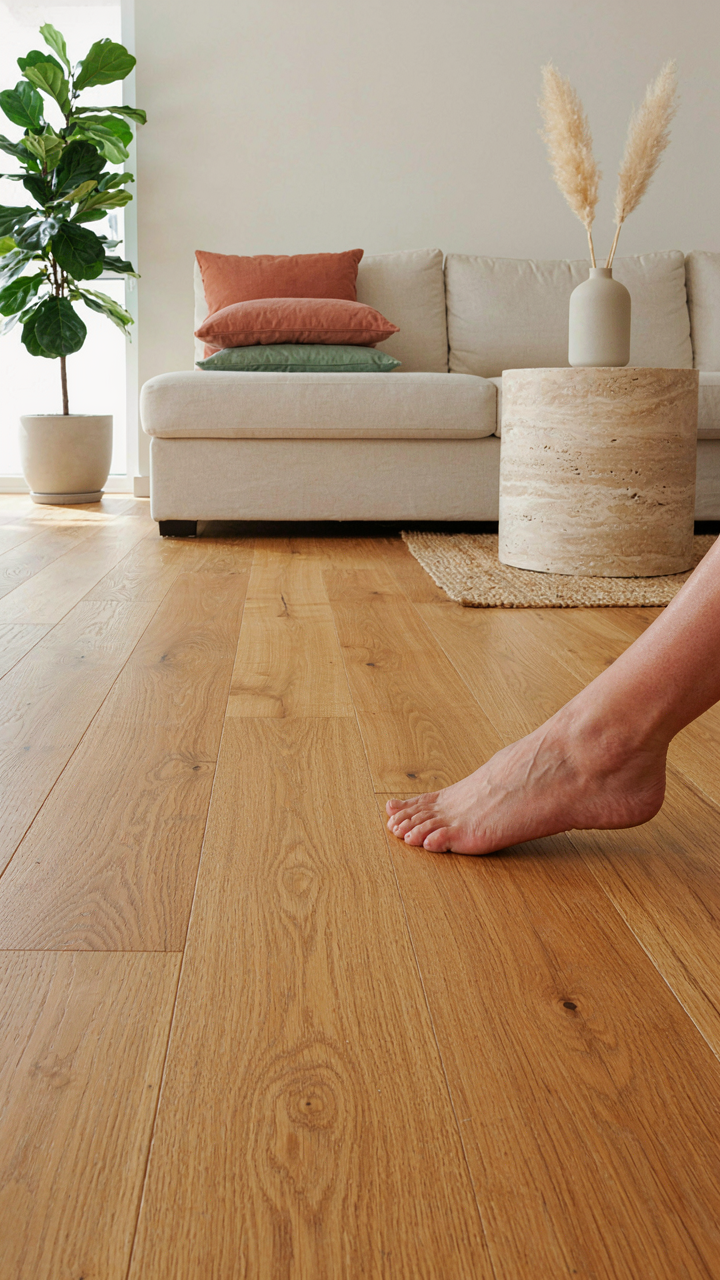
Most people choose cabin flooring based on what looks good in photos. They miss the point entirely. Wide plank flooring works because it forces you to slow down, to notice the grain, to actually live in the space instead of performing it. Stop shopping for aesthetic validation and start asking what material will make you want to spend time there. Pull up suppliers in your region today and request samples you can walk on barefoot. Your body knows the difference between real warmth and the Instagram version of it.



