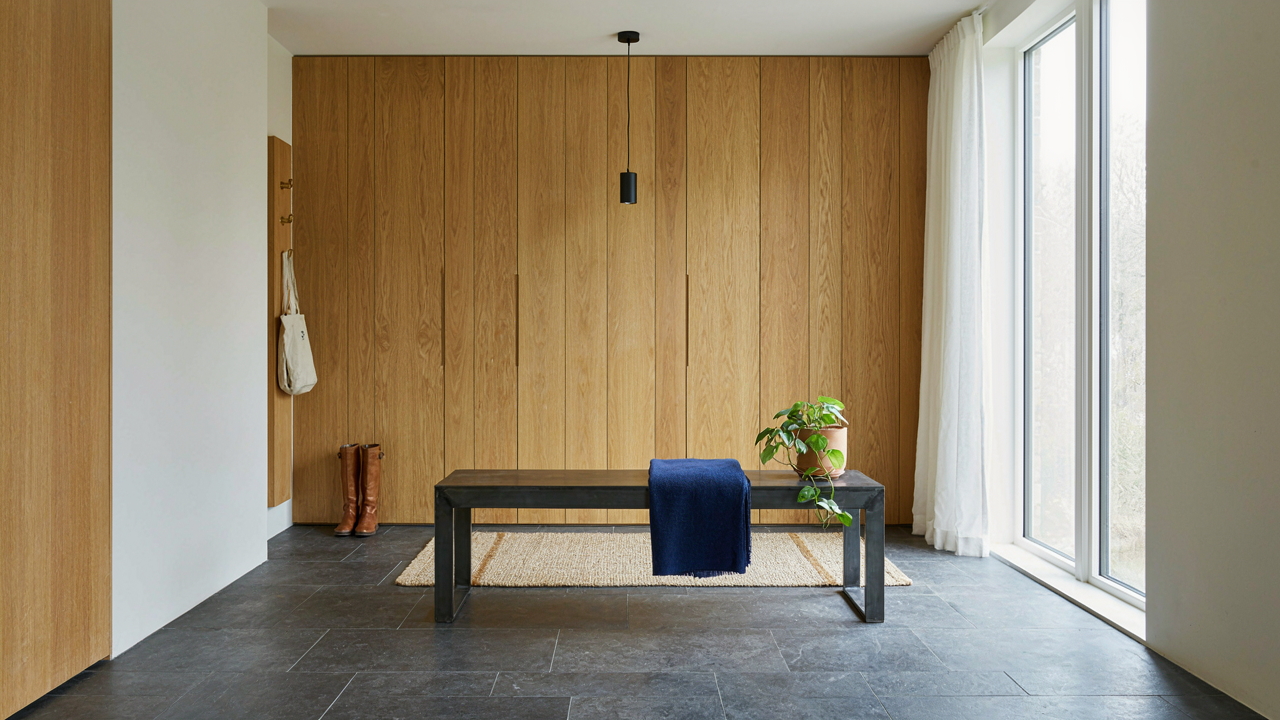
The Illusion Of Rustic Mudroom Ideas: Why “Charm” Fails
Aesthetics As The Expensive Distraction
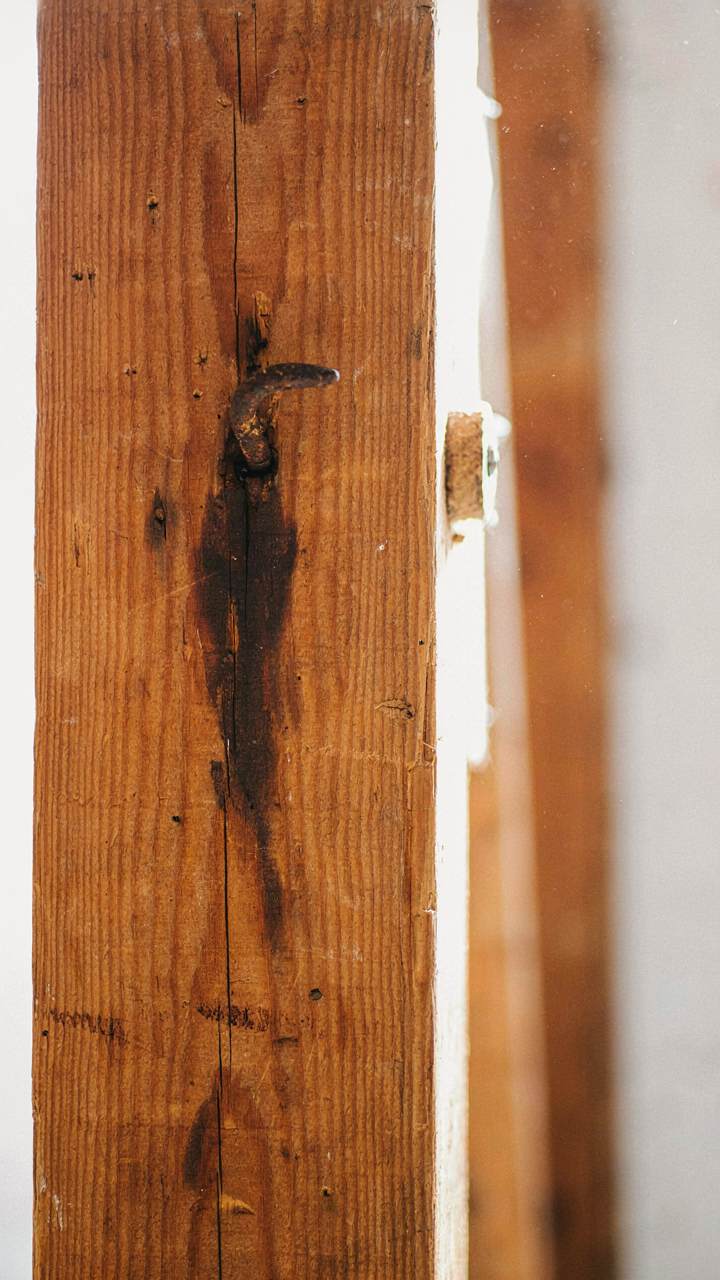
You want your cabin mudroom to look like it belongs in a design magazine because you think that signals competence to guests. Here’s what actually happens: you optimize for the photograph instead of the problem. Rustic aesthetics—reclaimed wood, vintage hooks, weathered finishes—create maintenance burden and fail under real use. Mud, salt, and constant moisture destroy charm fast. The mechanism is simple: you’re solving for status, not function.
A cabin mudroom serves one job: contain the chaos of dirty gear before it reaches the living space. Everything else is decoration masquerading as design. When you lead with “rustic charm,” you choose materials and layouts that look good but don’t perform. Reclaimed barn wood absorbs moisture and rots. Vintage hooks can’t handle the weight distribution of heavy winter coats and boots. The real cost isn’t the money you spend upfront—it’s the constant repair cycle and the failure to actually keep mud contained.
When Pretty Costs More Than Practical
The hidden cost logic works like this: aesthetic choices always demand sacrifice. You pick a material because it photographs well, which means you skip the material that handles your actual climate. A cabin in the Northeast needs different solutions than one in the Southwest, but “rustic” advice treats all cabins the same. You end up with finishes that can’t tolerate freeze-thaw cycles or humidity swings. Charm fails because it’s climate-agnostic.
Prioritizing looks over utility creates a maintenance tax you’ll pay for years. You’ll refinish that “beautiful” wood every season. You’ll replace hooks that bend under real load. You’ll spend weekends sealing, staining, and protecting surfaces that should just work. The mechanism is cost shifting: you reduce upfront complexity by choosing attractive materials, then pay the difference in constant maintenance. Functional design solves the problem once. Aesthetic design solves it over and over.
The “Brutalist Buffer” Protocol: Hardening Your Cabin Entry
Design For Capture, Not Display
You want your mudroom to look intentional because you’re worried it’ll look like a storage failure. Here’s the mechanism: a mudroom either contains debris at the threshold or lets it migrate into living space. There is no middle ground. The real design problem isn’t aesthetics—it’s establishing a hard boundary where wet, mud, and gear stop moving deeper into the cabin. Think of it like a perimeter defense in military strategy: the entry zone must absorb impact before anything reaches the interior.

Most cabin owners treat mudrooms as afterthoughts and wonder why boots end up on rugs three rooms away. The solution isn’t prettier hooks. You need geometry that forces the user to offload everything before forward movement becomes easier than stopping. Low benches positioned directly at entry points, wide floor zones with beveled edges that catch water runoff, and wall-mounted systems at arm height all work because they reduce friction for doing the right thing. The cabinet mudroom that actually works makes compliance automatic.
Materials Built For Mud, Not Marketing
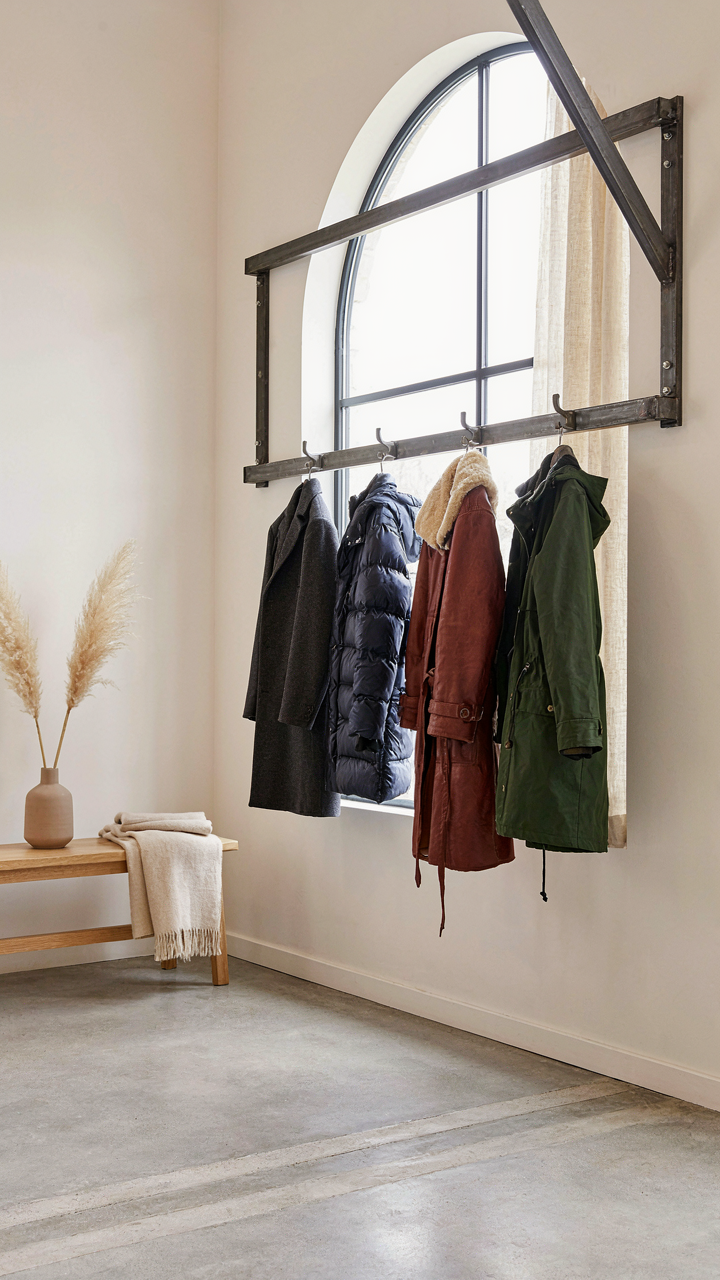
Concrete, sealed wood, and powder-coated steel—not shiplap or reclaimed barn doors—are what survive repeated boot traffic and moisture exposure. Concrete floors with a slight slope toward a drain line or perimeter channel eliminate standing water and are forgiving of dropped gear. Sealed concrete costs less than tile and doesn’t crack when temperature swings from freezing to warm. Steel rod lockers and wall rails survive impacts that snap wooden pegs. Powder coating bonds to metal and doesn’t chip like paint under friction and temperature cycling.
The materials most mudrooms fail with are those chosen for how they photograph, not how they perform under actual cabin life. Real debris containment requires surfaces that shed water instead of absorbing it, materials that handle salt and moisture without degradation, and finishes that tolerate physical abuse without maintenance complaints. Steel angle-iron wall frames, galvanized hooks rated for 50-pound loads minimum, and sealed plywood or composite shelving create a system that works for ten years without repair cycles. Install materials that require zero aesthetic justification because they’re simply too functional to replace.
Weaponizing Vertical Space: The Gear Management Grid
Wall Systems That Actually Hold Weight
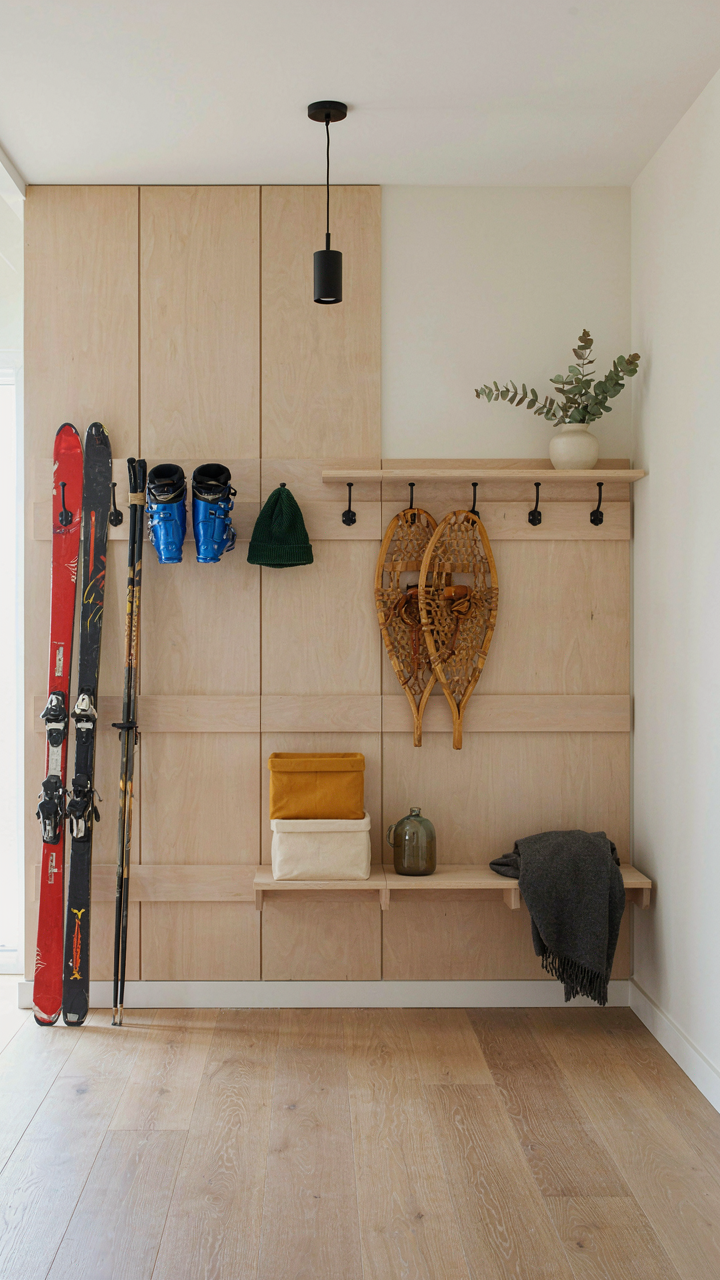
You want your stuff visible and accessible so you don’t buy duplicates or waste time digging. That’s the real motive. The mechanism is density without chaos, and modular wall systems are logistics applied to wood and metal. Military supply chains use modularity to scale operations fast. Your mudroom uses the same principle: interchangeable components that adjust as your gear inventory changes.

Modular systems beat built-ins because they adapt. A wall of French cleats, hooks, shelves, and pegboard sections lets you reconfigure without renovation. Start with horizontal rails rated for load capacity, then add brackets, hooks, and shelves to those rails rather than direct to studs. This approach distributes weight intelligently and keeps reconfiguration simple.
- French Cleats: Two interlocking strips of wood that distribute weight across multiple studs. Install horizontally, then hang components on the cleat edge. Load capacity scales with stud spacing and cleat depth.
- Heavy Duty Hooks: Staggered at varying heights to prevent crowding. Rated hooks hold boots, belts, and wet gear without sagging or pulling free from studs.
- Adjustable Shelving Brackets: Slotted systems allow vertical spacing to change as storage needs shift. Keep expensive items at eye level, heavy items at waist height for access efficiency.
- Pegboard Backing: Functional for lightweight items and accessories. Combine with solid sections to create visual breaks and prevent the chaotic hardware store aesthetic.
- Cable Management Clips: Often overlooked but critical. Route cords, straps, and bag handles vertically to prevent tangling and maximize usable vertical real estate.
The cost of a modular system runs higher upfront than random hooks and shelves, but you avoid the sunk cost of permanent mistakes. Measure your wall dimensions, calculate load distribution across studs, then build in 20 percent spare capacity for seasonal gear rotations.
Overhead Storage: Where Most People Leave Money On The Table
Most cabin owners treat the ceiling space like it doesn’t exist. Wrong. The area above your head is the highest-efficiency storage zone if you architect it correctly. Overhead storage follows the Pareto principle: 80 percent of seasonal gear sits unused for months. Your mudroom ceiling becomes that holding area.
Install ceiling-mounted pulley systems or fixed shelving above head height for off-season rotation. Skis, snowshoes, and bulky winter coats vanish upward, leaving active-use space clear below. The key is access frequency. Items you grab weekly stay at arm height. Items you touch monthly move overhead. Install a step stool in the mudroom corner so you reach upper shelves without ladder gymnastics every time.
The Kinetic Flow System: Boots, Coats & Cabin Mud Room Ideas
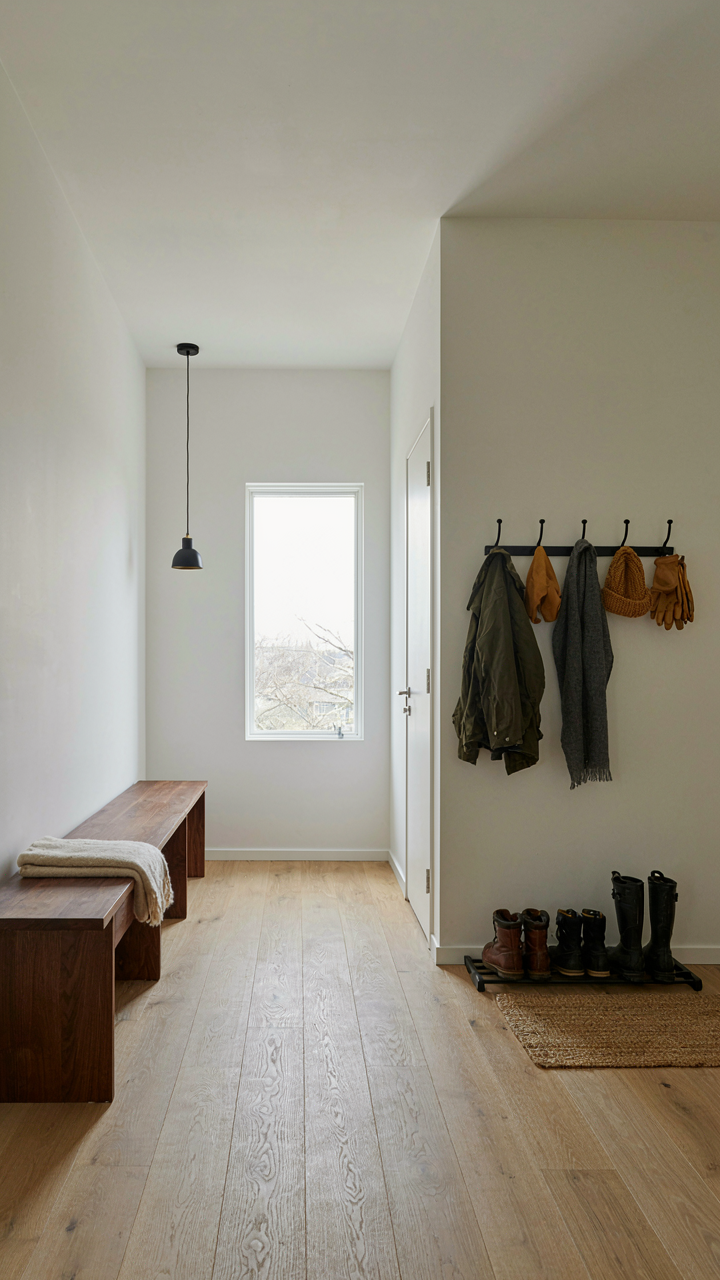
Movement Efficiency Without Dead Space
You want a mudroom that makes you look organized to guests without admitting you’re terrified of clutter spreading into your living room. Here’s the mechanism: fluid dynamics teaches us about laminar flow, where movement follows the path of least resistance. Your cabin mudroom needs the same principle. A bottleneck happens when traffic stalls because people can’t drop gear and move through simultaneously. This kills the entire purpose of having a dedicated entry zone.

The fix is directional workflow, not symmetrical decoration. Position boot storage on one side, hang hooks on the adjacent wall, and place a bench perpendicular to both. This creates a one-way sequence: enter, shed boots, hang coat, sit if needed, exit. No backtracking. No person waiting for another to move. The entry stays clear because people process through it in under thirty seconds instead of clustering while deciding where things go.
Friction Points Kill The System
Every extra motion you force people to make is a friction point that gets skipped. The common advice says “create zones for everyone’s gear,” but zones are useless if accessing them requires moving other people’s stuff first. The real problem is spatial interference, not organization. When a boot tray sits directly in front of a coat hook, someone removing boots blocks someone trying to hang a jacket. These collisions compound. People stop using the system and drop things in the nearest open space.
Eliminate friction by separating actions vertically and horizontally. Mount coat hooks at shoulder height on one wall. Place boot storage at ground level on an adjacent wall or corner. A bench or low shelf creates a landing zone for temporary items between entry and storage. This staging area prevents the logjam. Test your layout by walking through the motions without thinking. If you adjust your path more than once, you’ve found a friction point that needs moving.
Beyond Drying Racks: Accelerated Dehydration Chambers
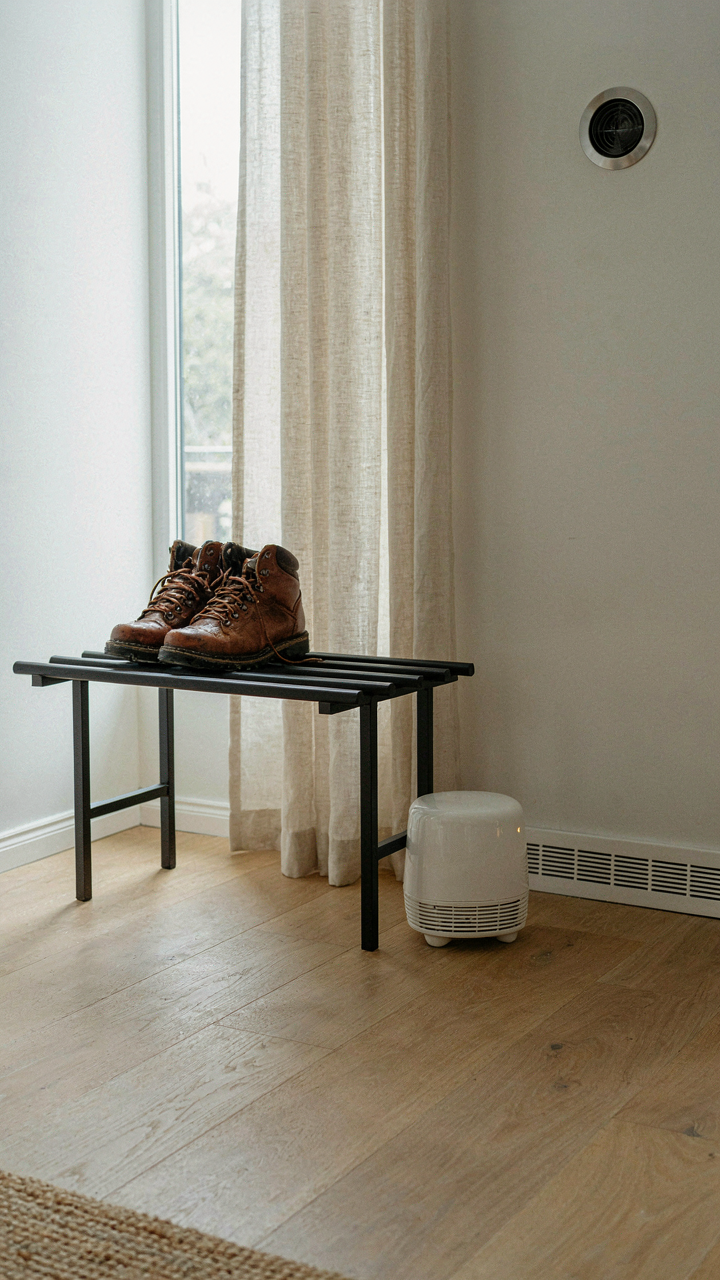
How Airflow Direction Changes Everything
You want your gear dry before the next trip because wet equipment rots faster and costs money to replace. Most cabins dump boots in a corner and hope. The real mechanism is airflow direction: stagnant air around wet gear creates microclimates where moisture pools. Strategic placement of intake and exhaust points forces air movement across surfaces, not around them. Low intake near floor level pulls fresh air across boots and coat hems where water collects. High exhaust vents push saturated air out before it settles. This isn’t optional—it’s the difference between dried gear and mold colonies.

Direct airflow beats passive drying by hours. Position intake vents to pull air upward through boot zones, forcing moisture away from dense material where it traps. Exhaust placement matters as much as intake. A single window or gable vent on the opposite wall completes the circuit. Ceiling-mounted exhaust fans accelerate this further, but placement matters more than power. The mudroom becomes an active system, not a storage closet that happens to have a door.
Heat, Ventilation, And Active Moisture Transport
Physics defines moisture removal through three variables: evaporation rate, vapor pressure difference, and air exchange cycles. Your cabin mudroom operates under the same thermodynamic load as an industrial drying chamber, just smaller. Heat accelerates evaporation—warmer air holds more moisture and pulls water from materials faster. Ventilation removes that saturated air before it recondenses. Circulation prevents dead zones where humidity spikes. The standard approach fails because people add heat without ventilation, creating a sauna that redeposits moisture deeper into fibers.
A working system combines all three in sequence. Start with intake airflow moving across wet surfaces. Layer in mild heat—a small electric heater near the intake zone, set to 60-70 degrees Fahrenheit, speeds evaporation without overheating the space. Exhaust fans running on a timer pull humid air outside continuously. Wet boots dry in eight hours instead of three days. The cycle repeats each trip because the mechanism stays in place, not because you remember to prop open a window.
The Contamination Zone: Strategic Dirt And Mud Room Rustic Management
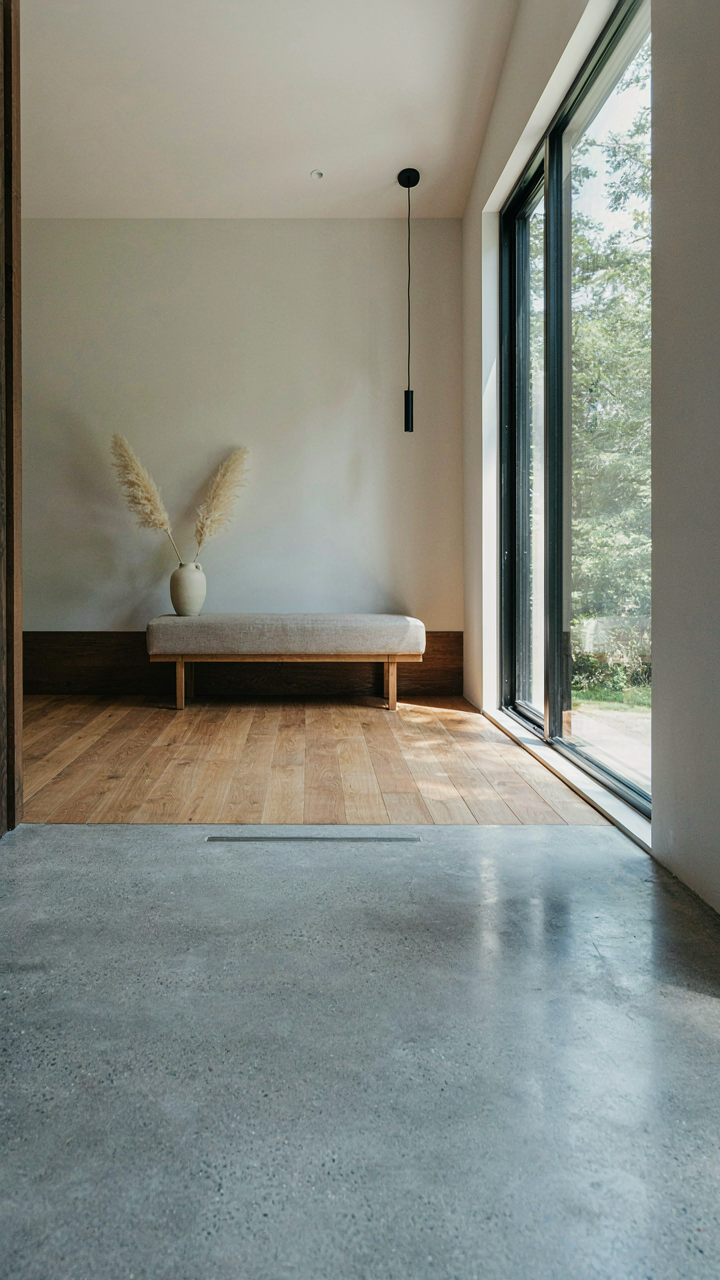
Where The Boundary Actually Lives
You want a mudroom that doesn’t look like one. That’s the real fear driving this section. You’re worried guests will see mud tracked through your cabin and judge the entire space as unfinished. Here’s the mechanism: contamination spreads through proximity, not inevitability. Borrow from epidemiology—a cabin mudroom functions as a quarantine perimeter. The goal isn’t to hide dirt; it’s to create a physical threshold that stops soil transfer before it enters living zones. Most cabins fail this by treating the mudroom as decoration rather than infrastructure. A real boundary uses elevation change, flooring material shift, or a defined architectural moment to signal: the clean zone starts here, not there.

The threshold itself does the work. A 2 to 3-inch step down into the mudroom or a recessed entry creates a psychological and physical break. Alternatively, a 4 to 6-inch concrete pad raised above grade—common in older mountain cabins—catches water runoff and forces foot placement. These aren’t pretty additions; they’re functional geometry. Door placement matters too: position it so traffic flows inward first, not directly into the cabin’s main living area. This single architectural decision eliminates the most common contamination vector. The boundary succeeds when people naturally behave differently once they cross it.
Materials That Fight Back Against Grime
The standard advice here is wrong: porcelain tile doesn’t repel grime, it just hides stains better than concrete. Real grime rejection starts with material porosity. A mudroom floor needs either a non-porous surface or a porous surface engineered to shed water quickly. Sealed concrete works because the sealant prevents absorption. Polished concrete actually performs worse than standard concrete because it’s slicker and holds standing water longer. Stained concrete with a matte finish outperforms it. The mechanism is simple: water doesn’t linger on slopes and porous surfaces allow quick drainage through the floor system itself.
Rustic mudrooms in cabins traditionally used heavy-duty rubber flooring or reclaimed wood on a pitched subfloor for water runoff. Modern equivalents include commercial-grade rubber tiles (the kind found in gyms or industrial spaces) or textured concrete with integral slope toward a drain. Slate works if sealed properly, though it’s expensive and requires maintenance. The real move: install a slight slope—a 1 to 2 percent grade—toward either a floor drain or the exterior door threshold. This one detail stops standing water and mud accumulation. Pair that with a 4 to 6-inch kickboard or curbing at the entry to contain splatter. The floor material itself becomes secondary once you’ve solved the water flow problem.
Minimalist Arsenal: Curating Your Cabin Mudroom Gear
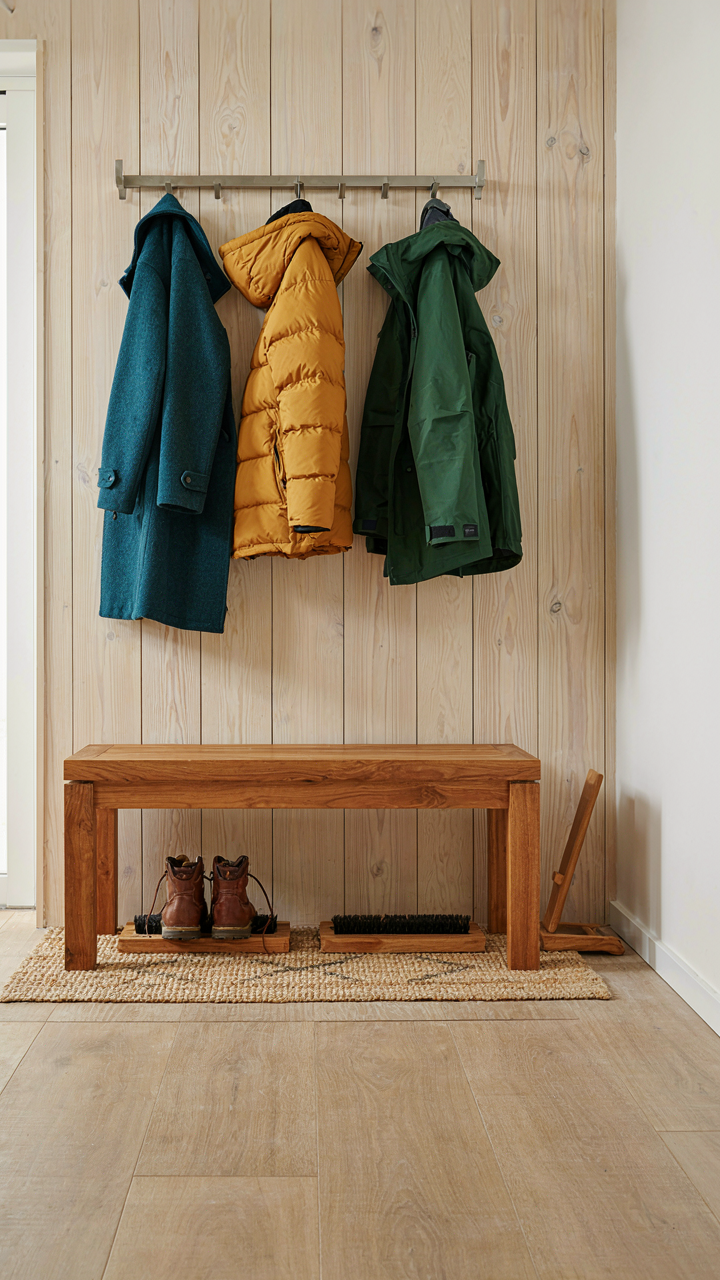
One Tool Does Three Jobs
You want to feel efficient without actually being efficient. The real mechanism is constraint. In military logistics, commanders call this “load bearing capacity”—you pack only what moves the mission forward. A cabin mudroom operates the same way. You have finite wall space, finite hooks, finite floor square footage. The moment you accept that limit, you stop buying gear and start designing systems.

Most people fill mudrooms because they confuse ownership with preparedness. They buy a boot scraper, a boot tray, a boot rack, then wonder why the space feels cluttered. The real move is eliminating redundancy at the source. Ask what job each item actually does, then remove anything that duplicates that job. A heavy-duty boot tray with integrated scraper slots handles both functions. A wall-mounted coat hook designed for layering holds jackets, vests, and wet gear on one vertical line.
Quality Over Velocity
The economics here are brutal. Buy cheap mudroom furniture and you’ll replace it in three seasons. Buy one solid cedar bench with integrated storage underneath and it outlasts the cabin. Fewer items of higher durability cost less over time because you’re not cycling through replacements. This isn’t lifestyle branding. It’s arithmetic.
Multi-functional tools matter more in a cabin mudroom than anywhere else because you have no backup. If your only boot jack breaks, wet boots sit by the door. If your single coat rack fails, gear piles on chairs. Invest in items built from rot-resistant materials—teak, cedar, stainless steel hardware—and design them to handle multiple loads at once. A heavy-duty bench seat becomes a boot-drying station and a gear staging platform. The mechanism is simple: one quality object replaces three disposable ones and removes three failure points.
Cabin Mudroom Ideas Entry Ways: The Unseen Force Multipliers
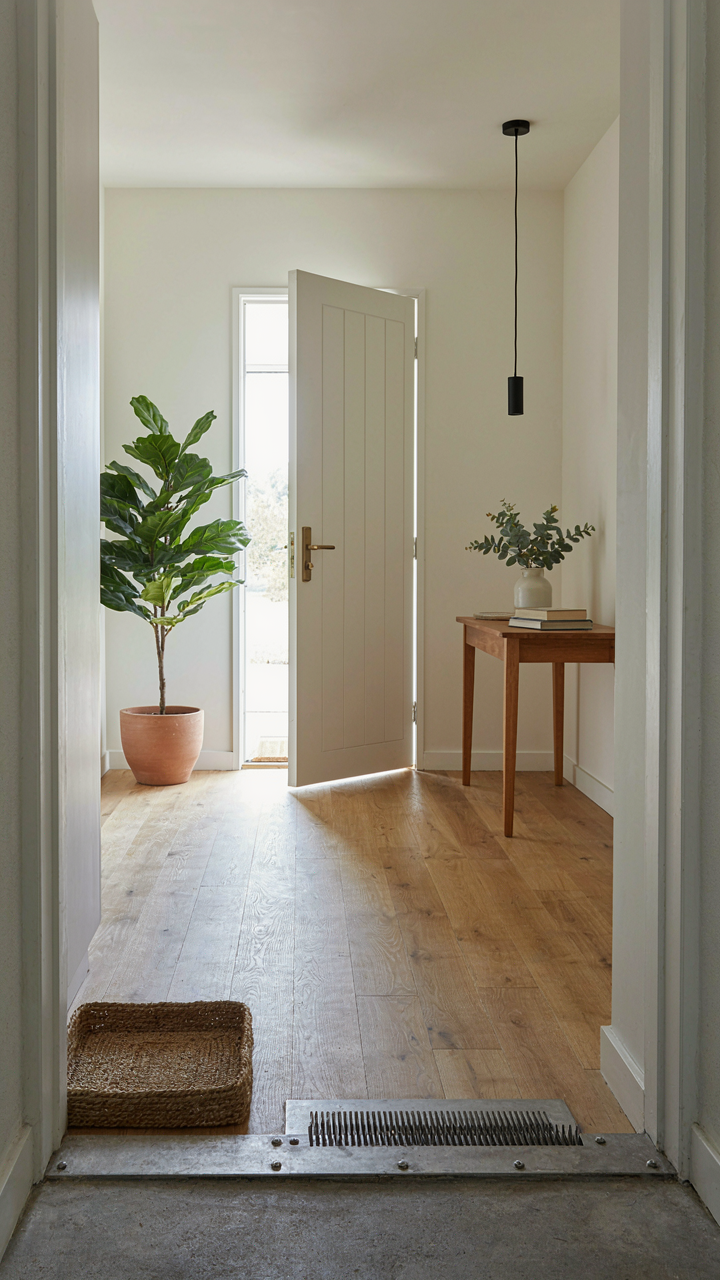
Design Signals That Trigger Compliance
You want your cabin mudroom to work without constant nagging. That’s the real motive here. The mechanism is psychological priming: the environment shapes behavior before willpower enters the picture. Borrowing from behavioral economics, friction is currency. Lower friction toward the desired action, and people comply without resistance. A coat hook at eye level gets used more than one at shoulder height. A boot tray positioned at the threshold works because it intercepts the decision point before someone tracks mud inside.

The best cabin mudrooms don’t rely on rules or discipline. They engineer the path of least resistance. Hooks positioned exactly at arm height when entering. Boot scrapers bolted to the exterior frame so they’re impossible to miss. Benches placed perpendicular to the door create a natural pause point. When people must stop anyway to remove boots, they’re already in the mudroom, not the cabin. The design does the work your family won’t.
Dirt Management Starts Outside
Most cabin mudroom advice treats dirt removal as an afterthought. Wrong. The mechanism is boundary establishment: you create a physical protocol that stops soil before it crosses the threshold. External cleaning stations aren’t luxury. They’re infrastructure. A boot scraper mounted to the porch frame, a grate embedded into the ground, or a boot brush fixed beside the door all serve the same function: they move the work outside where it belongs, not into the cabin where it spreads.
The operational sequence matters more than aesthetics. Visitor arrives, boots hit scraper, excess mud falls below the grate, boots enter the tray inside the mudroom. This three-step protocol prevents 80 percent of tracked debris before anyone steps on interior flooring. Place the external station close enough that people won’t skip it. Distance kills compliance. If the scraper is ten feet away, it won’t get used. If it’s eighteen inches from the door, it becomes habit.
The Real Obstacle Isn’t Clutter; It’s Your Refusal To Design For Reality, Not Aspiration
You keep imagining a cabin mudroom that doesn’t exist yet. Stop. Walk into your space right now and build for who you actually are, not who you think you should be. Your boots will pile up. Your coats will land everywhere. Design around that. Pick one wall this week, install hooks at the heights you actually use, and watch how fast the problem dissolves. You don’t need a perfect mudroom. You need one that works when you’re tired.