
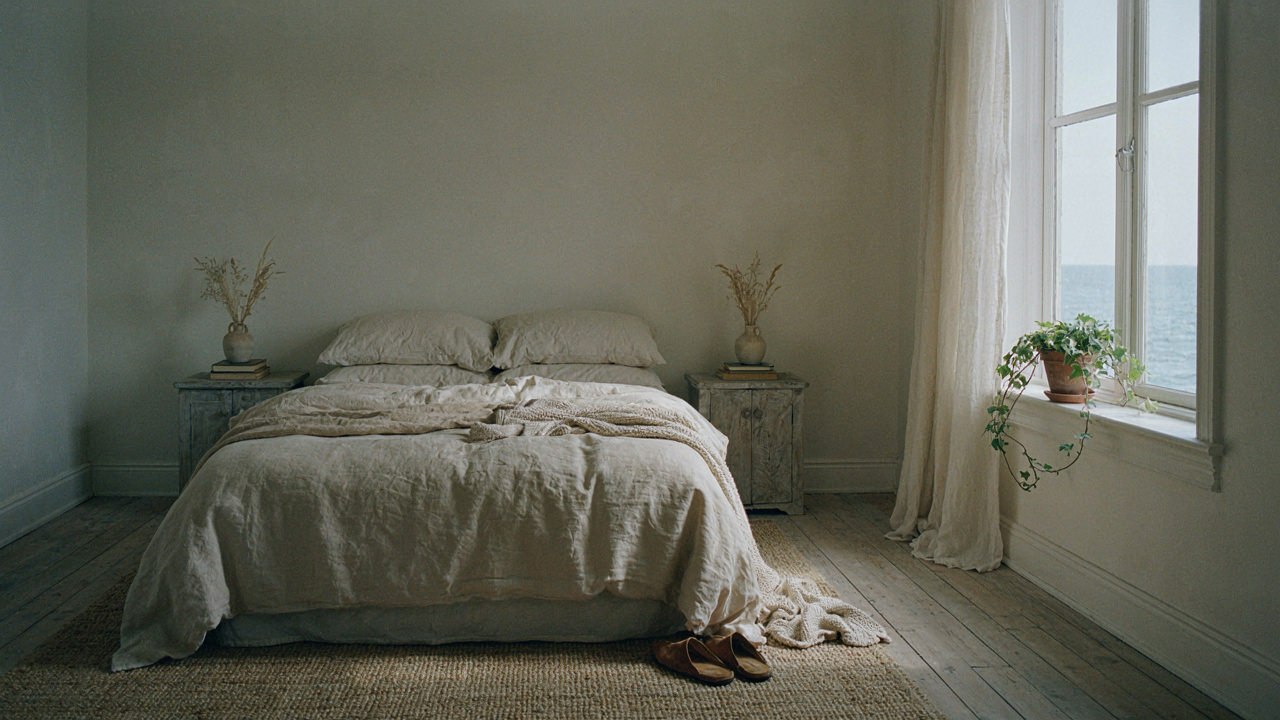
The Illusion Of Coastal: Escaping The Souvenir Trap

What You Actually Buy When You Buy Coastal
You want permission to feel calm without doing the harder work of actually designing a functional room. The coastal cottage bedroom market banks on this. People confuse themed objects with atmosphere. A mass-produced driftwood mirror above your bed doesn’t create serenity. It creates visual noise that your brain registers as clutter, then mistakes for relaxation because the label says “coastal.” The mechanism is simple: your eyes land on recognizable symbols (rope, weathered wood, shells) and your mind shortcuts to “beach house” without evaluating whether the room actually functions or breathes.
Real coastal cottage bedrooms emerged from practical constraints, not aesthetic choices. Fishermen and lighthouse keepers lived near water with what materials survived salt air and moisture. They didn’t curate. They adapted. The actual palette came from what didn’t rot or rust, not from a Pinterest mood board. When you reverse-engineer modern coastal design by studying what actually persists in these environments, you realize most decorator items would have failed in two seasons. The souvenir trap works because we’ve forgotten the original logic entirely.
Muted Over Manufactured
The standard advice says use whites, blues, and sand tones everywhere. That’s incomplete and leads to rooms that feel sterile rather than calm. Historic coastal homes didn’t pop with saturated colors because UV exposure and salt spray bleached everything relentlessly. The tones were muted by environmental pressure, not by design intent. Map this onto your bedroom using decay as your design metric: choose colors that appear after repeated fading, not fresh from the factory.
Authentic coastal tones include weathered greige, faded slate, washed linen, and soft taupe. These emerge when you study actual old coastal structures instead of contemporary hotel aesthetics. Limit your palette to three core tones and one accent. Apply this rule: if a color appears vibrant in artificial light, it doesn’t belong. Test your bedding, walls, and trim in natural morning light for three days before committing. The room should feel less “decorated” and more “naturally aged,” which means your eye passes over the surfaces without catching on contrast.
The Anti Clutter Protocol: Engineering Open Space
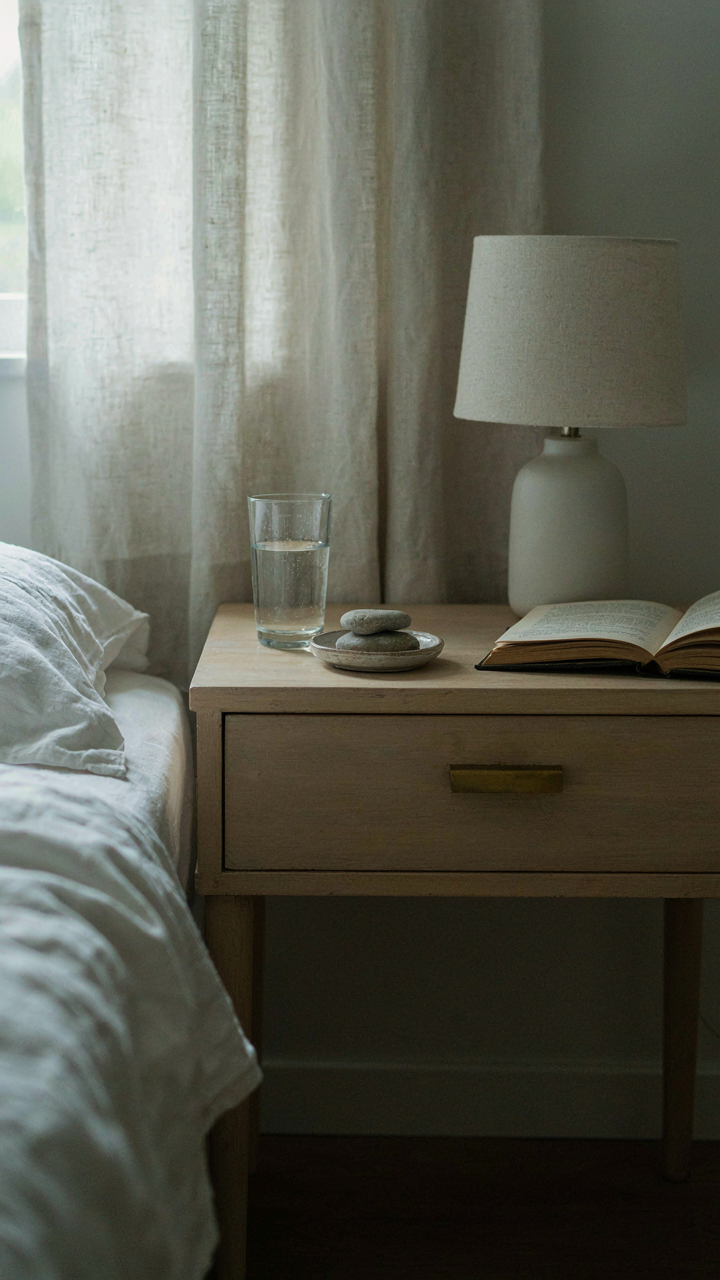
Zero Tolerance For Surface Cargo
You want the bedroom to feel calm because you think that’s aesthetic preference. It’s not. You’re exhausted by decision fatigue every time you see an object that doesn’t belong. The mechanism is simple: visual clutter creates cognitive load. Your brain processes every item in the room as a potential task. Remove items, reduce decisions, drop cortisol.

The rule is binary. If an object doesn’t serve sleep, dressing, or storage function, it leaves. Not “maybe later.” Not “sentimental.” Not “I might use it.” This applies to nightstands, dressers, shelves, and floors. The common advice says “curate meaningful items.” That’s compromise masquerading as wisdom. It keeps you in the gray zone where your brain still works.
- Nightstands: Only lamp, water glass, and one book. Everything else creates visual noise that interferes with wind down patterns before sleep.
- Dresser tops: Keep empty except for one functional item like a simple tray. Decorative objects are competing for attention your brain doesn’t have capacity for.
- Shelving: If present, store items in closed containers or baskets. Open shelves displaying multiple objects force your eyes to categorize and evaluate each one.
- Floors: Completely clear except furniture. Even one item on the floor triggers a subconscious “incomplete task” signal that disrupts sleep quality.
- Wall space: Limit to one simple piece of art or leave bare. Multiple wall items fragment visual focus and prevent the calm your nervous system needs.
Implement this as a subtraction audit: walk through the room and list every object. Rate each one: sleep function, dressing function, or storage function. Anything that fails all three categories gets removed today, not next month.
Designing Empty Space As Active Real Estate
Negative space isn’t wasted room. Architecture and interior design treat void as material. A cottage bedroom benefits from this principle: empty space reduces visual processing demands and signals psychological safety. When walls and surfaces contain nothing, your parasympathetic nervous system activates. The absence becomes the feature.
Most coastal cottage advice treats empty space as failure, something to fill. That’s backwards. Strategic void works the same way a musical rest works. Silence between notes defines the melody. Place furniture to maximize floor visibility. Leave wall sections bare. Let ceilings breathe. This creates rhythm and prevents the sensory overload that kills actual calm. The quietest room acoustically is also the most restful visually. Position your bed to see the most empty wall. That’s your anchor point for the protocol.
Light As A Material: Architecting Serenity
Maximize Natural Light, Eliminate Artificial Intrusion
You want this room to feel effortless because effortlessness signals wealth and control. The mechanism is simple: natural light communicates time and weather directly to your nervous system. Artificial light lies. It’s static, uniform, and triggers alertness when your brain expects variation. Coastal cottage bedrooms face a specific problem. Salt air degrades window clarity faster than inland homes, so you’re fighting a material constraint most designers ignore.

Position your bed perpendicular to windows rather than facing them. This lets morning light hit your peripheral vision without forcing your eyelids open. East-facing windows work. West-facing creates heat load in summer months and disrupts sleep cycles if light bounces onto pillows during late afternoon. Install blackout shades that mount inside the frame, not on the wall. This prevents light leaks at edges and keeps the visual weight of hardware minimal. The goal is darkness when you need it, not compromise.
Light Sculpting Through Surface Selection
Light sculpting borrows from architectural acoustics: you’re not adding sound or light, you’re shaping how it moves through the room. Matte surfaces absorb. Glossy surfaces reflect. A coastal cottage bedroom needs both working together. Walls painted in flat latex absorb incoming light and reduce glare without looking dull. Floors in whitewashed wood or light concrete scatter light evenly instead of creating hot spots that trigger visual tension.
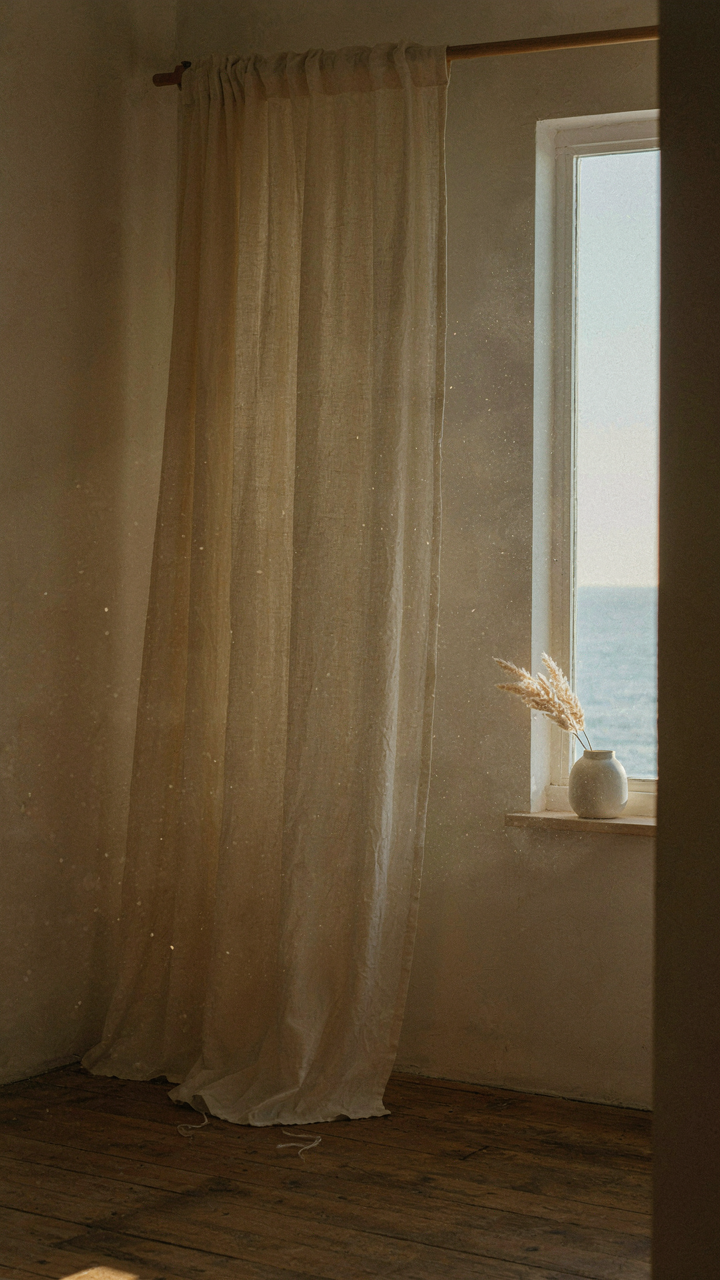
Textiles matter more than most people realize. Linen curtains diffuse rather than block. They filter harsh rays while maintaining connection to exterior light conditions. Place them on rods that sit close to the window frame to prevent light from bleeding behind the fabric. Bedding in natural fiber absorbs light rather than bouncing it back at you during sleep. The mechanism is tactile and visual: every surface teaches your brain how much light energy exists in the room, which directly affects cortisol production during sleep hours.
Tactile Truths: Engaging The Senses, Not The Stereotypes

Natural Textures Over Marketing Narratives
You want this room to feel authentic because you’re tired of spaces that look curated but feel hollow. The mechanism is simple: synthetic materials trigger a mild cortisol response in your nervous system because they lack the microscopic variation your skin evolved to recognize. Your body knows the difference between real linen and polyester linen blend before your conscious mind does.
- Linen bedding: Uneven weave creates tactile complexity. Linen ages visibly, signaling authenticity to your brain’s threat-detection system.
- Wool area rugs: Dense fibers dampen sound and temperature fluctuation. Lanolin residue provides mild antimicrobial properties without chemical treatment.
- Untreated wood furniture: Oak, pine, and reclaimed timber show grain variation that registers as natural complexity rather than monotonous perfection.
- Jute or sisal textiles: Coarse plant fibers provide sensory contrast. They degrade predictably, which your brain interprets as honest rather than disposable.
- Raw stone accents: Slate or limestone surfaces stay cool without requiring active cooling systems. Surface irregularity prevents the uncanny uniformity of polished finishes.

The common advice says “mix textures for visual interest.” That misses the point. Mix textures because your skin needs to encounter variation to signal safety. When your hand touches linen, then wool, then wood grain in sequence, your parasympathetic nervous system relaxes incrementally. This is not decoration. This is neurobiology. Select materials based on what they do to your nervous system, not what they photograph like.
Sound Absorption Beats Sound Masking
Coastal cottages inherit a problem most people ignore: hard surfaces amplify ambient noise instead of containing it. Your bedroom echo chamber defeats calm before decoration does anything to help. Physics calls this the reverberation time—the duration sound bounces before it decays. Coastal cottage bedrooms typically have 0.8 to 1.2 second reverberation times, which means noise lingers noticeably longer than in furnished rooms.
Heavy linen curtains reduce reverberation time by 30 to 40 percent when floor-mounted and allowed to pool slightly. Wool area rugs absorb mid-range frequencies where human speech and wind noise concentrate. Upholstered headboards break up wall reflections at ear level during sleep. Plaster walls with organic finish (lime-based rather than modern latex) scatter rather than reflect sound, creating micro-absorption across the surface. Install these elements first, then assess. Adding a white noise machine after you’ve already dampened the room creates layered masking instead of clean quiet—two problems instead of one.
Beach Cottage Bedroom: The Brutalist Approach To Softness
Form Follows Function First
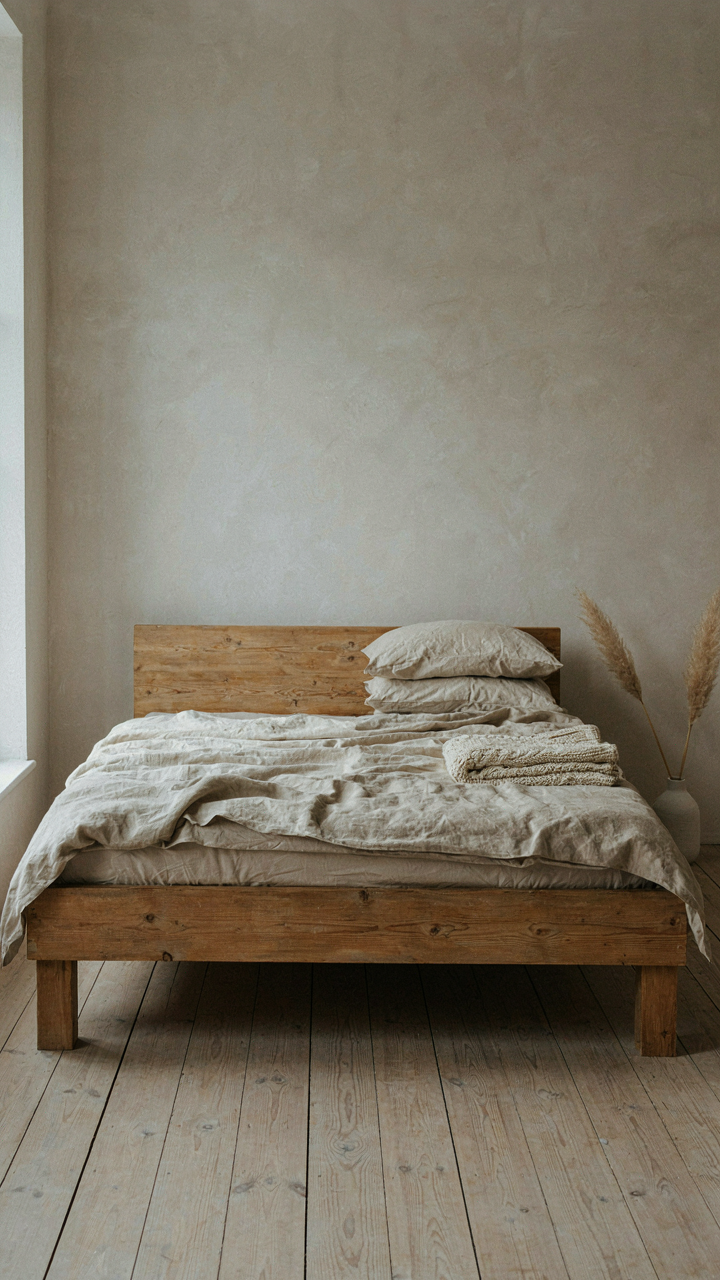
You want permission to buy less stuff and call it design. Here’s the mechanism: brutalism strips away decoration to expose what a room actually needs, then stops. In coastal cottages, this means a bed frame that’s load-bearing wood, a nightstand that holds a lamp and water glass, shelving that stores linens without ornament. The constraint forces clarity. Every piece justifies itself through use, not appearance. When you remove the decorative noise, softness emerges from texture and material, not from adding more objects.

The common advice says coastal cottage bedrooms need “layered accessories” and “curated collections.” That’s backwards. A brutalist approach removes the curation burden entirely. You select a platform bed in untreated wood, natural fiber bedding, and one simple wall-mounted shelf. The room breathes because nothing competes for attention. Softness in this context means tactile warmth, not visual clutter. Start by listing what you actually use while sleeping or dressing, then build only around that list.
Raw Materials Over Refinement
Brutalism borrowed from structural engineering the principle that materials reveal their honest state. In a coastal cottage bedroom, this means bare plywood sheathing, untreated wood beams, exposed linen weave, unfinished metal hardware. Imperfection isn’t tolerated because it’s trendy; it’s present because refinement costs labor and money that adds zero functional value. A whitewashed wood wall with visible grain and knots performs the same acoustic and thermal job as a smooth, painted wall, but it demands less maintenance and costs less to install.
Salt air accelerates the aging process on raw materials, which most designers treat as a problem. It’s actually the mechanism that makes brutalist coastal bedrooms work. Weathered wood darkens from moisture exposure. Linen develops a lived-in patina. Unfinished metals oxidize. These transformations happen without intervention. Instead of fighting them with sealants and refinishing, you accept the material’s trajectory and work with it. Your bedroom becomes more beautiful as it ages, not less, because nothing was precious enough to protect in the first place.
Coastal Beach House Bedroom: The Ecosystem Of Rest
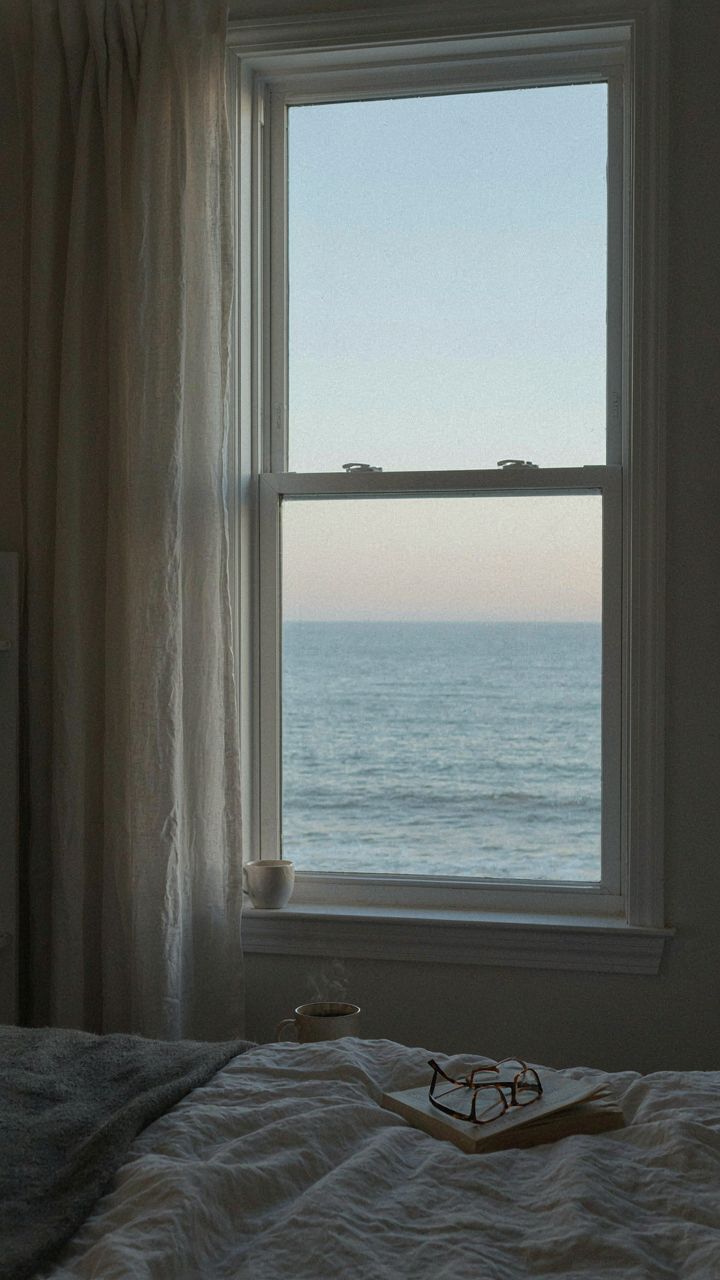
Light Cycles Override Decoration
You want a coastal bedroom that feels restorative because you’re hoping design alone fixes poor sleep. It doesn’t. Biology does. Take circadian rhythm—the body’s internal time-keeper that responds to light wavelength and intensity, not paint color. Coastal cottages win here because ocean proximity creates predictable light patterns. East-facing windows catch early blue light, which suppresses melatonin and sets your sleep-wake cycle correctly. South-facing rooms get stable, diffuse light through most of the day. This isn’t aesthetic. This is mechanism.

The practical move: prioritize window orientation over room aesthetics during layout. If your bedroom faces west, install blackout shades that block afternoon heat and manage the timing of light exposure. Use warm-spectrum bulbs after sunset—2700K or lower. Your nervous system doesn’t care about coastal style. It responds to photon wavelength. Align the bedroom schedule with actual sunrise and sunset times at your location, not your preference.
Environmental Feedback Creates Actual Comfort
Cybernetics is the study of control systems that self-regulate through feedback loops. Your coastal cottage bedroom needs the same mechanism. Temperature, humidity, and air movement form feedback loops that either stabilize comfort or create micro-stressors that disrupt sleep. Coastal environments naturally maintain humidity between 50-60 percent because salt air retains moisture. This range minimizes respiratory strain and skin dryness—two factors that fragment sleep without you realizing why.
Install a basic hygrometer to track real conditions, not assumptions. If humidity drops below 45 percent, a passive humidifier (water bowl on a shelf) adjusts it without electricity or noise. If it exceeds 65 percent, open windows during cooler parts of the day or run a dehumidifier on a timer. Air movement matters: a ceiling fan on low speed creates gentle circulation without temperature shock. Adjust one variable at a time and measure response. The bedroom that sleeps you well runs on sensors and adjustment, not sentiment.
Lake House Bedroom Ideas: The Physics Of Perceived Calm
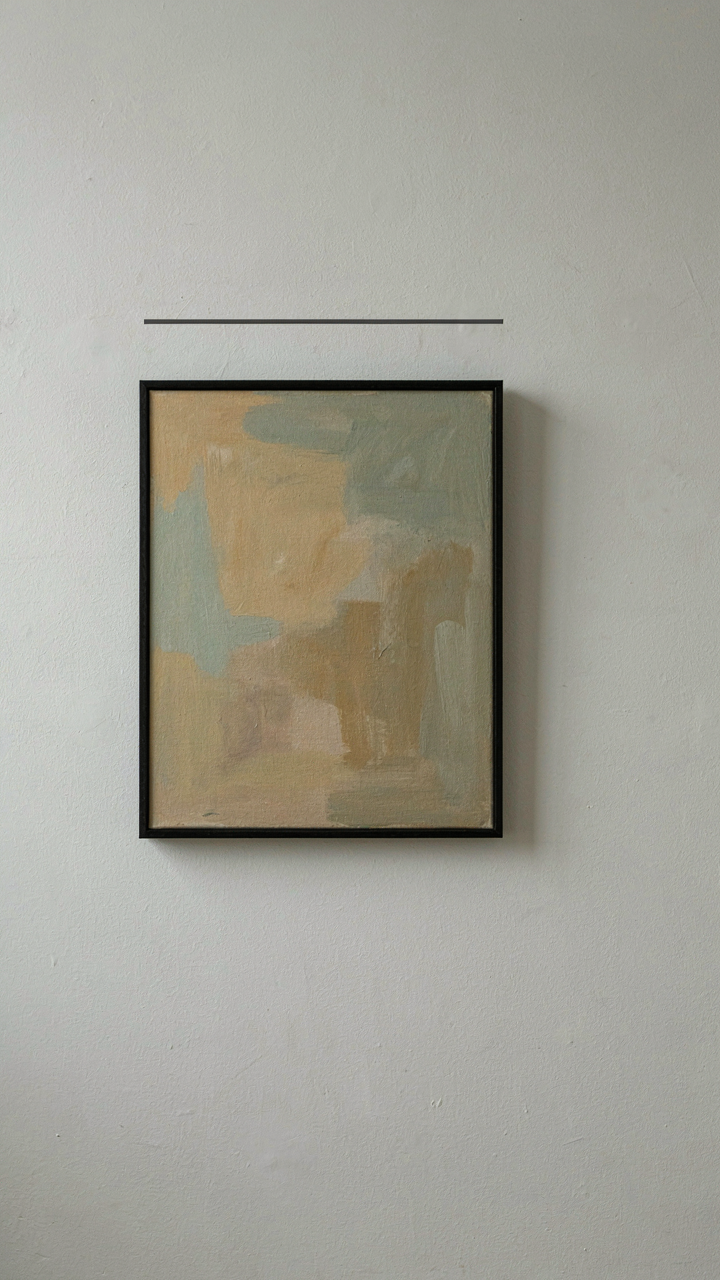
How Sightlines Shape Sleep Quality
You want this room to feel calm because you’re terrified a cluttered, chaotic bedroom means you’re failing at life. Here’s the actual mechanism: physics calls this spatial kinetics, and your nervous system responds to visual flow the same way it responds to threat detection. A clear sightline from bed to door to window tells your brain there’s no hidden problem. Your eye moves without obstruction, your amygdala quiets down, and cortisol drops.

Coastal cottages work because they enforce this discipline. A narrow room with a single window forces visual hierarchy. You see the water or tree line first, then the furniture, then nothing. Blocked sightlines require your brain to work harder to map the space, which triggers low-level stress even when you’re asleep. Direct visual flow isn’t aesthetic preference, it’s neurological efficiency. Arrange the bed so your first view from the threshold contains maximum depth and zero visual clutter. This costs nothing and outperforms expensive decor by magnitude.
Weight And Emptiness In The Same Room
Everyone defaults to filling a bedroom because empty space feels unfinished. It’s actually the opposite. Mass and void operate together in design the way they operate in architecture and physics generally, and balance between them determines whether a room feels restful or exhausting. Heavy elements absorb visual attention, while void gives your eyes rest.
In a coastal cottage, use one substantial piece: a wooden bed frame, heavy dresser, or upholstered chair. Everything else should breathe. White walls, uncovered windows, minimal textiles. The brain perceives this as economical rather than sparse. One solid anchor point with surrounding emptiness creates visual rhythm instead of cognitive load. This pattern repeats throughout successful minimal interiors because it mirrors how humans naturally organize attention. Place your single heavy element on the wall opposite your entry point, then leave at least 40 percent of floor space unobstructed.
Coastal Style Room: Beyond The Blue And White Binary
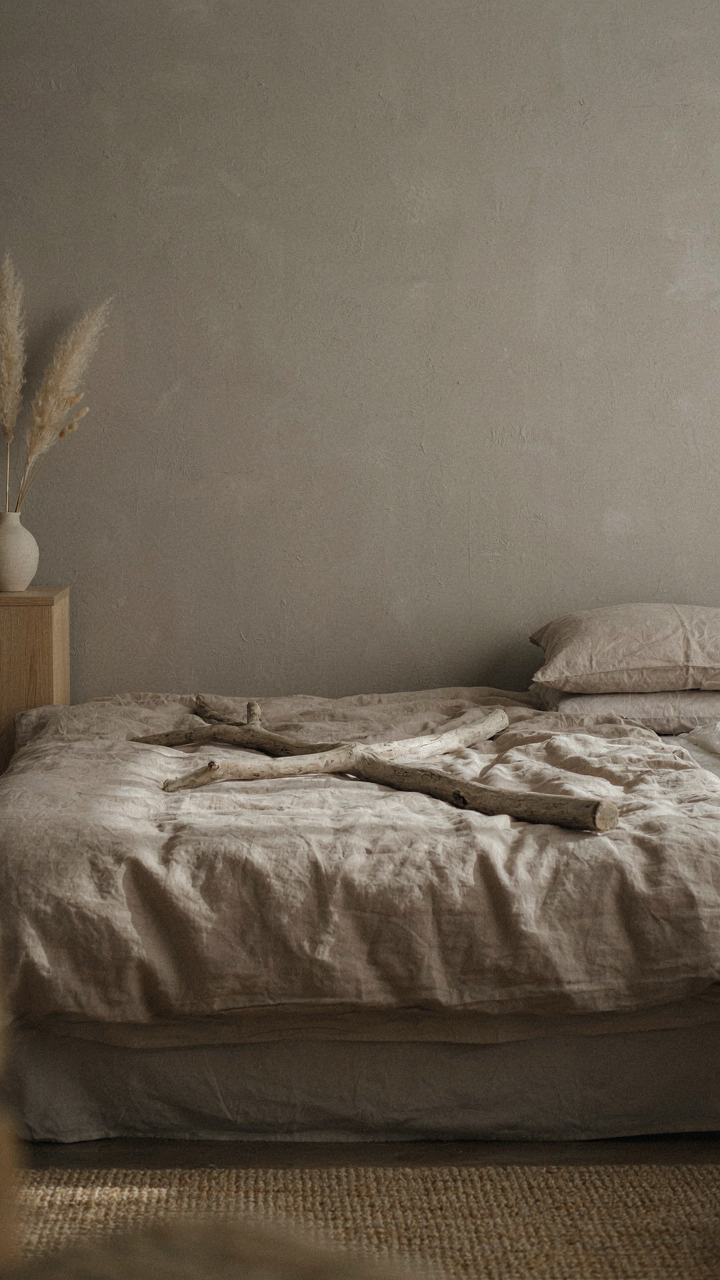
The Palette That Actually Works
You’re drawn to this section because you’re tired of looking at the same Pinterest board everyone else copied, but you’re scared the moment you deviate, your room stops reading as “coastal.” That fear is the mechanism. In design, think of color like acoustic resonance: one frequency dominates and drowns everything else out. Blue and white are the dominant frequency in coastal design. The problem isn’t those colors. It’s that they’ve become so compressed they’ve lost their original range. You need dissonance, not harmony, to build actual depth.

Earthy neutrals work because they’re the substrate coastal design was built on. Weathered wood, stone, sand, linen—these were the materials first. The blue and white came as accent layers, not the foundation. When you reverse this hierarchy and start with warm grays, soft taupes, or muted ochres, you’re not abandoning coastal design. You’re returning to what made it work structurally. The room gains restraint. Restraint reads as intentionality, not accident.
Depth Through Unexpected Color
Most design advice says “add a pop of color” to coastal rooms. That’s vague enough to be useless. What you actually need is a color that grounds the room without competing with light and air. This is a contrast principle borrowed from visual hierarchy: foreground elements need darker or warmer tones to anchor the eye. Introduce one grounding hue—charcoal, deep sage, or burnt sienna—in a single focal point. A headboard. A single wall. Bedding. This creates visual weight that keeps the room from floating into genericness.
The mechanism is simple: shallow color schemes feel temporary because your eye has nowhere to rest. Deep, unexpected hues stop the scan. They signal intentionality. Place this anchor color where you spend the most time looking while lying down. Not as decoration. As structure. This single decision separates a room that happens to be coastal from one designed with purpose.
Decoração Praiana: The Un Designed Aesthetic

Let The Room Breathe First
You want permission to skip the design plan because you’re afraid committing to one will lock you into something sterile. Here’s the mechanism: rigid design systems fight against coastal environments. Coastal spaces exist in flux—salt air corrodes, light shifts hourly, humidity moves through rooms like weather. A preset palette and furniture arrangement can’t adapt to these forces. The best coastal cottages aren’t decorated. They’re occupied and allowed to respond to use.

Start by placing nothing for two weeks. Live in the room empty. Notice where natural light pools, where humidity gathers, where you actually sit. Let the architecture and climate teach you what belongs there. Add one piece at a time only when you need it functionally, not aesthetically. This isn’t minimalism. This is listening before you commit.
Wear Becomes The Design
The common advice here is wrong: don’t restore everything to pristine condition. Patina isn’t a mistake to hide. It’s evidence that the space has defended itself against salt, moisture, and time. Coastal materials accumulate their character through exposure, not despite it. Whitewashed wood doesn’t look better because it’s freshly painted. It looks right because the paint has cracked into a specific pattern that only that wood, in that salt air, over that number of years, could create.
Your protocol: leave surfaces imperfect. A weathered nightstand tells a story your new furniture can’t buy. Embrace marks on walls where humidity stained the plaster. Don’t refinish the worn floorboards. The story of a space is more valuable than its polish. When something breaks—a brass hook rusts, linen fades, plaster chips—repair it functionally but leave the scar visible. The room improves by accumulating evidence of how it’s been lived in, not by being reset.
The Actual Obstacle To Your Breezy Calm Isn’t A Lack Of Ideas Or Budget; It’s Your Inability To Ruthlessly Eliminate The Unnecessary

You already own everything you need for a coastal cottage bedroom. The problem is you’re afraid to throw it away. Stop decorating and start subtracting. Pick one item you love, one texture you crave, one color that makes you exhale. Delete everything else. Do this today. The calm you’re chasing doesn’t arrive from adding more. It arrives from removing what doesn’t serve the person you’re trying to become.