
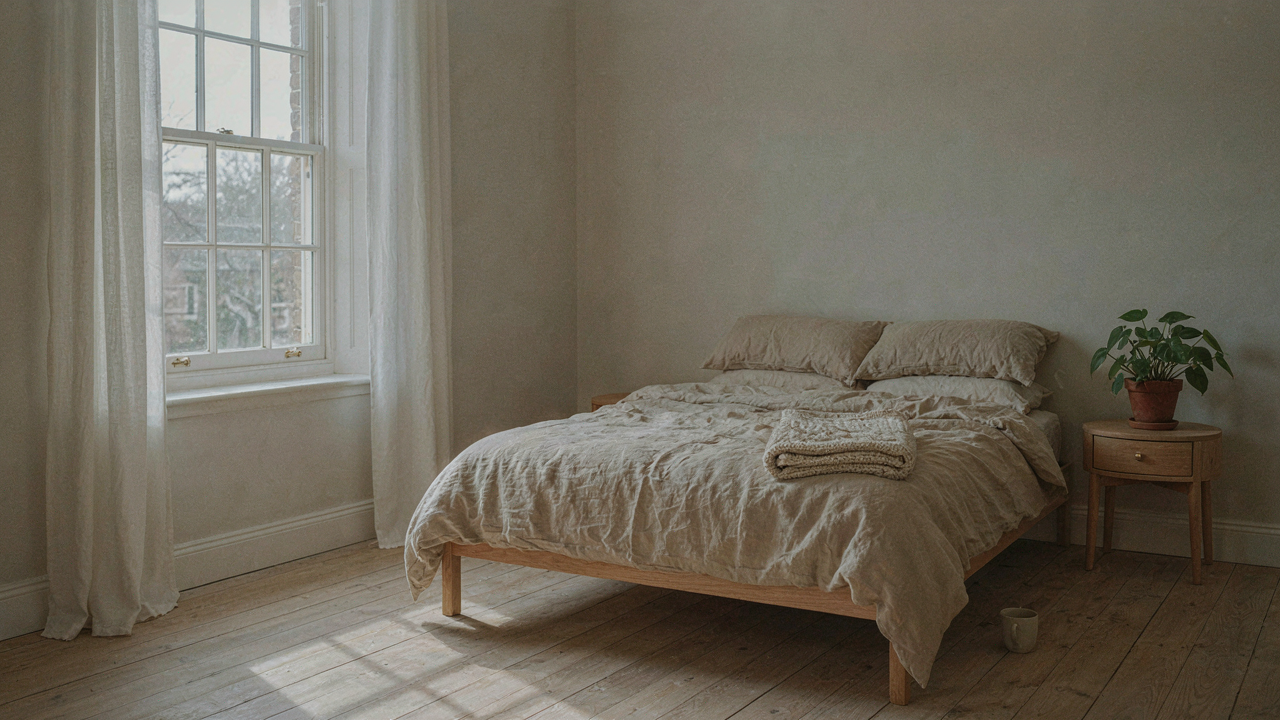
The Cottagecore Deception: Why Aesthetics Alone Fail You
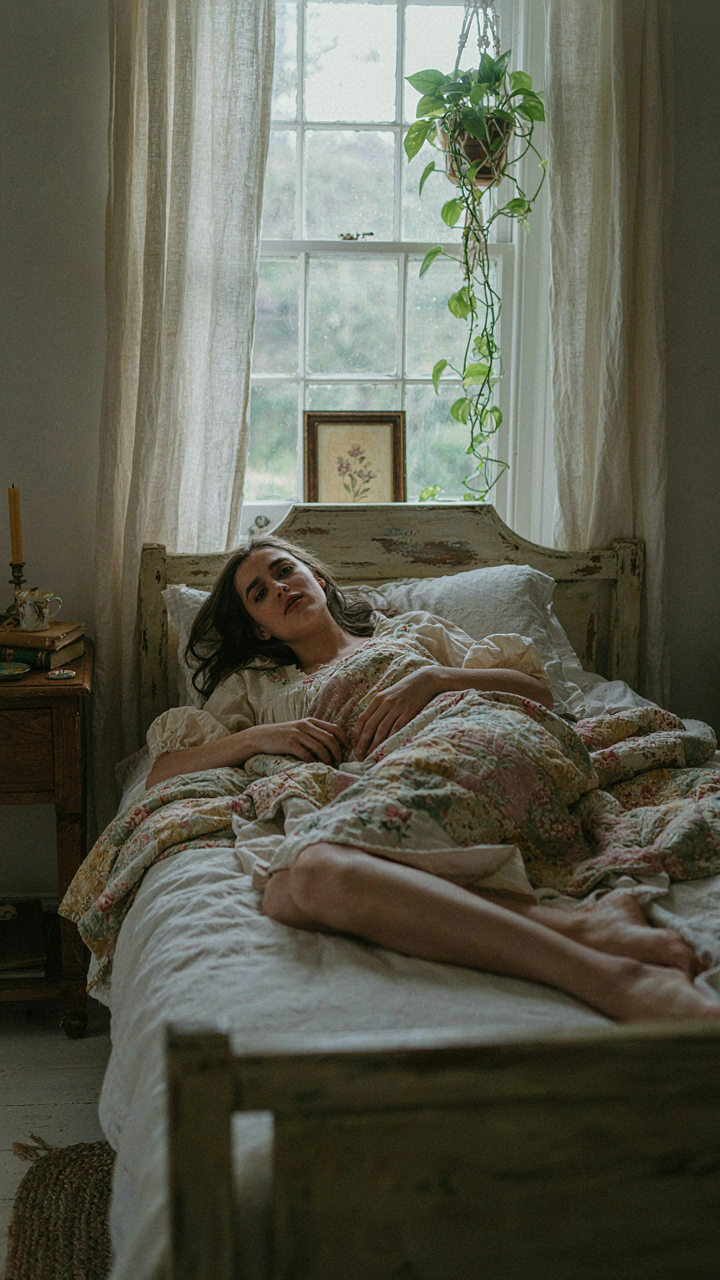
Trend Aesthetics Trap Your Money
You want the visual proof that you’ve figured out comfort. That’s the real reason you’re scrolling through cottage bedroom inspo. The mechanism is simple: Instagram cottagecore has become decoupled from actual rest. You can stack vintage quilts, install shiplap, and nail the “vibe” while sleeping poorly on a mattress chosen for appearance instead of support.
The industry exploits this gap. Cottage bedroom design gets packaged as a lifestyle upgrade, not a sleep environment. Retailers know aesthetics sell faster than mattress density ratings or pillow loft specifications. You end up with a bedroom that photographs well but performs poorly. The real cost isn’t money spent on decor—it’s the compounding sleep debt from a setup optimized for looks rather than function.
The Bed Is Your Operating System
Sleep science treats the bed as an input device, not furniture. The mattress, frame, and pillows form a system that either supports or degrades your recovery. Common advice says “pick what feels good in the store,” which is incomplete. A mattress feels acceptable for thirty seconds under showroom conditions. You need data from two weeks of actual use before your nervous system signals whether the setup works.
Cottage aesthetics tempt you toward vintage frames, low platforms, and ornamental headboards that compromise support or airflow. The quilts and linens matter far less than the foundation underneath. Test your current mattress for six weeks by measuring sleep quality metrics: wake frequency, time to fall asleep, morning stiffness. Only after establishing a baseline should you modify the frame or linens. Your bed is a recovery machine first, a design element second.
The Sanctuary Protocol: Engineering Your Personal Retreat
Restfulness Demands Specificity, Not Sentiment
You want to feel peaceful in your bedroom because you suspect everyone else has figured out how to stop being wired at night, and you haven’t. The mechanism that actually works is this: restfulness isn’t a mood you manufacture. It’s the absence of activation. Your nervous system settles when it has nothing to process. That means defining what specifically disrupts your sleep or quiet hours—not what design magazines say should calm you down. Some people need total silence. Others need white noise to mask irregular sounds. Some wake at 5 AM because light hits their eyes. Others lie awake because their room temperature shifts by two degrees. Generic cottage aesthetics don’t address these variables. Precision does.

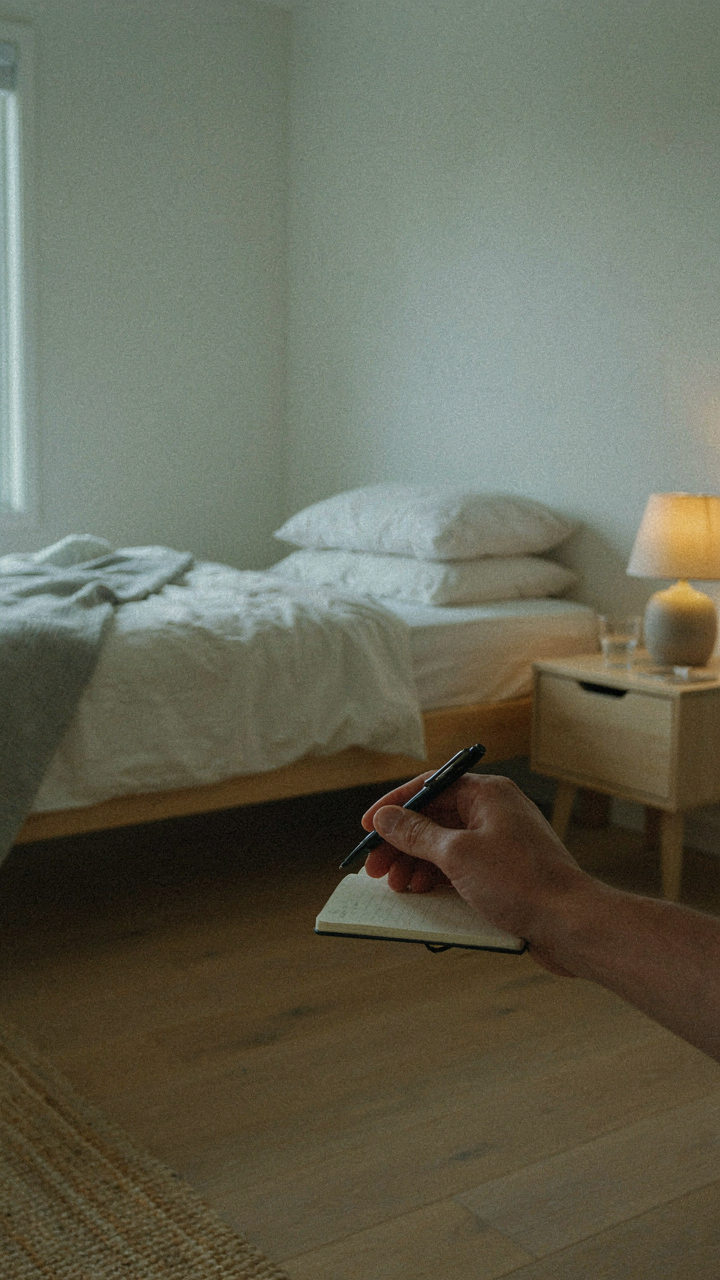
Start by logging what actually wakes you, distracts you, or keeps you alert for one week. Write down the time, what happened, and what triggered it. Light quality, noise type, temperature, mattress firmness, mental activation from screens—capture it all. This isn’t meditation or wishful thinking. This is data. Your cottage bedroom will rest on this foundation, not on someone else’s definition of tranquility. The room you build solves your problems, not the internet’s problems.
Signal To Noise In Physical Space
Information theory tells us that signal-to-noise ratio determines clarity. Apply this to your bedroom: every object, color, and texture either communicates rest or creates cognitive friction. A cluttered nightstand with phone chargers, three books, a glass with residue, and papers stacked to your lamp sends competing signals to your brain. Your eyes don’t settle. Your mind catalogs tasks. Cottages fail spectacularly here because owners mistake “cozy clutter” for character. It’s just noise. Soft furnishings and muted colors don’t override the friction of disorder.
Strip your bedroom to the actual objects you use during sleep and immediately after waking. Everything else leaves. Your nightstand holds one lamp, water, and whatever you read before sleep. Your dresser stays clear. Cords hide behind furniture or in wire management boxes. Wall art—if you keep it—hangs at eye level when lying down, not above the headboard where it creates visual competition. The goal: when you enter the room, your visual cortex processes almost nothing. No decisions to make. No clutter to parse. Your nervous system recognizes safety through simplicity.
Cottage Style Bed Frame: The Foundation Of Uninterrupted Sleep

Support Systems: Mattress, Pillows, And Body Mechanics
You want a cottage bedroom because you think it signals you’ve escaped the grind. The real mechanism is this: poor sleep ruins the escape entirely. Your mattress, pillows, and how your body sits on them determine whether you wake restored or wrecked. Cottage style doesn’t mean sacrificing engineering. A traditional slatted wooden frame with proper support spacing prevents mattress sagging and spine misalignment. Springs or slats must sit no more than 3 inches apart to prevent hammocking, which collapses spinal alignment and fragments sleep cycles.

Pillow selection follows biomechanics, not aesthetics. Your cervical spine needs neutral alignment whether you sleep side, back, or stomach. Cottage bedrooms typically feature natural materials like down, wool, or buckwheat. Down offers softness but provides zero support. Wool holds loft longer and regulates temperature. Buckwheat gives firm support but generates noise. Test your pillow by lying down and checking if your head aligns horizontally with your shoulders. If your head tilts up or drops down, the pillow fails, regardless of how vintage it looks.
Layering For Thermal Regulation And Tactile Comfort
Most cottage bedroom advice treats bedding layers as decoration. That’s incomplete. Thermoregulation is a physics problem: your body must shed and retain heat efficiently to stay asleep. Layering solves this by creating adjustable thermal zones without overheating. Start with a natural fiber base sheet, typically cotton or linen. Cotton breathes well and wicks moisture. Linen performs better in warm seasons but wrinkles deliberately, which cottage aesthetics actually favor.
Add a mid-layer blanket or throw in wool or cotton. This creates a microclimate you can adjust by day. Top with a duvet or quilt filled with wool, down, or a natural alternative. Wool regulates temperature actively, not passively like synthetics. Your hands touch bedding every night. Tactile quality matters because rough or synthetic fabrics trigger restlessness. Test fabric by running your palms across it for sixty seconds. If it feels plasticky or cold to touch, your nervous system will resist settling, no matter how tired you are.
Panelling & Texture: Haptic Feedback For The Soul

Depth Through Touch, Not Just Looking
You want panelling because you think it looks period-correct and rustic, but the real mechanism is this: your nervous system doesn’t distinguish between visual depth and tactile depth. Neuroscience calls this cross-modal perception. In cottage bedrooms, panelling works because it creates both. Wainscoting or shiplap doesn’t just photograph well, it breaks up wall plane monotony so your eye travels differently. Your hand expects texture where your eye sees dimension. That alignment between what you see and what you feel is what relaxes you, not the aesthetic itself.

Smooth drywall reads as institutional and flat to your entire sensory system. Panelling reintroduces the tactile language humans evolved in. Wood grain, beveled edges, and surface variation signal safety and craft, not decoration. Most design advice stops at “add panelling for charm.” The actual move is understanding that texture closes the gap between expectation and reality. Your bedroom feels off when surfaces lie about their depth. Install panelling at waist height minimum so you can reach it. Touch it often. That’s when the nervous system downregulates.
Wood And Linen: Material Truth Over Aesthetics
Wood selection matters less than wood’s property of moisture regulation. Linen does the same thing for fabric. These materials don’t just look cottagecore, they function as passive climate control. Wood absorbs and releases humidity. Linen breathes at a rate human skin recognizes as normal. Synthetic materials trap heat and moisture against your body. Your sleep quality drops because your microclimate destabilizes every ninety minutes. Common advice says choose wood for aesthetics. The real answer is choose it for its hygroscopic capacity, which directly affects sleep architecture.
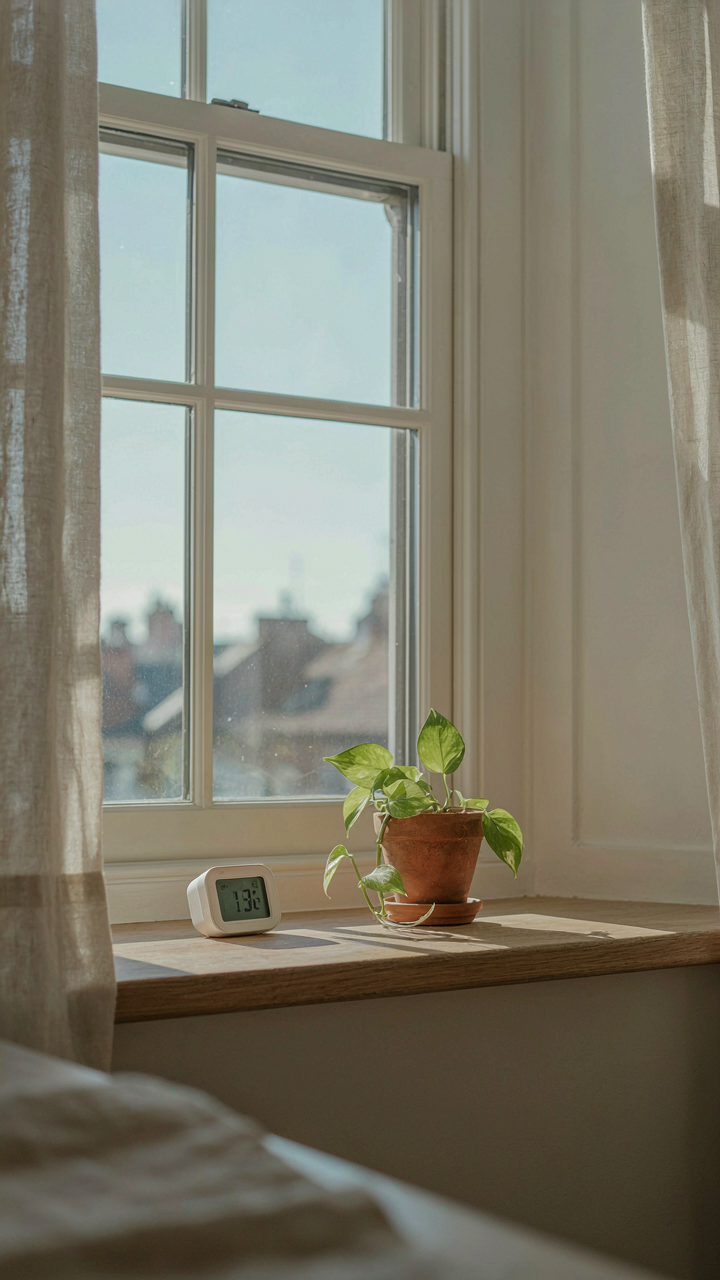
Pair reclaimed or milled wood panelling with pure linen bedding and curtains. Avoid blends. Linen-cotton blends compromise both materials’ regulatory properties. Wood stain matters too: transparent or natural finishes preserve the material’s ability to exchange moisture with air. Polyurethane seals wood shut. A cottage bedroom with sealed wood and synthetic fabric becomes a humidity trap disguised as comfort. Measure and monitor bedroom humidity with a simple meter. It should stay between 40 and 60 percent. If it climbs above 65 percent, your choice of materials failed the functional test. Adjust your material selection until the numbers stabilize.
The Bio Optimized Bedroom: Lessons From Nature
Light And Darkness Cycles
You want this section to work because you sense sleep matters but can’t admit how badly you’re sabotaging your own. Biology doesn’t negotiate. Your circadian rhythm operates like a biological oscillator—a self-regulating system that stays synchronized only when external timing signals align. Cottage bedrooms typically fail here because people treat darkness as aesthetic rather than mechanical.

The common mistake: thinking blackout curtains alone solve the problem. They don’t. You need the timing sequence. Dim artificial light two hours before sleep. Go completely dark for seven to nine hours. Expose yourself to direct light within an hour of waking. This isn’t preference. This is how your brain regulates melatonin production and cortisol release. Cottage designs with east-facing windows have an advantage—use them.
Air Quality And Natural Soundscape
Most cottage bedroom advice ignores air density entirely, focusing instead on “ambiance.” That’s incomplete. Your lungs and nervous system care about oxygen saturation and CO2 levels, not Instagram staging. Open a window for fresh air exchange before sleep. Poor air quality fragments sleep architecture regardless of how dark the room gets.
For sound, mimicking natural environments means understanding rhythm, not installing expensive white noise machines. Cottages near water or woodland have inherent advantage: irregular, non-repetitive patterns that don’t train habituation. If you’re in silence, that’s fine. If you add sound, make it variable—leaves, distant water, wind. Your brain habituates to consistent tones and stops filtering them, which degrades sleep depth. The mechanism is this: introduce one controlled variable at a time, measure sleep quality for two weeks, then adjust. No assumptions.
Cottage House Bedroom Ideas: The Illusion Of Simplicity
What Actually Belongs In Your Room
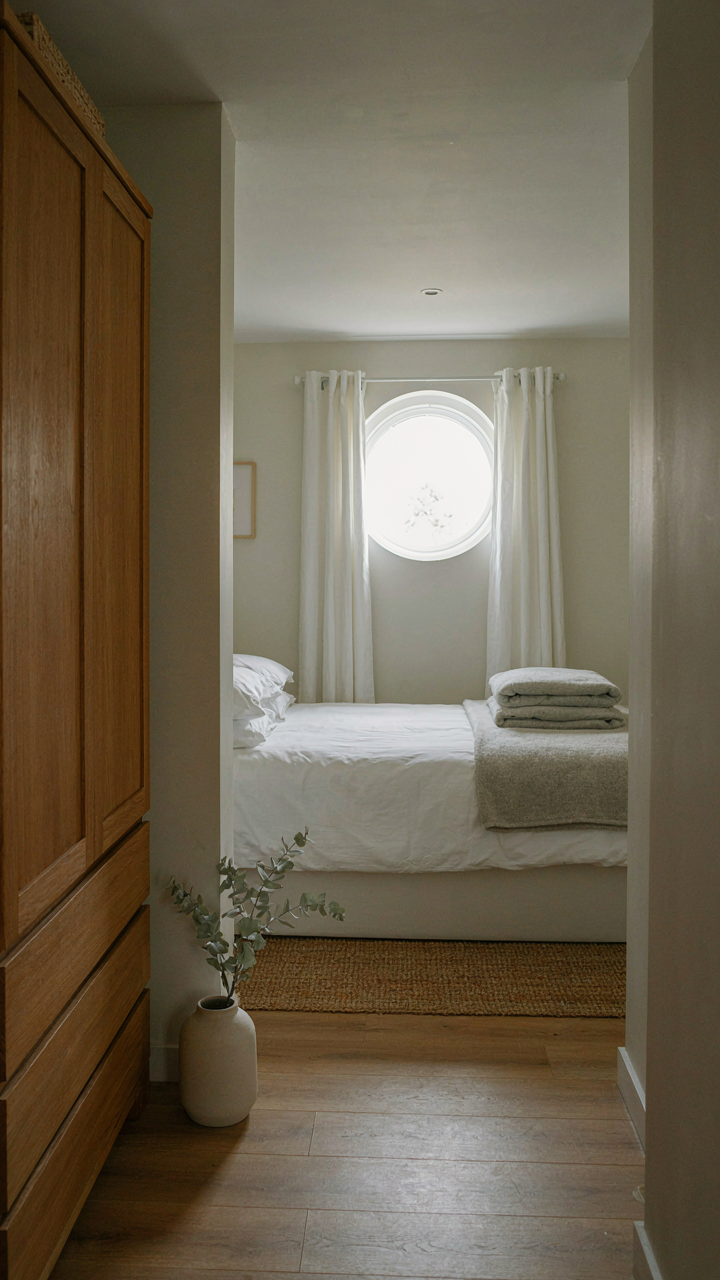
You want permission to keep things. That’s the real question underneath this one. But cottage bedrooms don’t work because of what you own—they work because of what you remove. Economics calls this negative space: the value created by absence, not accumulation. Most people reverse this.

The mechanism is friction. Every object you keep demands a decision every time you see it: keep it or move it. That decision burns energy. Cottage bedrooms feel restful because they’ve eliminated those micro-decisions. You’re not fighting your environment. The items that remain earn their place through function or deliberate meaning, not habit or guilt.
- Functional pieces with dual purpose: Wooden nightstands with drawers, blanket benches at the foot of the bed, or shelving that doubles as display and storage. Every item solves a problem.
- Inherited items with active connection: Only keep family pieces you actually use or look at regularly. A dresser from your grandmother matters. A decorative plate you’ve never unpacked doesn’t.
- Textiles that serve, not decorate: Quilts, throws, and pillows add warmth and texture while being useful. Decorative throw pillows that exist only for appearance create visual noise without payoff.
- One or two genuine art pieces: A landscape, a textile, or a print you chose deliberately. Not art you inherited by default or bought to fill wall space.
- Books you’ve read or will read: Cottage bedrooms often feature shelving with actual books. The difference between read books and decorative spines is immediate and subconscious.
Start by listing every object in your bedroom. Mark each one: functional, meaningful, or filler. Remove the filler category entirely. Don’t sell it or gift it yet—move it to another room for two weeks. If you don’t notice it’s gone, it wasn’t adding value.
Invisible Organization, Visible Calm
Storage doesn’t work when you can see it. Visible storage creates the opposite of what cottage design promises: visual noise, mental load, decision fatigue. The goal is to make organization invisible so the room contains nothing but what you want to look at.
Cottage bedrooms use deep drawers, closed cabinets, and under-bed storage—not open shelving or decorative baskets that announce what you own. Soft-close drawers and cabinet doors muffle sound and create intentionality instead of visual clutter. If items live behind closed surfaces, your brain stops processing them. The room becomes a place of rest, not inventory management.
Beyond Decor: Cultivating A Personal Ecosystem
Objects That Actually Mean Something
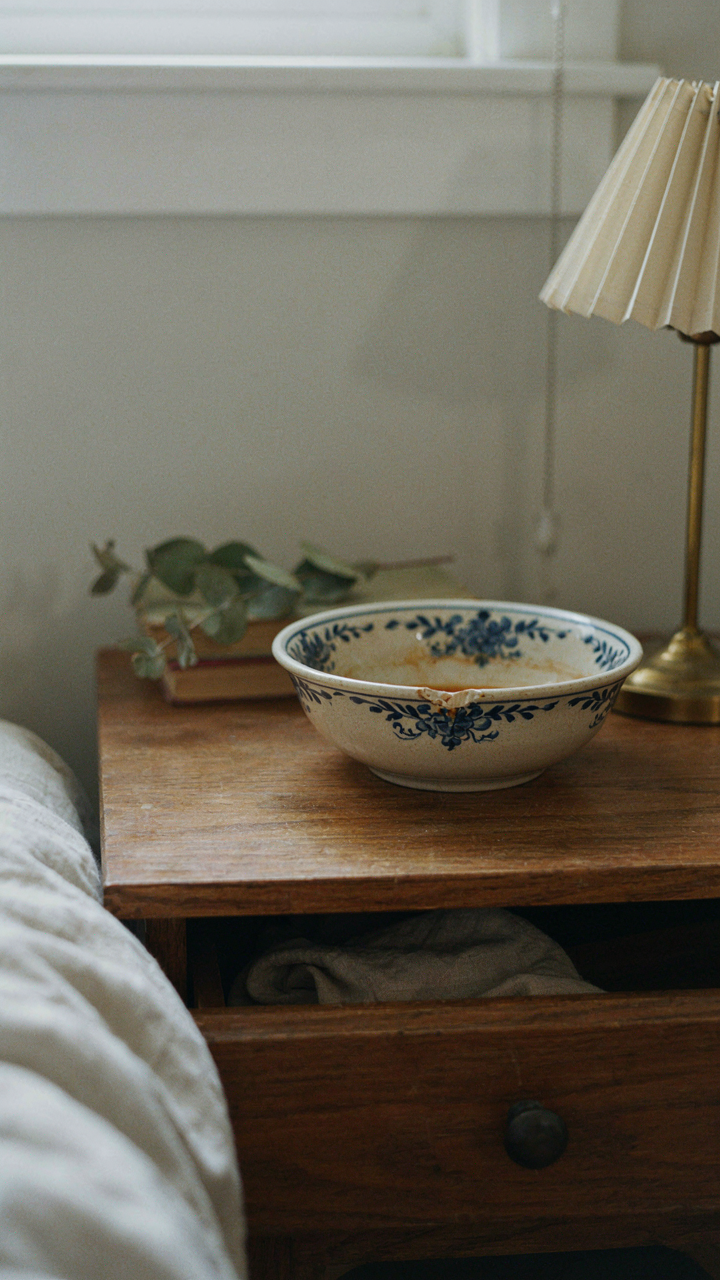
You want your bedroom to feel like yours so people know you have taste and depth. That’s not the real mechanism at work. What matters is that surrounding yourself with objects tied to your actual life creates a neurological anchor to rest. Your brain doesn’t relax in generic spaces. It relaxes in spaces that confirm identity.

The common advice here is to display things that “spark joy” or match your aesthetic. That’s incomplete. A object works in your cottage bedroom only if it connects to a specific memory, person, or season in your life. A chipped ceramic bowl from your grandmother’s kitchen does more neurological work than a perfectly curated vintage find from an antique dealer. The worn quality isn’t the point. The personal history is.
Atmosphere Building Beyond Sight
Sound and scent function as environmental operating systems in bedroom design—they run in the background whether you notice them or not. Most people focus only on what they see, ignoring the two sensory channels that trigger the fastest emotional response in the brain. This is why a cottage bedroom that looks good but smells like nothing and sounds harsh fails at its core job.
Scent should be minimal and tied to one thing: beeswax candles, dried lavender from a local farm, or the smell of old wood itself. Don’t layer competing fragrances. Sound requires friction dampening—heavy linen curtains, wool rugs, a white noise machine set to rainfall or wind through trees. The mechanism is simple: remove auditory shock, stabilize scent at a single note, and your nervous system downregulates within minutes of entering the room.
Cottage Bedroom Inspirations: Stealing Principles, Not Pictures
What Actually Works In Other Rooms
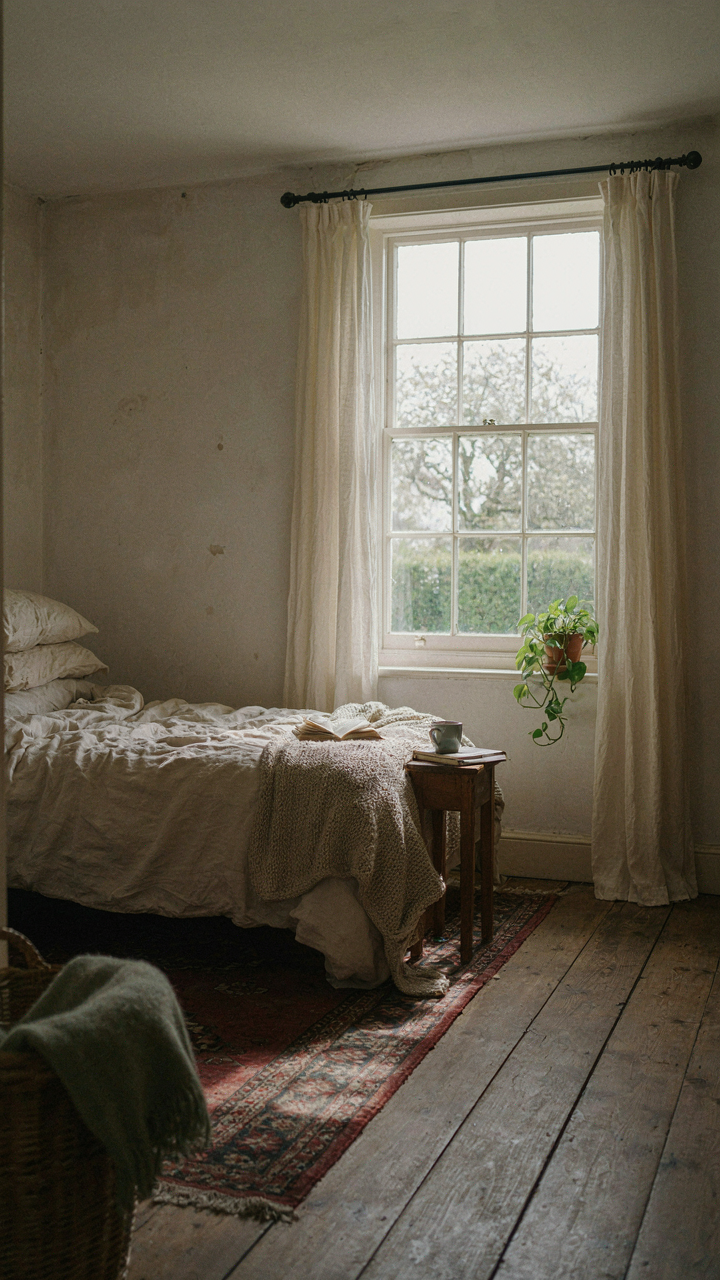
You’re scrolling through cottage bedroom photos because you’re afraid your own space will look boring or wrong. Stop. The real problem is you’re collecting images instead of understanding systems. Every room you admire works because of specific mechanisms: how light moves through the space, what materials absorb versus reflect sound, which color combinations create visual rest versus stimulation. These mechanisms transfer. The aesthetic doesn’t.

Deconstruct by asking mechanical questions, not stylistic ones. Why does that bedroom feel calm? Is it because the window placement creates soft morning light, or because the wall color sits in a specific value range that doesn’t overstimulate? Is the bed positioned to create sightlines that feel secure, or does the furniture arrangement reduce visual clutter? Document the constraint, not the decorative choice. A wrought iron headboard and a simple wooden frame solve the same problem differently.
Building Your Own Language From Borrowed Ideas
Copying a room kills what made it work. That cottage bedroom succeeded because it solved the designer’s specific problems: their light conditions, their family size, their storage needs, their tolerance for visual complexity. Your constraints are different. Replication means you’re importing someone else’s solutions to problems you don’t have. Adaptation means you identify the principle and rebuild it for your reality.
Take one mechanism you notice and test it in your context. If a room feels restful because it uses a narrow color palette, experiment with which specific colors create that effect in your bedroom’s light. If bedroom storage hides behind cabinet doors instead of open shelving, understand the principle: visual noise reduction. Then decide if you need closed storage, or if your clutter level is lower and open shelves work for you. The action here is simple: choose one principle per room you study, implement it this week, then evaluate whether it actually works in your space.
The Undeniable Truth Of Your Restful Retreat
Your Bedroom Mirrors Your Mind
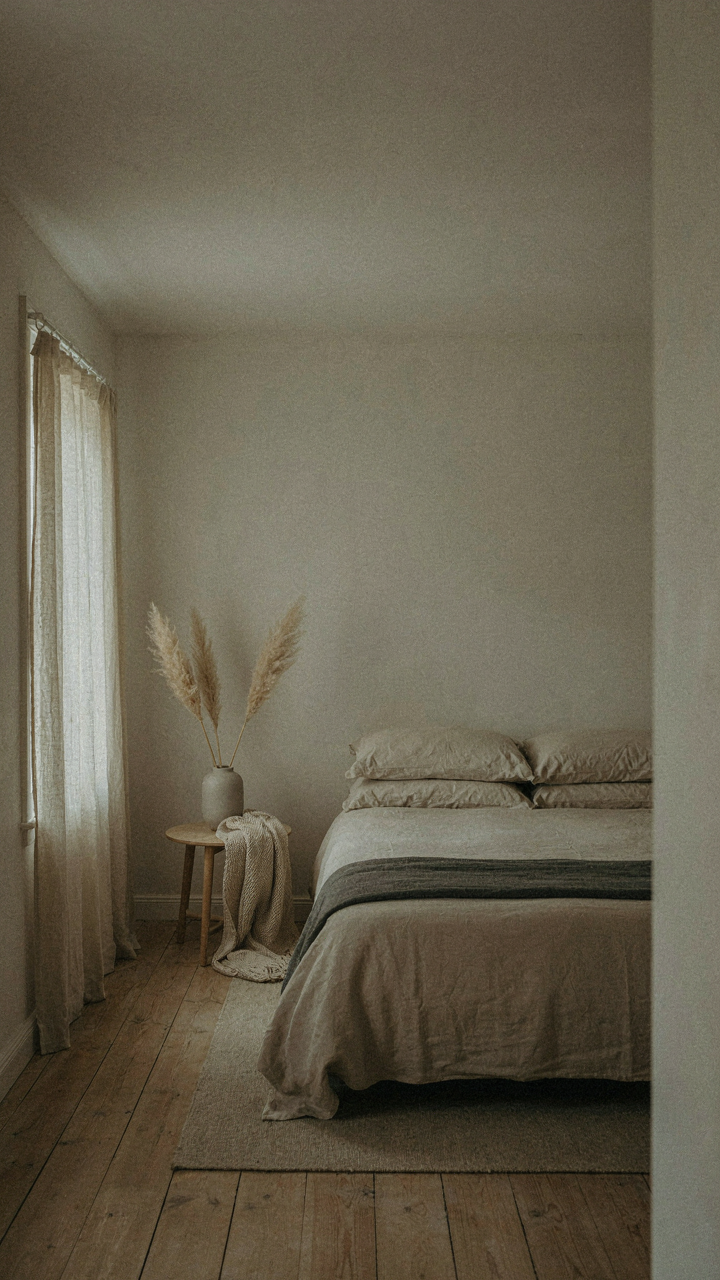
You want cottage bedroom ideas because you’re hoping design can fix what discipline hasn’t. Here’s the mechanism: your nervous system reads your environment constantly. A cluttered, mismatched bedroom keeps your brain in a low-level alert state. Cottage design works because it removes visual noise and creates predictable patterns your brain recognizes as safe. The specific materials, textures, and color palette matter less than the coherence.

When your bedroom contradicts itself, you contradict yourself inside it. Misaligned aesthetics create cognitive load. Your brain burns energy reconciling the mismatch between what it sees and what it expects. Cottage bedrooms succeed because they commit to a visual language. Linen, wood, soft grays, and intentional spacing work together instead of competing. This consistency is what actually lets your nervous system downshift at night.
Design As A System For Recovery
Stop thinking of cottage bedroom design as decoration and start treating it as a recovery protocol. The distinction matters because protocols work whether you feel motivated or not. A protocol is a sequence of conditions you set once, then trust. When you arrange your bedroom using cottage principles, you’re not relying on mood or willpower to rest well. You’re engineering an environment that performs the work for you.
The mechanism is environmental friction. High friction prevents rest. Low friction enables it. Cottage bedrooms lower friction by removing choices. One color palette. One texture family. One lighting temperature. One arrangement logic. Your nervous system doesn’t have to negotiate. You enter the room, and your body knows what to do. This is why hotel rooms work. This is why cottage bedrooms work. The environment has made the decision already.
The Real Obstacle Isn’t Finding The Perfect Throw Pillow; It’s Your Inability To Define What Rest Truly Means For You

Most people design bedrooms based on Pinterest boards instead of their actual nervous system. You don’t need another cottage bedroom idea. You need to sit in silence for five minutes and ask yourself what makes your body feel safe. Do that today. Write down three things. Then build your room around those answers, not aesthetic trends. A space designed around your physiology beats a space designed around your Instagram feed every single time.