
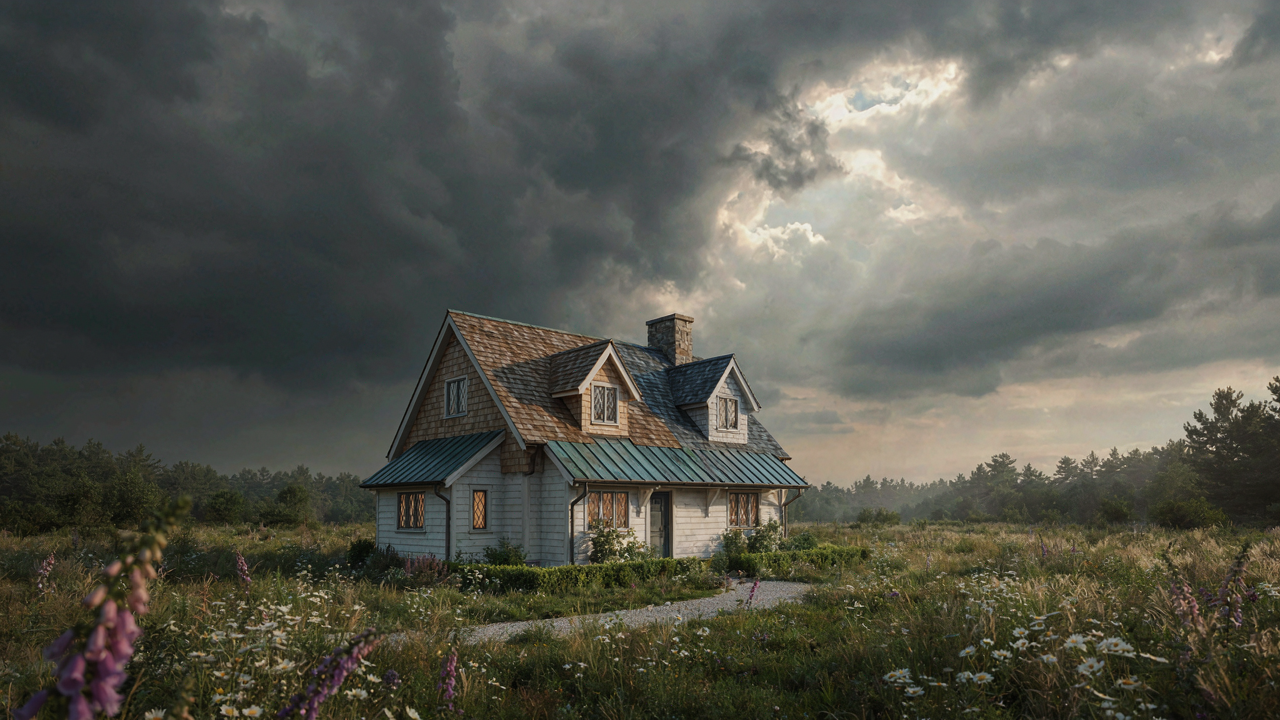
The Cottage Roof Deception: Beyond Fairytale Cottage Aesthetics
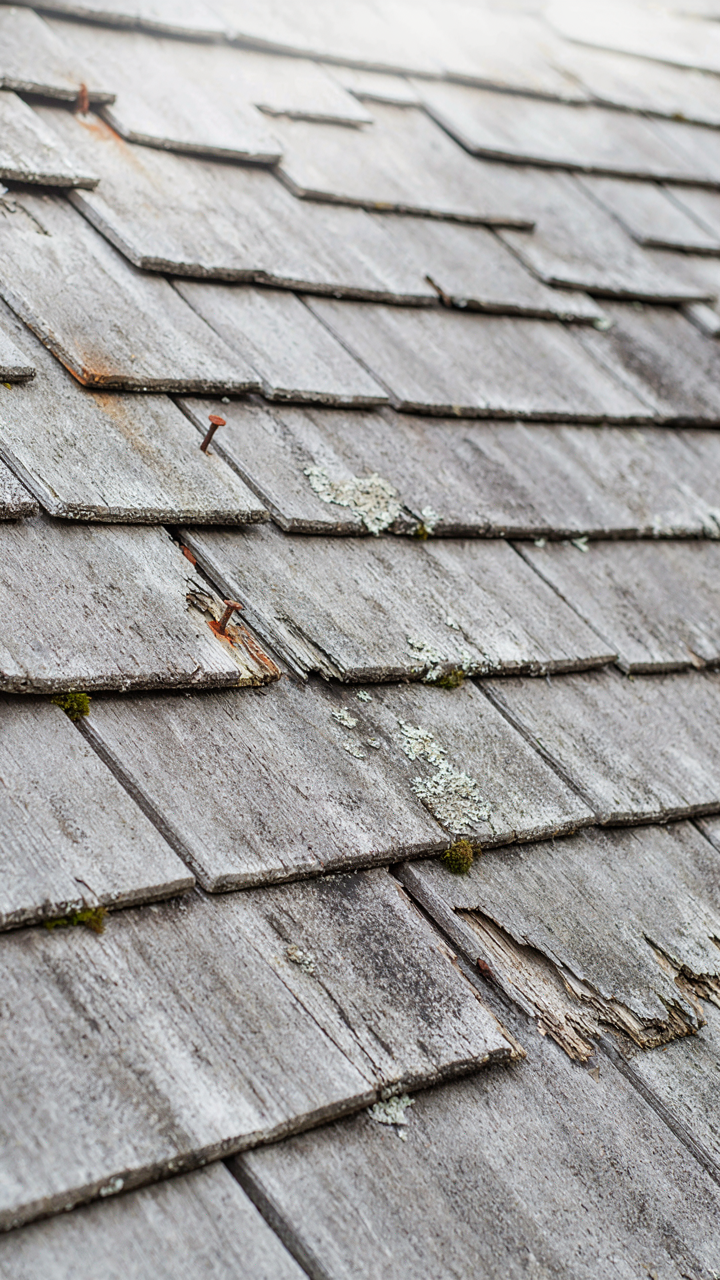
Aesthetic Nostalgia Costs Real Money
You want a cottage roof to feel timeless because you believe it signals taste and permanence. Here’s the mechanism: materials that look old require either constant maintenance or replacement cycles that destroy your budget. Cedar shingles photograph beautifully for three years, then weather into gray, split, and rot if you don’t sand and restain them annually. Slate looks noble forever but costs three times what composition shingles cost upfront, demands specialized labor, and weighs so much it may require roof reinforcement before installation.
The gap between Instagram cottage aesthetics and actual performance is where money evaporates. A steep, complex roof with multiple valleys and dormers traps snow, channels water into seams, and creates maintenance zones most homeowners ignore until leaks start. Victorian charm comes with Victorian repair bills. The real question is not what looks cottagelike, but what actually survives your climate without becoming a second mortgage.
Performance Beats Heritage Every Time
Engineering doesn’t care about romance. A modern asphalt composition shingle with a 30-year warranty handles freeze-thaw cycles, UV exposure, and foot traffic better than hand-split cedar that needs treatment every four years. The material’s job is shedding water reliably, not being photographed. Metal roofing over traditional shingles delivers better thermal performance, lasts 50-plus years, and requires almost no maintenance, yet most cottage owners reject it because it doesn’t match the mental image they built.
Your roof’s real function is protecting the structure underneath. Choose based on your local weather pattern, your ability to pay for maintenance, and the actual lifespan you can afford. If you’re in a humid climate, cedar becomes a recurring expense. If you’re in snow country, a steep pitch matters more than material aesthetics. If you can’t inspect and treat your roof yearly, skip materials that demand it. Select a roof system, not a roof look.
The Material Matrix: Cedar Shingles Vs. Their Overhyped Reputation
What Cedar Actually Lasts
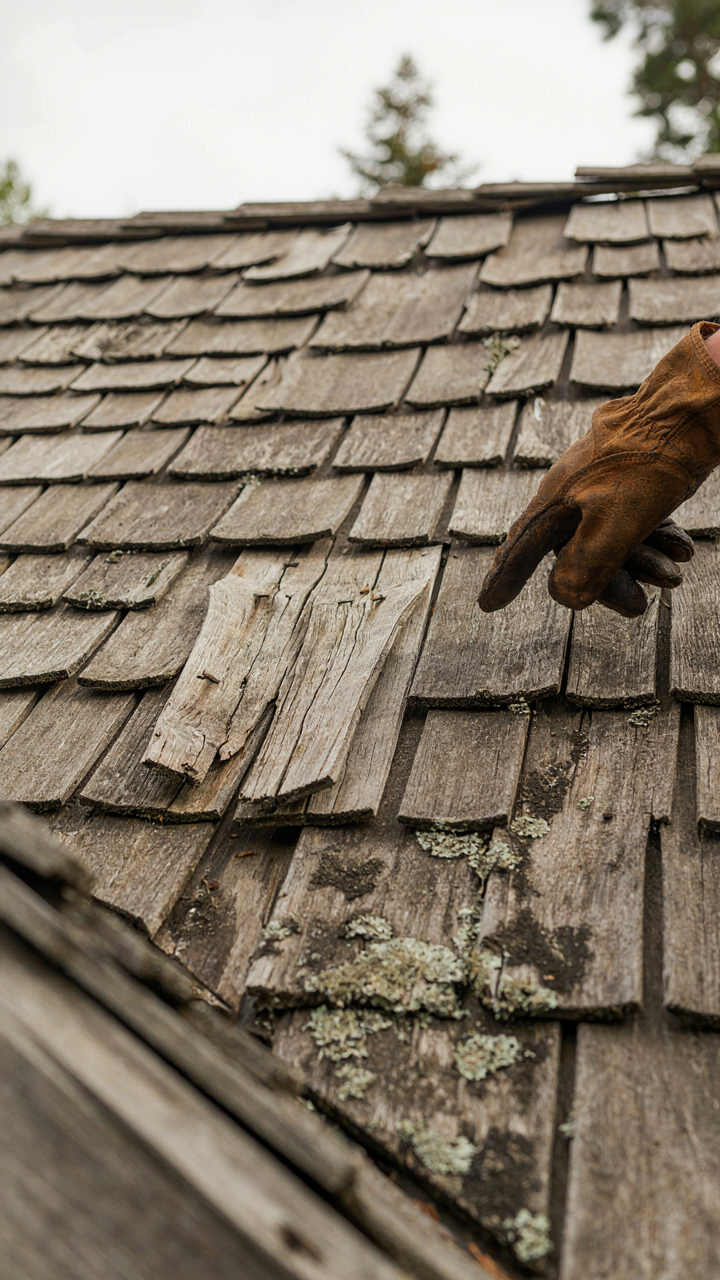
You want cedar because it signals taste and permanence. Here’s what actually happens: cedar doesn’t age gracefully without constant intervention. Economically speaking, this is a depreciation trap disguised as investment. Cedar shingles last 20 to 40 years depending on climate and maintenance, but the low end hits fast in humid regions or areas with heavy UV exposure. The wood splits, cups, and checks naturally as it weathers.
Most roofers won’t tell you that cedar’s durability reputation comes from 200-year-old barns in dry climates with minimal foot traffic. Your cottage roof isn’t a barn. Cedar needs annual inspection, periodic treatments to prevent rot and insect damage, and replacement of individual shingles every five to seven years on average. Skip this and you’re looking at structural damage within a decade. The material demands continuous attention or it fails earlier than asphalt at half the cost.
The Real Price Of Natural Materials
The aesthetic premium doesn’t account for what actually costs money. Cedar shingles run 300 to 500 percent more than asphalt per installed square foot, but that’s just material. Labor skyrockets because cedar requires specialized installation and flashing techniques to prevent water penetration. Maintenance compounds the bill: professional cleaning every two years, fungicide treatments, and targeted repairs that can’t wait.
Insurance companies sometimes charge more for cedar roofs because claims follow predictably. A slate roof costs triple upfront but needs replacement once per lifetime. Cedar costs half as much initially, then bleeds money every season for forty years. If you’re calculating true cost of ownership, cedar wins only if you plan to sell before year fifteen or you genuinely commit to annual maintenance schedules. Otherwise, you’re funding an aesthetic preference through constant extraction of cash and attention.
Slate Roof Systems: The Immutable Law Of Durability For Tiny Cottage Exterior
Why Slate Outlasts Everything Else
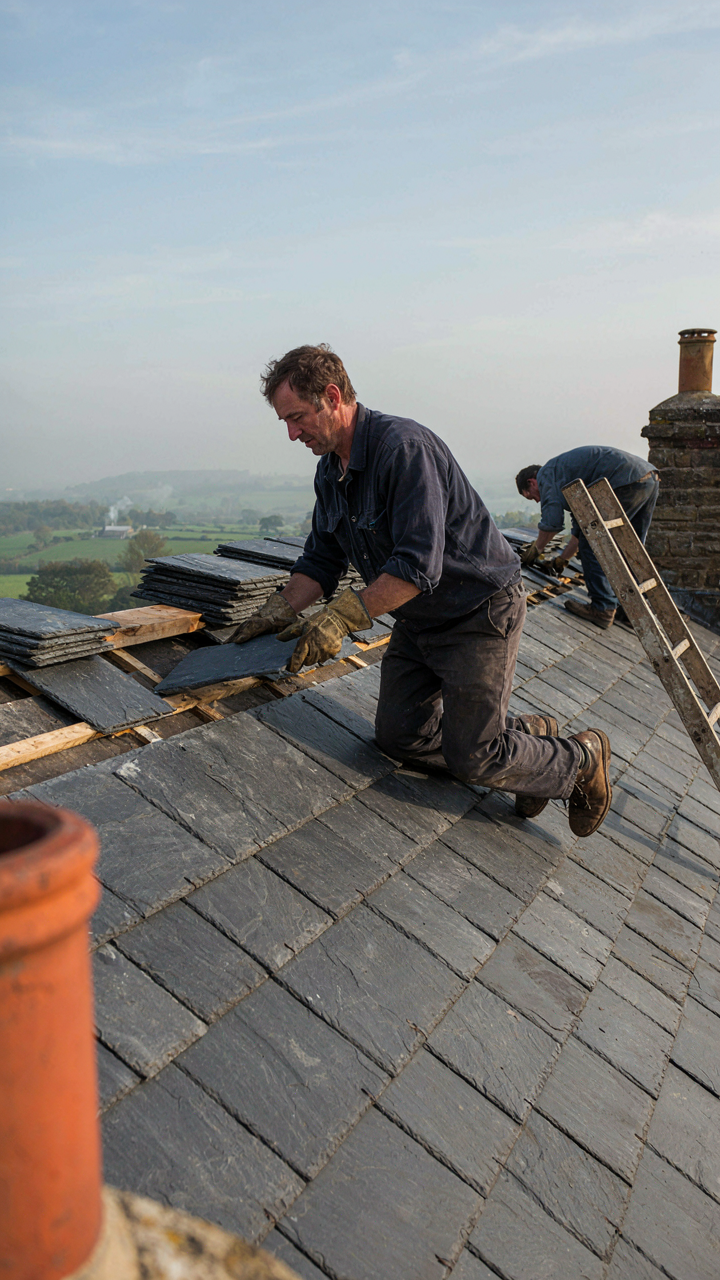
You want slate because you’re betting on permanence. Not permanence as comfort, but as status—the signal that your cottage won’t need a roof replacement in your lifetime or your heir’s. That’s the real mechanism: slate operates on geological time, not construction cycles. A slate roof lasts 80 to 200 years depending on installation quality and regional weather. Cedar shingles demand replacement every 20 to 40 years. Asphalt every 15 to 25. Slate simply doesn’t degrade the way organic or composite materials do because it’s already stone—already finished by pressure and time underground. There is no material failure waiting to happen.

The economics flip when you measure by decade instead of year. A slate roof costs three to five times more upfront than asphalt. Over a century, your per-year cost approaches that of cheaper materials while your roof never fails. That’s not an investment—it’s asset preservation disguised as expense. The cottage itself becomes secondary to the roof’s timeline. You’re not maintaining the building. The roof maintains the building. Inspect it every 5 to 10 years for flashing and mortar joints, replace a broken slate every few decades, and you’re done.
Installing Slate Demands Precision Or Collapse
Most roofers cannot install slate correctly. The common advice to “hire an experienced slate contractor” is incomplete because experienced slate contractors are vanishingly rare in most regions. The real requirement: the roof structure must support slate’s weight—roughly 15 pounds per square foot compared to 2 to 3 for asphalt. Cottage framing often cannot carry it without reinforcement. If you add structural support without addressing ventilation, water enters through the underbelly and rots the decking. The mechanism is load plus moisture equals decay.
Installation proceeds in layers: structural inspection, framing reinforcement if needed, proper ventilation underneath, then slate installation with each slate individually secured and flashed. This takes weeks, not days. Roofers charge premium rates because the work is unforgiving—a cracked slate during installation cannot be re-used, and mistake-making costs compound. Verify your contractor has completed at least 10 full slate roofs, not just repairs. Request references from jobs older than 10 years and contact those homeowners. If the reference roof still performs without leaks, you’ve found someone worth the price.
The Metal Roof Manifesto: Why Modernity Outperforms Nostalgia For Cottage Exterior
The Durability Equation
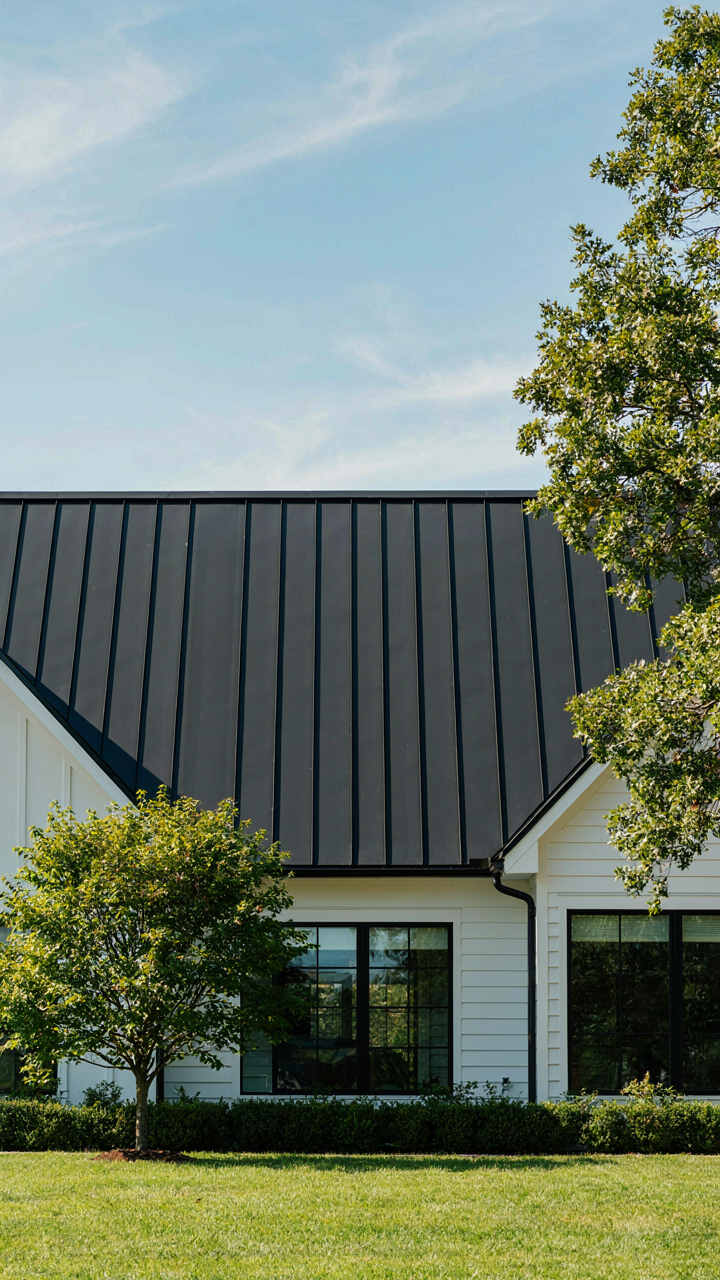
You want the cottage to feel timeless, which really means you want to stop thinking about maintenance. Metal roofs operate on a different lifespan calculus than traditional materials. While cedar shingles degrade on a 20 to 40 year cycle and slate demands constant pointing work, standing seam metal roofs typically last 50 to 70 years with minimal intervention. The mechanism is simple: metal expands and contracts predictably. It sheds water fast. It doesn’t rot, splinter, or harbor moss the way organic materials do.
- 50 to 70 year lifespan: Standing seam and metal shingle systems routinely outlast the structures beneath them, reducing replacement frequency to once per ownership generation.
- Weather resistance: Metal deflects UV damage, hail impact, and wind uplift better than asphalt or wood, with no degradation from moisture infiltration.
- Zero rot risk: Unlike cedar or slate, metal cannot absorb water, eliminating the secondary damage that forces early replacement on traditional cottage roofs.
- Reflectivity benefit: Metal surfaces reflect solar heat rather than absorbing it, which lowers cooling costs and reduces thermal stress on the structure.
- Fastener longevity: Modern metal roofs use stainless steel or coated fasteners that resist corrosion, avoiding the leak points that plague aging composition roofs.

The real advantage isn’t aesthetics. It’s that metal roofs shift the problem from “maintain constantly” to “inspect every five years.” For cottage owners who want the property to work in the background, this matters more than any visual trade-off.
The Noise And Look Myth
The cottage metal roof noise complaint is borrowed from old factory roof logic, and it doesn’t apply to residential installations. Metal on metal creates sound only when water hits an uninsulated cavity. Modern metal roofs sit over solid decking and require underlayment that absorbs impact noise before it travels into living space. The result is quieter than asphalt during heavy rain, since water doesn’t pool and drum on metal the way it does on composition shingles.
On appearance, the objection is actually about status anxiety. Wood and slate signal heritage and cost. Metal signals practicality, which feels cheap to people trained to equate maintenance burden with quality. But metal roofing comes in standing seam, metal shingles that mimic slate or cedar, and weathered copper finishes that develop patina over decades. A standing seam cottage roof in charcoal or oil-rubbed bronze reads as intentional design, not compromise. Choose the profile and finish based on what your structure actually demands, not what you think neighbors will judge.
Thatched Roof Cottage: A Masterclass In Environmental Engineering
How Nature Solves What Modern Roofs Ignore
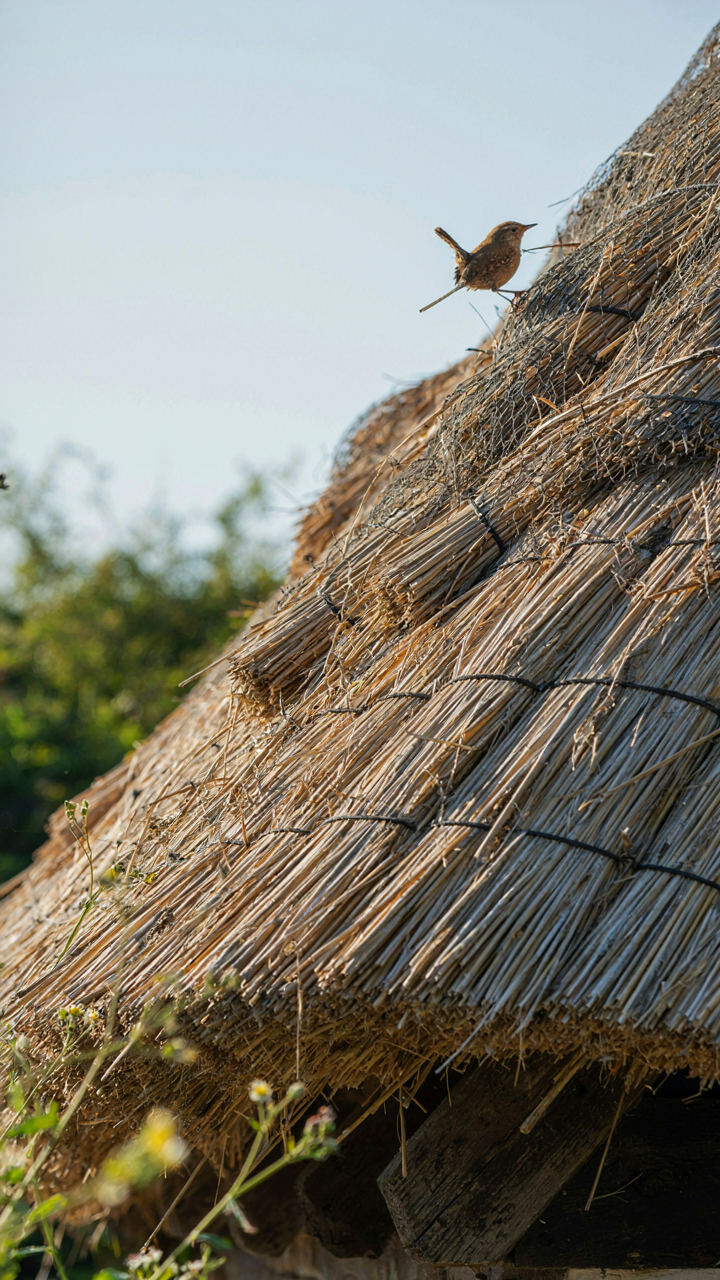
You want a thatched roof because it looks authentic and you think it means your cottage will perform better than the neighbors’ asphalt. Here’s what actually matters: thatch operates on a biomimicry principle—it mimics how animal fur and bird plumage manage temperature and moisture simultaneously. The material itself creates capillary action that moves water laterally through the stem structure before gravity takes over, preventing the pooling and rot that kills conventional roofs. A properly laid thatch layer traps dead air space throughout its depth, functioning as distributed insulation rather than the single thermal barrier most modern materials provide.
The thermal resistance comes from air pockets trapped between individual reed or straw stems, not from the material’s density. Water never sits against the structural layer because it travels through the porous matrix first. This is why thatch cottages in damp climates outlasted many newer buildings—the roof actively resists moisture accumulation rather than simply blocking water entry. The drainage happens passively, no gutters required, no ice dams in winter because water moves through the material itself.
The Skill Gap That Kills Your Investment
Everyone says thatch lasts 40 to 60 years if maintained, then they quote you a price and you realize most thatchers are disappearing. The difference between a cottage roof that performs and one that fails within fifteen years isn’t the material—it’s the installation protocol that mass production abandoned decades ago. A trained thatcher understands compression rates, water flow patterns per pitch angle, and how to layer stems so they support each other structurally. Factory-made asphalt and composite shingles standardized the installation process, which works until it doesn’t. Thatch requires interpretation of site-specific conditions: local wind patterns, rainfall intensity, roof pitch, and exposure direction.
A thatcher inspects substrate movement, adjusts compression during installation, and knows when a section needs replacement before visible failure occurs. Mass-produced roofs come with schedules divorced from actual performance data. When you hire a thatcher without verifiable training from a recognized regional tradition, you’re gambling that their shortcuts won’t compound over years. The durability comparison is stark: a skilled thatcher’s work can exceed eighty years with targeted repairs; rushed or under-trained installation fails in half that time. Your protocol is simple—verify your thatcher’s apprenticeship lineage and request references from roofs they installed at least fifteen years ago, not marketing photos.
The Longevity Protocol: Maximizing Your Cottage Roof Investment
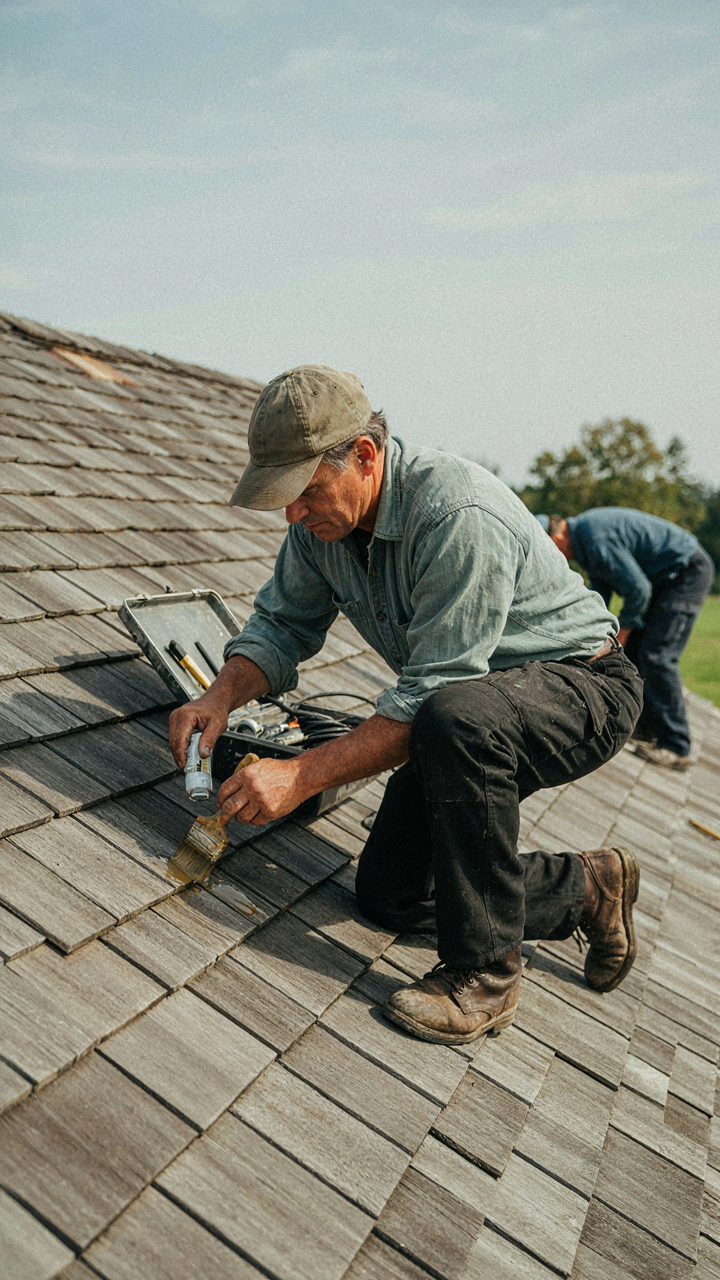
Pitch Climate And Material Alignment
You’re really asking: will this roof outlast my ownership so I never have to think about it again. That’s denial talking. Here’s the mechanism: pitch, climate, and material form a system where each variable forces constraints on the others. Steep roofs shed water faster, reducing exposure time. Shallow roofs collect debris and standing water. In wet climates, shallow pitches fail early regardless of material quality. In dry climates, pitch matters less. Cedar shingles need 6:12 pitch or steeper to perform their rated lifespan. Slate handles anything from 4:12 upward. The mistake everyone makes is choosing material first, then retrofitting pitch to the house design. Reverse it. Let climate and pitch dictate material, not aesthetics.
Material longevity claims are only valid under specific pitch conditions. A manufacturer’s 25-year warranty on asphalt shingles assumes proper drainage, which demands adequate slope. Cedar shingles in a humid region with a 4:12 pitch will rot in 12-15 years, not 30. Slate at any pitch outlasts the framing beneath it, but installation cost only justifies itself if pitch prevents premature failure from water damage. The real protocol: define your climate’s annual rainfall and freeze-thaw cycles first, then determine minimum pitch from that data, then choose material that performs at that pitch. Skip this sequence and you’re gambling with tens of thousands.
Ventilation And Structural Load Bearing
Ventilation is where the physics of air pressure matters directly. Think of your roof as a pressure system: warm, moist air rises from the living space below and seeks escape. Without proper airflow, moisture condenses on the underside of the roof deck, rotting framing and shortening material life by half. This isn’t opinion. It’s thermodynamics. Most cottages fail ventilation either through poor design or blocked soffits choked with debris and paint. Ridge vents only work if air can flow freely from soffit to ridge. Cross-ventilation requires unobstructed pathways. Cedar shingles particularly depend on ventilation because the wood itself releases and absorbs moisture seasonally. Blocked ventilation causes cupping and premature failure.
Structural integrity connects directly to ventilation and load management. Wet framing loses load capacity. A water-damaged rafter that appears sound can fail under heavy snow loads because moisture has compromised the wood’s strength rating. The protocol requires inspecting not just the roof surface but the framing condition before material selection. Install soffit vents first, ensure they’re clear, then install ridge vents with proper baffle systems to prevent bypass. For cottages in snow zones, verify that rafter spacing and sizing handle both snow load and moisture damage. Run this check before committing to heavy materials like slate, which amplifies structural demands.
Beyond Standard: Different Roof Styles For The Discerning Owner
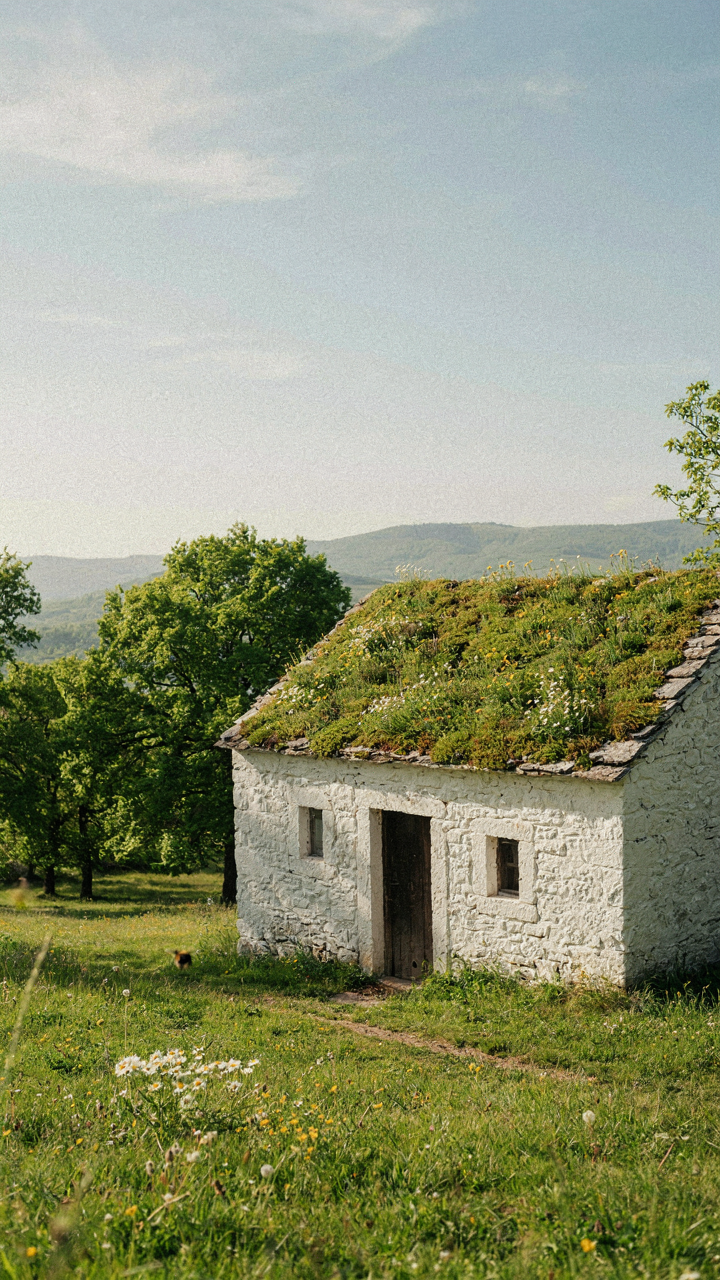
Composite And Green Roofs For Modern Cottages
You want to feel like you’re doing something rare and smart. Here’s what actually matters: composite shingles and green roofs operate on different longevity curves than traditional materials. Composite shingles mimic cedar or slate aesthetically but trade durability for lower upfront cost. Most composites last 20 to 30 years. Real cedar lasts 40 to 60. You’re paying less now for faster replacement cycles. That’s the trade.

Green roofs demand structural reinforcement your cottage may not have. The system adds weight from soil, plants, and water retention. Your framing must handle an extra 10 to 15 pounds per square foot minimum. Few cottage structures were built with this load in mind. Installation also requires waterproofing expertise beyond standard roofing. Before you commit, have a structural engineer calculate your roof’s actual capacity and confirm your local contractor has verifiable green roof experience.
Flat Roofs When Pitched Tradition Breaks Down
Everyone assumes cottage roofs must be pitched. That’s wrong. Flat roofs fail on cottages not because of physics but because of water management and local building codes. Snow load and drainage patterns determine viability, not aesthetics. A flat roof works on a cottage in dry climates where snow rarely accumulates. It works when your local code permits it and you install adequate drainage infrastructure. Flat roofs perform best when they become usable space like a deck or garden platform.
The mechanism is simple: flat roofs require active maintenance that pitched roofs avoid. Pitched roofs shed water by gravity. Flat roofs need membranes, slope correction, and drain clearing multiple times yearly. You’re trading visual tradition for hands-on responsibility. If you hate maintenance calls, a flat roof isn’t cheaper—it’s a hidden tax on your time. Specify TPO or EPDM membrane systems rated for your climate, verify your contractor has flat roof certificates, and schedule quarterly inspections into your ownership plan.
Cottage With Metal Roof: The Underestimated Game Changer For Chalés Pequenos
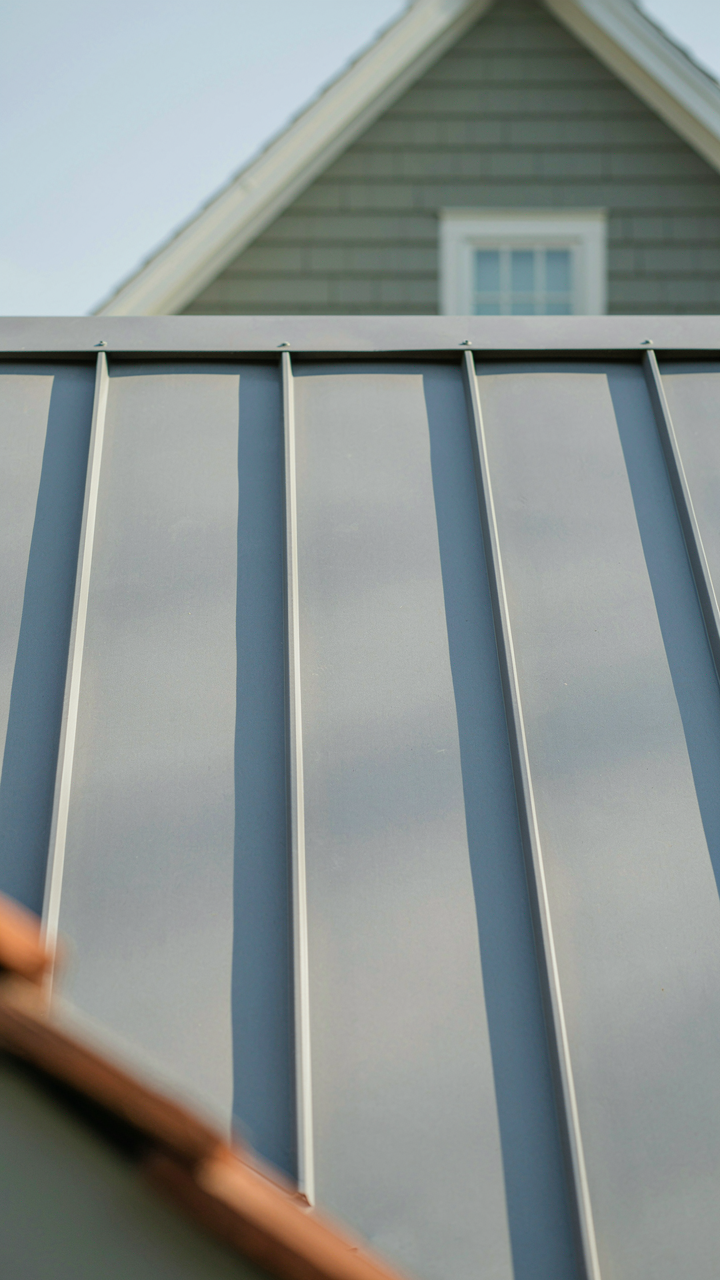
Corrugated Versus Standing Seam Performance
You want the metal roof that won’t look cheap, and that fear is why you’re avoiding metal entirely. Here’s the mechanism: corrugated and standing seam differ in load distribution, not just appearance. Corrugated panels disperse weight across their wave pattern. Standing seam concentrates fasteners at specific points and handles wind uplift better because the seams lock mechanically rather than relying on fastener placement alone.

Standing seam costs 20 to 40 percent more upfront but lasts the same lifespan as corrugated when both are properly installed. Corrugated performs adequately in stable climates with moderate wind. Choose standing seam if your cottage sits in exposed terrain or experiences heavy snow load. The real decision comes down to wind speed at your site and whether you want to replace fasteners after 15 years.
Color And Coating Impacts On Energy Efficiency
Thermodynamics, not marketing, determines what happens on your roof surface. Light colors reflect solar radiation back into the atmosphere. Dark colors absorb it and transfer heat into the structure below. A light-colored metal roof reduces cooling load in summer by roughly 15 to 25 percent compared to dark alternatives, depending on your climate and existing insulation.
Coating quality matters as much as color selection. Acrylic coatings fade faster than polyester or polyvinylidene fluoride (PVDF), which means reflectivity drops over time and your energy savings erode. PVDF coatings hold reflectivity stable for two decades. If you choose metal for energy efficiency, specify PVDF coating with a light-colored finish and confirm the roof’s solar reflectance rating before purchase rather than assuming all light colors perform equally.
The Future Proof Cottage: Building Beyond The Now
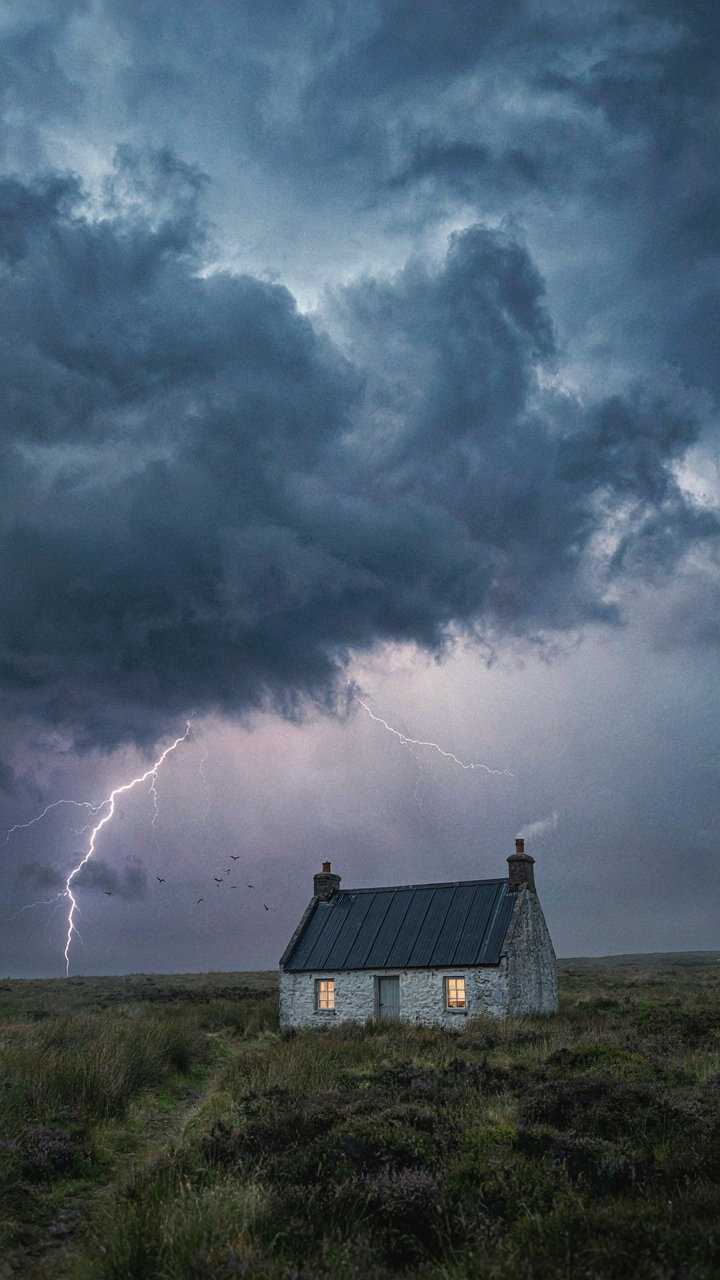
When Weather Stops Following The Pattern
You want this section because you’re afraid your roof choice will become obsolete in ten years, and you don’t want to admit that climate variability is now the baseline assumption, not the exception. The mechanism is simple: traditional cottage roofing materials were engineered for the statistical weather of the past century. That data is no longer predictive.
Extreme weather events now arrive faster and with greater intensity than the historical models that guided material selection. Slate and cedar shingles, the heritage choices, were rated for wind loads and snow accumulation that regional data no longer guarantees. Asphalt shingles fail at lower thresholds. Metal standing seam roofing and engineered composites withstand lateral wind forces better because they transfer load differently, not because they’re “stronger.” Your choice today must account for ice damming in regions that rarely saw it, hurricane-force winds in zones once considered temperate, and hail events that penetrate older shingle types. Inspect your local building codes quarterly, not once. They update as weather patterns shift.
Material Lifespan Versus True Cost
Everyone quotes the sticker price of roofing materials. Almost nobody calculates what happens across the actual lifespan and replacement cycle. Economics teaches us opportunity cost: the money you don’t spend on re-roofing is capital available for other assets. Slate costs four to five times what asphalt costs upfront but lasts 75 to 100 years with minimal maintenance. Cedar shingles run moderate upfront costs but require semi-regular treatment and last 30 to 40 years. Engineered composite shingles hold middle ground on cost and durability but often degrade faster in UV-heavy climates.
The real lever is replacement frequency combined with labor costs. If you re-roof every 25 years, you’ll spend more across 100 years than if you choose a 75-year material, even accounting for the higher initial investment. Sourcing matters too. Slate from quarries with depleted reserves costs more and carries hidden environmental debt. FSC-certified cedar reduces deforestation pressure but costs more per bundle. Metal roofing scavenges from recycled stock, lowering sourcing impact. Calculate total cost of ownership at 50 and 100-year marks, then factor in the likelihood you’ll actually maintain the roof versus replacing it early due to neglect.
The Real Obstacle Isn’t Finding The Perfect Roof; It’s Your Fear Of Challenging Outdated Architectural Dogma
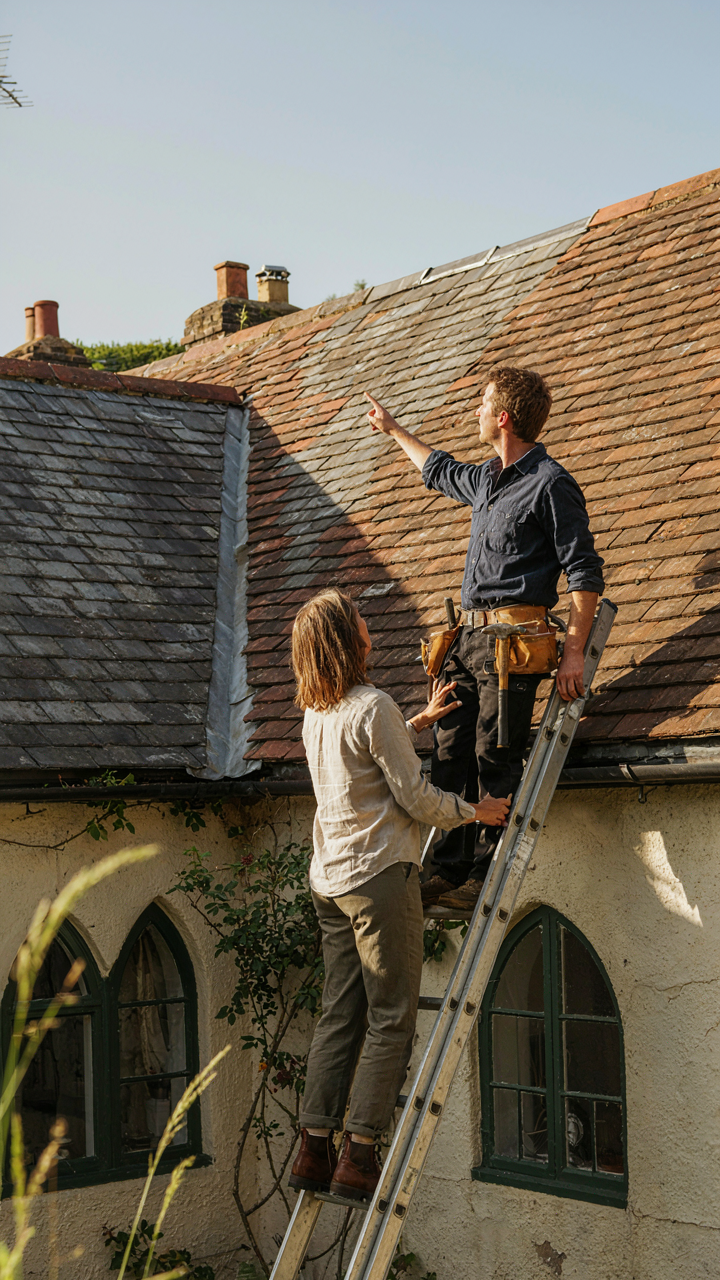
Most people pick a roof based on what their neighbor picked. You pick one based on what your house actually needs. Stop waiting for permission to mix materials, break tradition, or go unconventional. Call a local roofer today and ask them what they’ve never installed on a cottage before. Your roof should provoke curiosity, not compliance.