Introduction
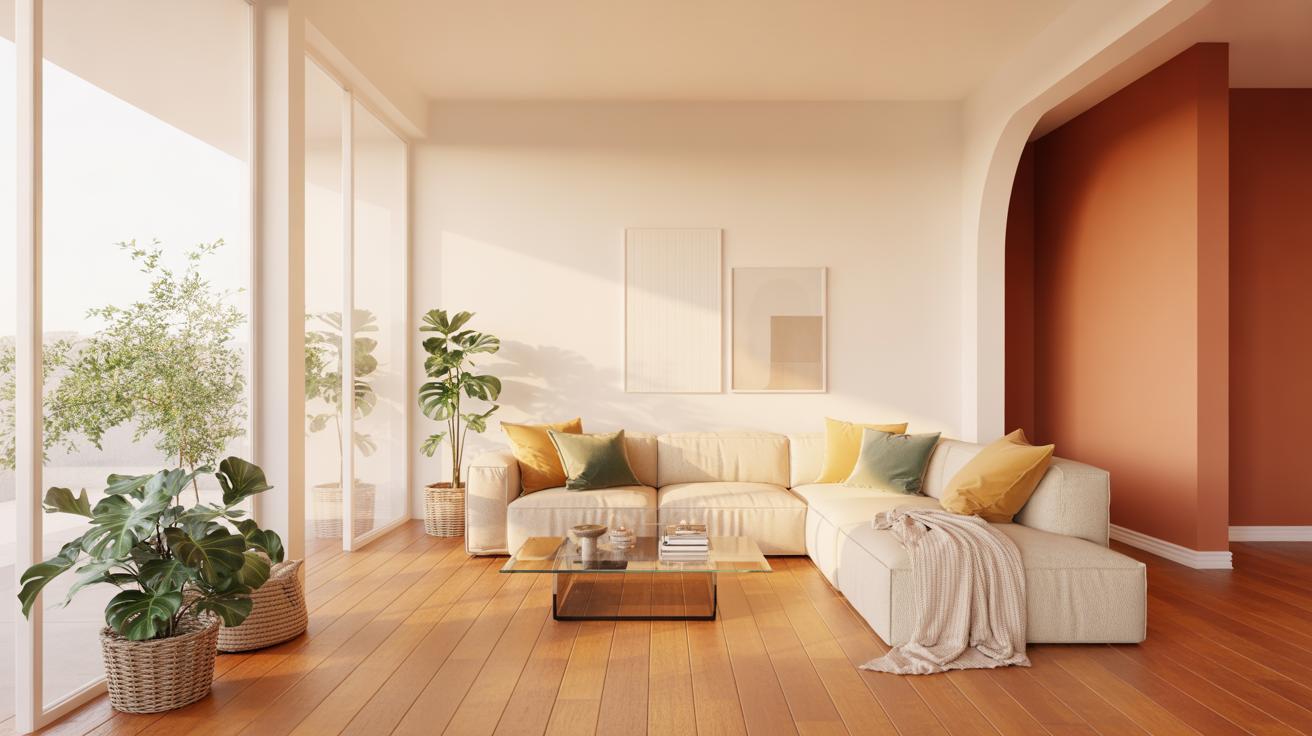
Cozy minimalist living rooms combine warmth and style with simplicity. This style focuses on creating comfortable, inviting spaces that feel open and clutter-free. It’s a great choice for small apartments where space is limited but you still want a welcoming room.
In this article, we’ll explore how to achieve a cozy minimalist living room. You’ll find practical tips for arranging furniture, choosing colors, and decorating. Whether you live in a small apartment or a larger home, these design tips will help you make the most of your space.
Benefits Of Cozy Minimalist Rooms
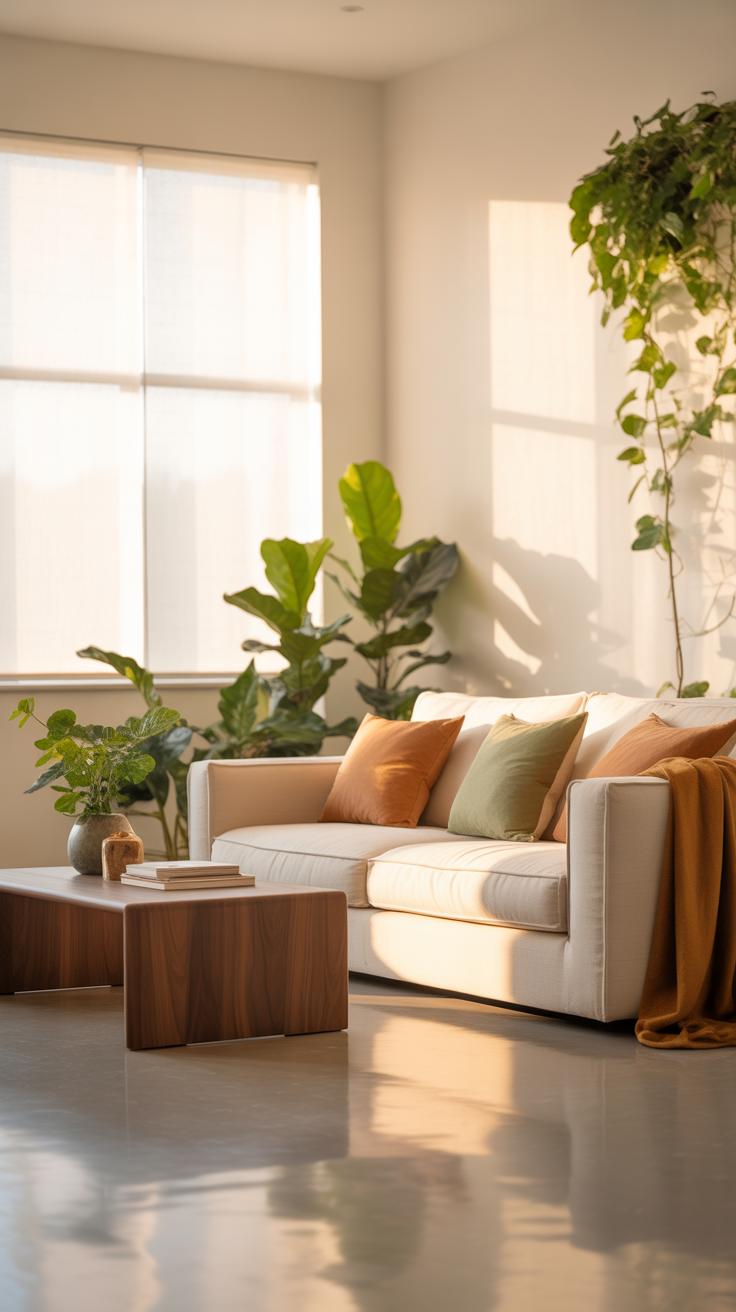
Living in a cozy minimalist room can genuinely change how you feel at home. The simplicity invites relaxation because there’s less visual noise competing for your attention. When you walk into a space that isn’t overloaded with stuff, your mind tends to slow down. That kind of calm can reduce stress more than you might expect.
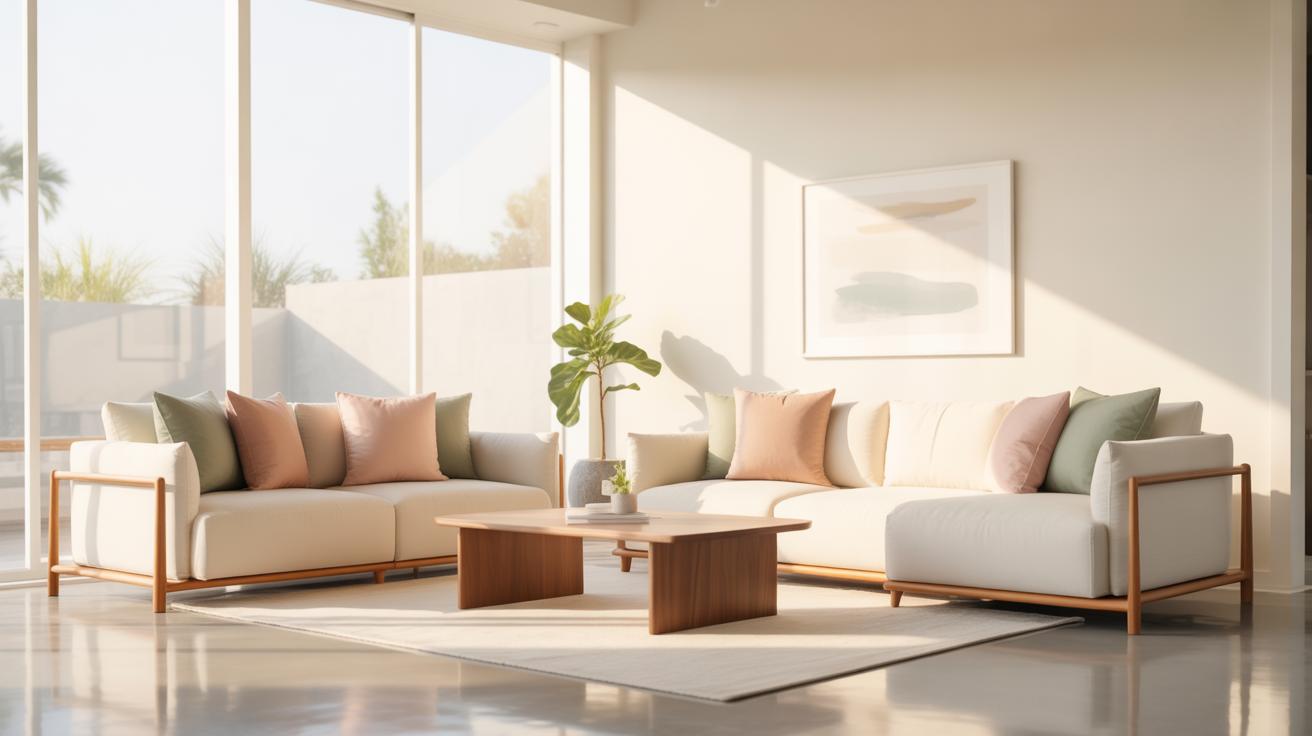
Minimalism also helps save space, which is especially useful in smaller apartments. Fewer items mean less clutter and easier paths, making the room feel bigger without actually expanding it. Plus, less stuff means less to clean and maintain. You might find yourself spending less time dusting or organizing, and more time just enjoying the space. It’s a small comfort, but it adds up.
There’s also something about minimalism that supports mental well-being. I remember reading about how a tidy, well-organized area can lift your mood and even improve focus. Without distractions, you’re less likely to feel overwhelmed by daily life. Still, it’s not perfect. Sometimes, that starkness can feel a bit cold, which is why adding cozy elements becomes important.
Why Choose Minimalism For Comfort
Comfort isn’t just about a big, soft couch or fluffy pillows. Often, it’s created by less clutter and more open space. When a living room is minimal, it tends to feel less suffocating and easier to breathe in. Calm colors, like muted grays or soft beiges, help too. These tones don’t shout at you; they quiet the senses.
Open space invites movement and flow, which creates a kind of comfort that furniture alone can’t provide. I think many people underestimate how much clutter impacts comfort. It’s not just physical stuff—it’s the mental weight of it. When you clear that out, you can almost feel lighter, strangely enough.
That said, comfort in minimalism isn’t about cold simplicity. It’s about balancing the sparse with subtle warmth—like a cozy throw, a carefully chosen lamp, or textures that invite touch. Those elements keep the space from feeling empty, turning comfort into something you want to sink into.
Space Saving Advantages In Apartments
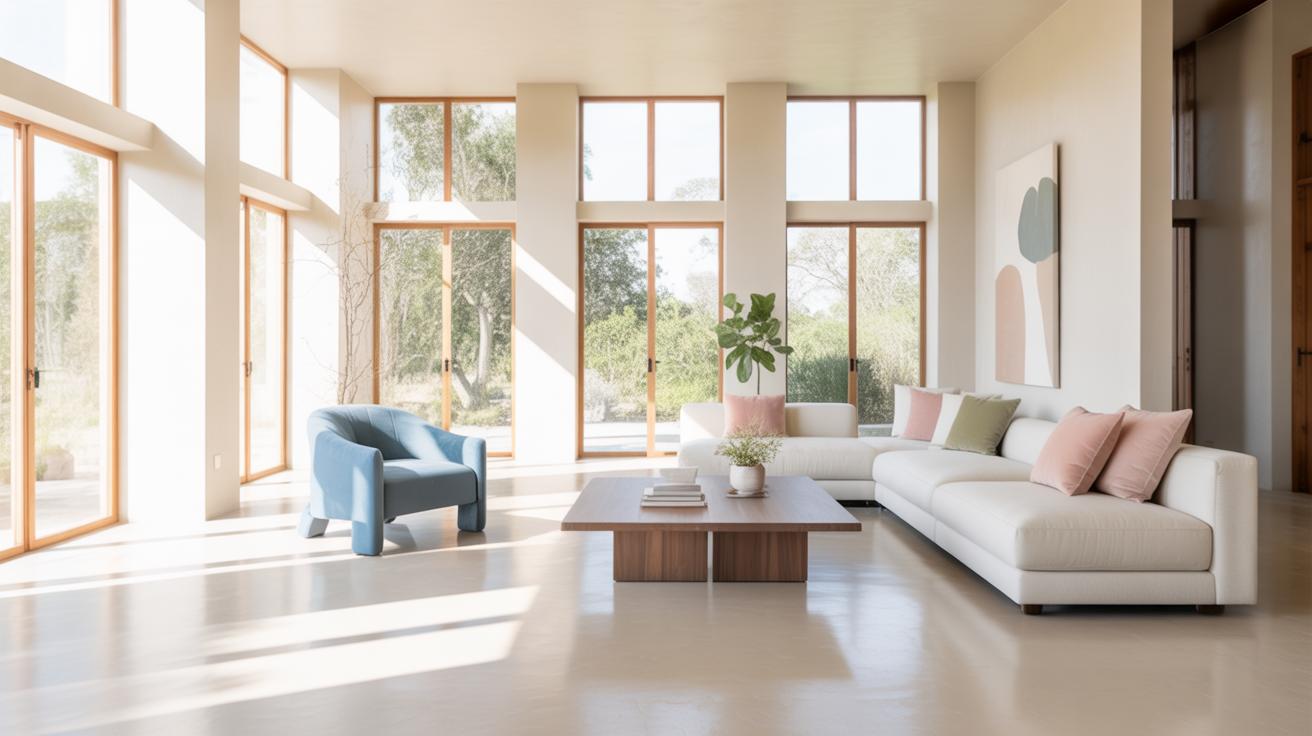
Apartment living often means dealing with limited space, which can feel restrictive. This is where minimalism offers practical benefits by making even small rooms look and feel larger. Fewer pieces of furniture, or multi-use furniture like ottomans with storage, keep the room open and flexible.
Sometimes, less really is more. Consider how a single well-placed chair and a narrow console table free up visual and physical space. You start to notice how much room you actually have to move, which subtly changes your experience of the apartment. It’s a small mental shift—making your space feel less cramped.
Using vertical storage or floating shelves taps into minimalism’s smart approach: keeping the floor clear while still having your essentials nearby. These strategies show that you don’t need to fill every inch to have everything you want. Sometimes, letting empty space breathe is what makes your living room work best.
Choosing Colors And Textures

When picking colors for a cozy minimalist living room, neutral shades like beige, gray, and white often feel like the safest bet. They don’t overwhelm the space, so rooms tend to stay open and airy. But it’s not just about staying pale—there’s a subtle balance between calm and cold. For instance, a warm beige wall combined with soft gray cushions can make the room feel inviting without adding clutter. On the other hand, stark white paired with pale wood accents keeps things light yet comfortable, if done right.
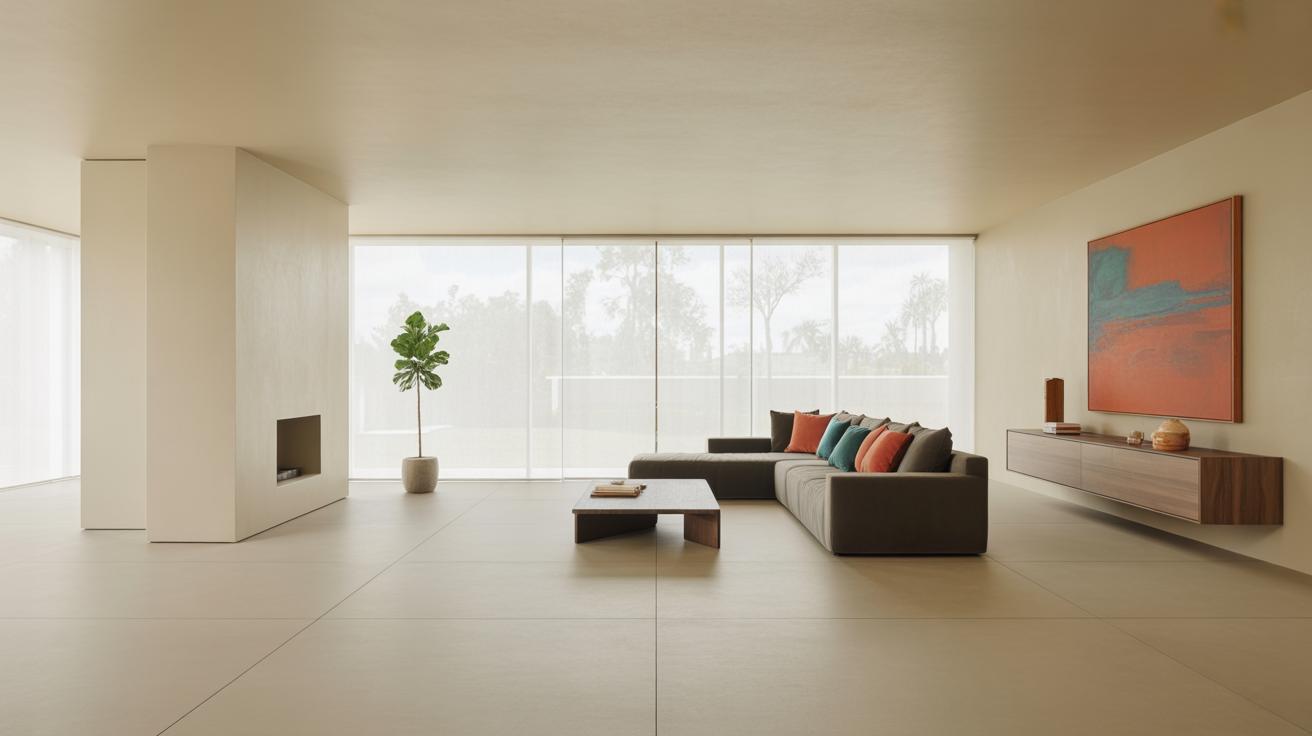
Neutral palettes help avoid visual noise, but textures do the real warming up. Think about soft wool throws draped casually over a sleek sofa or a low-pile rug underfoot that catches your attention without shouting for it. Natural fabrics like linen and cotton add gentle variation; they invite touch and make hard surfaces feel less rigid. Cushions with subtle patterns or nubby textures can break monotony, though keep those patterns small-scale—too busy, and you lose the minimalist vibe.
Choosing these tactile elements means you add comfort without filling every inch of your space. It’s curious how the right rug or a well-placed cushion can change how cozy a room feels. You might wonder, can a minimalist living room ever feel cold? If you lean on neutrals but skip texture, probably yes. But add layers thoughtfully, and the room suddenly feels lived-in and welcoming. Maybe that’s the trick—less doesn’t mean empty; it means careful.
Furniture Selection For Small Rooms
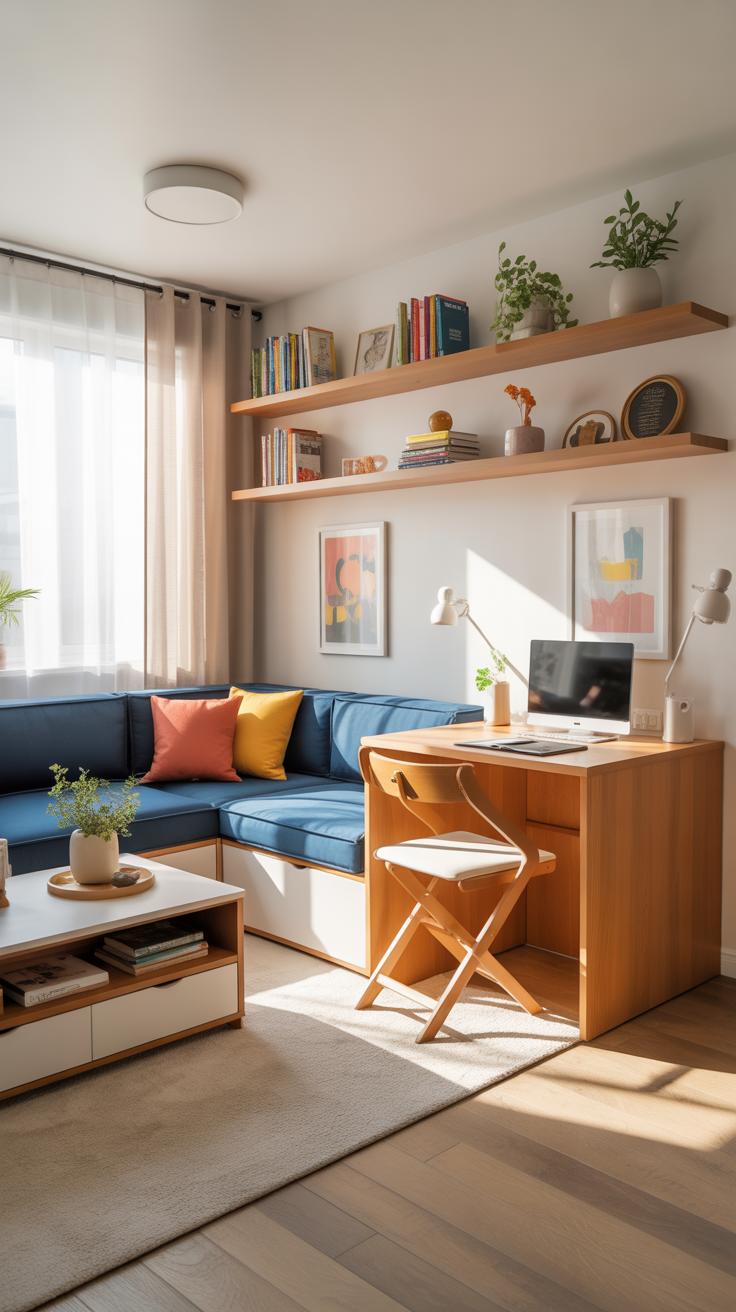
When you’re choosing furniture for a cozy minimalist living room—especially a small apartment—size really matters. Pieces that feel bulky or heavy can quickly overwhelm the space, making it seem cramped. So, picking items with slim profiles is a good starting point. Think about chairs or sofas with narrow arms, low backs, or simple lines. These let the room breathe and prevent it from feeling crowded, though sometimes slightly larger pieces work if balanced well.
Light-colored furniture often helps the room feel brighter and more open. Whites, soft grays, or pale woods can keep that airy vibe alive. You might wonder if darker shades should be avoided entirely—well, they can work if paired carefully with plenty of light and open space. But generally, lighter tones invite calm and simplicity, which suits minimalist styling.
Multi Purpose Furniture Ideas
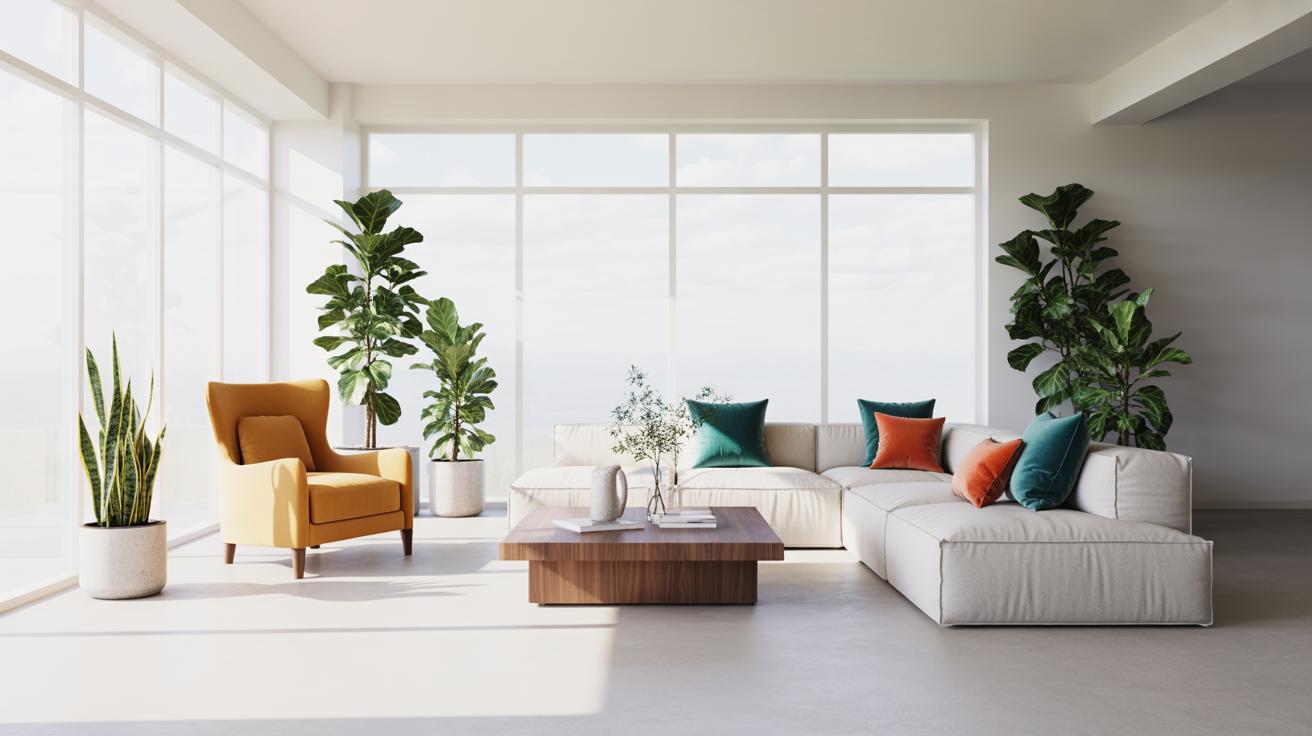
Multi-functional furniture is almost essential in small minimalist living rooms. It saves space and keeps things uncluttered. Here are some practical choices:
- Sofa beds: Perfect if you occasionally host overnight guests but don’t want a separate guest room.
- Storage ottomans: They work double duty as both seating or footrests and hidden storage for throws, magazines, or even kids’ toys.
- Nesting tables: These are lifesavers when you need extra surface space but don’t want constant clutter. Pull them out as needed, then tuck them away.
Each piece keeps your floor space open and helps maintain a clean, minimal look without sacrificing functionality. I’ve found storage ottomans pretty handy—though sometimes I wish they were just a tad bigger.
Choosing Lightweight And Compact Pieces
Choosing furniture that looks light and minimal isn’t only about material but also shape. Pieces with legs—especially thin, exposed legs—help the eye move under and around them, making the room look less crowded. Transparent furniture, like glass or acrylic tables, can create a surprising sense of openness. I used one once and it really tricked my eyes into thinking the room was larger.
Compact furniture doesn’t mean tiny or uncomfortable. It means smart design with clean lines and thoughtful proportions. Small chairs with slim frames or narrow sideboards can make a big difference. They offer the comfort and storage you need without adding visual weight.
Ultimately, you want to ask yourself: does this piece help the room feel spacious and functional? If the answer is yes (or maybe), it’s probably worth considering even if it’s not perfect.
Arranging Layouts For Openness
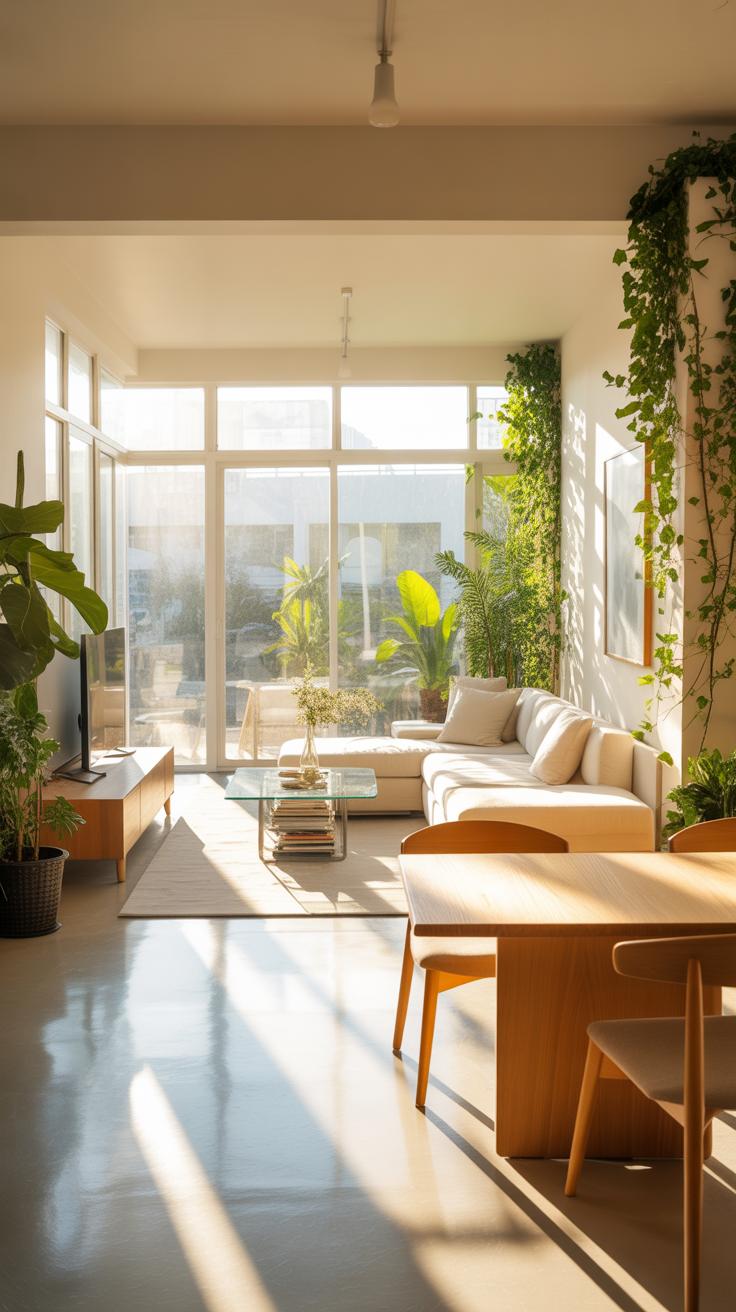
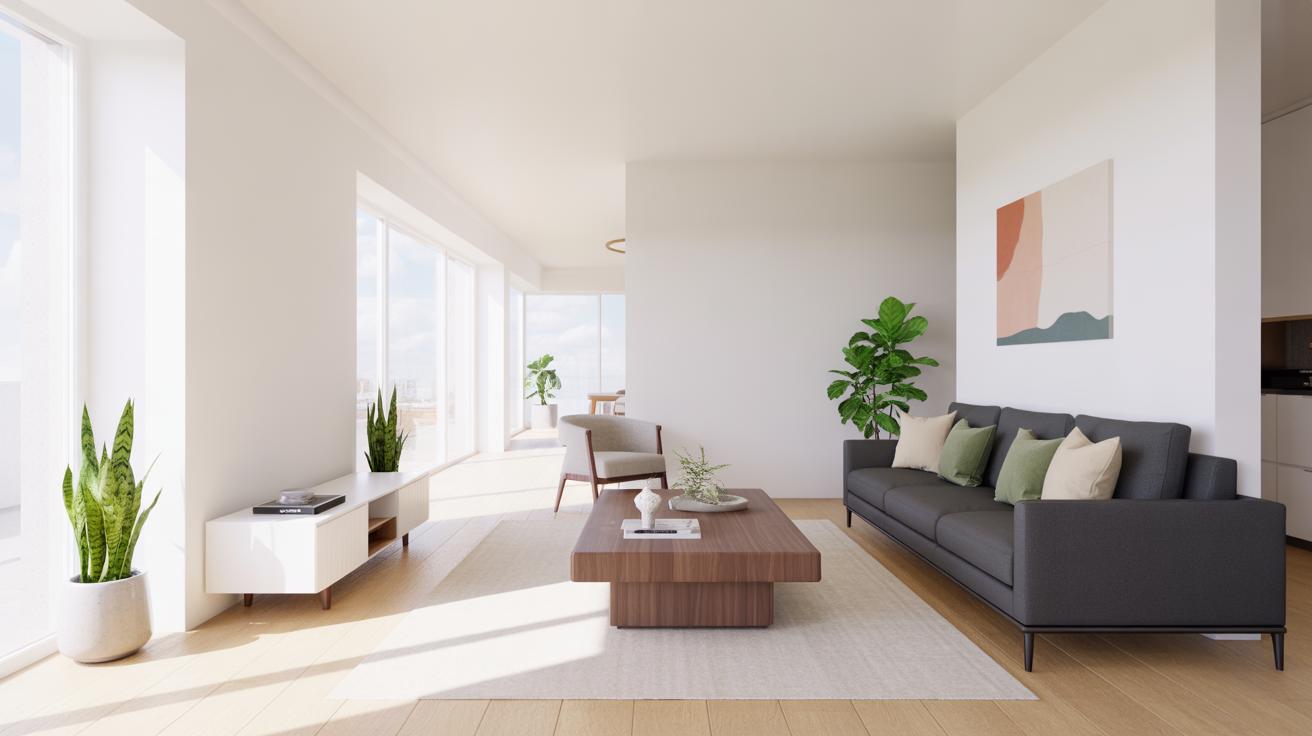
When you arrange furniture in a cozy minimalist living room, the goal is to keep things open yet inviting. It might sound tricky—how do you make a space feel both uncluttered and warm? One key is to leave enough walking space. Try to avoid shoving furniture against every wall or packing too many pieces in. You want to be able to move around naturally without stepping over things.
Think about how your eyes and feet flow through the space. Positioning a couch or chair so it doesn’t block pathways helps maintain an easy rhythm. Also, avoid overcrowding by limiting the number of decor items or bulky furniture. Sometimes less furniture actually makes a room feel more approachable—it’s almost like the space breathes.
A focal point can guide your layout, whether it’s a fireplace, a piece of art, or a comfy seating cluster. Placing the main seating around this feature can invite people to gather naturally, making the room feel purposeful without feeling forced. I once rearranged my apartment living room around a simple floor lamp and—surprisingly—it made the whole space feel more inviting, even though it wasn’t a traditional focal point. It shows you don’t always need a “grand” centerpiece for warmth and flow.
When in doubt, step back and ask: “Does this layout encourage movement and connection? Or does it trap you in corners?” Small shifts can open things up a lot more than you’d expect.
Lighting Strategies For Warmth
Natural Light Use Tips
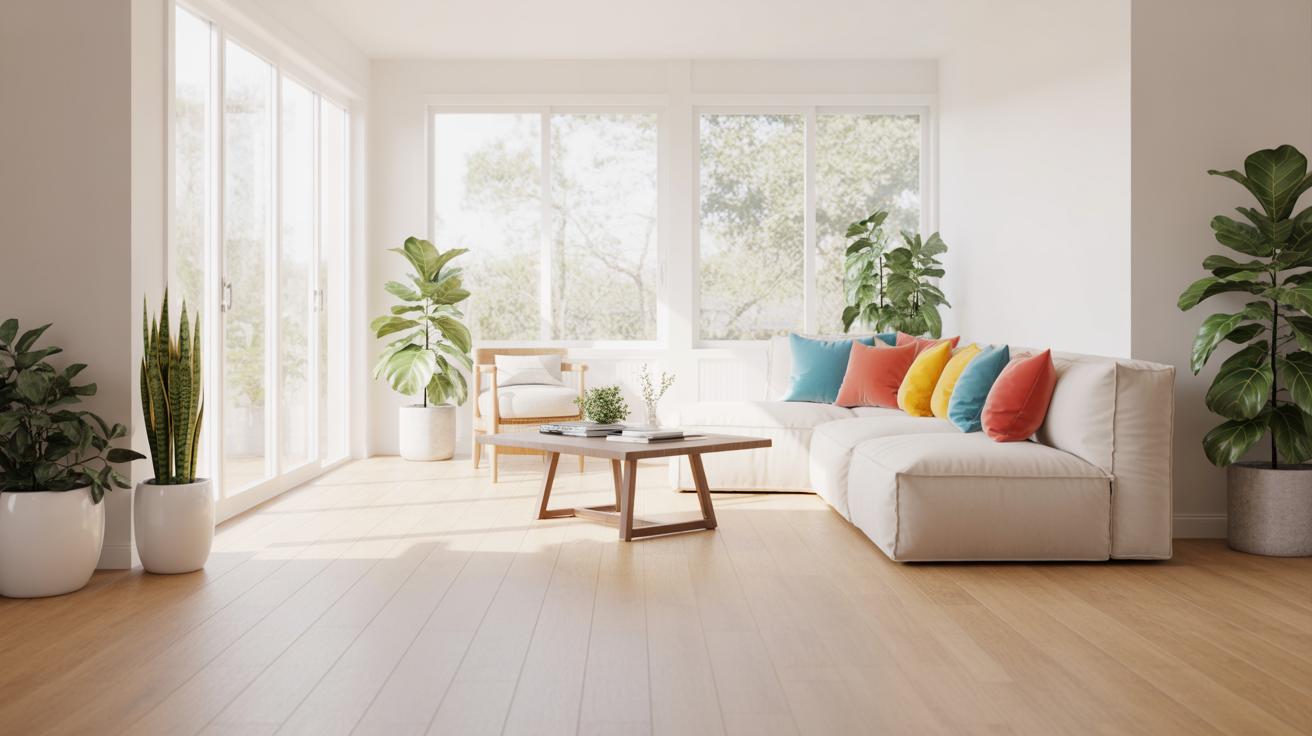
Natural light does something unique in a minimalist living room—it makes the space feel open but also somehow inviting. To get the most out of it, think about window placement carefully. If you have control over that, placing seating near windows can make the room feel naturally cozy during the day, almost like it’s breathing with the sunlight.
When it comes to curtains, sheer fabrics often work best. They soften harsh rays while still letting plenty of light in. You might hesitate to go too sheer if privacy concerns creep up, but pairing them with lightweight blinds can strike a good balance.
Mirrors are a useful, simple trick if your room lacks windows, or sunlight is limited. Position a mirror opposite or near a window, and it will bounce light around, enhancing both mood and perception of space. This interplay of reflection can trick the eye into feeling the room is slightly larger and more welcoming. It’s subtle but effective.
Layering Artificial Lights
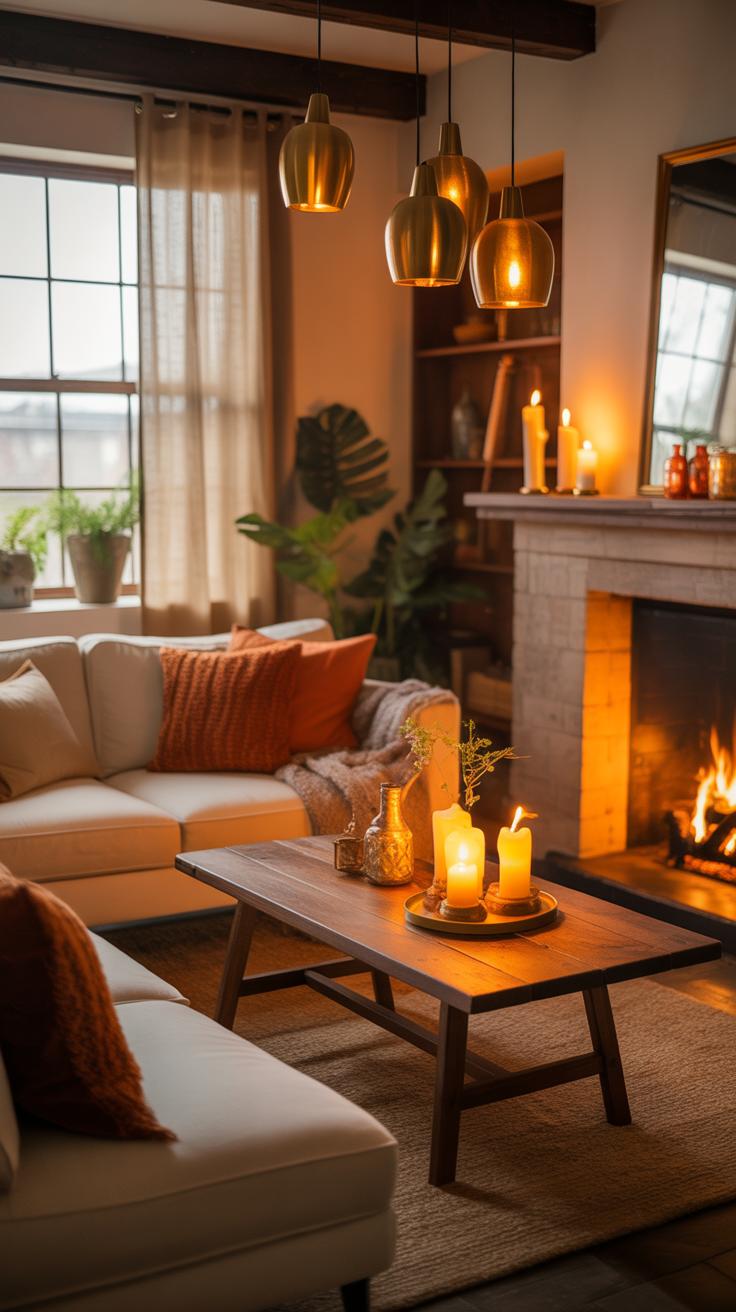
Artificial lighting should build on natural light, not replace it entirely. Think of it as layers, each with a purpose. Start with ambient lighting—overhead fixtures that fill the space gently. A minimalist pendant or flush mount with a dimmer helps you adjust brightness depending on the time or mood. Dimmers are almost essential here.
Task lighting comes next. A sleek floor lamp next to a comfy chair or a table lamp on a side table provides focused light for reading or working. You don’t want these lights to be harsh or glaring; go for warm bulbs with a color temperature around 2700K. It’s softer on the eyes and suits minimalist tones without overwhelming the calm.
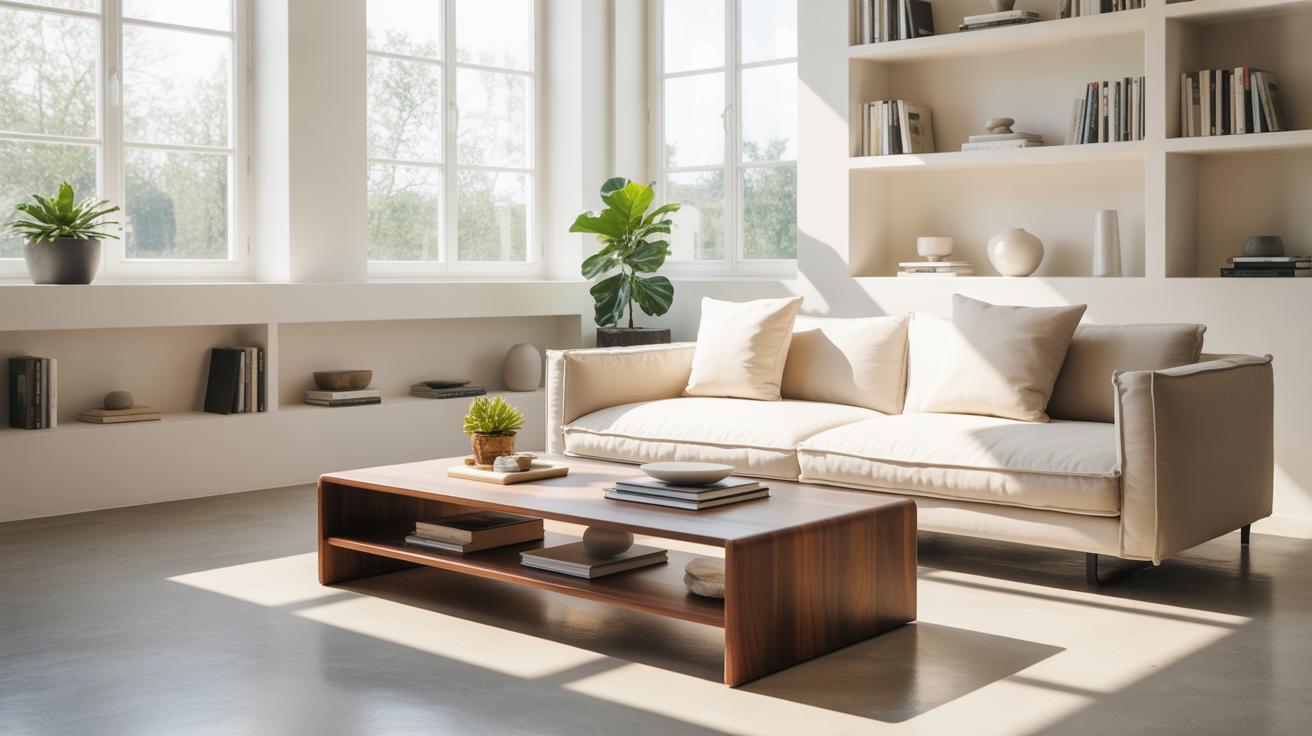
Accent lighting can subtly highlight textures or a favorite object in the room. Think small wall sconces or LED strips tucked behind a shelf. It adds depth without clutter, which fits the minimalist vibe but keeps the warmth alive. Choosing bulbs that emit a soft, golden glow rather than stark white can make a surprising difference in creating a relaxed atmosphere.
Declutter And Organize Efficiently
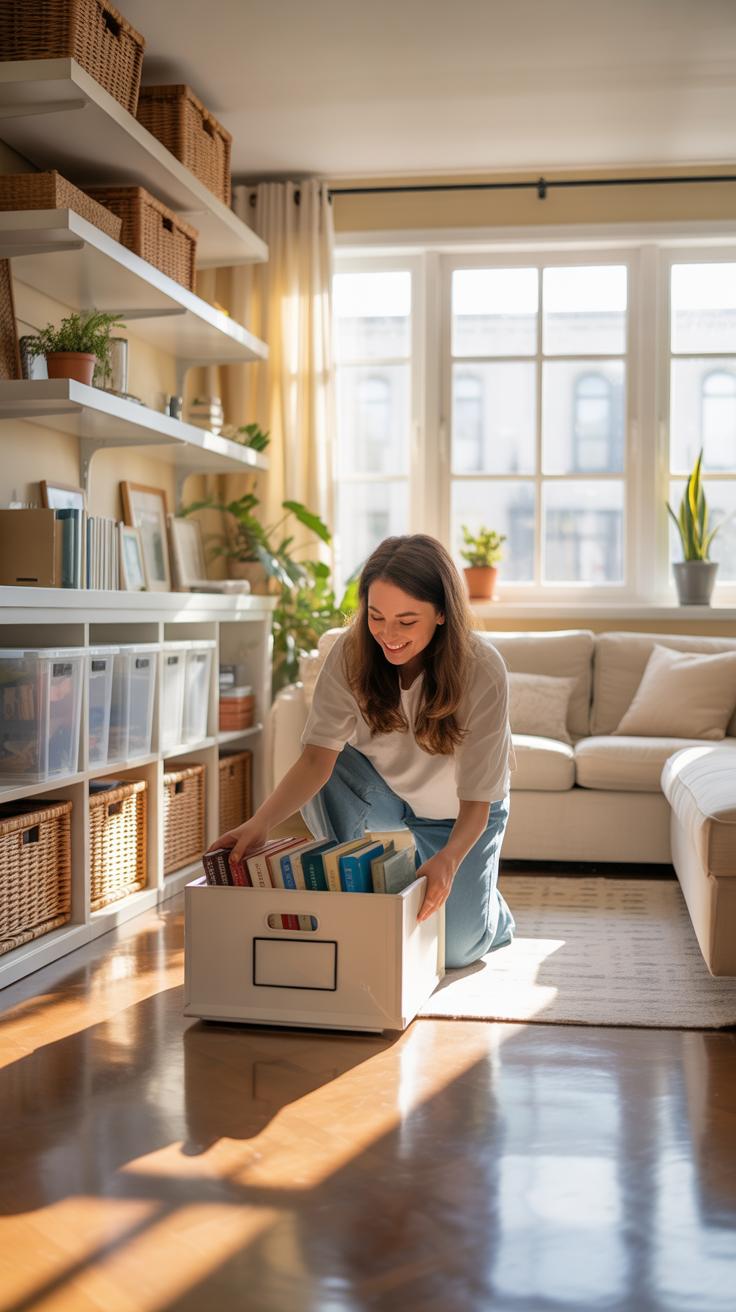
Essential Decluttering Steps
Start by sorting through everything in your living room, one section at a time. Take a few moments to decide if each item really adds comfort or value. If something’s broken, unused for months, or just doesn’t fit your cozy minimalist vibe, it’s time to move it out. You might find it’s harder than expected, especially with sentimental pieces—but don’t hesitate to set those aside for now and revisit them later.
Once sorted, separate items into piles: keep, donate, recycle, or store. Donating can feel good, and it helps clear space fast. Be honest with yourself here—do a quick reality check before storing something long-term. Sometimes, “saving for later” just means clutter waiting to build up again. Aim to keep only things that serve your daily routine and comfort.
Smart Storage Solutions
Storage can make or break your minimalist space. Choose pieces that do double duty—a coffee table with drawers, for example, or a bench that hides blankets. Built-in shelves work well, especially when they follow clean lines and avoid overcrowding.
Hidden compartments behind cushions or under sofas can store small items like remotes and magazines, keeping surfaces clear without sacrificing accessibility. You might underestimate how much having a ‘place for everything’ helps stop clutter from creeping back. Try to develop a habit of putting things away immediately after use—it’s easy to skip, but it pays off. Do you find it harder to stay tidy when you don’t have enough storage options? Often, creating well-thought-out storage spots is half the battle won in cozy minimalism.
Accessorizing Without Crowding
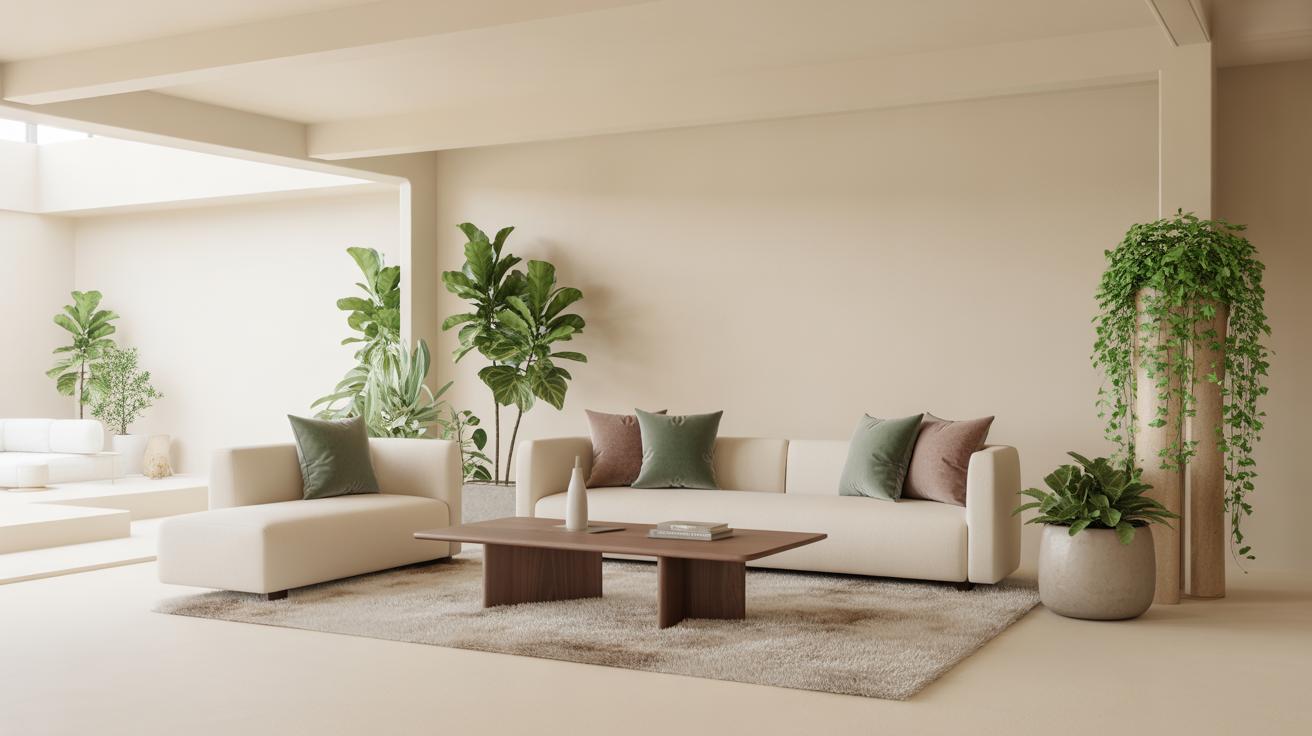

When you want to add personality to a cozy minimalist living room without making it feel cluttered, less really is more—but picking what to keep isn’t always straightforward. I often find myself staring at a shelf, wondering if that one small vase is enough or if it’s just taking up space. The key is choosing decor that speaks to you but doesn’t compete for attention.
Think about meaningful items instead of many things. A few well-chosen pieces can add charm:
- A single, healthy plant with interesting leaves can bring life and freshness to the space.
- Simple picture frames that hold photos or prints you love but don’t overwhelm with too much detail.
- Understated art pieces—something with clean lines, quiet colors, and minimal fuss.
The trick isn’t just what you pick but where you put it. Odd numbers are often more pleasing to the eye—even if that sounds like design folklore, it really works. Placing three small items together on a side table or grouping five pieces on a mantel creates interest without chaos.
Balance doesn’t mean symmetry here. You might have a tall, slender plant on one side of the sofa, with a trio of low-profile frames on the other. Uneven weight can still feel intentional if spread out thoughtfully.
Don’t be tempted to fill every space, though. Negative space lets things breathe and keeps your living room feeling roomy. Sometimes, just one carefully placed object says more than a dozen competing ones.
Comparing Minimalism Vs Traditional Living Rooms
Layout And Furniture Contrasts
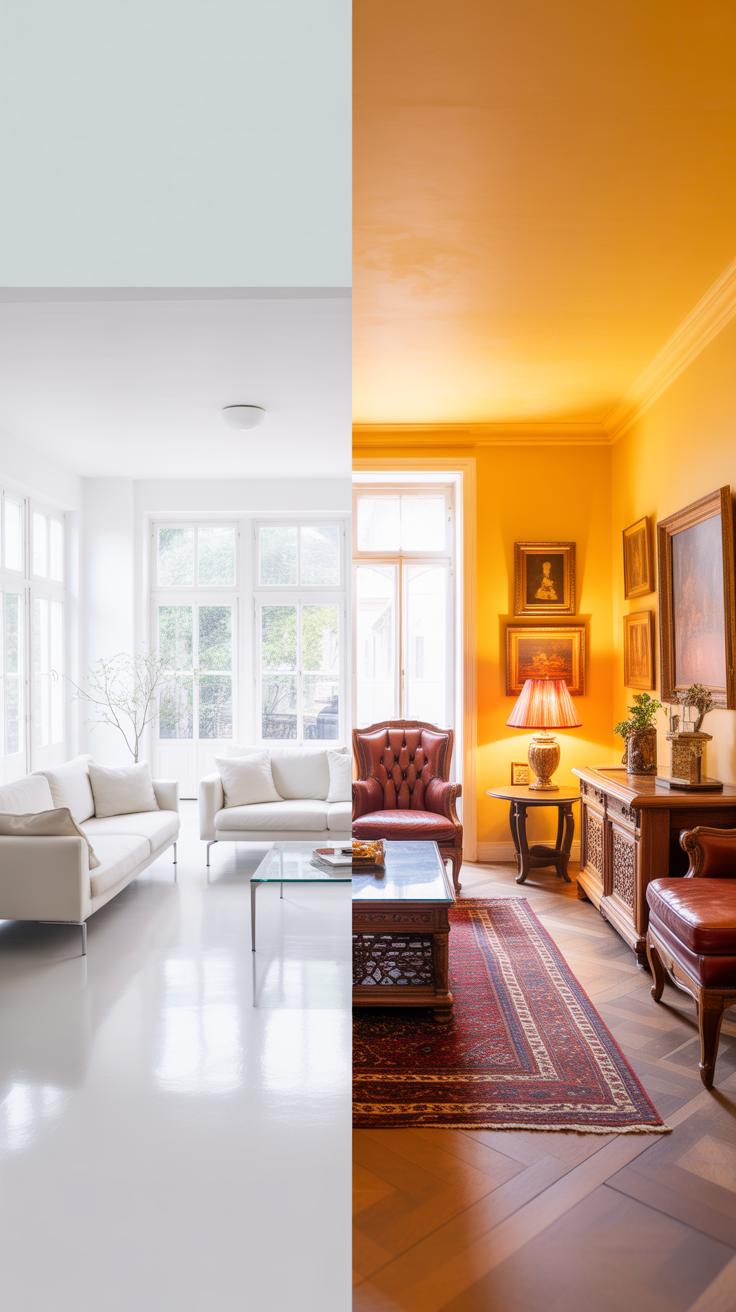
Minimalist living rooms tend to use space in a way that feels more open and deliberate. Each piece matters and is placed with purpose. You’re likely to find fewer items overall—maybe just a sleek sofa, a simple coffee table, and a single chair or two. The furniture often has clean lines, avoiding anything too ornate or bulky. It can sometimes feel a little bare, but that’s part of the point.
Traditional living rooms usually fill the room with more furniture and decorative elements. There’s a sense of layering, with sofas, armchairs, side tables, and often some form of shelving or cabinet. The furniture is often heavier, both visually and physically, with details like carved wood or plush upholstery. You might even find several rugs or cushions, each adding a sense of richness and comfort.
In minimalist spaces, the arrangement prioritizes flow and breathing room. You can move around easily without obstacles. Traditional layouts might feel cozier but also a bit more cramped or visually busy, depending on how much is packed in. It’s a different kind of comfort—and the one you prefer might depend on how you like to use your space daily.
Color And Atmosphere Differences
Colors in minimalist living rooms often stick to neutral palettes—think whites, light grays, soft beiges, or muted earth tones. It creates a calm, quiet atmosphere that invites relaxation without distraction. The room feels lighter and airier, though some might find it a touch impersonal or too restrained.
Traditional living rooms favor warmer, richer colors. Deep reds, dark greens, navy blues, and warm browns are common. These shades contribute to a cozy, inviting vibe. Textured fabrics and patterned wallpaper or curtains add layers of visual interest, cultivating a sense of history or lived-in charm.
The mood in a minimalist room aims for calm and clarity, making it easier to focus or unwind in a low-stimulus environment. Traditional spaces feel nurturing and intimate, almost like wrapping yourself in a familiar blanket. Which mood speaks louder to you might reveal what kind of space you want—whether you’re after calm simplicity or warm complexity.
Conclusions
A cozy minimalist living room offers comfort without clutter. Using simple design elements with a focus on warmth creates an inviting space where you can relax and entertain. Thoughtful furniture choices and careful use of color are key.
Applying the tips shared here will help you enjoy a living room that feels bigger and brighter. Minimalism doesn’t mean cold or empty. It means choosing what matters, loving your space, and living better.