
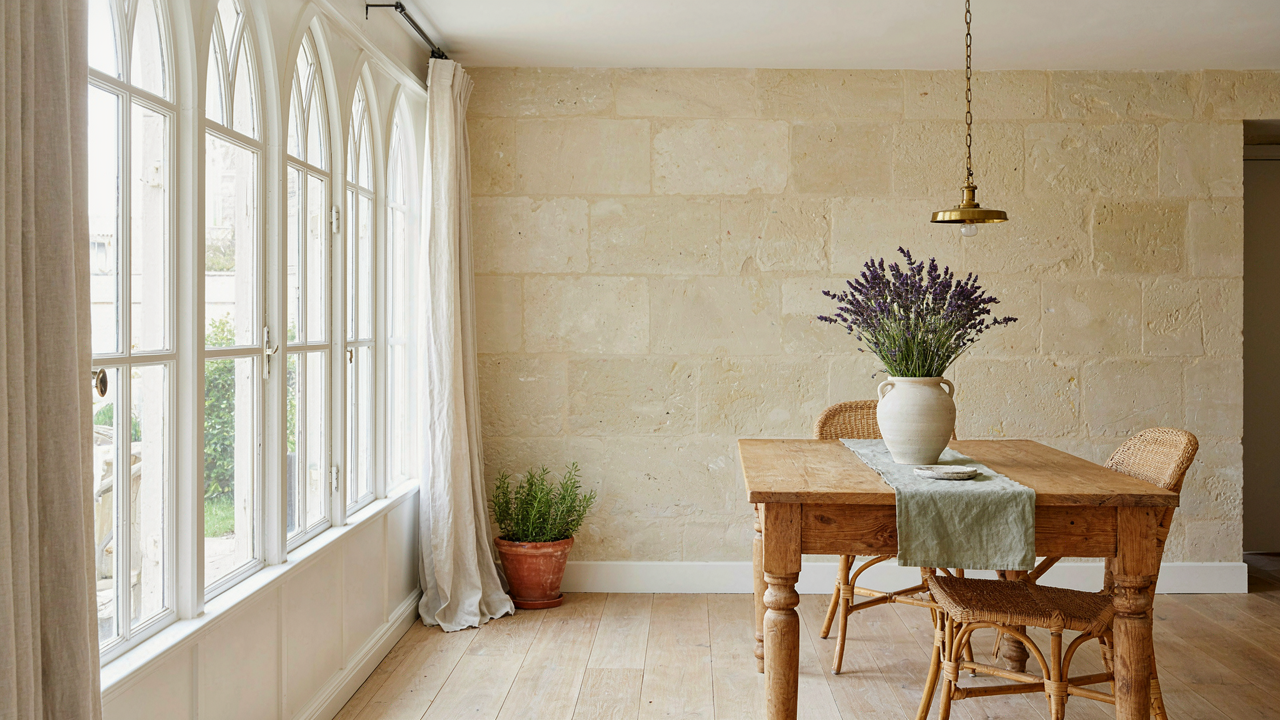
The Sunroom Industrial Complex: Why Most “French Country” Is Fraudulent
The Distressed Finish Trap
You want to believe your sunroom looks authentically aged because it makes you feel like you’ve accessed something real, something with history. What you’re actually buying is a manufacturing process designed to compress 200 years into six weeks. Distressing is not a marker of authenticity. It’s a supply chain hack. Factories apply stains, sand veneers, and intentionally crack finishes to mimic wear patterns that don’t exist in actual French country homes built before industrial production.
Real aging happens unevenly. Wood darkens where light hits it differently, where hands touch railings, where weather penetrates cracks. Manufactured distressing follows templates. Every “reclaimed” beam in a big-box collection looks similar because machines applied the same abrasion sequence. Actual patina from 150 years of use in a Provençal farmhouse sunroom looks nothing like the uniform scratches on furniture made last month in Vietnam.
The Authenticity Inventory Myth
Mass retailers have flipped the script on what “authentic French country” means, and now most people confuse stock keeping unit consistency with design integrity. This isn’t just lazy marketing. It’s economic incentive misalignment. Companies profit when they convince you that buying ten identical “French country” pieces from one catalog creates an authentic space. Actual French country sunrooms were assembled over decades from local artisans, inherited pieces, and whatever worked within regional material constraints and building traditions.
When you source from inventory rather than intention, you’re building a showroom, not a home. The protocol for real French country design is specific: source limestone from a regional supplier or reclaimed sources, commission custom metalwork if budget allows, integrate existing architecture rather than imposing a curated collection on the space. This takes longer and costs more upfront because you’re not compressing manufacture timelines. The trade-off is a sunroom that won’t look identical to three others on your street.
The Light Equation: Unlocking Natural Illumination For French Sunroom Ideas
Window Placement And Size
You want a sunroom that feels effortless, like light just happens there naturally. It doesn’t. You’re actually competing against the sun’s angle, your latitude, and thermal mass—all physics problems disguised as design choices.

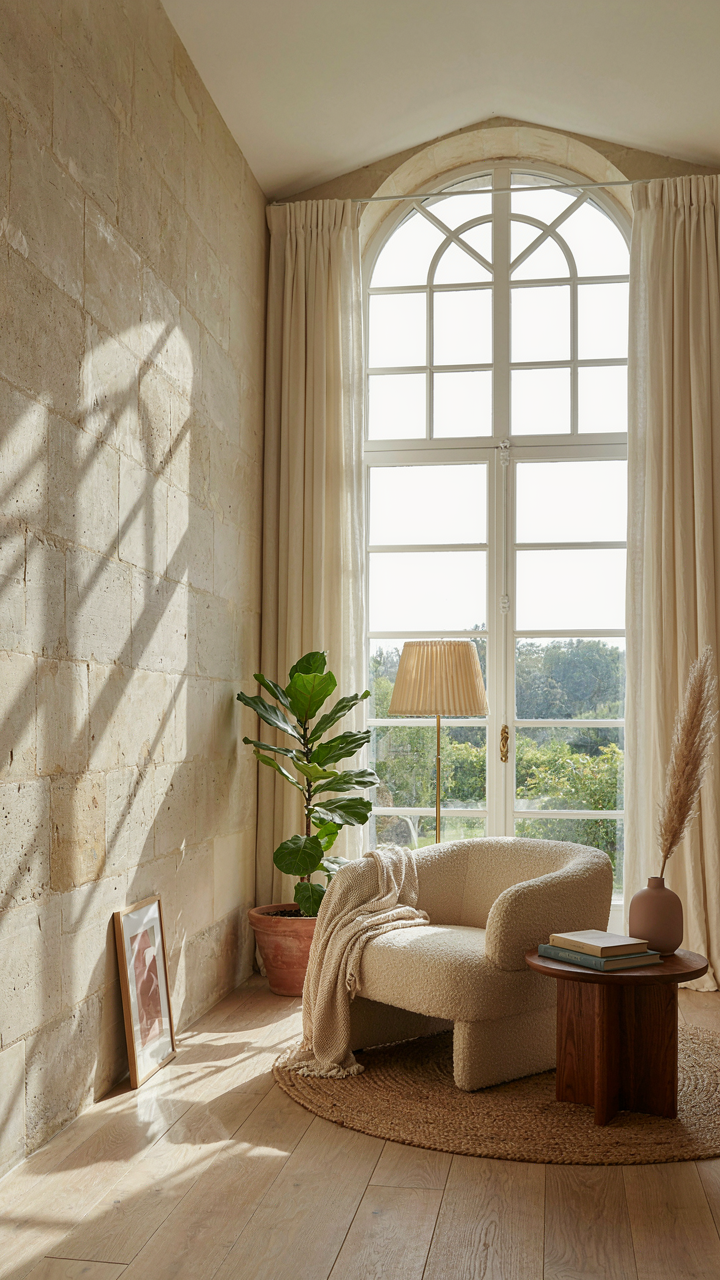
The real mechanism is solar gain timing. South-facing windows in the Northern Hemisphere capture low winter sun when you need heat, and high summer sun that you can manage with overhangs. North-facing windows deliver consistent, non-directional light without the thermal penalty. East and west exposures create glare problems and seasonal overheating. Size matters less than orientation. A smaller, correctly positioned window outperforms a larger, poorly oriented one. Most people reverse this and wonder why their sunroom feels either scorching or dim by season’s end.
Limestone walls amplify this equation because they’re thermal mass—they absorb and release heat slowly. Pair south-facing glass with limestone and you’re storing winter warmth. Pair north-facing glass with limestone and you’re moderating summer temperature swings. The window size should be proportional to the wall mass behind it. A French country sunroom with thin glass and thick limestone walls needs more glazing area than you’d intuitively guess. Measure your wall thickness and thermal resistance before settling on window dimensions.
Reflective Surfaces And Light Distribution
The advice to “add mirrors for brightness” is incomplete. Mirrors bounce direct light, which creates hot spots and glare. What you actually need is diffuse reflection—surfaces that scatter light uniformly across the space.
Limestone does this naturally because its surface is porous and matte, not polished. The stone breaks up light rays instead of bouncing them in a single direction. Whitewashed or light-colored plaster walls work similarly. The reflectance rate matters: limestone sits around 40-50% reflectance, which is high enough to brighten a room without creating eye strain. Glazed tile or painted drywall at 80%+ reflectance will cause fatigue and washed-out color. Position these reflective surfaces opposite or adjacent to your primary light source, not between the window and the room’s center. The limestone should face inward, receiving light and redistributing it gradually throughout the space. This is how French country homes naturally stay bright without electrical lighting during daylight hours.
Limestone Logic: Beyond The Beige — Authentic French Country Sunroom Foundations
Where To Find Real Aged Limestone
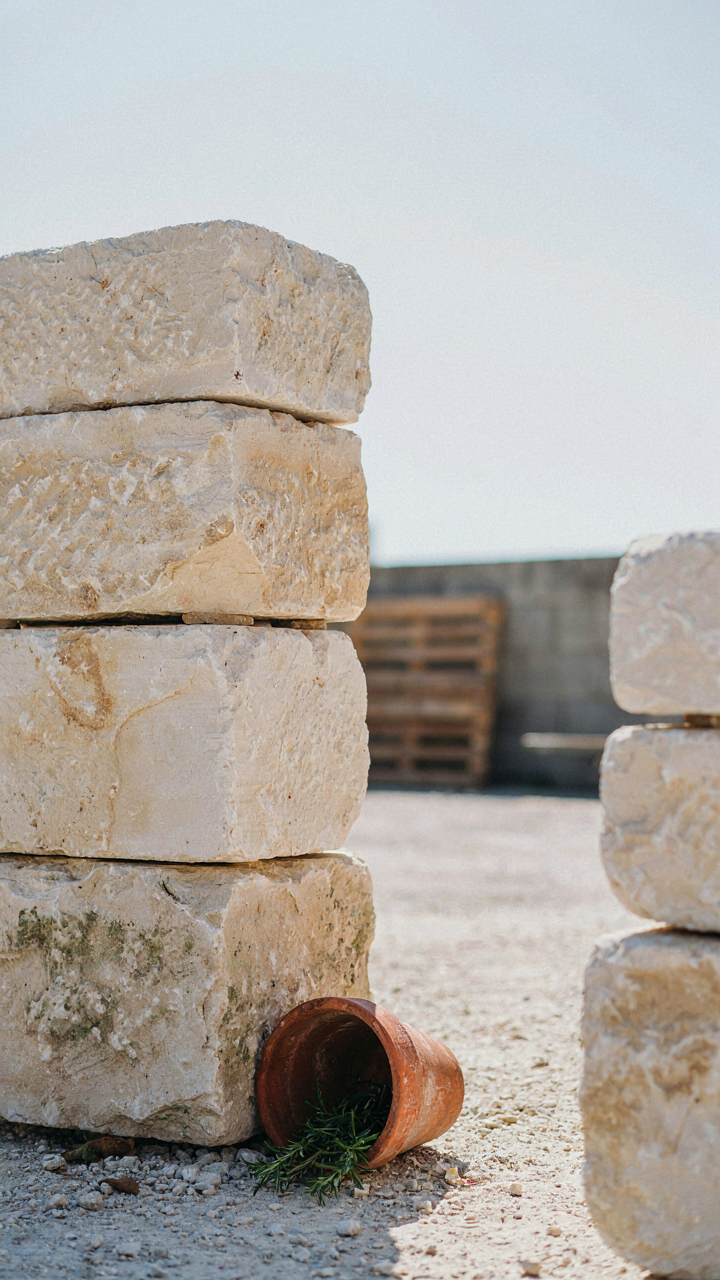
You want limestone because it signals restraint and money. But most people buy new stone cut to perfection, which defeats the entire point. The mechanism is simple: authentic French country design relies on geological time, not manufacturing precision. Reclaimed limestone carries the visual weight that new material cannot fake.

Source from salvage yards specializing in European architectural materials, not general suppliers. Quarries in the Burgundy and Provence regions still sell surplus stock and reject pieces from centuries-old operations. Antique dealers who work in French interiors have direct relationships with European suppliers. Estate sales and château renovations occasionally release material in quantity. Online networks of architectural salvage specialists maintain inventories sourced directly from France. The key is buying material with a documented origin, not guessing at age based on appearance.
Texture Over Uniformity
Everyone says French country embraces imperfection. That’s incomplete. The real pattern is controlled randomness: imperfections must be authentic to the material’s formation process, never artificially induced. A sunroom foundation built on limestone shows tool marks, weathering, and natural surface variation. These tell a true story about how the stone lived before your room existed.
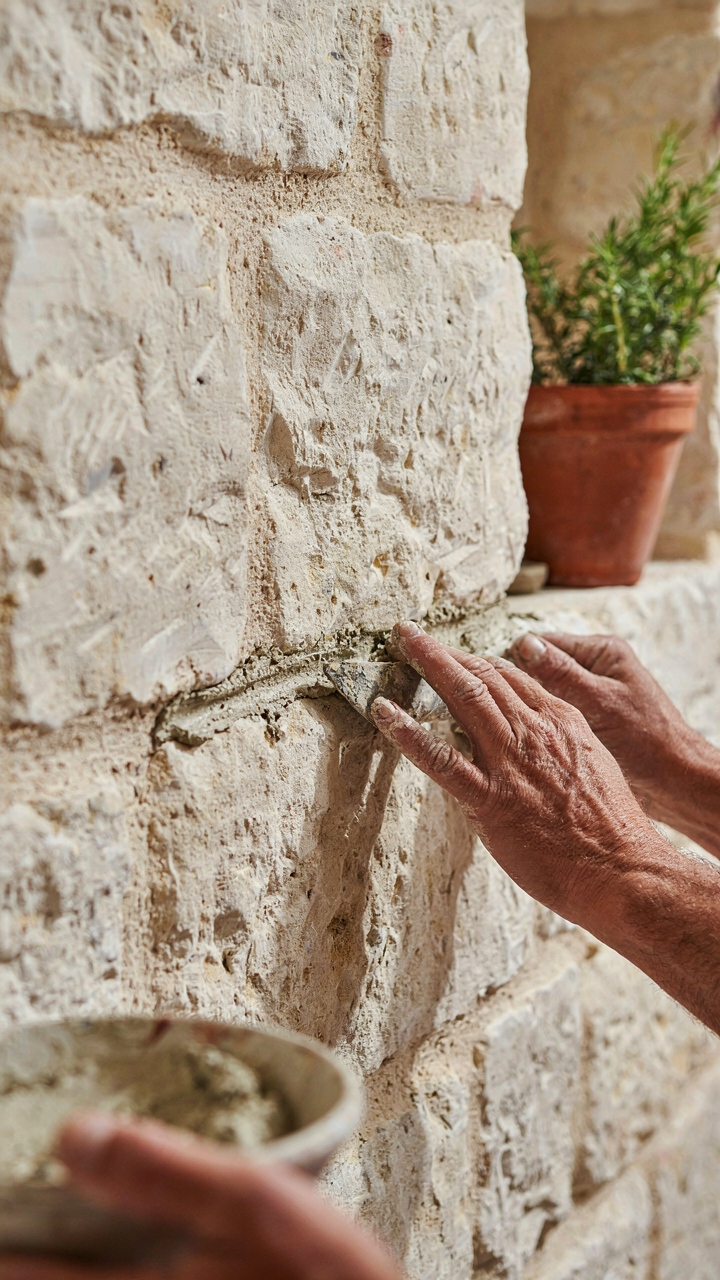
Install limestone with mortar joints that vary slightly in width, matching how older construction actually proceeded. Use hand tools for any edge work rather than precision grinding. Leave the surface as-quarried when possible, or use gentle wire brushing only. The weathering pattern should reflect exposure history, not aesthetic preference. This approach creates a foundation that reads as genuinely old rather than designed to look old, which is where most attempts fail.
The Patina Protocol: Cultivating True Distressed Wood Furniture
The Real Cost Of Fake Aging
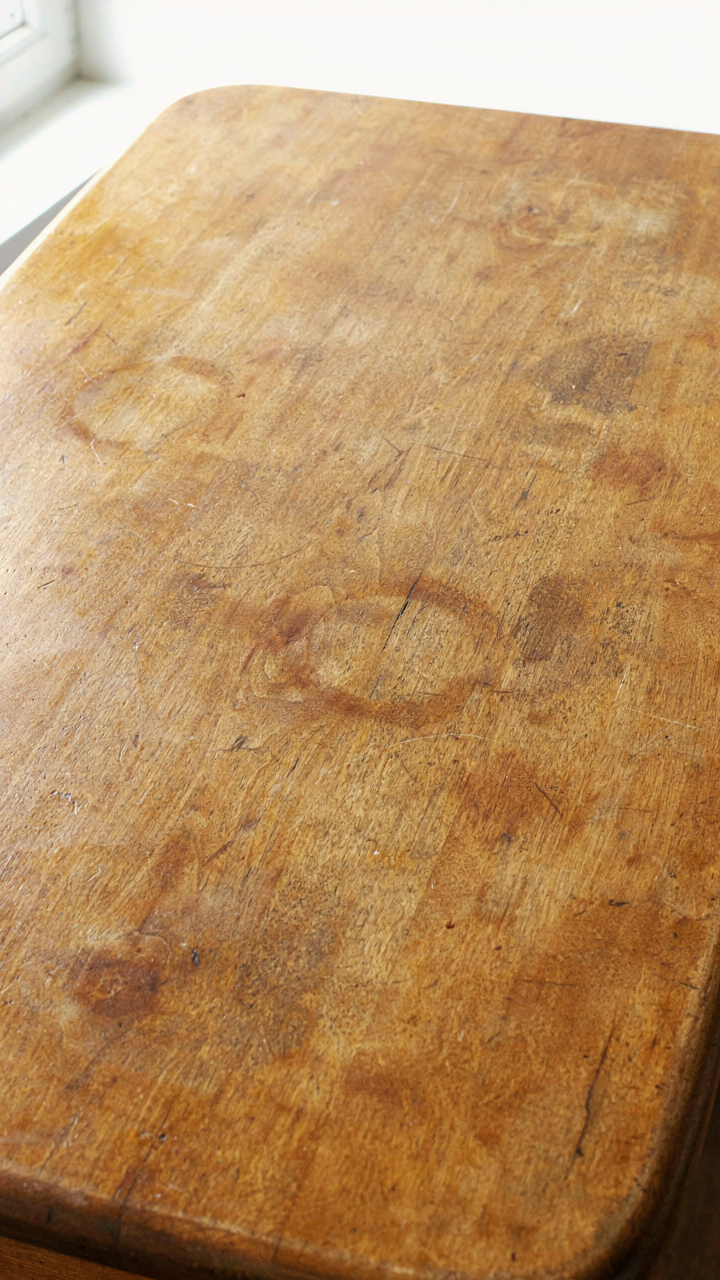
You want distressed wood because it signals you have time, money, and taste. Here’s what actually matters: the mechanism separating authentic patina from theater is wood movement. Real distressing happens through seasonal expansion and contraction, UV exposure, and actual use over decades. Artificial distressing mimics the visual result but misses the structural authenticity that trained eyes detect immediately in a French country interior.

Natural aging creates surface variations tied to wood species, climate exposure, and handling patterns. A French farmhouse table aged in Provence develops a different patina than one aged in Normandy because humidity levels differ. Artificial distressing applies uniform scratches and stains that lack this specificity. The mechanism is simple: time creates randomness that technique cannot replicate consistently, and consistency always signals the fake.
Restoring Antique And Vintage Pieces
Restoration follows a protocol, not intuition. Start by identifying the wood type and original finish, because stripping a piece that had hand-applied oil requires different chemistry than removing factory lacquer. French country pieces commonly feature walnut, oak, or fruitwood with wax or oil finishes from the 18th or 19th century.
- Assessment Before Touch: Document original finish, hardware, and construction method with photos. This determines whether restoration preserves value or destroys it through aggressive sanding.
- Finish Stripping: Use appropriate strippers matching the original finish type. Chemical strippers work for lacquer; sanding works for wax. Wrong choice damages wood grain irreversibly.
- Structural Repair: Address joint failures, woodworm, or rot before refinishing. Loose mortise and tenon joints common in period pieces need glue and clamp work, not cosmetic cover.
- Surface Preparation: Sand progressively from 80 to 220 grit, following wood grain. Circular motion creates visibility that hand-sanding avoids, so use straight strokes only.
- Finish Application: Match original finish type. Wax creates different light reflection than oil or lacquer. French country interiors expect the dull, hand-rubbed appearance of wax or oil, not glossy modern finishes.
The end result depends entirely on execution sequence. Skip structural repair and the piece fails functionally within months, rendering cosmetic work pointless. Apply finish before wood reaches equilibrium moisture content and it crazes and cracks. Apply the wrong finish type and the piece looks imported from a different aesthetic tradition. Execute the protocol in order, and the piece earns its place in a limestone sunroom for another fifty years.
Green Sunroom Ideas: The Biomimicry Blueprint For Lush Interiors
How Air Moves Without Machines
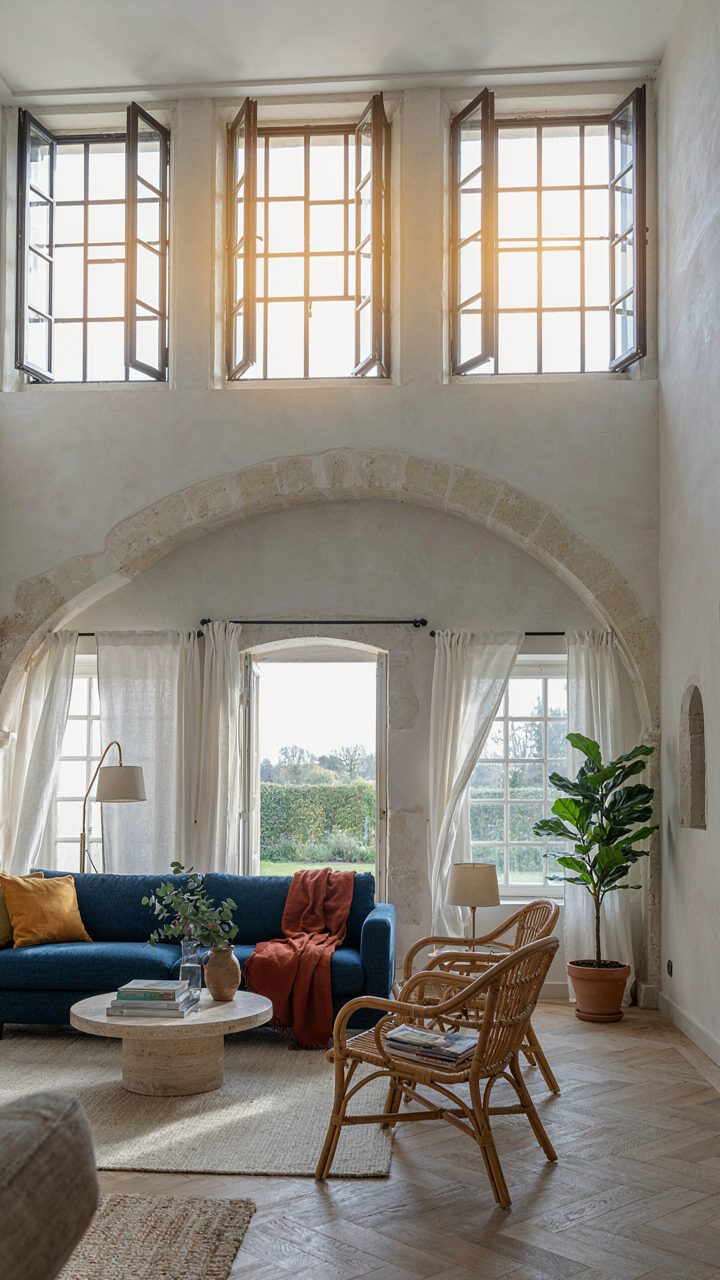
You want a sunroom that feels alive without looking like a greenhouse experiment. The real reason you care is control without effort, and the mechanism that delivers it is borrowed from biology: stack effect, the principle that warm air rises and cool air sinks. In a French country sunroom, this isn’t decoration—it’s your ventilation system. Operable windows positioned high on south and west walls allow heat to escape; lower windows on north sides pull in cooler replacement air. Limestone walls amplify this by absorbing daytime heat and releasing it slowly at night, moderating temperature swings that force you to open windows constantly.

The common advice here is wrong. People say “just add vents.” That’s incomplete. A French country sunroom demands intentional placement: transom windows above limestone archways, pivoting shutters that channel airflow, door placement that creates a pressure differential. You’re not ventilating randomly. You’re engineering a convection loop that keeps humidity stable and temperature moderate without mechanical intervention. The payoff is a room that stays comfortable from March through October with minimal adjustment.
Plants That Don’t Require Obsessive Care
Biomimicry here means abandoning the idea that your sunroom is separate from its environment and treating it as an ecosystem with its own carrying capacity. Plant selection determines whether you’re watering daily or monthly. Species that thrive in Mediterranean climates—lavender, rosemary, olive trees, fig plants—already evolved to handle intense light, dry air, and limestone-rich soil. They’re not fighting the French country aesthetic; they’re fulfilling it. These plants need less water than tropical varieties because their root systems developed under scarcity.
The mechanism is simple: match plant biology to room conditions, not the reverse. A limestone sunroom with southern exposure creates a hot, bright, well-draining environment. Populate it with plants that evolved for exactly those conditions, and they self-regulate. They don’t wilt from underwatering; they don’t rot from humidity. Arrange them in clusters near the limestone base where drainage is best, leaving clear pathways. This isn’t decoration—it’s ecological design that reduces your maintenance to observation.
Beyond The Conservatory: Reclaiming The Sunroom Victorian Ethos

The Room That Actually Works
You want a sunroom that photographs well but secretly hope it doesn’t become a graveyard for wicker furniture. Here’s the mechanism: the Victorian conservatory failed because it solved one problem (displaying plants) while creating another (useless in winter, abandoned by spring). Functionality beats aesthetics because a room you actually use generates its own visual reward. French country sunrooms work when they solve a real daily need first, then layer beauty on top.

Build your sunroom around one core function: morning coffee, remote work, meal prep, or reading. This isn’t aesthetic constraint. It’s spatial efficiency. When a room has a primary job, its traffic patterns, lighting needs, and thermal requirements become obvious. Limestone floors work in this context not because they’re French, but because they retain heat passively and handle foot traffic from your actual routine. A sunroom without purpose becomes storage with windows.
Bleeding Into Your Actual Life
The real failure of most sunrooms is architectural isolation, which works against you when you live in a space daily. Think of this through a systems lens, where your sunroom functions as a load balancer for your home’s energy and attention. If your kitchen sits thirty feet away, the room dies. If it connects directly to where you prepare meals or where your family gathers, it stays alive because friction disappears.
Position your sunroom as a threshold, not a destination. French country homes integrate these spaces by making them active zones between the main house and exterior grounds. Doors and sightlines matter more than square footage. When you pass through your sunroom twice daily, even briefly, it stops being a special occasion and becomes infrastructure. This is when you can invest in quality limestone and glazing without waste.
The Curatorial Imperative: Escaping The “English Sunroom” Catalog Trap
Your Aesthetic Is Not A Personal Brand
You’re worried that your sunroom will look like everyone else’s, which means you’re worried people will think you lack taste. Here’s the mechanism: most people copy English country aesthetics because they’re safe, documented, and available at every furniture retailer. French country sunrooms succeed because they operate on constraint, not abundance. The difference is material honesty. English design prioritizes symmetry and matched sets. French design uses what’s on hand, which forces real decisions about proportion and light.

The average sunroom buyer treats design like a multiple choice test where the answers are pre-written by Instagram and design catalogs. This fails because you’re not choosing an aesthetic, you’re inheriting someone else’s. Start by identifying one material that will anchor your space. Limestone works because it’s honest, regional to southern France, and it photographs the same way in any light. Everything else follows from how limestone behaves in your specific sunroom at your specific latitude. That constraint forces curation instead of collection.
The Rejection Of Matching Furniture Pairs
Generic advice says to buy coordinated sets and arrange them symmetrically. This is wrong. It’s the opposite of how French country spaces actually function. In Provence, sunrooms evolved from practical spaces where families sat among objects they actually used, not objects selected from a catalog to match each other. When you reject the matching pair logic, you stop shopping by style and start shopping by function and material compatibility.
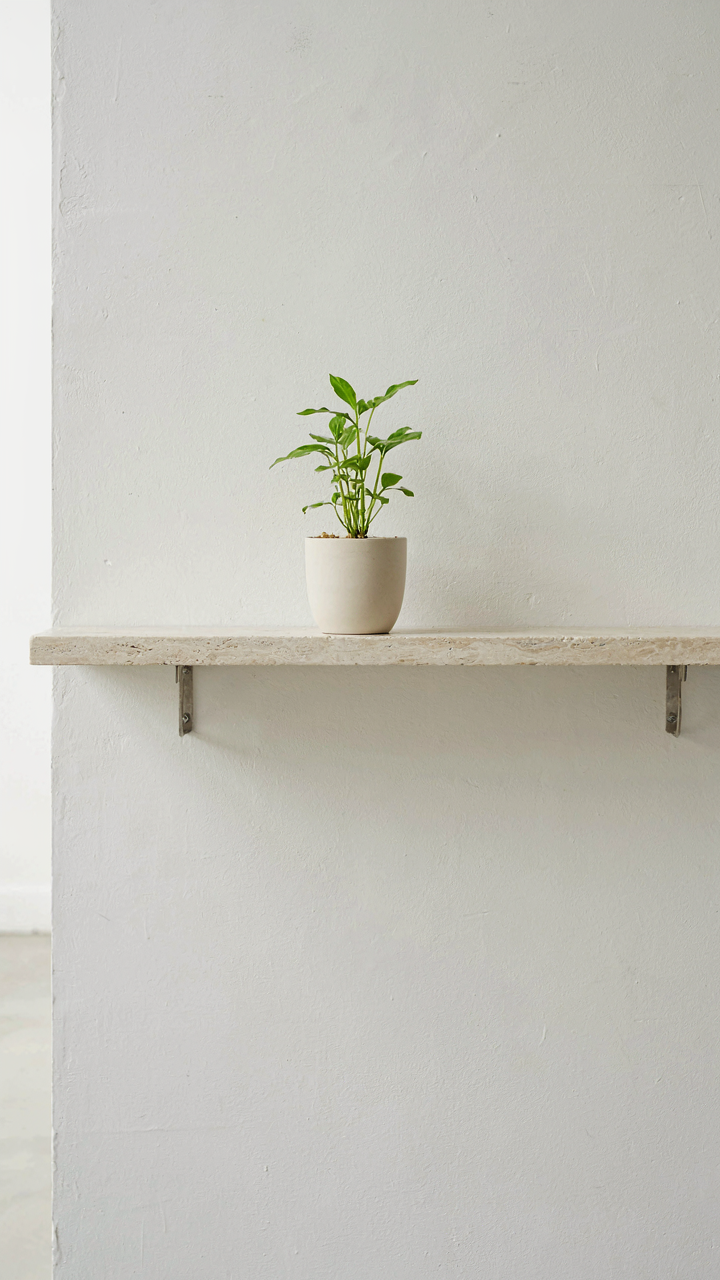
Limestone already sets the tone. A single limestone shelf, a weathered wood table that’s roughly the same hue, one upholstered chair in linen that’s slightly off-white, all of it works because they’re responding to the same environment and light source. The mechanism is material syntax, not visual matching. Walk through your space at three different times of day and note which objects create tension with the light. Remove or reposition them. What remains is your actual aesthetic, not a curated one.
French Country Sunroom Ideas: The Unconventional Material Matrix
Contrast Through Raw Texture
You want this room to feel expensive without looking like you tried too hard. The real mechanism is friction: materials that shouldn’t work together force the eye to slow down and process intentionality instead of dismissing the space as generic.

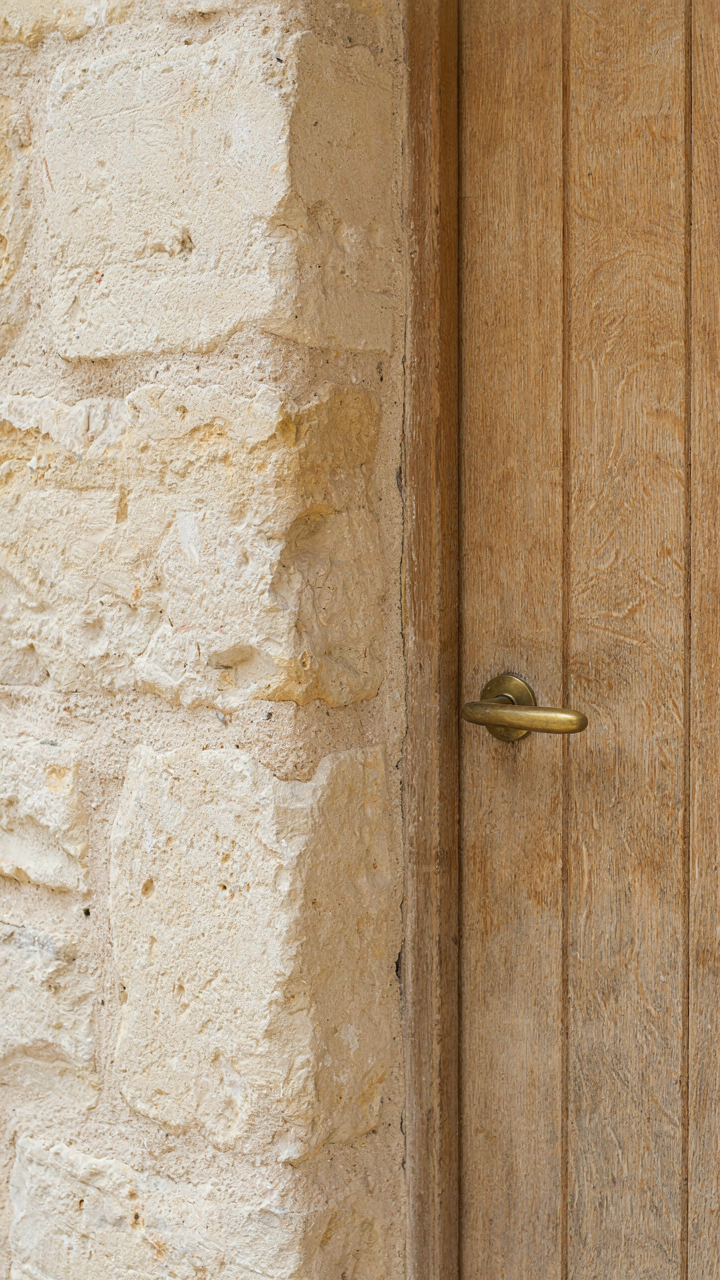
French country design uses this principle across centuries. Rough limestone walls paired with polished brass hardware. Weathered oak beams above soft linen. The texture collision signals craft and age. In a sunroom, this means avoiding the flat, uniform surfaces that plague modern interiors. Raw stone, untreated wood, and aged metal create depth that light actually plays against rather than slides over.
Materials Built To Outlast Trends
This section gets packaged as aesthetic choice. It’s actually economic. You’re not choosing durability because it looks good. You’re choosing it because replacing finishes in seven years costs more than buying right the first time.
Limestone absorbs water and stains easily, which means it demands proper sealing and maintenance. But it lasts centuries. Terracotta tiles fade and chip, yet they remain functional and repairable for generations. Iron oxidizes, yet it strengthens structurally over time. French country sunrooms succeed because their materials don’t require replacement cycles. Select stones rated for heavy foot traffic, wood species with documented longevity in humid climates, and metals that improve with age rather than corrode into unusability. The protocol: choose materials with a lifespan exceeding twenty years, not design trends with a lifespan of three.
The Sunroom As Sanctuary: Crafting Personal French Sunroom Experiences
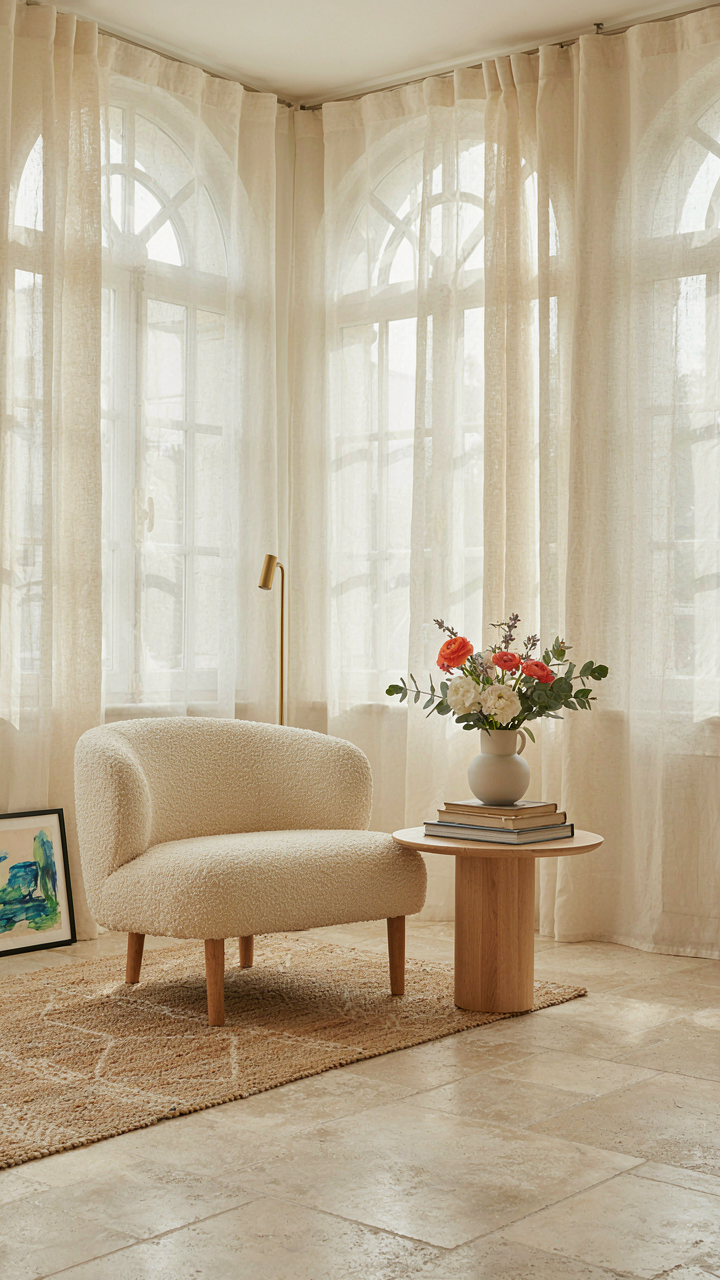
When Light Becomes The Design Brief
You want this space to feel like you’ve escaped without leaving. The mechanism is simple: a French country sunroom works because it eliminates the conflict between indoor comfort and outdoor connection. Most sunroom design advice treats light as decoration. Wrong. Light is the structural material here. In French country homes built across Provence and the Loire Valley, architects positioned glass to control how sun moved through stone and plaster across the day. You’re not adding windows randomly. You’re architecting which hours feel private and which feel open.

The strategy requires understanding your sunroom’s cardinal direction before choosing anything else. South-facing rooms need diffusion: external shutters, linen panels, or strategic limestone placement to soften intensity. East-facing captures morning light without afternoon heat. North-facing demands reflective surfaces like pale limestone floors to bounce ambient light deeper into the room. This isn’t about preference. It’s about physics applied to how your body experiences time in that space. Pick your orientation, then design backward.
Silence And Texture Over Mood
Calm isn’t created through color swatches and breathing exercises. Calm is the result of removing friction from your sensory input. French country design solves this through material density and acoustic properties. Limestone absorbs sound differently than drywall. Terracotta tile floors deaden vibration. Linen fabrics scatter light evenly instead of reflecting it harshly. When your nervous system isn’t processing competing stimuli, you stop generating cortisol responses. That’s the mechanism everyone misses when they talk about “peaceful atmospheres.”
Build your palette around materials with proven acoustic and light-scattering properties: thick limestone, aged wood beams, natural plaster finishes, undyed linen. Avoid hard surfaces that bounce sound and bright finishes that create visual noise. Add a water feature if the room allows it, not for ambiance but for acoustic masking. The sunroom becomes sanctuary when it stops demanding attention from your senses. Your only task each time you enter is choosing where to sit.
The Real Obstacle To Your Sunroom Dream Isn’t Limestone, It’s Your Fear Of Genuine Expression

You don’t need another design mood board. You need permission to stop copying Instagram and build what actually moves you. Most people suffocate their sunroom vision under trends because choosing your own aesthetic feels risky. Pick one element today that you genuinely love, not what the algorithm loves. Your space only comes alive when it reflects your taste, not your fear. Build the room you’d defend, not the one you’d explain.



