Introduction
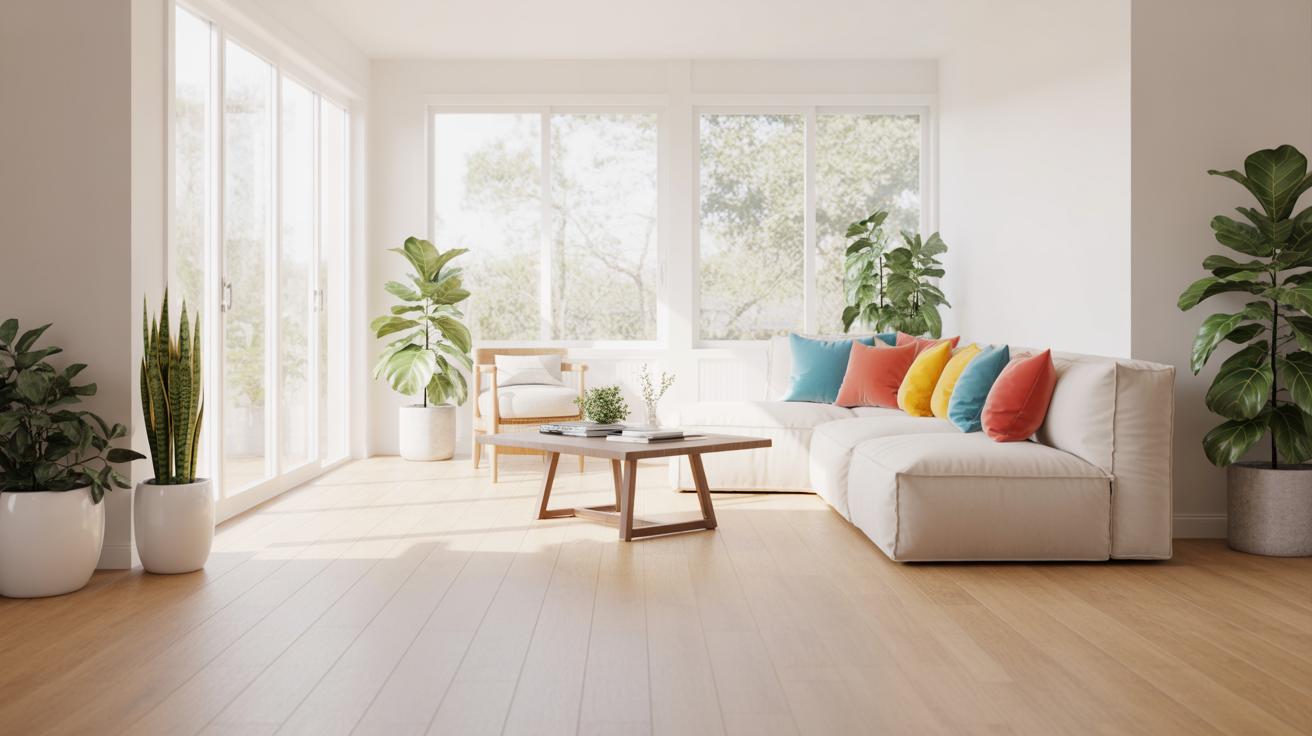
Designing a modern minimalist living room for small spaces requires smart choices that combine function and style. Your living room should feel open and comfortable without clutter. This article shares ideas to help you create a living room minimalist look that fits your small space perfectly.
You will learn about the key features of minimalist design, how to pick the right furniture, and ways to keep your space tidy and inviting. These ideas will help you use your living room for relaxing, working, and spending time with family.
Living Room Minimalist Basics

A minimalist living room strips down the space to its core essentials. It’s about simplicity, yes, but not just plainness. A minimalist room feels calm because it avoids clutter and distractions. You want clean lines and open spaces that let your eyes rest. This approach fits small spaces well because less stuff means more breathing room—both physical and mental.
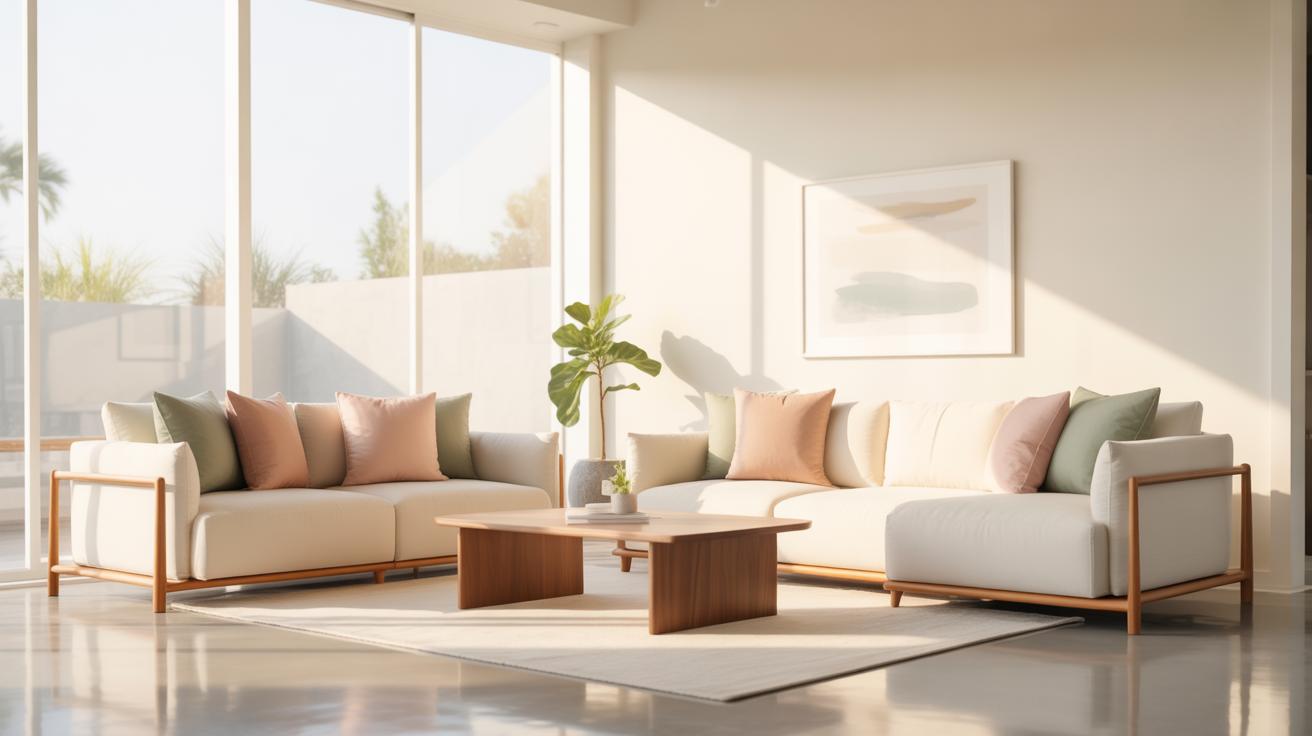
Think about why you want a living room that’s easy to move around in. Small rooms get overwhelmed quickly with too many items or complicated designs. A minimalist setup focuses on what’s really needed, which helps the room feel larger than it actually is. It also encourages you to be intentional about each piece you bring in.
Key Design Elements Of Minimalist Living Rooms
Colors play a big role in minimalist design. Usually, you’ll see a palette centered on neutrals—whites, grays, beiges—sometimes with a muted touch of color, but nothing too loud. This makes the space feel coherent and less busy.
Lighting is another key, often natural light, since it opens up a room and keeps things airy. If natural light is limited, soft, diffuse artificial light can help maintain that open feel.
Materials tend to be straightforward and unadorned—wood, metal, glass, and fabrics without heavy patterns. Texture adds interest without overpowering the space, like a simple wool throw or a sleek wooden table.
How To Choose Furniture For Small Spaces
Furniture in a small minimalist living room has to be practical first. Choose pieces that serve more than one purpose or that don’t overpower the room.
- Go for low-profile sofas or chairs that don’t block sightlines.
- Look for tables with thin legs or open bases to create a sense of space underneath.
- Try modular or foldable furniture—something easy to move or adjust.
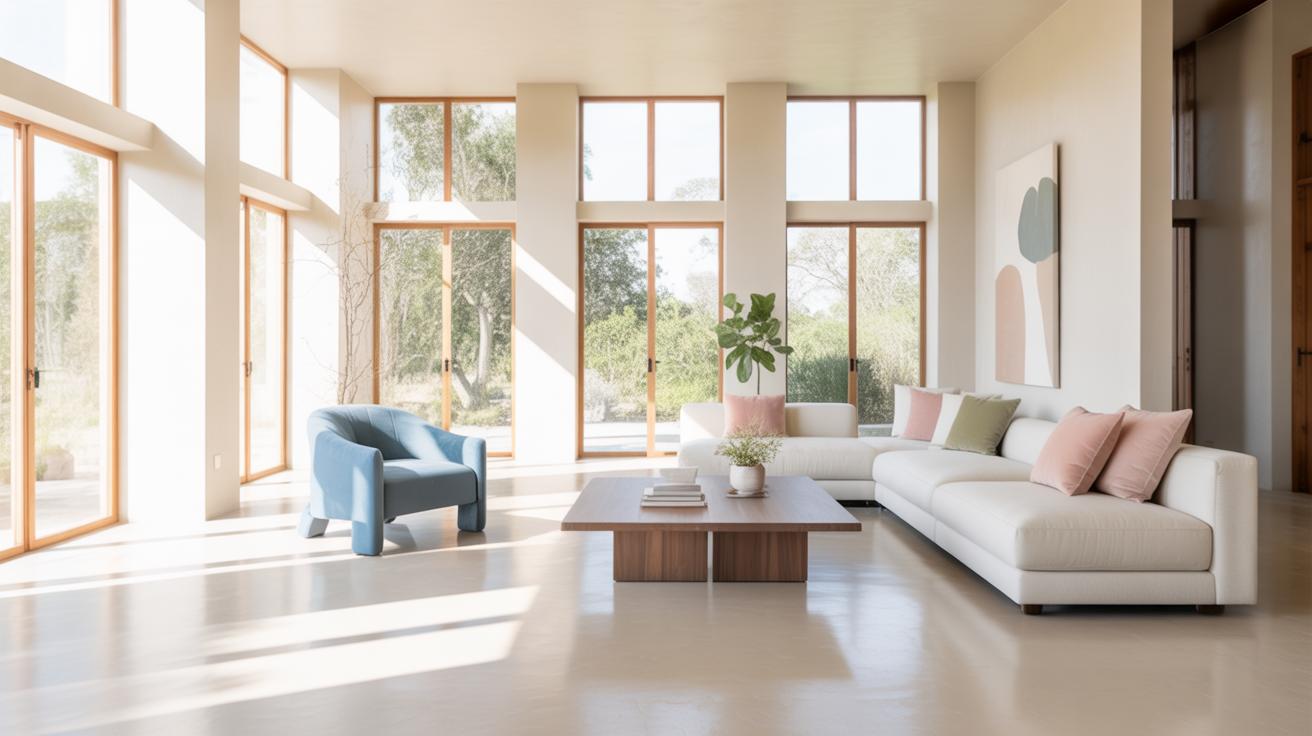
Keep in mind comfort too. Minimalism isn’t about making a space feel cold or undersized. I’ve seen rooms where too-small furniture ironically made things feel more cramped because it lacked presence or comfort. It’s about balance—you want enough to make it livable and welcoming.
Remember, choosing less but choosing well can totally change how your small living room feels. It invites you to relax without visual noise, which sometimes, is all you really need.
Why Minimalist Design Works For Small Living Rooms
How Minimalism Creates A Spacious Feel
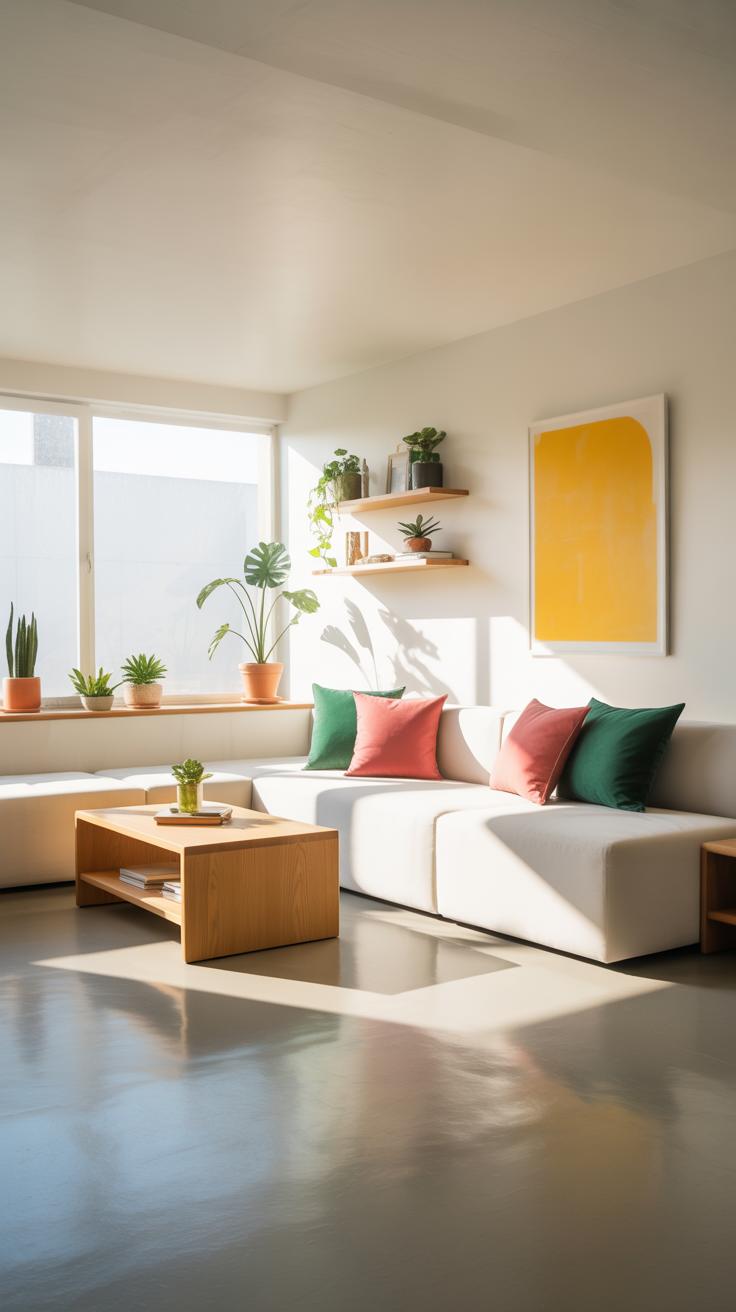
When you walk into a small living room, it can feel cramped, almost suffocating. Minimalism gently pushes back against that sensation. By choosing fewer pieces of furniture and sticking to simple forms, the room seems to breathe. Clean surfaces and open floor space let your eyes wander without interruption. It’s not just about emptiness, though. It’s about making every item count so that there’s no need to fill gaps with clutter. It’s interesting—sometimes leaving things out feels more powerful than adding more, especially in smaller rooms.
Think about light, too. Minimalist spaces often let natural light work its magic, reflecting off bare walls and uncluttered floors. That brightness alone can trick your mind, making the room feel much bigger than it really is. You may find yourself noticing corners and nooks you overlooked before, simply because there’s nothing blocking your view.
Reducing Visual Clutter For Comfort
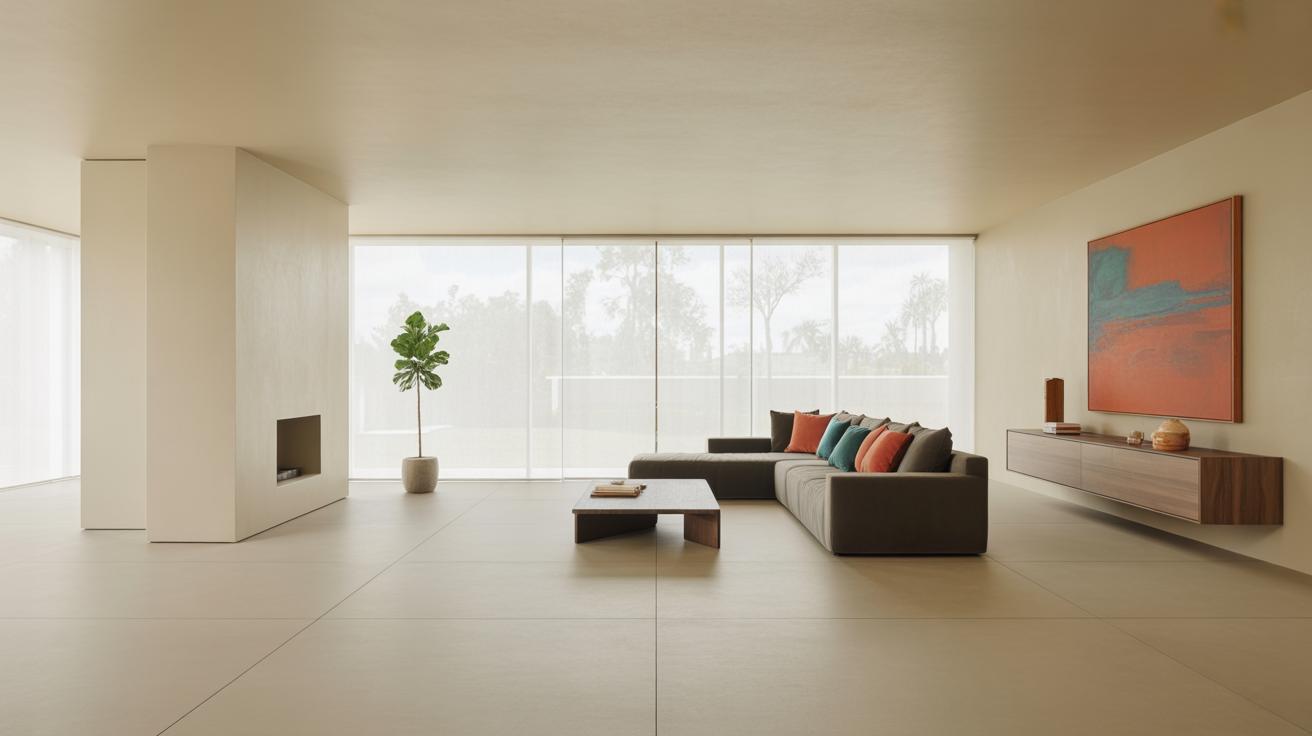
Less stuff means less visual noise. This reduction tends to make a room more relaxing. When you don’t have to sift through a jumble of things, it’s easier to settle down. Clean lines on furniture and simple shapes help guide your gaze without distraction. The environment feels calmer, which might explain why some people find minimalist rooms more inviting. There’s a strange comfort in the predictability of straight edges and plain surfaces—though I admit, sometimes it borders on stark.
Minimalism also cuts down on the effort needed to keep the space neat. With fewer belongings demanding attention, daily tidying feels less like a chore. That ease of use is surprising and often overlooked. You might hesitate to try it because minimalism sounds too severe, but many find it practical once they adjust. So, does having less really make a room—and life—a bit simpler? For small living rooms, I think it very often does.
Select Furniture That Fits And Functions
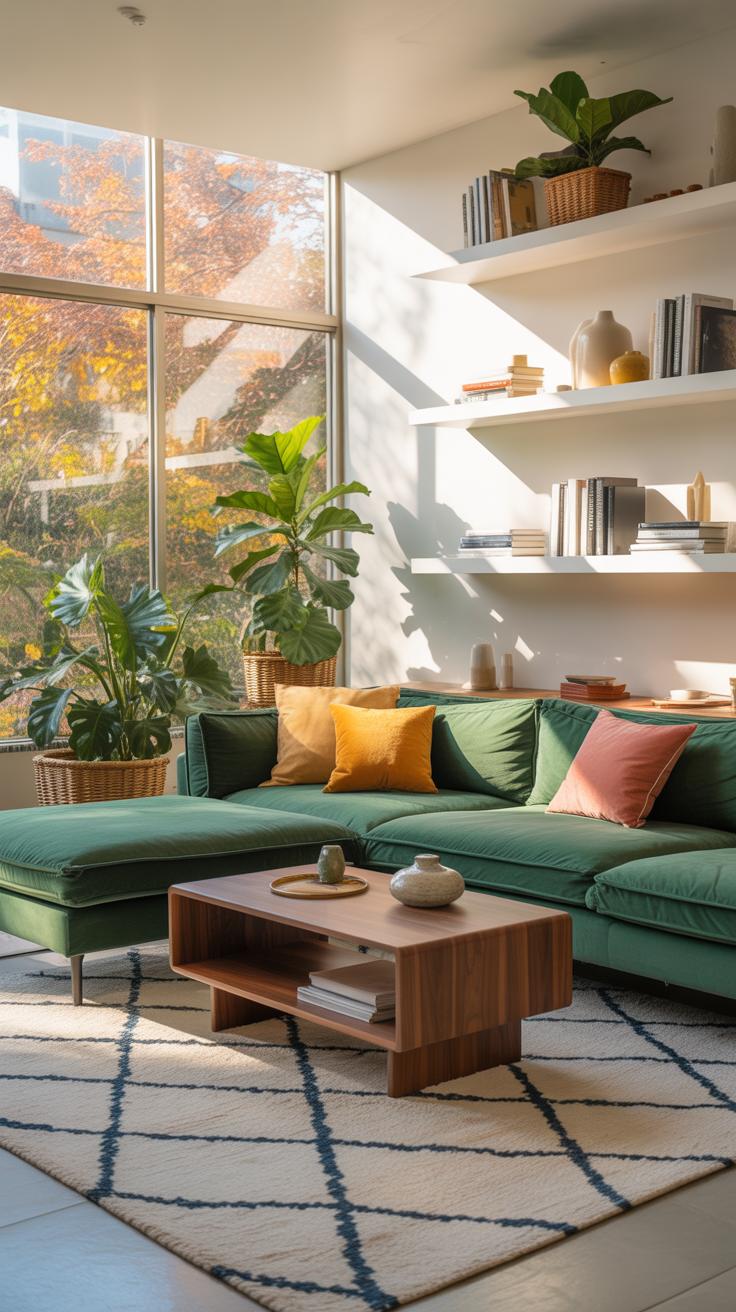
Choosing furniture for a small living room is tricky—there’s always a tension between what fits and what works. You want pieces that serve more than just one purpose since space is limited. A coffee table with storage underneath can hold books or blankets, while a fold-out desk can double as a dining spot. I’ve found that thinking about functionality before style helps prevent overcrowding. It’s easy to get tempted by sleek chairs that look great but don’t offer much else.
Look for items that can change use depending on your needs:
- Ottomans that open up for hidden storage
- Sofas with built-in shelving or compartments
- Nesting tables that tuck away when not in use
- Wall-mounted foldable furniture
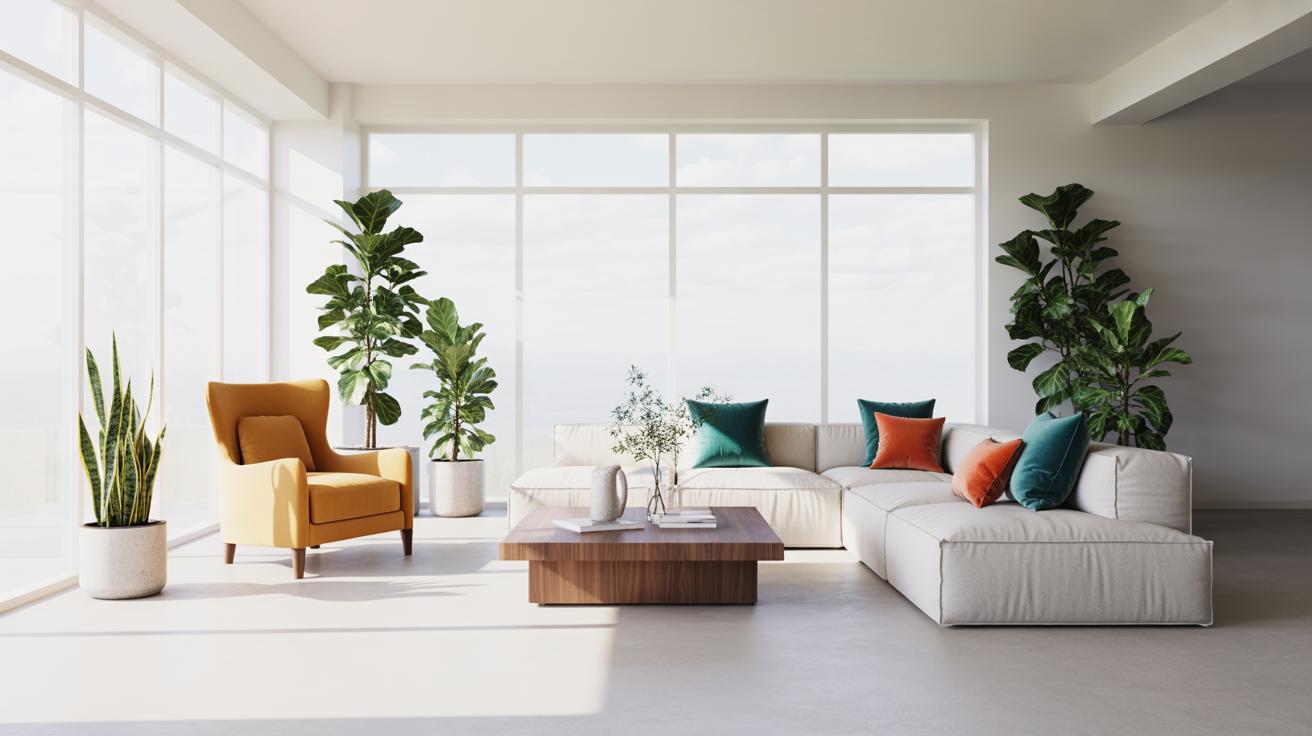
These options save space but also avoid making the room feel cluttered. Sometimes less really is more—although it’s tempting to cram in every “nice to have,” keeping things functional means you don’t end up with stuff just getting in the way.
Best Seating Options For Limited Space
When it comes to seating, think small and flexible. Bulky sofas can overwhelm a tiny room and limit movement. Instead, consider chairs and seating that can be easily moved or stowed if needed.
Some choices to weigh include:
- Compact armchairs with slim arms
- Stackable stools or chairs that can be tucked away
- Window seats or benches with hidden storage underneath
- Floor cushions for casual, changeable seating
Yes, comfort is crucial, yet you might have to sacrifice some plushness for form. A firmer seat may not be as cushy but keeps the space open. Sometimes I settle for firmer sofas knowing I can bring in a soft throw or cushion when lounging.
Storage Solutions Within Furniture
Clutter quickly makes a small room feel cramped. That’s why furniture with built-in storage often becomes your best friend. When every inch counts, using the same piece for seating, surface, and storage is clever.
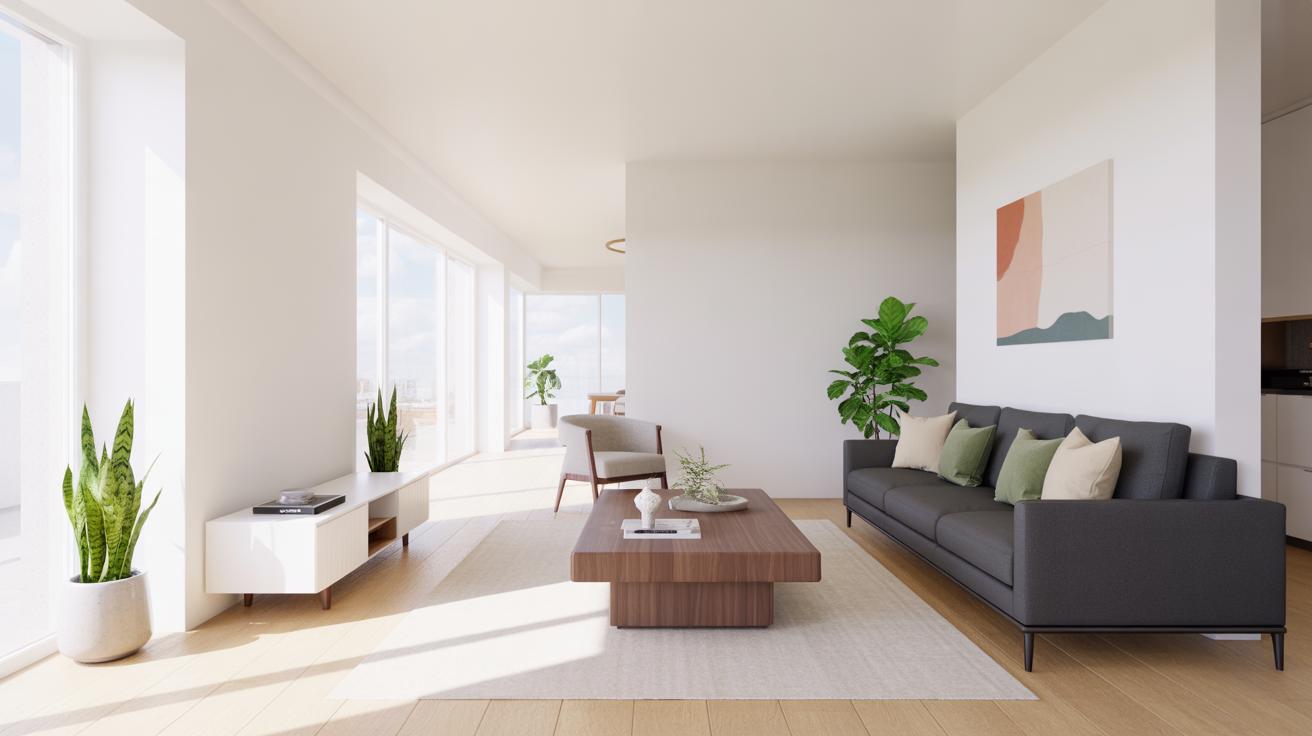
Examples include:
- Sofas with removable cushions revealing storage bins
- Side tables with drawers or cubbies
- Beds or daybeds with drawers underneath that double as seating
- Storage benches that hide away toys, magazines, or linens
These help keep surfaces clear and floors open. Just beware—too many hidden compartments can become a black hole for clutter if you’re not careful. I’ve personally noticed that even with storage, if you don’t regularly tidy, it still piles up. So, it’s both a design and habit challenge here. But furniture that pulls double or triple duty definitely tips the scale toward a calmer, more spacious feel.
Create A Color Palette That Enhances Space
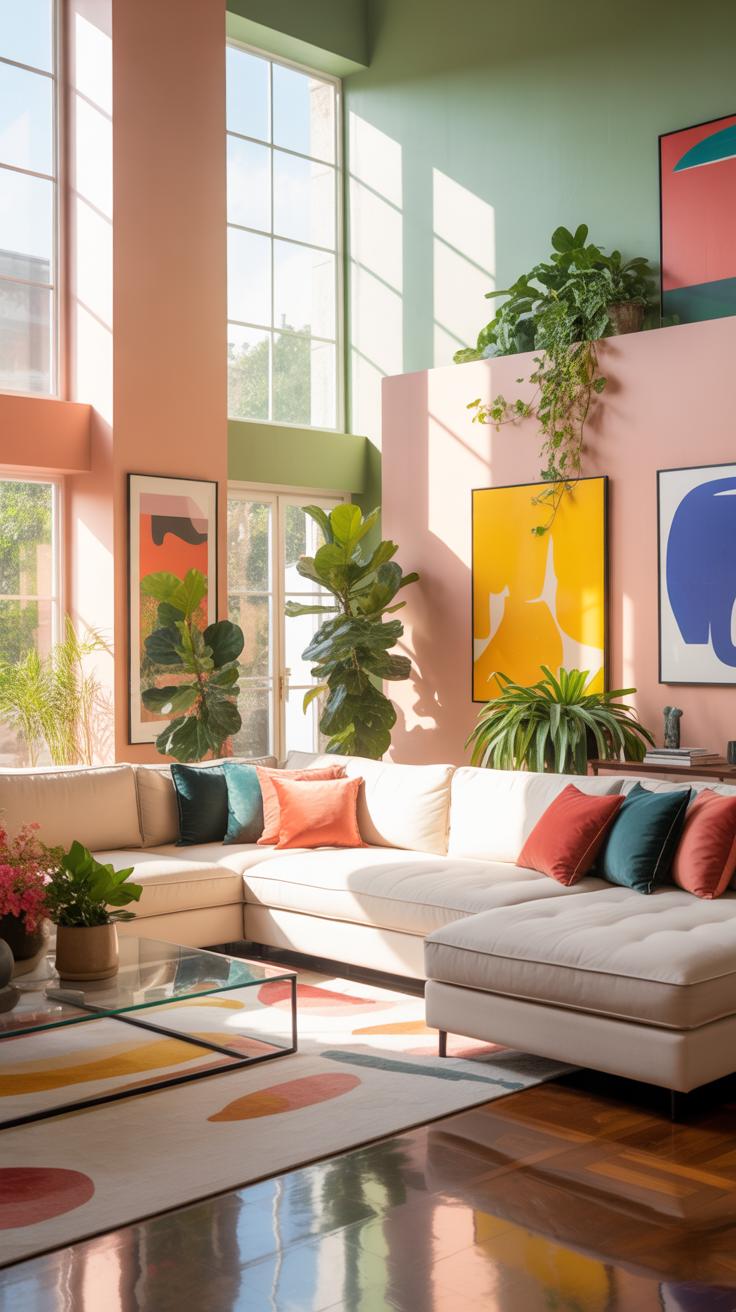
Light Shades And Neutrals For Airiness
When working with small living rooms, light colors really help the space breathe. Whites, creams, soft grays, and gentle beiges make walls and ceilings feel open rather than closed in. There’s something about these shades that reflects natural light better, bouncing it around the room and creating an airy atmosphere.
But it’s not just about choosing white everywhere—you could go for pale pastels too, as long as they stay muted. The idea is to avoid heavy or intense hues that could shrink the room visually or draw too much attention. I once tried a dusty blue on a small wall, and it felt calming without darkening the mood, which surprised me.
Light and neutral colors also tend to highlight textures and shapes more clearly, which is key in minimalist spaces where every piece counts. You want each element to stand out without cluttering what little room you have.
Adding Contrast With Simple Accents
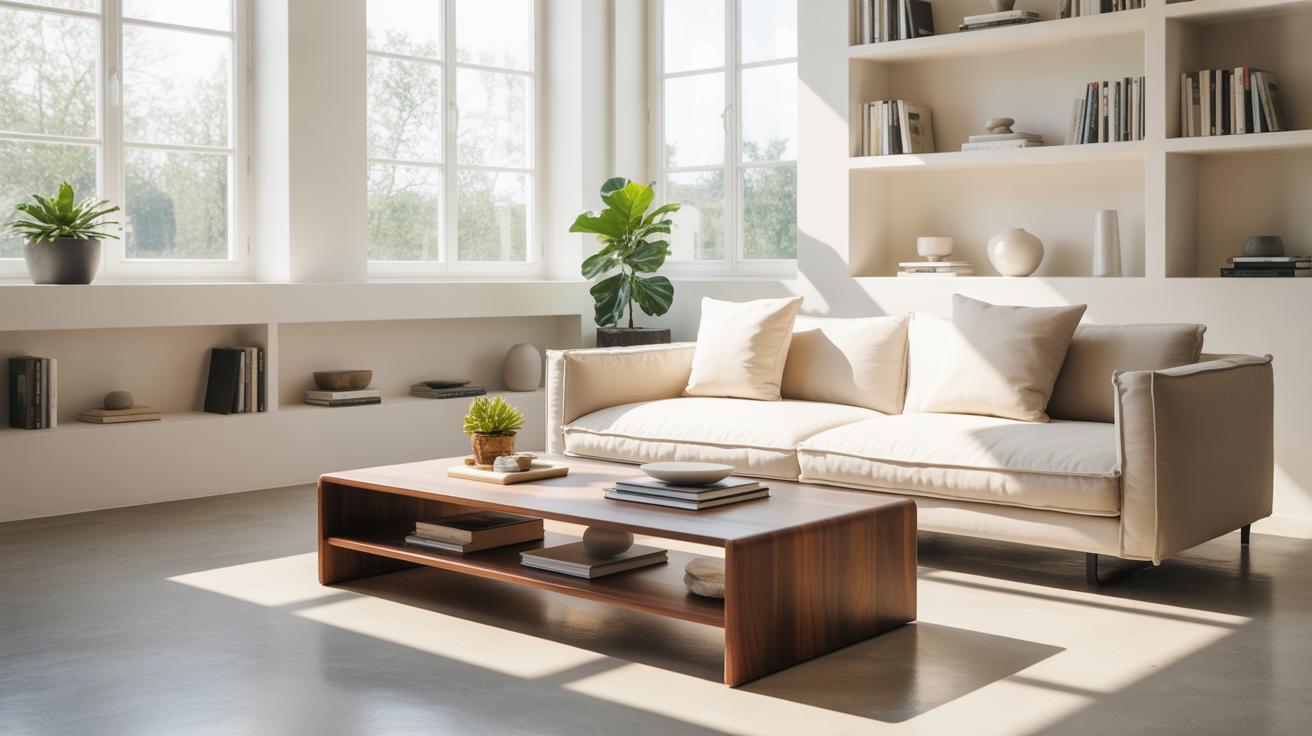
While a mostly light palette helps, a living room that’s all pale tones can feel a bit flat or sterile. That’s where subtle accents come in. Think of small pops—maybe a charcoal throw pillow, a soft black vase, or an olive green plant pot. These touches add depth without overwhelming the eye.
If you’re wondering how much contrast is too much, the trick is to keep it restrained and purposeful. Use accents sparingly, almost like punctuation marks on a blank page. Too many can clutter the sense of calm, but a few well-placed dark or colored objects create interest.
Another thought: sometimes a gentle, unexpected contrast—like a copper lamp on a white shelf—draws attention and helps break monotony. You may hesitate, thinking it will clash, but it often just anchors the space in a very quiet way.
Organize Your Living Room Step By Step

Decluttering Process For Small Spaces
Start by looking around and asking yourself what you really use or enjoy in your living room. It’s easy to hold onto things “just in case.” But in a small space, those extras quickly pile up and make the room feel crowded. Try grouping items into three piles: keep, donate, and toss. Be honest—if something hasn’t been touched in months, it’s probably okay to let it go.
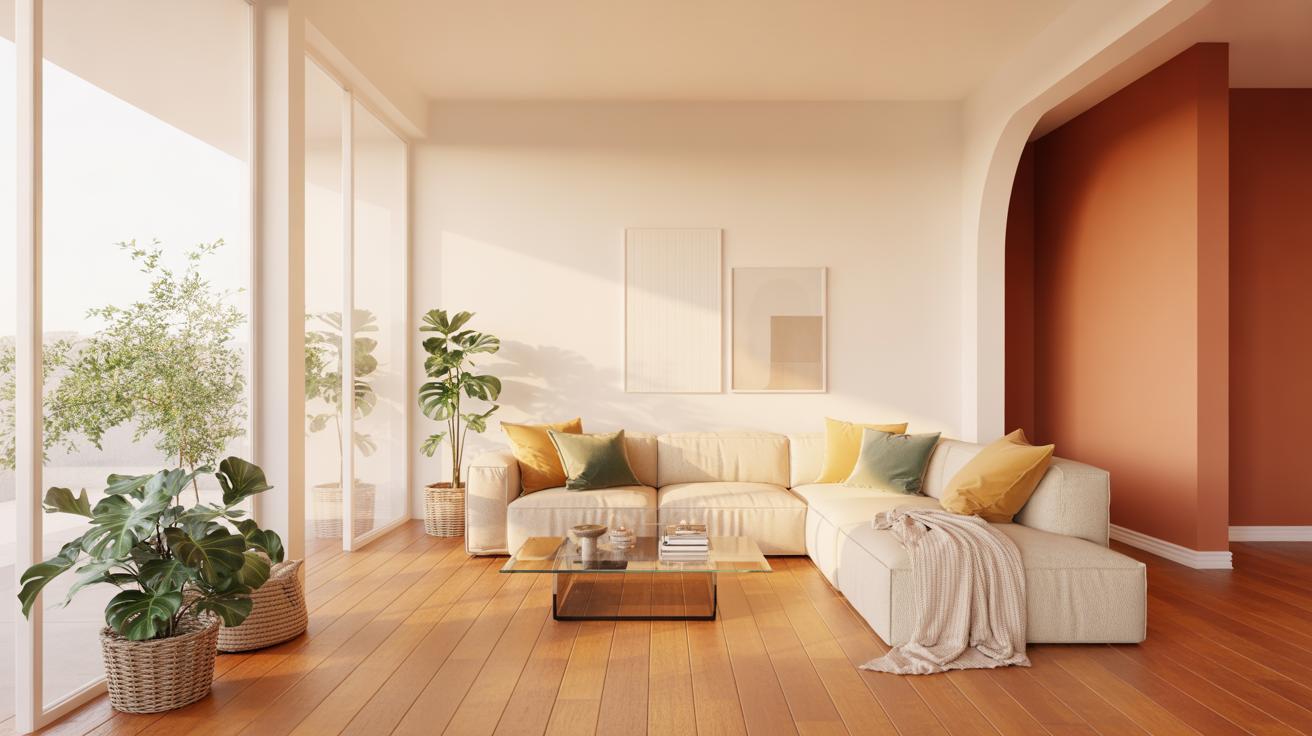
Focus on keeping only essentials or things that bring genuine joy. That means you might part with extra cushions, outdated magazines, or decor that doesn’t add meaning or function. Don’t rush—sometimes you hesitate because you think you might regret it later. That’s normal. Just remember, clearing clutter usually feels better over time, not worse.
Arrange Items For Function And Flow
Once you’ve pared down belongings, it’s time to think about furniture placement. Position larger pieces like sofas or chairs against walls first to open up central space. Avoid blocking natural pathways with bulky items—try to leave at least two to three feet for walking.
Also, think about how you use the room daily. Does the seating face the TV? Is there a spot for reading or relaxing? Group items by purpose, but keep things lightly spaced so the room breathes. Don’t be afraid to move furniture around and test different setups. Sometimes, a small shift can make the room feel completely different. And remember, less really is more here, even if it feels odd to have fewer pieces initially.
Lighting Choices To Open Your Space
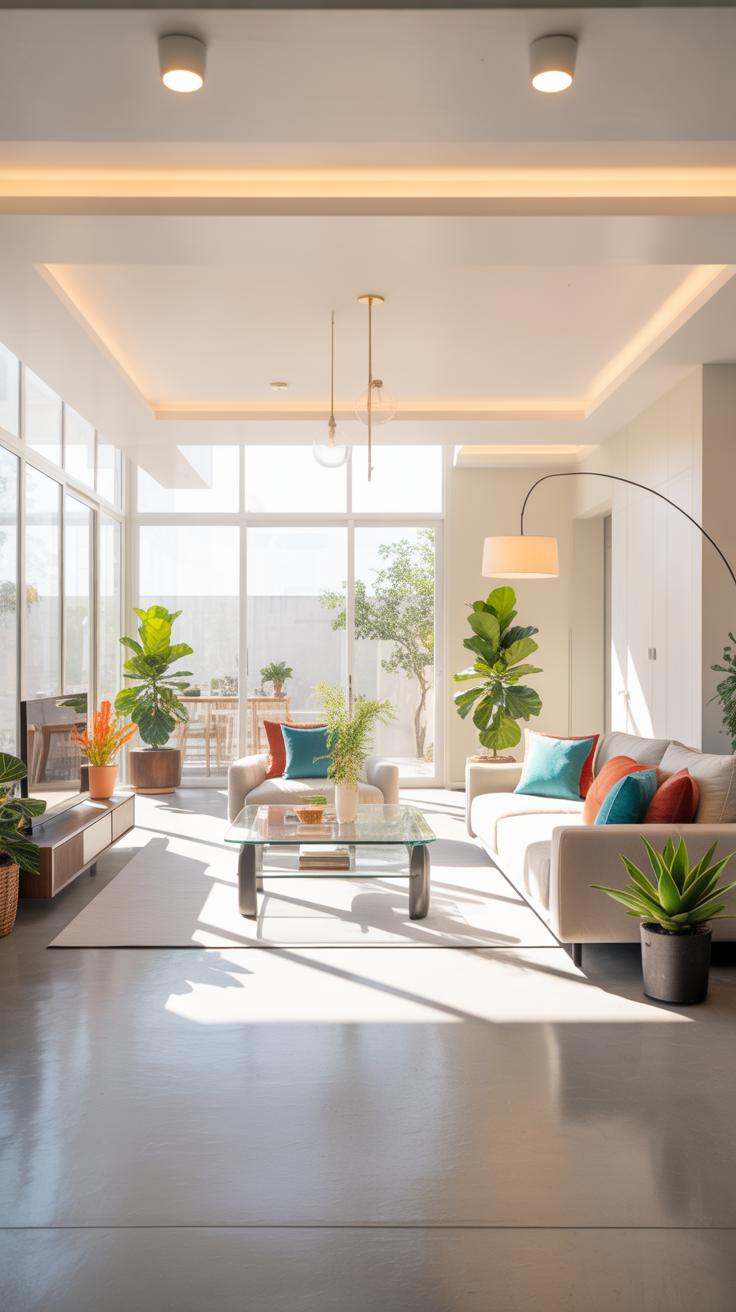
When it comes to lighting in a minimalist living room, the goal is to make the space feel open and airy without overcrowding it. Natural light plays a crucial role here—you want to draw it in as much as possible. If your room has windows, leave them mostly uncovered or use very sheer, light-colored curtains. These let sunlight diffuse softly and brighten every corner. I once tried heavier drapes in a small room, and it just made everything feel cramped, which was frustrating.
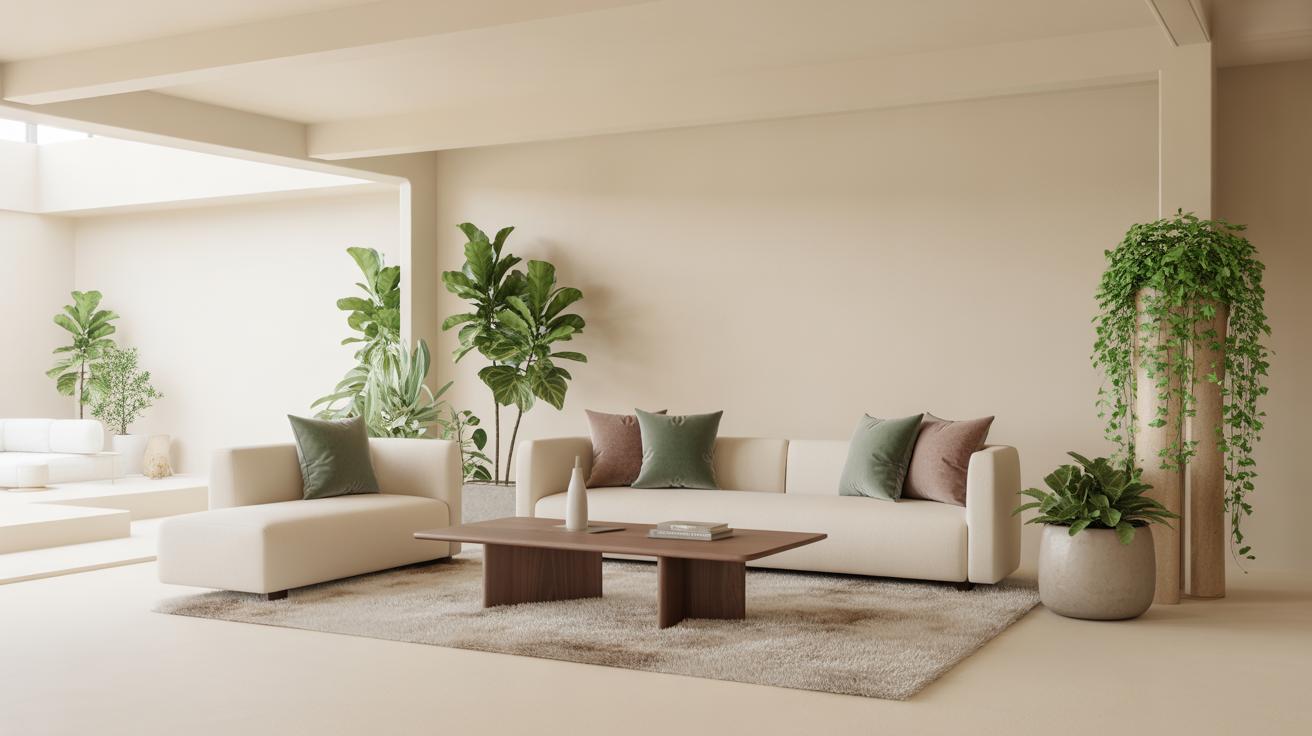
Try arranging your furniture to avoid blocking windows. Even a small shift can help light travel further into the room. Reflective surfaces like a simple mirror or glass table can also bounce light around, though with minimalism, you don’t want too much shine that distracts or feels cluttered.
When natural light isn’t enough, pick lighting fixtures that keep things minimal but warm. Slim, geometric floor lamps or recessed ceiling lights without ornate details work well. Look for fixtures in matte finishes, like black or white, so they blend rather than stand out. I remember struggling to find lighting that didn’t overwhelm a tiny space, and simple track lighting turned out to be just right.
Think about the layers of lighting too: a single overhead light won’t cut it. Incorporate adjustable lamps for reading or ambiance, but avoid multiple bulky fixtures that compete. Sometimes less light feels more, especially when it’s thoughtfully placed.
Compare Minimalist Vs Traditional Living Rooms
Space Use And Visual Impact
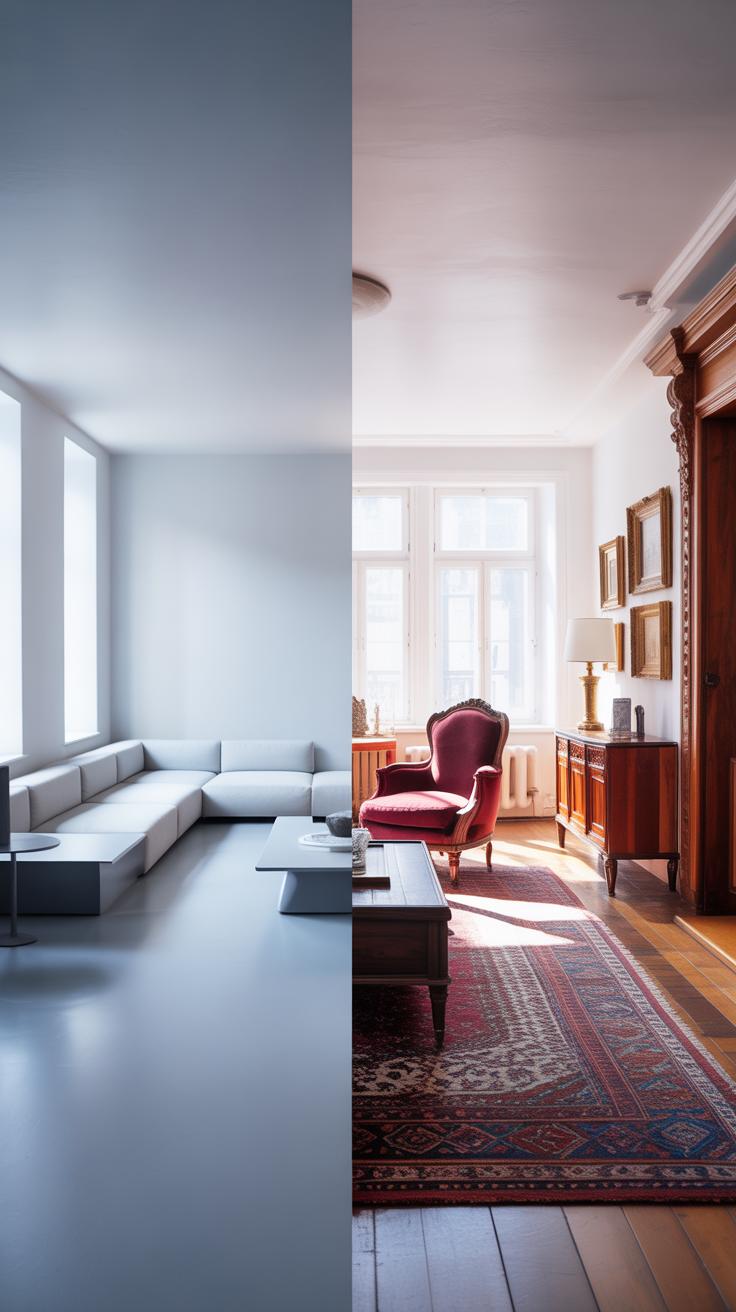
Minimalist living rooms often feel more open—there’s less furniture, fewer decorations, and clear sightlines. This openness can make a small space feel larger than it actually is. The clean, simple lines don’t overwhelm your eyes, so your room seems calm and uncluttered. On the other hand, traditional living rooms usually fill the space with more pieces: rugs, curtains, armchairs, coffee tables, shelves filled with décor. That density can create warmth and character, but sometimes it makes the room feel cramped—especially in smaller spaces.
Minimalism emphasizes breathing room. The empty spaces between furniture invite your eyes to rest, giving a quiet, almost sparse impression. It feels modern, maybe even a bit stark if you’re used to cozy setups. Traditional rooms, with their detailed moldings, patterned fabrics, and layered textures, feel richer but demand more attention. Both styles grab your focus but differently—minimalism through simplicity, traditional through complexity. Depending on your mood or taste, one might feel welcoming while the other feels restrictive—or vice versa.
Maintenance And Upkeep Differences
Keeping a minimalist living room clean often feels easier—you have fewer things to dust and less to rearrange. A quick wipe and vacuum usually do the trick. Still, with minimalism, imperfections stick out more. A single misplaced item can disrupt the balance, making the effort to maintain it feel a bit relentless, like you’re trying to keep a perfect image all the time.
Traditional living rooms, though more cluttered, might hide some mess under layers of décor. Dust might build up in nooks or on intricate woodwork, so cleaning takes longer and might feel more tedious. But there’s a cozy tolerance—an underlying sense that the lived-in look belongs there, that some disorder is natural. So, it’s less about keeping every surface immaculate and more about periodic deep cleaning.
When it comes to organization, minimalism pushes you to digitize, discard, or store away anything unnecessary, asking for constant mindfulness. Traditional spaces often welcome collections and visible storage, encouraging you to display your things—even if they add to the visual noise. The question is—do you want a room that feels like a blank slate, or one that feels like home with your stories scattered around?
Add Personal Touches Without Cluttering
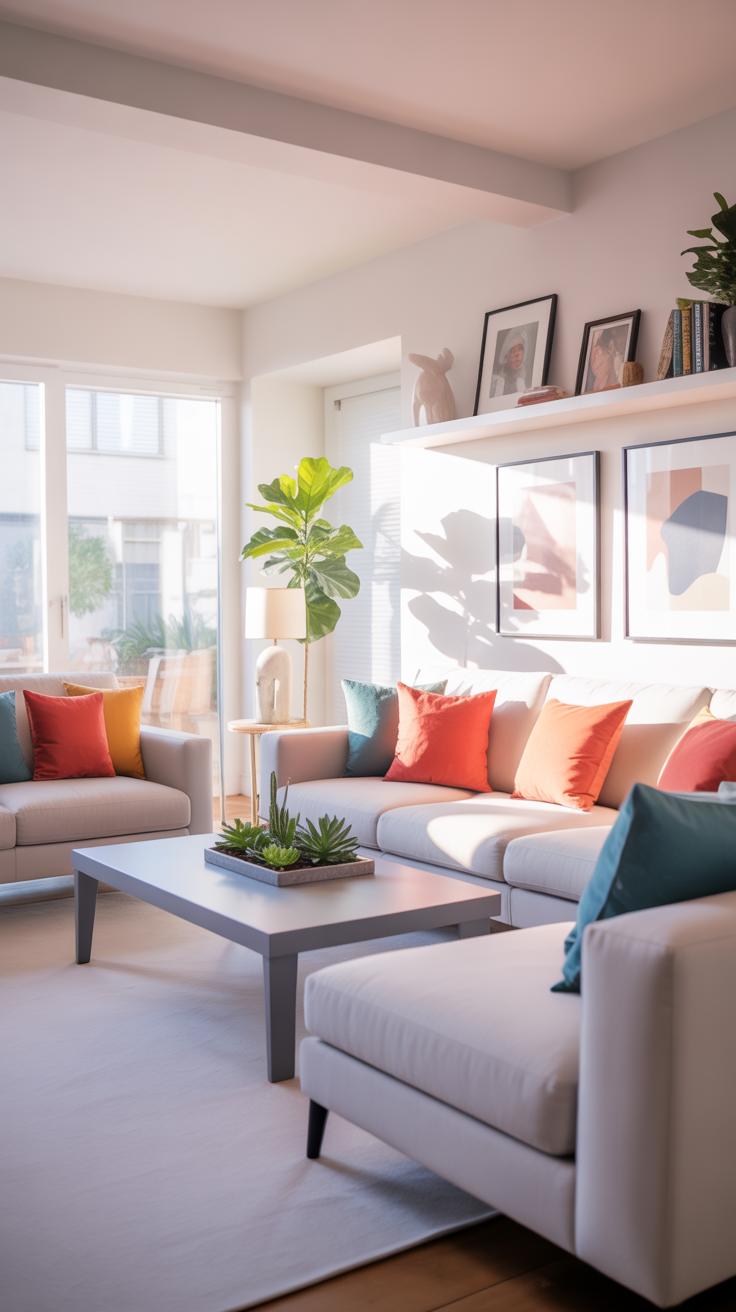
Keeping a minimalist living room doesn’t mean you have to erase all personality. The trick is to be selective about what you show. Instead of spreading out lots of small objects, try focusing on a few meaningful pieces that tell your story. Maybe that’s a small collection of travel souvenirs or a favorite vase. Those items carry more weight when they’re not competing with clutter.
Think about what really matters to you. Display items that spark joy or memories but avoid the temptation to showcase everything at once. A few well-chosen things add character without overwhelming the space.
Choose Meaningful Items To Display
Ask yourself what you want your room to say about you. A single framed photo or an heirloom sculpture can anchor a shelf or tabletop without demanding much room.
- Limit yourself to two or three personal objects per surface.
- Rotate items occasionally to keep the space feeling fresh without adding more stuff.
- Consider hidden storage options to tuck away extras that don’t have an active role in the design.
Honestly, I used to pile stuff everywhere until I noticed how much calmer the room felt with only a handful of items spread out carefully.
Use Art And Textiles Sparingly
Small art pieces can make a quiet statement rather than shouting for attention. A single small painting or a subtle print can add depth and color to the room without clutter.
- Choose artwork with simple lines or neutral colors to keep the vibe understated.
- Limit wallpapers or large fabric patterns; instead, use a throw or cushion with texture or muted color to add warmth softly.
- Try to choose textiles that double as comfort and decoration, so they feel purposeful.
Sometimes less feels more, but other times you might wonder if it’s too little. That’s okay. Minimalism doesn’t demand exactness. It’s about your comfort with the space you create.
Maintain Your Living Room Minimalist Setup

Keeping a minimalist living room tidy over time isn’t always as easy as it looks. The key is to build small habits that prevent clutter from sneaking back in. For example, setting a reminder once a week to quickly scan for things that don’t belong can make a significant difference. You don’t need an hour-long purge—just five minutes to put stray items back in their place.
Try to keep surfaces clear. It sounds obvious, but it’s tempting to drop mail or random objects on tables. Maybe designate a single tray or box for those essentials you can’t avoid—just one spot. This lets you keep control without feeling restricted.
When you think about updating furniture or decor, be cautious not to overcrowd your space. Instead of adding a bunch of new pieces all at once, choose one thoughtful element that fits your existing style and scale. Even swapping a cushion or changing the color of a throw blanket can refresh the room without overwhelming it.
Also, consider the purpose behind each new addition. Ask yourself: Does this piece truly add value or function? Sometimes less is more, but occasionally, adding something new can actually make the room feel more lived-in and balanced. So, it’s okay to change things up, just keep an eye on how it affects your room’s calm.
Conclusions
Living room minimalist design is about simplicity and usefulness. When you reduce clutter and focus on what matters, your small space can feel larger and more pleasant. Choosing the right furniture and keeping only essential items helps keep your room open and inviting.
By following these ideas, you can turn your small living room into a calm and stylish area. Use the tips to create a space that works for your needs and shows your personal taste. A minimalist living room can make your home better to live in.