Introduction
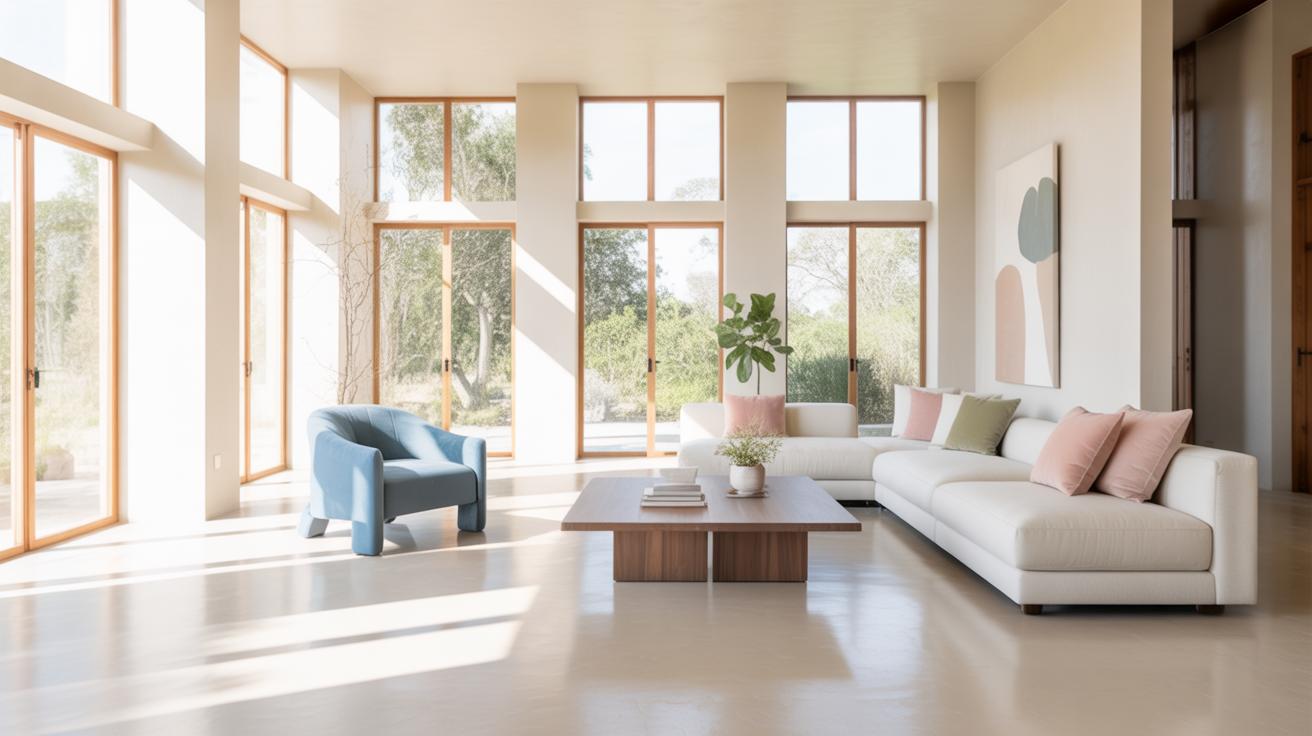
Minimalist Living Room Design Ideas For Modern Spaces focus on creating simple, clean, and functional living rooms. These living rooms prioritize space, light, and functionality. They remove clutter and unnecessary objects to create a calm, inviting space where you can relax or entertain comfortably. Minimalism in living rooms often uses neutral colors and natural materials to keep the environment peaceful and welcoming.
In this article, you will learn about the essentials of designing a minimal living room. Then, you will explore practical tips for choosing furniture and accessories. Finally, you will discover ways to maintain your space and avoid common mistakes. These ideas will help you build a modern living room that serves your daily needs with style and ease.
Essentials Of Minimal Living Room

What Is a Minimal Living Room?
A minimal living room is more than just sparseness or starkness. It’s a space where every element serves a purpose, and nothing feels out of place or overly decorative. The idea is to create a setting that feels open and uncluttered, but without losing warmth or personality. You’ll notice that minimal living rooms often use space thoughtfully—nothing crowded, just enough room to breathe.
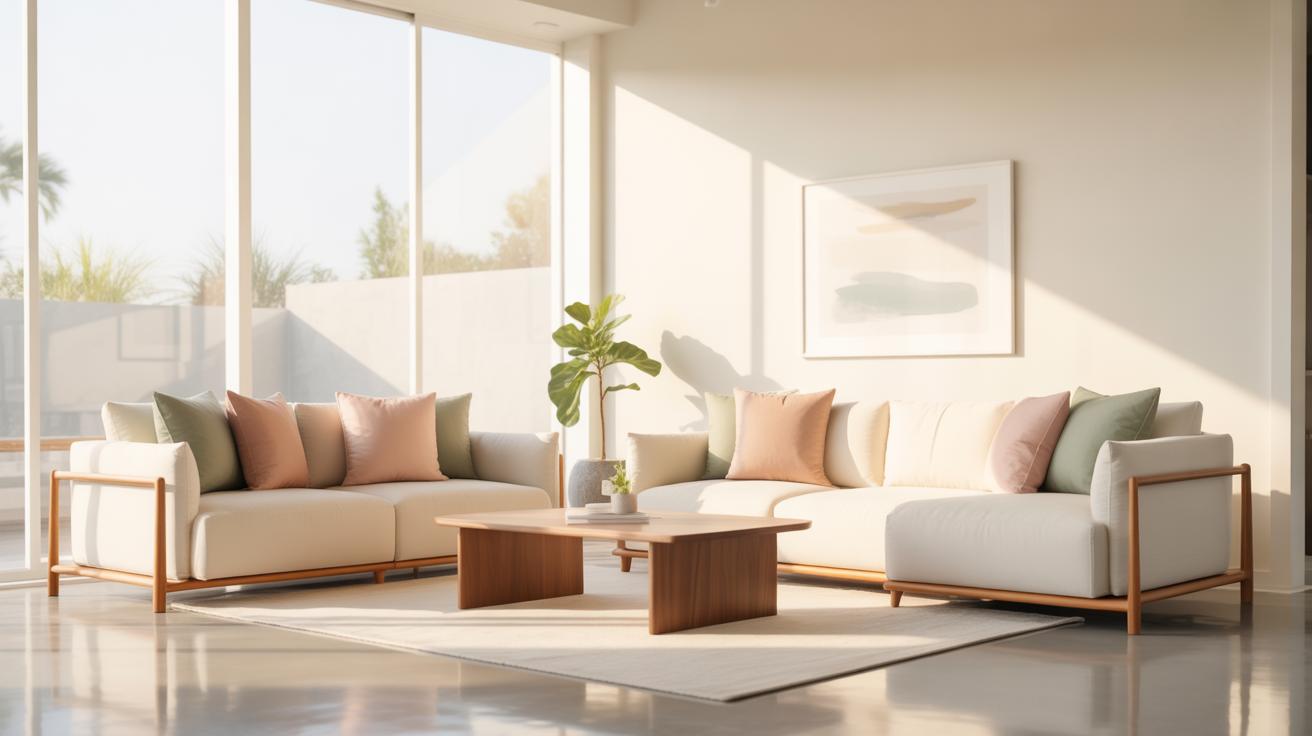
Color choices tend to be soft and muted, mostly neutral shades like off-whites, greys, beige, or subtle earth tones. This doesn’t mean the room is dull; it can still feel inviting, just without loud or busy patterns.
When it comes to furniture, the key is simplicity with intent. Pieces here usually have clean lines and avoid excessive ornamentation. They’re usually functional, comfortable, and chosen carefully. What strikes me is how even a few well-chosen items can make a space feel complete without overdoing it.
Key Elements Of Minimalist Design
Minimalist design hinges on a few clear principles:
- Clean lines: Furniture and decor avoid fussy details, leaning toward simple shapes. Think straight or gently curved edges that don’t demand attention.
- Neutral color palettes: Whites, greys, soft browns. These colors create calm, and a lot of natural light usually complements them well.
- Functional furniture: Every piece should have a clear purpose. A bulky chair or table just to fill space? Not here.
- Quality over quantity: Rather than many items, pick a few that last and you really like.
- Open spaces: Avoid overcrowding. Room to move and see floor areas matters.
These elements work together, but sometimes one principle might dominate depending on your space or taste. That’s okay—minimalism isn’t a strict rulebook, more like flexible guidelines.
How Minimalism Affects Living Room Ambiance
The atmosphere created by a minimalist living room is often strikingly different from more traditional or busy rooms. There’s a palpable sense of calm and openness that comes when visual clutter fades away. It’s easier to relax, I find, because your eyes don’t have to jump from one busy pattern or object to another.
This simplicity can, in some ways, make the room feel larger than it is, too. The absence of excess furniture and decorations allows natural light to play a bigger role, which can enliven the space without adding noise.
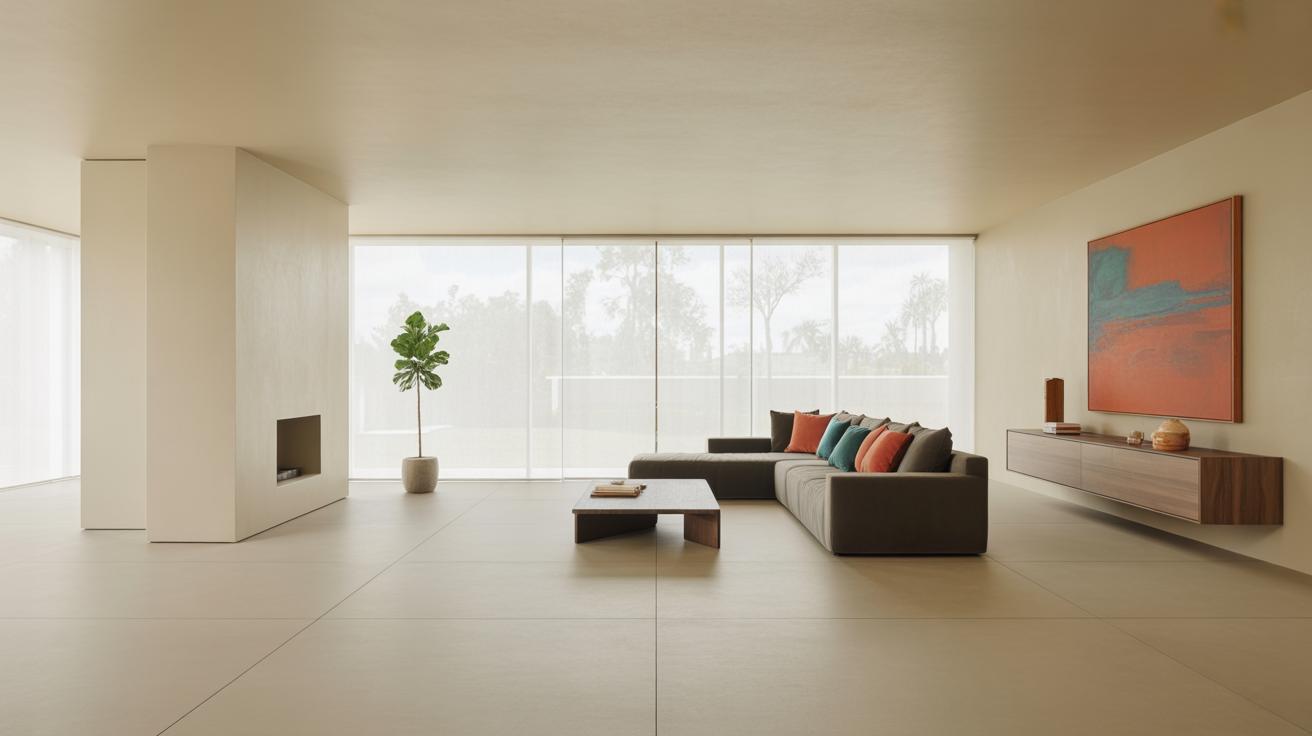
At the same time, minimalism’s quiet vibe might feel a bit cold to some at first. But, with the right textures—like a soft throw or wooden accents—that coldness can soften. It’s a delicate balance, and one that you may adjust over time as your preferences evolve.
Choosing Furniture For Minimal Living Room
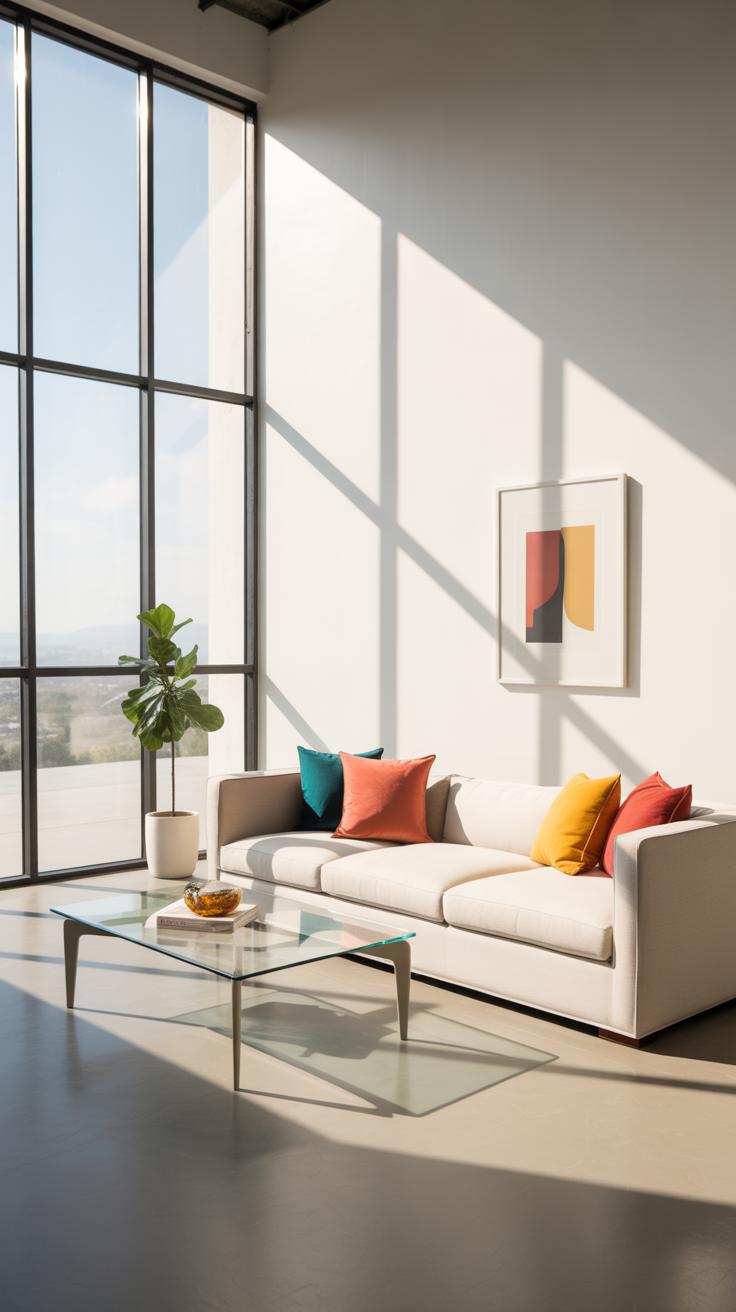
Selecting furniture for a minimal living room is more about what you leave out than what you put in. You want pieces that offer function without fuss—furniture that feels light, even if it’s solid and anchors the space. The key is simplicity paired with purpose. That doesn’t mean sterile or uncomfortable, though. It’s tricky, right? Balancing clean lines with cozy feels.
Think about furniture acting as quiet companions. For example, a low-profile sofa with slim legs avoids visual bulk without sacrificing seating space. Or a coffee table that doubles as storage—this kind of multipurpose piece keeps clutter out of view but close at hand. In minimalist rooms, every object counts, so choose ones that serve more than one role.
Must-Have Minimalist Furniture Pieces
Some pieces just fit the minimalist ethos better. Here are those that have worked for me or others I’ve seen:
- Low-profile sofas: Simple shapes, neutral colors. They keep the room open and don’t dominate the space.
- Multipurpose tables: Coffee tables or side tables with built-in shelves or drawers. Great for hiding magazines or remotes.
- Streamlined armchairs: Chairs with thin arms and legs that look light but offer good support.
- Minimalist shelving: Wall-mounted shelves instead of bulky bookcases. They add storage without hogging floor space.
- Sleek media consoles: Often raised off the floor, with clean fronts to tuck away gadgets.
Selecting fewer but better pieces feels less cluttered, but they must still serve daily needs—or what’s the point?
Balancing Comfort And Simplicity In Seating
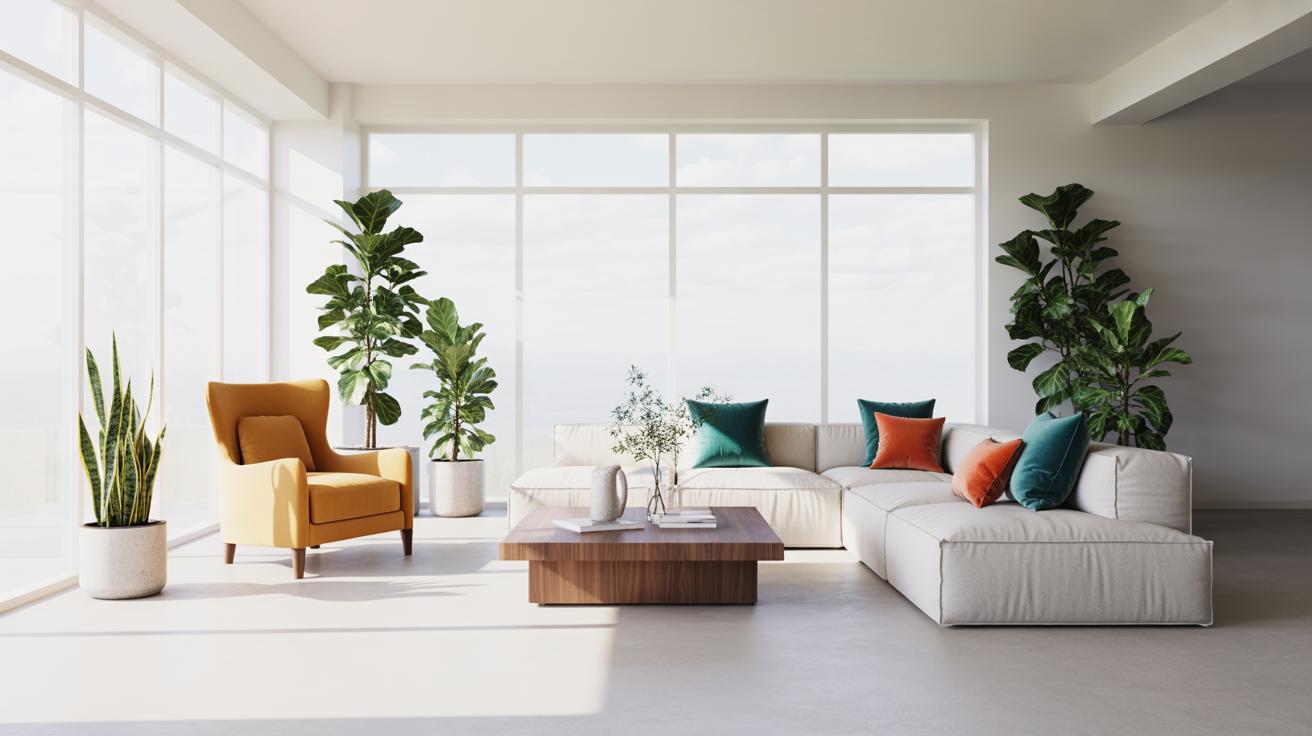
Comfort in minimal living rooms often seems contradictory to sleek designs. But it doesn’t have to be. The trick is doing away with excess while keeping what’s necessary for relaxation.
Look for seating with a modest cushion thickness—not too plush, not too firm. Materials like soft linen or smooth leather can add warmth without bulk. Also, don’t underestimate ergonomics. Thin backs can support well when designed right. I once thought a minimalist chair would feel cold but was surprised by how comfy it could be after a quick test.
Perhaps most importantly, consider your lifestyle. If you spend hours on the couch, stricter minimalism might frustrate you. If it’s more occasional seating, prioritizing form over fluff works better. There’s no one-size-fits-all. How much will you use your seating? That question steers how much simplicity you’re willing to live with.
Using Color And Light In Minimal Living Room
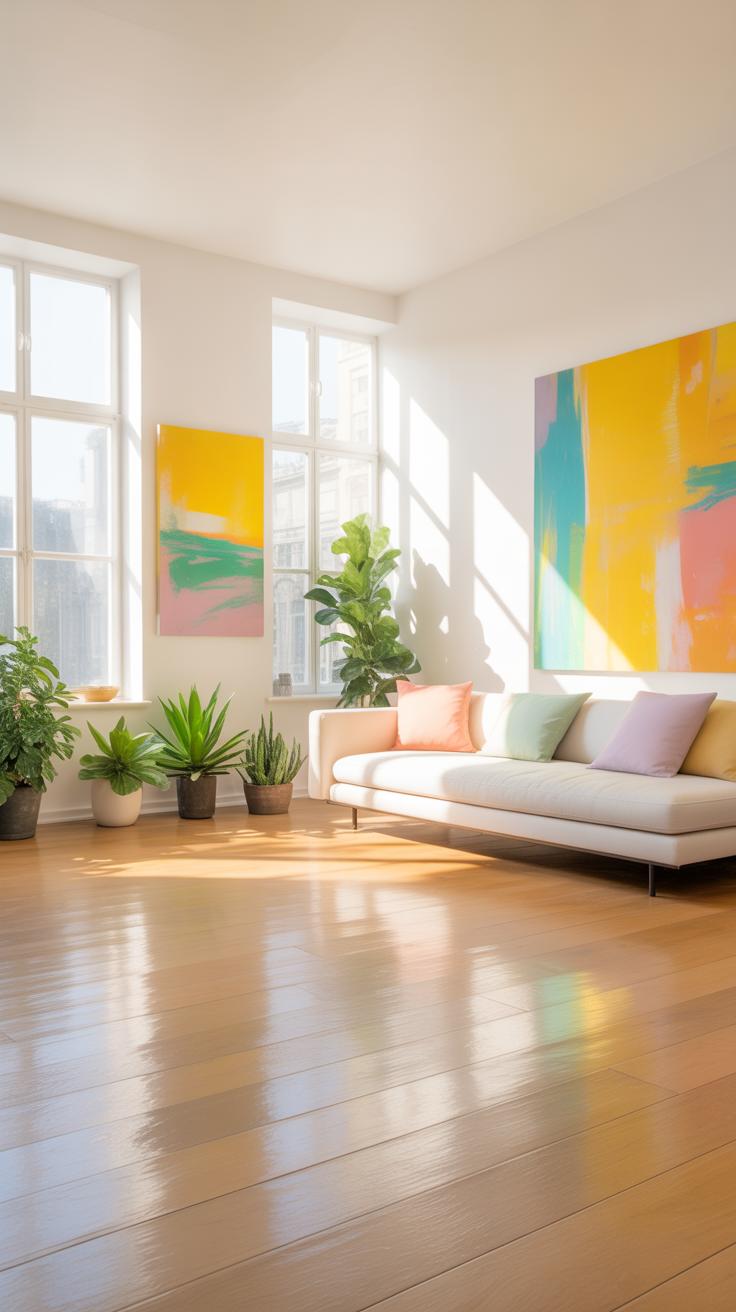
Neutral Colors For Calm Living Space
Neutral colors play a subtle but powerful role in creating a minimalist living room. They help set a calm, uncluttered tone that keeps your space feeling open and unrestricted. You might wonder why white or beige keeps popping up in minimalist design advice. It’s because these shades don’t compete for attention—they blend into the background, letting the room breathe.
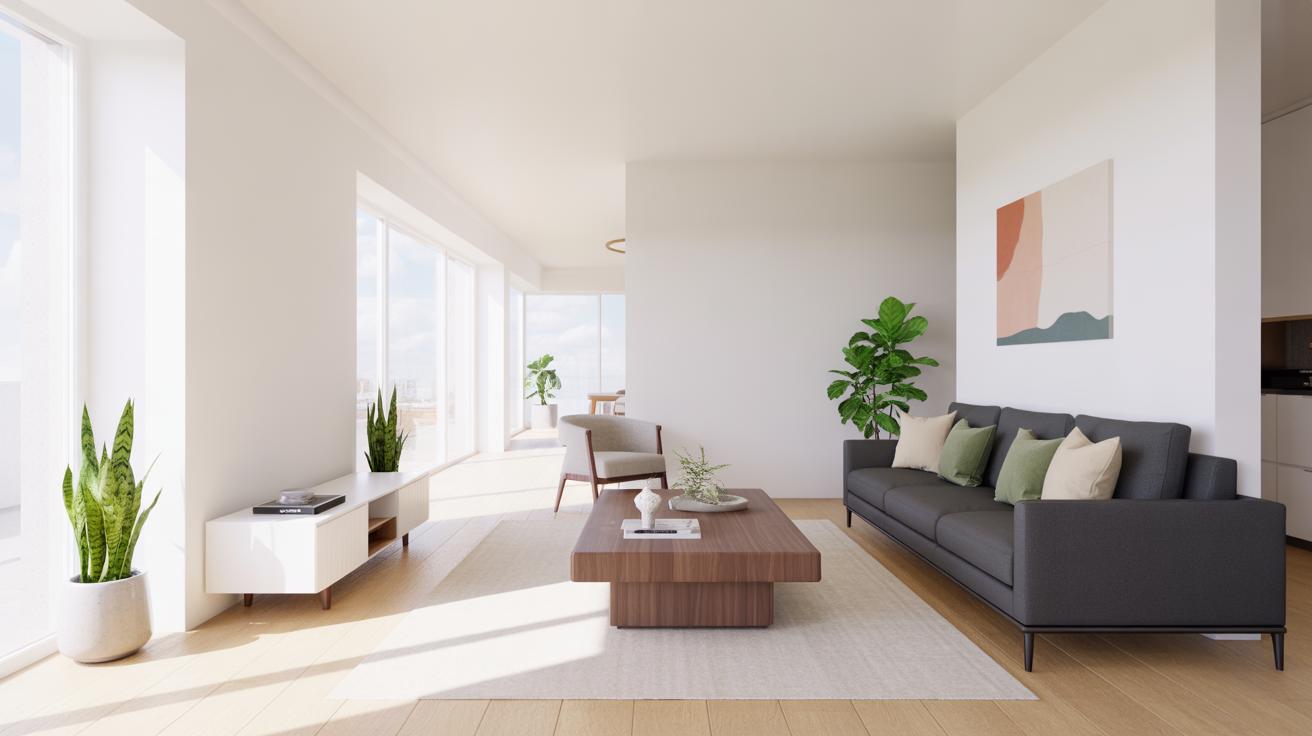
Some popular neutral shades to consider include soft whites, warm beiges, light greys, and muted taupes. Each offers a slightly different mood—while grey might feel cooler and more modern, beige tends to add warmth without overwhelming. I’ve found that combining a few neutrals rather than sticking to one keeps the room interesting but still peaceful.
Colors don’t have to be purely bland either; subtle variations within the neutral palette can prevent the space from feeling sterile or too rigid. The goal is balance—calm, but not dull.
Maximizing Natural Light Effectively
Natural light is one of the easiest ways to enhance a minimal living room, yet people often overlook how much difference simple changes can make. Big windows are great, though not everyone has them. Still, even smaller windows can feel bigger by avoiding heavy, dark curtains. Light, sheer panels or no window coverings at all often work best.
Reflective surfaces, such as a strategically placed mirror or a light-colored floor, bounce sunlight and increase brightness. Think about the path sunlight takes through your room during the day. Can you arrange seating or furniture to catch that light? It makes spending time in the space more pleasant.
When natural light fades, simple light fixtures that cast soft, warm light help maintain the room’s peaceful vibe. Instead of harsh overhead lamps, consider floor lamps or hidden LED strips. They add light without drawing too much focus, which keeps the minimalist feel intact.
Storage Solutions In Minimal Living Rooms
Built-in Vs Freestanding Storage Options
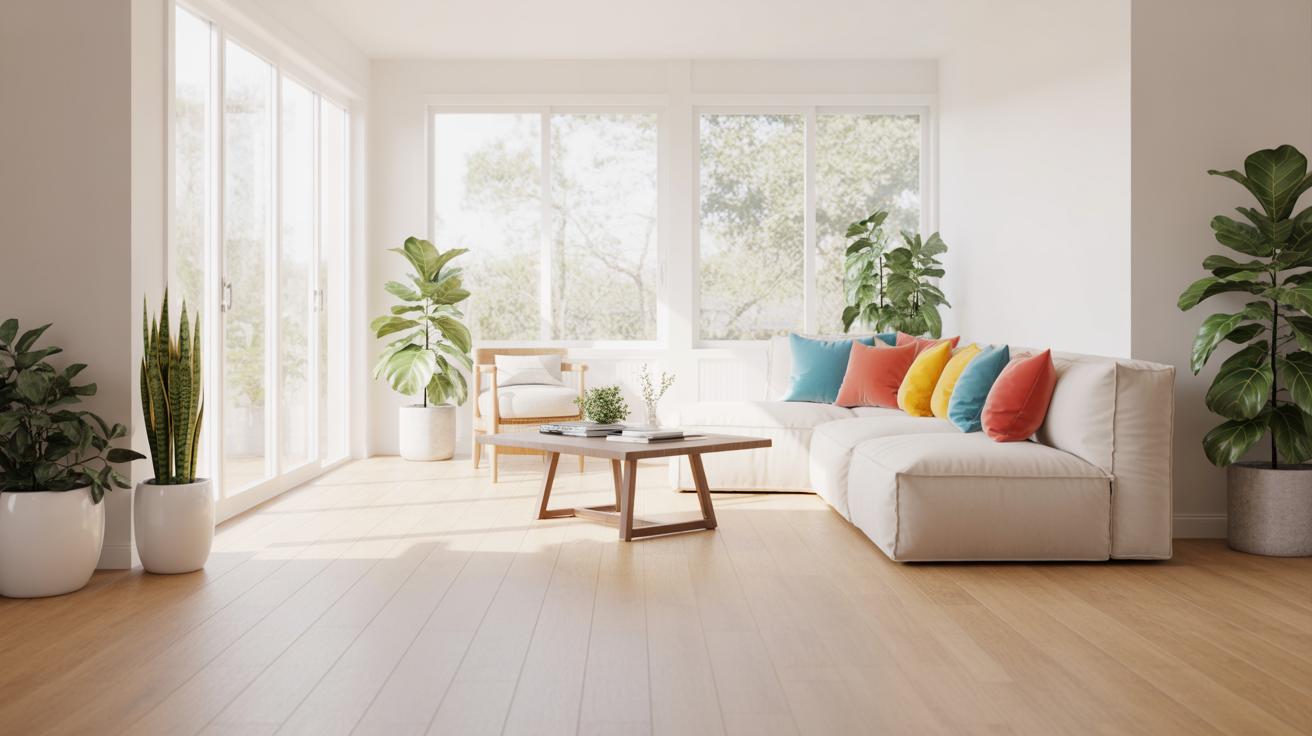
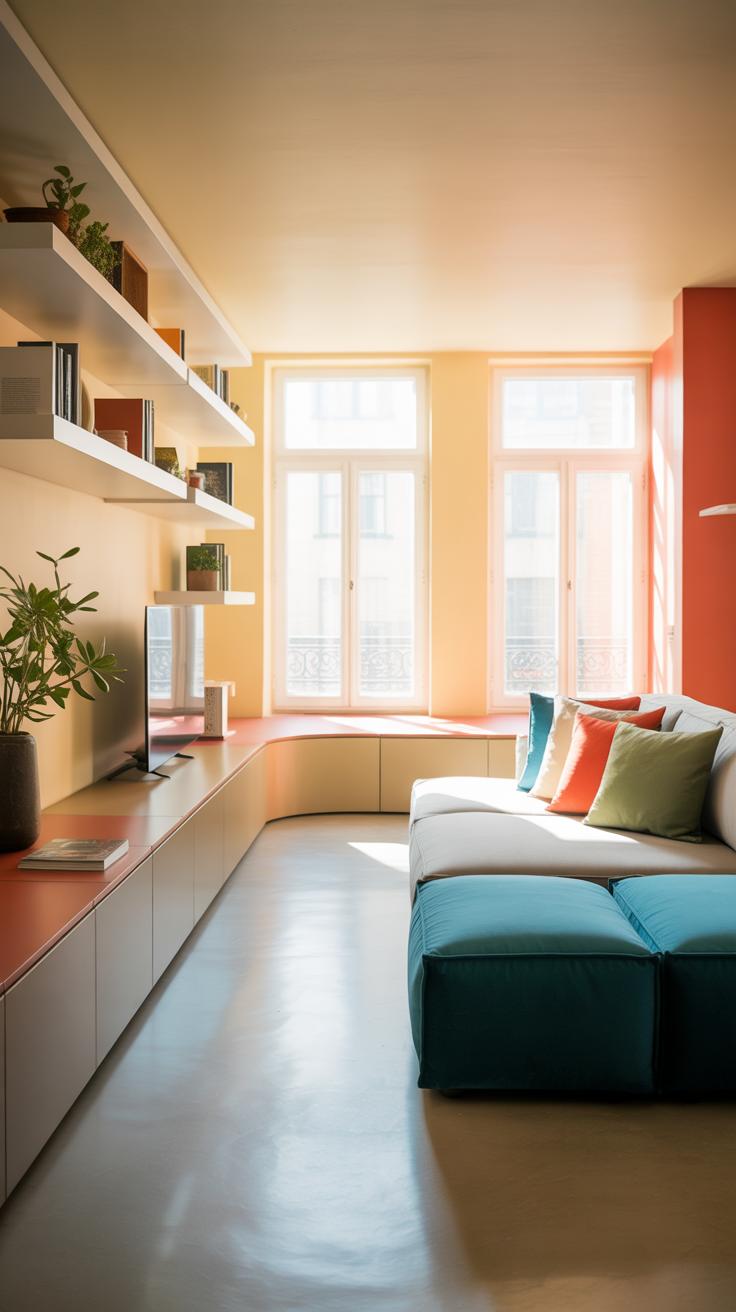
Choosing between built-in and freestanding storage in a minimalist living room often depends on your space and lifestyle. Built-ins can blend into walls, almost disappearing, which helps maintain a clean, uncluttered look. They often feel like a natural extension of the room—almost like the furniture disappears when not in use. But they require more commitment. It’s not always easy to change once installed, which might feel limiting over time.
Freestanding units, on the other hand, offer flexibility. You can move them around, replace them, or switch styles as needed. Sometimes that feels more human and less permanent, which can be freeing. But they risk adding bulk or visual noise if not chosen carefully—too many pieces can quickly clutter a minimal space. So, striking the right balance is sometimes a bit fiddly.
Keeping Surfaces Clear Checklist
Clear surfaces are vital for the minimalist look, but staying disciplined is tricky. Here’s a quick checklist to help you keep things tidy without feeling overwhelmed:
- Limit decorative items to one or two per surface—less can truly be more.
- Place remotes, chargers, and everyday items in hidden or designated storage spots immediately after use.
- Regularly sort through magazines, mail, or paper clutter to avoid stacks building up.
- Use trays or shallow boxes to corral small items that tend to scatter.
- Keep a small basket or box for items that don’t have a permanent home, and empty it weekly.
Do you find it easier to toss or organize? That difference often changes how well you maintain clear surfaces in the long run. Sometimes, the hardest part is just remembering why you want a clear space at all.
Decorating Minimal Living Rooms Wisely
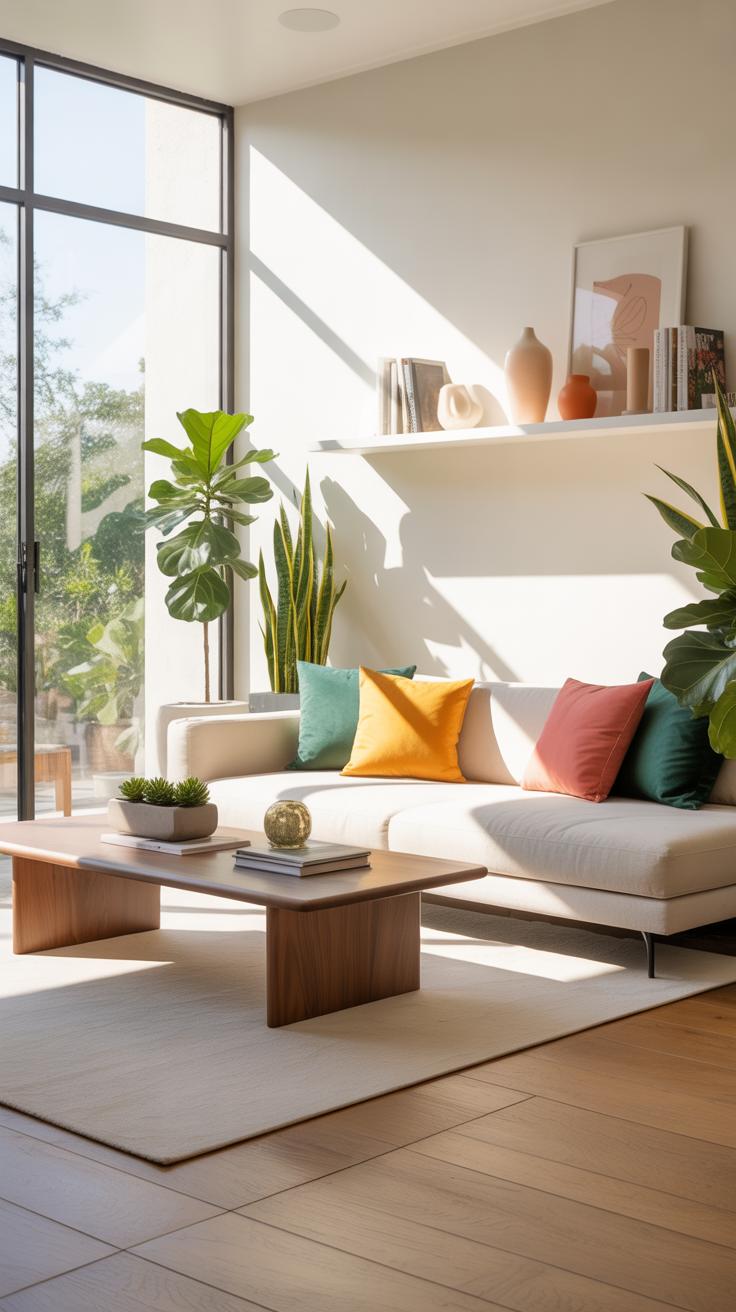
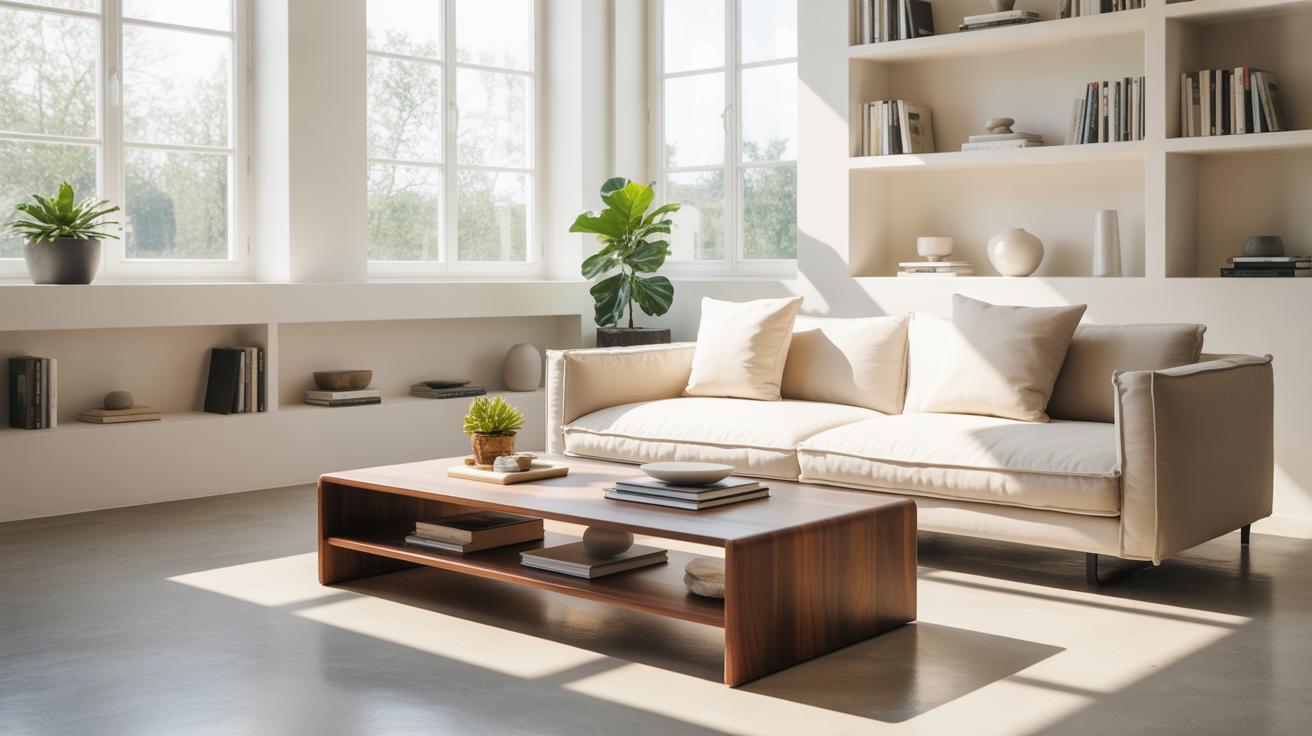
Choosing and placing decor in a minimal living room can be a bit tricky. You want pieces that feel intentional, but also don’t crowd the space. It’s less about quantity and more about quality—picking a few objects that add character or function rather than filling every corner. Think about how each item interacts with the room’s emptiness. Sometimes leaving a wall or surface bare speaks volumes.
One approach I find useful is to ask: Does this add something meaningful, or is it just there for decoration’s sake? A well-chosen lamp, for example, can serve both purpose and style without overwhelming the look. A simple vase or a neat stack of books can ground a space without making it feel busy.
Placement matters, too. Avoid clustering items; spread them evenly or create deliberate focal points. Negative space acts almost like a silent companion, balancing what’s displayed. Your eye pauses and notices the details precisely because of that restraint.
Selecting Functional Decor Pieces
Functional decor isn’t just practical—it can look clean and elegant when chosen carefully. Think about pieces that serve double duty: a sleek side table that also holds your essentials, or a minimalist clock that doubles as wall art. Items like planters can add greenery and structure without throwing off the flow.
Try to stick to things with a clear purpose, leaving behind frills that don’t contribute. A woven basket for storage, a simple tray for organizing, or a cleverly designed lamp can all elevate the space without distractions. This isn’t about stripping down to nothing, but about editing down to what truly counts.
Examples Of Minimalist Art And Accessories
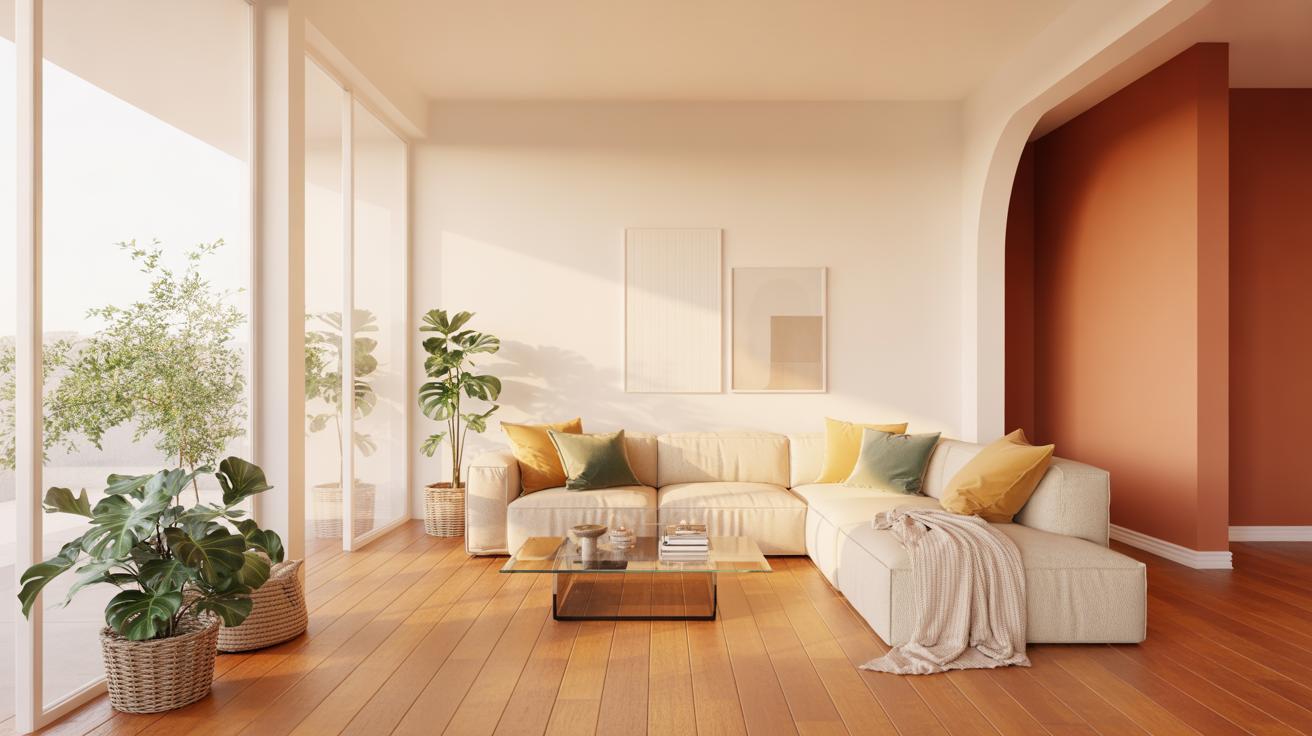
When it comes to art, minimalism often favors simplicity and subtlety. Monochrome prints or abstract shapes on white backgrounds fit naturally. Think black and white photography, or a single piece of geometric sculpture. Even a wall-mounted metal frame can act as an artistic statement without clutter.
Accessories should follow the same idea: no busy patterns or bright colors that demand attention. A clean-lined ceramic bowl, a single candle in a muted holder, or a slim vase with a lone branch can bring quiet beauty. Sometimes, a piece of art becomes the room’s only decoration—and that’s perfectly okay.
Have you noticed how the absence of extras forces you to appreciate design differently? Minimalist decor challenges you to slow down and focus. It’s not just about less, but about choosing better. Maybe that’s why these living rooms, though simple, feel surprisingly warm and alive.
Common Mistakes In Minimal Living Rooms
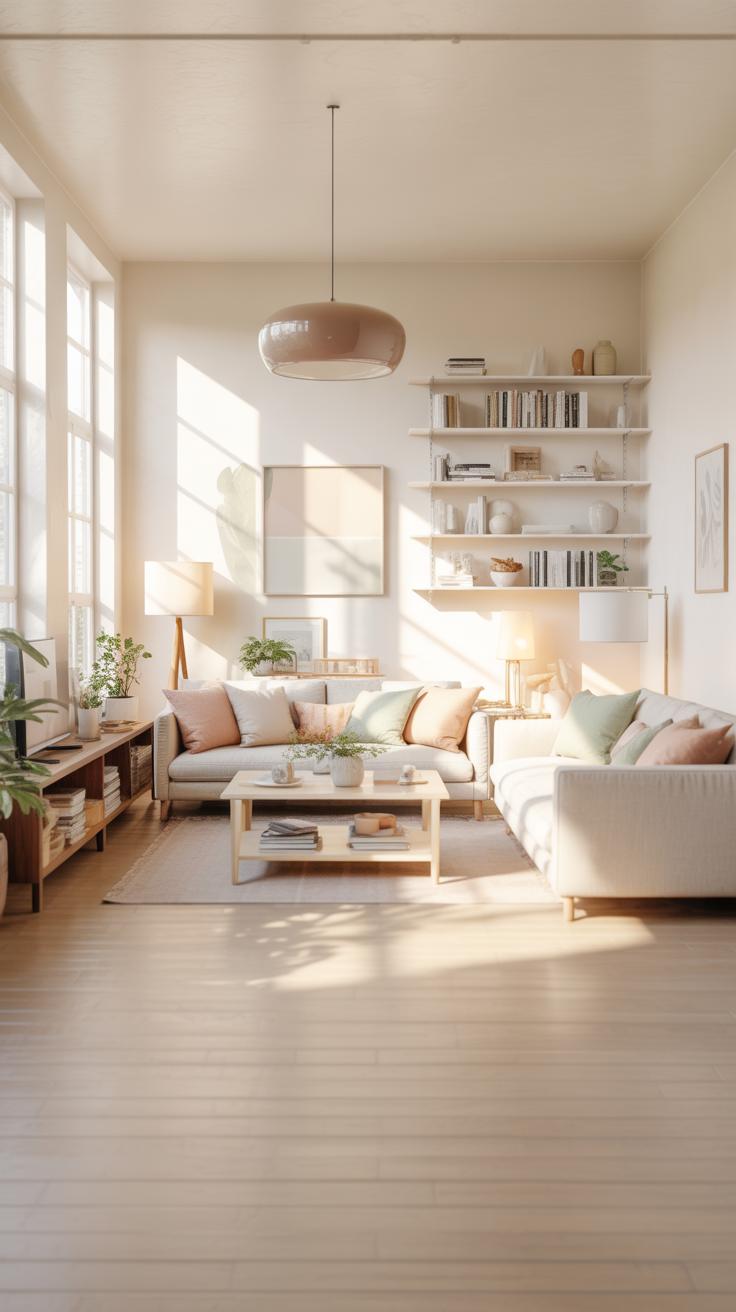
Trying to nail a minimalist living room can feel simple, but there are common traps many fall into. One frequent mistake is overcrowding the space with too many objects. It might seem harmless at first—just a few extra decorative pieces here and there—but those quickly pile up and undo the whole minimal vibe. Minimalism isn’t just about fewer things; it’s about clarity and breathing room. Holding onto items ‘just because’ can clutter the atmosphere. Instead, focus on what truly matters to you and ditch anything that feels like filler.
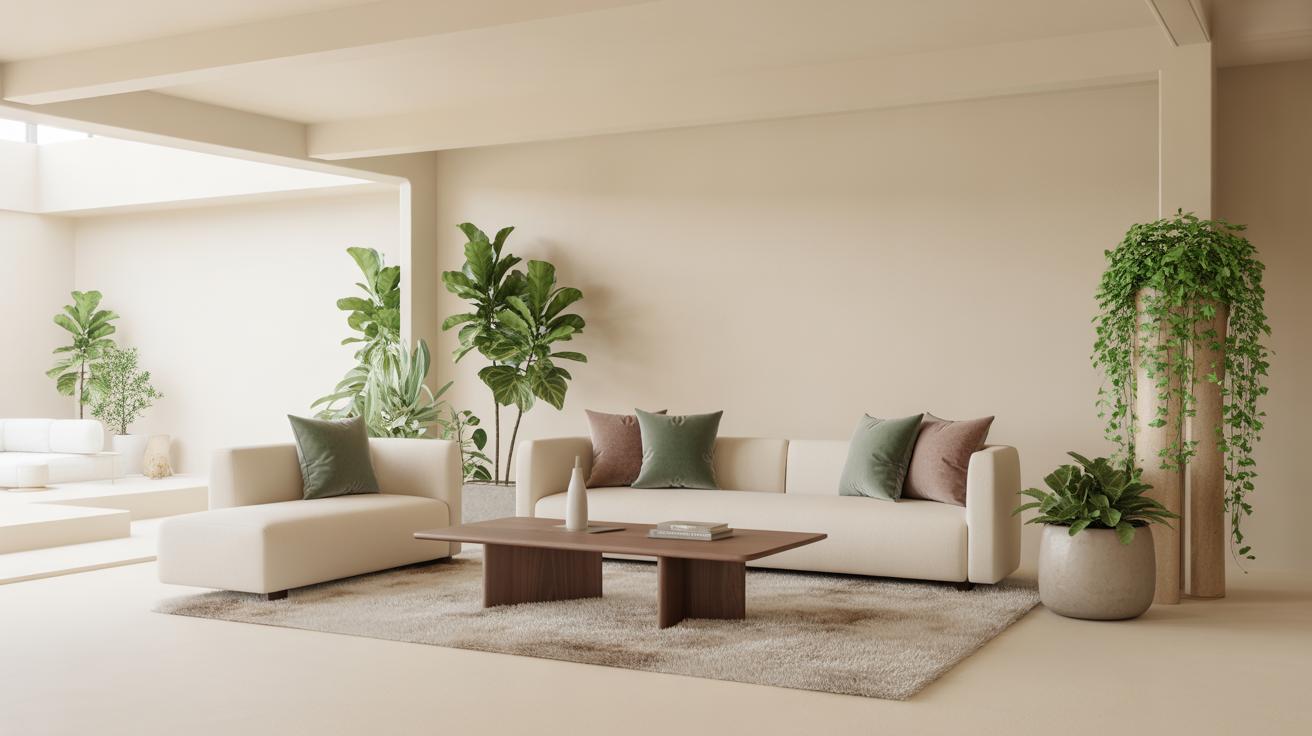
Another pitfall is choosing decor purely for its looks. A sleek vase or a neat sculpture might catch your eye, but if it serves no purpose, it can feel out of place over time. Sometimes, ‘pretty’ decor just ends up gathering dust. Think about how each piece works in daily life. Does that coffee table offer storage? Is the lighting adjustable? Balancing function with style creates a space that feels both clean and lived-in.
So, before adding that next item, ask yourself: Is this necessary? Does it work for me beyond looking nice? Those questions can save you from overcrowding and help maintain minimalist intent without losing personality.
Maintaining Your Minimal Living Room Space
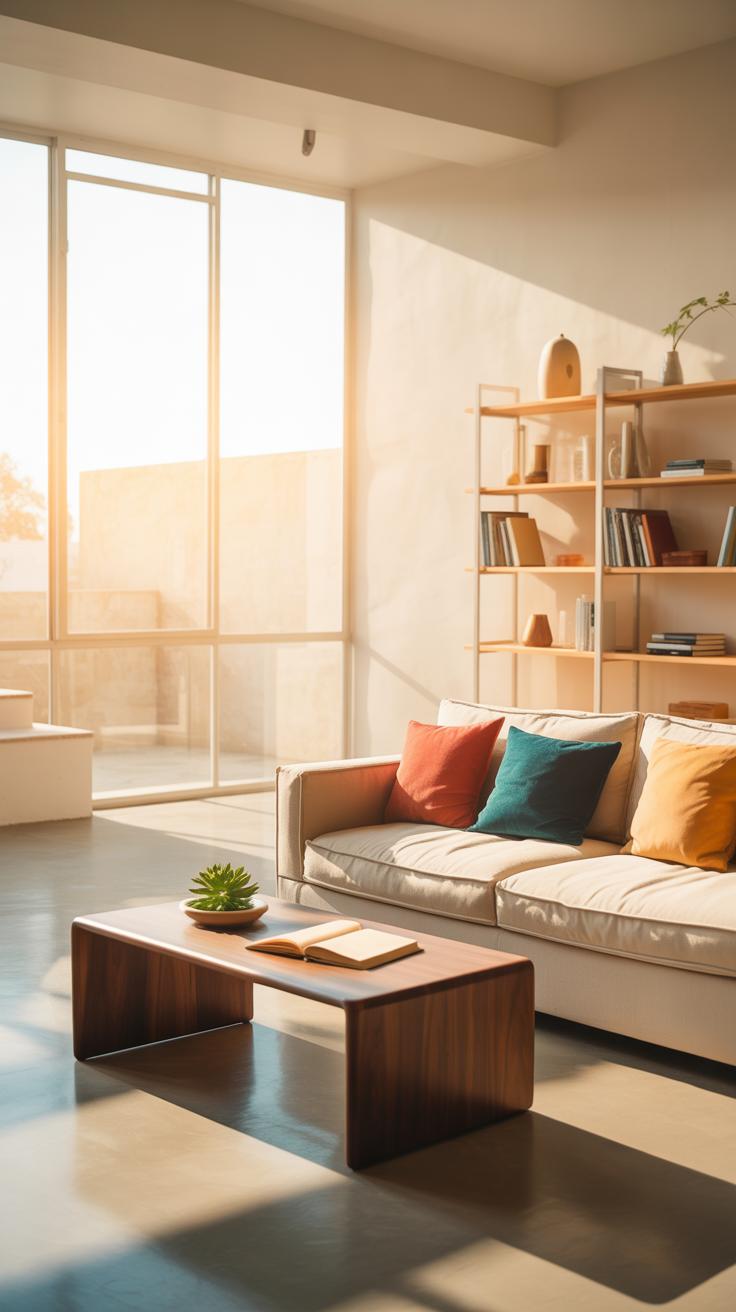
Keeping a minimalist living room looking fresh is less about grand efforts and more about small, daily habits. Maybe it’s easy to let clutter sneak back in when you’ve just cleared it away yesterday. To avoid that, try a quick sweep through the space each evening. Put away stray items like books, remote controls, or cups. It doesn’t have to take long—five minutes is enough to stop clutter from piling up.
Wiping down surfaces regularly helps, too. Dust builds up quietly, and suddenly your sleek coffee table doesn’t look so sleek anymore. A microfiber cloth and a little cleaner usually do the trick, and it can even feel surprisingly satisfying, almost like hitting a refresh button.
Daily Quick Cleanup Tips
Simple actions you could take every day include:
- Return things to their designated spot right after use.
- Run a cloth over surfaces as part of your evening routine.
- Check under cushions or behind furniture for overlooked items.
- Keep a small basket for miscellaneous items that don’t have a home yet; empty it daily.
These little efforts save you from bigger messes later. It may feel tedious at times, but it’s less overwhelming than a major cleanup. And you get to enjoy your space more often.
Seasonal Deep Cleaning Guide
Every few months, it helps to go deeper than the daily quick fixes. Start by removing everything from shelves and tables. Take this chance to reassess what’s really needed. It’s tempting to hold onto things just because they’re familiar, but maybe some items could quietly leave the space.
After clearing surfaces, vacuum or mop the floor thoroughly, including corners and under furniture where dust hides. Clean upholstery next—vacuum cushions and spot-clean any marks. Don’t forget window panes and blinds; they change how light fills the room, impacting that minimalist brightness.
Finally, put back only what you want to keep, arranged neatly and sparingly. This routine isn’t about perfection; it’s about respecting your space so it stays practical and calming.
Minimal Living Room Case Examples
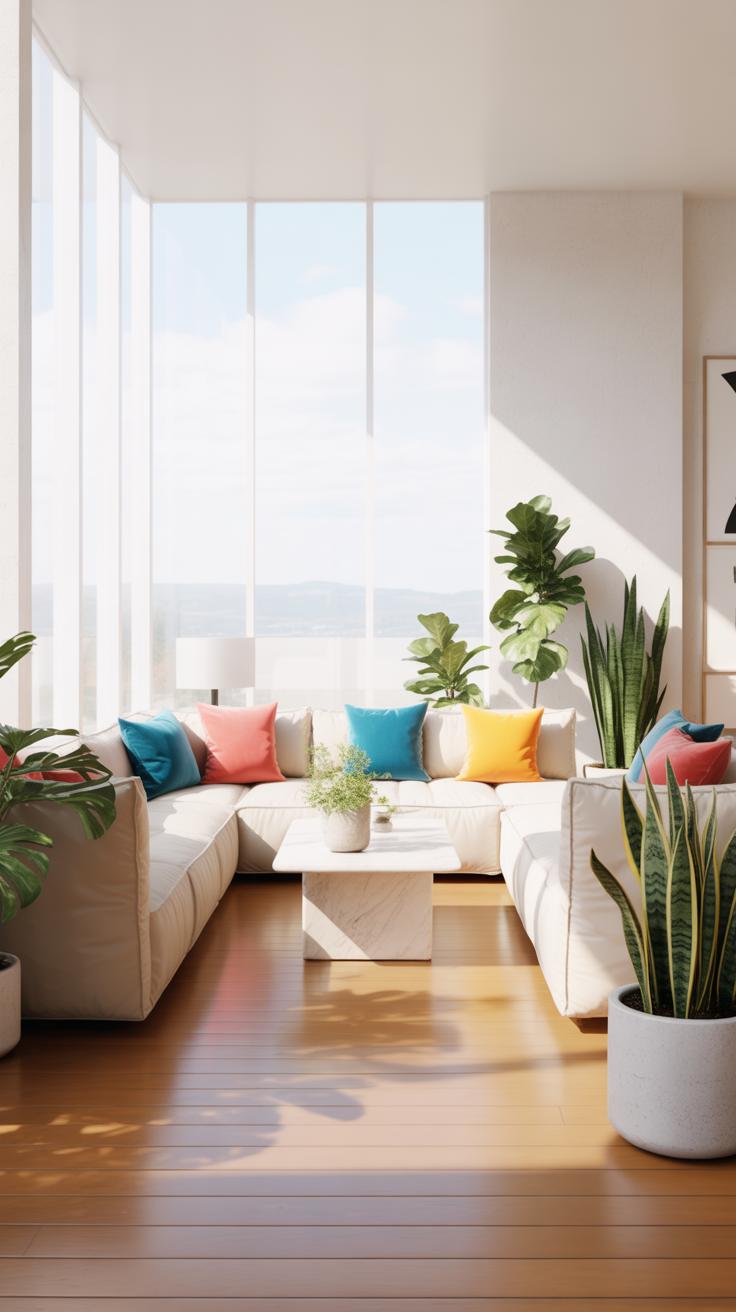
Small Apartment Minimalist Living Room
Imagine a compact city apartment where space is tight but style doesn’t suffer. A small minimalist living room often thrives on multi-purpose furniture—a sofa that doubles as a guest bed or a coffee table with storage underneath. One example I came across used a neutral color palette with soft grays and creams, making the room feel open without overwhelming it.
What really caught my attention was how the designer managed clutter: only essential pieces were kept visible. Floating shelves replaced bulky cabinets, creating a sense of airiness. The lighting was simple but effective—natural light paired with slim wall sconces, avoiding anything that eats up floor space.
This setup shows that, in a small room, minimizing objects isn’t about starkness—it’s more about thoughtful choices that let the room breathe while serving multiple functions. You might wonder if such simplicity risks feeling cold, but with textured fabrics and organic shapes, a small minimalist space can be, well, quite cozy.
Large Minimalist Living Room Layouts
Now, think of a large living room with minimalist design—spacious but inviting. The challenge is to prevent the room from feeling empty. One example worked by grouping furniture to encourage interaction: a couple of simple sofas opposite each other with a low-profile table in between. This arrangement created defined zones without cluttering.
Color was kept to subdued tones, yet a single bold art piece anchored the space visually. The large room made use of tall ceilings and big windows to bring in plenty of natural light, which feels crucial in keeping minimalism from becoming cold or unwelcoming.
What was interesting is the restraint in accessories. Instead of many decorative items, the design prioritized quality over quantity—a single vase, a textured rug, a few books. It asks: can fewer things make a space feel both stylish and lived-in? I’d say yes, if chosen with care and placed thoughtfully.
Conclusions
Minimalist living room design offers simplicity and comfort by focusing on essentials. Removing extra items creates a calm space where you can feel relaxed. You do not need many things to have a stylish and functional living room. Choosing the right furniture, colors, and lighting can transform your space.
By applying minimalist principles, you create a living room that is easy to maintain and inviting. Remember to choose pieces that serve a purpose and reflect your lifestyle. Your minimalist living room will then become a modern space where you enjoy both peace and practicality.