Introduction
Minimal Style Interior Design Trends Shaping Modern Minimalism Interior are reshaping how we think about living spaces. This design approach focuses on simplicity, functionality, and cutting away non-essential elements to create clean, calm environments. Minimalism interior aims to organize your living space in a way that promotes peace and easy maintenance.
This article covers the core principles of minimalism interior and why they matter for modern homes. You will explore practical steps to apply minimalistic designs and understand how such an approach changes the way you live and feel in your home. We will also examine common questions, comparisons, and examples to guide you.
Core Principles Of Minimalism Interior
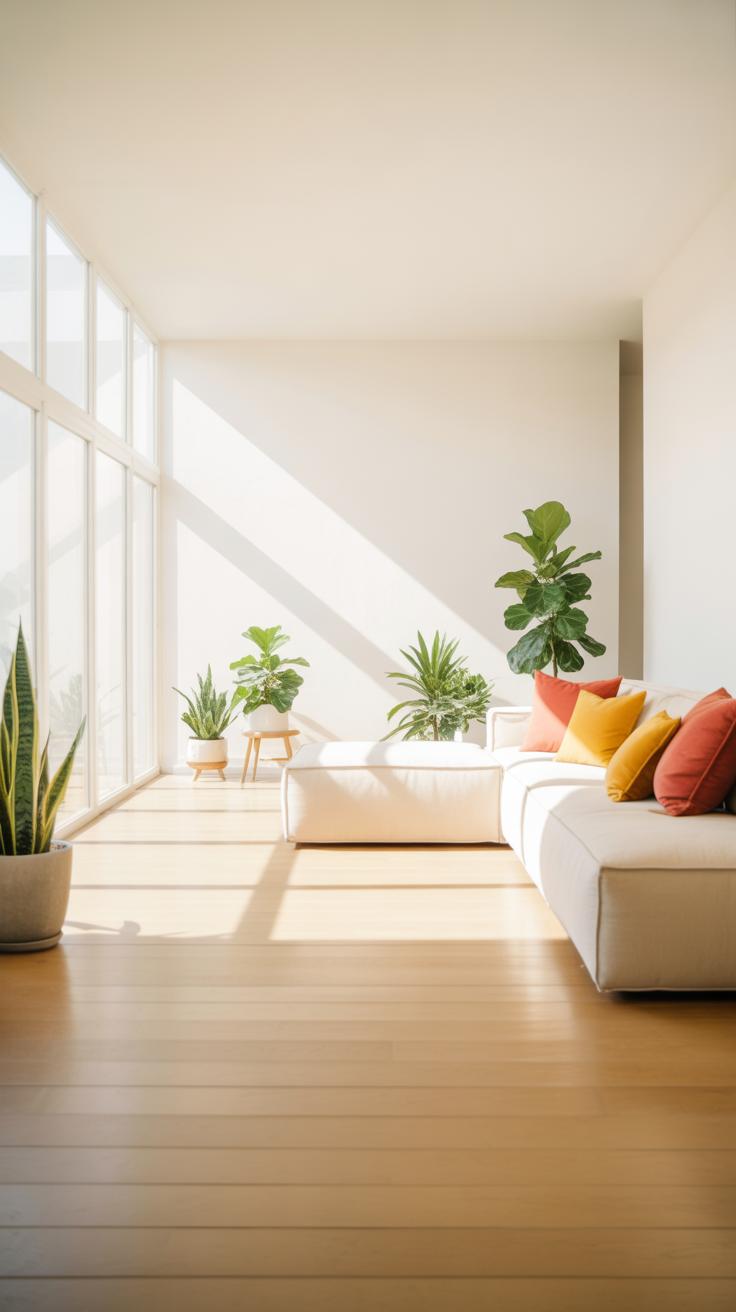
Minimalism interior is about stripping away the unnecessary to focus on what truly matters in a space. It emerged, I think, partly as a reaction to the overly decorative trends in early 20th-century art and design—think Bauhaus and De Stijl movements, where artists and designers began emphasizing clean lines and functional forms. The idea isn’t just about having less, but about embracing the essentials and letting them speak for themselves.
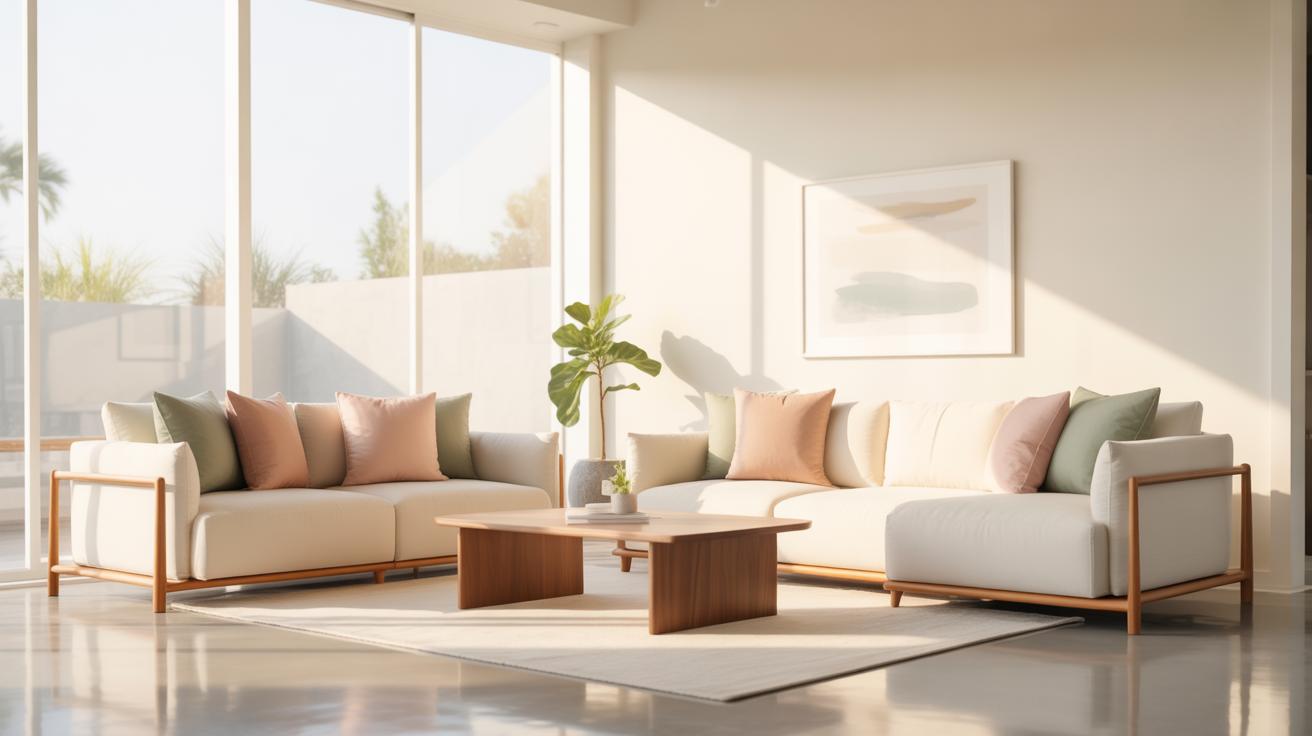
Minimalism in interiors reduces excess clutter and highlights simplicity. It values function over form, yet form remains key—it’s not just “bare” spaces but ones where every object has a purpose and aesthetic value. There’s a sort of quiet balance between what stays and what goes. You could say it’s the art of purposeful restraint.
Three basic principles underpin this approach:
- Simplicity: Avoiding unnecessary decoration and focusing on clean, straightforward design.
- Function: Every item should serve a role, practical or spatial.
- Form: Shapes and structures matter—but should be subtle, harmonious, and unobtrusive.
What’s tricky is that minimalism isn’t the same for everyone. While one person’s idea might be just empty walls and space, another would include a select few well-chosen items. So it involves personal judgment, which can feel both freeing and uncertain.
What Defines Minimalist Design
Minimalist interior design is largely defined by simple shapes and clean lines. The geometry doesn’t have to be sharp or rigid, but it does need to feel intentional. Curves or straight edges—both can work, as long as they don’t overwhelm the space.
The color palette tends to stay neutral. Whites, beiges, soft greys—these make a room feel calm and open, not cluttered. You might occasionally see gentle accents, but bold or busy patterns are rare.
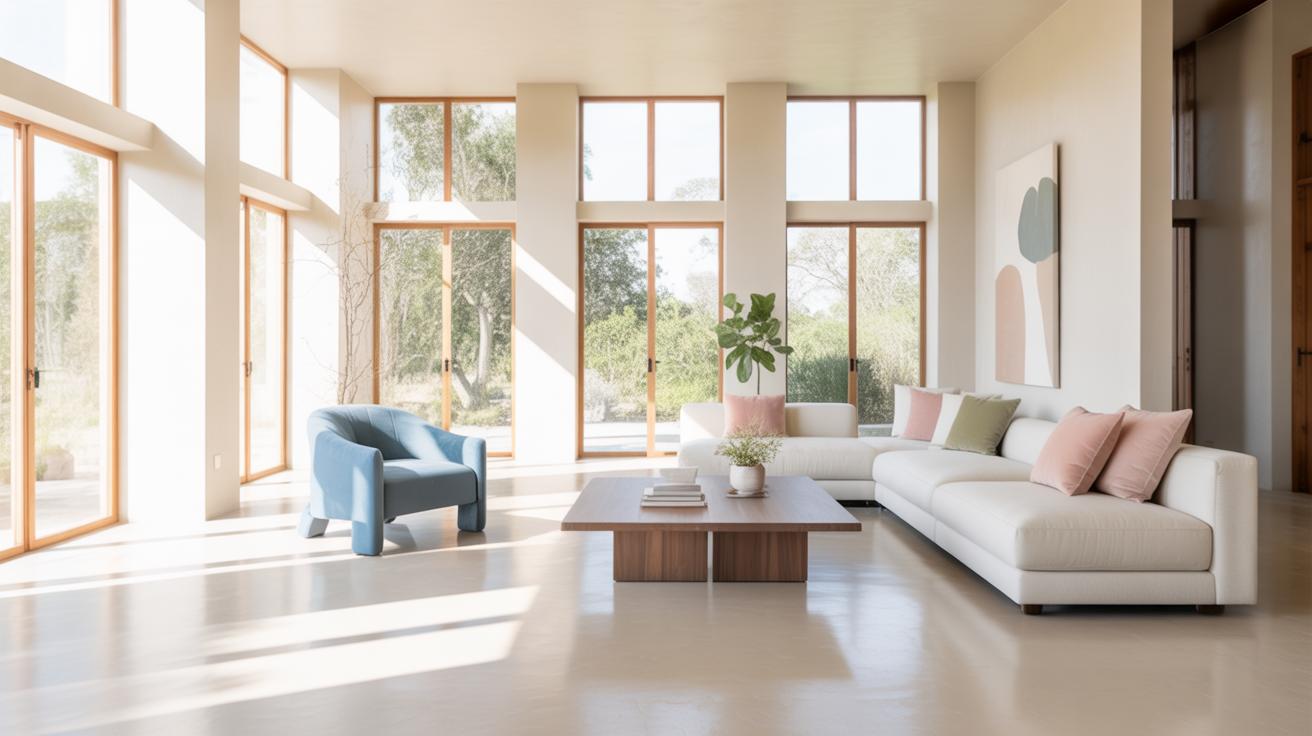
Lack of clutter is critical. Spaces are kept open, surfaces clear. It’s not just tidiness but a deliberate rejection of excess objects that don’t add meaning or function. It creates a kind of calm that can be surprisingly tricky to maintain day-to-day.
In essence, minimalism feels like a pause—an invitation to slow down and focus on space itself rather than what fills it. Have you noticed how rooms like this can feel both peaceful and a little stark, almost like they’re waiting for something to happen?
Key Features You Should Know
Several features consistently show up in minimalist interiors:
- Open space: Rooms are airy, often with fewer walls or partitions, letting the space breathe.
- Natural light: Large windows or light wells maximize sunlight, reinforcing the sense of openness and connection with the outside.
- Minimal furniture: Pieces are chosen carefully, usually simple in design and multifunctional if possible.
- Quality materials: Instead of quantity, minimalism favors well-crafted wood, stone, metal, or glass that ages well and adds texture.
Considering these features makes you think about what really matters in how you live. It’s not just about cutting back—it’s about making room for the essential and appreciating the subtlety in design choices. The challenge? It can feel a bit daunting to get this balance just right. But when it works, it changes the entire atmosphere in your home.
Why Minimalism Interior Matters For You
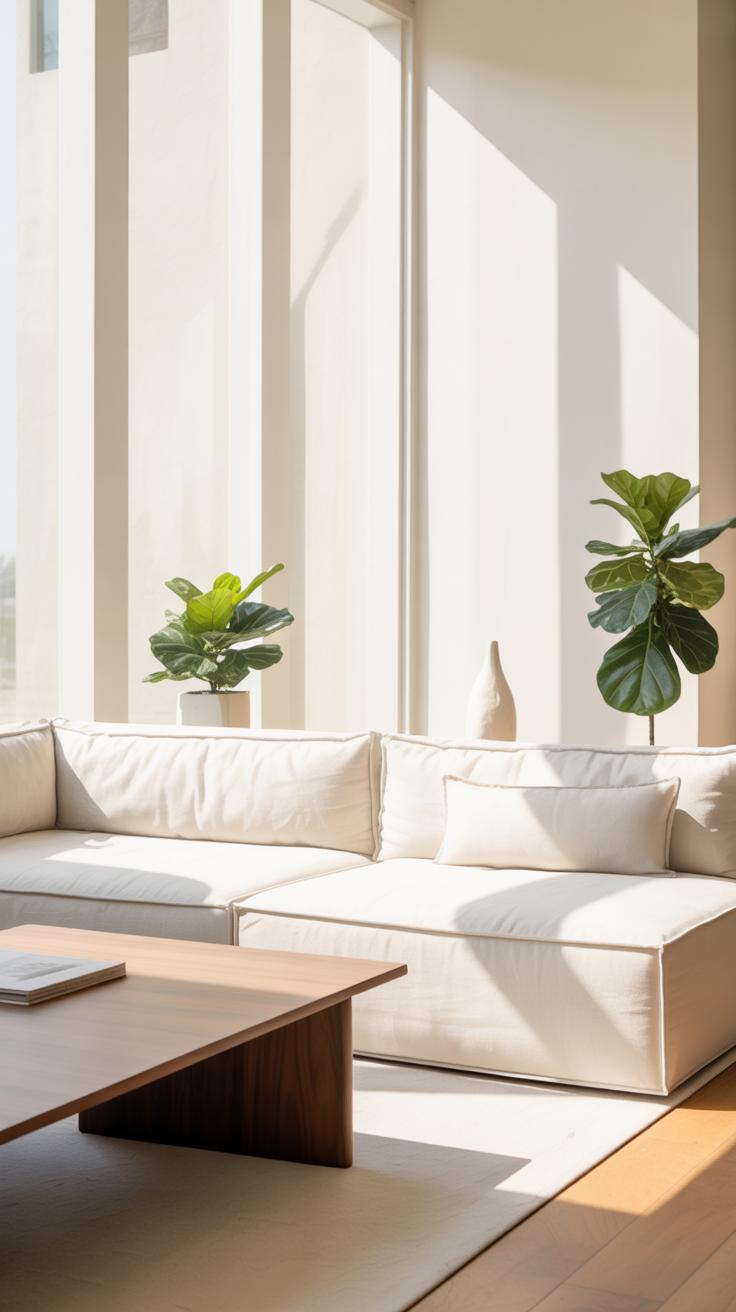
You might wonder why so many people turn to minimalism for their living spaces. The truth is, a minimalist interior can genuinely change how you experience your home day-to-day. It’s not just about looking neat or “on trend”—it goes deeper, affecting how you feel and function within those walls.
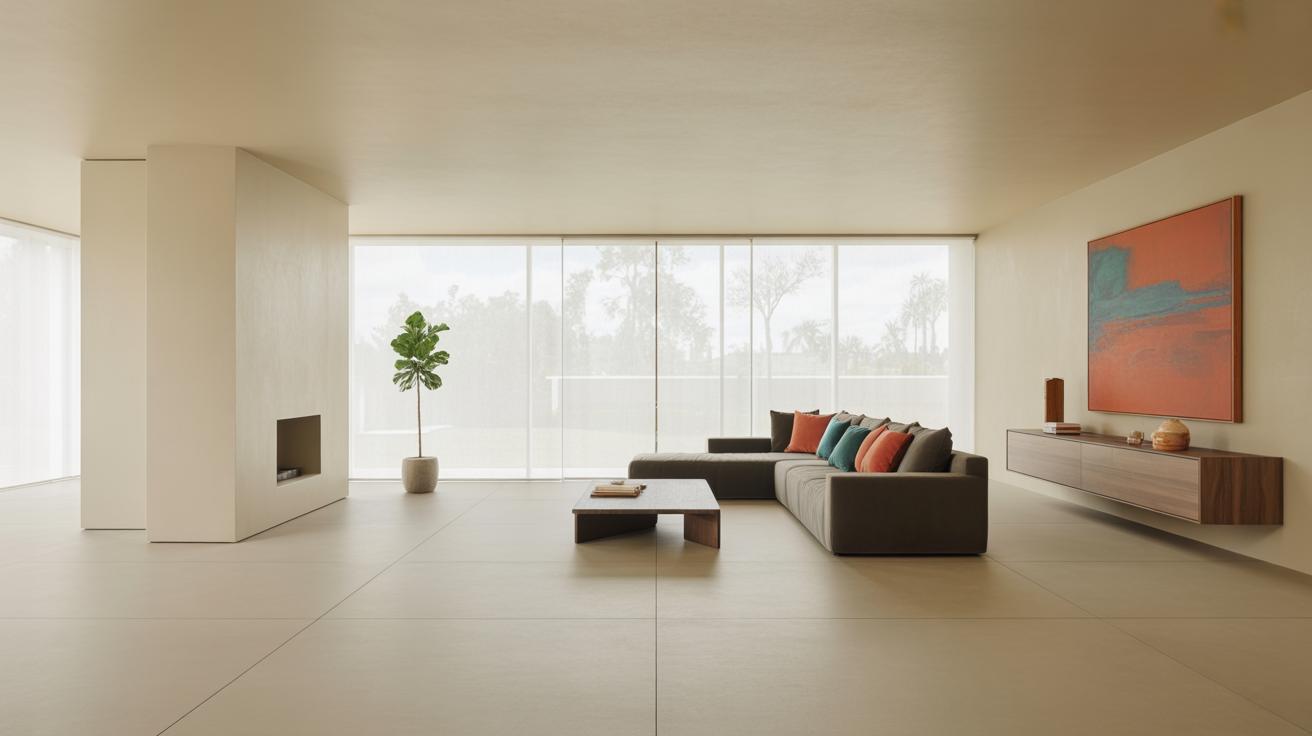
Think about the way clutter and chaos sometimes make your brain feel overwhelmed. A minimalist room strips away distractions, leaving room for clearer thoughts and calmer moods. That quiet simplicity can actually reduce stress and help you focus better. I’ve noticed that after decluttering my own apartment, I felt less frazzled, almost like a mental weight lifted even if the space itself hadn’t changed dramatically.
And there’s a practical side too. Fewer things mean less to clean and organize. Instead of wrestling with piles of stuff or dusting dozens of knickknacks, maintenance feels quicker and far less daunting. This isn’t always obvious at first, but over time it can save you a surprising amount of effort—and let’s be honest, that convenience is worth something.
Here are a few reasons it might matter for you:
- You gain a space that encourages relaxation and mental clarity.
- Daily upkeep becomes simpler and less time-consuming.
- Less visual noise invites you to focus on what truly matters.
Still, minimalism isn’t about stripping everything away blindly. It’s more about choosing what deserves your attention and what you can let go. Have you noticed how your mood shifts in a crowded room compared to a simple, open one? That feeling alone might be reason enough to explore minimalism in your home.
How To Start Minimalism Interior Today
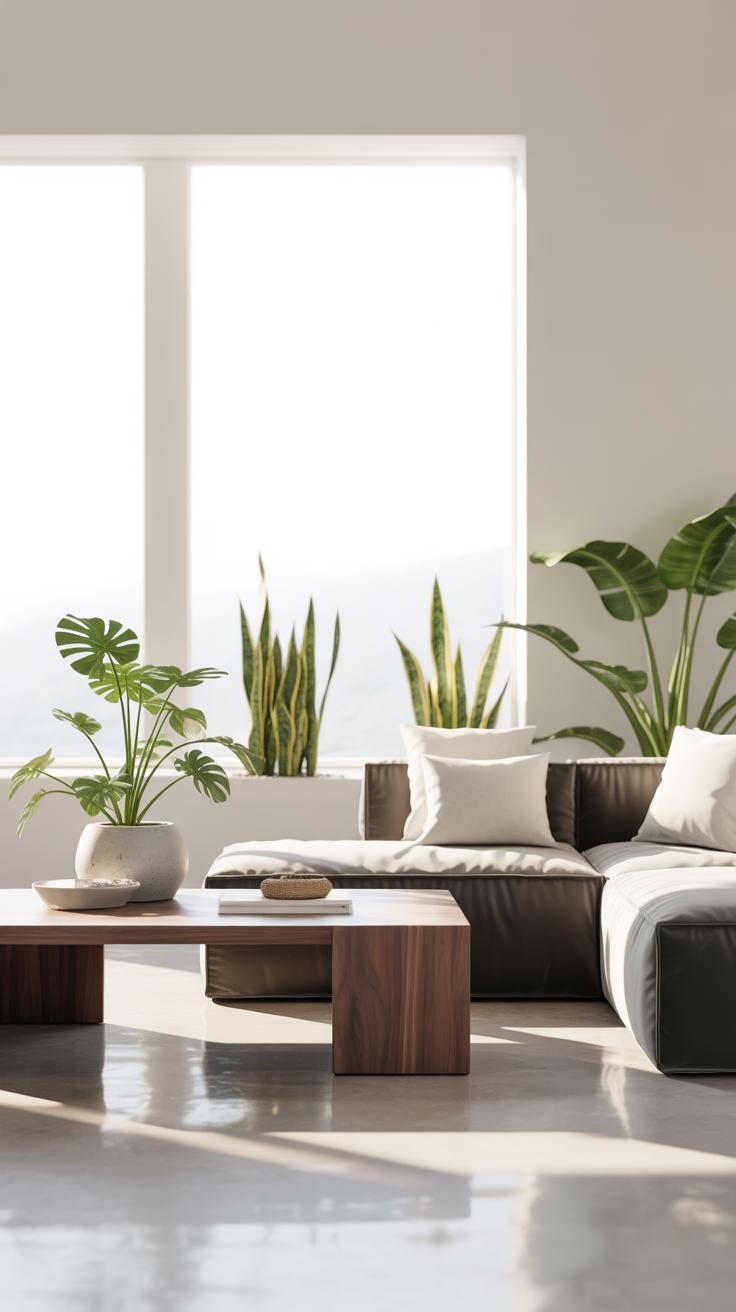
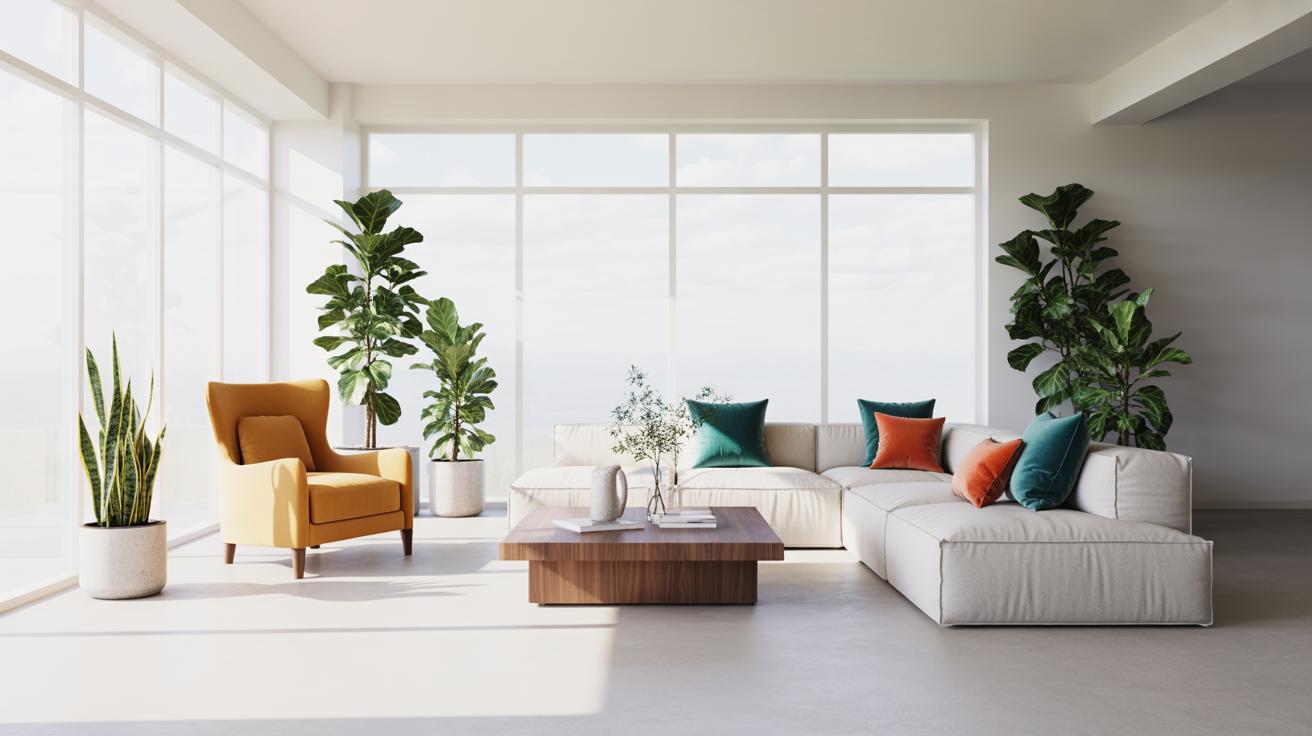
Starting a minimalist interior doesn’t have to be overwhelming. You can begin by simply rolling up your sleeves and looking at what you already own. Ask yourself: does this item serve a clear purpose? Does it bring me a bit of joy or calm? If not, it might be time to let it go. Try tackling one category at a time—clothes, books, kitchenware—so you don’t get buried beneath everything all at once.
Work through your belongings in three piles: keep, donate or sell, and toss. Be honest with yourself, but don’t rush. Sometimes things feel useful but rarely get used. You don’t have to decide everything in that one moment; you can revisit certain items later. Organizing what you keep matters just as much. Find simple storage solutions so that every remaining item has its place.
When choosing furniture, think about pieces that do more than one thing. A plain desk that can double as a dining table, or a sofa that’s comfortable but with clean lines. Furniture with fuss-free design often means fewer distractions visually. Don’t chase trends—pick what feels right and practical for your daily life. Sometimes less is a little unsettling at first, but it also leaves room—room for light, for movement, even for new ideas.
Minimalism Interior Versus Traditional Designs
Space Utilization Differences
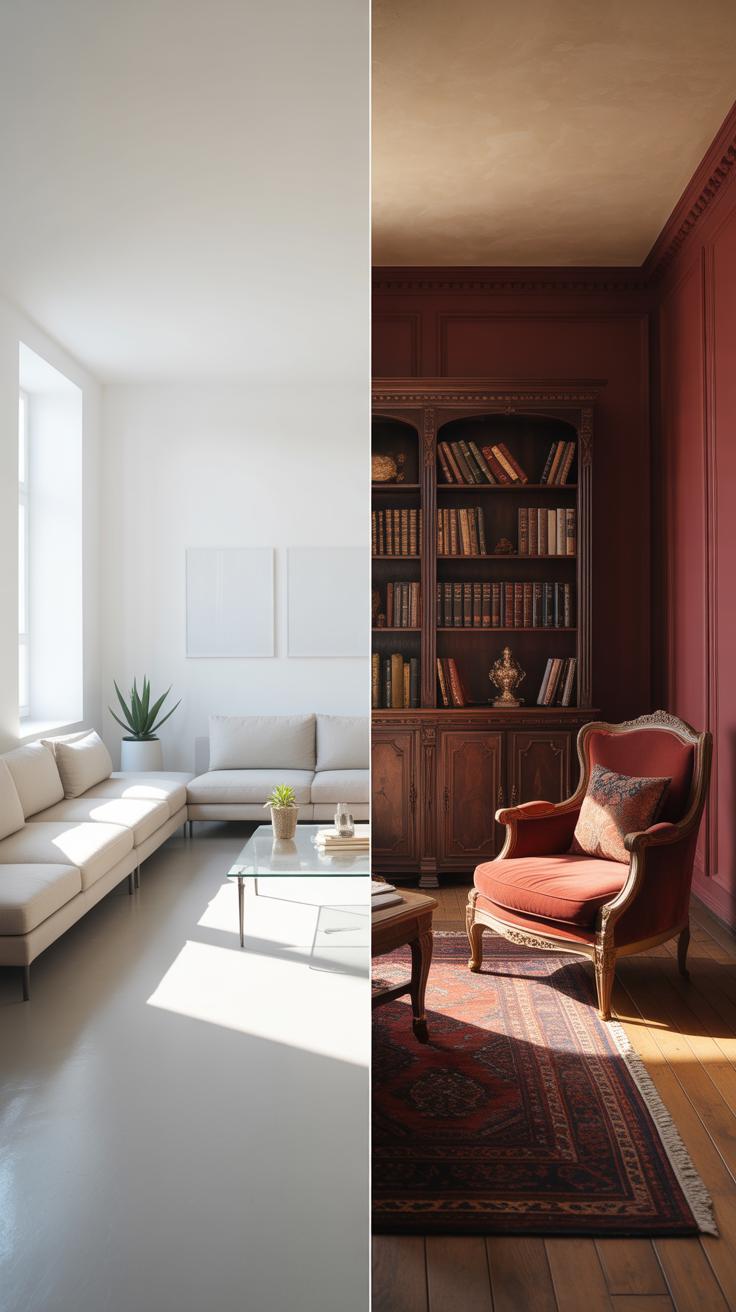
When you walk into a minimalist interior, the first thing you notice might be the open space. It often feels like the room breathes. There’s little to no clutter crowding your view. Minimalism embraces emptiness, leaving large areas open, which can make a room look bigger and calmer. In contrast, traditional designs tend to fill space with furniture, accessories, and even wall hangings. It can feel cozy, sure, but sometimes a bit overwhelming or busy.
Minimalists arrange only what’s truly necessary, so every piece of furniture earns its place. Traditional interiors often layer layers of decoration—rugs over carpets, vases by lamps, framed art crowded on walls—and this can make spaces feel fuller but also more enclosed. You might find yourself bumping into things in a traditional setup, while minimalism encourages movement and flow.
Decoration And Color Choices
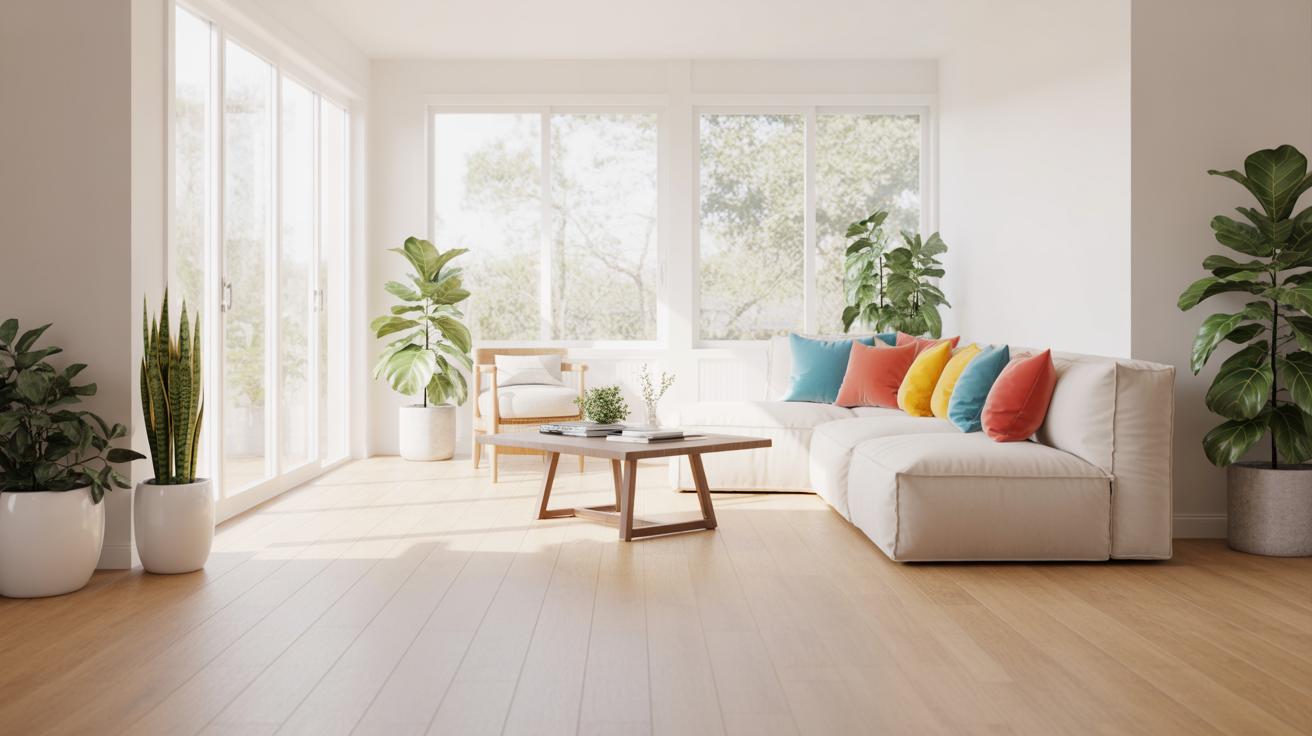
The color palette in minimalism usually sticks to neutrals—whites, greys, blacks, beiges—with occasional muted tones. The idea is to keep your eyes resting rather than chasing color. Decorations are minimal, often reduced to a single sculpture or a plant, nothing competing for attention. Traditional interiors, on the other hand, are rarely shy with color. Deep reds, golds, greens, and blues often pop. Curtains, patterned wallpapers, and ornate frames add layers of visual texture.
Traditional decoration tends to celebrate detail and richness, sometimes almost to a fault. Minimalism trades all that for simplicity, but I wonder if sometimes it risks feeling a bit too sparse or cold for some. Yet, minimalism’s pared-down approach invites you to focus on quality rather than quantity, encouraging you to live with less but better. It’s a different feel entirely, and choosing between them might depend more on how you want your space to make you feel day-to-day.
Tools And Materials For Minimalism Interior
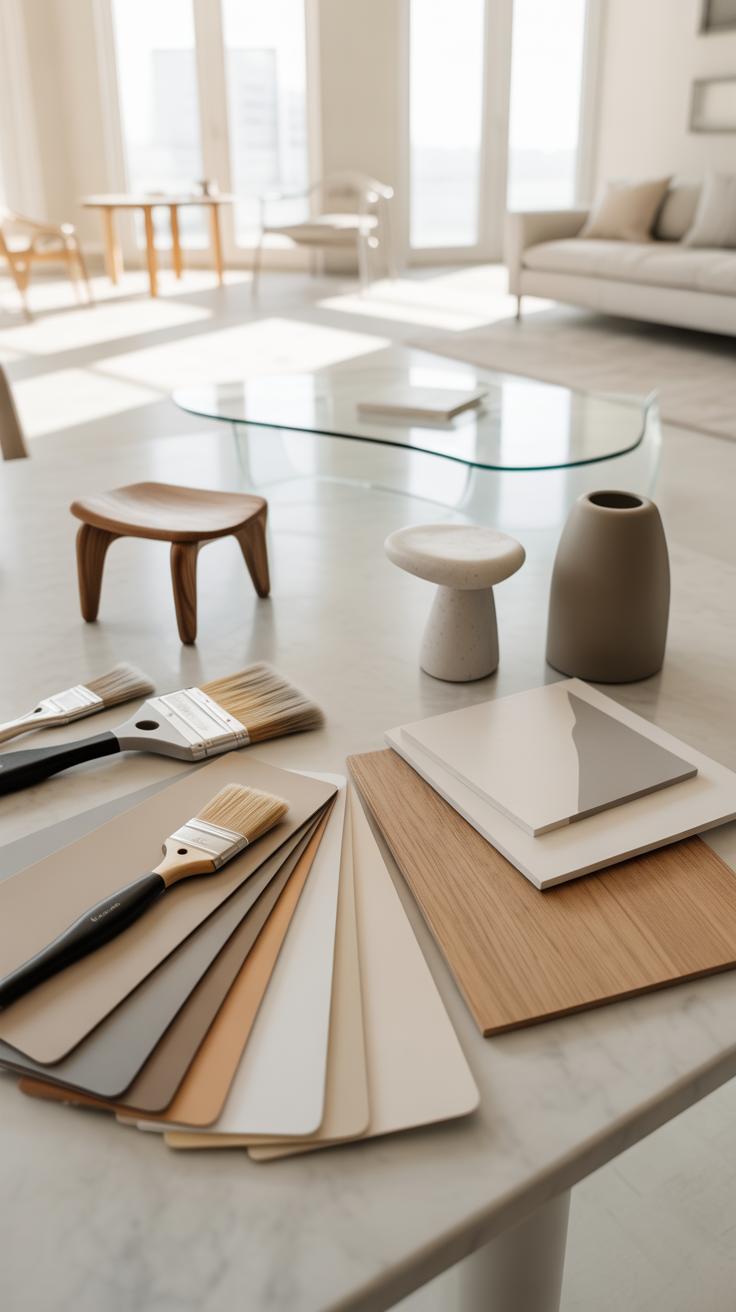
Setting up a minimalist interior requires more than just empty spaces; the choice of tools and materials plays a key role in shaping the look and feel. When selecting furniture, opt for pieces made from natural wood, metal, or glass. These materials lend a clean, simple aesthetic without overwhelming the space. Think of a low-profile wooden coffee table with sleek metal legs or a glass dining table that doesn’t block visual flow.
Storage solutions should blend in, not stand out. Look for built-in closets with flat panels and handleless doors, or modular shelves that can be customized to your needs—nothing too fussy. Drawer units on casters can double as versatile pieces while keeping the clutter out of sight.
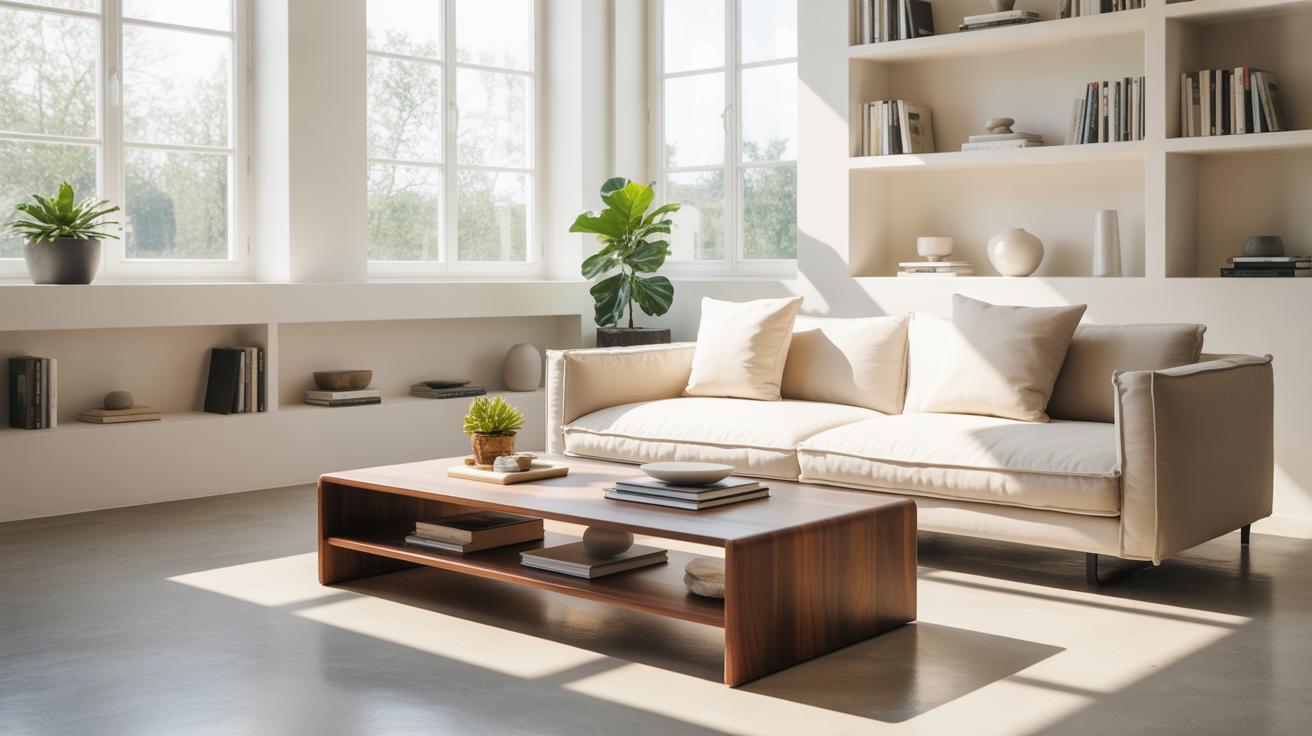
Lighting is another crucial aspect. Natural light should be maximized whenever possible. Large windows, light curtains, or even strategically placed mirrors can help bounce light around. Artificial lighting needs to be simple but effective—think track lights or recessed lights with adjustable brightness, rather than ornate fixtures. A few well-chosen lamps with slim profiles work well here too.
Decoration in minimalist spaces tends to be sparse, but that doesn’t mean empty walls. Simple art pieces—single-tone prints, black-and-white photography, or subtle line drawings—add personality without crowding. Sometimes, a single sculptural object or a textured vase is enough to create interest.
Have you noticed how less can feel more? It’s tricky finding the balance between functional and bare, but the right materials and lighting tools can guide you. It might take some experimentation to see what fits your space best, and what doesn’t get in the way of the calm minimal vibe you’re aiming for.
Common Mistakes To Avoid In Minimalism Interior
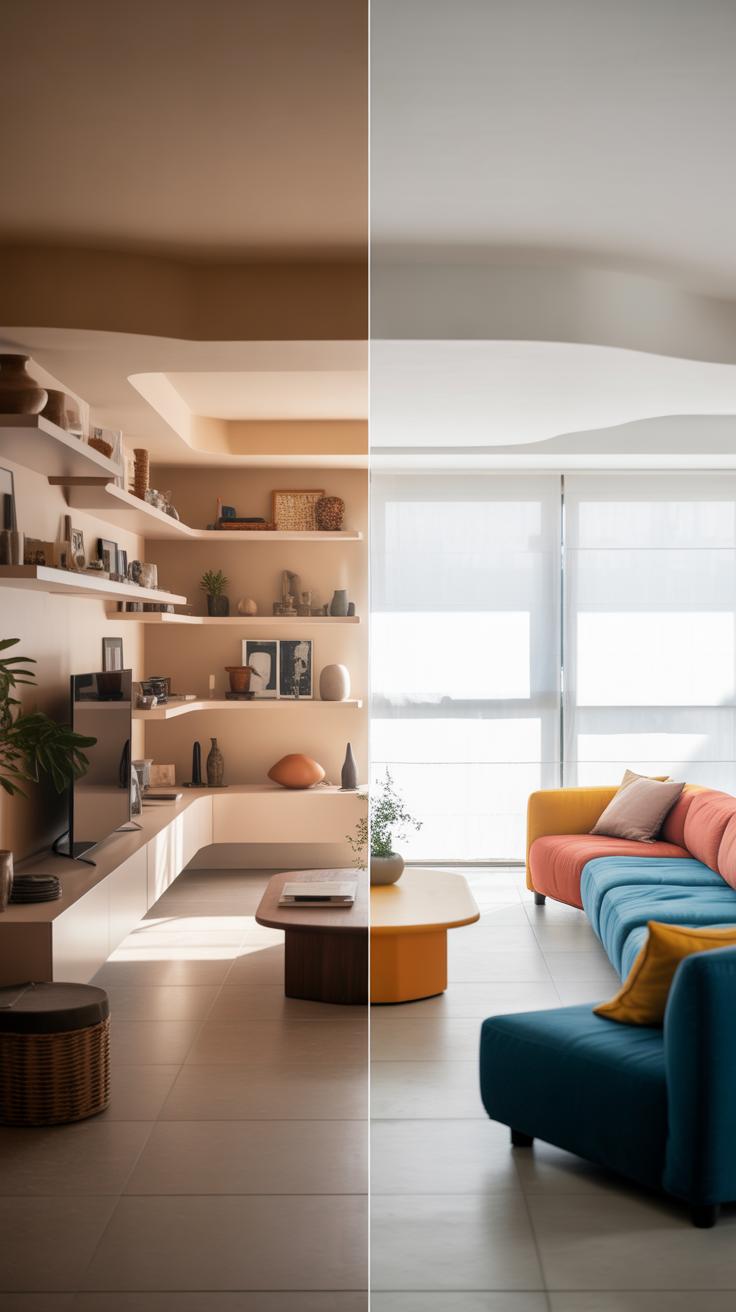
Minimalism might seem straightforward—less is more, right? But many people get tripped up by subtle pitfalls that pull their spaces away from true minimalism. One of the biggest mistakes I see is over-cluttering under minimalism. It’s a bit ironic—trying to create calm and order but ending up with too many items scattered around because it feels safer or more comfortable that way.
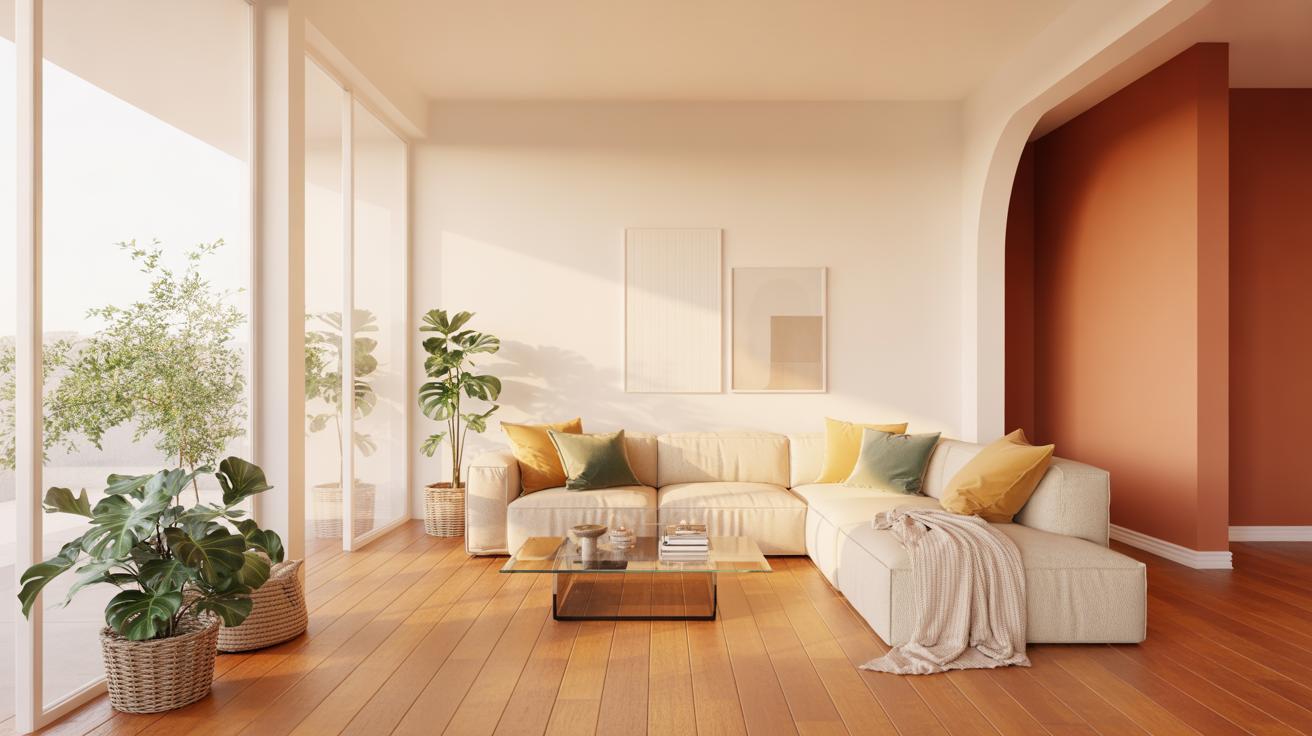
When you keep too many things, even small decor items or extra furniture, you dilute the minimal effect. It no longer feels open or airy. Instead, it looks busy and confusing. Try this: take a moment and question each item. Do you really need it? Does it serve a purpose or contribute to the overall feeling of calm?
Another frequent problem is choosing style over function. Sometimes people pick furniture or decor just because it looks trendy or fits an aesthetic with little regard for comfort or usability. You might end up with a stunning chair that’s uncomfortable or a sleek table that’s too small for practical use. It’s tempting to prioritize looks, but minimalism works best when pieces do what they’re supposed to do well.
- Keep only what brings genuine value or comfort.
- Test furniture physically before committing.
- Resist buying items as ‘just in case’ fillers.
- Balance clean lines with real-life needs like storage or seating comfort.
Minimalism isn’t just about empty spaces; it’s about meaningful ones. Avoid these traps to keep your interior truly minimal—and genuinely liveable.
Measurement Metrics For Minimalism Success
Comfort And Practical Use
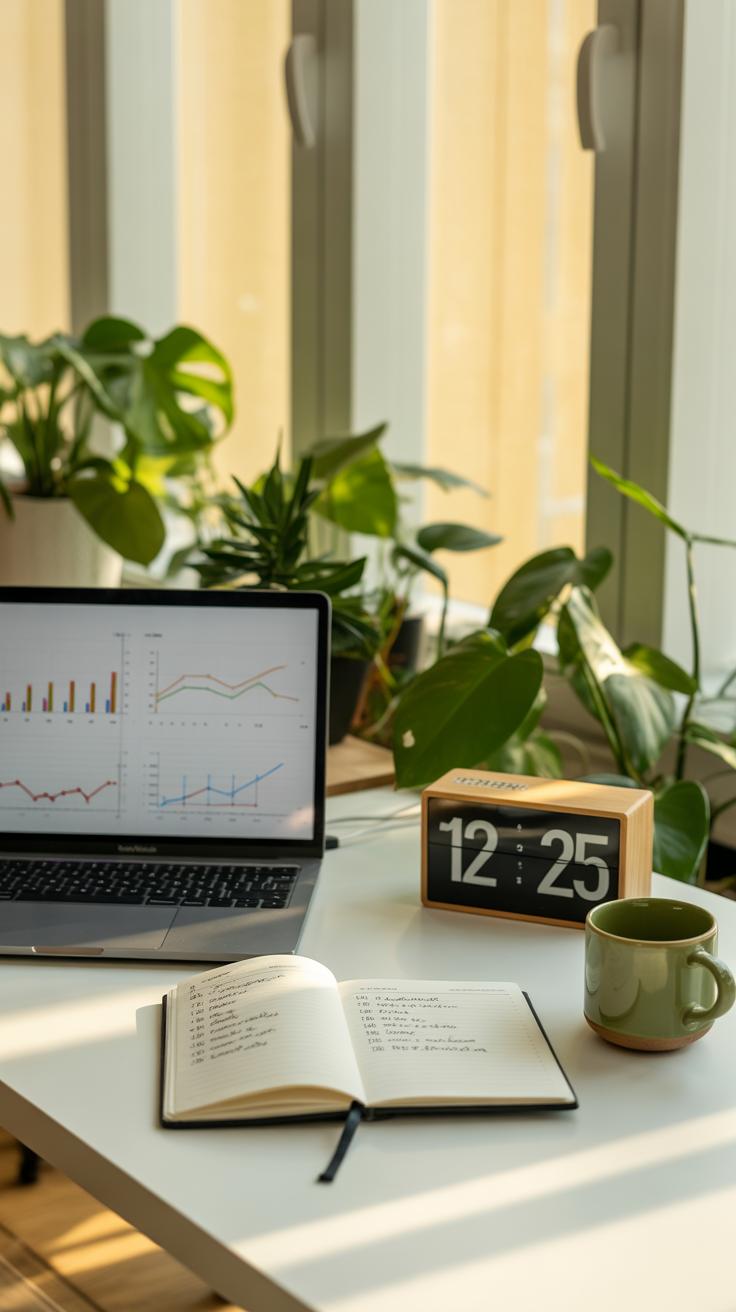
When you step into a minimalist space, it should feel easy to move around in and use day to day. But how do you know if it really serves your practical needs? One way is simply to notice if you hesitate or fumble while doing routine tasks. Does your furniture support you well during meals, work, or relaxation? If you find yourself adjusting or adding things frequently, maybe the design isn’t as functional as it seems.
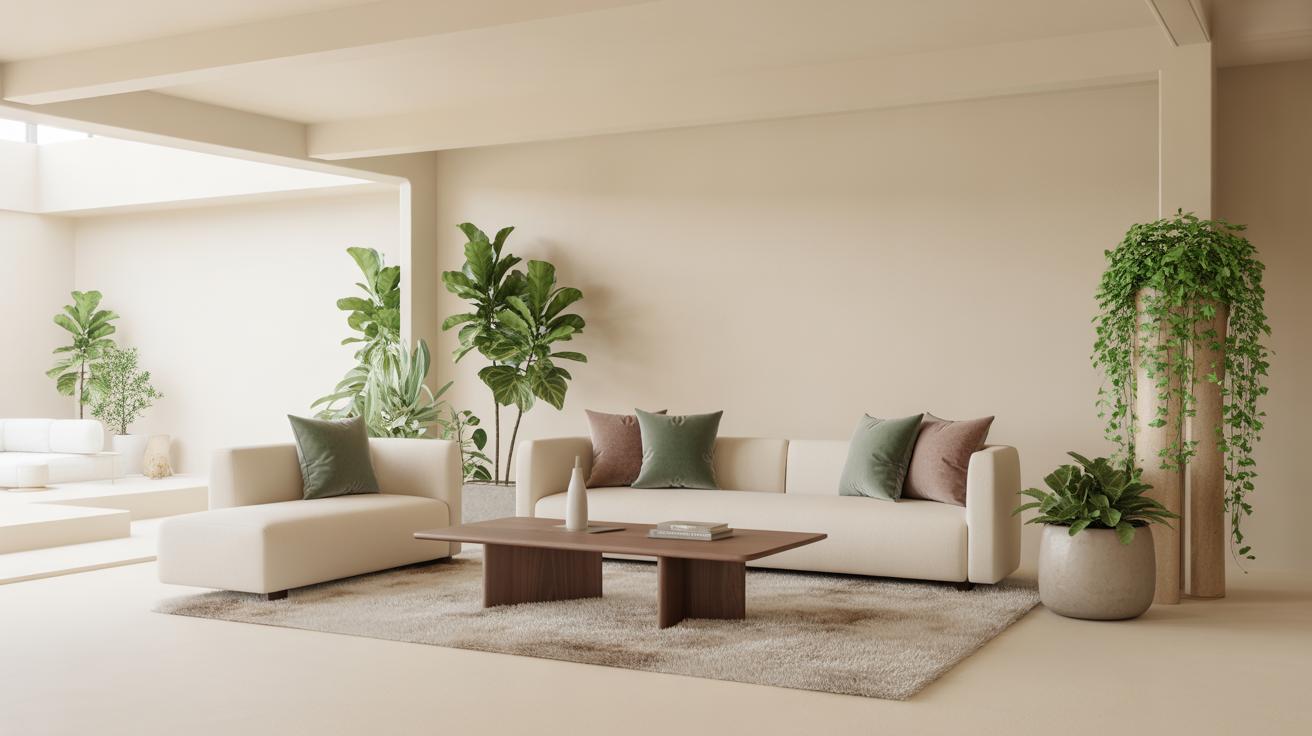
Try living in the space a few weeks and observe if it adapts to your habits or if you constantly wish for extras. Minimalism isn’t about scarcity—it’s about purpose. So, ask: does each item have a role, and does that role still fit your lifestyle comfortably? For example, a minimalist sofa might look sleek but if it’s too firm or low, you might avoid sitting, which is a problem.
Cleaning Time Reduction
Reducing cleaning time is one of the promises of minimalism. Tracking the actual time you spend tidying up can reveal if you’ve hit that mark. Before switching to a minimalist setup, note how long dusting, vacuuming, or decluttering takes. After the change, do the same. It doesn’t have to be perfect, just a rough comparison.
In practice, you might find cleaning easier because there are fewer surfaces or objects to manage. Or, you might catch yourself spending more time fussing over maintaining those minimal pieces. Sometimes, a simpler space invites more frequent but shorter touch-ups. The point is to gauge if your lifestyle feels lighter or just different.
Ask yourself: does tidying feel like a chore, or just a quick habit? Does your minimalist space reduce mental clutter alongside physical tidying? These subtle feelings count as much as the clocked minutes.
Examples Of Modern Minimalism Interior
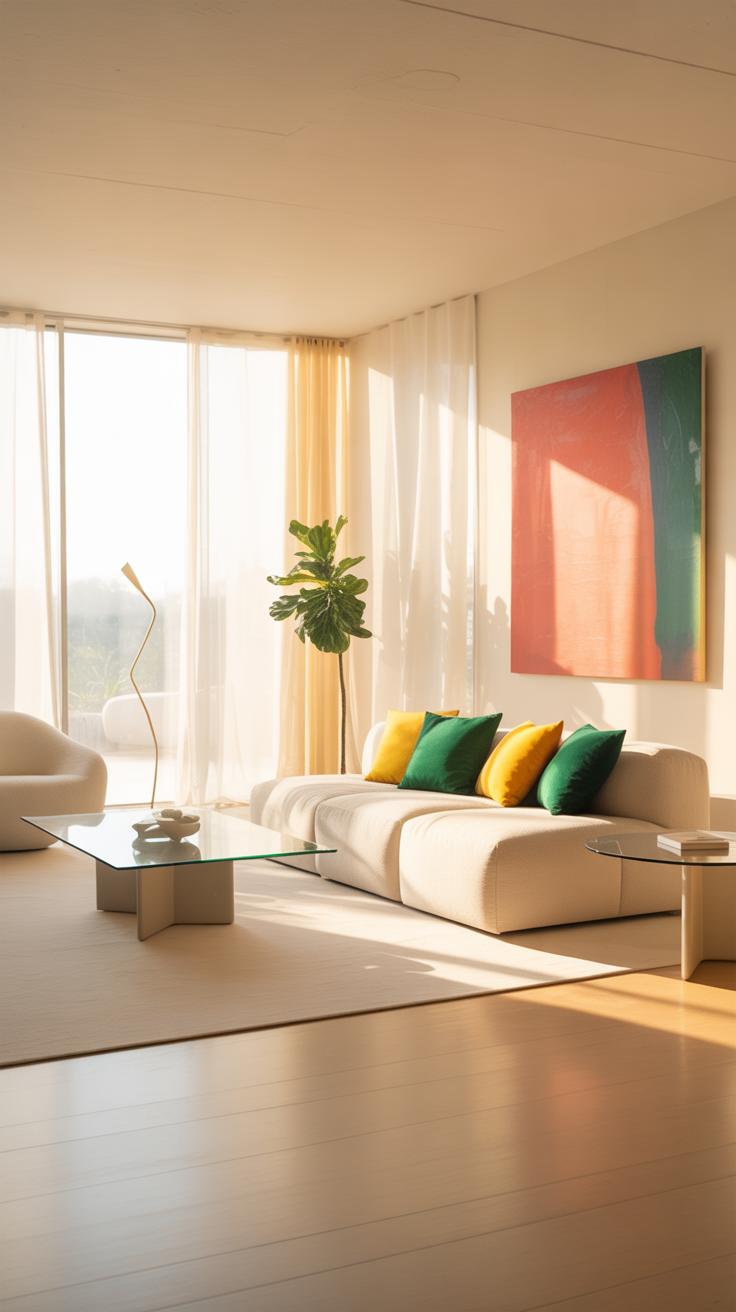
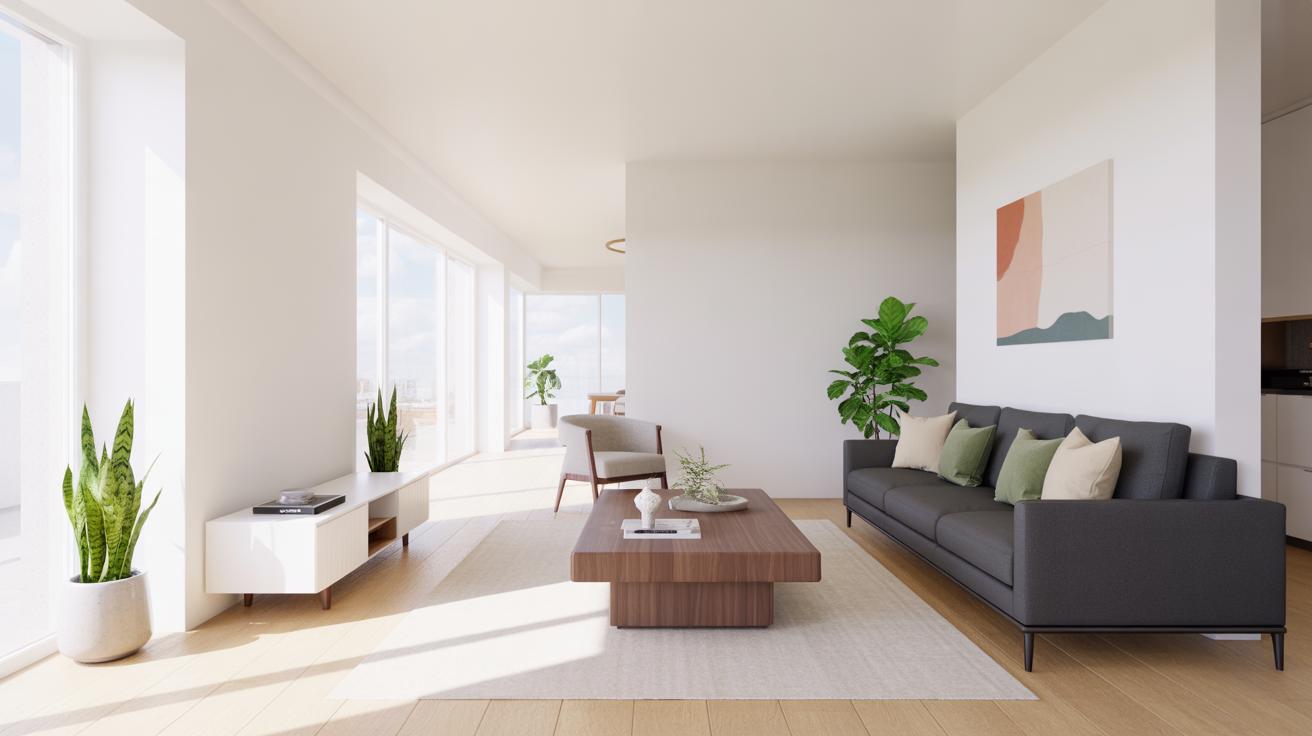
There’s something quietly powerful about modern minimalism interiors. Take a small urban loft where every square foot counts. The space leans heavily on neutral tones—soft grays, whites, and light wood. Rather than cramming in furniture, it favors a single low-profile sofa and a slim coffee table. The open floorplan allows an easy flow, making it feel less cramped despite its size.
Then, look at a city apartment using raw materials—concrete floors, exposed brick walls, black metal fixtures. The furniture is limited to essential pieces, mostly in sleek, geometric shapes. Color pops come from a single statement chair or an abstract piece of wall art; nothing competes for attention. This quiet restraint surprisingly creates warmth.
Another example is a suburban living room where the minimalist approach balances comfort and clarity. The space combines soft textiles and natural light with streamlined furniture. A few plants soften the sharp edges and add color without cluttering the design. The sense is calm, but far from sterile.
Small Apartment Minimalism
Imagine a studio apartment, about 400 square feet. It’s a challenge—but it’s also a laboratory for minimalist principles. The owner uses multifunctional furniture, like a foldaway table and a sofa that doubles as storage. Walls stay clear except for a narrow built-in shelf holding a handful of personal items.
Light colors cover the walls and floor, helping bounce sunlight and stretch visual space. There’s no room for excess, but no sacrifice of personality either. Zones are subtly defined—a sheer curtain divides sleeping and living areas without blocking light. You wonder if such restraint might feel limiting, yet it somehow opens up possibilities.
Minimalism In Larger Homes
In a larger home, minimalism can risk feeling cold or even empty. But it doesn’t have to be that way. A spacious house can use minimalism by focusing on intentional grouping rather than just less stuff. Think of a massive living room with one oversized sectional and a couple of statement chairs instead of multiple sofas and armchairs.
Materials become more important here—stone, linen, wood with natural textures add subtle depth. And lighting plays a big role: layered fixtures create warmth by playing between cozy pools of light and open brightness.
You might notice fewer decorations, but the presence of carefully selected items feels deliberate. The key? Embrace emptiness but never ignore human scale or comfort. Sometimes, a minimalist room with soul means welcoming silence—not just space.
Conclusions
Minimalism interior is more than a design style; it’s a way to reduce clutter and focus on what truly matters in your living space. The clean lines and practical setups of minimalistic designs help create calm, functional homes that fit modern lifestyles.
By applying the trends and tips shared here, you can transform your home into a simple, elegant space where every piece has a purpose. This new approach will help you maintain a better environment that supports your daily needs and well-being.