Introduction
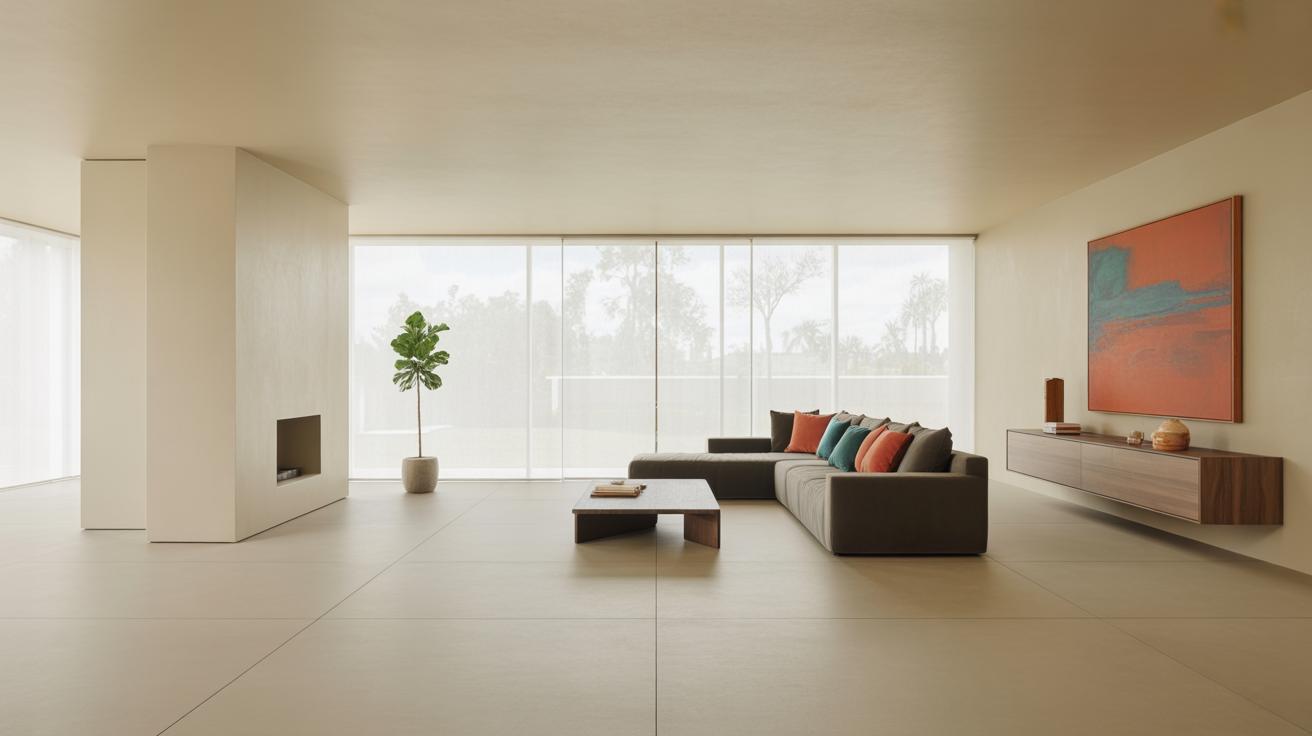
Minimalist house design focuses on simplicity, clean lines, and an uncluttered environment. This style uses essential elements and avoids excessive decoration to create serene and functional living spaces. It fits well with modern minimalist living room ideas by emphasizing space and light.
In this article, we will look at what makes a minimalist house, why this style matters, how to plan your space, and practical tips for choosing furniture and colors. We will also discuss common challenges and show examples so you can bring this style to life in your home.
Minimalist House Overview
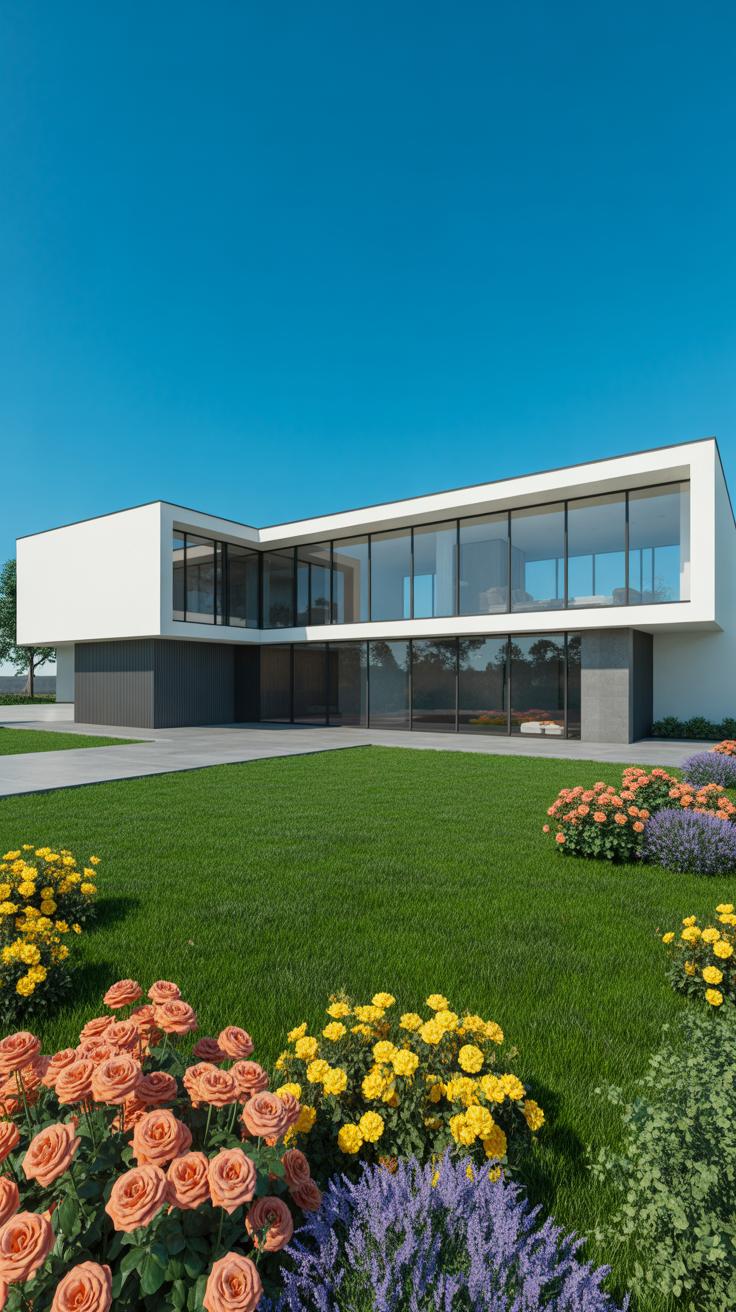
A minimalist house centers on simplicity and reducing clutter, but it’s more than just a bare room with a few pieces of furniture. It focuses on purposeful design—every element has a reason to be there. The goal often feels like creating a calm, open space that encourages clarity and even a bit of quiet reflection. Minimalism in homes often aims to cut down distractions, so where you might expect detailed decor or excessive ornamentation, you instead get clean lines and functional forms. Yet, minimalist doesn’t necessarily mean cold or lifeless; it can still feel warm, depending on how the space is framed.
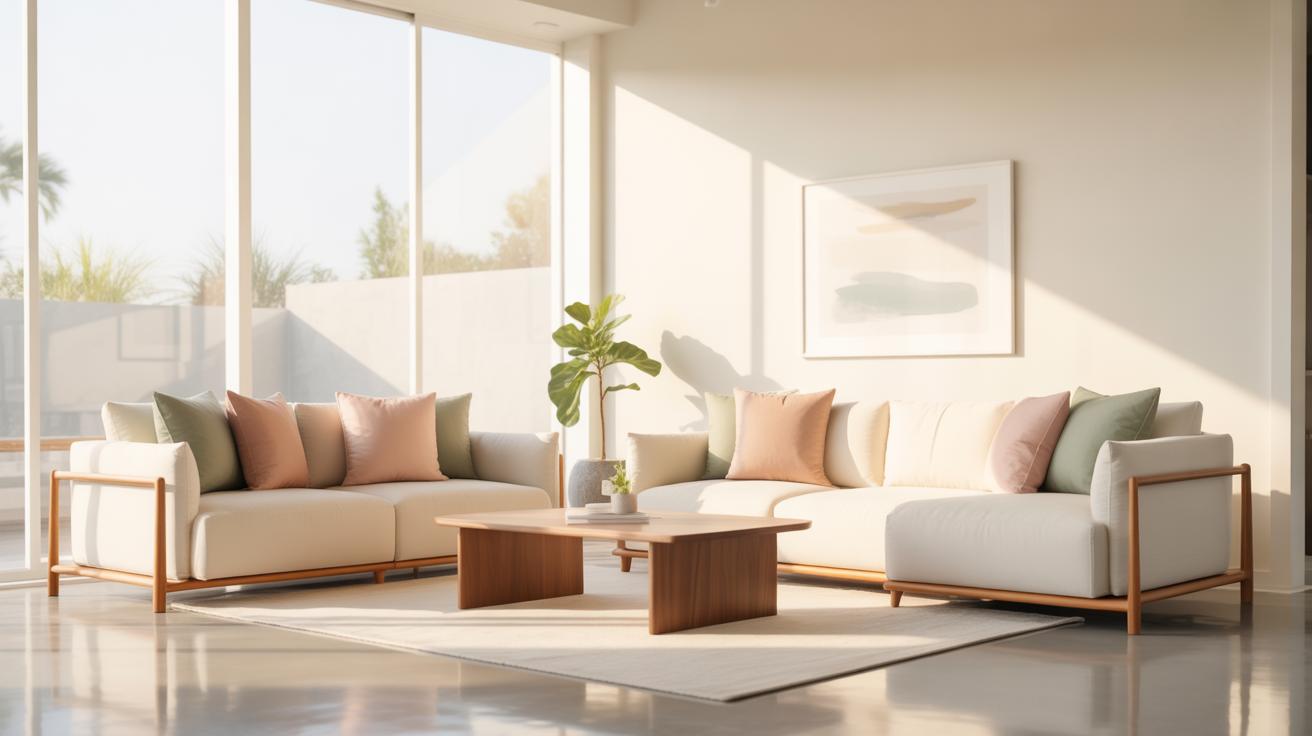
Some might say the principle focuses on “less is more,” but that often overlooks the thought that goes into what counts as “less.” It’s really about balancing what is essential and what isn’t. This makes minimalist houses feel spacious—not just physically but mentally, too. While this design avoids excess, it sometimes challenges traditional ideas of comfort or coziness, making it a bit polarizing.
Key Features Of Minimalist Homes
Minimalist homes tend to have open layouts that avoid unnecessary partitions. The flow between rooms usually feels natural and uninterrupted, creating a sense of freedom. Space use is intentional; extra nooks or corners are rare unless they serve a clear purpose. Surfaces are mostly uncluttered, and storage is cleverly hidden to maintain neatness without fuss.
- Simplicity defines furniture choices—often just the basics, with clean shapes.
- Visual clutter is minimized, pushing the focus toward quality over quantity.
- Natural light plays a big role, emphasizing openness and reducing the need for heavy decorations.
Sometimes the simplicity can seem too stark for some. But that’s subjective—what feels sparse to one might feel serene to another. It’s something you probably get a feel for only after living in such a space for a while.
Common Materials And Colors
Materials in minimalist houses tend to be straightforward and honest. Wood, glass, metal, and concrete often appear, chosen for their natural or unpretentious qualities. These materials bring texture without overwhelming the senses, which keeps the focus on form and space.
Color schemes usually stick to a narrow palette. Whites, grays, blacks, and earthy tones feature prominently. This limited range helps keep the overall effect calm and unified but also allows for subtle shifts in mood depending on lighting or time of day. Sometimes a pop of color sneaks in—a dark blue or muted green, for example—but it’s often restrained and purposeful.
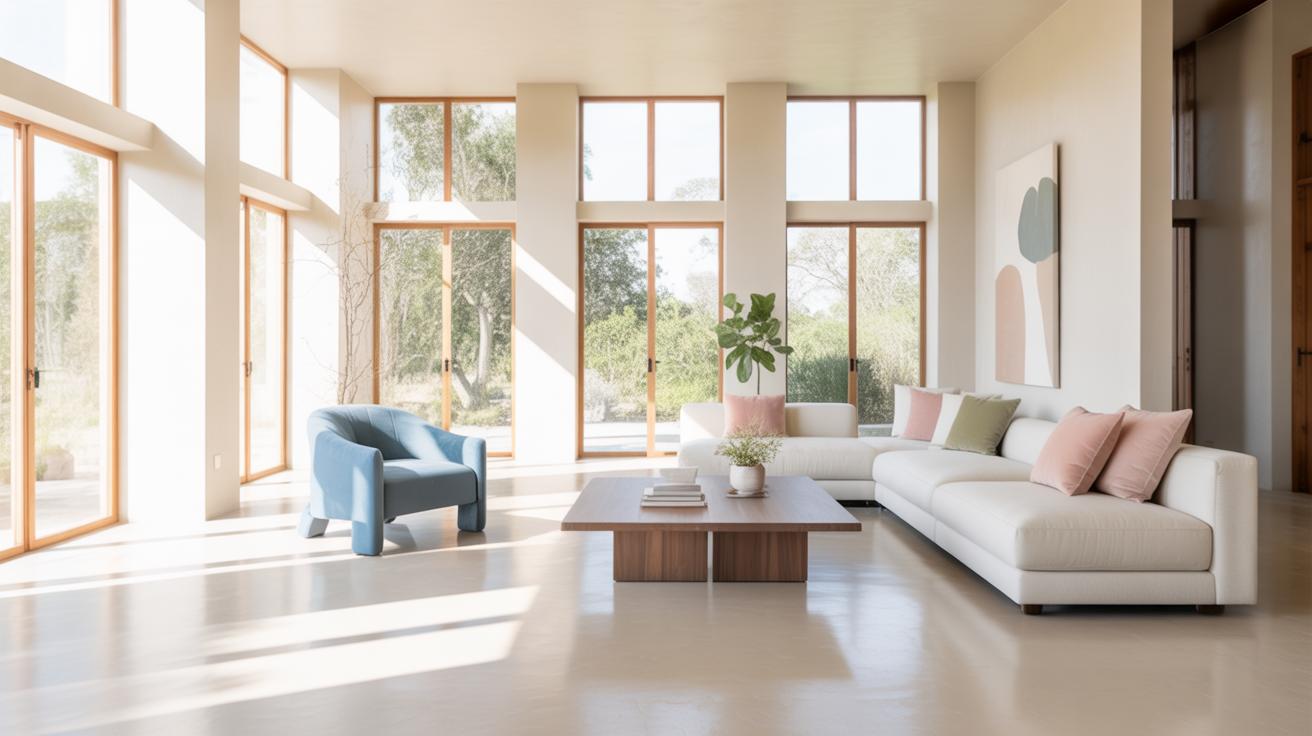
Choosing materials and colors is less about following strict rules and more about creating balance. You want things to feel light without being empty, simple without being dull. It’s common to experiment a bit with warmth or minimal contrast to keep the space inviting.
Benefits Of Minimalist Living Spaces
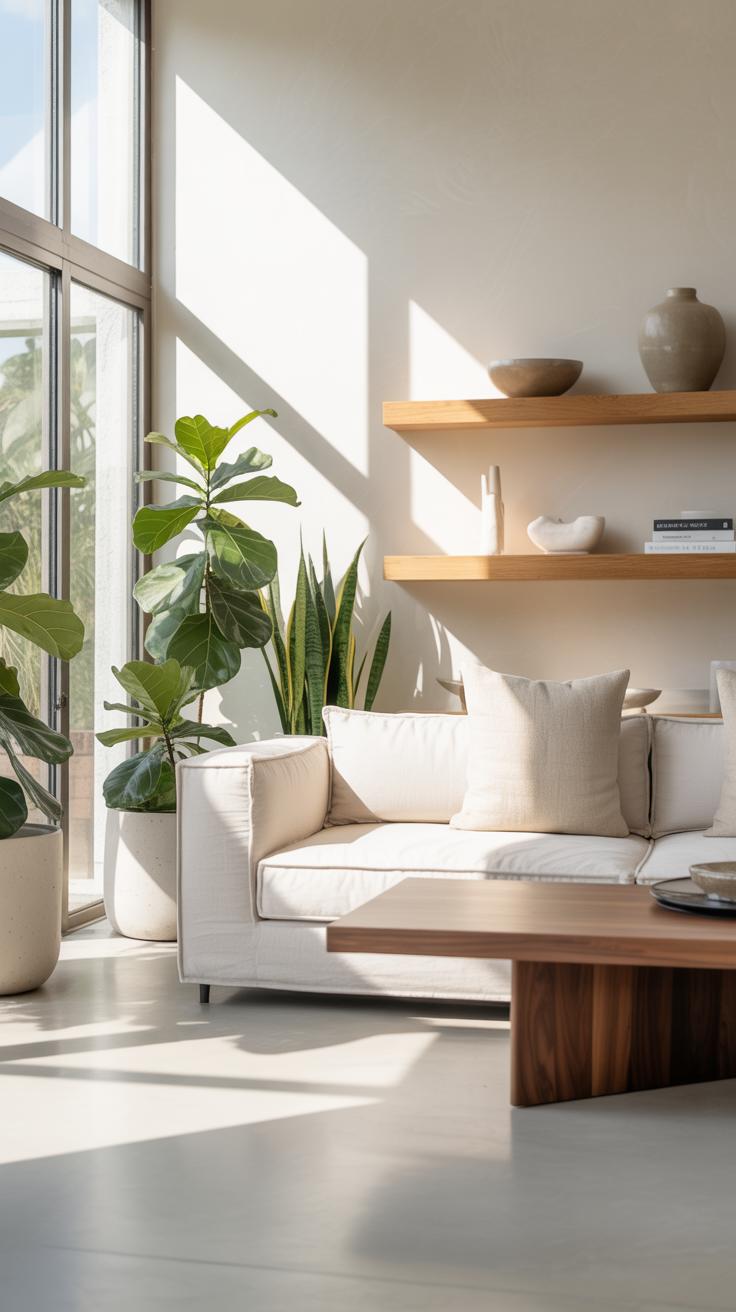
Choosing a minimalist design for your house, especially the living room, can change how you experience daily life in subtle but meaningful ways. You might find that less really is more—not just visually but practically, too. Fewer objects mean fewer distractions. When your space feels clear, it often becomes easier to focus or just unwind without that nagging sensation of clutter around you.
Minimalist living rooms usually promote better airflow and light distribution, which can affect your mood and energy. It’s something that surprised me the first time I tried it—I felt less restless, oddly calm. There’s something about open, simple spaces that can encourage clearer thinking or even spark creativity.
Another major advantage ties back to money and time. Without unnecessary pieces or complicated designs, your home will likely cost less both to build and maintain. Cleaning feels less like a chore when there are fewer surfaces and items to handle. Plus, fewer furnishings can mean fewer repairs or replacements over time. It’s not just about saving cash; it’s about freeing up your time for more important things, though that might depend on your personal habits.
- Minimalist spaces reduce visual chaos, encouraging mental calm.
- Simplified interiors often support better physical health through improved light and air circulation.
- Maintenance becomes more straightforward with fewer objects to clean and care for.
- Initial investments can be lower since the focus is on essentials rather than excess décor.
- Time saved from upkeep might be used for hobbies, family, or rest, though that varies.
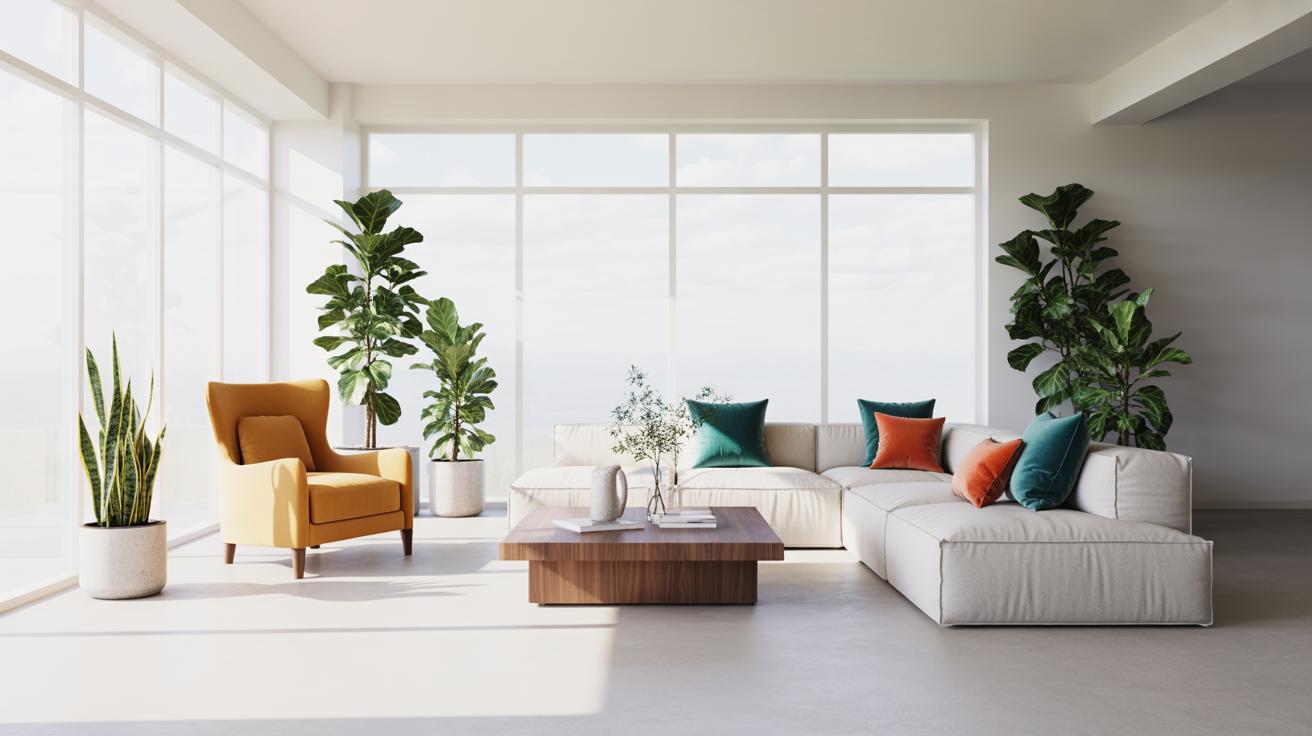
So, when you consider all these points, does it make you rethink what you really need in your living room? Maybe you don’t need all that stuff after all. At least, that’s what I’ve come to believe, even if sometimes I still hold on to a few things “just in case.”
Planning Your Minimalist Home Layout
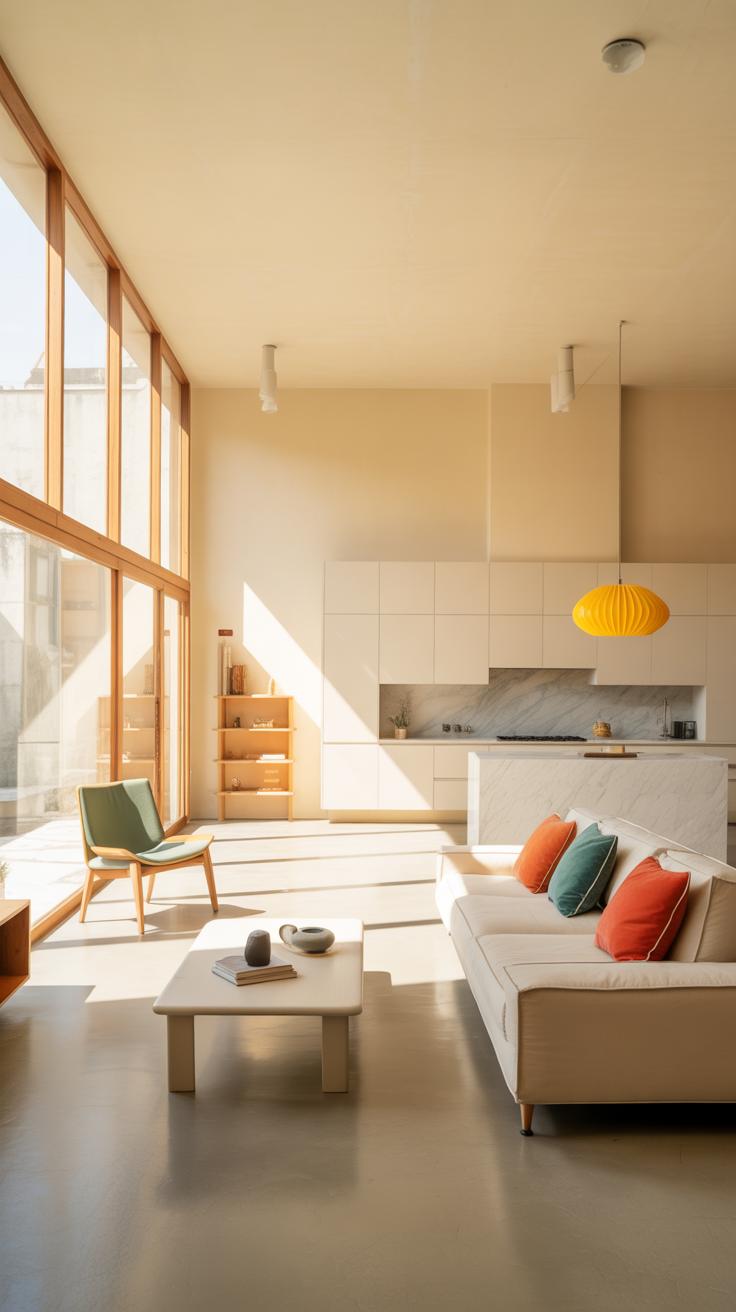
When planning your minimalist home layout, think first about the natural flow of movement. Spaces should connect smoothly, but without crowding or unnecessary corridors. You want to move from one area to another without feeling boxed in or overwhelmed by clutter. Sometimes, a long hallway might seem practical, but it can interfere with the open, airy feeling minimalist spaces strive for.
Ask yourself which rooms you really need roomy versus those where a compact design works just fine. For example, living rooms often benefit from more open space for gatherings, while storage rooms or utility areas can be tighter. It’s okay to give more breathing room to spaces where you spend the most time.
When arranging furniture, try grouping pieces to create natural zones rather than just lining things up against the walls. A minimal couch facing a small coffee table can anchor the room without crowding it. Avoid overfilling any one spot—if a chair feels squeezed in, maybe it’s better left out or replaced with something multifunctional like an ottoman that doubles as seating and storage.
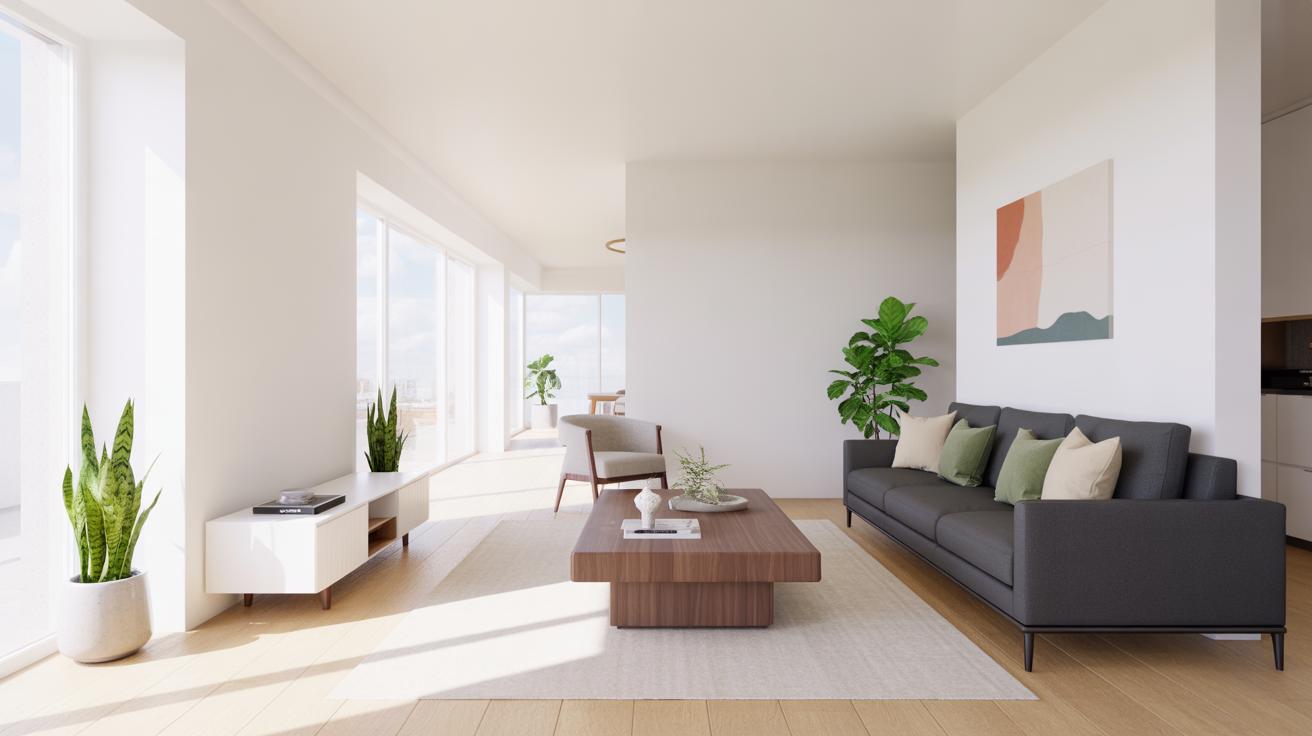
Think about how your furniture’s scale works in the room. For instance, a large sofa in a small living room could swallow the space. Sometimes, smaller doesn’t just mean less but smarter placement—floating a piece away from the wall can open visual pathways that make a room feel larger. These subtle tweaks affect function and flow more than you might expect.
Minimalist Living Room Furniture Selection
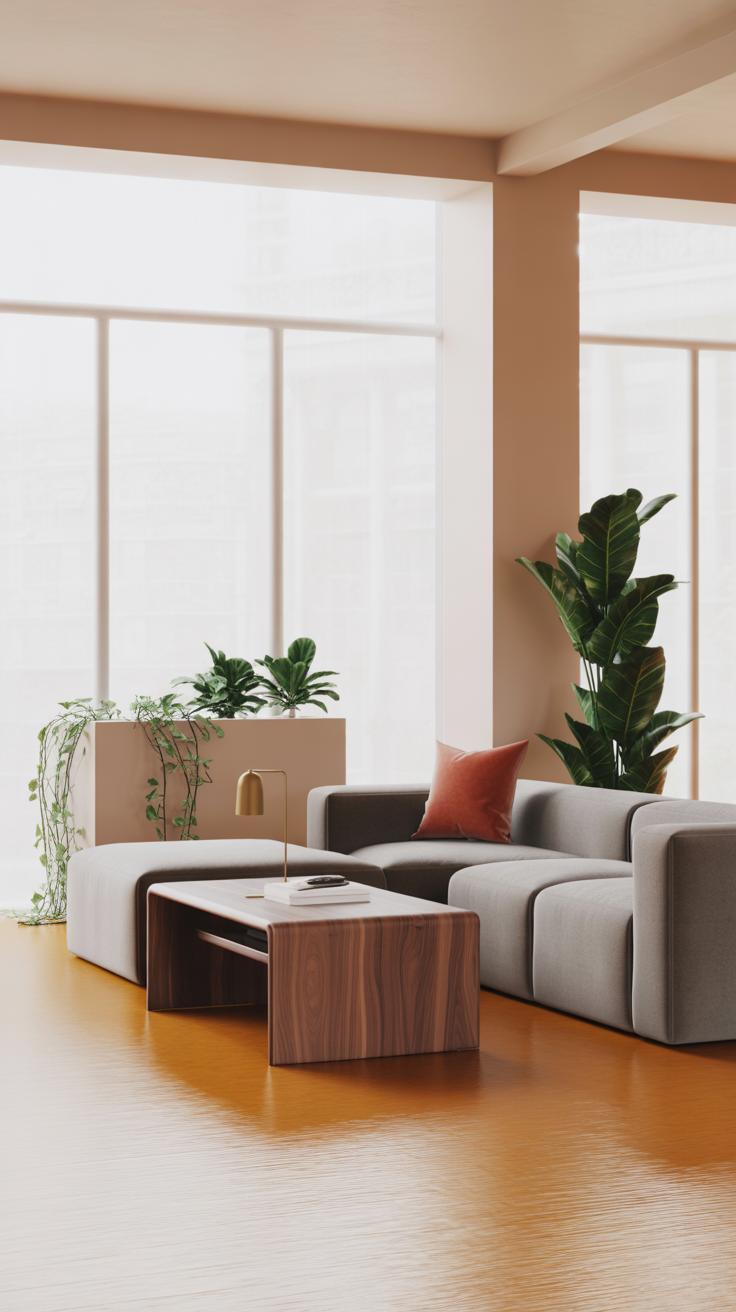
Choosing furniture for a minimalist living room means walking a fine line between style and function. It’s tempting to go for sleek pieces that look good, but remember, utility should guide your choices almost as much as aesthetics. You want furniture that feels light in the space, but still supports your everyday needs comfortably. Sometimes, a simple chair that’s well shaped can do more than a bulky sofa that takes up half the room and isn’t that comfortable.
The essential furniture usually breaks down into a few core items:
- A sofa or seating area with clean lines—nothing too fussy, but not so austere that it feels cold
- A functional coffee table that doesn’t overpower the room but offers surface space
- Storage furniture that blends in, like a low-profile media unit or minimalist shelves
- Perhaps an accent chair or a small side table for added flexibility
Materials tend to be simple and natural—wood tends to work well, often unfinished or lightly treated, giving warmth without cluttering visual space. Metal and glass appear too, especially when polished into subtle forms that reflect light without drawing too much attention. Designs usually avoid ornate details or heavy curves. Straight lines or gentle angles fit better.
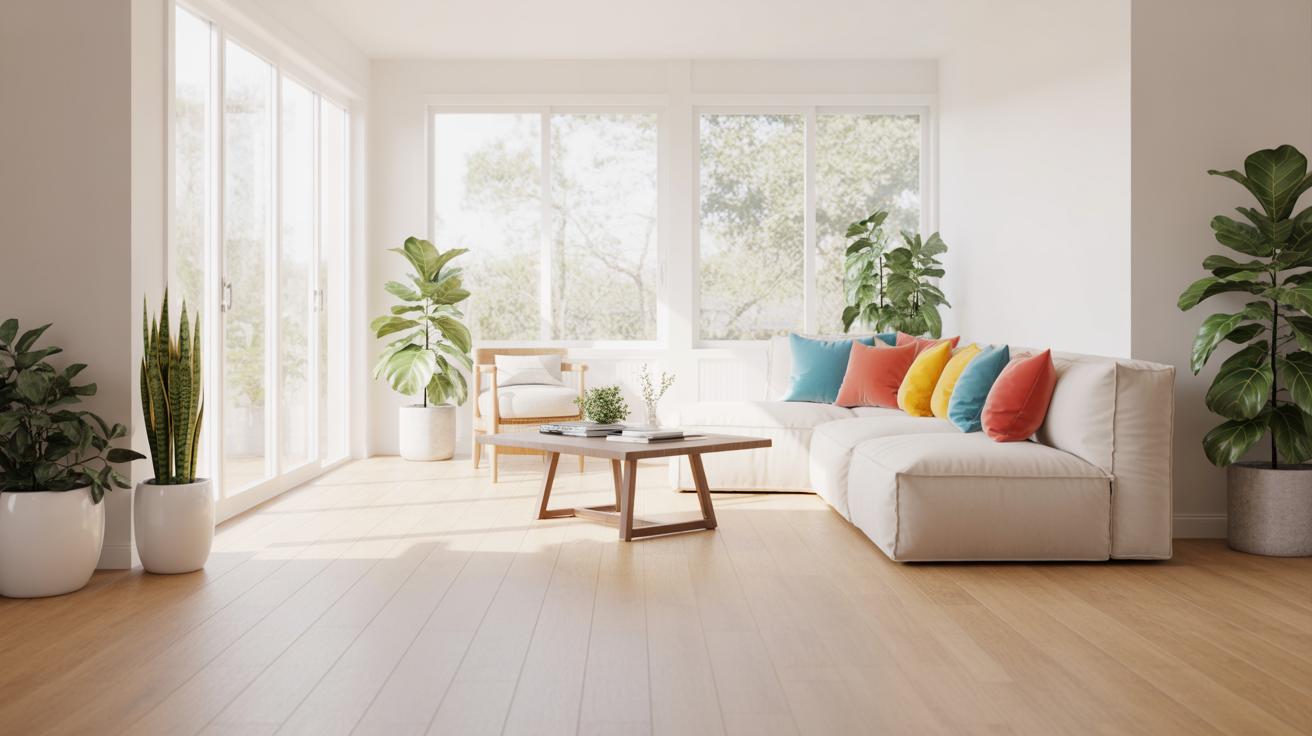
What’s tricky is balancing comfort with minimalism. I once picked a chair for my living room that looked perfectly minimal but ended up too uncomfortable to sit in more than a few minutes. Comfort can’t be sacrificed entirely for looks. So, test pieces before committing.
Do you find yourself leaning toward more natural textures, or are you okay with smoother synthetic surfaces? That choice can define how the furniture feels both physically and emotionally in your space.
Minimalist House Color Schemes
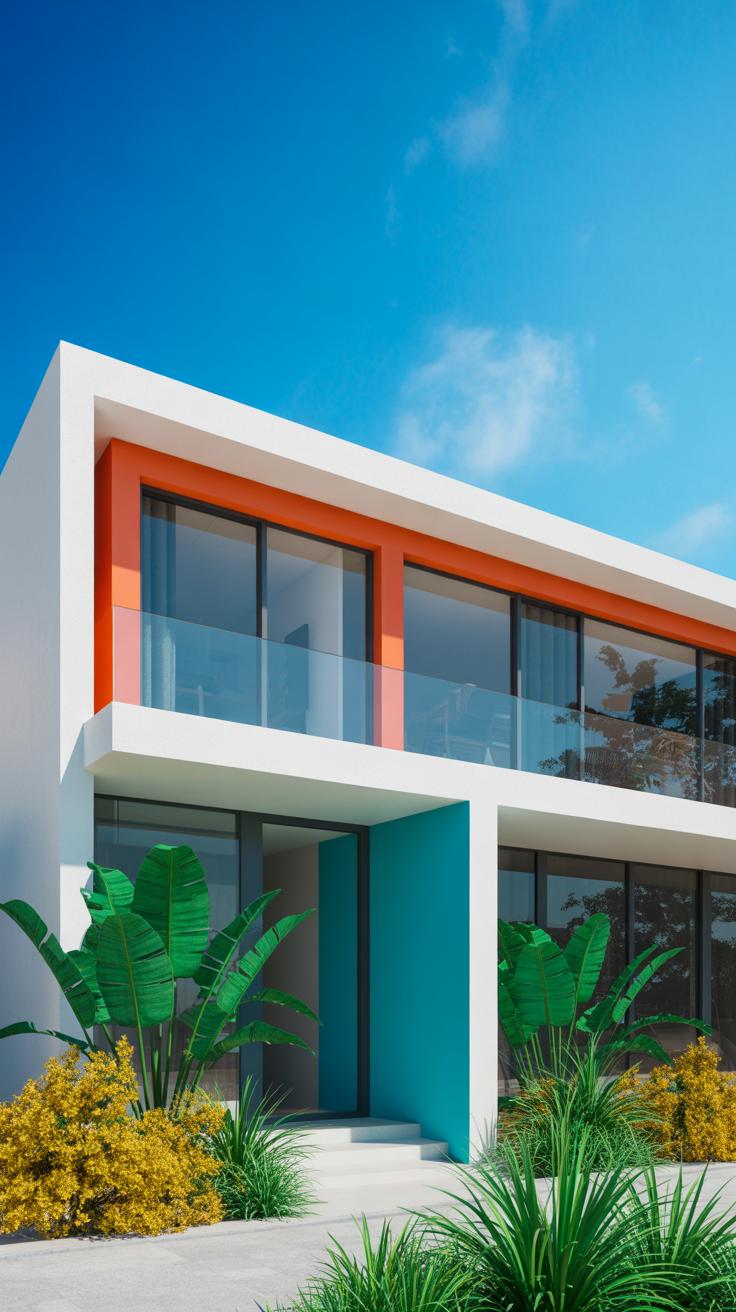
Picking colors for a minimalist house isn’t just about choosing what looks nice. It’s about creating a feeling of calm and simplicity that helps you breathe easier at home. Often, the best choices are the ones that don’t shout for attention but quietly support everything else. You might find that white or soft beige walls set a soothing backdrop, but there’s more to consider beyond just the basics.
Neutral And Monochrome Palettes
Neutral shades like off-white, gray, taupe, and soft browns form the cornerstone of minimalist spaces. These colors don’t demand much—they blend in and make rooms feel open and uncluttered. Monochrome schemes take this a step further, layering various tones of the same color. For example, a living room painted in shades of gray from light to charcoal can look simple but also deeply textured. Sometimes, this approach can feel a bit cold, though. That’s where balancing warmth through materials like wood or textiles comes in.
Accent Colors Implementation
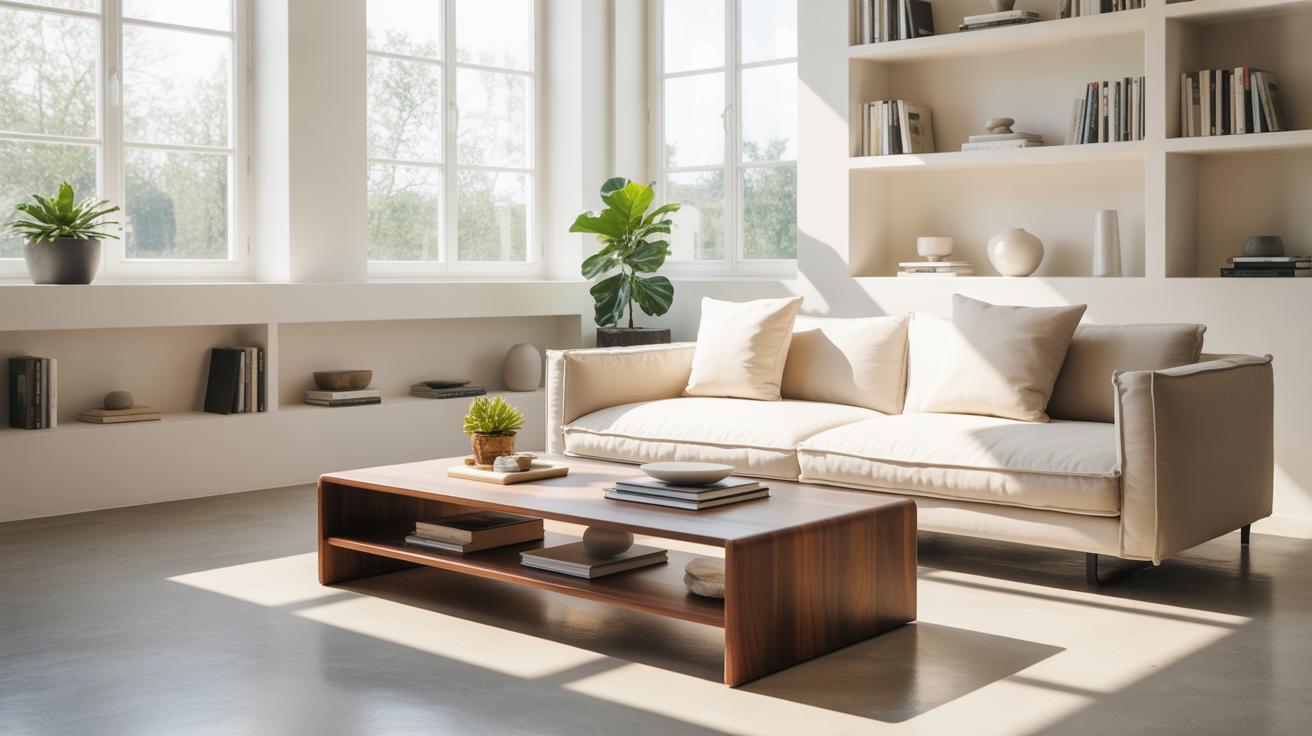
Adding splashes of color isn’t off-limits in minimalist design, but the trick lies in restraint. Instead of filling the room with bright hues, consider a single element—a chair, a vase, or a piece of art—in a calming accent. Blues, muted greens, or soft ochres work well because they keep the mood quiet while giving your eye a gentle place to rest. It might seem risky, but a small dose of color can actually highlight the simplicity, making the neutral shades feel even cleaner by contrast.
Have you ever noticed how a tiny touch of color can completely change the way you perceive a room? It’s subtle but powerful. The key is not to overdo it, so your space stays peaceful rather than feeling overwhelmed.
Common Minimalist House Layout Mistakes

Overcrowding The Space
One of the biggest pitfalls in minimalist home design is stuffing the space with too many elements. You might think adding more furniture or decorative items creates warmth or personality, but it often ends up cluttering the simplicity that minimalism seeks to achieve. Even small objects can accumulate quickly, and suddenly, the room feels cramped rather than calm.
It’s tempting to fill every corner, especially when you want your space to feel complete. But minimalist design relies on breathing room and a sense of openness. Less furniture, carefully chosen and well-placed, speaks louder than a crowded room. So ask yourself: will that extra chair or table really add function or just visual noise?
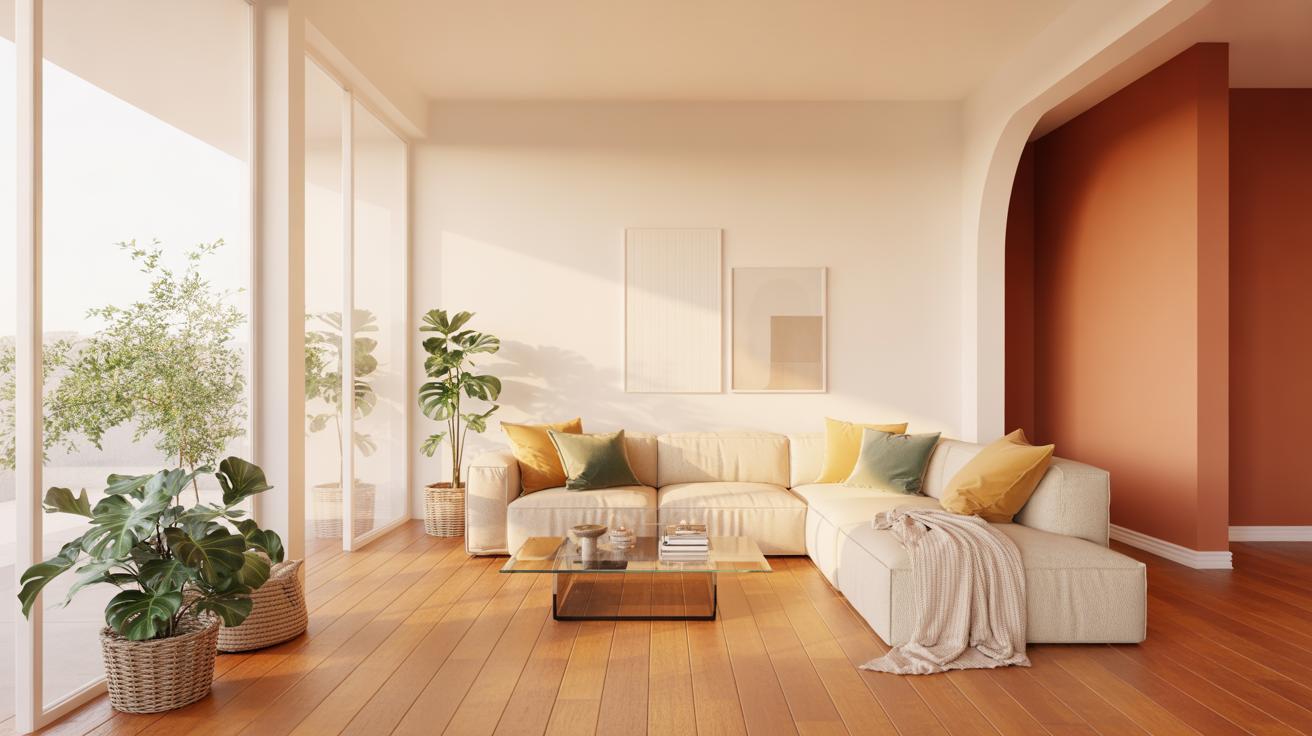
For example, a glass coffee table with clean lines might work better than a bulky wooden piece. Or a single piece of art on the wall instead of multiple pictures. Trusting emptyness as part of the design can feel strange at first, but it often makes a stronger statement.
Ignoring Practical Needs
Minimalism isn’t about stripping everything away and ending up with a pretty but impractical space. This mistake sometimes happens when people try to be too strict—leaving out essentials or ignoring how they really live in their home.
That balance between minimal style and everyday use is tricky. You want simplicity, yes, but not at the cost of comfort or convenience. For instance, having just one chair in a living room might look sleek but won’t work well if you have guests frequently. Or minimal storage can lead to clutter spilling out in places it shouldn’t.
Think about your routine and what you truly need. Minimalism should support your habits and not frustrate you. Choosing smart multifunctional furniture or hidden storage helps keep the minimal look while meeting practical needs. So maybe minimal doesn’t mean bare—it means making room for what matters without extras that just sit there.
Minimalist House Examples And Case Studies
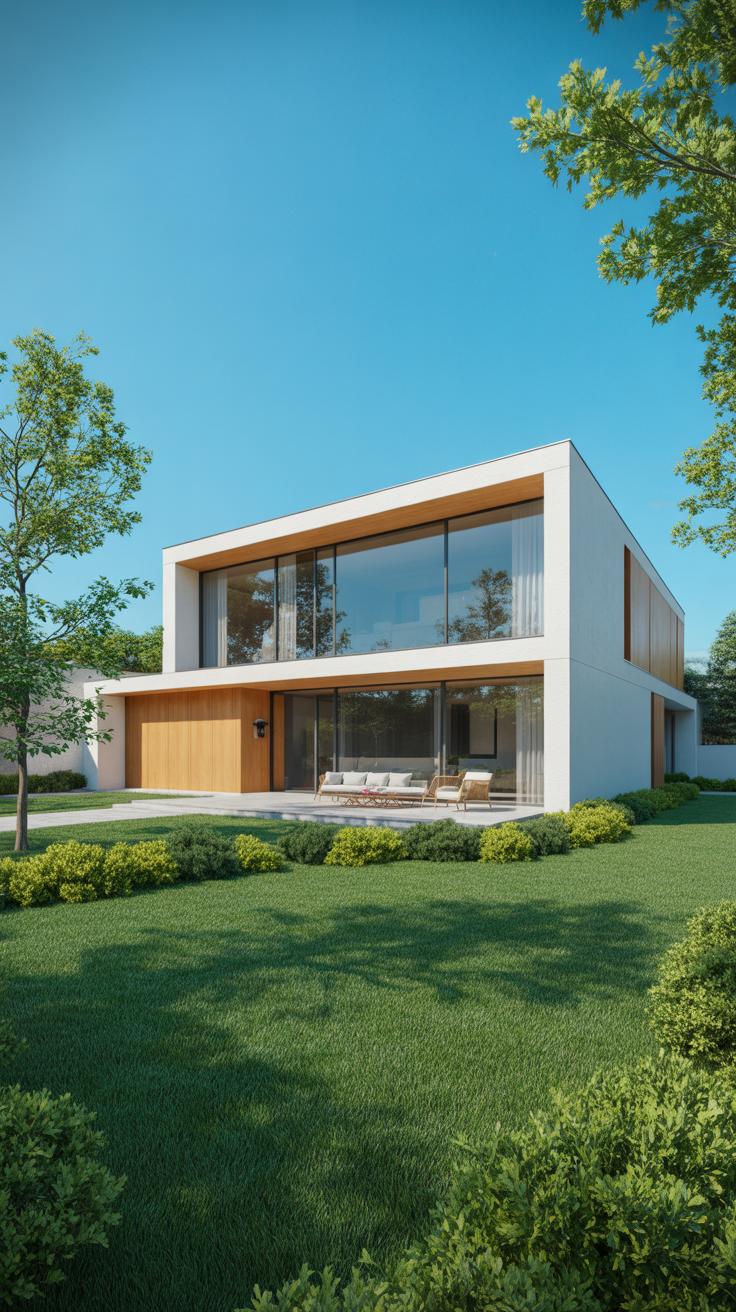
Real-Life Minimalist Living Room Ideas
Take the example of a Tokyo apartment designed by Akira Yoshida. The living room there feels calm and open, though it’s quite compact. Clean lines define the space, and furniture is kept to the essentials—no clutter, just a simple low sofa and a single shelving unit. Light floods in through large windows, which makes the small space feel larger than you’d expect. I find it interesting how a few carefully chosen pieces can shape a whole atmosphere.
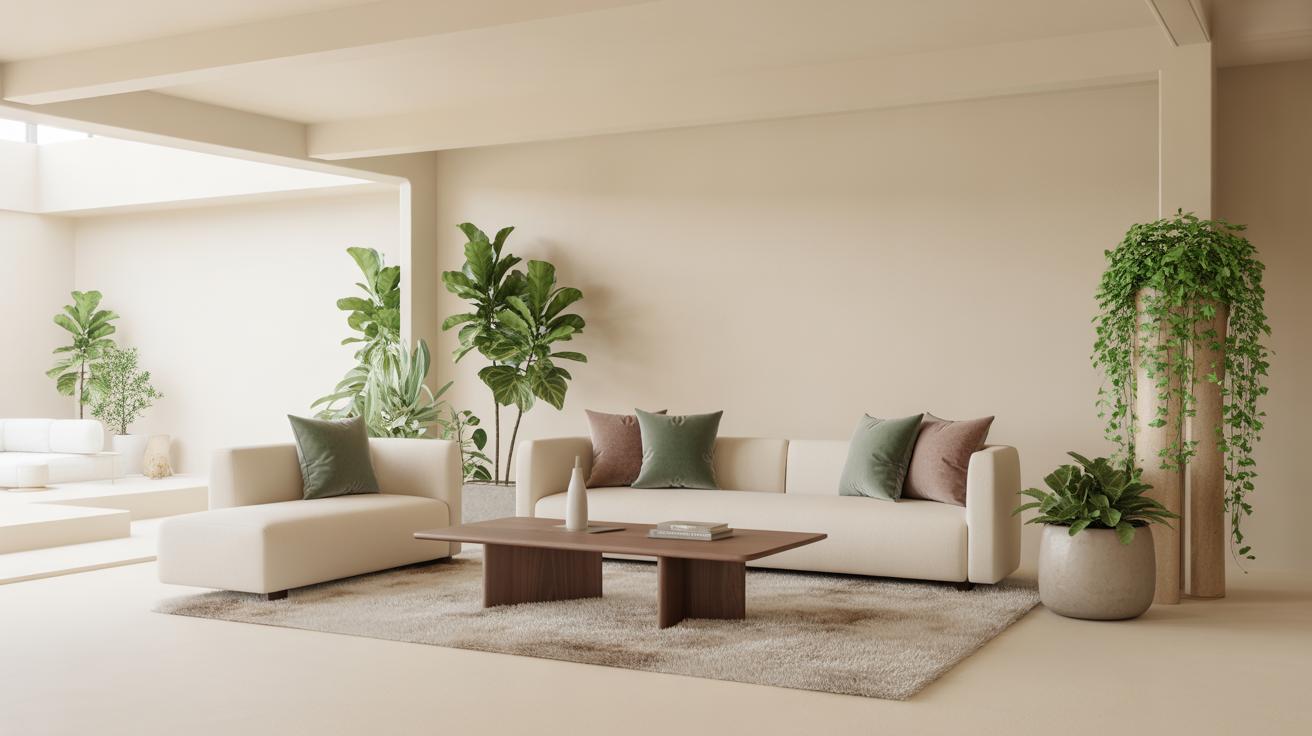
Contrast that with a Scandinavian home, where the living room is even more stripped back: white walls, pale wood floors, and just one armchair paired with a minimalist coffee table. The absence of obvious decoration somehow feels inviting rather than cold. It makes you wonder—how much does our idea of comfort depend on things piling up versus thoughtful emptiness?
Small Home Layouts
One striking example comes from a 350-square-foot tiny house in Portland. The designers prioritized flow by creating built-in storage under seating and elevating the bed to open up the floor below. This layered use of vertical space speaks volumes about getting more without adding mess. Although the house is small, the living space feels spacious—mostly through clever placement and minimalist choices.
This kind of layout makes you rethink the “necessary” pieces of furniture. Less is not just about removing stuff but understanding what truly serves daily needs. It’s a challenge, but the success of these small homes points to a certain freedom in doing just that.
Large Open-Plan Designs
On the other end of the scale, some large modern homes take openness to a different level. One example is a California residence with high ceilings and floor-to-ceiling glass walls. The living room, kitchen, and dining areas all flow into each other. Minimalist furniture here is low-profile and sparse, which keeps the space from feeling cavernous or empty.
Yet, despite the size, these expansive rooms don’t overwhelm with blankness. Instead, they emphasize natural light, texture from materials like concrete and wood, and subtle color contrasts. This approach shows that minimalism isn’t about tiny spaces alone—it can work well in large environments if the design stays purposeful, and perhaps, a bit restrained.
Step By Step Minimalist Setup Checklist
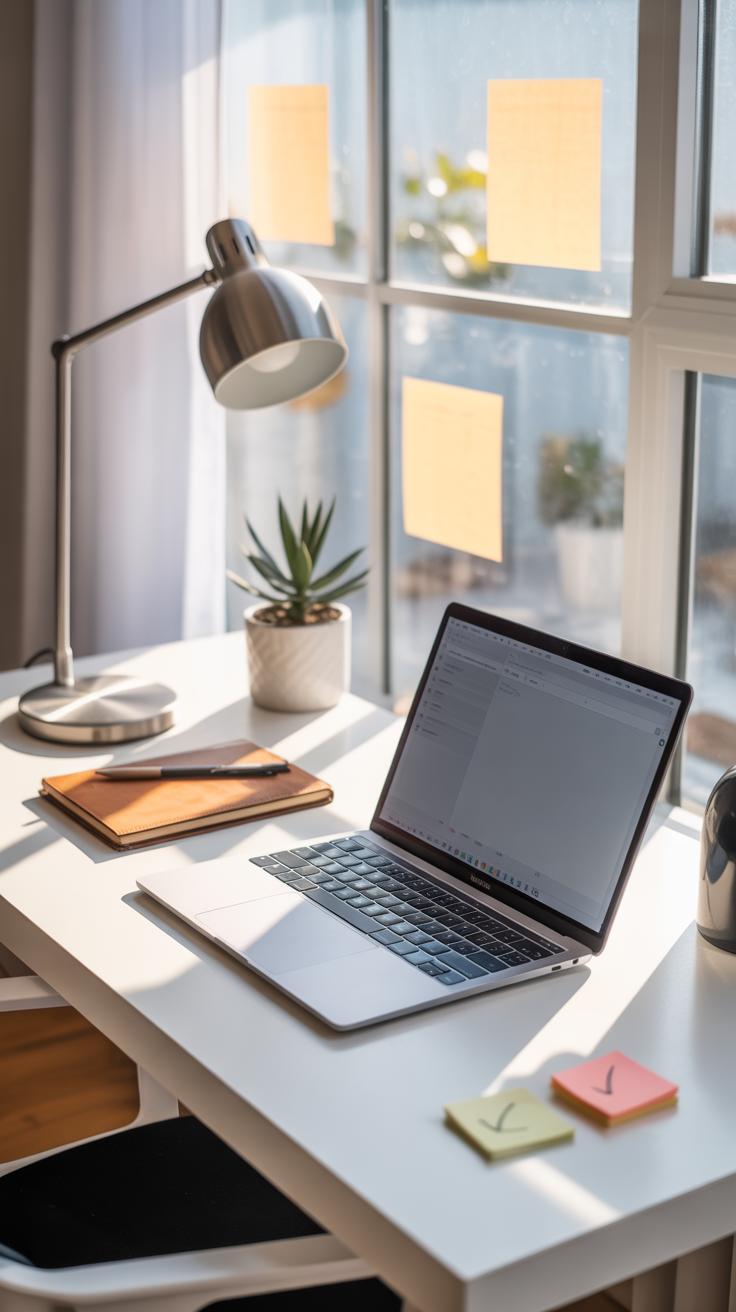
Starting a minimalist house from scratch can feel overwhelming, but breaking it down helps. First, you might want to focus on decluttering and sorting. This means going through every room and deciding what truly serves you. Ask yourself: do I use this item regularly? Does it bring me clarity or stress? If neither, it probably doesn’t belong.
Sort belongings into three piles: keep, donate, and toss. The act of physically touching items helps, I find — sometimes you realize you hang on out of habit rather than need. Be honest but also patient. Minimalism isn’t about getting rid of everything at once; it’s a gradual process.
Once you’ve cleared the excess, move on to finalizing design elements. Choose furniture that’s simple and functional. Look for clean lines, neutral colors, and pieces that don’t crowd the space. It’s tempting to pick something flashy, but simplicity often means restraint.
Decor follows function. Maybe one standout piece or a subtle texture is enough. Ask yourself if each item complements the calm atmosphere you want. Sometimes less really is more. It can be hard to know when to stop adding, though. So be cautious — give yourself time to live with what you chose before bringing in more.
By checking off these steps, you’ll create a home that feels more open and intentional, not just empty. That balance, I think, makes the real difference.
Minimalist Living Room Vs Traditional Design
Space And Light Use
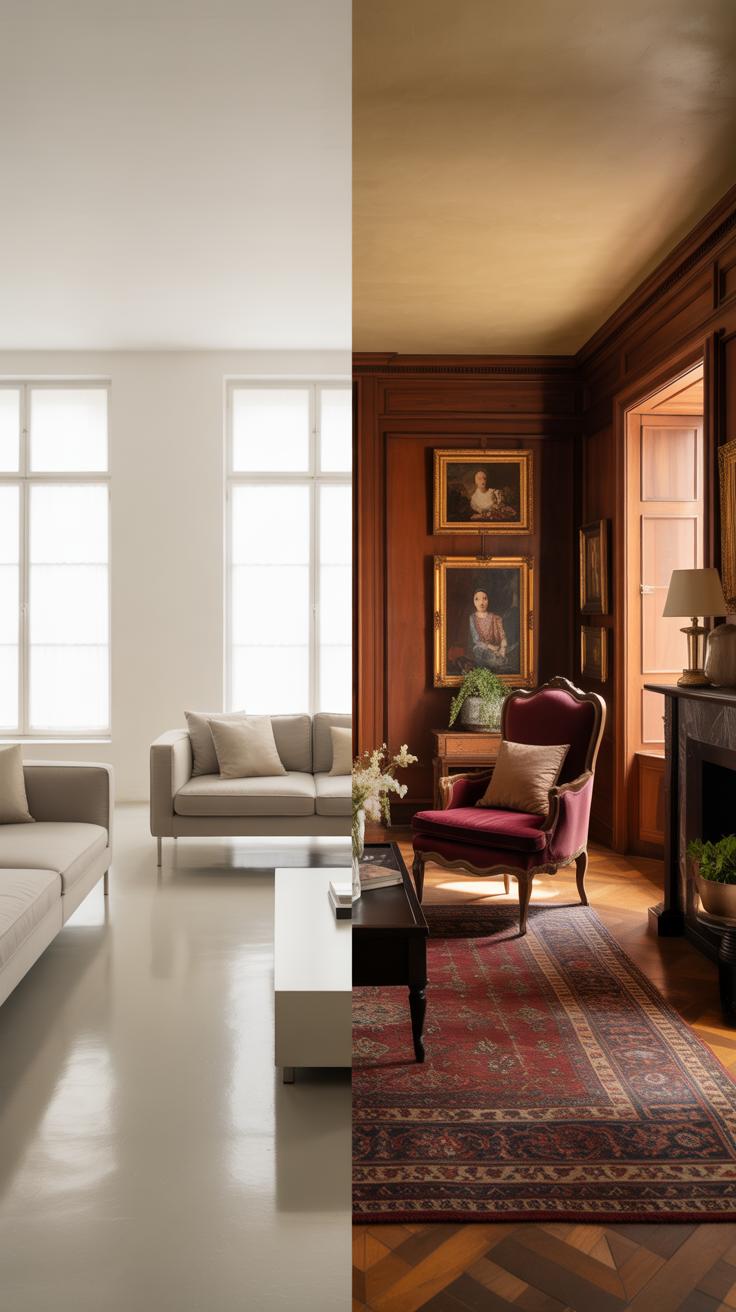
Minimalist living rooms focus on openness—lots of breathing room between objects, uncluttered surfaces, and clear sightlines. You might notice how walls often stay bare, and windows go unblocked, inviting natural light to flood in. The effect? Spaces feel larger, calmer, almost silent. In contrast, traditional living rooms often play with more layers of depth. They might use heavy drapes, patterned wallpapers, or multiple light sources that create warmth but can, at times, make rooms feel busier or more enclosed.
In minimalist spaces, light is both a feature and a tool. It carves out geometry, emphasizes texture, and highlights simplicity. Traditional styles lean into layered lighting—chandeliers, lamps with fabric shades, sconces—each adding complexity. So, when you’re in a traditional room, the light often wraps around you instead of chasing you through the space.
Furniture And Decoration Approach
Furniture in minimalist living rooms tends to stick to essentials: clean lines, neutral tones, and multifunctional pieces. You won’t find much extra. Just what you need, no more, no less. This approach sometimes feels a bit stark or maybe even a little cold, especially if you enjoy more tactile or cozy spaces.
Traditional living rooms throw in more. You get ornate wooden pieces, soft fabrics, and a variety of textures—think tufted sofas, carved armchairs, patterned rugs. Decorations tend to be more personal and collected—artwork, ceramics, heirlooms. It’s a space layered with stories.
One curiosity I find is how minimalist rooms sometimes reveal your lifestyle more openly. Without many objects, every item stands out and can feel more intentional. Traditional rooms, conversely, almost invite a gentle chaos where personality seeps into every corner, but maybe at the cost of visual quietness.
Conclusions
The minimalist house style offers a practical and peaceful way to live. By focusing on what matters, you create a clean and open space that feels calm and balanced. Applying the ideas from this article can help you reduce clutter and make better design choices.
Remember to plan carefully, select simple furniture, and keep colors neutral. The minimalist house can fit many lifestyles and budgets. With some effort, you can design a home that works for you and stands the test of time.