Introduction
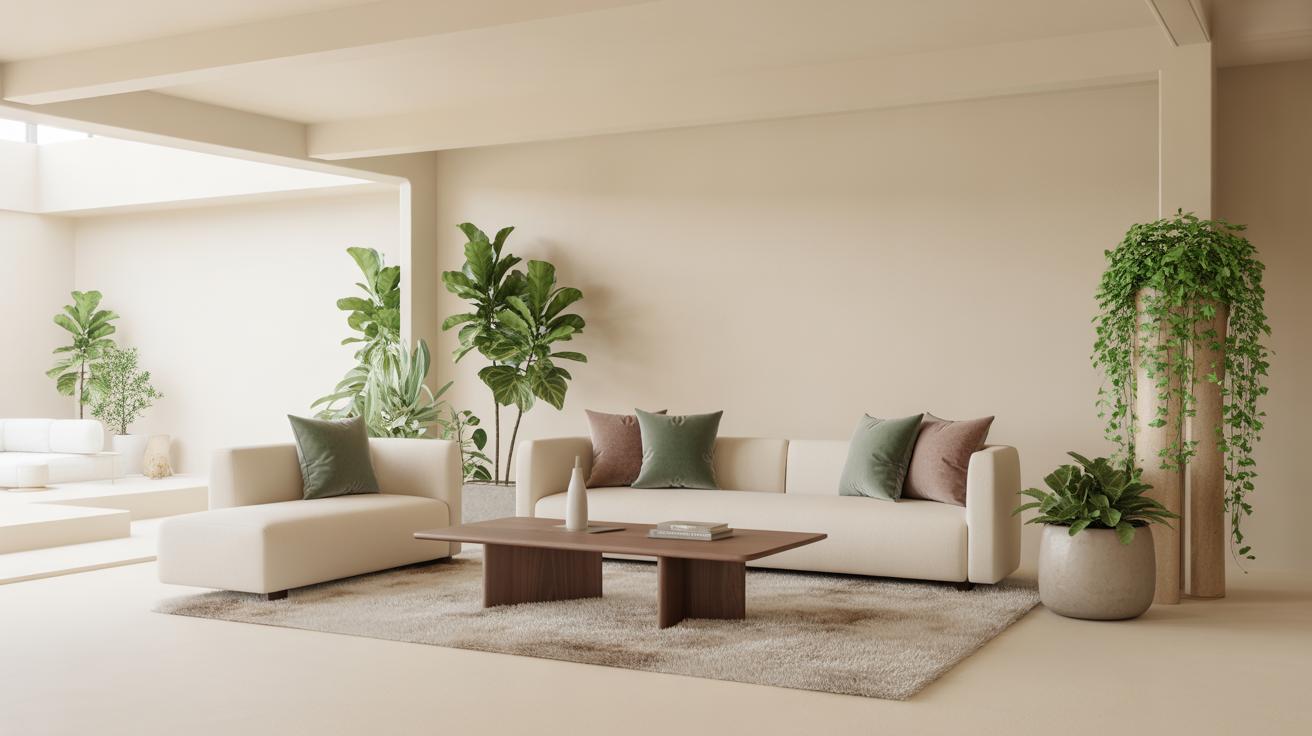
Minimalist Living Room Design Ideas For Peaceful Spaces focus on creating a calm and simple environment in your home. This style removes clutter and unnecessary items, leaving only what you really need. It helps your living space feel open and relaxing.
In this article, you will find ideas on how to start your minimalist living room design. You will learn the benefits, see examples, and get tips on decorating your room. These ideas will show you how to enjoy a peaceful space that feels comfortable and inviting.
Why Choose Minimalist Living
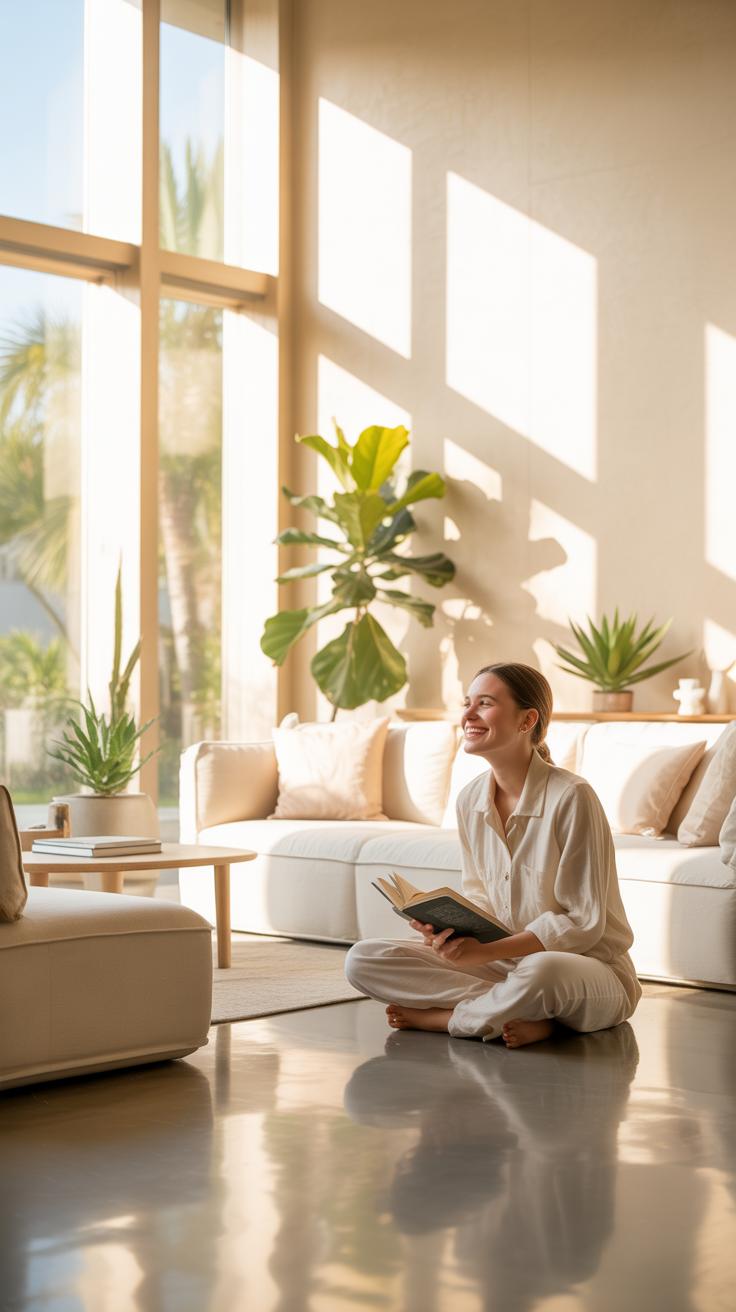
People turn to minimalist living for many reasons. Sometimes it’s about wanting less chaos in daily life, other times it’s about finding more clarity and calm. You might notice you feel overwhelmed by clutter without fully realizing it. Minimalism helps by trimming down what you own to just what truly matters.
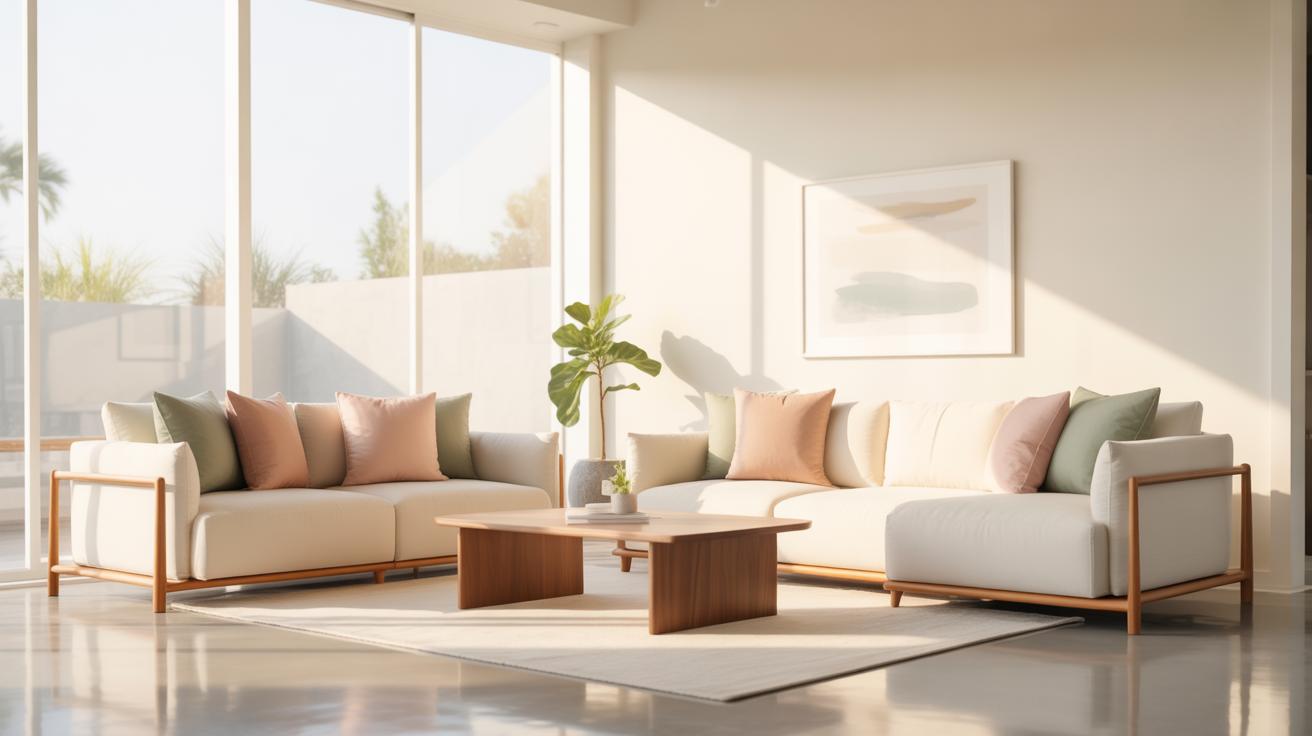
Mental benefits often come up first. When your space holds fewer distractions, your mind can relax more easily. I’ve seen friends say their anxiety lessened simply because they weren’t constantly bombarded by stuff. And that quiet really helps with focus, whether you’re working or just trying to unwind.
On the physical side, having less means less to clean and maintain. This is usually a relief, especially if you’re not naturally drawn to tidying. Minimalism can quietly shift how you spend your time—buying less, cleaning less, and ultimately having more breathing room.
Plus, less stuff often means spending less money. I’m not saying minimalism turns everyone into saving machines, but it can prevent impulse buys and unnecessary expenses. Not having to replace or upgrade so many things means your budget might stretch further than before. And that extra cushion can be a little liberating, even if you don’t plan fancy investments.
All of this together changes daily life in subtle ways. You might find mornings clearer, decisions simpler, or even appreciate small moments more. It’s less about drastic change and more about easing into a way of living that feels lighter, if you can picture that.
Mental Benefits Of Minimalism
When your living space is stripped of clutter, the mind often follows suit. Crowded environments have a way of pulling your attention in too many directions. It’s kind of like your brain is juggling tasks it doesn’t even realize. Clearing out excess stuff can cut down on this mental noise.
Many people notice a boost in their ability to concentrate once distractions are out of the way. It’s easier to sit down and focus on one thing when there isn’t visual chaos all around you. This might sound obvious, but it really changes how your brain works daily.
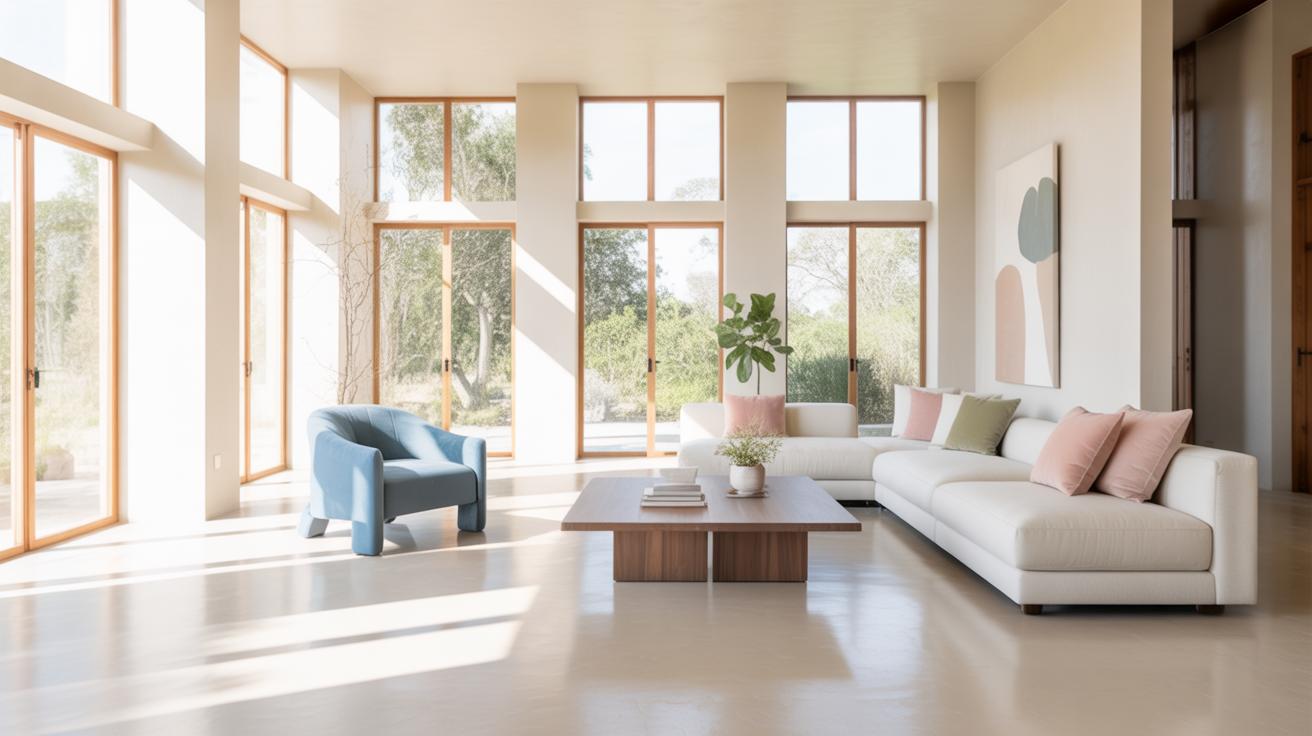
Stress levels can drop too. Without constant reminders of unfinished chores or disorder, your mind can rest a bit more. I once tried a minimalist approach for just a week and was surprised by how peaceful my evenings felt. It almost felt like a small reset after busy days.
Minimalism Saves Time And Money
Owning fewer things means less cleaning time. It’s practical—you don’t have to dust or organize as much when there’s less stuff to manage. This time saved feels like a small gift if you’re juggling work, family, or other commitments.
Financially, having fewer possessions tends to cut down on spending. Buying less, repairing less, and even needing less storage can impact your budget positively. It isn’t about depriving yourself, really. More like choosing carefully what you bring home and holding on to those things longer.
This approach also simplifies shopping decisions. Rather than chasing the newest trends or accumulating items “just in case,” your choices become more intentional. This can save frustration and avoid clutter that slowly sneaks back in.
So, minimalism can gently streamline your routines and finances without feeling like a sacrifice. It’s a different way of living that might surprise you by how much it frees up—not just space, but time and money too.
Setting Up A Minimalist Living Room
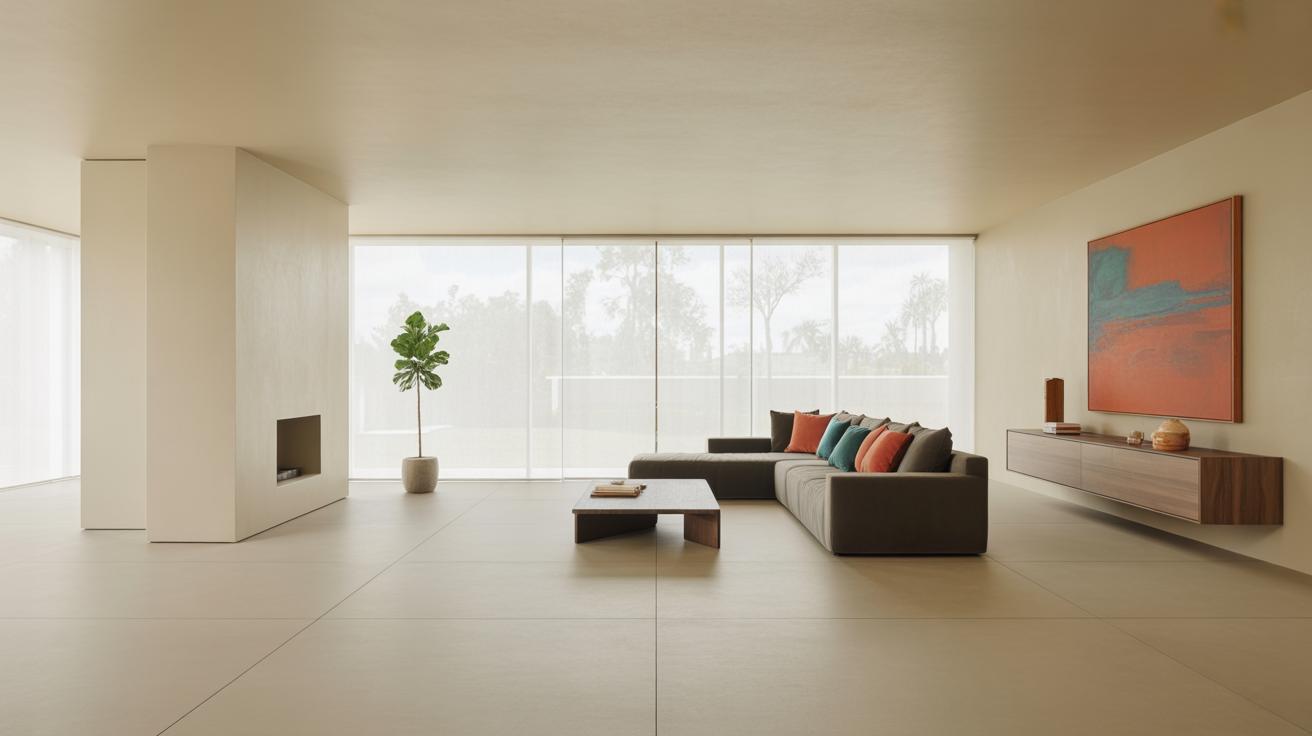
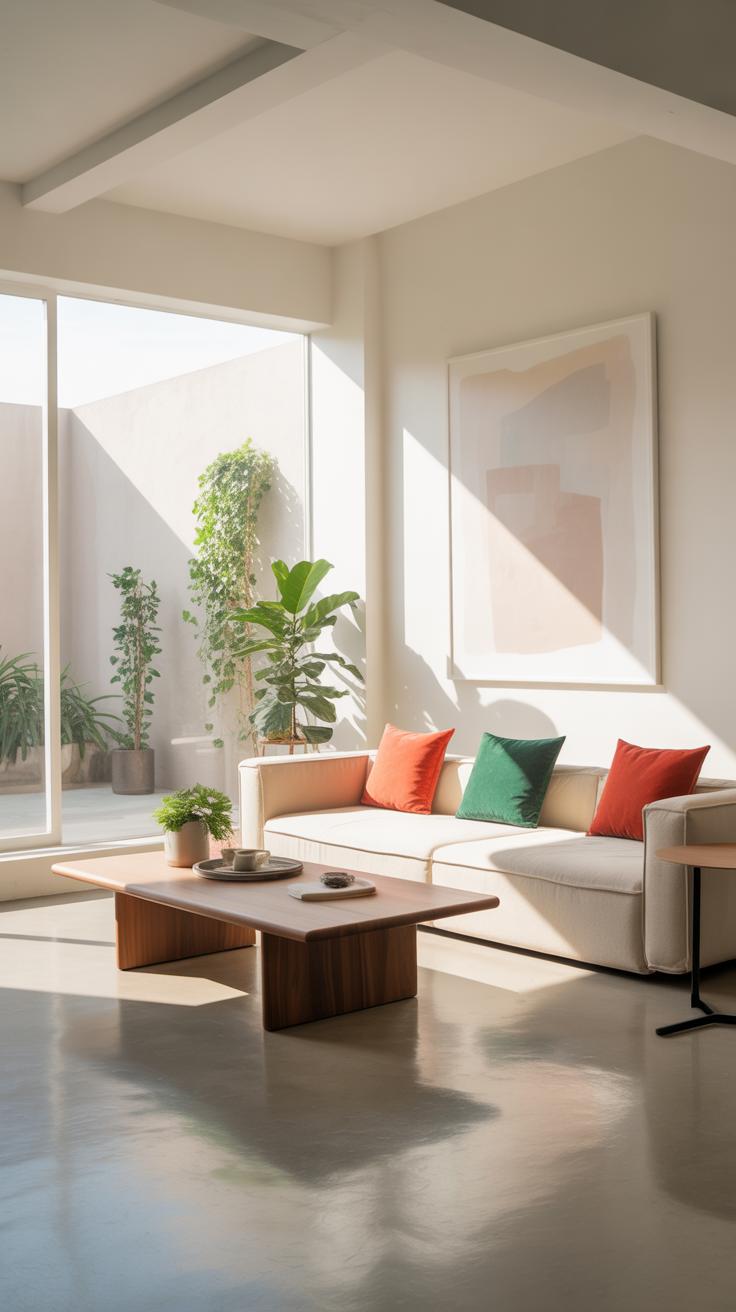
Creating a minimalist living room starts with a clear checklist. First, focus on essentials: a sofa or seating with clean lines, a coffee table that doesn’t crowd the space, and maybe a simple media console. Keep storage minimal and functional. Then think about layout—arrange furniture to leave open pathways for movement. You want the room to breathe, really. Avoid clustering too many pieces together.
Here’s a quick checklist to guide you:
- Choose a few multipurpose furniture items
- Eliminate bulky or ornate pieces that don’t serve a clear purpose
- Keep surfaces mostly free from clutter
- Select decor like simple artwork or one or two plants
- Arrange furniture to promote flow and openness
For furniture, think sleek and simple—low-profile sofas, slim-legged chairs, or minimalist shelving. Things like oversized armoires or heavy coffee tables usually don’t fit well. You might want to remove extra side tables or multiple seating options that crowd the room.
When it comes to arrangement, avoid pushing everything against the walls just for space. Sometimes, floating a sofa away from the wall feels more open. Leave clear walkways, so no furniture blocks natural movement paths. Oddly, keeping some empty corners can add to that calm spaciousness. Don’t be afraid to experiment with spacing until it feels right—sometimes that means less furniture packed in, even if you’re tempted to fill up space quickly.
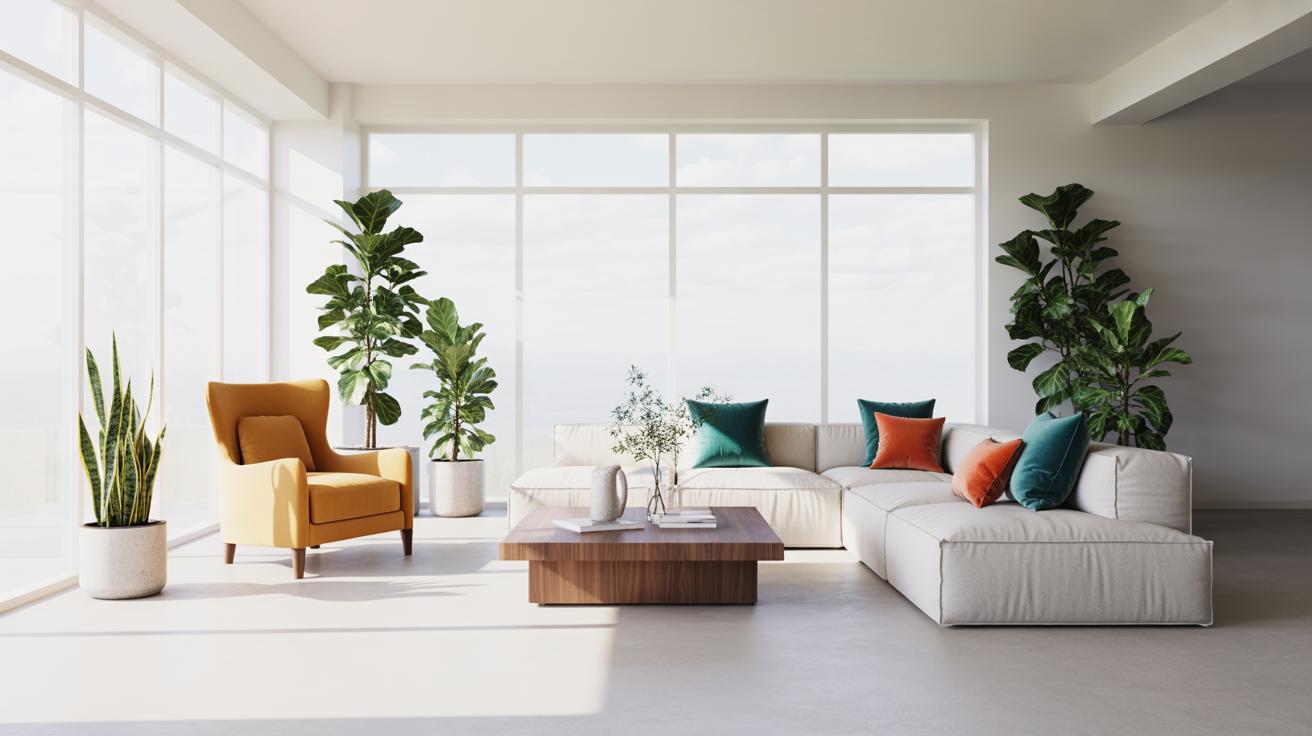
Have you noticed how a sparse room can sometimes feel oddly cold? It’s okay to leave a bit of room for small imperfections, like a well-chosen cushion or a simple lamp—not everything must be stark. It’s about balance, or perhaps a kind of quiet tension that feels lived in but tidy.
Minimalist Colors And Lighting
Best Colors For Calm
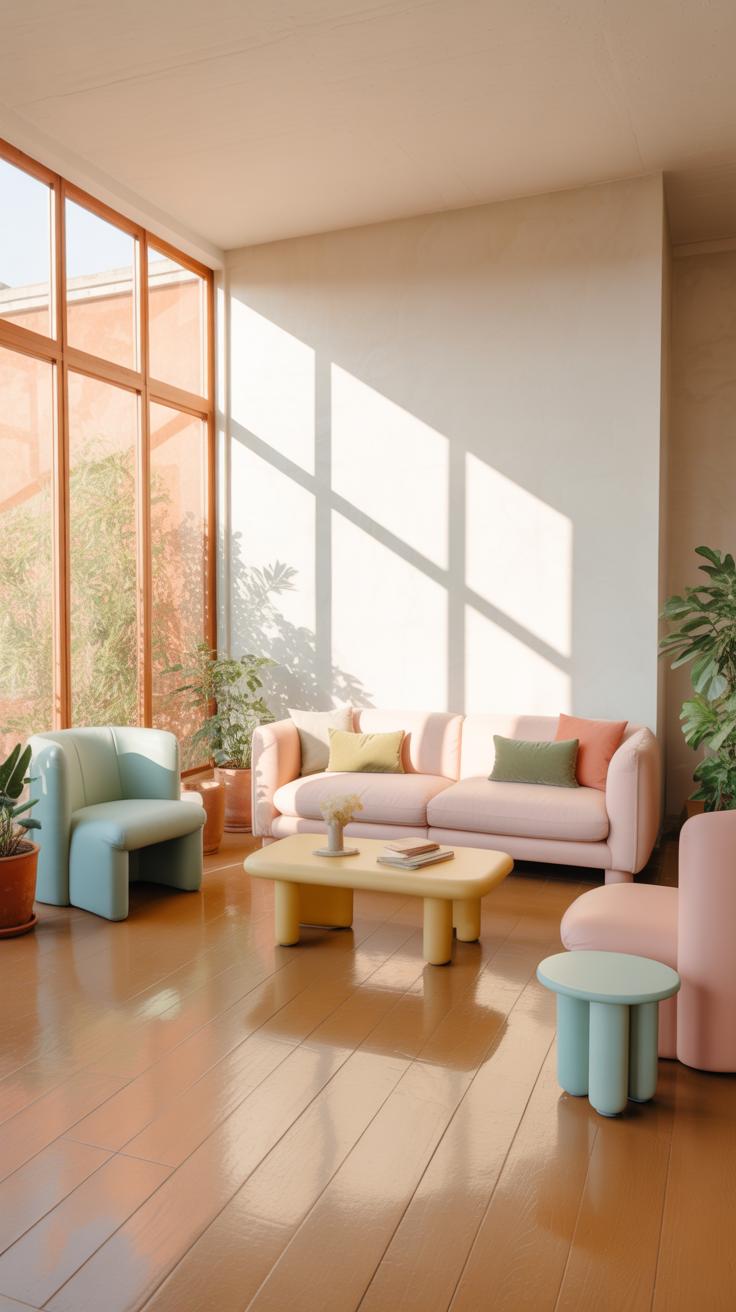
Choosing colors for a minimalist living room isn’t about bright or bold statements. Instead, the focus is on simplicity and space. Soft neutrals—like off-whites, gentle greys, muted beiges—help create a calm atmosphere. They quietly expand the room, making it feel larger and more open, which is often a goal with minimalist design.
These tones don’t just fade into the background; they invite relaxation. For example, a pale grey can feel cool and soothing, while an earthy beige adds a hint of warmth without cluttering the visual field. Sometimes you might hesitate—should I add a splash of color?—but in minimalist spaces, restraint often feels more peaceful than contrast.
Think about how these colors affect your mood. Do they encourage you to sit still, to breathe? If yes, you’re on the right track. Otherwise, perhaps a slight shift towards warmer or cooler neutrals could make the difference.
Using Natural And Soft Lights
Light can make or break the serene vibe in a minimalist room. Natural light is priceless here. It changes throughout the day, casting gentle shadows and bringing life without overwhelming the space. If your room has large windows, try not to block them with heavy curtains or bulky furniture. It’s tempting to cover windows for privacy, but sheer fabrics can preserve that soft glow.
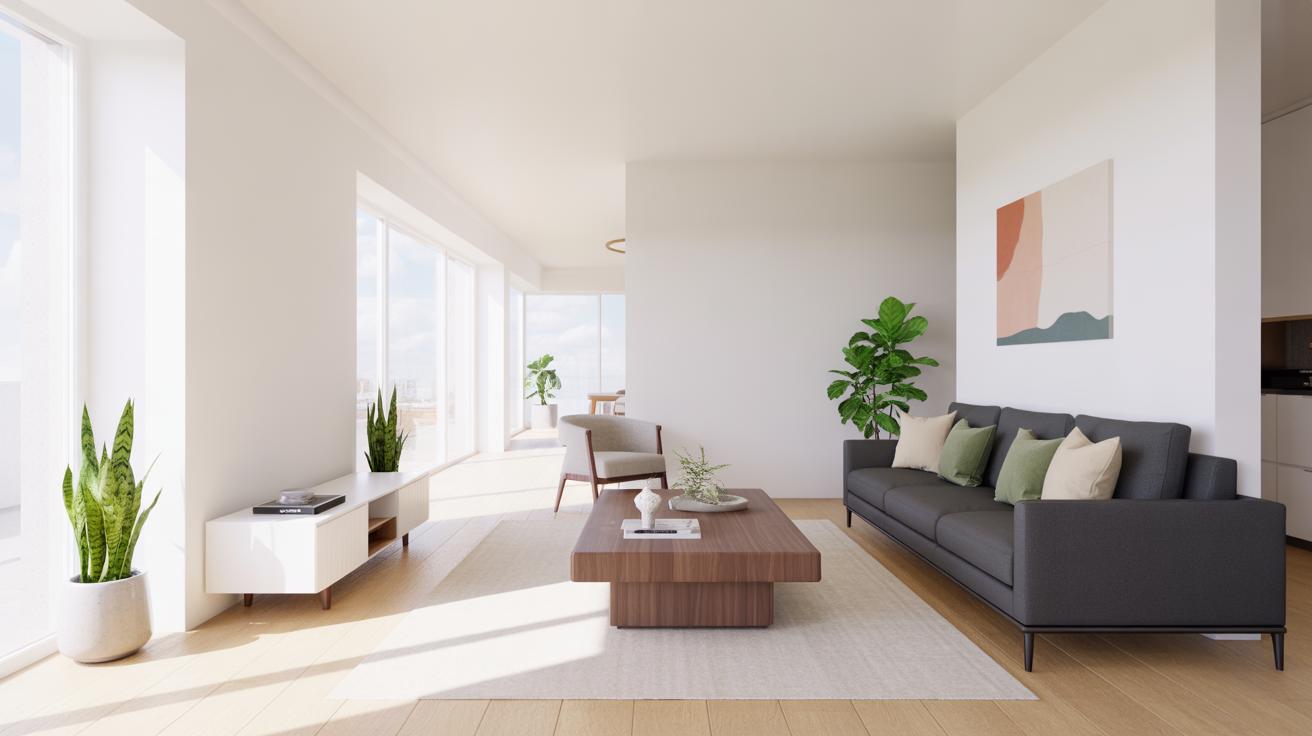
When the sun fades, soft lamps take over. Avoid harsh, bright bulbs. Instead, opt for warm white or amber-toned lighting, which keeps the atmosphere cozy without stirring restlessness. Placing lamps behind furniture or in corners can soften edges and reduce sharp contrasts.
I’ve noticed that layered lighting—mixing natural daylight with several low-intensity lamps—instead of relying on a single overhead source, really encourages a peaceful feel. You don’t want to feel like you’re always under a spotlight, do you?
Minimalism Versus Maximalism
Key Features Of Minimalism
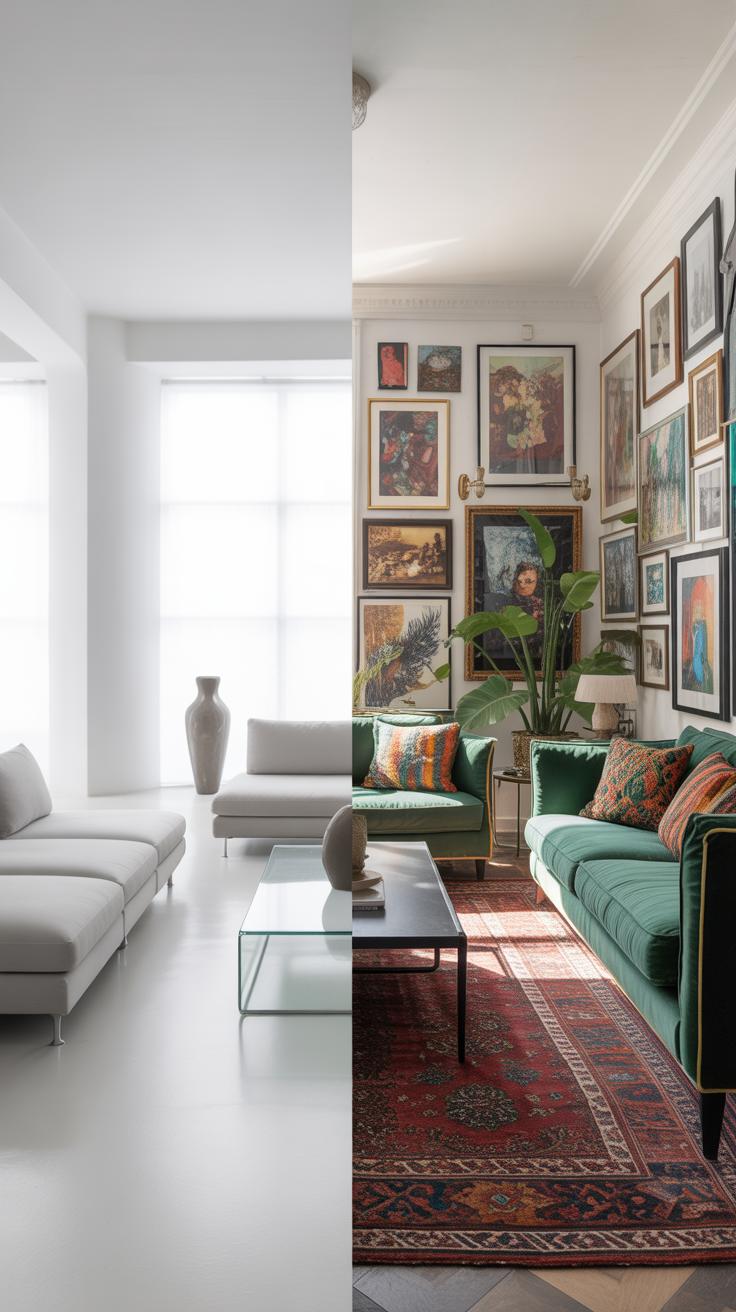
Minimalist living rooms revolve around simplicity and calm. Think clean lines, uncluttered surfaces, and limited color palettes—often neutral tones like white, gray, or soft beige. You’ll find only the essentials: a sofa, maybe a single piece of artwork, and a few well-chosen accessories. Everything serves a purpose; nothing feels extra or unnecessary.
The idea is to create open, airy spaces that feel peaceful. Minimalism often uses natural light and subtle textures to add interest without overwhelming the eye. It’s not about having less just to have less—there’s an intention behind each item, and the room breathes because of it.
Sometimes, embracing minimalism means resisting the urge to fill every corner or wall. For some, it feels liberating. For others, a bit stark. Either way, it’s about control and clarity, which can calm your mind after a busy day.
Key Features Of Maximalism
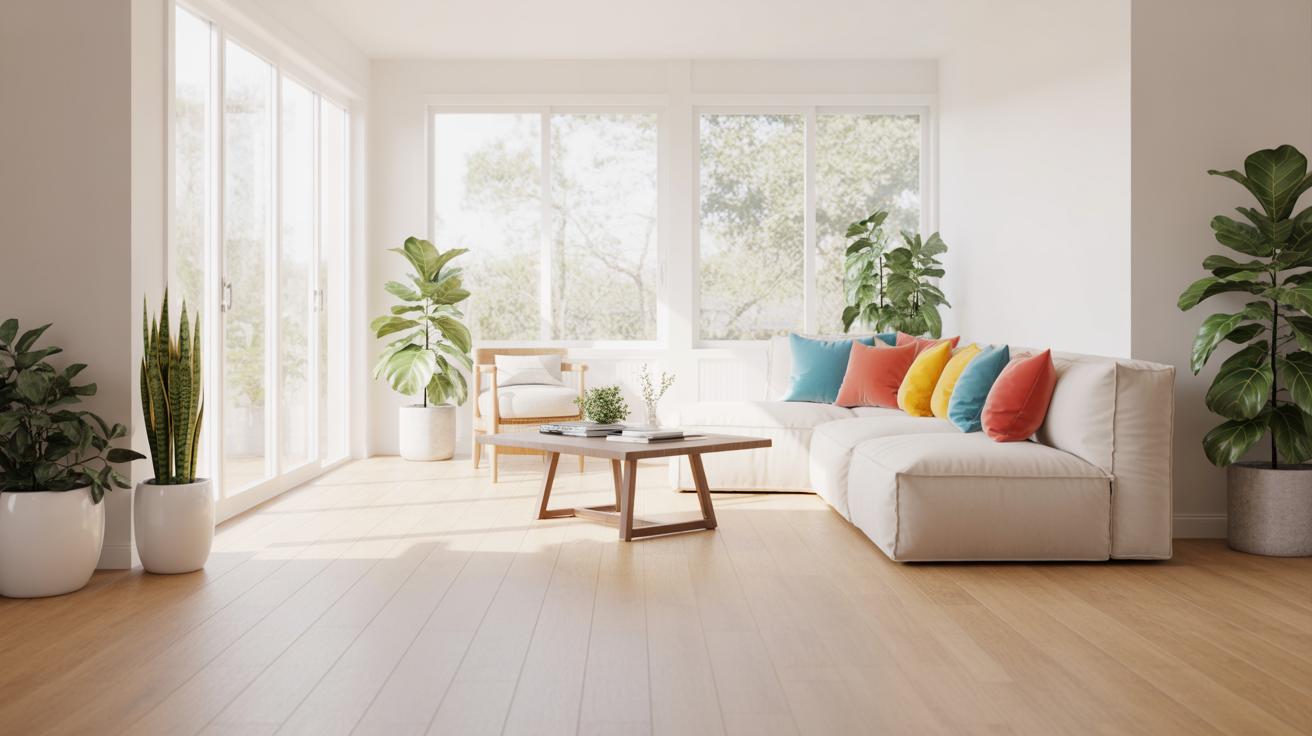
Maximalism is almost the opposite; it embraces abundance and personality in full force. Imagine rich colors, layered patterns, and walls crowded with art. It’s the space that invites you to express yourself boldly, mixing styles, textures, and many decorative elements.
This style works well if you love variety and visual excitement, or if your life feels too ordered elsewhere and you crave sensory stimulation at home. You’ll see collections on display, multiple seating areas, and bold furniture shapes that don’t shy away from attention.
Maximalism can feel cozy but might overwhelm those who prefer calm spaces. It’s not for everyone, but when done thoughtfully, it tells stories and invites conversation. Sometimes, maximalism suits people with busy social lives or eclectic tastes who want their environment to mirror their energy.
Choosing Decorations And Artworks
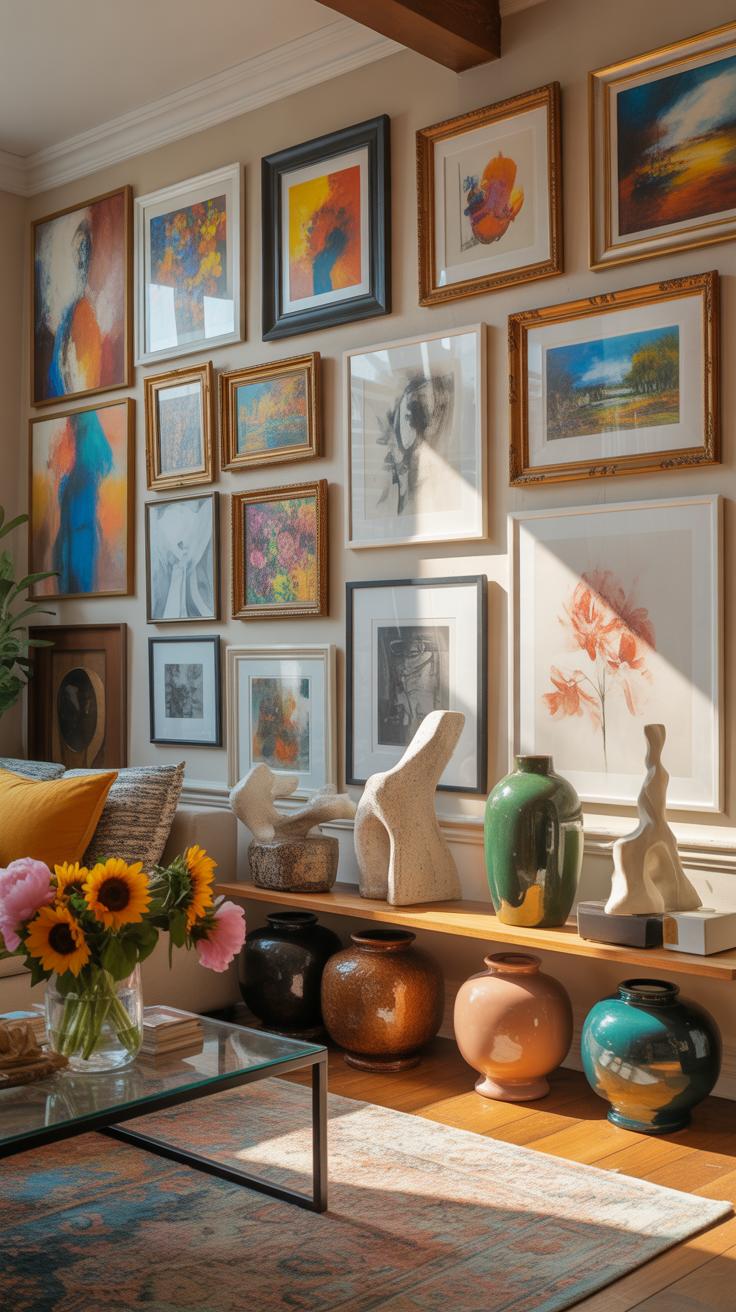
Selecting Meaningful Objects
When it comes to decorations in a minimalist living room, less truly is more—though that doesn’t mean you should sacrifice personality. The key is choosing items that speak to you personally. Think about objects that hold a story or feeling rather than just their looks. Maybe a small sculpture from a memorable trip or a handcrafted vase that reminds you of a quiet moment.
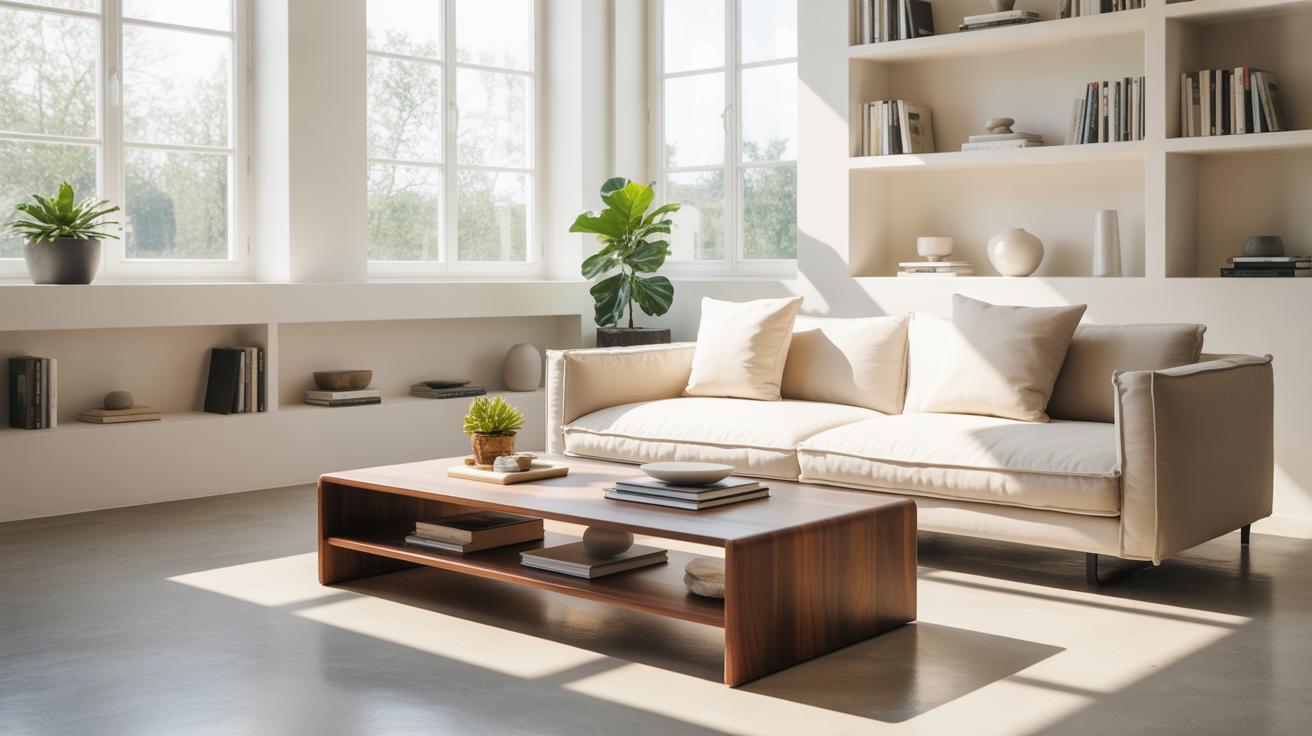
It’s easy to get caught up in picking pieces because they “look good,” but ask yourself if they add value beyond aesthetics. Do they make you pause or smile? If not, perhaps leave them out. Select a few items carefully rather than scatter numerous small things that compete for attention. Minimalist design favors deliberate choices, not random abundance.
Sometimes less obvious objects—like a unique book or a simple plant—can bring warmth without clutter. The goal isn’t to strip everything away but to create a space that feels intentional and calming.
How To Display Art Simply
Displaying art in a minimalist space calls for restraint. Keep frames simple—clean lines, neutral colors—and avoid overcrowding walls. One or two well-chosen pieces usually work better than a gallery wall cluttered with many small images. Remember, the art should complement the room’s calm vibe, not overwhelm it.
Consider spacing artworks well apart and at eye level. Floating shelves can offer subtle display options but avoid stacking too many items there. If you’re unsure about commitment, lean toward larger single pieces instead of multiple small ones; they create a focal point and reduce visual noise.
Sometimes, leaving parts of walls bare enhances the space’s openness. Think about what each piece adds and whether the room feels balanced. Art in minimalist rooms isn’t just decoration—it’s part of the breathing room.
Organizing Storage For Minimalism
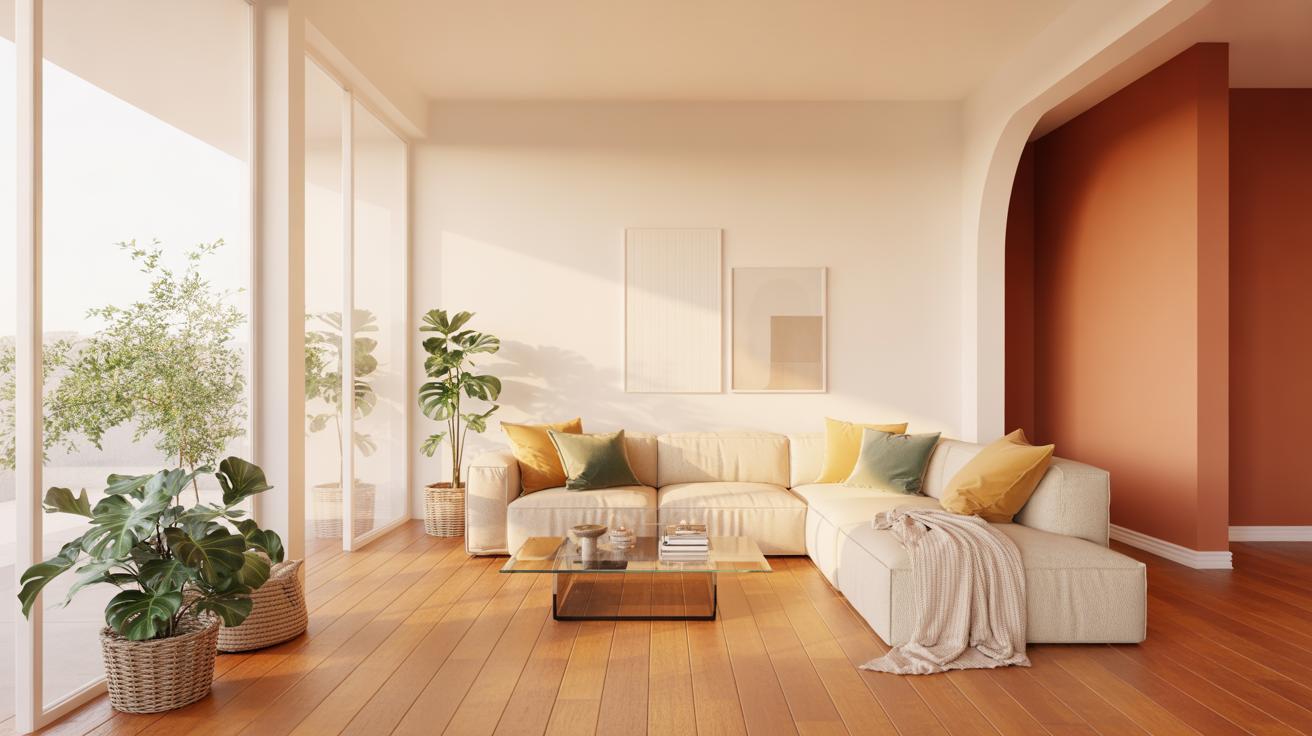
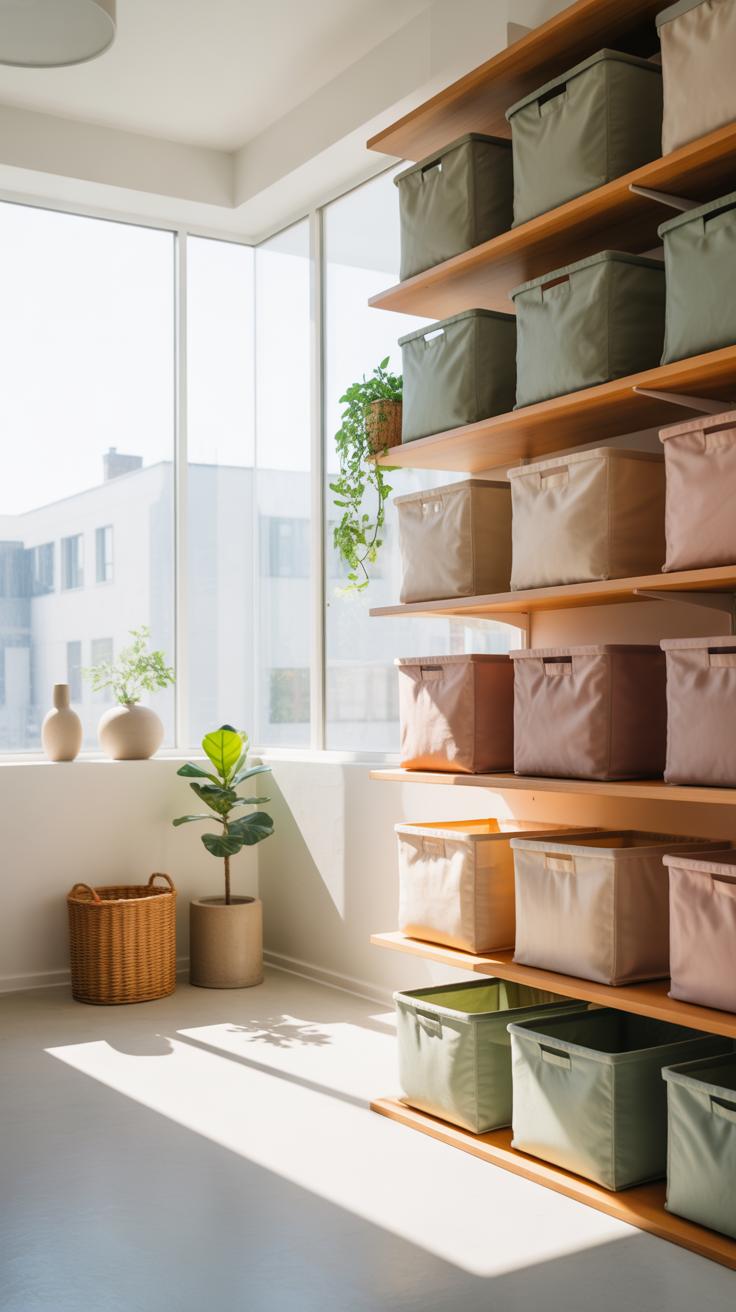
When you think about minimalism, clutter usually comes to mind as the main enemy. But keeping a minimalist living room tidy isn’t just about throwing things away; it’s about where and how you store what you keep. Suitable storage solutions can quietly do the heavy lifting, so your space feels calm and open instead of busy and cramped.
One approach is to choose storage that fits naturally into your lifestyle. For example:
- Low-profile cabinets with clean lines can hold away everyday items without drawing attention.
- Wall-mounted shelves free up floor space while giving you a spot to display just a few select pieces.
- Baskets and boxes might be simple, but when thoughtfully placed, they keep things neat and accessible.
It’s easy to underestimate the value of hiding items out of sight. Not because you need to hoard things, but because even useful objects can become distractions when left exposed. You might find that some of the best furniture has secret compartments—like ottomans that open to store blankets or coffee tables with drawers that vanish beneath the surface.
Sometimes I’ve caught myself leaving mugs or books scattered on tables, probably because I didn’t have a place quick and clear enough to stow them. Keeping surfaces clear takes more than just willpower; it requires planning. Surfaces act like a stage for your room — clutter breaks the illusion of simplicity and distracts your eye.
Try limiting what you allow on shelves and tables to a handful of meaningful or useful objects. Too many items, even if neatly arranged, pull your focus. The goal isn’t a sterile room, but a space where your mind can relax without constant visual noise.
So how does one decide which things deserve a spot in these hidden corners or visible spaces? That’s a question only you can answer. But, keeping those choices intentional may be what minimalism really demands.
Common Minimalist Design Mistakes
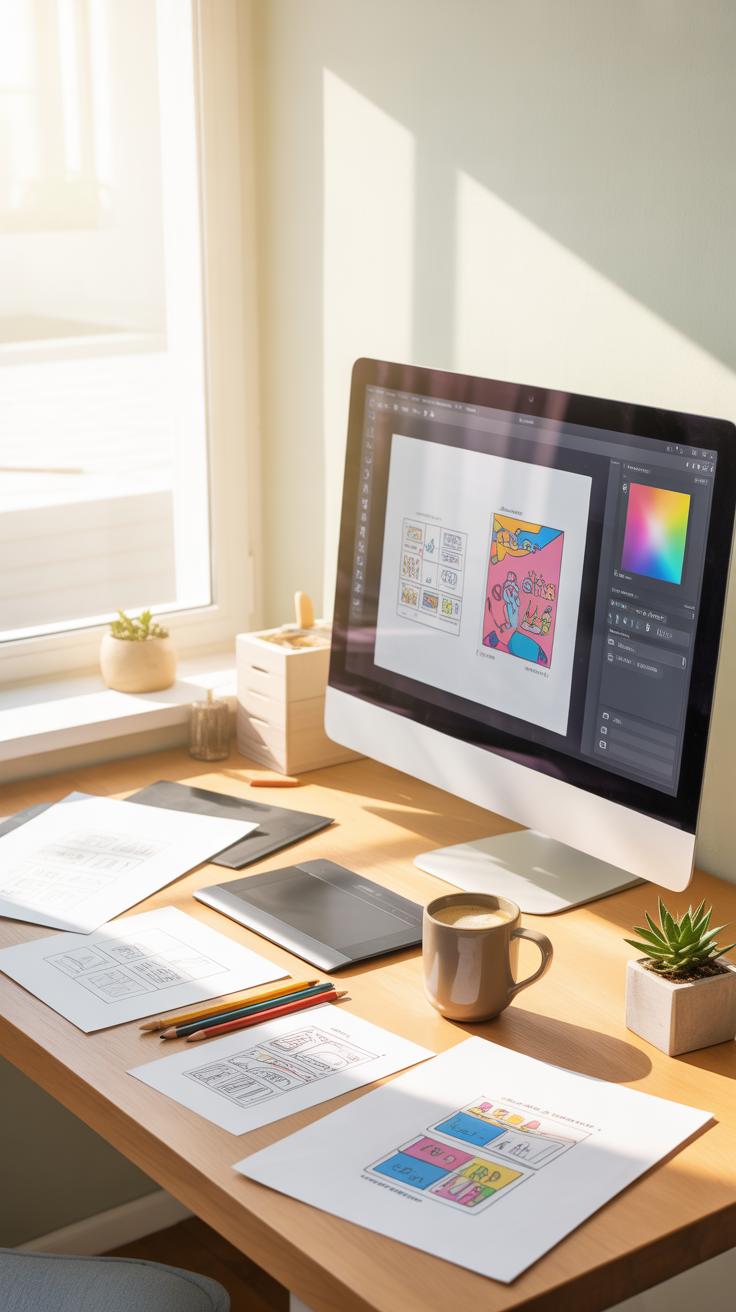
Too Empty Or Uninviting
Minimalism can easily slip into feeling cold or sterile if you’re not careful. When a space looks too bare, it often ends up uninviting rather than calming. I’ve seen rooms that, despite clean lines and tidy layouts, made people hesitate to sit down. You want your living room to draw people in, not push them away.
To avoid that, focus on texture and warmth. Soft rugs, plush cushions, or a throw can add subtle comfort without clutter. Even natural elements like wood or plants make the room feel alive. Lighting plays a big role too—sadly, sometimes bright white lights add to that icy feeling. Instead, try warm-toned bulbs or layered light sources so shadows soften the edges of the room.
Keep in mind, minimal doesn’t mean barren. A few well-chosen personal touches or art pieces can make a space feel cared for, not abandoned. Doesn’t your living room deserve to be both simple and welcoming?
Ignoring Functionality
It’s easy to get caught up in how minimalist spaces look and end up forgetting how they actually feel in daily use. Your living room isn’t just for display. You’ll want spots for sitting, relaxing, maybe even working or reading. When design ignores these needs, the room loses its purpose.
Making a minimalist living room comfortable often means selecting furniture that works hard but looks simple. Think about chairs with clean lines but good support, or tables that serve multiple functions. Blank walls are fine, sure, but what about those little moments like reaching for a book or resting a cup of coffee? These matter.
Ask yourself: does the space support my habits, my routines? If not, it might be minimalist in appearance but clunky in practice. Striking a balance here doesn’t require extra stuff—just smart choices that don’t sacrifice comfort for style.
Examples Of Minimalist Living Rooms
Small Apartment Minimalism
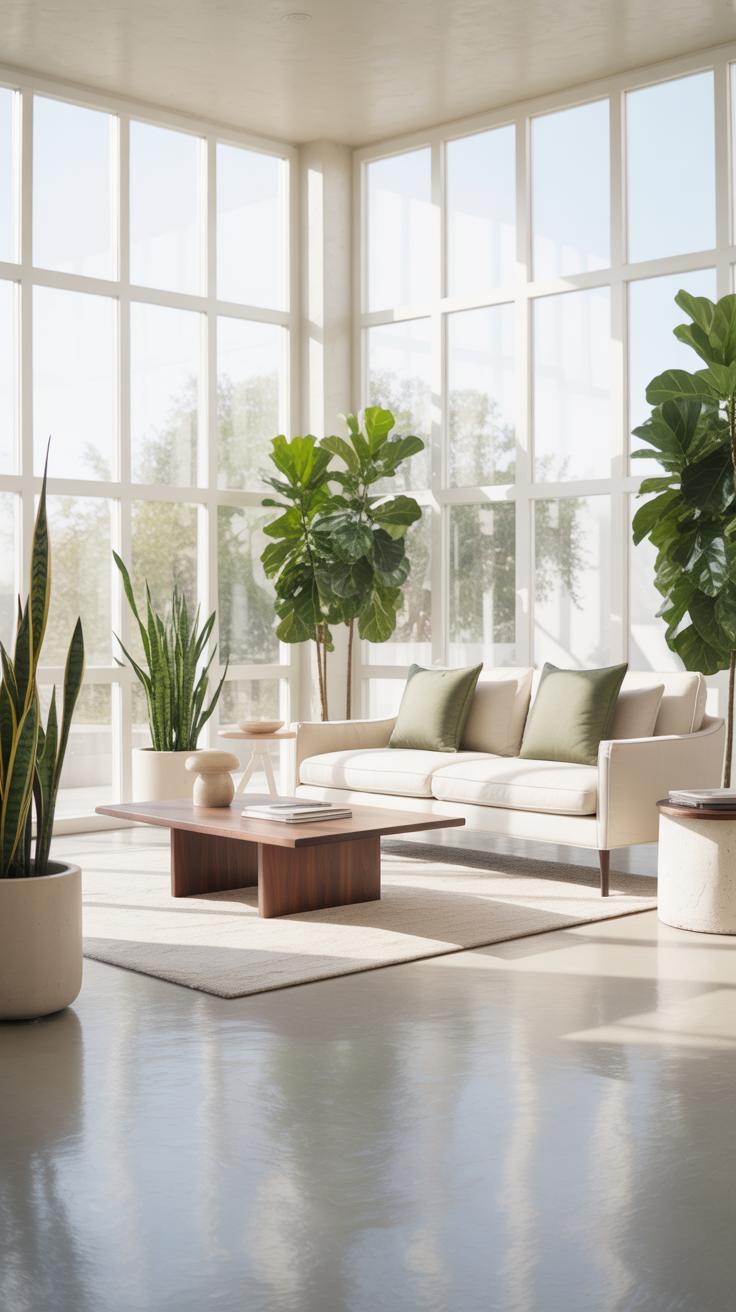
In small apartments, space is tight, so every piece counts. A minimalist living room here often means picking one or two multifunctional furniture items—think a slim sofa that can double as a guest bed or a coffee table with storage underneath. You’ll usually find bare walls or just one simple artwork to avoid visual clutter. Lighting is simple but purposeful, like a single floor lamp placed strategically to brighten the room without crowding it.
You might notice fewer decorations, yet those few are carefully chosen—maybe a plant or a sculptural vase. The color palette usually sticks to neutrals or muted tones, keeping the space feeling open and calm. It’s a setup that doesn’t scream “minimalism” loudly, but it quietly respects space and function. Ever wonder how much less stuff really changes your daily mood? In these small setups, it’s often a subtle, steady calm.
Family Room Minimalism
Keeping a family room minimalist can be tricky, especially with kids around. But it’s not impossible. The key lies in practical simplicity—a few sturdy, easy-to-clean sofas and tables, low on clutter yet high on comfort. Storage becomes your best friend here. Built-in shelves or hidden compartments in ottomans keep toys and books out of plain sight, so the room stays orderly without feeling empty.
Colors tend to stay soft to avoid overstimulation, but personal touches remain. Family photos on a single shelf, a favorite blanket folded neatly, or a cheerful rug can bring warmth without crowding. You might think minimalism means blandness in a family space, but it often allows the focus to shift on togetherness rather than stuff. Maybe you try this approach and find the room actually feels bigger, calmer—less noise to navigate when everyone’s gathered.
Maintaining Minimalism Over Time
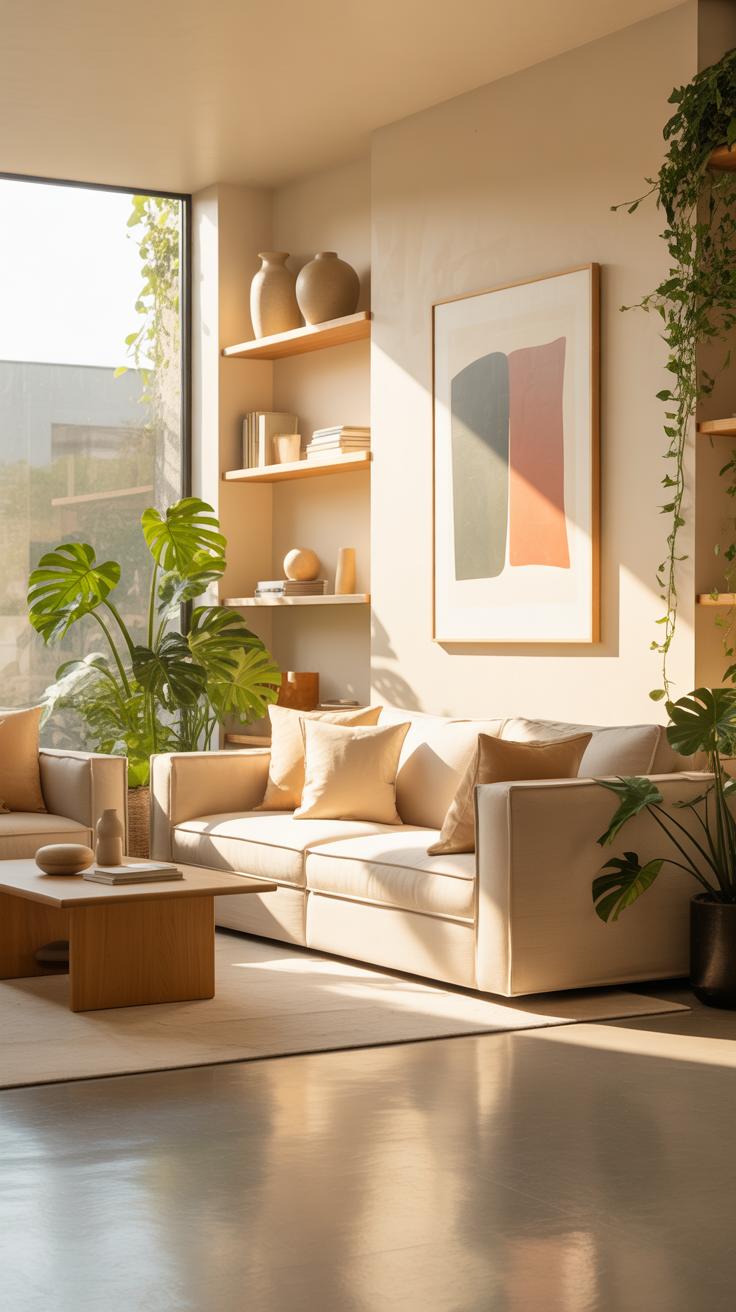
Keeping a minimalist living room clutter-free isn’t just a one-time effort. It calls for daily attention—small habits that slowly become part of your routine without feeling like a chore. A quick daily check can make a big difference. For example, glance around before bed or when you’re leaving the room. Ask yourself:
- Are there any items out of place?
- Is there something that doesn’t belong here?
- Could I put away a book, a cushion, or a device right now?
Simple questions like this prompt quick actions. Sometimes it’s as easy as folding a throw or placing a magazine back on the shelf. Doing this regularly keeps the space calm and organized without feeling overwhelming.
Beyond daily habits, reviewing what you own every few months helps too. It’s easy to accumulate “just in case” things that sneakily expand. Ask yourself whether an item still suits your space or lifestyle. Often, possessions linger because they don’t seem urgent to toss, but they quietly chip away at minimalism.
This occasional review might feel tedious, but it’s surprisingly freeing to say goodbye to things you don’t really need. It also stops clutter from drifting back in, which happens more than you’d expect. So, a little checking, a bit of questioning, and regular reflection form the backbone of living minimalist—not as a strict rule, but as a manageable rhythm you create for yourself.
Conclusions
Minimalist living room design helps you focus on what matters most by removing extra stuff. This creates a peaceful room where you can relax and feel calm. Using simple colors and clean lines makes the space look bigger and brighter.
With these ideas, you can start your own minimalist space today. It will bring more peace to your home and make your daily life easier. Remember to keep only what you need and enjoy your calm, peaceful living room.