Introduction
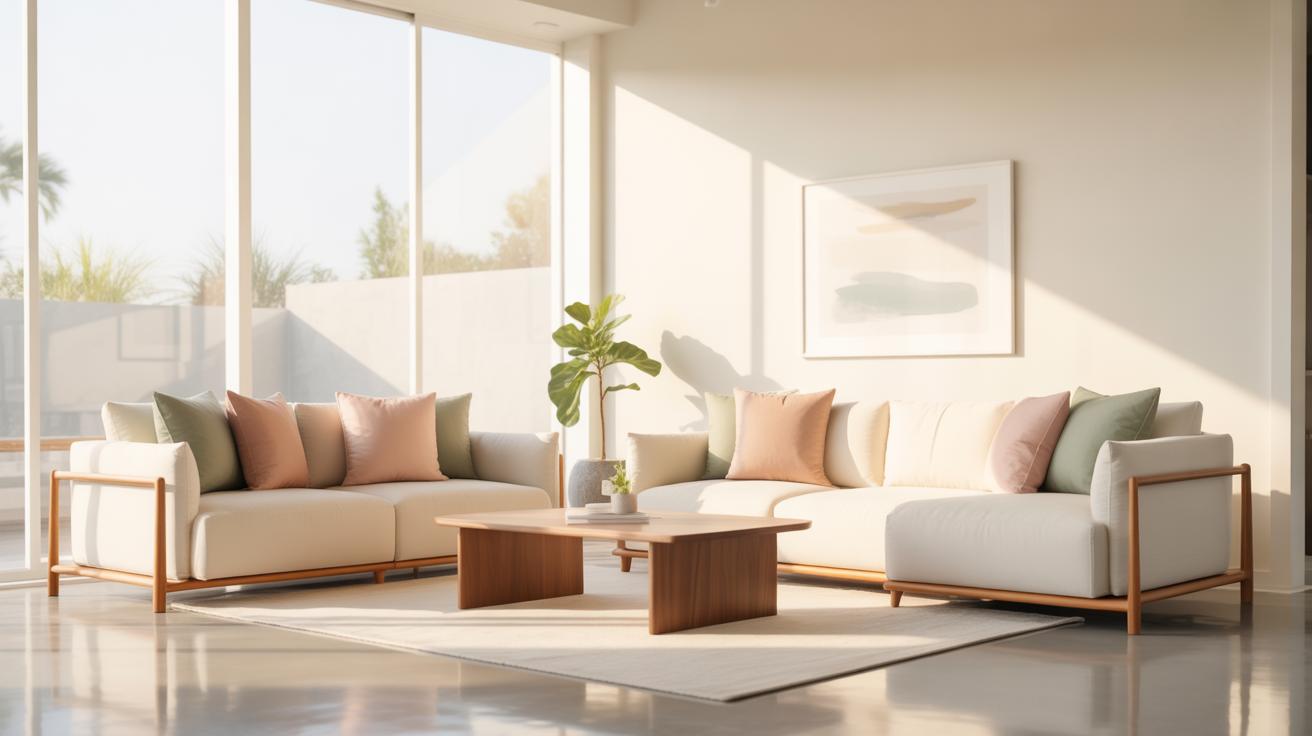
Minimalist living room decor focuses on simplicity and functionality. The idea is to create a space where every item has a purpose, helping you live with less clutter and more comfort. This approach uses clean lines, neutral colors, and minimal accessories to promote a calm and open environment.
In this article, you will find practical ideas and tips for designing a minimalist living room. Whether you want to redesign your space or simply add a few minimalist touches, each section provides clear advice on how to get the style right. From choosing furniture to arranging your room and adding decor, learn how to combine comfort with simplicity effectively.
Core Principles Of Minimalist Living Rooms
Why Keep It Simple And Clutter Free
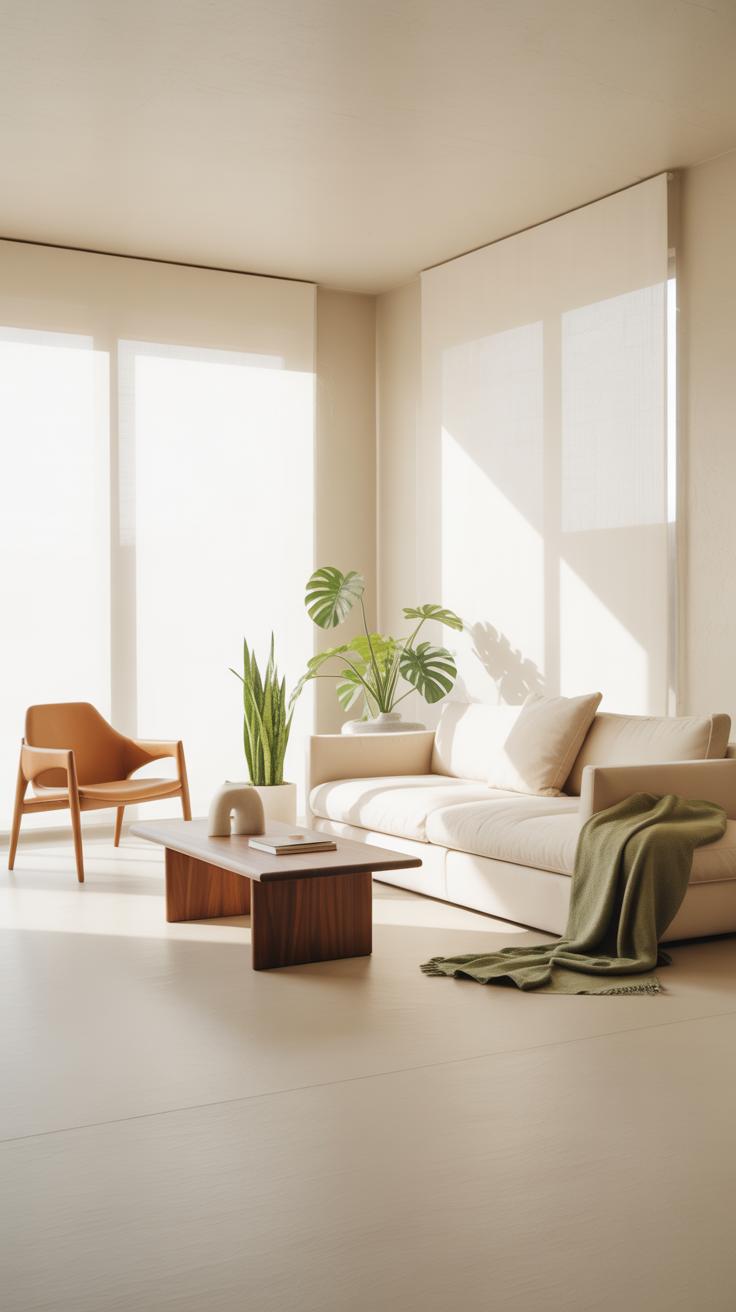
Minimalist living rooms thrive on simplicity, but not just for style’s sake. When your space is free of unnecessary objects, it invites calm and makes the room feel larger, even if it’s small. There’s a certain ease that comes from not having to navigate around clutter or visually loud decor. This clarity can actually help soothe a restless mind, making the living area a place to relax and recharge.
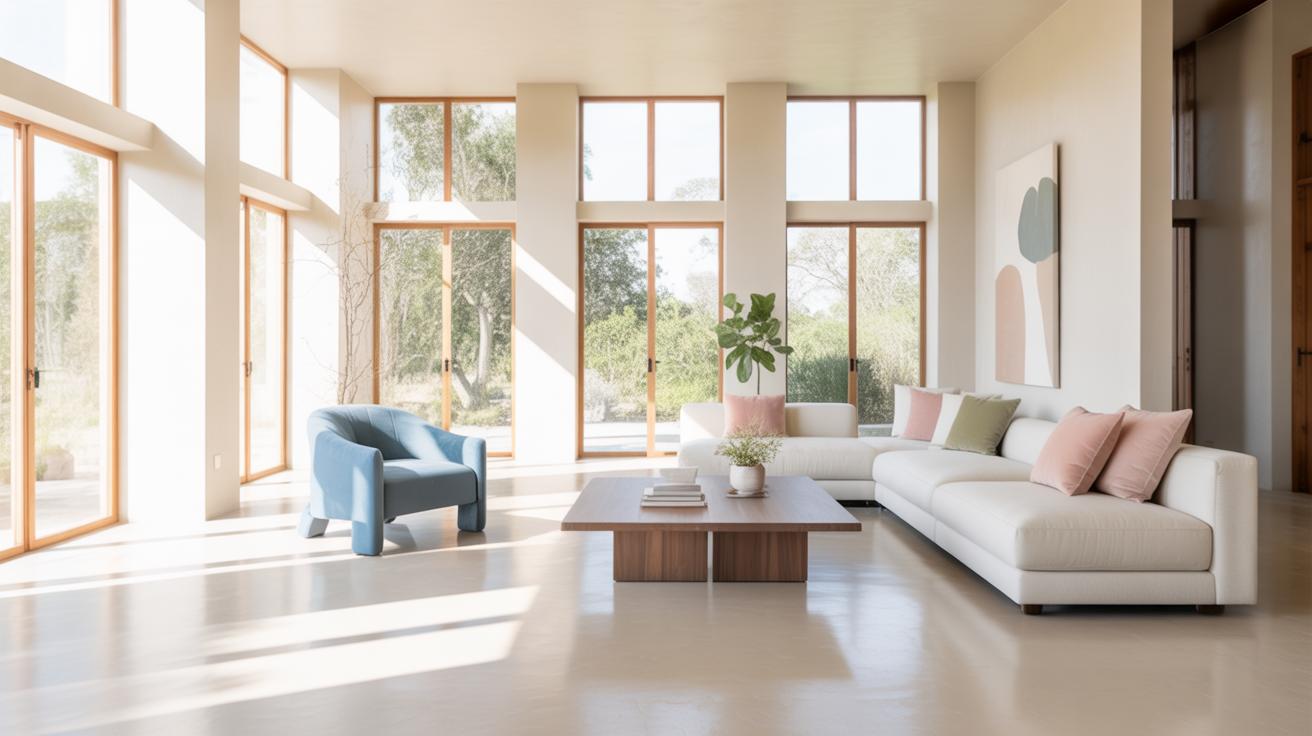
Some people might find that reducing what’s visible makes the room a bit cold or impersonal. That’s a fair reaction—minimalism isn’t about stripping all character away, though it can feel that way at first. Instead, it’s about trusting that less stuff allows what remains to shine and serve a clear purpose. Does every piece support how you live? If not, maybe it belongs somewhere else, or not at all.
Essential Features To Include And Avoid
In practice, a minimalist living room should include a few quality pieces of furniture: a comfortable sofa, a simple coffee table, and maybe one or two storage solutions that disappear into the space rather than dominate it. Natural light is an underrated must-have; it softens the edges and keeps the room from feeling boxed in.
On the other hand, avoid overcrowding with too many cushions or knick-knacks. Big patterned rugs or overly bold artwork usually don’t fit well here—they tend to break the calm. Also, excessive technology or tangled cables often ruin the clean aesthetic and interrupt the peaceful vibe.
Ultimately, the goal is a space that works quietly and clearly. Your living room shouldn’t demand attention—it should quietly support whatever you need from it, be that conversation, reading, or just sitting in silence. Does this kind of room feel right for you, or do you find it a bit stark? It’s okay to wrestle with that feeling; minimalism isn’t a one-size-fits-all, but understanding these principles will guide you closer to your ideal space.
Picking Minimalist Furniture Wisely
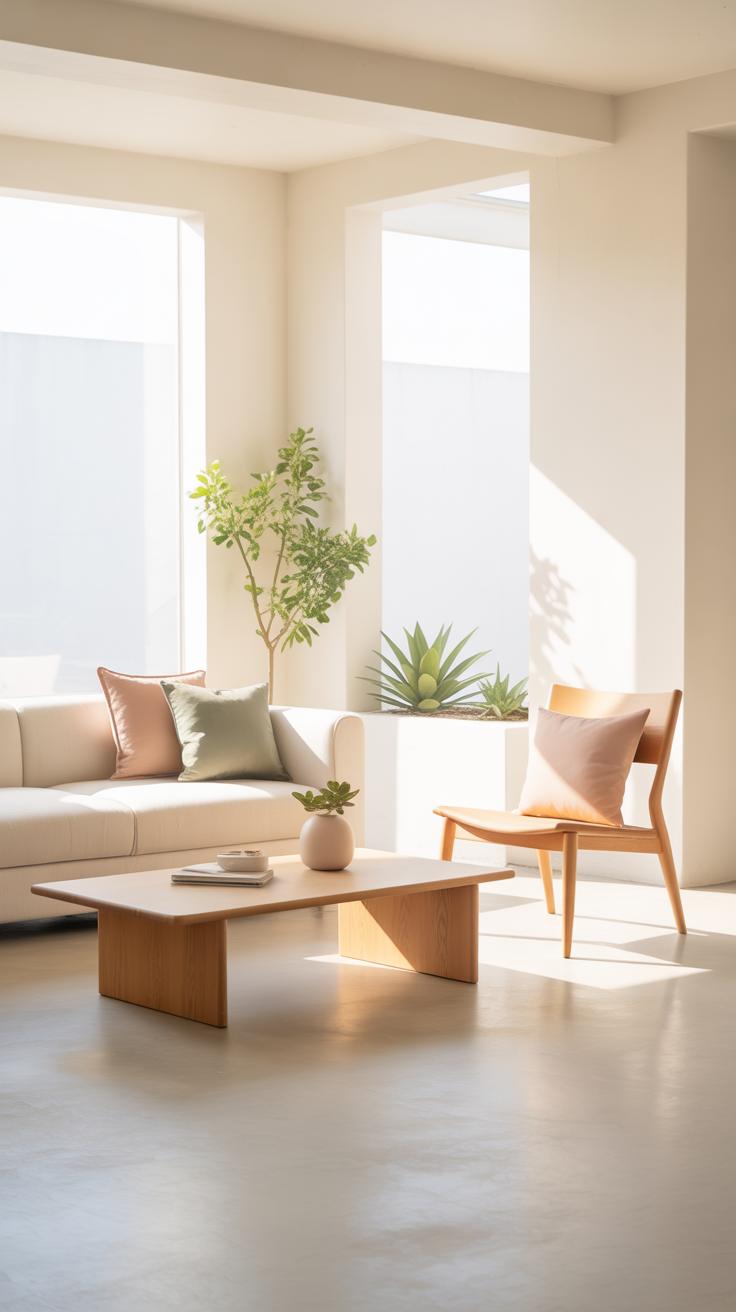
Choosing furniture for a minimalist living room isn’t just about buying fewer pieces. It’s more about selecting items that truly serve you without any extra fuss or flair. Function should be your first priority. Ask yourself: does this piece offer a practical use? Will it support multiple activities or purposes? Think seating that’s comfortable but simple, tables that don’t take up much visual space, and storage that keeps clutter out of sight without overwhelming the room.
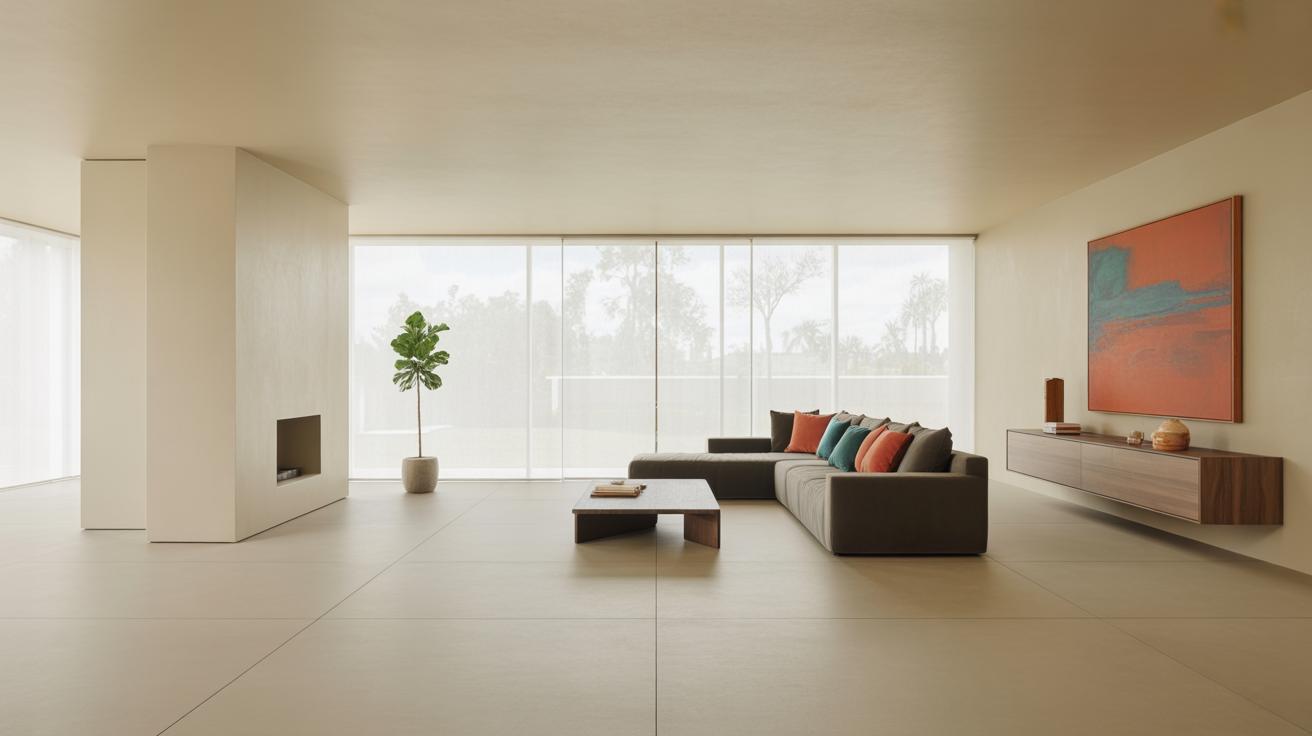
Clean shapes often work best here. Avoid ornate details or overly decorative legs and trims. Instead, look for smooth lines and subtle curves. Neutral colors dominate minimalist spaces because they don’t compete for attention. Shades of white, gray, beige, or soft earth tones create a calm, open feeling. Sometimes a muted black or deep navy can add contrast without breaking the minimal flow.
Best Furniture Styles For Minimalism
Some furniture styles seem to naturally suit minimalism, though that’s not a strict rule. Modern designs are often chosen since they favor simplicity and clarity. Scandinavian furniture usually fits right in, with its light woods, clean forms, and functional approach. Japanese influences offer another direction—think low-profile seating, natural materials, and a focus on balance. Each style brings subtle differences; you might prefer the warmth of Scandinavian pieces or the austerity of modern lines. Either way, items should feel unburdened and straightforward.
Avoiding Overcrowding Your Space
It’s tempting to fill an empty living room with lots of furniture, but this goes against minimalism’s core idea. Too many bulky items can make a space feel tight or restless. Instead, aim for fewer pieces that do the heavy lifting. Multi-purpose furniture—like storage ottomans or nesting tables—helps save room without sacrificing utility.
Try to leave empty areas, too. Some breathing space is needed so your eyes can rest and the room can feel inviting, not cramped. Also, consider the scale of each piece; for example, a slim sofa rather than a bulky sectional, or chairs with slender frames. It’s a delicate balance. Too little furniture feels sparse, but too much disrupts the minimalist calm. What’s your threshold for what’s ‘just enough’?
Choosing Color And Lighting

When picking colors for a minimalist living room, it’s tempting to stick with plain whites or gray, but you might find that very limiting after a while. Soft, neutral palettes work best because they create a calm, uncluttered backdrop that doesn’t demand too much attention. Think off-whites, light beiges, gentle grays, or muted pastels—colors that quietly settle around you instead of shouting for focus.
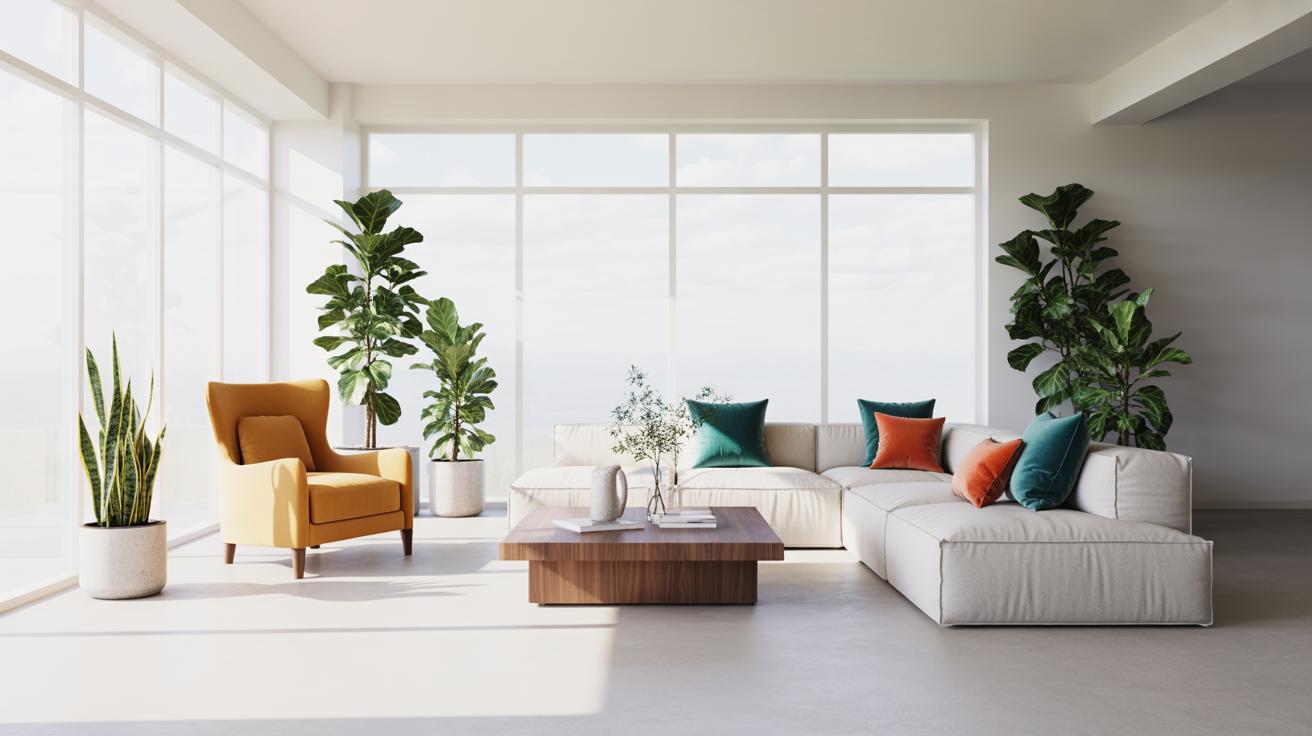
Layering shades within the same color family adds subtle depth without breaking the minimalist mood. For instance, pairing a pale gray wall with a slightly darker gray sofa and lighter cushions creates interest, yet keeps things low-key. You may want to add an accent color sparingly—perhaps a deep navy or a soft olive—to give the space a little personality without overwhelming the senses.
Lighting plays an equally crucial role. Natural light is probably the best friend of minimalist design. Big windows or skylights that let daylight flood your room soften the space and reveal textures gently. If natural light is scarce, aim to mimic it through lighting choices that feel diffuse and warm.
Here are a few ideas to guide you:
- Use indirect lighting—hidden LEDs or wall washers—that spread light evenly.
- Choose lamps with sleek, simple shapes to maintain clean lines.
- Avoid harsh overhead fixtures that create stark shadows or glaring spots.
- Consider dimmable lights so you can adjust the mood depending on time of day.
Finding the right balance between enough light and too much can be tricky. But when done well, it awakens the space, inviting calm without feeling empty or cold. Have you ever noticed how a room feels different when the light shifts? That’s the power of lighting in minimalist living rooms.
Organizing With Minimal Storage Solutions
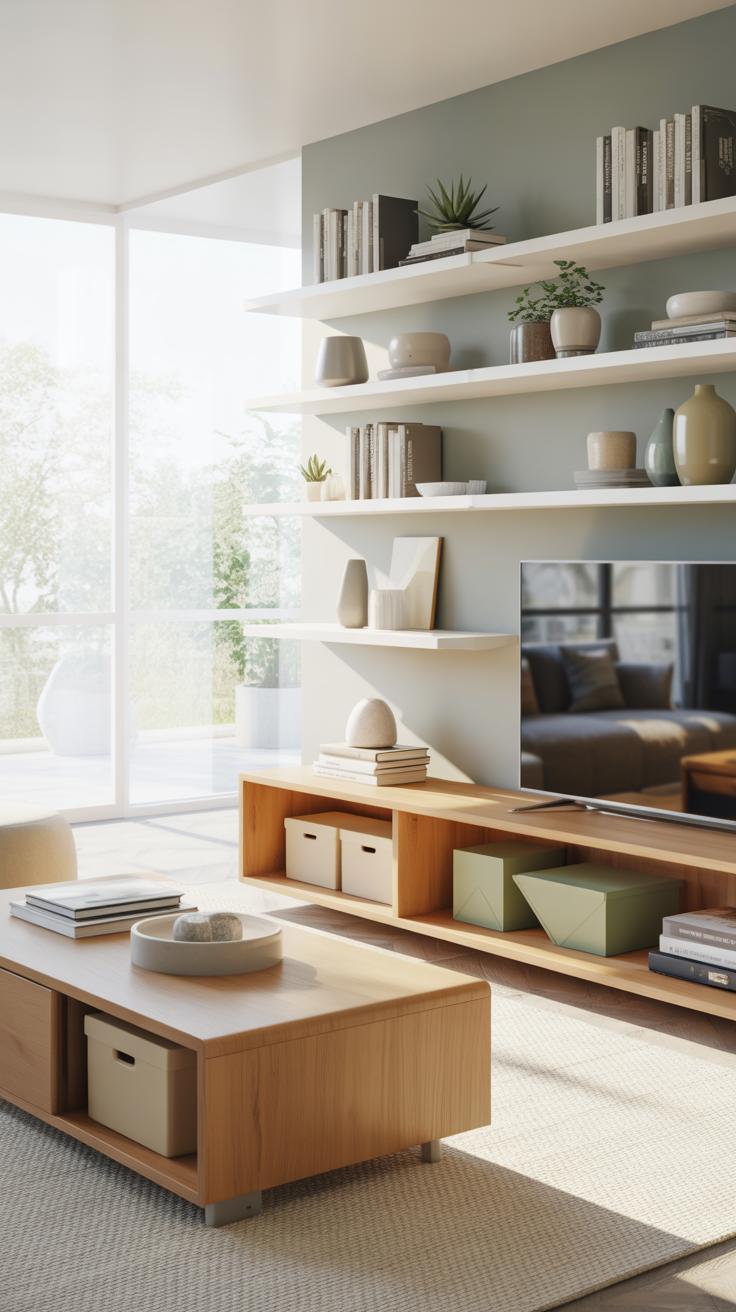
Keeping a minimalist living room tidy without crowding it with cabinets or bulky shelves can be tricky. But there are ways to incorporate storage that blend into the room rather than dominate it. Hidden storage options work well—you might not notice a storage bench at first glance, yet it holds blankets or magazines out of sight. These kinds of solutions quiet the visual noise in your space.
Furniture that pulls double duty is another lifeline. Ottomans with removable tops or coffee tables with built-in compartments offer places to stash remotes, books, or anything that tends to clutter surfaces. They feel natural in the room while quietly easing the constant battle with disorder.
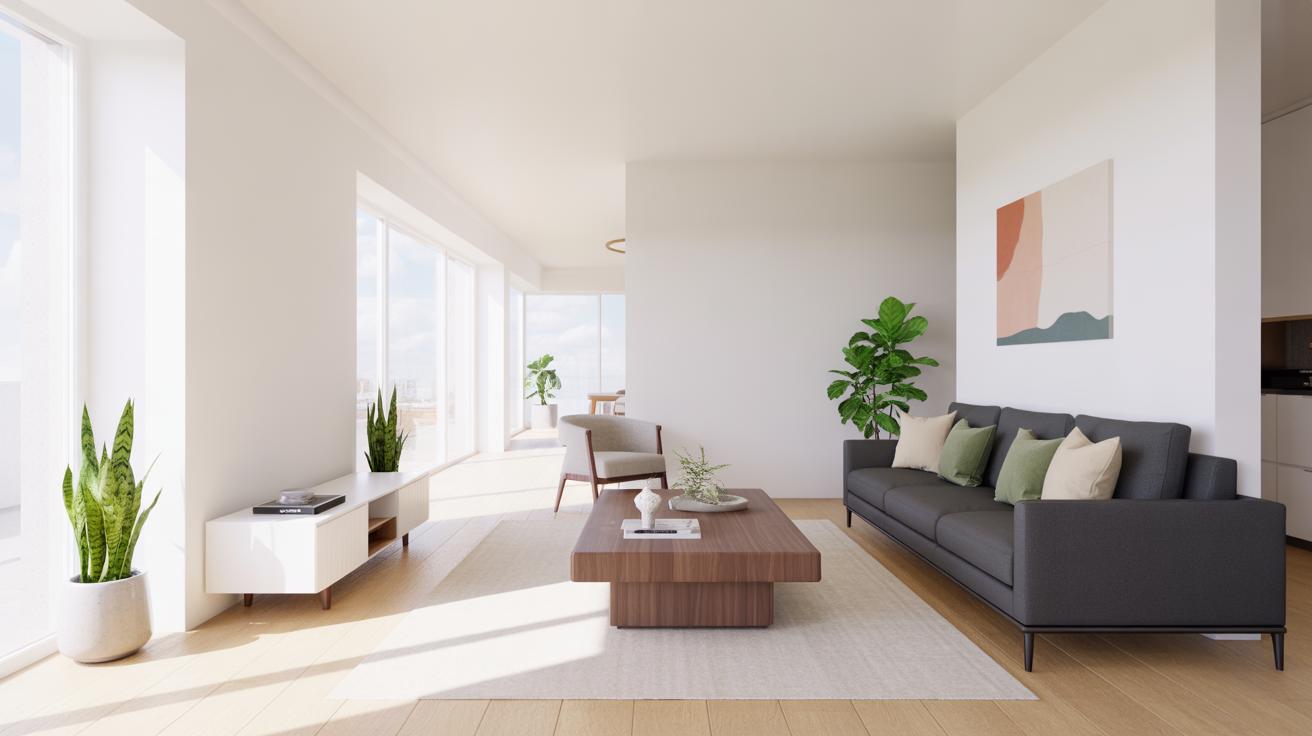
Open shelving might seem counterintuitive if you want to hide clutter, but used wisely, it provides breathing room. Arrange a few meaningful items, couple of books, or a small plant to keep it from looking overcrowded—you want the eye to rest, not rattle through every object you own. It’s a subtle balance to strike, and honestly, I think it’s something that takes trial and error to get just right.
Using Furniture That Doubles As Storage
You may not realize how much more peaceful a room looks when the furniture itself holds extra space. Coffee tables with drawers or ottomans you can open add subtle storage without extra pieces filling the room. These work especially well in smaller rooms where every inch counts.
Imagine slipping a few blankets or board games inside your ottoman instead of keeping them stacked in corners. Or a coffee table where magazines lie tucked away instead of spread atop the surface. Don’t overlook side tables that double as storage cabinets, either—they disappear into the room but hold everyday needs close at hand.
Keeping Surfaces Clear And Open
One of the biggest challenges is managing daily clutter. Keys, mail, chargers—these accumulate quickly and threaten to undo minimalism’s calm. Creating dedicated spots for these essentials can keep surfaces clear almost effortlessly.
Try small trays or bowls near the door for keys and loose change. Use cable organizers or small baskets tucked discreetly for chargers and electronics. A routine habit of clearing off tables each evening helps too, even if it feels like a small, repetitive chore.
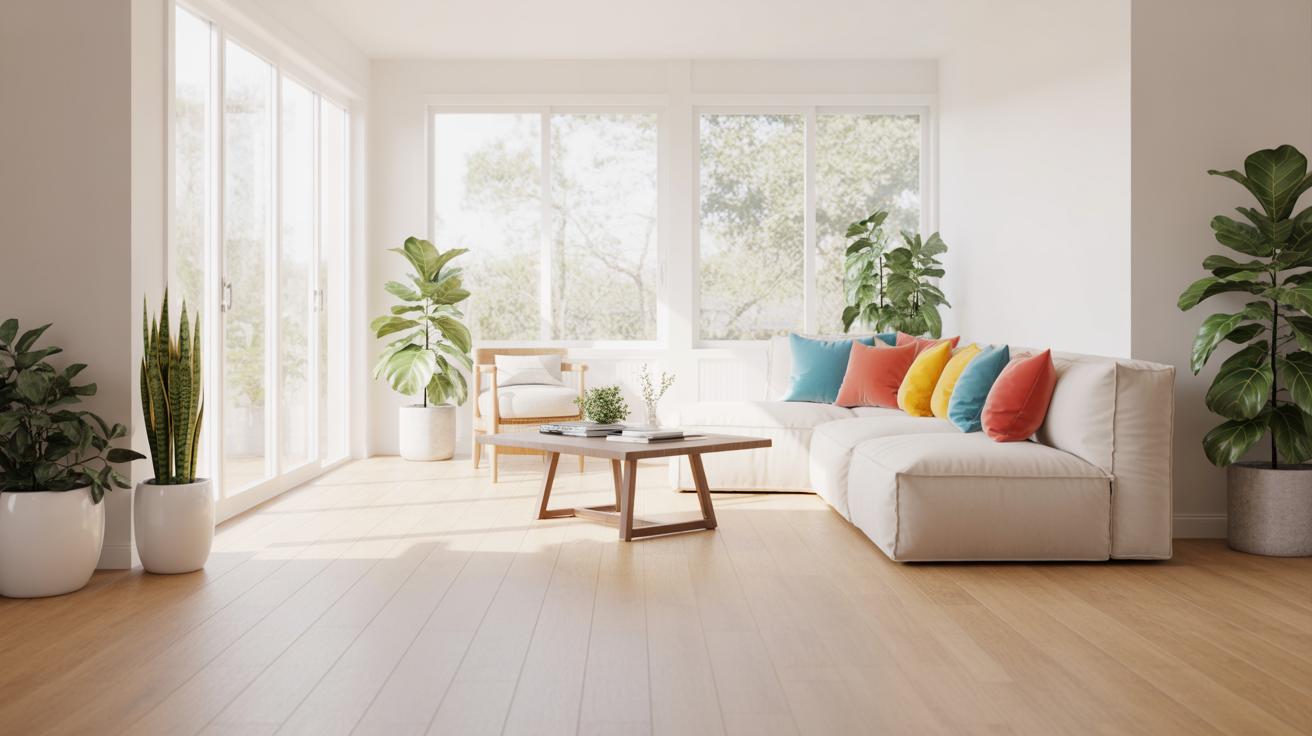
Clear surfaces invite calm. It’s tempting to stack things “just for now,” but that habit often invites more clutter. Giving yourself places—even small ones—to stash everyday items makes a noticeable difference to how open and uncluttered your living room feels.
Minimalist Decor Items That Add Personality
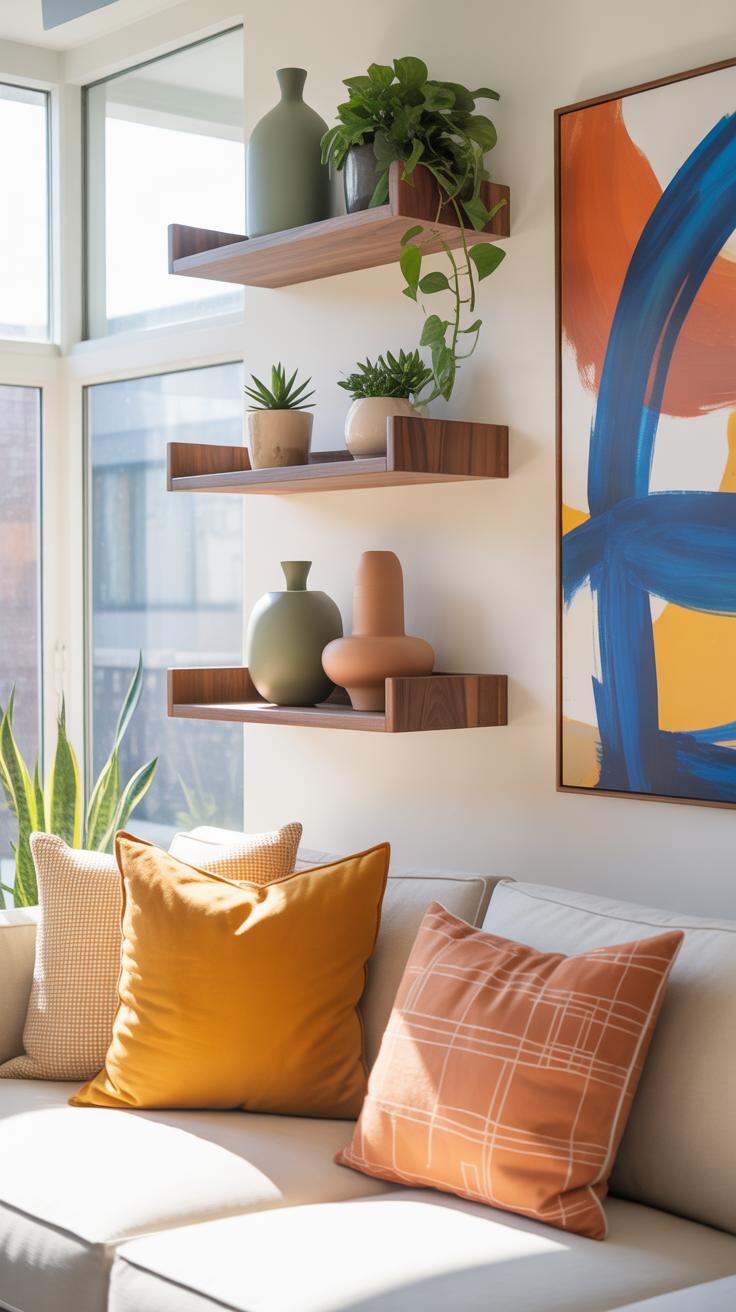
Minimalist spaces often feel too bare if you’re not careful, but that doesn’t mean you have to avoid decor altogether. The key is to pick items that bring character without adding clutter. Think carefully about quality over quantity—that one thoughtfully chosen piece can say so much more than a dozen smaller, insignificant items scattered around.
Consider a few simple decorative elements:
- Plants: A single, well-tended plant can soften a room and introduce texture. It’s calming. Maybe a snake plant or a fiddle leaf fig? They don’t demand much but give a subtle life to the room.
- Art: Instead of filling walls, pick one or two pieces that resonate with you. Abstract prints, subtle landscapes, or black-and-white photography often work well. The trick is to let the art breathe—don’t overcrowd the walls.
- Textiles: A quality throw or cushion in natural fibers can add warmth. Keep patterns minimal or choose solid colors that complement the palette without shouting for attention.
Sometimes less feels like nothing, but it might be more about the right choices. Don’t rush. Maybe you’ll find your one piece of art or perfect plant months later—that’s fine too. What really makes a minimalist room personal is the balance between simplicity and subtle, deliberate touches.
Layout Tips For Comfortable Minimalist Spaces
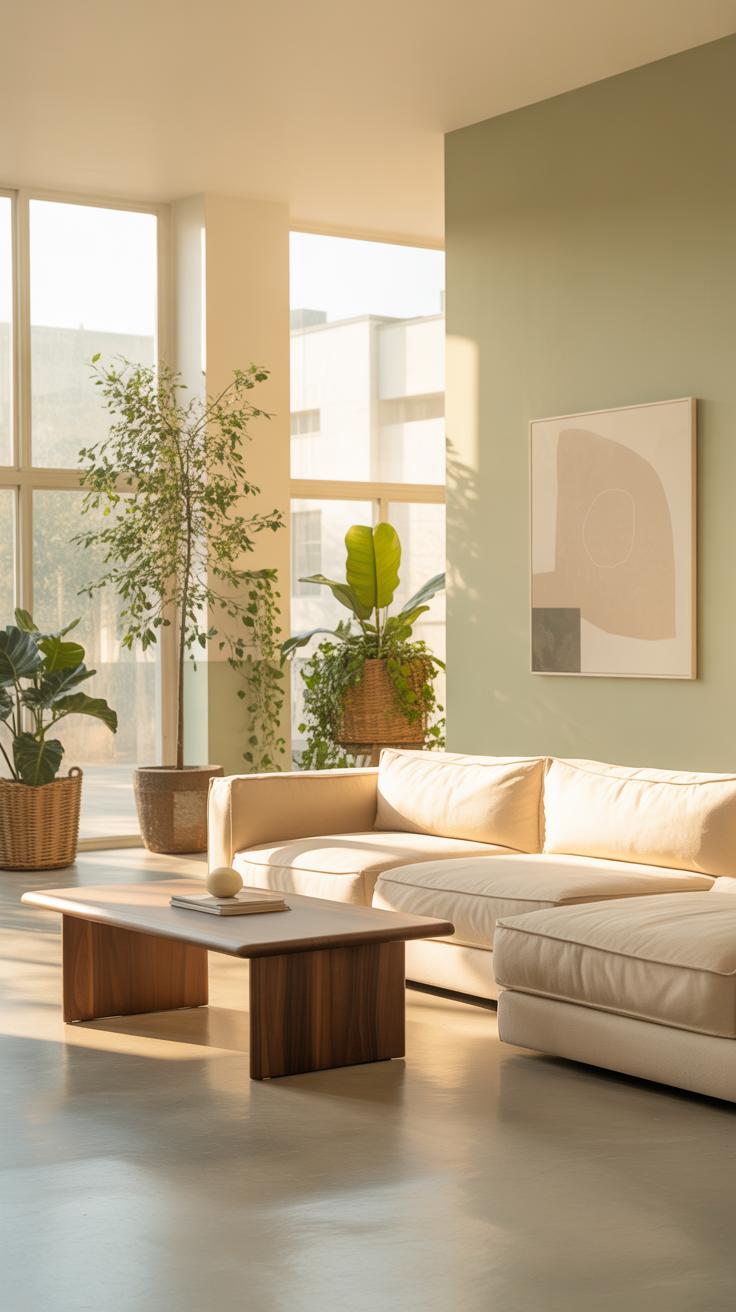
When arranging furniture in a minimalist living room, the goal should revolve around clear, unobstructed paths. Place seating like sofas and chairs where people can move freely without ducking or squeezing past awkward corners. I find centering seating around a shared focal point—maybe a low coffee table or a simple rug—encourages natural conversation without cluttering the space.
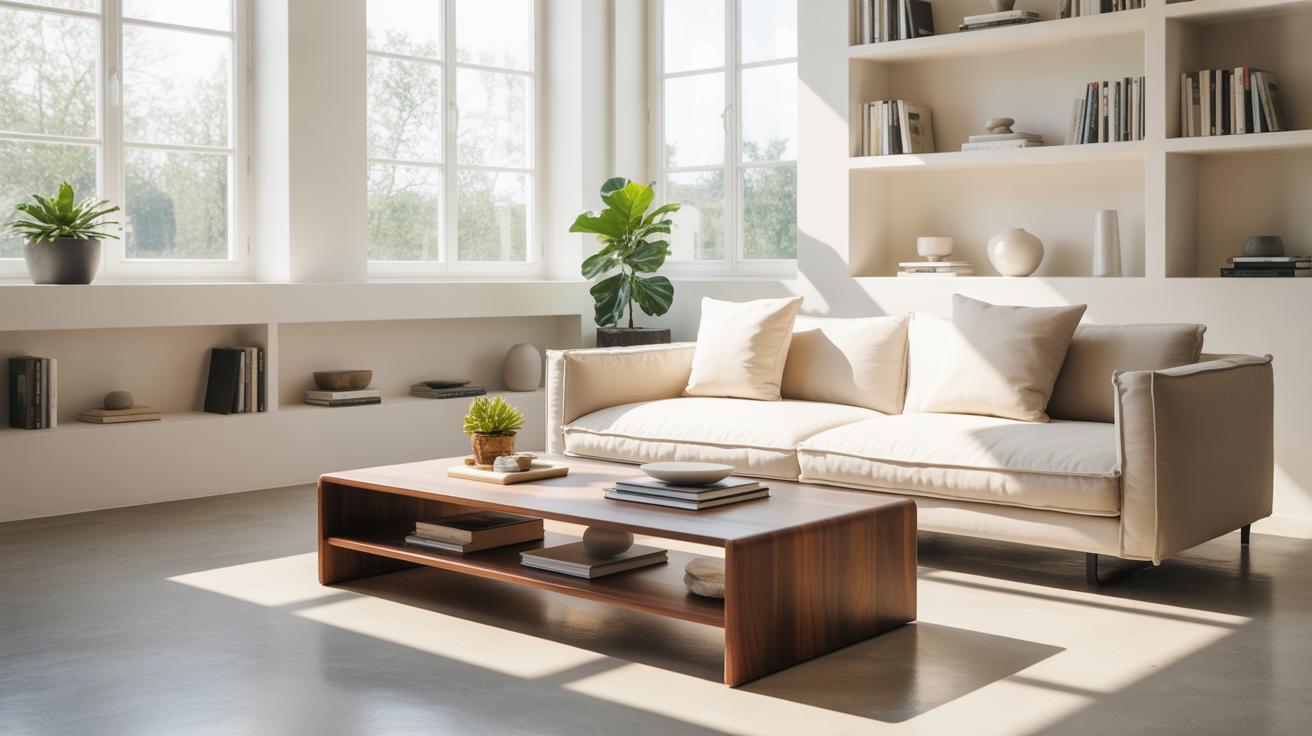
Think about how often you use each spot, and arrange accordingly. For example, leave enough space between a sofa and a side table so you can easily reach your coffee without knocking into the furniture. I’ve learned that even a small misjudgment in spacing can feel surprisingly cramped over time.
Balancing emptiness and furnishings feels like a kind of art. You need enough empty space so the room breathes and doesn’t feel boxed in, but leaving too much vacant space can make the room seem unfinished or cold. A helpful rule I’ve tried is to envision the room with about 60 to 70 percent of the area open—just enough so you never feel stuck but not so much that it feels sparse.
Try grouping furniture in meaningful ways rather than scattering pieces randomly. For instance, cluster a chair and a lamp in one corner for a reading nook, instead of lining the entire wall with seats. This keeps the eye interested without overcrowding. Yet, I sometimes wonder if leaving a near-empty corner might actually add more warmth by contrast, even if it sounds counterintuitive.
Ask yourself: does this layout invite you to sit down and relax, or does it make you want to move on quickly? Comfortable minimalism isn’t about removing everything but about creating spaces that feel calm and welcoming without unnecessary distractions.
Minimalist Living Room Versus Traditional Style
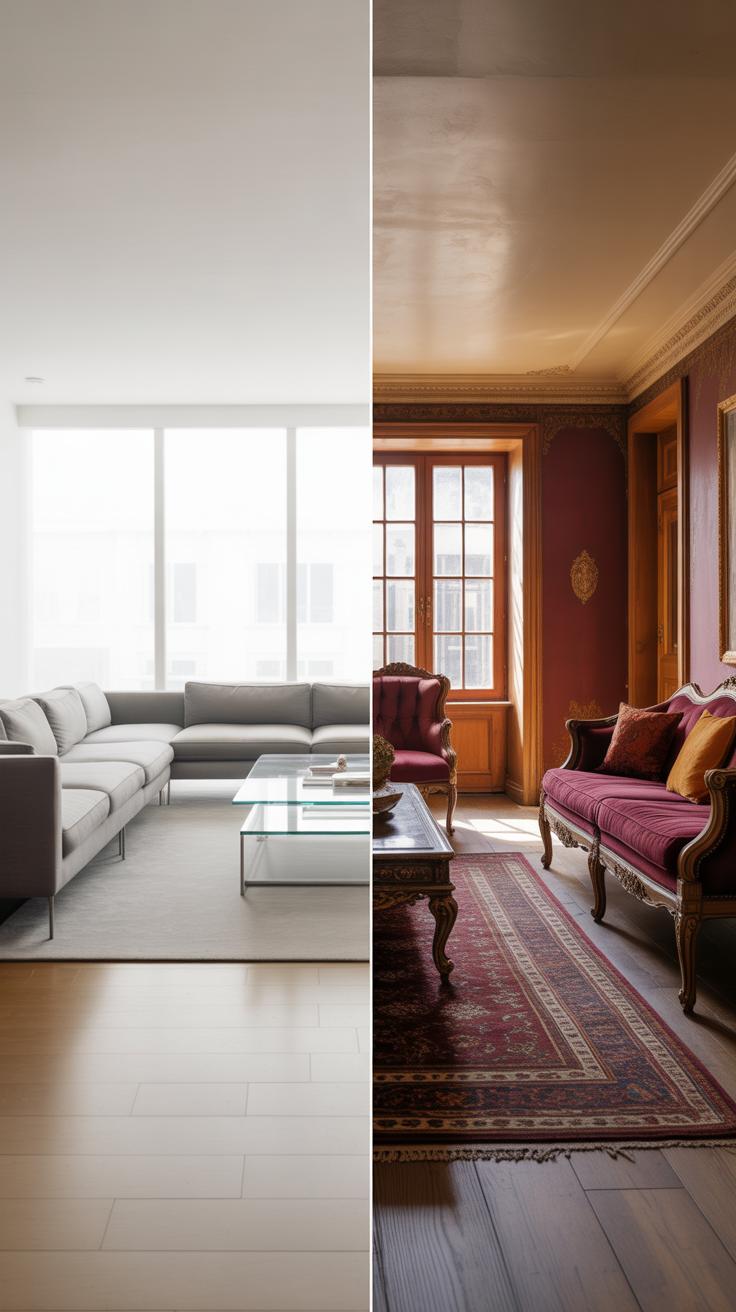
Main Differences In Furniture And Decor
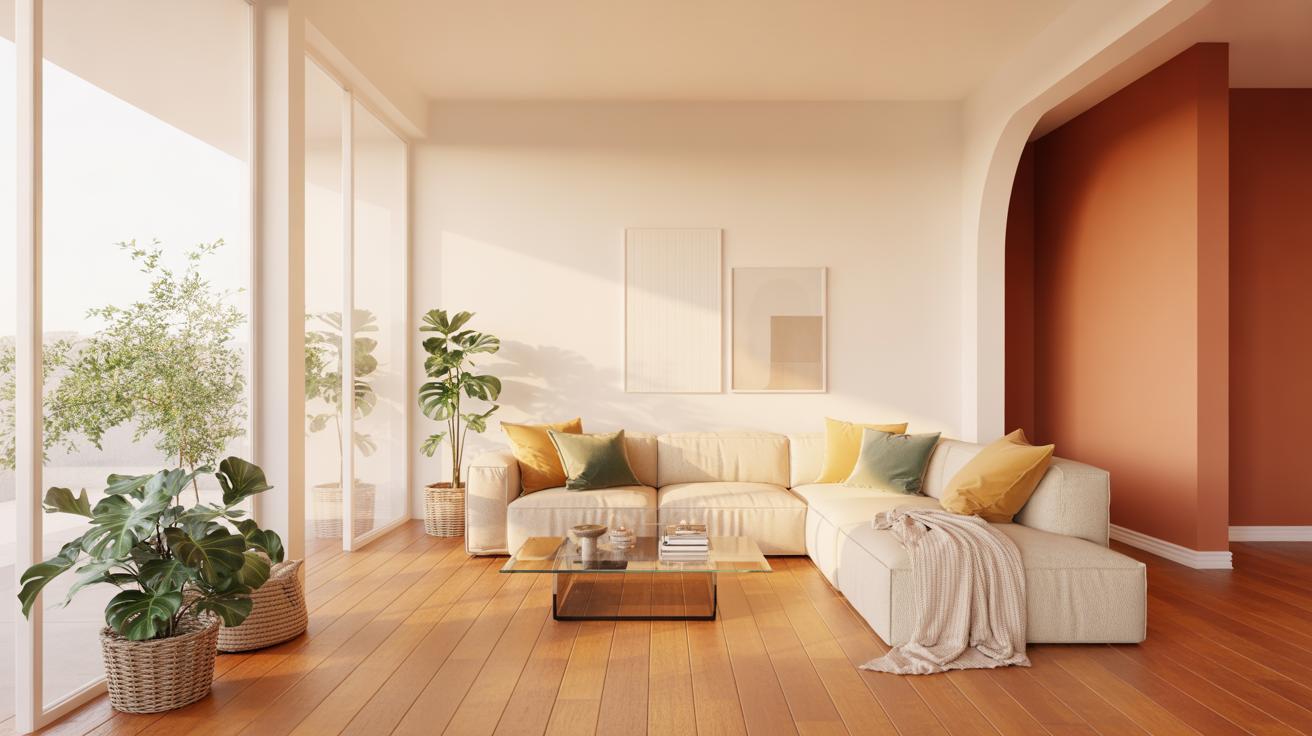
When you think about traditional living rooms, you probably picture ornate furniture, lots of cushions, and detailed woodwork. There tends to be more pieces—armchairs, side tables, perhaps a bookshelf filled to the brim. Decor includes patterned rugs, layered curtains, and various knickknacks displayed on shelves or mantels. It’s a rich, tactile environment that feels lived-in and sometimes busy.
In contrast, minimalist living rooms strip away the extra. Furniture is simple with clean lines, often multifunctional and restrained in number. You might see a single sofa, a simple coffee table, and a couple of well-chosen accessories. Color schemes lean toward neutrals or muted tones, and decoration is rare, focusing on space and light rather than objects.
So the difference comes down to complexity versus simplicity. Traditional style invites you to curate collections and mix textures, while minimalist style prioritizes empty space and visual calm.
Which Style Fits Your Lifestyle Better
Choosing between these styles is less about what looks better and more about how you live. If you enjoy cozy gatherings, displaying mementos, or you find comfort in a room full of familiar things, traditional might work more naturally for you.
If your days are hectic, you value quick cleaning, or you prefer a calm place to recharge without visual distractions, minimalist living rooms could be more appealing. Minimalism encourages you to focus on essentials and can make a smaller space feel bigger.
Think about your routines. Do you often host large groups or prefer quiet solitude? Is your space open and airy or filled with odd nooks? Sometimes, a hybrid works too—melding simplicity with a few meaningful possessions.
Common Mistakes In Minimalist Living Rooms
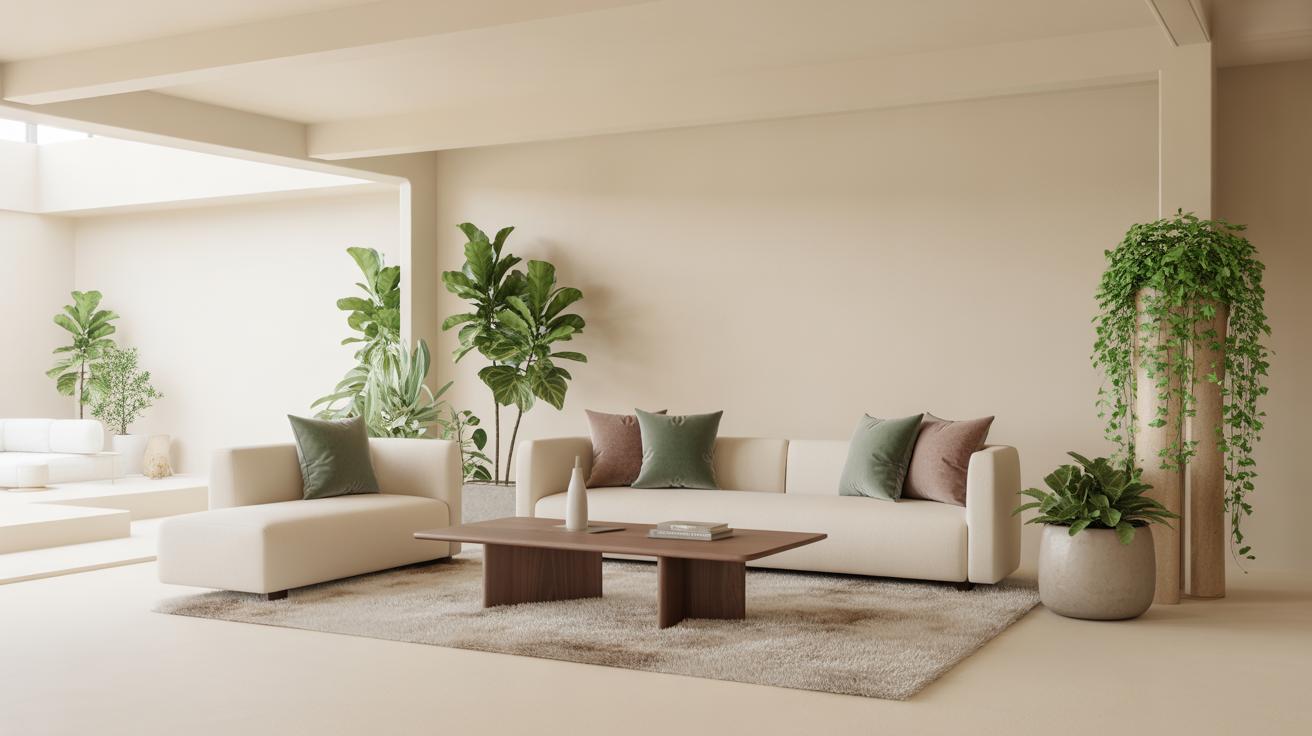
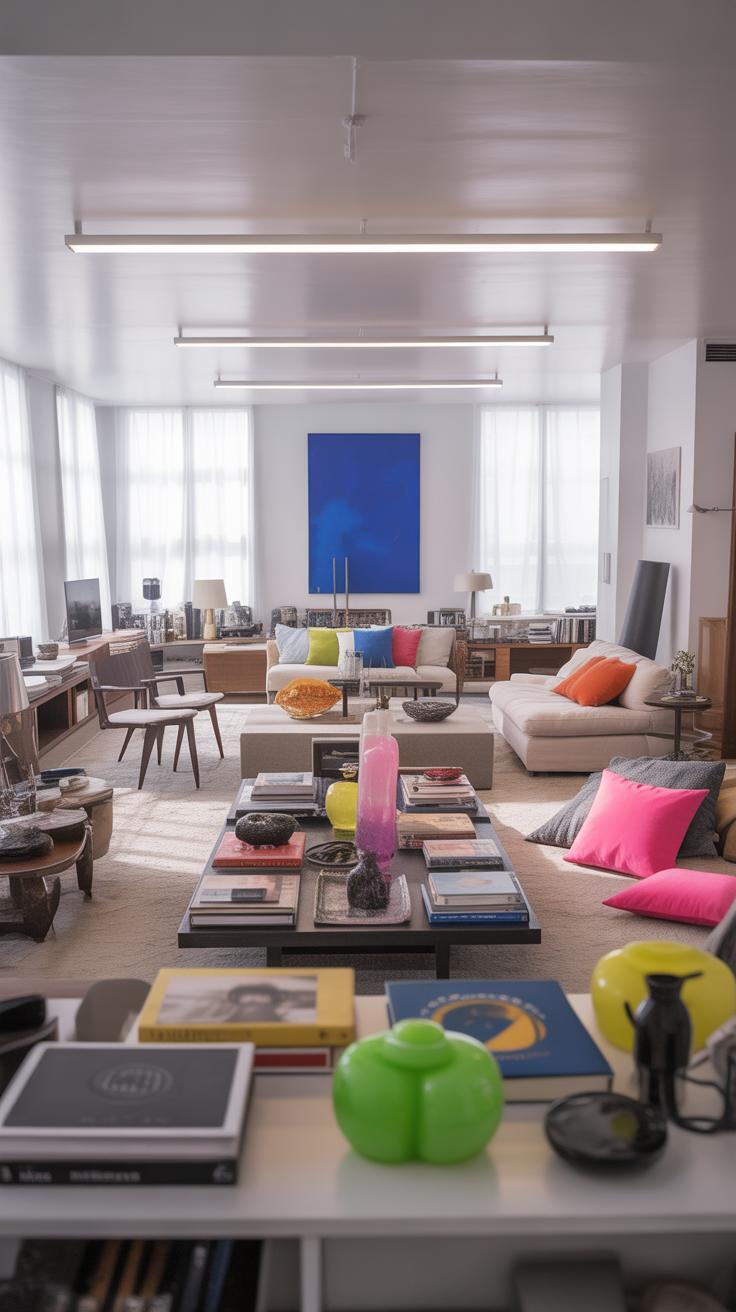
When designing a minimalist living room, it’s easy to slip into a few common traps. Overdecorating, for example, might sound odd for minimalism, but it happens more than you’d expect. People often add too many accessories or art pieces thinking they’ll break the monotony, only to make the space feel cluttered again.
Another frequent mistake is choosing furniture that looks sleek but isn’t comfortable. I’ve seen minimal rooms filled with gorgeous chairs and sofas that nobody wants to sit on. The problem? They prioritize appearance over how you actually live in the space.
Here are a few tips to help you avoid these pitfalls:
- Limit decorative objects to just a few meaningful pieces. One or two well-chosen items can speak louder than many.
- Test out furniture comfort before buying. You’ll want to enjoy the room, not just admire it.
- Balance open space with warmth by layering textures gently—like a soft rug or simple cushions.
It’s a tricky balance, but keeping these points in mind makes minimalism feel intentional, not incomplete or cold.
When Minimalism Feels Empty Or Cold
Minimalist rooms sometimes feel a bit… empty. Bare walls, sparse furniture, plain colors—this can come across as sterile or even uninviting. I’ve walked into such rooms and felt like I was in a showroom rather than a home.
To prevent that, think beyond just “less is more.” Add subtle warmth through natural lighting and soft materials like wool, linen, or cotton. Small touches like a single plant or a cozy throw can breathe life into the space without overwhelming it.
Consider the temperature of your colors, too. Cool greys and whites might look clean but can feel cold. Warmer tones or natural wood elements help the room feel grounded.
Ask yourself: Does this room welcome me in, or does it make me want to leave? Minimalism should calm, not isolate.
Choosing Comfort Over Looks
Minimalist design often emphasizes clean lines and sleek shapes, which can make comfort take a backseat. Yet comfort matters—you’ll spend time in your living room.
I remember a friend who chose a minimalist sofa purely for its style. It looked fantastic but was too firm, and people avoided sitting there during gatherings. It defeats the purpose, right?
Striking a balance means selecting furniture that pleases the eye but also invites you to relax. Don’t shy away from plush cushions, ergonomic shapes, or textured fabrics just because they aren’t perfectly “minimalist.” You can have style and comfort walking hand in hand.
Finally, consider your lifestyle. If you watch TV often or entertain friends, your comfort needs differ from a house focused only on quiet reading or displaying art.
Minimalism should serve your living, not the other way around.
Easy Steps To Refresh Your Minimalist Living Room
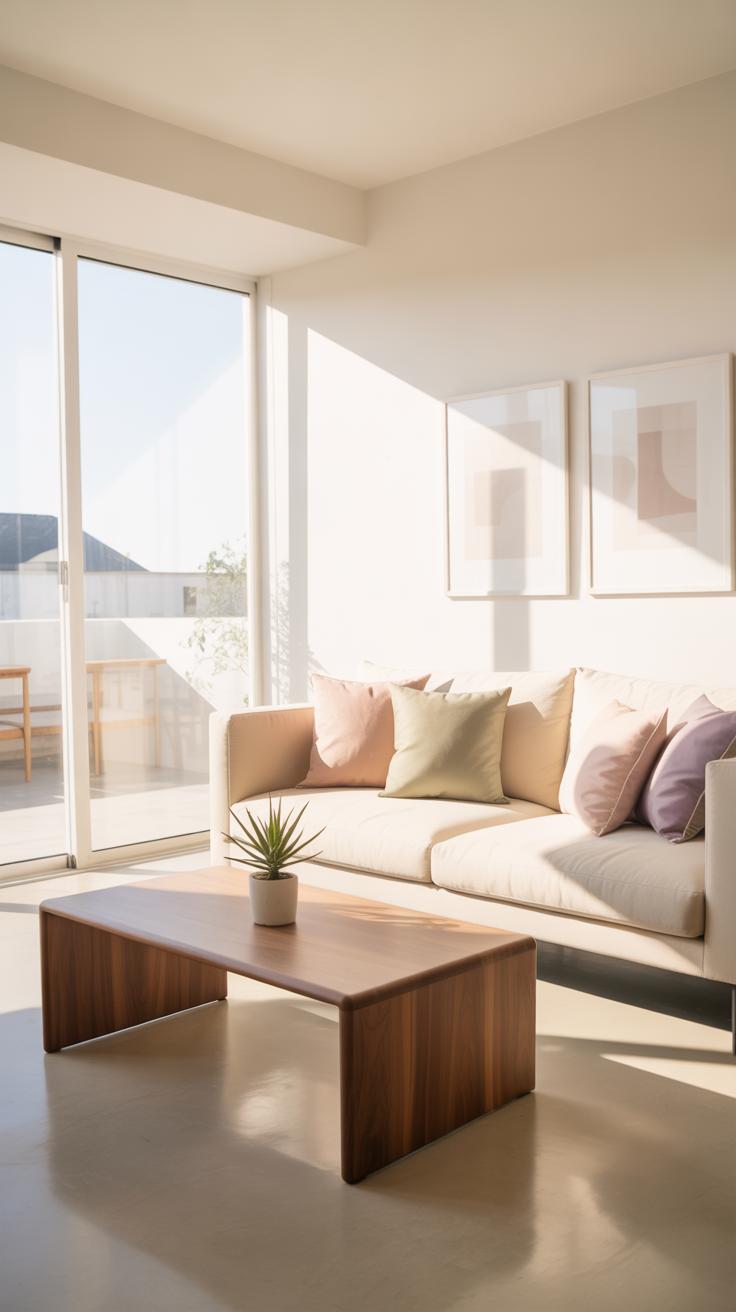
You don’t need to gut the whole room to give your minimalist living space a fresh feel. Sometimes, small efforts create a new vibe that you’ll enjoy daily. Try swapping out textiles like cushions or throws in neutral shades or subtle patterns. These changes can soften the space or add a touch of warmth without cluttering it.
Rearranging furniture can also reshape how the room functions. Maybe shift your sofa closer to natural light or create a more intimate seating cluster. The magic lies in how you experience the space after the change.
Consider introducing one new item, like a sleek floor lamp or a simple plant in a clean pot. These touches break monotony but keep the calm essence intact. I found that replacing a single decoration sparked a fresh energy, almost as good as repainting walls but without the hassle.
Small Changes That Make A Big Impact
Sometimes the smallest updates can completely renew a room’s feel. For example:
- Swap out old cushions for ones with a different texture, like linen or a soft cotton blend.
- Move or rotate your wall art; a new perspective can change the story your room tells.
- Declutter surfaces even more—paradoxically, less sometimes feels more alive.
- Switch lighting bulbs to warmer tones for coziness, or cooler ones to sharpen clarity.
These might seem trivial but can brighten the mood or make your minimalist design feel less static. I often wonder—why does something as small as a cushion cover alter how inviting a room feels?
Budget-Friendly Ideas To Try Today
If you want a quick refresh without spending much, try these:
- Replace your sofa throw or add a few new cushions—textiles are usually affordable and easy to switch out.
- Create a small art gallery wall using printer-friendly prints or your own photos in simple frames.
- Add a tiny, unobtrusive indoor plant; it lifts energy but doesn’t overwhelm the minimalist vibe.
- Use tension rods or adhesive hooks to hang lightweight curtains for a subtle texture shift.
Even though these are budget-friendly, don’t underestimate their impact. A bit of change can break monotony and renew your attachment to the space. Have you noticed how even tiny changes sometimes make you use the room differently?
Case Studies Of Successful Minimalist Rooms
Example From A Small Apartment
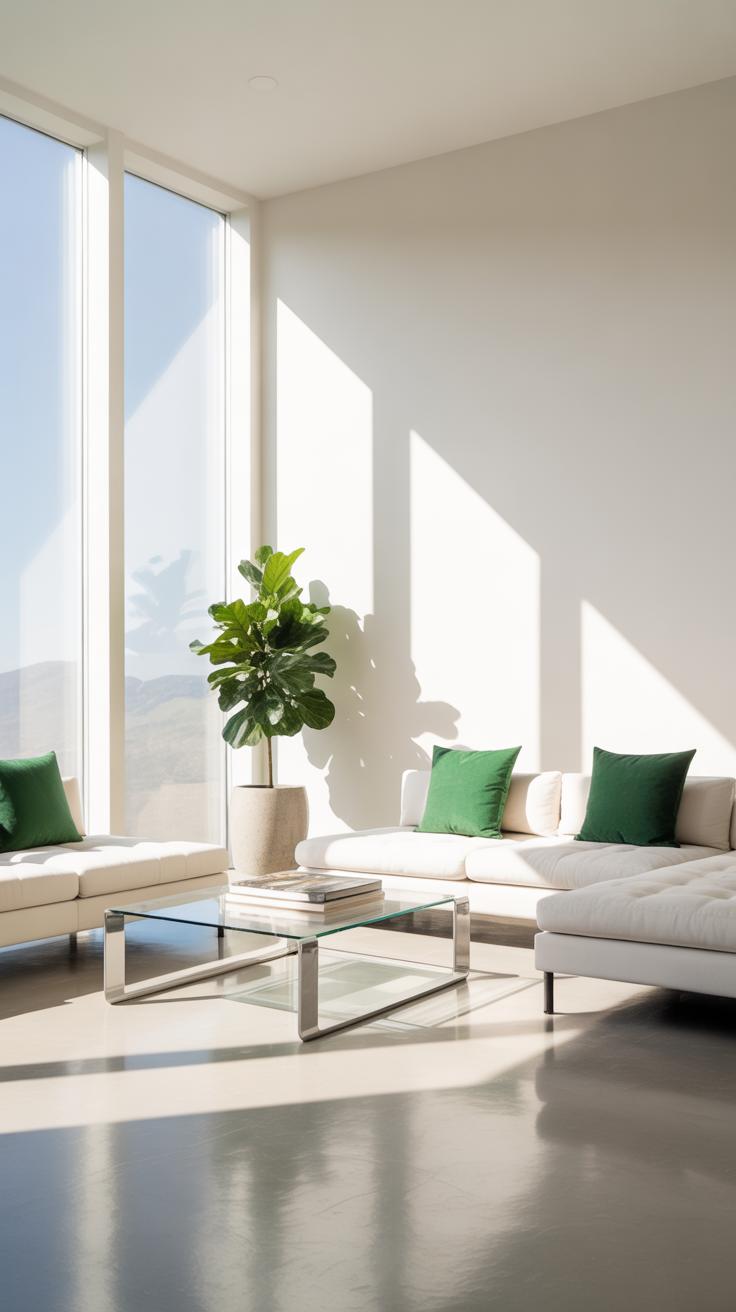
One small apartment living room I came across used every inch wisely without feeling cramped, which is something many of us struggle with. The furniture was kept low-profile—a compact sofa with clean lines paired with a slim coffee table that had built-in storage. Nothing bulky or ornate. The color palette stuck mainly to soft grays and off-whites, which helped bounce light around and made the room feel open, even though it wasn’t very large.
The layout was simple—seating faced a small media console on the opposite wall, leaving enough space for a narrow passage. They used vertical space smartly, adding a few floating shelves for books and plants to avoid cluttering the floor. It wasn’t just functional but calming—almost like the room was quietly breathing. You can really see how minimalist doesn’t mean empty, just thoughtful about what stays and goes.
Example From A Family Home
In a different setting, I saw a family living room that balanced minimalism with everyday life’s noise. The key was adaptable furniture—modular sofas in neutral tones that could be rearranged for games, movie nights, or quiet moments. Instead of starkness, there were layers, like soft throws and a couple of cushions that added warmth but stuck to a very limited palette of beige and charcoal.
Storage was hidden but plentiful, with built-in cabinets and under-seat compartments keeping toys and essentials out of sight yet within reach. The layout encouraged togetherness without feeling crowded. It was clear this family didn’t want to sacrifice comfort for style. Their minimalist took a softer, more human approach—clean but lived-in. It made me wonder if minimalism might actually mean different things depending on who lives there and what they need.
Conclusions
The minimalist living room style is about more than just looks. It offers a way to live that reduces clutter and helps you focus on what matters most in your home. By selecting only essential furniture and decor, you save space and create a peaceful place to relax.
Applying the ideas covered here, you can create a minimalist living room that feels open and welcoming. Use simple shapes, practical storage, and thoughtful finishing touches to keep the room calm and useful. This style can fit many lifestyles and homes, giving you a clean and functional living space.