
Introduction
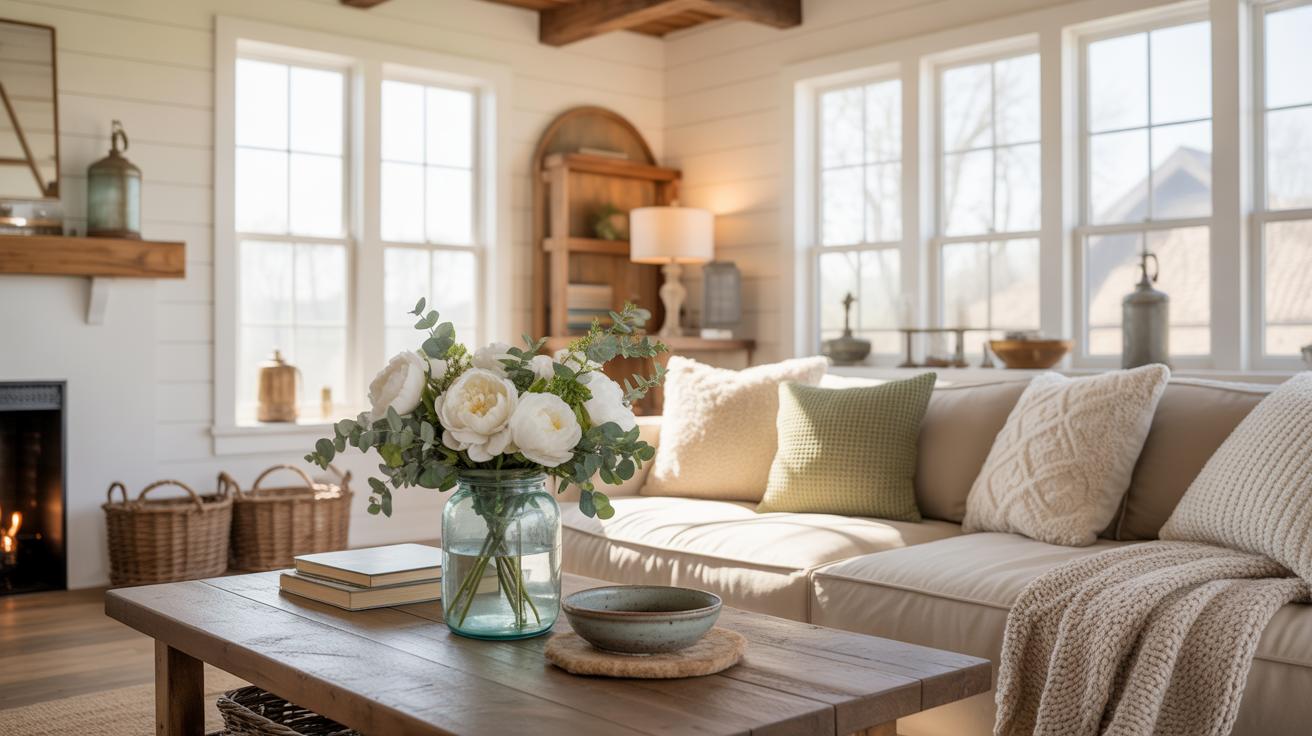
Modern farmhouse decor blends the charm of traditional farmhouses with clean, modern lines. This style creates warm and inviting spaces that feel comfortable and stylish. You’ll find a mix of wood, metals, and soft textiles that bring a cozy farmhouse living room touch to your home. The look is simple yet functional.
In this article, you will find practical ideas to transform your home with modern farmhouse decor. From choosing the right furniture to picking colors and accessories, each section guides you on how to add cozy farmhouse touches. Whether you’re updating one room or your whole house, these tips will help you achieve the perfect balance of old and new styles.
Identify Core Farmhouse Features
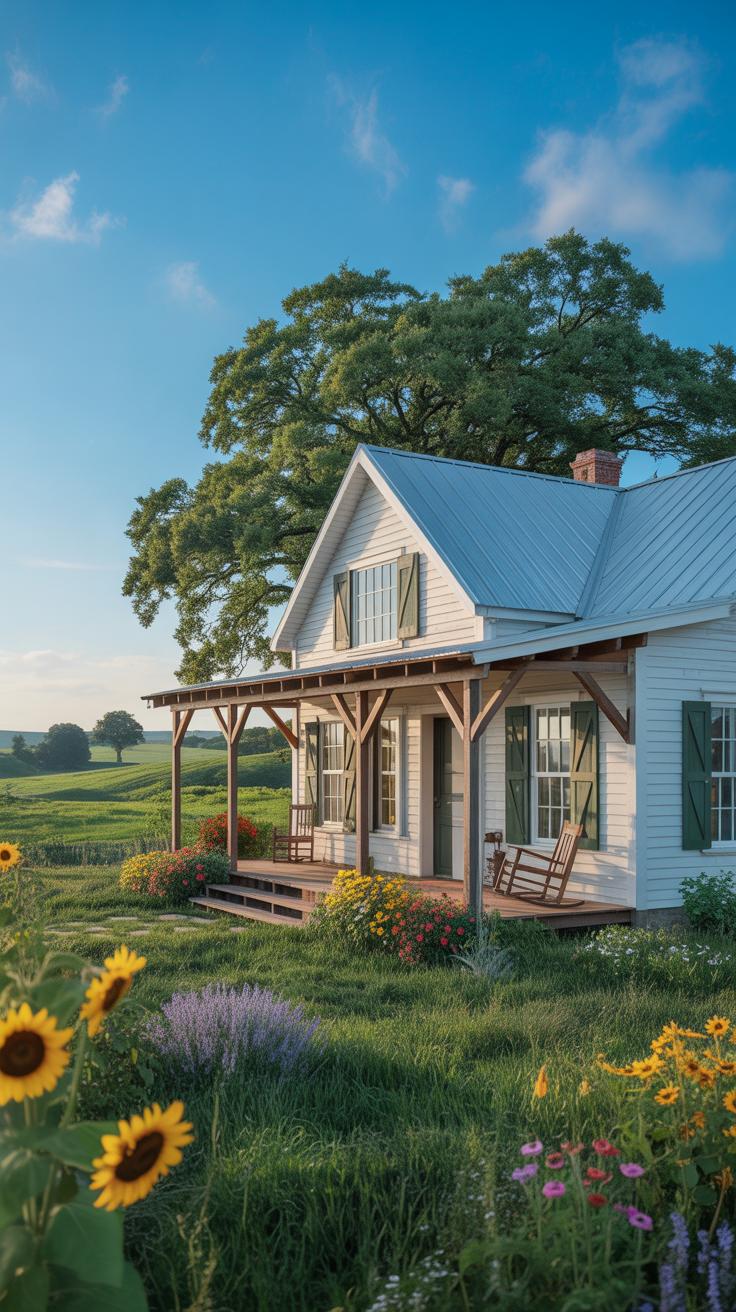
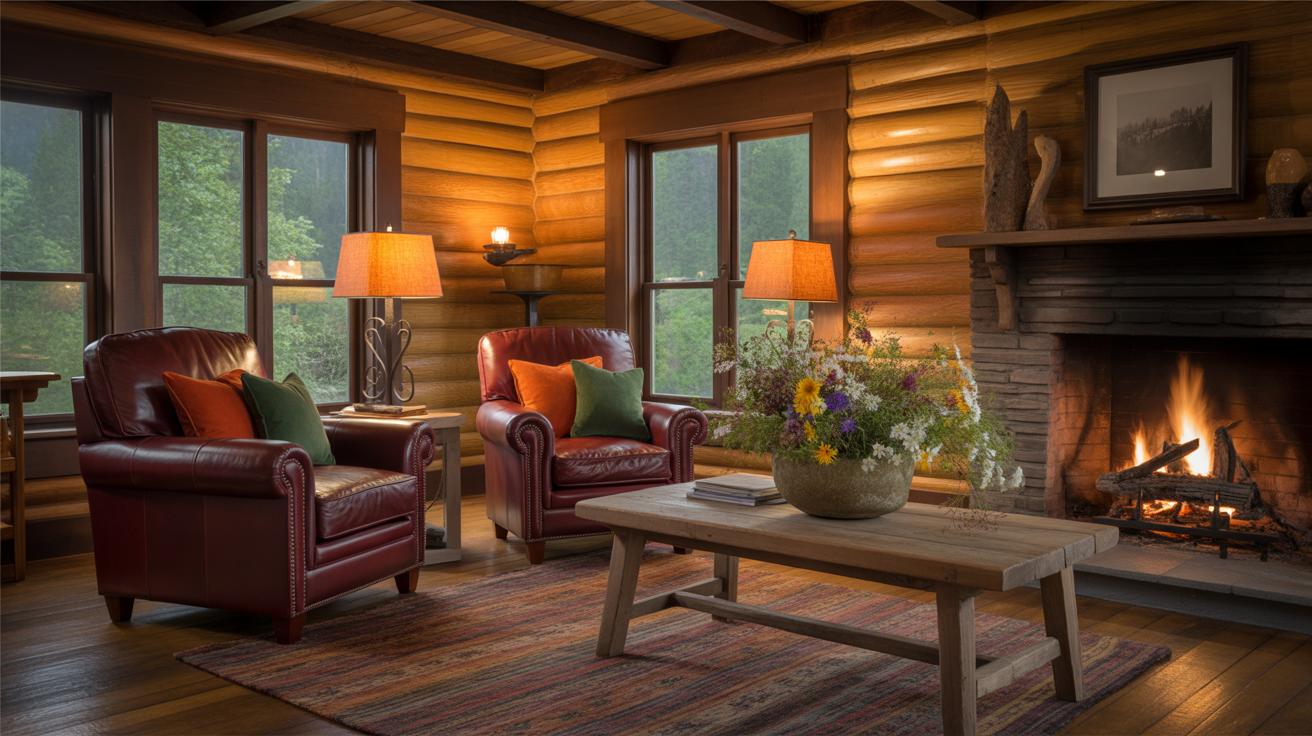
When you think about farmhouse style, certain elements come immediately to mind. It’s that blend of simplicity and function, where every piece seems to have a story or purpose. The core features often include wide, open spaces that feel lived-in but never cluttered—a place where comfort meets practicality. Exposed wooden beams, for instance, are iconic, offering a structural and visual warmth that’s hard to replicate with other styles.
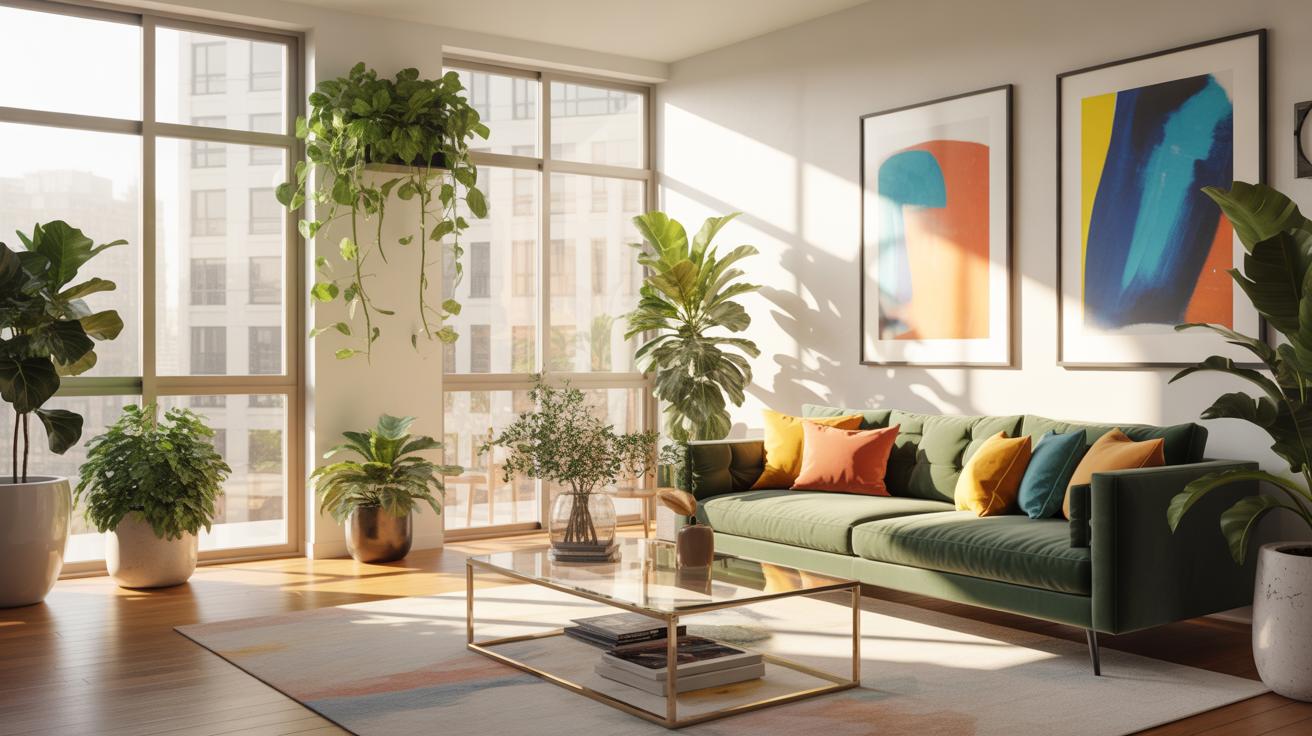
There’s also the charm of built-in shelving or benches, often handcrafted or given a rustic finish. Fixtures tend to lean toward vintage or old-fashioned designs, embracing a utilitarian vibe. Sometimes you get a bit of rough-hewn texture in walls or flooring, which gives the space a grounded, tangible connection to nature.
Farmhouse decor frequently mixes different eras and materials, making it less about perfection and more about authenticity. It feels approachable, like a home with history, rather than a showroom. The look can reflect regional variations, but the essence remains consistent—fostering a space that feels welcoming and enduring.
Material Choices For Authenticity
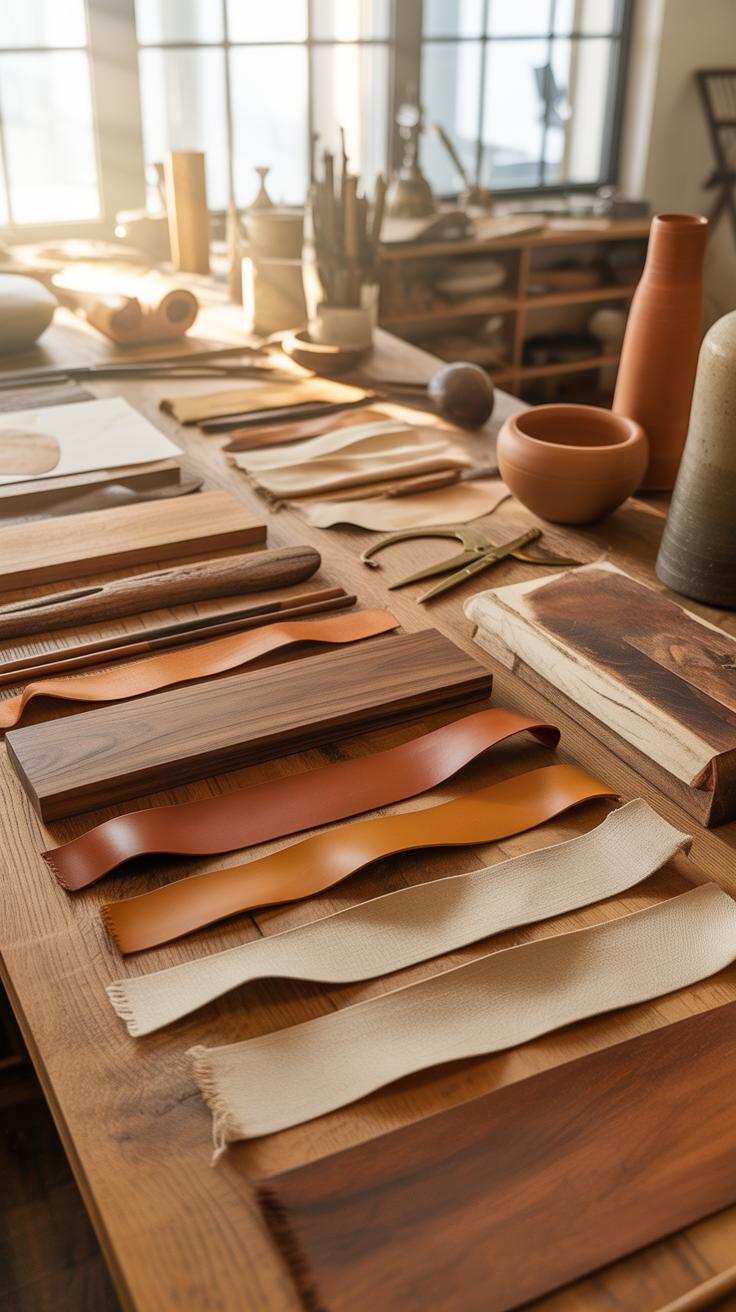
Materials play a huge role in creating that farmhouse feel, and you’ll see certain staples appearing often. For wood, reclaimed or distressed oak, pine, and maple are favorites—they show wear and character without seeming too polished. The texture matters; not just the color, but how the wood feels under your fingertips. Rough edges or knots bring authenticity.
Metal accents often lean toward wrought iron or aged brass, appearing in things like light fixtures or drawer pulls. These metals offer a bit of contrast against the wood, anchoring the style with a touch of ruggedness. You might also spot galvanized steel, especially in kitchen or utility decor, which hints at that practical farm life.
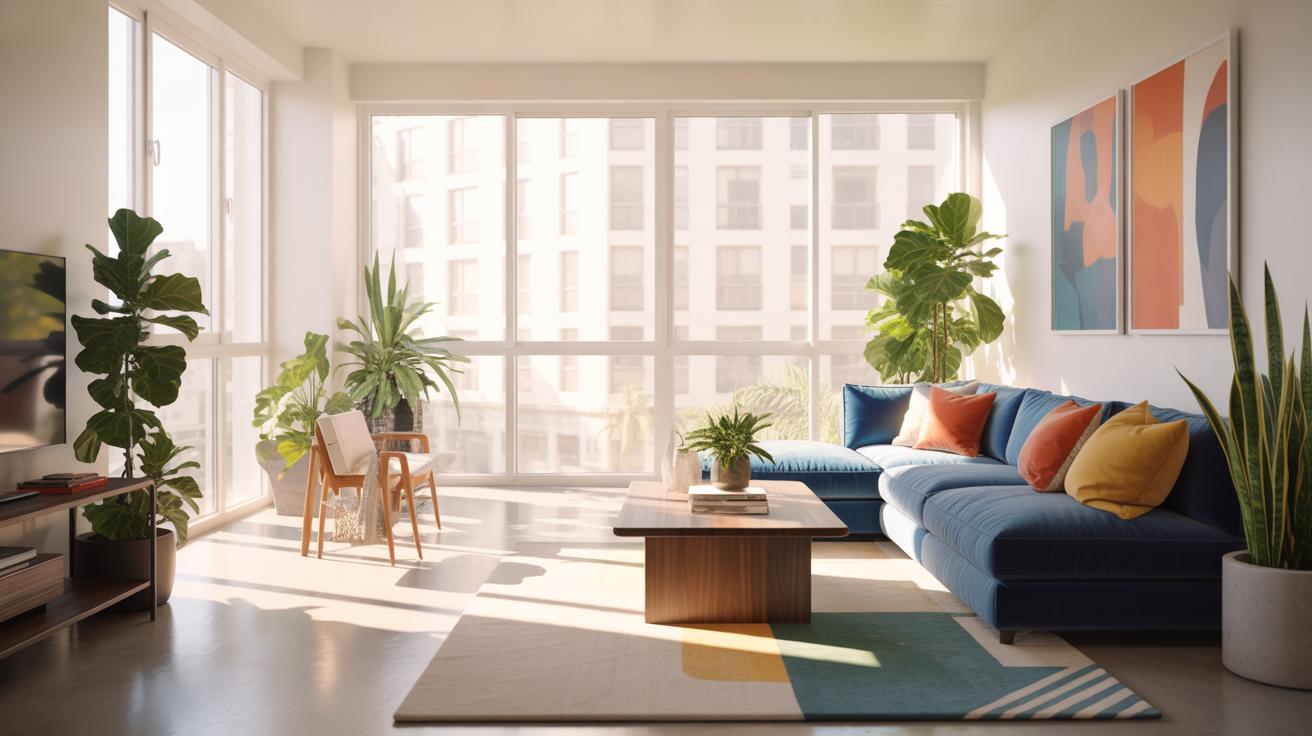
Textiles usually favor natural fibers—think linen, cotton, or burlap. These fabrics tend to be in solid colors or simple patterns such as checks or stripes, which avoid flashy or overly decorative looks. The tactile quality is essential; a farmhouse room invites you to touch, lean on, even spill a little coffee now and then without worry.
Color Palettes That Work Best
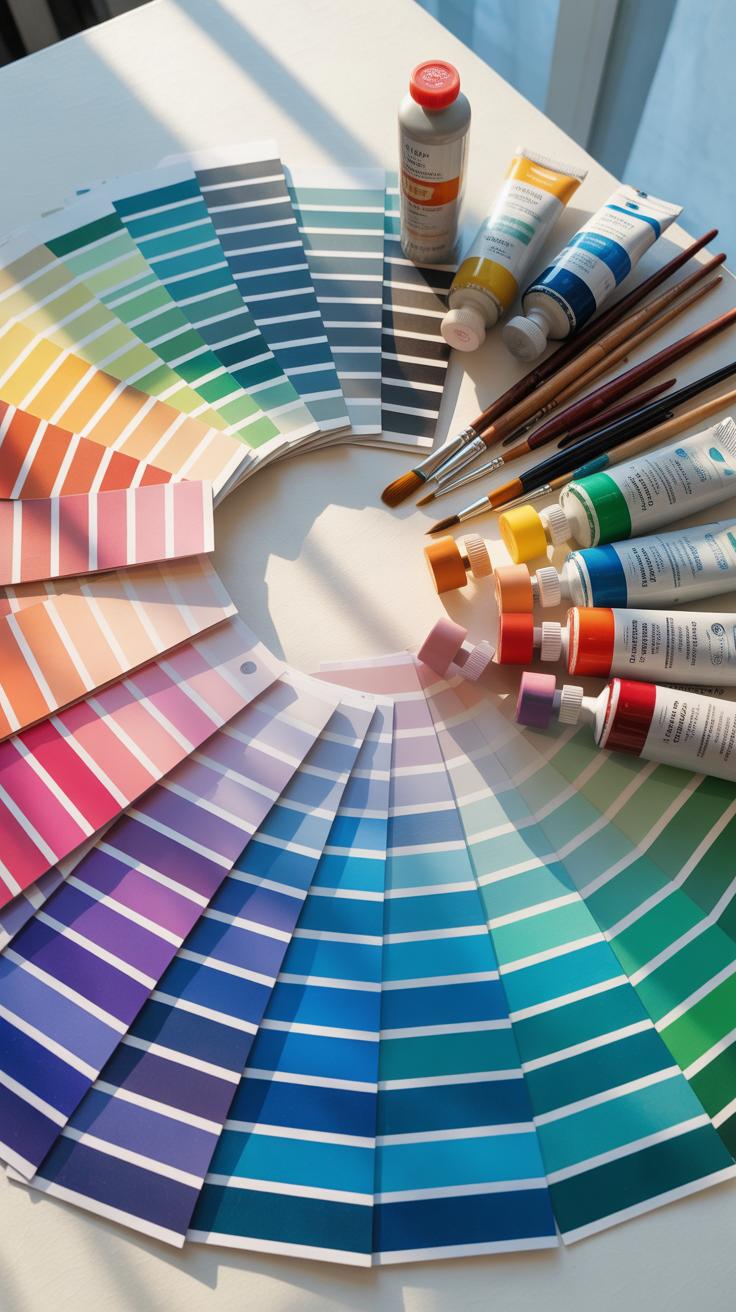
Farmhouse decor typically revolves around a calming, neutral palette, though you might find occasional dashes of color that feel somewhat muted. Whites and creams often serve as a base, making rooms feel open and inviting. Gray shades fit well here too, especially soft, warm grays that avoid looking too cold or industrial.
For accent colors, you might see blues—a dusty or faded blue often makes an appearance, reminiscent of weathered paint on a barn door. Muted greens also work, bringing a subtle nod to nature without feeling overwhelming. Earthy tones like taupe or soft browns tie it all together, grounding the space.
Bright or overly saturated colors are rare; farmhouse style prefers hues that age well and adapt to changing tastes. The palette somehow echoes that lived-in, collected-over-time vibe, which many find comforting. Would you say your living room feels cozier with mellow colors? That’s exactly what these palettes aim to achieve.
Compare Modern Versus Traditional Farmhouse
Simplicity And Space Use
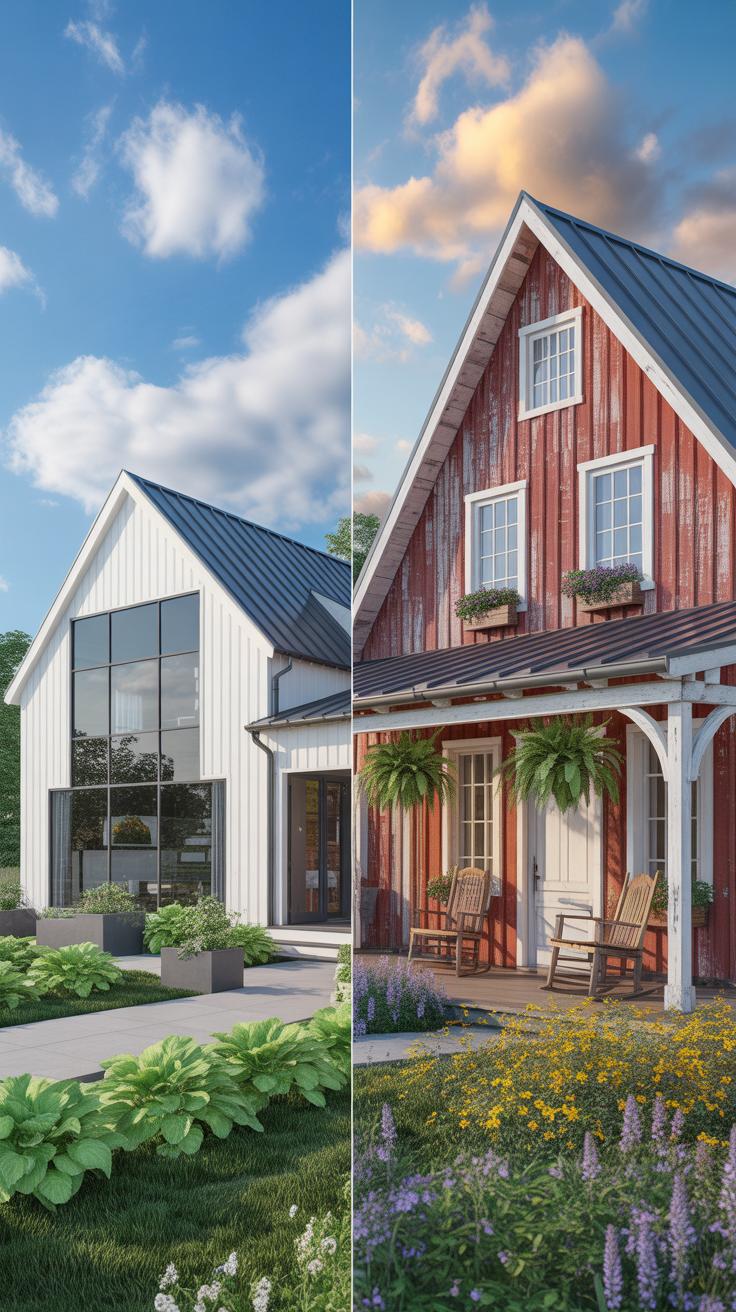
When you look at a modern farmhouse, the first thing that often catches your eye is the openness. The layouts tend to be expansive, flowing seamlessly from one space to another. Clutter? It’s kept to a minimum, which might be surprising because farmhouses traditionally felt quite busy with various functional items scattered about. The modern take simplifies that. Think wide spaces, clean lines, and a feeling that you can actually breathe in the room. Traditional farmhouses, by contrast, often have compartmentalized rooms — each with a distinct purpose — and a warmth that’s almost like you have company in every corner, even if it feels a bit more crowded.
Mix Of Old And New Elements
Modern farmhouse decor isn’t about tossing out the past but mixing it in with the present. You might spot a vintage wooden rocking chair or a weathered farmhouse table sitting comfortably beside sleek metal light fixtures or minimalist shelving units. It’s this balance that makes modern farmhouse style stand out — it’s not purely about antique charm nor stark modernism. A distressed wood frame might be paired with a contemporary abstract painting. Or perhaps a classic farmhouse sink gets surrounded by crisp, modern cabinetry. The blending can sometimes feel almost accidental, yet it works in that cozy, lived-in way that feels authentic.
Choose Furniture With Farmhouse Appeal
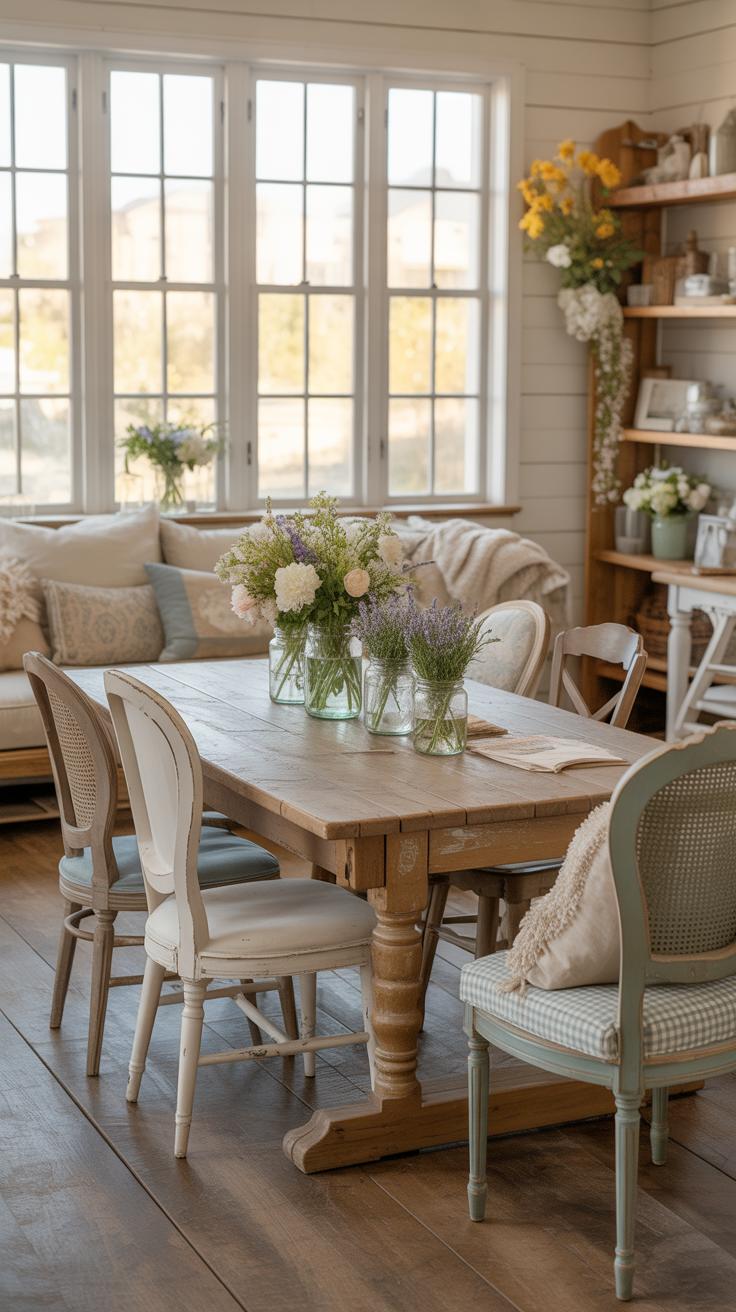
You’ll notice that furniture in a modern farmhouse setting tends to have a certain grounded feel. It’s less about shiny or overly polished surfaces and more about something inviting, functional, and well-worn or natural looking. When picking pieces for your farmhouse living room, think beyond just aesthetics. Comfort matters, sometimes more than style. After all, farmhouse living rooms are spaces where you want to relax and linger.
Wooden Pieces With Natural Finish
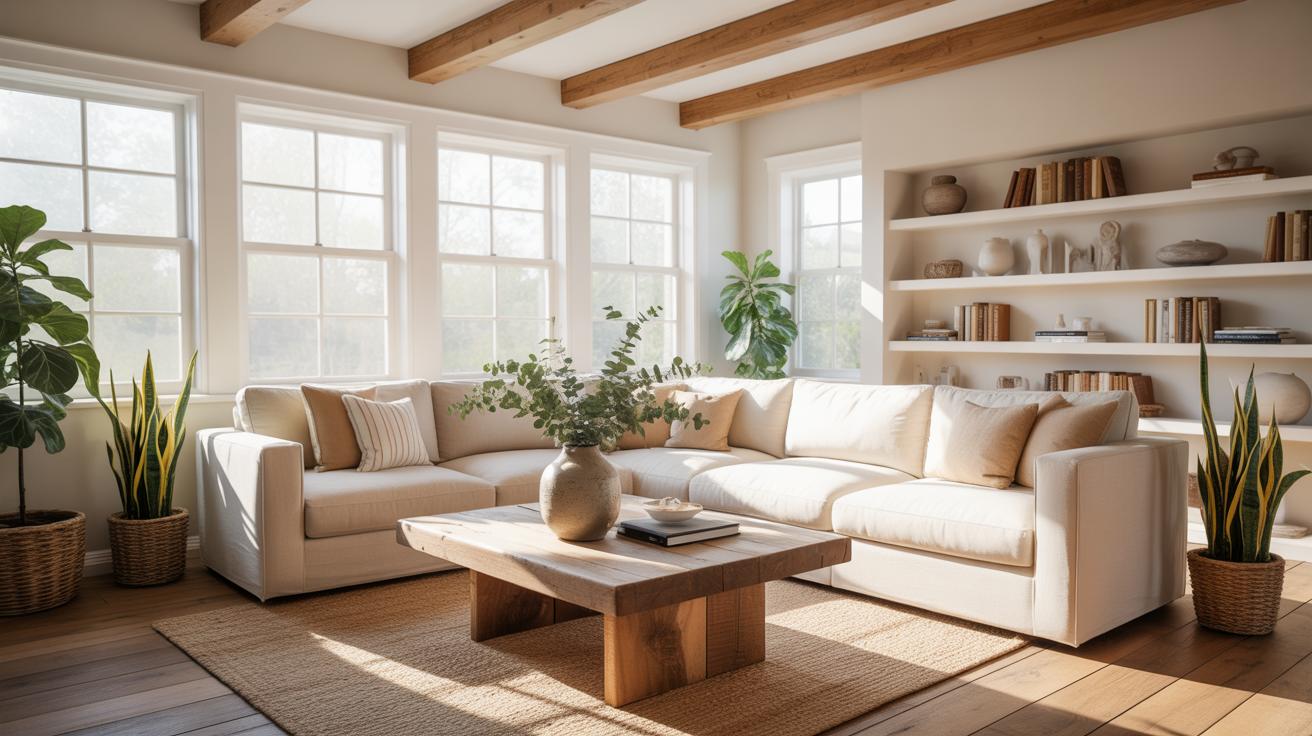
One of the main reasons wooden furniture with minimal finish works so well is it keeps things simple and honest. The grain and texture of the wood become a design feature by themselves, almost like art. It’s like the furniture is letting you see the story behind it rather than hiding it beneath layers of paint or varnish. You might find yourself appreciating those little imperfections, dents, and knots as part of the charm rather than flaws. There’s a certain warmth that comes with wood’s natural finish. It’s almost calming, I think. Plus, these pieces tend to age beautifully, developing character over time without demanding a lot of maintenance.
Soft Seating For Livability
Sofas and chairs should invite you in, not just look good. Overstuffed cushions, slipcovered designs, and fabric in neutral tones or gentle patterns fit perfectly. Armchairs with high backs or a wingback style can bring a bit of farmhouse sophistication, but in a way that still feels cozy. Leather can be a good choice too, especially if you want something durable that gains character as it ages. It’s tricky to balance aesthetics and comfort sometimes. But soft seating that conforms a little when you sit down—well, that’s often the difference between a picture-perfect room and a living space you actually want to spend time in.
Add Textiles And Accessories Correctly
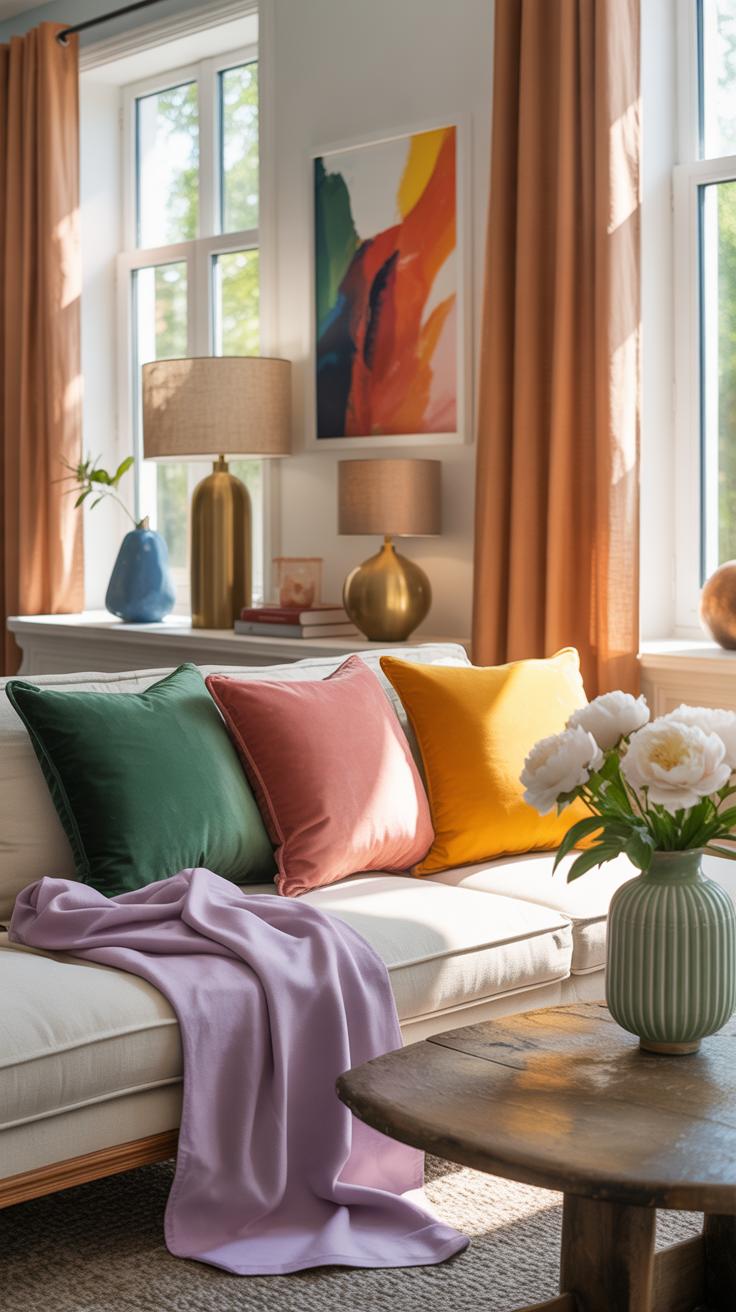
When you think about farmhouse decor, textiles and accessories play a quiet but powerful role in setting the tone. Using fabrics like linen, cotton, and wool can bring that welcoming, lived-in feeling. Imagine a few throw pillows in soft linen casually placed on your sofa. Or a wool rug that feels warm underfoot on chilly mornings. These materials don’t just add texture—they invite you to linger a bit longer in the room, making it feel cozy and approachable.
Small decorative items also matter. Lanterns on a side table evoke a simple, rustic charm, casting gentle light that’s far more appealing than harsh overhead bulbs. Woven baskets are practical and stylish, perfect for stashing blankets or magazines while adding a natural element. Vintage signs with subtle typography or farm-inspired phrases can bring personality without overwhelming the space. It’s easy to go overboard with accessories, so choosing pieces with restraint tends to work best.
Have you noticed how the right combination of these elements can make a room feel like it has a story to tell? It’s really about layering—mixing fabrics and objects that speak to comfort and tradition without feeling cluttered or outdated. I think that’s the sweet spot where modern farmhouse decor comes alive.
Plan Lighting For Comfort And Style
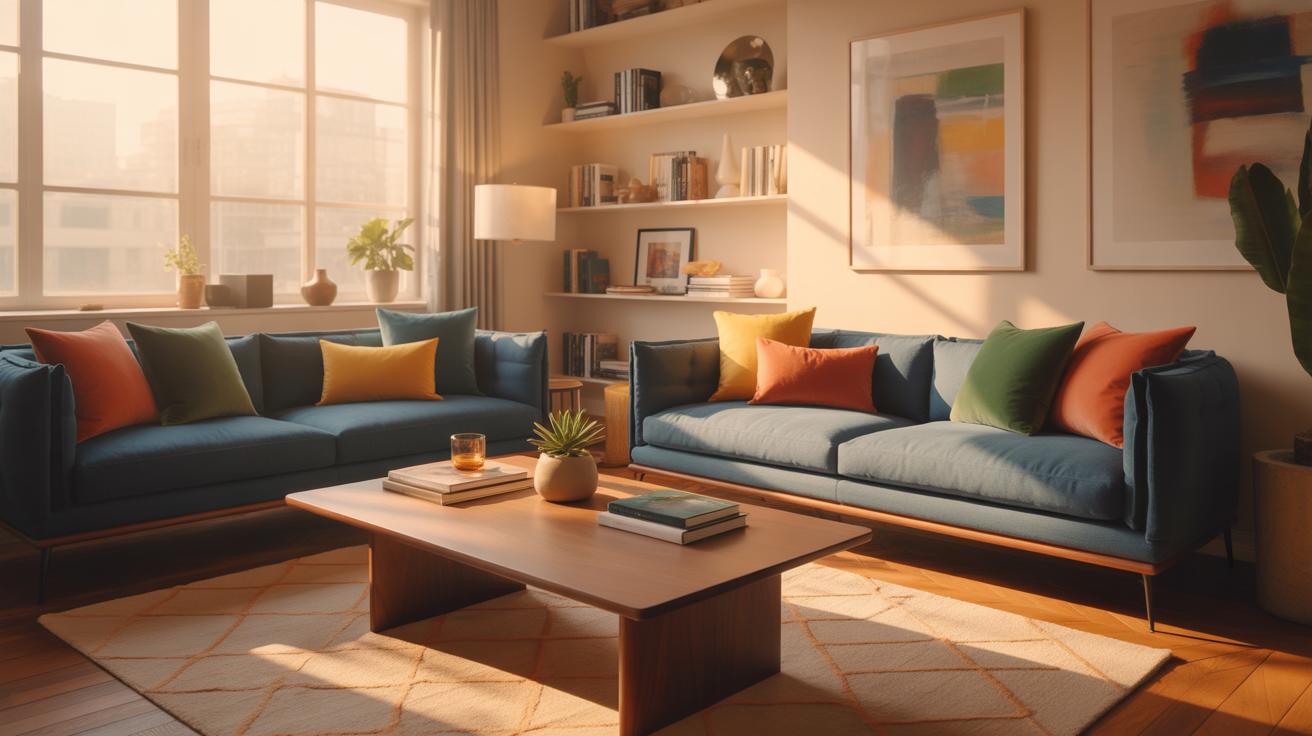
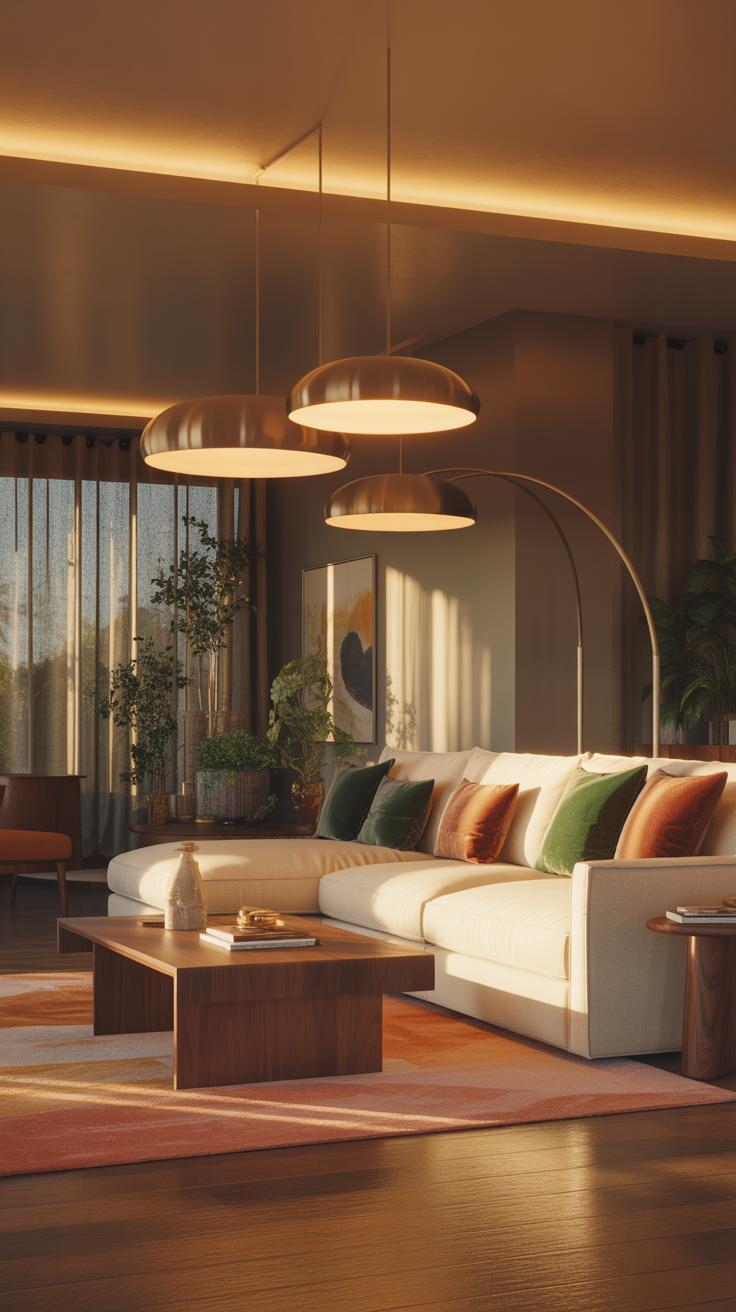
Lighting choices strongly influence the mood and function of a modern farmhouse living room. When you pick the right fixtures, the space feels welcoming, warm, and balanced, not just visually but emotionally too. The quality of light impacts how textures and colors come alive, crucial in farmhouse decor where natural materials and neutral palettes dominate.
Use Of Natural Light
Natural light is your best friend in farmhouse design. It keeps rooms bright and airy, highlighting wood grains and soft fabrics beautifully. Positioning furniture near windows or using light, sheer curtains helps retain that brightness. Mirrors opposite windows can amplify daylight, and choosing soft paint colors with light reflectance values lets the light bounce around effortlessly. It might seem basic, but sometimes just keeping window treatments minimal makes a huge difference in maintaining a fresh, open feel.
Farmhouse Style Light Fixtures
Now, about the fixtures — farmhouse style leans toward pieces that feel timeless with a bit of rustic charm. Think wrought iron chandeliers which add a sturdy, grounded vibe. Mason jar lamps bring in a crafty, nostalgic touch that feels right at home. Pendant lights with metal or distressed finishes can layer charm without overwhelming simplicity. The key is to blend function with aesthetics: lighting should serve the room well but also contribute character. You might hesitate on a bold piece, but often, the slightly imperfect, handmade look fits farmhouse decor better than sleek modern designs.
Incorporate Functional Storage Solutions
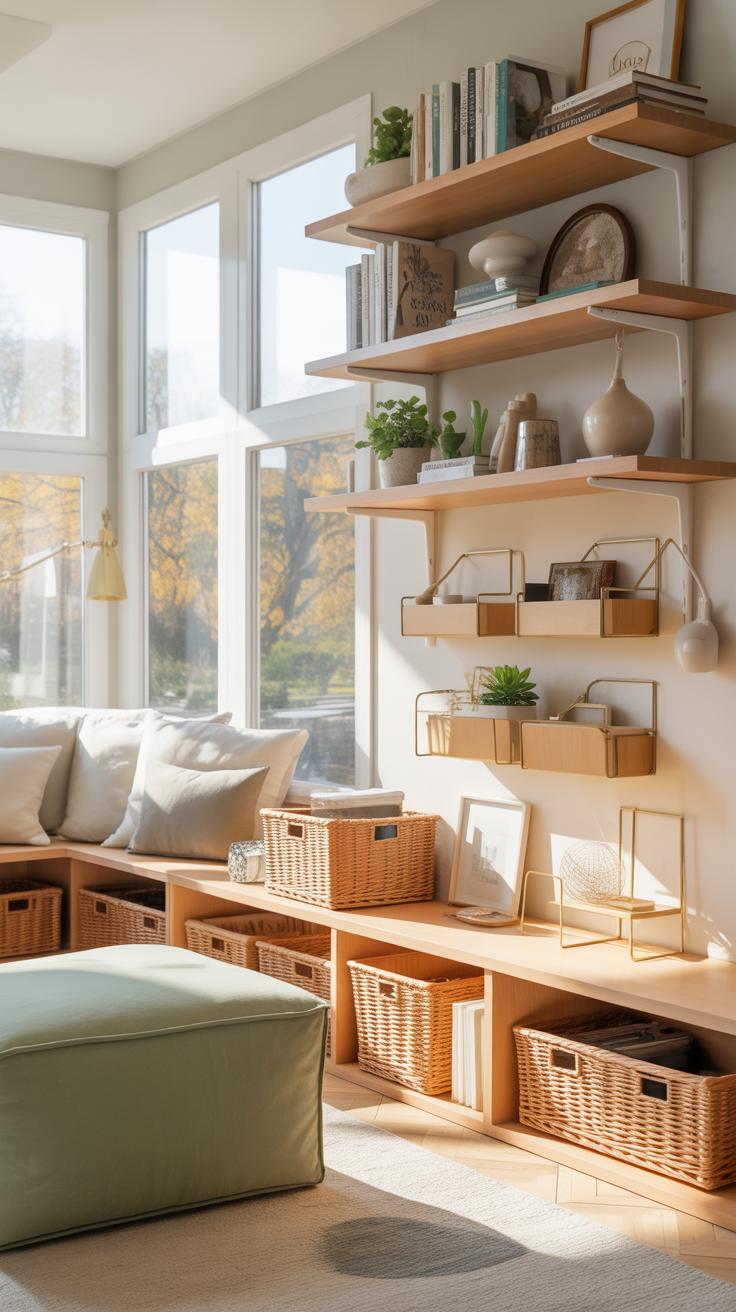
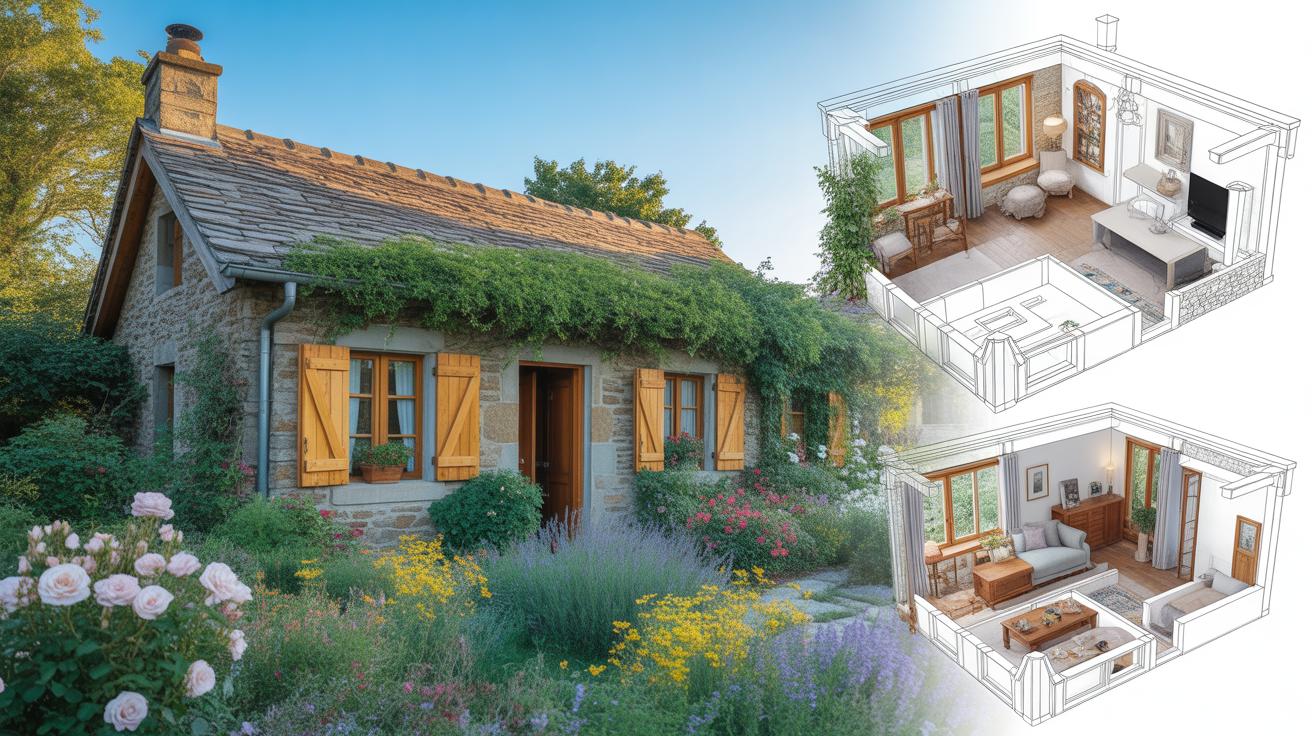
When designing a modern farmhouse living room, storage is more than just a necessity—it’s part of the style. You want your space to feel open and inviting, not cluttered. Functional storage solutions help keep the farmhouse rooms neat, yet still support that cozy and rustic vibe you’re aiming for.
Open Shelving Benefits
Open shelving is a popular choice in modern farmhouse decor. It works well for displaying dishes, vintage pottery, or even books and small plants. Since open shelves expose their contents, it’s important to be selective and organized. Don’t just pile on everything you own. Instead, pick pieces that complement the room’s color scheme and texture. Personally, I’ve found that open shelves help the room breathe—it feels less boxed-in than cabinets do.
Besides aesthetics, open shelves make things easy to grab and use, especially in a kitchen or dining area. You can even mix in decor elements like woven baskets or old milk jugs to reinforce that farmhouse feel. Yet, it’s a bit of a balancing act. Too many items, and open shelving quickly turns chaotic rather than charming.
Closed Storage Choices
Closed storage like cabinets or chests plays a critical role too. These pieces hide away clutter or less attractive necessities, preserving the room’s calm and tidy look. Think about painted wood cabinets or distressed chests with metal handles—both typical of farmhouse style. They offer a practical way to tuck away items without sacrificing decor.
Also, closed storage can add texture and warmth. Maybe a weathered wooden chest near the couch or a built-in cabinet with glass inserts that nod to vintage window panes. Sometimes, I wonder if the charm of farmhouse decor partly comes from this mix of hidden and open—where you get the best of both worlds without overdoing either one.
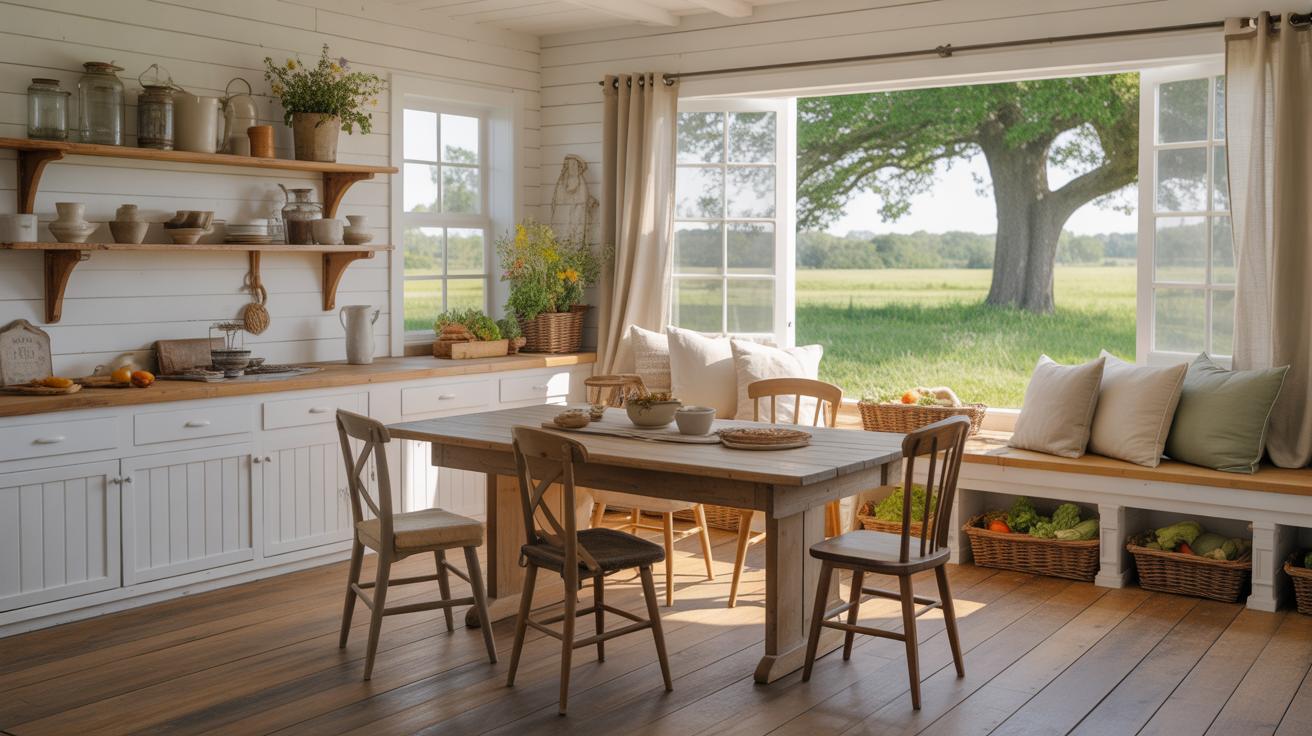
So, when you plan storage, ask yourself what you’ll need quick access to and what can be hidden. And don’t forget to let your personal taste guide those choices—after all, the best farmhouse room feels lived-in, not staged.
Arrange Space For Social Living
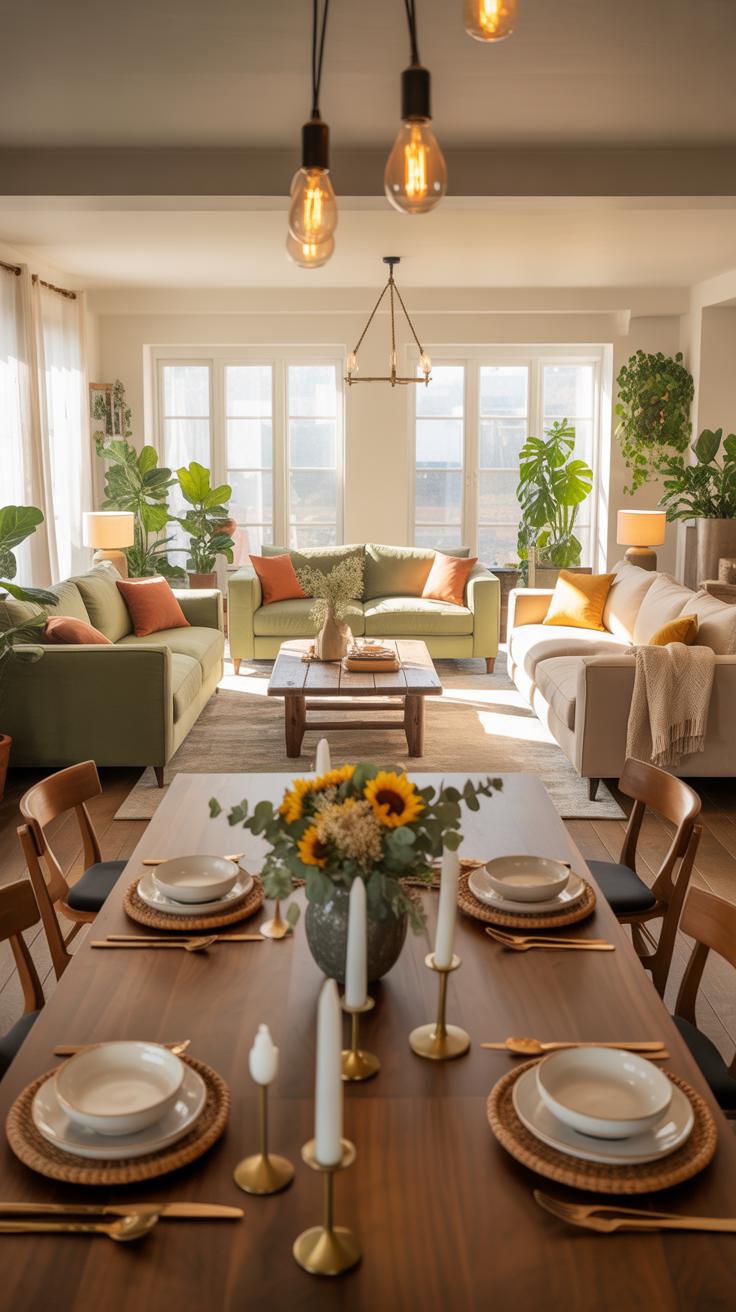
Creating spaces that feel both inviting and functional is central to modern farmhouse decor. When setting up your living and dining areas, consider how people will move through and interact within the space. Don’t just shove furniture against the walls—pull chairs and sofas inward to form an inviting nook. It’s okay if the arrangement is a bit asymmetrical; that can add charm rather than feel chaotic.
Here are some key points that might help you:
- Define distinct zones—for example, a cozy sitting area separate from the dining table—without closing off the room entirely.
- Use rugs to anchor furniture and create natural boundaries.
- Include a mix of soft lighting like table lamps or sconces to foster warmth, rather than relying solely on overhead lights.
- Leave enough walking space to keep the flow from feeling cramped, but not so much space that guests feel scattered or disconnected.
Arranging decor with this balance in mind can really lend a warm, welcoming vibe. I’ve seen rooms where a few carefully chosen throw pillows and a rustic centerpiece turn the whole atmosphere from cold to cozy, making it easier to settle in and chat.
Creating Conversation Zones
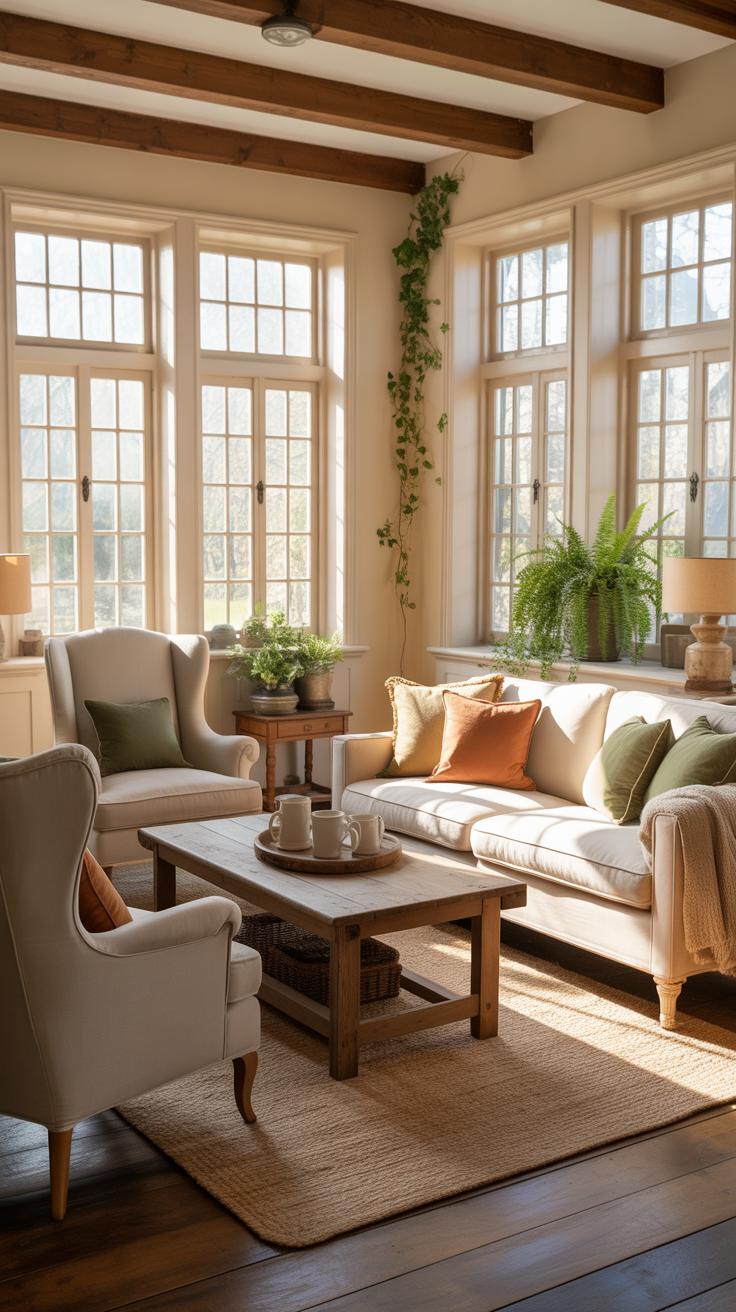
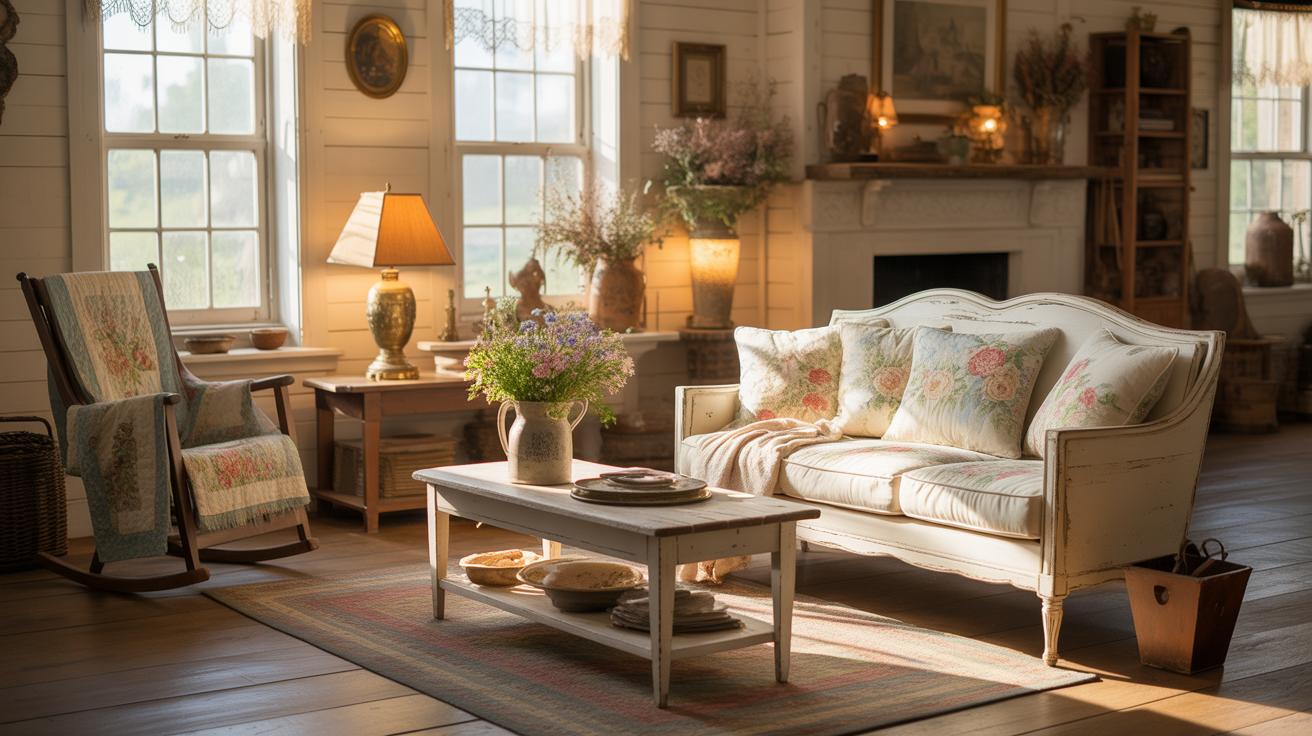
Conversation zones thrive on proximity and orientation. Chairs and sofas arranged in a circle or semi-circle auto-magically invite interaction. Space them close enough so people don’t have to shout, but not so close that there’s no personal space. That’s a fine line and sometimes tricky to get exactly right, but worth experimenting with.
Here are some suggestions for placement:
- Place pairs of armchairs facing a sofa with a coffee table in the center—it encourages eye contact and sharing.
- Use ottomans or poufs nearby to provide extra seating that feels casual and easy to move around.
- Try to avoid lining furniture straight against walls; pull seating areas away a bit to create an intimate island for conversations.
It’s surprising how much the way you arrange seats affects the tone of a room. I remember a farmhouse living room where simply repositioning the chairs from side-by-side to face-to-face turned the space into a hub of lively chatter and shared stories. The key is to think about the natural flow of talk and connection.
Mixing Seating Types
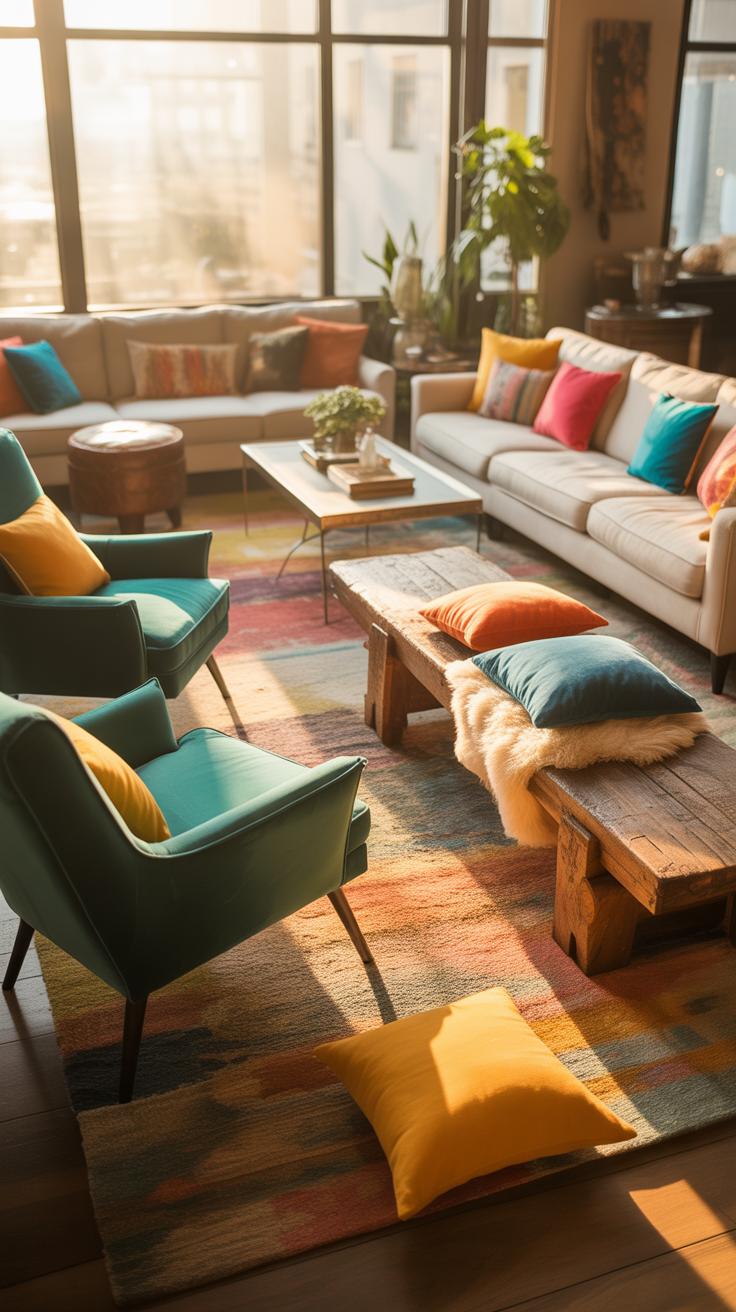
Variety in seating not only adds visual interest but also offers guests options in comfort and style. Combining upholstered sofas with farmhouse-style benches and individual chairs can make your living room feel less like a showroom and more like a lived-in home.
Consider these ideas:
- Use a long wooden bench at the dining table, paired with cushioned chairs on the other sides for a casual yet functional contrast.
- Mix wingback chairs with a slipcovered sofa in the living room; it gives a balance of structure and softness.
- Add upholstered stools or poufs that can double as side tables when needed.
You don’t have to match everything perfectly; a slightly mismatched look tends to feel more authentic in farmhouse style. Plus, different seating types accommodate different preferences and uses—some want to sink into a plush seat, others might prefer a firmer wooden chair. It’s about creating a space where everyone can find a spot that suits their mood.
Add Greenery And Natural Elements
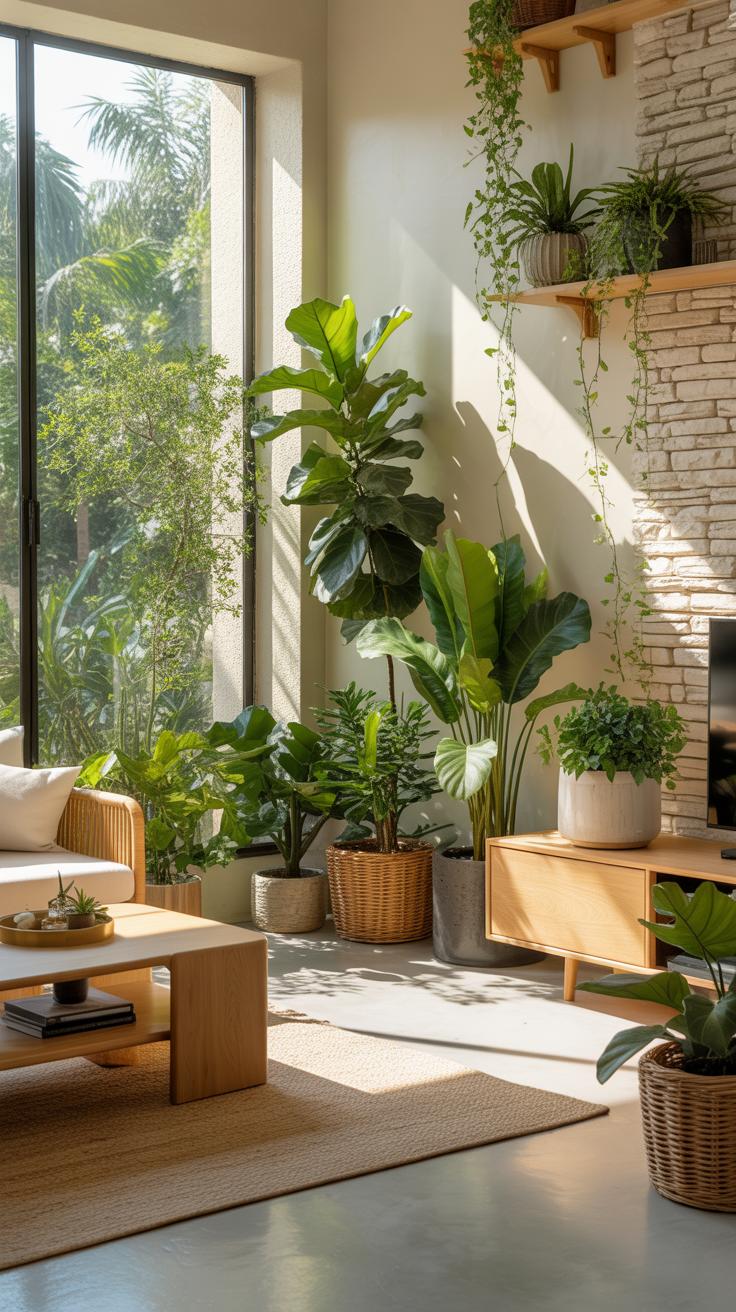
Bringing plants into your modern farmhouse decor isn’t just about filling space — it genuinely lifts the whole room’s atmosphere. Plants add life, color, and a bit of unpredictability that perfect decor sometimes lacks. You might find that even a single potted plant can shift a corner from bland to inviting.
Plants That Thrive Indoors
Some houseplants seem almost made for farmhouse rooms because they’re easy to care for yet still provide that fresh, natural vibe. Think of snake plants, pothos, and spider plants—they handle neglect well, tolerate varying light, and don’t need fancy fertilizers. Aloe vera and ZZ plants also do nicely on a sunny windowsill or a shaded shelf. If you’re unsure about regular watering, these are safe bets. Don’t you sometimes wonder why we overlook such simple touches?
Using Wood And Stone Details
Natural materials like wood and stone connect your space to the outdoors in subtle ways. Wood bowls, for instance, offer texture and warmth—perhaps on a coffee table or kitchen island. Stone coasters or candle holders bring a rugged contrast that feels grounded without being flashy. Sometimes, the little imperfections in these pieces—the knots, grains, and rough edges—make them even more charming. These elements aren’t just decor; they tell a story of nature’s presence, adding authenticity your farmhouse embraces.
Evaluate Budget For Farmhouse Renovations

Planning your spending on farmhouse decor requires a clear sense of priorities because costs can quickly add up. When aiming for a modern farmhouse look, divide your budget thoughtfully among furniture, paint, and decor. Furniture is typically your largest expense, but it’s also where you make the biggest style impact. Prioritize key pieces like a comfortable sofa or a rustic dining table before splurging on smaller accessories.
Paint is surprisingly affordable and can transform a space immediately. With farmhouse style, neutral tones—whites, creams, soft grays—work best. Allocate funds to quality paint that lasts, and maybe even hire a pro for tricky areas.
Decor might seem like a smaller line item, but it’s the charm in the details. Lighting fixtures, pillows, throws, and vintage accents create that cozy farmhouse vibe but can vary widely in cost. Mixing new and secondhand decor keeps spending balanced without losing charm.
Cost Breakdown For Key Items
Furniture: Expect to spend roughly $700 to $1500 on staples like sofas or dining sets. Lighting: Farmhouse-style fixtures can range between $100 and $400 each depending on materials and design. Accessories: Smaller items like pillows, vases, or wall art commonly cost $20 to $100. These allow flexibility for budget-friendly splurges or thrift finds.
Affordable Ways To Update
Painting old furniture or walls is a straightforward, affordable refresh. Chalk paint is a favorite because it cleans up imperfections and adds that matte farmhouse feel. Vintage shops and flea markets can surprise you with authentic farmhouse treasures if you’re willing to hunt and maybe do minor repairs.
Don’t underestimate the power of textiles—simple linen or cotton curtains, a braided rug, or chunky knit throws layer warmth and texture without breaking the bank. Small swaps like new cabinet knobs or switch plates in distressed metals can pull the look together neatly.
So ask yourself, where do you want to focus investment? Maybe a standout piece pays off more than dozens of smaller items. Sometimes less really is more, especially for creating that relaxed, approachable farmhouse space.
Review Examples Of Modern Farmhouse Rooms
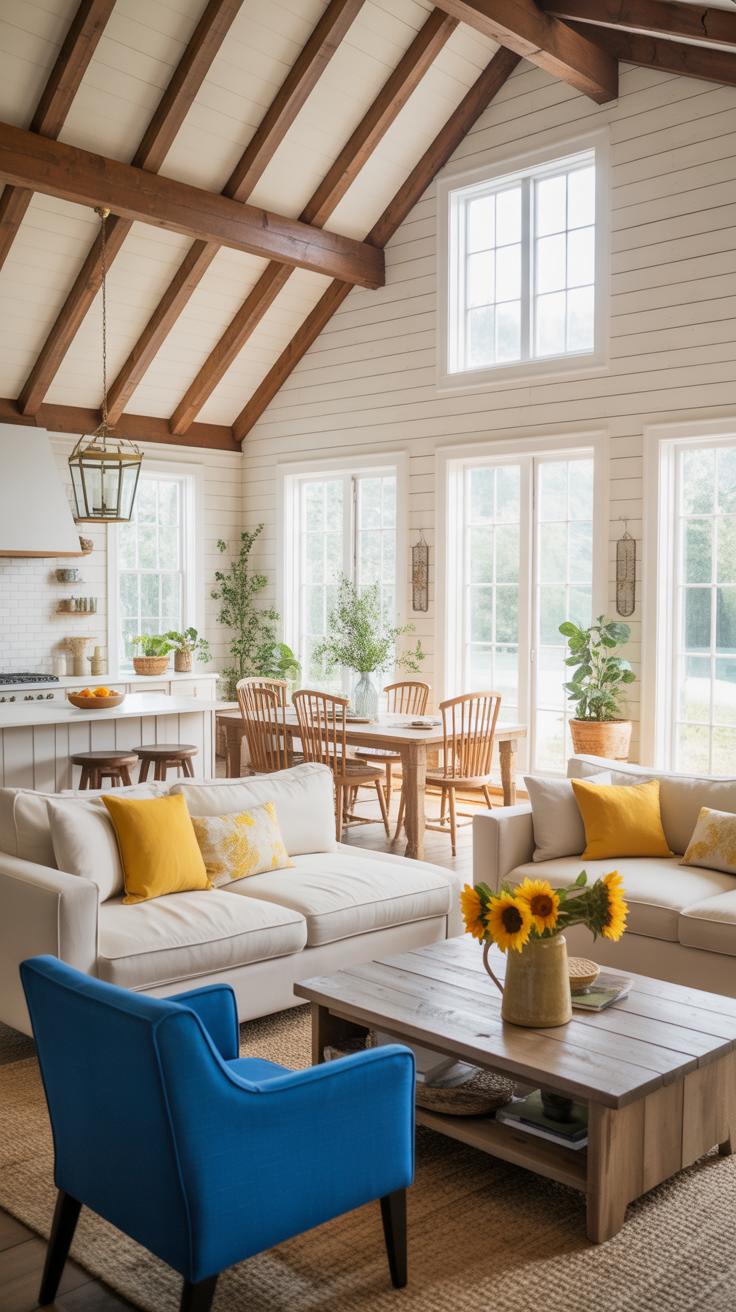
Let’s look at some real examples of modern farmhouse living rooms to get a better sense of what works. One notable room features a simple layout where space is a priority. Large windows flood the area with natural light, making the space feel open but inviting. The furniture is cozy, with oversized sofas and cushioned chairs that encourage relaxation. Neutral tones dominate, but you’ll notice subtle pops of color in the throw pillows and artwork that keep the space from feeling too plain.
Another interesting example combines rustic with contemporary. Imagine exposed old wood beams contrasting with sleek, modern furniture. This mix creates a dynamic feel—a kind of tension that actually works well. Decorative items like vintage clocks and metal lanterns sit alongside minimalist vases and geometric lamps. It’s a delicate balance, though. Too much of either can tip the scale, so the key seems to be moderation and thoughtful placement.
When you try these looks, don’t be afraid to experiment with combining elements from different periods. That contrast can be what makes a room feel authentic instead of staged. Of course, personal taste plays a huge role. What feels cozy for one might feel cluttered for another—so you might want to start small with that balance and adapt as you go. Have you noticed that the most inviting rooms often seem to tell a story? Maybe that’s the magic of blending old and new in farmhouse decor.
Conclusions
Modern farmhouse decor connects a warm, inviting feel with fresh, modern elements. It suits those who want comfort without clutter. Using natural materials and clean lines, you can make your home feel both cozy and current.
Apply the ideas and steps shared in the chapters to create rooms that reflect this easy style. Focus on balance and simplicity to keep your space functional yet welcoming. The result will be a comfortable home with a stylish, farmhouse twist.