Introduction
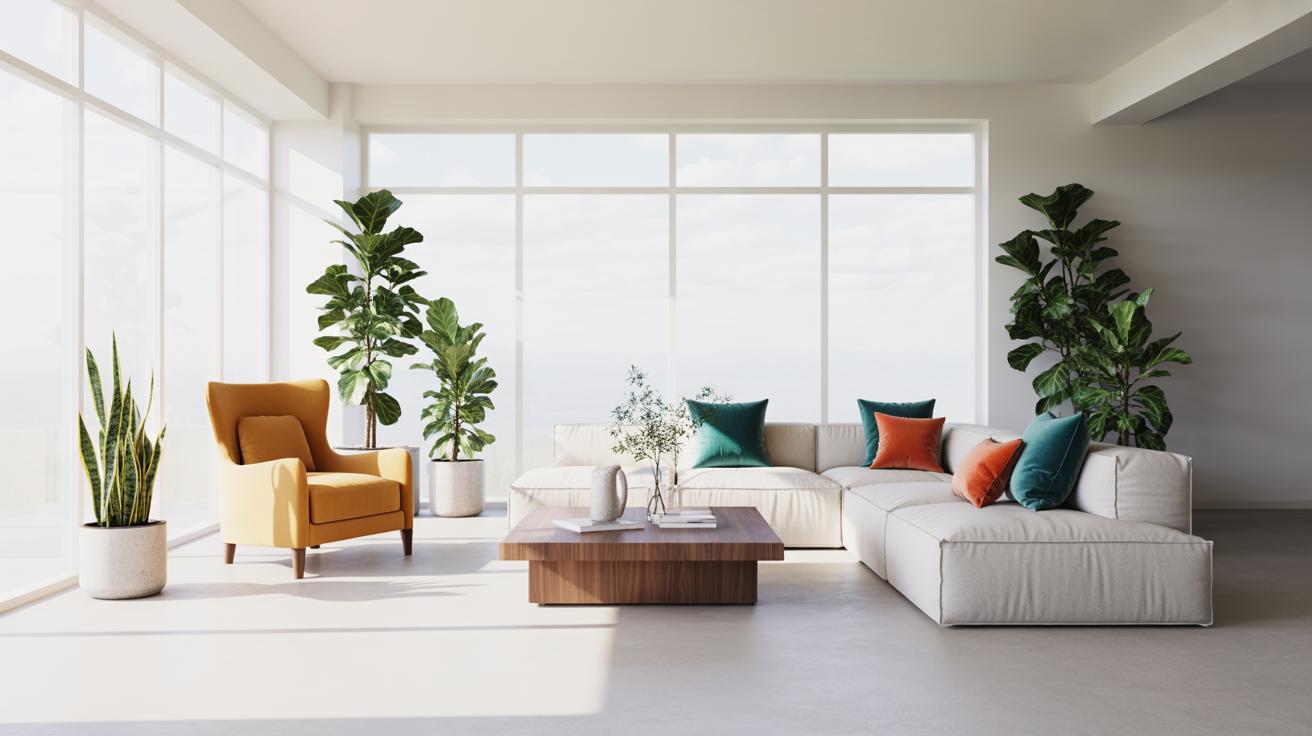
Modern minimalist living room design focuses on simplicity and functionality to create stylish and comfortable spaces. This design approach uses fewer furnishings and decor, emphasizing clean lines and neutral colors. Minimalism encourages removing clutter, which helps make your living room look open and calm.
Your living room is where you relax and meet guests. In this article, we’ll share effective Modern Minimalist Living Room Design Tips For Stylish Spaces. You’ll learn how to set up a pleasant minimalist space by choosing the right furniture, colors, and decorations that highlight the beauty of simplicity.
Minimalist Style Basics Explained
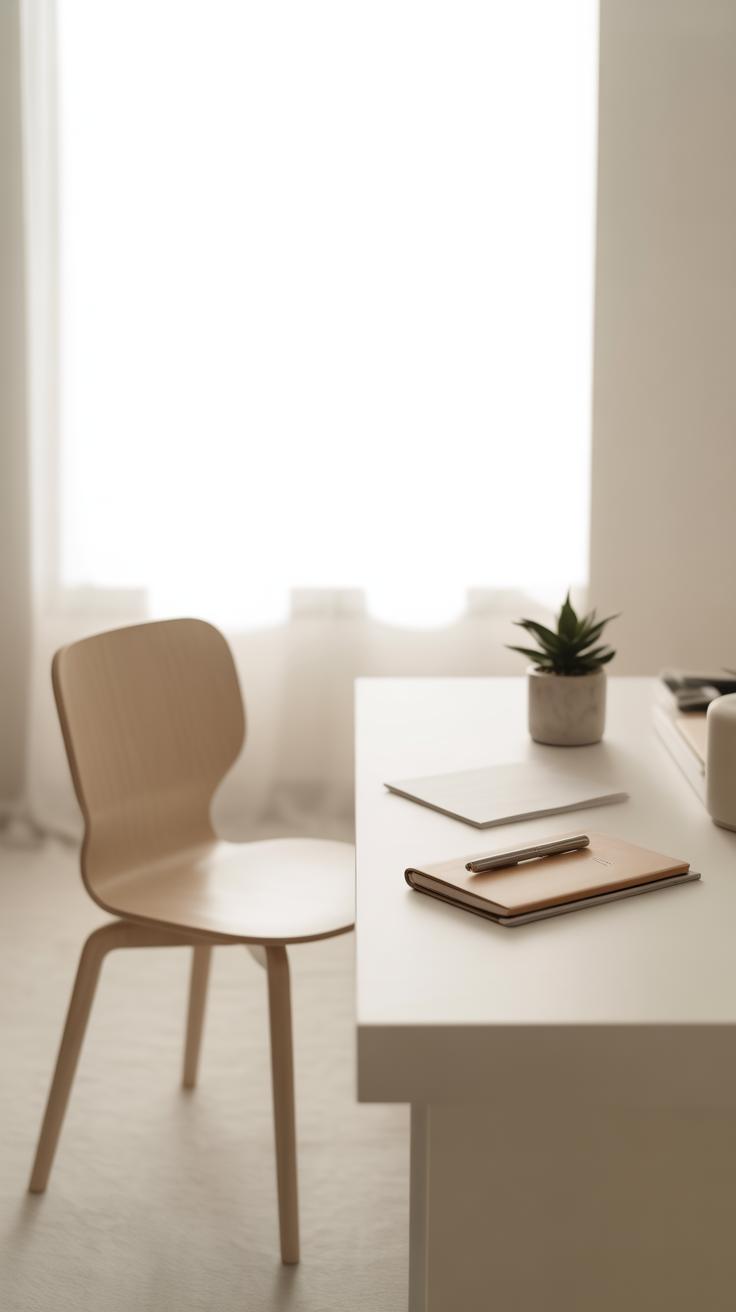
The roots of minimalist design go back to art movements like Bauhaus and De Stijl, where simplicity and function took center stage. Minimalism grew as a reaction against excess—both in art and in everyday life. It’s not just a look but also a lifestyle choice, aiming to strip away distractions and focus on what really matters.
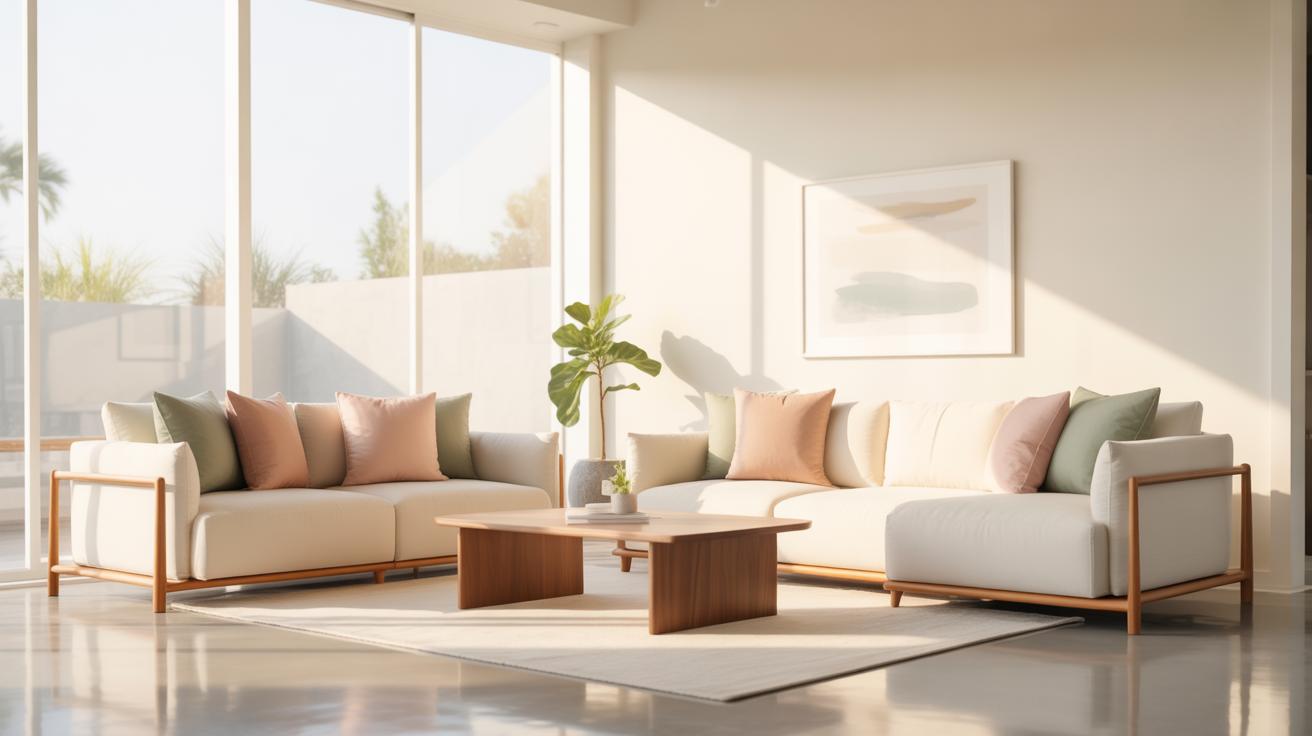
At its core, minimalism means keeping only what you need. It’s about clarity—removing clutter and highlighting essentials. This isn’t just about aesthetics. When there’s less stuff, your mind often feels clearer. You focus on quality over quantity, something most people find refreshing, even if it takes some time to adjust.
Think of it as an ongoing process rather than a rigid set of rules. You might start by clearing surfaces or cutting down on decorative items. Then, gradually, you learn what really holds value in your space and what doesn’t. That’s how minimalism breathes and adapts, not just looks simple.
Why Minimalism Works In Living Rooms
Living rooms are where we spend a lot of time, but also where clutter can quickly pile up. Minimalism helps by making these spaces feel bigger and easier to move around in. Without so many objects competing for attention, your living room can become a place where you actually relax instead of feeling overwhelmed.
Minimalist living rooms often invite calm. When everything has a purpose, you end up with fewer distractions—no noisy décor or endless piles of magazines scattered around. It also simplifies cleaning, which nobody seems to mind. With less visual clutter, your mind can sort through thoughts more easily, making the space more peaceful.
And don’t underestimate the way it lets your furniture and layout shine. Simple, functional pieces can shape the room in surprising ways. Suddenly, your sofa or a single art piece feels more meaningful because it’s not lost in a sea of stuff.
Common Misconceptions About Minimalism
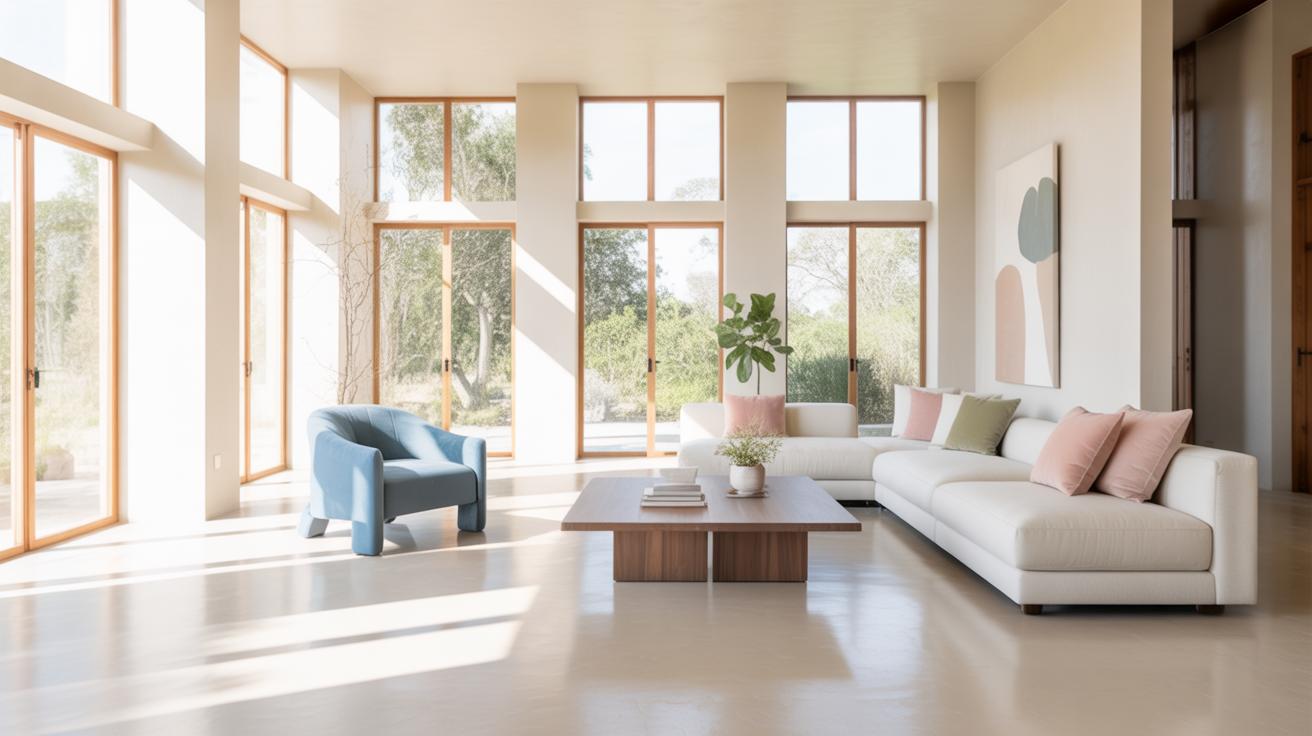
Minimalism often gets misunderstood as being cold or empty, but that’s not quite right. It’s less about creating a sterile environment and more about intentional choices. Your living room won’t feel like a showroom unless you want it to.
Some people think minimalism means giving up on personality. That’s not true—you can still have warmth and character. The difference is that each item tends to have a reason to be there. You might add a cozy throw or a plant that adds life without chaos.
People also assume it’s only for small spaces, but minimalism can work anywhere. It’s about balance, not size. Big rooms can feel just as cluttered as small ones if they’re filled with stuff that doesn’t serve a real purpose. Does minimalism ask for sacrifice? Sometimes, but often it’s about discovering what truly makes you comfortable and letting go of the rest.
Choosing Furniture For Minimalist Spaces
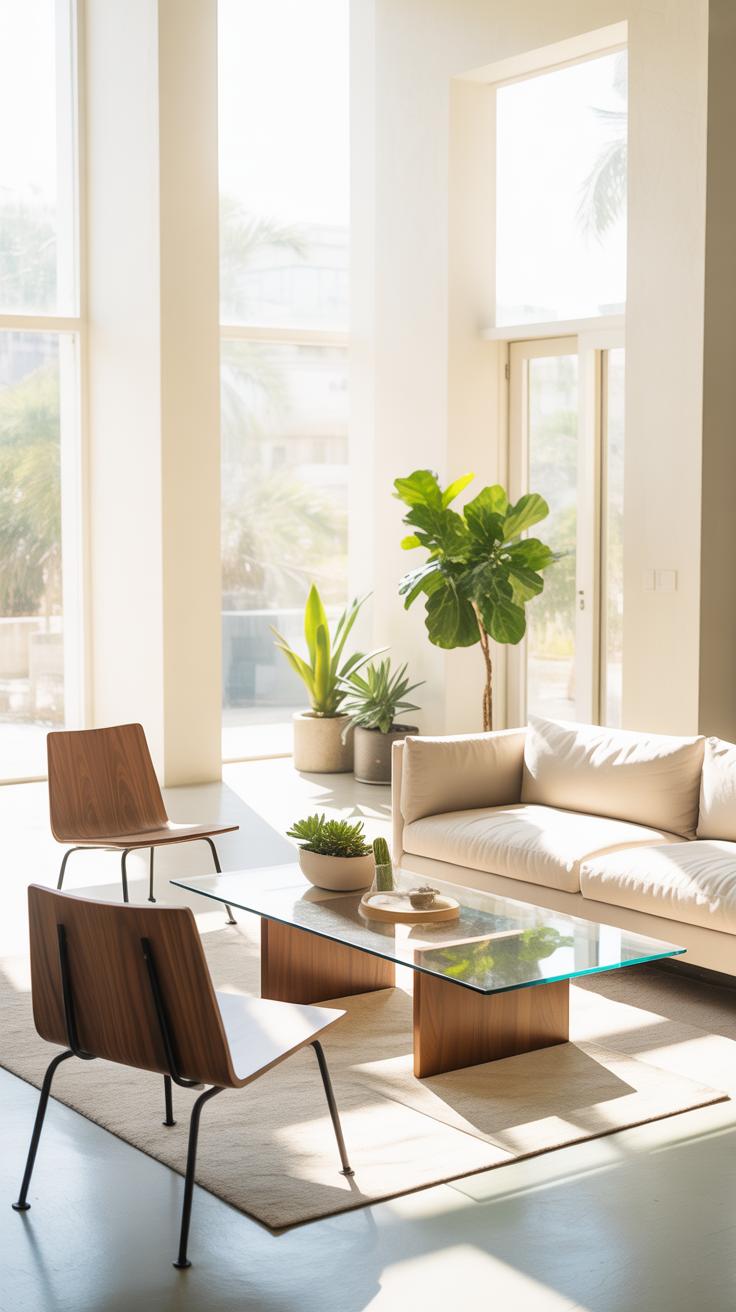
Guide on selecting furniture that fits minimalist principles
When picking furniture for a minimalist living room, it’s easy to get caught up in the idea of “less is more,” yet the challenge lies in deciding what counts as “less.” You want pieces that feel simple, but also serve a clear purpose. Think clean lines and unembellished surfaces—furniture without fuss or unnecessary decorations. The shapes should be straightforward, maybe rectangular or gently curved, avoiding wild angles or intricate details.
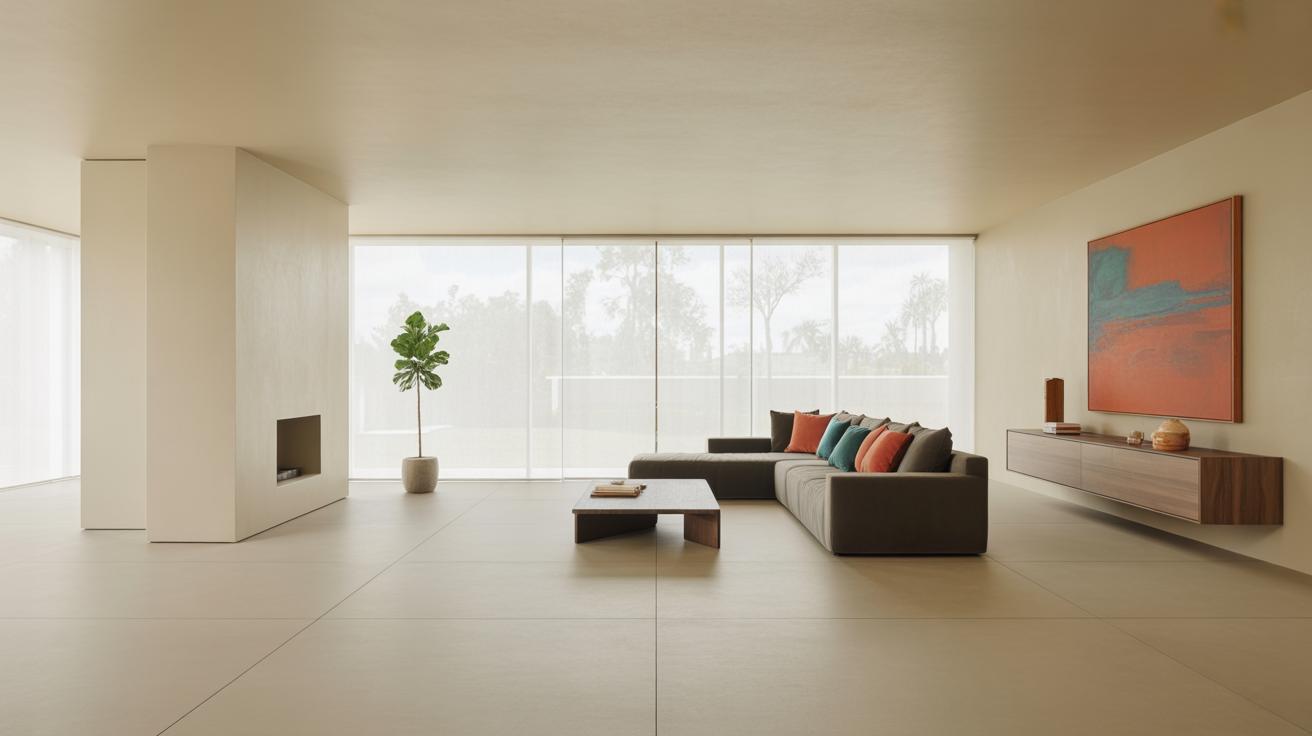
Functional design matters a lot here. For example, a sofa that can also offer storage underneath, or a coffee table with a hidden drawer, might fit better than purely decorative items. The goal is to reduce clutter, both physically and visually. It’s tempting to add something just because it looks nice, but really ask yourself: does it have a function? If not, it probably doesn’t belong.
You may find it helpful to keep the number of pieces few. It’s not about having an empty room, though. Instead, it’s about ensuring every item earns its place by serving a purpose or contributing to the calm aesthetic. So no armchairs you use once a month, or side tables that just crowd the space.
Essential Furniture Pieces Checklist
Minimalist living rooms tend to revolve around a few key items—nothing too complex, but enough for comfort and utility. Here’s a checklist that often works well:
- Sofa: Look for a low-profile, neutral-colored piece with clean lines and no excessive cushions.
- Coffee Table: Simple design, often rectangular or round, with solid function; storage if possible.
- Seating: Additional chairs or stools should complement without overwhelming; avoid bulky shapes.
- Storage unit: Minimalist shelves or cabinets that keep clutter out of sight, without visual heaviness.
- Lighting: Functional floor or table lamps with straightforward structure and subdued colors.
It’s not about quantity, but quality. Having one well-chosen piece will often feel better than many pieces that don’t fit.
Furniture Materials That Suit Minimalism
The material choice influences the mood more than you might first think. Wood often works well—it brings warmth without complexity. Light or medium tones seem less intrusive and keep spaces open. Metal can add that crisp, almost architectural feeling when kept to thin frames or legs, avoiding bulk. But metal alone could feel cold, so balance it with other textures.
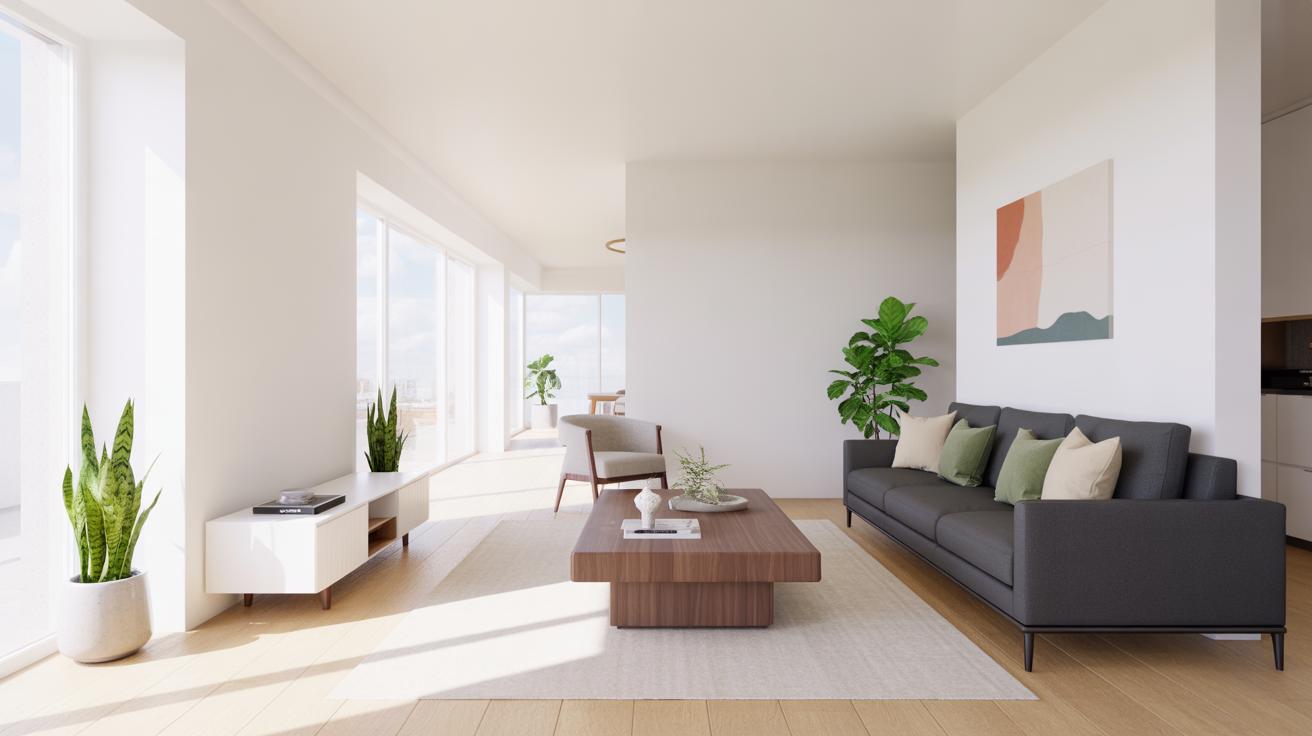
Fabric can be tricky because patterns or heavy textures break minimalism’s calm. Solid colors in natural fibers such as linen or cotton fit better, giving comfort without clutter. Leather is another option, but it must be simple and matte to avoid dominating the room. Overall, mixing a few materials carefully adds layered interest without losing the minimalist feel.
At times, I’ve noticed that people shy away from mixing materials, fearing it spoils minimalism, but a blend—just restrained enough—can make a space feel less sterile and more inviting.
Color Choices In Minimalist Rooms

When picking colors for a minimalist living room, the goal is often to keep the space open and inviting. Light, airy tones generally work best—ones that don’t weigh down the room or distract from the simplicity of the design. You’ll notice many people lean on neutral palettes because they create a calm background that lets furniture and architecture take center stage.
White is a common go-to, but it’s easy to make a room feel cold or clinical if you rely on a flat, stark white. Instead, subtle off-whites or warm whites can keep things feeling brighter without feeling harsh. Soft grays add depth and warmth without overwhelming the senses, while beige tones bring a natural warmth that can prevent the room from feeling too sterile.
Neutral Palette Examples Explained
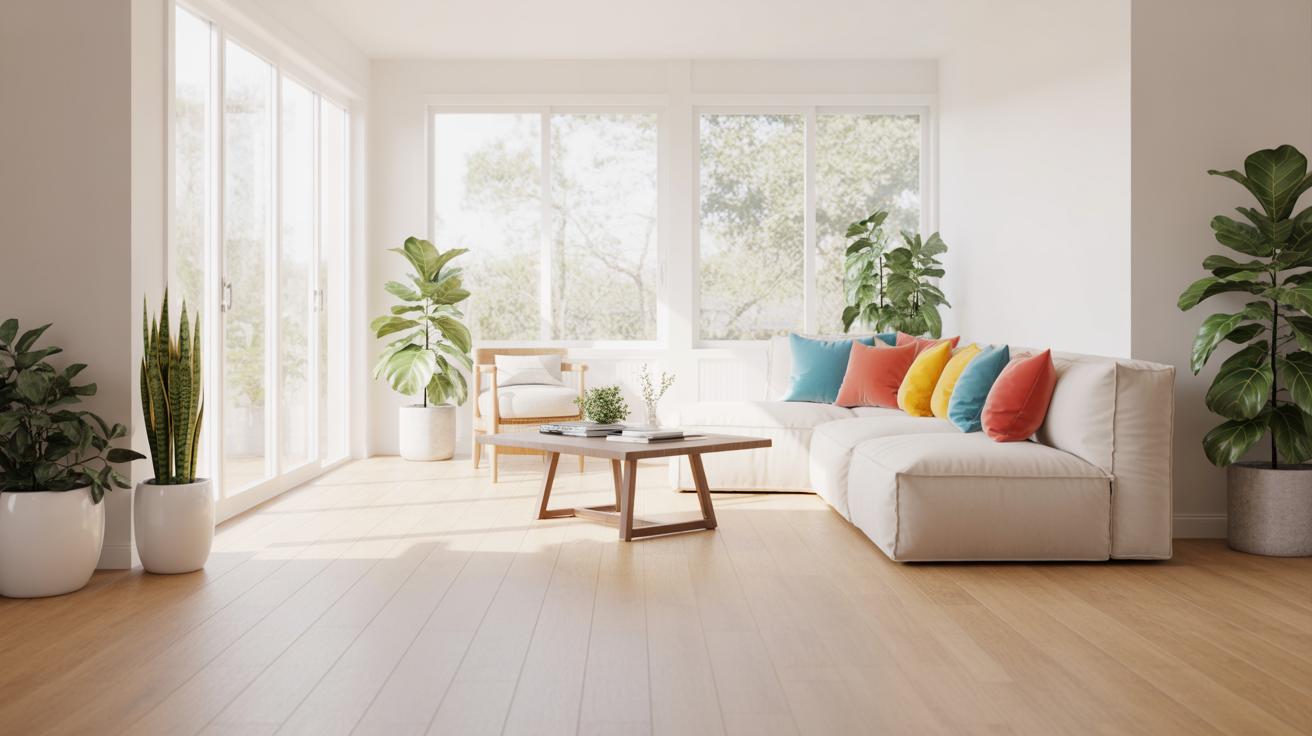
Some neutral colors to consider are:
- Warm whites: Think creamy ivory or eggshell. These offer a fresh look but with a bit of softness.
- Soft grays: Look for ones that lean a little warmer, like dove gray or greige (gray-beige).
- Beiges and taupes: Earthier neutrals that introduce subtle texture and coziness, almost like a gentle hug for the walls.
Using these neutrals in combination—say a gray wall with beige furniture and white accents—can help avoid monotony. The trick is to balance light and shadow, texture and flatness, so the room feels calm but not flat or uninspired. I’ve found that layering neutrals creates interesting spaces without losing minimalism’s core.
When To Add Color Accents
Small splashes of color work well if you want to brighten the room without cluttering it visually. Introduce these accents through pillows, a single piece of artwork, or a simple vase—something easily changed if you tire of it. The key is subtlety and restraint.
Think of these accents like punctuation marks in a sentence. A bold red pillow or a deep green plant can stand out without screaming for attention. You could even experiment with textures here, like a velvet cushion or ceramic pot, adding interest without complicating the color story.
But resist the urge to cover every inch with bright hues. Minimalism relies on breathing room, and your small pops of color should feel intentional rather than accidental. Do you find that a single, well-placed color accent refreshes the room for you, or do you prefer staying neutral all the way? Sometimes the answer changes over time, too.
Organizing Space To Avoid Clutter
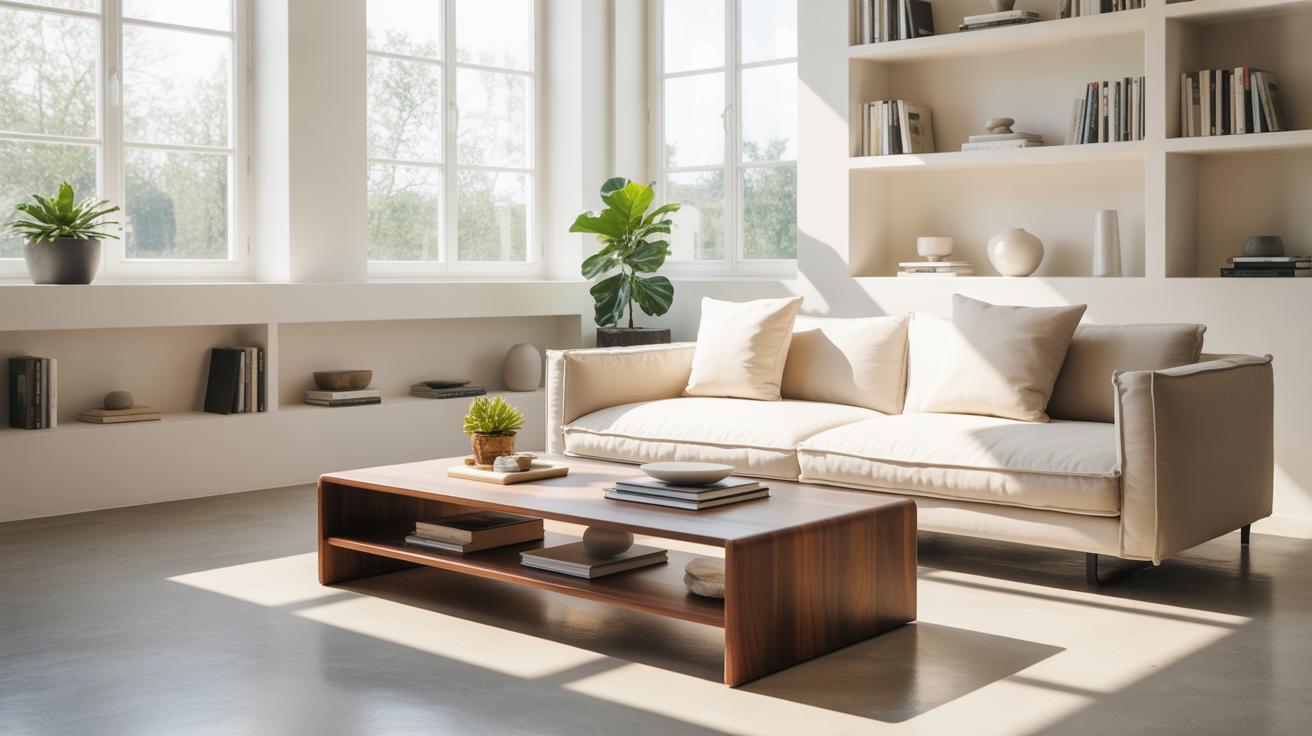
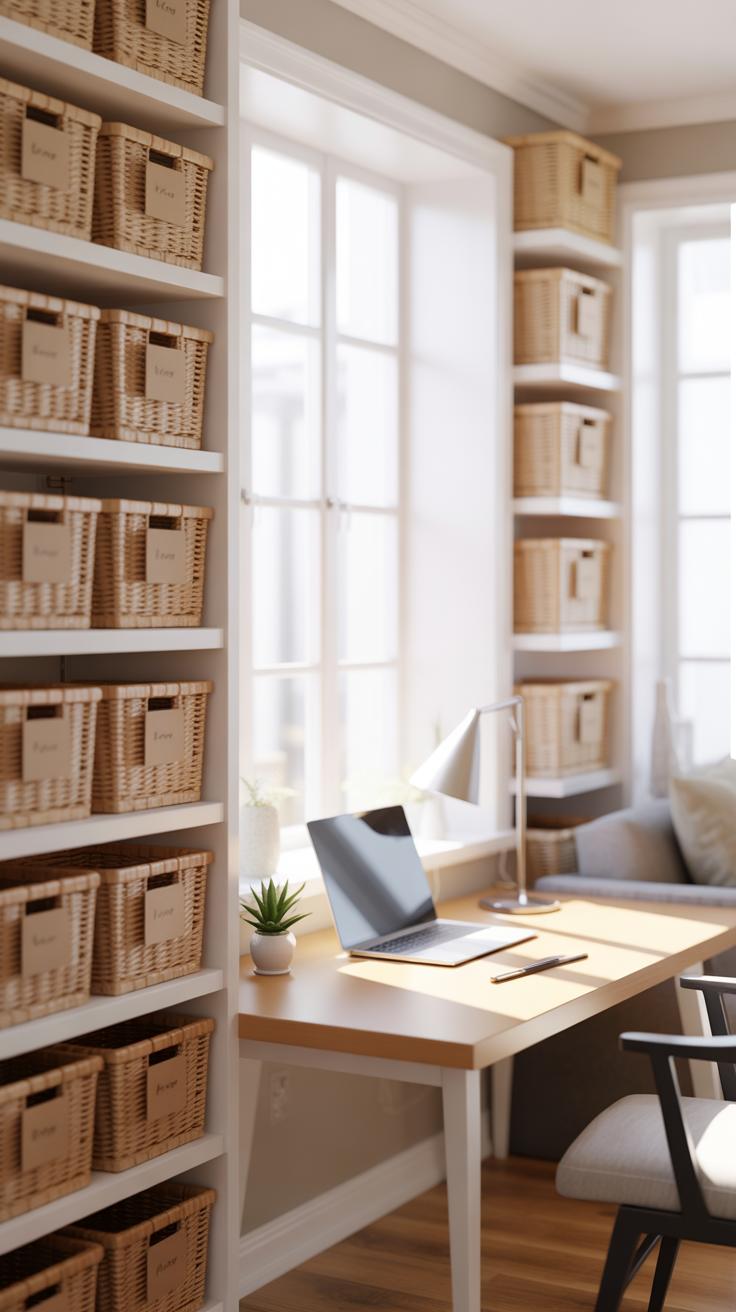
Keeping a minimalist living room tidy feels easier said than done sometimes. But it really comes down to creating clear zones for your daily essentials and sticking to them. Think about where you naturally drop your keys or magazines and find a dedicated spot for those items instead of just leaving them on tables. Over time, that can help you avoid piles forming, which—let’s be honest—we all hate.
Try to resist the urge to display every little thing you own. Instead, choose a few meaningful pieces and let empty space breathe. It doesn’t mean your room has to feel bare or cold; rather, you’re giving each item room to stand out without chaos.
Storage Solutions That Blend In
Hidden storage often fits right into minimalist living rooms better than open shelves. Cabinets with flush doors or low-profile sideboards can keep clutter out of sight without drawing attention. A coffee table with built-in compartments or a sleek bench that doubles as storage box are clever options I’ve seen work well.
Look for pieces with simple lines and neutral colors. Storage should disappear visually rather than add to the visual weight of the room. Sometimes even a basket tucked under a console or next to the sofa can work if it matches the overall color palette.
Daily Habits To Maintain Order
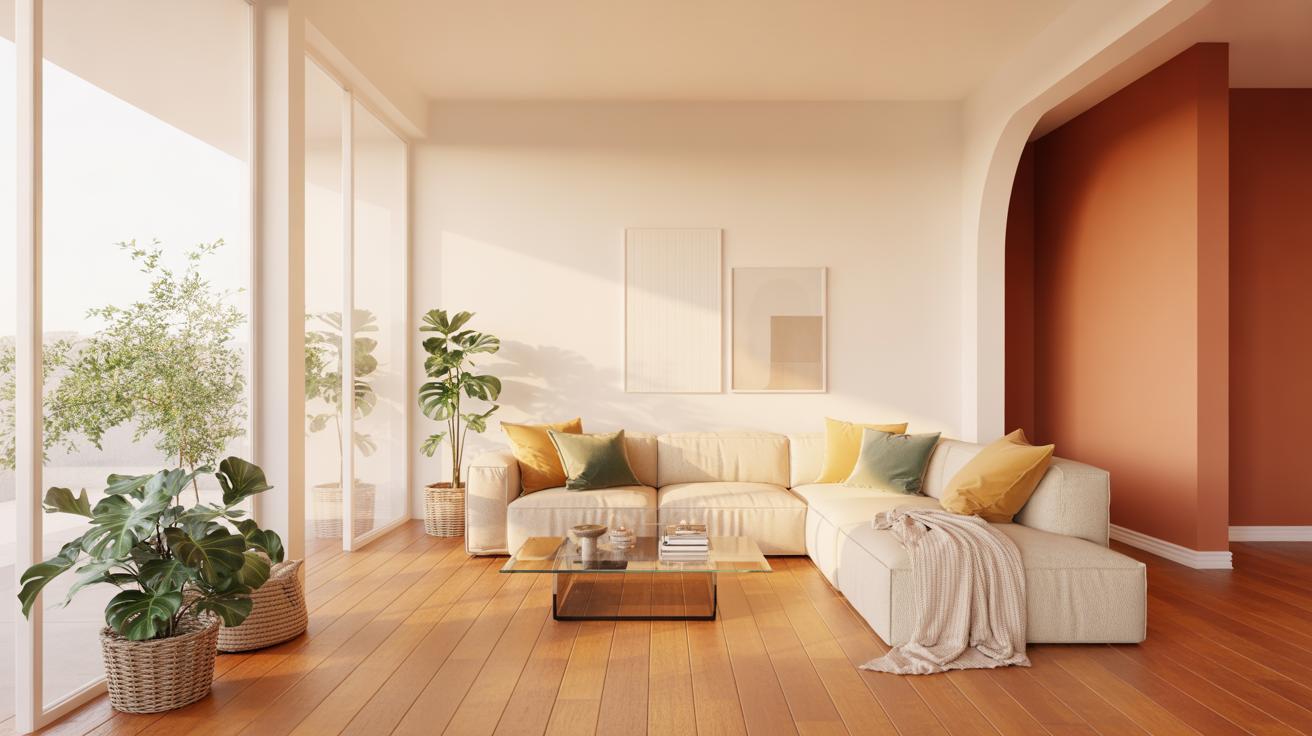
Getting into a daily rhythm can save you from weekend-long decluttering marathons. I try to spend just five minutes tidying before bed—putting remotes back, folding a throw, clearing stray cups. It’s small, but it piles up in a good way.
Ask yourself each day: Do I really need this out? Or can it be tucked away? Maintaining order doesn’t mean perfection, though. It’s okay for things to shift a little as you live, as long as it doesn’t turn into chaos. What easy habit could you add today that might keep your space feeling lighter tomorrow?
Choosing Decorations Wisely Minimalist Art Wall Decor and Plants
Minimalist Art And Wall Decor Ideas
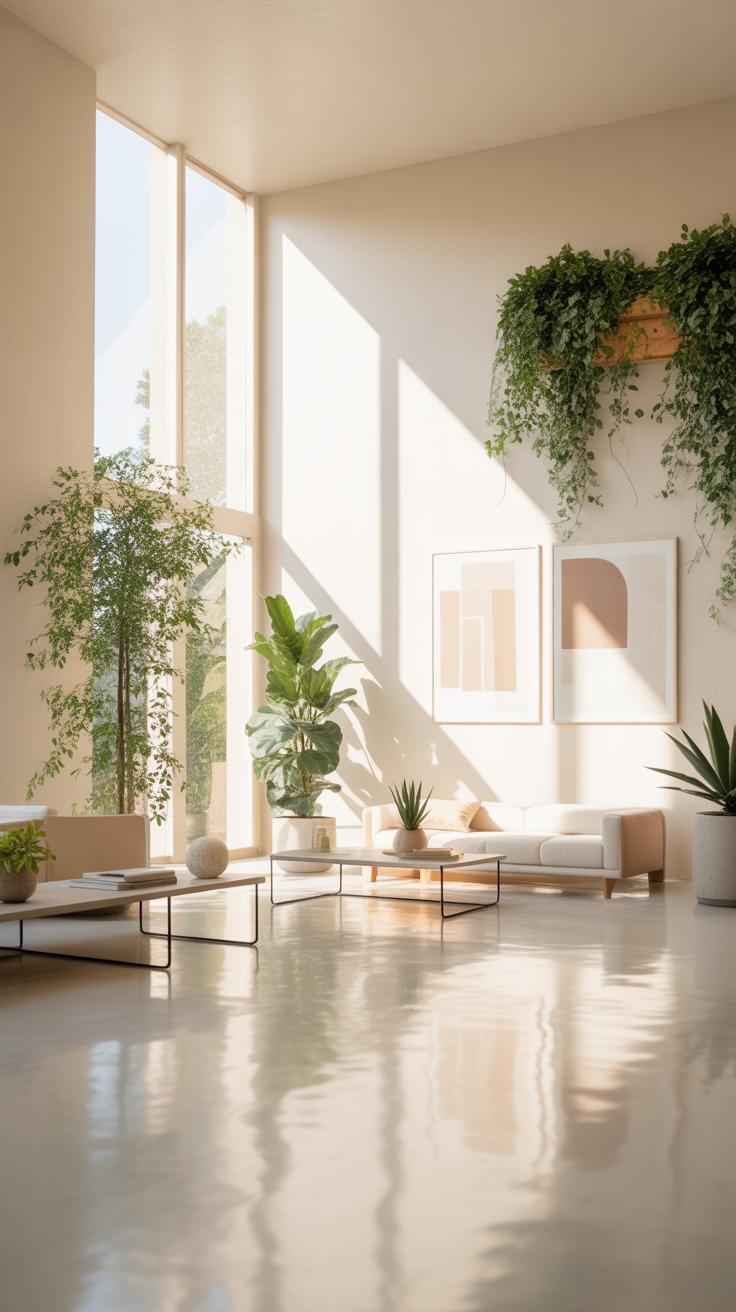
When it comes to decorating minimalist living rooms, less truly can be more—but that doesn’t mean bare walls. The goal is to pick a few art pieces that speak quietly but clearly. Think of simple geometric shapes, black-and-white photography, or abstract art with restrained color palettes. These keep the space calm but add personality.
Placement matters. One large piece above the sofa can anchor the room, or a small cluster of three framed prints staggered on one wall might feel thoughtfully arranged without overcrowding. Avoid too many items competing for attention; the empty space around art is just as important as the piece itself. Ever noticed how a lone drawing on a big blank wall holds your gaze more than a wall stuffed with frames?
Using Plants For A Natural Touch
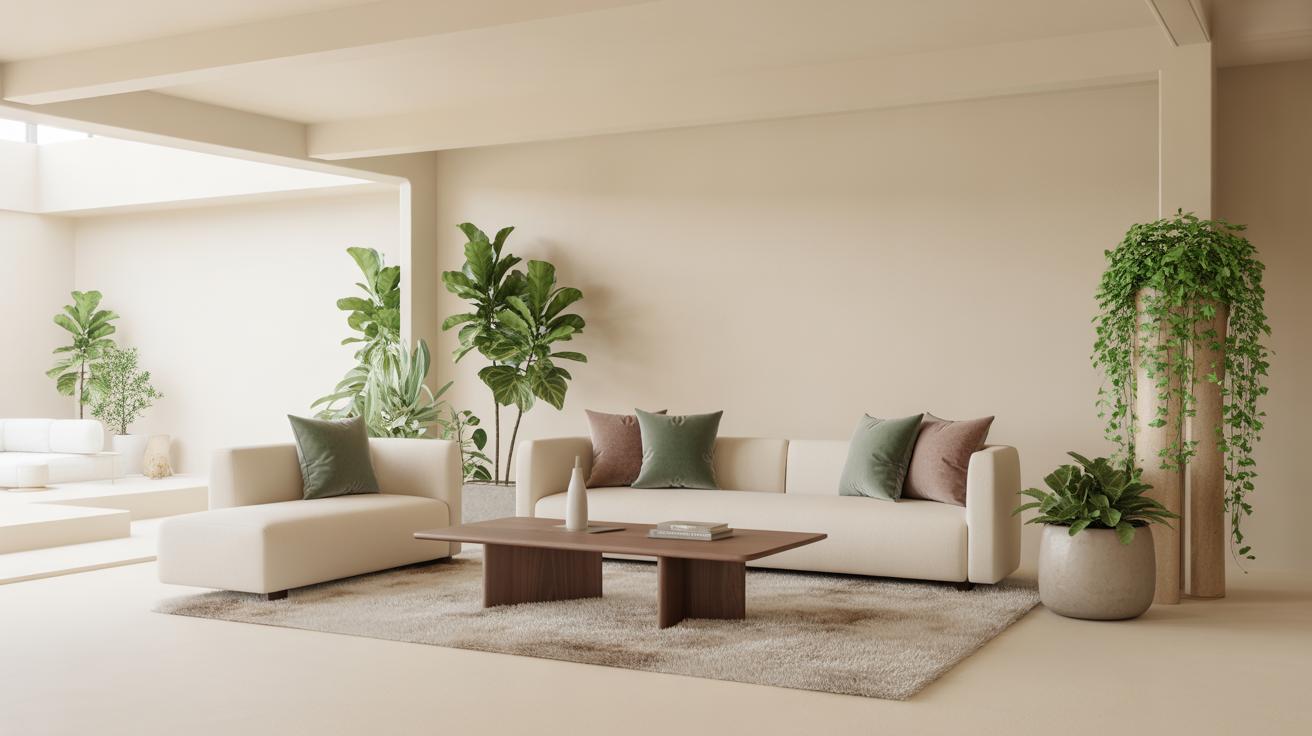
Plants can be tricky in minimalist spaces. You want that fresh, organic vibe, but not a jungle. A few well-chosen green plants add life and soften hard lines—without tipping into clutter. Think tall, slender plants like a snake plant or a single fiddle leaf fig standing quietly in a corner. Or, place a small succulent or air plant on a sleek side table for a subtle touch.
Plants also bring texture and can act as informal decorations, so you might skip a side table ornament to keep things balanced. When I added a small potted fern near my window, it made the room feel less stiff—without stealing focus. Just make sure you keep care simple. Otherwise, the effort to maintain them could add stress instead of calm.
Lighting Strategies For Minimalist Rooms
Maximizing Natural Light Effects
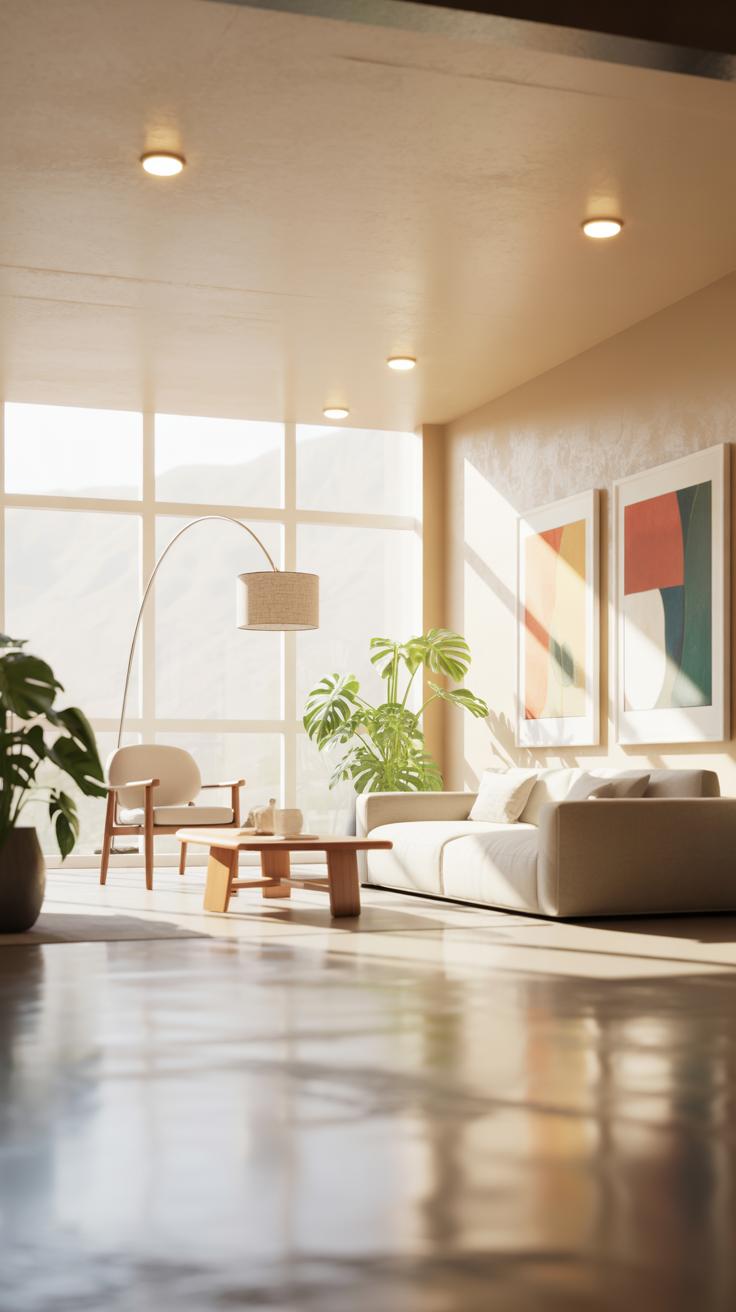
Natural light plays a key role in keeping a minimalist living room feeling open and airy. If you want to brighten your space without cluttering it, think about minimal window treatments—sheer curtains or blinds that can be fully drawn back. Sometimes, just leaving windows bare, if privacy allows, works best. I’ve seen rooms transformed simply by removing heavy drapes that once blocked sunlight.
Mirrors also help distribute light but shouldn’t overwhelm the wall space. A single large mirror or a few carefully placed smaller ones can bounce sunlight deep into the room. Try positioning mirrors opposite windows or near light sources. But be careful: too many mirrors might feel off, like the space is trying too hard.
Selecting Simple Light Fixtures
When you switch to artificial lighting, simplicity is your friend. Look for lamps and ceiling fixtures that avoid excessive ornamentation. A sleek floor lamp with a soft, warm glow can add comfort without drawing much attention. Pendant lights with clean lines often work well, especially when hung in modest clusters or alone.
Think about mixing light temperatures—warm bulbs make the room inviting, balancing the coolness natural light can sometimes have. I find that dimmable options help you control mood without changing any décor. Sometimes, a minimalist light fixture feels too sterile, but a softer glow brings it back to something you want to live in.
Minimalism Versus Traditional Design Comparing Style and Function
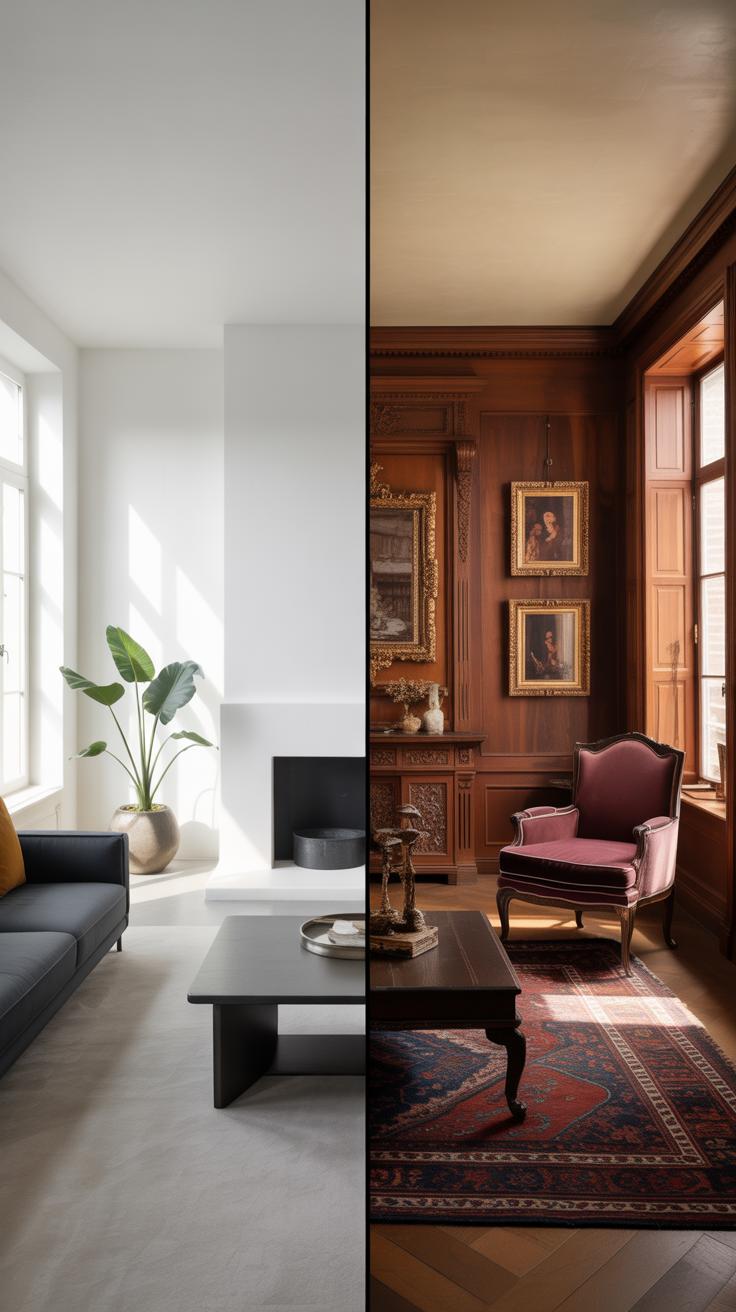
Minimalist living rooms strip things back to essentials—clean lines, neutral colors, and a focus on space rather than clutter. Traditional rooms, on the other hand, lean into rich textures, ornate furniture, and layered decorations. The contrast in styles is clear, but so are the differences in how they function day to day.
Minimalist spaces often feel open and calm, almost like breathing room for your mind. Meanwhile, traditional designs tend to offer a sense of warmth and history, filling a room with personality through antiques, patterned fabrics, and detailed woodwork.
You might find minimalist design favors flexibility—a simple sofa can shift around, walls stay uncluttered, and it’s easier to change up the look with just a few touches. Traditional rooms usually need more planning; those heavy chairs and thick curtains don’t move without effort, and your color palette is more fixed.
Benefits Of Minimalism Over Traditional
One thing I’ve definitely noticed about minimalist living rooms: less stuff means less upkeep. Without tons of knickknacks or intricate trims, cleaning feels quicker and less frustrating. It’s not just about cleaning though—minimalism often means the space adapts better when life changes. Got a new hobby? More guests? You can reshuffle with little hassle.
Also, minimalist rooms tend to feel less overwhelming. When surfaces aren’t crowded, you can focus better, and the calmness might rub off on your mood. It is, of course, a personal preference—some people feel a bare room is too cold, but for others, it’s a refuge.
When Traditional May Fit Better
Still, there are times when traditional design hits the mark more effectively. If you treasure family heirlooms or want a living room that tells a story through its décor, traditional spaces can shine.
Or maybe you prefer furniture that invites you to sink in—a plush armchair with curves feels different from a sleek minimalist seat. Traditional rooms often feel more grounded, which can be comforting for some, especially in older homes or if you appreciate craftsmanship more than simplicity.
So, if you lean toward nostalgia or want a rich, layered look that speaks of history and character, traditional design deserves a closer look. It might not be as flexible, sure, but it certainly has its own kind of charm.
Step By Step Minimalist Setup Checklist
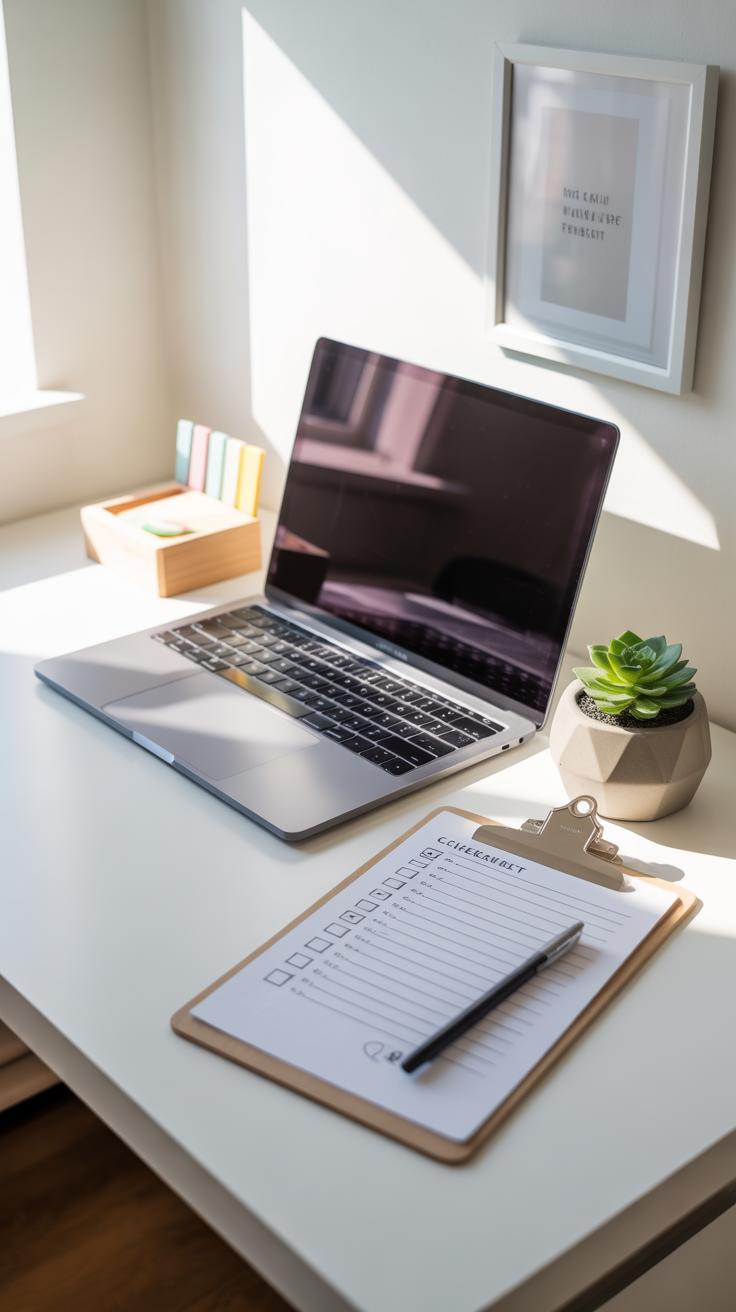
Planning The Layout And Furniture
Start by looking carefully at your empty space. Measure it so you don’t guess later. The key here is to keep things open—avoid crowding the room with too many pieces.
Think about what you really need: a sofa, maybe a coffee table, and a chair or two. Arrange these so there’s room to walk freely without bumping into anything. Usually, placing the sofa against a wall helps keep the center open.
Don’t forget about natural pathways. If people have to squeeze between furniture, that kills the minimalist vibe.
Try to balance the space with fewer but purposeful items. For example, a simple, low-profile couch invites relaxation without demanding attention.
At this stage, you might hesitate over what to include. That’s fine—sometimes leaving things out makes all the difference.
Adding Final Touches And Lighting
Once furniture feels settled, focus on lighting and decor. Pick lighting that enhances natural light, like paper shade lamps or minimalist sconces. Avoid anything flashy or overly complex.
Introduce decor sparingly. A single piece of art or a sculptural object can clarify the room’s style without cluttering it.
Try to layer light sources—overhead, task, and accent lamps—to get depth without fuss.
When choosing finishes or small details, stick to neutral shades or subtle textures. These add warmth without stealing the spotlight.
You might find yourself tempted to add more. Pause and ask if each piece supports calm and simplicity—or just fills space.
Common Mistakes To Avoid In Minimalism
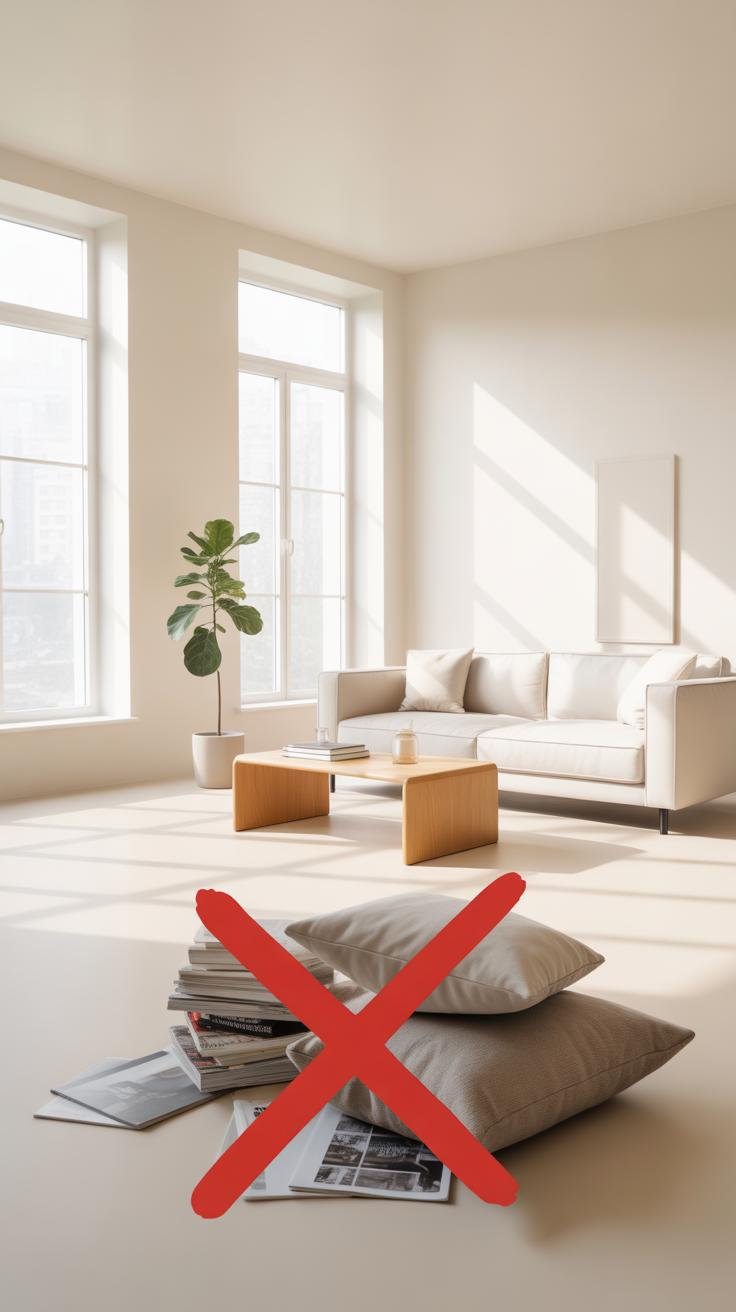
Over-Decorating The Space
Sometimes, when trying to make a minimalist living room feel personal, it’s tempting to add more decorations or furniture. But too many items quickly clutter the space and defeat the whole point of minimalism. The idea is to keep things simple, with only the essentials that serve a purpose or bring calm. When you start piling up vases, books, cushions, or random art pieces, the room loses its clean, open feel. I’ve noticed people often think “just one more piece won’t hurt,” but it usually does. To resist this urge, ask yourself if each item really adds meaning or function. If it doesn’t, it probably doesn’t belong.
Ignoring Function For Style
Minimalism isn’t just about looking good—it’s about living well. Sometimes, people pick furniture or layouts that look sleek but don’t work well for everyday life. A chair that’s too uncomfortable or a table too small might fit the style, but then you end up with a beautiful room that isn’t very usable. Function can’t be an afterthought; it should guide the design. You don’t have to sacrifice style for comfort or usefulness. Choosing fewer, functional pieces creates a balanced space that both looks and feels right. Have you ever sat in a couch that looked perfect but felt awkward? That’s exactly what I mean.
Real Life Modern Minimalist Examples

Case Study One Clear Design
Picture a living room with an almost strict color palette—white walls, light gray flooring, and a single dark sofa. It’s so simple, yet something about it doesn’t feel cold or empty. The secret lies in the carefully chosen few elements that are actually there. A low-profile sofa with clean lines, a wooden coffee table, and a slim black floor lamp create a quiet harmony. The room avoids clutter deliberately, but it isn’t spare to the point of discomfort.
You might notice one or two art pieces—nothing flashy, just subtle geometric prints in muted tones that add some personality. Storage is hidden, keeping surfaces clear. The lighting here is soft, mostly natural, with a few warm LED spots that avoid harshness. It’s a space where everything has a role, no extras to distract. I think this example shows well how a minimalist room can feel structured and calm, without becoming a showroom.
Case Study Two Stylish And Simple
Another living room strikes differently—still restrained in objects and color but showing a bit more warmth. Imagine soft beige walls paired with a simple cream sofa, accented with a single vibrant cushion. There’s a sculptural wooden shelf, surprisingly unpretentious, holding just a handful of books and a tiny plant.
The floor is covered with a neutral rug, which adds softness but doesn’t overwhelm. The lighting here feels more intentional, mixing natural daylight with a low-hanging pendant light that doubles as a design piece. Style flows from the intentional imperfections—the slightly mismatched furniture pieces and the uneven stack of magazines on the table. It’s clear this space prioritizes comfort without sacrificing the clean, uncluttered feel minimalist living rooms aim for.
What’s interesting is how style and simplicity coexist naturally here. This example suggests minimalist doesn’t mean boring—it allows for personal expression within limits that keep the room feeling fresh and open. If you think about your own space, could a few simple changes like these quietly elevate your living area?
Conclusions
Modern minimalist living room design creates spaces that feel open, calm, and inviting. By focusing on clean lines, functional furnishings, and a pared-down color palette, you can transform your living area into a stylish yet practical space. This method removes distractions and highlights what truly matters.
Using the tips and steps shared here, you can build your own modern minimalist living room. Start with essentials, focus on quality over quantity, and keep your space organized. Your living room will not only look great but also serve as a comfortable spot for daily life and socializing.