
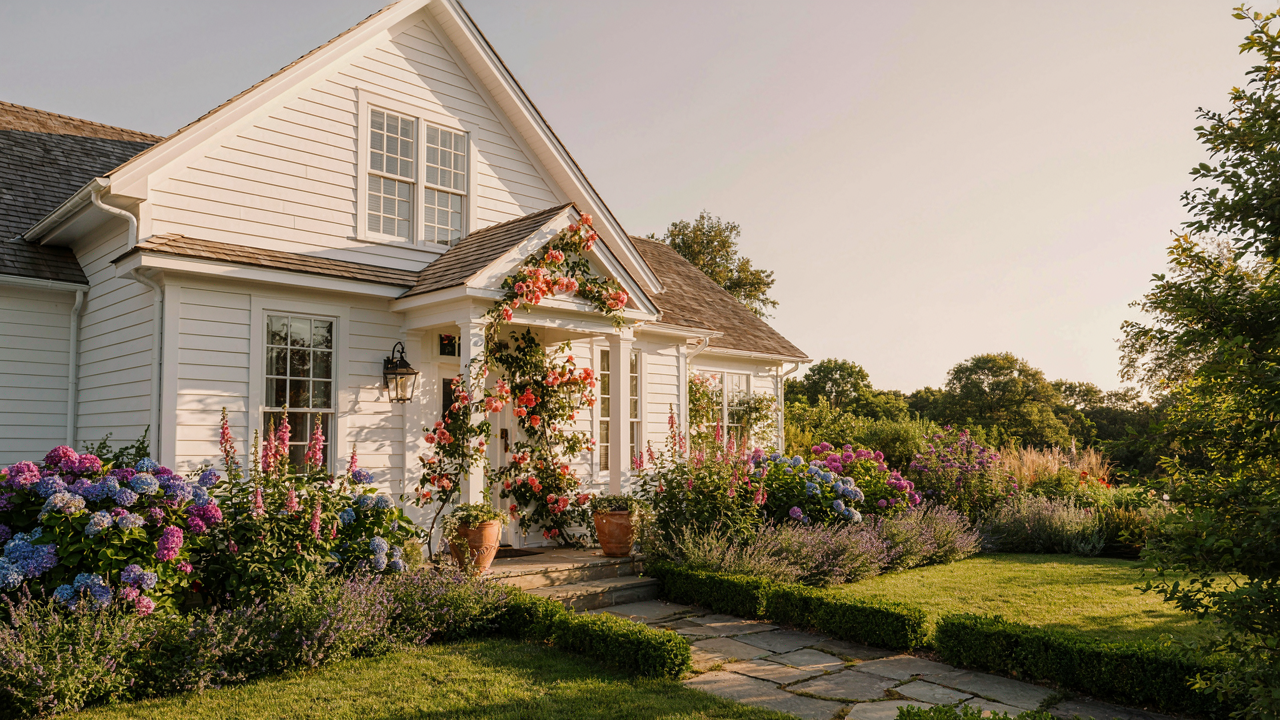
The Illusion Of Lace And Light: What Most Get Wrong

Pinterest Boards Aren’t Design Systems
You want the validation that comes from executing something you saw online and having it recognized as tasteful. That’s the real draw. But Pinterest shows you outcomes, not constraints. A curated photo of lace curtains backlit by golden hour tells you nothing about the room’s actual dimensions, the quality of the fabric, the cost of replacement, or why that specific arrangement stopped looking good after three months.
Authentic cottage charm emerges from solving real problems in your specific space, not from replicating someone else’s solved problems. The lace that works in a south-facing Victorian window fails in a north-facing modern cottage. You need to reverse-engineer the function before you copy the aesthetic.
Mass Produced Decor Kills The Mechanism
The economics of industrial production eliminate what makes cottage design work: variation and restraint. When you buy lace from a warehouse supplier, you get uniformity. Real cottage spaces developed their character because people used what they had access to, which meant mixed patterns, worn textures, and honest materials showing age. Factory-made “distressed” finishes mimic the visual of age without the substance that creates emotional weight.
The mechanism cottage design exploits is material honesty creating narrative depth. When every piece is new, identical, and intentionally aged, you signal that you understand the aesthetic but haven’t lived inside the constraint that creates it. Source vintage or secondhand pieces. Use them asymmetrically. Let them carry their actual history instead of a manufactured one.
The Scarcity Principle: Designing Your Fairytale Cottage

Curated Imperfections Build Credibility
You want people to believe your cottage is authentic, not staged. That’s the real pull here—authenticity signals taste. Scarcity in design works like economics: constraint creates value. A romantic cottage that looks too perfect reads as a showroom, not a home. Strategic imperfection is the mechanism. Visible wear on vintage wood, uneven plaster, a faded paint layer—these aren’t flaws. They’re proof of time and use.

The common advice says “add character with distressed finishes.” That’s incomplete. True imperfection isn’t applied. It arrives through selective preservation. Keep the original floorboards scarred. Leave the cottage’s real age visible in corners. A single wall with exposed brick unpainted, or plaster with genuine hairline cracks, outweighs ten deliberately shabby-chic prop pieces. This works because your eye detects the difference between authentic decay and manufactured nostalgia instantly.
Less Inventory, More Impact
Excess kills a romantic cottage faster than poor lighting. Most people fill rooms because empty space feels unfinished. The opposite is true. A lace curtain means nothing if fifteen other competing textures surround it. Victorian cottages weren’t packed with objects—they were sparse, with each piece deliberately placed. Removing items is harder than adding them, so most people skip this step entirely.
Start by identifying your three anchor elements per room: one focal point texture like lace or worn velvet, one light source, one surface with genuine patina. Everything else exits. A rose arrangement on a bare shelf hits harder than the same roses drowning in a styled vignette of candles, books, and trinkets. The scarcity of elements forces attention onto quality. Remove one more item than feels comfortable, then leave it removed for two weeks.
The Unseen Architecture Of Ambiance: Psychology Of Space
How Your Brain Decides What Feels Safe
You want to believe a room feels romantic because of how it looks. Really, you’re checking boxes your nervous system learned decades ago. The brain runs constant threat assessment. A cottage with poor sightlines triggers low-level alertness. Warm overhead light signals “not hunted.” Enclosed spaces work only if exits remain visible. The romantic feeling isn’t aesthetic—it’s neurological permission to relax.

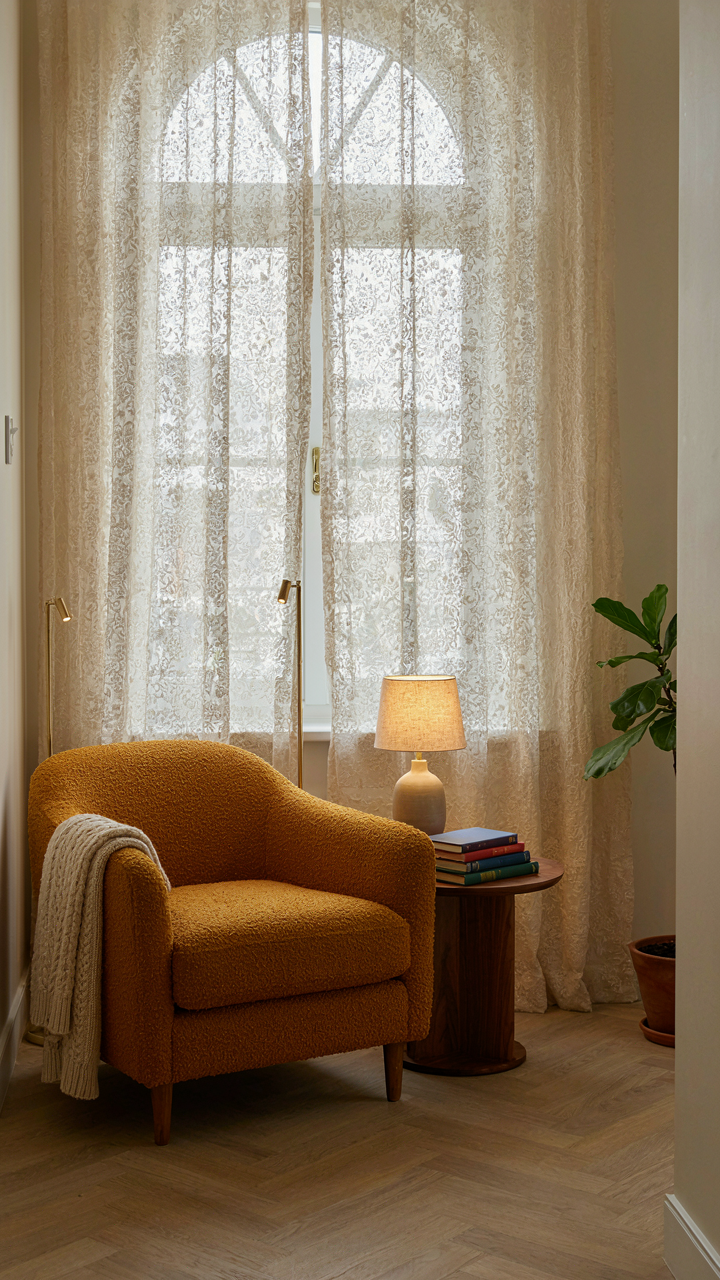
Cottage design exploits this through asymmetrical layouts that break rigid geometry. Alcoves with chairs near windows let occupants see entrances while feeling protected. Lace patterns on windows soften direct light without blocking sightlines. The mechanism is contrast: enough openness to feel safe, enough enclosure to feel intimate. Your body settles when these conditions exist. Design that ignores this produces tension, not romance, regardless of decoration.
The Material Logic Of Sensory Dominance
Environmental psychology measures how light wavelength, acoustic absorption, and textile texture directly shift mood. Not vaguely—measurably. A cottage succeeds or fails on these inputs alone. Soft, diffused light from multiple sources eliminates harsh shadows that trigger alertness. Lace rose patterns scatter light further, reducing glare that causes eye strain and irritation. Sound absorption matters equally. Hard surfaces reflect noise and create nervous tension. Textiles and wood paneling dampen sound, lowering cortisol.
Touch redirects attention faster than sight. Rough linen, worn wood, soft velvet—each texture communicates age and safety through contact. A smooth, new-feeling room signals commercial or artificial. Cottage authenticity comes from materials that show wear without damage. Roses themselves serve tactile function: thorns, petals, stems give hands something to feel. The cumulative load of these inputs—muted light, absorbed sound, varied texture—determines whether occupants relax or remain in mild defensive mode. Stack all three correctly, and the nervous system quiets without conscious effort.
Beyond Roses: Cultivating A Dream Cottage Landscape

The Planted Edge: Where Control Meets Chaos
You want the garden to look effortless because you want people to think you didn’t try. That’s the real goal here. The mechanism is constraint: romantic cottage gardens work because they use deliberate spacing and repetition to create the illusion of spontaneous growth. This is the opposite of what most people do. They plant randomly and call it “cottage style.” Wrong. English cottage gardens from the 1800s used tight clustering of the same plants, repeated throughout beds, to create visual rhythm while maintaining structure underneath the apparent wildness.

Strategic planting means knowing your perennials, annuals, and their heights before you place them. Plant roses, lavender, and delphiniums in groups of three to five, not singles scattered across the bed. Use pathways to define the space. Position taller plants at bed edges to frame views, not dominate them. The soil matters here too: cottage gardens historically grew in poor-quality earth because owners couldn’t afford amendments. They worked with what existed. You should do the same, then add compost only where you need density. This creates natural variation in plant vigor, which reads as character, not neglect.
Still Water Moves Everything
Water features don’t decorate a cottage landscape, they control how you move through it and where your eye travels. This is borrowed from environmental psychology, where architects use what’s called “prospect and refuge”—the human need to see without being seen. A small fountain or pond creates that pause point. Your visitors stop. They look. They feel something shift. The mechanism isn’t the water itself. It’s the interruption.
Place water features off-center in sight lines, not at the dead end of a path. A shallow basin works better than a deep pool in a small cottage garden because it reflects light and feels intimate. The sound matters tactically too: moving water masks ambient noise from streets or neighbors, which lets people believe they’re somewhere else. Consider placement near seating areas where people will actually stop. This isn’t about grandeur. A simple recirculating fountain with a 2-foot diameter basin does more work than a decorative pond you never sit near.
The Heirloom Imperative: Furnishing Your Romantic Home Exterior

When Provenance Beats Newness
You want proof that your taste is real. That’s the hidden driver here, and it’s rational. Heirloom pieces function like economic moats in design. They carry authenticity that mass production cannot replicate, so they compound in value as time passes. A vintage cast iron bench or reclaimed garden gate tells a coherent story about restraint and intention. These items anchor your exterior in reality rather than trend cycles.

Provenance creates scarcity. When you source a Victorian wrought iron railing from salvage yards or acquire an old stone planter with genuine weathering, you own something that cannot be manufactured on demand. The mechanism is simple: limited supply plus genuine age equals perceived quality. Your romantic cottage exterior then reflects accumulated choices rather than a shopping list executed in one season. This matters because visitors unconsciously read your space as either curated or decorated.
The Disposable Design Trap
Most advice says to mix vintage with new. That’s incomplete. The problem is tempo mismatch. New outdoor furniture designed to look old has a visible expiration date. It will weather, fade, and crack in ways that expose the deception within three to five years. Meanwhile, actually old materials deteriorate gracefully because their flaws are part of their narrative.
Heirloom pieces don’t require replacement cycles. A slate pathway, wooden pergola from salvaged timber, or brass fixtures from the 1920s outlast current ownership and reward patient stewardship. The mechanism is durability as a design principle. You stop treating your exterior like a fashion statement and start treating it like infrastructure. Inventory what endures: natural stone, aged wood, cast metals. Then build your romantic cottage around those anchors, layering new plantings and soft lighting around permanent bones that prove you’re committed to place.
The Artisanal Advantage: Crafting A Unique Cottage Aesthetic

Where Local Makers Matter
You want your cottage to feel rare because you want visitors to know you have taste. That’s not shallow—it’s how human status actually works. The mechanism: mass-produced items signal nothing about you. A handmade linen curtain rod from a local blacksmith signals restraint and intention. Local makers produce scarcity. Industrial supply chains produce interchangeability. When you source from artisans, you’re buying constraint, not just objects.

Sourcing from local makers creates friction in a good way. You can’t impulse-buy. You have to know the craftsperson’s work, their process, their limitations. This friction forces intentionality. A hand-thrown ceramic lamp base from a regional potter won’t match your neighbor’s. It won’t match anything. That asymmetry is the entire point. You’re not decorating a cottage. You’re building evidence that you know what matters.
What Actually Improves A Room
The common advice here is backwards: do-it-yourself projects usually make rooms look salvaged, not curated. The real rule is specificity. A DIY project works when it solves a real constraint in your space, not when it checks a box on a mood board. Build what your cottage actually needs, then stop.
- Custom shelving for awkward alcoves: Measure the exact dead space in your walls. Build shelves that fit only that room. Factory shelves sit everywhere. Custom ones prove you paid attention.
- Hand-stained wooden frames for botanical prints: Source unfinished frames and stain them to match your existing woodwork. Consistency reads as restraint, not randomness.
- Rewired vintage lamps with period-correct shades: Find old lamp bases and have them rewired by an electrician. Pair with historically accurate shades. This works because it’s coherent, not because it’s “vintage.”
- Stenciled patterns on existing furniture: Rather than buying new pieces, customize what you have. Stenciling works when the pattern aligns with the cottage’s era and your room’s proportions.
- Hand-bound fabric storage boxes: Build simple wooden boxes and cover them with linen. Label them. This cuts clutter while adding texture. Clutter kills romantic aesthetics faster than anything else.
Projects succeed when they reduce visual noise while adding specificity. Build one substantial piece per room. Then walk away. The impulse to add more will destroy what you’ve built.
Lighting As Leverage: Mastering The Soft Light Effect
Build Depth Through Layered Sources
You want soft light because you think it looks romantic. The real mechanism is that layered illumination creates visual depth, which triggers perceived spaciousness and comfort in your brain. In architecture and stage design, this principle is called “layering” or “light hierarchy.” A single overhead fixture flattens a room. Multiple sources at different heights and intensities sculpt it.

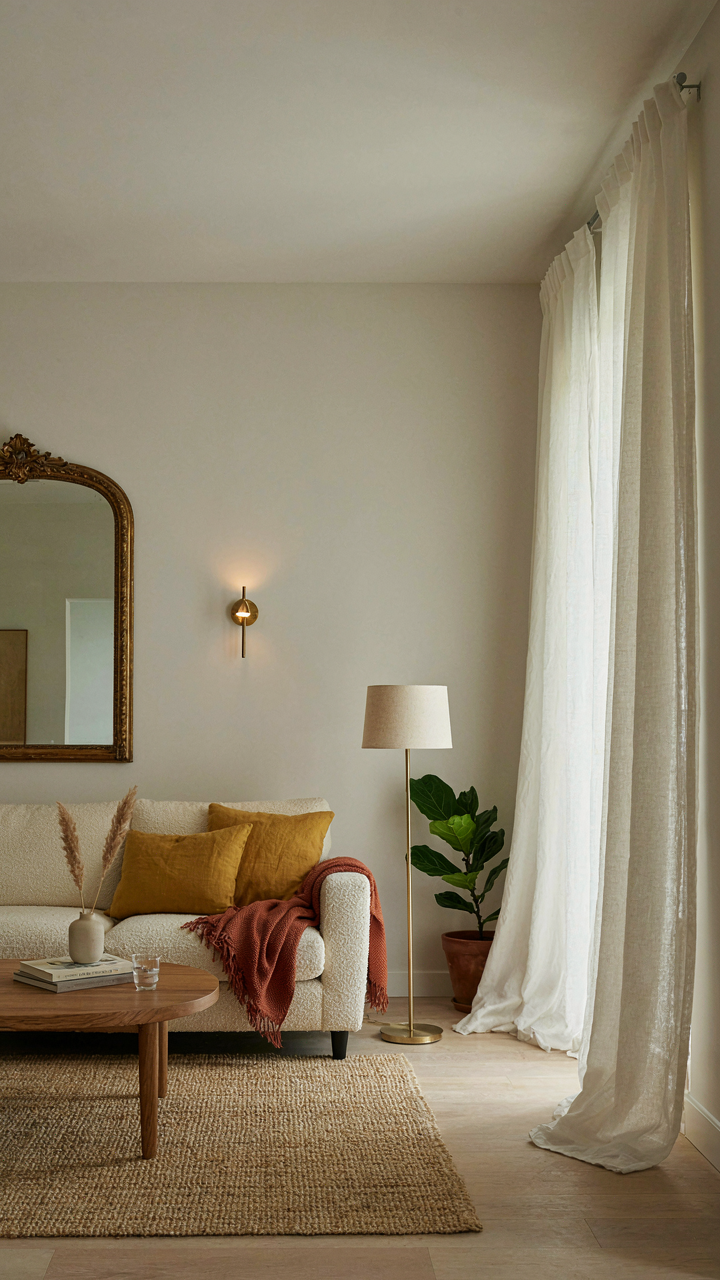
Start with ambient light as your base. Use wall sconces, table lamps, or diffused ceiling fixtures at low wattage. Then add task lighting where needed and accent light to highlight texture, like lace or rose stems catching glow. The spacing matters. Position sources so shadows from one light source don’t kill the effect of another. Stagger the heights and angles to eliminate flat, shadowless zones that read as sterile rather than intimate.
Where Natural Light Actually Wins
Most cottage advice tells you to maximize windows and “let the light pour in.” That’s incomplete. Natural light enters at one angle and moves predictably throughout the day, which means noon and 4 PM read completely different. The real leverage is using north-facing windows for consistent, non-glare light and south-facing glass for warm, diffused afternoon glow in colder months.
Install sheer curtains or linen panels to soften direct sun rather than block it entirely. Natural light filtered through fabric reads as intentional rather than accidental. During peak hours, natural light should complement your evening layered setup, not replace it. Position mirrors strategically opposite windows to bounce light deeper into darker corners without creating hot spots. Evening lighting should be your primary design, since that’s when people actually gather in cottages.
The Fairytale House Blueprint: A System For Authenticity
Principles That Actually Stick
You want permission to buy things without guilt. Here’s what nobody tells you: a romantic cottage fails the moment you treat it like a mood board instead of a constraint system. Borrow from information design. In design, constraint is the boundary condition that forces every element to justify itself. Your core aesthetic principles aren’t inspiration—they’re decision filters that eliminate 90 percent of what you’ll see online.

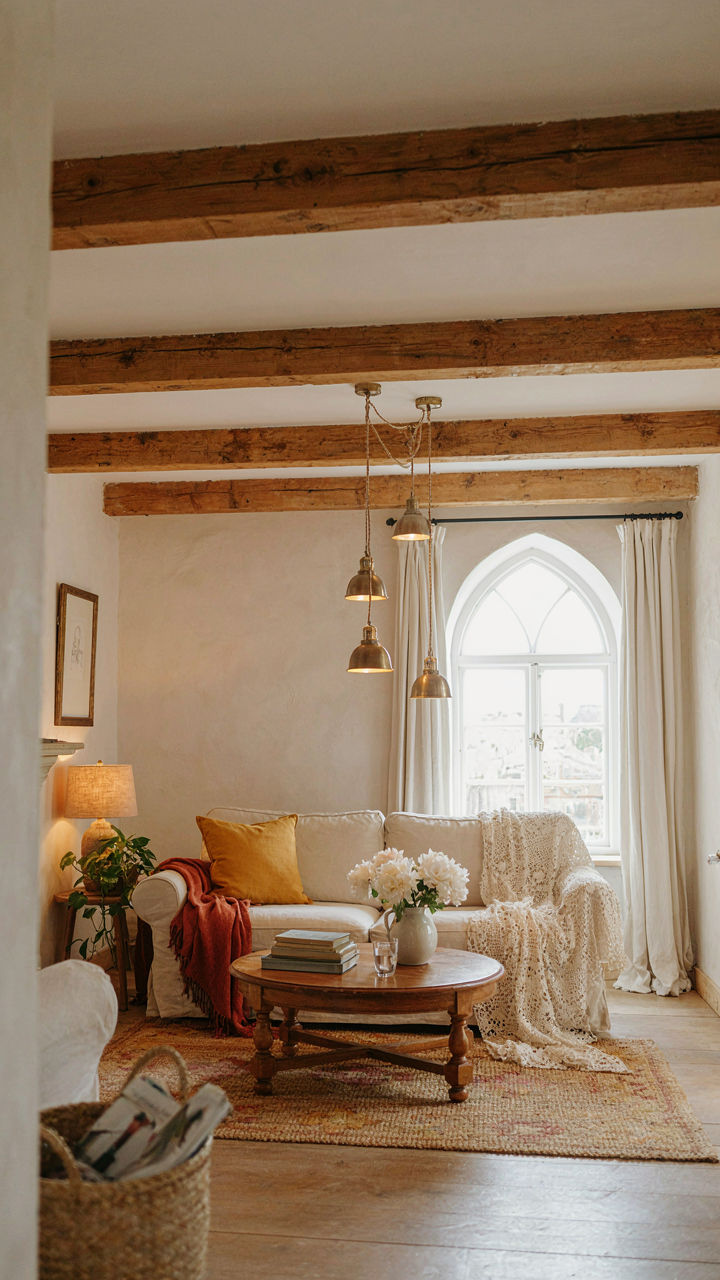
Write down three non-negotiable elements. Not feelings. Not colors. Actual things. “Lace textiles from natural fiber,” “soft tungsten light sources only,” “visible wood beams or architectural bones.” These become your veto power. Every object that enters the space now has to pass the filter. If it doesn’t match your three principles, it doesn’t come in. This kills decision fatigue and stops the creeping chaos that turns cottages into thrift stores.
Execution Demands Repetition, Not Variety
Most cottage advice pushes curation as the strategy. That’s incomplete. You need consistency applied ruthlessly across every surface and layer. The cottage that works doesn’t have “a few lace pieces”—it has lace in the textiles, in the window treatments, in the bedding, in the table runners. Soft light isn’t one lamp by the reading chair. It’s tungsten bulbs in every fixture, dimmed switches on the main circuits, zero harsh overhead LED.
Authenticity in a romantic cottage means the principle shows up so often that it stops feeling like decoration and starts feeling like the room’s natural state. Pick one execution protocol per principle and repeat it obsessively. If soft light is principle one, your protocol is “replace all bulbs with 2700K tungsten, install dimmer switches on three circuit groups, remove any LED source.” One decision, applied everywhere. That consistency is what separates a cottage from a costume.
The Real Obstacle To Your Dream Cottage Isn’t Budget Or Taste, But Your Fear Of Being Truly Unique

Most people don’t build romantic cottages. They build cottages that look like everyone else’s Pinterest board. The gap between your vision and reality isn’t money or skill. It’s that you’ve never actually decided what YOU want instead of what you think you should want. Pick one room today. Ignore trends. Make a choice that only makes sense to you. That single decision breaks the pattern and starts the real work.