Introduction
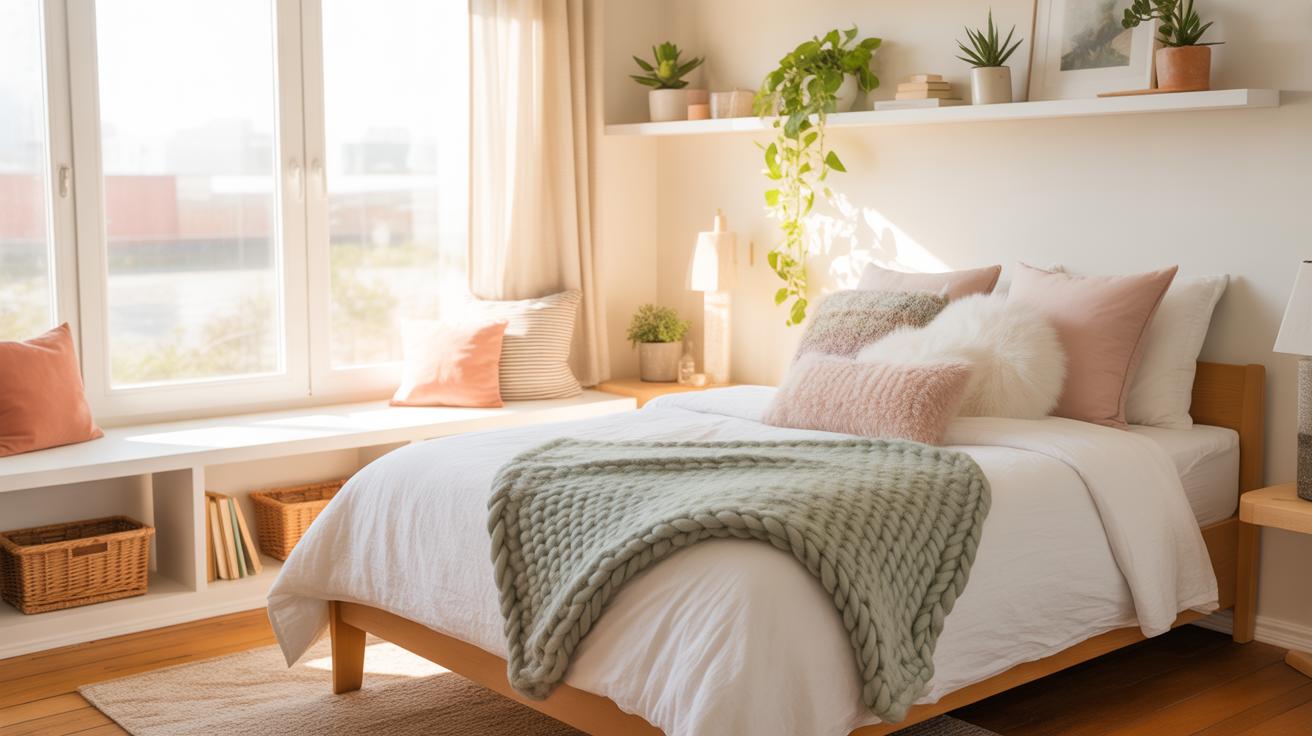
Dream Bedroom Inspiration For Cozy Small Room Makeover Ideas brings fresh insights on transforming compact bedrooms into charming, practical spaces. Your small room can shine with the right design and layout choices.
This article shares useful tips on creating comfort, making the most of your limited space, and adding personality to your bedroom. You will find simple steps and clever ideas to help you start your cozy room makeover.
Room Inspiration
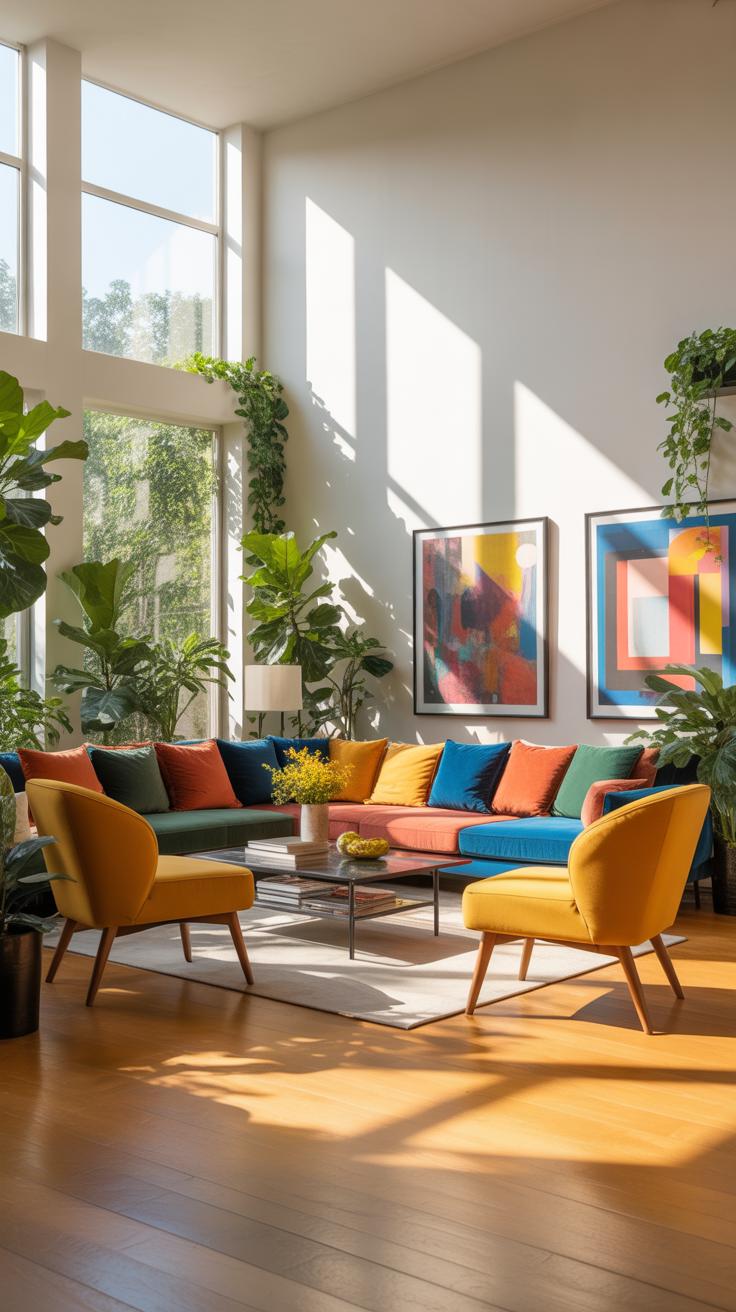
When thinking about small bedrooms, I often find that inspiration comes from how others turn limitations into charm. It’s tempting to think a tiny space restricts style and comfort, but in reality, a cozy small room can feel inviting and personal. What you want is a spot that doesn’t just look neat but actually feels like you, right? Sometimes, just looking closely at how light filters in or considering the wall color can shift the mood entirely.
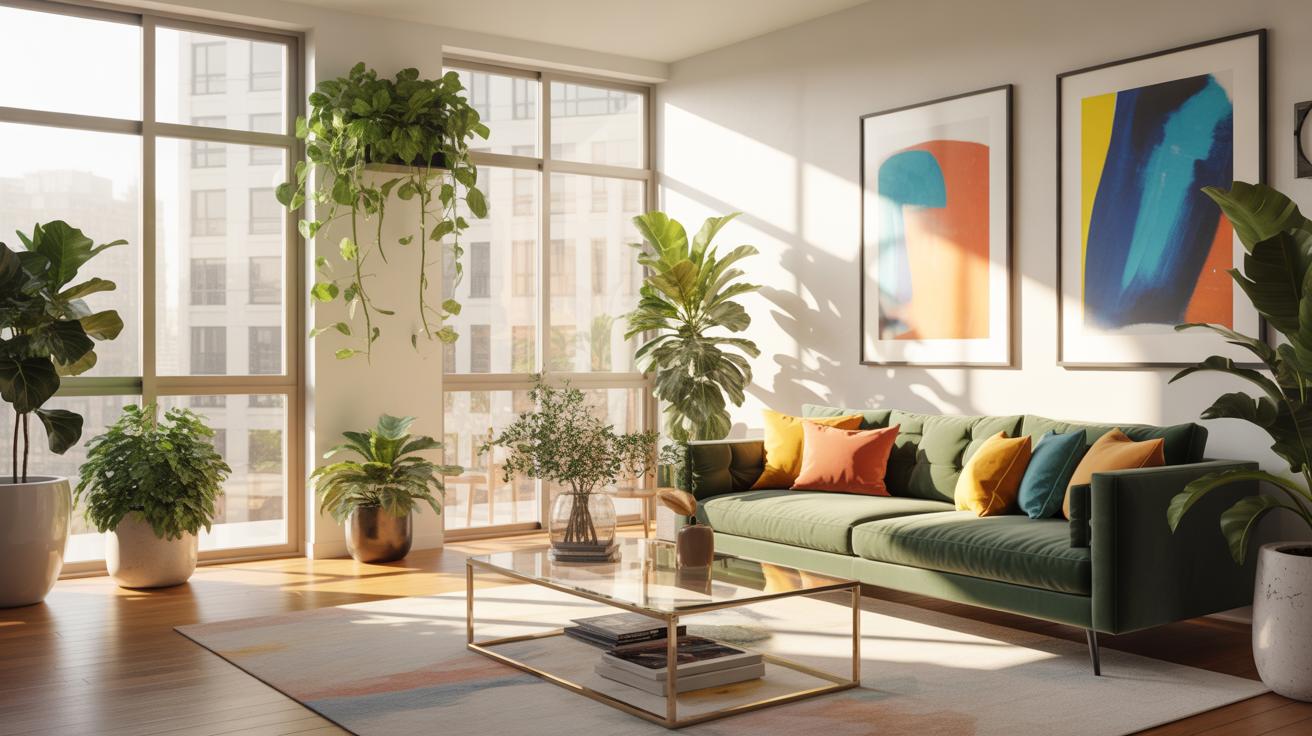
Small rooms thrive on simple ideas that mix function with personality. You might want to experiment with floating shelves instead of bulky dressers, or add a compact chair that doubles as storage. Perhaps a mirror opposite a window to bounce light around would make your room feel airier. It’s about those little touches that support your day-to-day comfort without crowding the space.
Think about your routine—do you read in bed, work on a laptop, or maybe need a quiet corner for meditation? These habits should guide your choices more than pure aesthetics. I sometimes wonder why we ignore that; after all, a room should answer to your life first, not just look pretty.
So, what ideas have grabbed your attention lately for small rooms? Maybe trying out soft, neutral tones combined with a pop of color in textiles, or maybe incorporating natural elements like plants for freshness? Each idea can be a stepping stone to a room that truly feels like yours.
Color Choices For Cozy Small Bedrooms
Using Light Colors To Expand Space
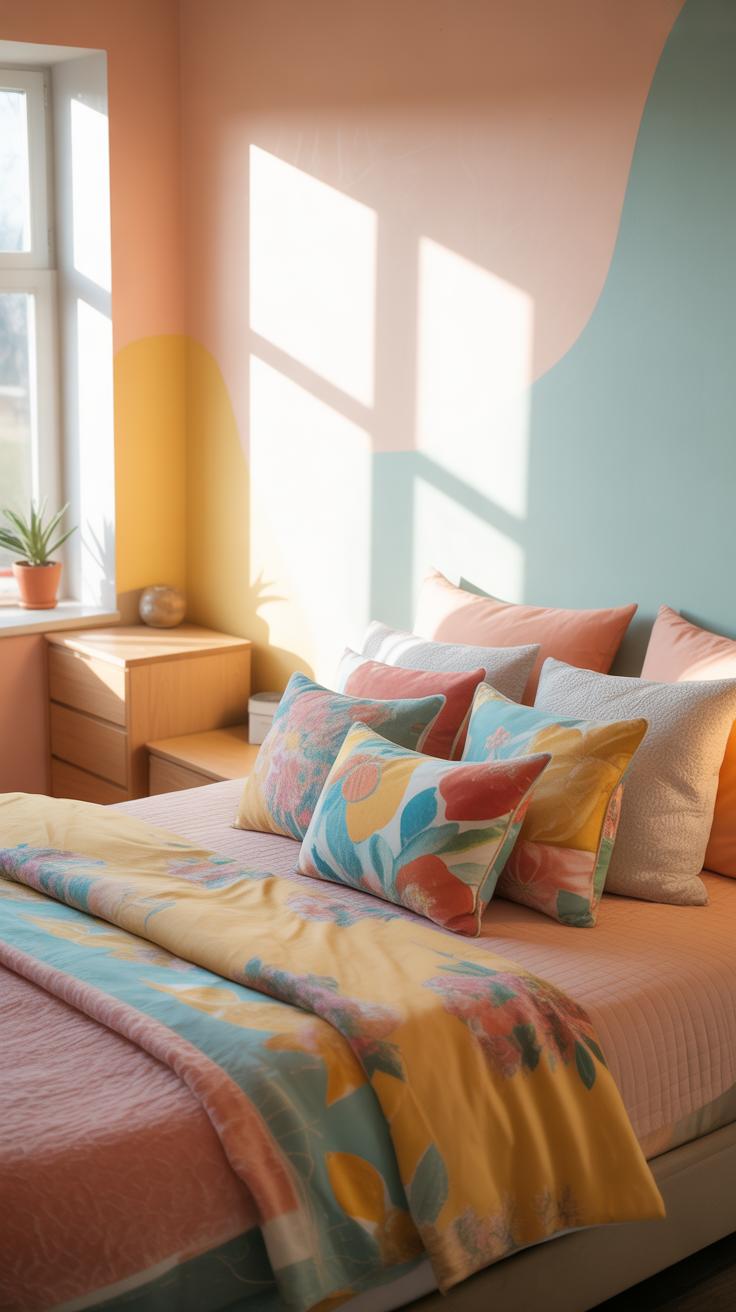
When it comes to making a small bedroom feel larger, light colors often come to mind first. Whites, creams, and soft pastels reflect more natural light, which naturally opens up the room. It’s almost like they trick the eye into seeing beyond the physical boundaries. Oddly enough, even delicate shades like pale blue or lavender can stretch the space visually. I’ve noticed that rooms painted in these tones don’t feel cramped at all, which can be a relief if you’re tight on square footage.
Light colors also offer a neutral backdrop that makes layering other design elements easier—you don’t have to worry about clashing colors overwhelming a small room.
Adding Accent Colors For Warmth
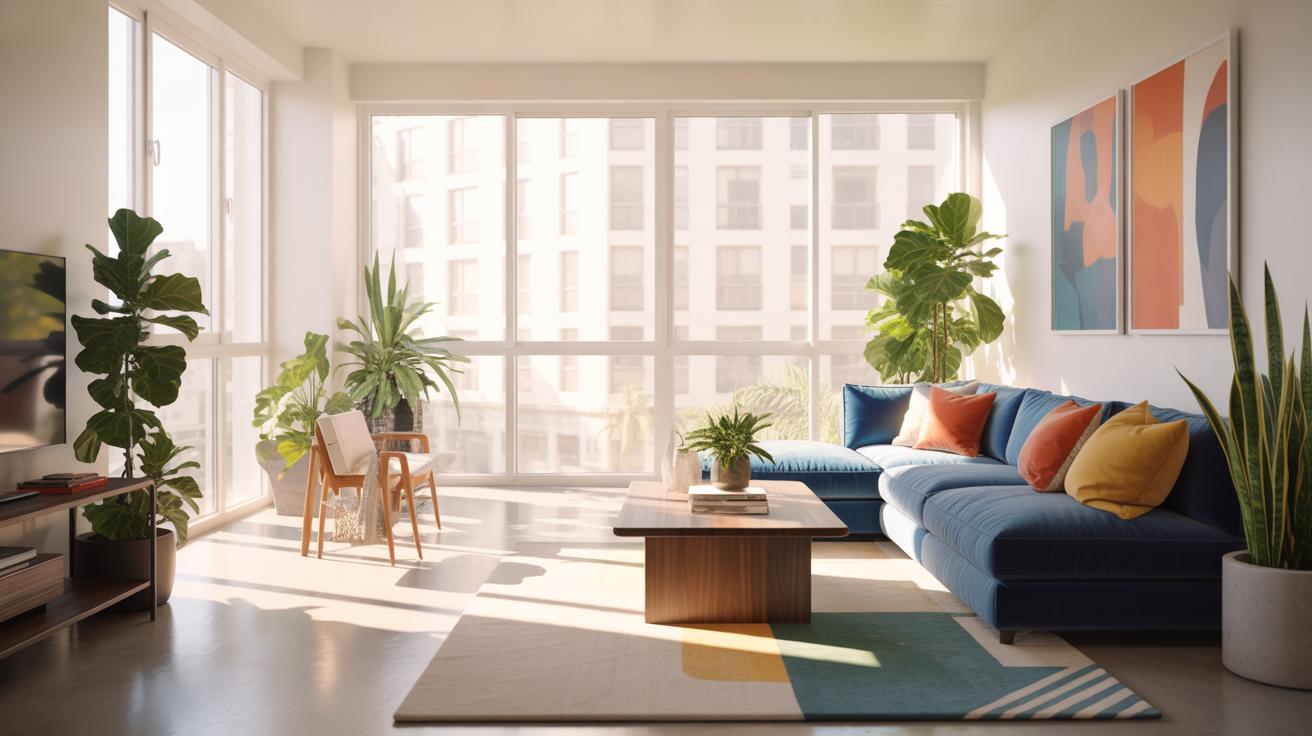
But here’s a thought: all-white or pastel rooms might risk feeling cold or plain without some warmth. That’s where accent colors come in handy, but you want to approach this carefully in small bedrooms. Instead of painting an accent wall, you might consider accessories like a throw pillow, a cozy rug, or some well-placed wall art. These touches add personality and life without crowding the space. Personally, I like how a rich rust or deep teal on a few cushions can make a room feel inviting without overpowering it.
Think about which colors make you feel calm and comfortable yet energized – it might just be the perfect little detail that ties everything together without clutter.
Maximizing Storage In Small Bedrooms
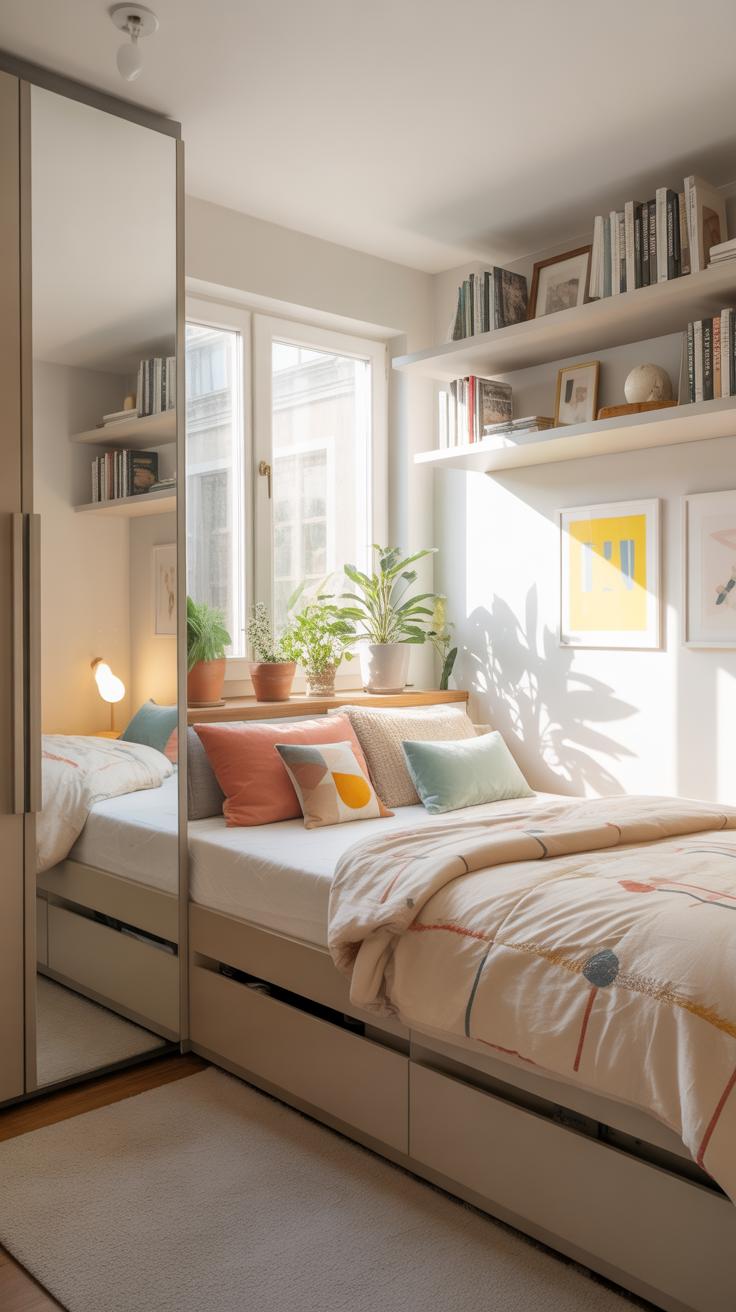
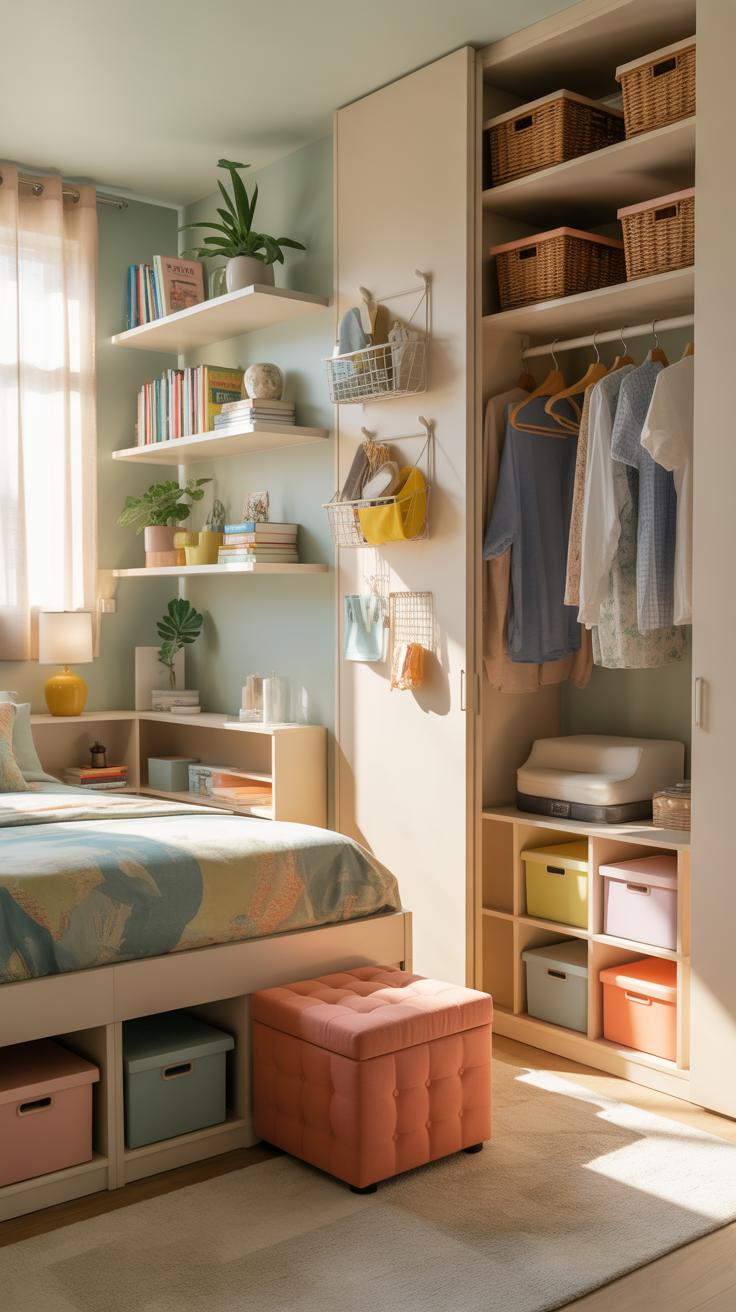
Keeping a small bedroom tidy can feel like a never-ending struggle. But there are storage solutions that don’t just clear clutter—they actually create a sense of calm. One approach that I find useful is blending function with a bit of style. For example, storage ottomans work as extra seating and hide everything from blankets to books. A chest at the foot of your bed is another easy win, but it doesn’t have to be bulky—it can be narrow and tall to squeeze in those forgotten items without overwhelming the space.
Sometimes it’s about being creative with what’s already there. Have you tried hanging a pegboard on a free wall? It’s surprisingly flexible for storing jewelry, hats, or scarves. And if you’re feeling a bit adventurous, a ladder shelf can hold baskets or folded clothes and still look neat.
Using Vertical Space Effectively
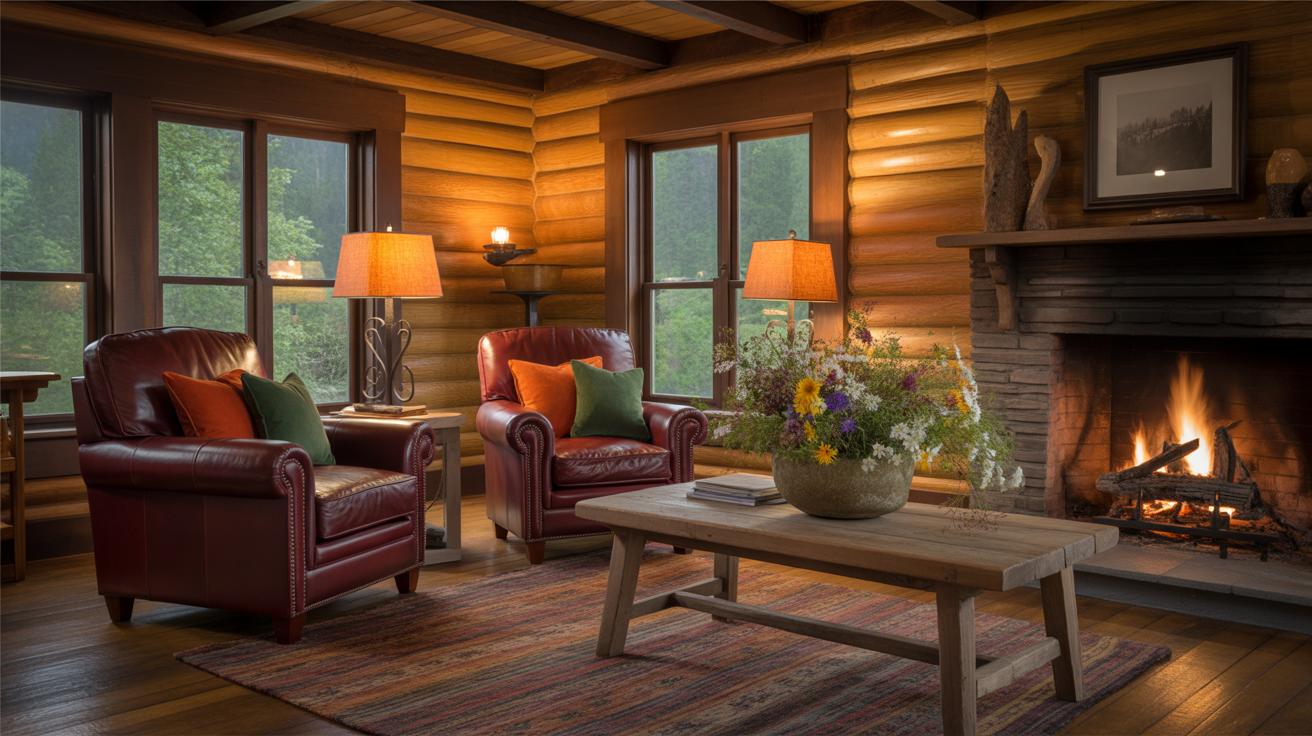
In small rooms, the floor quickly gets crowded if you’re not careful. That’s why vertical space deserves your attention. Shelves running up the wall are one thing, but placing hooks near the door or inside closet doors can make a surprising difference. Imagine hanging bags or hats where they’re easily reachable but out of the way.
Tall furniture pieces are especially helpful. A slim, tall dresser fits more in less floor space, but be mindful not to block light from windows or feel too imposing. If your room has higher ceilings, consider stacking shelves or adding a high shelf above your headboard for items you don’t need daily.
Under Bed Storage Options
That often-overlooked space under the bed can be a goldmine for storage if done right. I remember struggling to find boxes that actually fit under mine. Clear plastic bins with rolling wheels made all the difference because I could pull them out like drawers. Soft fabric boxes are another choice, and they slide in easily, but might not protect fragile contents as well.
Think about what items you use less often—seasonal clothes or spare linens work well here. If you can, opt for a bed frame with built-in drawers, so you don’t have to worry about additional bins. The trick is to keep this space organized; otherwise, it quickly becomes a hideout for random stuff, and that’s no help at all.
Lighting Strategies For Cozy Atmospheres
Combining Natural And Artificial Light
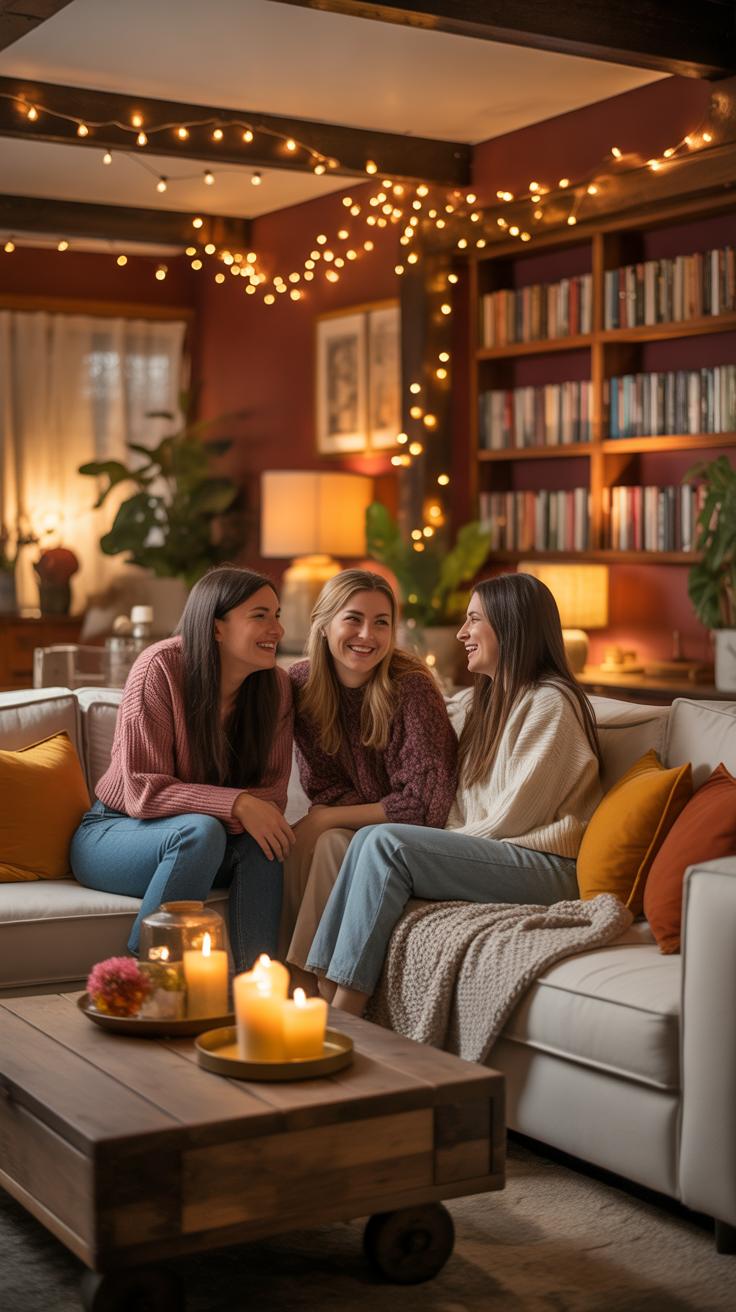
There’s something about natural light that just changes a room. When sunlight spills across your bedroom floor, it naturally lifts the mood and creates an inviting feel. That said, small bedrooms often don’t get much of it, especially if the windows are tiny or blocked. So, the key is to make the most of daylight whenever you have it, then smartly complement it with lamps and overhead fixtures.
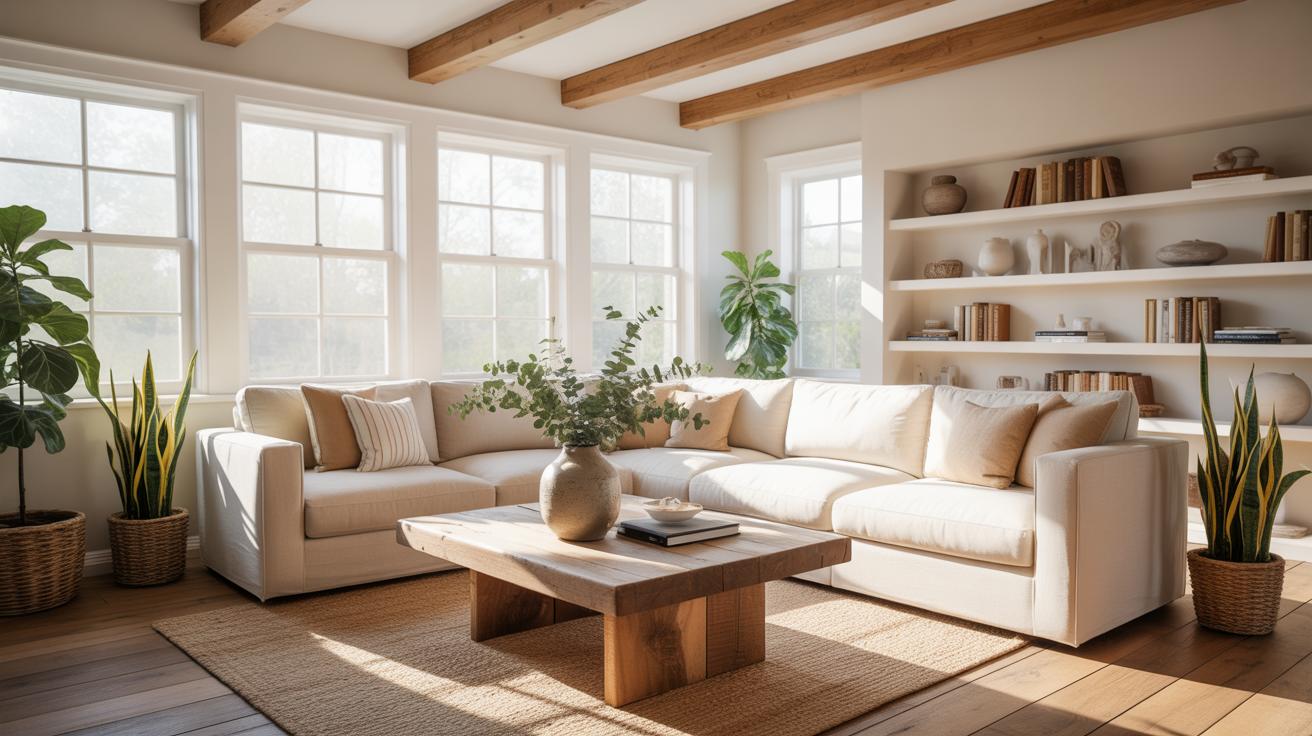
For example, sheer curtains can soften sunlight without blocking it, keeping the space bright yet cozy. Then, pairing this with adjustable bedside lamps or wall sconces gives you control over light levels when the sun sets. You’ll find having multiple light sources lets you switch from bright, functional light to a softer, warmer glow — ideal for unwinding.
Choosing Light Fixtures For Style And Space
Picking fixtures in a small bedroom is a bit like picking clothes in a cramped closet: every inch counts. Slim wall sconces and pendant lights free up floor space while adding visual interest. I’ve seen rooms where a simple, small pendant over the bedside replaces bulky lamps and somehow makes the whole space feel less crowded.
Other space-saving options include recessed lights or track lighting. They don’t take up room but can highlight key areas, like a reading nook or a piece of art. And the style? Let your fixtures reflect your personality without overwhelming. A minimalist metal sconce can be just as decorative as a chandelier, and usually far more practical here.
So, think about layering your lighting: natural light by day, versatile fixtures by night. How do you balance functionality with creating that warm, comforting atmosphere? It’s a puzzle worth exploring in any small room makeover.
Textiles That Enhance Small Rooms
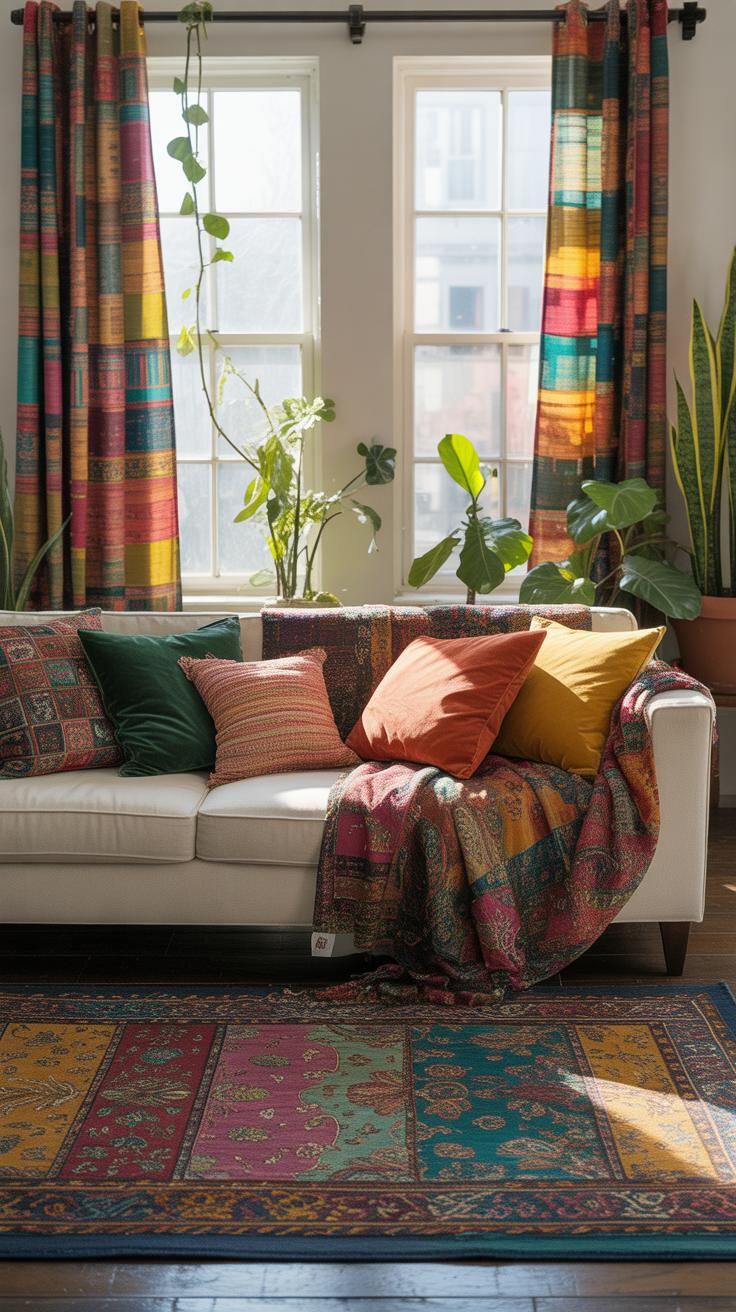
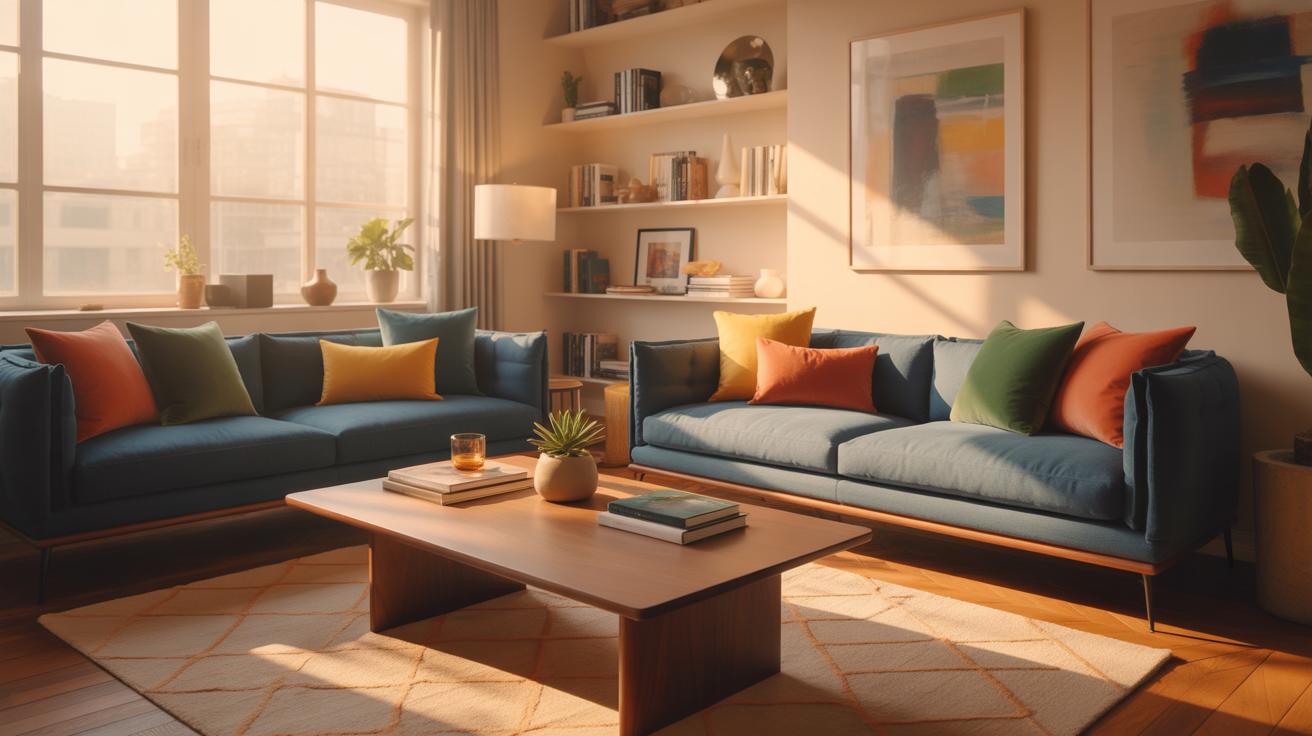
When you think about improving a small room, fabrics might not be the first thing to come to mind. But they can seriously change how cozy and stylish your space feels. Curtains, rugs, and bedding aren’t just functional—they create atmosphere. Soft textiles invite comfort and make the room feel lived-in and warm, which is exactly what most small bedrooms need.
For bedding, materials that breathe well—like cotton or linen—can keep you comfortable through the night. Plus, their textures add subtle visual layers. Have you ever noticed how a slightly rumpled linen duvet can look inviting? That’s not by accident.
Choosing curtains and rugs for small rooms requires some thought. Opt for lighter fabrics and colors to avoid weighing the room down. Heavy, dark curtains can make a small space feel cramped. Also, rugs shouldn’t dominate; a modest size and a pattern that echoes the room’s palette will tie everything together nicely. It’s a fine balance between too much and just right—often making you wonder if more is actually less.
Decluttering To Open Your Bedroom
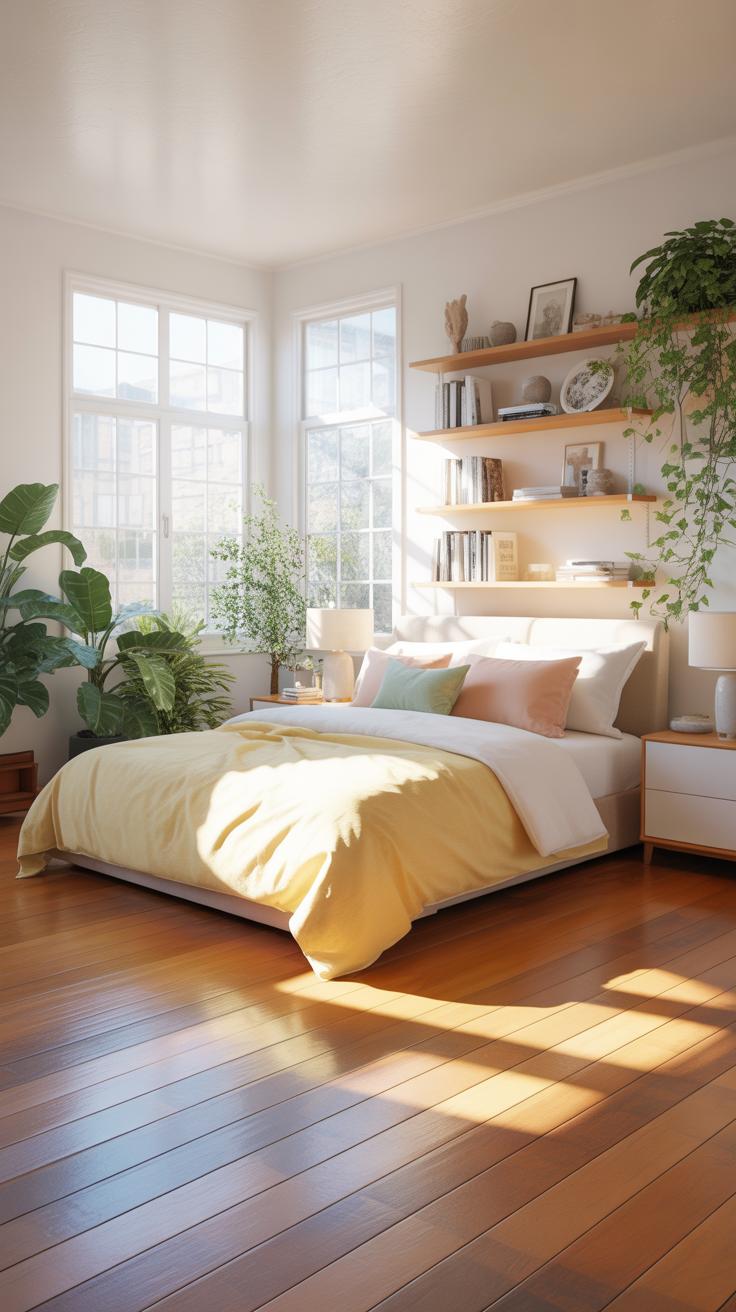
Sometimes, the real challenge is not just finding space but making room feel open and breathable. You want your bedroom to invite calm, not chaos. Start by tackling one area at a time—maybe your bedside table or under the bed. Sort belongings into three piles: keep, toss, and maybe. The “maybe” pile can be tricky; if you hesitate too long, it might be better to let go.
Think about what truly serves your daily life. Does that stack of old magazines or unworn clothes earn their spot? Keep only what you interact with regularly or holds real meaning. The goal isn’t perfection but a space that feels lighter, where the eye can rest.
Easy Declutter Steps You Can Follow
Here’s a simple approach to avoid getting overwhelmed:
- Start with visible surfaces. Clear off dressers, nightstands, and shelves first.
- Sort through drawers one by one; items tucked away often multiply unnoticed.
- Ask yourself if you’ve used or worn each item in the last month or so.
- Donate or recycle things that no longer fit your lifestyle or taste.
- Put away what you’re keeping in a logical, easy-to-access way.
These steps might feel slow, but that’s okay. Decluttering isn’t a race.
Maintaining A Clutter Free Space
After the big declutter, keeping the momentum can be the hardest part. Small daily habits truly help, like making your bed every morning—it shifts the whole mood of the room, oddly enough. Emptying clothes off the floor at the day’s end, or placing items back where they belong immediately, prevents clutter from piling up.
Consider quick weekly check-ins on surfaces and drawers. Resetting these little spaces regularly feels more manageable than another marathon clean-up. Remember, the bedroom should feel restful, not like a storage locker. What’s your one daily small act to keep calm in your space? It might surprise you how much difference it makes.
Adding Personal Touches In Small Rooms
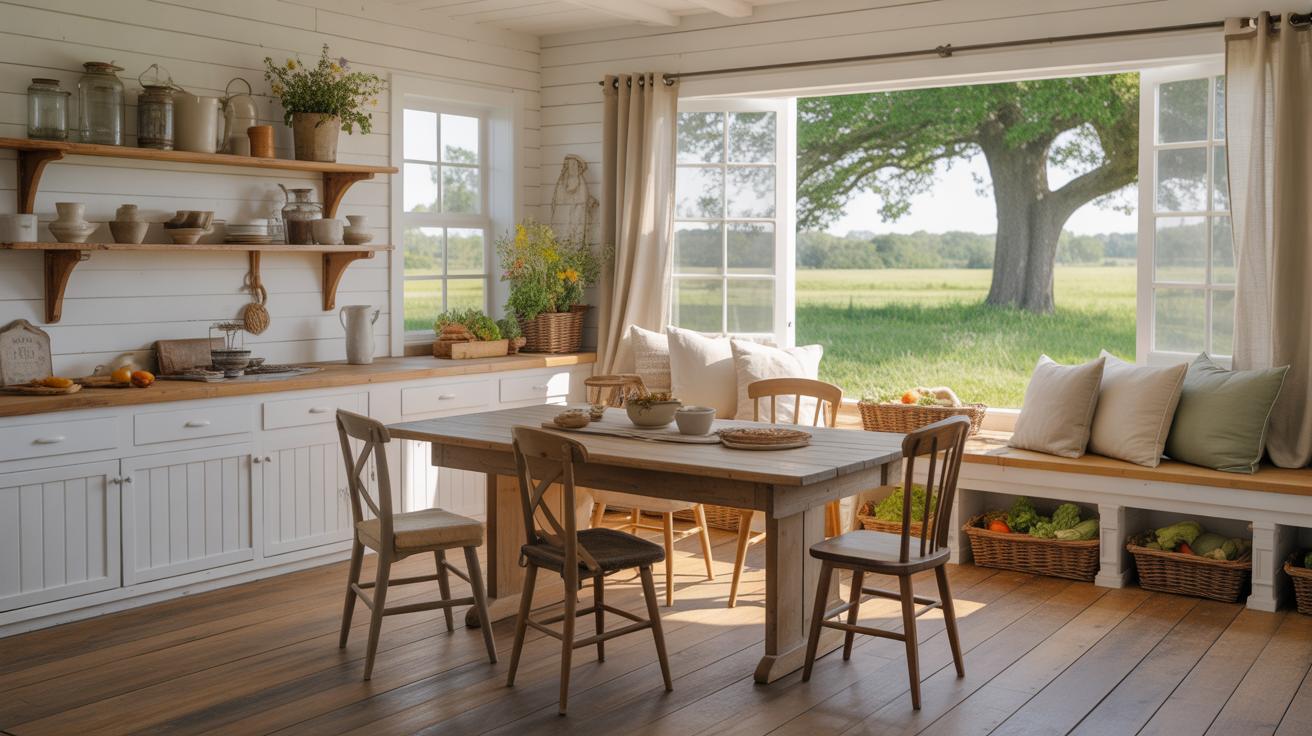
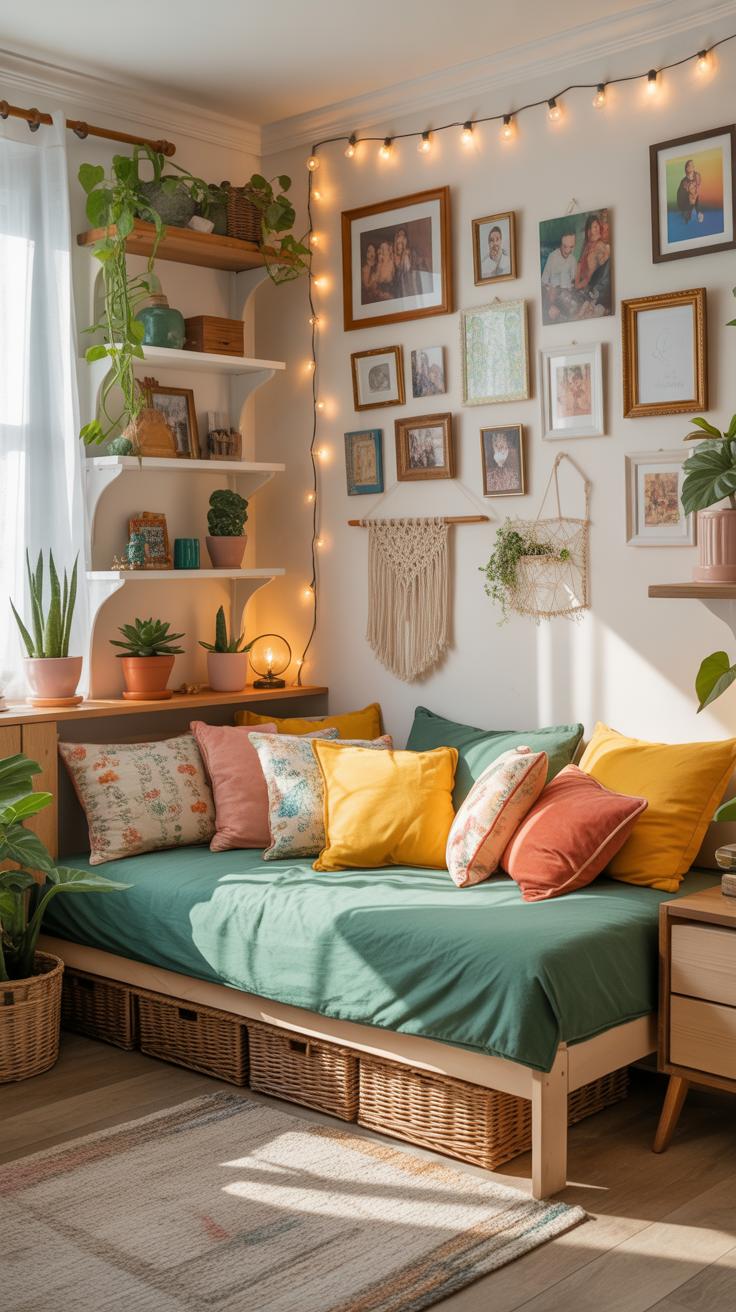
Making a small bedroom truly feel like your own space is all about small, meaningful details. It’s tempting to go overboard and fill every corner, but that often backfires—crowding the room and making it feel smaller. Instead, think carefully about what really represents you. A few well-chosen photos or art pieces can speak volumes about your personality without overwhelming the space.
You might want to pick one or two statement items and stick to them. For example, a single framed print that you love hanging above the bed can create a cozy focal point. Or a small shelf holding a few cherished objects might add just the right vibe. Keep surfaces mostly clear and rethink bulky decorations. Being selective is key.
Have you noticed how the right photo or art can instantly brighten a mood? That little personal touch makes all the difference when you step into your room after a long day.
Wall Art Ideas For Small Spaces
Wall art can either open up a small bedroom or make it feel cluttered—there’s no in-between, really. Opt for pieces that have clean lines, simple colors, or minimal detail. Think prints, canvases, or even decals that don’t compete with other visual elements.
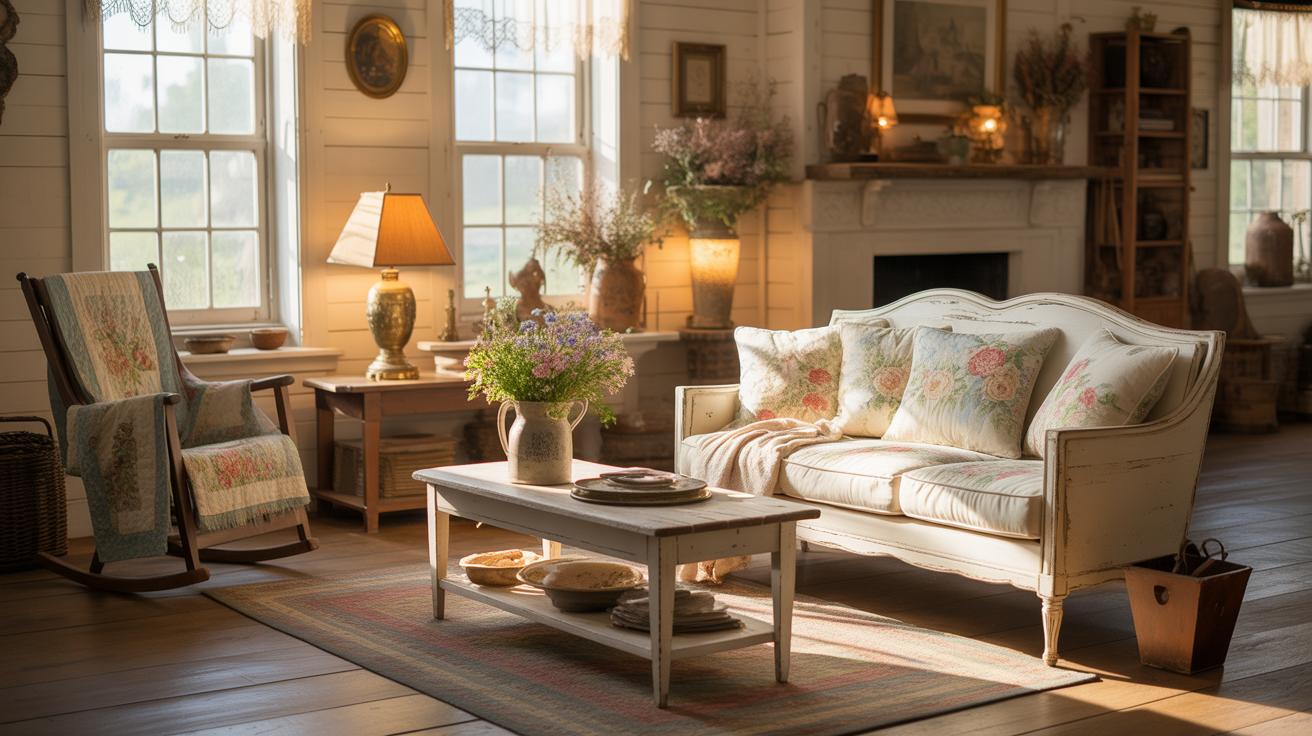
Grouping small frames in a tight cluster can work well if arranged with care—it creates a sort of mini gallery without sprawling everywhere. But staggered or uneven arrangements might confuse the eye, so try to keep alignment subtle but intentional. Avoid heavy, oversized frames; they weigh down the walls.
Sometime, less really is more. Larger, singular pieces can do the trick too, especially when placed at eye level to draw you in. Experiment a bit until it feels right. After all, art isn’t just decoration—it’s an expression.
Using Plants And Accessories Wisely
Plants have this curious ability to enliven a small room without taking up too much space. Tiny succulents on a windowsill or a trailing ivy on a hanging planter can add life and color. It’s like they breathe energy into the room quietly, and you might find yourself feeling a bit calmer for it.
Accessories should follow the same principle as art: thoughtful and limited. A few meaningful or useful items, like a neat little clock, an elegant candle, or a well-chosen lamp, can add warmth and personality. Just don’t let the room become a jumble of stuff. There’s a fine line between cozy and cramped.
Sometimes I wonder if we forget that less clutter often leads to more enjoyment of the things we do keep. Maybe that’s the secret—having a few things you truly love in a space that’s easy to live in.
Comparing Storage Options For Small Rooms
Benefits Of Built-In Storage
Built-in storage solutions can be a real game changer for small bedrooms. They tuck shelves and cupboards right into the walls, which means you lose less precious floor space. When you think about it, it’s almost like the room itself becomes the furniture — neat and less cluttered. I’ve often noticed how built-ins can blend seamlessly with the décor, giving a more polished look without bulky shadows hanging around.
Plus, there’s something about having that custom touch, where every inch feels intentional. You don’t have to worry about finding furniture that fits awkward corners or oddly shaped rooms. Unfortunately, built-ins can sometimes lack flexibility — once installed, it’s tough to change the layout or relocate them without a hassle.
Choosing Freestanding Storage Furniture
Freestanding units have a kind of freedom that built-ins just don’t offer. They’re ideal if you like to rearrange your space or maybe move house now and then. If your room needs occasional changes, these pieces can adapt easier, which is a real plus. That said, size matters here — picking something too bulky can overwhelm a small room, so you want to measure and imagine the flow first.
Style is another factor. Freestanding furniture can become a statement on its own, adding personality or texture where built-ins might stay neutral. Of course, the trade-off is that these pieces might carve into walking space and sometimes look less integrated, creating visual breaks that could interrupt the room’s harmony.
Do It Yourself Room Makeover Projects
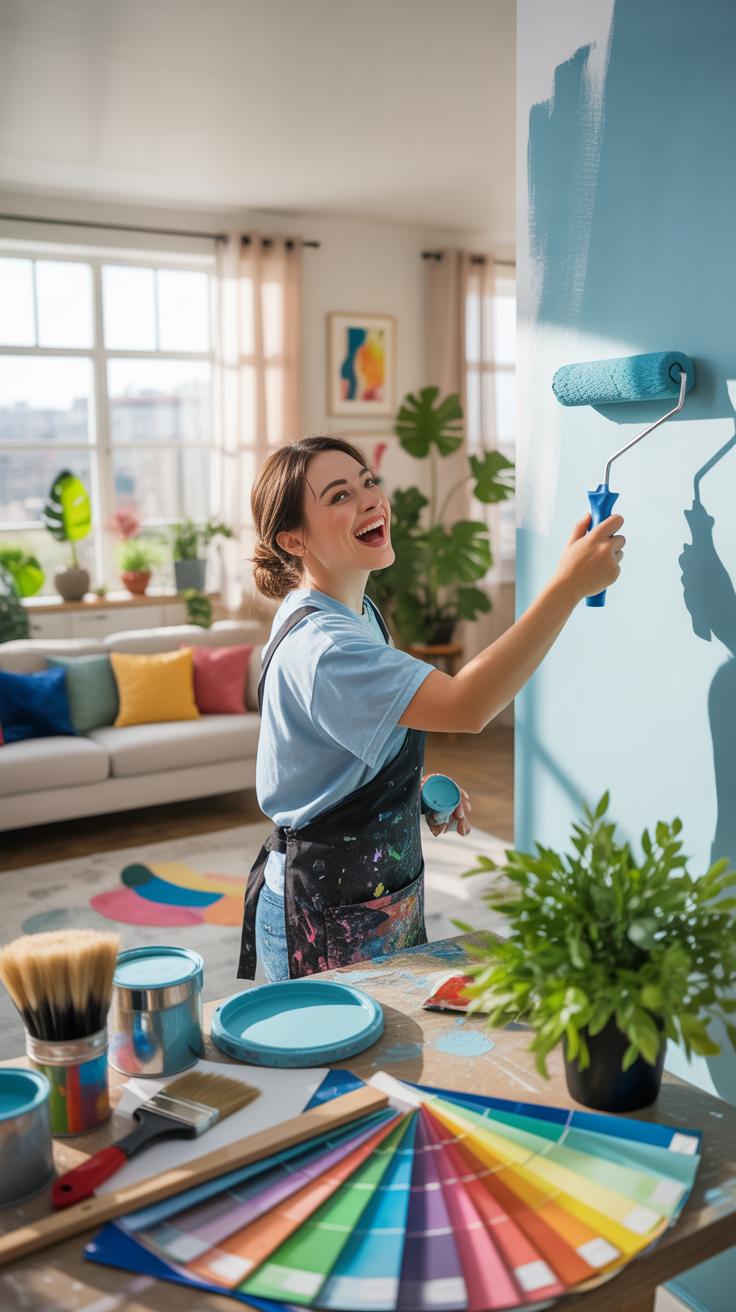
Taking on a room makeover yourself can feel rewarding, especially when working with a small bedroom. Simple DIY projects not only save money but also give you a chance to add personality to your space. Imagine repainting a tired dresser with a fresh color—done yourself, it can breathe new life into the room without the cost of replacing furniture. Besides repainting, there’s something about sanding down an old surface and giving it a new finish that just feels satisfying. It’s practical and creative all in one.
If repainting furniture isn’t your thing, customizing it with new knobs or fabric can make a big difference too. Small touches count, and they don’t have to be perfect to look good. I found that sometimes slightly uneven paint or a quirky drawer handle adds character rather than taking away from the room.
DIY decor is another approachable way to personalize a small room. You can sew pillows using leftover fabric or even craft wall hangings from yarn or paper. These handmade pieces don’t have to be fancy; a simple tassel or pom-pom project can warm up an otherwise plain wall. Best part? You control colors, textures, and styles, molding the space exactly how you want it.
What’s stopping you from experimenting with a few DIY projects? They can make you see your small room differently—less like just a functional space and more like a personal retreat.
Using Mirrors To Expand Visual Space
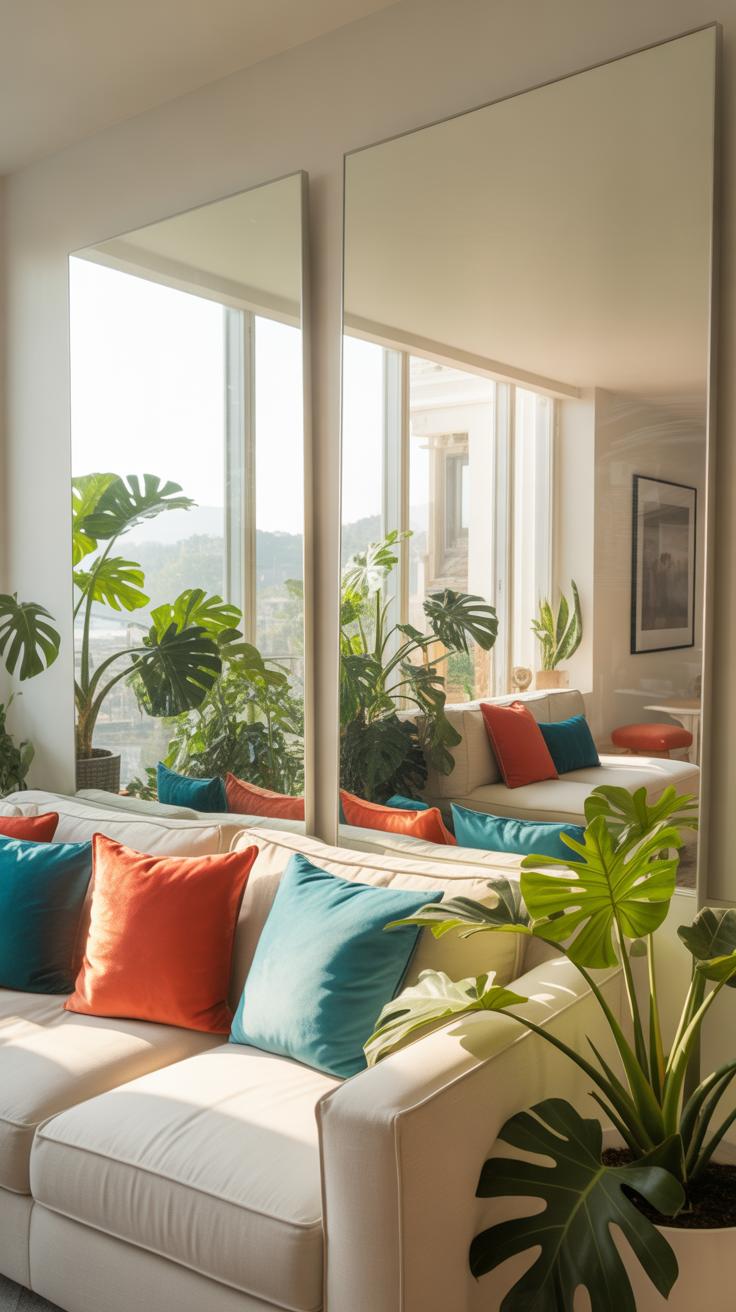
Mirrors create a neat trick on the eye that can make a small bedroom appear more spacious than it really is. It’s about reflection, of course — they bounce light around, doubling what you see, and sometimes even more. When you look into a mirror, your brain interprets the reflected space as an extension of the room. This can confuse your depth perception, leading to a sense of extra room.
But it’s not just a simple visual doubling. The trick lies in the angle of light and how it hits walls and furnishings. Mirrors reflect this light into darker corners, brightening the room and softening cramped feelings. In practice, it feels like the walls step back slightly, breathing more freely than before.
Best Spot For Placing Mirrors
Choosing where to hang mirrors can change everything. Places opposite windows are ideal — here, mirrors catch and scatter natural daylight, magnifying brightness. Even a small mirror on a wall half-lit by sunlight can open your eyes to the space’s potential.
Think also about positioning mirrors near light fixtures. Reflections can multiply artificial light just as well, making the room glow warmly after sunset. Avoid spots that create awkward glare or reflect clutter. A well-placed mirror will give you a glimpse of your favorite view or a piece of art, rather than an untidy corner.
Types Of Mirrors That Suit Small Rooms
Mirrors don’t have to be huge. Narrow, tall mirrors can elongate walls and emphasize vertical space. Round or oval shapes soften harsh lines and introduce gentle curves. Framed mirrors, with delicate or minimalistic borders, add a decorative touch without overwhelming.
Some mirrors come with storage, like mirrored cabinets or sliding wardrobe doors, integrating function and style. I once tried an irregularly shaped mirror, and while it looked charming, it didn’t help the room feel bigger—sometimes, the type of mirror influences perception more than size alone.
In the end, mirrors can make a difference that’s both subtle and surprising—but it’s always a bit of trial and error until you find the right fit for your particular space and taste.
Conclusions
Your small bedroom can become a dream space with attention to detail and practical planning. Use smart storage solutions and calming colors to open your room and make it comfy.
Start your makeover with clear goals and easy changes like wall colors or new bedding. Small upgrades can make a big difference in how your bedroom feels and functions.