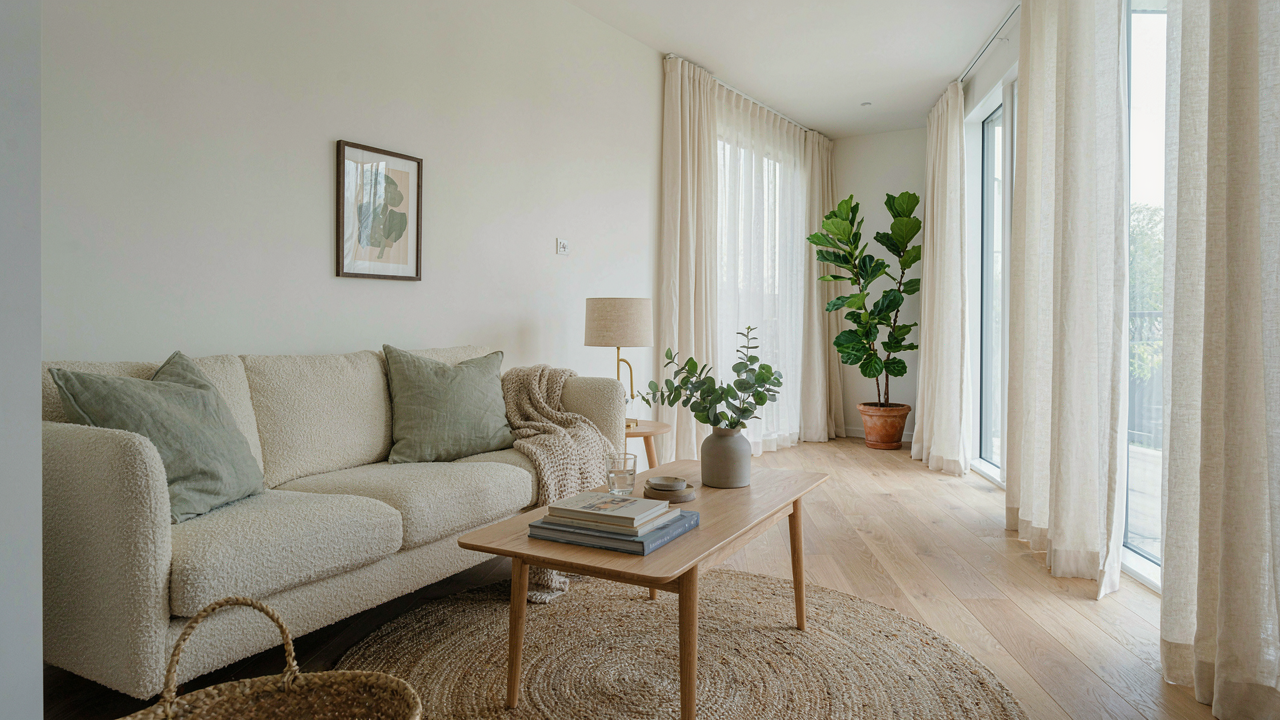
The Winter Anomaly: Why Soft Light Isn’t Optional
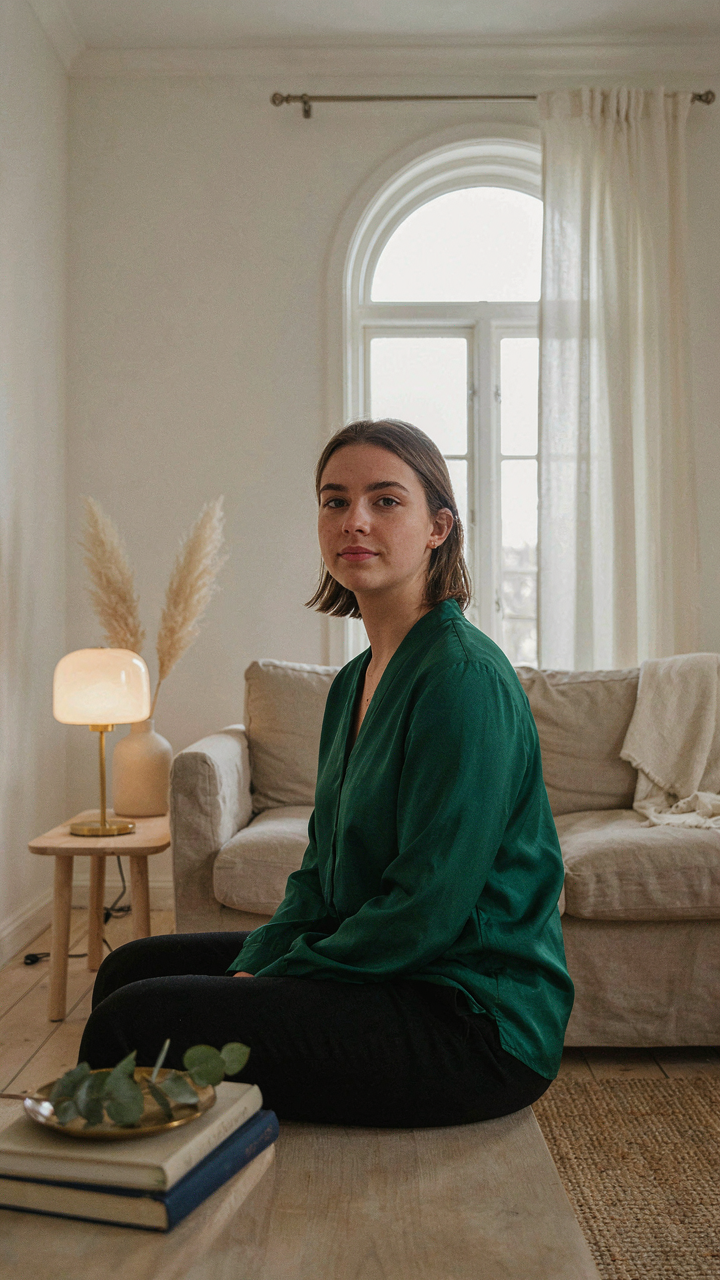
The Seasonal Truth Nobody Names
You want to feel good in your living room without admitting the real problem: darkness makes you depressed, and you’re betting design can fix it. It won’t. But here’s what actually works: Scandinavian cottage design emerged in regions where winter darkness is a biological crisis, not an aesthetic inconvenience. The mechanism is seasonal affective disorder, a measurable shift in mood and energy tied directly to light exposure. Winter in northern Europe means six to eight hours of daylight. That’s not decoration. That’s survival.
SAD isn’t a personality flaw or a phase. It’s a physiological response to reduced light triggering drops in serotonin and disruption of circadian rhythm. The Scandinavian cottage living room solves this not through candles or mood lighting, but through strategic layering of soft light sources that mimic natural daylight while protecting against the harsh glare that comes from desperate over-correction. The design movement didn’t invent softness for aesthetics. It invented it because direct, bright light in winter creates eyestrain and disrupts the very circadian stability you’re trying to restore.
Light As A Regulatory Input
Biology calls this the circadian system—your body’s internal clock that regulates sleep, hormone production, and mood. In a Scandinavian cottage living room, soft light functions like a regulatory input: it’s the signal your nervous system uses to calibrate its baseline state. When light is too harsh, your pupils constrict, your cortisol spikes, and you stay wired. When light is absent, your melatonin production accelerates too early, flattening your energy for the entire day. Soft light holds the middle path.
The common advice is to add more lamps and “layer” your lighting. That’s incomplete. You need light that enters your visual field without forcing pupil response, positioned to reach your eye at angles that don’t create glare off surfaces, and maintained at a color temperature that doesn’t shift your circadian phase. Scandinavian cottages achieve this by placing light sources low, diffusing them through linen or opal glass, and calibrating warmth to match the drift of seasonal daylight rather than fighting it. This isn’t decoration. It’s a protocol for keeping your nervous system in parasympathetic mode while your geography keeps you dark.
The Circadian Cadence: Hacking Your Biology With Light

Morning Light Exposure Strategies
You want this section because you suspect proper lighting might fix your sleep without medication or discipline. Here’s what actually matters: biology treats light as a command, not a suggestion. Your circadian system operates like a phase-locked oscillator in signal processing—it locks onto the strongest light signal in your environment. A Scandinavian cottage living room captures this mechanism through strategic window placement and material choice. East-facing windows deliver unfiltered morning light when your melatonin is highest, forcing your system to reset earlier and harder than artificial light ever could.

The mistake people make is thinking any bright light works equally. It doesn’t. Morning light must hit your eyes directly, not bounce off walls. In Scandinavian cottage design, large timber-framed windows on the eastern exposure aren’t decorative—they’re biological infrastructure. The cotton and linen textiles common to Scandinavian interiors don’t block light; they diffuse it evenly without filtering out the wavelengths that trigger alertness. Position seating near these windows for the first two hours after waking. This single protocol shift resets your entire sleep cycle faster than any supplement.
Evening Light For Sleep Optimization
Night-time light management fails in most homes because people underestimate how aggressively modern artificial light suppresses melatonin. The issue isn’t brightness alone—it’s color temperature. Cool white light (above 4000K) signals your brain it’s midday, regardless of the clock. Scandinavian cottage living rooms traditionally used candles, kerosene, and later warm incandescent bulbs that topped out around 2700K. Replicate this by removing all overhead lighting after sunset and replacing it with warm tungsten sources positioned low and directional, never diffused across the ceiling.
Layer your evening lighting specifically. Use one warm accent lamp near seating, positioned at eye level or below—this prevents direct retinal exposure to bright sources. Replace smartphone and screen time with reading under these warm sources for two hours before bed. Modern LED bulbs labeled 2700K or lower work here, but older incandescent fixtures work better because their inherent inefficiency produces genuine warmth, not simulated warmth. The mechanism is simple: low, warm light drops cortisol, raises melatonin, and your sleep architecture improves within one week of consistent application.
The Scandinavian Cottage Interior: Beyond White Walls
Warm Scandinavian Interior Palettes
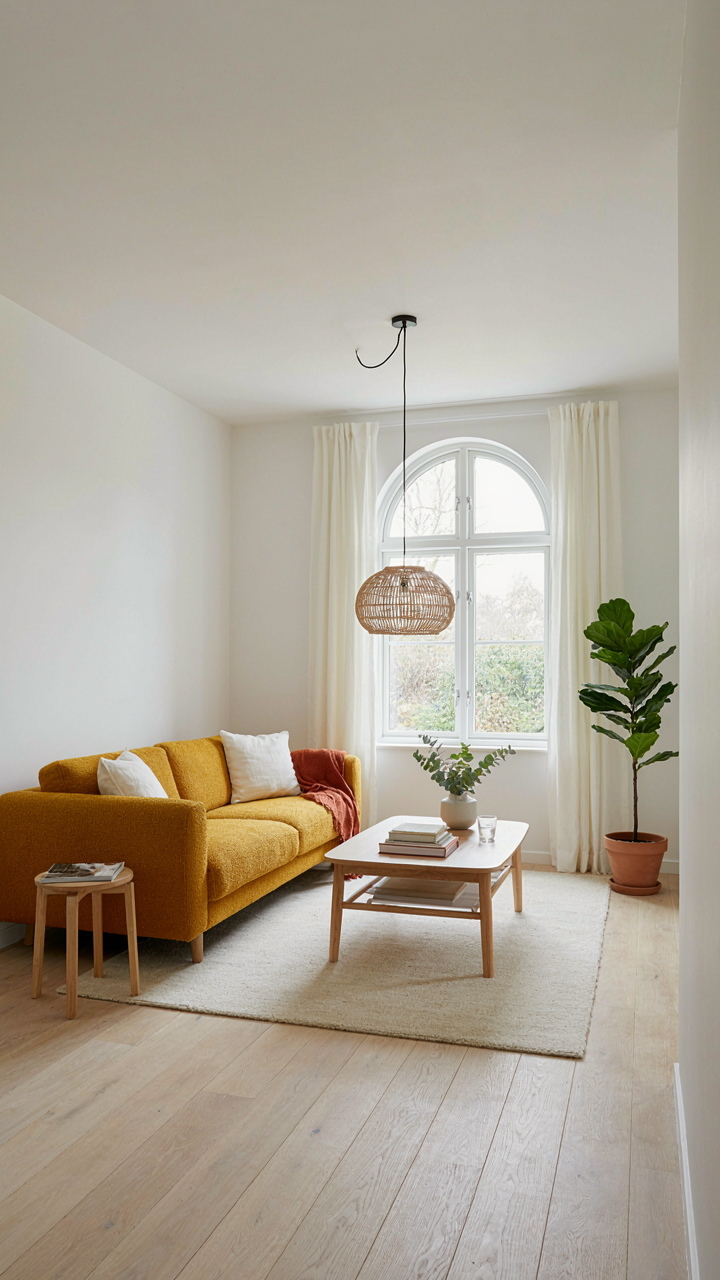
You want people to think your space is effortless and pure, but you’re actually trying to hide that you don’t understand color. The mechanism is this: Scandinavian design doesn’t reject warmth. It controls it. Nordic interiors use warm undertones deliberately—ochres, terracotta, muted reds, soft grays with brown bases—because the long dark winters demand it. These aren’t accidental. They’re calibrated to work against latitude and daylight scarcity.

The common advice about Scandinavian color is wrong. It’s not “neutral palette with pops of color.” Real Scandinavian cottages layer warm, earthy tones as the foundation, then add cooler accents sparingly. Linen in cream, wood stains in honey and amber, clay-based pigments on walls—these create visual warmth that sunlight can actually land on without looking sterile. The palette works because it acknowledges that you’re fighting darkness, not celebrating minimalism.
Natural Materials As Light Diffusers
Light diffusion operates on a physics principle: rough surfaces scatter light, smooth surfaces reflect it directly. A Scandinavian cottage applies this through material selection, not decoration. Linen, wool, rough-hewn wood, and plaster absorb and redistribute light rather than bouncing it back at you like glass or high-gloss finishes do. This distinction matters because it’s the difference between a room feeling lit and a room feeling exposed.
Unfinished wood beams, woven textiles, and matte plaster walls don’t just look intentional—they solve a real problem. They trap and soften available light, making lower lux levels feel adequate instead of depressing. Soapstone, untreated wool, and lime-based finishes work the same way. The cottage aesthetic emerged partly because these materials were what was available, but they persist because they’re optically superior for managing the light conditions Northern Europe actually has. Select your materials for their surface texture first, aesthetics second.
The Illuminance Protocol: Layering For Lived Experience
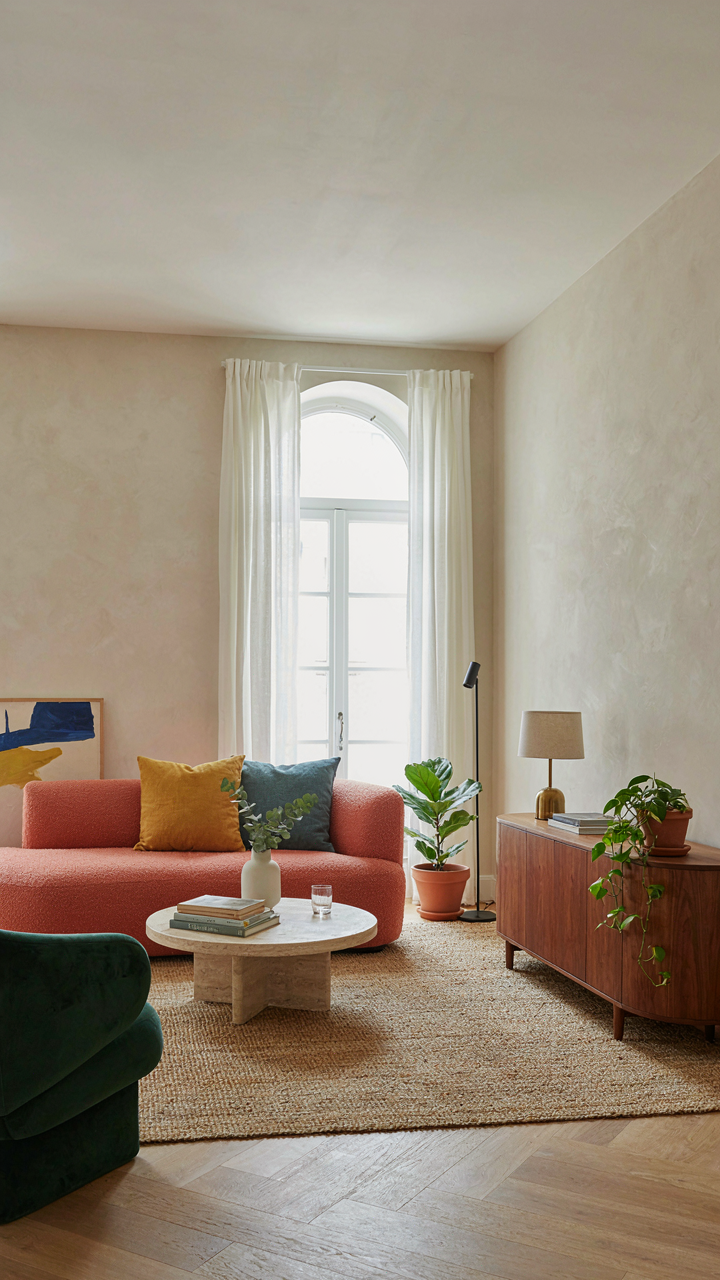
Build Three Light Sources, Not One
You want this room to feel intentional without looking designed, which means you need permission to dim the space without it collapsing into darkness. Lighting in Scandinavian cottages works like load distribution in structural engineering: spread the burden across multiple points and nothing fails. A single overhead fixture creates two states: on and unusable. Three sources create gradation.
- Ambient Base: Ceiling or wall-mounted fixture providing general visibility. Typically diffused through linen or frosted glass to scatter light evenly without glare or harsh shadows.
- Task Lighting: Floor or table lamp positioned near seating for reading or handwork. Focuses light downward and inward, keeps it off walls and out of your peripheral vision.
- Accent Layer: Wall sconce or secondary fixture highlighting texture or architectural detail. Creates depth and visual interest without adding brightness to the room’s core.
- Peripheral Glow: Small sources like candles or low-wattage lamps in corners and alcoves. Not for illumination but for psychological comfort and scale modification of the space.
- Natural Integration Point: Position at least one source to work with window placement during twilight hours. Allows gradual transition from daylight to artificial light without jarring shifts.
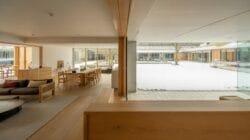
The mechanism is simple: layering sources gives you control over mood without rewiring. A cottage living room that can shift from functional to intimate is one people actually use instead of perform in. Install dimmers on at least two of these layers. This is not optional.
Warmth Temperature And Dimmer Dependency
Most advice says to use warm bulbs in cottages, which is incomplete. Warm color alone does nothing if you cannot modulate intensity. A 2700K bulb at full brightness still reads clinical. Dimmer control is the actual tool. Warmth only matters when you can adjust it downward.
Scandinavian cottages historically used candle and firelight, which meant occupants experienced 1500K to 2000K at variable intensity. Modern bulbs at 2700K full brightness are actually cooler than what these spaces originally held. Dimming a 2700K source to 40 percent output recreates that historical warmth more accurately than any static color temperature. Install dimmers on ambient and task layers. As evening deepens, dim to 30 to 50 percent. This matches human circadian biology and the cottage’s original light signature without pretense.
Swedish Decor Living Room: The Reflector Effect
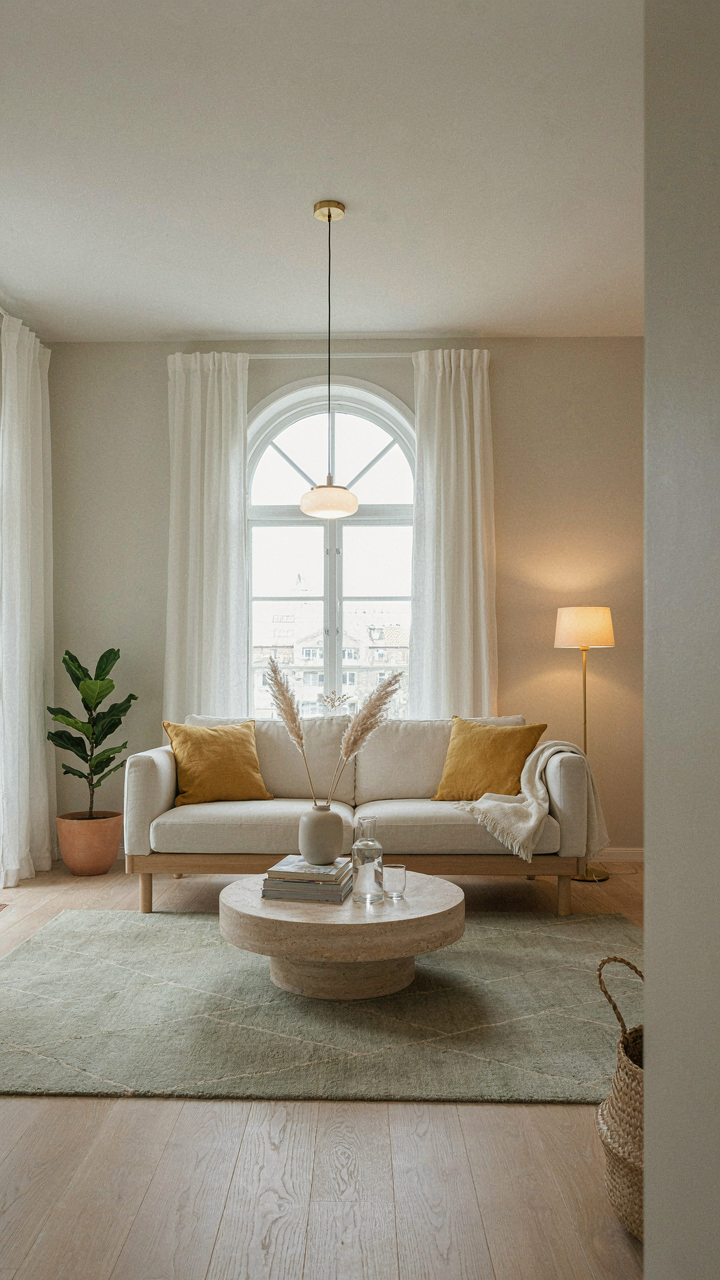
Mirrors And Reflective Surfaces Leverage Light
You want this room to feel bigger and more expensive without actually spending more money. Here’s the mechanism: mirrors don’t create light, they redirect it. In physics terms, this is albedo—the reflectivity of a surface. A scandinavian cottage living room with high albedo surfaces bounces available light around the room instead of absorbing it into dark corners, which is exactly what happens with matte finishes that Nordic design typically favors.

Swedish cottage interiors traditionally used polished wood, metal fixtures, and glass to maximize daylight during long winters. This wasn’t aesthetic preference alone—it was survival logic. A single window facing north reflects differently than one facing south, and a mirror placed opposite that window doesn’t just brighten the room, it extends the perceived source of light. The trick is placement, not quantity.
Strategic Placement For Light Amplification
Conventional advice says put mirrors on walls opposite windows. That’s incomplete. What actually matters is the angle and the surrounding surface reflectivity. A mirror across from a window bounces light back out the window—wasted. A mirror placed to bounce light into the center of the room and then off lighter-colored furnishings amplifies the effect twice. This is why Scandinavian designers paired mirrors with off-white or cream walls, not dark ones.
Position a mirror to catch afternoon light and redirect it toward your seating area. The height matters too. A mirror at eye level reflects faces and creates visual noise. A mirror positioned higher reflects ceiling light down into the room, which feels more natural. Place one metallic surface or glass tabletop perpendicular to the mirror, and you’ve created a light corridor through the room instead of a single reflection point.
The Psychological Warfare Of Shadows From Military Strategy
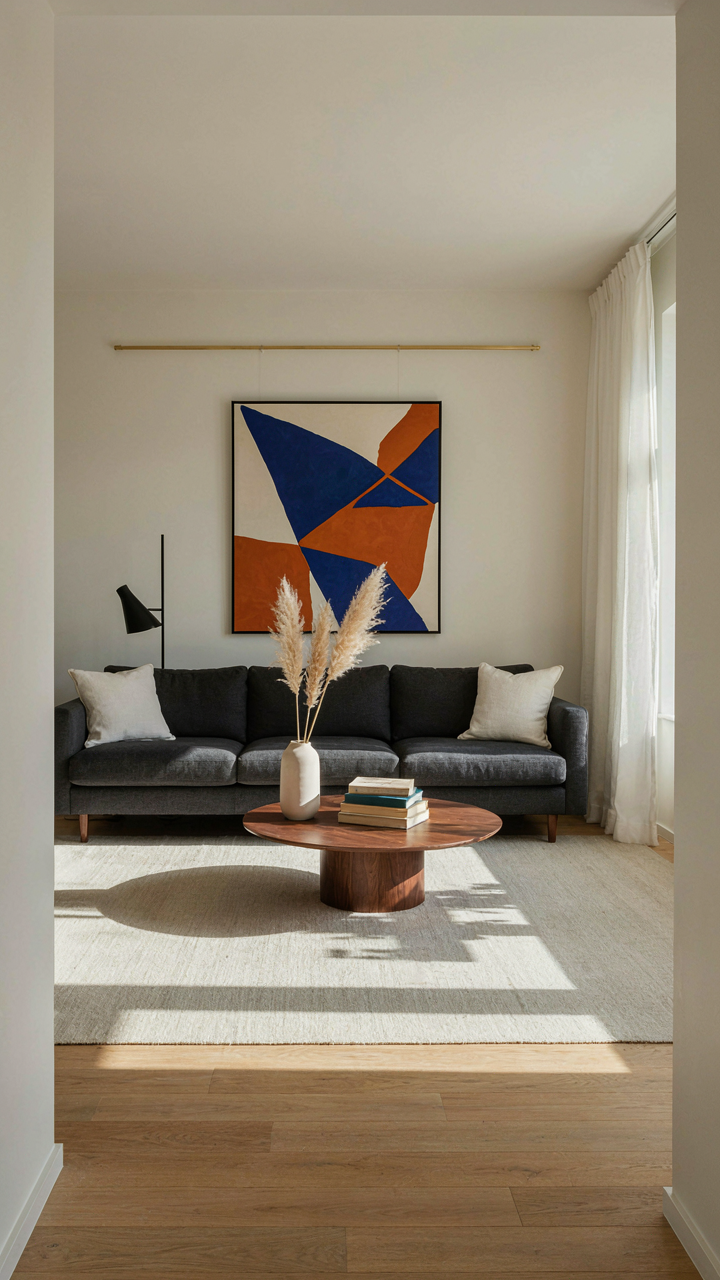
Where Shadows Stop Your Eye
You want to know how to make a room feel intentional without looking staged. That’s the real question buried under “soft light.” Military strategists understood that shadows force attention. They create focal points. The Scandinavian cottage living room applies this same principle: controlled shadows function as visual anchors that guide where a person’s eyes land and rest.

Unlike open-plan modern design that floods everything equally, cottage spaces use shadow placement to separate zones without walls. A shadow cast by a floor lamp across a linen armchair tells the eye: this is the reading corner. The shadow becomes the boundary marker. This works because human vision evolved to track contrast and depth. Shadows provide both. Position a single light source to cast shadows onto textured walls or furniture surfaces and the room suddenly organizes itself around those dark shapes rather than around emptiness.
Breathing Room Needs Its Darkness
Everyone says “negative space” as if naming it makes the design work. Wrong. Negative space only functions when contrast exists. Darkness creates that contrast. A Scandinavian cottage living room with too much illumination flattens the sense of depth because the eye has nowhere to rest. It processes every surface equally and exhausts itself. Shadows are negative space made visible.
The mechanism is straightforward: place one or two strategic shadows in a room and the brain interprets everything else as intentional. Unlit corners, a shadow pooling beneath a side table, darkness falling across half a bookshelf. These dark zones give the mind permission to stop processing. Mental clarity arrives not from minimalism alone but from the clear hierarchy that shadows create between what deserves attention and what doesn’t. Place a soft-source light behind furniture or in a corner, let its shadow fall across an adjacent wall, and measure how the room feels less cluttered before you move a single object.
Scandinavian Coastal Interior Design: Light As Liquid Asset
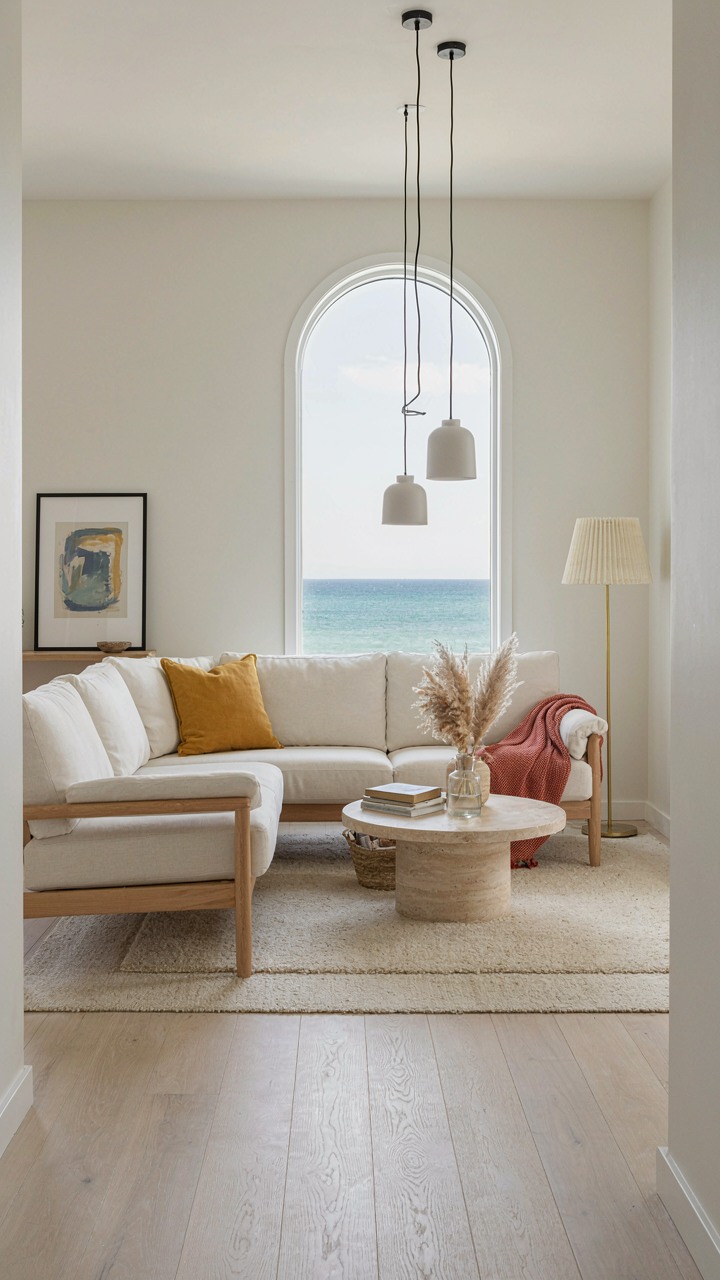
Water Reflections And Diffused Light
You want this because you think soft light solves the problem of a dark room. It doesn’t. The real mechanism is physics: light bounces off reflective surfaces and spreads before hitting your eye, which removes glare and creates perceived brightness without intensity. Scandinavian coastal interiors use this principle deliberately. Water bodies near these homes reflect sky light constantly, so the design adapted by treating reflective materials as load-bearing infrastructure, not decoration.

Pale wood, white walls, and polished stone surfaces in Scandinavian cottages aren’t aesthetic choices alone. They’re functional mirrors that extend daylight hours and distribute it evenly across the room. The Nordics understood that placing a reflective material opposite a window multiplies usable light. This is why traditional Scandinavian cottage interiors favor light oak, birch, and limestone over dark materials. The surfaces work harder than the light source itself.
Texture Creates Shadow Depth
Common advice says add soft textures for coziness. This misses the load-bearing function of texture in light management. From material science: surface roughness determines light diffusion and absorption. A flat white wall reflects light uniformly but feels sterile. A textured linen or woven wool wall absorbs some wavelengths and scatters others, creating micro-shadows that the eye reads as depth and restraint, not darkness.
Scandinavian cottage living rooms layer textures deliberately to control light behavior. Chunky knit throws, woven wall hangings, and hand-spun linen curtains aren’t just tactile. They break up reflected light into pockets of shadow and brightness, which the brain interprets as visual richness. This is why bare cottages feel cold and layered ones feel inhabited. The texture absorbs excess reflected light and regulates the visual environment. Place one high-texture element per wall to avoid visual noise while maintaining light control.
Boho Chic House Interiors: The Organic Glow
Natural Fibers And Filtered Light
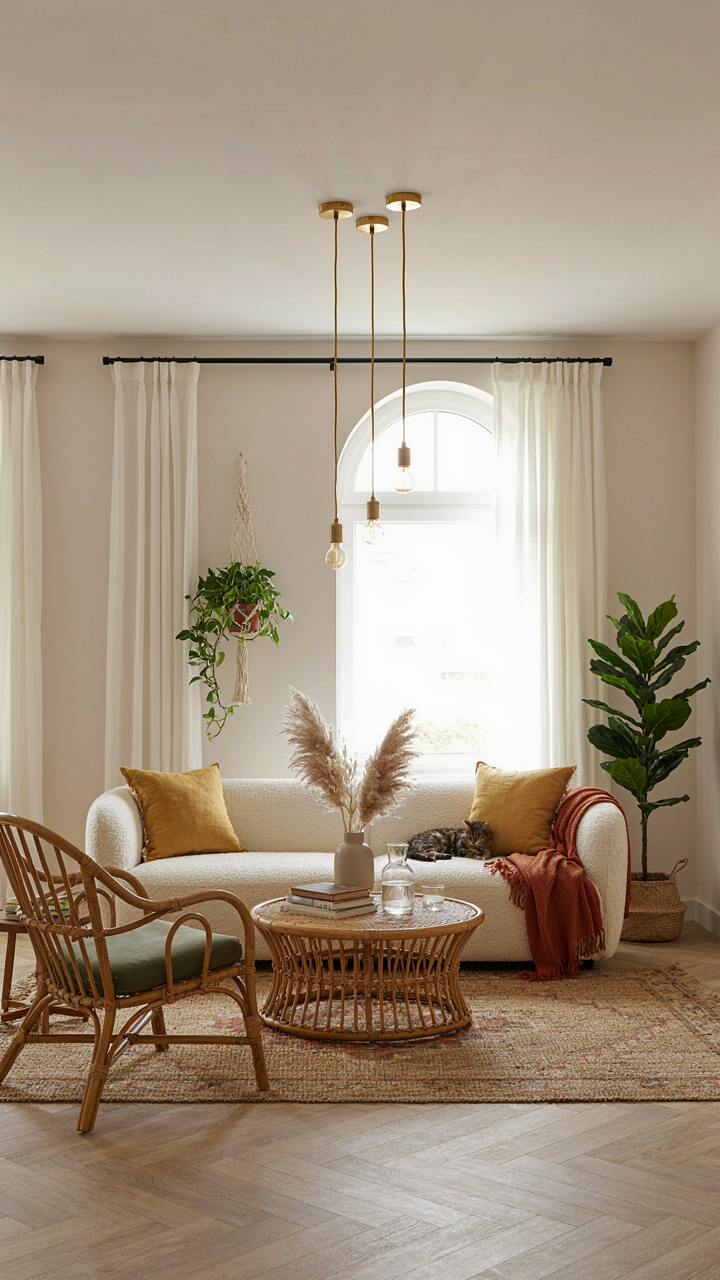
You want this room to feel effortless, but you’re actually chasing permission to stop optimizing everything. Here’s what actually happens: natural fibers don’t just look good, they diffuse light. Linen, wool, and jute scatter photons instead of bouncing them back hard. A Scandinavian cottage living room uses this principle from physics—diffuse reflection—to make soft light stick around longer. When you layer linen curtains, a wool area rug, and linen upholstery, you’re not decorating. You’re building a light-trapping system.
The mechanics matter more than the aesthetic. Heavyweight linen filters direct sunlight without blocking it entirely, while wool absorbs and re-releases light at lower intensity. Place these materials where they’ll intercept the strongest incoming light: windows, furniture facing windows, and textiles that catch afternoon rays. The room stays bright without glare. That’s the trade-off everyone misses: natural fibers aren’t soft because they’re natural, they’re soft because their surface structure breaks light into smaller, scattered rays.
Botanicals As Light Manipulators
Everyone says to add plants for “freshness” or “life.” That’s incomplete advice. Plants manipulate light through leaf opacity and shadow casting. A potted monstera or fiddle leaf fig near a window doesn’t just look good—it fragments light into dappled patterns, lowering the visual intensity while keeping the room bright. Scandinavian cottage design pairs these plants with pale walls so the shadows they cast become part of the lighting design, not an afterthought.
Position tall leafy plants between the light source and seating areas. Large leaves cast distinct shadows that break harsh afternoon light into softer zones. Trailing plants on shelves or hanging near windows create layered shadow patterns without reducing overall brightness. Small ferns work for filtered windows where you need consistent, even light. The plant isn’t decoration. It’s functional: it changes how light moves through the room and controls where warmth and brightness land.
Your Real Obstacle Isn’t The Fixture, It’s The Delusion That Aesthetics Alone Solve Existential Dread
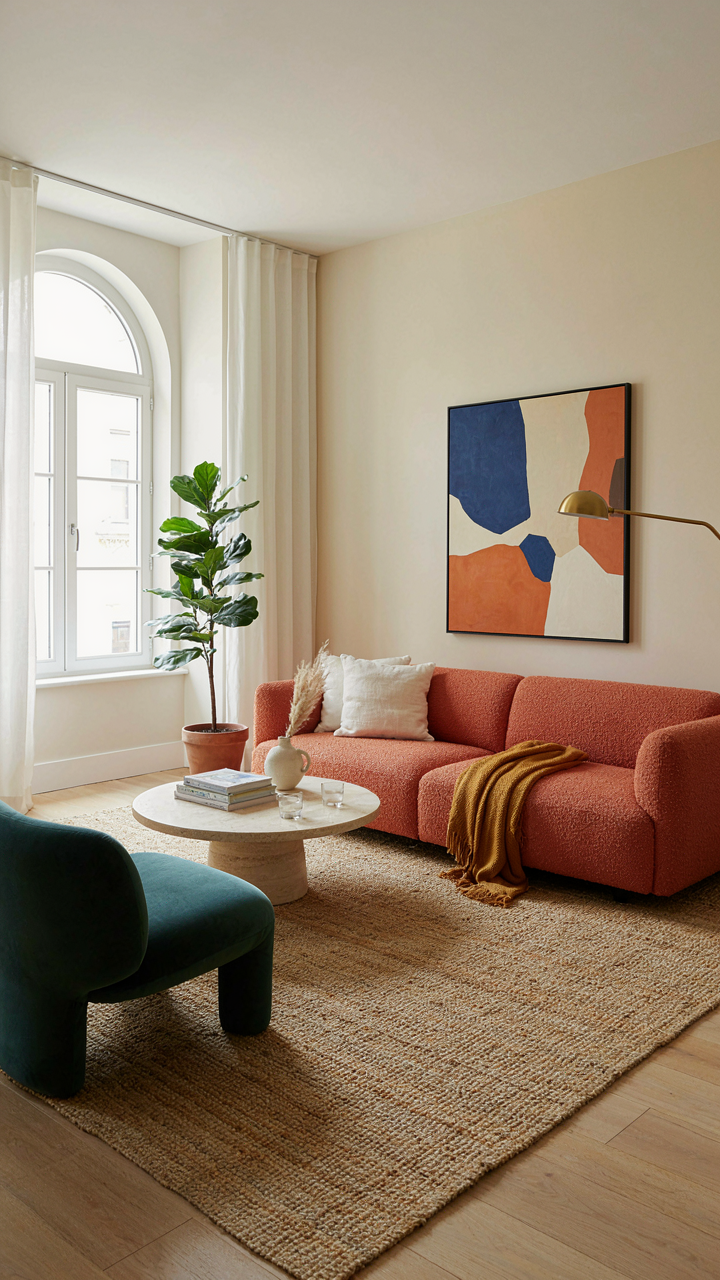
You’re buying soft lighting and neutral linen because you think your living room will fix how empty you feel. It won’t. A Scandinavian cottage room works because it creates space for actual living, not because it performs meaning for you. The shift: stop decorating your life and start building it. Today, remove one item from your living room that you’ve never used. The room you need isn’t prettier than the one you have, it’s just more honest.