Introduction
Small Apartment Living Room Design Ideas For Modern Spaces focus on making the most out of limited space. Small living rooms can be both functional and stylish. This article presents tips and strategies to optimize space, light, and comfort. You will find practical ideas to make your small living room feel larger and more inviting.
Designing a small modern living room involves careful planning. The right furniture, color choices, and layout can transform your space. This article explores effective methods to create a modern living room that suits your lifestyle and maximizes the room’s potential.
Choosing Functional Furniture
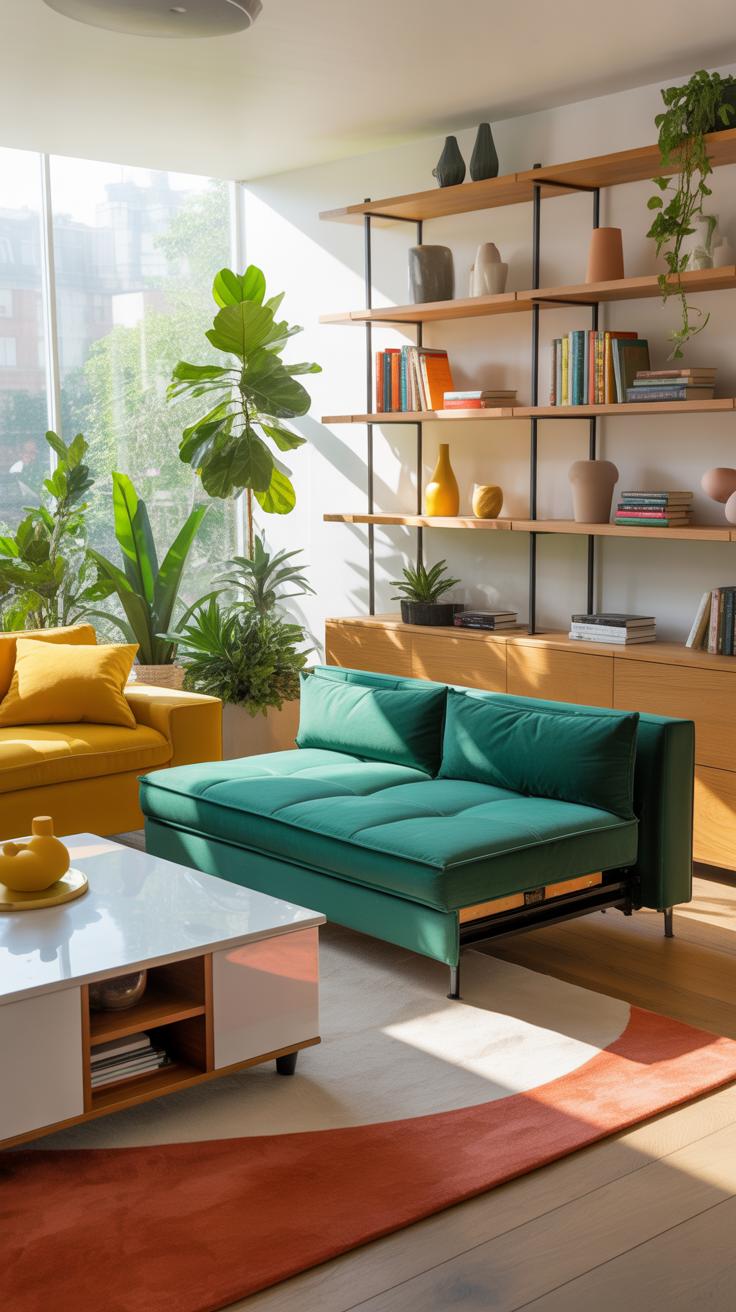
Picking the right furniture for a small modern living room can change everything. It’s not just about fitting pieces in—it’s about how those pieces work for you. You want furniture that doesn’t just take up space but gives you more room to live in. Multi-use furniture often feels like a lifesaver in these situations. Think about a sofa bed that pulls out when guests arrive or a coffee table that doubles as storage. These items help keep the room from feeling cluttered, and can even make your day-to-day life easier.
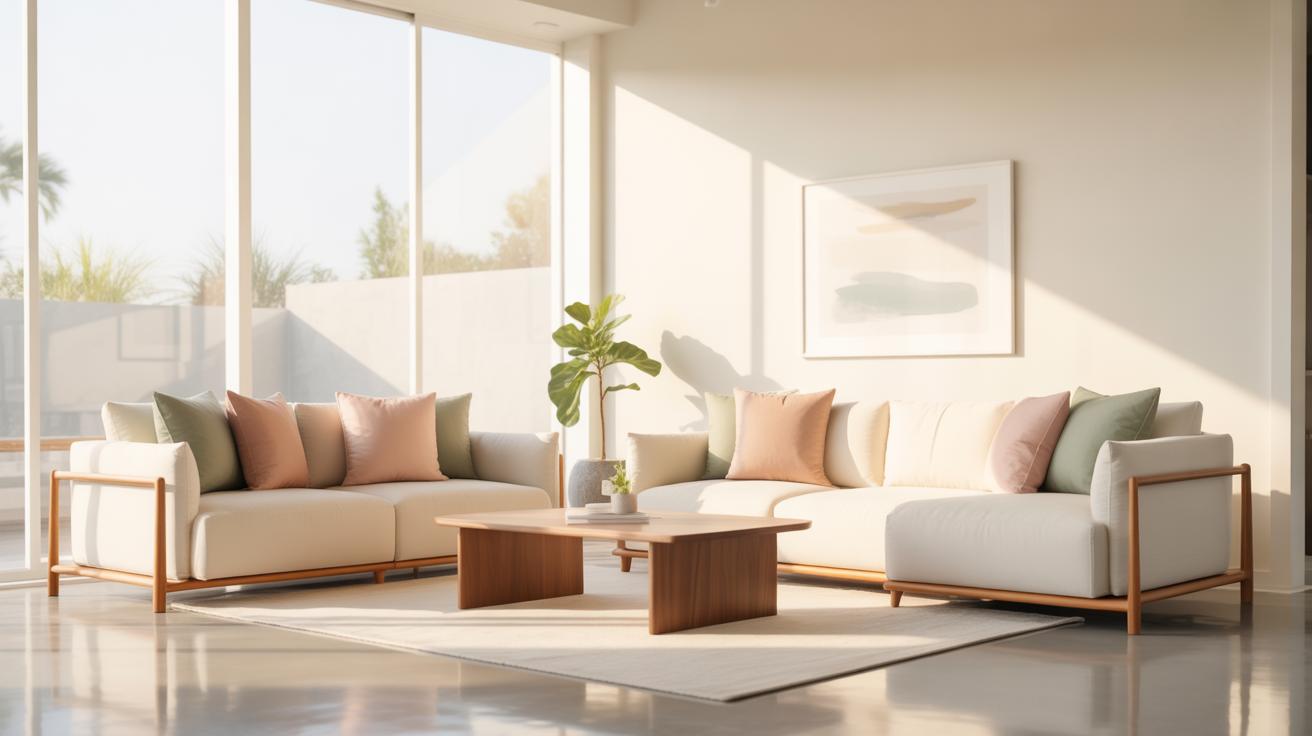
Some pieces are designed specifically to save space without sacrificing style, like foldable tables that can disappear when you don’t need them or nested tables that stack away cleanly. Each of these choices helps you avoid overwhelming the room. When you can move around freely, the space feels bigger—almost like it breathes.
If you go for furniture that’s too large or bulky, it restricts movement and makes the room feel cramped. That’s why it’s crucial to match the size of your furniture with your room, not the other way around. Sometimes people just pick what they like without thinking about the scale, which is understandable but can backfire. Have you ever tried to squeeze a big armchair into a tiny corner? It never works quite right.
In short, functional furniture is about more than looks. It’s a careful balance of form, function, and fit that shapes how you actually use your space.
Maximizing Natural Light
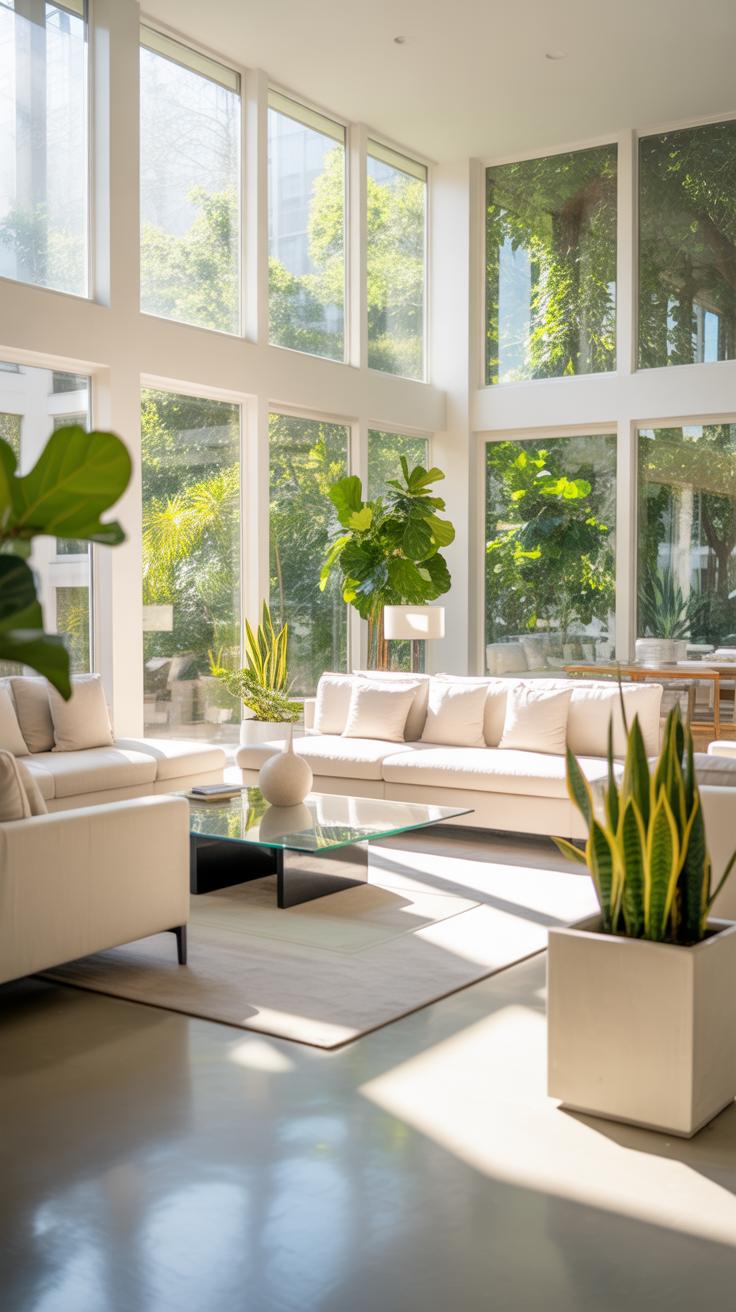
Natural light really changes how a small living room feels. When sunlight pours in, even a tight space can seem open and less cramped. It’s almost like the room breathes. But getting enough light isn’t always simple, especially if your windows face a shaded area or you live in a busy neighborhood where privacy becomes a concern.
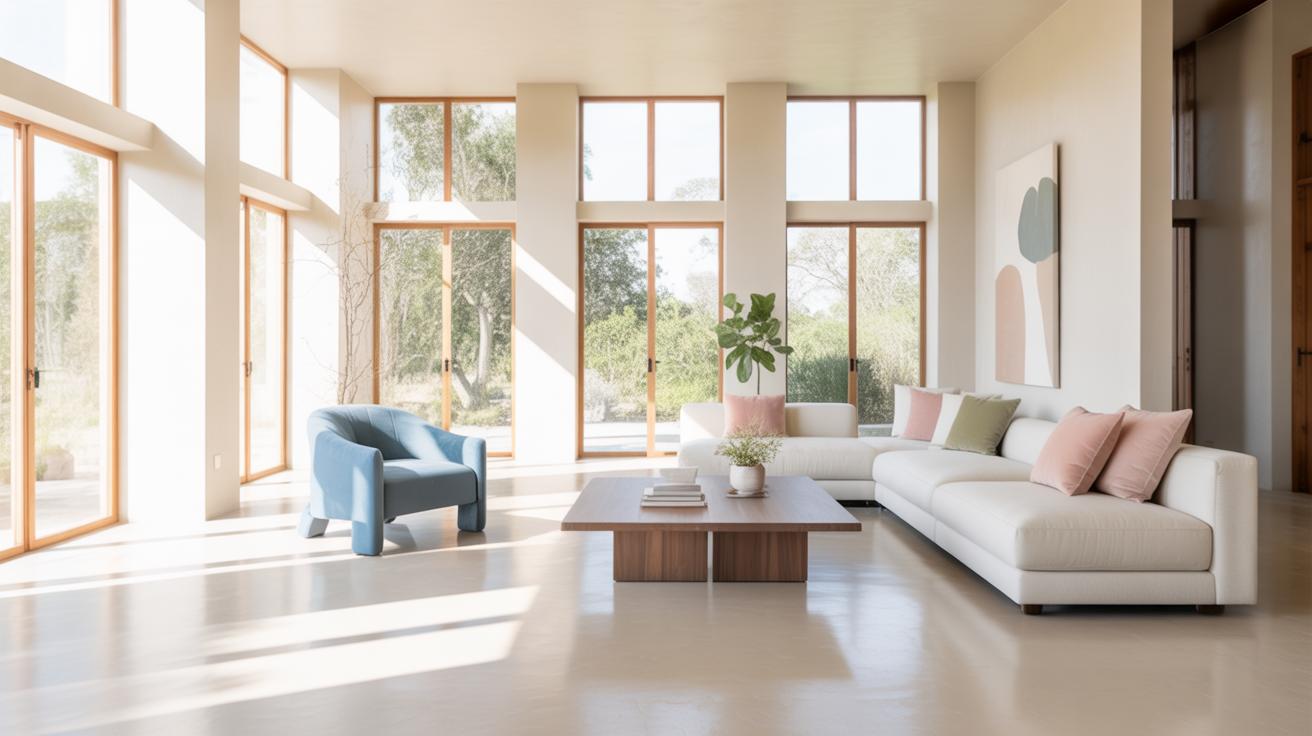
One way to encourage more light is by choosing the right window treatments. Thin, sheer curtains work well because they soften the brightness without blocking it. They preserve your privacy just enough while still allowing daylight in. Another option is lightweight blinds that can be tilted to control the light flow while maintaining some seclusion.
Reflective surfaces also help bounce light around, which can make all the difference. Glossy finishes on walls, glass coffee tables, or even a shiny decorative bowl do more than just look sleek—they spread light further into the corners. Just one or two mirrors carefully placed can brighten the room impressively. Mirrors opposite windows typically capture the sunlight and throw it back, tricking your eye into thinking the space extends beyond its limits.
Personally, I’ve noticed even a modest mirror can shift the mood of a lunch hour, making the room feel less closed-off and a bit more welcoming. It’s interesting how sometimes small tweaks like these create a bigger impact than swapping out furniture or repainting walls. So, when thinking about small space design, how much attention do you give to light’s effect? It might be the easiest way to unlock a room’s potential.
Color Effects On Small Rooms
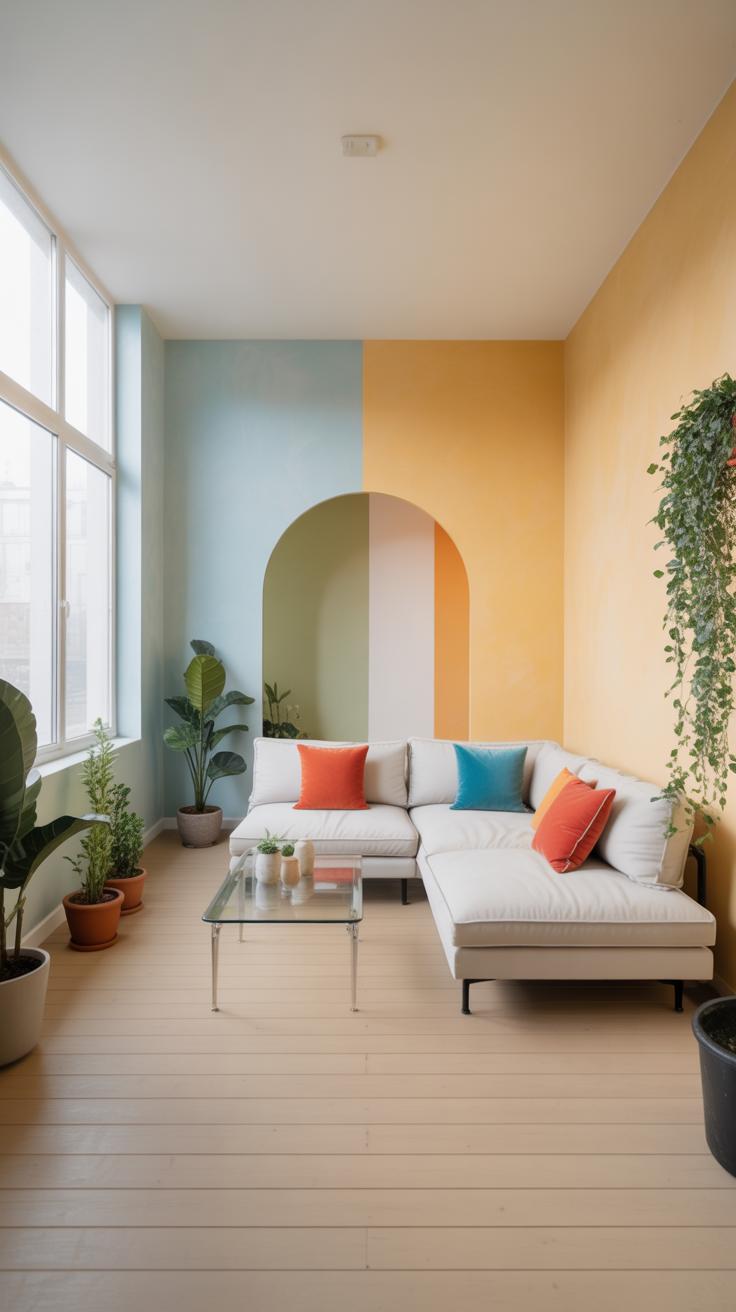
Color holds more power in small spaces than you might realize. It can change how roomy or cramped a room feels, but also how you experience the space emotionally. Light, soft colors tend to open things up, making walls feel like they’re stretching farther than they are. Dark or intense tones might close in the room, creating a cozy vibe but sometimes at the cost of making it feel tight.
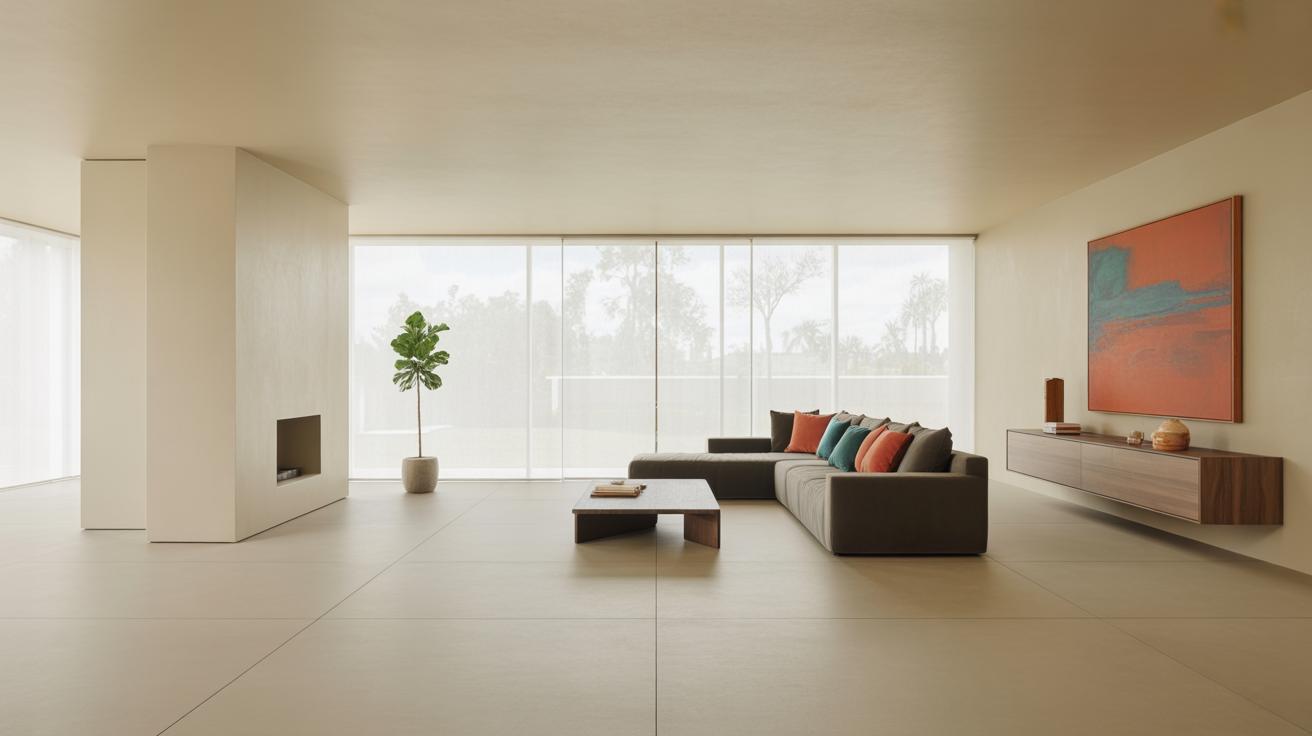
If you’re aiming to make your living room feel larger, think about using pale shades. Whites or creams don’t just reflect light—they bounce it around, which tricks the eye. You might wonder, though, if too much white feels cold or sterile. That’s where adding warmth through texture or subtle color shifts helps balance the mood without shrinking the space.
Best Colors For Small Living Rooms
Colors that visually expand a room tend to be on the lighter, softer side. Some choices that work well:
- Soft Whites and Off-Whites: These create a clean, fresh base and reflect natural light well.
- Light Greys: They add sophistication while keeping things airy, without feeling too stark.
- Pale Blues and Greens: Cool tones calm the eye and can make walls seem to recede, opening up the room.
- Pastel Hues: Gentle pinks, lavenders, or mint can brighten a space and give it personality without weighing it down.
Trying out these can feel a bit safe at first, but mixing in slight variations or finishes (like matte versus satin) might keep the space interesting instead of flat.
Using Accent Colors Wisely
Bringing in accent colors is a great way to add character and personality to your living room without overpowering it. The trick is to place these colors thoughtfully—small cushions, art pieces, or a single wall can anchor the space and draw the eye.
Pick accents that complement your base tones. For example, a pop of mustard yellow or deep teal can lift neutral palettes but won’t make the room feel smaller if used sparingly. You don’t have to avoid darker shades completely, just keep them balanced.
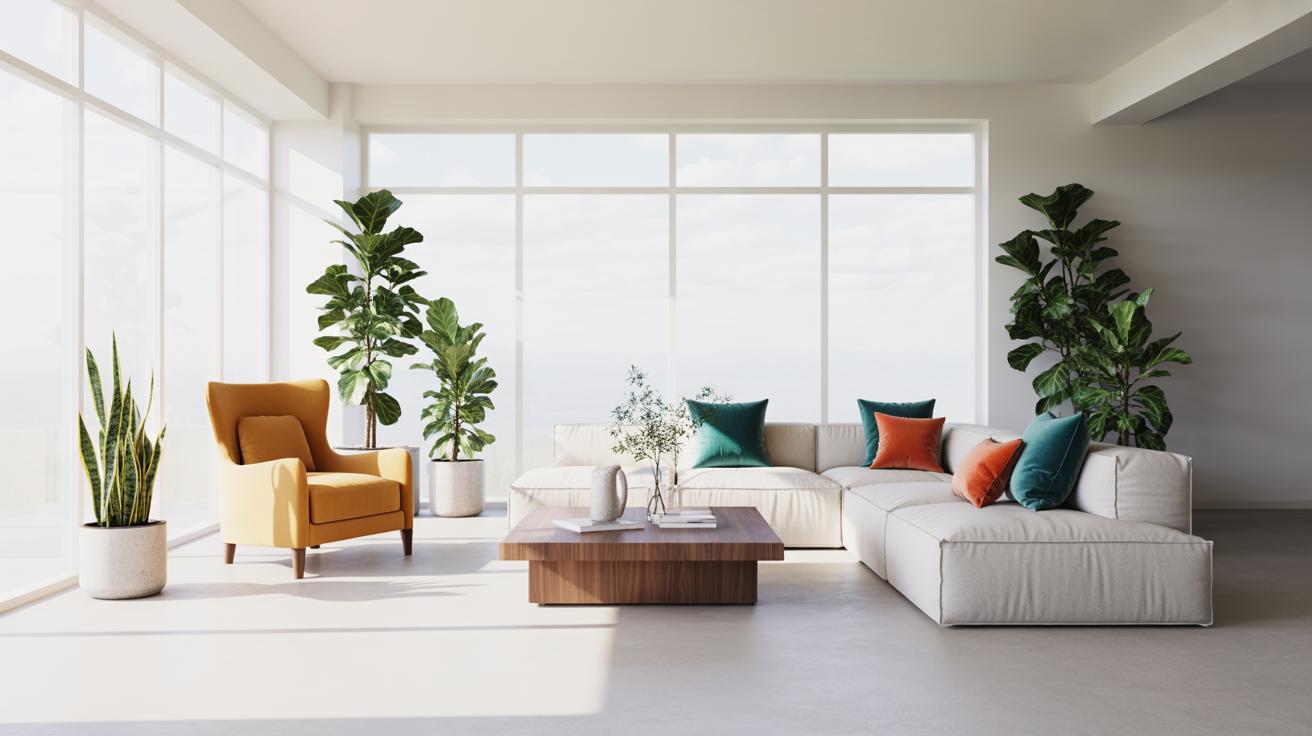
Sometimes, less is more with accents in small rooms. You might be tempted to use several bold colors, but too many can make the room feel cluttered, which defeats the whole aim of opening up the space. Instead, ask yourself what mood or emotion you want to highlight and choose one or two accent colors that speak to that.
Small Room Layout Planning
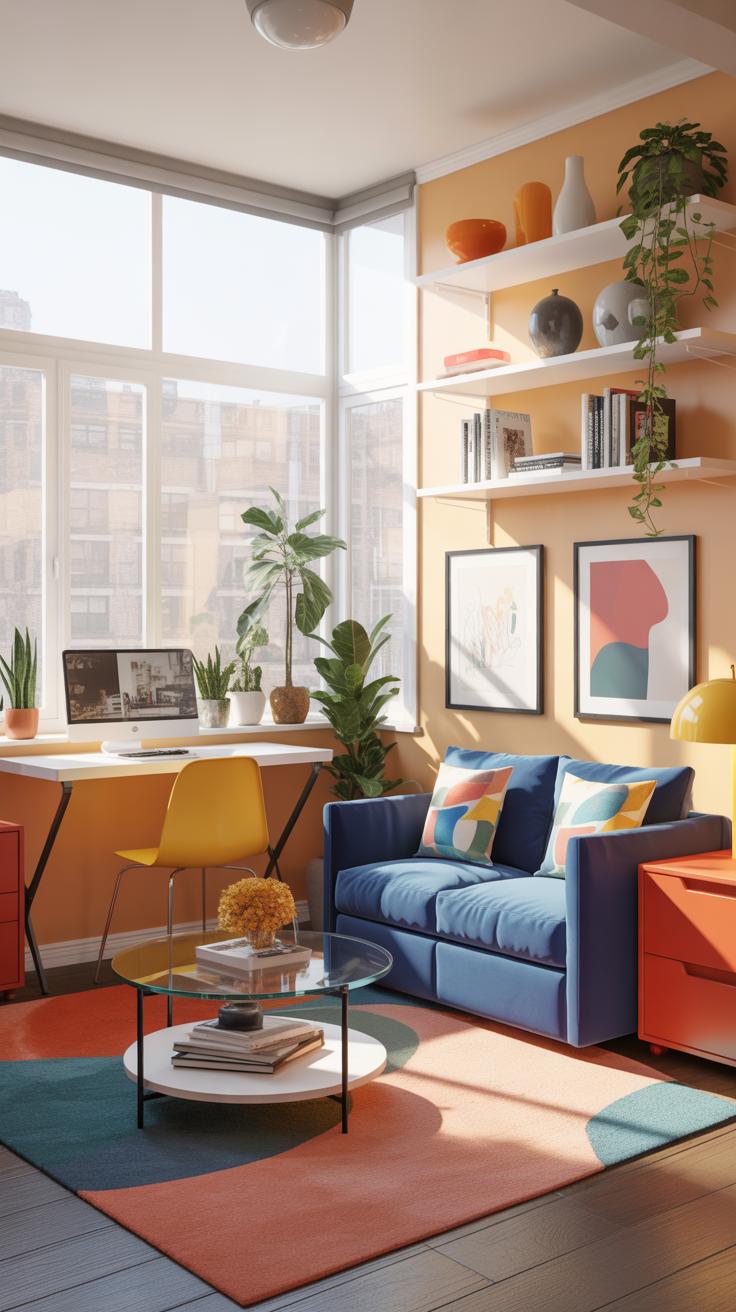
Arranging furniture in a small living room feels like a puzzle sometimes. You want the space to feel open but also cozy enough to actually use it. One thing I’ve learned through trial and error is that a clear flow matters more than squeezing in as much as possible. Think about how you move through the room. Does your furniture allow a natural path or do you find yourself sidestepping awkwardly?
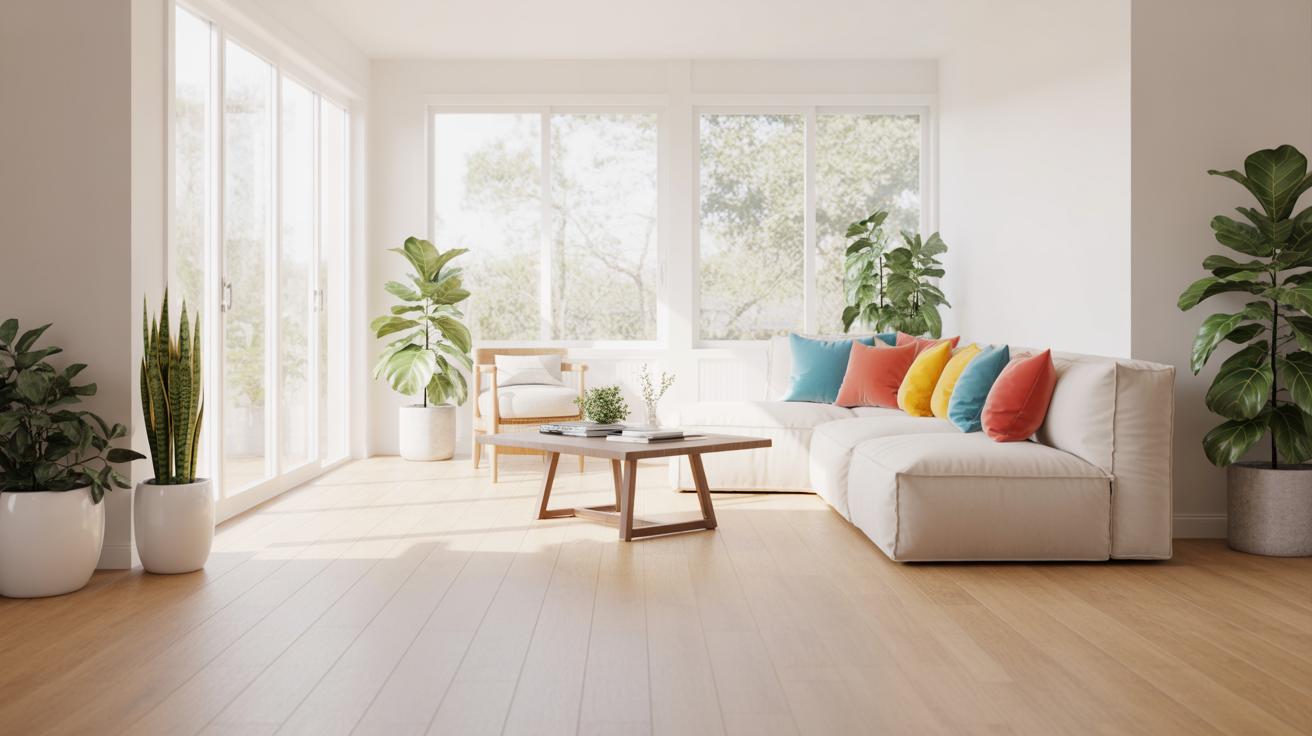
There are a few layout types that seem to work well in tight spaces. Open plan layouts, for example, help by reducing barriers and letting your eye travel freely, which can make the room feel larger. Then there’s corner seating, which takes advantage of often underused corners—placing a sectional or a snug sofa set there can carve out conversation zones without cluttering the center.
Zoning is another option if your living area serves multiple purposes. Using rugs, lighting, or even a small bookshelf to visually separate a workspace from a lounging area can keep things feeling organized, even if your room isn’t big enough for distinct rooms. But there’s a balance here—too many zones might make the room feel cramped, so keep that in mind. It depends on how you use the space.
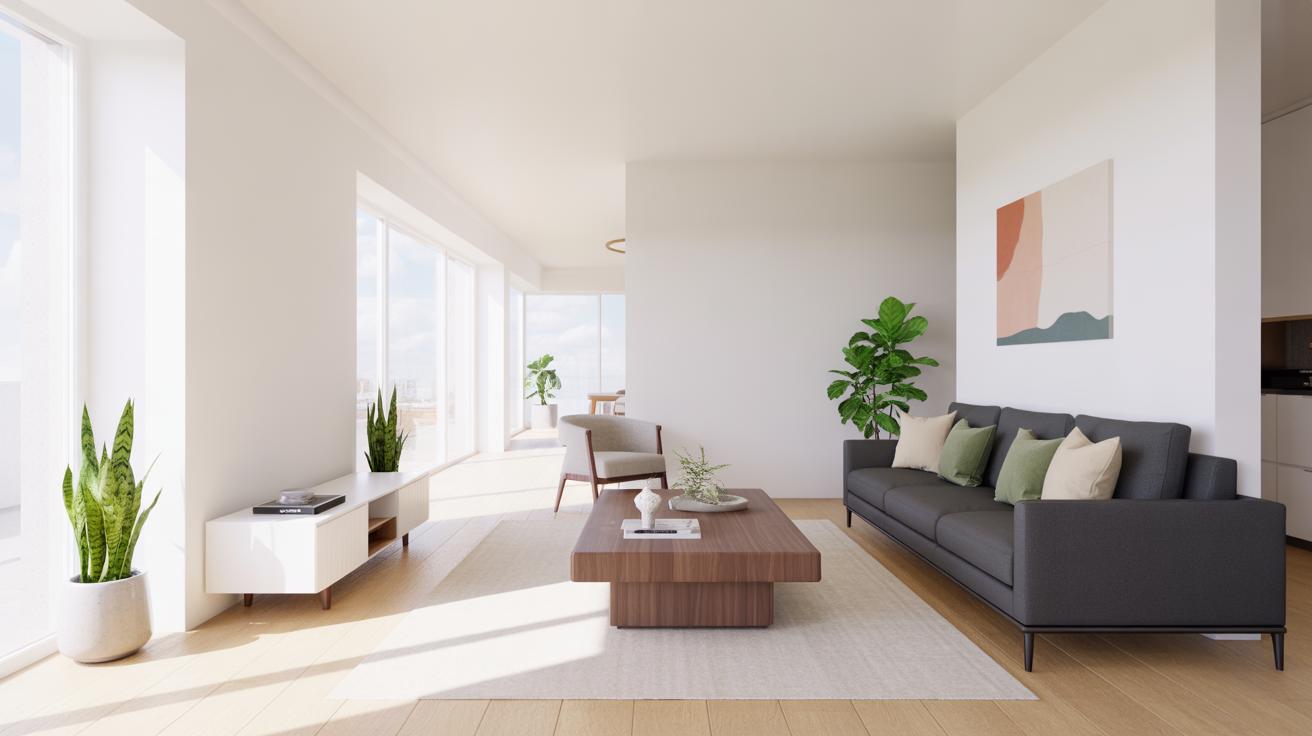
Keeping clutter down is crucial. Limited storage means every item has to pull its weight. I try to stick to furniture that offers hidden compartments or double-duty roles, like ottomans that open up for storage. Regularly editing what stays in the room helps maintain a state of openness. One tip is to adopt a “one-in, one-out” rule for things like magazines or decor. It sounds strict but surprisingly keeps the mess from creeping back in.
Have you noticed how even a few mismatched items can disrupt the harmony of a small space? Sometimes simplifying what you keep visible—by focusing on just a few meaningful pieces—can make the room breathe better. It’s a little counterintuitive, perhaps, but less really can be more here.
Incorporating Storage Solutions
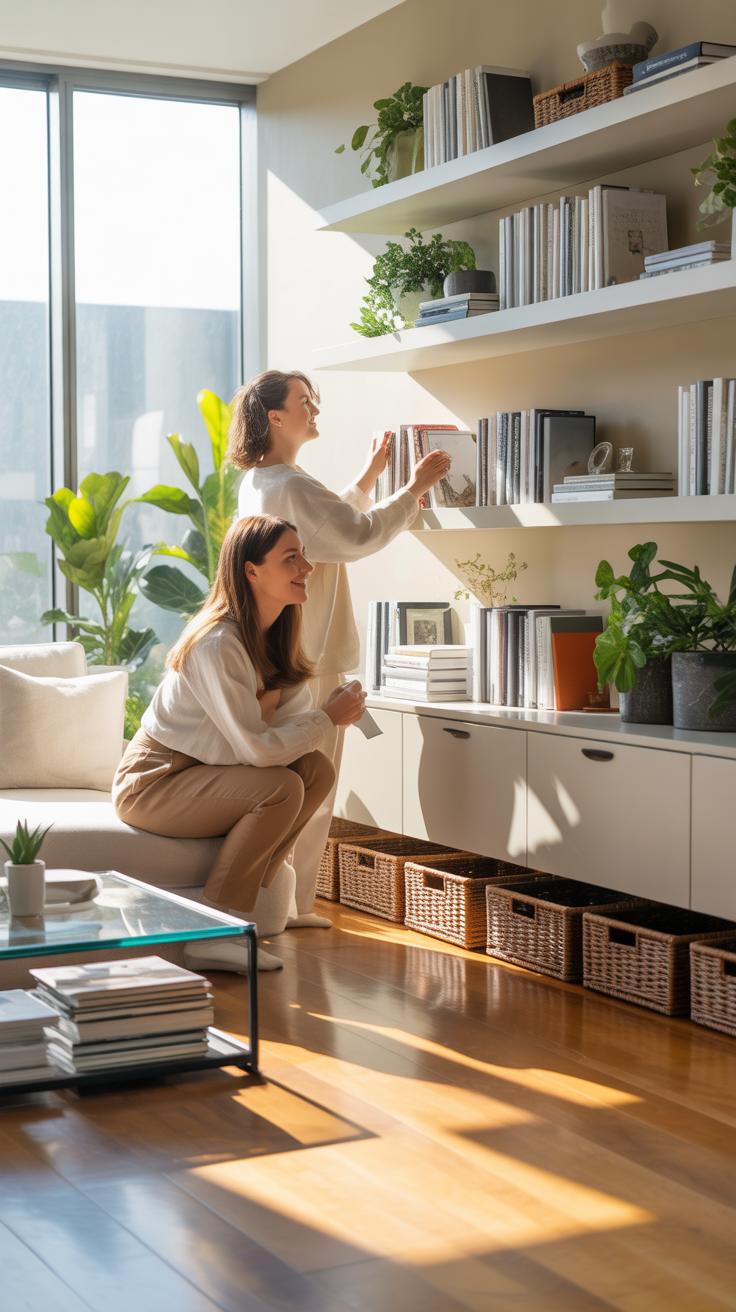
Small living rooms can feel cluttered quickly, so you want storage that hides your things but keeps them easy to reach. It’s probably more of a balancing act than you expect. What works well in small spaces often requires a bit of creativity. Think about your daily habits—where do you often toss your keys or magazines? That’s a good place for accessible storage.
Built In Vs Free Standing Storage
Built-in storage feels like part of the room. Shelves or cabinets tucked into walls or corners often save space by design. They don’t take up extra floor area, and they can be customized to fit exactly what you need. But built-ins are a bit permanent, so if you like switching things around or moving, they might feel limiting.
Free-standing pieces have the appeal of flexibility. You can rearrange or replace them easily. Small bookcases, storage ottomans, or multi-purpose furniture can work great. Yet, they often take some valuable floor space, so you need to be picky about size and placement.
Creative Storage Ideas For Small Spaces
Some ideas you might not have tried include hidden compartments in benches or coffee tables. Suddenly, you have space for blankets or games without visible clutter. Wall-mounted shelves keep things off the floor but still within reach—perfect for books, plants, or decor. Under-seat storage is another one; a window seat with drawers beneath can hold a surprising amount.
Sometimes the simplest trick is the best—using vertical space. Don’t overlook hooks or pegboards. You can hang bags, headphones, or even small baskets. Storage doesn’t have to shout “look at me,” but it should make your home feel less chaotic and more, well, yours.
Technology Integration Tips

When fitting technology into a small modern living room, the goal is clear: keep the space functional without turning it into a tangle of wires and bulky gadgets. You want the tech to be part of the room, not take over it. Finding that balance can be tricky, especially if your room is already limited in size. But it’s definitely doable.
Choosing Compact Electronics
Start by picking electronics that won’t dominate the room. Think slim profile TVs that mount flush against the wall rather than eating up floor space. Some newer models are just a few inches thick, making them nearly art pieces themselves when off. Wireless speakers are a great choice too—they can be tucked into corners or placed discreetly on shelves, getting rid of extra cords and clutter.
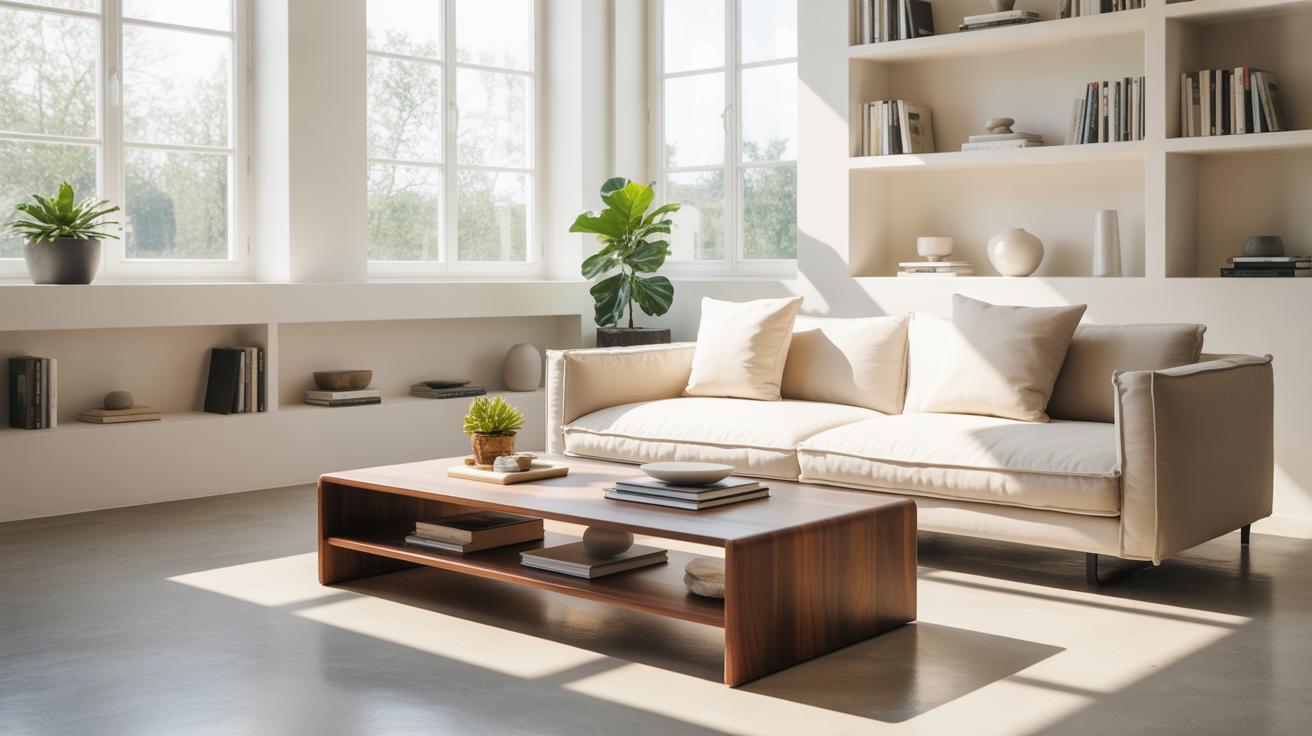
Smart home gadgets are worth considering but select ones that serve multiple purposes. A smart light that’s also a speaker, for instance, can reduce the number of devices you need. Smaller, multi-use gadgets help keep surfaces clear and maintain that sleek, modern look.
Managing Cords And Devices
Cord chaos is probably one of the biggest challenges. You’ll want to tackle this early. Here are a few tips you might find useful:
- Use cord clips and channels along walls or furniture edges to keep cables tidy.
- Consider furniture pieces designed with built-in cable management, like media stands with hidden drawers or back panels.
- Power strips with long cords can be tucked away behind sofas or cabinets—just make sure to leave ventilation for electronics.
- Wireless charging pads cut down on visible charger wires, so keep those within reach of your seating area.
One trick I found handy was labeling cords at both ends. Sounds a little obsessive but trust me—when you need to unplug or swap devices, it saves time and frustration. You don’t want to be fishing under the couch trying to figure out which cable goes where.
Another thought is to embrace minimalism with your devices. Ask yourself if you really need every gadget in that space or if some can live elsewhere. It’s easier to keep things neat when you resist the urge to have every new tech item visible.
Small Living Room Decor Ideas
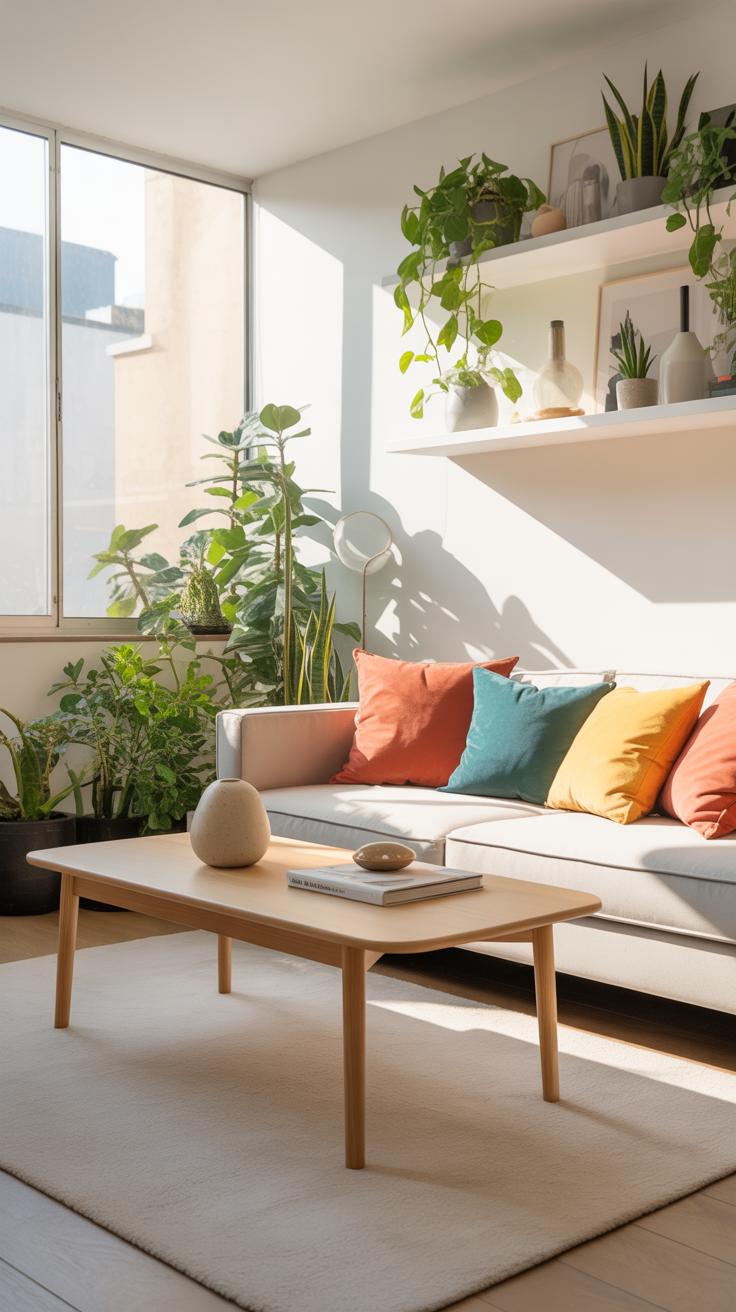
When working with a small modern living room, the key lies in picking decor that feels intentional but not crowded. Maybe you’ve noticed how a single, well-chosen piece can catch your eye and define the space without overwhelming it. Think of a sleek geometric lamp or a sculptural vase—items that speak quietly but clearly. You don’t need many things; fewer, better pieces work wonders here.
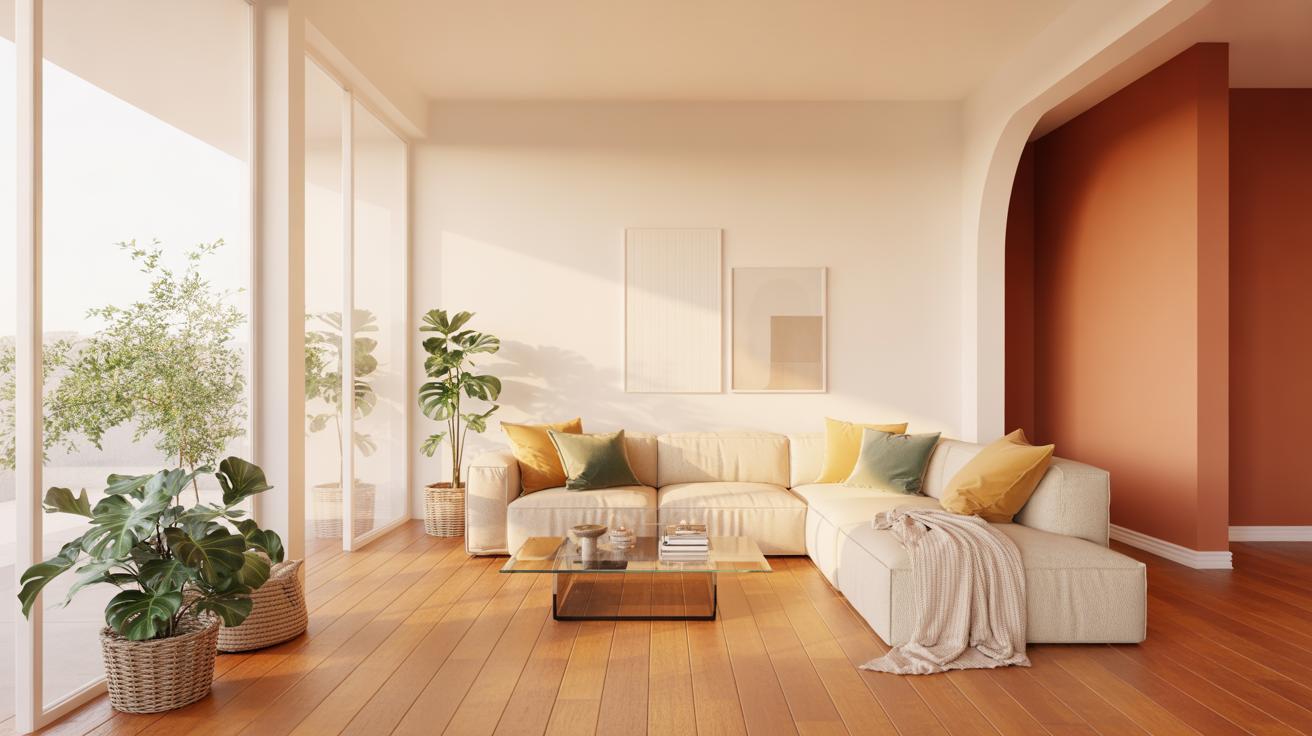
Mirrors can be surprisingly helpful, too. Placed thoughtfully, they reflect light and create an illusion of openness, without adding clutter. Wall art should lean toward simpler lines or monochrome palettes—overly busy prints risk making the room feel smaller. And shelving? Floating shelves keep surfaces clear and add a modern edge, but keep what you display minimal, or it quickly gets messy.
Colors matter but don’t guess you need purely white or gray. Soft muted tones mixed with a bold accent—maybe a deep navy pillow, or a copper décor item—can keep things lively while still clean and modern.
Minimalist Decorating Tips
In a small modern living room, consider decorating with intention. Here are some ideas I’ve found useful over time:
- Pick one or two statement pieces that reflect your style. A strong coffee table or a unique chair can anchor the room.
- Maintain clear horizontal surfaces like tabletops and shelves. This prevents the room from feeling claustrophobic.
- Limit accessories. Choose a few meaningful objects instead of many small knick-knacks.
- Use hidden storage or furniture with built-in compartments to keep clutter out of sight.
- Stick to neutral tones with one bright or bold element to avoid visual chaos.
It’s tempting to fill every corner, but sometimes less really is more—though I admit, it can be tricky deciding what stays and what goes.
Adding Texture And Warmth
A small modern space can feel cold without some texture. Rugs, cushions, and throws do wonders. But watch how much bulk you add. A thick shag rug might be cozy, but it could also overpower a tiny room.
Instead, go for flat-weave rugs with subtle patterns or natural fibers. Cushions are great to soften hard edges—try mixing smooth linen cushions with a few velvet ones; the contrast adds interest but keeps things light. Throws draped over the back of a sofa add warmth without crowding.
These soft touches don’t just bring comfort—they invite you to linger in the space. It’s a bit of a balancing act, but when done right, these details make a small room feel genuinely lived-in, not just styled. Do you prefer sleek minimalism or a bit more texture in your own space?
Creating Zones In One Room
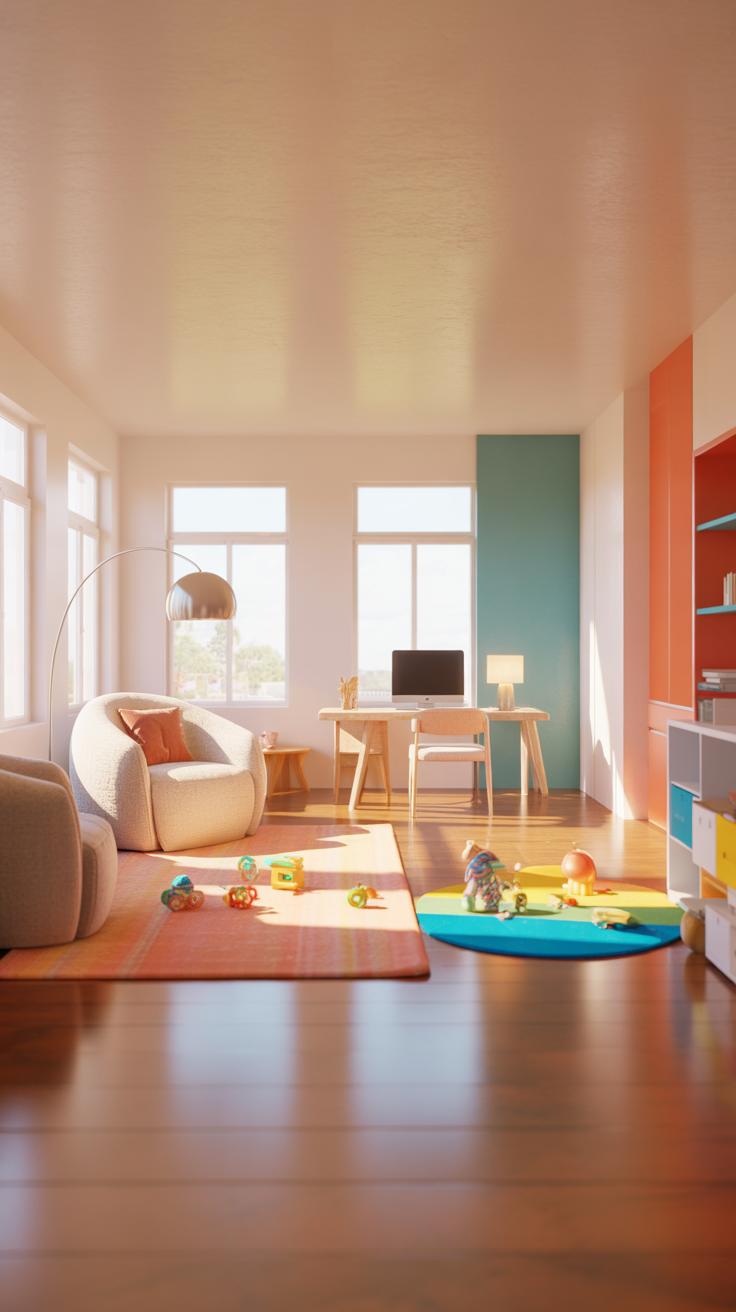
When living with limited space, dividing a small living room into distinct zones is less about physical barriers and more about subtle hints that guide the eye and movement. Think seating, work, and entertainment areas—not as separate rooms, but as purposes that coexist. It’s not always obvious where one stops and the other begins, and, honestly, that blurred line can work in your favor if done right.
For example, a cozy couch facing a TV might suggest a relaxation zone, but place a slim desk against a nearby wall, and suddenly you have a work nook without crowding the room. Rugs can help too. Maybe a small, patterned rug under the seating anchors that area, while a simple mat under the desk keeps that corner feeling defined. You don’t need heavy dividers; just enough visual cues to suggest function. Oddly, sometimes less separation feels more open and flexible.
Would it feel too cramped? Probably not if you keep scale in mind. Low-profile furniture reduces visual bulk, letting zones breathe. Don’t feel compelled to cram in every function simultaneously—perhaps prioritize what you use the most and let the zones adapt as your needs shift.
Using Furniture To Define Areas
Furniture acts as subtle walls without actually shutting anything off. Placing a sofa with its back toward a workspace is a classic way to create separation. Suddenly, the living area feels distinct even though there’s no real barrier. It’s an easy trick, but try not to block pathways. I once arranged a couch that way and realized it made the space feel closed off, so I pulled the sofa slightly forward and that helped balance openness and definition.
Floating furniture—pieces not pushed flush against walls—can open up multiple “zones” within the same room. A bookshelf that’s open on both sides can be a divider and storage at once. Small side tables or a narrow console can mark the edge of a reading corner or a lounging zone.
Don’t overlook multi-purpose furniture for this. Ottomans, foldable desks, or modular sofas can adapt your zones on demand. When furniture itself flexes, your zones flex too.
Lighting Separate Zones
Lighting does more than brighten a room; it creates mood and focus. Using different fixtures for each zone helps your brain understand the space. A task lamp on a desk, paired with a warm floor lamp by the couch, subtly signals what the area’s for. Spotlights or track lighting can isolate the entertainment section, while softer, indirect lights make the seating area inviting.
Layered lighting—mixing overhead, task, and accent—gives you control and saves space. I sometimes leave the main light off and rely on lamps to switch between zones smoothly. It’s more relaxing and helps mentally “close” one function and open another.
Try dimmers. They’re small additions but huge for changing the atmosphere in each zone. You might find your room feels larger when the lighting shifts according to use. Oddly enough, light can sculpt a room’s character just as much as furniture placement.
Comparing Small Room Styles
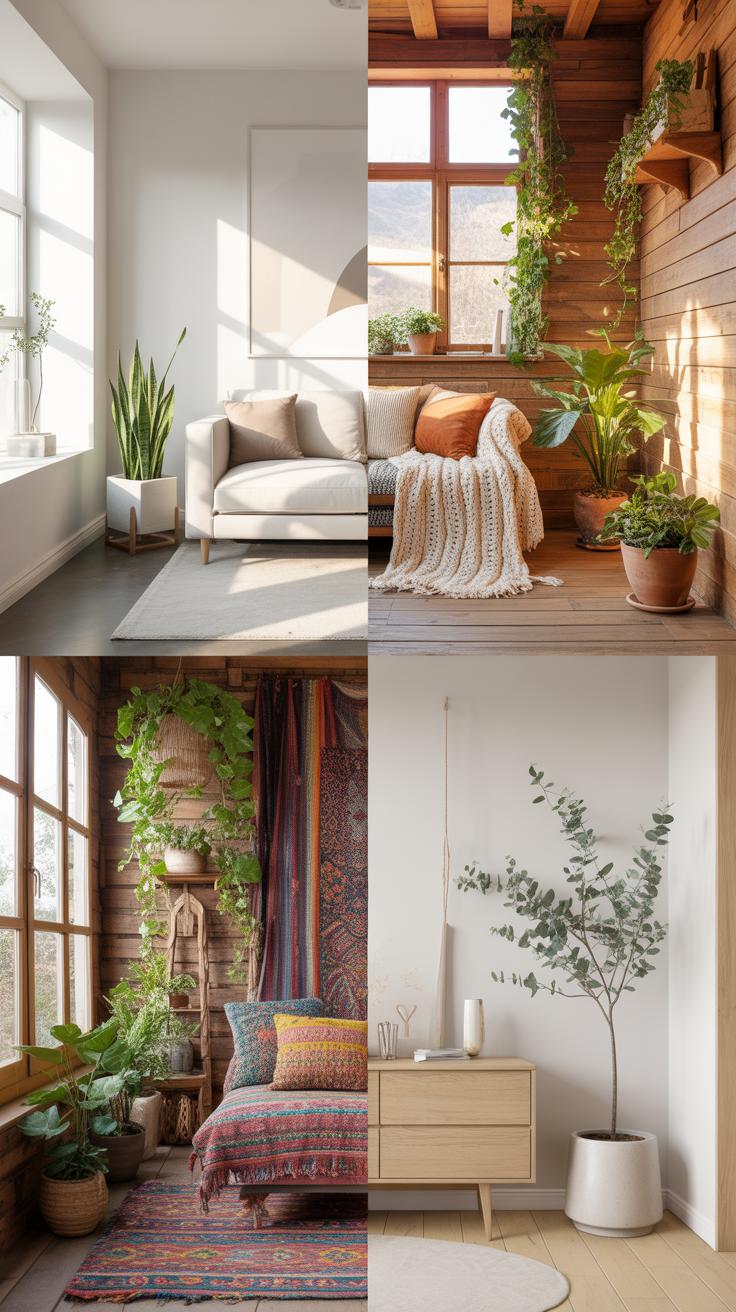
Scandinavian Versus Minimalist Styles
Both Scandinavian and minimalist styles gain popularity in small living rooms, but their approaches feel quite different if you look closely.
Scandinavian design tends to warm up the space. It uses light woods, cozy textiles, and soft colors like muted blues or greys. You get a sense of simplicity but with a touch of comfort. You might find a well-placed rug or a few plants that add life without crowding the room. It invites you to linger—perhaps because it balances functionality with subtle warmth.
Minimalism, on the other hand, favors the bare essentials, almost to the point of austerity. Think clear surfaces, monochrome palettes, and minimal decor. This style focuses on “less is more,” sometimes leaving space almost stark. It works well if you want an uncluttered look that makes the room feel larger, though it may sometimes feel a bit cold or impersonal to some people. You’ll notice fewer textiles and more smooth, sleek finishes, which, depending on your taste, might be calming or too clinical.
Industrial Vs Contemporary Looks
Industrial style and contemporary design have their own distinct personalities, which show up clearly in small living rooms.
Industrial spaces often bring a raw, unfinished vibe. Exposed brick walls, metal fixtures, and reclaimed wood furniture give off a gritty charm. It’s cozy in its ruggedness but can feel a bit heavy in a small room if not balanced carefully. You might end up with a darker atmosphere if you lean fully into it, but adding lighter accents could soften that.
Contemporary design is more flexible and tends to feel lighter, often embracing smooth lines, neutral tones, and glossy or reflective surfaces. It usually aims for a polished and fresh look. Materials like glass or polished metals keep the space open, while curvy furniture might add a dynamic but uncluttered feel. In small apartments, this style can make a room appear airy without losing personality.
Choosing between these depends on what vibe you want — gritty and solid, or sleek and airy. Both can work but require different strategies to keep the small space feeling right.
Maintaining Your Small Living Room
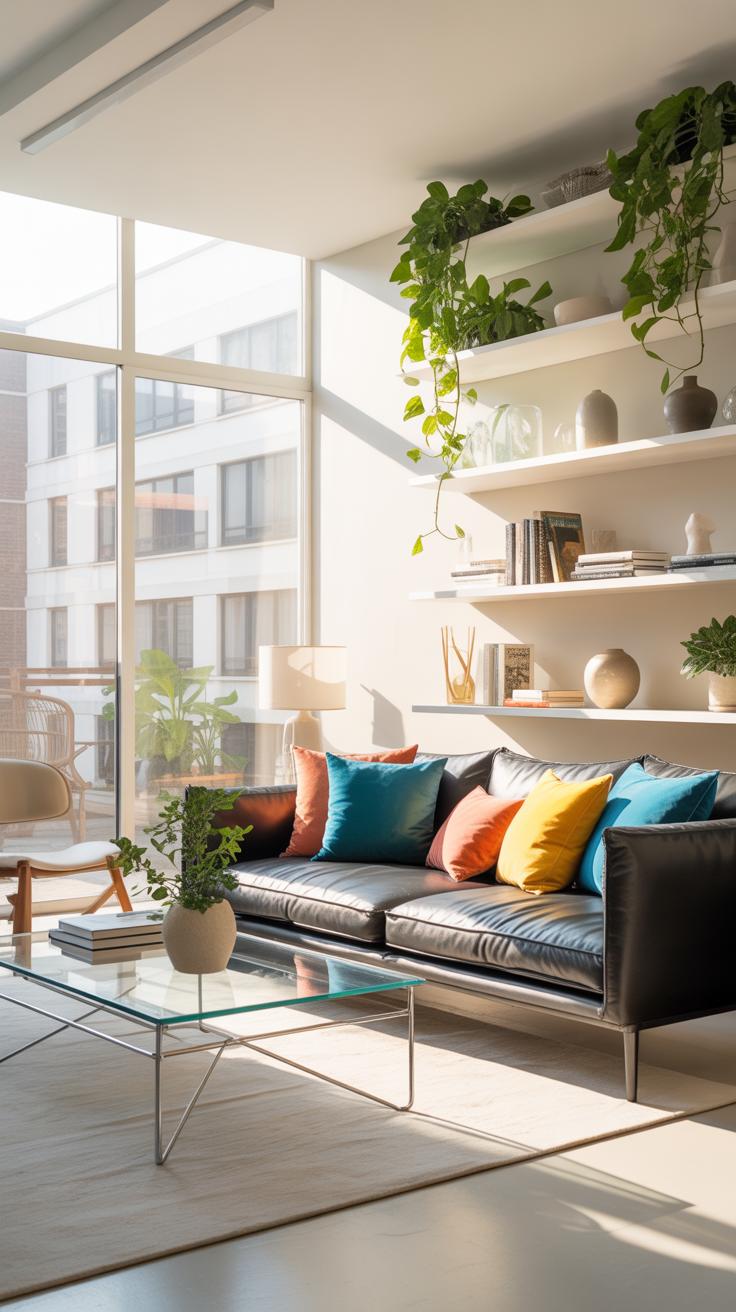
Keeping a small modern living room looking good over time can feel a bit tricky, right? Because space is limited, clutter or disorder become immediately noticeable. But with a steady routine, you might find it easier than you expect to maintain tidiness without much fuss.
Daily Cleaning And Organization
Try to build small habits that don’t take long but keep the room feeling fresh. For example:
- Spend five minutes tidying the main surfaces every evening—put away books, remote controls, or stray objects.
- Vacuum or sweep quickly where dust settles. It only takes a few minutes but makes a big difference, especially if you have light-colored floors or rugs.
- Fluff pillows and straighten cushions daily; small gestures make the space inviting.
- Deal with laundry or blankets right away instead of piling them up in corners.
- Keep a small bin or basket handy for miscellaneous items, so they don’t wander around the room.
These little habits prevent overwhelming clutter from building. You don’t need to deep clean every day, but consistent light effort really pays off.
Seasonal Update Suggestions
Changing the room’s look according to the seasons can feel like a fresh start without major work. You could try:
- Swap out throw pillows or rugs in different colors or textures—for example, soft wool textures in winter, lighter cottons in spring.
- Change or move small décor items like vases or picture frames to create a new focal point.
- Rotate art or photos on the walls; sometimes a new arrangement makes the room feel different without new purchases.
- Bring in natural elements like fresh flowers, seasonal branches, or even a small succulent for spring and summer.
- Adjust lighting by switching lampshades or adding candles to match the mood of the season.
These tweaks refresh the vibe without overcomplicating the space. Don’t feel pressured to overhaul everything at once—sometimes even just one small detail switch is enough to feel like a renewed room.
Conclusions
Small modern living rooms can be tailored to fit your needs. By choosing smart layouts and suitable furniture, you create a comfortable space that serves multiple purposes. Good lighting and color use brighten the room. Avoiding clutter and using multifunctional pieces further enhance the room’s feel and function.
Your small living room can reflect your style while remaining practical. These design ideas provide a clear plan to improve your space. Implementing these steps encourages you to enjoy your home more fully and appreciate the efficient use of space.