The Essence Of Balinese Interior Design And Serenity
Philosophy Of Tri Hita Karana
Balinese interior design relies on Tri Hita Karana. This philosophy mandates harmony between people, God, and nature. Designers apply this by creating specific spatial zones. They place sacred areas toward the mountains and functional areas toward the sea. Every Bali Style Home follows these orientation rules. This alignment ensures the structure stays in balance with the surrounding spiritual and physical environment.
Architecture in Indonesia interior design uses natural materials to honor this bond. Wood, stone, and bamboo are primary components. These materials age naturally and reduce the gap between the structure and the earth. Following these principles creates a sense of calm. It makes a modern Bali House feel grounded. This strategic placement of elements is the foundation for all Bali interior design inspiration.
The Indoor Outdoor Connection
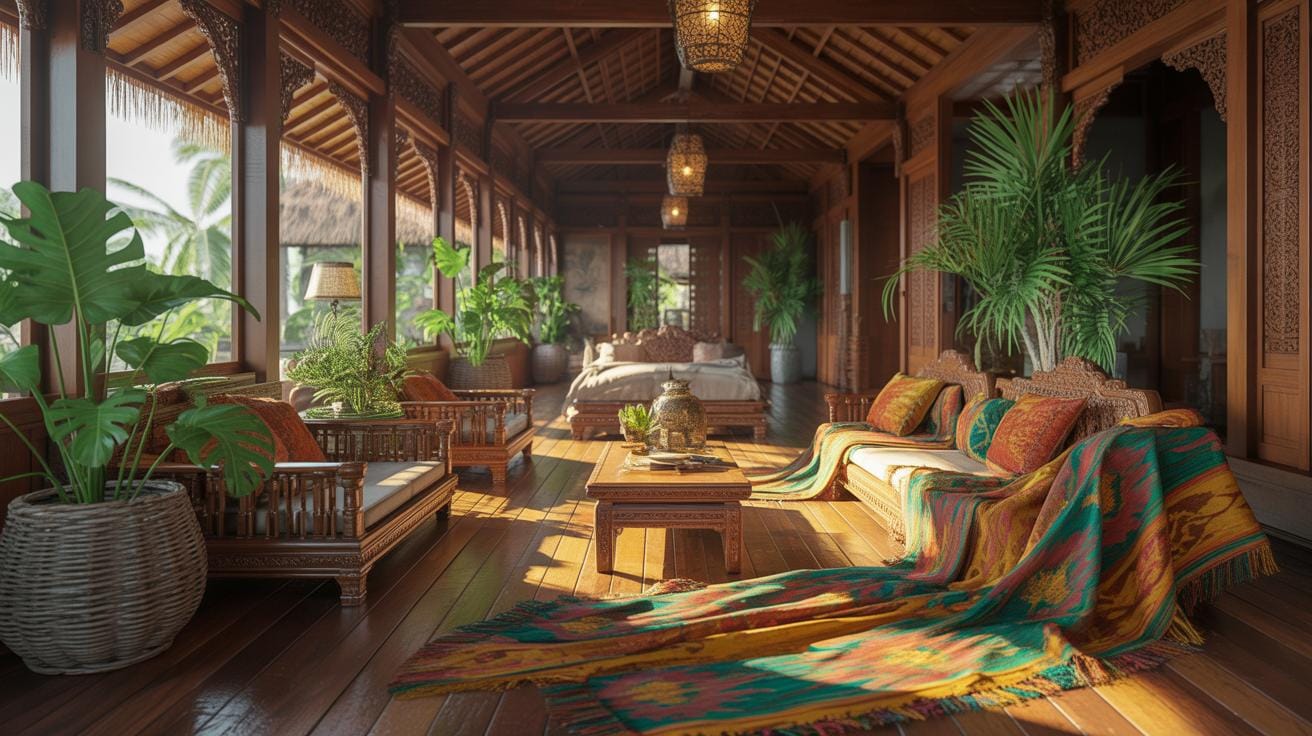
A successful Balinese interior removes the walls between the living room and the garden. Traditional layouts utilize open pavilions called bales. These structures allow air to circulate freely. This choice eliminates the need for partitions that block views. Professionals looking for Bali interior design ideas focus on this transparency. It forces the inhabitant to interact with the landscape instead of hiding from it.
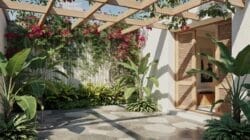
Integrating Bali inspired decor requires using plants and water features inside the home. Designers place courtyards in the center of the building. This brings light and rain into the heart of the living space. This layout is common in Bali fashion for architecture and luxury resorts. By treating the garden as a room, you create a seamless flow. This connection defines the core of Balinese spatial planning.
Essential Materials For A Traditional Bali House Design
Natural Sustainable Materials
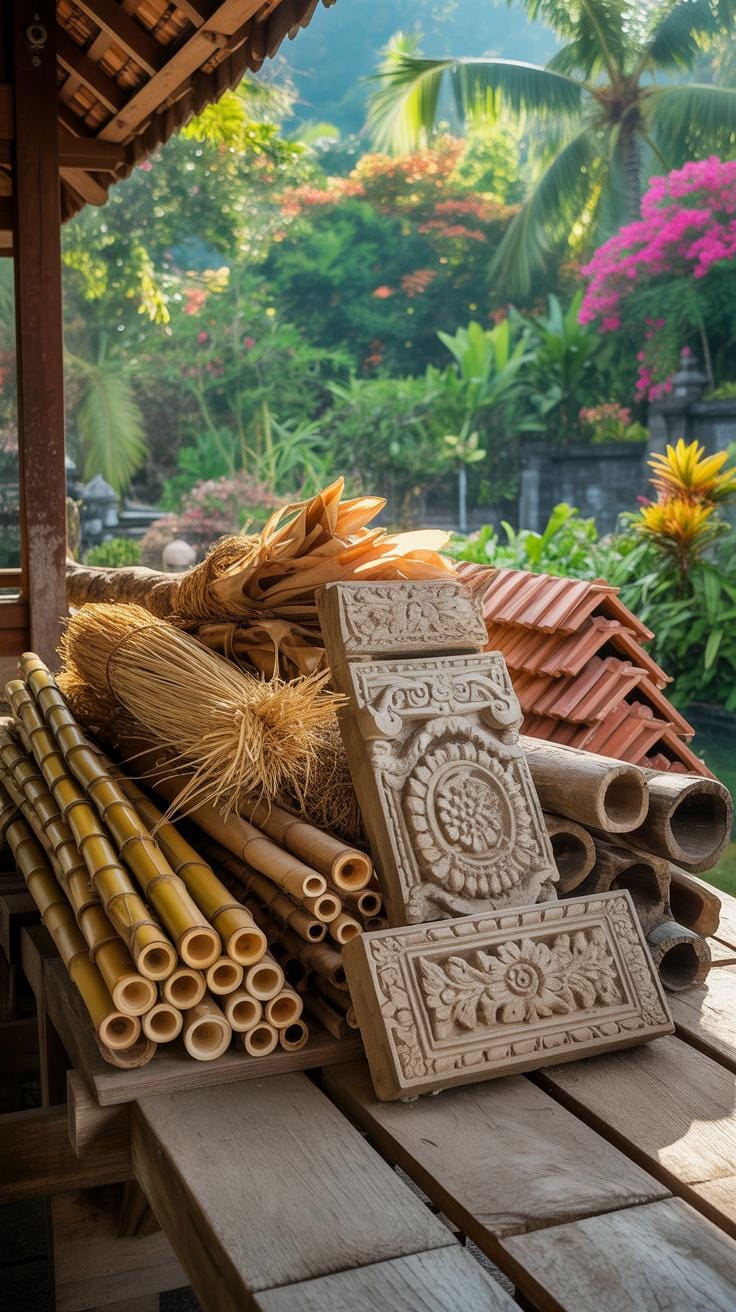
A Bali House relies on raw materials sourced directly from the landscape. This approach defines Balinese interior design by creating a fluid transition between indoor and outdoor spaces. Builders prioritize renewable resources like bamboo and thatch to maintain a cool climate inside. Using these elements creates the foundational textures required for any Bali Style Home and ensures the structure lasts in tropical humidity.
- Bamboo: This versatile grass provides structural support and aesthetic lining for ceilings or walls and represents a core pillar of Indonesia Interior Design. It grows fast and resists pests when treated correctly.
- Teak Wood: High oil content makes this timber essential for Balinese furniture and flooring because it survives moisture without rotting. It is the gold standard for durability in any Bali Interior Design project.
- Alang-Alang: This local tall grass creates traditional thatched roofs that allow air to circulate while shedding heavy rainwater. It is a signature look for anyone seeking Bali Interior Design Inspiration.
- Batu Chandi: This dark volcanic stone serves as floor tiling or decorative wall cladding within a Balinese home. Its textured surface provides grip in wet areas and grounds the visual palette in earthy tones.
- Rattan: Woven vines form chairs and storage baskets that add light textures to the room. It fits the Bali Fashion for lightweight and movable decor that does not block essential airflow.
Incorporating Bali Inspired Decor requires a commitment to these specific organic textures. You must avoid synthetic substitutes that trap heat or degrade in the sun. Authentic Balinese spaces use clay and stone to keep surfaces cold to the touch. This tactical selection of materials ensures your Bali Interior Design remains functional and rooted in the geography of the Indonesian archipelago.
Intricate Wood Carvings
Hand-carved wood defines the structural soul of Balinese architecture. Skilled artisans transform solid teak or jackfruit wood into functional art pieces like the Gebyog, a traditional door or room divider. These pieces serve as the primary focal points in a Bali House. The carvings often depict layers of leaves and flowers, reflecting the deep connection between the people and their natural environment.
You must treat these carvings as tactical anchors for the room layout. Small decor items do not provide the same impact as a single heavy carved headboard or door frame. These elements elevate a Bali Style Home beyond simple rustic aesthetics into a sophisticated space. Maintaining these pieces with natural oils keeps the wood from cracking and ensures the intricate details stay sharp and visible.
Creating A Relaxing Sanctuary With Balinese Interior Elements
Neutral Color Palettes And Textures
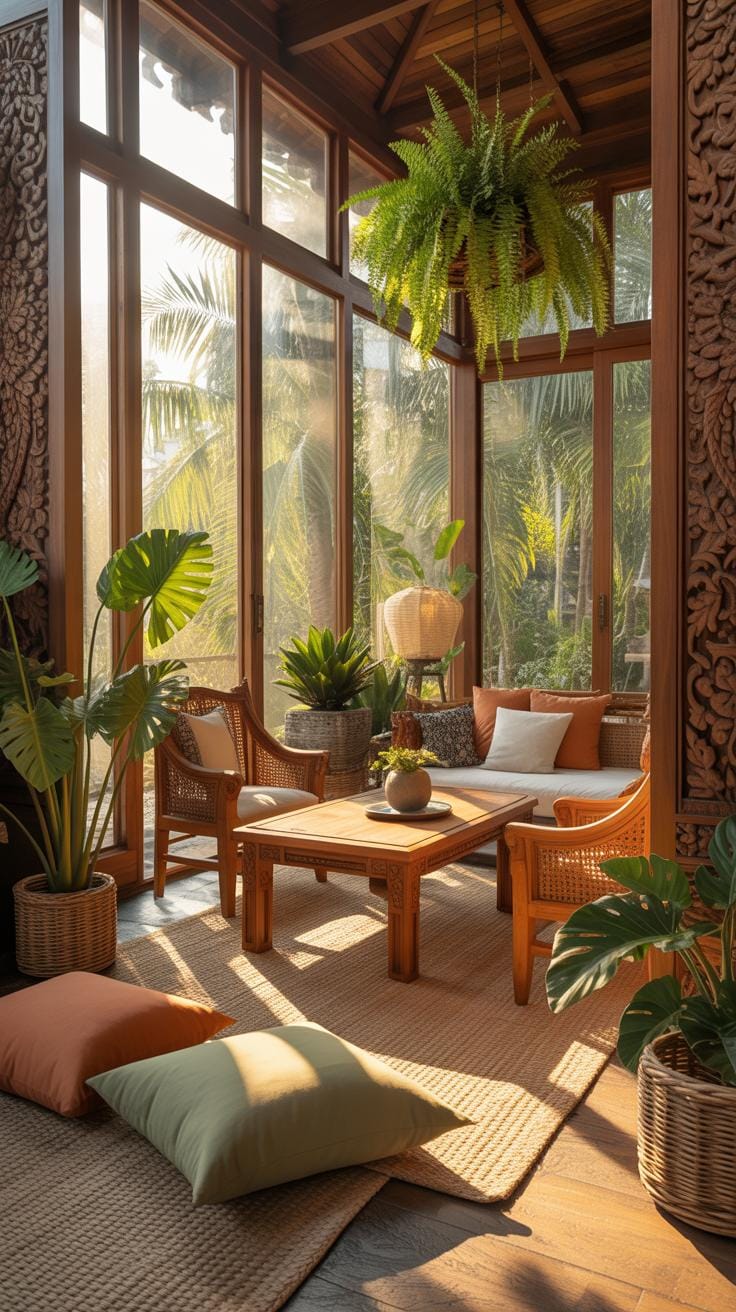
Balinese interior design relies on a foundation of neutral tones to mimic the natural landscape. Architects and designers use shades of sand, stone, and off-white to ground the space. These colors reduce visual noise and promote immediate mental clarity. A Bali House often features lime-washed walls or exposed brick. This palette serves as a functional backdrop for the intricate wooden carvings common in Indonesia Interior Design.
Texture provides the tactile depth necessary for a Bali Style Home. Makers use raw materials like rattan, jute, and bamboo to create layered surfaces. Woven seagrass mats and reed screens add organic complexity without using harsh synthetic chemicals. This approach to Bali Inspired Decor focuses on the physical sensation of the materials. Using various fibers ensures the Balinese Interior feels warm and settled rather than cold or clinical.
Scent And Sensory Appeal Blooming From Indonesia Interior Design
True Bali Interior Design Inspiration targets the olfactory system to trigger relaxation. Practitioners use sandalwood and jasmine incense to define the atmosphere of the room. These scents have deep roots in Balinese spiritual rituals and daily offerings. Placing stone bowls with fresh frangipani flowers adds both visual symmetry and a natural fragrance. This sensory layering is essential for any authentic Balinese environment.
Water features serve a tactical purpose in Bali Interior Design by masking external noise. The sound of trickling water from a stone fountain lowers the heart rate of occupants. Incorporating carved volcanic stone basins or small ponds connects the indoor space to the outdoor climate. This integration is a hallmark of the Balinese lifestyle and Bali Fashion in home styling. Focus on these movement-based elements to complete the sensory sanctuary.
Furniture Styles Defining The Bali Style Home
The Iconic Daybed And Lounging Culture
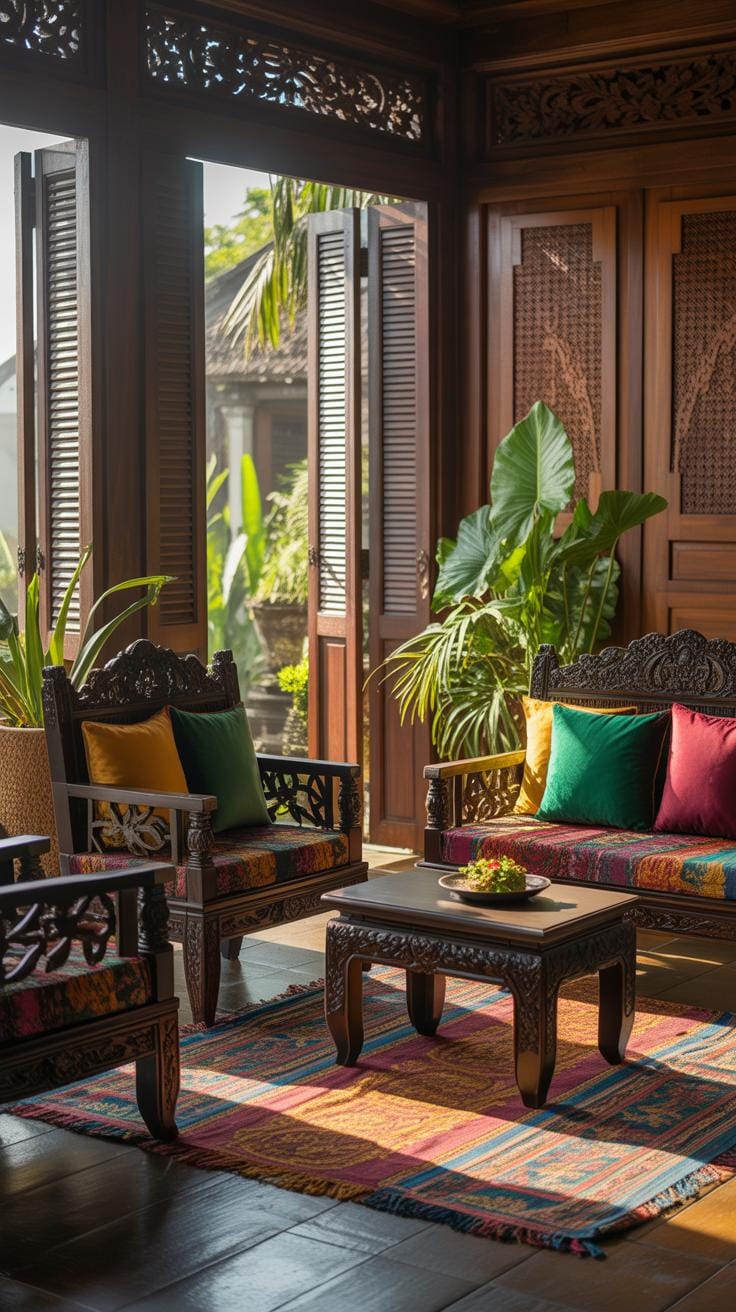
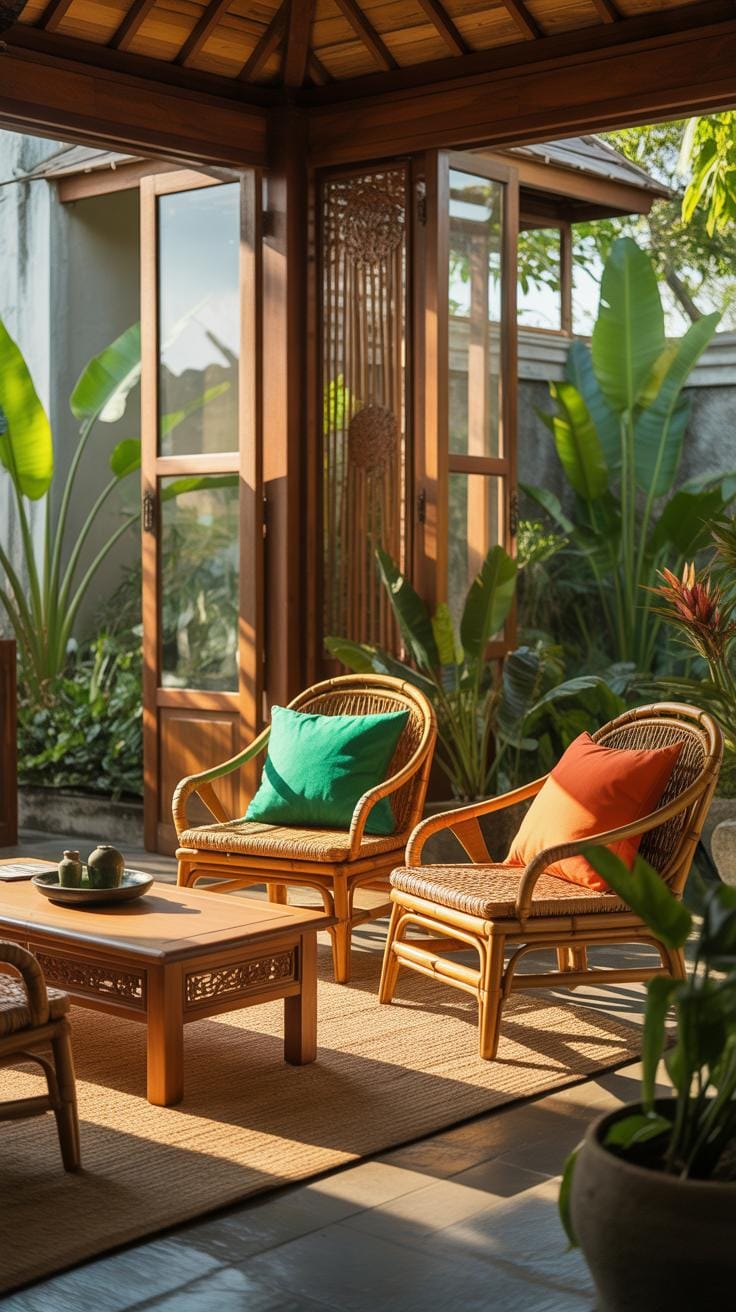
The Balinese Interior centers on the bale, a traditional open pavilion. This structure influences the Bali Style Home through low-slung furniture and oversized daybeds. These pieces force a slower physical pace. Low furniture heights change your visual perspective of a room. This setup mimics the relaxed posture found in Indonesia Interior Design. It shifts the brain from work mode to rest mode instantly.
A Bali House requires functional lounging areas that blur the lines between indoor and outdoor living. Bali Inspired Decor utilizes deep seating and wide platforms to encourage communal reclining. This design choice supports a vacation mindset by removing formal upright seating. Proper Bali Interior Design Inspiration relies on these generous proportions to create comfort. You must prioritize scale and depth to achieve the authentic Bali Interior Design look.
Reclaimed Wood And Artisan Craftsmanship
A true Bali Style Home uses solid teak, suar, or reclaimed boat wood. These materials provide structural integrity and historical depth to a Balinese space. Local artisans hand-carve intricate patterns into bed frames and cabinets. This manual labor reflects the high standards of Indonesia Interior Design. Mass-produced furniture cannot replicate the texture of hand-chiseled wood. These heavy organic pieces anchor a room and define the layout.

Authentic Bali Interior Design uses craftsmanship to tell a story of regional heritage. Collectors of Bali Fashion often seek these unique textures to complement their lifestyle. Using reclaimed materials ensures that no two pieces are identical. This uniqueness is a core pillar of Bali Interior Design Inspiration. Each item serves as a functional sculpture within the home. Quality joinery and natural finishes ensure these pieces last for many decades.
Incorporating Bali Inspired Decor In Modern Living Spaces
Statement Lighting With Natural Fibers
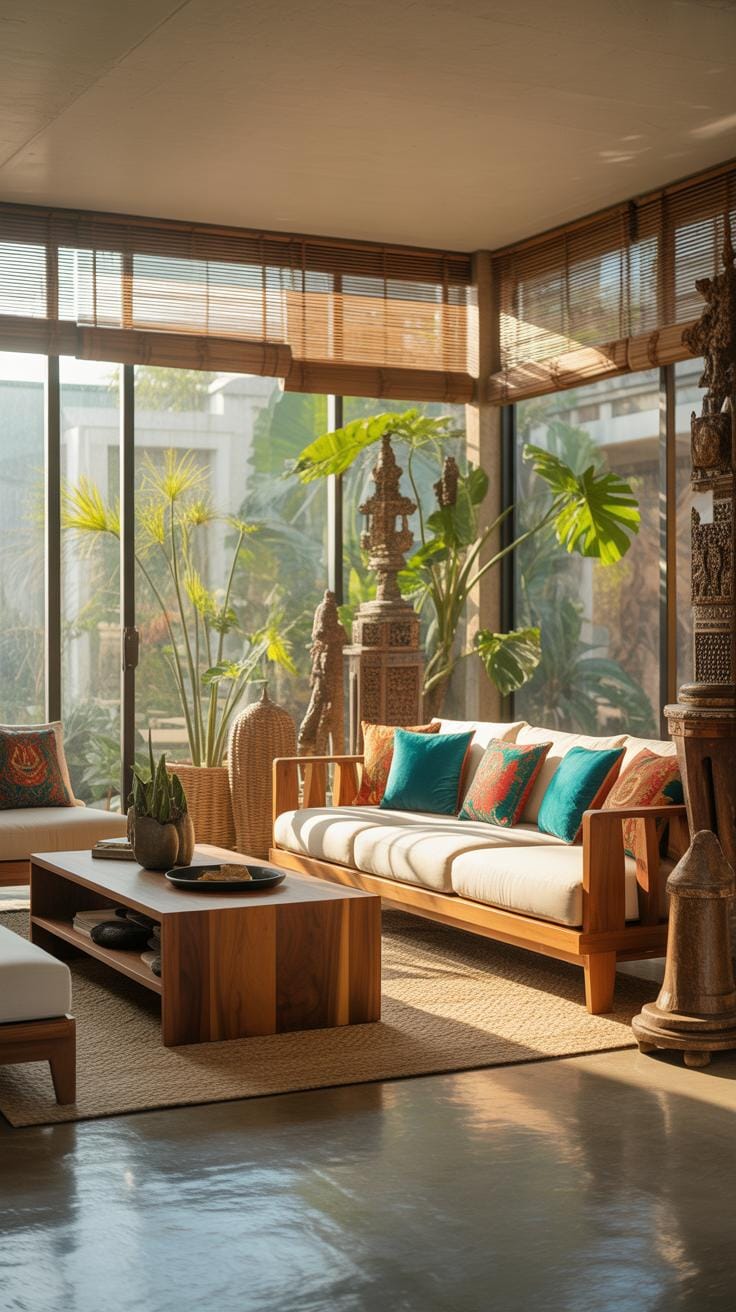
Modern Bali Interior Design relies on tactical lighting to replicate the soft glow of the tropics. Use pendant lights made from bamboo, rattan, or wicker. These materials filter light through woven gaps. This creates broken shadows on the walls and ceiling. This technique softens the sharp lines of a modern Bali House. It shifts the atmosphere from clinical to relaxed without changing the structural layout.
Place these fixtures at different heights to create visual interest. Larger domes work best over dining tables or central seating areas. Smaller woven lamps provide focused light in corners. These natural materials contrast with cold surfaces like concrete or steel. This balance is critical for any Bali Style Home. High quality natural fibers ensure durability. Proper placement makes Bali Inspired Decor feel authentic rather than cluttered.
Textiles And Soft Furnishings
Indonesia Interior Design utilizes hand made textiles to provide color and history. Integrate Balinese ikat fabrics for upholstery or cushions. Producers dye these threads before weaving them. This creates blurred edges in the patterns. These geometric designs add weight to neutral furniture. It is a core part of Bali Fashion and home styling. Use these pieces to break up the monotony of minimalist rooms.
Add batik prints to your Balinese Interior for cultural depth. This wax resist dyeing method produces intricate motifs unique to the region. Drape these cloths over sofas or hang them as wall art. They serve as a primary Bali Interior Design Inspiration for professionals worldwide. Mixing these textures creates a layered look. It connects a modern space to traditional roots. This approach ensures your Bali Interior Design remains grounded and sophisticated.
Finding Bali Interior Design Inspiration From Luxury Resorts
Open Air Bathroom Concepts
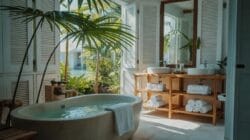
Luxury resorts define the modern Balinese Interior by eliminating boundaries between wet areas and nature. Designers use hand-carved natural stone tubs as central focal points. These heavy organic structures retain heat better than acrylic or porcelain. High perimeter walls ensure total privacy while allowing airflow through the top. This configuration prevents humidity buildup and mold growth common in standard Indonesia Interior Design schemes.
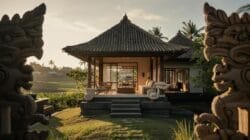
Executing this look in a Bali Style Home requires specific material choices. Install slate or volcanic rock for shower floors to ensure drainage and slip resistance. Use brass hardware to contrast with raw stone surfaces. Incorporate tropical plants like monstera or palms directly into the floor plan using recessed planters. This tactical approach to Bali Interior Design Inspiration turns a functional utility room into a private sensory retreat.
To create a home is to create a sanctuary where the spirit can rest, much like the timeless peace found in a Balinese garden.
Infinity Perspectives And Water Elements
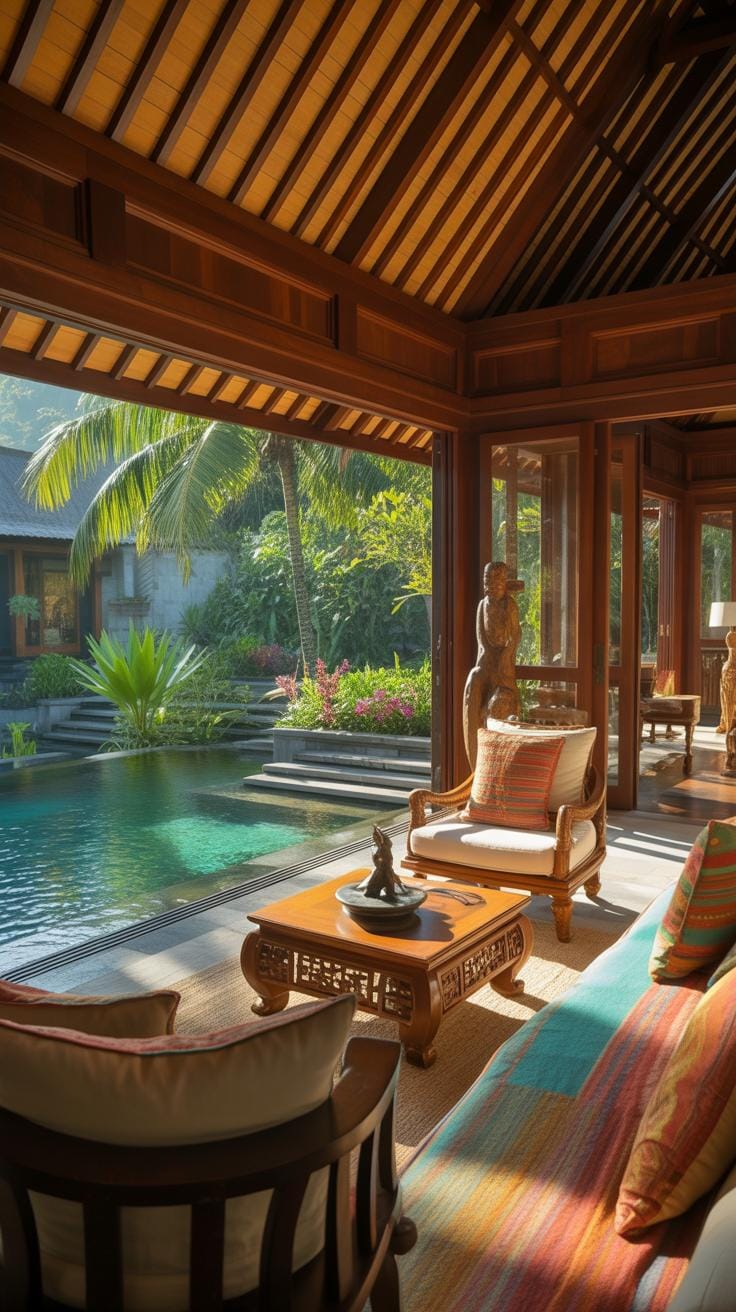
A high-end Bali House uses water as a structural cooling mechanism rather than just a visual prop. Reflective pools and small fountains lower the ambient temperature through evaporative cooling. This is a core tenant of Balinese architecture. Positioning these elements near entryways creates a psychological transition from the outside world. This technique is essential for anyone seeking Bali Inspired Decor that functions as well as it looks.
Tactical Bali Interior Design integrates water sounds to mask environmental noise. You do not need a massive pool to achieve this effect. Small stone basins with recirculating pumps provide the same auditory benefits. Use dark tiles in these water features to create a mirror effect. This expands the visual footprint of the room. This strategy proves that Balinese sophistication relies on how elements interact with light and space.
The Influence Of Bali Fashion On Interior Aesthetics

Bohemian Chic And Global Style
Bali Fashion heavily dictates the textiles found in a modern Balinese Interior. The island uses traditional ikat and batik techniques that define the global Boho-Chic movement. These patterns appear on throw pillows and wall hangings within a Bali Style Home. Proximity to local garment hubs allows designers to source high-quality fabrics. This connection creates a seamless transition between what people wear and how they decorate their living spaces.

Indonesia Interior Design focuses on the tactical use of these repetitive geometric prints. Applying these textile patterns provides necessary Balinese texture to minimalist rooms. Strategic placement of sarong fabrics as table runners offers instant Bali Interior Design Inspiration. This approach integrates textile heritage into functional decor. It ensures the space feels authentic rather than staged. Designers use these elements to create a cohesive look that mirrors island lifestyle and traditional craftsmanship.
Natural Accessories And Adornments
Bali Inspired Decor relies on the same raw materials used in local jewelry and clothing accessories. Artisans utilize shells, bone, and seagrass to create both Balinese necklaces and decorative wall shields. These items serve as focal points in a Bali House. They bring a tactile quality to the walls. Integrating these fashion elements into the room provides a direct link to the coastal environment. It turns clothing accents into permanent architectural features.
Hand-woven baskets and beaded containers reflect the high standards of Bali Interior Design. These functional objects started as daily utility items or ceremonial fashion accessories. Now, they function as essential storage solutions in a Balinese space. Using these natural adornments ensures the home remains grounded in local tradition. Professional designers select these pieces to add depth and organic shapes. This strategy maintains a raw aesthetic while providing practical benefits for modern living.
Modern Tips For Successful Bali Interior Design Implementation
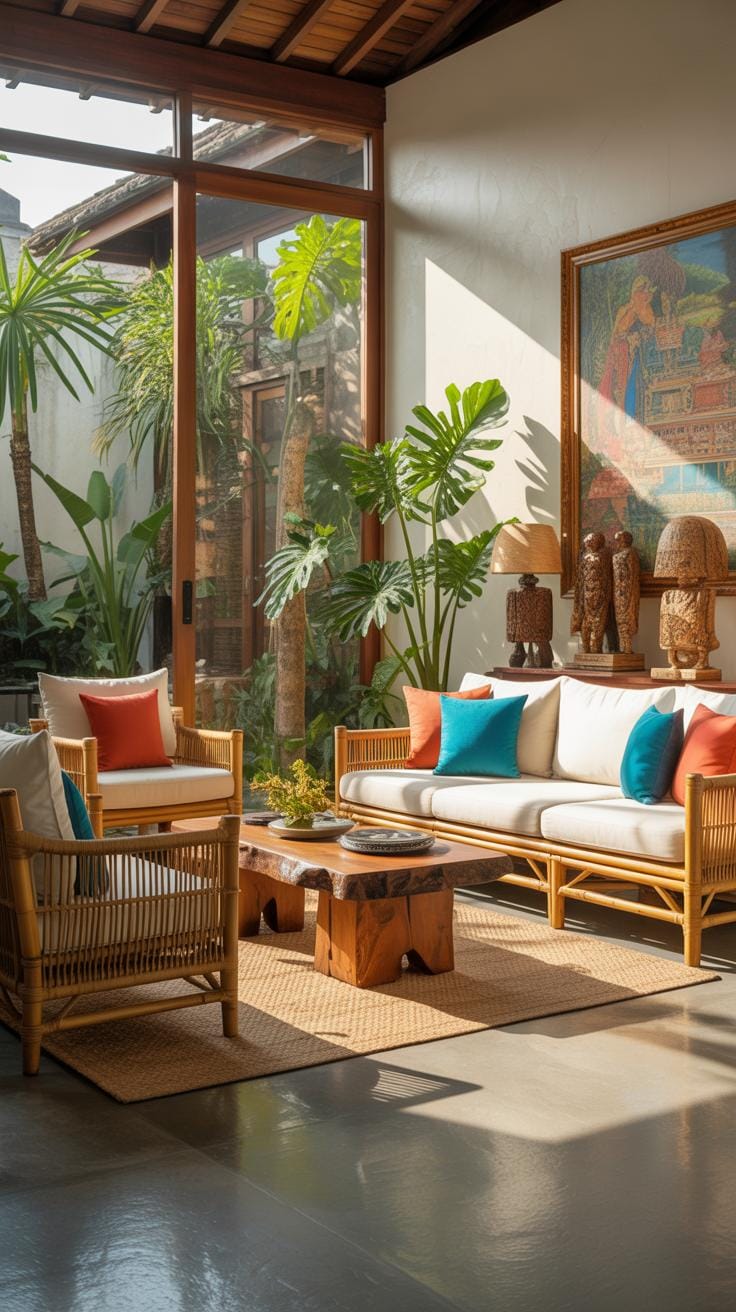
Step By Step Tropical Transformation
Start by replacing synthetic materials with organic textures to create a Balinese Interior. Swap plastic or metal fixtures for teak wood and bamboo. Focus on the base layer of your room first. Remove heavy curtains to let in natural light. Use neutral tones like beige and sand to mimic a Bali House. This shift establishes a clean foundation for Indonesia Interior Design.
- Teak Furniture: Invest in solid teak wood pieces for longevity. This material resists moisture and decay. It serves as the primary structural element in any authentic Bali Style Home. Keep the wood finish matte to maintain a natural appearance.
- Stone Accents: Use volcanic rock or river stones in wet areas. Apply these to bathroom floors or garden paths. Authentic Balinese design relies on the contrast between hard stone and soft greenery to create a balanced environment.
- Natural Textiles: Integrate linen and cotton for upholstery and drapes. These breathable fabrics improve airflow and comfort. Use neutral colors to match the Bali Interior Design Inspiration found in luxury island resorts and traditional dwellings.
- Indoor Greenery: Add large leaf plants like Monstera or Palms. Position them in corners to soften sharp architectural lines. Direct connection to nature is a core pillar of Bali Interior Design and helps purify the air inside.
- Woven Elements: Incorporate rattan or seagrass baskets and lampshades. These items add visual depth without adding bulk. Handcrafted textures are essential for achieving a high quality Bali Inspired Decor look without a full structural renovation.
Layering is the next tactical move. Add woven rugs and carved wood panels to wall surfaces. Use Bali Fashion influences by incorporating batik prints in small doses. This gradual approach allows you to balance modern utility with traditional aesthetics. Real Balinese design prioritizes function and local materials. You do not need a complete rebuild to achieve this specific atmosphere.
Maintaining The Minimalist Zen Aesthetic
Clutter destroys the psychological benefits of Balinese design. You must prioritize open floor plans and hidden storage. Each object in a Bali Style Home should have a specific purpose or cultural meaning. Remove unnecessary accessories that trap dust and block sightlines. A clean environment allows the natural wood grains and stone textures to stand out as the primary visual focus.
Successful Indonesia Interior Design relies on the concept of negative space. Do not feel the need to fill every corner with Bali Inspired Decor. Leave room for air to circulate freely throughout the building. This practice keeps the home cool and promotes a calm mindset. Consistent maintenance of these open spaces ensures your Balinese sanctuary remains functional and peaceful for everyday living.
Frequently Asked Questions

What are the core elements of Balinese interior design?
Balinese interior design focuses on creating a seamless harmony between nature and the home. Key elements include the use of organic materials like teak wood, bamboo, and stone, paired with an open-concept layout that encourages airflow. By integrating lush indoor greenery and traditional hand-carved accents, this style evokes a sense of spiritual tranquility and relaxation, effectively mimicking the peaceful atmosphere of a tropical island resort right in your living room.
How can I incorporate a tropical vacation vibe into a modern home?
You can achieve a vacation feel by introducing layered textures and earthy tones into your existing space. Start by adding woven rattan furniture, linen curtains, and large potted palms to breathe life into the room. Incorporating Balinese interior design doesn’t require a full renovation; simply replacing mass-produced decor with artisanal, handcrafted pieces and soft, ambient lighting can instantly transform a standard suburban house into a serene, meditative sanctuary.
Can I achieve a Balinese aesthetic on a limited budget?
Absolutely. Reclaiming the Balinese look is more about intentionality than expensive imports. Focus on affordable DIY projects like using jute rugs, thrifted wooden bowls, and plenty of propagated tropical plants. Focus on a “less is more” philosophy by decluttering your space to create a breezy, expansive feeling. Affordable accents like stone incense holders or batik-print throw pillows can provide that luxurious getaway sensation without requiring a hefty financial investment.