
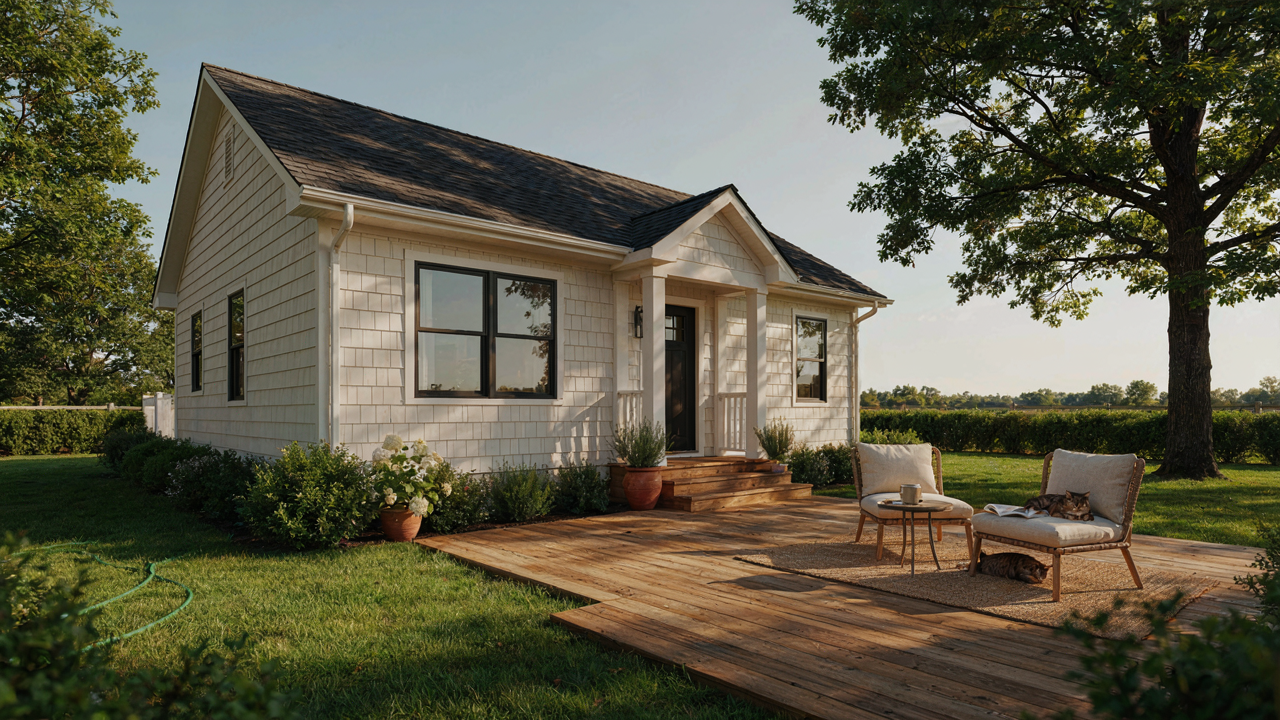
The Unspoken Truth: A Guest House Isn’t About Guests
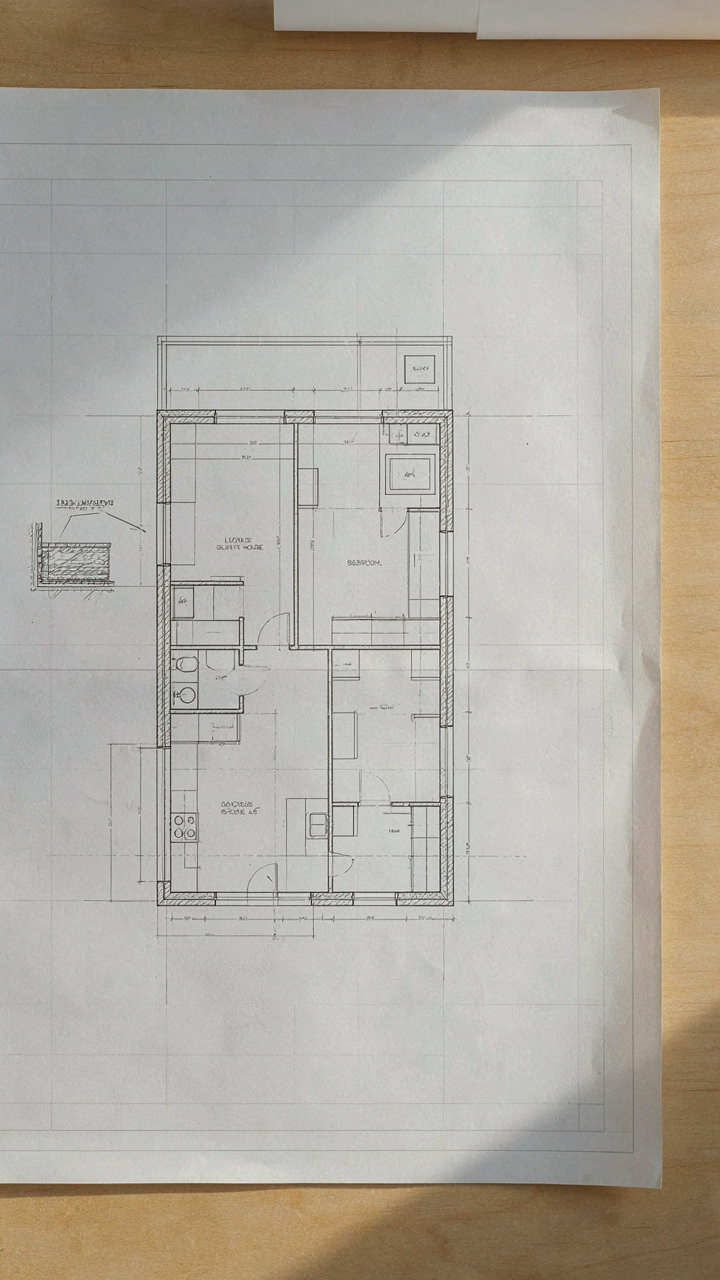
The Real Reason You Want One
You want a guest house because you’re afraid of wasting backyard space or missing leverage you don’t fully understand yet. The actual mechanism: in economics, underutilized assets drain opportunity cost. A cottage guest house solves this by converting dead square footage into productive capital. Most people frame this as hospitality. That’s incomplete. You’re optimizing for multiple revenue streams, tax deductions, or family flexibility simultaneously. The guest house is the vehicle. Guests are optional.
The distinction matters because it changes every decision you make. If you build for occasional visitors, you build inefficiently. If you build for asset optimization, you design for occupancy, durability, and income. One approach leaves money on the table. The other doesn’t. The cottage guest house moves from a nice-to-have amenity into a strategic property asset the moment you stop thinking of it as a guest accommodation and start thinking of it as real estate that sits on your land.
The Economics Nobody States
The standard advice says build small, keep it simple, focus on comfort. That’s wrong. Small units have the worst cost-per-rentable-square-foot ratio. What matters is the spread between construction cost and monthly revenue potential or tax benefit. A 400-square-foot cottage guest house costs roughly the same to site, permit, and connect to utilities as a 600-square-foot one. The second generates higher occupancy revenue or justifies more aggressive pricing for seasonal rental or long-term lease models.
Build to market standard, not to minimum. This means full kitchen, separate HVAC, finished flooring, and proper insulation from day one. These aren’t upgrades. They’re the difference between an asset that appreciates and one that depreciates. When resale time comes, a cottage guest house built to code with documented permits trades at three to five times the cost of construction. A illegal ADU or cheaply finished backyard shack trades at zero. Price the project for maximum utility first, then cut from there if budget demands it.
The Minimalist Casita Blueprint: Efficiency Over Excess
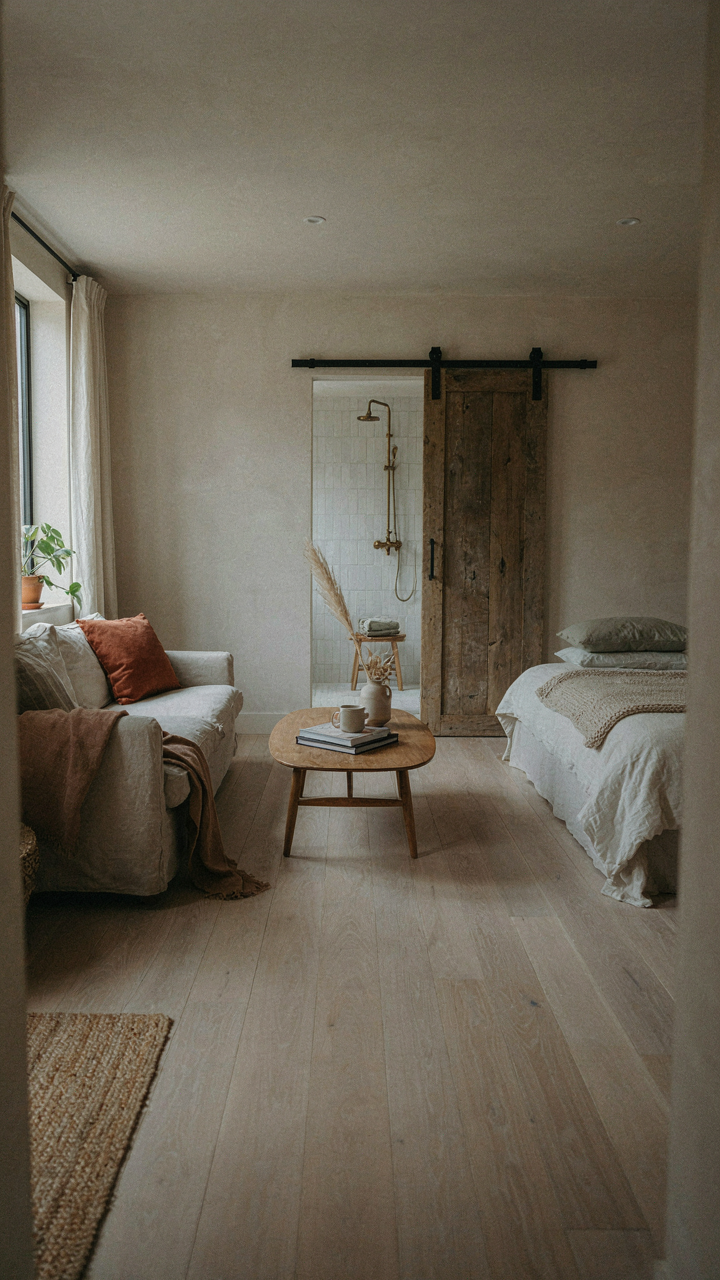
Design Within Constraint
You want people to think you’re rich without spending like you are. The mechanism here mirrors load-bearing wall logic in architecture: every element must carry weight or it disappears. A cottage guest house isn’t smaller because you ran out of budget. It’s smaller because constraint forces decisions that larger spaces hide behind.

A 400-square-foot footprint demands intentionality that a 2,000-square-foot house never requires. You choose one focal point instead of six. You select materials that age visibly instead of vanish into neutral mediocrity. Tight square footage eliminates the amateur’s instinct to fill space. It forces the owner to ask what actually functions versus what simply occupies real estate.
What Stays And What Dies On The Design Board
Most advice tells you to include a kitchen, bathroom, and sleeping area, then calls it done. That’s incomplete. The real split isn’t between necessary and unnecessary. It’s between what your guests actually use and what you think they should want.
- Full kitchen: Guests cook or they don’t. Compact kitchens with a two-burner cooktop, small refrigerator, and sink handle 90 percent of use cases without the cost or footprint of a full range.
- Washer and dryer: Eliminate this unless guests stay longer than five days regularly. It drives plumbing costs and eats 40 square feet for minimal return.
- Climate control: Window air units or mini-split systems cost less than full HVAC systems and occupy zero square footage in walls. They work in temperate climates without overengineering.
- Bathroom layout: Wet room designs with walk-in shower and no tub reduce plumbing runs and maximize usable floor area in under 50 square feet.
- Sleeping area separation: A barn door or pocket door between bedroom and living space costs under 500 dollars and provides privacy without hallway waste.
The cost difference between aspirational and functional is material. A guest house without a washer, full kitchen, or separate laundry room saves 8,000 to 15,000 dollars in construction while remaining fully rentable. Track utility during the first season of use, then retrofit only what data shows guests actually need.
The “Backyard Tiny Home” Arbitrage: Monetizing The Unused
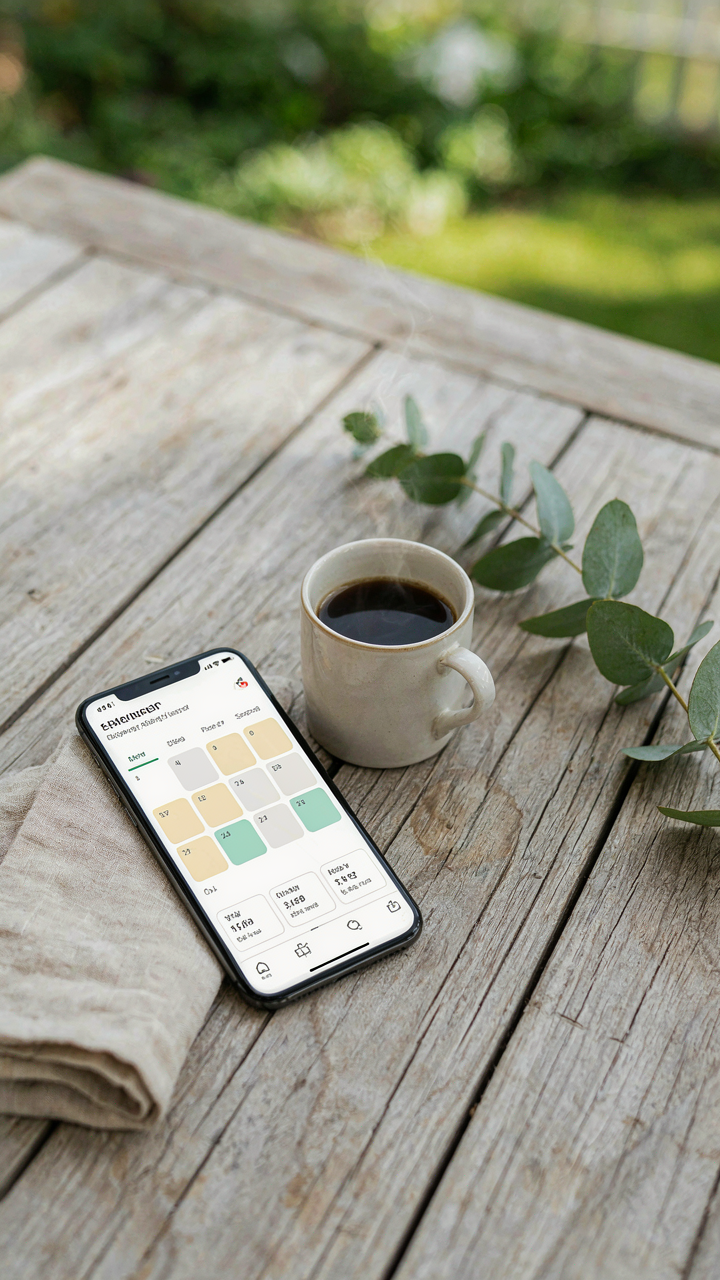
Short Term Rental Income Strategies
You want proof that your cottage guest house isn’t a vanity project burning money each month. That’s the real question underneath all this. Here’s the mechanism: short-term rentals treat your property like a hotel operator treats inventory. You’re selling access to scarcity, not shelter. The math is simple. A cottage guest house in most markets rents nightly at 1.5 to 3 times what you’d earn per night dividing annual lease income by 365. The gap exists because travelers pay premium rates for specific dates, while tenants amortize their rent across the full year.

Platforms like Airbnb and Vrbo handle customer acquisition and payment processing, eliminating your need to find renters yourself. You set your own rate based on local demand, seasonal peaks, and your property’s condition. Weekend rates can run double weekday rates in tourist areas or near metro zones. The trade-off is operational: you manage turnover, cleaning between guests, minor maintenance calls, and tax reporting. Most hosts who succeed at scale hire a property manager, which costs 20-30 percent of gross revenue but removes the operational friction that kills profitability.
Long Term Lease For Passive Income
Passive income means you stop working once the agreement starts. Not true with leasing a cottage guest house. You become a landlord managing a tenant, maintenance issues, and regulatory compliance. But here’s what you actually gain: predictable monthly cash flow with zero booking friction, no guest turnover costs, and a single tenant relationship instead of dozens per year. The economic trade-off is real. Annual lease income on a cottage guest house typically runs 40-60 percent lower than short-term rental revenue, but your operational load drops to near zero after tenant screening.
A long-term lease works best when you value stability over maximum revenue extraction. Set your annual rate by researching comparable rentals in your area, accounting for your property’s square footage, amenities, and location. A standard lease term runs 12 months with a security deposit equal to one month’s rent. Your job is now compliance: property tax payments, any required landlord insurance, and responding to maintenance requests. Screen tenants through background checks and income verification, then let the monthly deposit hit your account without the operational overhead that makes short-term rentals exhausting.
De Risking Your Outdoor Guest House Investment
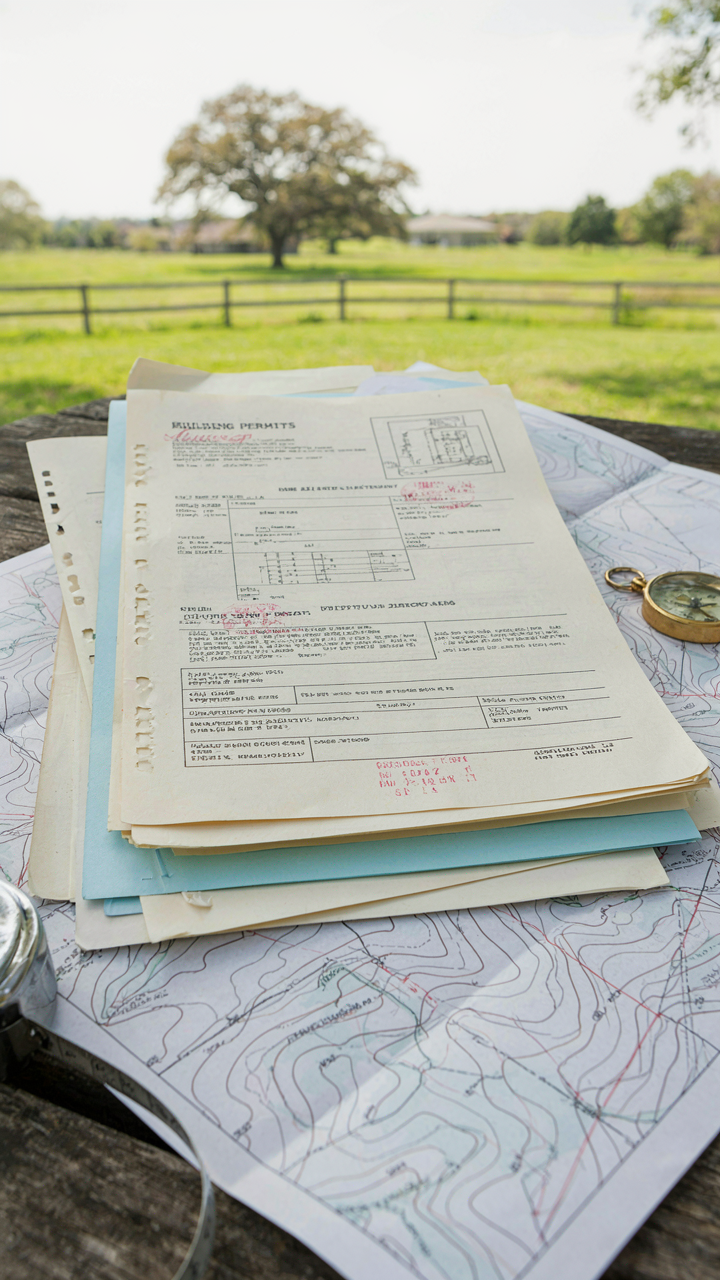
Permitting And Zoning Are Non Negotiable First
You’re hoping permitting won’t be the thing that kills this. It is the thing that kills this for most people. Zoning code operates like thermodynamics in real estate—energy flows according to rules established long before you owned the land, and you cannot negotiate with the municipality the way you negotiate with a contractor.

Most jurisdictions classify a cottage guest house as an accessory dwelling unit (ADU). Some allow them outright. Others prohibit them entirely or allow them only if you meet strict criteria: owner occupancy on the primary residence, minimum lot size, setback distances from property lines, height restrictions. Check your local ordinance before you design anything. One miscalculation here costs you months and thousands in redesign or, worse, forces you to demolish what you built.
Liability Exposure Requires Structural Strategy
Insurance carriers view a rented guest structure differently than your main home. You are now running a business operation, not offering occasional hospitality. The liability mechanism shifts from homeowner’s policy (which explicitly excludes rental income) to commercial liability, which costs more and requires you to prove the structure meets code.
Your cottage guest house needs documented proof of compliance: electrical permits, plumbing inspection stamps, structural sign-off. Without these, your insurer can deny claims and cancel your policy retroactively. Contact your agent before construction and get written confirmation of what coverage you’ll receive post-completion. Do not build first and call insurance second.
The “Guest House Farmhouse” Aesthetic: Substance Over Style
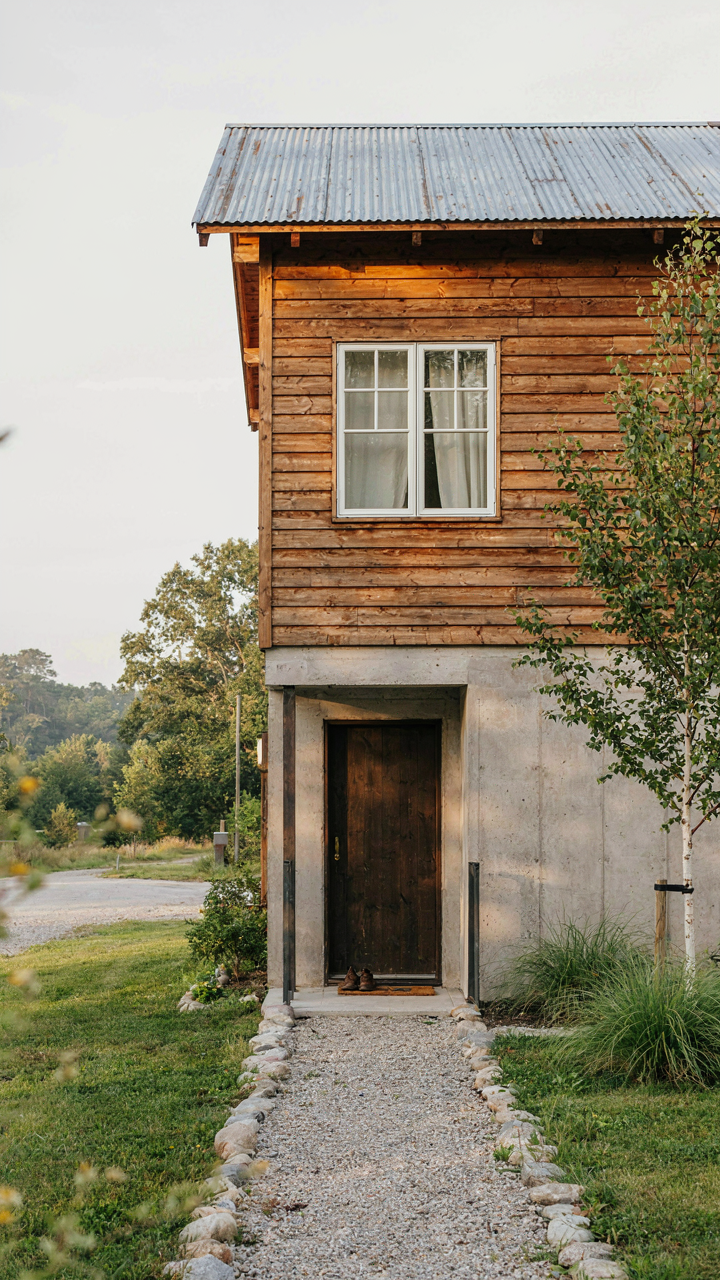
Materials That Don’t Demand Constant Repair
You want the aesthetic without the maintenance headache. That’s the real pitch here. Farmhouse style works because it borrowed from necessity, not invention. Rural buildings used what lasted: heavy timber, stone, metal, unfinished wood. These materials age predictably. They don’t trap moisture, crack unexpectedly, or require seasonal intervention.

Most guest house owners choose materials for appearance, then resent the maintenance tax. Reverse this. Start with what survives regional weather without intervention. Rough-sawn wood, concrete, corrugated metal, and brick handle temperature swings and UV exposure without degradation. Stain, paint, or seal them once, then let them weather naturally. The visual character deepens, not diminishes.
Design Moves That Outlast Trends
Timeless doesn’t mean boring. It means removing elements that date fast and anchoring the structure to proportion and material instead. Most guest house designs fail because they chase current style: exposed shiplap, specific color palettes, trendy fixture finishes. None of this ages well. Five years later, it reads dated, not classic.
The mechanism here is constraint. Strip the design to its structural skeleton: roof pitch, window placement, wall proportion, entry sequence. These don’t trend because they solve basic human problems. A steep roof sheds water better. Deep eaves protect walls. Small windows in sleeping areas preserve privacy. Large windows facing views work regardless of era. Build around these rational moves, and the cottage guest house survives aesthetic cycles unchanged.
The “Pretty Small House” Ecosystem: Integration, Not Isolation
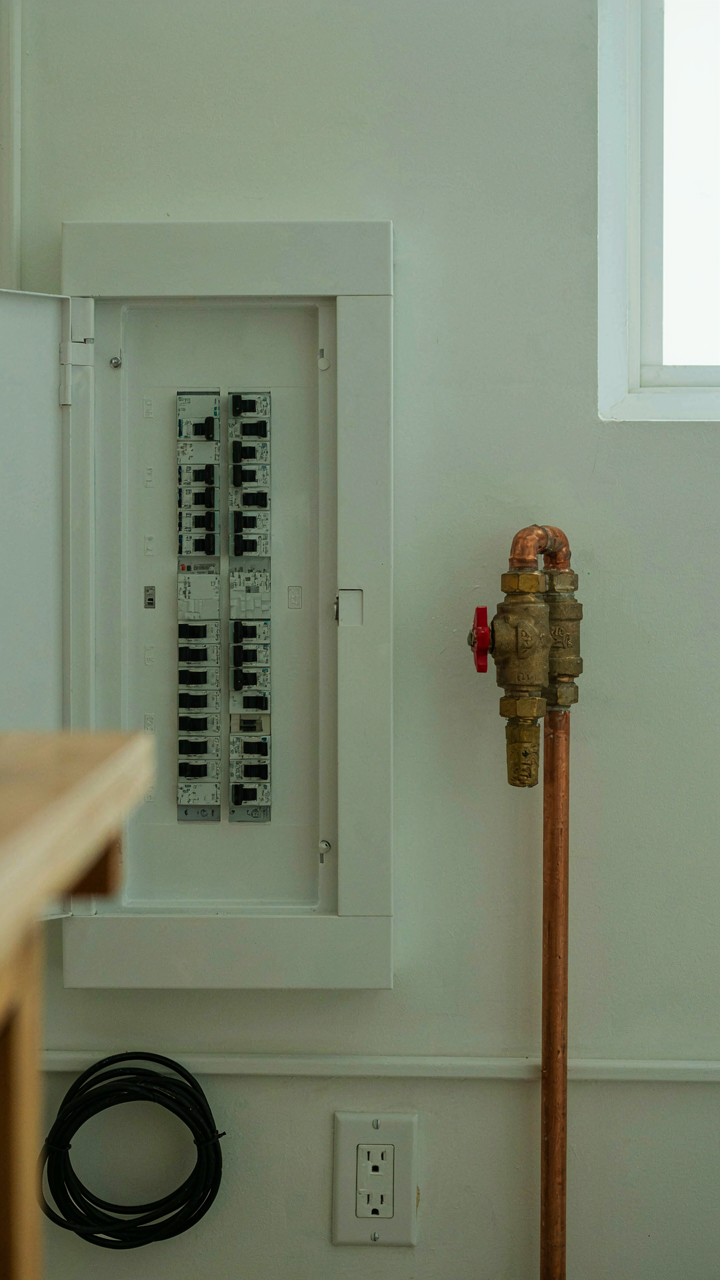
How Resource Flow Beats Independence
You want your guest house to feel separate because you’re afraid of boundary collapse. But isolation is expensive and fragile. Ecology teaches us about nutrient cycling: nothing thrives alone. Your cottage guest house functions as a subsystem within the larger property ecosystem, not a fortress.
The real efficiency gain comes from shared infrastructure strategically placed. Water runoff from the main roof can feed the guest house landscape. Greywater from guest showers can irrigate perimeter plantings. Waste heat from one structure warms adjacent spaces in shoulder seasons. You’re not eliminating separation. You’re making separation intentional instead of wasteful.
Utilities That Don’t Bleed Money
Most advice says run separate lines to your guest house. That’s wrong. It maximizes contractor fees and installation costs while creating redundant infrastructure you’ll maintain forever. The mechanism is different.
Run primary utilities from the main house to the guest structure with proper metering and shutoff points. One electrical panel feeds both buildings on a single service drop. One water line splits with a second meter at a junction box. One sewer or septic line handles both structures with a properly sized system. This cuts installation costs by 40 to 60 percent. It simplifies winterization. It reduces failure points. You still isolate at the metering stage, so guests and owners each control their consumption and shut off independently without touching the other’s system.
The Multiplier Effect: Your Guest House As Business Hub
Creative Space That Generates Revenue
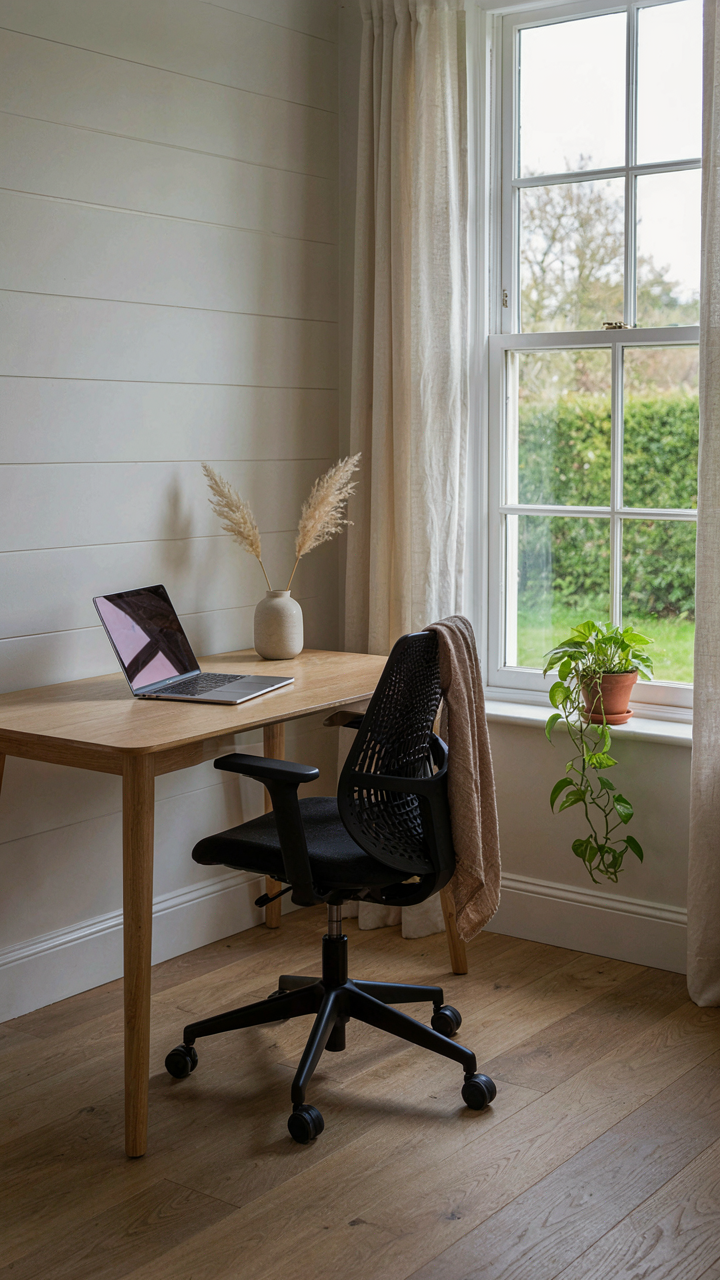
You want permission to build something on your property without admitting you’re tired of your day job. Here’s the mechanism: a cottage guest house operates as a revenue asset when idle and transforms into specialized workspace when needed. Economics calls this asset utilization—you’re maximizing ROI on a single structure by stacking income streams. The guest house doesn’t sit empty between bookings if you’ve designed it with work in mind.

A separate structure eliminates the friction that kills remote work at home. No kitchen distractions. No household interruptions bleeding into client calls. Photographers, writers, consultants, and designers rent these spaces specifically because they offer boundary and focus. You charge per night or negotiate weekly rates for professionals in need of temporary studios. The income covers carrying costs while you own an appreciating asset.
Side Hustle Launchpad For Untested Ideas
Most people never test their business idea because they can’t afford to rent commercial space. Wrong problem to solve. Your cottage guest house becomes the proving ground for revenue models that don’t justify overhead yet. You test the concept, validate demand, and generate enough cash flow to justify expansion or kill it fast without sunk costs.
A pottery studio, online coaching practice, small-batch product assembly, or tutoring operation runs cleanly from a guest house. Clients meet in a professional setting separate from your residence. You establish routine and discipline by showing up to “work” in a different structure. The rental revenue during gaps funds the experiment. Once the side hustle reaches critical mass, you either scale to dedicated commercial space or keep running it there if it stays lean.
The Optionality Protocol: Future Proofing Your Backyard Asset
Build For Multiple Revenue Streams, Not One
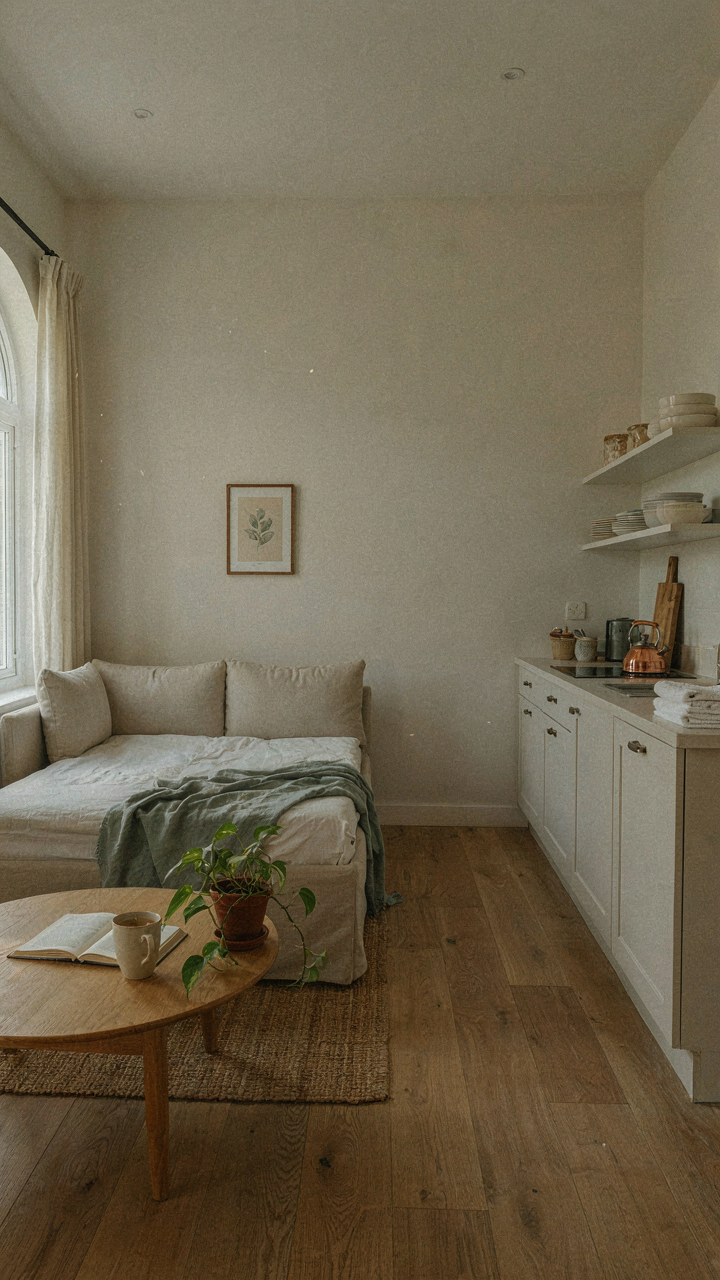
You want this cottage to pay for itself forever. That’s the real motive. Here’s the mechanism: borrowed from portfolio theory in finance, you’re seeking non-correlation between income sources. A guest house locked into one use case is a depreciating asset. One market downturn, one regulatory shift, one neighborhood change kills your income. Design for three distinct use cases from the start. Short-term rental, long-term tenant housing, and owner retreat. The structure, utilities, and layout must support all three without major renovation.

The common advice is to pick your primary use and optimize for it. Wrong. You optimize for the switching cost between uses. Can you convert from Airbnb to a year-long tenant lease in one week? Can you remove rental furniture and move in yourself without discovering plumbing you didn’t know about? The baseline is a self-contained unit with separate utilities, a kitchen, full bathroom, and flexible sleeping configurations. Avoid open-concept layouts and fixed built-ins that scream “vacation rental.” That aesthetic locks you in.
Adaptive Systems Beat Static Structures
Adaptability is economics applied to physical space. Build systems that absorb change without capital reinvestment. The HVAC, electrical panel, and plumbing must have capacity beyond current demand. Oversizing these systems costs money now but prevents the $15,000 retrofit later when you need to support different occupancy levels or add seasonal heating.
Materials matter more than aesthetics here. Durable finishes withstand turnover and tenant wear without repainting every two years. Concrete or luxury vinyl flooring instead of carpet. Matte paint on walls instead of wallpaper. These choices reduce maintenance cost and downtime between tenants. Install systems with adjustable controls, not hardwired settings. Install HVAC zoning so you can heat or cool only occupied rooms. Add a separate meter for utilities so you can transition from paying costs to passing them to occupants. Every system should accept reconfiguration without demolition.
The Real Obstacle Isn’t Building A Guest House; It’s Your Failure To See Your Backyard As A Strategic Portfolio
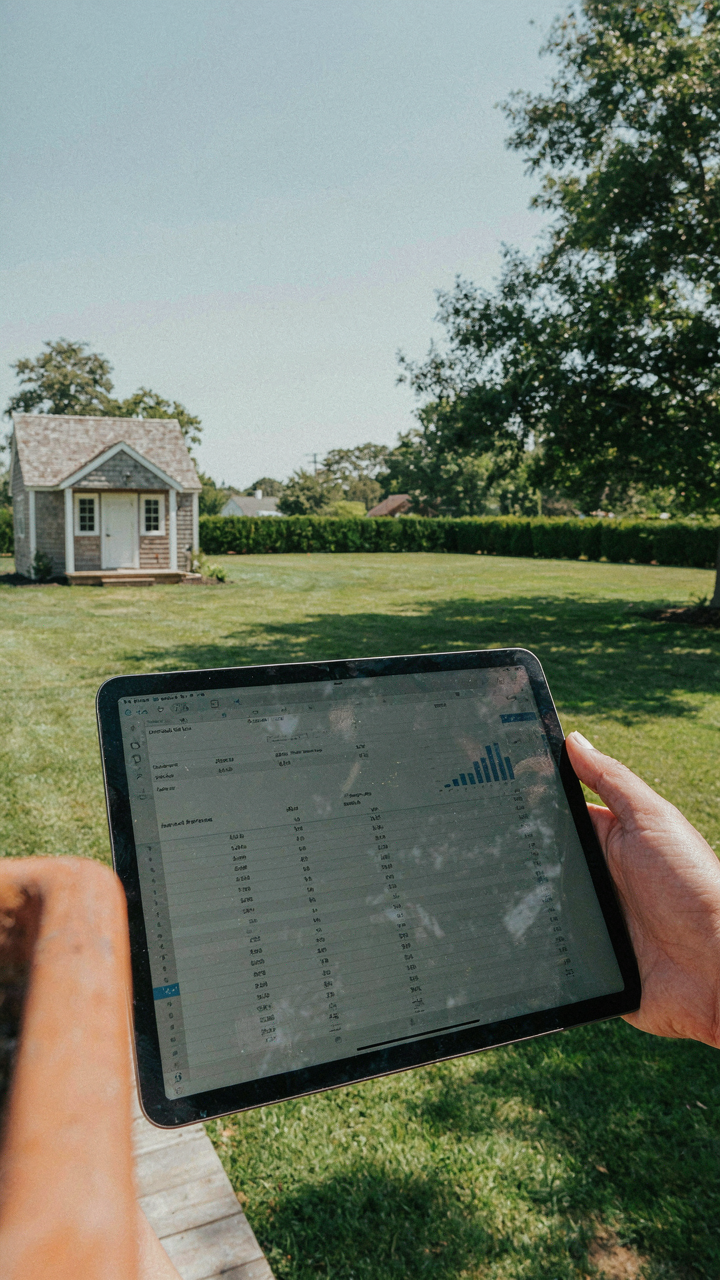
Most people treat their backyard like wasted space instead of an income-generating asset. You’re sitting on equity and cash flow you refuse to acknowledge. Stop asking if you should build a cottage guest house. Start mapping out how many rental nights you need to cover your mortgage. Pull up Airbnb listings in your zip code today. See what nightly rates actually move. Your backyard doesn’t need permission to become profitable, only your willingness to stop treating it like scenery.