
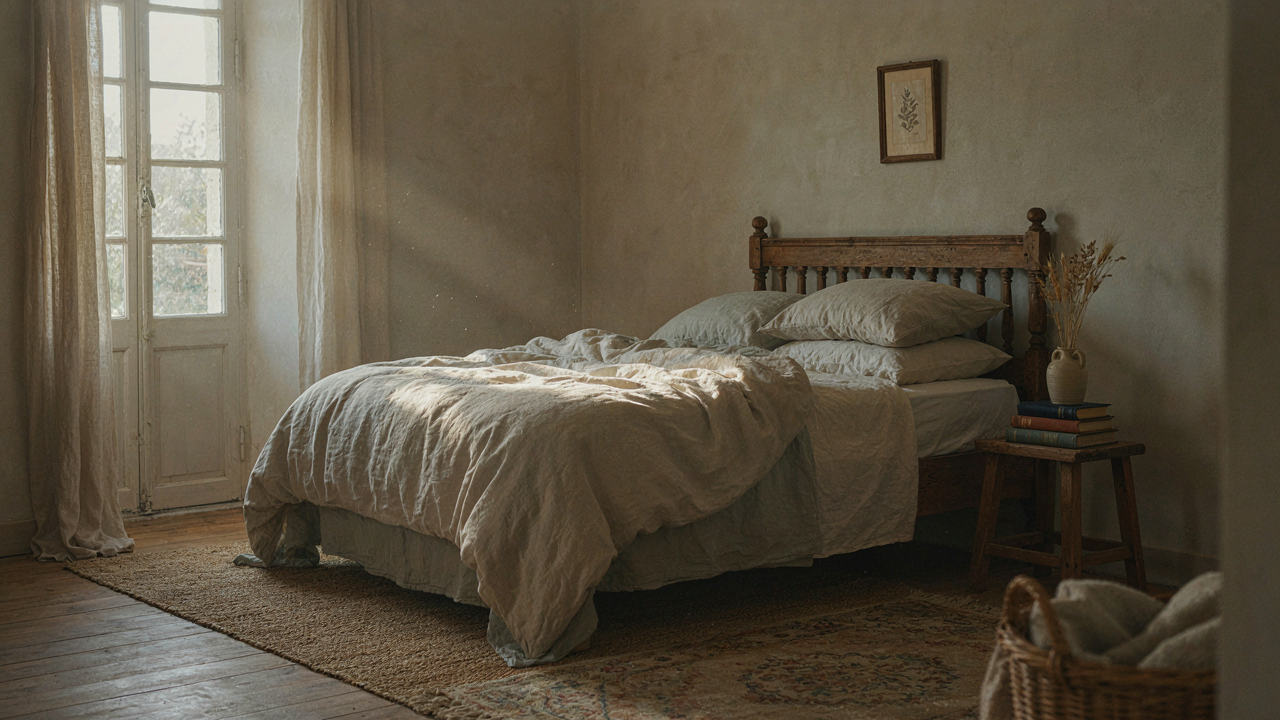
The Myth Of More: Why Your French Country Bedroom Feels Fake
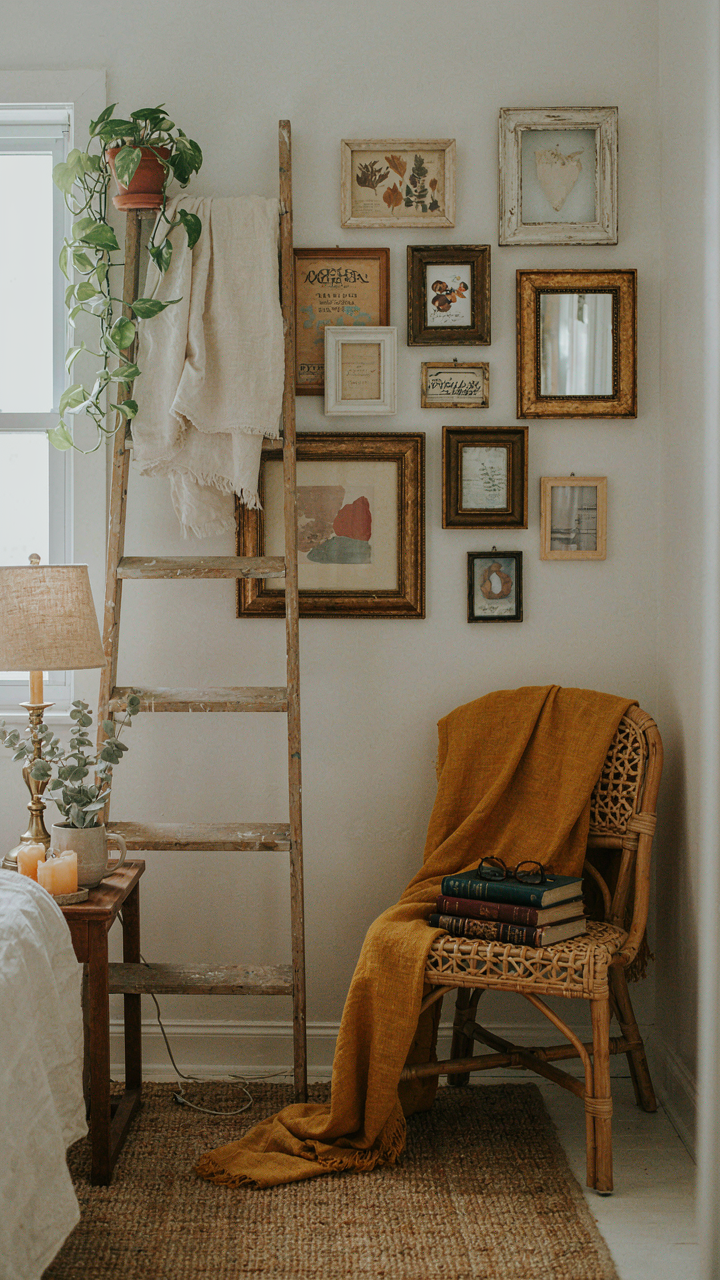
Decoration Masquerading As Design
You want people to walk in and immediately know you have taste. That’s the real driver. The mechanism at play here is visual noise—treating a bedroom like a gallery instead of a functional space. French country design didn’t emerge from abundance. It came from rural practicality in Provence, Normandy, and the Loire Valley where families worked land and made do with what they had. Overdecorating inverts this entirely.
The common advice says “layer in textures and patterns.” This is incomplete. Layers work only when they serve a spatial function or create genuine visual rest. Adding a decorative ladder, vintage signs, and mismatched thrifted frames to walls already crowded with fabric swatches doesn’t create French country character—it creates clutter with European pricing. Restraint isn’t a byproduct of French country design. It’s the foundation.
The Shabby Chic Trap
Distressing furniture and calling it vintage authenticity is a marketing category, not a design principle. The trap catches people because shabby chic lets you skip the harder work: selecting pieces that actually function together. Real French country bedrooms from the 18th and 19th centuries featured worn finishes because objects endured decades of use, not because damage was the aesthetic goal. Worn surfaces happened accidentally through living.
Modern shabby chic reverses cause and effect. You artificially age materials, then arrange them to look casually collected. This signals effort disguised as effortlessness—the opposite of what the style actually communicates. The moment you notice a room’s “French country” quality is the moment it failed. Stop treating distressed finishes as character. Instead, choose neutral linens, solid wood pieces in muted tones, and leave walls bare or feature one focal point—then stop.
The Edited Eye: Curating Your French Interior Bedroom

Intentional Imperfection Over Polish
You want permission to stop trying so hard. Here’s the mechanism: French country design works because it mirrors lived-in time, not staged newness. The Provençal aesthetic emerged from rural necessity, not design committees. Worn linen, faded paint, mismatched wood tones—these weren’t budget compromises. They were the default state of spaces that functioned first and looked refined second through that function alone.

The mistake most people make is treating imperfection as a style choice to apply, then photograph. That’s backwards. You’re aiming for the traces of actual use without the actual decay. Faded walls come from decades of light exposure, not from buying pre-distressed paint. The difference is that real aging has logic behind it. It fades where sun hits, darkens where hands touch, chips where friction happens. Replicate the pattern, not just the effect.
Subtract Before You Style
Everyone talks about adding layers to French country bedrooms. That advice skips the hard part: most rooms fail because they’re already full. The design principle is subtraction under constraint. Start by removing everything that doesn’t anchor the space or serve daily function. Decorative objects that don’t sit on surfaces you actually use are ballast.
The tension in a curated French bedroom comes from what’s absent, not crowded in. Three carefully placed items on a dresser create focus. Twelve items create clutter masquerading as charm. One honest practice: before buying anything new, remove two things already in the room. This forces real decisions instead of accumulation that reads as abundance.
The Patina Principle: Authenticity Over Newness In Your French Bedroom Designs
Celebrating Aged Materials
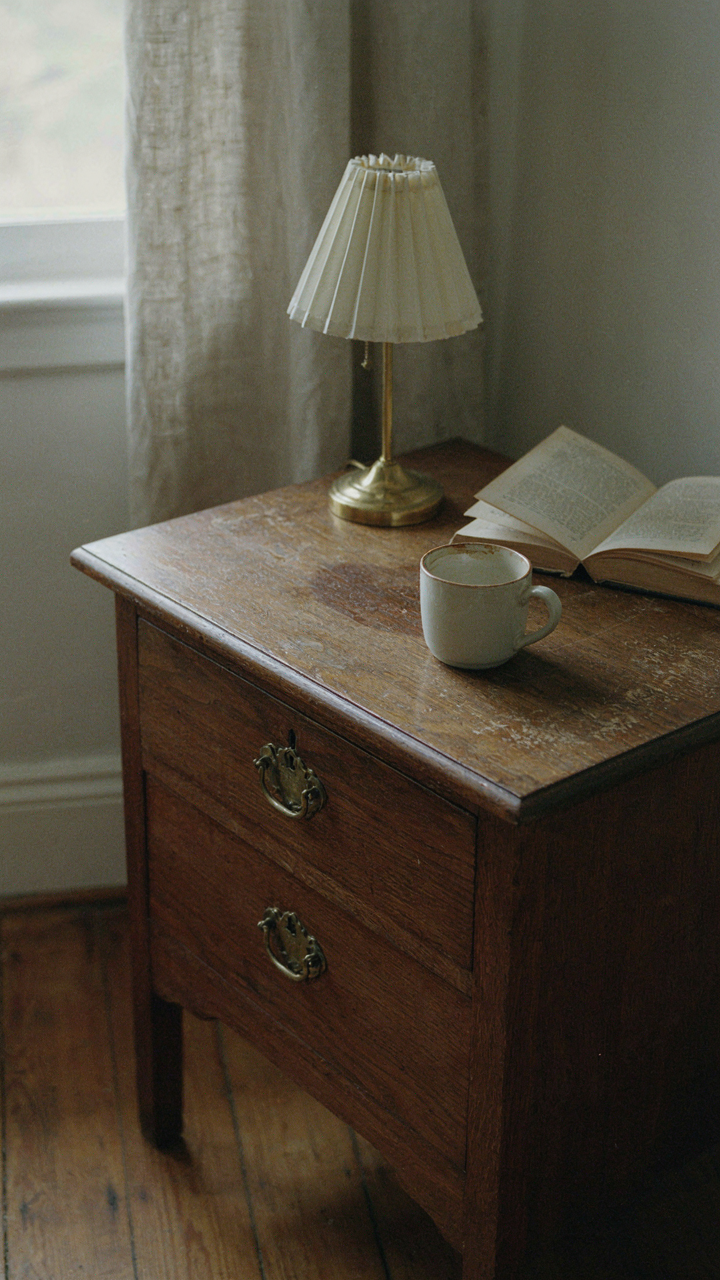
You want patina because it signals you didn’t buy everything last month. Here’s what actually works: patina in design operates like entropy in thermodynamics. It’s the visible record of time and use, and it creates perceived depth that new materials simply cannot manufacture. French country bedrooms depend on this irreversibility. A hand-planed wooden beam, a linen duvet faded from decades of washing, floorboards worn smooth in the center—these objects have absorbed real history. Reproduction “aged” versions are dead on arrival because they skip the mechanism: they have no actual use history.

Real aged materials do one thing mass-produced distressing never accomplishes: they develop irregular wear patterns that follow physics, not design templates. A 200-year-old walnut nightstand shows wear where hands actually gripped it, where dust settled in specific corners, where wood naturally darkened. The grain itself shifts with humidity cycles. You cannot blueprint this. The material has already made decisions your decorator cannot override, and that constraint is what creates authenticity.
Rejecting Mass Produced Distress
The common advice says “hunt for vintage pieces and mix them with new.” That’s lazy and incomplete. The real problem is this: mass-produced distressed furniture uses the same heavy-handed technique on every piece, creating a visual fingerprint that repeats. It’s the design equivalent of a stock photo. Your eye detects the pattern instantly because the damage follows manufacturing logic, not time’s logic. French country bedrooms fail when they rely on this shortcut because repetition destroys the illusion of authenticity.
What works instead is sourcing actual aged materials from architectural salvage, estate sales, and regional antique dealers who specialize in French provincial pieces. Authentic worn finishes show variability: one corner of a cabinet scuffed deeply, another barely touched. Multiple wood tones appear on the same surface from uneven aging and original hand-finishing techniques. When you source real pieces, you import their actual history. The alternative is building a bedroom that photographs well but reads as costume to anyone who understands how objects age.
The Imperfect Symmetry Protocol For A Warm Classic Bedroom
Why Asymmetry Actually Works
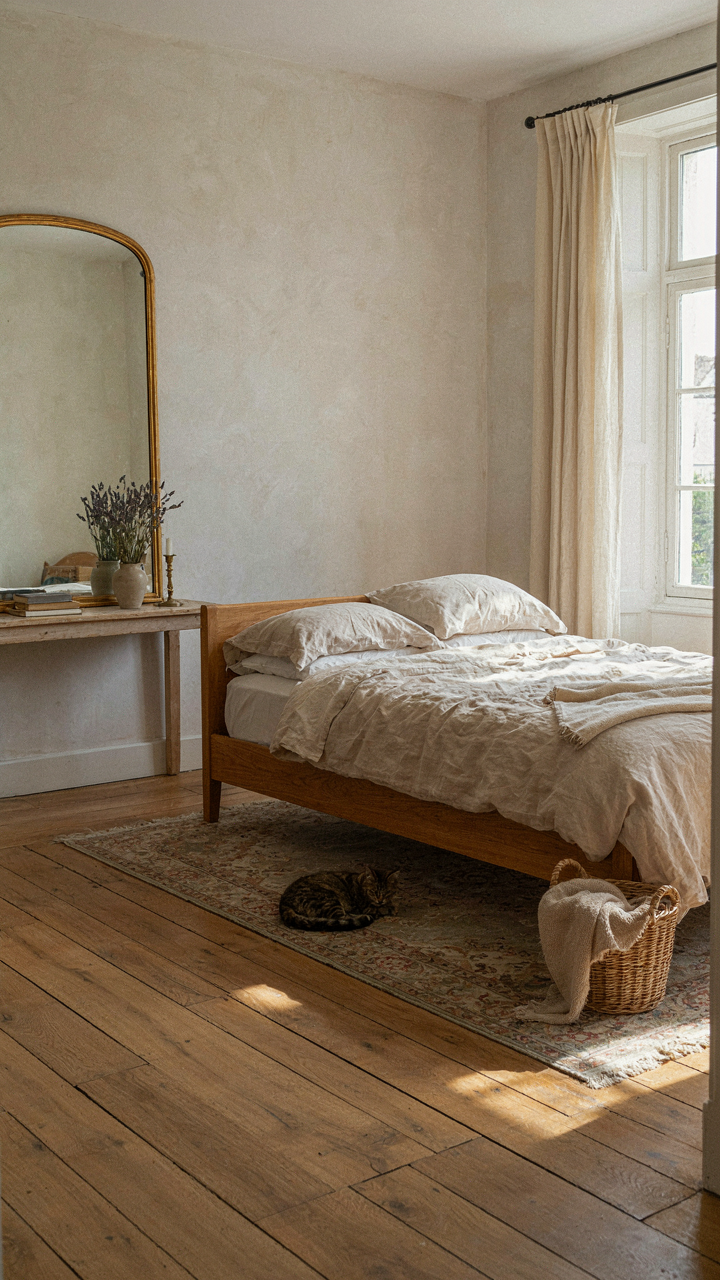
You want your bedroom to feel intentional without looking staged, which is harder than it sounds because your brain craves order. In visual design, asymmetry operates like tension in music—it creates interest by breaking expected patterns while maintaining overall balance. French country interiors inherit this from rural farmhouses where furniture was placed for function, not mirror-image perfection. A nightstand slightly higher than its pair, a single sconce instead of two, an off-center headboard. The mechanism is cognitive: your eye stops wandering because something demands attention, then settles when it realizes the room still feels grounded.

The mistake most people make is thinking asymmetry means chaos. It doesn’t. It means deliberate inequality that serves a purpose. Place your bed slightly off-center if your room’s architecture suggests it. Mount a single large mirror above a console instead of flanking it with smaller ones. Use one substantial landscape painting rather than a grid of frames. The constraint forces you to choose what actually matters in that space. This prevents the visual exhaustion that comes from symmetrical repetition, which paradoxically makes a room feel colder despite its “balance.”
Abandoning The Grid For Layered Placement
Symmetrical arrangement demands everything align to invisible lines—a rookie error in French country design that kills the lived-in quality these rooms require. Real farmhouse bedrooms evolved without graph paper. Furniture clustered based on light, workflow, and what fit through the door. A dresser angled slightly toward natural light. A chair positioned to catch the window view rather than face the room’s center. Rugs overlapping at edges rather than forming perfect rectangles. This is how the style actually developed, and it’s the only way to recreate it authentically.
When you place objects asymmetrically, you’re building visual depth—the eye travels differently through the room because it can’t predict the next element. Layer your furniture placement: position the bed along one wall, then float a small seating area in the opposite corner rather than mirroring it. Let nightstands exist at different distances from the bed. Stack books and objects on surfaces rather than centering them. The room gains complexity and personality because every element hasn’t been subordinated to a master grid.
Beyond Beige: Strategic Color In Your French Bed Room
Muted Tones That Actually Work Together
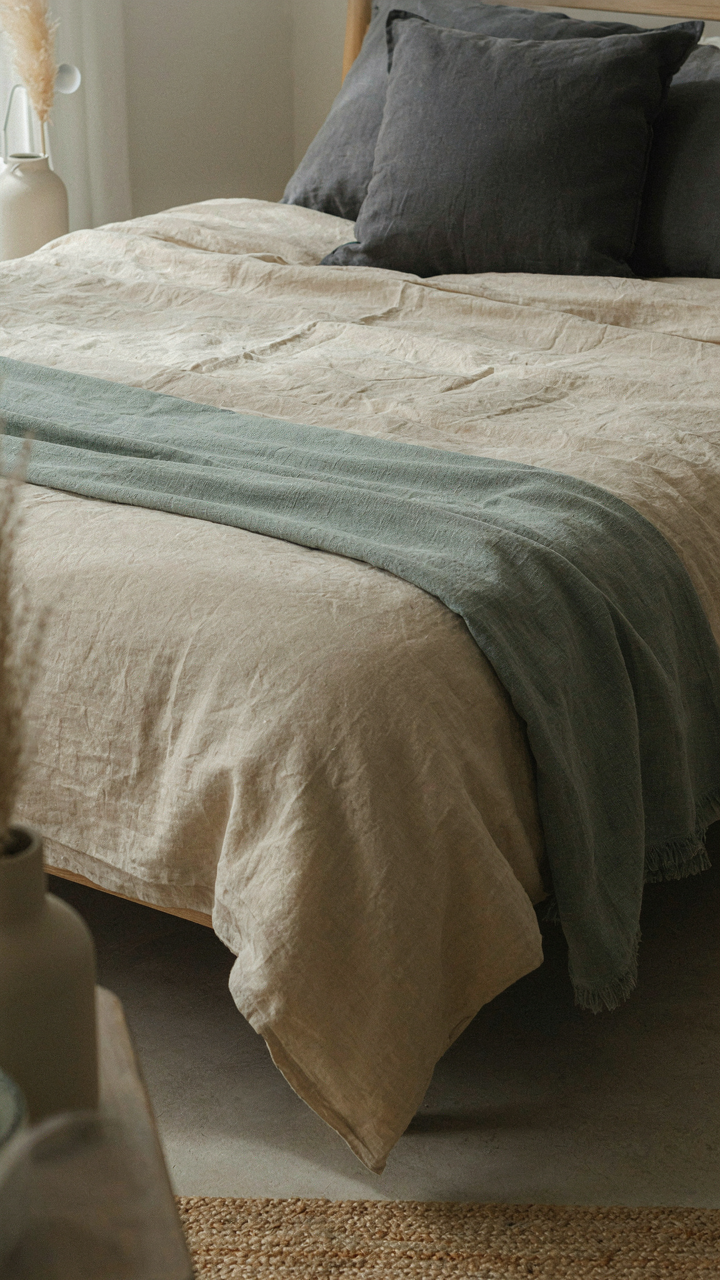
You want permission to keep it safe. The real mechanism here is contrast within constraint. French country design doesn’t use monochromatic palettes because they bore the eye into submission—it layers muted colors with different undertones so the room has dimension without screaming. Think warm taupe against cool gray-blue, not ten shades of beige that flatten into visual nothing. The undertone is what separates a cohesive room from one that looks washed out.

Prussian blues, soft ochres, and dusty terracottas appeared in rural French interiors because those pigments were affordable and held up to sunlight without fading into gray ghosts. Layer a warm cream with a cool sage and they push against each other. The eye stays engaged. This is why pure neutrals fail—they lack the tension that makes a space feel intentional instead of accidentally bland.
The Strategic Accent You Actually Use
Common advice says add pops of color. That’s lazy. French country interiors work because accents emerge from the existing palette, not contradict it. A deep burgundy or forest green works because it shares undertone DNA with the muted base, so it feels earned rather than bolted on. The accent should appear in textiles, not painted walls—a bed throw, a linen chair, shutters. This lets you adjust intensity without permanent commitment.
Identify one color that appears in your base layers, then go two shades darker or pull toward a related hue. A room built on cream and gray-blue can introduce charcoal linen or a muted teal in accent pieces. The color repeats at least twice in the room so it doesn’t read as random. This prevents the design from fragmenting into separate ideas fighting for attention.
Textural Resonance: Sensory Depth In French Chic Bedroom Ideas
When Fabric Meets Fabric
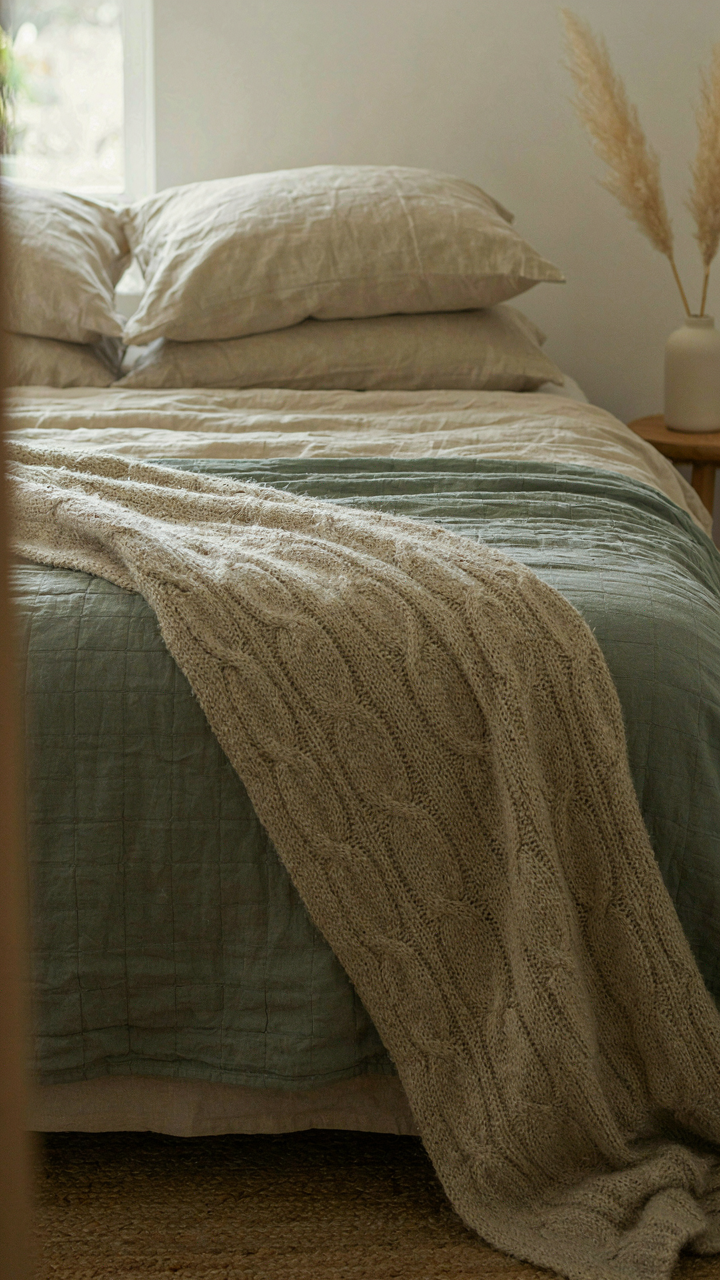
You want texture in your bedroom because it signals refinement without saying a word. The real mechanism: contrast creates perceived depth. Your brain interprets different fabric weights and weaves as spatial complexity, which reads as intentional design rather than default furniture arrangement. This is why a room with five identical textures feels flat, and one with deliberate opposing surfaces feels curated.

The French country tradition doesn’t rely on a single fabric. It stacks them. Layering works because each material absorbs and reflects light differently, which breaks up visual monotony. Start with your base: linen sheets or a linen duvet cover. Then add weight with a heavier cotton quilt or wool throw. Then introduce a contrasting weave, like a chunky knit blanket or lace runner across the foot of the bed. The sequence matters because you’re building visual interest through tactile opposition.
- Linen base layer: Smooth, breathable foundation that reads as understated luxury. Use natural or off-white for maximum versatility and authentic French country aesthetic.
- Quilted cotton or linen quilt: Adds dimensional texture through stitching patterns. The quilting creates surface variation that enhances perceived depth without bulk.
- Wool throw blanket: Introduces weight and tighter weave contrast. Drape it asymmetrically at the foot or along one side for deliberate placement, not decoration.
- Vintage lace or crochet accent: Layer this sparingly, either as a pillow cover or bed runner. The open weave contrasts with solid fabrics and catches light.
- Raw linen pillow shams: Maintains textural consistency while introducing subtle variation through natural fiber irregularities and undyed fiber slubs.
The mistake most people make is treating texture as decoration instead of structure. You’re not adding texture to make a room pretty. You’re using it to segment the visual field so your eye has something to track. This is why French country bedrooms work: every layer serves a purpose beyond aesthetics.
Natural Fibers As Non Negotiable Foundation
Stop buying synthetic blends thinking they approximate natural fibers. They don’t. Natural fibers have structural properties that synthetics can’t replicate: linen breathes because of its cellular structure, wool regulates temperature through moisture absorption, and cotton ages into softness instead of pilling apart. These aren’t qualities you can engineer into polyester.
French country design emerged from materials available in rural France: linen from flax crops, wool from local sheep, cotton from trade routes. The aesthetic didn’t come from trend setting. It came from using what worked. This is why the style endures: it’s built on materials that perform. Your bedroom needs the same foundation. Linen sheets, wool blankets, cotton quilts, and linen pillowcases create a sensory baseline that justifies everything layered on top. Replace synthetics entirely or phase them out over time. The texture budget works only when the foundation is honest material.
The Bio Rhythm Method: Light & Shadow In Your Bedroom French
Natural Light Controls Sleep Architecture
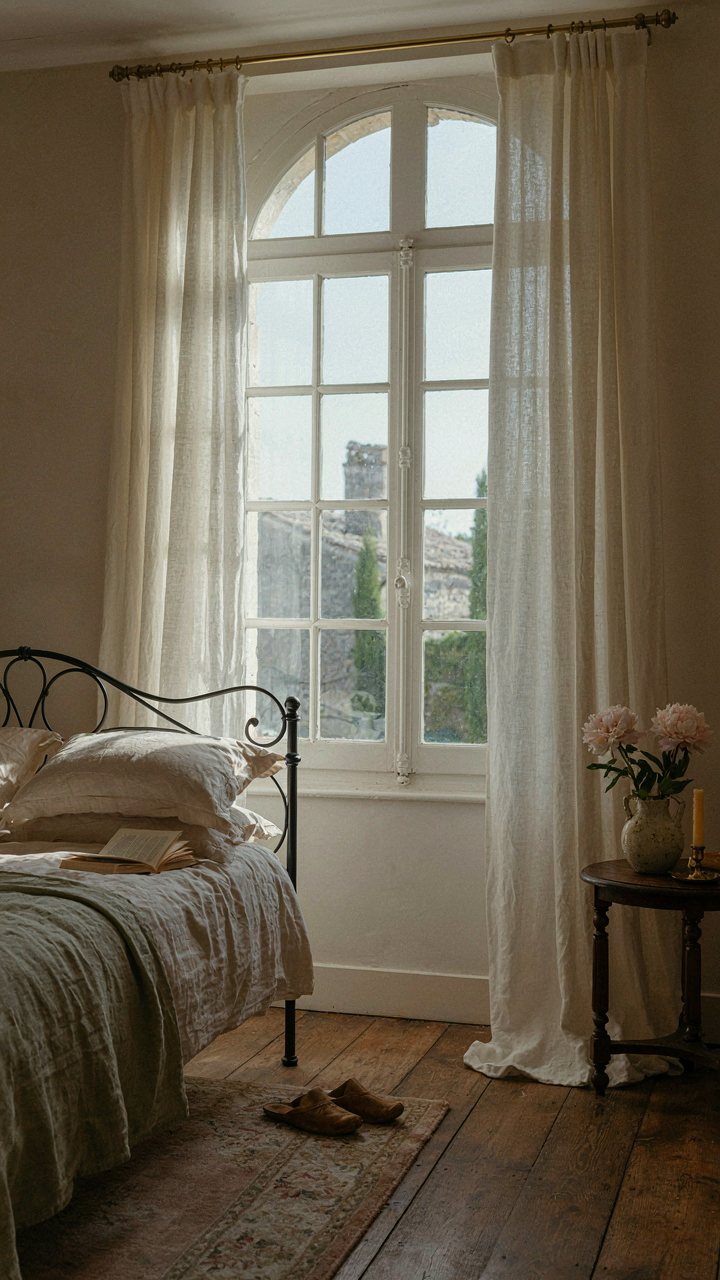
You want this room to feel timeless and expensive, which means you need light that doesn’t scream “design decision.” The biology here is straightforward: circadian rhythm governs your sleep-wake cycle through light exposure, and French country design uses window placement and fabric as your biological controls. East-facing windows are non-negotiable in period homes because they deliver morning light that sets your cortisol rhythm. This isn’t aesthetic preference. This is mechanism.

Sheer linen curtains over east windows let diffused light enter without harsh glare. French farmhouses used linen because it filters sunlight while maintaining privacy, and the fabric weave itself softens rays. Avoid blackout curtains in primary sleeping positions unless you travel constantly and need darkness override. The goal is consistent light timing, not darkness engineering. Your nervous system calibrates to predictable light patterns, not the absence of light.
Layered Artificial Light For Evening Regulation
Most bedroom lighting advice is incomplete trash because it treats lamps as decoration rather than biological tools. You need three distinct light layers: ambient overhead (rarely used), task lighting at 2700K Kelvin warmth near reading areas, and accent lighting that stays off after 9 PM. French country bedrooms historically used candles and oil lamps, which produce light below 2000K. That’s your baseline for evening hours.
Install wall sconces with brass or wrought iron arms flanking the bed rather than overhead fixtures. Sconces deliver directional light without ceiling glare, which keeps your pupils from dilating unnecessarily before sleep. Use Edison-style bulbs at 2700K maximum. Blue light after sunset suppresses melatonin production. Your lighting layout should eliminate all overhead fixtures on dimmer switches in the bedroom itself. Ambient comes from hallways and indirect sources only after sunset.
The Unfinished Element: Evolving Your French Colonial Style Bedroom
Design That Breathes Instead Of Freezes
You want to feel like you’ve “completed” something. That’s not design thinking—that’s capitulation. The real mechanism here borrows from cybernetics: a system only survives by accepting feedback and adjusting. Your French country bedroom isn’t a finished artifact in a museum. It’s a living environment that needs constant recalibration based on how you actually use the space, what light does at different seasons, and which layers genuinely serve your daily life versus which ones exist for aesthetic theater.

French country design emerged from necessity, not magazines. Rural farmhouses evolved over decades. Textiles faded and were replaced selectively. Furniture moved rooms. The aesthetic didn’t calcify—it adapted. Modern people treat French country bedrooms like frozen moments, which destroys the entire premise. The style works precisely because it tolerates imperfection and change without looking broken.
The Trap Of Thinking You’re Done
Most design advice tells you to “complete your vision” and move on. Wrong premise. The moment you stop adjusting, your room stops working. A bedroom that felt right in October won’t function the same in March. Afternoon light changes angles. You accumulate objects that matter more than the original plan. Your body’s response to colors and textures shifts. Static rooms bore you into dissatisfaction or, worse, make you ignore the space entirely.
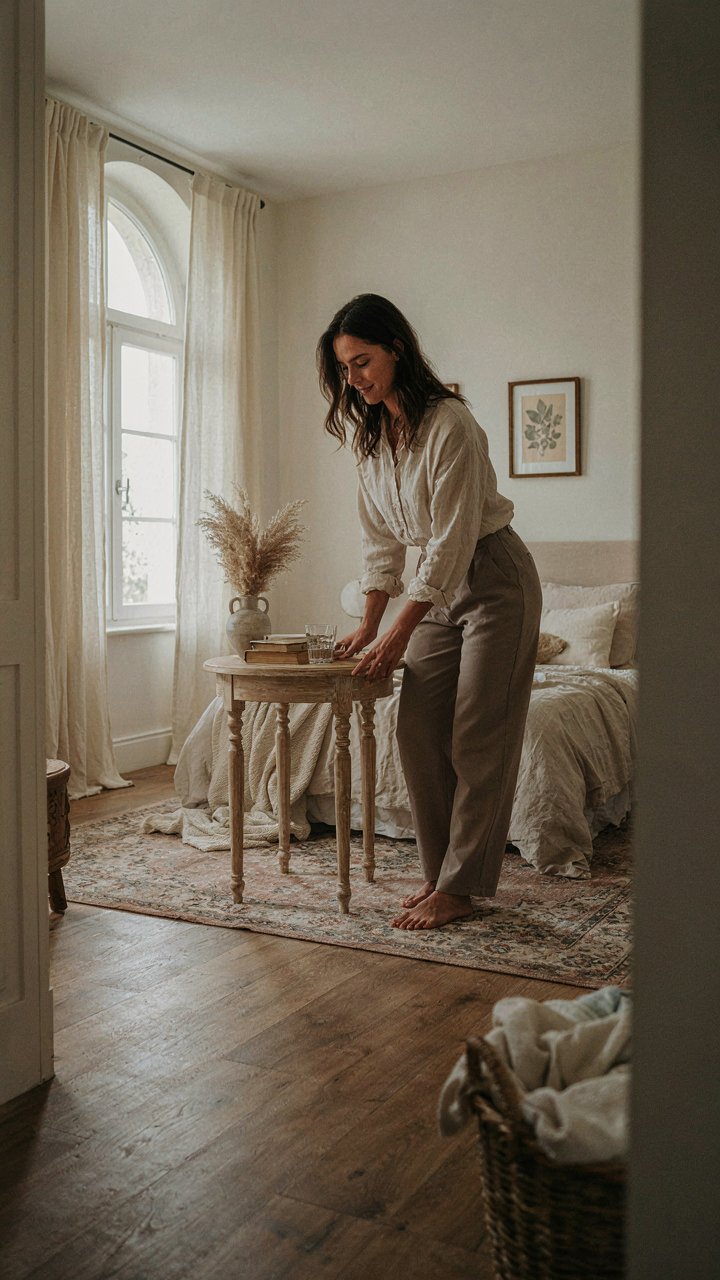
The practical protocol: schedule a monthly friction audit. Walk through your bedroom at different times of day. Note what feels off. Don’t overthink it—just list it. Then execute one small change monthly. Swap a throw blanket. Relocate a side table by two feet. Replace one pillow. Add or remove a piece of wall art. This isn’t rearranging obsessively. It’s maintenance. French country design thrives on this kind of organic adjustment because the palette and materials already exist in harmony. You’re just tuning the composition.
The One Of A Kind Mandate: Personalizing Your French Country Chic Bedroom

Integrating Meaningful Objects Into Your Space
You want permission to stop matching everything. That’s the real ask here. The mechanism is signal: objects that survived your actual life signal authenticity far louder than coordinated purchases. French country design originated in rural estates where families accumulated pieces across generations, not seasons. A scratched armoire your grandmother owned, a mirror from a flea market in Lyon, a quilt sewn by someone you know—these create narrative depth that catalog items cannot replicate.

The common advice says add heirlooms and vintage finds. That’s incomplete. The tactical move is curation by use, not by aesthetic agreement. Pull items you’ve genuinely lived with. Display the books you read, not ones chosen for spine color. Hang photographs of people and places that matter to you on the walls. These pieces anchor the room to your life rather than to a designer’s mood board. The room becomes credible because it reflects actual decisions, not aspirational ones.
Rejecting The Matching Set Trap
Every brand wants you to believe cohesion means sameness. It doesn’t. French country bedrooms succeeded historically because they mixed wood tones, textile patterns, and metal finishes without apologizing—not because interior designers imposed uniformity. The real lever here is contrast that resolves into harmony. A room with one bronze mirror, one brass lamp, and one iron bed frame reads as intentional collection, not confused clashing.
Stop purchasing “sets.” Buy individual pieces that solve problems: a side table because you need a surface, a lamp because you need light, a chair because you sit somewhere. If each piece has its own reason for existing, the room gains coherence automatically. You avoid the dead, staged feeling of rooms where everything was bought together and nothing was ever actually used. Your bedroom becomes a tool for living rather than a display case for coordination.
The Utility Of Imperfection: The Real Secret To French Country Bedroom
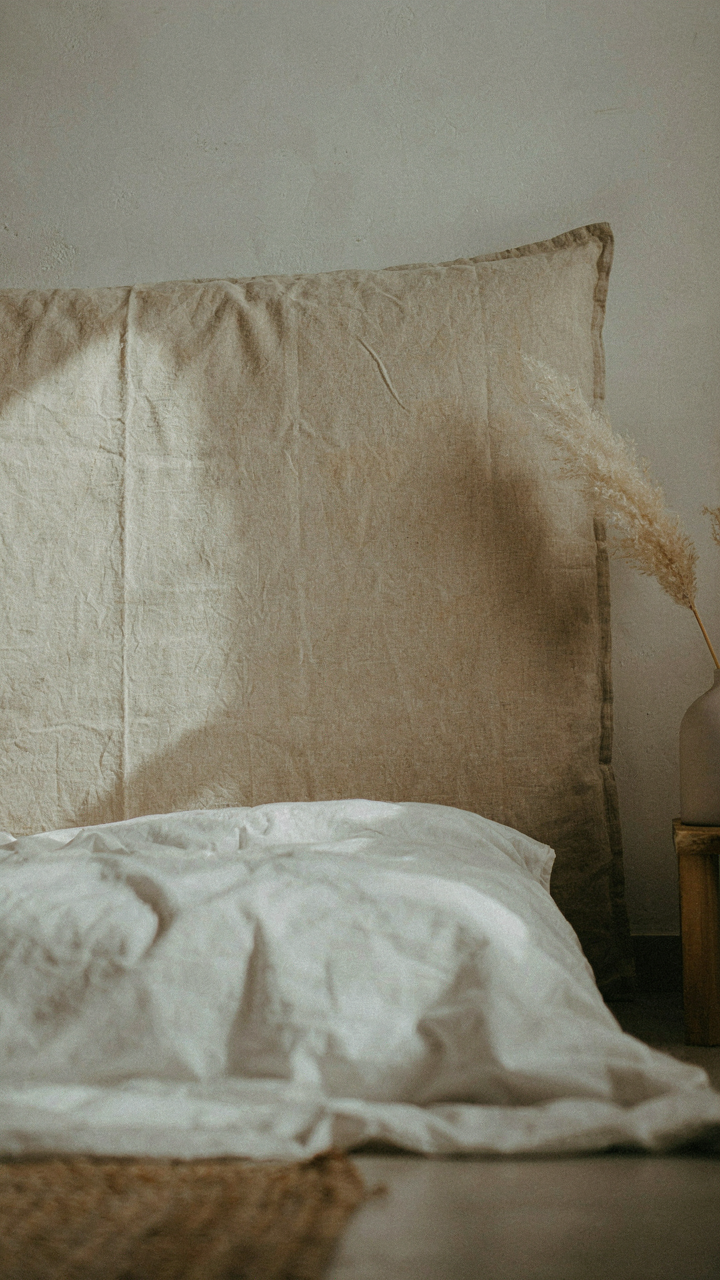
Function Before Beauty
You want imperfection to feel intentional instead of lazy. Here’s what matters: in French country design, worn finishes exist because the original pieces served a purpose first, looked good second. This is the inverse of modern decorating, where you hunt for distressed finishes to fake history you don’t own. Real French country bedrooms emerged from rural farmhouses where furniture lasted generations through use, not through aesthetic planning.
The mechanism is simple. A wooden armoire shows wear on the bottom left corner because someone opened it ten thousand times in thirty years. A linen headboard fades unevenly because sunlight hits one side of the bed consistently. You don’t chase this damage. You source pieces that already carry it, or you build layered functionality that creates authentic wear patterns naturally. Authenticity in a French country bedroom tracks directly to accumulated use, not to artistic intention.
Patina As Proof Of Residence
Wear and tear communicates something specific: this room has been inhabited. Surfaces that show aging tell your guests (and yourself) that the bedroom functions as shelter, not as a staged photo. The common advice says to “embrace imperfection,” which is useless sentiment masking a real design principle nobody states plainly. Patina reduces visual noise. It absorbs light instead of reflecting it, which makes a room feel settled rather than sterile. Faded linen, chalky paint, darkened wood at the edges where hands touch repeatedly, these aren’t design elements you add to a room—they’re evidence of living in it.
The protocol is deliberate selection, not artificial aging. Choose fabrics and finishes with existing patina. Favor linen that’s already off-white rather than bright white, then let it continue to fade naturally. Pick painted furniture where the paint has thinned at stress points. The room develops character through occupation, not through forced distressing. When you source a genuine French country piece or recreate its logic with authentic materials, you’re not decorating—you’re moving into a space that’s already lived in its own way.
Stop Chasing Perfection; Cultivate Character
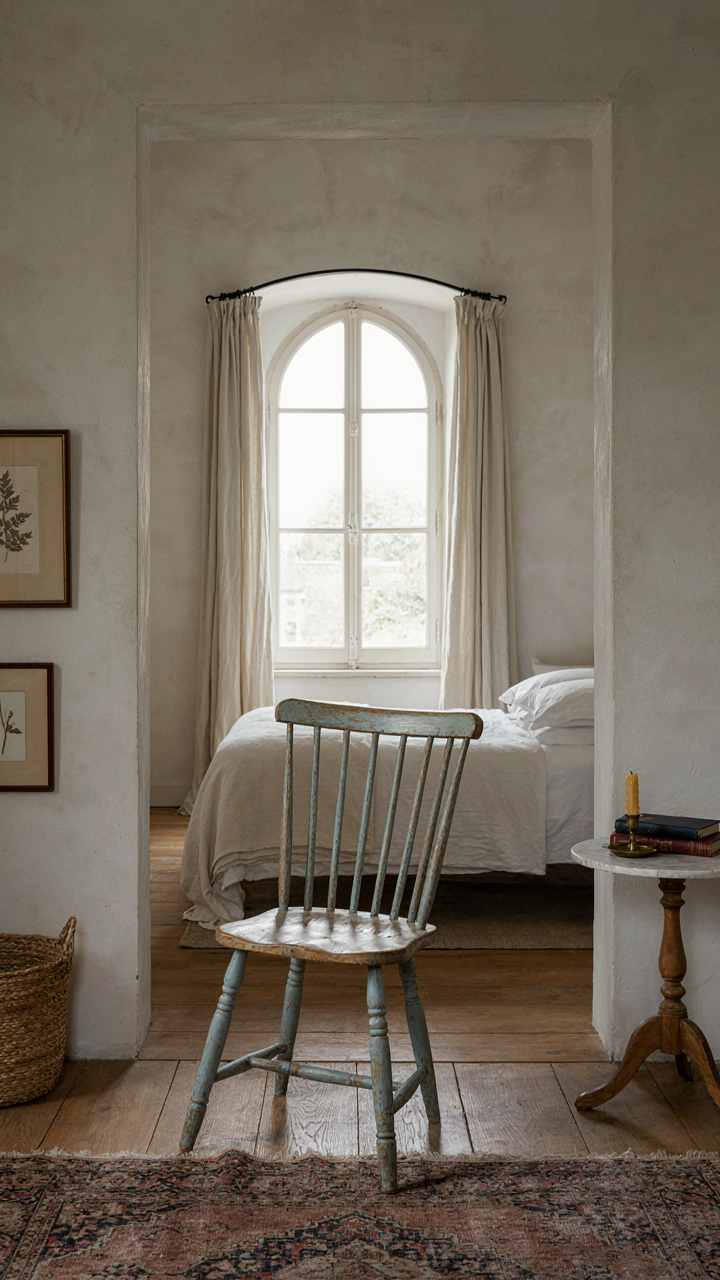
Most people treat a French country bedroom like a museum exhibit. They buy matching sets, arrange everything symmetrically, then wonder why it feels sterile. The real move is embracing imperfection as the design itself. Today, grab one mismatched piece from your attic or a thrift store and place it somewhere that breaks your layout’s logic. That friction is where personality lives. A room that whispers its own story will always outpull a room that whispers nothing at all.