
The “She Shed” Deception: Why Pinterest Lies To You

Aesthetics Hide The Real Problem
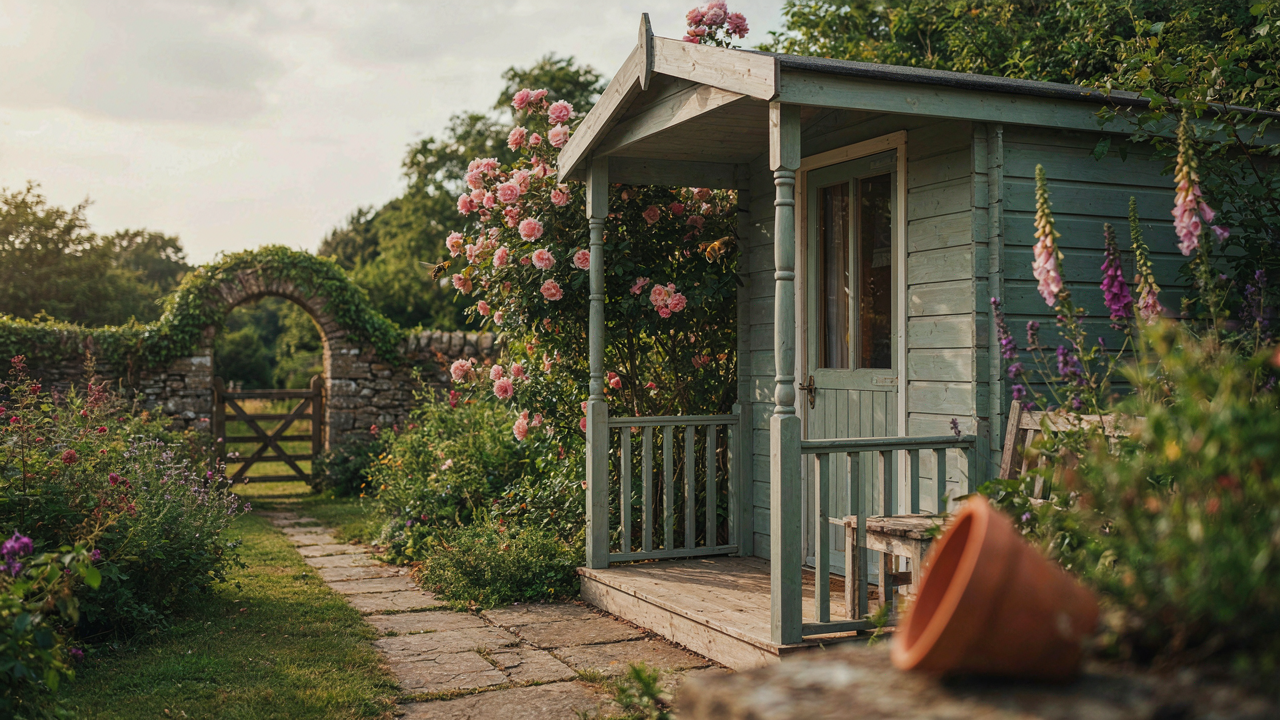
You want people to think your garden shed with porch is intentional and curated, not just a storage box you finally decorated. The mechanism is simple: Pinterest and Instagram show finished surfaces, not the structural choices that determine whether your porch will rot in five years or last twenty. You see shiplap and bistro lights and assume the foundation is solid. It rarely is.
The real problem with most garden shed with porch designs is that people prioritize how it photographs over how it functions. A porch facing north looks moody in photos but collects moisture and ice. Aesthetic choices like thin wooden railings photograph better than proper post spacing, but they fail structurally. The gap between image-ready and weather-ready creates expensive problems that nobody posts about.
Function Demands Different Choices
Utility always reveals aesthetic compromise. A garden shed with porch designed for actual use—storing tools, potting soil, seasonal equipment—cannot follow Instagram design rules. That weathered farmhouse finish you admired? It exists because the owner chose materials and colors that hide grime and wear, not because it looks better. The wide porch overhang that makes the structure feel open actually protects the shed walls from rain damage.
The decision tree for a functional porch is not about style. Roof pitch determines water runoff. Post diameter determines load capacity. Material selection determines maintenance frequency. Deck board spacing determines drainage. You optimize for these variables first, then design around them. Most people reverse the process and end up repainting or replacing elements every two years because they chose wrong at the start.
The Unspoken Cost Of A Generic Garden Shed
Why Your Shed Feels Wrong Before You Build It
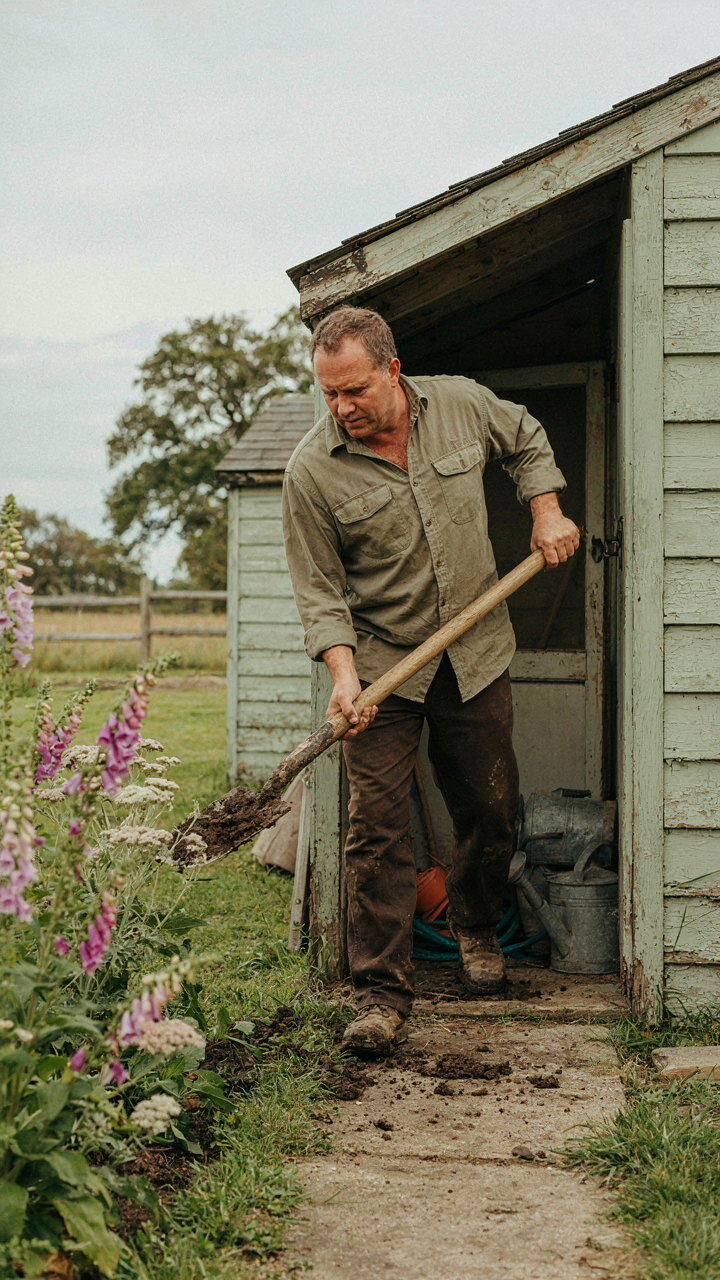
You want the status symbol—a Pinterest-worthy retreat that proves you’ve got taste and space. Here’s the mechanism: most people buy a standard shed kit and bolt on a porch without mapping how they actually move through the space. They copy photos instead of observing their own patterns. The porch becomes dead footage because nobody designed it for the specific friction points of your life.

A garden shed with porch fails when the entrance faces the wrong direction, when the step height kills momentum, when the porch width forces you to turn sideways to enter. These aren’t aesthetic problems. They’re operational failures. You stop using the space because your body votes with its feet, not your intentions.
The Real Problem Is Workflow, Not Style
Borrowed from industrial process mapping, a garden shed with porch has one critical constraint: throughput. How fast can you move from outside to inside without friction, and does the porch support that or block it? Most designs ignore this entirely. They prioritize how the porch looks from the house rather than how it functions as a transition zone.
You need to observe your actual behavior first. Do you carry tools? Which hand? Where do you set things down? Does weather hit you mid-transition? A porch that works solves these specific friction points for your workflow, not generic ones. Install a work surface at elbow height on the porch if you always set down tools before entering. Position the roof overhang to shield you from rain as you unlock the door. Make every inch serve a mechanism, not an aesthetic.
The “Sanctuary Shed” Blueprint: Your Escape Protocol

Pick One Problem To Solve
You want a garden shed with porch because you’re running from something, not toward it. You need proof the escape works before you commit. Here’s the mechanism: constraint breeds clarity. In architecture, load-bearing walls force design decisions that open-concept spaces destroy. Your shed works the same way. Define what breaks your focus in your primary space—noise, visual clutter, interruptions, weather—then build the porch and shed to eliminate exactly that problem and nothing else.

Most people treat a garden shed like a dumping ground for vague ideas: office, studio, retreat, storage, gym. That paralysis kills it. You end up with a 10×12 structure that does nothing well because it attempts everything. Pick the singular function that solves your actual constraint. If you need quiet for deep work, the porch becomes a buffer zone against household noise. If you need weather protection for a specific hobby, design it around that activity’s actual spatial demands. The porch isn’t decoration—it’s the filtering mechanism between chaos and focus.
Eliminate Visual Noise First
The most common error people make with garden sheds is furnishing them like indoor rooms. Wrong. Your porch should create perceptual distance, not add clutter. Sight lines matter more than square footage. A bare porch with good sightlines to green space clears your mental load faster than a decorated porch crammed with objects. Paint the interior walls one neutral color. Remove anything decorative. The goal is cognitive bandwidth preserved, not Instagram moments.
Distractions operate on layered frequency. Visual clutter hits your attention system before noise or physical disorder. Your porch and shed should enforce a hierarchy: the thing you’re working toward in sharp focus, everything else faded. Use weather-appropriate materials that age gracefully without demanding maintenance—cedar, untreated wood, concrete—so you’re not visually tracking decay or upkeep. The structure should disappear into function. When your environment stops demanding attention, your attention becomes available for work.
Garden Shed With Porch: The Psychological Leverage Principle
What You’re Actually Paying For
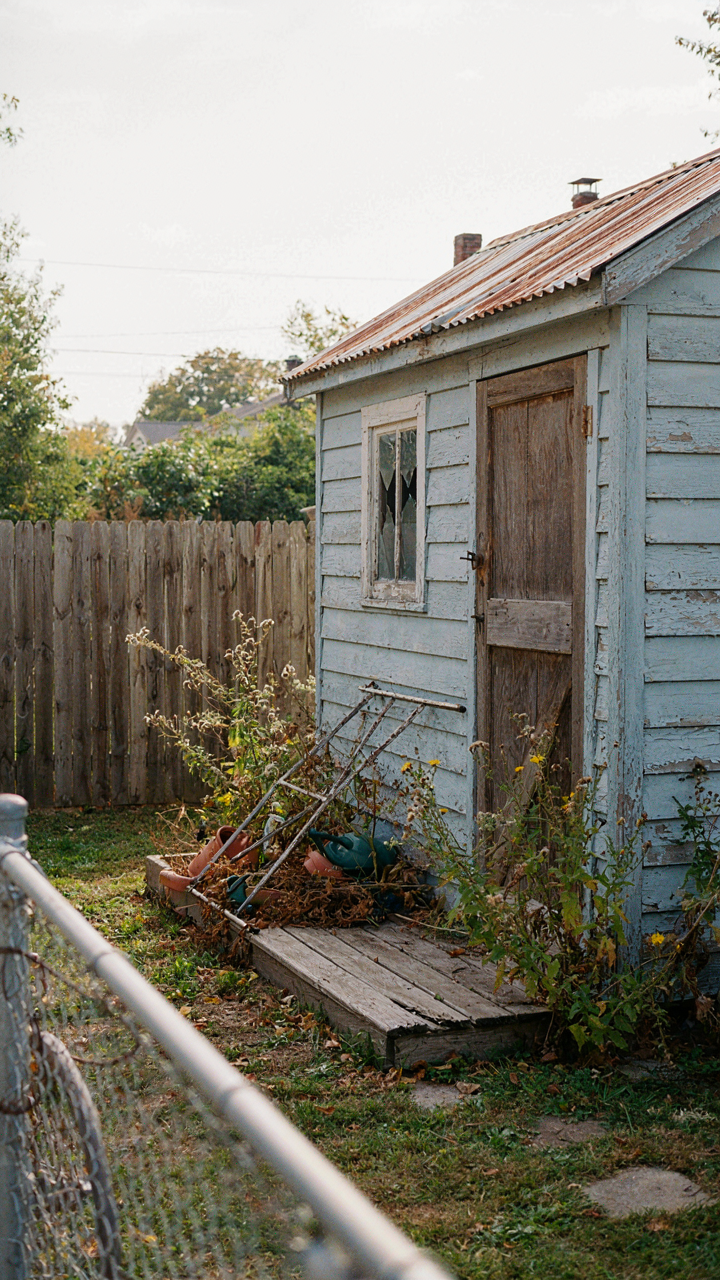
You want a garden shed with porch because you’re terrified of wasting money on something that looks good but feels empty. Here’s the mechanism: in economics, we call this opportunity cost. Every dollar spent on a porch roof instead of extra interior storage is a choice with real trade-offs. Most people ignore this entirely and build first, regret later. The porch forces you to decide upfront what the space actually does versus what Instagram told you it should do.

A porch consumes 15 to 25 percent of your shed’s footprint but costs nearly proportional to the main structure because of framing and weather exposure. That’s not a design flaw, it’s information. If you can’t articulate why the porch’s function justifies that cost against your actual behavior, you’ve already lost money before construction starts. The real question isn’t whether a porch looks better. It’s whether you’ll use it enough to offset what you didn’t build in its place.
How Humans Actually Use Small Spaces
Biology teaches us that animals seek retreat spaces with controlled entry and visibility outward. A porch activates this same wiring in humans, but most designers miss the mechanism entirely. Your nervous system wants a threshold space, not an exposed platform. The porch works because it creates a buffer zone between the outside chaos and your internal sanctuary, mimicking the nest-building behavior encoded in human neurology.
The porch doesn’t work if it’s purely decorative. You’ll stop using it within months and it becomes dead cost. The porch works when it solves a real problem: protection from rain while you unlock the door, a place to set tools before entering, visual control of your yard without full commitment to stepping outside. These aren’t luxuries, they’re functional extensions of how your body wants to transition between zones. Build the porch to match your actual movement patterns, not the movement patterns of someone else’s garden.
Rustic Sheds Ideas Backyards: Beyond The Fake Farmhouse
Material Choices That Actually Last
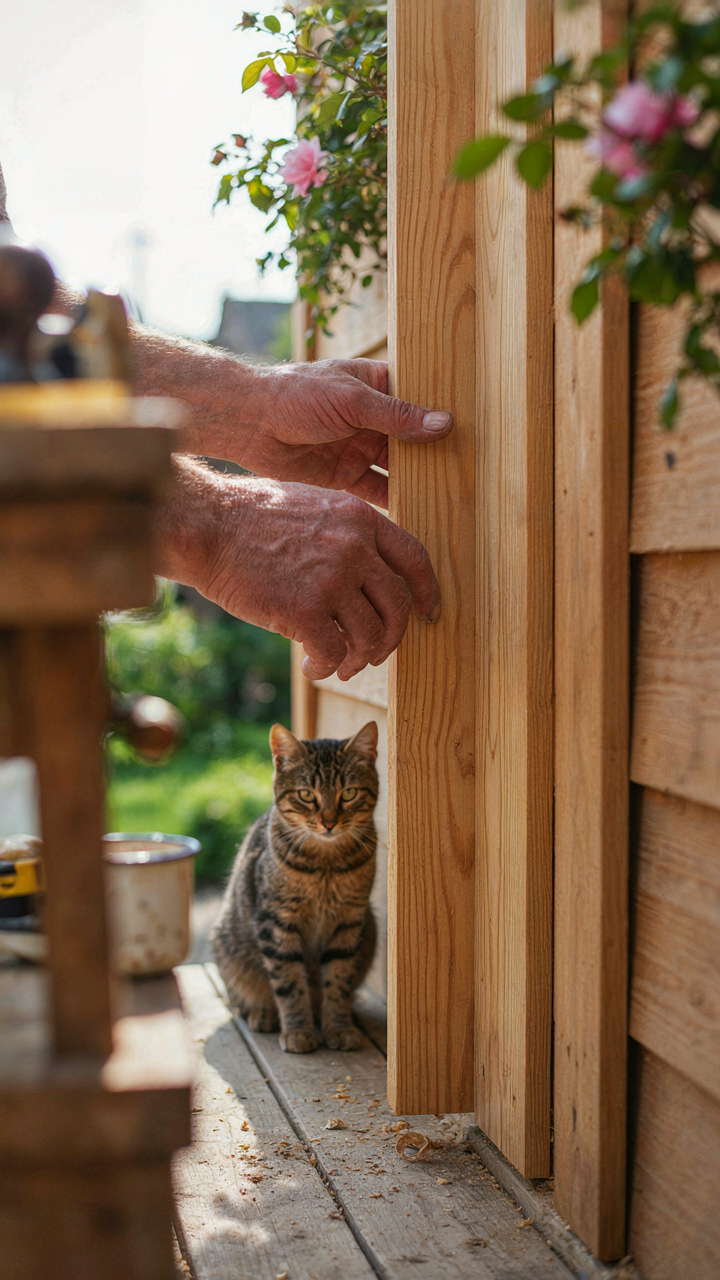
You want your shed to look intentional, not like you’re performing rusticity for Instagram. Here’s what matters: materials degrade on predictable timelines, and your choice either compounds maintenance or eliminates it. Reclaimed wood looks authentic because it survived decades. New wood stained to look old fails within three years when UV and moisture expose the pretense underneath. The mechanism is simple: materials earn their appearance through time or they don’t.

Pressure-treated lumber holds a porch structure for fifteen to twenty years before rot accelerates. Cedar or redwood extends that to thirty years with minimal intervention. Metal roofing on a shed with porch protects far longer than asphalt shingles and costs less over time despite higher upfront expense. The real choice isn’t between rustic and modern. It’s between paying now with better materials or paying repeatedly through replacement and repair cycles that steal your attention and money.
When Usefulness Shapes How It Looks
Most people reverse-engineer this: they pick an aesthetic first, then force function into it. That’s backwards. A porch attached to a shed serves distinct purposes depending on what you actually store and do there. If you’re loading tools, the porch needs eight feet of clear depth and a four-foot roof overhang. If it’s a potting station, you need workbench height (thirty-six inches) and water access. Your functional requirements write the design specification before style enters the conversation.
Rustic doesn’t mean inefficient. A weathered exterior costs nothing extra. A poorly proportioned overhang that floods your porch in heavy rain costs everything. The real work is matching the porch depth and pitch to regional rainfall, wind load, and actual use. Once that’s locked, the materials and finishes follow naturally. Concrete a shed porch on grade rather than elevated for stability under foot traffic and equipment weight. That decision drives structural cost and appearance simultaneously. Your shed’s rustic character emerges from solving real problems, not from shopping for distressed finishes.
Shed Cabin Or She Shed With Porch: Strategic Placement
Where Light Hits The Ground Matters Most
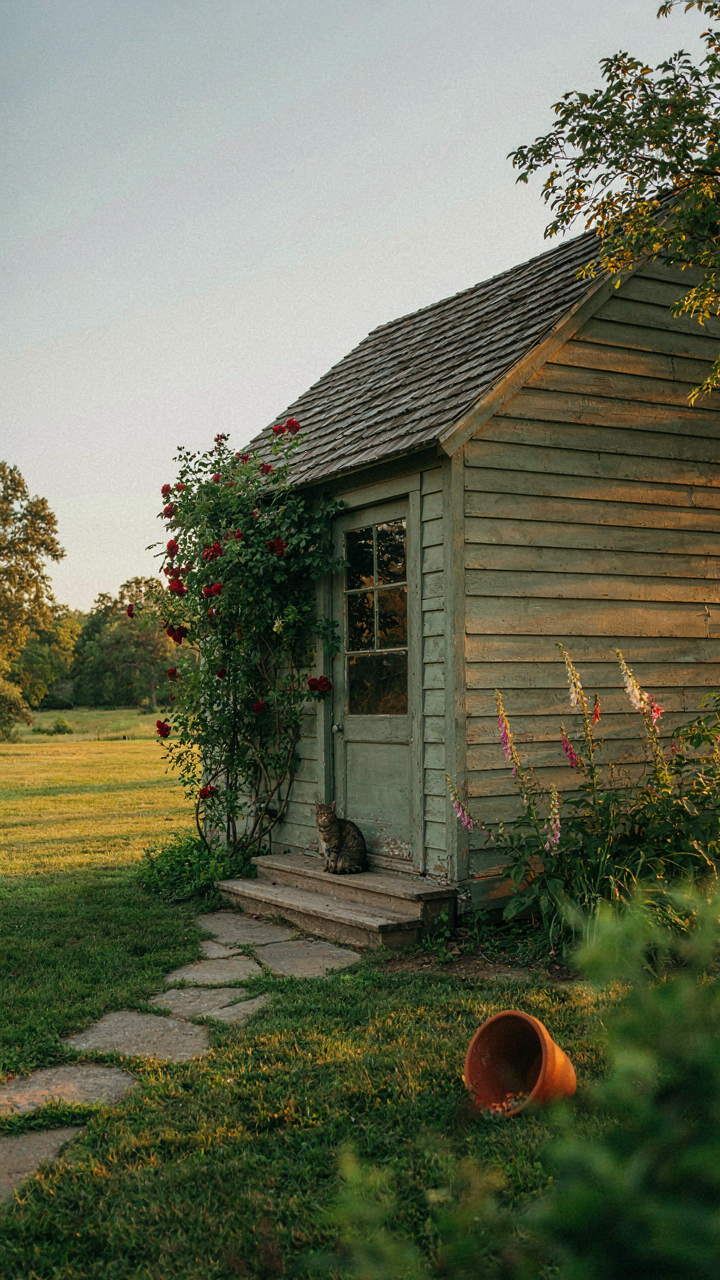
You want this to feel intentional, not like you’re hiding something. That’s the real fear underneath placement anxiety. Here’s the mechanism: light determines whether your porch becomes usable or becomes a damp corner you avoid. Southern and western exposure brings afternoon warmth and extends usable hours. Eastern exposure gives you morning light without the brutal afternoon heat that makes a porch unbearable in summer. North-facing placement works only if you supplement with artificial lighting or accept it as a shaded retreat.

The porch orientation also controls how you experience privacy. A porch facing away from the main house creates psychological separation, which is why many people add them in the first place. If your lot slopes, you can use grade changes to your advantage: a porch at a higher elevation than sightlines from neighbors becomes visually private without walls. Measure the actual shadow cast by trees and structures at different times of year, not just in the moment you’re deciding. This determines whether your porch functions year-round or serves only three months.
How Topography Decides Everything
Most people ignore topography, then wonder why water pools near the foundation or the porch feels disconnected from the yard. That’s not a design problem, it’s a physics problem. Think of your shed with porch as a watershed feature: it either channels water away or becomes a low point. Slope your grade away from the structure at minimum one inch per four feet for proper drainage. If your land slopes toward the shed naturally, you either accept seasonal moisture issues or you regrade before building, which costs more than getting it right initially.
Integration means the porch reads as part of the existing landscape, not as an object someone dropped on the property. Match the porch height to the natural terrain when possible, rather than creating steps that suggest the structure sits above the land. Use existing trees and vegetation as windbreaks instead of planting a ring of new shrubs that announce “here’s the border.” The path to the porch should follow a line that feels inevitable given the yard’s natural flow, not require a sidewalk to justify its existence.
Yard Sheds: The Essentialist’s Exterior Ideas Checklist
What Actually Needs To Exist
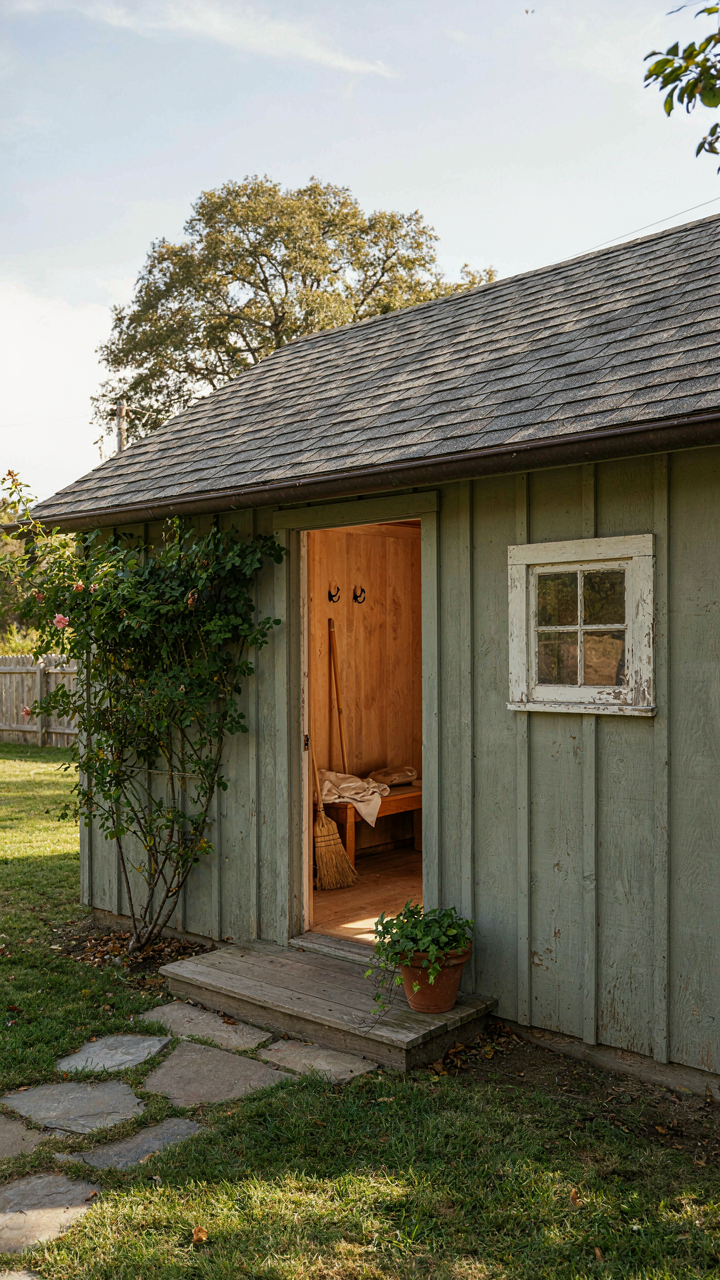
You want this to feel intentional and curated, not like you’re just storing garbage. Here’s the real mechanism: a garden shed with porch succeeds when every element serves the person using it, not Instagram. Think of it like load-bearing walls in architecture—some things carry weight, others are decoration pretending to matter.

A porch attached to a shed solves one problem: weather protection between the door and your yard. Without it, you’re exposed every time you access tools. The porch becomes functional infrastructure, not an upgrade.
- Roof overhang (minimum 24 inches): Keeps rain off your entry point and the first few feet of stored items. Prevents water damage to tools stacked near the threshold.
- Flooring that drains: Concrete, gravel, or slatted wood prevents standing water. Pooling water rots everything touching it and creates mosquito breeding ground.
- Single entry door: Multiple doors create dead space and complicate weatherproofing. One door means one seal to maintain properly.
- Interior shelving with depth matching your tools: Deep shelves waste space. Shallow shelves force stacking. Match shelf depth to your longest hand tool plus two inches clearance.
- Ventilation openings (upper walls or gable): Moisture trapped inside rusts metal and warps wood. Air movement is non-negotiable in any climate.
Everything else attached to this structure is friction. A porch becomes real estate for things that shouldn’t be inside—potting supplies, boot racks, hose reels—only if you can access them without opening the main door. That’s the mechanic: extension of utility through weather protection, not aesthetic surface area.
Stripping Away The Costly Mistakes
Most people add to sheds instead of subtracting. They build deep overhangs that collect leaves, install bench seating on porches that collects debris, or create enclosed porch walls that become catch-all storage for garbage. This is wrong. The porch exists to transition, not to become a secondary room.
A covered porch encourages you to stop there instead of completing your task. You set things down “just for a second,” and six months later you’re stepping over stacked pots to reach the door. The mechanism is simple: surfaces invite accumulation. Minimize surface and you minimize friction. Your porch should feel like a threshold, not a destination. Install a broom hook, maybe a rain barrel downspout, then stop building. The shed interior handles storage. The porch handles weather. Anything beyond that is clutter by design.
Maintenance Is Not A Chore, It’s A Commitment
The Daily Friction That Kills Structures
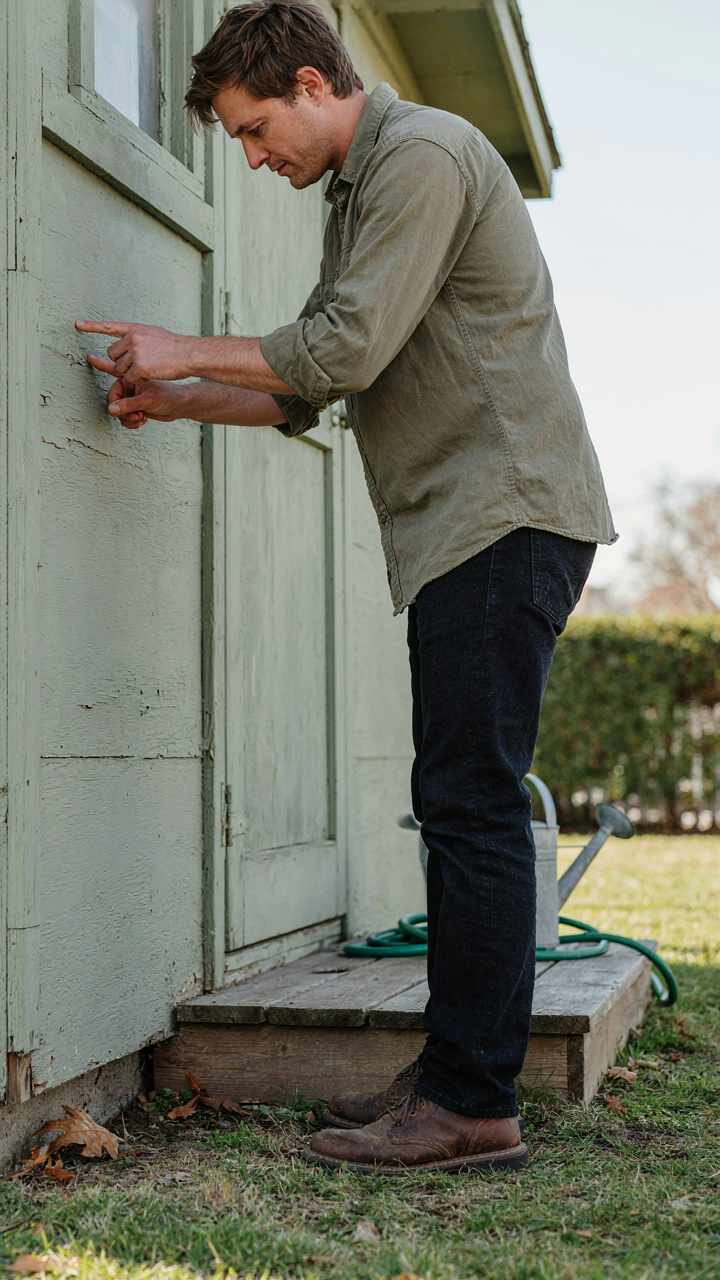
You skip maintenance because you think the structure is fine until it isn’t, and by then decay has already won. Here’s the mechanism: wood and metal don’t degrade in dramatic moments. They degrade through compounding exposure to moisture, temperature swings, and UV radiation. A garden shed with porch sits outside taking punishment every single day. The porch bears weather first, so it fails first.

Check your porch decking, roof seams, and paint every three months. Walk the perimeter. Look for soft spots in boards, gaps where caulk pulled away, and spots where paint bubbled. Water always finds entry points before you find problems. Catch them at month two instead of month twelve when rot has spread to framing.
Rust And Rot Never Sleep
The real enemy isn’t the work of fixing things. The real enemy is the cost of replacement. Wood rot and metal rust follow an economic principle: prevention costs pennies per hour while replacement costs thousands in materials and labor. Your porch frame and any metal roofing or guttering need barrier maintenance, not heroic intervention later.
Paint or seal exposed wood every two years depending on climate. Galvanized metal lasts longer than bare steel, but galvanizing fails eventually. Keep gutters clear so water drains instead of pooling. Replace corroded bolts and brackets before they fail completely. The protocol is simple: inspect quarterly, touch up annually, replace components on a seven to ten year cycle depending on material exposure and your local climate.
The Real Problem Isn’t Your Shed; It’s Your Unexamined Relationship With Clutter And Obligation
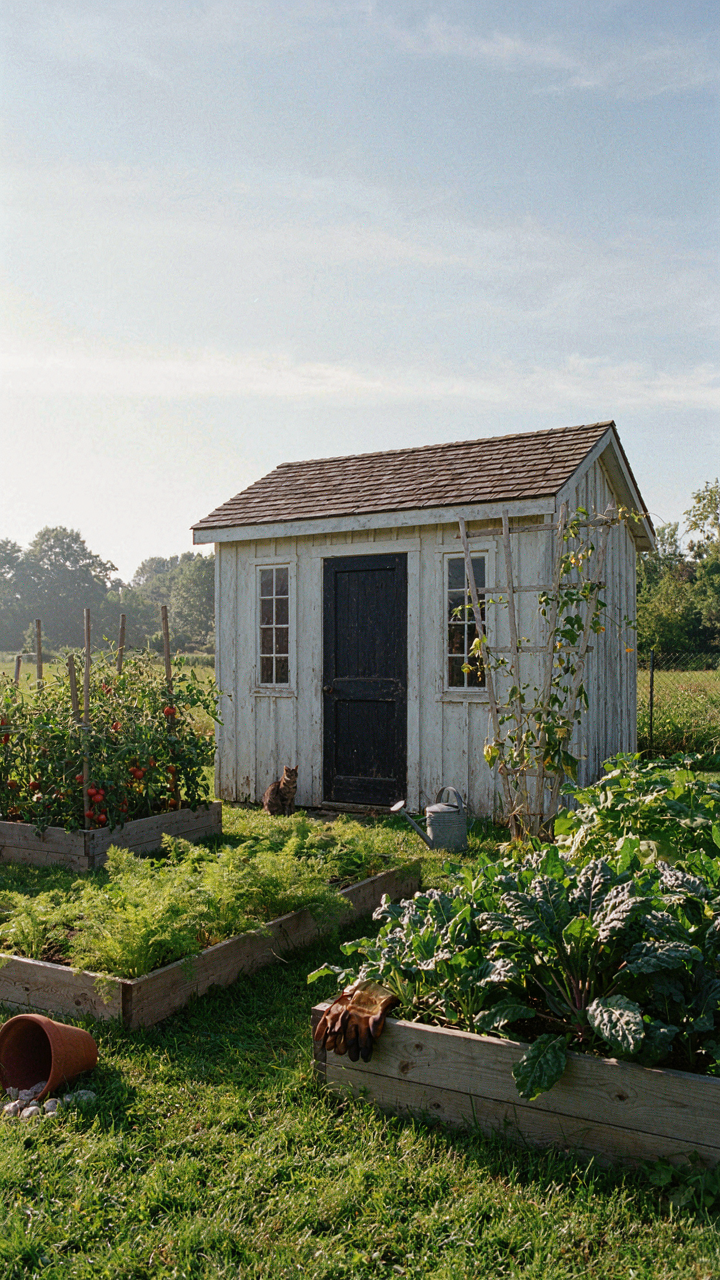
You don’t need a garden shed with porch to organize your life. You need to stop pretending obligation feels like purpose. Build the shed only if you’re building it for yourself, not to impress neighbors or fill some void you haven’t named. The structure doesn’t matter. Your honesty does. Stop decorating your avoidance.




