
The Un Decorating Protocol: Stripping Down For True Function

What You Actually Need That Space To Do
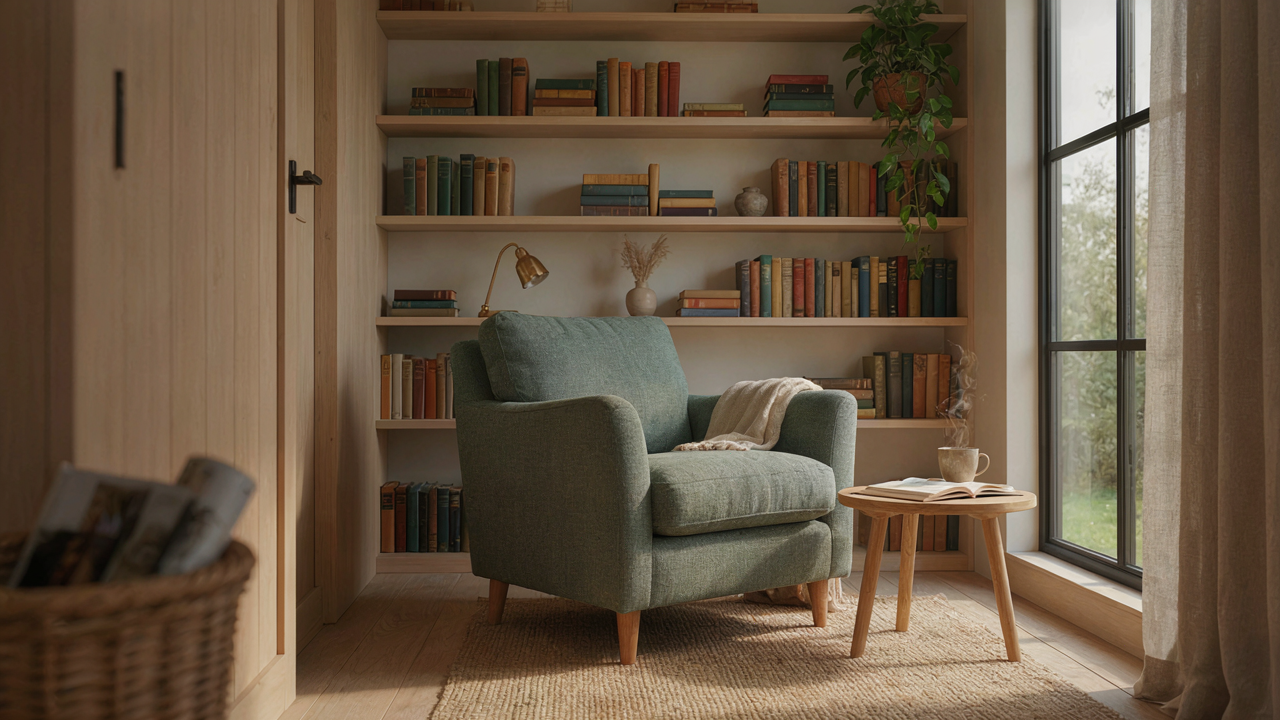
You want your she shed to feel Instagram ready before it feels functional, and that’s the trap. Strip that instinct first. Start by naming one specific activity you’ll do in this space at least twice weekly. Not someday. Not when guests visit. This week. Work backward from that single behavior. If you read there, you need a chair that supports four hours of sitting, not one that photographs well. If you create there, you need work surfaces at the right height and light that doesn’t cast shadows on your hands. Everything else is decoration masquerading as necessity.
The mechanism is simple: constraint reveals what matters. A she shed without a defined purpose becomes a storage room for your indecision. You’ll fill it with items that look cohesive together but serve nothing. Your actual needs are specific enough to shape decisions. A reading room needs different furniture placement than a craft space. Different lighting. Different acoustics. Once you know your core function, every decorating choice either supports it or doesn’t. That clarity kills the impulse to add filler.
Strip The Room First, Then Add With Intention
The standard advice says to start with a color palette and theme, then fill around it. That’s backward and creates clutter. Empty the space completely instead. Move everything out. See the actual bones of the room: the walls, light sources, corners, how you naturally move through it. Most she shed decor fails because people decorate around existing junk instead of choosing what deserves to stay.
Only bring back items that directly serve your stated purpose. A lamp if you need task lighting. A chair if you need seating. Storage only for materials you actively use. Each piece must earn its place through function first, appearance second. A decorative basket that holds nothing is visual noise. A side table that collects dust is wasted square footage. This is not minimalism for its own sake. It’s elimination of friction. When only essential items remain, the ones you keep become the actual decor. Their quality and placement matter more because you see them clearly.
She Shed Interior Ideas: Engineering Solitude, Not Cuteness
Sound Dampening Changes Everything
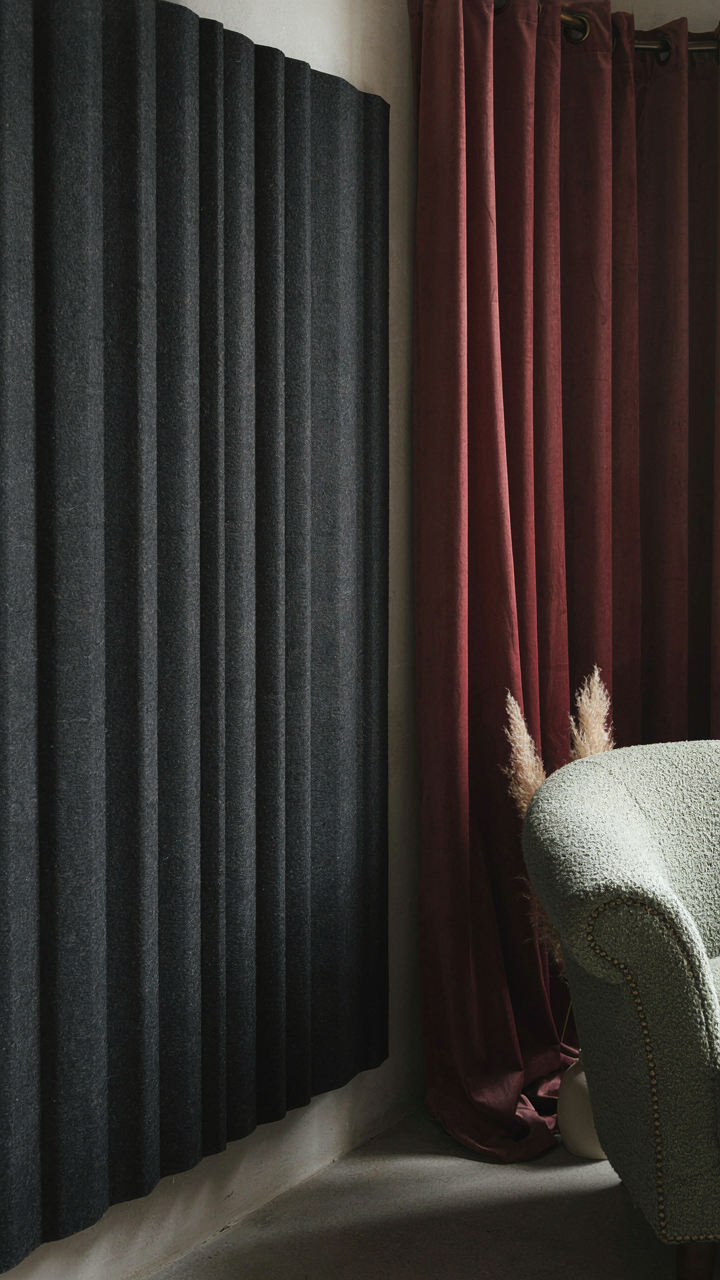
You want a she shed that feels like an escape because you’re tired of noise—your family, your street, your own thoughts bouncing off walls. That’s the real problem, and most decor advice ignores it entirely. Acoustic engineering teaches us about sound absorption and reflection. A bare she shed reflects sound and amplifies whatever noise enters. Soft furnishings, insulation, and material density absorb sound waves instead of bouncing them back. This transforms the space from a shed into a retreat.

Install acoustic panels on walls, not for looks but for function. Heavy curtains block external noise and interior reverberation. Rugs dampen footsteps and echo. Upholstered furniture absorbs sound more effectively than hard surfaces. The goal is a 20-30 decibel reduction from outside baseline noise. Measure your current noise level with a phone app, then test materials. Start with the most-exposed wall facing street or yard activity. Layering soft materials wins over single solutions.
Negative Space Beats Decoration
The standard advice is wrong: more decor makes a space feel bigger. It does the opposite. A she shed packed with items triggers visual processing overload. Your brain works to catalog every object, preventing the mental rest you entered seeking. Reduction is the mechanism. Remove every piece that doesn’t serve comfort, function, or genuine visual rest. This means empty wall space, clear surfaces, minimal wall art. One statement piece outperforms a gallery wall.
Choose furniture with clean lines and neutral tones. Avoid patterned textiles unless they’re subtle and monochromatic. Keep horizontal surfaces—shelves, tables, counters—mostly clear. Store tools, supplies, and personal items in closed cabinets or under-bed containers. One small side table, one chair, one light source. This isn’t minimalism as aesthetic; it’s minimalism as a tool. Your nervous system needs visual quiet to decompress, and clutter blocks that signal from reaching your brain.
Small She Shed Ideas: Maximizing Micro Space Utility
Going Vertical Against Gravity
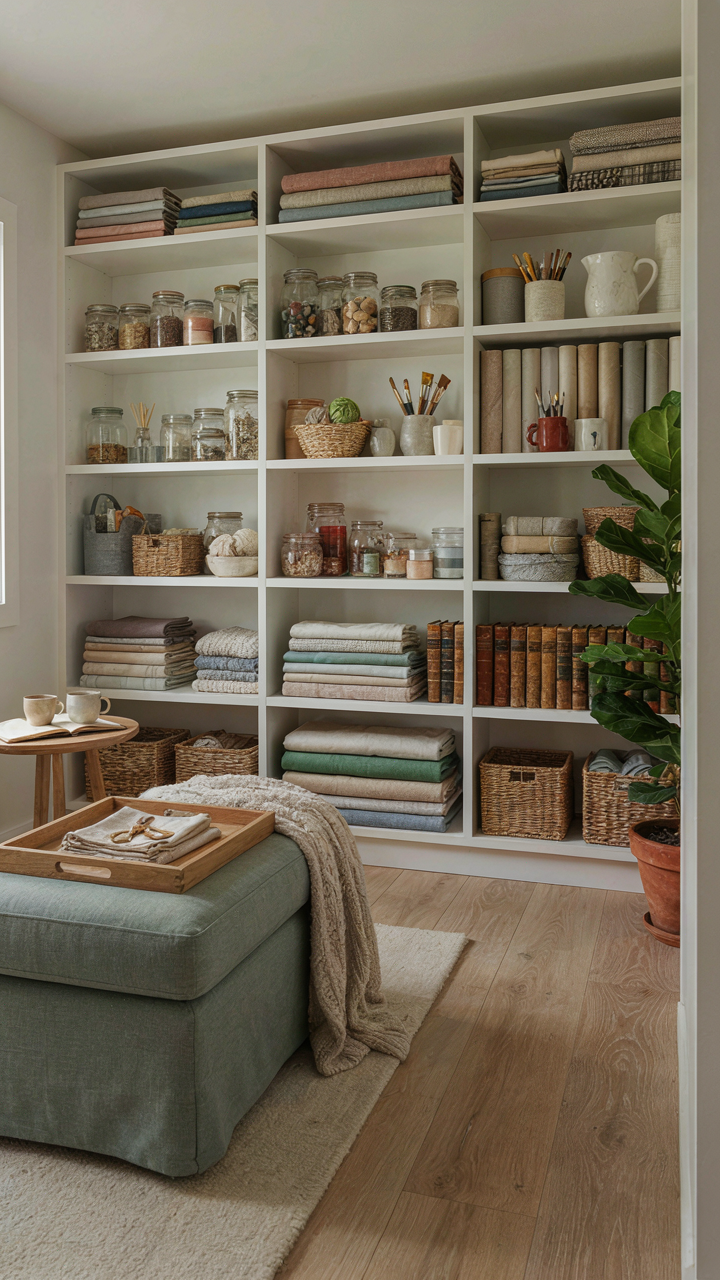
You want to feel like you didn’t waste money on a cramped space. That fear drives every small shed decision, and it’s why people buy decorative baskets they never fill. The real mechanism is physics: vertical storage exploits the one dimension most people ignore. Load-bearing walls can handle 50 pounds per stud cavity if anchored correctly. Shelving systems that run floor to ceiling convert dead wall space into functional density. Install French cleats or heavy-duty brackets rated for your actual load, not theoretical capacity. The goal is extracting usable square footage without renovation. Mount open shelving at staggered heights to avoid the warehouse look, then place your most-used items at arm level. Everything above or below that threshold becomes storage for seasonal or infrequent use. Dense vertical arrangements force you to organize ruthlessly.

Shallow floating shelves work best in tight quarters because they project only 8 to 12 inches. Corner shelving units add 4 to 6 square feet of surface without occupying floor real estate. Wall-mounted pegboards handle lightweight decor objects and tools simultaneously. The discipline of vertical storage eliminates clutter before it accumulates because the system has real limits. You cannot cheat physics.
Furniture That Does Multiple Jobs
Most small she shed advice stops at “choose pieces that serve double duty.” That’s incomplete. Real multi-functional furniture demands you identify which two functions matter most, then accept that the piece will never excel at either. A storage ottoman with seating works because sitting and storing both require structural integrity. A console table with lower shelving works because both activities need horizontal surfaces. The trade off is aesthetics and specialization.
- Storage benches: Provide seating and conceal blankets, tools, or seasonal items. Install gas struts so the lid stays open safely without hand-holding.
- Nesting tables: Stack compactly when unused, expand to full surface area when needed. Real wood nesting sets handle weight better than particle board alternatives.
- Murphy style wall desks: Fold down to create work surface, fold up to reclaim floor space. Requires wall studs rated for repeated motion and weight distribution.
- Ladder shelving with seating: Lower rungs function as steps or foot rests while upper sections hold decor. Works only if the piece is secured to wall studs to prevent tipping.
- Ottoman with removable tray: Functions as seating, side table, or hidden storage. Tray design prevents items from sliding during movement.
The mechanism is constraint forcing design efficiency. When you cannot add more square footage, each piece must resolve a real problem or it occupies space without purpose. Measure your actual activities in that space, then match furniture to those activities. Skip anything decorative alone.
Cozy She Shed Interior: The Psychology Of Environmental Comfort
Light That Lets Your Brain Work
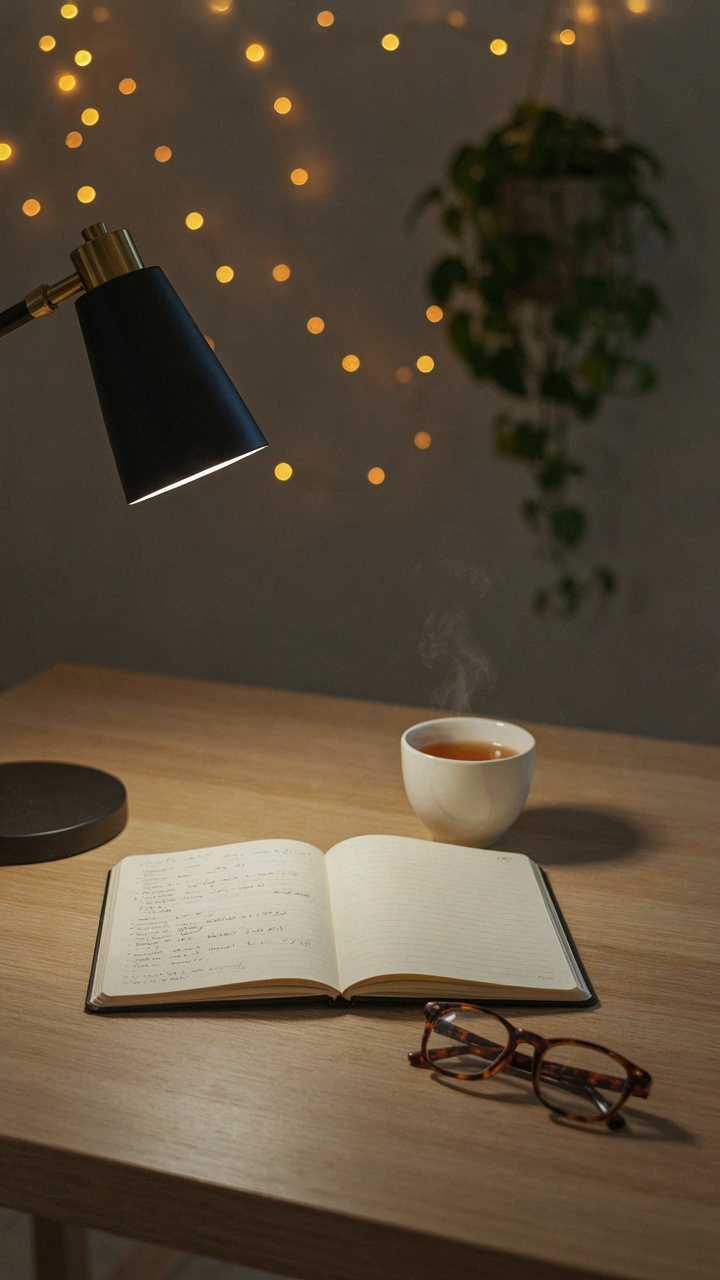
You want your she shed to feel like a retreat because you’re running from something, not toward it. The real mechanism is this: your brain’s prefrontal cortex shuts down under poor lighting. Task performance tanks. Motivation evaporates. Most people solve this by buying warm bulbs and calling it done. Wrong move. You need layered light—ambient, task, and accent—because different activities demand different intensities. A 60-watt equivalent soft white bulb works for reading. A 75-watt or higher task lamp at your work surface prevents eye strain and keeps your cognitive load stable for hours.

The physics of circadian rhythm applies directly here. Your eye perceives color temperature as time of day. Warm light (2700K to 3000K) signals evening to your nervous system, which kills focus but builds relaxation. Cool light (4000K to 5000K) mimics afternoon and sustains alertness. Position your primary light source to avoid glare on screens or reflective surfaces, and keep it indirect when you want sustained, comfortable work. Add dimmers. Non-negotiable. Your she shed becomes either a focus station or a recovery zone depending on what you dial in.
Temperature Sets Your Threshold For Staying Put
Thermal regulation isn’t about comfort—it’s about duration. You’ll abandon your she shed if your core temperature drifts two degrees either direction within thirty minutes. Most people treat temperature as background, then wonder why they leave early. The real issue: a shed’s insulation is almost always inadequate. You need to measure actual internal temperature across seasons, not assume. Sixty-eight degrees Fahrenheit is the benchmark for sustained cognitive work. Below sixty-five, your hands slow down. Above seventy-two, you get drowsy and distracted within an hour.
Control temperature through layering, not just the thermostat. A ceiling fan for summer air movement costs under one hundred dollars and extends your usable hours by several hours daily. Insulation in walls and under roofing matters more than you think. Fiberglass batts or spray foam between the frame and exterior skin prevents temperature swings. In winter, a small space heater with a thermostat maintains stable warmth without the energy waste of central heating a whole building. The protocol: measure temperature hourly across your typical work period, then adjust heating or cooling to hold it within one degree of sixty-eight.
She Shed Decorating Ideas: Intentional Aesthetics, Not Distraction
Natural Elements That Actually Work
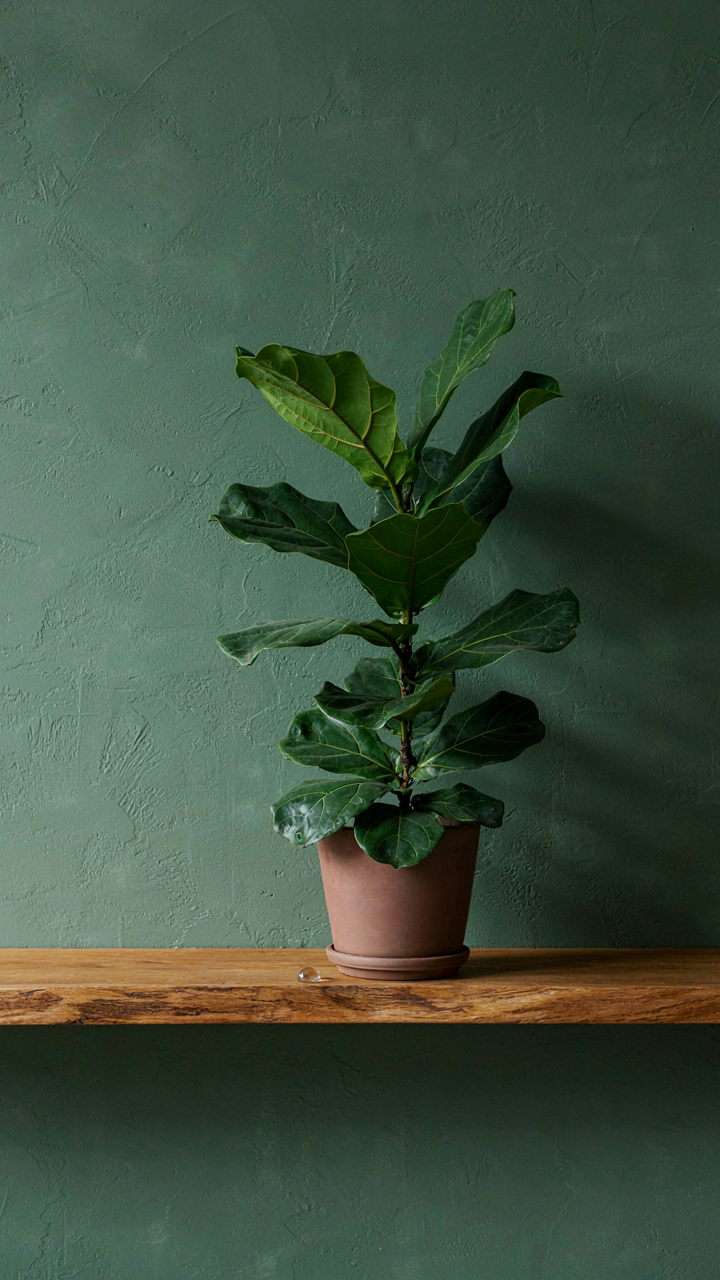
You want this space to feel authentic because you’re tired of performative design. The real mechanism here is constraint. Wood, stone, and plants force decisions because they have limits. You can’t add infinitely without it looking staged. A live-edge shelf doesn’t need decoration. A potted fiddle leaf fig doesn’t need company. They occupy space with presence.

Natural materials create what designers call “visual rest.” Your eye stops traveling when it hits texture or depth. Raw wood grain, unglazed clay, stone surfaces, and live plants demand zero explanation. Pick two or three materials and repeat them. A reclaimed wood wall with potted plants and exposed shelving beats a room full of trinkets. The restraint is what makes it work.
Color Selection For Tight Quarters
Most she shed color advice is backwards. People default to pastels or “calming” neutrals because they’re afraid of commitment. But small spaces don’t suffer from bold color. They suffer from wishy-washy decisions that feel busy anyway. The psychology is simple: one dominant color creates coherence. Multiple competing tones create chaos, even if each tone is soft.
Pick your dominant hue and own it. Deep sage, warm charcoal, or rust work because they absorb light and create depth instead of bouncing it around the room. Layer in one accent color maximum through textiles or art. Your walls set the tone. Everything else either echoes or accents. The mistake isn’t boldness. It’s treating a small room like it needs visual variety when it actually needs visual clarity.
Shed Makeover Interior: The Bio Hacker’s Retreat Blueprint
Breathable Walls Beat Stagnant Air
You want your she shed to feel like a sanctuary because you spend hours there and bad air quality makes you stupid. That’s not metaphor—it’s biology. CO2 buildup and poor ventilation degrade cognition measurably. Most shed owners ignore this entirely and wonder why they feel foggy after an hour inside.

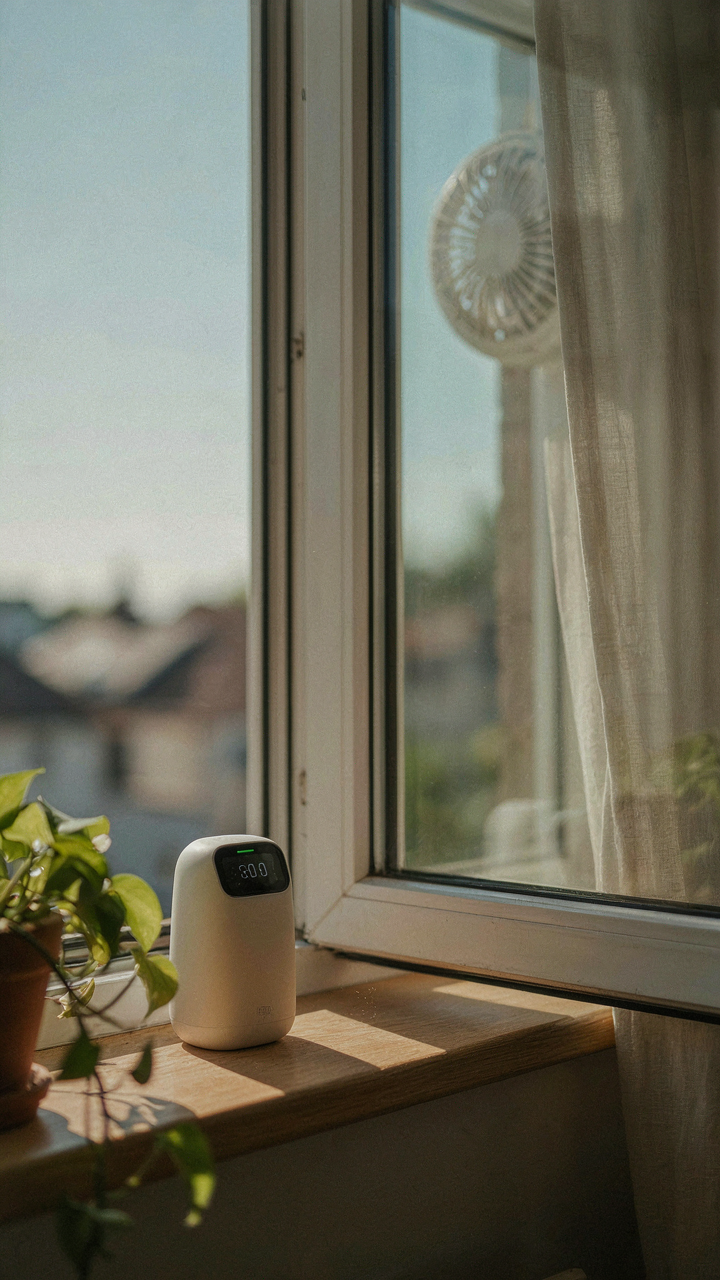
Ventilation solves this. Install a ridge vent or gable vent to create passive airflow without fans running constantly. Pair it with cross-ventilation: operable windows on opposing walls. This moves air naturally based on temperature and pressure differences. Add a small exhaust fan on a timer if your shed lacks windows. The goal is one complete air change per hour minimum. Test this with a cheap CO2 monitor—they cost thirty dollars and show you when the space has gone stale.
Seating Geometry Outlasts Comfort Aesthetics
Nobody talks about this directly: furniture that looks inviting but doesn’t support your body correctly will drive you out of the space within weeks. You’ll blame the shed. You’ll blame the weather. You’ll ignore that your lumbar spine is rebelling. Comfort is not subjective here—it’s engineering.
Get a chair that supports neutral spine alignment. Your hips should be level with or slightly higher than your knees. Armrests at elbow height when seated. A footrest if your feet don’t touch the ground. Desk height matters too: elbows at ninety degrees, wrists neutral, monitor at eye level. Swap out generic “cozy” furniture for pieces built around these specs. You’ll stay longer, work deeper, and actually use the space instead of abandoning it for your couch.
How To Turn A Shed Into A She Shed: The Autonomy Framework
Plan Before You Touch A Hammer
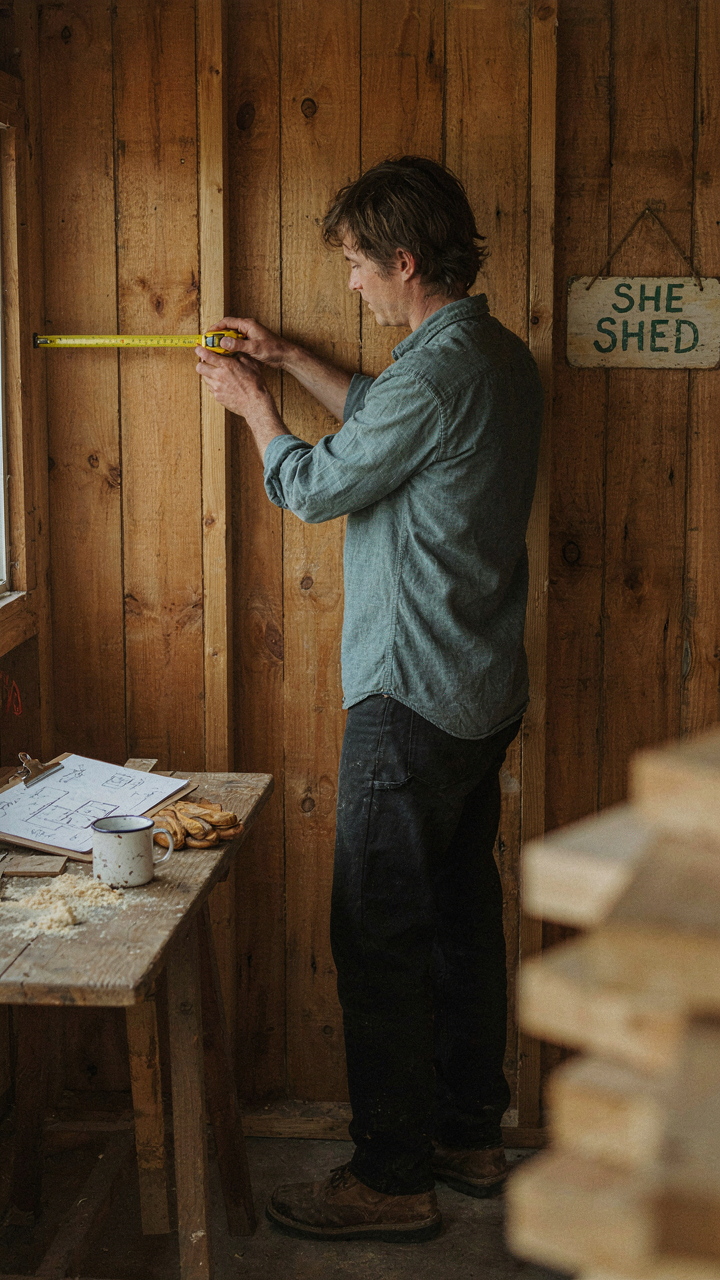
You want this project to feel effortless, like you just stumbled into the perfect retreat. That’s a lie you’re telling yourself, and it costs money. Military strategy calls this “terrain mapping”—understanding your operational space before deployment. Apply that to your shed: measure square footage, identify natural light sources, check electrical capacity, assess structural integrity. A shed without a plan becomes a storage room with better lighting. Document everything with photos and measurements. This takes two hours and saves you from ripping out work later.

Most people skip this and wonder why their she shed looks like a hobby lobby exploded inside a storage unit. The mechanism is simple: constraints force decisions. When you know your actual square footage, ceiling height, and light direction, you stop buying random furniture that doesn’t fit. You move from browsing to building. Your first action: measure the shed’s interior dimensions and document where natural light enters throughout the day.
Match Resources To Reality
Economics teaches resource scarcity—you have limited money, time, and space. The mistake isn’t spending too little; it’s spreading spending across too many categories at once. Decide upfront: are you maxing comfort (seating, textiles, heating) or maximizing function (storage, workspace, display)? You cannot do both equally on a normal budget. A she shed with four different seating types and zero organization is still a shed. A she shed with one quality seating area and intentional storage is a destination.
Start with one category and fully fund it before touching another. If comfort is the priority, buy one excellent chair and one side table before considering wall decor. If you need workspace, install shelving and task lighting before adding throw pillows. Track every purchase against your original priority category. When you feel the urge to buy something that doesn’t serve that category, you’ve found where your real budget went.
Small Shed Ideas Hangout: Cultivating A Personal Ecosystem
Plants As Living Furniture
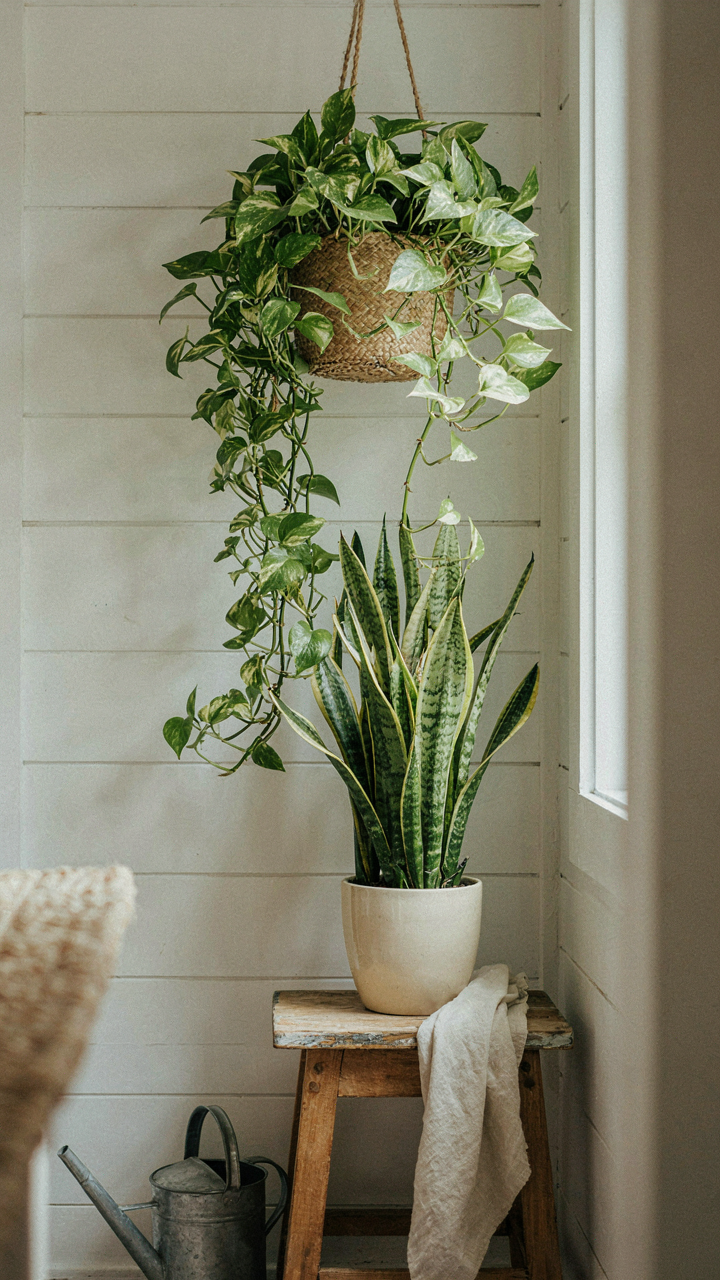
You want your shed to feel alive because dead spaces make you feel like you wasted money on the project. Here’s the mechanism: plants serve double duty as both decor and sensory anchors. Pothos, snake plants, and philodendrons require minimal intervention but create visual depth without clutter. Position them on shelves or hanging planters to draw the eye upward and make the space feel larger than it is. The act of watering becomes a ritual that justifies the shed’s existence.

Natural light exposure determines plant survival and your willingness to maintain them. North-facing sheds need low-light tolerant species. East or south-facing structures allow for higher-maintenance flowering plants. The plant’s health becomes a feedback loop: thriving plants justify weekly visits, which keeps the space functional instead of becoming a storage graveyard. Choose species based on your shed’s actual light conditions, not what looks good in design photos.
Rotation Based Maintenance Cycles
Most she shed advice treats maintenance as optional decoration work you’ll do someday. That’s backwards. Ecology teaches us about succession: environments that don’t cycle through change stagnate. Apply this directly: establish a monthly rotation where one category of items gets refreshed. One month you reorganize textiles, the next you refresh decor accents, the following month you audit seating comfort and swap cushions if needed.
This prevents the shed from calcifying into a static museum. Rotation keeps the space feeling fresh without requiring constant purchases or redesign. Set a calendar reminder for the first Sunday of each month to rotate one element. This single protocol transforms the shed from an Instagram moment into a space you actually use year-round.
Your She Shed Isn’t An Escape; It’s A Strategic Retreat For Deeper Engagement With Your Actual Life
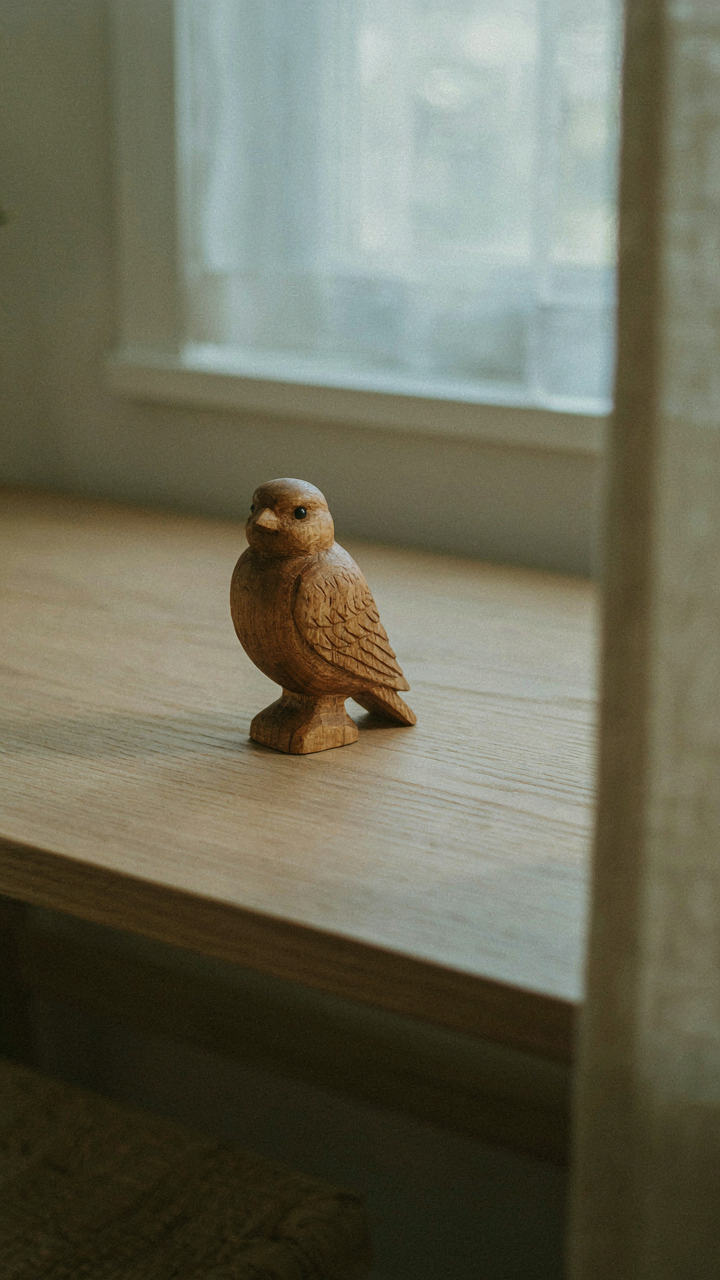
Most people treat their she shed like a hiding spot. That’s backwards. Real she shed decor serves one function: it reminds you who you are when the world tries to convince you otherwise. Your space reflects your priorities back to you. Pick one item today that actually means something to you, not something that photographs well. Place it where you’ll see it first. That single object becomes your anchor.




