
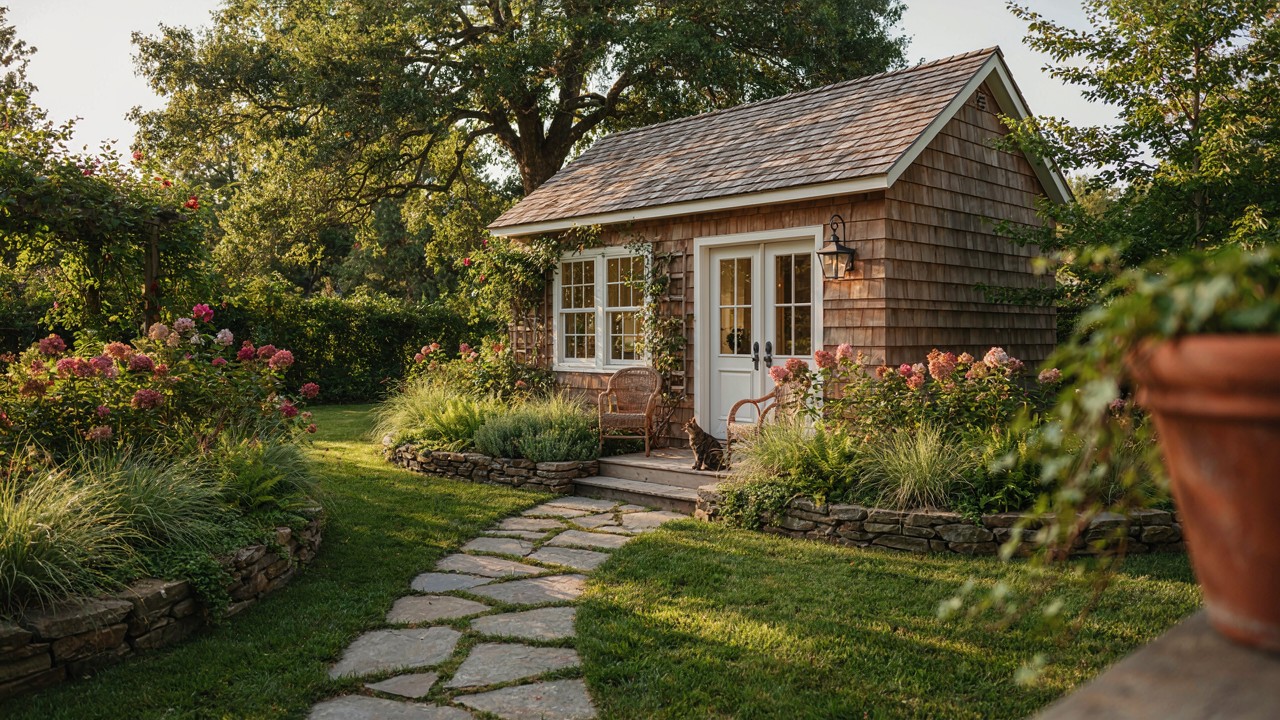
The Unspoken Rules Of Guest Shed Dominance
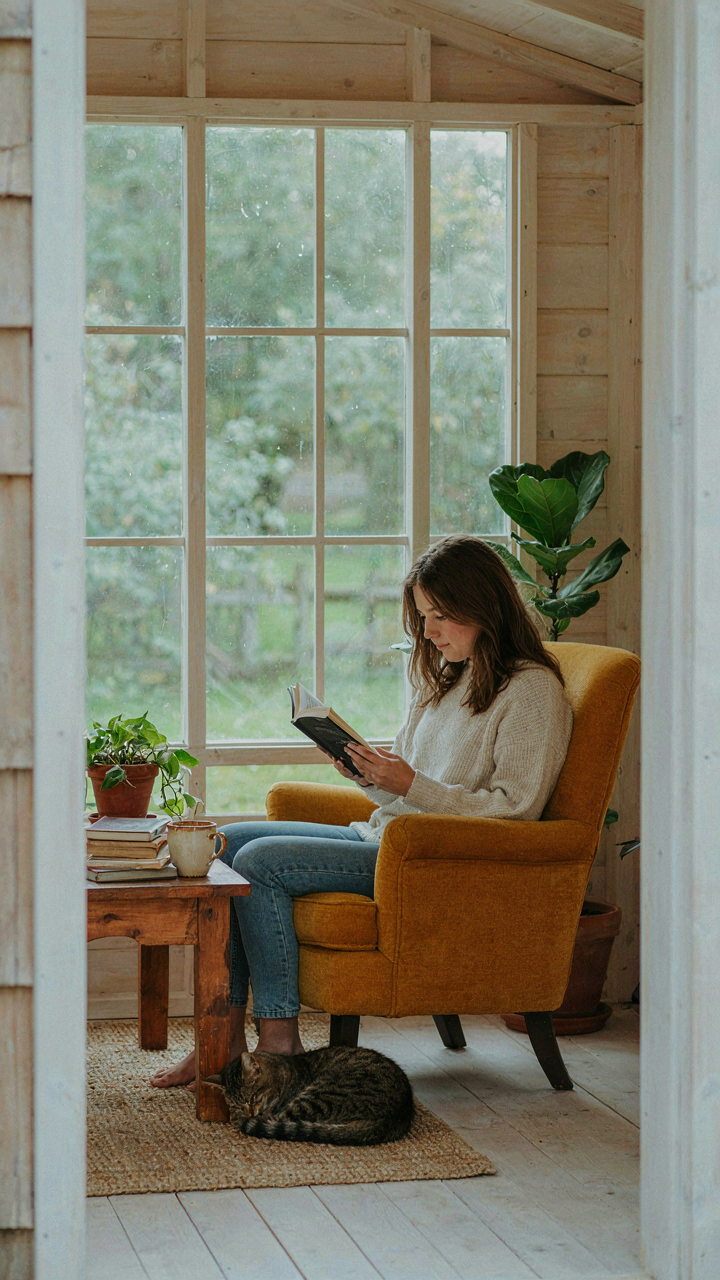
What Guests Actually Expect
You want your guests to think you’re thoughtful, which means you’re terrified they’ll feel abandoned in a shed. Here’s the mechanism: guests don’t expect luxury in a guest shed. They expect autonomy. They arrive with an unspoken contract: shelter, privacy, and zero obligation to perform gratitude for eight hours. The shed’s isolation isn’t a drawback they tolerate. It’s the entire reason they prefer it over your couch.
Most hosts misread this. They stock the shed with snacks and WiFi passwords as if scarcity is the problem. It isn’t. The problem is perceived surveillance. Guests want to know they can move without explanation, shower at midnight, and exist without an audience. A she shed guest house signals permission structures before anyone speaks. The physical distance from your main house is your selling point, not your liability.
How The Shed Changes The Game
Every guest space operates under constraint theory from logistics. Your main house is a hub with bottlenecks: shared bathrooms, family schedules, social proximity. A she shed guest house is a node. It removes every dependency. Guests control temperature, lighting, noise level, and entry time without negotiating around your life. This isn’t convenience. This is the elimination of friction.
The shed rewrites the relationship because the guest never enters your daily operations. They don’t see your kitchen in the morning or hear your arguments. You don’t police their schedule or field questions about towel locations. This boundary isn’t cold. It’s clarity. The shed succeeds because it answers the real unspoken anxiety: will I be in the way? A separate structure answers that question before it forms. Design for independence, not entertainment, and guests stop performing gratitude.
Guest House Shed Ideas: Beyond The Bunk Bed
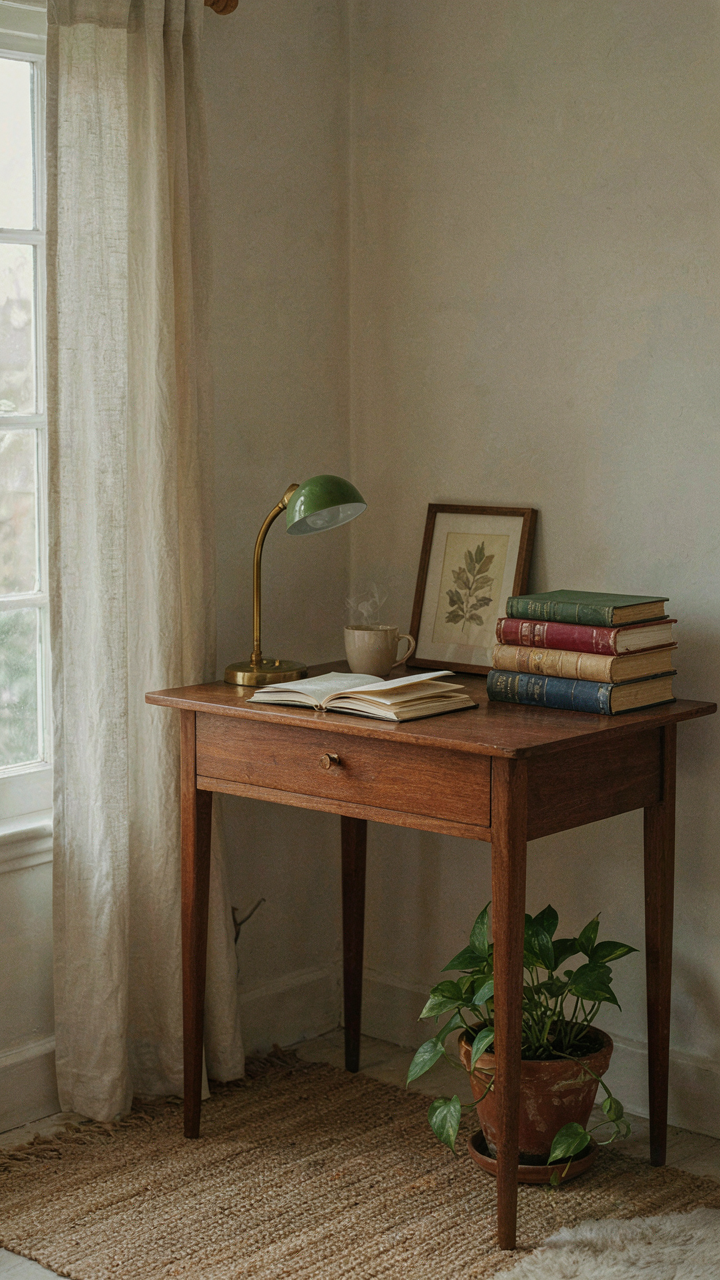
The Space That Signals Status
You want your guests to feel like you’re successful enough to have built them their own retreat. That’s the mechanism here: a dedicated guest space isn’t about hospitality, it’s about perception. The shed guest house works because it separates guest comfort from your main house, which signals intentionality and means. People register this instantly.

The physics principle of “signal amplification” applies here. In communication, a signal’s strength depends on how clearly it separates from noise. A guest room crammed into your spare bedroom blends with household clutter. A separate structure with its own entrance, climate control, and design direction broadcasts one message: this owner thinks about their guests before they arrive. That distinction compounds how people remember the experience.
The Details That Create Longing
Most advice says “add a mini fridge and call it done.” That misses the point entirely. Aspiration isn’t built on comfort basics, it’s built on specificity that suggests lifestyle. Your guests don’t aspire to having water nearby, they aspire to the person who chose a particular pour-over setup, the exact throw blanket, the book selection that reveals taste.
The shed guest house becomes a stage where small choices do the work. Heated floors in winter. A window positioned toward natural landscape rather than buried in shade. A sound system that plays music at volumes that feel intentional, not obligatory. A desk with actual task lighting instead of ambient glow. Each detail compounds into an experience that guests want to replicate in their own homes, which means they’ll associate that desire with you.
The “Scarcity Signal” Protocol: She Shed Tiny House Edition
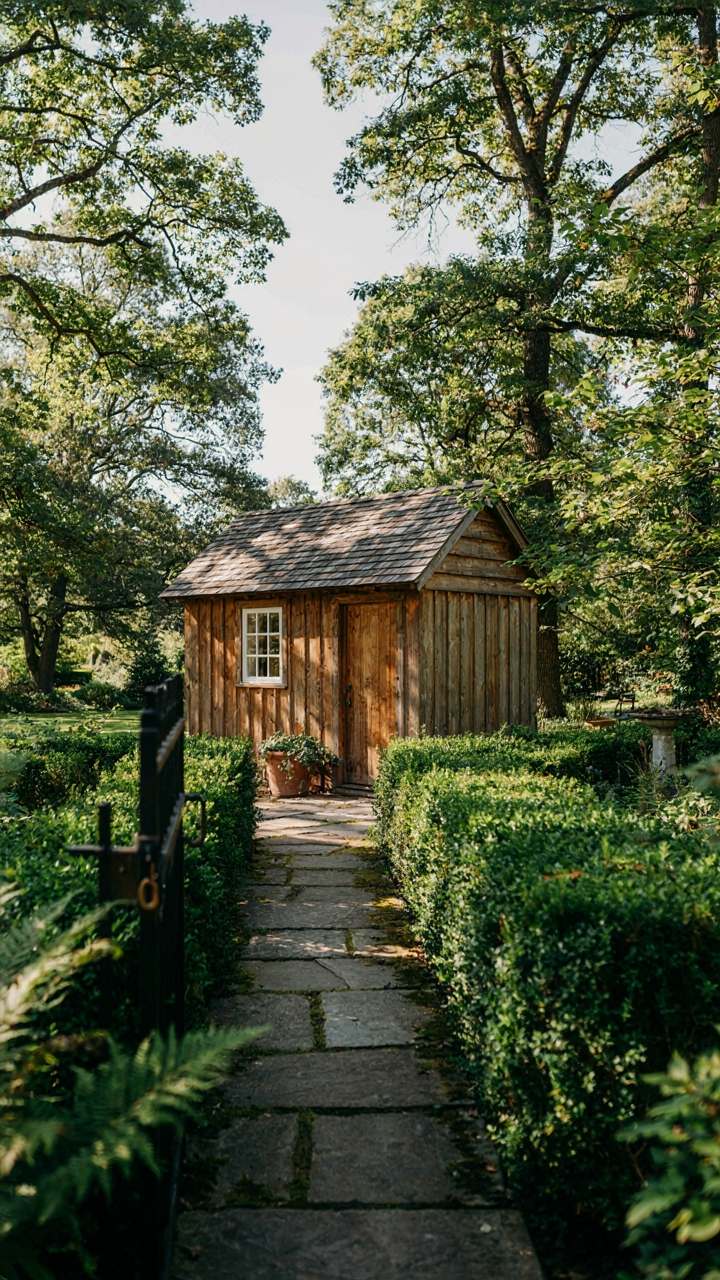
When Access Feels Like Permission
You want guests to feel chosen. That’s the real motive here—not comfort, but the status hit of being granted entry to something limited. This works because scarcity economics proves that humans assign value to what they can’t easily access. A she shed guest house compounds this: it’s not a spare bedroom in the main house, it’s a separate structure that requires deliberate invitation. The mechanism is simple. Physical separation plus controlled access equals perceived privilege.

Limit occupancy to one party at a time. No shared bathrooms with neighbors. No walk-in visitors. The guest arrives knowing they’ve been selected for this experience, not shuffled into available inventory. This distinction rewires how they perceive the space before they even step inside. The isolation itself becomes the amenity. Charge accordingly, because guests will pay more for exclusivity than for square footage.
Constraints That Amplify Desirability
Most people think constraints shrink opportunity. Wrong. In hospitality, constraints increase willingness to pay and boost guest satisfaction because limits create narrative. A she shed guest house with specific capacity, specific seasons, or specific amenities becomes more memorable than a generic rental with endless options. Think of it like a limited-edition product strategy. You’re not hiding features—you’re designing them to feel intentional, not accidental.
Impose real operational boundaries: open bookings only three months in advance, cap stays at five nights, or restrict availability to weekends. Make these boundaries visible in your listing and messaging. Guests interpret restrictions as signals that demand exceeds supply, which instantly raises perceived value. The constraint becomes proof of worth. Reserve the space occasionally for personal use—this isn’t lost revenue, it’s marketing. Guests see the unavailable dates and assume you’re selective, not desperate for bookings.
Garden Studios: The Art Of Intentional Isolation
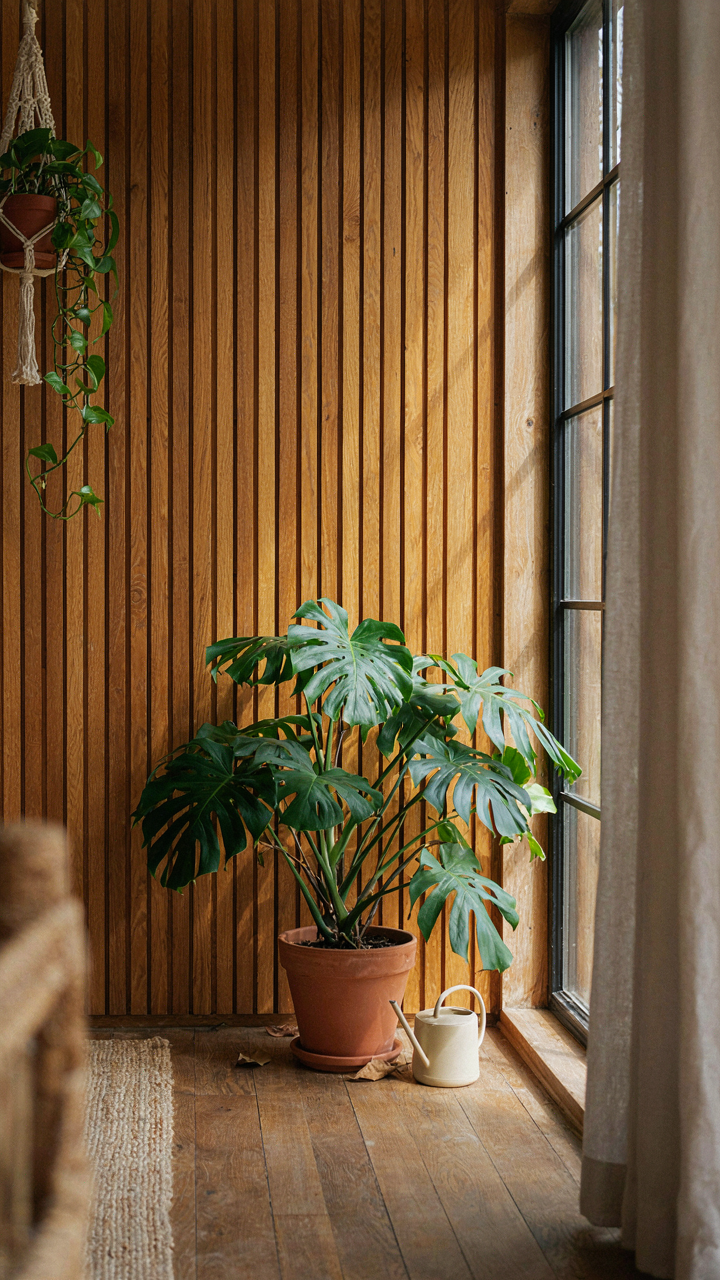
Pattern Repetition And Nervous System Reset
You want guests to feel like they’ve escaped without actually leaving your property—status through restraint. Biomimicry is the field here, and the mechanism is fractal repetition. Nature doesn’t randomize; it repeats patterns at different scales. Your she shed guest house works the same way. A single repeated material, color palette, or window rhythm calms the nervous system faster than variety does. Monotony gets a bad reputation, but it’s actually the antidote to decision fatigue. Guests arrive overstimulated. Repetition lets their brain stop processing.

The execution is simple: pick one dominant material and repeat it at least three times visibly. Wood slats on a wall, then on the ceiling, then on a partial screen. Concrete floor, concrete planter, concrete step. One color in multiple surface applications. This isn’t minimalism for the sake of looking expensive. It’s a protocol for deactivating the cognitive load your guests carry in. When their eyes stop hunting for variation, their cortisol drops.
Proximity To Actual Plants, Not Décor
Everyone says “bring nature inside.” That advice is useless because it treats plants as decoration instead of functional biology. In small spaces, proximity matters more than quantity. A single living plant within arm’s reach of where your guest sits releases volatile organic compounds that measurably shift blood pressure and attention span. Dead plants, faux plants, or plants you can’t touch don’t trigger this response.
Place one substantial plant where guests will interact with it during their stay: beside the bed for morning cortisol regulation, near the desk if they work remotely, or by the sitting area. The guest house needs humidity and airflow to support the plant, which forces you to build actual ventilation instead of relying on climate control alone. This dual requirement creates a space that functions better for humans because it functions better for biology.
Studio Guest House: The Trojan Horse Of Hospitality
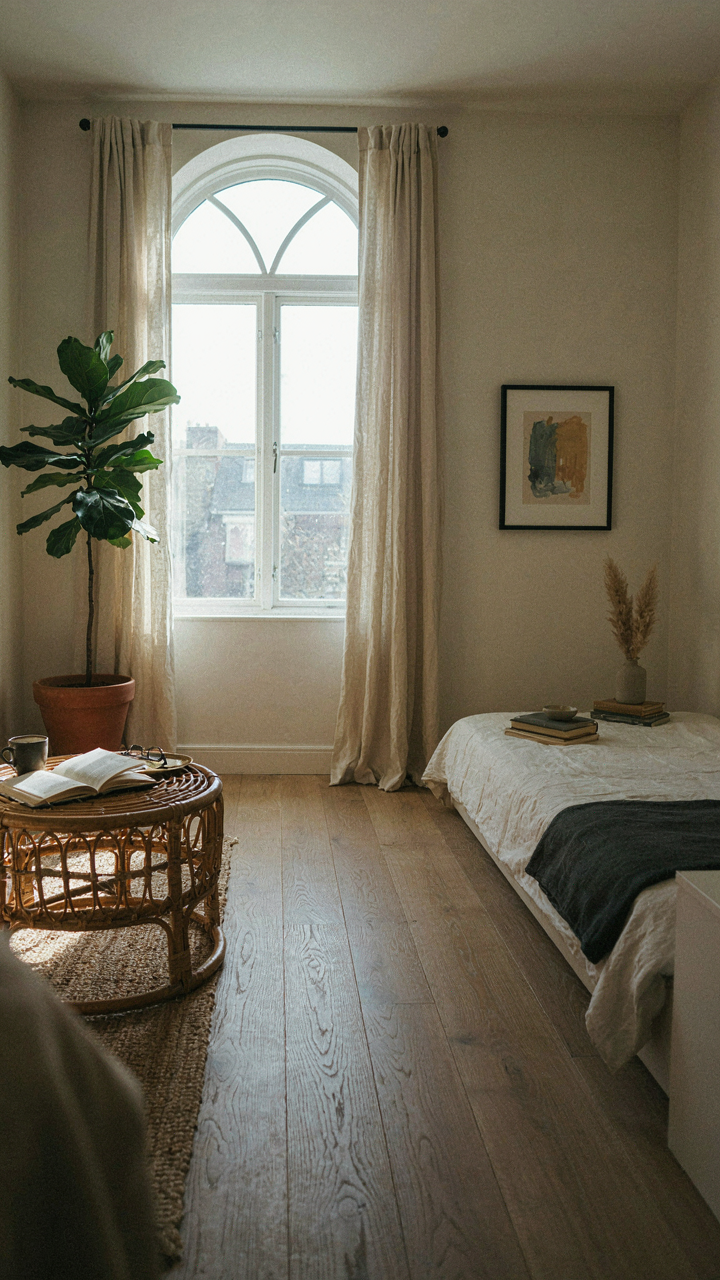
What You’re Really Selling
You want visitors to leave thinking you have taste and means. Here’s the mechanism: a studio guest house isn’t a bedroom with a bathroom. It’s a controlled environment where every object signals intention. In retail psychology, this is called “environmental merchandising.” You’re not just providing shelter. You’re curating the visitor’s interpretation of who you are. The space becomes the message before anyone speaks.

The distinction matters because most people furnish guest spaces like afterthoughts. They dump old furniture in a room and call it done. A studio guest house operates differently. Each piece earns its place because the space is bounded and visible as a whole. Visitors see the composition instantly. Weak choices become obvious. Strong ones compound in their impact.
The Grammar Of Restraint
Restraint in design isn’t about minimalism as a trend. It’s about signal-to-noise ratio from game theory. You want maximum meaning from minimum objects. One well-chosen chair beats a room full of mediocre ones. The visitor notices what’s absent as much as what’s present. Sparse rooms feel intentional. Crowded ones feel inherited.
Start by removing everything unnecessary. Then remove one more thing. The space should feel like the owner made decisions, not accumulated over time. This applies to wall color, lighting, storage solutions, and textiles. Every visual decision should reflect purpose. When a guest enters and sees this discipline, they unconsciously accept the premise that you don’t waste energy on anything that doesn’t matter. This transfers to how they perceive you.
Tiny House From Storage Shed Exterior: Aesthetics Of Authority
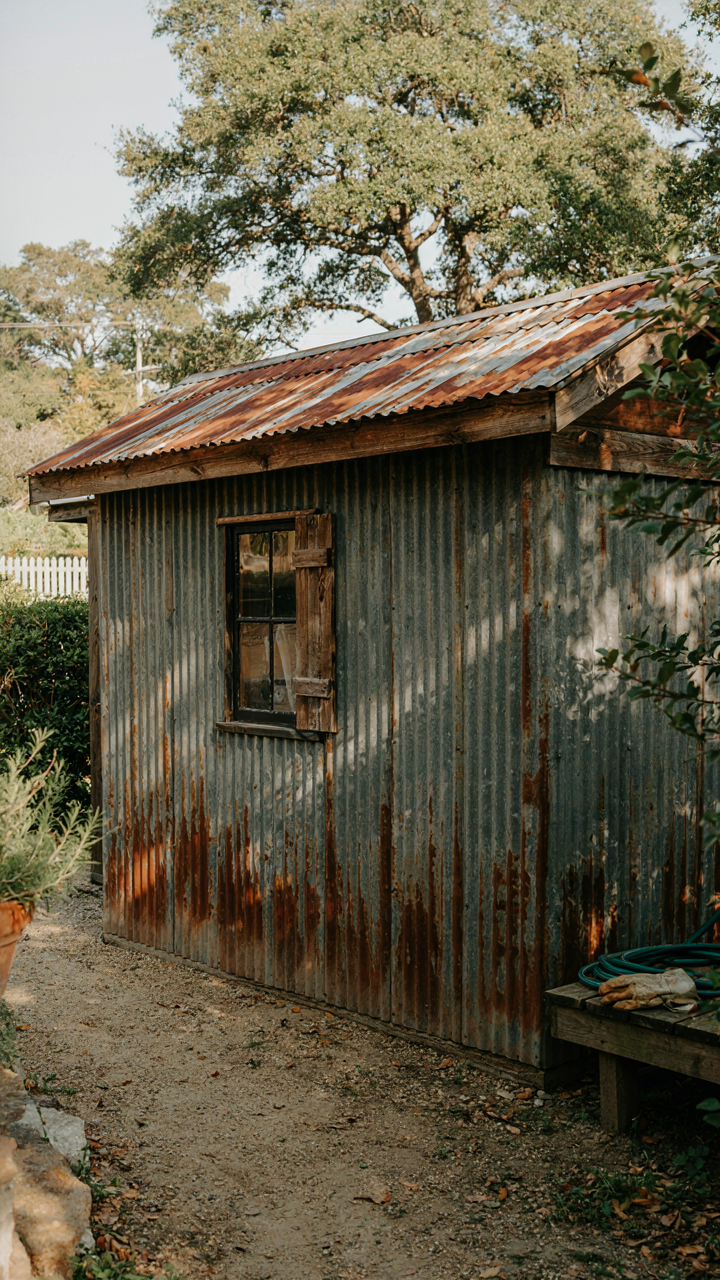
Material Choices That Signal Intention
You want people to know you didn’t throw this together. Material selection is how you prove you thought about durability and intentionality before you built. Most people grab whatever’s cheap and call it “rustic.” That’s the opposite of authority. Real authority means choosing materials that age visibly in a controlled direction.

Corrugated metal siding costs less than wood but requires deliberate maintenance. It rusts in patterns people recognize as intentional rather than neglected. Board and batten siding gives definition through shadow and line. Charred wood siding (technically wood that’s been surface-burned for preservation) reads as considered investment. The mechanism is simple: materials that demand upkeep signal you’re invested enough to maintain them.
Structural Details That Don’t Announce Themselves
Rooflines matter more than most builders admit. A shed with a standard peaked roof looks incomplete. A shed with a slight overhang, exposed rafter tails, or a wraparound covered porch entrance reads as deliberate architecture. The detail creates shadow lines that break up flat surfaces. Deep eaves protect the walls longer, which guests interpret as foresight rather than luck.
Window placement follows the same rule. Centered windows look accidental. Asymmetrical placement with defined trim suggests the designer understood sightlines and light patterns. Install the windows slightly inset from the wall plane so trim casts actual shadow. The guest house exterior becomes visibly thought through the moment you apply shadow as a design language.
She Shed House Tiny Homes: The Efficiency Of Ego
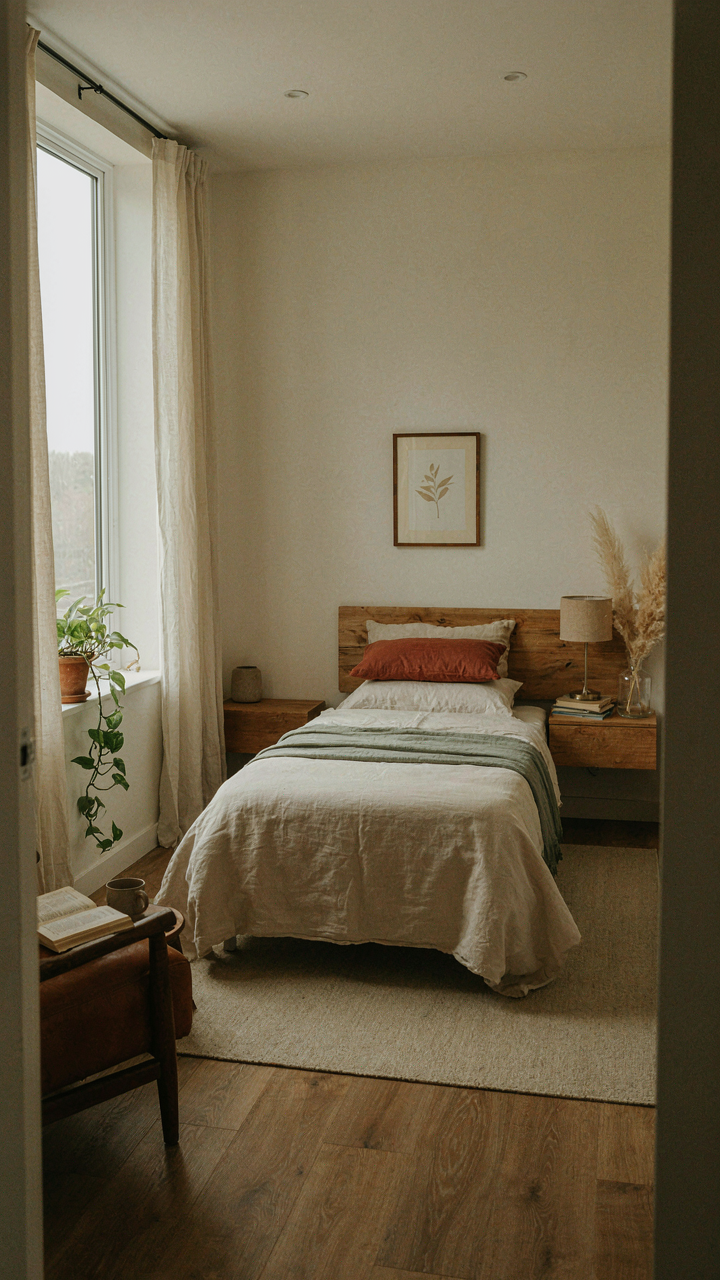
Design For Arrival, Not Afterthought
You want guests to walk in and feel like you pulled off something impressive without lifting a finger. That’s the real play here. The mechanism is constraint economics: tiny spaces force you to eliminate waste before it starts, which paradoxically makes the space feel more generous. A she shed guest house under 400 square feet demands ruthless spatial hierarchy. Every inch either serves the guest experience or gets cut. No dead zones. No filler furniture.

Layout precedes decoration in a she shed. The entry sets the frame. A 6-foot hallway that opens directly into a living area makes the room feel larger than square footage would suggest. Bed placement matters more than bedding choice. Position it where natural light hits without glare at eye level. A single window with a working shade beats three windows with poor sightlines. These aren’t aesthetic choices. They’re mechanical. They determine whether someone feels cared for or squeezed in.
Systems That Run Without You
Most advice about guest comfort talks about amenities like they’re decoration. They’re not. They’re systems. In thermodynamics, a closed system that maintains temperature without external input is efficient. Your she shed needs the same logic applied to temperature control, water access, and lighting. A programmable thermostat set to guest-preferred temperatures before arrival means you never have to communicate about comfort. Smart bulbs on timers eliminate the awkward darkness problem. Hot water on-demand avoids cold showers that kill the entire visit.
The infrastructure choice matters more than the finish. Radiant floor heating in a tiny guest space works better than baseboard because it has no dead zones and no noise. A compact tankless water heater sized correctly means guests never run out of hot water mid-shower. These systems cost more upfront but obliterate the need for you to adjust settings, apologize for cold temperatures, or problem-solve during their stay. Autopilot hospitality compounds. Set it once and your generosity scales across every visit.
Backyard Cottage Ideas: Beyond The Picturesque
Sightlines That Signal Intentionality
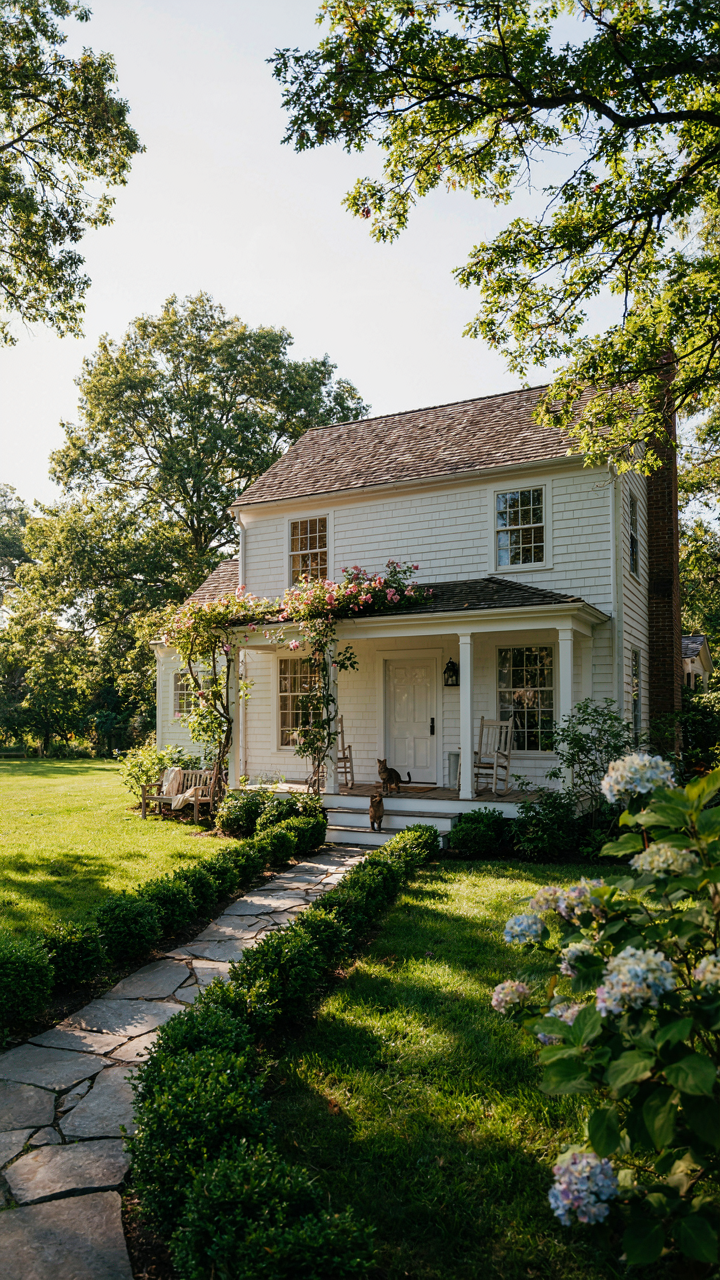
You want people to see it. Not because beauty matters, but because visibility signals that you built something deliberate, not desperate. This is pure geometry. In architecture, sight lines work like sightlines in military strategy: control what enters the frame, and you control the narrative. Position your she shed guest house where it catches light during the hours guests arrive and depart. This means east or south exposure for afternoon arrival, where the structure reads as chosen rather than hidden.

Most people bury their guest structures behind trees or tuck them into corners. Wrong move. Place the cottage where the main house sightline naturally leads, typically 40 to 60 feet away. Use the intervening space (garden bed, path, deck) as a transition zone that makes the distance feel intentional. Guests see approach time as ceremony, not traverse. The structure gains presence through visibility and sequence, not obscurity.
Landscape Architecture As Containment
Landscaping isn’t decoration for your guest space. It’s the perimeter that makes the structure read as separate territory. The difference between a shed that looks like a shed and a guest house that operates as one hinges on boundary definition. Hard and soft edges (fence line, tree line, gravel path) create psychological distance from the primary dwelling without physical walls. Dense plantings on perimeter sides force approach from one direction, controlling how guests encounter the structure.
Use native plantings that establish the boundary within one growing season, not three years. Deciduous trees on the south side filter summer sun but admit winter light. Ornamental grasses or shrubs at entry height screen the interior partially while maintaining sightline into the cottage itself. These layers compress space while creating visual autonomy. The cottage stops reading as an accessory and starts reading as its own place. Install the hardscape first (path, entry pads), then plant. Guests respond to cleared passage more than to greenery alone.
She’d To Tiny House: The Undeniable Upgrade
Where You’re Actually Losing Money
You want this section to tell you your she shed is already good enough. It isn’t. The mechanism at play here is sunk cost bias: you’ve already built or bought the structure, so your brain protects that investment by lowering your standards for what it should deliver. That’s the tax on self-deception. A she shed guest house only works if overnight visitors actually return and refer others. Most don’t, because the setup has invisible friction points that feel like minor inconveniences until they compound into a bad experience.

Start by auditing what your current guests actually complained about, even indirectly. Cold mornings. No hot water on demand. Bathroom too far from the sleeping area. Inadequate lighting for unpacking at night. These aren’t design flaws—they’re profit leaks. Every unspoken complaint is a referral you’ll never get. Track these patterns obsessively before you build or upgrade anything.
- Insulation and climate control: Guests judge comfort first. Poor insulation means heating or cooling costs spike and the space feels uninviting. Test winter and summer performance before guests arrive.
- Plumbing and water pressure: Low pressure or distance to the bathroom creates friction. An outdoor or detached shower setup that requires a robe-and-shoes walk fails every time.
- Electrical capacity and outlet placement: Insufficient outlets or circuits reveal themselves when guests charge devices or use basic appliances simultaneously. This feels like a cheap oversight.
- Natural and artificial lighting: Dark corners signal neglect. Guests need task lighting in the bathroom, reading light by the bed, and ambient light that doesn’t feel institutional.
- Sound isolation: Noise from the main house, yard equipment, or neighbors breaks the retreat experience. Thin walls turn a guest house into a liability.
Most upgrades fail because they target aesthetics instead of friction. You don’t need better paint or decor—you need guests to forget they’re in a backyard structure and remember the stay was seamless.
The Leverage Moves That Actually Convert
The real upgrade isn’t incremental. It’s about removing the one or two things that make people hesitate to book again. Forget “nice to have” improvements. Identify what turns a guest stay into a story they tell friends versus a favor they tolerate. The difference is usually smaller than you think, but it requires brutal honesty about what fails first.
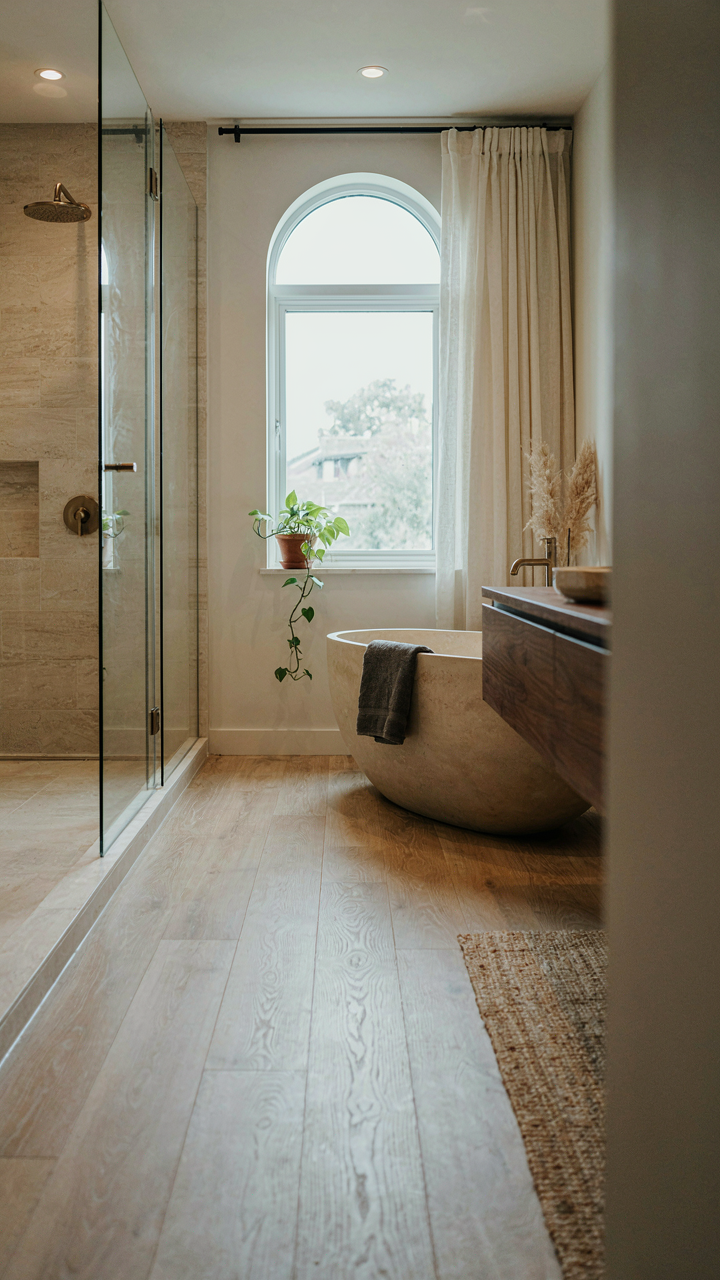
Most advice says upgrade the bathroom and bedroom in equal measure. Wrong. Bathrooms carry disproportionate weight because guests experience them immediately and repeatedly. A premium shower, consistent hot water, proper ventilation, and genuine privacy convert far more than a nicer bed frame. After that, temperature control—not decor—determines whether guests feel taken care of. These two systems alone shift perception from “cute backyard setup” to “genuinely comfortable space worth paying for or booking again.”
Your Guests Aren’t Judging Your She Shed; They’re Judging Your Choices. Stop Making The Easy Ones
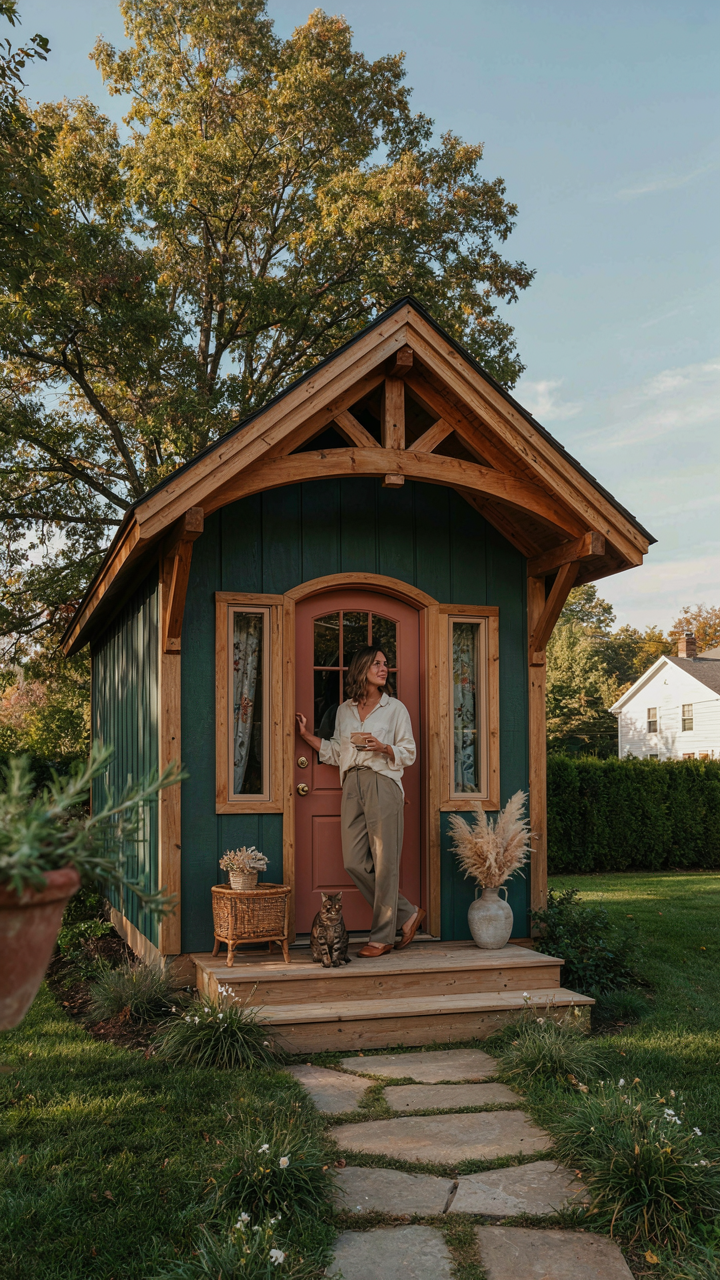
Most people build a she shed guest house by copying what everyone else does. They fail because comfort means nothing without intention behind it. Your guests remember how you made them feel, not the generic furniture you bought. Pick one thing that matters to you and build everything else around it. That’s the difference between a space people tolerate and one they actually want to return to. Stop decorating for Instagram and start building for people who matter.



