
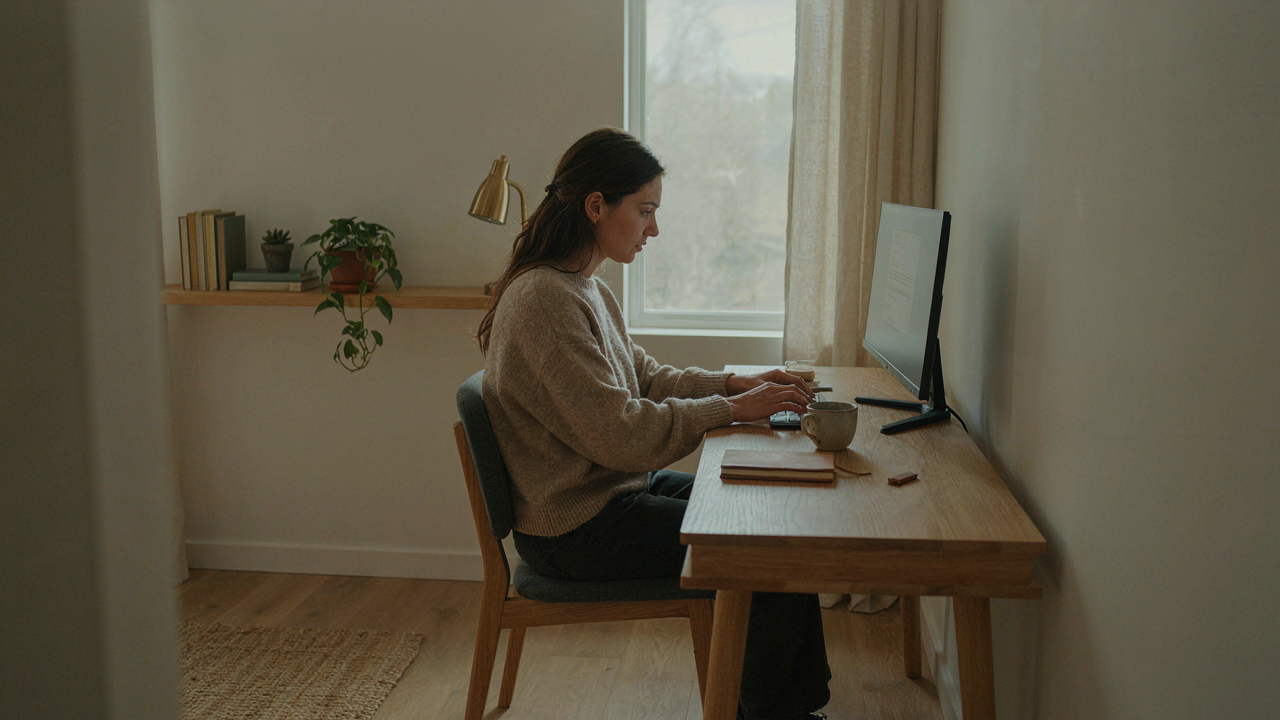
The Illusion Of Escapism: Why Your She Shed Fails You
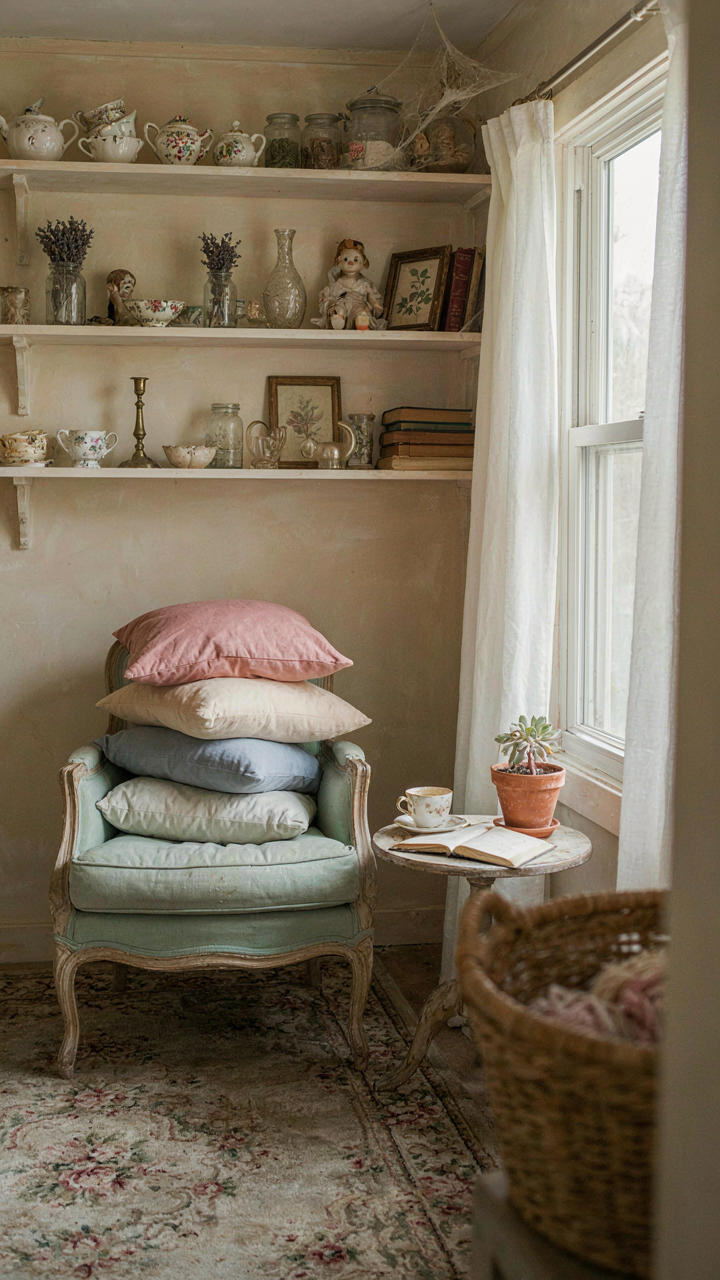
Aesthetics Masquerading As Design
You want the Instagram version because you think it proves you’re the type of person who has a retreat. That’s the real driver here. But aesthetic without function is just expensive decoration that collects dust and resentment.
Most people furnish their she shed like a showroom: matching decor, coordinated colors, statement pieces arranged for angles. None of this determines whether you’ll actually use the space. The mechanism is simple: a room designed for appearance rather than behavior attracts you once, then repels you every time the reality doesn’t match the fantasy. You need to reverse this. Start by asking what you’ll do there for three hours straight, then build backward from that activity to the furniture and layout required.
What The Space Actually Solves
You don’t need a she shed because you need a prettier room. You need it because your existing environment interrupts the specific work or thinking or making you claim to value. Most advice stops here and calls that enough. It’s not.
The real question is whether this interruption happens because of external noise, visual clutter, social obligation, or your own lack of boundaries in the primary space. A shed fixes the location problem but not the boundary problem. If you can’t say no to demands in your house, you’ll bring that same responsiveness to the shed. You’ll check your phone there. You’ll answer texts. You’ll hear requests through the walls. The shed’s interior matters less than establishing what activity justifies its existence and what specific conditions that activity demands. Define that first. Everything else follows from it.
Beyond Pinterest: Intentional She Shed Interior Design
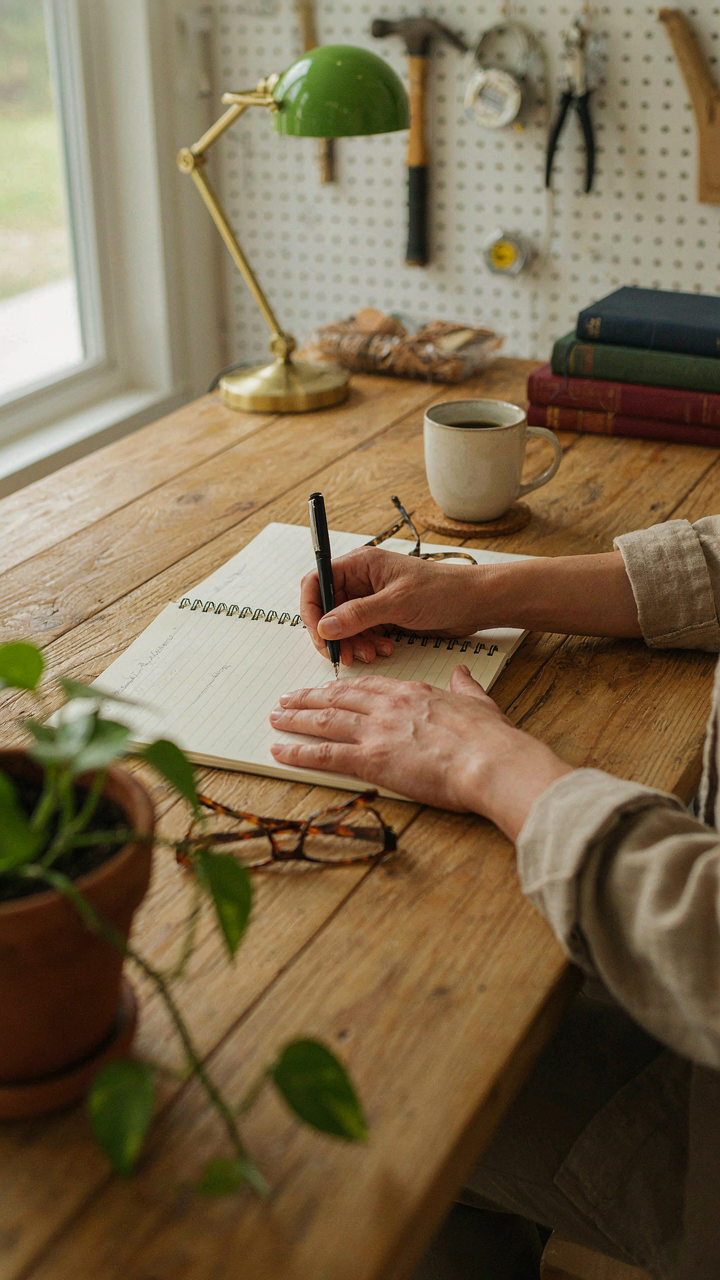
Start With Function, Not Aesthetics
You want the space to look good on Instagram before you’ve figured out what you’ll actually do there. That’s the real problem. Function isn’t boring—it’s the only thing that determines whether you use the space or it becomes expensive storage. Define your primary function first: work, rest, hobby, or social. Everything else cascades from that one decision. A she shed designed for focused work needs different lighting, furniture height, and acoustic treatment than one built for entertaining.

Secondary functions come after primary ones are locked. If your shed is primarily a writing space, a secondary function might be reading or tea breaks. Don’t stack five functions and expect the space to work well for any of them. The interior layout, electrical placement, and material selection all depend on knowing your primary use. Write down one sentence describing your main activity. Build everything else around it.
Eliminate What Doesn’t Serve The Function
Most design advice tells you to “curate” or “edit” your belongings. That’s passive language masking a hard truth: you need to remove almost everything. Ruthless decluttering means treating your she shed interior like a submarine—every item takes up physical and mental space. If something doesn’t directly support your primary function, it creates visual noise that drains focus and presence.
Go through each item and ask: does this enable my stated primary function or does it compete with it? A bookshelf works in a reading shed. A bookshelf in a painting studio is visual clutter that divides your attention. Storage solutions should hide things, not display them. Keep surfaces bare except for active tools or current projects. This isn’t minimalism as aesthetic choice—it’s minimalism as operational efficiency.
The “Sanctuary System” For Shed Interior Peace
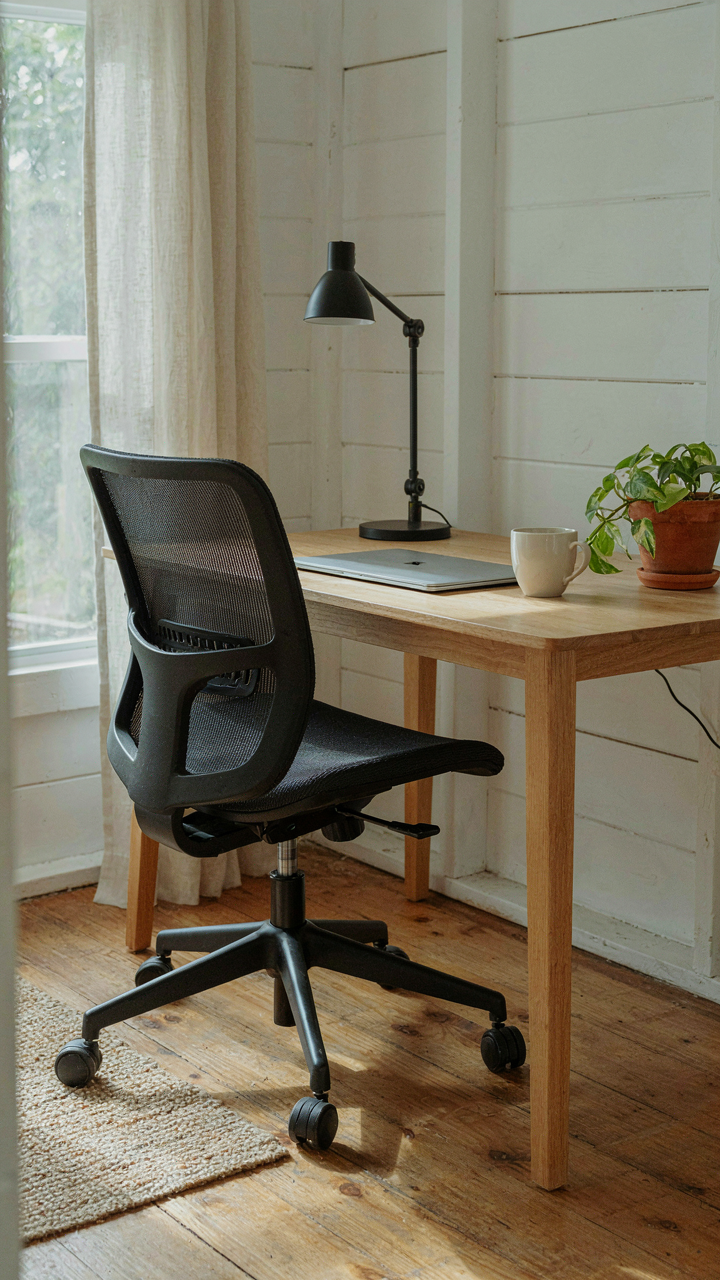
Ergonomics: Tools For Sustained Focus
You want this space to feel intentional because an uncomfortable shed proves you don’t actually value yourself enough to optimize for your own work. Here’s the mechanism: ergonomics borrowed from industrial design means matching tool and body position to eliminate friction loss. In a shed, this translates to chair height, desk depth, and task lighting placement that keep your spine neutral and your eyes at the correct focal distance. Most people treat the shed like storage with a chair shoved in the corner. That guarantees fatigue and abandonment within weeks.

Start with a desk depth of 24 to 30 inches, which gives you keyboard space without forcing your arms into a reach position. Your chair seat should sit 17 to 19 inches high, putting your elbows at roughly 90 degrees when your forearms rest on the desk surface. Task lighting should mount above and slightly forward of your work zone to eliminate shadow cast by your own body. These aren’t preferences. They’re load-bearing specs that determine whether the shed becomes a functional retreat or expensive decoration.
Noise Cancellation And Sensory Control
The conventional wisdom says add soft furnishings and call it peaceful. Wrong. Soundproofing in a shed operates on the physics principle of mass and decoupling: you need material density to absorb frequency, not fabric softness to make you feel better. Most exterior sheds leak mid and high-frequency noise from neighbors, tools, and traffic because walls are thin and uninterrupted. Sound finds every gap, every rigid connection between framing and siding.
Seal air leaks first, then add mass. Weatherstripping around the door and windows stops air transmission. Rockwool batts in wall cavities (if you can access them) absorb sound energy rather than bounce it. A second layer of drywall on interior walls increases mass without major reconstruction. Sensory control means controlling what enters the space, not masking what’s already there. The goal is 40-50 decibels inside, which matches a quiet office and lets you hear yourself think.
Optimizing Your Cozy She Shed Interior For Productivity
Light Without The Strain
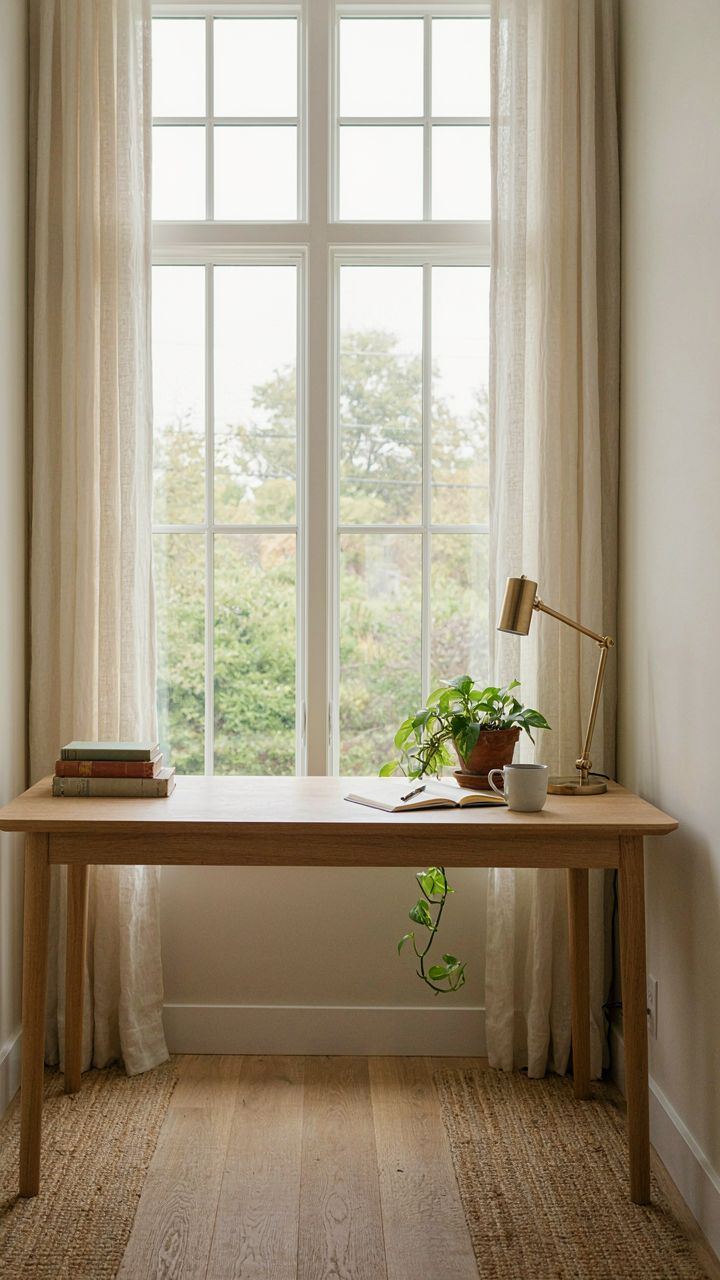
You want to feel productive without admitting you’re chasing the status of having a “real” workspace. The mechanism is simple: your brain processes tasks differently under different light wavelengths, and mixing them wrong tanks focus within ninety minutes.

Natural light triggers circadian alignment, which regulates cortisol and dopamine release. But sunlight angle shifts throughout the day and seasons. Task-specific lighting (typically 4000K to 5000K color temperature, measured in Kelvin) compensates when natural light fails or you work past dusk. Layering both prevents the eye strain that kills a she shed session before it starts. Position your desk perpendicular to windows when possible, not facing them directly. Add a dimmable LED task lamp behind your work surface to eliminate shadow casting onto your actual work.
Climate Consistency Beats Comfort
Temperature swings destroy focus faster than bad lighting. Your body burns calories regulating internal temperature when the room drifts more than three degrees from your set point. This metabolic drag leaves nothing for cognitive work.
Insulation matters before heating or cooling does. A standard vinyl shed loses temperature through walls and roof within hours. Adding rigid foam board or spray foam to interior walls (especially the roof) creates thermal mass that stabilizes internal temperature with minimal equipment. For year-round use, a small wall-mounted mini-split system outperforms space heaters because it maintains, rather than chases, temperature. Set it to 68-70 degrees and leave it. Consistent temperature allows your nervous system to stop defending and start working.
Shed Living Room: Deconstructing Comfort For Peak Performance
Color As Cognitive Load
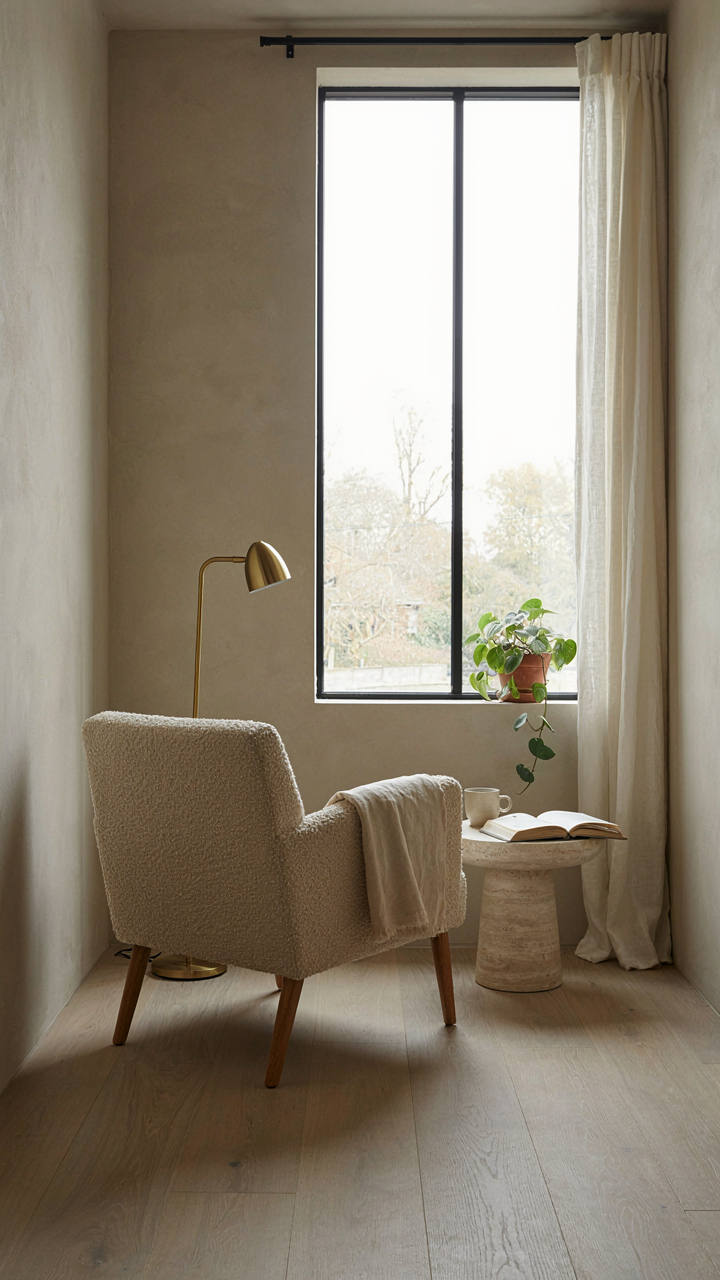
You want this space to feel “relaxing” because you’re scared the shed will become another obligation instead of an escape. Here’s what actually happens: color triggers neurological responses that either tax or conserve your mental energy before you sit down. Psychology calls this cognitive load. Think of your shed’s color palette as bandwidth management for your brain.

Warm neutrals like greige and soft taupe create low visual friction. These tones don’t demand interpretation. Your nervous system processes them without activation, which means you enter the space already calm instead of arriving wired. Accent colors work only when they’re intentional: a single jewel tone on one wall, not scattered throughout, prevents decision fatigue from fragmenting your attention.
Furniture Built For Work, Not Collapse
Everyone says “get comfortable seating.” That’s incomplete advice. Comfortable seating teaches you to zone out. What you actually need is furniture that supports focused activity: a sturdy desk chair with lumbar support, a small table at the right height for writing or sketching, a side table for your phone or coffee. Your shed living room is a productivity anchor disguised as leisure.
Position your primary seating to face a window or focal point, not toward a wall. This forces intentional gaze control and prevents mindless scrolling. A single accent chair works better than a full seating arrangement because constraints channel behavior. When you have one place to sit, you sit deliberately. When you have options, you optimize for comfort and end up numb.
She Shed Interior Ideas Decor: The Truth About “Inspiration”
Trends Die Fast, Utility Never Does
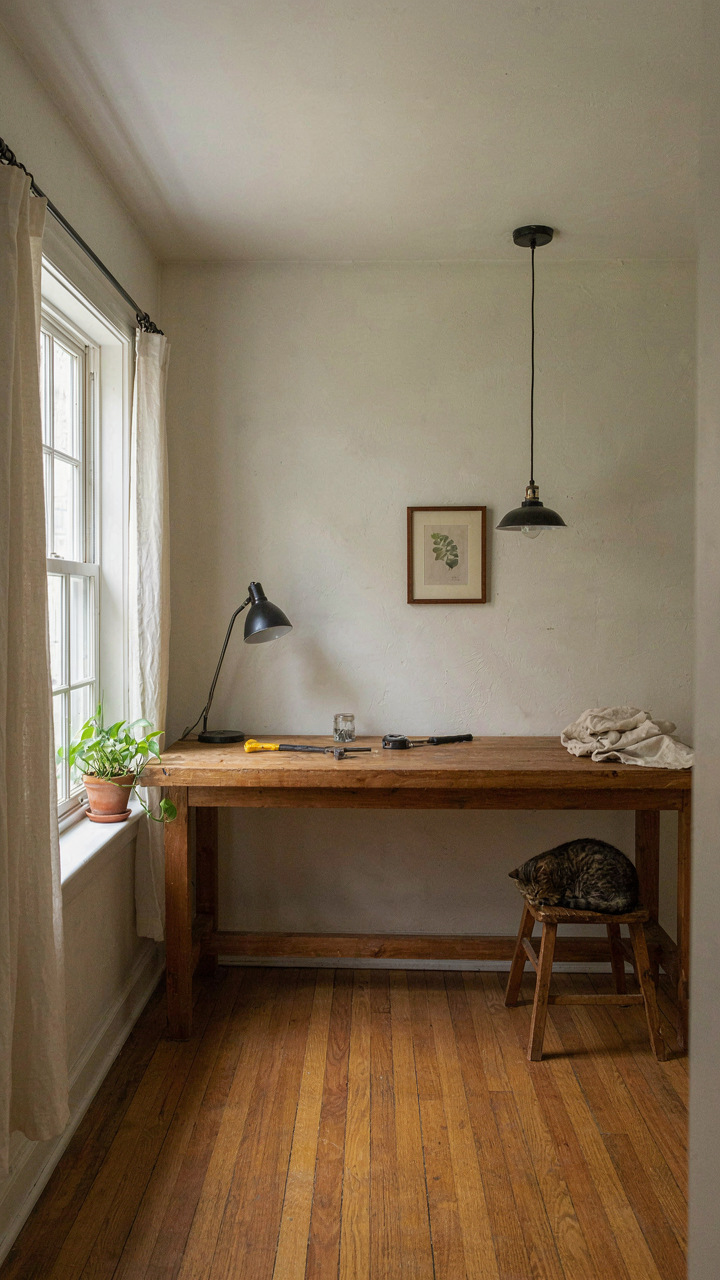
You’re scrolling Pinterest because you want permission to buy something that proves you have taste. Here’s the mechanism: trends work backward. They start as rebellion against what came before, then become the consensus, then become invisible, then become dated. A she shed interior built on current trends will feel wrong in three years. The ones that endure use a timeless framework first: adequate lighting, climate control, flooring that handles moisture, storage that functions before it looks good. These aren’t boring. They’re the foundation that lets you add personality without chasing what Instagram told you to want last month.

Wood paneling, shiplap, and minimalist white walls all had their moment. None of them age better than spaces designed around what you actually do there. If you read, you need task lighting and a chair that supports your back for hours, not Instagram photos. If you work, you need electrical outlets where your hands are, not hidden behind designer storage. Build the utility layer first. Aesthetics follow naturally from solving real problems.
Objects Earn Their Space Through Purpose
Every item in a functional she shed interior should operate like a symbol that reminds you why the space exists. You’re not decorating a museum. You’re curating a room where something specific happens. A wall-mounted pegboard isn’t “rustic charm”—it’s where your gardening tools live within arm’s reach while you work. A side table holds your coffee mug and your current book, not magazine cutouts. A mirror reflects light and makes the space feel bigger, but you chose it because you actually use it while getting ready or checking yourself before leaving.
The difference between decoration and purposeful design is this: decoration tells a story about who you want people to think you are. Purposeful design tells the truth about what you actually do. Pick three or four functional anchors for your shed. A work surface. Storage. Seating. Lighting. Then add only items that serve one of those anchors or directly support the activity that happens there. Everything else is friction, not foundation.
The Cybernetics Of Your Shed Interior Space
How Space Dictates What You Actually Do
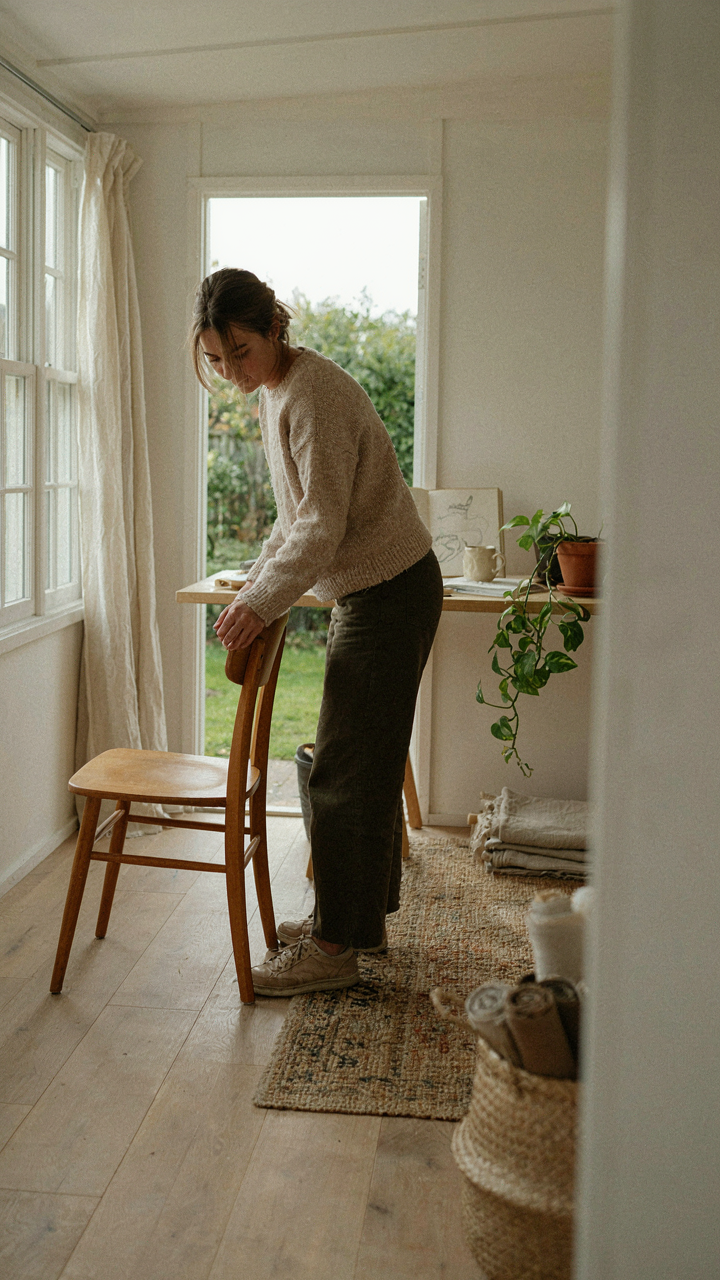
You want this section to tell you that intention matters more than design. It doesn’t. Your shed interior is a feedback system, and in cybernetics, feedback loops determine output—not willpower. The space you build either reinforces the behavior you want or punishes it into extinction.

Most people design sheds backward. They choose aesthetics first, then wonder why they never use the space. The mechanism is simple: if your setup requires friction to function, you won’t function in it. A desk buried behind storage means you won’t write there. A chair facing a blank wall means you won’t sit there to think. The environment votes on your behavior every single day, and it wins.
Refinement Through Actual Use Patterns
The common advice is to plan everything perfectly before you build. That’s wrong. Real optimization happens through iteration, not prediction. Your shed interior needs one feedback loop: you use it, you notice what breaks the pattern, you change it.
Start with 60 percent of what you think you need. Use the space for two weeks. You’ll discover which surfaces you actually touch, which zones you avoid, and where the real bottlenecks live. A filing system sounds smart in theory. You’ll abandon it in practice if it requires three steps to store something you use weekly. The shed that works is the one that punishes you least for using it.
Practical Interior She Shed Ideas: Storage As Strategic Advantage
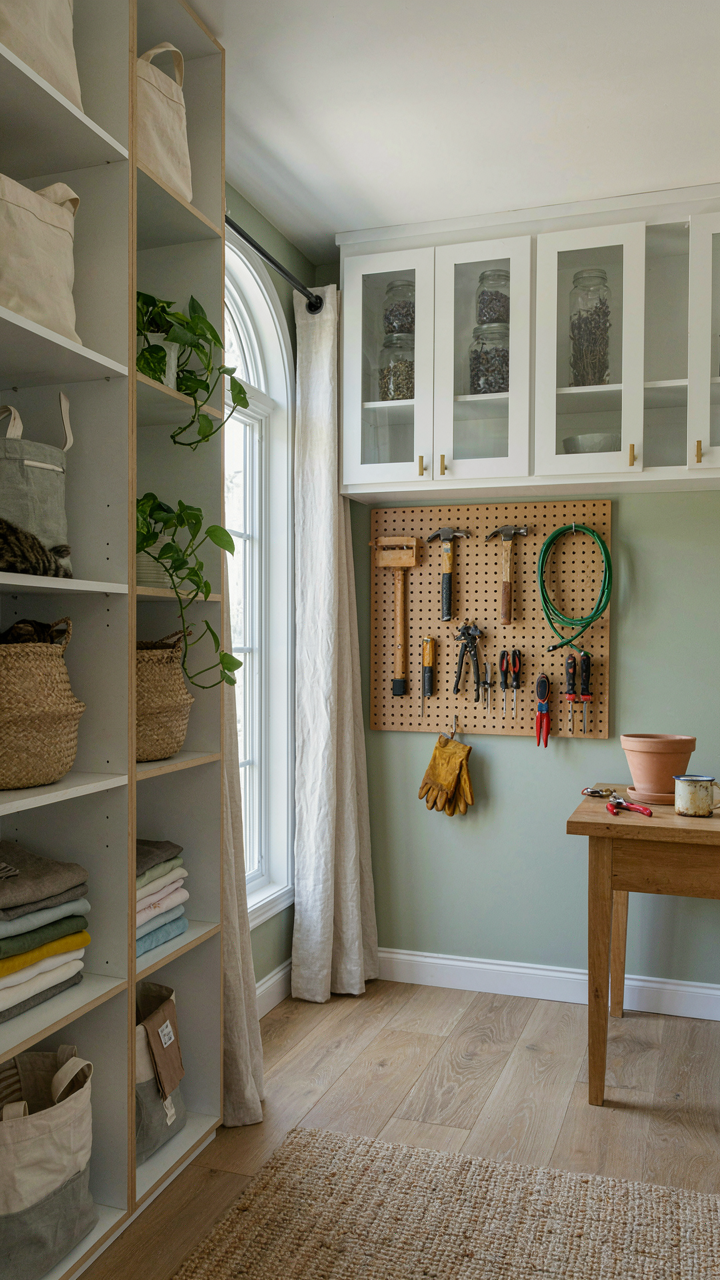
Go Vertical Before You Go Wide
You want storage that doesn’t consume floor space because you know deep down that a cramped retreat kills the whole point. Physics calls this the “volumetric efficiency” principle: walls hold more than floors ever will. A she shed with eight-foot ceilings has roughly 2.5 times more vertical surface area than horizontal. Most people waste this by hanging a few small shelves and calling it done.

Wall-mounted systems—floor-to-ceiling cabinetry, pegboard grids, floating shelves at staggered heights—turn dead space into active capacity. The mechanism is simple: install rails or standards vertically on your studs, then layer storage systems that climb. This approach works because it preserves sightlines and movement pathways while compressing your actual storage volume. Build upward, not outward.
Modular Systems That Track With Your Life
Modular storage means components that detach, reconfigure, and expand without replacing the entire setup. This matters because your she shed won’t serve the same function in year one that it does in year five. Fixed shelving locks you into yesterday’s needs. Modular systems prevent that trap.
- Rolling carts with locking wheels: Move between zones based on current project, stack when not in use, fit standard doorways.
- Interlocking cube organizers: Add or remove units horizontally and vertically, accept standard storage bins, adapt to corner or wall placement.
- Wall-mounted rail systems: Accept multiple bracket types, support different shelf depths, relocate shelves in minutes without tools or wall damage.
- Stackable storage boxes with uniform dimensions: Combine open and closed options, nest for transport, label easily for content rotation.
- Modular closet systems with adjustable rods and shelves: Configure for hanging, folding, or drawer storage, expand sections as inventory grows.
The real win happens when you commit to a single modular framework—same rail spacing, same bracket standard, same bin size—across your entire she shed. This removes friction from reorganization and prevents the decay into chaos that kills most storage systems within eighteen months.
She Sheds: Building An Unassailable Boundary
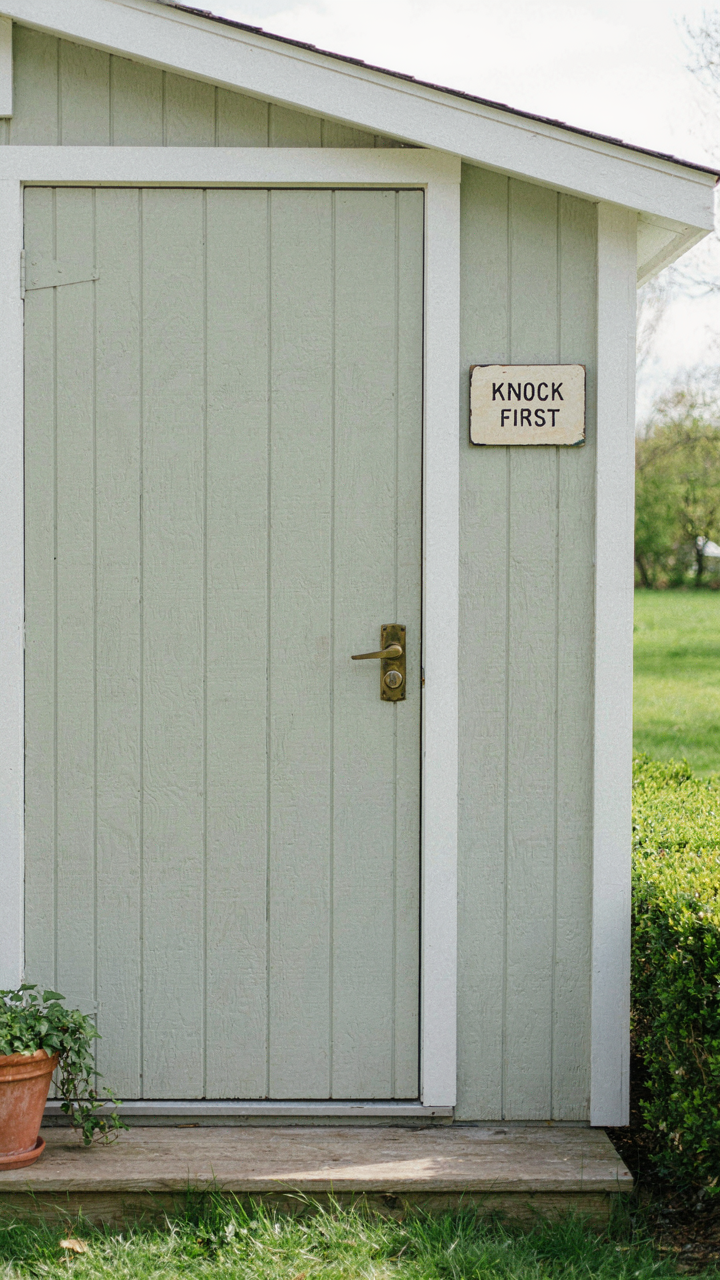
The Entry Protocol
You want this space to feel respected because you’re tired of your needs being treated as negotiable. Here’s the mechanism: a she shed without explicit boundaries becomes a storage room, a work-from-home overflow, or a babysitting station. Treat it like territorial design, borrowed from military strategy. You establish a perimeter and define what crosses it. Most people skip this because they think setting rules makes them seem selfish. It doesn’t. It makes the space functional.

Physical boundaries start with the door. A lock isn’t punishment—it’s information. When you’re inside with the door closed, you’re unavailable. Not for emergencies. Unavailable. Family adjusts behavior when consequences are consistent. Post one simple rule inside the door: knock first, wait for response, enter only when invited. This sounds rigid because consensus says relationships need spontaneity. They need clarity more.
Reclaiming The Hours
The common advice here is time-blocking on a calendar nobody respects. That fails because time blocks exist in abstraction. Defend your scheduled hours the way you defend money from your account—as a non-negotiable asset. Build friction into interruption, not into your entry. Phone on silent. Notifications off. No tabs open to Slack, email, or messaging apps. One tab. One task. That’s not discipline. That’s architecture.
Your shed interior should enforce your schedule through design. Natural light from a window makes the space feel separate from household activity. A door that closes completely eliminates ambient noise and visual access. Neither of these is luxury. Both are infrastructure for protecting the 3 to 5 hours per week most people actually need to think clearly. Without this protected time, your shed becomes furniture in a house you still can’t escape.
Shed Interiors Ideas: The Non Negotiables For Your Core Mission
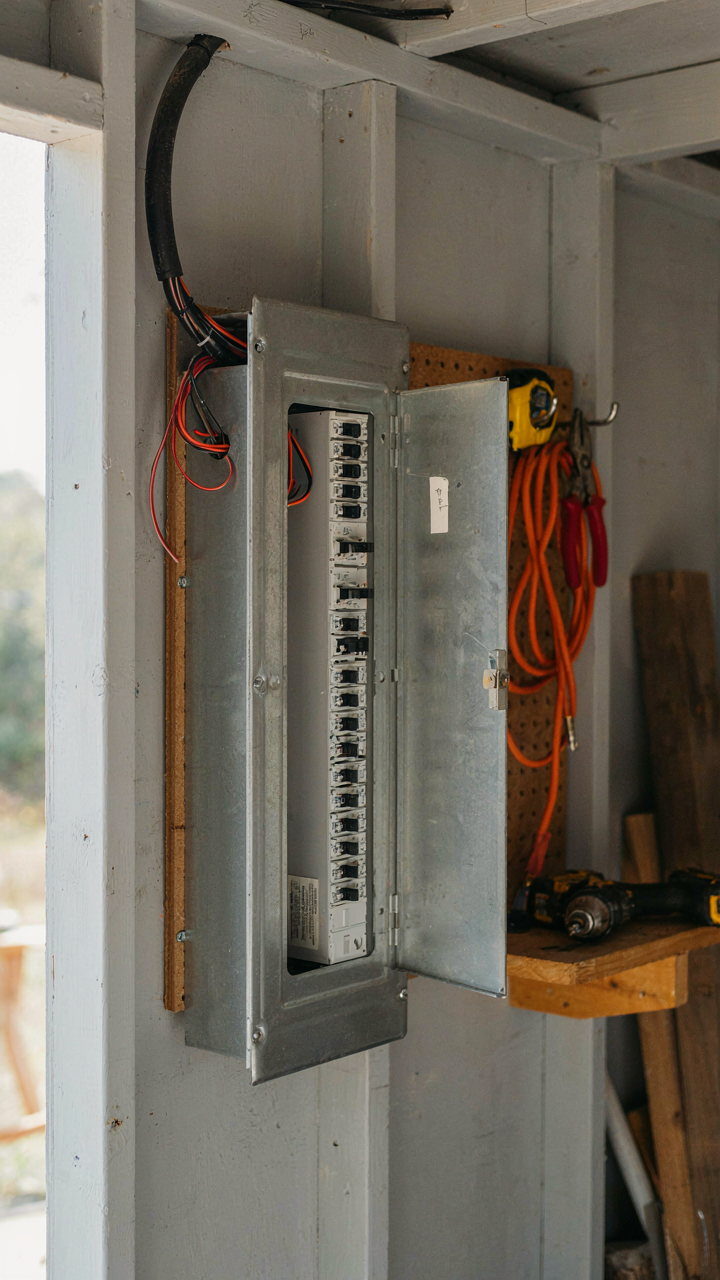
Power And Internet: The Real Infrastructure
You want a she shed interior that doesn’t feel like a compromise, and that fear is legitimate, but it masks the actual problem: you haven’t wired the space to support what you actually do there. Power and internet aren’t amenities. They’re infrastructure. Without them, your shed becomes a storage unit with better lighting.
Run dedicated circuits to your shed before you hang anything on the walls. A 20-amp circuit handles standard outlets and lights without overload. Internet requires either a mesh extender from your router or a dedicated line buried in conduit. The conduit matters because running cable above ground creates trip hazards and weather damage. Bury it 12 inches deep minimum. Install a sub-panel in the shed if you’re running more than basic power. This costs upfront but prevents circuit conflicts and gives you actual capacity for tools, heaters, and equipment simultaneously.
Physical Security And Digital Boundaries
Security isn’t about paranoia, it’s about maintaining the point of the space: a place you control. Physical entry should have a lock rated for outbuildings. A standard keyed deadbolt fails under moderate leverage. A sliding barn door with an interior bolt works better because it eliminates the weakest point of entry. Digital security means treating your shed network separately from your home network.
Set up a dedicated WiFi network for your shed. Don’t share your primary home network credentials. This isn’t overkill, it’s compartmentalization. If someone compromises your shed’s device, your main network stays isolated. Use a strong password and WPA3 encryption if your router supports it. For physical storage of sensitive items, install a small safe bolted to the structure. The mechanism here is simple: make the effort required to breach your space greater than the perceived value of what’s inside. That friction alone deters casual theft.
Your She Shed Isn’t An Escape; It’s The Operational Headquarters For Your Unapologetic Self
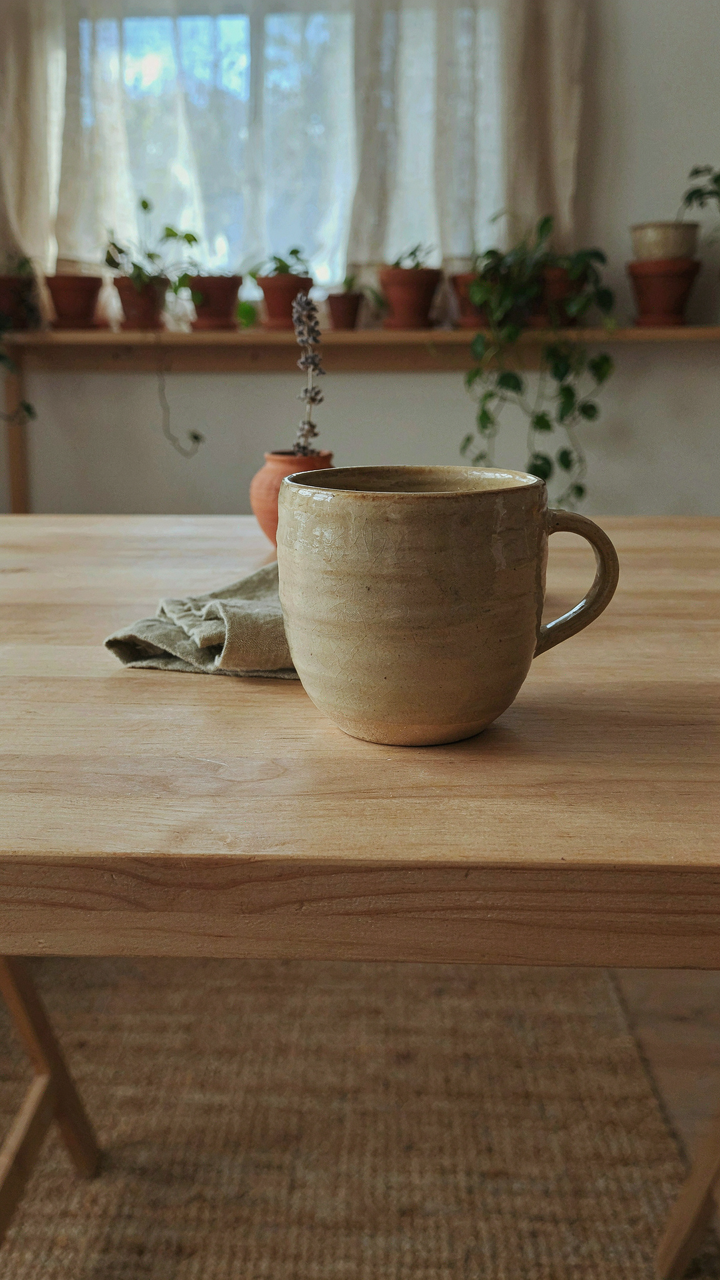
Most women build she sheds to run away. You’re building one to run toward something. That shift changes everything about your she shed interior. Stop decorating for comfort and start designing for clarity. Your space should reflect who you’re becoming, not who you were. Pick one item today that represents that version of you and place it where you’ll see it first. You don’t need permission to build a life around your actual priorities.



