The Unfiltered Truth About Lakefront Living

What The Brochures Won’t Tell You
You want a lakefront cottage because you believe it solves something about your life. Status, escape, permanence, control. None of those things happen at a lake. The real mechanism is simple: water attracts people, and people who own waterfront property convince themselves the view justifies the cost and chaos. It doesn’t, but understanding why requires looking at what actually changes when you buy on a lake versus inland.
A lakefront cottage is economically a consumption asset, not an investment. The premium you pay for the view—often 30 to 50 percent above comparable inland property—never recovers. You’re buying a lifestyle choice, which is fine, but calling it an asset purchase is denial. The cottage itself depreciates like any structure. The land holds value only if development pressure increases in that specific region, which is unpredictable and depends on factors you don’t control.
The Price You Don’t Budget For
Everyone knows lakefront property costs more upfront. What they don’t price is the operational reality of living adjacent to water. A lake is not a static backdrop. It’s an active system that degrades everything near it faster than inland properties experience.
Water damage accumulates on a timeline most owners don’t anticipate. Humidity penetration into wood framing, drywall, and insulation happens year-round in humid climates. Dock and boathouse maintenance alone runs three to five thousand annually for basic upkeep, more if you actually use them. Septic systems near water tables fail more frequently because groundwater interference is constant. Shoreline erosion forces expensive retaining walls or riprap installation. Insurance premiums run 20 to 40 percent higher than inland cottages in the same area because claim frequency is higher. The sealing, re-staining, and replacement cycles for exterior materials compress by years compared to inland properties.
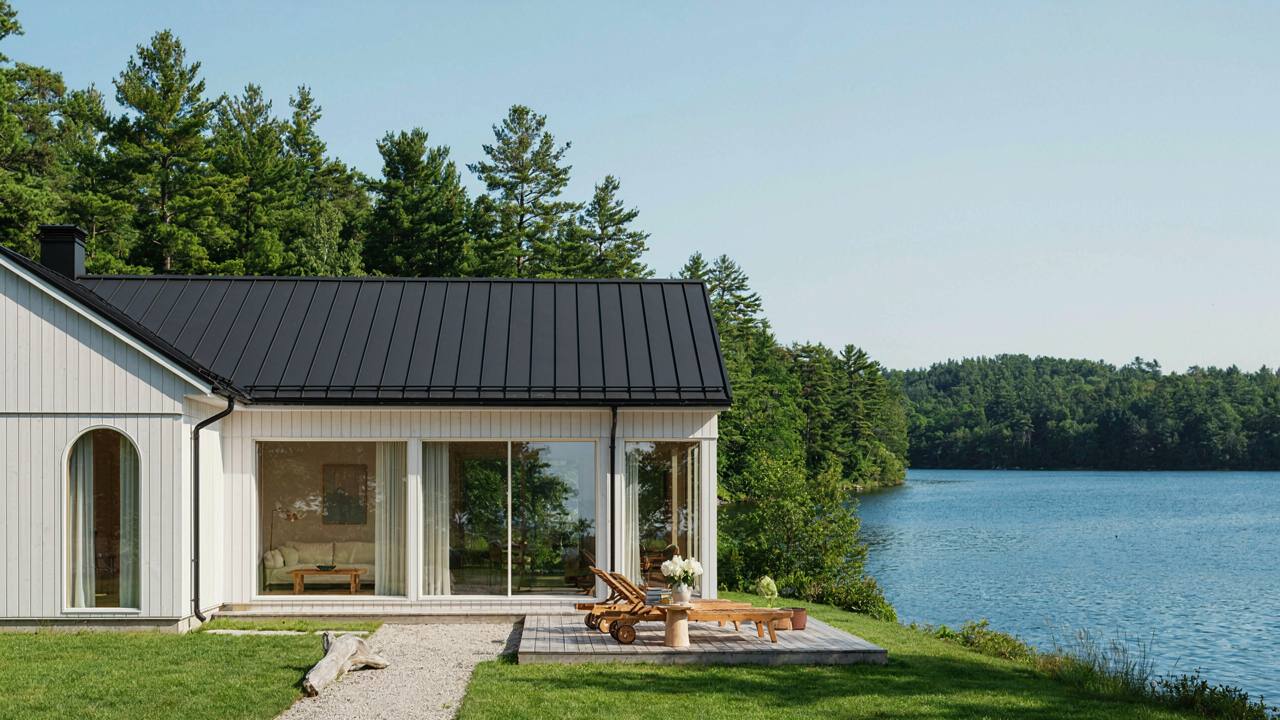
Minimalist Lake House Exterior: Design For Less Drag

Function Before Aesthetics
You want the cottage to look effortless because you’re terrified of becoming the person who spends weekends scraping, staining, and repairing instead of actually relaxing. That fear is justified. The real mechanism here is load reduction: every architectural detail that doesn’t serve a purpose becomes a maintenance liability. Flat planes outperform pitched overhangs. Simple eaves beat ornamental trim. The minimalist exterior isn’t a style choice. It’s a operational constraint that keeps the property from consuming your life.

Prioritize drainage and structural simplicity over visual complexity. A lakefront cottage faces constant moisture exposure, so water management determines longevity. Sloped roofs with minimal overhang complexity shed snow and rain faster. Exterior walls benefit from straightforward geometry without recesses or protrusions that trap water. Every notch, corner, and joint becomes a failure point near the lake. Reduce the surface area where problems hide, and you reduce the time spent fixing them instead of using the space.
Materials That Survive Water
The consensus advice says to choose “natural materials” or “weathered finishes” because they photograph well. Wrong. Photograph-worthy materials degrade faster in lake environments. Pick materials based on their resistance to moisture cycling and salt exposure, not their Instagram potential. Steel rusts. Wood rots without constant treatment. Composite materials and metal cladding dominate functional lakefront design for one reason: they don’t absorb water and they don’t need refinishing every two years.
Fiber cement board, metal siding, and sealed concrete handle freeze-thaw cycles without deteriorating. Untreated wood swells and shrinks with seasonal moisture changes, causing rot from the inside out. Metal railings outperform wood because corrosion prevention is simpler than rot prevention. Similarly, metal roofing resists ice dams better than asphalt shingles. The material you choose determines whether maintenance becomes a quarterly obligation or an annual checkbox. Select materials where the maintenance protocol is inspection, not repair.
The “Efficient Flow” Protocol For A House By Lake
Zoning Your Layout Like A Nervous System
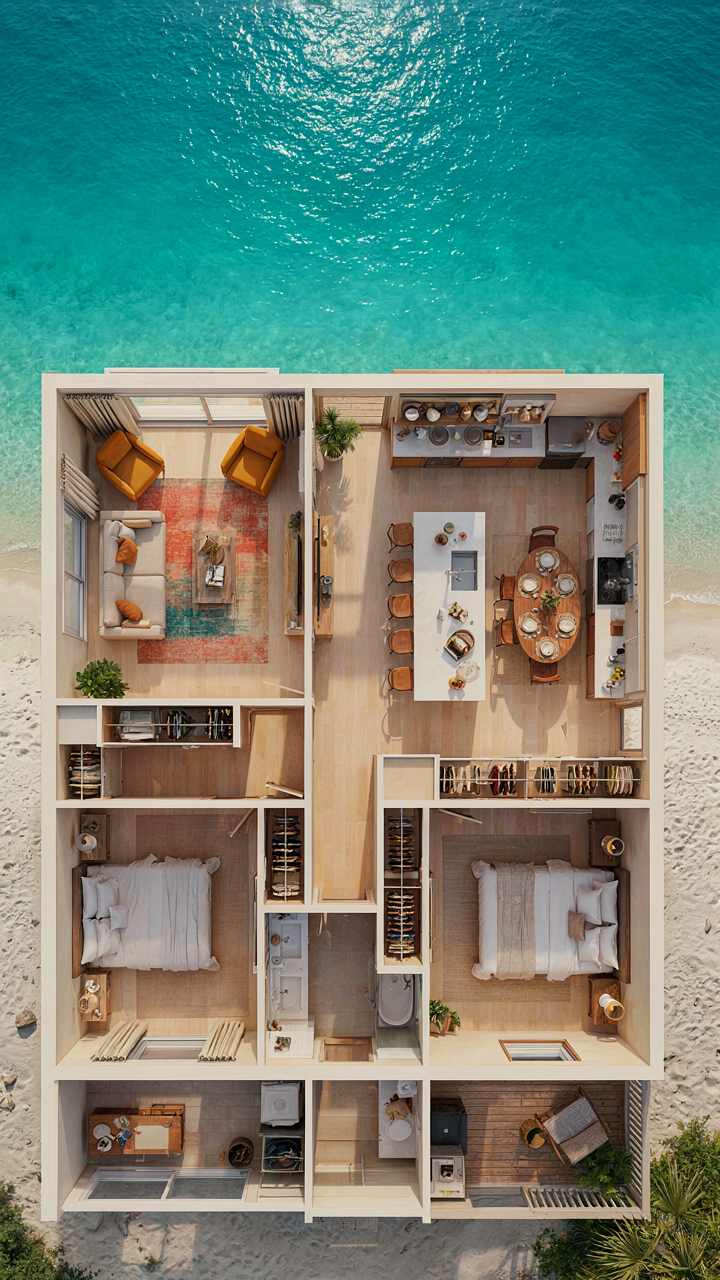
You want people to think your cottage feels effortless. That’s the real reason you care about this. The mechanism is borrowed from systems thinking: treating your lakefront cottage like an organism where different zones serve distinct functions without interference. Water-facing areas become sensory input. Living spaces become processing centers. Utility zones become the supporting infrastructure nobody sees. Most cottage designs fail because they treat every room equally instead of creating hierarchies of purpose.

The practical move is to map three zones onto your floor plan. The “public zone” sits between entry and water view, handling gathering and transition. The “private zone” lives perpendicular to the view, containing bedrooms and baths. The “service zone” anchors the back, holding kitchen prep, laundry, and mechanical systems. This prevents foot traffic from cutting through intimate spaces and keeps noise away from rest areas. Door placement becomes the control mechanism. Position entry doors so they funnel visitors through public space first, never directly into bedrooms or across the primary living room axis.
Movement Patterns Before Furniture Placement
Most people furnish a room, then wonder why walking through it feels wrong. Reverse the sequence. Trace the actual paths people will take: entry to kitchen, kitchen to deck, deck to bedroom, bedroom to bathroom. Mark these routes on your floor plan before you buy anything. Intuitive design isn’t magic. It’s eliminating friction from the routes you use daily.
A lakefront cottage’s movement pattern should create a loop, not dead ends. The kitchen connects to the deck for water views during meal prep. The primary bedroom has direct bathroom access without crossing the living room. Secondary bedrooms don’t require walking through primary spaces. The entry doesn’t dump people into the middle of the main room. This isn’t about square footage. A 1,000-square-foot cottage with clean movement patterns feels larger than a 1,500-square-foot cottage where hallways cross living areas and bedroom doors open into kitchens. The final step is measuring doorway widths against furniture you actually own, then positioning pathways around those specific pieces before construction or renovation begins.
Lakehouse Design: Utility Over Aspiration
Layouts Built For Water Access
You want the design to say something about you. That’s the real reason this matters. Forget that instinct and build for the actual mechanism: water proximity determines how often you use the cottage. Every foot of distance between your living space and the dock or beach erodes the likelihood you’ll move toward the water.

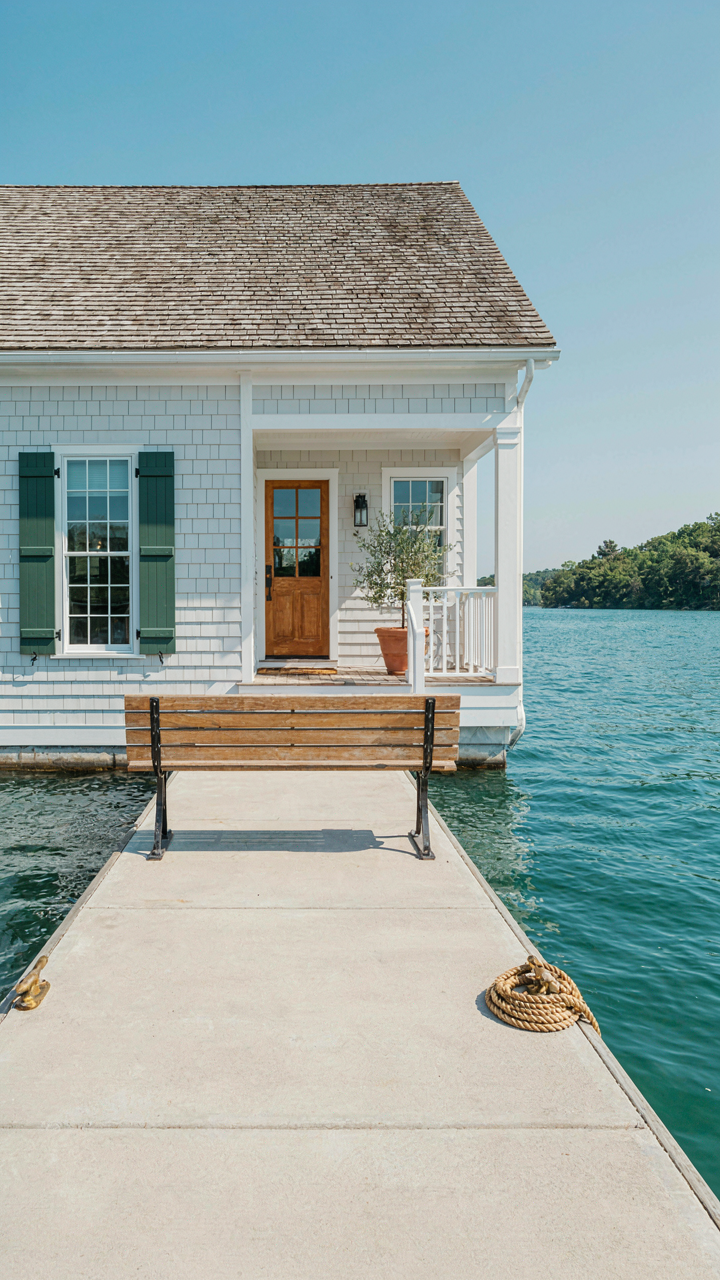
The best lakefront layouts position the main living area within direct sightline and under fifty feet of the waterline. Kitchens, dining, and seating face the water. Bedrooms sit behind as secondary zones. This isn’t aesthetic preference. It’s behavioral design. A cottage where you see the lake from your morning coffee gets used differently than one where you walk through hallways to find water. The friction matters.
Stripping The Ornamental
Most lakefront cottage advice tells you to maximize views and minimize clutter. That’s incomplete. The real problem is that cottages accumulate features nobody uses because they look good in photos. A wraparound deck that faces the wrong direction. Outdoor lighting installed for ambiance instead of function. Interior finishes chosen for magazine appeal instead of saltwater durability.
Eliminate any feature that doesn’t serve one of three functions: getting you to the water faster, protecting the structure from weather, or supporting the activities you actually do there. That means concrete dock surfaces instead of wood that rots. Storm shutters instead of permanent aesthetic fixtures. A simple covered porch beats an elaborate gazebo. The discipline to say no to decorative elements is what separates cottages that age well from ones that require constant maintenance and capital investment.
The Little Lake House: Leverage In Limited Space
Do Twenty Percent Of The Work
You want to believe a lakefront cottage needs completeness. It doesn’t. Economics calls this the Pareto Principle, and in real estate it means 80 percent of your satisfaction comes from 20 percent of the square footage. Identify those spaces first, then build around them ruthlessly. Everything else becomes secondary.

Most cottage owners waste money furnishing rooms they use three times yearly. Instead, map your actual behavior. The kitchen, primary bedroom, and one gathering space drive 80 percent of your time there. Invest your budget into those three zones with real materials, good light, and functional design. Leave the guest room sparse. Skip the formal dining room entirely.
Spaces That Change Shape
Modular design isn’t trendy furniture you rearrange monthly. It’s structural thinking: build rooms that perform multiple functions without feeling like compromises. A lakefront cottage has seasonal demands. Winter requires different use patterns than summer. Your design should anticipate this shift.
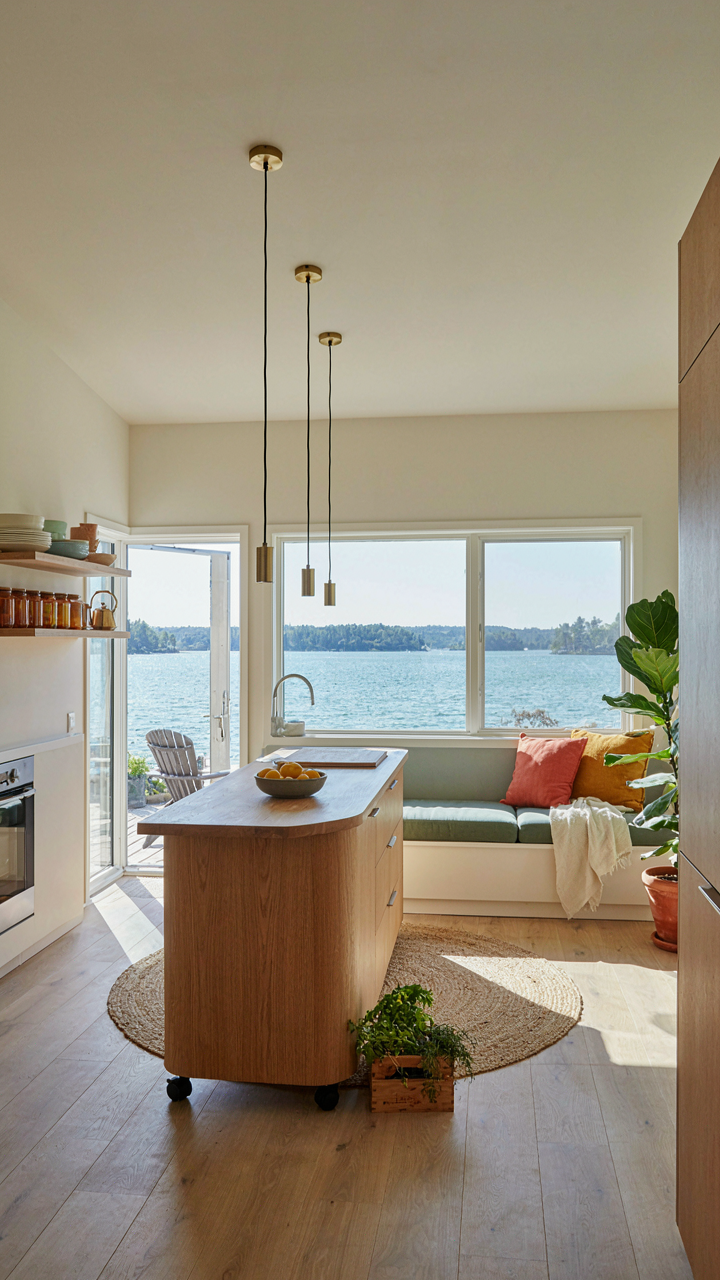
A bedroom with a murphy bed frees 150 square feet during the day, converting it into a work zone or lounge. A kitchen island on wheels lets you expand counter space during entertaining, then pull it aside when you’re cooking alone. Built-in window seating with storage underneath handles both seating and gear management. The mechanism here is simple: reduce the total square footage you need by making each square foot perform more than one job. Design for the highest-demand season, then subtract what you don’t use during low season.
Small Lakefront Homes: The Strategic Advantage
The Math Behind Smaller Footprints
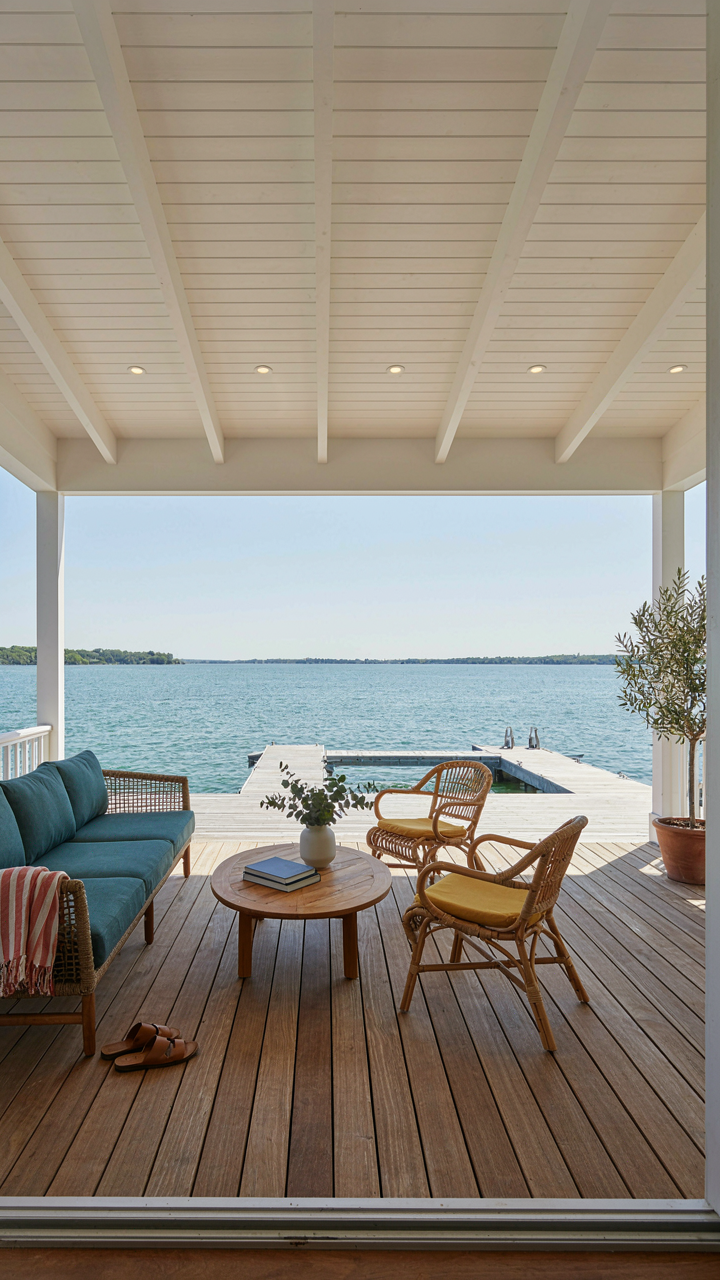
You want to believe downsizing to a lakefront cottage is about simplicity and virtue. It’s actually about leverage. In systems theory, constraint forces optimization. A smaller footprint doesn’t just lower your building costs and maintenance burden—it fundamentally changes where you allocate resources and attention. You stop wasting money on square footage nobody uses and start investing in what actually matters at the water’s edge.

A cottage under 1,500 square feet costs less to heat, cool, insure, and repair. You’ll spend 30 to 40 percent less annually on utilities than a 3,000-square-foot lakefront home. Property taxes stay lower because assessed value reflects the building’s actual size. The environmental footprint shrinks, but the financial footprint shrinks faster. Smaller homes also hold their resale value more consistently because the buyer pool isn’t limited to wealthy second-home buyers.
Where Your Money Actually Goes
Most cottage owners waste resources trying to maximize indoor space when the lake itself is the asset. Build smaller inside, spend there instead. A well-designed deck, a quality dock system, a fire pit with seating—these things matter infinitely more than an extra bedroom nobody uses. The mechanism is simple: limited square footage forces you to stop pretending you need everything, and you spend on what generates actual lifestyle value.
A cottage with 800 square feet but a 400-square-foot covered porch and a proper waterfront setup delivers more usable living than a 2,000-square-foot home with a mediocre lot. Direct your budget toward a dock system with seasonal storage, weather-resistant outdoor furniture rated for moisture, and shade structures that extend your season. This is where your return compounds—not in drywall and fixtures, but in days actually spent enjoying the property.
Lakefront Cottage: Function First Furnishings
Materials That Actually Survive Water
You want your furniture to look intentional, not destroyed. That’s the real fear here. The mechanism is simple: water, salt air, and temperature swings degrade most materials faster than you’d think, so you buy wrong, it fails in two seasons, and you feel the waste.

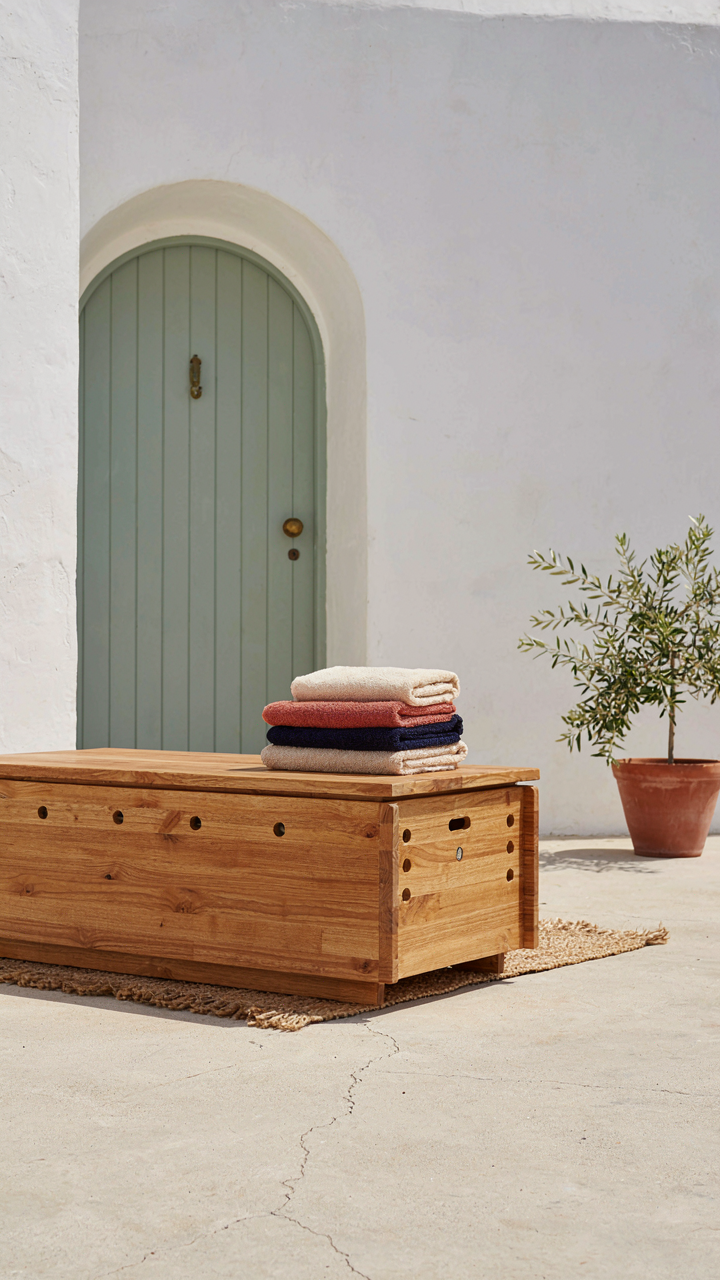
Forget the romantic cottage aesthetic that requires constant maintenance. Teak, cedar, and powder-coated aluminum are engineered for this environment. Teak contains natural oils that resist rot. Cedar holds up in damp conditions without warping as quickly as pine. Powder-coated steel and aluminum don’t corrode the way bare metal does. These aren’t trendy choices—they’re the materials that perform.
- Teak wood: Contains natural oils that resist moisture and decay. Weathers to silver-gray if left untreated. Higher initial cost pays back through longevity.
- Cedar: Naturally resistant to rot and insect damage. Lighter weight than teak, easier to move and rearrange seasonally without strain.
- Powder-coated aluminum: Won’t rust or corrode in salt air environments. Lightweight enough to store easily, finishes hold color years longer than paint.
- Marine-grade stainless steel: Resists corrosion in harsh conditions. Use 316-grade specifically for saltwater proximity, not 304-grade.
- Outdoor fabric with solution-dyed acrylic: Fibers are colored before weaving, so fading takes longer. Resists mildew and dries quickly after rain.
Buy these materials or waste money replacing furniture every eighteen months. The calculus is brutal: one quality teak bench outlasts four cheap alternatives. You’re not paying for aesthetics. You’re paying for material science that stops degradation.
Built In Storage Eliminates The Mess Problem
The real issue with lakefront cottages isn’t decoration—it’s that water gear, seasonal equipment, and damp towels destroy open spaces. Storage isn’t an afterthought. It’s the load-bearing system that keeps a cottage functional instead of chaotic.
Built-in benches with hinged seats create storage for life jackets, boat equipment, and pool supplies without eating floor space. Vertical wall cabinets above coat hooks dry out gear while keeping it accessible. Weatherproof deck boxes on the porch handle overflow before it creeps inside. Closed storage with ventilation holes prevents mildew while keeping moisture from spreading to walls. The layout matters: position storage near entry points so people dump wet items immediately instead of dragging them through living areas.
Moisture rises and spreads through a cottage if you leave damp things exposed. Install your storage system before you move in furniture. The alternative is constant mold, rust stains, and the slow rot nobody sees until it’s structural.

Lake Cabin Plans: Engineered For Self Sufficiency
Designing Around What You Cannot Control
You want to believe a lakefront cottage is an escape from dependence. It’s not. The real motive is control, and control requires understanding which systems fail first. In systems engineering terms, a lakefront cabin operates like a distributed network where removing the grid connection forces you to become your own node. This means designing redundancy into water, power, and waste before you pour the foundation.
The common advice here is wrong. Most lakefront cottage guides tell you to “plan for off-grid living as an option.” That’s backward. You design the cabin for self-sufficiency first, then decide whether to connect to external services. This flips the power dynamic. If you can operate independently, connecting to utilities becomes a choice, not a necessity. If you design dependent first, you’re trapped by whatever infrastructure exists nearby.
Water, Power, And Waste Independence
A lakefront cottage sits on the one resource you need most, yet most owners treat water management like an afterthought. The mechanism here is simple: proximity to water doesn’t mean access to clean water. You need three separate systems operating in parallel: collection, storage, and treatment. Rainwater catchment off roof surfaces feeds into cisterns. Groundwater requires drilling a well or installing a hand pump as backup. The lake itself demands filtration before use. Run all three, and you never run dry.
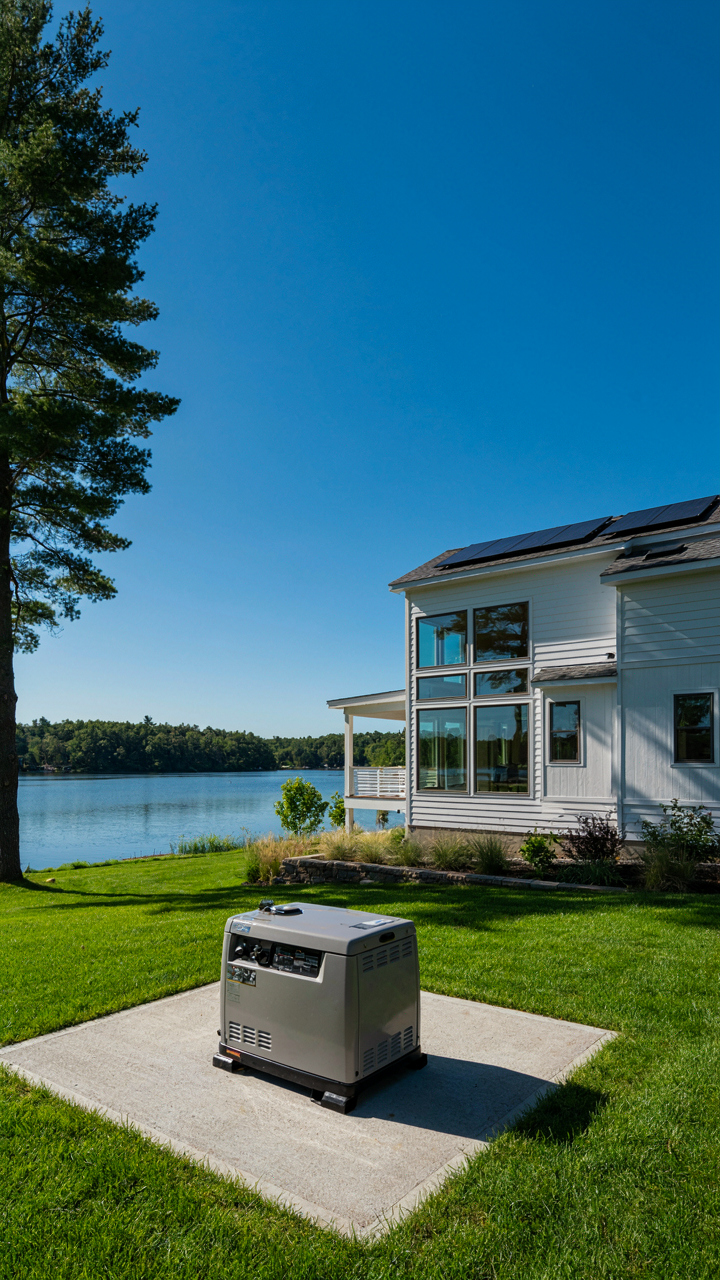
Power independence separates theory from survival. Solar panels work on a lakefront better than inland sites due to water reflection, but they fail in winter. A backup generator running on propane or diesel bridges the gap. Battery storage sized for three cloudy days keeps the cabin operational without running the generator constantly. Propane also powers heating, cooking, and hot water, creating redundancy across multiple loads. Position the generator on concrete, away from the cabin, so noise and exhaust don’t interfere with the space you designed to escape noise and interference.

Lake Cabins: The “Zero Maintenance” Mindset

Automate Before You Relax
You want to believe a lakefront cottage runs itself so you can stop thinking about it. It doesn’t. The mechanism is simple: systems fail predictably at lakefront properties because water, freeze-thaw cycles, and salt air accelerate decay. You prevent collapse by installing detection and response loops before problems hide inside walls.
Smart water sensors on foundation perimeters catch seepage early. Sump pump alerts notify you before basements flood. Battery backup systems keep pumps running during power failures. These aren’t luxuries. They’re the difference between catching a problem in week one versus discovering mold in month six. Your cottage doesn’t need you to visit weekly. It needs you to know when something breaks before it breaks everything else.
Build For The Season, Not The Brochure
Aesthetic cottage design fails at lakefront because it ignores material science. Use materials rated for your specific environment, not what looks good in photos. A cottage in the upper Midwest needs different construction than one in the Carolinas. Wood rot accelerates where humidity stays high. Concrete spalls where salt spray meets freeze-thaw. Metal rusts faster near water.
Resilience means choosing materials that degrade slowly and visibly rather than catastrophically. Metal roofing lasts 40-50 years at lakefront. Asphalt fails in 15-20 years in the same location due to UV and moisture cycling. Steel hardware corrodes unless galvanized or stainless. Pressure-treated wood handles wet ground better than cedar, though cedar looks better and costs more to replace. The real decision is whether you want to maintain appearances or maintain the structure itself.
Beyond The Instagram Filter: Real Waterside Living

The Actual Cost Of Showing Up
You want proof that your lakefront cottage investment means something. That’s the real reason you’re reading this. Here’s the mechanism: lakefront properties sit at the intersection of utility and display, and most owners optimize for the wrong one. They build decks that photograph well but face the wrong direction. They install oversized windows that flood the interior with afternoon heat. They choose materials that look sharp for two seasons then weather into maintenance nightmares. The gap between what performs and what performs for an audience determines whether your retreat actually delivers rest or demands constant curation.
Authentic waterside living starts when you stop designing for the visitor tour. A functional lakefront cottage prioritizes what happens daily over what happens during the weekend when guests arrive. This means understanding sight lines from the interior during morning coffee, not just the exterior view from the dock. It means selecting materials based on how they age in humidity and UV exposure, not how they appear in natural light. You use the space hundreds of times alone before it serves as a backdrop for anyone else. That asymmetry should dictate every decision.
Where The Value Actually Lives
Economics teaches that opportunity cost is the price of choosing one option over another. Apply this to a lakefront cottage: every dollar spent on aesthetic upgrades is a dollar not spent on systems that prevent deterioration. Most owners reverse this priority. They invest in decorative stonework while their dock pilings rot unnoticed. They upgrade kitchen finishes while waterproofing fails in the crawl space. A truly optimized retreat treats prevention as the primary asset and visual appeal as the byproduct. Water damage, foundation issues, and structural decay don’t announce themselves through Instagram stories. They announce themselves through five-figure repair bills.
The tangible benefit of this reframing appears immediately in your operating costs and stress load. A lakefront cottage built to withstand the environment costs less to maintain than one built to impress. Proper site drainage, quality sealants, strategic tree management, and robust ventilation systems absorb the real labor and capital. Once these are in place, you actually relax. You don’t spend Saturday mornings troubleshooting water intrusion or scheduling emergency contractors. You spend them on the dock because the structure behind you functions without constant intervention. This is the only definition of relaxation that matters at a waterside property: systems stable enough that you can ignore them.
The Real Obstacle Isn’t The Lakefront; It’s Your Failure To Engineer An Environment That Serves Your Freedom
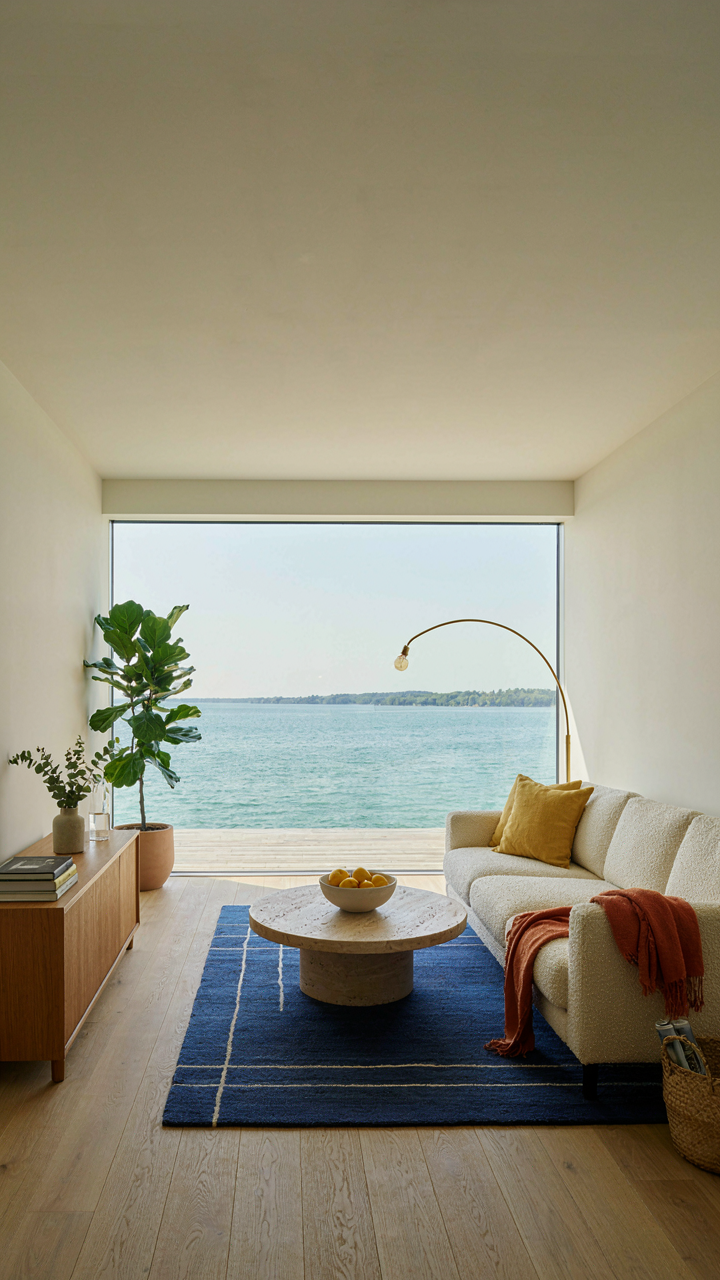
You don’t need a lakefront cottage. You need to stop designing your life around distractions. A cottage doesn’t fix broken habits. It amplifies them. The water, the isolation, the quiet—these expose what you actually value. Pick one element from this article today. Implement it this week. Watch what happens when your environment finally matches your intentions. Your cottage succeeds or fails based on the person you bring to it.