
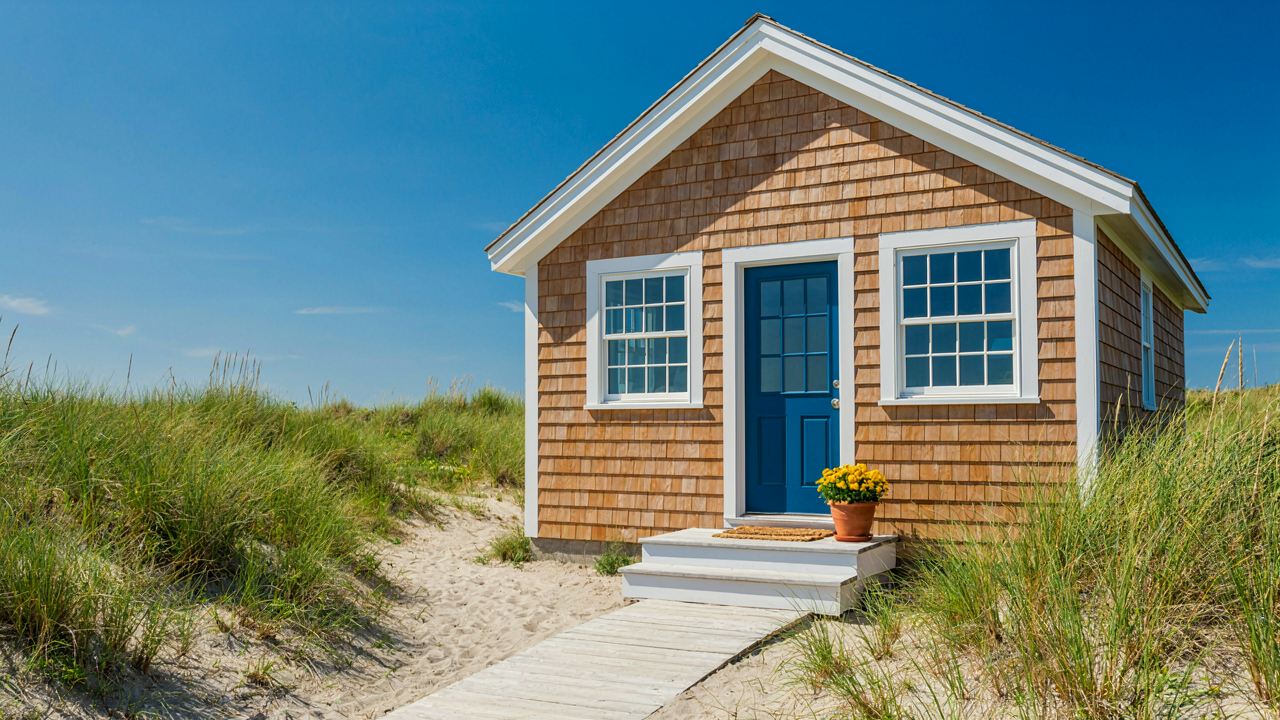
The Instagram Illusion: Why Your “Coastal House Exterior” Is Already Failing
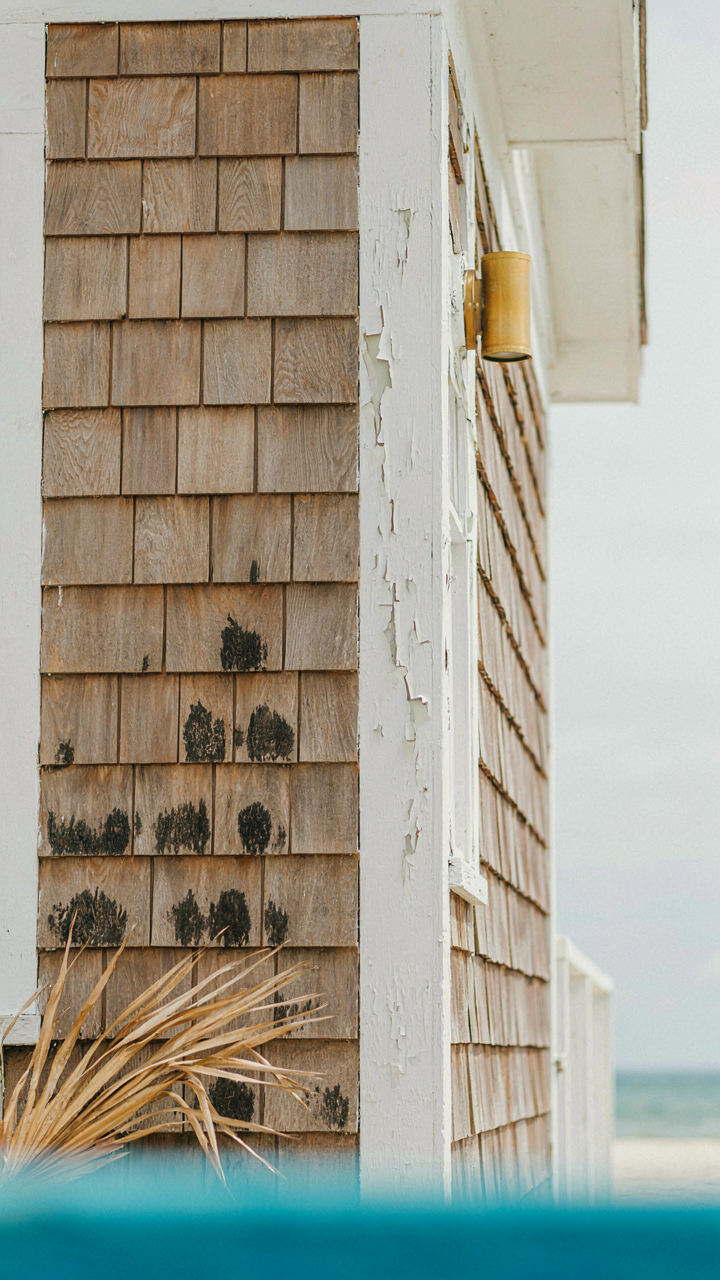
What Coastal Design Magazines Won’t Tell You
You want people to think you have taste. You’re scrolling through beach house photos at midnight, saving images of white cottages with perfect shingles, believing that aesthetic equals value. Here’s the mechanism: coastal design has become a status play, not a functional system. The magazine version strips away the salt air corrosion, the mold pressure, the maintenance schedule that separates aspirational from livable. Most people copy the surface layer and ignore the structural reality underneath.
Shingles and white trim dominate beach cottage exteriors because they photograph well, not because they solve coastal problems equally. Marketing has inverted the priority. The real work happens where cameras don’t point. Coastal environments demand materials and detailing that perform under specific pressures: UV intensity, salt spray exposure, moisture cycling, and wind load. A cottage exterior that looks coastal but fails functionally is just expensive scenery that depreciates.
The Maintenance Debt You’re Not Calculating
Economics teaches opportunity cost: choosing one thing means losing another. Your beach cottage exterior operates under the same principle. Paint that looks crisp now carries a repainting schedule every 3-5 years in salt zones, every 5-7 years in milder coastal areas. White trim accumulates grime and mold faster than other colors. Shingles weather unevenly depending on sun exposure. Most people budget for the initial install and ignore the compounding maintenance cost that exceeds the original spend within a decade.
The hidden cost isn’t the materials. It’s the labor and materials multiplied across the years you own the property. A poorly detailed exterior junction, unseen in photos, becomes a water infiltration point within two seasons. Caulking fails. Flashing gaps expand. The cottage exterior deteriorates from failures that started small because nobody specified the actual building science during design. Start maintenance calculations at year one, not year five.
Redefining “Beach House Exterior”: From Picture Perfect To Performance Driven

Stop Chasing The Magazine Cover
You want your beach cottage to look timeless because you’re afraid it’ll look dated in five years and you’ll feel like you wasted money. Here’s the mechanism: trends die because they’re easy to copy, not because they’re wrong. Durability beats style because materials fail on their own timeline, not the design world’s. Wood shingles don’t crack because they’re unfashionable. They crack because salt air attacks the grain. Cedar shakes last 20-40 years depending on maintenance. Asphalt-fiberglass hybrids fail in 15-20 in coastal zones. Pick materials based on how they fail, not how they photograph.

The real cost of a beach cottage exterior isn’t the install price. It’s the replacement cycle. A shingle system that holds ten years costs double per year compared to one that holds twenty. White trim that needs repainting every three years bleeds money through labor, not material. The mechanism is simple: performance-driven selection removes the guessing game. You buy what survives the environment, not what wins design awards.
Materials Do One Job Better Than Others
Authenticity in materials means something specific in coastal environments: material choice reflects what actually works there, not what looks like it belongs. Shingles exist on beach cottages because they handle salt spray and UV exposure predictably. They’re not trendy. They’re functional. Pressure-treated lumber is boring but accurate. Vinyl trim is cheap but fails faster under salt fog than fiber cement. Real cedar requires maintenance that most owners skip, making it a liability dressed up as charm.
The gap between authentic and aesthetic is where money disappears. You pick fiber cement trim that mimics wood because it performs like wood without the upkeep burden. You choose architectural shingles rated for coastal zones, not basic ones. You specify fasteners rated for salt environments because rust spreads failure across the whole system. Performance-driven authenticity means your material choices survive inspection by an engineer, not just a designer.
The Shingle Imperative: A “Coastal Beach House Exterior” Built To Endure
Wind Load Resistance Matters More Than You Think
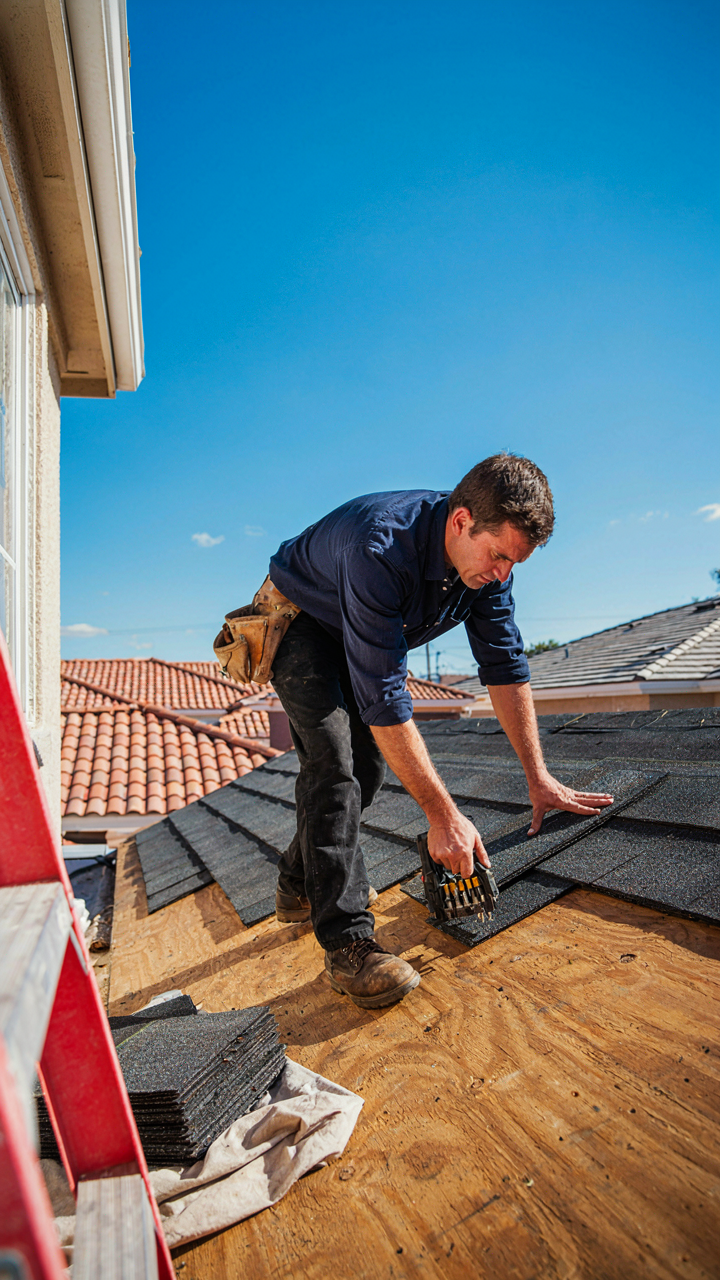
You want shingles that won’t blow off because losing the roof means losing the house—that’s the mechanism you’re actually worried about, even if you phrase it as “durability.” Physics calls this wind load capacity: the sheer force a surface must withstand without failure. Coastal shingles operate in a measurable combat zone. Hurricane-force winds create uplift pressure that peels shingles from the deck if the fastening system fails.

Architectural shingles rated for 130+ mph wind resistance use deeper tabs, thicker adhesive, and reinforced nailing zones. These aren’t marketing upgrades. The extra weight and surface area increase friction against the deck, while the strengthened adhesive bond delays separation long enough for fasteners to hold. Standard three-tab shingles simply fail faster in sustained coastal wind. You upgrade fastener count from four to six nails per shingle in high-wind zones because the math doesn’t allow compromise.
Moisture Absorption And Thermal Cycling
Shingle material science determines how much water enters the substrate during salt spray and freeze-thaw cycles. Asphalt-fiberglass shingles absorb moisture into the fiberglass mat when granule coating breaks down, leading to substrate rot and reduced R-value performance. The thermal dynamics of the wall cavity depend on this barrier function.
A dry shingle layer maintains the air gap’s insulating value. Once water penetrates the shingle and saturates the roof deck, you lose thermal resistance and invite wood deterioration that spreads inward. Coastal shingles use thicker fiberglass mats and enhanced granule adhesion to resist this degradation. You inspect the attic annually for dark spots on the underside—this tells you if your shingle barrier is actually working or if moisture is already winning.
White Trim: Beyond Aesthetics To Practical Resilience

Why White Paint Actually Reflects Heat
You’re choosing white trim because you want your beach cottage to look clean and timeless, but what you really want is less money spent on cooling and repairs. Physics backs this up: light colors have higher albedo values, meaning they bounce back a larger portion of solar radiation than dark surfaces. White paint reflects roughly 80 to 90 percent of incoming sunlight, while darker colors absorb 5 to 10 percent more heat. On trim and exterior surfaces facing direct sun exposure, this difference compounds over hours and seasons.

The mechanism works like this: absorbed heat expands materials and accelerates material degradation. Wood trim expands and contracts with temperature swings, creating stress fractures in paint and caulk. White trim stays cooler, experiences less thermal cycling, and maintains paint integrity longer. This isn’t aesthetic preference. This is resource allocation. Your trim lasts longer when it doesn’t become a heat sink.
Salt Air Durability And Maintenance Gaps
Most guides tell you white is “easier to maintain” and stop there. That’s incomplete. White trim shows salt residue and oxidation less visibly than darker colors, which means you actually notice maintenance needs before they become problems. Salt spray corrodes metal fasteners and degrades paint binders, but early visibility lets you catch and treat salt deposits before they penetrate the finish.
The practical step: wash trim quarterly with fresh water to remove salt accumulation. Latex-based exterior paints hold up better than oil-based in salt environments because they cure through water evaporation rather than oxidation, which salt air accelerates. White trim on a beach cottage isn’t lower maintenance. It’s higher visibility maintenance, which means you prevent catastrophic failure instead of replacing rotted sections.
The Coastal House Exterior Climate Protocol

Structural Defense Against Coastal Wind
You want this section because you’re afraid your cottage will fail the first real storm. Here’s what matters: wind behaves like a fluid in aerodynamics, and your exterior is a pressure differential waiting to happen. The shingle pattern and trim attachment directly control whether wind peels your structure apart or moves around it.
- Shingle nail placement: Install four nails per shingle minimum, positioned in the upper third. This prevents the seal from tearing and lets wind pressure distribute across the fastener pattern instead of concentrating at one point.
- Trim fastening intervals: Space fasteners every six inches along white trim edges. Coastal wind zones require denser fastening than inland specs because pressure spikes at material transitions.
- Flashing overlap direction: Shingles must overlap flashing from top to bottom. Water and wind follow gravity and prevailing direction, so reverse overlap creates a path for both to lift edges upward.
- Gable and soffit bracing: Install lateral bracing on the interior framing where gables meet the house. Wind hits these angles first and concentrates stress there, not on the face of the wall.
- Corner reinforcement: Double the fasteners at all exterior corners where two walls meet. These points experience wind vortex pressure that exceeds flat wall loading by thirty to fifty percent.

Coastal wind resistance isn’t about making things stronger in general. It’s about controlling where forces concentrate and giving them a distributed path to the foundation. Every fastener placement either collects stress or disperses it.
Salt Air Corrosion Control
Salt corrosion operates on exposure time and material chemistry, not just proximity to water. Your trim and fasteners don’t fail because salt exists. They fail because salt creates an electrochemical cell on metal surfaces, and that cell accelerates oxidation the moment moisture condenses.
The common advice says “use corrosion-resistant materials.” That’s incomplete. Corrosion-resistant only means the process slows down. You need to interrupt the electrochemical cycle itself. Stainless steel fasteners don’t corrode at the fastener head, but they corrode at the shingle interface where moisture pools. Galvanized fasteners corrode visibly and predictably. Coat white trim annually with marine-grade paint that includes zinc oxide or other sacrificial barriers. Paint failure exposes wood to salt spray, which accelerates both wood rot and any fastener corrosion underneath. The mechanism works in reverse too: corroded fasteners stain the trim surface, which signals that moisture has breached the seal and salt is working deeper into the assembly.
Inspect fastener heads and trim edges every four months during high-salt seasons. When you see white corrosion bloom or discoloration, replace fasteners immediately and repaint the affected trim section to seal the wood again.
Authentic Materials: The Unspoken Language Of A Coastal Beach Cottage

Natural Wood Choices And Their Lifespan
You want people to know your cottage is real, not a rental developer’s fantasy. That’s the actual driver here. Wood signals authenticity because it demands maintenance. It refuses to fake durability. Cedar and redwood are the standard plays because they contain natural oils that resist rot and insects. Cedar lasts 15 to 20 years on exterior surfaces before weathering requires refinishing. Redwood performs similarly. Both will gray if left unfinished, which many coastal designers prefer aesthetically, but graying accelerates wood breakdown if moisture penetrates the grain.

The mistake most people make is treating coastal wood like inland wood. Salt air corrodes fasteners and accelerates decay. Galvanized or stainless steel hardware becomes non-negotiable. Paint fails faster in salt environments because salt crystals form under the coating and push it off. Stain penetrates deeper and moves with wood expansion better than paint does. If you’re using wood shingles on the exterior, expect to refinish them every 7 to 10 years in a true coastal zone. This isn’t optional maintenance you skip. It’s the protocol that separates cottages that age well from ones that rot visibly.
Stone And Masonry For Foundational Stability
Masonry behaves like a thermal battery in coastal environments. It absorbs daytime heat and salinity stress, then releases both slowly. This cycling causes microscopic fracturing over decades. Stone foundations and masonry chimneys last longer than wood precisely because they don’t absorb salt water the way wood does. Granite and limestone are common in coastal builds because they resist salt crystallization better than softer stones. However, limestone remains porous enough to trap moisture, which makes it vulnerable in freeze-thaw cycles. Granite’s density actually works against you in certain coastal climates where the rock surface expands and contracts unevenly.
Mortar fails before stone does. Most coastal cottages fail at the mortar joints first, not at the stone itself. The sand in the mortar absorbs salt and water, swells, and pushes the mortar out. Repoint masonry every 25 to 40 years using lime-based mortar that breathes and moves with the stone. Concrete mortar is stronger but traps moisture behind it, guaranteeing failure faster. If your cottage has exposed masonry as part of the exterior design, treat mortar inspection as a structural health check, not cosmetic maintenance.
The “Small Beach House Exterior Coastal” Manifesto: Less Is More

Vertical Space Beats Horizontal Sprawl
You want people to notice your cottage without maintaining a compound. The real mechanism here is constraint thinking from architecture. In constrained environments, you stack vertically instead of spreading horizontally. A small beach cottage gains presence through height, not footprint. Two-story designs with pitched roofs create visual weight on modest square footage. White trim frames the silhouette and makes the structure read as intentional rather than cramped. Shingles on vertical walls amplify this effect by drawing the eye upward.

Strategic window placement compounds this advantage. Tall, narrow windows emphasize verticality and admit more light per square inch than sprawling glass. Gable ends become focal points instead of dead space. A cupola or widow’s walk on a small cottage signals proportion rather than pretension. The exterior gains architectural presence by making every vertical element work twice—structurally and visually.
Shingle Maintenance Is A Rhythm, Not A Burden
Common advice says shingles require constant work. That’s incomplete thinking. Shingles actually create a predictable maintenance schedule that beats other cladding. Wood shingles degrade at a known rate, typically needing inspection every three to five years. Salt spray accelerates this in coastal zones, so you plan for earlier touch-ups. This beats the hidden failure modes of vinyl or composite materials that fail unpredictably inside wall cavities.
White trim conceals dirt and salt residue longer than natural wood finishes, reducing perceived maintenance. The combination of shingles and white trim creates a two-layer system where failures isolate to the shingle layer. You replace shingles without touching trim. Schedule power washing annually in high-salt areas, and reapply sealant to trim every two years. This transforms maintenance from emergency response into systematic protocol.
The “Simple Beach House Design” Method: Utility Over Ornament

Function Before Aesthetics
You want your beach cottage to look effortless because you’re afraid it won’t. Here’s the real mechanism: every element on a beach cottage exterior exists in a salt air environment that degrades materials relentlessly. The ones that survive longest are the ones doing actual work. Shingles protect the structure. Trim channels water away. Gutters prevent rot. White paint reflects heat and hides salt residue better than darker colors. When you design for function first, aesthetics follow as a side effect, not a goal chased separately.

The common advice is to start with how you want it to look. Wrong approach. Start with how the salt, sun, and moisture will attack each surface. Cedar shingles weather predictably because their grain structure splits in specific patterns that prevent water penetration. Vinyl trim doesn’t rot, which is why it lasts. Metal flashing at the roofline works because gravity and physics handle maintenance for you. Design for the mechanism, not the mood board.
Stripping What Doesn’t Earn Its Place
Most beach cottage exteriors fail because owners add details that look good in photos but create maintenance debt. Decorative corbels, unnecessary corner boards, applied moldings that trap salt spray, complex trim profiles that collect debris. These aren’t features. They’re liabilities masquerading as character. Real character comes from proportion, material honesty, and restraint. A cottage with simple cedar shingles, clean white trim lines, and functional gutters reads as intentional. One cluttered with ornament reads as confused.
Eliminate anything that doesn’t prevent water intrusion, support structural integrity, or protect materials from UV and salt degradation. This means no decorative shutters that don’t work. No applied trim that serves zero function. No details added purely for “charm.” What remains is lean: wide overhangs that shade the walls, proper soffit ventilation that prevents rot, trim around windows and doors that’s wide enough to flash correctly and narrow enough not to trap moisture. The protocol is ruthless subtraction. Every element must justify its presence by doing something the structure needs.
The Erosion Proof Palette: Color Theory For Beach Cottage Exterior Longevity

Why Light Colors Hold Paint Longer
You want your cottage to look intentional, not neglected. The real reason light colors dominate beach cottage exteriors isn’t aesthetic tradition—it’s physics. Light colors reflect UV radiation instead of absorbing it. Absorbed UV energy breaks chemical bonds in paint binders, causing failure. White and pale gray shingles stay intact longer because they stay cooler and experience less photochemical degradation than dark tones.

Salt spray accelerates this process on any surface, but reflective palettes reduce the rate of oxidation and chalk formation. White trim remains white longer not because it hides dirt better, but because UV damage shows less visibly as the paint fails. The mechanism is straightforward: minimize heat absorption, extend paint life. Choose your palette around physics, not Instagram.
Coastal Vegetation Sets The Boundary
Your color choices work or fail based on what naturally surrounds the cottage. Match the palette to existing landscape features—dune grasses, beach plum, maritime pine—not to what you wish the coast looked like. Soft greige and warm whites harmonize with tan and silver vegetation tones already present. Greige particularly bridges this gap because it contains both warm and cool undertones that read naturally against varied coastal plant colors.
Introduce contrast deliberately through trim, but keep the body color anchored to site conditions. White trim on greige or pale sand colored shingles reads cohesive instead of jarring because the body color absorbs the landscape first. When your cottage exterior echoes existing tones, it settles into place instead of demanding attention. The goal is integration, which requires honest assessment of what already grows there.
The Real Salt Proof Aesthetic: Why True Beauty Is Built, Not Painted
Durability Compounds Over Time
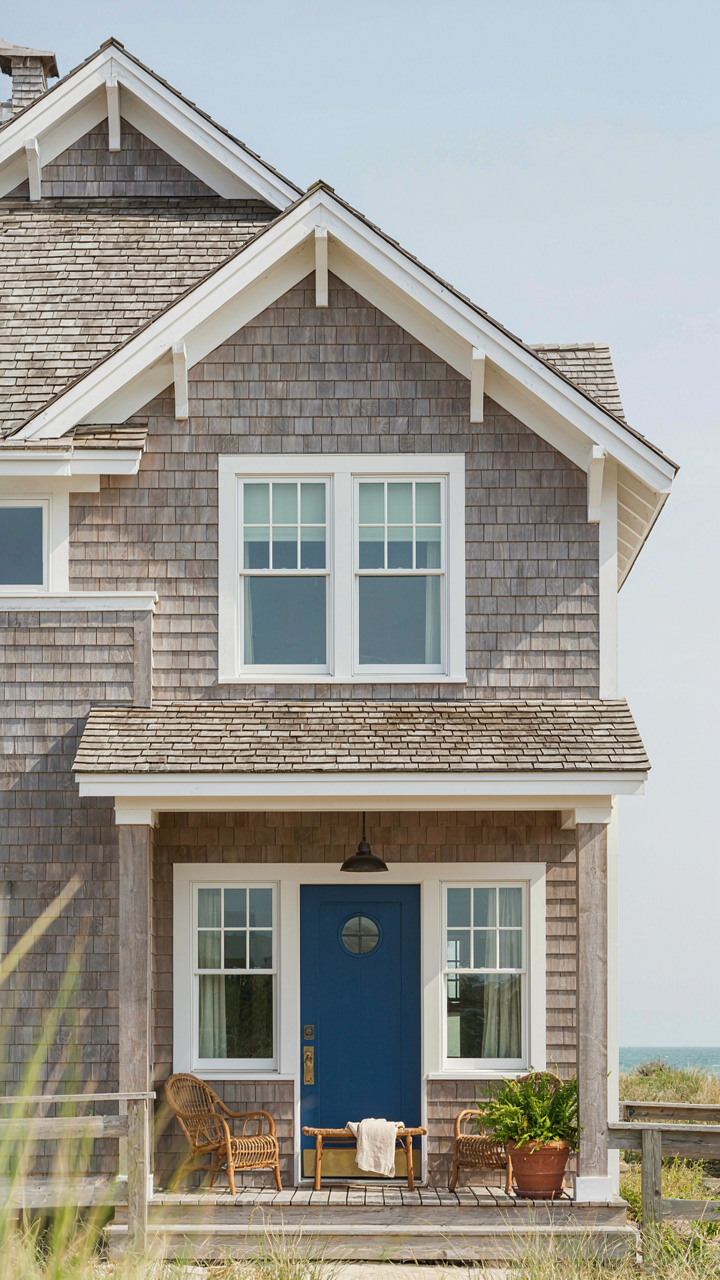
You want your beach cottage to look good in photos without admitting you’re terrified of maintenance bills. Here’s the mechanism: durability works like compound interest in engineering. Each season, poorly built exteriors degrade exponentially while solid construction degrades linearly. Shingles and white trim on a beach cottage aren’t just aesthetic choices. They’re a calculation about what survives salt air, UV exposure, and moisture cycles without crumbling in ten years.
Cedar shake and composite shingles resist salt spray because their material density prevents salt crystals from penetrating deeply. Quality white trim, typically vinyl or painted pine, reflects UV radiation instead of absorbing it. This reflection alone extends exterior life by years. The mechanism is physics, not opinion: materials that resist environmental stress require fewer interventions.
Build For Resilience, Not Instagram
The common advice is backwards. Everyone says “invest in curb appeal first, durability second.” That’s how people end up repainting trim every three years and replacing shingles at double the normal rate. Real wealth in a beach cottage isn’t visual. It’s the absence of constant repair cycles. When you choose materials and installation methods rated for coastal salt exposure, you eliminate the problem before it starts.
Resilient construction means hiring installers who understand water management, not just aesthetics. Proper flashing around shingles, gaps that allow airflow, trim sealed but not suffocating. The cost difference between rushed installation and methodical installation is minimal upfront but massive over fifteen years. Your exterior either works against entropy or it surrenders to it. Choose construction that makes maintenance optional, not mandatory.
The Only Cozy Beach House Exterior Is One Built To Outlast The Tide, Not Just Impress On Instagram

Most people design their beach cottage exterior for the photo. You should design it for the salt spray. Shingles weather. White trim peels. The real move is choosing materials that look better after ten years of coastal abuse, not before. Stop asking “what looks good right now” and start asking “what survives my climate.” Today, pull up the maintenance schedule for your siding choice and actually read it. Your beach house exterior isn’t an investment in aesthetics. It’s an investment in not replacing your entire exterior in five years.



