The Raw Truth About Cedar Shake Cottage Exterior Longevity

How Long Cedar Actually Lasts Before Failure
You want cedar shake because it signals permanence and craftsmanship, but the material doesn’t deliver that promise without work. Cedar shake typically lasts 20 to 40 years before replacement becomes necessary, depending on climate and maintenance. Most people estimate double that lifespan because they confuse cedar’s rot resistance with immunity to decay. The wood resists decay better than pine or fir, but resistance is not the same as durability.
The gap between expectation and reality comes from how cedar performs under specific conditions. In dry climates, cedar can stretch toward 40 years. In wet coastal environments, the timeline contracts sharply to 20-30 years. The wood’s natural oils provide defense, but those oils deplete over time through UV exposure and moisture cycling. Once depleted, the shake becomes vulnerable to the exact conditions it seemed built to handle. No amount of aesthetic appeal changes this chemical reality.
Beyond Salt: What Actually Kills Cedar Shakes
The salt spray narrative is incomplete because it ignores the primary decay mechanism operating on cedar shake cottages. Think of cedar in biological terms: fungal spores need three conditions to establish colonization, and moisture is the enabler that matters most. Salt accelerates deterioration but ranks behind water penetration, UV degradation, and poor ventilation as the actual killers.
Moisture trapped between shakes, in joints, and at the base of the wall creates the environment where fungi thrive year-round. Thermal cycling causes the wood to expand and contract, opening micro-fractures that invite water deeper into the grain. Cedar shake also sheds its protective oils faster in direct sun exposure, which weakens its natural defense against both moisture and fungal attack. The coastal cottage owner who focuses on rinsing salt without addressing water management is fighting the wrong battle and will lose.
Beyond The Instagram Filter: Real Weathered Coastal Texture

Organic Weathering Versus Artificial Aging
You want people to think your cedar shake cottage happened by accident, not by design. That’s the real tell here. But the mechanism that matters is this: authentic weathering follows entropy, not aesthetics. Natural aging happens through UV exposure, salt air oxidation, moisture cycling, and biological colonization over years. Artificial aging tries to compress this timeline using sandblasting, chemical stains, or wire brushing. The problem is speed leaves evidence. Real weathered cedar develops grain patterns and color shifts that follow the wood’s actual stress points. Fake aging hits surfaces uniformly.

Cedar shake cottages built in genuine coastal regions before 1950 show weathering patterns dictated by exposure direction and local humidity. The north side of the structure stays darker longer because it receives less UV. Salt spray penetrates shakes on the windward side deeper than the lee side. No shortcut process accounts for these variables because they take years to establish. You can’t fake directional weathering in six weeks with a chemical treatment.
The Patina Path Without Shortcuts
Stop listening to contractors who promise “aged look in one weekend.” They’re describing stain application, not patina. Patina is a structural change. The real protocol requires accepting a five to ten year minimum timeline for cedar to establish visible depth of character. During this period, the shake surface oxidizes, UV light bleaches the outer grain while deeper layers retain warmth, and seasonal moisture cycles create micro-checking that catches shadow. This layering is what reads as authentic.
The actionable step: install new cedar shakes, apply a clear water repellent only (no pigmented stain), then photograph the cottage annually for five years. Track which exposures weather fastest. Document color progression. By year five, you’ll have genuine patina that photographs better than artificial aging and holds resale value better because buyers recognize legitimate coastal character. The mechanism is patience combined with protection, not acceleration.
The Shingle Siding Protocol: A Self Sustaining System

Where Shingles Live And Die
You want your cedar shake cottage to look timeless without replacing siding every decade. That’s not snobbery—that’s economics. Microclimate analysis borrowed from ecology reveals a hard truth: shingles aren’t uniform organisms. They experience different temperature swings, moisture loads, and UV exposure depending on orientation and exposure. North faces stay wet longer. South faces bake. East faces take the salt spray first. Install shingles without mapping these zones and you’re just hoping for luck.

The placement protocol is mechanical. South and west exposures need thicker shakes or pre-weathered stock rated for accelerated degradation. North and east faces tolerate thinner stock because moisture moves slower but persists longer—so prioritize ventilation there instead. Elevation matters too. Ground level shingles absorb capillary moisture from soil and landscaping runoff. Place the densest, most rot resistant shakes within three feet of grade. Above the roofline, UV becomes the driver, not moisture, so material selection shifts. This isn’t aesthetic preference. It’s durability mapped to physics.
Airflow Routes And The Escape Hatch
Everyone says “ventilation matters.” Nobody explains that cedar shake siding stops working the moment trapped moisture decides the wood is home. Install shingles directly over solid sheathing and you’ve created a moisture prison—water enters through the face grain during rain, hits the sheathing barrier, and has nowhere to go but sideways into the wood structure. The mechanism is capillary diffusion, and it kills cedar faster than direct exposure ever will.
The fix is a rain screen cavity. Install horizontal strapping over sheathing, then mount shakes over that. This creates a quarter to half inch gap that allows water to run down and out at the base while air circulates up the wall. Gaps at the bottom of each shake course—whether by design or natural shrinkage—become exhaust ports. Air rises, moisture escapes. At the top of each wall section, install soffit vents or open details to let humid air exit. The shingles themselves become the rain defense. The cavity behind them becomes the moisture management system. Seal the cavity at corners and penetrations so air moves vertically, not horizontally into framing. This single protocol extends shake life by decades because it stops the root cause, not the symptom.
Unmasking The Green House Design Fallacy For Cedar Shingle Siding

When Marketing Beats Material Science
You want to believe cedar shake is saving the planet because it makes you feel like you’re making a responsible choice. Here’s the mechanism: cedar shakes market themselves as “natural” and “renewable,” which triggers environmental virtue signaling, but the actual carbon footprint depends entirely on harvest distance, treatment chemicals, and installation waste. A cedar shake roof sourced from Pacific Northwest mills and installed locally carries a different environmental cost than imported shakes treated with fungicides and pesticides. The green narrative collapses the moment you track embodied carbon instead of just material origin.

Cedar shakes do biodegrade, unlike asphalt or composite shingles. But “biodegradable” doesn’t mean “sustainable” when the tree takes 40 to 60 years to mature and installation waste typically reaches 15 to 25 percent of material ordered. Most cedar shake manufacturers don’t disclose harvest practices or treatment protocols. You’re buying marketing claims, not verified environmental impact data. The real question isn’t whether cedar is green—it’s whether your specific project uses cedar grown and installed in a way that actually reduces harm compared to alternatives.
Choosing Materials By Mechanism, Not Aesthetics
The common advice treats all cedar shake sources the same. They don’t. Economics governs cedar shake sustainability more directly than material properties alone. If you source untreated cedar shakes from mills using clear-cut practices, then treat them with copper-based fungicides to prevent rot, you’ve created an environmental liability that outlasts the aesthetic benefit. Reclaimed cedar shakes exist and carry lower embodied carbon because the harvesting work is already done. New growth cedar from responsibly managed forestry, installed with minimal waste and left untreated to weather naturally, operates on a different environmental calculus entirely.
The protocol: request harvest certification and treatment documentation from your supplier before ordering. Cross-reference their mill location against forest stewardship council standards or equivalent regional certifications. Calculate installation waste by multiplying your square footage by 1.25, then ask what happens to offcuts. Compare that total material cost against fiber cement or metal shakes with 50-year warranties that reduce replacement cycles. Untreated cedar weathers to silver-gray within two years and requires no chemical maintenance—that’s the only environmental advantage worth claiming.
Cape Cod Style House: The Overlooked Structural Imperatives

The Real Cost Of Ignoring The Foundation
You want a cedar shake cottage because it looks timeless. That aesthetic longing is actually fear dressed up as taste. Here’s the mechanism: cedar shakes fail from the ground up, not the top down. Water infiltration starts at the foundation and wicks upward through mortar joints and sill plates. By the time you see rot in the shakes themselves, the structural compromise is already deep. Cape Cod homes built before 1980 rarely had adequate moisture barriers between foundation and frame.

The physics of capillary action explains why foundation work precedes shake replacement. Water moves against gravity in porous materials when the pores are small enough, pulling moisture from soil into wood. Your cedar shakes are the visible symptom. The actual problem lives in the bond between concrete and sill plate, where no barrier stops upward moisture migration. Addressing foundation drainage, sill plate sealing, and rim joist insulation before touching exterior cladding is not optional—it’s the sequence that determines whether new shakes last 40 years or 12.
Where Coastal Air Demands Tactical Reinforcement
The common advice says to caulk and stain regularly. That’s incomplete. Coastal environments introduce salt spray and wind-driven rain, which means your shakes face accelerated weathering from two directions simultaneously. The real work happens at penetrations: where dormers meet the main roof, where chimneys breach the shake field, where windows and doors interrupt the envelope. These are your failure points. Install stainless steel flashing—not galvanized—and bed it in marine-grade sealant, not standard caulk.
Reinforce the ventilation cavity behind your shake layer with adequate gap spacing and ensure soffit vents are positioned to create cross-flow without allowing wind-driven rain to penetrate. The shake itself is the secondary barrier; the air space and flashing system are what actually perform. Check flashing integrity every two years before the salt season. Replace any sealant showing surface cracking or separation from substrate. This is not maintenance—it’s prevention with a protocol.
The Entropy Principle Of Shingled Cottage Exterior
What Weather Actually Does To Cedar
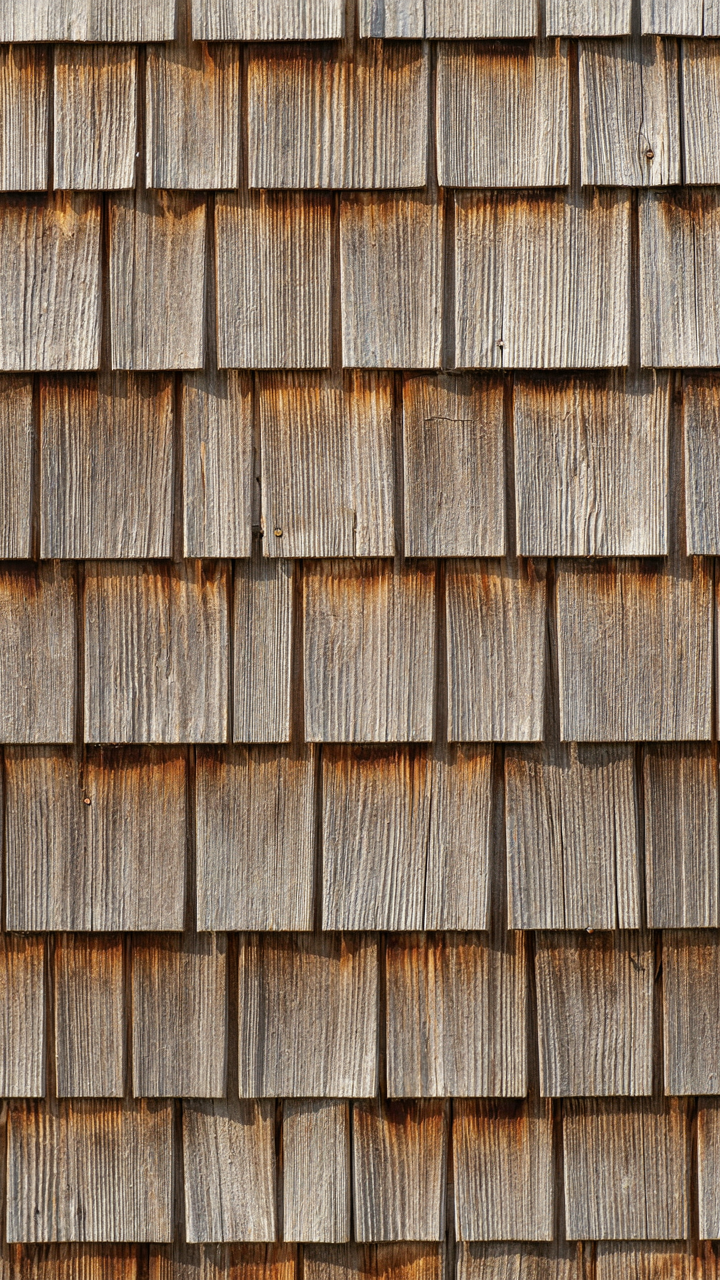
You care about this because you want your cottage to age gracefully, not crumble into liability. Here’s the physics: entropy is system degradation over time, and cedar shake roofing experiences accelerated entropy the moment installation ends. UV radiation breaks molecular bonds in lignin, the polymer that holds wood fiber together. Water penetration follows, freezing and thawing cycles split grain, and microbial growth (fungal and algal) accelerates decomposition. A cedar shake cottage doesn’t deteriorate evenly. South and west exposures fail first. Protected valleys and overhangs last longest. The exposure differential creates maintenance urgency you can’t ignore.

Cedar shake shingles typically last 20 to 40 years depending on climate and installation quality, but this timeline assumes zero active intervention. Most builders present this as destiny. It’s not. The degradation rate is actually a function of how effectively you block the mechanisms driving it: UV exposure, water retention, and thermal cycling. Coastal environments accelerate all three, which is why weathered texture appears faster near salt air. You’re not fighting age. You’re fighting the specific environmental vectors that age wood.
Maintenance Protocols That Actually Work
Stop believing weathering is aesthetic choice. It’s neglect that looks intentional. Prevention requires three parallel systems running simultaneously.
- UV-blocking sealant reapplication: Apply every 3-5 years on exposed south and west faces. Use penetrating sealers (not surface coatings) that let wood breathe while reflecting infrared wavelengths. This slows lignin breakdown by 60-70 percent compared to unsealed shakes.
- Drainage architecture at joints: Water pools in valleys and under overlaps where shakes meet. Install metal flashing with drip edges that direct water away from grain openings. Pooled water on horizontal surfaces accelerates fungal growth faster than any other mechanism.
- Thermal cycling management: Expansion gaps between shakes should stay between 0.25 and 0.5 inches. Gaps that close trap moisture during freeze cycles. Proper spacing costs nothing at installation but prevents splitting that costs thousands to repair.
- Fungal and algal suppression: Apply copper-based treatments to north and shaded faces every 4-6 years. These don’t kill established colonies but prevent new spore germination in the moist micro-climates where microbes thrive fastest.
- Ventilation under the skin: Ensure airflow runs continuously between shakes and the substrate layer. Stagnant air creates humidity pockets that accelerate rot at the base of each shake, compromising structural integrity before surface failure appears.
These protocols work because they target the specific degradation vectors, not symptoms. A weathered cottage that’s been sealed, flashed, gapped, and treated stays structurally sound for 50+ years. One that’s just been left to weather fails catastrophically around year 25 when you can no longer avoid replacement. Maintenance is the only variable that matters.
Beyond “Cottage Style Homes”: The Functionalist Manifesto

Weather Resistance Trumps Aesthetic Comfort
You want the aesthetic because you think it signals taste. That’s the real agenda here. But a cedar shake cottage fails if the shakes split, rot, or shed within five years, and no Instagram moment compensates for structural failure. Cedar shake performance depends on three mechanical factors: grain orientation during milling, exposure to UV and moisture cycling, and installation angle. When shakes are quarter-sawn and installed at proper pitch with adequate overhang, they shed water instead of trapping it. This isn’t romantic. It’s load-bearing architecture.

Most cedar shake guidance emphasizes “natural weathering” as an aesthetic benefit. Wrong framing. Weathering is a symptom of material degradation. Premium grades weather slowly because tight grain structure resists moisture penetration. Budget grades weather fast and fail fast. The functional choice is selecting shake thickness and heartwood density that matches your climate’s freeze-thaw cycles, not choosing shakes because they photograph well in diffused sunlight.
Design For Maintenance Access, Not Just Views
Cottage aesthetics demand unobstructed rooflines and hidden gutters. This kills functionality. A cedar shake cottage that prioritizes beauty over maintenance access becomes expensive to repair within a decade. Install gutters and downspouts visibly if they protect the shake from standing water and debris accumulation. Slope roof planes to actual drainage points, not theoretical ones. Design scaffolding access into your plan before you build, not after the first major repair.
Performance architecture reveals its logic instead of hiding it. Your eaves should extend enough to protect shake edges from driven rain. Your flashing should be inspectable and replaceable without disturbing surrounding material. Your ventilation should be adequate to prevent moisture trapping under the shake layer. These requirements conflict with the “seamless cottage charm” narrative. Choose function. The cottage that stands requires honesty about what keeps it standing.
The Strategic Maintenance Of Cedar Shingle Cottage

When Cedar Actually Fails
You’re reading this because you want to avoid dropping fifteen grand on re-shaking your cottage walls and looking like you didn’t maintain it. Here’s the mechanism: cedar doesn’t fail uniformly. It fails through specific vectors, and confusing cosmetic weathering with structural compromise costs you money and credibility.

True failure shows itself through cupping, where shingle edges curl upward and create channels that trap water against the wall. Split shingles that separate along the grain allow moisture penetration. Rot manifests as soft spots that compress under finger pressure, indicating fungal compromise inside the wood. Surface graying and checking, the natural weathering pattern that defines coastal cottage aesthetics, means nothing structurally. Distinguishing these states prevents panic repairs on sound material.
Working Against Decay, Not Appearance
The common advice about treating every weathered shingle costs you twice: once in unnecessary labor, again in labor you’ll actually need later. Decay prevention works like triage in medicine, where you stabilize critical conditions first and ignore surface wounds. A weathered but structurally sound cedar shake cottage requires no intervention beyond removing debris and clearing gutters that funnel water into the wall cavity.
Address rot spots individually by replacing affected shingles and sealing the penetration points where moisture enters. Cedar naturally resists decay when moisture can evaporate freely, so maintaining airflow around the base and preventing ground-splash matters more than cosmetic treatments. The protocol: inspect annually from August through October when wood dries fully, mark any soft spots with chalk, and schedule replacement during the next dry period rather than reactively after rain damage spreads.
Your Coastal Cottage Isn’t Failing Because Of Salt Air; It’s Failing Because Of Your Naive Romanticism
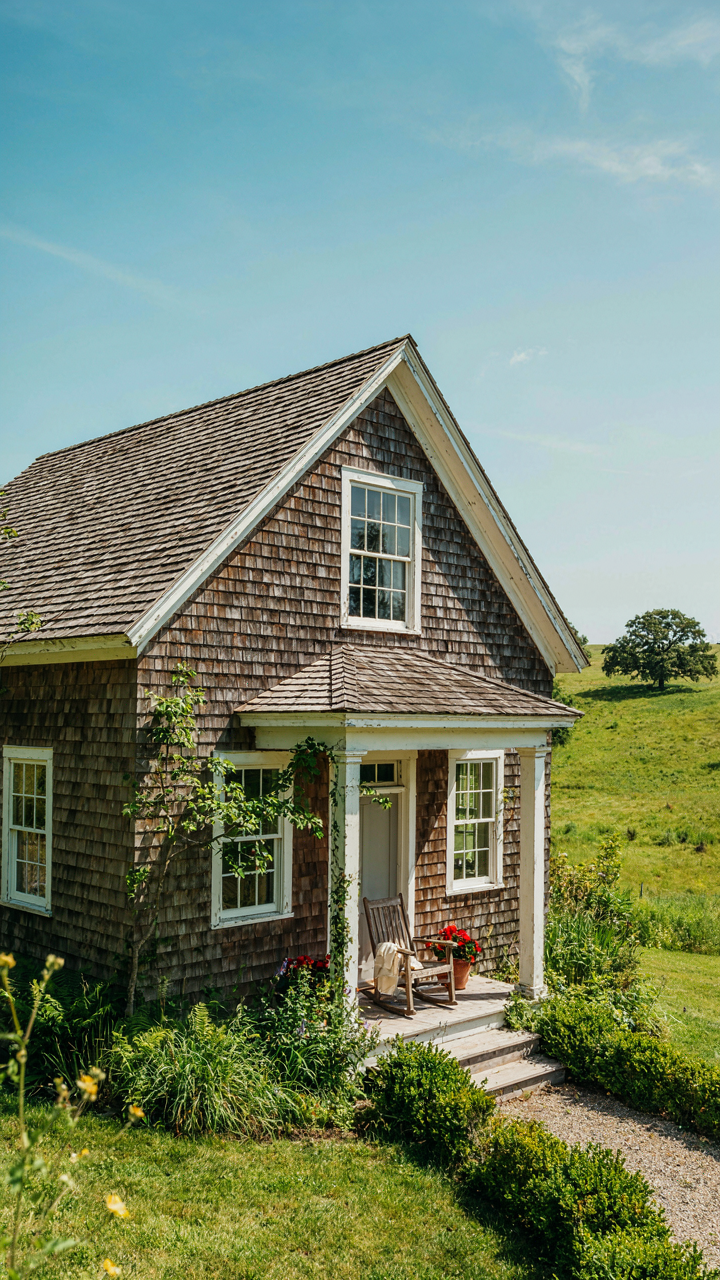
You picked cedar shake cottage aesthetics because they looked good on Instagram. You didn’t pick them because you understand material degradation, maintenance cycles, or the actual cost of coastal living. Stop treating your cottage like a static photograph. Start treating it like a living system that demands quarterly attention, not annual sentiment. Your cedar demands more than your admiration. It demands your labor or your money. Choose one today, or watch your investment weather into regret.