

The Cottage Core Illusion: What Everyone Gets Wrong About Clawfoot Tub Bathrooms

Instagram Versus The Actual Bathroom
You want the aesthetic because it signals you have taste and time. But Instagram clawfoot tub bathrooms are marketing compression: they hide the real constraints. The mechanism is simple. A styled photo captures one angle in perfect light with zero context. Your bathroom has four walls, inconsistent lighting, plumbing that doesn’t cooperate, and actual use. A clawfoot tub demands space around it to function. Most cottage bathroom photos crop out the cramped corners, the compromised ventilation, or the fixtures that don’t photograph well. The tub is centered because the photographer needed the shot, not because your floor plan allows it.
Real clawfoot tub bathrooms require honest trade-offs. You gain visual weight and a focal point. You lose storage, counter space, and ease of cleaning the floor beneath it. The tub itself is heavy, needs proper structural support, and creates logistics around water access. Vintage cast iron holds heat longer than modern materials but demands more maintenance. The images you’ve seen worked because the photographer controlled every variable your daily life won’t allow.
Genuine Character Requires Constraint, Not Decoration
Most design advice tells you to add character through finishes: hex tile, apothecary jars, vintage mirrors. That’s lazy. Real character emerges from how a space solves an actual problem. A clawfoot tub cottage bathroom has character when the layout, materials, and fixtures respond to what the space demands, not what looks good. The difference between memorable and forgettable bathrooms isn’t styling. It’s the skeleton underneath.
Bathrooms with genuine charm work because their fixtures and layout fit the room’s dimensions and your actual behavior. A pedestal sink works in tight quarters. Subway tile cleans easily and ages honestly. Wall-mounted storage responds to the floor plan rather than fighting it. A clawfoot tub makes sense only if the space around it functions for access, cleaning, and movement. Start by solving the mechanical problem first. Then the aesthetic follows naturally instead of being imposed on top of dysfunction.
Beyond The Bathtub: Deconstructing True Old World Aesthetics
When The Clawfoot Became Standard
You want to believe your bathroom feels authentic because you picked the right tub. That’s the real mechanism at work: status anxiety dressed up as historical appreciation. Here’s what actually happened. Clawfoot tubs dominated American bathrooms from roughly the 1880s through the 1920s because they solved a practical problem, not because they were beautiful. Cast iron held heat. Elevated feet allowed cleaning underneath. Manufacturers standardized them because they worked and cost less to produce than custom solutions.

The clawfoot wasn’t a luxury statement in its original context—it was the default fixture in middle-class homes and boarding houses. Wealthy homes used them too, but so did servants’ quarters and rental properties. This matters because it means the aesthetic you’re chasing wasn’t actually exclusive or rare. It was mass-produced utility that happened to look formal. Understanding this kills the pretense and lets you build something genuine instead of performing nostalgia.
Materials That Carry The Weight
The common move is filling a bathroom with period-correct objects and calling it done. That’s incomplete. The mechanism is material longevity, borrowed from industrial design: objects that survive multiple generations earn visual authority because their durability reads as intentionality. Clawfoot tub cottage bathrooms worked because they used materials that didn’t degrade or require constant replacement.
Cast iron, ceramic tile, porcelain, solid wood, and brass outlast trends because they physically resist time. Vinyl, particle board, and chrome-plated steel don’t. When you choose reclaimed wood shelving, authentic porcelain fixtures, and tile with actual depth instead of printed pattern, you’re not being nostalgic—you’re choosing materials that will look intentional in fifteen years instead of dated. The specific protocol: audit every surface and ask which materials would still function and look deliberate in a home fifty years from now. If the answer is no, it belongs in a different room.
The “Authenticity First” Protocol For Vintage Bathrooms

Build For Use, Not For Instagram
You want this bathroom to feel real because you’re afraid it won’t—that someone will see through the aesthetic and recognize it as staged nostalgia. The mechanism that separates authentic clawfoot tub cottage bathrooms from themed ones is simple: function dictates form in genuine old spaces. A working vintage drain system, proper water pressure, and durable fixtures weren’t chosen for looks. They were chosen because they had to perform daily for decades. When you reverse-engineer from aesthetics instead of utility, every decision becomes a compromise. The tub sits higher than practical. The sink placement wastes counter space. The storage doesn’t accommodate real use.

Prioritize what the bathroom must do before considering what it should look like. The clawfoot tub needs reliable plumbing connections, not just visual drama. The flooring must handle moisture and foot traffic without rotting. The ventilation has to actually move humidity out, or the space deteriorates. When you solve these problems first, the vintage character emerges naturally. It’s not applied. It’s discovered through materials and solutions that worked in 1920s bathrooms because they were engineered to work.
Source Real Pieces, Not Replicas
The common advice says reproductions are “just as good” if you can’t find originals. That’s incomplete. A reproduction clawfoot tub is manufactured to modern standards using modern processes. It looks right but performs and ages differently. Real vintage fixtures have thicker porcelain, different glaze chemistry, and construction methods that leave visible evidence of their era. Reproductions are designed to hide their manufacturing. This matters because authenticity in a clawfoot tub cottage bathroom registers physically, not just visually. People sense the difference without naming it.
Genuine vintage components come from salvage yards, estate sales, and specialized restoration suppliers who source from actual demolitions. They cost more upfront but require fewer replacements over time. A 1930s cast iron tub with original enamel will outlast a new reproduction in most climates. Original brass fixtures develop patina that won’t appear on lacquered reproductions. When sourcing, inspect for functionality first: Does the drain work? Are the shut-off valves operable? Can the enamel be refinished if needed? This is your audit. Only after confirming the piece functions do you consider how it looks in your space.
The Anti Trends Manual For Claw Foot Tub Bathroom Ideas
What Actually Looks Like Cottage Versus What Sells
You want your bathroom to feel authentic because mass-market “cottage” makes you look like you’re performing for Instagram, not living in your house. The mechanism is selection bias: designers show you the five things that photograph well, not the thirty decisions that prevent a space from feeling like a collection of Pinterest boards. Real cottage bathrooms reject matching sets. A clawfoot tub doesn’t need coordinating tile, matching fixtures, or a cohesive color story forced across every surface.

The cliché move is pairing your tub with farmhouse vanities, shiplap, and industrial Edison bulbs because those elements got tagged together online. Stop. Cottage design emerged from constraint and available materials, not from a mood board algorithm. Your actual leverage is this: keep the tub as the only intentional statement piece and build the rest from what works functionally without performing. A simple mirror, basic medicine cabinet, and a sink that doesn’t try to match anything else. The tub commands attention because nothing else competes for it.
Building A Bathroom That Doesn’t Apologize
Authentic design requires rejecting the consensus that your cottage bathroom needs a unified aesthetic. Think in terms of supply chain economics: every mass-produced “cottage” item you buy comes from the same three manufacturers, which means your bathroom looks identical to thousands of others built this year. The real play is mixing periods and material quality deliberately. Use a vintage clawfoot tub as your foundation, then source a Victorian-era pedestal sink from an actual salvage operation, not a reproduction from a big-box store.
The difference reads immediately: real materials have weight and irregularity. A genuine cast iron tub shows age. Original tile has slight variation. A reproduction tile set looks uniform, which signals artifice to anyone paying attention. Your constraint is budget and availability, not aesthetic purity, so work backward from what’s actually available rather than what you think you should want. Source from local salvage yards and auctions, not design catalogs. This forces you to build a bathroom from actual objects instead of a story you’re telling yourself.
Mastering “Patina”: The Biology Of Enduring Cottage Bathrooms
Wear As Design Intent, Not Accident
You want patina because it signals you don’t need perfection to prove you have taste. That’s the real mechanism at play. In biology, patina functions like succession—the predictable progression where an ecosystem evolves through stages toward stability. A clawfoot tub cottage bathroom follows the same pattern: materials age through defined stages, each one adding visual depth that new surfaces cannot fake. The goal isn’t to preserve mint condition. The goal is to guide materials through their aging arc so they land on character instead of decay.

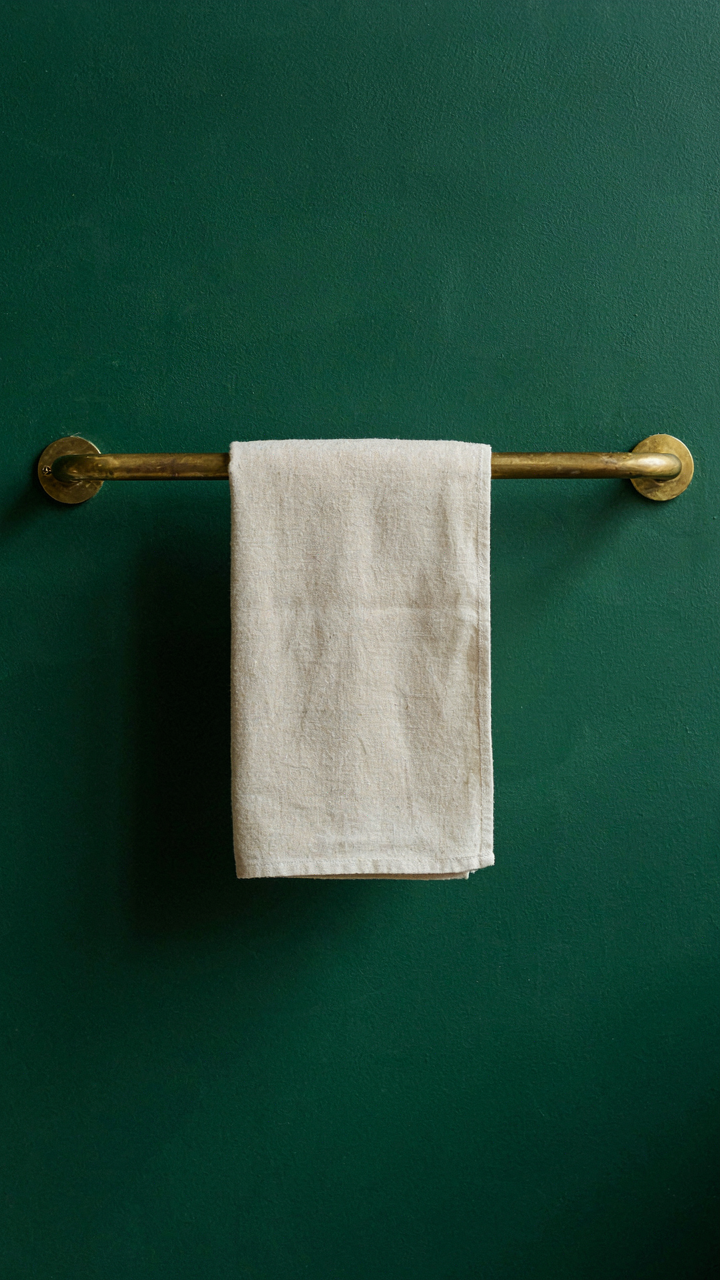
Patina on a clawfoot tub emerges from the interaction between material, water exposure, and time. Cast iron develops a darkened surface layer. Brass fixtures oxidize to deeper tones. Ceramic glaze accumulates micro-wear that catches light differently than factory-smooth surfaces. These aren’t flaws—they’re the physical record of the bathroom doing its job. Most people think patina happens by accident or neglect. It doesn’t. You architect which materials will age, in what order, under what conditions, and you control the rate by choosing the right base materials and maintenance rhythm.
Deliberate Aging Through Material Selection
The common advice says “just let things age naturally.” That’s incomplete. Natural aging without strategy creates damage, not patina. Your material choices determine whether age produces charm or corrosion. Cast iron clawfoot tubs, when properly sealed, develop rich surface tones over years. Unglazed terracotta absorbs water and deepens. Unlacquered brass oxidizes in predictable ways. Glazed ceramic holds its character longer. Each material has an optimal aging timeline and deterioration curve.
Select materials based on their aging trajectory, not their appearance today. Brass fixtures should be unlacquered if you want patina—lacquered brass prevents oxidation entirely. Clawfoot tub exteriors benefit from matte or raw finishes over high-gloss ones because they age into deeper complexity. Tile works best in natural stone or unglazed ceramics where wear becomes texture rather than damage. The protocol is simple: pick materials with known aging patterns, then establish a maintenance schedule that guides that aging, not fights it.
Small Spaces, Big Impact: Maximizing Cottage Bath Functionality
The Layout That Stops Wasting Square Footage
You’re worried a clawfoot tub will swallow your upstairs bathroom and leave you with zero function. That fear drives the real mechanism: positioning. In spatial economics, constraint forces efficiency. The tub’s footprint becomes your anchor point, not your enemy, if you place it against the wall that carries the most visual weight and opens sightlines to the rest of the room.

Standard cottage bathrooms run 35 to 50 square feet upstairs. Position the clawfoot perpendicular to the door, not parallel, so it doesn’t block sight lines when you enter. Sink placement matters more than most builders understand. Mount it on the wall opposite the tub, never adjacent. This creates a visual rhythm and prevents the room from feeling like a line of fixtures. The toilet goes in the corner farthest from entry, where visual clutter disappears naturally. This layout compounds functionality without renovating walls.
Storage That Doesn’t Murder The Aesthetic
The conventional advice says “add floating shelves and call it cottage charm.” That’s lazy thinking masking the real constraint: vertical storage works because cottage bathrooms lack wall space, not because it looks quaint. Embrace the limitation directly.
- Recessed Medicine Cabinet: Carve into wall cavity between studs behind mirror. Preserves sightlines and adds 8 to 12 cubic feet of concealed storage without protruding.
- Under Sink Pedestal Caddy: Install slim rolling cart in the dead space beneath pedestal sinks. Stores linens and supplies while remaining invisible from normal viewing angles.
- Vintage Apothecary Cabinet: Mount narrow glass front cabinet above toilet tank. Functions as both storage and intentional visual element that reinforces period aesthetic.
- Built In Niche Above Tub: Frame recessed shelf into wall where clawfoot tub meets wall. Holds soap, towels, and bath accessories at arm’s reach without footprint cost.
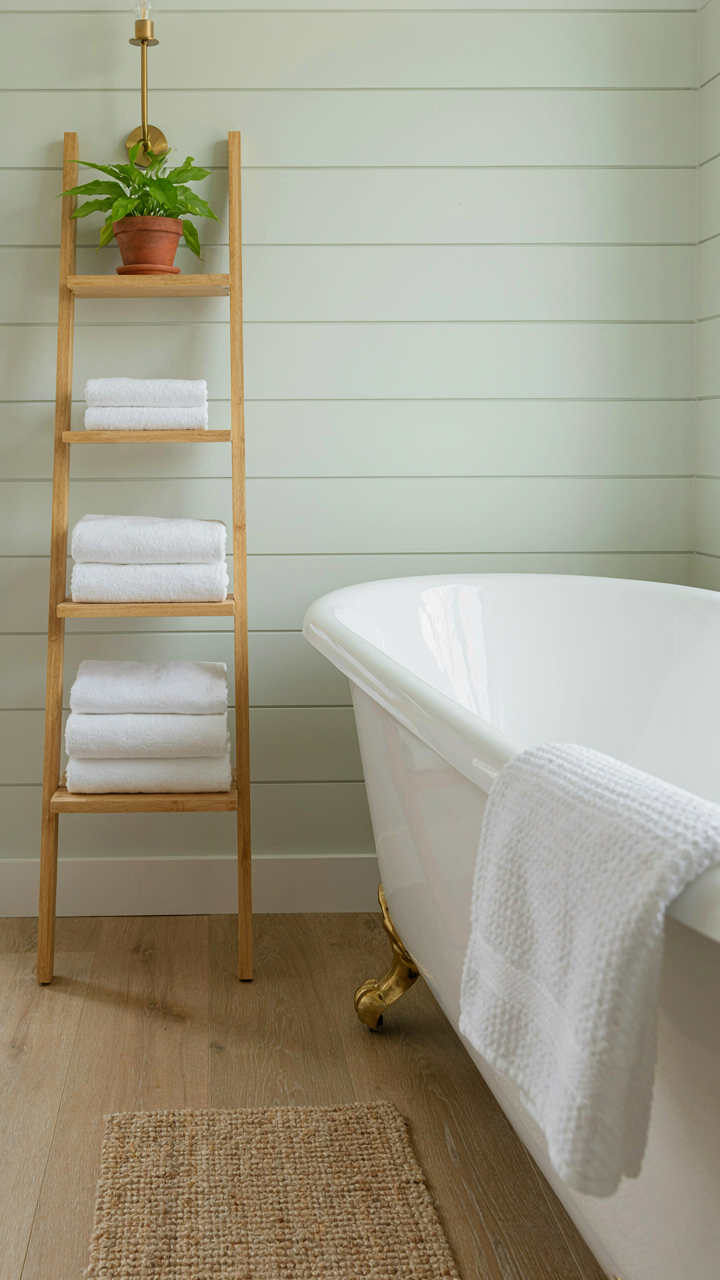
- Corner Ladder Shelving: Position narrow wooden ladder shelf in room corner. Provides 4 to 5 usable surfaces while occupying minimal floor area and reading as authentic.
Storage reveals itself when you stop thinking about how much you can fit and start thinking about what you access during use. Pull items out of daily reach. Keep only soap, towels, and one backup roll visible. Everything else goes into concealed zones. Measure twice before installing anything permanent because moving storage in a small cottage bath costs time you won’t recover.
Beyond White Walls: Color Theory For Bathrooms With Clawfoot Tubs

Stop Defaulting To Neutral
You’re drawn to this section because white bathrooms feel safe, and you’re terrified of committing to color and regretting it later. Here’s the mechanism: your brain interprets visual contrast as quality. A clawfoot tub sitting in a truly blank room reads as incomplete. The tub itself is the statement piece—it demands a color environment that makes it the focal point, not a room that asks the tub to do all the work alone.

Deep jewel tones and muted earth tones ground a clawfoot tub without the fatigue of pure white. Navy, forest green, terracotta, and charcoal all read as intentional design choices because they require commitment. The tub’s curves and feet become more pronounced against darker walls because contrast forces your eye to land there first. This isn’t trendy. Bathrooms in older homes with clawfoot tubs were rarely white—they were painted in colors that matched the era’s available pigments and the homeowner’s budget.
Amplify The Details You Already Have
Color functions like contrast in visual hierarchy—borrowed from graphic design, it directs attention by making some elements recede and others advance. Your clawfoot tub’s feet, rim, and fixtures are architectural features that need color contrast to register as design choices rather than fixtures you inherited. Paint the walls a color that creates visual separation, not merger, between the tub and its surroundings.
If your tub has polished chrome or brass fixtures, warm earth tones and soft greens make metallic finishes pop. If the tub itself is cast iron in a traditional white, a sage or dusty blue wall transforms the tub into a sculptural object instead of just plumbing. Test color samples across different times of day—morning light, afternoon light, and artificial evening light all shift how a color reads against porcelain and tile. Apply your chosen color to one full wall first, live with it for a week, then commit to the rest.
The Unspoken Cost: Investing In Longevity Over Likes

Vintage Look Materials That Crack Under Pressure
You want the aesthetic without the price tag. That’s the real reason cheap vintage finishes appeal to you, and it’s also why they betray you the moment someone actually uses the bathroom.

The finish on a clawfoot tub cottage bathroom operates like a material durability problem in manufacturing: you can fake the appearance, but you cannot fake the performance. Acrylic tubs with “vintage patina” paint jobs flake within two years. Porcelain enamel coatings on cast iron actually hold. The difference isn’t cosmetic. Resin-based faux finishes on wood vanities swell when humidity enters the grain. Real wood treated with marine-grade sealants resists. The mechanism is simple: water exploits every fake layer because the substrate beneath wasn’t prepared to handle moisture stress. Cheap materials fail because they weren’t engineered for the environment, not because they look bad initially.
Real vintage tubs were built with specific material tolerance. Cast iron holds heat and supports weight for a century. Modern acrylic substitutes promise the same visual output but deliver half the lifespan. You’re not buying a bathroom. You’re buying a choice between replacing fixtures every five years or every fifty.
Plan Your Actual Budget
Quality craftsmanship in a clawfoot tub cottage bathroom costs what it costs because material sourcing and installation labor scale together, not separately.
- Cast Iron Tub Sourcing: Restored or vintage cast iron runs 1,200 to 3,500 dollars depending on condition and size. New reproduction cast iron costs 2,000 to 4,500 dollars. Budget for delivery separately as weight exceeds standard shipping capacity.
- Professional Installation: Plumbing rough-in and tub set typically runs 1,500 to 2,500 dollars. This includes floor reinforcement, which is non-negotiable for cast iron weight distribution.
- Solid Wood Vanity: Custom or high-grade reclaimed wood vanities with marine-grade finishes cost 800 to 2,200 dollars. Stock reproduction pieces run 400 to 800 dollars but fail faster under moisture exposure.
- Tile And Surround: Authentic subway tile or hexagonal ceramic with proper waterproofing membrane runs 1,200 to 2,000 dollars for a standard five-by-eight bathroom.
- Hardware And Fixtures: Brass or bronze period-appropriate plumbing fixtures cost 300 to 800 dollars per fixture. Electroplated zinc alternatives cost 80 to 150 dollars but oxidize within three years in humid bathrooms.
The lie in budget planning is that materials and labor are separate line items. They’re not. A proper installation protects your material investment. Cutting labor costs forces shortcuts in waterproofing, substrate prep, or floor support, which then destroys your materials faster. Write your budget as a single commitment to the job, not as individual components you can negotiate down individually.
The Curated Chaos: Vintage Bathroom Decor That Tells A Story

Objects With Actual History Behind Them
You want permission to buy old stuff without feeling like you’re just decorating. Here’s the mechanism: objects that carried use in someone else’s life trigger a different neurological response than retail products. A clawfoot tub cottage bathroom works because the tub itself already has that weight. Add one or two pieces that actually belonged to someone—a medicine cabinet from an estate sale, your grandmother’s mirror, a cast iron soap dish from a salvage yard—and the room stops feeling curated and starts feeling inhabited.
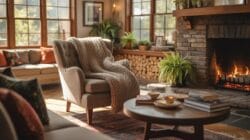
The difference is specificity over abundance. Don’t fill shelves with vintage finds. Choose one heirloom per bathroom zone: maybe a wood-framed mirror above the sink, or a single ceramic pitcher on the tank. Each piece should answer a question about how this bathroom functioned for someone else. When guests ask about an object, you should have a one-sentence answer. That specificity is what separates a lived-in cottage bathroom from a themed hotel room.
Rejecting The Matching Set Trap
Most advice tells you to find a cohesive color palette and stick to it. That’s wrong for cottage style. Intentionality beats uniformity. In garden design, the most compelling spaces use the “succession planting” principle—layers added over time create more depth than planned uniformity. Apply this to your clawfoot tub cottage bathroom: let your fixtures, tiles, and accessories come from different eras and origins rather than buying a matched set from one brand.
Mix your metals. Use brass and oil-rubbed bronze in the same room. Let your vintage tiles be slightly different shades of white or cream. Your towel bars don’t need to match your faucet. This approach works because it mirrors how actual houses evolved—plumbing and fixtures replaced over decades, not all at once. The room signals authenticity because it actually is authentic to how bathrooms age. Stop hunting for the perfect coordinated look and start noticing what already belongs there.
The Real Obstacle Isn’t Finding Charm; It’s Your Fear Of Authentic Imperfection
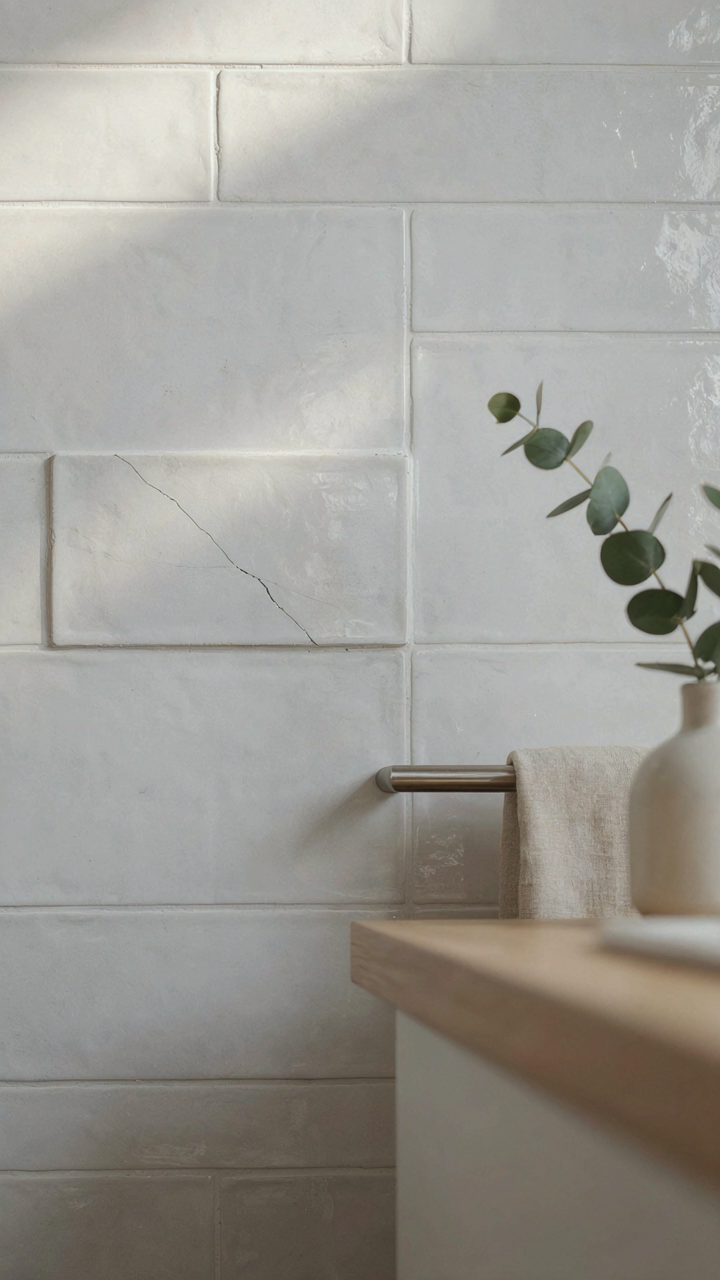
Most people kill their clawfoot tub cottage bathroom by chasing perfection. They sand every edge smooth, paint everything trendy, and strip away the character that makes old homes magnetic. The shift you need: embrace the imperfect. That crack in the tile, the uneven grout, the slightly warped mirror frame—these aren’t problems to solve, they’re proof the space has a pulse. Today, stop refinishing that one detail you’ve been obsessing over. Leave it rough. Your bathroom doesn’t need restoration, it needs permission to age.