
The Curated Gaze: What To Reveal, What To Conceal

Display Worthy Items Earn Their Shelf Space
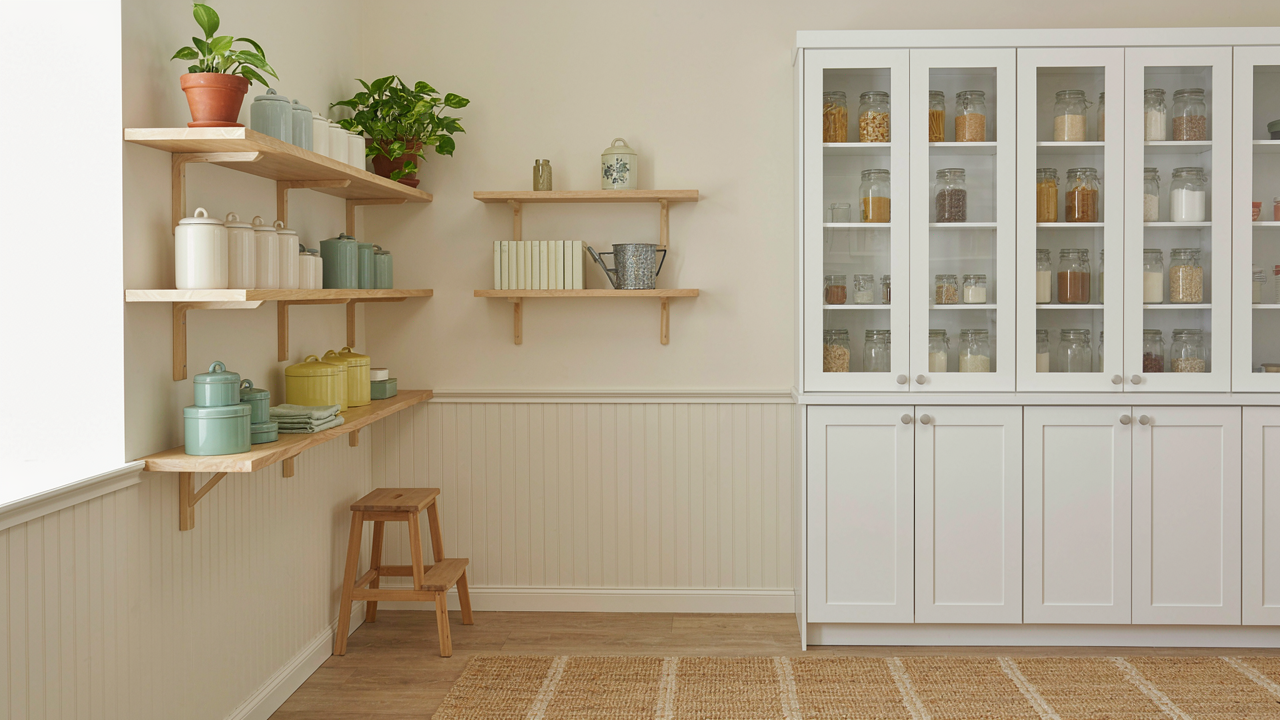
You want people to walk in and think you have it together, which means pretending the chaos doesn’t exist. But here’s the real mechanism: open shelves work like a visual résumé. They communicate competence or sloppiness in seconds. Cottageware, vintage tins, glass jars with dry goods, and matching dishware don’t sit on open shelves by accident. They’re load-bearing walls of your aesthetic authority. Pick items that actually look intentional when grouped, not stranded.
The rule everyone misses is this: display items must serve a function or they read as decoration trying too hard. A stack of vintage cookbooks works because you reference them. Mason jars filled with baking staples work because you rotate them. A ceramic butter dish works because butter lives there. Cottageware manufacturers understood this in the 1920s and beyond—functional objects became beautiful because repetition and honest use made them so. Group by category, not by color fantasy. Three ceramic pitchers together, not scattered across shelves like a gallery show.
Essential Items Behind Closed Doors
The stuff that keeps your pantry running lives behind cabinet doors. Bulk flour, bulk sugar, opened boxes, half-used bags, the real inventory that doesn’t photograph well. Cabinets aren’t hiding places for shame. They’re storage infrastructure. Most people get this backwards and treat closed storage like a penalty box. It’s not. It’s protection from dust, pests, and visual noise.
Use cabinets to store opened goods, backup supplies, and anything in non-original packaging. Stack baking supplies vertically in clear containers so you see what depletes. Keep shelf-stable proteins, oils, and condiments in one zone behind doors. When you need something, you know its address. Cottage pantries fail when people mix the display layer with the working layer. Separate them completely. Open shelves become visual focal points. Cabinets become your actual food system.
The Tiny Pantry Deception: Maximizing Every Vertical Inch

Gravity Works Against Your Storage Plan
You think the problem is square footage. It’s not. You’re afraid a small pantry signals failure, so you convince yourself you need more floor space when the real issue is that you’re storing like someone who owns a warehouse. Physics governs this. In structural engineering, load distribution determines how much weight a system handles safely. Your cottage pantry operates the same way: the higher you stack without leverage points, the more unstable and inaccessible everything becomes. Most people fill shelves horizontally until they can’t reach anything. Dead weight at eye level, air at the bottom. That’s backwards. Heavier items belong low. Lighter, frequently accessed goods go high. The shelf itself becomes a mechanical lever. Use it.

Counter-leverage means working against gravity instead of with it. Install shelves at varying heights so nothing blocks sightlines to items behind it. A single shelf crammed full creates a visual dead zone below it where things vanish. When you stagger heights at 8 inches, 14 inches, 20 inches apart instead of standard 12-inch spacing, you reduce the distance your eye must search and your arm must reach. This cuts retrieval time by forcing you to use the entire cubic volume, not just the accessible band around shoulder height. The mechanism is simple: compression creates waste. Distributed height creates efficiency.
Risers Multiply Your Real Shelf Space
Tiered shelving doesn’t mean buying expensive risers. It means understanding that one shelf at one height is a missed opportunity. A basic wooden riser, even a book, placed strategically on a shelf creates a second tier within the same shelf depth. A 12-inch-deep shelf suddenly holds two functional layers. Canned goods stack backward on a riser so you see labels. Jars sit in front on the base level. No digging. Cottage pantries from the 1800s used this principle without naming it. Stepped shelving, staggered heights, and tiered risers all exploit the same mechanism: vertical space is cheap; horizontal reach is expensive.
Place risers only where you store lightweight items like pasta boxes, grains, or spices. Never under heavy loads. The riser must sit stable on the shelf surface with adequate weight distribution. Test the system with light items first before committing to a pattern. Measure your actual pantry openings and match riser heights to your containers, not the other way around. This prevents wasted air gaps and ensures you can access everything by sight, not by memory or struggle.
Cabinet Doors As Curtains: The Art Of Strategic Obscurity
When Opaque Doors Earn Their Weight
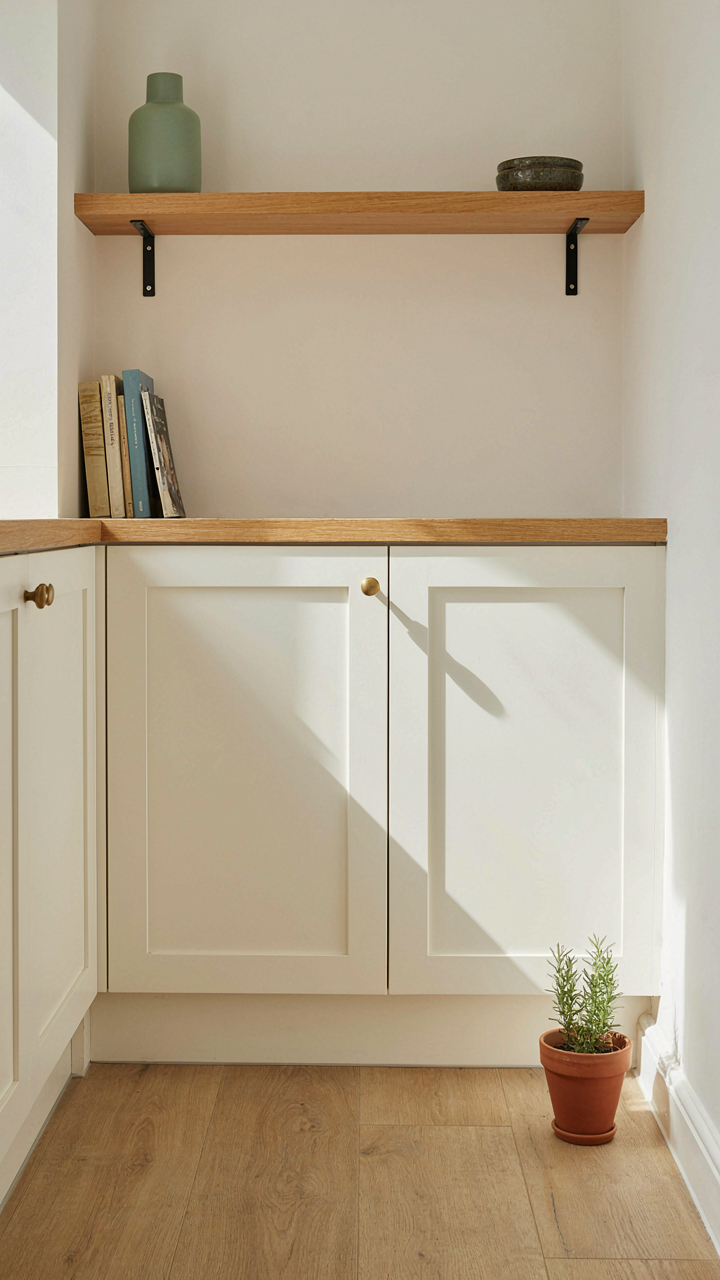
You want cabinet doors because you’re embarrassed about what lives behind them. Not the nice things. The real answer is that opaque doors solve a visibility problem most design advice refuses to name: visual noise kills cognitive load. Cognitive load theory says the brain burns energy processing unnecessary stimuli. A cottage pantry with everything exposed creates decision fatigue before you even grab the flour. Doors act as friction that protects your attention span from your own inventory.

The mechanism is simple. Closed doors hide the accumulation. Flour dust, mismatched containers, dried goods past their prime, the backup supplies you keep forgetting about. Open shelves force curation. Doors permit honest storage. You can stack canned goods three deep, keep bulk items in their original bags, store seasonal equipment without theatrical arrangement. The trade-off isn’t between beautiful and functional. It’s between performing for visitors and actually using the space.
Deep Storage That Works Without Theater
Everyone says to hide the ugly stuff and display the pretty stuff. That’s incomplete. The real hidden storage solution isn’t about aesthetics at all. It’s about access patterns. Items you use weekly should live between waist and eye level. Everything else belongs behind doors, and doors should close on depth, not surface. Cottage pantries gain function when you stop thinking of cabinet doors as design elements and start treating them as inventory management tools.
Behind doors, you organize by frequency and season. Daily items at the front. Weekly items mid-depth. Seasonal or backup stock in the back, stacked vertically to maximize cabinet height. Use the door interior for shallow items like tea, spices, or small tools. This system means you reach into darkness once and grab what you need without rearranging. The door closes on organized chaos that works.
Vintage Pantry Vessels: Beyond Aesthetic, Towards Preservation
Airtight Containers And Crocks
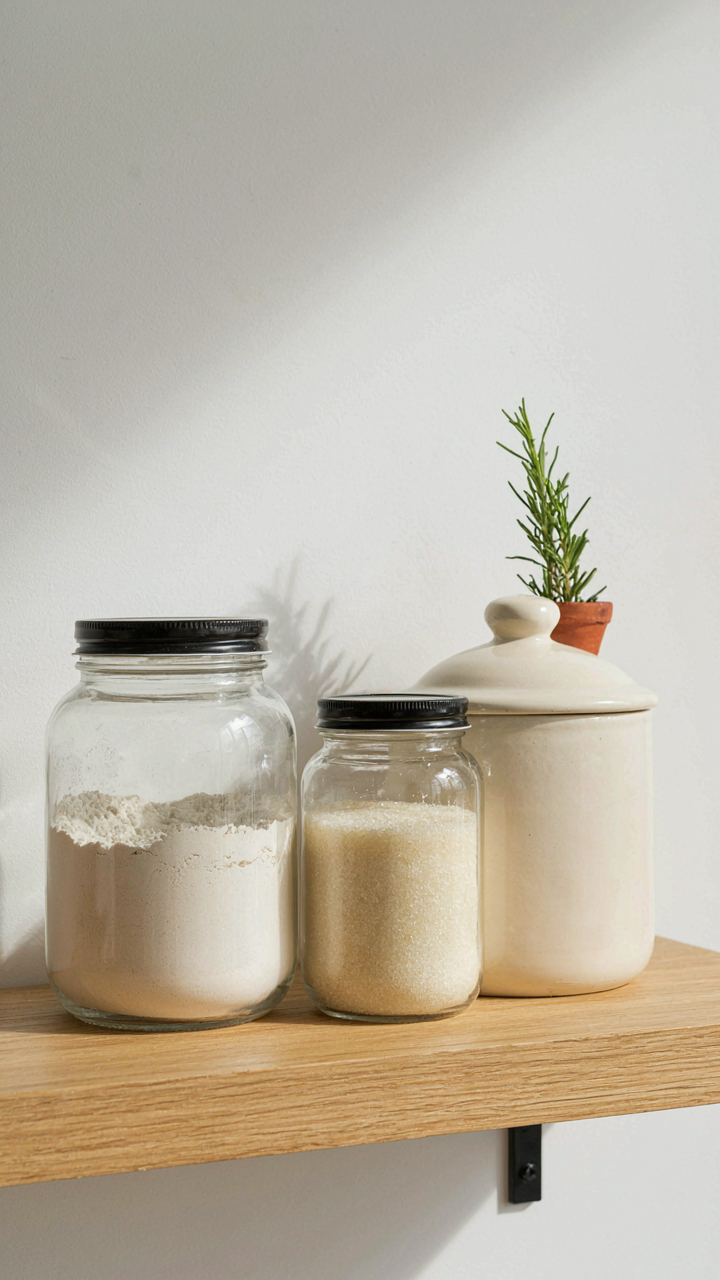
You want vintage vessels because they signal you have your life together. The real mechanism: proper food storage extends shelf life by controlling oxygen and moisture, which stops oxidation and mold growth before they start. Glass and ceramic containers with functioning seals do this. Pantry rot happens in open air. Sealed vessels stop it.

Crocks and glass jars with rubber gaskets work because the seal is physical, not decorative. A 1-quart ceramic crock with a tight lid keeps flour dry for months. Vintage crocks often have better seals than modern cheap alternatives because manufacturers built them to last through actual use, not Instagram photos. The container becomes invisible once it works properly. You stop thinking about it.
Basket And Bin Systems
Baskets organize by category, not by making things look precious. The real economics here: grouping similar items reduces search time and prevents duplicate purchases. You find what you need faster. You don’t buy things twice. Inventory becomes visible. Friction drops.
- Wire or woven baskets: Hold dry goods like pasta, grains, and baking supplies. Label each basket on the front for quick identification without opening.
- Vintage enamelware bins: Store frequently used items like sugar and salt. Enamel resists moisture and lasts decades with minimal maintenance.
- Wooden crates or boxes: Stack flat to hold packaged items. They’re sturdy enough to handle weight and won’t slide on shelves.
- Ceramic or stoneware containers: Keep baking ingredients and spices organized. They match vintage aesthetics while providing airtight storage options.
- Cloth bins or fabric baskets: Hide less attractive items like paper bags or bulk purchases. They slide in and out of open shelving easily.
The system only works if you use the same basket for the same category every time. Your brain learns the location. Muscle memory kicks in. When baskets move or change purpose, the entire system collapses and you’re back to searching. Consistency beats aesthetics. Set the category once and keep it locked.
The English Cottage Pantry Protocol: Order In Plain Sight

When Arrangement Becomes Architecture
You want your pantry to look intentional because you’re tired of feeling like your home is barely holding it together. Here’s the real mechanism: visual balance isn’t decoration, it’s information design. Your brain processes symmetry as control. Asymmetrical shelves signal chaos even when nothing is actually disorganized. English cottage pantries work because they apply the same principle as graphic design composition: you’re directing the eye, not just storing items.

The constraint of open shelving forces a choice closed cabinets hide. You can’t bury mistakes anymore, so symmetry becomes functional, not aesthetic. Match heights on either side of a central focal point. Stack matching tins left and right. This isn’t about prettiness; it’s about reducing cognitive load. When your pantry looks balanced, you spend less mental energy navigating it and more time actually using it efficiently.
Standardized Containers Kill Visual Noise
Most design advice says “decant for aesthetics.” That’s incomplete. Decanting works because uniform containers compress visual information. In information theory, redundancy reduction means you see what matters instead of processing label chaos. Clear glass jars of the same height, identical lids, consistent sizing: you’ve created a visual grid your brain scans instantly instead of hunting.
The practical protocol is direct: measure your shelf widths, choose one container size that divides evenly into that width, then decant everything that doesn’t match that system into matching vessels. Uniform packaging eliminates decision friction every time you reach for an ingredient. You move faster. You see what you have. You stop buying duplicates because the absence is obvious. The mechanism isn’t beauty; it’s reducing the variables your brain must process.
Open Shelves: Not A Free For All, But A Visual Contract
Define What Lives Where
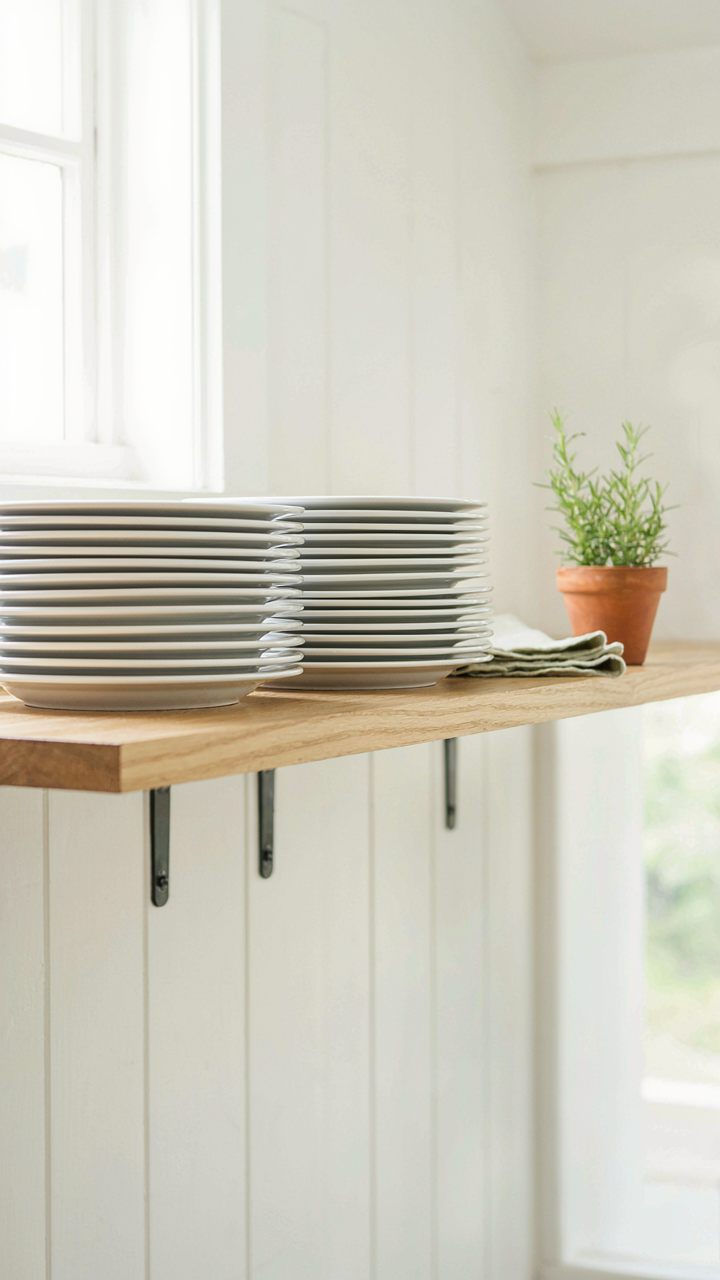
You want open shelves because you think they’ll make your space feel bigger and more intentional. What actually happens is chaos masquerading as design unless you treat shelves like real estate with zoning laws. Borrow from retail merchandising: each shelf needs a category anchor, a purpose that everything on it serves. Everyday dishes on one shelf. Serving pieces on another. Glassware grouped by type and height. The mechanism is simple: a person’s eye needs to know what rule governs what they’re seeing, or the brain registers clutter instead of curation.

The cottage pantry thrives on specificity because open shelves expose every decision. A shelf holding mismatched jars, some empty boxes, and random utensils reads as indecision. A shelf holding only preserves, honey, and vinegars reads as intentional. The boundary isn’t aesthetic preference. It’s cognitive load. Your brain stops working when it can’t predict what comes next on a shelf. Define the purpose first, then stock only items that belong in that category. This removes the constant micro-decision tax that makes open shelves feel chaotic instead of restful.
Create Breathing Room Without Wasting Space
The advice to “leave gaps” on open shelves sounds nice and accomplishes nothing without a system. Negative space isn’t random emptiness. It’s the inverse of visual rhythm in design. Think of shelves like typography: you need contrast between text (items) and margins (empty space) or nothing reads. A fully packed shelf dulls. A shelf with strategic gaps creates visual stops that make what’s there legible. The gap itself isn’t the point. The organized perception it creates is everything.
Calculate your shelf depth and width, then assign 60 to 70 percent of the space to items and reserve 30 to 40 percent as visual buffer. On a 30-inch shelf, that means roughly 9 to 12 inches of open space distributed across the shelf, not bunched in one corner. Stagger the placement so gaps don’t align vertically with gaps on the shelf above. This breaks the visual monotony and forces the eye to move through the arrangement instead of scanning straight down. Start placing items from left to right, then audit from across the room before you fill in the remaining space.
The Dream Pantry Delusion: Function Over Fantasy

Workflow Before Aesthetics
You want this pantry to look like a magazine spread because you think it signals you have your life together. Here’s the actual mechanism: a cottage pantry only works if you can grab what you need without thinking about it. Everything else is decoration masking poor design.

Think of workflow like supply chain logistics. Your pantry has a single constraint: the distance between where you store items and where you use them. Open shelves look great but create friction if your daily staples sit three steps from the kitchen counter. Cabinet doors hide clutter but slow access to rotating inventory. The optimal setup accounts for frequency, not Instagram potential.
- Daily items front and center: Oils, salt, sugar, and spices within arm’s reach of prep surfaces. These move fastest and should require zero decision-making to locate.
- Seasonal rotation on upper shelves: Holiday baking supplies, specialty vinegars, and bulk items used quarterly belong higher. Less visual weight, minimal workflow impact.
- Backup stock behind cabinet doors: Duplicate jars and backup containers stay hidden. You restock from these, not from them directly, reducing visual noise.
- Vertical zones by category: Baking together, canned goods together, grains together. Your eye develops a map. Muscle memory handles retrieval without conscious search.
- Eye-level real estate is premium: Store what you use weekly between shoulder and waist height on open shelves. Everything else goes up, down, or behind doors.
The cottage pantry aesthetic works because it mirrors function, not the other way around. When items live where they’re used most, the shelf arrangement looks intentional. You’re not styling a pantry; you’re removing friction. That’s what reads as “designed.”
What Your Usage Actually Demands
Most people design a pantry based on how they wish they cooked, not how they actually cook. This is where the delusion lives.
You need to track three weeks of real behavior: What do you reach for daily? What sits untouched for months? What do you buy twice because you forgot you already had it? A cottage pantry with open shelves exposes buying patterns you ignore in conventional kitchens. You see duplicate containers. You notice what expired. You confront whether you actually bake weekly or once a year. If you bake once a year, baking supplies don’t belong on premium shelf space.
The open shelf forces honesty. A cabinet door lets you hide a stocked shelf you never touch. Open shelves punish that behavior visually, which makes you adjust. Stop buying specialty flours that gather dust. Stop keeping three types of vinegar when you use one. The pantry becomes a data mirror.

Start with a one-month audit: photograph your pantry weekly, mark what you use, and map it on paper. You’ll see clusters form. High-frequency items cluster together. Low-frequency items cluster in a corner. Your cottage pantry layout should match that map exactly, with open shelves holding the clusters you touch most. Cabinet doors contain the rest.
Illumination & Atmosphere: Beyond Mere Lighting
Strategic Lighting For Focus
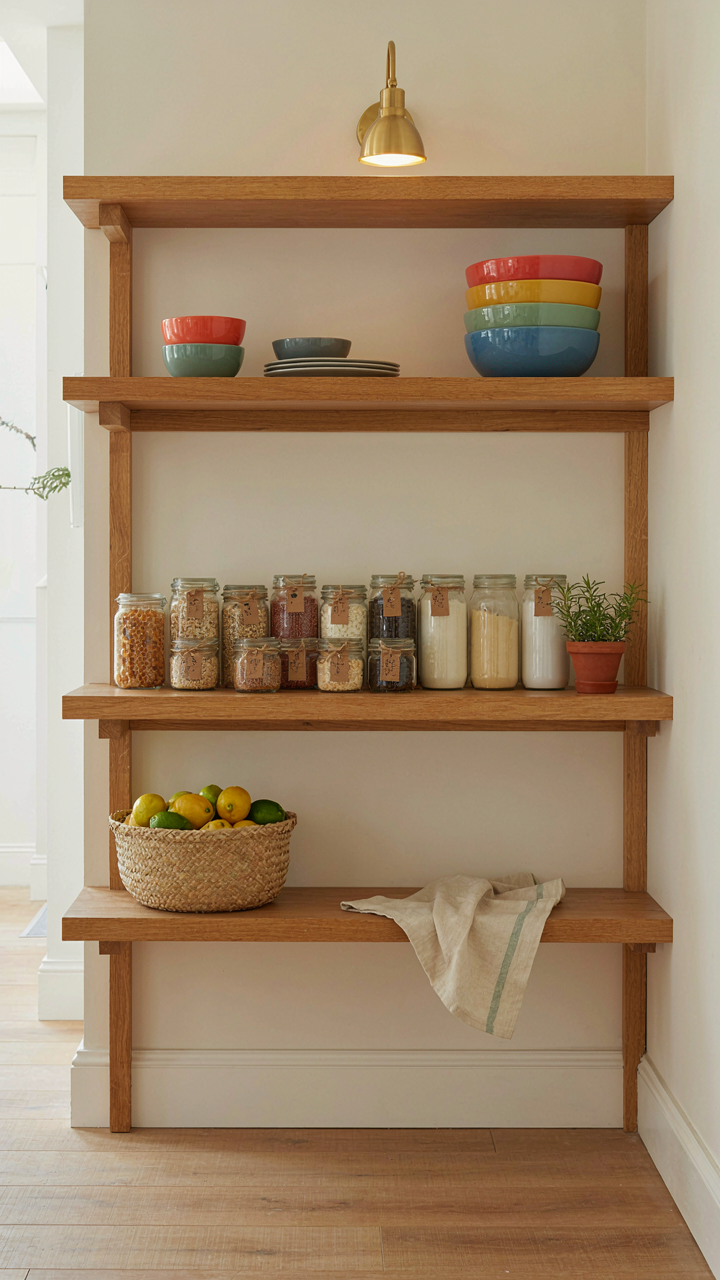
You want your cottage pantry to look intentional because you’re tired of spaces that feel accidental and cheap. The mechanism is simple: light reveals or hides. In theater design, this is called “selective visibility” – you direct the viewer’s eye by controlling what’s bright and what isn’t. Open shelves demand this ruthlessly. Without it, you get visual noise: every jar, label, and shadow competing for attention. Task lighting over shelves with display items creates focal points. Pendant lights above a central island or work zone anchor the space functionally, not decoratively. The goal is never even illumination across the room.
Poorly lit open shelves read as dusty and neglected. Most cottage pantries fail here because people install one overhead fixture and call it done. Place lighting sources at varying heights and angles instead. Wall sconces flanking shelving units highlight specific sections without washing everything flat. Under-shelf LED strips, though modern, work because they illuminate the items below while keeping the source hidden. Under-cabinet lighting is not optional in cottage pantries with open storage, it’s the difference between curated and cluttered.
Mood Through Practical Light Temperature
The color temperature of your bulbs determines whether your pantry reads as warm sanctuary or institutional supply closet. Warm white light, around 2700K, sits within the range of incandescent bulbs that cottages historically used, making it feel familiar and lived-in. Cool white or daylight bulbs flatten textures and make mason jars look like storage, not design. Most people choose the wrong bulb temperature and then blame the space. A cottage pantry lit in 5000K looks like a restaurant kitchen or a warehouse.

Dimmer switches amplify this effect without changing the bulbs themselves. They let you adjust light intensity based on task and time of day. Morning restocking tasks need brighter light; evening access can be softer. Install dimmers on the majority of your sources, reserving only task-specific lights at full brightness. This single protocol shift separates pantries that feel like rooms from those that feel like storage areas.
Your Pantry Is Not A Museum; It’s A Strategic Ecosystem. Unseen Clutter Is Still Clutter

Most people treat their cottage pantry like a storage unit instead of a working system. They hide chaos behind cabinet doors and call it organized. The shift you need: every item you own should earn its shelf space through actual use. Open shelves force accountability. Cabinet doors enable self-deception. Pick one shelf today and remove everything you haven’t touched in three months. A pantry that works is a pantry you use, not one you hide from.



