The Illusion Of Instant Cosy Cottage Living Room

Curated Trends Versus Real Accumulation
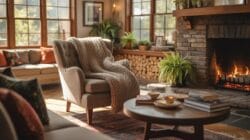
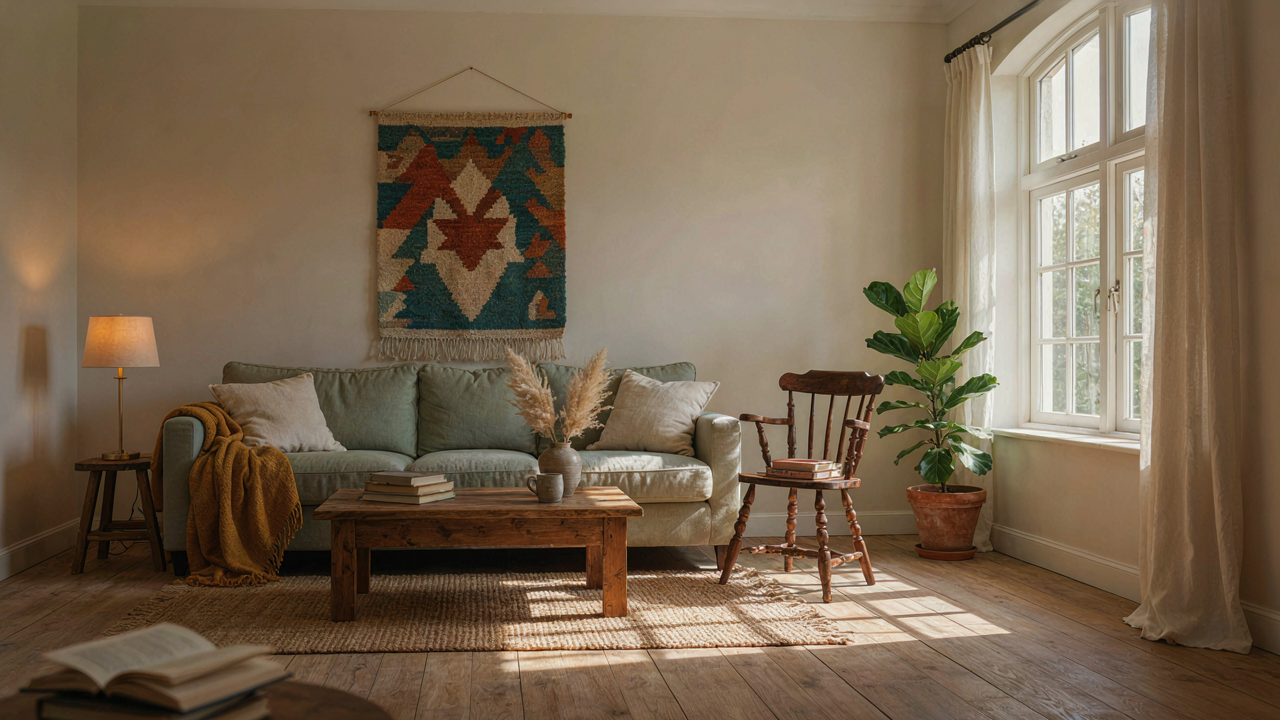
You want to believe a room can feel authentic without the decades of actual living that built it. Here’s the mechanism: trend-driven cottage aesthetics are built on compression—Instagram takes thirty years of inherited objects and strategic neglect, then packages it into a weekend shopping list. You see a styled room and your brain registers “collected over time” when what you’re actually looking at is purchased coherence, which is the opposite of how real cottage rooms form.
The difference sits in friction. A genuine cottage sitting room accumulates objects because they solve problems or carry utility, not because they match an editorial theme. A Victorian settee stays because it’s comfortable and already there, not because it telegraphs “rustic sophistication.” When you shop intentionally for cottage aesthetics, you’re fighting against the very mechanism that makes cottage rooms feel lived-in: the absence of deliberate curation.
When The Aesthetic Expires
The common advice says “choose timeless pieces” and “stick to neutral palettes,” but that’s incomplete because it ignores entropy. Styled cottage rooms age poorly because they depend on a specific moment of trend alignment to read as intentional rather than neglected. In thermodynamic terms, a curated room requires constant maintenance energy to stay visually coherent, while an actually accumulated room gains authenticity as it ages.
What breaks a trend-built cottage room isn’t physical deterioration—it’s cultural obsolescence. The Instagram-worthy vignette from 2020 now reads as dated because the visual language shifted. A room built from actual use and inheritance doesn’t carry that liability. The real protocol: stop shopping for a cottage aesthetic and start asking what functional objects you actually need to keep in this room for the next decade.
English Cottage Living Room: The Principle Of Scarcity Driven Warmth
Buy Less, Own More
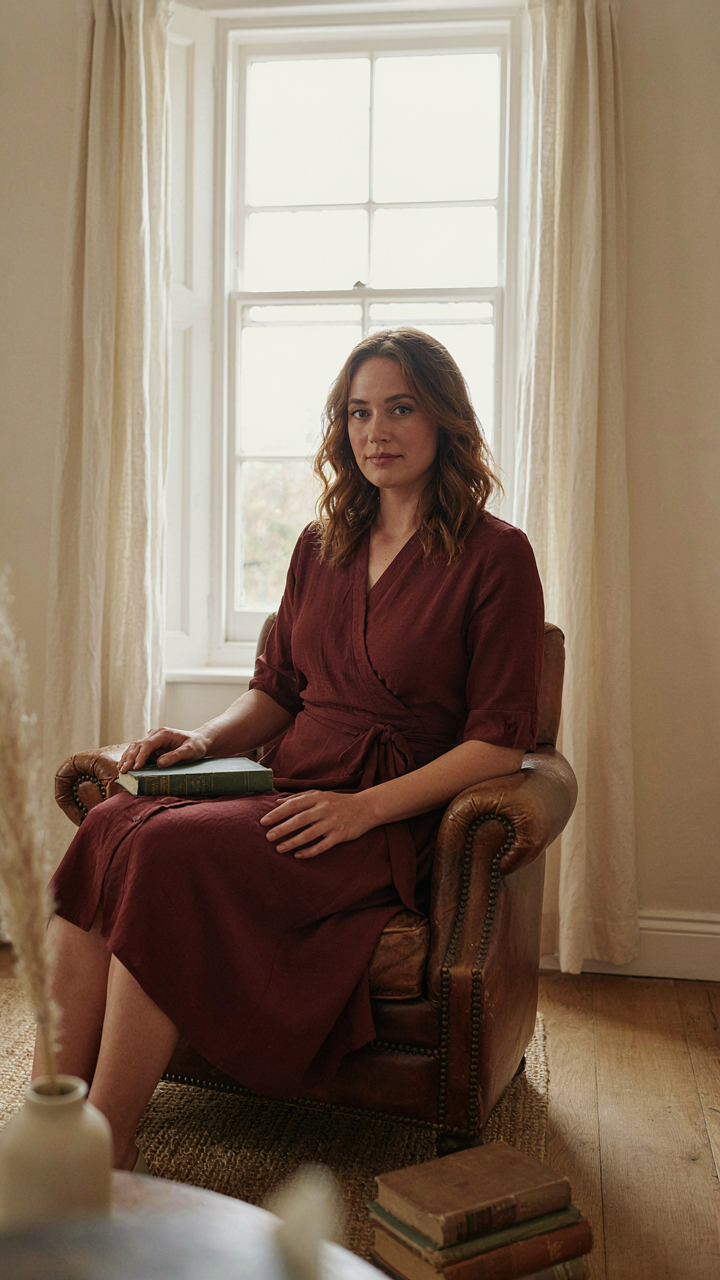
You want permission to stop shopping. That’s the real reason you’re reading about cottage sitting rooms. Economics teaches scarcity: when supply is limited, value increases. Apply this backward to your space. Stop acquiring. Start selecting. Every piece you bring into a cottage sitting room competes for visual and emotional weight. The fewer objects you own, the more each one matters. This is why collected furniture feels warmer than a room full of new pieces. The room isn’t crowded. It’s curated.

The common advice says “mix and match styles freely” or “layer textures for depth.” Wrong. Chaos masquerading as eclecticism exhausts the eye. A cottage sitting room works because restraint forces intention. You can’t hide behind volume. Each chair, table, and lamp earns its place through use or presence. When you stop treating furniture as decoration and start treating it as deliberate choice, the room shifts. It feels inhabited, not staged. Buy one quality piece per season, not ten mediocre ones per month. This rhythm prevents the visual noise that kills warmth.
Objects That Work, Not Just Look
Function determines form in a cottage sitting room. A side table with a drawer serves twice: it holds a lamp and stores blankets. A wingback chair isn’t decorative; it blocks drafts and frames the fireplace. Pieces with history survive because they solved problems first and looked good second. This is why vintage leather sofas and wooden tables dominate cottage interiors. They weren’t designed to be photographed. They were built to perform.
The mistake most people make is buying furniture that looks cottagelike without doing cottage work. A decorative fainting couch won’t hold you through a reading session. A spindle-leg table won’t survive the weight of a tea service and a book stack. Hunt for pieces that show wear patterns, not pristine styling. Scuffs and patina tell you the object proved its worth through years of use. This durability, not age alone, creates authentic warmth. Evaluate every potential addition by asking: Does this object solve a problem in this room, or does it just fill space? If the answer is space-filling, reject it.
The Patina Protocol: Cultivating Character In Cottage Interiors Living Rooms

Wear As Signal, Not Flaw
You want patina because it signals you didn’t buy everything yesterday. Here’s the mechanism: patina proves time investment. A scratched table reads as collected, not purchased. Objects with visible use trigger a specific neural response in observers. They read as earned rather than ordered. The cottage sitting room trades gloss for credibility through honest material aging.

Damage changes value perception. A worn leather armchair carries narrative weight a new one cannot. Scratches on wood, faded fabric dyes, and tarnished brass all communicate the same message: this object survived. Real cottages accumulate, they don’t decorate. The sitting room functions as a repository of actual living, not a showroom. Embrace visible wear deliberately by sourcing genuinely used pieces and resisting refinishing impulses.
Texture Stack For Sensory Demand
Most people layer textiles for appearance alone. Wrong. Textiles in a cottage sitting room operate like an acoustic design principle. Each material absorbs and reflects differently. Wool blankets muffle sound and regulate temperature. Linen absorbs moisture. Cotton breathes. Leather conducts warmth. When you stack these materials across seating, throws, and cushions, you create a functional system, not decoration.
The sensory stack works by forcing physical interaction. A visitor sits on a cushion and encounters linen. Their hand touches a wool throw. Their back meets leather. Each texture registers differently on skin and temperature receptors. This multi-layered tactile experience anchors the cottage sitting room in material reality. Layer opposing textures deliberately: rough linen against smooth linen, cool leather against warm wool, rigid upholstery against soft throws that shift when touched.
Beyond Beige: Green Cottage Living Room And Deliberate Color

Color As Signal, Not Decoration
You want green because it feels safe. It signals taste without risk. But that’s backwards. Color isn’t decoration—it’s a neurochemical trigger that either works or doesn’t. Borrow from environmental psychology: rooms operate like habitats. Your nervous system reads the space before your mind does. A cottage sitting room bathed in muted sage doesn’t just look restful. It activates your parasympathetic nervous system through wavelength alone. The mechanism isn’t magic. Green’s specific light frequency literally slows your visual processing, which your brain interprets as calm.

Most people treat color like furniture arrangement—moveable, reversible, low stakes. Wrong. Color sets the metabolic baseline of every hour you spend in that room. A pale celadon green on one wall versus a warm ochre shifts your energy expenditure and mood ceiling for the entire day. This is why generic advice fails. Interior designers often recommend neutral palettes to “let collected furniture speak.” What they’re actually doing is avoiding the work of making color serve a function. Your cottage sitting room needs green not because it photographs well, but because you need the neurological effect. Test it: sit in the room with your chosen paint swatch at different times of day. If you feel your shoulders drop, you’ve found the right shade.
Real Stakes In Palette Choice
The safe palette advice is incomplete. Nobody says it openly, but generic combinations exist because they generate no complaints. Taupe with cream with soft white. Technically inoffensive. Functionally useless. A deliberate cottage sitting room palette takes a position. It chooses green—not as trend, but as a working color that earns its place. The contrast comes from your collected furniture, not from safe color layering. A muted forest green wall makes a worn leather wingback chair anchor the room instead of disappear. A warm sage behind dark wood shelving creates depth that neutral walls destroy.
Bold doesn’t mean loud. It means committed. An intentional green requires one supporting tone that either complements or contrasts with intention—not by accident. Warm terracotta trim or cream woodwork against green isn’t trendy. It’s structural. It gives your eye a rest point and prevents the green from flattening the space. The mechanism works like this: choose your green first based on the light in your room at the hour you spend most time there, then pick one supporting tone that creates visual hierarchy, then stop adding colors. Collected furniture fills the rest. Your palette becomes a frame for what matters.
The Luminal Leverage System: Mastering Warm Light In Cottage Living Rooms
How Light Temperature Functions As Amplification
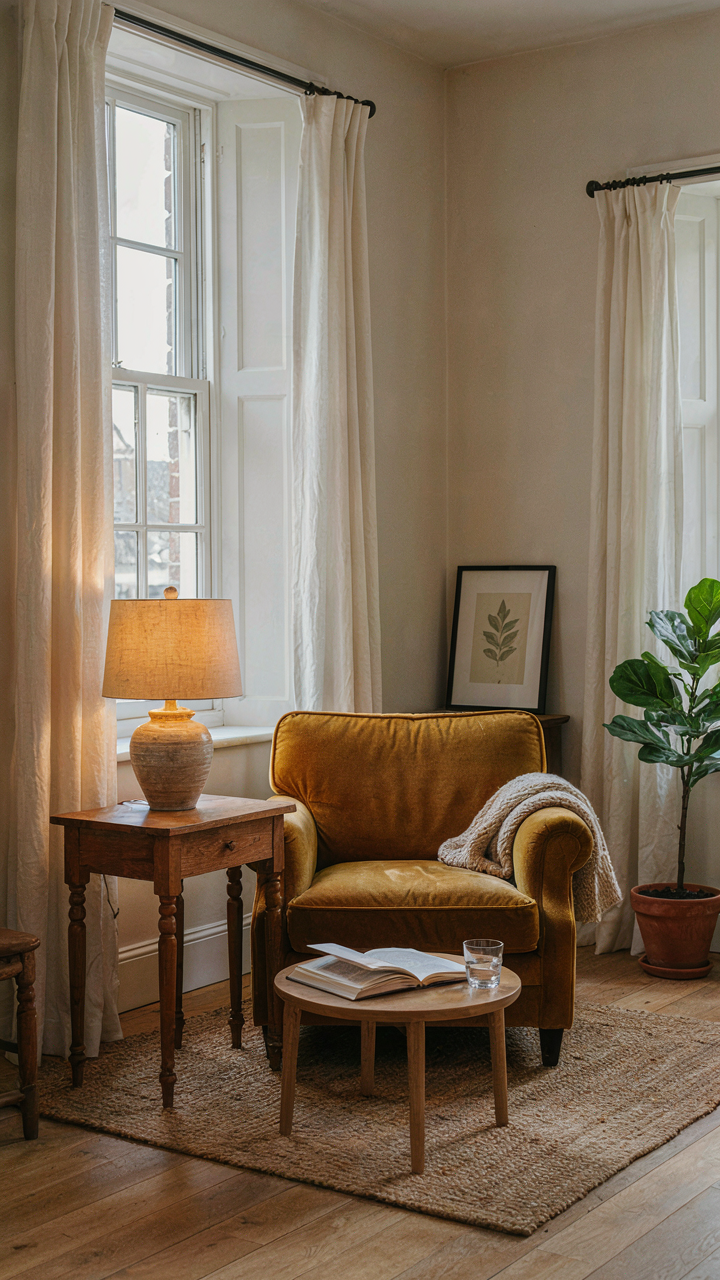
You want this section to work because you suspect good lighting might salvage a room full of mismatched furniture. It does. Light temperature operates as a force multiplier in physics, and in a cottage sitting room, it functions identically: warm light amplifies the perceived cohesion of collected pieces by suppressing visual contrast. Cool light exposes every mismatch. The mechanism is neurological, not aesthetic. Warm light triggers the parasympathetic nervous system. Objects under warm light appear unified because your brain stops scanning for threat and starts accepting proximity.

Collected furniture only works if the eye doesn’t catalog each piece as separate. Warm light between 2700K and 3000K collapses that visual fragmentation. This isn’t preference. This is how human perception loads visual information. A room lit at 4000K exposes every different wood tone, every different fabric age, every chair that doesn’t match. Drop it to 2700K and those same pieces read as intentional contrast instead of accident. The shift happens below conscious awareness.
Positioning Light For Architectural Leverage
Every cottage sitting room layout has asymmetry built in. Uneven walls, off-center windows, corners that don’t form perfect angles. Strategic placement weaponizes this instead of hiding it. Position warm sources to activate the room’s actual geometry rather than fighting it.
- Corner uplighting behind collected furniture: Targets the wall plane directly behind chairs and tables, creating depth perception and making grouped pieces feel architecturally grounded rather than randomly placed.
- Side-mounted sconces at eye level on each side of seating: Eliminates the overhead-down lighting that flattens collected pieces and creates task zones without feeling like task lighting.
- Low-wattage floor lamps positioned at furniture gaps: Fills visual voids between chairs and tables, making spatial relationships feel intentional and adding perceived volume to small rooms.
- Layered window light through linen or cotton: Natural light filtered through fabric softens the transition between indoor and outdoor warmth, preventing harsh daylight from neutralizing your artificial warm sources.
- Recessed or concealed sources behind architectural trim: Light hidden behind molding or baseboards bounces off upper surfaces, creating ambient warmth that reads as “glow” instead of visible bulbs.
Placement discipline matters more than wattage. Three 40-watt bulbs positioned strategically outperform six 60-watt bulbs positioned passively. The mechanism: light source placement controls shadow direction and intensity, which determines whether your eye groups collected furniture as a coherent collection or catalogs it as random assembly. Install dimmers on every warm source in a cottage sitting room.
The Un Curated Collection: What “Collected Furniture” Truly Means
Objects With Real Provenance, Not Flea Market Theater
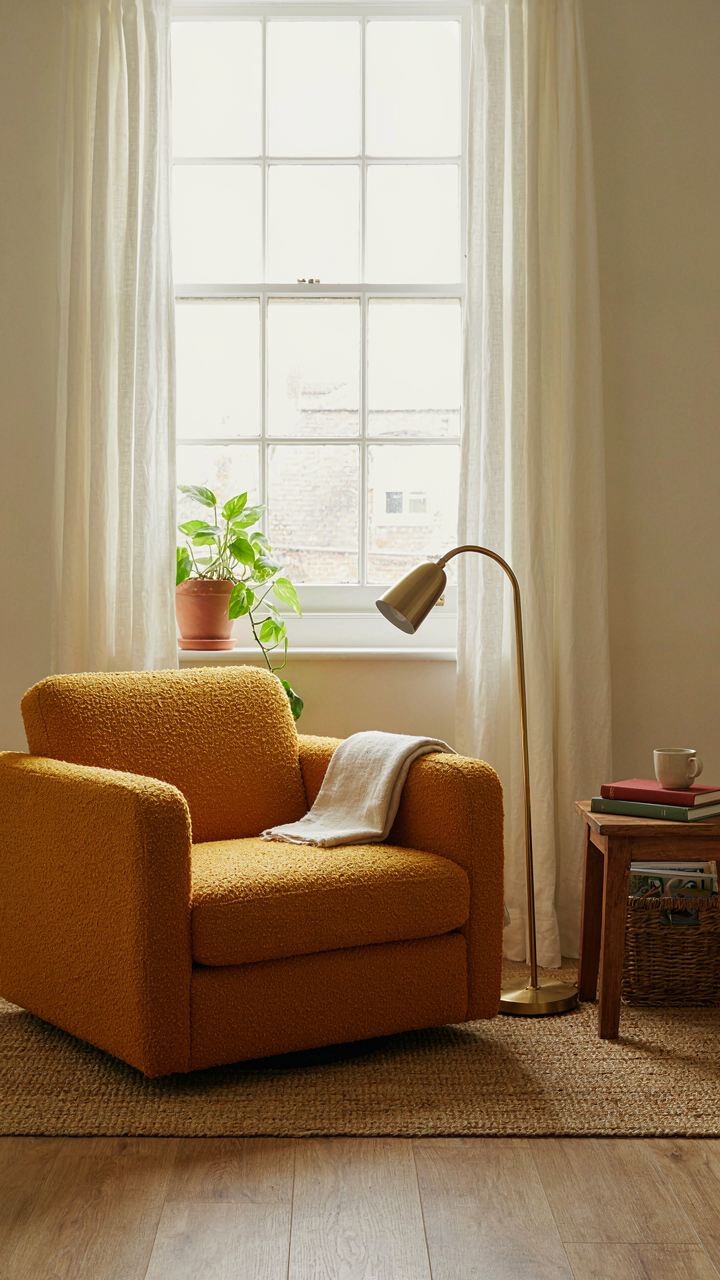
You want collected furniture because it signals you have taste and history. The actual mechanism is different. Objects that carry genuine personal narrative—a chair from a grandparent, a desk acquired for function and kept because it works—establish visual continuity that mass-matched sets cannot replicate. The texture of real use beats the texture of intentional aging every time.

This distinction matters tactically. A Victorian side table means nothing if you bought it because the design blog said it belonged in cottages. A Victorian side table means everything if your grandmother used it for decades and the wear patterns tell that story. Collectors often confuse authenticity of object with authenticity of possession. The furniture doesn’t authenticate your space. The reason you own it does.
Making Disparate Pieces Cohere Without Theme Jail
The common advice is wrong: you don’t need a unifying color palette or design era to make mixed furniture work. You need constraint by function and material honesty. Spatial tension between a mid-century modern chair and an Arts and Crafts side table disappears when both pieces solve actual sitting problems and neither pretends to be something else.
The protocol is straightforward. Group furniture by what it does rather than what style label it carries. A reading nook needs a chair that supports reading, a surface within arm’s reach, and light you control. Fill those slots with whatever pieces genuinely serve those needs. The conversation between different eras and styles becomes natural because the conversation is about utility, not aesthetics. That integration feels collected because it mirrors how people actually acquire furniture over time.
Cozy Cottage Living Room: The Silence Of A Well Composed Space
Subtract Before You Add
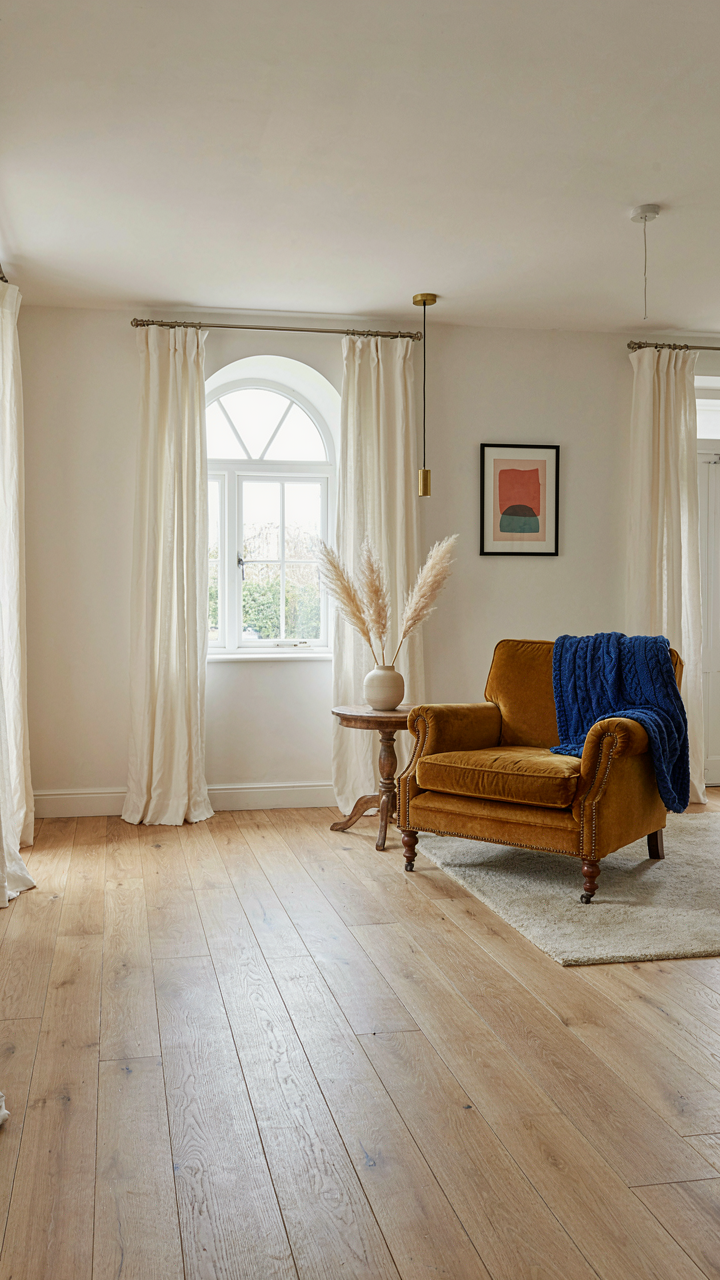
You want people to feel calm in your space because it signals you have control over your environment, and control reads as status. The real mechanism is this: visual noise taxes working memory. Your brain processes every object, color shift, and competing pattern in the room. Remove half of what you think belongs there, and cognitive load drops immediately.

Collected furniture works against this instinct. The pieces themselves are fine, but layering too many styles, textures, and eras at once creates visual friction. The fix isn’t sterile minimalism. It’s ruthless curation. Keep only the collected pieces that share one visual through line: material, scale, patina, or era. A room of Victorian chairs plus art deco lamps plus farmhouse tables plus bohemian rugs isn’t eclectic. It’s competing for attention. Stack your collected pieces around one constraint and remove everything else.
Negative Space As Function
Quiet doesn’t mean empty. In design thinking from product engineering, negative space isn’t wasted territory—it’s a design element that creates usability. Apply this to the cottage sitting room: intentional emptiness gives the eye rest and makes the pieces you keep actually land visually.
Place collected furniture pieces with breathing room between them. A single armchair and side table in one corner, then genuinely open floor or wall space before the next grouping. This breaks the room into readable zones instead of one crowded narrative. The silence comes from clarity, not from nothing being there. Warm light hits those empty walls and empty floors, which actually makes the room feel larger and the furniture more present. That spatial rhythm is what people sense before they know why they feel settled.
English Cottage Interiors: From Dwelling To Sanctuary
Where Stillness Becomes Deliberate
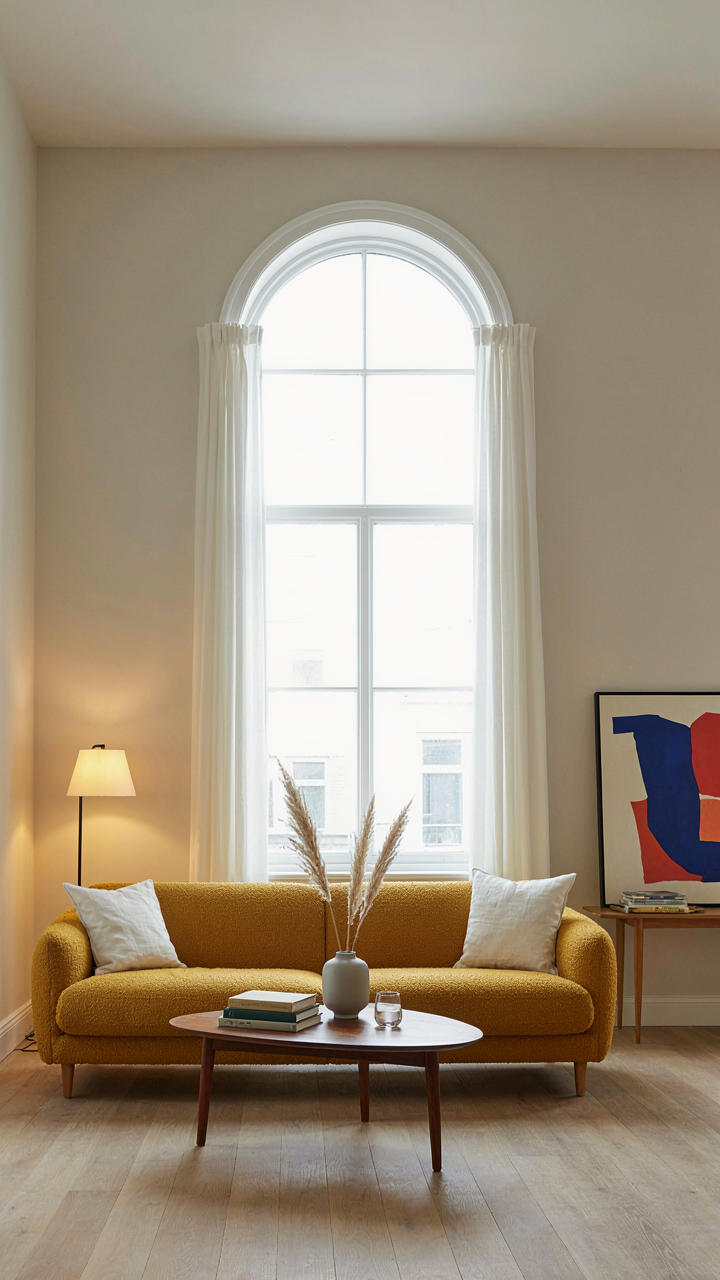
You want this section because you’re tired of performing your life in open concept boxes, and you sense a cottage sitting room solves that without admitting it. Here’s the mechanism: a cottage sitting room functions like a psychologist’s concept of “containment.” Walls, low ceilings, layered collected furniture, and warm light create physical boundaries that your nervous system recognizes as safe. This isn’t sentiment. It’s neurology. Your body stops defending itself when the space says “nothing urgent happens here.” Collected furniture matters because it lacks the visual uniformity that triggers alert mode in your brain. Each piece has texture, history, slight imperfection. That breaks the surveillance-like perfection of modern interiors.

The English cottage sitting room emerged from practical constraint, not aesthetic choice. Centuries of rural living meant rooms stayed small to retain heat and maintain intimacy in shared spaces. That constraint became the design feature. You cannot replicate this by buying expensive rustic items. You replicate it by understanding that the cottage sitting room’s power comes from its refusal to broadcast status or curated taste. It broadcasts: we live here, nothing is pristine, and we don’t care who sees it.
The Machinery Behind Ordinary Space
Most advice says “embrace imperfection” and stops. That’s lazy. The real mechanism is this: your brain filters out what it categorizes as familiar and non-threatening. A cottage sitting room filled with collected pieces your eye has seen before trains your nervous system to lower threat assessment. Worn upholstery, faded patterns, furniture that doesn’t match but feels intentional, lamps with real shadows instead of even ambient light—these signal “this space has been lived in without shame.” That signal matters neurologically.
Performative living demands constant energy expenditure. You maintain the image. A genuine cottage sitting room stops that game immediately because there is no image to maintain. The worn leather armchair stays worn. The reading lamp throws yellow light on half the room and leaves the corner dim. The side table is unfinished wood with a coffee ring. This isn’t rustic theater. It’s the machinery that lets your body rest without checking for social judgment. When you stop managing the room’s appearance, you stop managing your own.
The Real Obstacle Isn’t Finding The Right Decor; It’s Your Inability To Tolerate True Stillness

Most people won’t build a real cottage sitting room because they’re terrified of what happens when they sit in one. A collected space with warm light forces you to be present. No scroll. No noise. Just you and your thoughts. You’ll design the room perfectly, then avoid it for months. Today, sit in an empty chair for fifteen minutes without your phone. That discomfort you feel? That’s the actual problem you’ve been decorating around. A beautiful sitting room won’t save you from yourself, but it will stop letting you hide.