
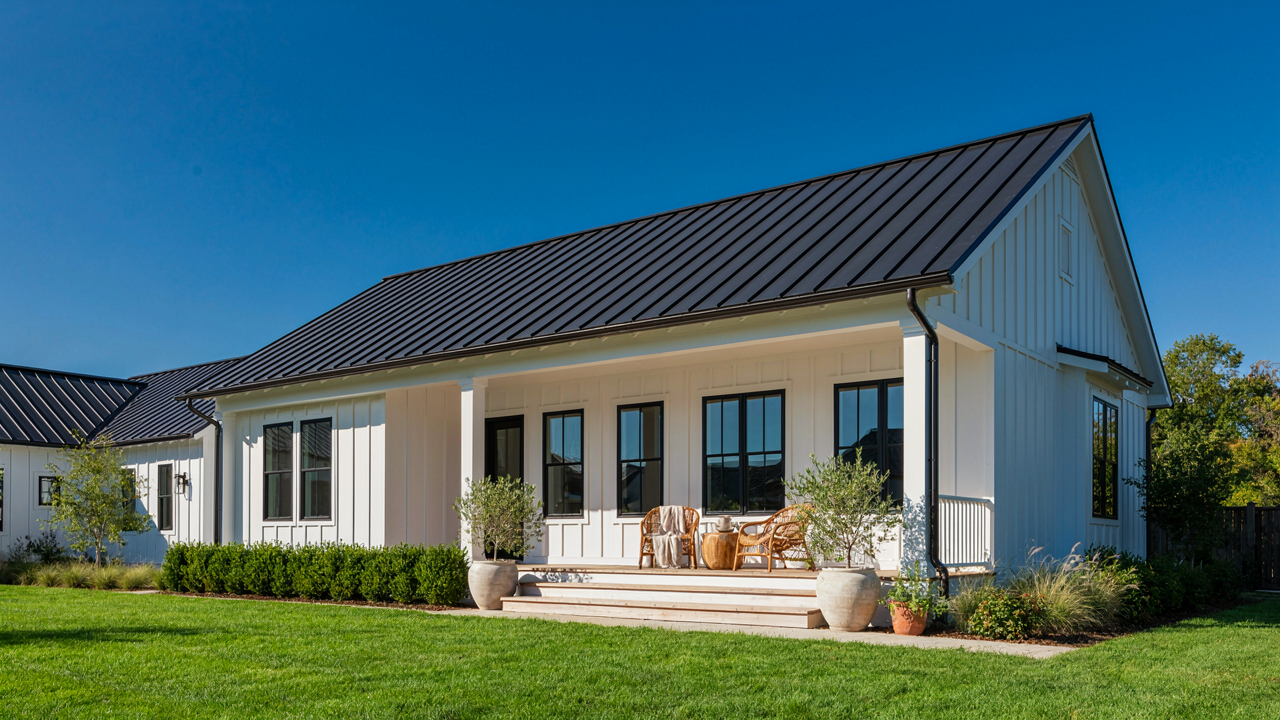
The Unseen Psychology Of Guest House Desire

Why Flaws Become Features
You want a guest house because you’re terrified of looking like you’re trying too hard. The mechanism is simple: Joanna Gaines guest houses work through strategic imperfection, the same principle industrial designers call “perceived authenticity.” A deliberately unfinished wood beam, visible shiplap seams, or a vintage fixture that’s clearly not new creates permission for visitors to relax. Perfection signals performance anxiety. Controlled imperfection signals confidence.
The average designer hides flaws. Gaines amplifies them. A cracked paint finish on shutters, exposed ceiling joists, or mismatched tile grout become selling points because they read as honest. Visitors interpret this as “we’re so secure we don’t need to hide anything.” The psychological load drops. You’ve essentially engineered trust through texture. The guest house stops feeling like a performance venue and starts feeling like a legitimate retreat.
Comfort Codes That Bypass Thought
Neuroscience identifies “pattern completion” as the brain’s mechanism for triggering comfort, and Joanna Gaines guest house design weaponizes this ruthlessly. Your brain doesn’t evaluate features logically when it enters these spaces. It recognizes a loaded set of sensory patterns from a time when safety meant proximity to hearth, family, and permanence. Shiplap walls, warm wood tones, soft linen textures, and open sight lines to functional spaces trigger pattern completion automatically.
These aren’t random choices. A Gaines guest house combines elements from 1920s farmhouse vernacular with modern ventilation and plumbing, creating a cognitive shortcut: “old enough to be real, new enough to be functional.” The guest doesn’t think about this. They feel it. Their nervous system reads the signals and downregulates. The space works because it communicates safety through accumulated design references, not through any single element.
The Scarcity Protocol: Why Less Convenience Equals More Charm

Intentional Limitations Foster Appreciation
You want people to feel like they’re staying somewhere special, not just somewhere comfortable. The mechanism is economic scarcity. When a guest house removes the friction of modern convenience, it creates perceived value through deprivation. Joanna Gaines guest houses work because they enforce a deliberate friction between inhabitant and comfort. No smart home automation. No streaming services built into the wall. The guest doesn’t arrive expecting hotel amenities—they arrive expecting restoration.

This isn’t nostalgia marketing dressed as design. It’s constraint-based experience design. When you remove options, you force presence. A guest without Netflix scrolling doesn’t disappear into distraction. They read the book on the nightstand. They sit on the porch. They talk to other people in the house. The Waco-style cottage guest house succeeds because its limitations are architectural, not accidental.
Strategic Omissions Drive Impact
Conventional design wisdom says maximize functionality in tight spaces. Wrong. The real play is removing what doesn’t serve the guest’s actual reason for being there. Joanna Gaines guest houses strip away clutter systematically. No ornamental furniture. No gadgets masquerading as decor. No excess electrical outlets begging to be filled. Each omission forces intention back onto the guest.
The guest house that removes a television doesn’t lose utility—it gains purpose. The guest house that eliminates air conditioning in favor of operable windows and natural cross-ventilation creates physical awareness of place and season. The kitchen without high-end appliances stops being about performance and becomes about participation. Strategic removal isn’t deprivation. It’s curation. The final protocol: audit every element and ask what the guest loses if it vanishes. If the answer is nothing essential, it goes.
Beyond Instagram: Real Materials And Honest Wear
Materials That Don’t Apologize
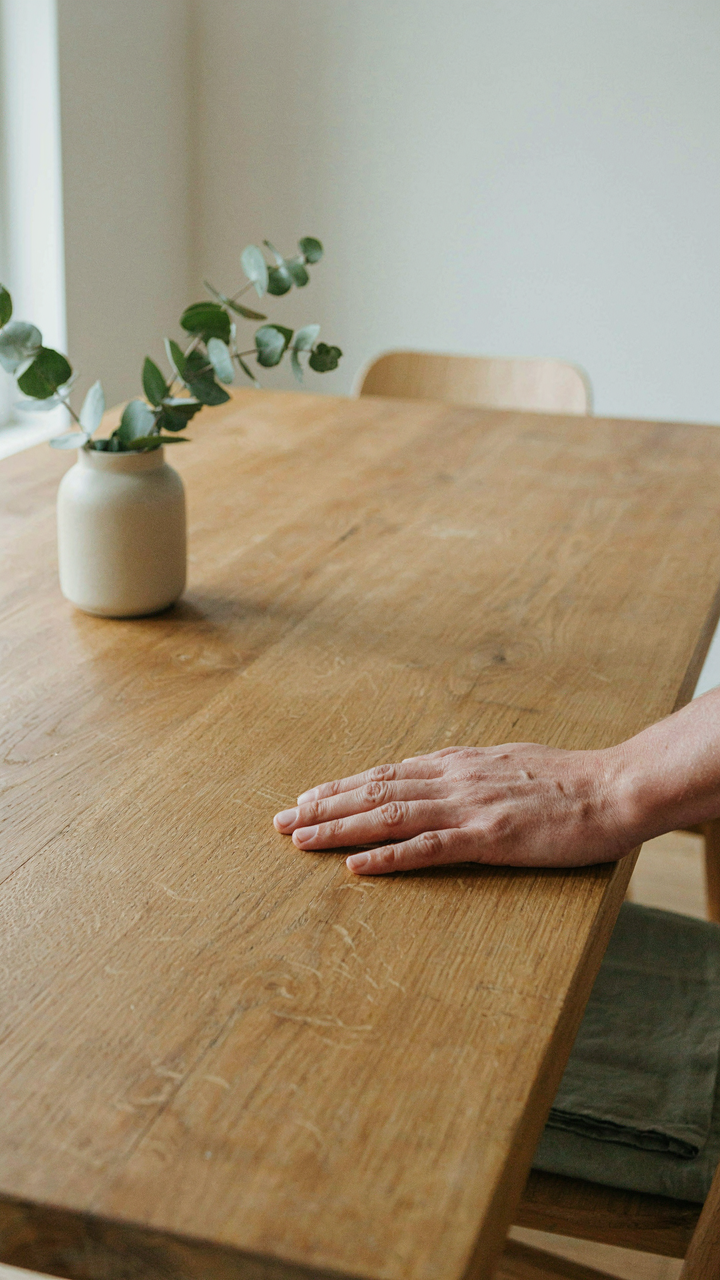
You want the guest house to photograph well because you’re afraid it won’t feel valuable otherwise. Here’s the mechanism: materials that show their actual composition signal restraint and cost more over time to maintain, which your brain reads as authentic wealth. Joanna Gaines guest houses use wood with visible grain, stone with irregular surfaces, and natural fiber textiles. These materials refuse to hide. They weather differently than manufactured alternatives, which is the point. A guest sees raw wood and knows it required thought, not a trip to a big box store.

Stone in Gaines designs appears in fireplace features and exterior work because it documents time literally in its surface. Wood beams span rooms without stain tricks or artificial distressing. Linen and wool textiles replace polyester blends. The cost difference is real, but the payoff is that nothing reads as trendy or temporary. These materials outlast trends because they don’t depend on trends. When you select them, you’re choosing a different category of design altogether.
The Lived In Look That Isn’t Performed
Everyone says embrace imperfection, then they stage everything to hide it. That’s the inverse of what actually works. Patina is the economics term for value created through documented use, and a Joanna Gaines guest house applies this to every surface. A wood table shows marks where guests set drinks. Linen curtains fade unevenly from sunlight. Stone floors develop slight depressions from foot traffic. These aren’t flaws awaiting repair; they’re proof of function.
The trap is buying new items and artificially distressing them, which reads as parody. Real wear patterns can’t be replicated because they follow actual physics of use and light exposure. A Gaines guest house accumulates genuine marks by remaining in service, not by applying sandpaper to new furniture. Start with quality pieces meant to last, then photograph them after two seasons of actual use. That’s when they stop looking styled and start looking lived in.
The Sensory Immersion Method: Sound, Scent, And Subtle Light

Acoustic Design Muffles The Modern World
You want your guests to feel like they’ve left their actual lives behind, which means silence signals status. The mechanism is simple: sound travels through air and structure, so you interrupt both. Joanna Gaines guest houses typically use layered materials—thick curtains over windows, rugs over hard floors, insulation in walls—not for luxury theater but to actually stop external noise from breaching the space. Most designers get this backward and add soft furnishings as decoration. The real work happens in the structure itself.

The practical application: install weatherstripping on doors and windows first, then add soft goods second. Windows handle 30 to 40 percent of external noise penetration, so quality matters more than aesthetics here. Gaines often pairs double-pane windows with heavy linen or wool curtains in her cottage-style guest spaces. The curtains don’t just look intentional—they create an air gap that absorbs sound waves before they reach you. This is where most guest house designs fail: they look quiet without being quiet.
Scent Creates Involuntary Memory Anchors
Neurobiology teaches that olfactory input bypasses the thalamus and hits the limbic system directly, which controls emotional memory. In a Joanna Gaines guest house, this means scent isn’t decoration—it’s a neural pathway. When a guest enters a space infused with specific scent, their brain records the environment as “safe” or “intentional” faster than any visual element can. The mistake most people make is assuming any pleasant smell works. It doesn’t. Consistency and subtlety win.
Gaines typically uses scent restraint in guest spaces: beeswax candles, dried lavender in discrete sachets, or fresh linens with minimal fragrance. The goal isn’t overwhelming the room but creating a threshold moment when guests first enter. Place a single unlit candle on a nightstand or fold a sachet into a drawer. The guest discovers the scent gradually, which strengthens the memory anchor. Never spray fragrance into the air before guests arrive—let them experience the scent as part of their own discovery sequence.
Joanna Gaines Garden House Principles: Integrating Nature, Not Just Decorating With It

When Walls Stop Being Barriers
You want a guest house that feels special because you think it proves something about your taste. Here’s what actually matters: in biophilic design, the mechanism isn’t visual—it’s neurological. Your nervous system reads permeability. When a Joanna Gaines guest house removes hard boundaries between inside and outside, it signals safety to your brain through continuous sightlines and air flow. The guest doesn’t feel trapped in a box pretending to be comfortable.

Most designers treat indoor-outdoor flow as a decoration problem. It’s not. It’s a spatial one. Large operable windows, sliding glass walls, and covered porches don’t just look good—they extend the usable square footage and eliminate the psychological shock of transition. Joanna’s approach uses thresholds deliberately: a transitional zone with concrete floors, softer lighting, and mixed materials preps the guest for the shift. The guest house doesn’t fight its surroundings. It negotiates with them.
Living Plants As Load Bearing Elements
Stop filling rooms with potted plants as finishing touches. That’s decoration thinking. In a Joanna Gaines guest house, greenery carries structural and functional weight. A large indoor plant in a corner anchors the room’s proportion. Living vines or climbing plants on an interior trellis define space without walls. They absorb sound, regulate humidity, and create visual depth simultaneously. Plants work harder than accent furniture because they’re alive.
The specific mechanism: a well-placed specimen plant forces the eye to move vertically, which makes low ceilings feel taller and open rooms feel segmented. In a small guest house, a 6 to 8-foot fiddle leaf fig or monsoon in the corner becomes the room’s architectural feature. Joanna uses plants to solve real spatial problems, not to soften emptiness. Position your largest plant where a structural column would go, and let it do the work.
“Bedroom Inspirations Joanna Gaines”: The Art Of Strategic Discomfort
The Bed That Earns Its Keep
You want your guest bedroom to look like it came from a magazine spread so people think you have taste. Here’s what actually matters: the bed is a tool for sleep, not a status symbol. Joanna Gaines designs guest beds around function first, which means a quality mattress, clean linens, and a frame that doesn’t wobble. The visual restraint comes from removing everything that doesn’t support rest. A guest who sleeps poorly remembers the discomfort, not the aesthetic.

The mechanism here borrows from scarcity in economics: constraint forces better decisions. When you stop trying to impress and start solving for actual rest, you pick a bed that works. Gaines uses neutral upholstered frames, quality cotton sheets, and minimal throw pillows because they perform. The bedroom’s power comes from what you deleted, not what you added. A guest knows within two hours if they’ll sleep well. That bed either delivers or it doesn’t.
Essentials Only, Nothing More
Most guest bedroom advice tells you to curate carefully, which is vague and useless. The real work is naming what “essential” actually means: anything that either enables rest or disrupts it. Joanna Gaines guest house bedrooms strip away nightstands cluttered with decor, lamps that cast harsh light, or furniture pieces that serve zero function. The bed gets a reading lamp with a dimmer. A small table for water or a phone. That’s the inventory. Everything else creates visual noise that taxes the brain before sleep.
Gaines understands that a guest’s mind needs calm, not stimulation. Remove pattern overload, excessive wall art, and decorative objects that demand attention. A single piece of art or a simple mirror works. Soft, dimmable lighting matters more than any aesthetic choice. The protocol is simple: before placing anything in the room, ask if a sleeping person needs it. If the answer is no, it doesn’t enter. This constraint produces the feeling people attribute to “good design” when it’s actually just psychological rest.
The Physics Of Flow: Crafting Effortless Movement (Not Just Open Concept)
When Sightlines Do The Work
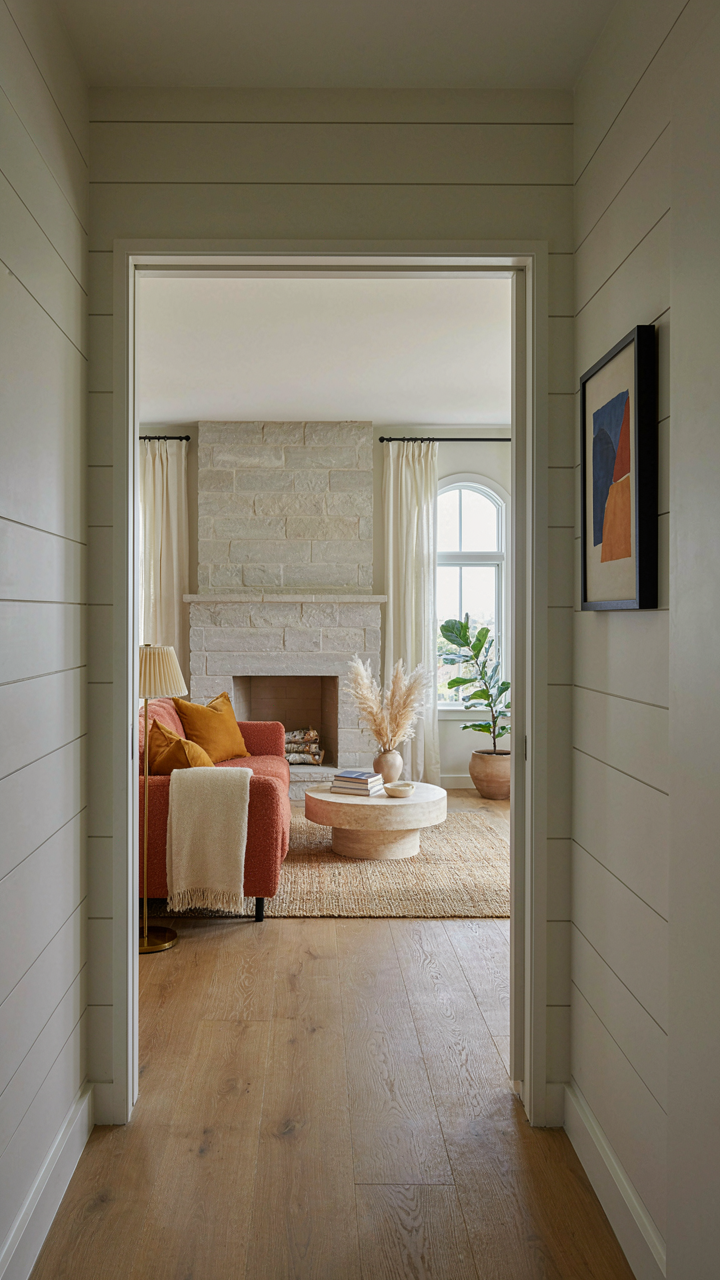
You want people to move through your guest house without thinking about it. That’s the real motive here—not aesthetics, but the invisible architecture that makes guests feel at home before they consciously register why. Architectural sight lines operate like vectors in physics: they direct movement by establishing clear visual endpoints. In a Joanna Gaines guest house, this means eliminating visual dead ends and creating unbroken sightlines from entry through to the main living zone. A hallway that opens directly into a defined sitting area moves people forward. A wall that cuts the view stops them cold, and they feel the friction.

The mechanics work because the human eye naturally follows sight lines as a wayfinding system. Position your entry to frame the fireplace or a window. Align doorways so guests see through multiple rooms at once. This costs nothing but planning—no extra square footage required. The moment someone enters and can see where they’re going without obstacles, their nervous system relaxes. Guests move with intention instead of hesitation. Flow becomes invisible because it works.
How Materials Set The Tempo
The common advice says use hardwood for flow and soft materials for comfort. That’s incomplete. Materials actually set movement pace by creating tactile friction or momentum. Joanna Gaines guest houses typically layer hard and soft surfaces strategically. Polished concrete or wood flooring in transition spaces accelerates movement. Rugs and upholstered zones slow guests down intentionally, signaling rest. Your material choices are a pacing mechanism, not decoration.
Install hard flooring from the entry through hallways to maintain momentum toward the living area. Then place a quality area rug under the seating zone—this material shift tells guests to stop moving and settle. Shiplap walls in entry corridors feel different underfoot than they do overhead; that texture variation registers subconsciously as “you’re progressing.” The guest doesn’t think about material choices, but their body responds to the acceleration and deceleration pattern you’ve engineered into the space.
Joanna Gaines Style Bedrooms: Beyond White Walls And Shiplap

The Psychology Of Restraint
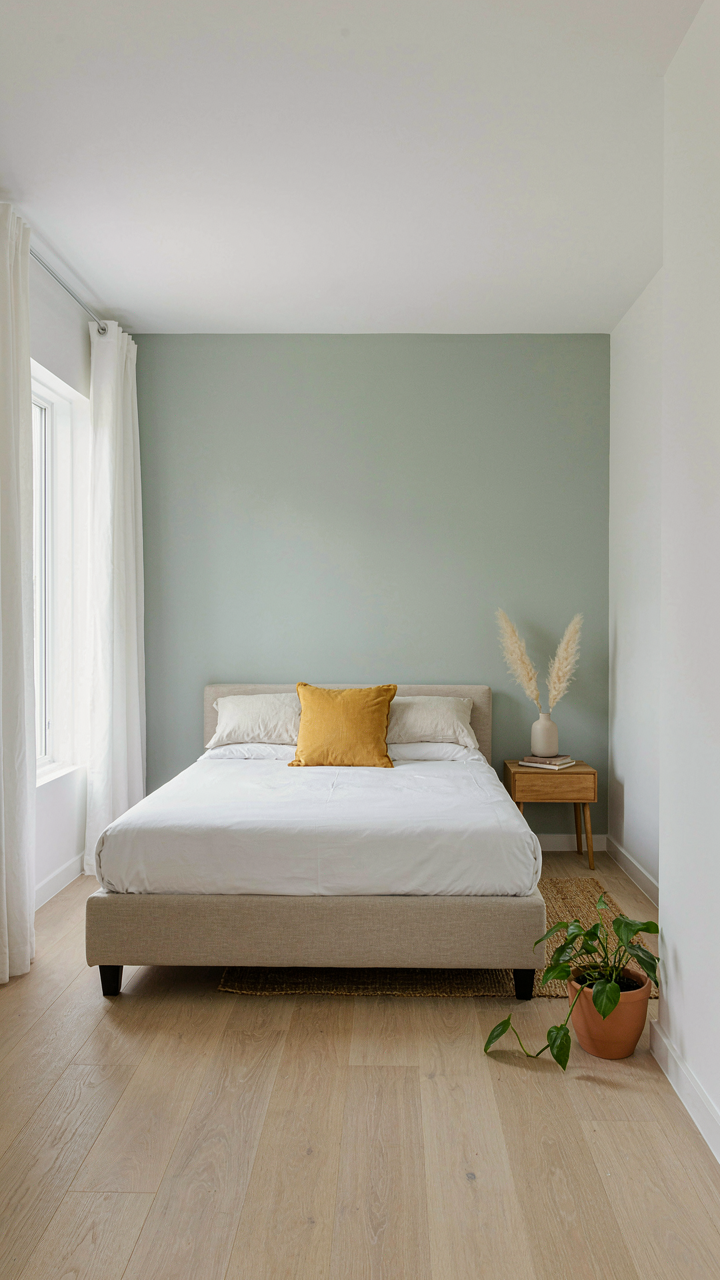
You want a Joanna Gaines bedroom because you’re tired of your space feeling like everyone else’s, but you’re afraid bold color will age badly or look wrong. Here’s the mechanism: muted tones work because they sit below the saturation threshold where trends live. Colors like warm greige, soft sage, and dusty terracotta don’t scream the year they were chosen. They settle into the room instead.
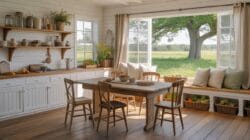
Joanna Gaines guest house bedrooms lean hard on this principle. The walls aren’t white because white is boring—they’re muted because muted tones create psychological permission for the eye to rest. A bedroom with sage walls and cream bedding doesn’t compete for attention. The restraint makes the space feel intentional, not generic.
Layering Without The Mess
Most advice says “add texture” then shows you a room drowning in competing fabrics. That’s lazy design. Real texture layering works like geological strata: each layer sits beneath the previous one, visible but not fighting for dominance.
- Linen base layer: Start with unbleached or oatmeal linen as the primary textile. It grounds the bed and absorbs light without reflecting it aggressively, creating visual depth immediately.
- Woven throw accent: Add a chunky knit or jute throw across the foot of the bed. The weave pattern reads as texture without adding bulk or visual noise to the space.
- Wool area rug: Place a wool rug with subtle texture beneath the bed frame. Wool diffuses light differently than flat surfaces, adding dimension the eye registers subconsciously.
- Wood furniture with grain: Select pieces where the wood grain remains visible rather than heavily stained. Natural variation in the wood becomes your secondary texture layer.
- Shiplap or board and batten: If adding wall texture, keep it monochromatic. The shadow lines create depth through light play, not through color contrast or visual competition.
Each layer occupies a different visual plane. The eye processes them sequentially rather than simultaneously. This is why a Joanna Gaines guest house bedroom feels sophisticated rather than decorated—texture works in depth, not breadth. Install each element in order from largest to smallest, and stop before you think the room is finished.
“Colorado Mountain Homes” Influence: Durability As A Design Virtue
Robust Materials Build For Longevity Not Trend
You want to believe your guest house will look timeless. The real reason you care is you’re afraid of renovation costs in five years. Here’s the mechanism: Joanna Gaines’ Colorado mountain aesthetic borrowed from engineering principles—specifically load-bearing design logic. She chose materials that perform under stress, not materials that photograph well. Reclaimed wood, natural stone, and metal fixtures aren’t nostalgic choices. They’re functional choices that happen to age visibly instead of falling apart invisibly.

The common advice says “invest in quality.” That’s useless. Specificity matters. Joanna uses thick-cut wood beams because they resist warping from temperature swings. Stone fireplaces endure because thermal mass prevents cracking. Metal hardware doesn’t rust through because she sources pieces rated for elevation exposure. These materials cost more upfront because they cost less over time. That’s the only equation that matters for a guest house you’ll actually use for decades.
Maintenance Free Design Choices Actually Exist
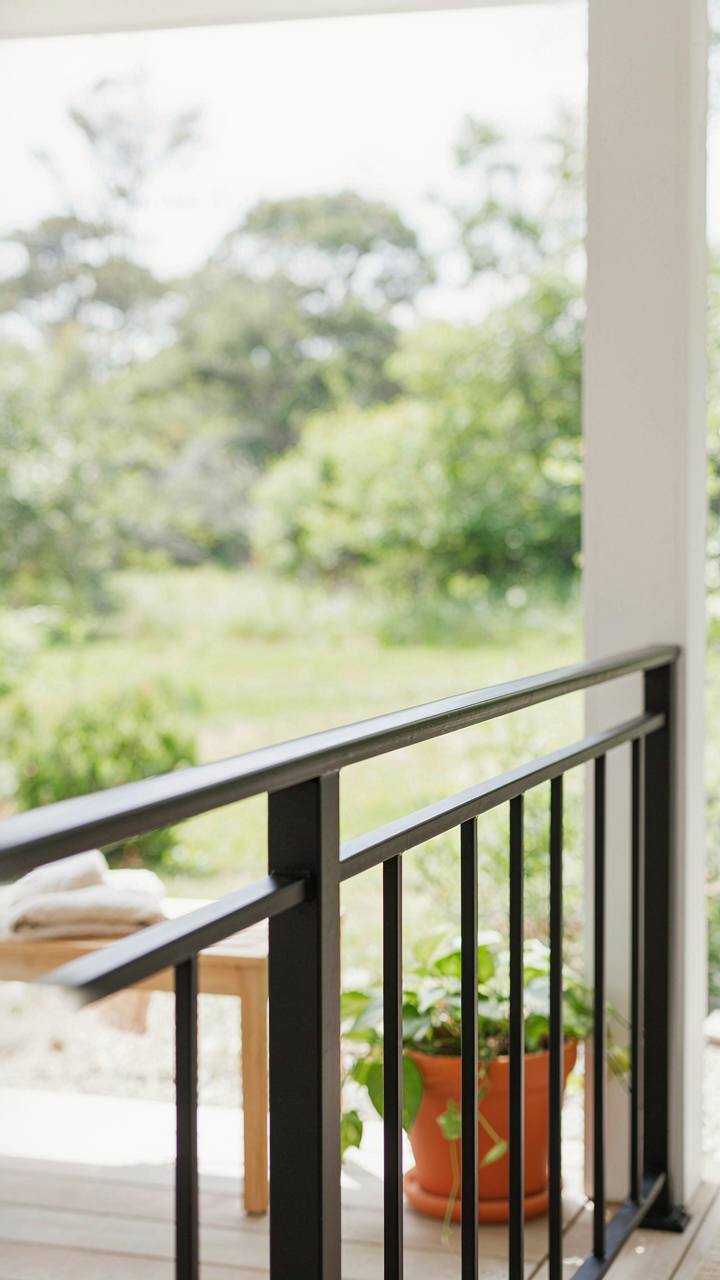
Most design advice treats maintenance as inevitable burden. It’s not. In systems thinking, entropy accelerates when you choose materials that require constant intervention. Joanna’s guest house designs minimize that entropy by eliminating high-touch surfaces. She avoids trim work that collects dust, finishes that need resealing, and fixtures that corrode. Concrete floors instead of tile grout. Sealed stone instead of porous wood in bathrooms. Metal railings instead of painted wood that peels.
The protocol: audit every surface you’re considering and ask one question: does this require human intervention annually? If yes, replace it. Guest houses sit empty for months. They don’t get preventive maintenance. Joanna designs around that reality. Stainless steel hardware, powder-coated metals, and sealed surfaces aren’t trendy. They’re the friction you remove before it compounds into five-figure repairs.
Joanna Gaines Master Bedrooms Decor: The Power Of The Undone

Styled, Not Sterile
You want permission to stop decorating. That’s the real reason you’re reading this. The mechanism Joanna Gaines uses in her guest house bedrooms borrows from architecture’s concept of “negative space”—the emptiness that makes the filled space readable. She doesn’t add more. She removes what doesn’t anchor a feeling. A bedroom needs walls, a bed, one piece with history. Everything else is noise that dilutes impact.
Most design advice says fill the room. Style every corner. Gaines does the opposite in functional guest spaces. She places a single vintage wooden chair by the window. Leaves the nightstand bare except for a lamp and one book. The eye rests because it has nowhere forced to go. This restraint reads as intentional, not lazy, because every object present has visual weight and purpose.
Objects That Earn Their Story
Narrative objects aren’t decorative accidents. They’re selected pieces that carry use-marks, history, or clear origin. In Gaines’s guest houses, you’ll see a reclaimed barn door repurposed as headboard backing, a mason jar filled with local wildflowers, or a quilt draped over the bed frame that looks handmade rather than mass-produced. The difference isn’t subtle to the guest’s subconscious. Objects with visible backstory trigger trust because they suggest intention over algorithm.
The selection process is the actual work. You source one credible anchor piece per room, then build minimal layers around it. A vintage trunk at the foot of the bed doesn’t need matching accessories. It stands alone and makes the room feel inhabited by someone with depth. The guest bedroom becomes a space someone lived in, not a showroom. When you’re choosing a piece for your own guest space, ask whether it looks like it arrived yesterday or has existed for years. That distinction drives whether a room feels designed or curated.
Your Guest House Isn’t Failing From Lack Of Decor, But From An Overdose Of Predictable Comfort

The Joanna Gaines guest house aesthetic works because it breaks a rule. Most people add more stuff. Joanna removes friction instead. She strips away the hotel feeling that makes guests feel like visitors. Pick one element in your space right now that screams “temporary” and eliminate it today. Replace it with something that signals permanence, comfort, intentionality. Your guest house stops working the moment it feels like a guest house.



