
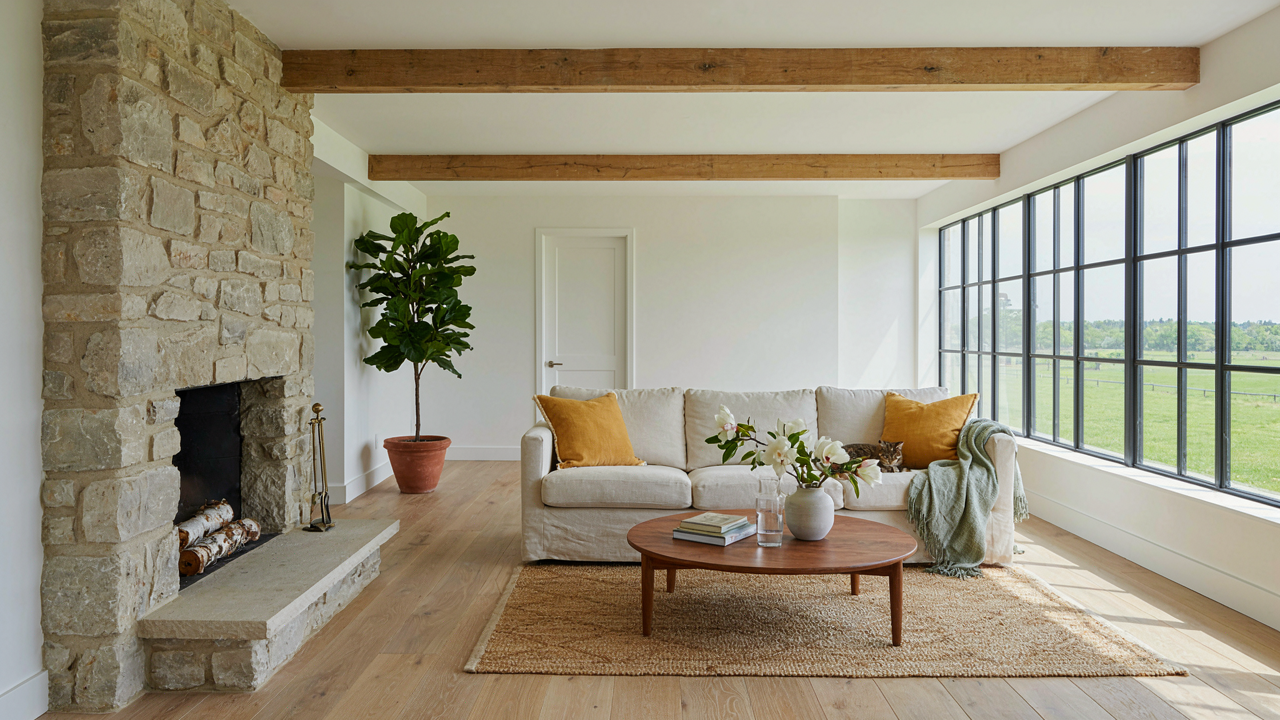
The Myth Of Instant Magnolia Homes

What Instagram Sold You Instead
You want to believe a magnolia farmhouse interior happens fast because you’re afraid committing to authentic style means years of invisible work. Here’s the mechanism: Instagram compressed decades of weathered patina into curated feeds, and furniture retailers monetized that compression by selling “farmhouse” as a product category you buy all at once. The result is mass-produced barn doors, faux shiplap, and distressed finishes that scream replica instead of origin. Real magnolia farmhouse style in Texas grew from specific constraints: what settlers could source, how heat shaped material choices, which construction methods lasted through climate extremes. You can’t buy that lineage.
The common advice treats magnolia farmhouse as an aesthetic you assemble. Wrong. It’s a functional response to a place and time. Stores sell the visual vocabulary stripped of context, which is why homes built this way look decorative instead of lived-in. Genuine magnolia farmhouse homes in Texas developed their character through decades of use, repair with available materials, and layers of practical decision-making. Rushing that process produces something that photographs well but feels off the moment you inhabit it. The gap between Instagram farmhouse and earned magnolia character is where most people waste both money and attention.
Why Character Demands A Different Timeline
Authentic magnolia farmhouse style operates on the principle of accretion: each layer adds meaning instead of replacing what came before. Think of it like geology, where rock formations reveal history through visible strata. Your home accumulates the same way when you respect original materials, source period-appropriate pieces gradually, and let repairs become part of the story rather than erasure. Texas farmhouses aged this way because owners had no choice. They patched with what existed. They kept furniture through generations. The style wasn’t a decision. It was necessity becoming aesthetic.
Building magnolia farmhouse character right means working in seasons, not weeks. You source one authentic piece at a time. You identify original materials beneath later additions and restore them as budget allows. You let the home reveal what it wants to become instead of forcing a predetermined image onto the space. This timeline feels wrong because consumer culture demands instant results. But rushing creates visual noise. Patience creates coherence. Start by documenting what already exists in your space, then add or restore intentionally—one decision per quarter, not one shopping trip per weekend.
Deconstructing Magnolia Style: What It Really Is (and Isn’t)
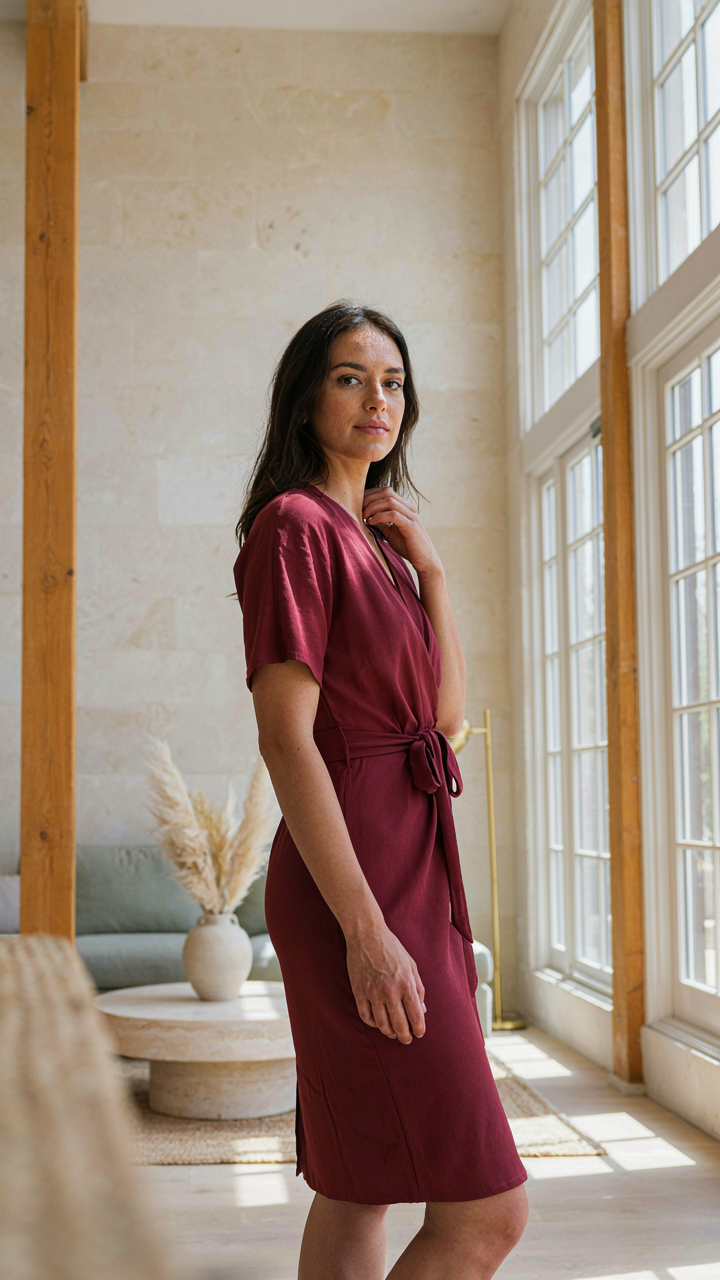
Where Texas Farmhouse Actually Came From
You want to know what magnolia farmhouse is because you’re afraid it’s just expensive Pinterest curation with no backbone. Here’s the mechanism: magnolia farmhouse didn’t emerge from design theory. It emerged from practical constraints. Early Texas homesteads used locally available limestone, hand-hewn wood beams, and whitewash because those materials were cheap and durable in brutal heat. The aesthetic wasn’t curated—it was the byproduct of building for survival on the frontier. Chip and Joanna Gaines codified this vernacular into a repeatable brand, but the source material predates their influence by 150 years.

The original Texas farmhouses didn’t obsess over consistency. Settlers built with whatever worked: metal roofing replaced wood shingles when affordable, porch columns came from salvaged materials, and interiors mixed handmade furniture with store-bought pieces as cash allowed. This constraint-driven design created visual depth and authenticity modern replicas struggle to capture because they start with intent instead of necessity. Understanding this distinction separates genuine magnolia style from Instagram approximation.
The Trap Of Buying The Aesthetic
Most design advice tells you to add shiplap, paint walls white, and source vintage accessories. That’s incomplete. The real trap is treating magnolia style as a skin you apply to a modern build. Magnolia farmhouse works because the structure itself—high ceilings, deep porches, thick walls, strategic windows—was engineered for Texas climate and rural function. You can wallpaper a suburban home with farmhouse decor and still miss the point entirely. The style depends on spatial mechanics, not surface decoration.
The mechanism works like this: buy the pieces without understanding the underlying architecture, and you create visual noise instead of coherence. A shiplap accent wall in a eight-foot-ceiling suburban bedroom contradicts the proportions that made farmhouse design work originally. Before touching aesthetics, evaluate your space’s bones. If the structure doesn’t support the style, no amount of vintage market finds will compensate. Start by assessing ceiling height, window placement, and wall thickness before committing to any farmhouse direction.
The Texas Vernacular Blueprint: Beyond Joanna Gaines

Stone, Brick, And What The Land Actually Had
You want to know if magnolia farmhouse is authentic or just branded aesthetic. That’s the real question underneath. The mechanism is simple: Texas builders didn’t choose materials for style. They chose what the regional geology provided and what transportation costs allowed.

Limestone dominated central Texas construction. Builders quarried it locally, reducing material expense to near zero. Red brick came from clay deposits across the state. Whitewashed stone walls weren’t a design choice—they were practical sun reflection in brutal heat. The architectural language emerged from constraint, not intention. Modern magnolia farmhouse strips this away and treats materials as decoration.
Authentic Texas vernacular homes show material honesty. Stone walls remain exposed. Brick displays natural variation without artificial aging techniques. Whitewash appears where it solves a problem, not where Instagram demands it. The real blueprint requires sourcing materials from your region’s actual geology. Call local quarries and brick suppliers. Ask what they’ve produced for a century, not what trends suggest.
When The Building Says What It Does
Architecture borrows from engineering: load-bearing walls determine where openings can exist. Magnolia farmhouse ignores this entirely, which is why so much of it feels hollow. The Texas homes that actually endured weren’t designed around aesthetic symmetry. They were designed around what the structure could handle.
Deep porches existed because they shaded south and west walls in 105-degree heat. They reduced interior cooling demand by twenty to thirty percent. Windows faced north and east to capture morning light without afternoon solar gain. Thick exterior walls weren’t romantic—they provided thermal mass that stabilized indoor temperature swings. These decisions shaped the form. Remove the function and you’re left with porch columns that don’t protect from anything.
Modern magnolia farmhouse reverses the process: it chooses the look, then retrofits function beneath it. Real application means designing spaces around actual climate performance, not photograph value. If you’re in a hot region, position your largest glazing north and east. Use porches as thermal buffers, not decoration. Make the structure’s job visible in the final form instead of hiding it under styling.
The Kinesthetic Principle: Designing For Movement And Flow
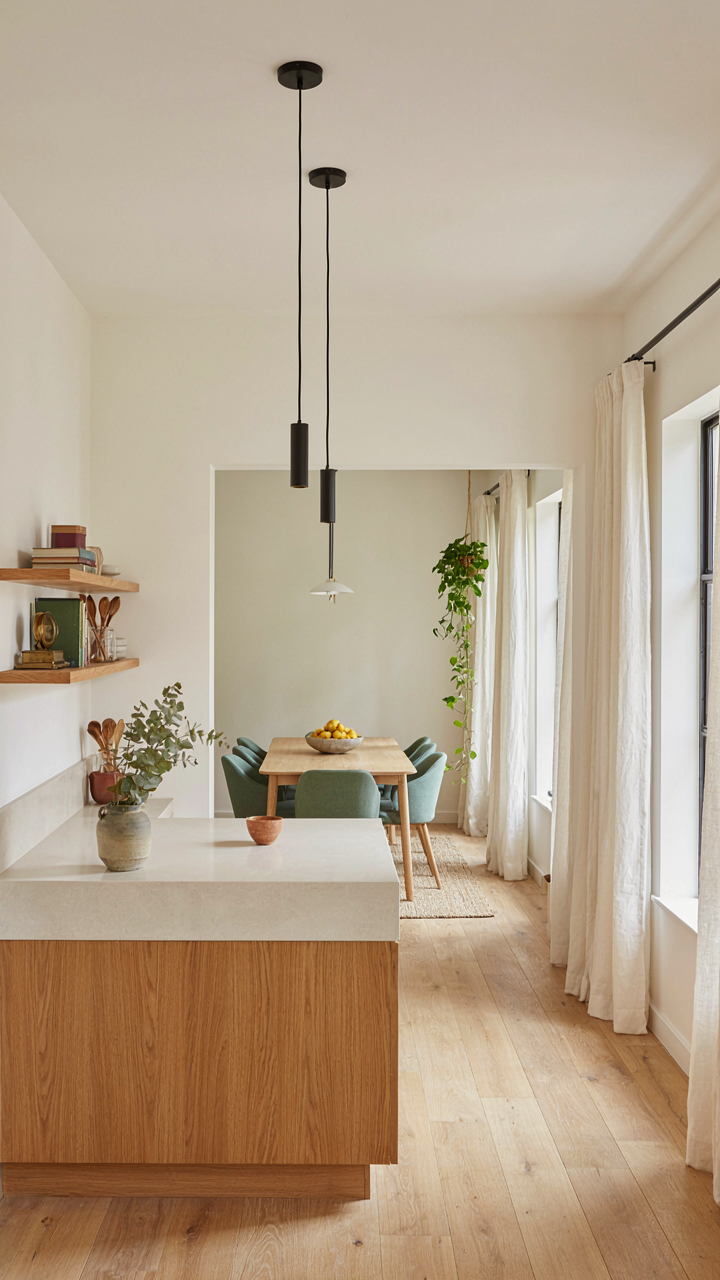
How People Actually Move Through Space
You want your magnolia farmhouse to feel effortless to live in, but you’re probably thinking about aesthetics instead of the friction that kills daily comfort. Fluid dynamics from physics teaches us that flow follows the path of least resistance. In magnolia farmhouse design, this means removing obstacles between the entry point, the kitchen, and the gathering spaces before you add a single piece of furniture or decor.
Texas vernacular homes were built by people who worked. They didn’t arrange rooms for magazine spreads. They arranged them so a farmer or rancher could move from entry to kitchen to table to outside without lateral thinking. Wide doorways between the kitchen and dining area, straight sightlines from the front door through the main living space, and minimal jogs in hallways aren’t aesthetic choices. They’re the difference between a home that works and one that exhausts you.
Physical Comfort Shapes Where People Actually Stand
Forget the design magazines telling you to maximize every inch. Real magnolia farmhouse design uses ergonomics to determine where furniture lives, not symmetry or trend. A kitchen island works in these homes because it puts the prep zone within arm’s reach of the stove and sink, not because it looks balanced.
The common mistake is treating space efficiency and comfort as bonuses after you’ve decided on the layout. They’re the structure. Countertop height at 36 inches exists because ranching families needed to work all day without back strain. Seating that faces the room’s natural entry point instead of the wall means conversation doesn’t require people to twist. Measure your actual traffic paths before you commit to placement. Mark them on a floor plan for one week, then build around what you observe, not what the room “should” feel like.

Materiality Over Merchandise: Sourcing Authentic Magnolia Decor

Reclaimed Wood And Salvage Over New Production
You want the aesthetic without the authenticity tax, which means you’re hoping salvage feels effortless. It doesn’t. The mechanism is simple: reclaimed materials carry labor and time in their surface. A beam with nail holes and weathering took decades to develop that patina. New wood stained to look old is a visual lie your eye registers as such, even if your brain doesn’t articulate why.
Texas farmhouses used reclaimed timber from barns, fences, and outbuildings because waste was economically stupid, not because it looked good. That’s the actual origin. Source salvage through architectural salvage yards, demolition contractors, and rural estate sales. Ask contractors doing barn demolitions. The supply exists in volume because Texas has old structures being cleared constantly. Price salvage by the linear foot or board foot, verify structural integrity before installation, and accept that consistency is the cost you pay for authenticity.
Craftspeople Who Know The Regional Code
This isn’t about hiring local to feel virtuous. Regional craftspeople embed the design language into their work because they grew up around it. Think of magnolia farmhouse style as a dialect in architectural semiotics, where syntax and vocabulary are embedded through exposure and repetition, not conscious study.
- Metalworkers specializing in hardware: Texas blacksmiths understand the weight and proportion of hinges, latches, and fixtures that feel native to the style. They read the context.
- Upholsterers trained in period construction: Know how to frame and stuff seating to match the proportions of early Texas furniture, not modern comfort-first engineering.
- Finish carpenters from ranch families: Understand baseboard scale, board-and-batten proportions, and shiplap spacing through lived experience in regional homes.
- Stonemasons working in limestone: Familiar with native Texas limestone finishes, mortar color, and the texture variations that come from local quarries.
- Textile artisans producing natural-fiber goods: Weave linens and cotton to weights and weaves that match historical production methods from the Hill Country and surrounding regions.
The difference between hiring a regional craftsperson and ordering from a catalog company is the difference between someone who knows the dialect and someone reading from a phrasebook. You’re paying for embedded knowledge, not labor time. Verify credentials through previous commissions, inspect finished work in installed contexts, and build relationships before hiring. This compounds: the same metalworker who nails hardware proportion also introduces you to the upholsterer. The network becomes your sourcing infrastructure.

The “Worn In” Effect: Cultivating Patina, Not Distress
How Real Aging Actually Happens
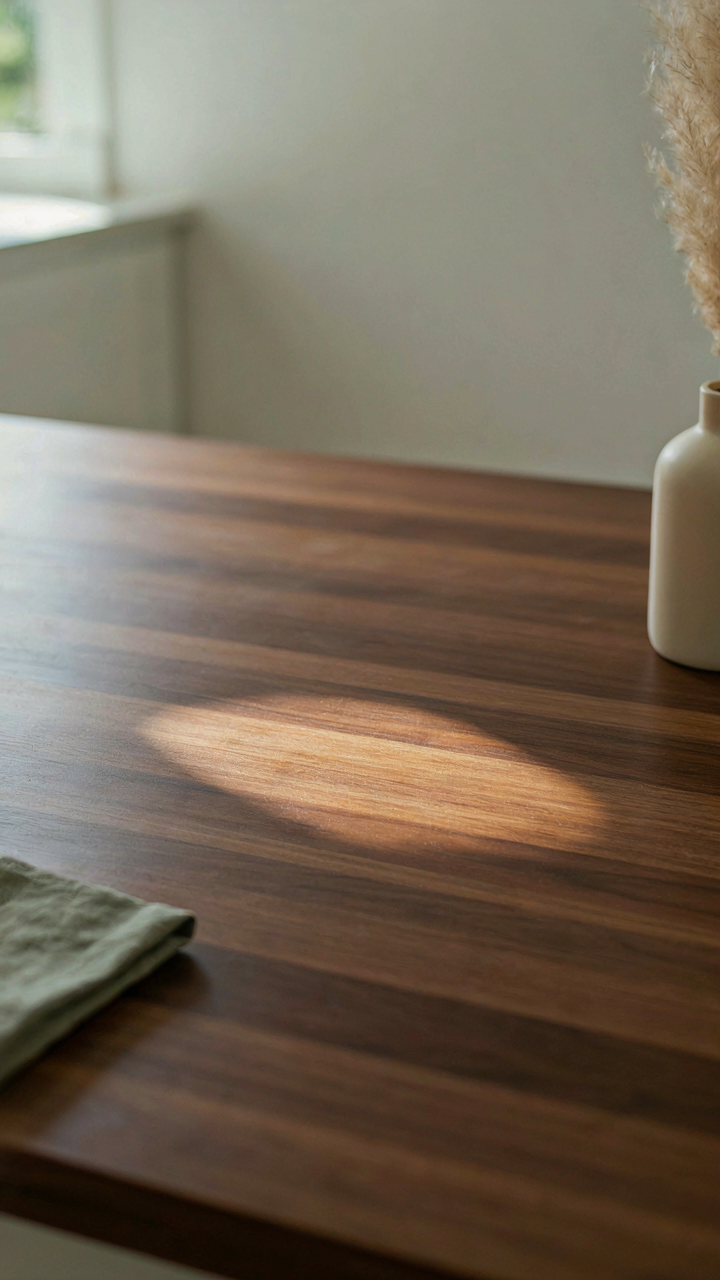
You want the worn look without admitting you’re buying it new. That’s the real problem here. Genuine patina in magnolia farmhouse style follows a biological pattern: materials degrade through predictable environmental exposure, not random gouges. Think of it like ecology—in nature, decay follows rules. Sunlight fades wood grain evenly from the top down. Moisture softens edges gradually. Foot traffic darkens specific zones while protected areas stay lighter. This gradient is the mechanism. Artificial distressing tries to copy the result without understanding the process, which is why it reads as fake.
Real patina takes years to develop authentically. Reclaimed materials from Texas barns and period homes show this pattern: deeper color on southern-facing sides, worn hardware holes from decades of use, edges rounded by actual friction rather than belt sanders. The wood doesn’t look attacked. It looks lived in. This distinction matters because buyers and guests unconsciously recognize the difference. Magnolia farmhouse style succeeds when viewers accept the home as genuinely settled, not costumed. The path to this is patience and material selection, not technique.
Rejecting The Distress Industry
Most distressing advice is wrong because it treats aging like a visual style instead of a physical process. Heavy wire brushing, intentional gouging, and chemical staining create theatrical damage that photographs well but fails in real light. Close inspection reveals tool marks instead of time. Real worn surfaces show randomness with logic. Scratches follow natural wear patterns: door frames near handles, baseboards where brooms hit, stairs concentrating on high-traffic treads.
Build patina through material choice and genuine use. Select solid wood that develops character with season changes and temperature swings. Use hardware that will actually tarnish from humidity and hand oils. Paint pieces with finishes that chip and fade at realistic rates, not manufactured weaknesses. Expose wood to natural light so UV creates authentic fading. Allow water rings, dust accumulation, and foot traffic to mark surfaces over months and years. This timeline is non-negotiable. Skip the sandpaper and the aging products. Let the house do the work.

Beyond Beige: Real Magnolia House Decor Color Palettes

What Texas Actually Built With
You want permission to use color without looking gaudy. That’s the real tension. The mechanism is simple: magnolia farmhouse color palettes were born from material scarcity and agricultural cycles in Texas Hill Country and surrounding regions, not from aesthetic preference. Settlers used what grew, what didn’t fade in brutal sun, and what hid dirt on working structures.
Warm ochres and terracotta came from native clay. Soft greens emerged from sage and cedar that dominated the landscape. Whites and creams weren’t pure—they carried undertones of lime wash degradation and weathered wood. This wasn’t a designed palette. It was inevitable. Understanding this distinction kills the urge to force trendy neutrals into spaces that need regional rootedness.
Daylight Rewrites Your Color Rules
Magnolia farmhouse interiors live or die by solar exposure, which functions like color temperature correction in photography. East and west light demand different undertone management than north-facing rooms. Most design advice ignores this entirely, then people wonder why their carefully chosen palette looks flat or sickly at 3 PM.
Texas sun is relentless and directional. Warm whites work in rooms that face north or northeast because they won’t yellow under afternoon heat. South-facing spaces need cooler undertones to prevent walls from reading as aged or dingy. West light punishes anything with red or orange undertones after 2 PM. Test your color choice at the exact time of day you spend most time in that room, not at 10 AM when the sun is neutral. This single step eliminates ninety percent of color regret.
Curated Chaos: Layering For Lived In Magnolia Decor Ideas Living Room
Building Depth Without Decoration Clutter
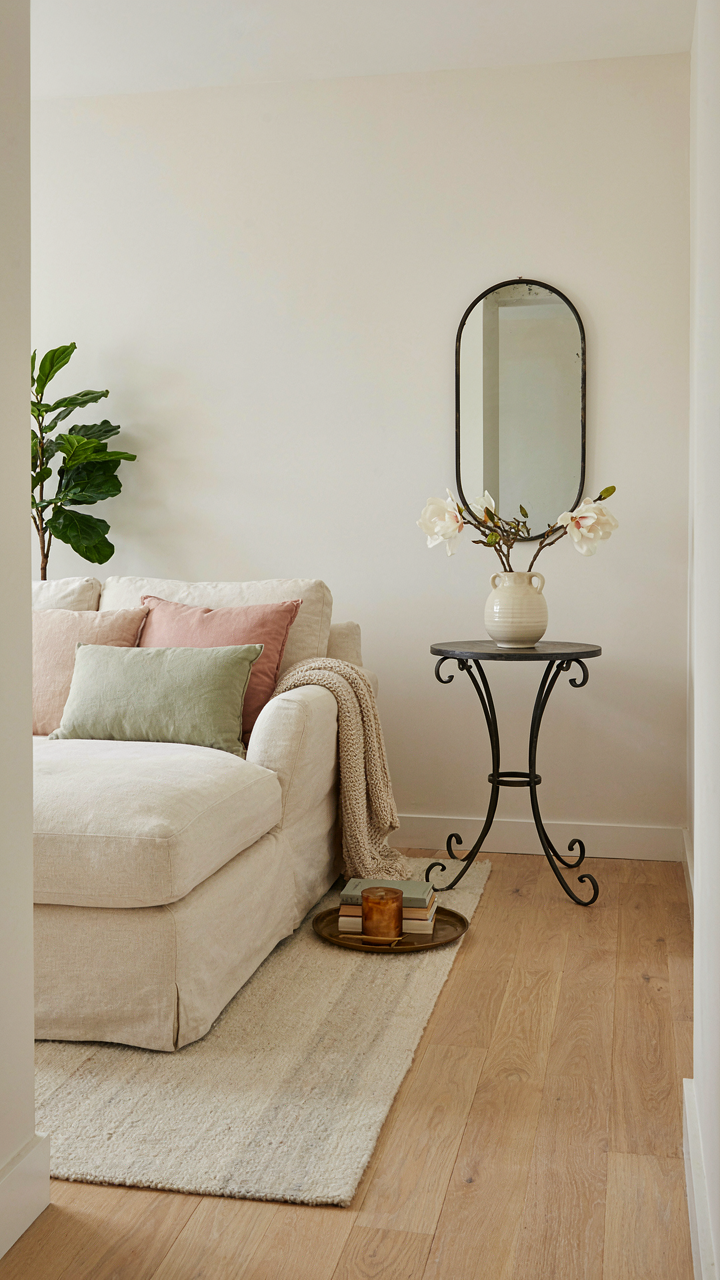
You want permission to own more stuff without feeling like you’re drowning in it. The mechanism here borrows from visual hierarchy in graphic design: contrast creates perceived order. Magnolia farmhouse spaces work because they stack materials, textures, and eras in ways that feel intentional rather than accumulated. A Texas farmhouse living room stacks linen over wool, iron over wood, aged over new. Each layer reads as a separate decision, not a pile.
The difference between curated and chaotic lives in placement logic, not quantity. Pull three distinct texture families into one corner: a wool area rug, a linen sofa, a cast-iron side table. Position them so each material occupies its own visual zone. Add a vintage mirror behind the sofa and a modern metal floor lamp beside it. The eye moves between materials because they sit in conversation, not competition. This is how farmhouse rooms accommodate 40 objects without reading as cluttered.
Merging Periods With Real Contrast
Common advice says “mix old and new for balance.” That’s incomplete. The real move is creating tension, not smoothness, between periods. A 1940s Texas farmhouse with 2020s upholstery doesn’t work because they whisper. A 1940s farmhouse mantle with a contemporary steel art piece works because they argue productively.
Magnolia farmhouse living rooms succeed when you pair genuine antique pieces (reclaimed barn wood shelving, cast-iron fireplace tools, vintage quilts) with materials that read unmistakably modern: concrete, steel, or industrial glass. Place a century-old wooden beam above a sleek fireplace surround made from board and batten in fresh white paint. The old piece anchors history; the new frame sharpens it. This contrast makes both periods read louder. Select furniture with solid lines and visible joinery, then add one accent piece made from metal or glass that couldn’t exist before 1970. The age gap must be visible to the eye.

The Inheritance Protocol: Building A Legacy, Not A Look

Design For Systems, Not Seasons
You want your home to matter after you’re gone. That requires building systems that outlast trends, not curating a moment frozen in time. Magnolia farmhouse style works across decades because it’s built on material durability and functional layout, not aesthetic preference. The mechanism is simple: use materials and proportions that improve with use rather than deteriorate under it.
Classic Texas farmhouses survive because their bones prioritize structure over decoration. Wide hardwood floors, load-bearing timber frames, and plaster walls endure. Paint fades evenly. Wood develops patina. Metal rusts beautifully. Choose construction methods that accept age instead of fighting it. This isn’t philosophy. It’s materials science applied to residential space.
Stories Live In Details, Not In Captions
The common advice here is wrong. You don’t pass down a home by documenting it on Instagram or creating a family manual. Stories embed themselves through objects that require active use and maintenance. A cast iron stove demands knowledge to operate. A hand-forged door latch has weight and resistance that teaches muscle memory. Your children inherit the skill of caring for it, not just the item itself.
Magnolia farmhouse design succeeds when it creates friction between the resident and the space. A screened porch demands seasonal maintenance. Reclaimed wood requires specific care. Original hardware needs occasional adjustment. These are the mechanisms that transfer tacit knowledge across generations. The physical act of maintaining the home becomes the story itself.
Stop Chasing Trends; Cultivate Legacy. Your Home Isn’t A Mood Board, It’s A Narrative

Magnolia farmhouse style wins because it refuses to apologize. It anchors you to something real: land, history, permanence. The trap isn’t choosing the wrong aesthetic. It’s treating your home like a seasonal subscription you rotate out annually. Pick one direction and commit. Walk through a Texas farmhouse today and notice what actually moves you, not what the algorithm suggests. Your home should tell the story only you can build, not the story everyone else already told.



