The Patina Paradox: Why New “Old” Is A Lie
Manufactured Distress Versus Time
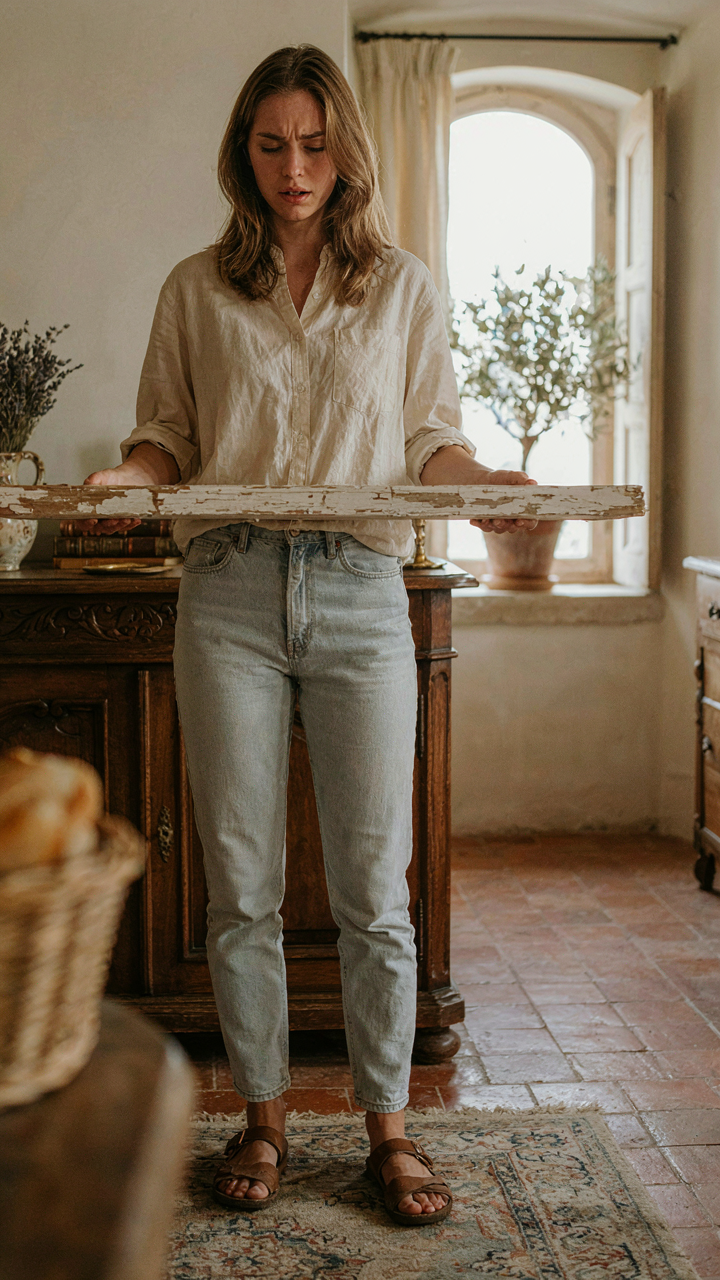
You want permission to buy something that looks expensive but costs less, and you think distressing furniture gets you there. It doesn’t. The mechanism is simple: manufacturers apply surface damage uniformly—every piece in the batch gets the same belt sander treatment, the same chemical wash, the same predetermined crack pattern. Real patina is chaotic. It clusters where hands touch repeatedly, where humidity shifts, where light exposure varies by inches.
True patina follows physics, not a design brief. A wooden table edge worn smooth by decades of forearms creates a specific bevel angle that machines cannot replicate without looking like machines did it. French country furniture that survived actually carries the fingerprint of use: deeper wear on the left side of a drawer because someone always pulled it left-handed, discoloration concentrated where a vase sat for twenty years, finish loss only on the high points of carved details because those caught dust and rubbing cloth. Manufactured distress treats the piece like a canvas. Time treats it like evidence.
How Real Patina Actually Accumulates
Patina is not charm. It’s oxidation, UV damage, dirt accumulation, moisture cycling, and repeated contact stress working in concert over years. On French country wood, this process starts the moment air touches the finish. Linseed oil and wax finishes, common in authentic pieces, oxidize gradually, deepening from honey to amber to brown depending on light exposure and humidity stability. Hand oils from constant contact create darkened paths on armrests and table edges. Dust settles into carved grooves and stays there until someone cleans it, but some particles always remain, lodged in wood grain, creating a subtle matte quality in crevices.
The timeline matters. A genuinely aged piece shows patina layers that tell specific stories: maybe fresh oil was applied fifty years ago and has oxidized to a different tone underneath current surface wear, or scratches reveal different wood color at varying depths because finish thickness varied with application method. This cannot compress into a weekend project. If you need something that looks aged now, accept you are buying the aesthetic of age, not age itself. The alternative is finding actual aged pieces, which costs more and requires patience to source.
Warm Wood: Beyond Stain Colors, The Truth Of Provenance

Where To Find Authentic Pieces
You want the credibility that comes with owning something old. That’s the real driver. Most people chase the look without understanding that patina only means something if the wood underneath earned it through actual use and time.

Salvage yards and estate sales are not romantic treasure hunts. They’re supply chains. European antique dealers, reclaimed wood salvage operations, and local auctions give you access to pieces with verifiable histories. The wood from a dismantled 18th-century French farmhouse tells a different story than reproduction furniture. Source directly from demolition contractors or specialized reclaimed suppliers rather than retail antique shops, which mark up heavily and rarely disclose provenance.
Real patina requires real age. New wood stained to look old fails immediately once you touch it or examine the joinery. Salvaged beams and old farm tables carry surface marks, grain variation, and wear patterns that cannot be faked in a factory. The mechanism is simple: buyers sense authenticity through imperfection. When you place genuinely aged wood in a room, it creates a friction against modern life that reads as integrity, not artifice.
How Wood Species Age Differently
Wood ages like geology ages—different layers reveal different timelines. Oak, walnut, and chestnut age distinctly. French country interiors relied on local timber: oak in Normandy, walnut in Burgundy, chestnut in the south. Each species darkens and hardens at different rates based on tannin content, grain density, and exposure to light and humidity.
Oak develops a silvery patina over decades through oxidation and surface erosion. Walnut deepens naturally without staining, becoming richer brown. Chestnut, less common now due to blight, mellows into warm honey tones. The wood type determines the timeline: oak takes 40 to 60 years to develop full patina; walnut 30 to 50 years. Understanding these rates lets you identify genuinely old pieces and avoid modern reproductions dressed in artificial aging techniques like wire brushing or chemical treatment, which create surface texture but not the internal color shift that defines true age.
The Scarcity Principle In French Cottage Interiors
When Less Actually Means Something
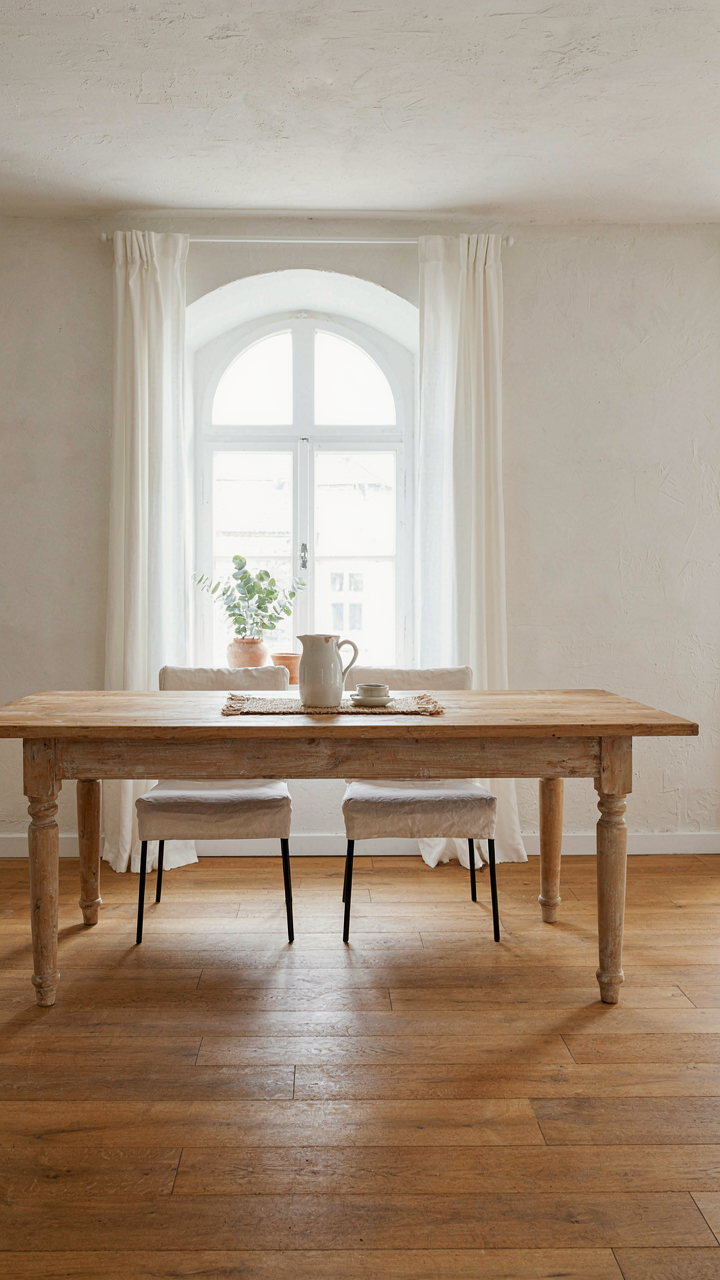
You want permission to buy fewer things and still feel like your space is intentional. That’s the real draw here. The mechanism at work is scarcity economics applied to objects. In economics, scarcity drives perceived value. In French country interiors, restraint does the same thing. A single worn linen chair commands attention because nothing competes with it. French cottages weren’t designed by decorators with unlimited budgets. They accumulated objects slowly, kept what mattered, and discarded the rest. This wasn’t aesthetics. It was necessity that became style.

The opposite approach floods a room with options, which paralyzes the eye and dilutes impact. Curated means deliberate selection based on function and material quality, not volume. A French country room works because every object has earned its place through utility or beauty or both. The wooden farm table isn’t decoration. It’s where meals happen. The linen cupboard isn’t staged. It stores textiles. Objects serve before they ornament. This distinction separates authentic French country from the commercialized version sold in retail stores, which piles decorative items to create false abundance.
Choosing Fewer, Stronger Pieces
The common advice is to “invest in quality,” which is true but incomplete. What actually matters is knowing why one piece outperforms ten. A single hand-hewn oak beam with visible grain and natural patina will shape an entire room’s character. Ten mass-produced “rustic” accessories clutter it. French country design emerged from rural European homes where families owned what they could afford to maintain. Durability wasn’t optional. Materials had to withstand decades of use without replacement.
Build your space around anchor pieces first. A worn credenza in solid walnut. A rough limestone fireplace mantel. Hand-forged iron hardware on cabinet doors. These pieces absorb visual weight and demand nothing else compete. Fill remaining negative space with restraint. A single ceramic pitcher. Three linen napkins in a drawer. One mirror with a weathered frame. The protocol: identify the material that will define your room, source one exceptional example, then stop adding until the room feels complete rather than full.
Eclectic French Country: The Antidote To Theme Parks
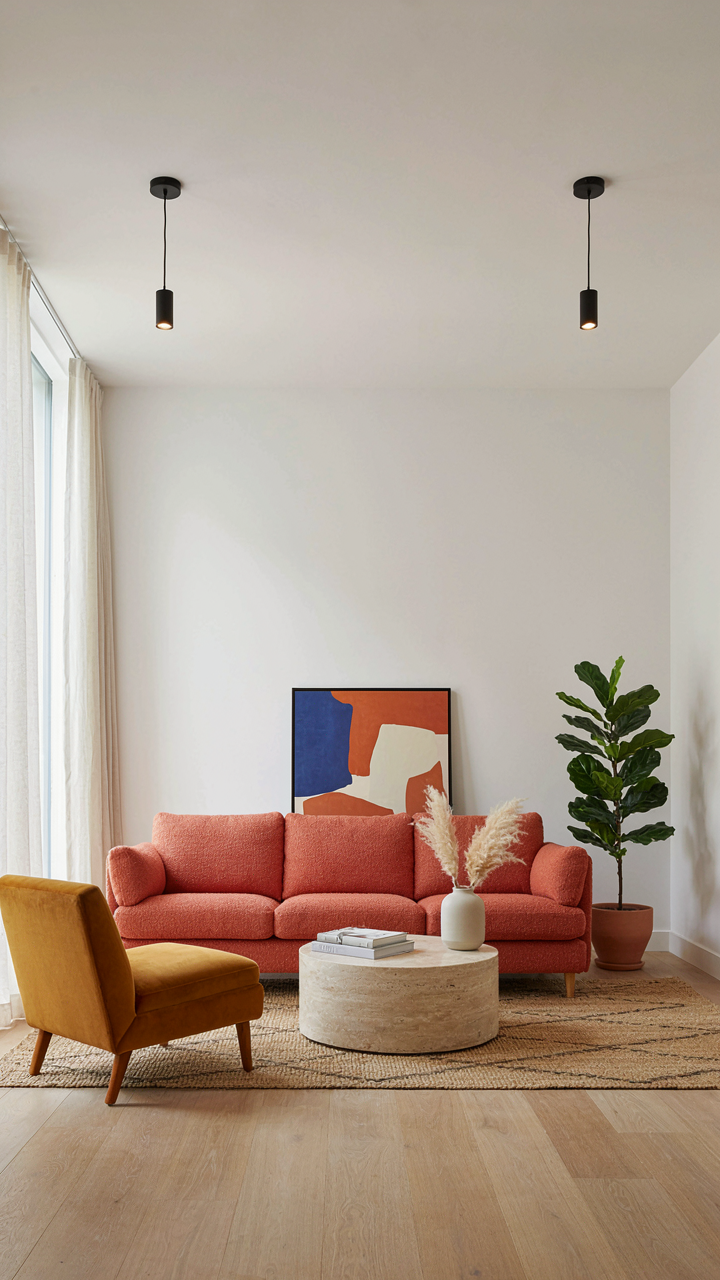
When Constraint Becomes Permission
You want eclectic French country to feel curated, not chaotic, because the alternative is looking like you bought everything at once from the same store. That fear drives people toward rigid rules. But the mechanism is simpler: French country doesn’t demand uniformity because it evolved from actual rural life, not design doctrine. Peasants used what survived, what traveled with them, what their neighbors had. Coherence came from material scarcity and function, not aesthetic legislation. You’re copying that constraint, not fighting it.

True eclecticism in French country works like constraint satisfaction in physics: you introduce multiple forces that appear random until you understand the system governing them. The binding forces here are material, texture, and era proximity—not color matching or style purity. When you layer a Provençal table from the 1780s next to a Norman chair from the 1920s, the gap closes because both respond to the same climate, the same wear patterns, the same economic reality of regional villages. The logic is invisible until you stop looking for visual symmetry and start seeing functional continuity.
Building From Actual Conflict, Not Forced Harmony
The advice you’ll read says “let one era dominate” or “stick to a narrow date range.” That’s lazy constraint masquerading as wisdom. The real barrier isn’t mixing periods. It’s mixing logic systems. A gilded Rococo console from the 1750s beside a brutally simple farm table doesn’t fight because they occupied the same space in actual France—the château and the village cottage existed simultaneously in the same region. What doesn’t work is importing Scandinavian minimalism or mid-century American design into the room. Those come from entirely different material philosophies and economic structures.
Start by anchoring to one geographic region and one primary function. A Breton kitchen can hold Quimper pottery from 1900, Limoges plates from 1870, and a hand-carved cupboard from 1810 because they all emerge from the same regional supply chain and practical needs. Once that core locks, you have permission to layer adjacent styles—a Normand chair here, a Périgord bench there. The cohesion is archaeological, not aesthetic. You’re not decorating; you’re documenting what would have actually existed in one place across time.
French Country Kitchens: Function Dictates Form
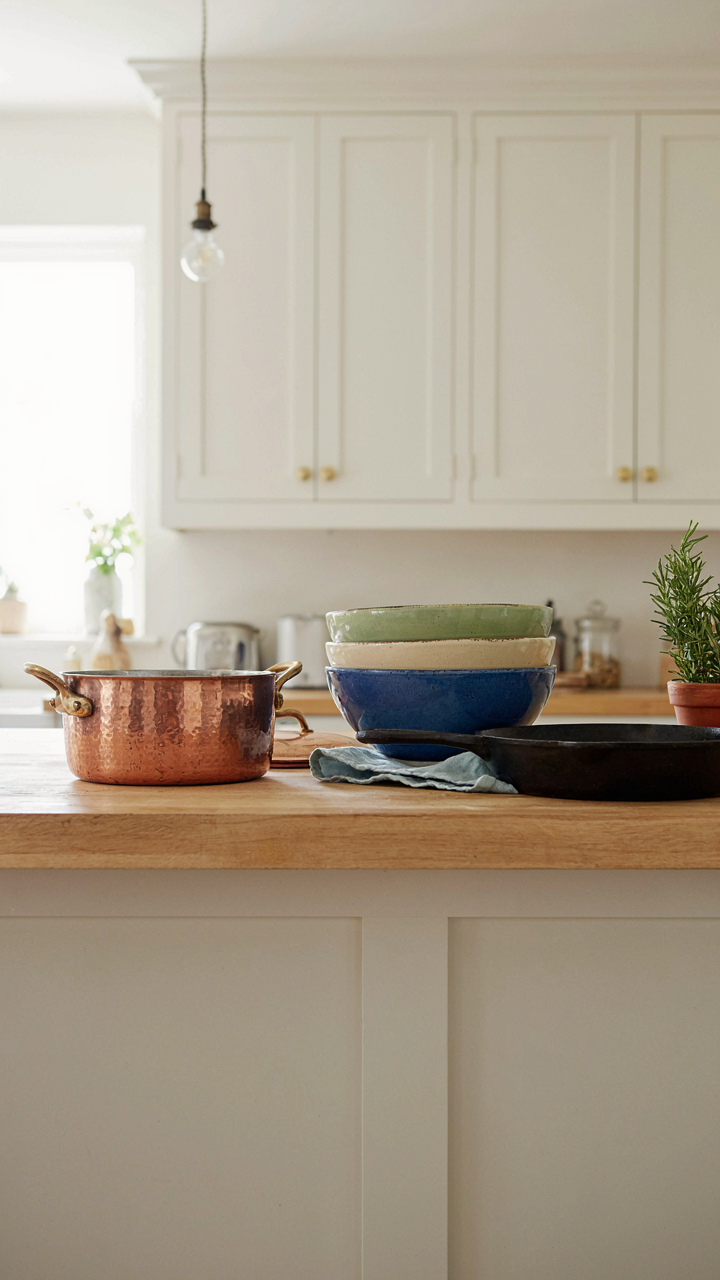
Utilitarian Objects On Display
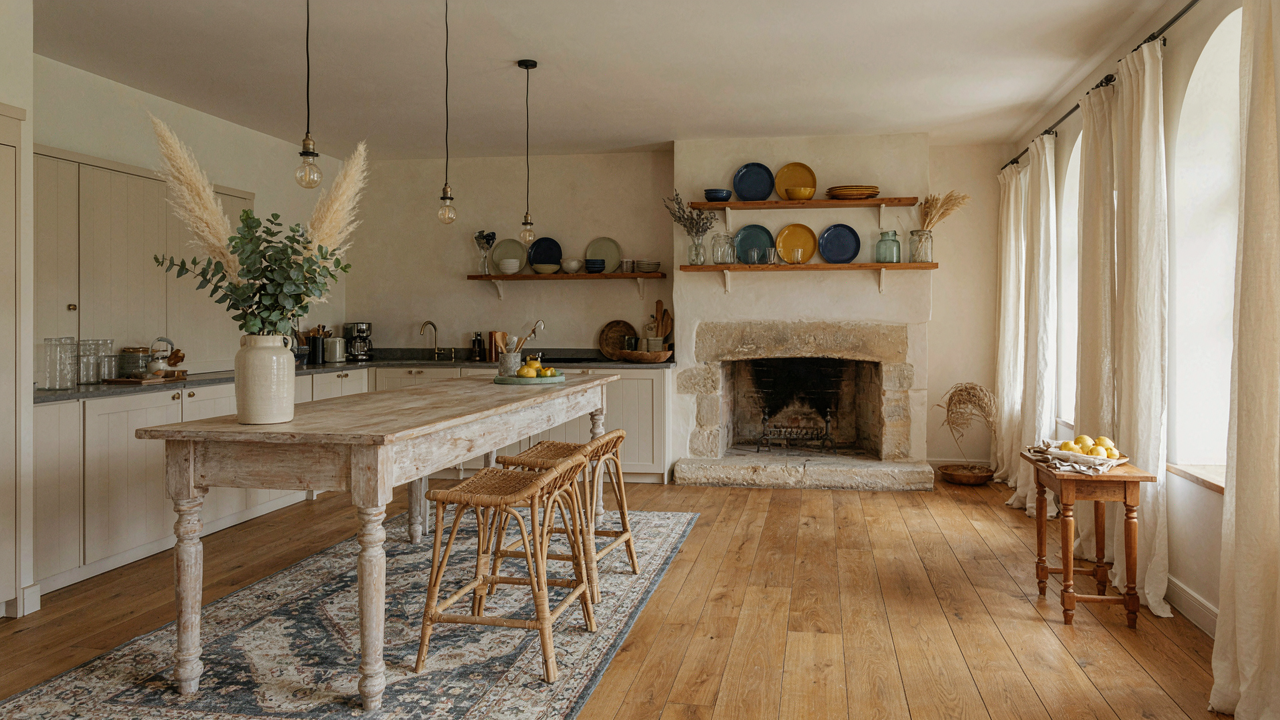
You want open shelving because you think it looks effortless and curated. The real reason it works is logistics: French country kitchens emerged from farmhouses where distance to storage meant keeping daily tools visible and reachable. Open shelves aren’t decoration. They’re infrastructure.

Display objects you actually use. Stacked bowls, copper pots, ceramic pitchers, cast iron. The patina develops from contact, not from sitting. Items gain credibility through function. Remove anything you don’t touch in a week. The visual weight comes from use patterns, not from arrangement.
The Kitchen As Production Line
Treating your kitchen as a showroom kills the entire aesthetic. French country design came from necessity, not nostalgia. Cooks worked these spaces daily. Counters stayed clear for prep work. Surfaces handled real labor, which is why worn finishes look authentic and new finishes look staged.
Designate zones. Prep surface, cooking station, plating area, storage. Each zone needs tools stationed within arm’s reach. Work flows through the space like a production line, not a gallery walk. This is how the worn, lived-in quality emerges naturally instead of through forced styling. Function creates form.
The “Wear And Tear” Protocol For French Home Aesthetic
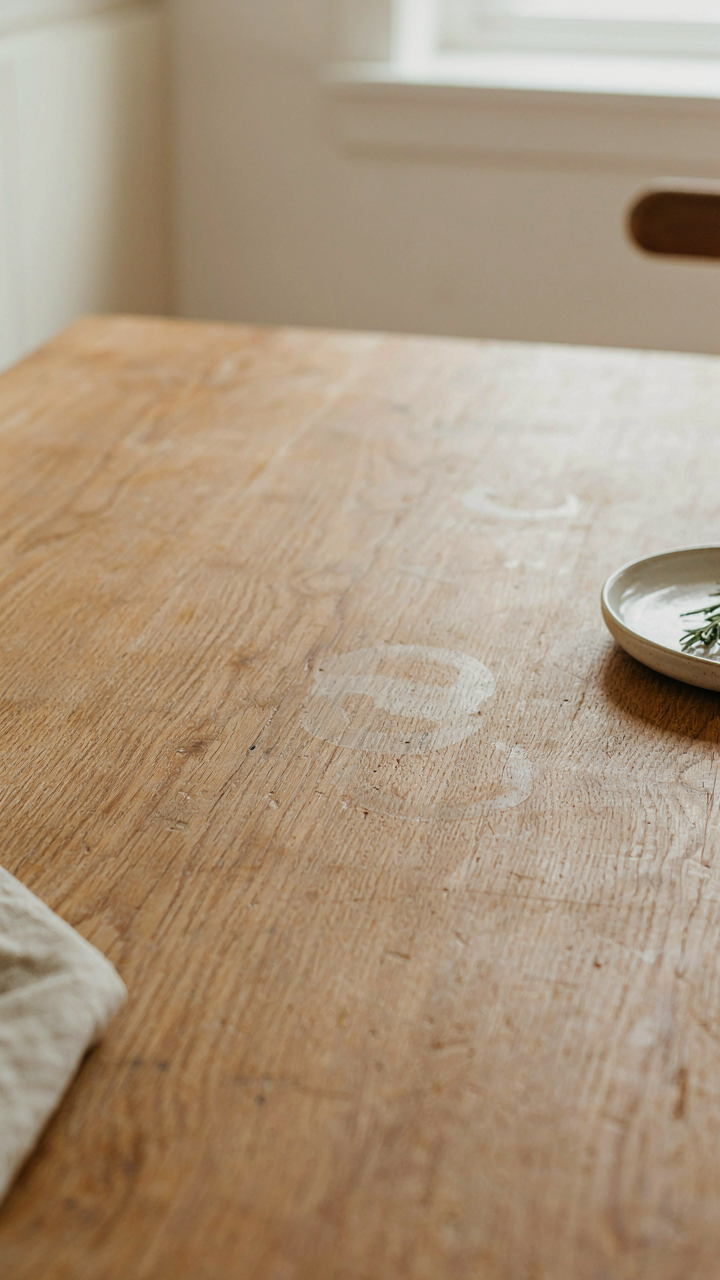
Objects Earn Their Place Through Use
You want permission to keep things that look old without feeling guilty about it. Here’s what actually happens: worn surfaces signal authenticity because they’re expensive to fake. Patina requires time. You can’t buy it new. French country design emerged from necessity, not Pinterest boards. Rural homes kept furniture for generations because replacement cost money. The wear became proof of value, not evidence of neglect. A scratched wood table tells the story of actual living. A pristine reproduction tells you someone bought it yesterday.

The mechanism is straightforward. Objects that show legitimate use trigger trust in the viewer’s brain. Scuffs on cabinet legs, faded spots where sunlight hit fabric, worn edges on shelves—these details work because they’re irreplicable. You cannot sand them into a chair. You cannot manufacture the exact pattern of how a door handle ages. This is why restoration experts strip finishes but leave wear marks intact. The imperfection is the data point that proves the object existed before you owned it.
Flaws Function As Design Elements
Most advice on this topic is backwards. People get told that imperfections “add character,” which frames damage as decorative seasoning. Wrong. Imperfections don’t add character. They preserve it. The distinction matters because one sounds like acceptance and the other sounds like damage control. French country design doesn’t celebrate flaws. It refuses to hide them because hiding costs more than the object is worth. A chipped enamel pitcher stays chipped. A cabinet with visible joinery stays that way. The design philosophy isn’t romantic. It’s economical.
The protocol is simple: accept wear patterns that come from actual function, reject artificial distressing that mimics them. A table with a water ring from a glass belongs. A table artificially stained to look like it has water rings is performance. Your eye knows the difference even if you can’t articulate it. The real signal is that the damage matches how the object would actually be used. Stop refinishing pieces to hide marks. Instead, source pieces that already carry legitimate wear, and leave them alone.
Cultivating The Country French Cottage: The Gardener’s Method
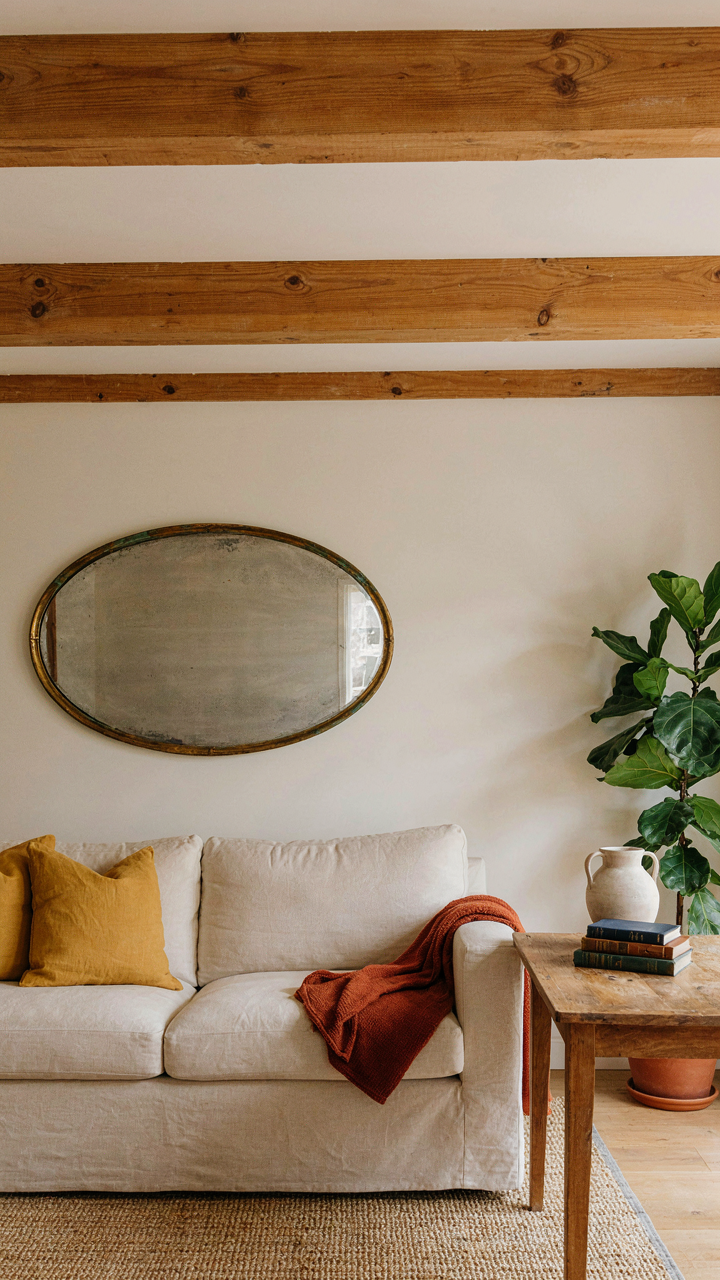
How Elements Work Together In Space
You want permission to buy more stuff and call it design. Here’s what actually matters: in biology, symbiosis means organisms survive better together than alone. French country decor works the same way. A patinated mirror doesn’t stand alone. It reflects light onto aged wood beams, which then warm stone walls, which ground a linen sofa. Each piece amplifies the others. Remove one, and the whole system weakens.

The mechanism is density of function. Every object must earn its place by making adjacent objects perform better. A worn oak table doesn’t just sit there looking old. It provides a surface for layered linens, which soften its edges, which then makes a simple ceramic pitcher look intentional instead of random. You’re building a closed loop where nothing exists in isolation. That’s symbiosis applied to a room.
Keep Only What Lasts And Works
The common advice is to “fall in love with pieces.” That’s how you end up with a room full of sentiment and no coherence. Natural selection in design means this: if a piece doesn’t solve a problem or improve over time, it dies. A decorative plate with no function and no patina has no business on your wall. A wooden chair that’s uncomfortable stays uncomfortable. French country endures because it discards prettiness without utility.
Test every item against two criteria: does it function for daily life, and does age improve it? Linen softens. Wood deepens. Brass and iron develop character. Plastic yellows. Particle board sags. Start with pieces built to last decades, not seasons. Then use them. Don’t display them. A genuinely worn ladder-back chair teaches more through its nicks and smoothed edges than ten pristine replicas ever could. The wear becomes the design.
French Provincial Home Decor: Inherited Not Acquired
The Narrative Over The New
You want permission to buy old stuff and call it taste. Here’s the mechanism: objects with provenance trigger a specific psychological response because they carry evidence of time surviving. French provincial design works this way too. A piece isn’t valuable because it’s old. It’s valuable because it proves something lasted. When you source furniture with visible wear, patina, or documented history, you’re not decorating. You’re building a claim to continuity that mass-produced items cannot make. The original French provincial aesthetic emerged from rural necessity, not trend, which is why reproductions always feel hollow. Buy pieces that show their actual age.

The difference between reproduction and authentic French country isn’t subtle. Real provincial furniture carries tool marks, wood movement, and repairs from actual use. These aren’t flaws. They’re proof the piece survived long enough to matter. A dining table from the 1800s with refinished top and original legs tells a story about priorities and pragmatism. A new table designed to look old tells you the maker understands aesthetics but not function. Seek out pieces from estate sales, architectural salvage yards, and regional antique dealers who specialize in actual French furniture. The cost per year of ownership drops significantly when the item appreciates instead of depreciates.
Objects That Gain Instead Of Fade
French provincial antiques operate under basic scarcity economics. Genuine pieces from the 1700s and 1800s cannot be manufactured anymore because the forests they came from don’t exist in the same form. Supply contracts. Demand remains constant. Prices move in one direction. This isn’t investment advice, but it’s the structural reality most decorators ignore. Meanwhile, they spend on fast furniture that holds zero value after five years.
- Solid Oak Or Walnut Furniture From 18th Century Provence: Original provincial pieces appreciate 3-5% annually depending on condition and documentation. Regional makers developed recognizable construction techniques that distinguish them from later reproductions.
- Authentic Terra Cotta And Ceramic Vessels: Provençal ceramics, particularly from Vallauris and other regional centers, hold value because production methods remained consistent across centuries. Documented maker’s marks increase resale value.
- Wrought Iron Architectural Elements: Fireplace screens, door hinges, and window grilles crafted by hand command higher prices over time. Industrialization never fully replaced these components in rural homes.
- Linen And Lace Textiles From Known Workshops: French linen from specific regions like Brittany carries regional authentication. Age improves their value as functional vintage textiles become scarcer.
- Stone And Reclaimed Flooring Materials: Authentic limestone tiles and slate from provincial floors appreciate because reclaimed building materials face genuine scarcity as older homes are demolished.
The mechanism is straightforward: when you buy reproduction French country decor, you compete against every other buyer in the world. When you buy authentic pieces, you compete against a fixed supply and inflation. One strategy empties your wallet annually. The other builds equity in objects you actually use. Start with a single antique piece from a documented seller and track its value annually.
Beyond The Blueprint: Crafting Your Own French Decor Ideas
Permission To Break The Rules
You want a formula because formulas eliminate risk. They let you hide behind someone else’s choices if things go wrong. That’s the real mechanism at play here. French country decor works precisely because it abandons rigid systems in favor of layered contradictions: rough plaster beside polished brass, new textiles on century-old frames, symmetry broken by a single displaced chair. The rules you’ve read so far are starting points, not walls.

Your space will fail to feel authentic if you treat these guidelines as law. The homeowners who nailed French country interiors didn’t consult a checklist. They kept what mattered, discarded what didn’t, and trusted the friction between old and new to generate character. You need the same permission structure: know the principles, then violate them with intention.
The Slow Edit Over Time
Aesthetic development is a process of accumulation and subtraction working simultaneously, much like evolutionary pressure in biology. French country interiors didn’t emerge overnight. They evolved as families kept meaningful objects, let materials age naturally, and replaced pieces only when they failed. Your instinct improves by living in a space, not by perfecting it on day one.
Start with the bones: flooring, wall color, and core furniture. Let everything else follow across seasons and years. Notice what you actually use versus what you thought you’d use. Notice which textures and colors make you move differently through a room. This isn’t slow design by accident; it’s the only method that produces homes instead of showrooms. Commit to editing one corner every three months rather than overhauling everything at once.
The Erosion Of Perfection: Embracing Impermanence
Worn Surfaces Tell The Truth
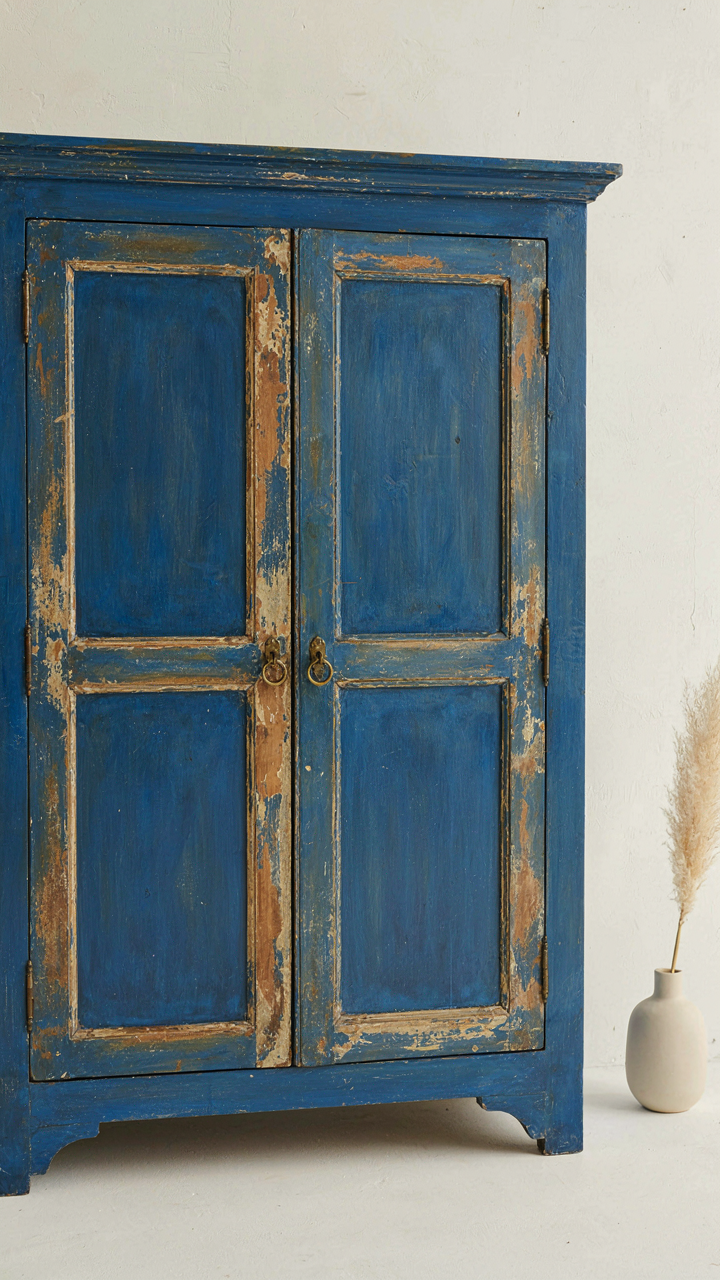
You want permission to stop chasing flawless. That’s the real ask here. The mechanism is simple: your brain registers damage as authenticity because damage requires time, and time signals value. French country design weaponizes this. A painted armoire with chipped edges doesn’t look broken—it looks chosen. The patina isn’t a flaw you tolerate. It’s proof the piece survived actual use, actual seasons, actual people.
Distressed finishes in French country decor emerged from necessity, not aesthetic choice. Rural farmhouses couldn’t afford constant refinishing. Wood aged. Paint peeled. Metal rusted. Wealthy European collectors eventually recognized this wear as desirable, which flipped the economics—now people pay premium prices for surfaces that cost nothing to create through neglect. The shortcut to this look is obvious and wrong. You’re not chasing the appearance of age. You’re understanding that surfaces should record what happens to them.
Objects Improve Through Use
Patina operates like biological aging in materials. Young wood resists: it’s rigid, reflective, defensive. Aged wood accepts: it softens in finish, deepens in color, darkens where hands touch repeatedly. This isn’t decay. It’s evolution. A wooden table that develops a darker surface around where plates sit isn’t deteriorating—it’s accumulating a map of its purpose. French country interiors deliberately preserve this record rather than sand it away.
The common advice stops here: “embrace imperfection.” That’s incomplete. The real step is choosing materials that patina gracefully—solid wood over veneer, natural finishes over polyurethane, forged iron over cast. These materials don’t just age; they improve with interaction. When you enter a room where every surface shows use patterns, your nervous system reads safety and belonging, not neglect. Your final move: stop refinishing pieces. Let them document their function.
Your Longing For ‘patina’ Is A Projection Of Your Own Fear Of Impermanence; True Character Embraces The Entropy
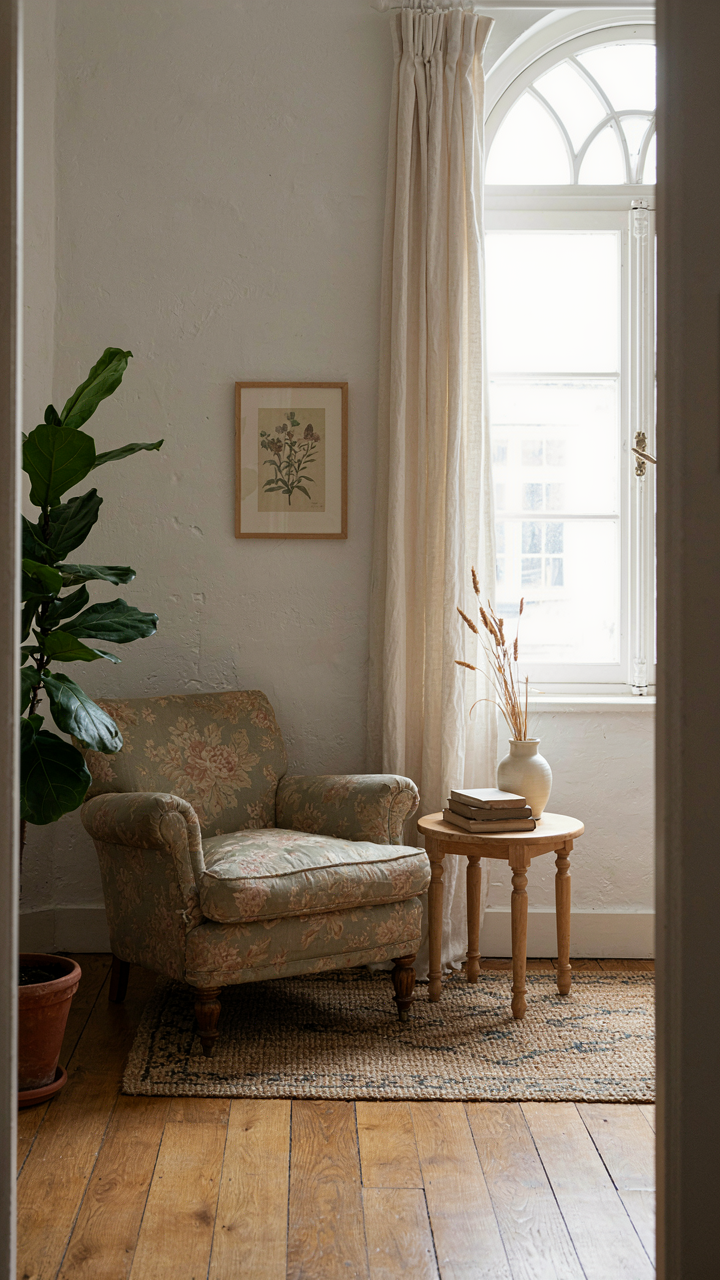
You don’t actually want french country decor. You want permission to stop fighting time. The worn wood, the faded fabrics, the chipped paint—these aren’t design choices. They’re surrenders. And surrender is where real beauty lives. Stop buying new things and aging them artificially. Instead, live in your space for five years without touching it. Watch what breaks. Watch what fades. That’s your decor now. The only authentic patina is the one you didn’t plan for.