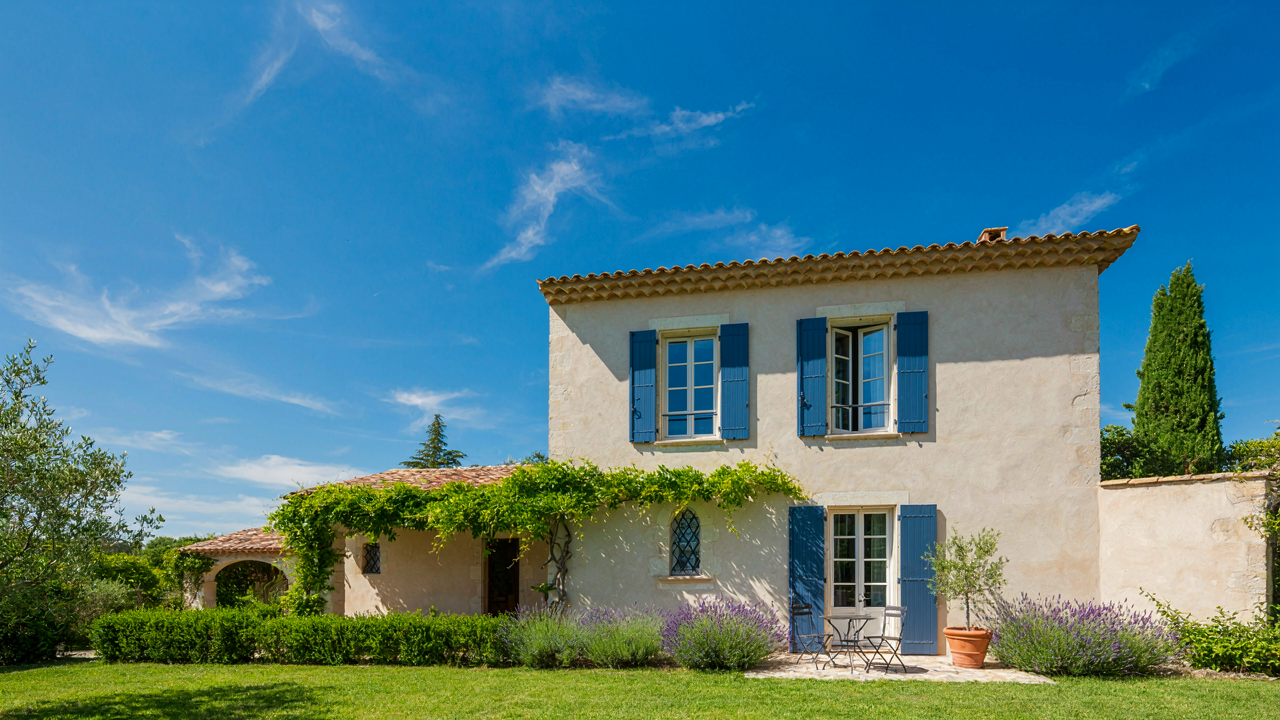
The “Authenticity” Trap: Why Your French Country Exterior Fails
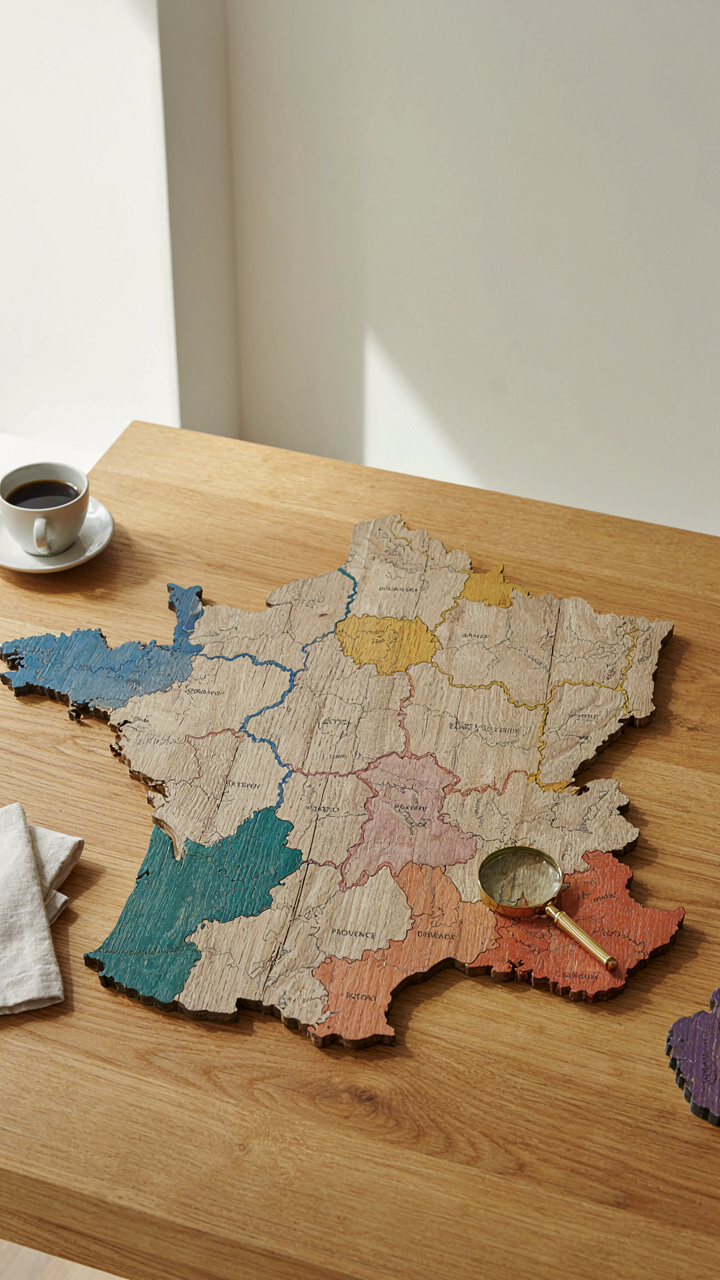
Period Accuracy Beats Visual Nostalgia
You want your house to read as authentic because you believe authenticity signals taste and restraint. Here’s the mechanism: French country shutters weren’t invented as a design aesthetic. They evolved across 300 years of specific regional needs, materials, and building codes that shifted dramatically between the 17th and 20th centuries. Slapping 18th-century Provence shutter details onto a 1950s suburban colonial makes both periods look wrong.
The real divide sits between Normandy shutters, Alsatian designs, and Mediterranean variants. Each developed for different climates, wood availability, and construction methods. Most people copy a vague “French” shutter that borrows elements from multiple regions and eras, creating visual noise. Period accuracy means choosing one region and one era, then committing to its material and hardware constraints. Your shutters should reflect actual constraints their makers faced, not Pinterest abstractions.
Form Followed Solar Protection, Not Fashion
This is where design thinking applies: shutters weren’t ornamental first. They were load-bearing environmental controls. Thick wooden shutters on farmhouses blocked intense summer heat and provided insulation during winter. The batten pattern, hinge placement, and closure mechanism all served this thermal function before anyone cared how they looked from the street. Most modern interpretations strip out the working parts and keep only the silhouette.
Authentic French country shutters close completely and seal tight against the frame. Modern versions often hang decoratively, unable to actually shut or seal. The louver angle, board thickness, and hinge strength all existed to operate under load for decades. When you ignore original purpose, you abandon the details that make the design work structurally and functionally. Start by determining what climate load your shutters need to handle, then select the regional style that evolved for that exact condition.
The Kinetic Theory Of House Shutters: Movement And Illusion
How Shutters Actually Move
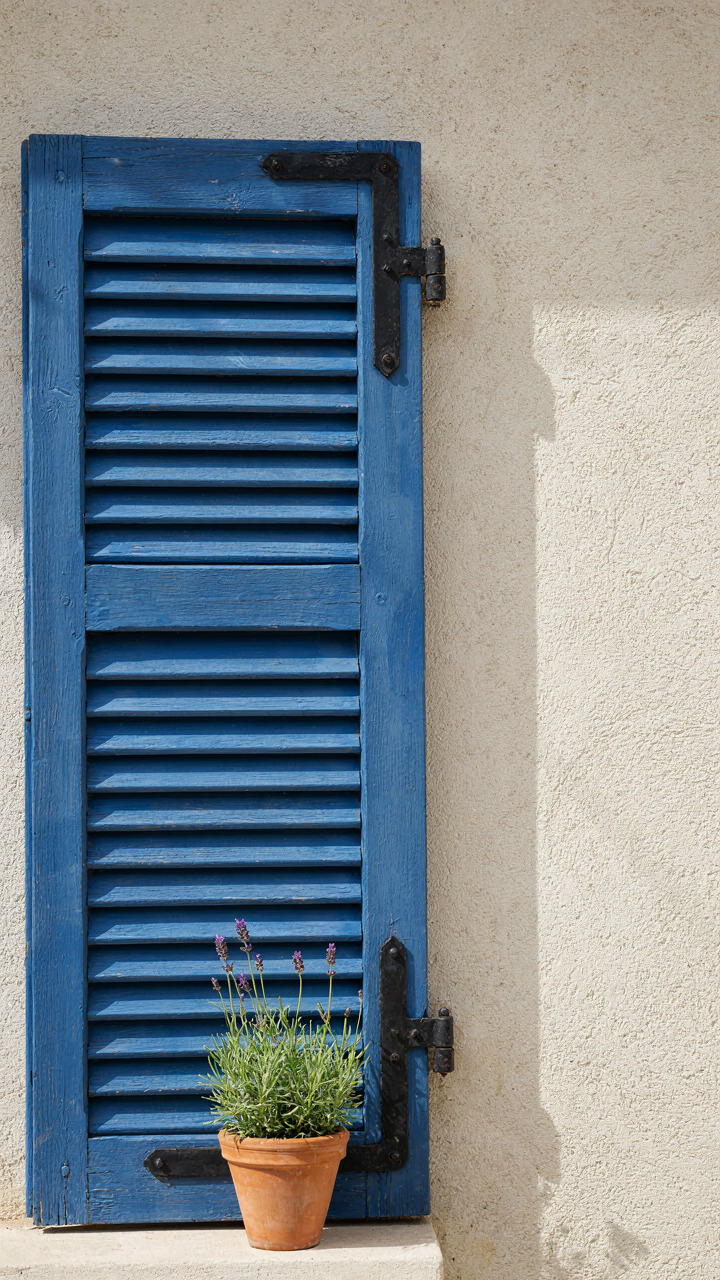
You want shutters that look intentional, not decorative. The mechanism matters because it’s the difference between a prop and a functional element that reads as honest. Physics calls this energy transfer: work applied to an object creates motion. French country shutters work the same way. Hinges are the pivot point. Gravity and hand force move the panel. The weight distribution determines how hard you pull and whether the shutter stays open or drifts closed on its own.

Traditional French shutters hung on wrought iron pintles and gudgeons, hardware that distributed lateral force across a wider plane than modern butt hinges. This meant less strain on the frame and smoother operation over years of use. Modern installations often skip this detail and bolt cheap brass hinges directly to thin wood, which fails faster and looks cheap because it moves like it’s poorly balanced. The shutter that swings with deliberate resistance and settles at rest looks built to last.
Visual Weight Determines Believability
Thin shutters look nervous. Thick shutters look anchored. This isn’t aesthetic preference, it’s visual physics: an object’s perceived solidity comes from the density and depth viewers see. A shutter milled from solid wood at two inches thick registers as intentional architecture. A hollow shutter at three-quarters inch reads as stage dressing, no matter how well you paint it.
French country shutters command presence because they occupy real space. The shadow line cast by proper thickness tells the eye this element belongs to the structure. When you spec shutters, demand boards milled from solid timber, not veneered plywood wrapped in filler. The cost difference is small. The difference in how your house reads is enormous. Install them so they project three to four inches from the wall plane, creating genuine shadow rather than lying flat like applied decoration.
Beyond Blue Shutters: The Color Psychology Protocol
Hue Impact On Perceived Wealth
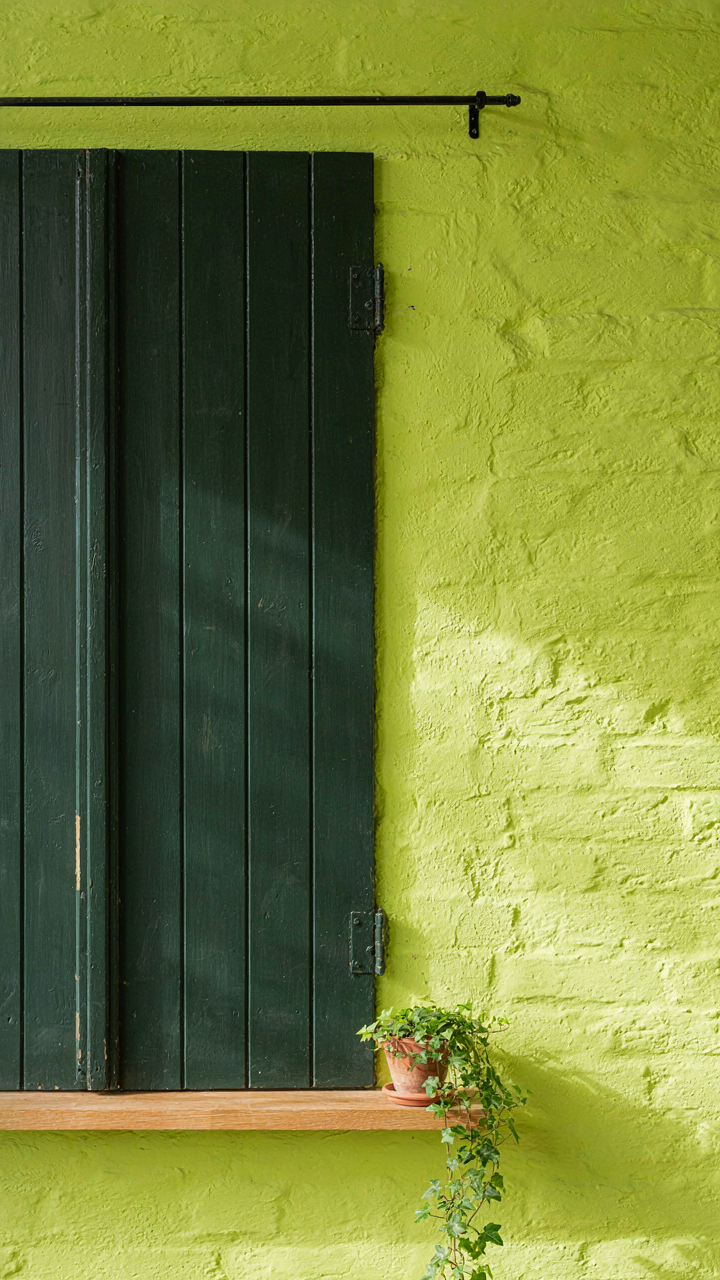
You want people to see your house and think money. That’s the real reason you care about shutter color. Here’s the mechanism: certain hues trigger specific neural responses about age and investment level. Deep greens and blacks read as established wealth because they’re expensive to maintain and fade visibly when neglected. Pale or faded colors do the opposite—they signal neglect, which reads as poverty. French country shutters in hunter green or charcoal communicate that someone invested in durability, not just aesthetics. Light blues and pastels work only if they’re intentionally curated, which requires visible maintenance—the labor proves investment.

The color choice reveals financial priority. Wealthy European estates used deep, saturated hues because pigments cost money and fading was acceptable on expensive materials. Working-class versions used whatever held color longest. Modern psychology mirrors this: your brain categorizes a home’s value within seconds based on color saturation and fade patterns. A crisp dark green shutter says someone maintains property standards. A washed-out pastel says the opposite, regardless of actual home value. The mechanism isn’t subtle—it’s pure visual economics.
Strategic Contrast For Visual Command
Contrast creates visual hierarchy. It’s a principle borrowed from graphic design and military camouflage, where contrast determines what the eye locks onto first. Your shutters operate the same way. A dark shutter against a light facade pulls the window forward in the viewer’s visual field. This dominance works because the human eye naturally routes attention toward the highest contrast area. Pale shutters on pale walls disappear. Dark shutters on the same wall command the frame.
French country architecture relies on this contrast to define window structure and create depth. The shutters aren’t decoration—they’re the visual anchor that makes windows read as important architectural features rather than holes in a wall. Strategic contrast means matching shutter darkness to facade tone in the inverse: light exteriors get dark shutters, dark exteriors get lighter ones. This rule holds across centuries of French rural design because it works optically, not because it’s trendy. Place your shutters to force viewer attention onto the windows themselves.
The Illusion Of Age: French Country Shutters For “New” Homes
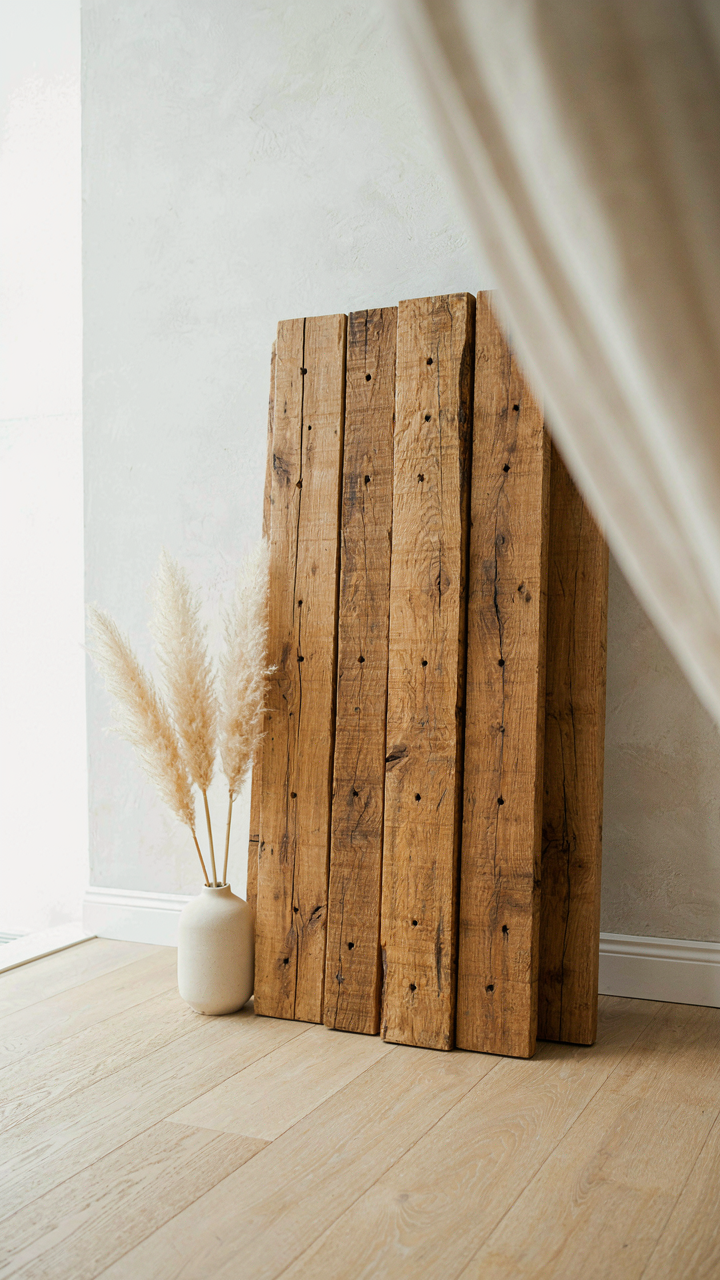
Wood Selection And Surface Treatment
You want people to think your house has history you don’t actually own. That’s the mechanism operating here. Material choice dictates whether shutters read as authentic or amateur, and most people pick wrong because they chase the visual instead of the aging process.

Wood species matter more than finish. French country shutters historically used softwoods like pine and fir because they were cheap and available in rural France, not because they looked pretty. These woods weather predictably, develop character through exposure, and accept stain unevenly in ways that signal real time passing. Hardwoods like oak or walnut won’t age the same way and will make your shutters look installed yesterday.
- Reclaimed Heart Pine: Already contains nail holes, checking, and color variation. Accelerates perceived age without fake distressing. Expensive but credible.
- New Growth Pine With Hand Planing: Roughed surfaces catch light like aged wood. Mimics wear patterns from decades of weather exposure and maintenance.
- Multiple Stain Layers With Selective Stripping: Apply dark stain, let cure, sand edges and high points to expose wood underneath. Creates the uneven patina of selective repainting over decades.
- Natural Oil Finish Over Bare Wood: Linseed or tung oil darkens wood gradually and unevenly. Avoids the plastic appearance of polyurethane that screams “installed 2024.”
- Intentional Weather Exposure Before Installation: Leave assembled shutters outside for one season. Rain, sun, and temperature swings create real patina faster than any chemical method.
The finish you choose determines how convincingly the wood absorbs time. Polyurethane locks the surface and prevents natural darkening. Oil finishes allow wood to oxidize and deepen continuously, which is what actually happened on authentic French country shutters left to weather. Start with bare wood and choose coatings that age, not coatings that preserve.
Hardware As Historical Anchor
Hardware is where people betray themselves. Common advice says “use wrought iron for authenticity,” but that misses the actual mechanism: hardware communicated technology and wealth at specific moments in history. You pick the wrong era and your shutters announce their fake age immediately.
French country shutters evolved with blacksmith capability and material availability. Eighteenth-century hardware was heavier, with visible hammer marks and irregular surfaces. Nineteenth-century production became more standardized. Early twentieth-century hardware introduced lighter profiles and machine precision. Mixing eras or using deliberately distressed modern reproductions reads as confused, not charming. Choose one coherent period and execute it clean. Rusty hardware is not patina—it’s corrosion. Real aged iron develops a stable oxide layer, smooth to touch, not flaking. If your hardware is actively rusting, you’ve selected something that corrodes rather than ages. Reproduction blacksmith-forged hardware exists and costs more, but it performs mechanically like the original and ages with credibility. The attachment method matters equally: shutters should pivot on period-appropriate hinges that actually function, not decorative hardware mounted on modern brackets hidden behind. Your hinges should move the shutters, not pretend to.
Strategic Placement: Not Every Window Needs French Shutters
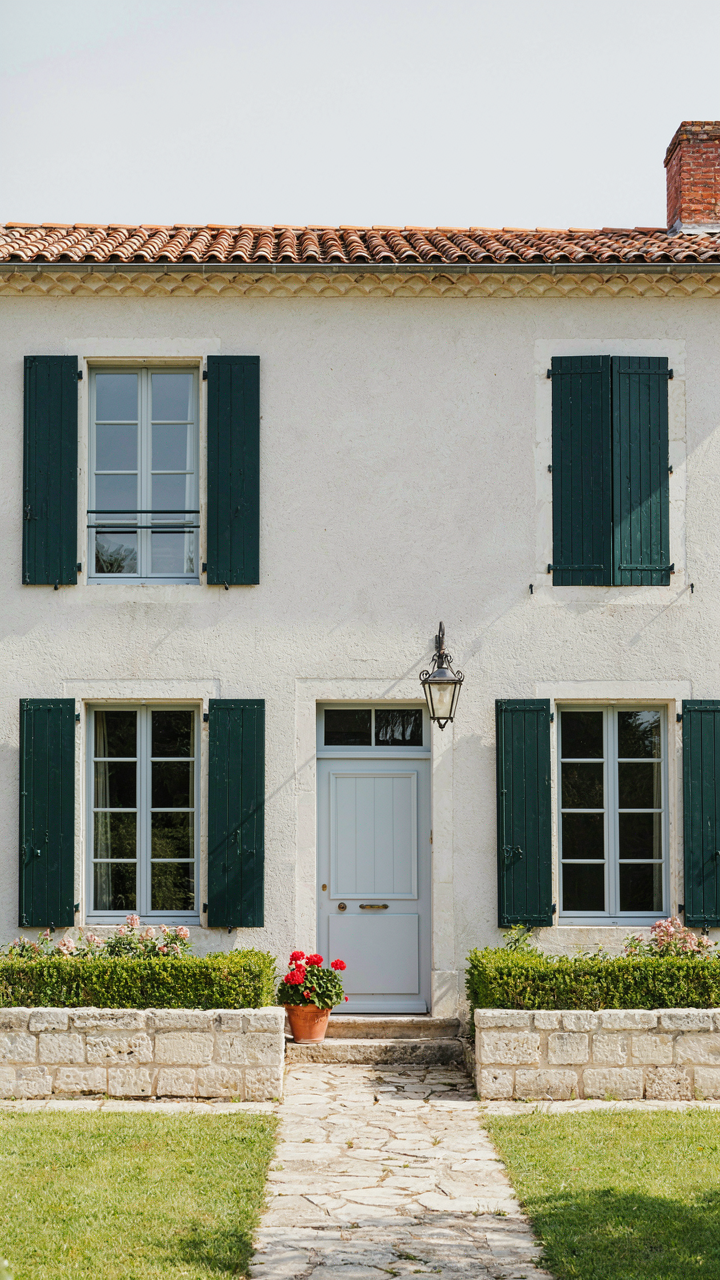
Where Your Home’s Visual Weight Actually Lives
You want shutters everywhere because you’re afraid your house looks unfinished without them. That’s the real problem to solve first. The mechanism is simple: concentration beats distribution. French country shutters work through contrast and intentional restraint, not saturation. A facade with shutters on every opening reads as decoration. A facade with shutters on specific windows reads as character. The difference is architectural literacy versus visual noise.

Focal points in residential design follow the same principle as load-bearing walls in construction: you identify where structural or visual weight naturally concentrates, then you reinforce it. Front-facing elevations have natural hierarchies. The main entry, primary bedroom windows, and any architectural breaks command attention first. These are your shuttered zones. Secondary windows, utility areas, and rhythm-filler openings stay bare. This isn’t restraint for its own sake. It’s visual economics. You’re allocating your design budget where it compounds.
Restraint Creates The Effect You Actually Want
Conventional advice says shutters add charm everywhere. That’s wrong. Shutters add chaos everywhere. The charm lives in the contrast between what has them and what doesn’t. A 1970s split-level with functional shutters on three windows and bare siding on six reads as intentional. The same house with shutters on all nine reads as thematic confusion. The mechanism is negative space in architectural language. Without it, positive elements lose their power.
The discipline is simple: identify your home’s three strongest architectural features, then place shutters only there. This might be the entry portico, a corner bay, and the master bedroom on the front facade. Everything else stays open. This creates visual hierarchy that makes the shuttered elements pop while maintaining the restraint that defines actual French country aesthetic. Installation becomes strategic rather than comprehensive, which saves money and prevents the overclustered effect that kills the style.
The Maintenance As Value Fallacy For French Country House
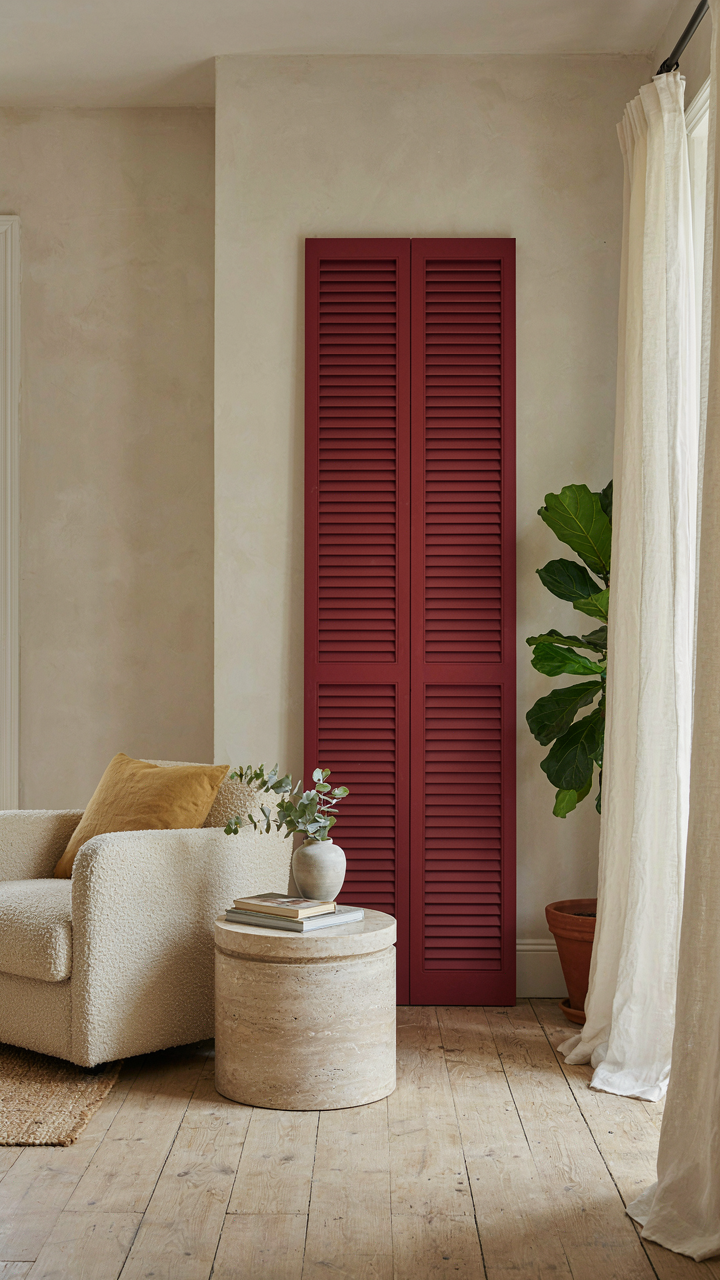
What “Timeless” Actually Costs
You want french country shutters because you believe they won’t demand constant attention. That’s the real appeal. The mechanism undermining this belief is simple: materials don’t age backward. Traditional wood shutters—painted pine, oak, or chestnut—degrade predictably. Paint fails. Wood swells, cracks, and warps with moisture cycles. No design choice halts physics.

The consensus says french country shutters are “low maintenance” because they’re “classic.” Wrong. They’re high maintenance pretending to be sentimental. A shutter painted fifty years ago isn’t valuable because it survived. It survived because someone repainted it every seven to ten years. That labor doesn’t vanish when you install new ones.
Durability Built Into Material Choice
Engineered durability is a concept from materials science. In engineering, redundancy and fail-safe design prevent system collapse. Apply that logic to shutters: pick materials built to fail slowly, not dramatically. Composite shutters (engineered wood fiber, polyurethane composites) outperform traditional wood because they eliminate the wood’s central vulnerability—water absorption—that causes paint failure, rot, and seasonal movement.
This contradicts the storybook aesthetic most buyers chase. Composite shutters look plastic if poorly manufactured. High-end composites, however, match wood’s appearance while adding decades to repaint intervals and removing rot risk entirely. The trade-off is real: you gain forty years of stability and lose the narrative of “authentic restoration.” Most buyers won’t make that swap because the story matters more than the result.
The Unseen Geometry: Proportions For French Country Cottage Exterior
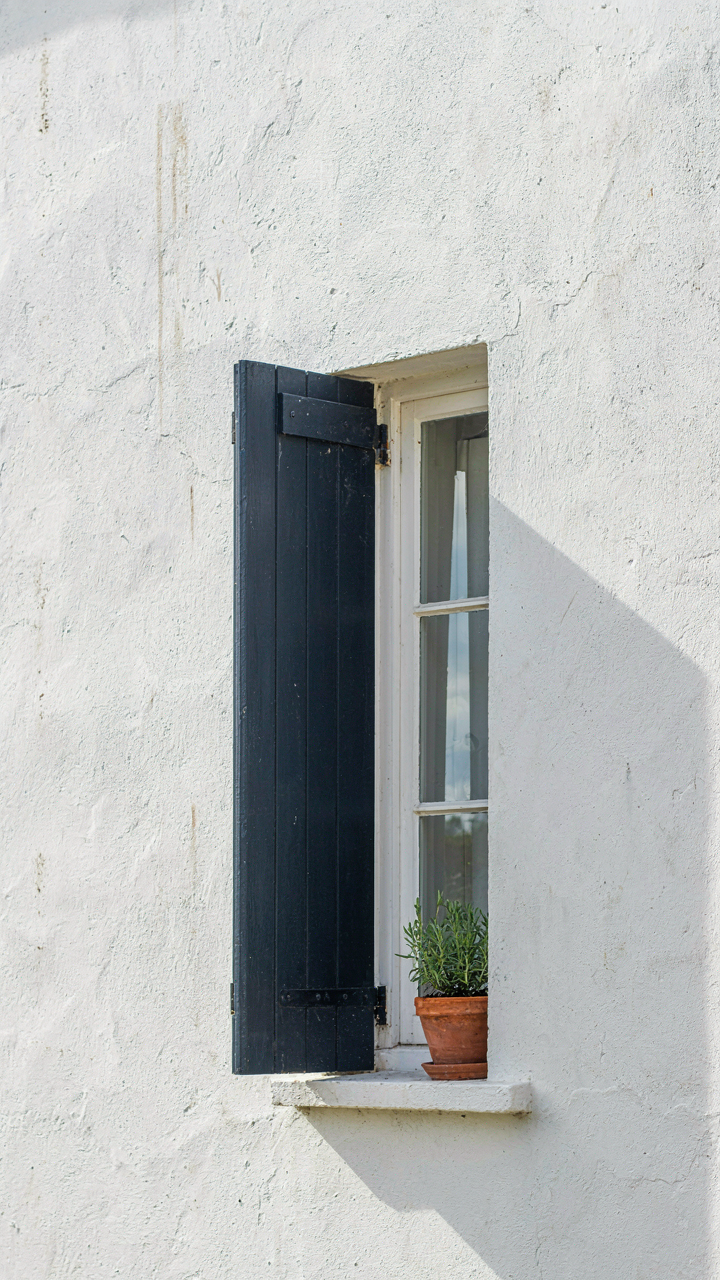
Shutter Width Against Window Opening
You want your shutters to look intentional, not like an afterthought bolted to a bland facade. Here’s what actually matters: the real mechanism is optical weight, not sentiment. French country shutters work because they follow a math problem, not a feeling. Shutters should cover approximately one-third to one-half of the window width when closed, measured from the frame edge inward on each side. This ratio isn’t arbitrary. It comes from centuries of rural French design where materials were scarce and every element earned its visual real estate by solving both function and proportion simultaneously.

The common mistake is making shutters too narrow. Skinny shutters look apologetic. They read as decoration rather than infrastructure. Measure your window opening width first. If your window is 36 inches wide, each shutter panel should be 14 to 18 inches. For a 48-inch opening, shoot for 18 to 24 inches per panel. The shutter’s height should match the window’s full height from sill to top of frame. This creates visual closure without the shutters appearing to strangle the opening.
Visual Hierarchy Through Frame Layering
Architectural layering works like background and foreground in photography. The frame itself, the shutter, and the wall plane each occupy a distinct spatial layer. French country shutters sit in the middle layer, visually bridging window frame to wall surface. When proportioned correctly, they don’t compete with the window—they anchor it. Shutters positioned flush or slightly proud of the wall plane create shadow lines that read as depth rather than flatness. The eye reads this layering as intention. A 1 to 2-inch setback from the wall face gives the shutter visual independence without it floating detached.
The hierarchy collapses when shutters and frame fight for attention. Control this by keeping shutter material darker or more textured than the wall. If your cottage wall is white lime-washed plaster, shutters in muted green, blue-grey, or soft black create deliberate contrast. If the wall reads as the dominant plane, the shutter recedes properly into the middle layer. Position the shutter’s outer edge 2 to 4 inches from the window frame’s outer edge. This spacing makes the frame the hero and the shutter the supporting structure underneath.
Beyond Trends: Why True French Country Exterior Stands Alone
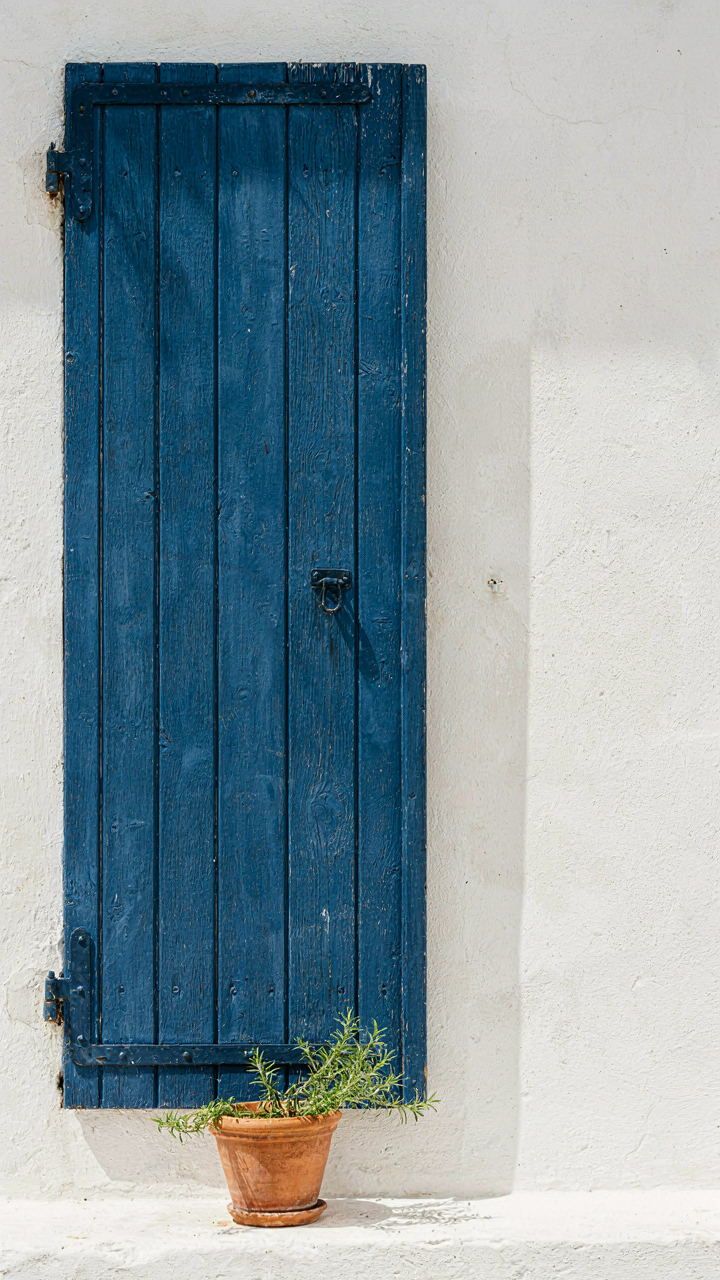
The Mechanism Behind Material Choice
You’re reading this because you’re afraid your shutters will look dated in five years. Here’s what actually matters: French country shutters work because they’re built on functional constraints, not aesthetic whims. Think of it like natural selection in biology. The shutters that survived centuries weren’t the ones designed to impress—they were the ones that blocked sun, controlled moisture, and stayed operable in harsh weather. Form followed engineering necessity, not trend cycles.

The common advice is to pick colors that “feel timeless.” That’s backwards. Real French country shutters survive trend cycles because they solve a mechanical problem first. The wood species, hinge placement, and louver angle were all determined by climate and purpose in rural Provence and Normandy, not by someone’s mood board. Copy the problem-solving, not the aesthetic. That’s the actual moat.
Permanence Through Repeated Simplicity
Aesthetic immunity isn’t about complexity. It’s about constraint. The reason traditional French country shutters don’t age poorly is that they operate within a narrow design band. Solid wood, board-and-batten construction, functional hardware, muted colors tied to local pigments and weathering patterns. These weren’t choices made for beauty. They were defaults born from material availability and climate.
When you deviate from this band, you’re betting against history. Adding decorative elements, unusual colors, or hardware that doesn’t match the construction logic marks the piece as a specific moment in time. The shutters that look wrong now are the ones from 1995 that tried to modernize French country by adding brass accents and pastel finishes. Stick to the narrow band: wood species common to the region, operational hardware visible and proportionate, color determined by wood type and weathering. That’s not boring. That’s how you build something that doesn’t become a liability.
The Real Obstacle Isn’t Finding The Right Shutter; It’s Your Inability To See Design As Psychological Warfare

French country shutters don’t decorate windows. They manipulate how people feel when they enter your space. Most people choose shutters based on color charts and Pinterest boards. That’s backwards. Walk through your home today and notice which rooms make you linger and which ones you rush through. The shutters in the lingering rooms aren’t prettier. They’re doing invisible work on your nervous system. Your competition isn’t other homeowners. It’s indifference. Design your shutters to make people stop thinking.