
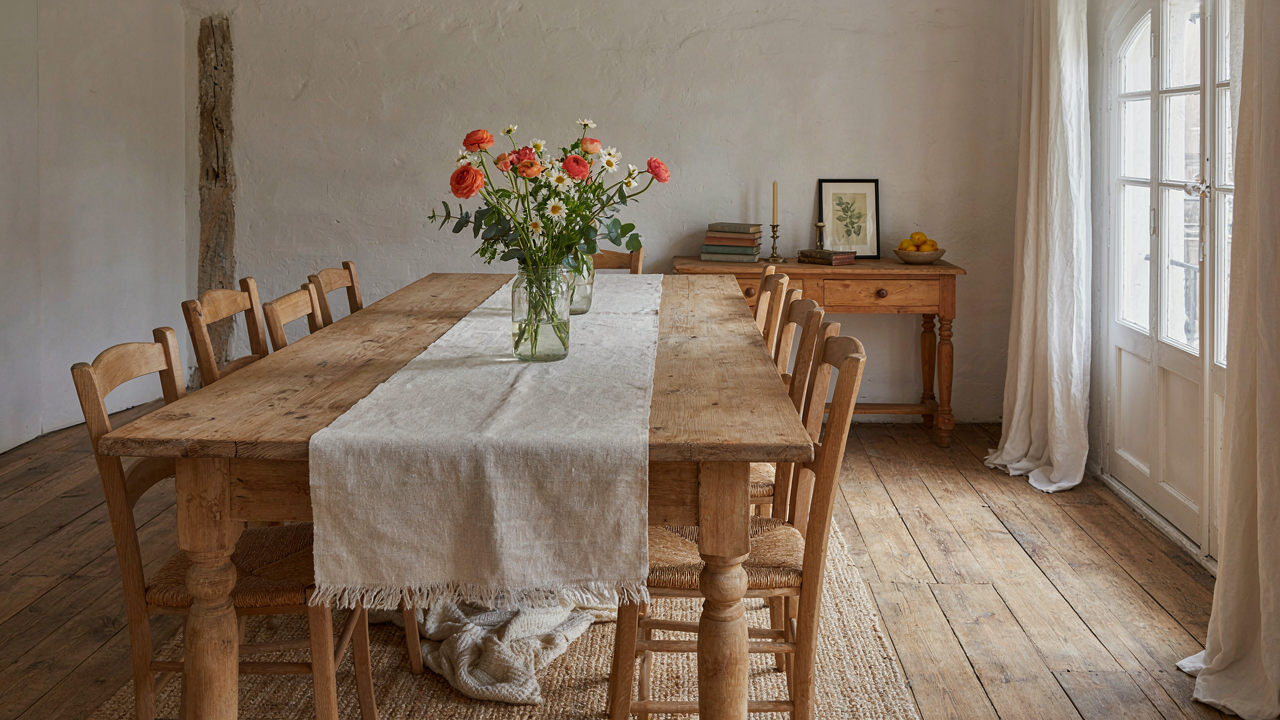
The Function First Framework: Why Utility Trumps Ornamentation

Every Item Earns Its Place
You want your home to look intentional, not like you’re trying too hard. Here’s the mechanism: French farmhouse decor works because it borrowed from economics the principle of scarcity—constraint forces value. Rural French homes didn’t accumulate decoration. They accumulated only what solved a problem. A wooden ladder leaning against a wall wasn’t art. It accessed the loft. A linen cloth on the table wasn’t styling. It protected surfaces and wiped hands. The aesthetic emerged as a side effect of necessity.
This inverts how most people approach decor. They add things because they look good in photos. French farmhouse demands the opposite question: what does this object do? A weathered wooden shelf displays plates, yes, but it also organizes kitchen inventory. Aged linen runners prevent wear on wooden floors while adding texture. A wrought iron hook doesn’t decorate the wall; it holds something. The design principle is ruthless: remove the utility, and you remove permission for the item to exist. This isn’t minimalism rebranded. It’s the original logic of rural function that happens to photograph well.
The Architecture Of Saying No
Most decorating advice tells you to “curate” and “be selective.” That’s incomplete. The real work is naming what you’re rejecting and why. French farmhouse spaces reject decorative clutter not because clutter is ugly, but because it violates the core contract: everything visible must earn its footprint through use or structural purpose. A ceramic bowl sitting empty on a shelf breaks this rule. The same bowl filled with eggs or bread does not. A decorative mirror hanging for aesthetics fails. A mirror positioned to reflect light into a dark corner succeeds.
The mechanism is permission structure. Once you establish that items must function, decoration becomes a natural output, not an input. Aged wood doesn’t decorate a room because you chose aged wood for beauty. It appears because wooden surfaces endure decades of use and wear. Linen doesn’t add texture because texture is trendy. It dominates French farmhouse interiors because linen withstands labor and cleaning better than delicate fabrics. When you remove the item, you remove the aesthetic. This forces discipline: if you can’t articulate what something does, don’t install it.
Linen: Beyond The Fabric – A Philosophy Of Worn Elegance

The Imperfect Made Intentional
You want permission to buy expensive things that look cheap. That’s the real mechanism at work here. French farmhouse decor borrowed from economics the principle of signaling: you communicate status through apparent restraint rather than obvious expense. Linen accomplishes this because its wrinkles, slubs, and color variation read as honest and time-tested rather than neglected. The fabric doesn’t hide its process. Every imperfection proves it’s real linen, not a synthetic pretender.

The common advice says “embrace the wrinkles.” That’s incomplete. You don’t embrace them passively. You choose linen specifically because it develops visible wear patterns that mimic the aesthetic of French rural textiles from the 18th and 19th centuries, when farmhouse families used what lasted longest. Modern linen manufacturers preserve these characteristics intentionally. The fibers remain visible. Selvage edges stay raw. Fading happens unevenly, exactly as it would in a generations-old kitchen. This is engineering backward compatibility into fabric.
Buy For Use, Not For Season
Linen doesn’t trend because it predates trends. Cotton blends cycle in and out of fashion every three years. Linen outlasts the people who bought it. When you source linen for a farmhouse aesthetic, you’re actually committing to a material that functions better over decades than it does year one. The investment logic flips: cheap linen disappoints after one wash. Quality linen from French mills or European manufacturers improves with laundering because the fibers soften without degrading.
Most people buy linen as decor. Stop that. Buy it as infrastructure. A linen tablecloth or bed runner serves the same practical purpose in year one and year twenty. The color shift from cream to pale gold happens automatically through use and light exposure, not through intentional “distressing” techniques. This creates authentic aging instead of manufactured nostalgia. Source linen from suppliers who list fiber content and thread count openly. If they won’t specify weight or origin, the linen won’t last long enough to matter.
Aged Wood: The Patina Of Purposeful Living
Where To Find Wood With Real History
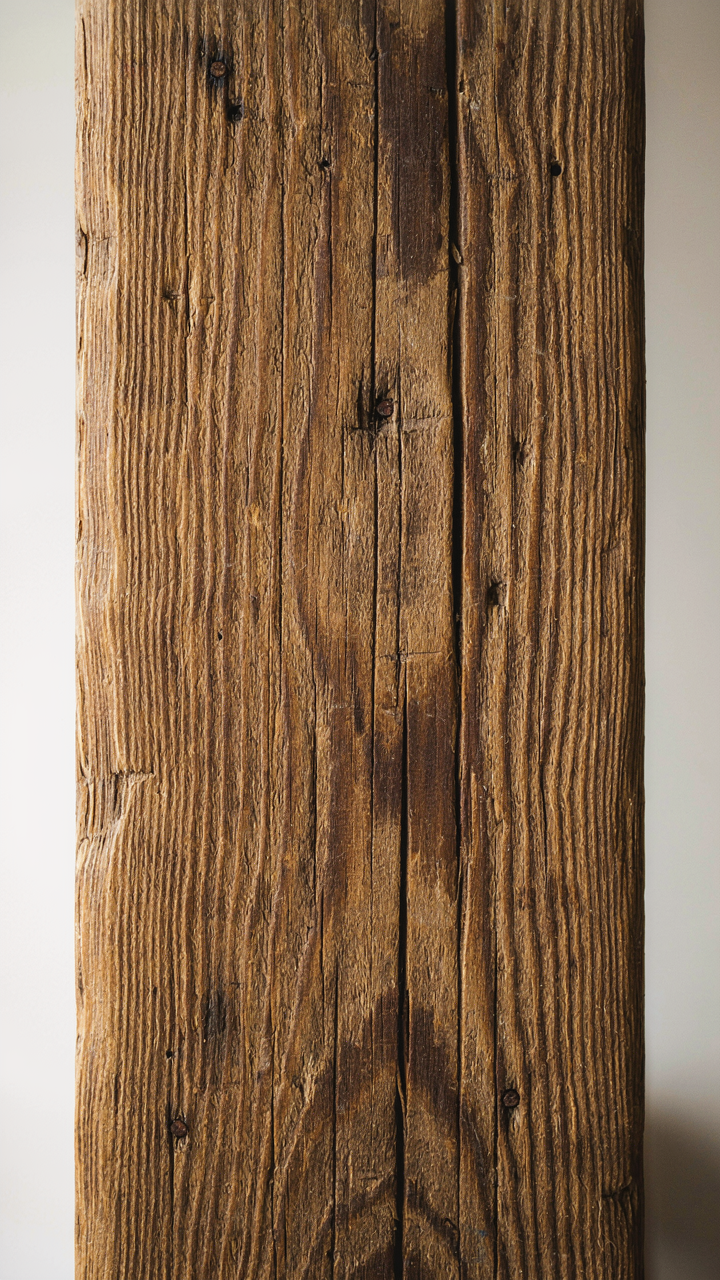
You want aged wood because it signals you didn’t buy everything yesterday, and you’re right to care about that signal. But most people source it wrong. They hunt for “reclaimed” wood online, get shipped uniform planks that look distressed by machine, and miss the actual mechanism: real aged wood comes from places where it was already used for something else.

The direct route is salvage yards, architectural salvage dealers, and demolition sites in older European regions or their diaspora communities. French farmhouse interiors historically used wood from barns, wine cooperatives, and repurposed beams. You’re looking for wood that shows actual wear patterns, tool marks, or nail holes from prior installations, not cosmetic aging applied in a factory.
The Resistance To New Materials
Everyone talks about “authenticity,” which is useless guidance. What actually matters is decay as a signal of function. In material science, entropy increases in used objects—their surface changes through exposure and contact. French farmhouse design doesn’t celebrate newness because that aesthetic emerged from rural necessity, not design choice.
Old wood pieces stay in the room because removing them costs more than keeping them. That constraint created the entire visual language. When you source aged wood, you’re not decorating. You’re installing evidence of practical use and time. The wood carries its own documentation. Place it as structural element, not accent—beams supporting shelving, table bases, cabinet frames—so it reads as load-bearing utility, not styled artifact.
The Scarcity Principle In French Farmhouse Interior Design
Why Fewer Pieces Actually Work Better
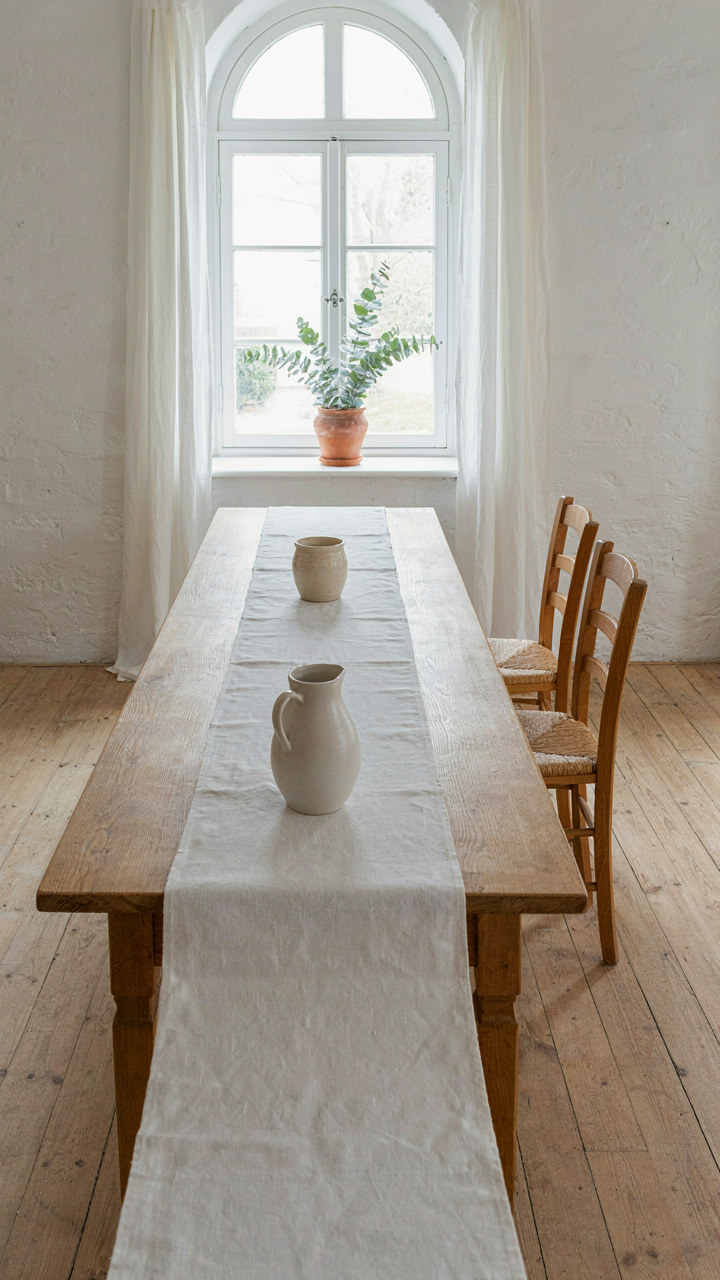
You want permission to buy less and feel like you’re still doing it right. Economics calls this scarcity pricing: when supply is limited, perceived value increases. In French farmhouse design, this isn’t theory—it’s the operating system. Restraint is what separates an intentional room from a cluttered collection. The mechanism is simple: one aged oak table commands a room. Ten mismatched chairs scattered everywhere just look like a thrift store haul. Your eye needs space to land, and objects need air around them to register as chosen rather than accumulated.

French rural interiors were born from necessity, not aesthetics. Farmhouse families owned what they could afford and what served multiple purposes. A single linen runner across a wooden table. One wrought iron chandelier. Three chairs instead of eight. This constraint created visual clarity by accident, and that clarity is what we’re actually paying to recreate. The poverty of selection forced elegance into the design. Remove one thing from a well-edited room and it collapses. Remove one thing from an overfull room and nobody notices.
Curation Without The Emotional Attachment
The common advice says “buy quality over quantity” and then people ignore it because they don’t understand the real cost of adding versus subtracting. Editing is harder than collecting, so most people reverse it. You need a rule: before you bring anything in, you remove something first. That’s not minimalism preaching. That’s just the mechanism that keeps a room from becoming a catalog showroom.
Start with function. A linen tablecloth serves three purposes: it softens the wood surface, it ages visibly with use, and it can be swapped by season. An aged wood shelf displays a single ceramic pitcher and nothing else. That pitcher becomes the focal point because nothing competes with it. Every item must have earned its place through use or visual weight, not sentiment. If you’re storing it “just in case,” it’s taking up actual and mental space. The room stays controlled when you operate from subtraction, not addition.
Beyond The Buzzwords: True French Farmhouse Living Room
Manufactured Charm Versus What Actually Works
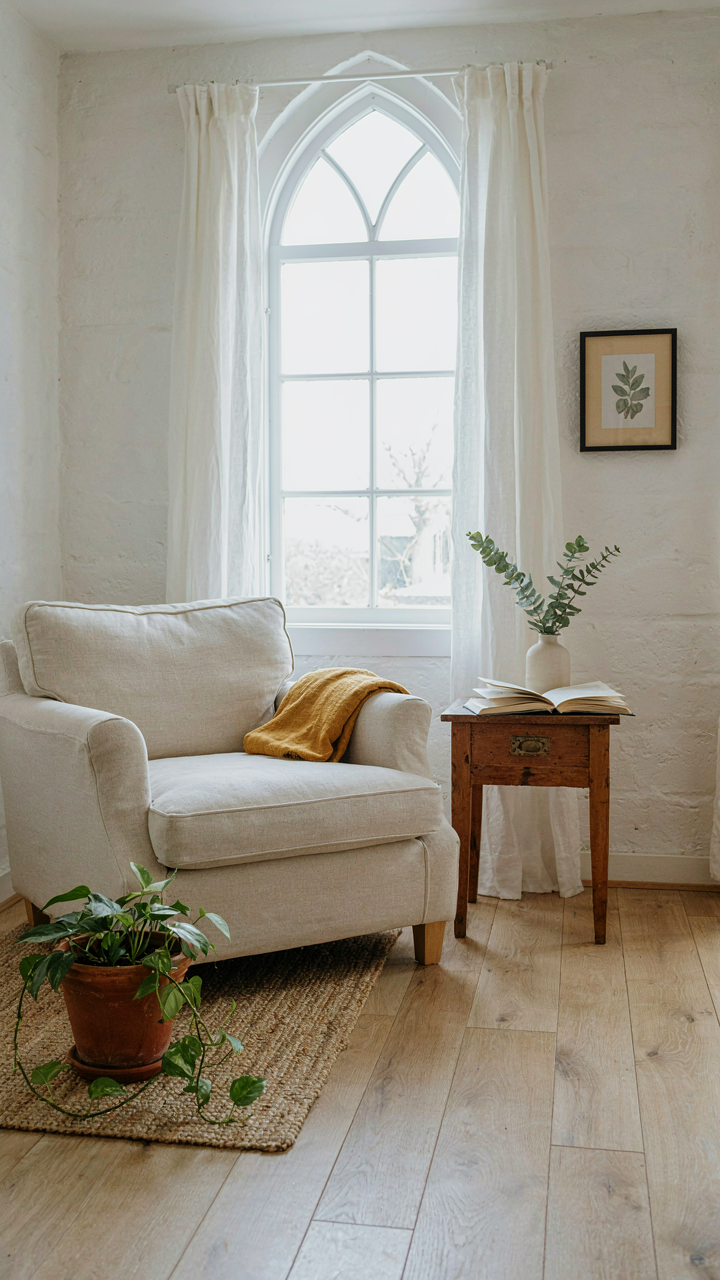
You want people to know your space is authentic without you having to announce it. That’s the real mechanism at play here. The problem is that most “French farmhouse” decor sold online is theatrical—designed to photograph well, not to function like an actual rural French home did. Real French farmhouses from Provence, Normandy, or the Dordogne were built around necessity, not nostalgia. Their inhabitants used what they had, replaced it when it broke, and didn’t curate their environment for aesthetic consistency.

The distinction matters because manufactured charm relies on uniformity. Every piece matches a color palette. Every texture sits in balance. Real French farmhouses mixed periods, materials, and finishes because owners couldn’t afford to replace everything at once. A Louis XVI chair sat next to a 1950s table. Plaster walls were patched with different batches. This tension—not this harmony—creates the visual weight people actually respond to. Strip away the matching sets and the coordinated linen collections. Start with one authentic piece: a weathered farm table, a salvaged door, a genuine antique cabinet. Build from there without forcing agreement between objects.
The Living Room As Workspace And Gathering Point
Economics shaped French farmhouse design in ways most people ignore. Take the principle of “highest and best use” from real estate: every room earned its place through multiple functions. The living room wasn’t a display area for decorative objects. It was where families worked, ate, gathered warmth from the fireplace, and stored things seasonally. This dual-purpose orientation changes how you approach the space today.
Modern French farmhouse rooms fail because they treat the living room as a museum exhibit—all sitting, no doing. Real rooms had work surfaces. A secretary desk for correspondence. A sturdy table for mending or crafts. Deep shelving for storing seasonal goods or household supplies. The worn wood and aged finishes you see in these spaces came from actual use, not from manufacturing a distressed effect. To build an honest living room, arrange furniture around what you actually do there. Work, read, cook side dishes in a small kitchen area, preserve things. Let the wear patterns emerge from genuine activity. The aged wood and linen will tell a real story if you let them function first.
The French Kitchen: A Culinary Command Center, Not A Showroom
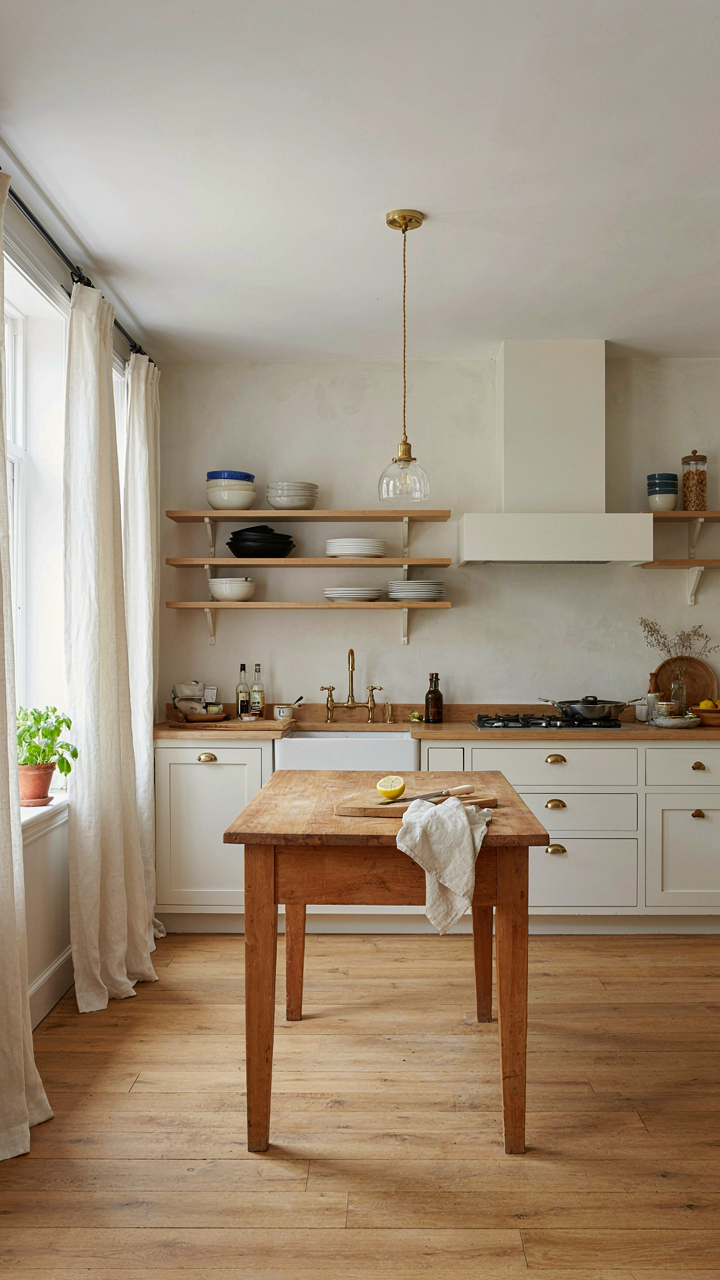
Tools Over Trinkets
You want your kitchen to look intentional. The real motive is avoiding the accusation that you’re playing house with decor. French farmhouse kitchens work because they operate on supply chain logic: every object serves production. Think inventory management—what sits on display must rotate through actual use or it signals waste. A French farmhouse kitchen prioritizes function-first positioning, meaning tools occupy prime real estate, not decorative objects fighting for counter space.

The distinction matters because most people reverse the hierarchy. They buy vintage cake stands, copper molds, and ceramic vessels, then arrange them like a museum. Real French farmhouse kitchens accumulated their aesthetic through necessity. Open shelving held dishes because that’s where dishes lived—accessible for daily meals. A worn wooden table sat in the kitchen because that’s where the family ate, not because it photographed well. Tools stayed visible because kitchens were workspaces, not galleries.
- Cast iron skillets and copper cookware: Displayed on open hooks or racks because they’re used weekly, not monthly. The patina comes from function, not artifice.
- Wooden cutting boards and knife blocks: Positioned on counters at arm’s reach from prep zones. Placement reflects workflow, not aesthetic theory.
- Open shelving for everyday ceramics: Store plates, bowls, and cups you actually use. Mismatched pieces work because they accumulated through time, not intentional curation.
- Linen kitchen towels and aprons: Draped or hung near work areas where hands reach them during cooking. Function determines placement.
- Aged wooden utensil holders: Contain spoons, spatulas, and whisks sorted by use frequency. Worn surfaces signal years of actual kitchen labor.
The mechanism is transparent: French farmhouse kitchens stopped looking calculated when people stopped decorating them. You build this aesthetic by working in the space first, then letting the visual arrangement emerge from that work. Arrange your tools based on the order you use them during a meal prep sequence, not based on visual balance.
Why Cottage Kitchens Often Fail
Most cottage kitchen attempts fail because they confuse rusticity with cheapness. People buy reproduction items—new “distressed” wood, factory-aged ceramics, mass-produced vintage knockoffs—then wonder why the space feels hollow. The problem isn’t the style. The problem is treating aesthetics as something you buy instead of something that accumulates through use and time. A kitchen that looks forced reveals that no actual cooking happens there.
The fix requires rejecting the catalog approach. Source real aged wood from reclaimed markets or local salvage operations, not retail stores selling new-made rustic. Collect actual ceramics from flea markets and antique dealers over months, not buy a matching set. Use your kitchen intensively enough that the wear patterns are genuine. A countertop that shows real knife marks and stains reads as lived-in. A cabinet painted fresh last month reads as decorated. The difference is measurable: one has patina from actual use, the other has paint from a contractor.
Cottage Interiors And The Art Of Strategic Understatement
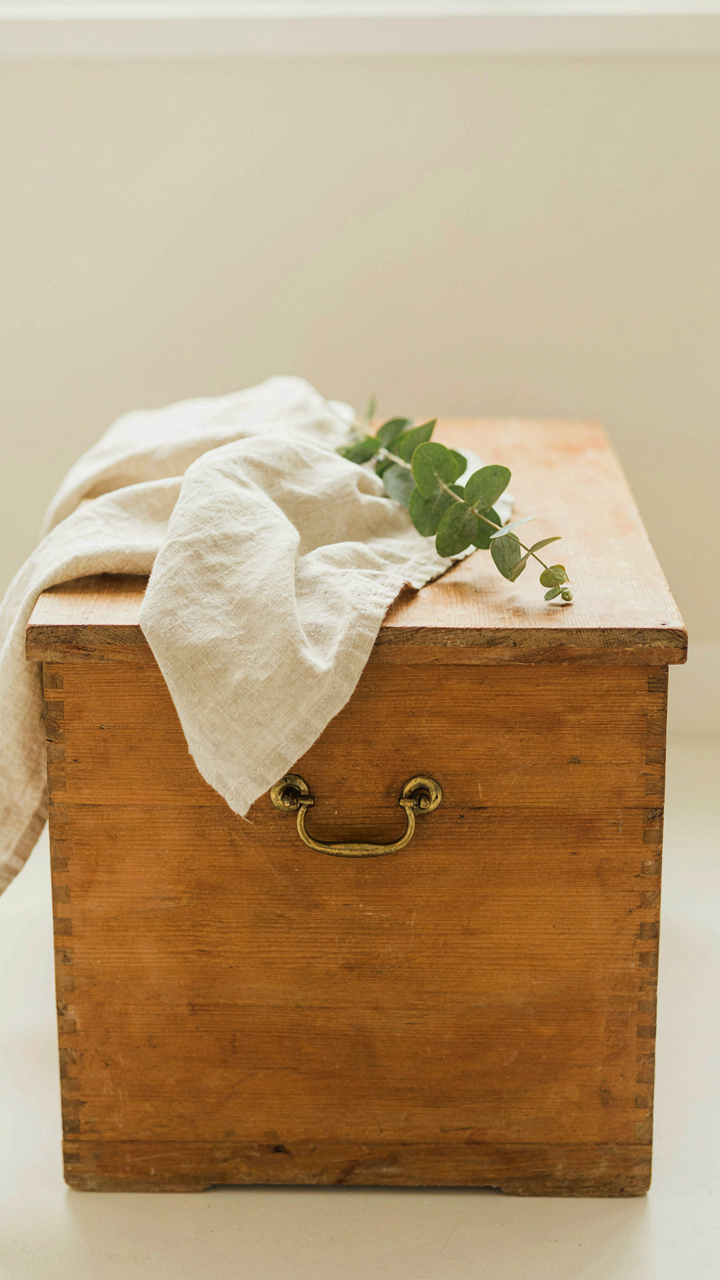
Subtle Textures Build Depth Without Noise
You want to feel sophisticated without admitting you’re afraid of bold choices. The real mechanism is contrast: texture creates visual interest where color would scream. French farmhouse spaces layer different fabric weaves, wood grain patterns, and surface finishes to make rooms feel inhabited rather than decorated. A rough linen throw against smooth aged wood, or raw hemp rope paired with polished brass hardware, registers as intentional restraint instead of visual flatness.

The farmhouse aesthetic emerged from necessity, not design theory. Rural French interiors worked with what they had—worn linens, reclaimed timber, weathered stone. These materials weren’t chosen for their texture; texture was the byproduct of function and time. Modern execution replicates this by selecting materials with genuine surface variation rather than factory-printed fake patina. Touch becomes the metric. If a surface feels the same everywhere, it fails the test.
When Restraint Becomes Strategy
Most advice tells you blank walls and minimal decor feel peaceful. That’s incomplete. Empty rooms feel incomplete because nothing tells you why these objects exist here. French farmhouse spaces appear minimal but operate at maximum efficiency: every piece carries visual weight through material, age, or patina. A single worn wooden chair beside a table becomes a story. Three identical chairs become furniture.
The mechanism is specificity. You’re not decorating with generic farmhouse pieces. You’re building a visual argument where each element justifies its own presence through texture, proportion, or genuine wear. Remove one item and the room loses coherence. Add another and it fragments. This constraint forces real decision-making instead of accumulation. The protocol: before bringing anything into the space, name what it replaces or what conversation it enters. If you can’t name it, don’t bring it.
French Farmhouse Interior Design Ideas: The Unspoken Rules Of Integration
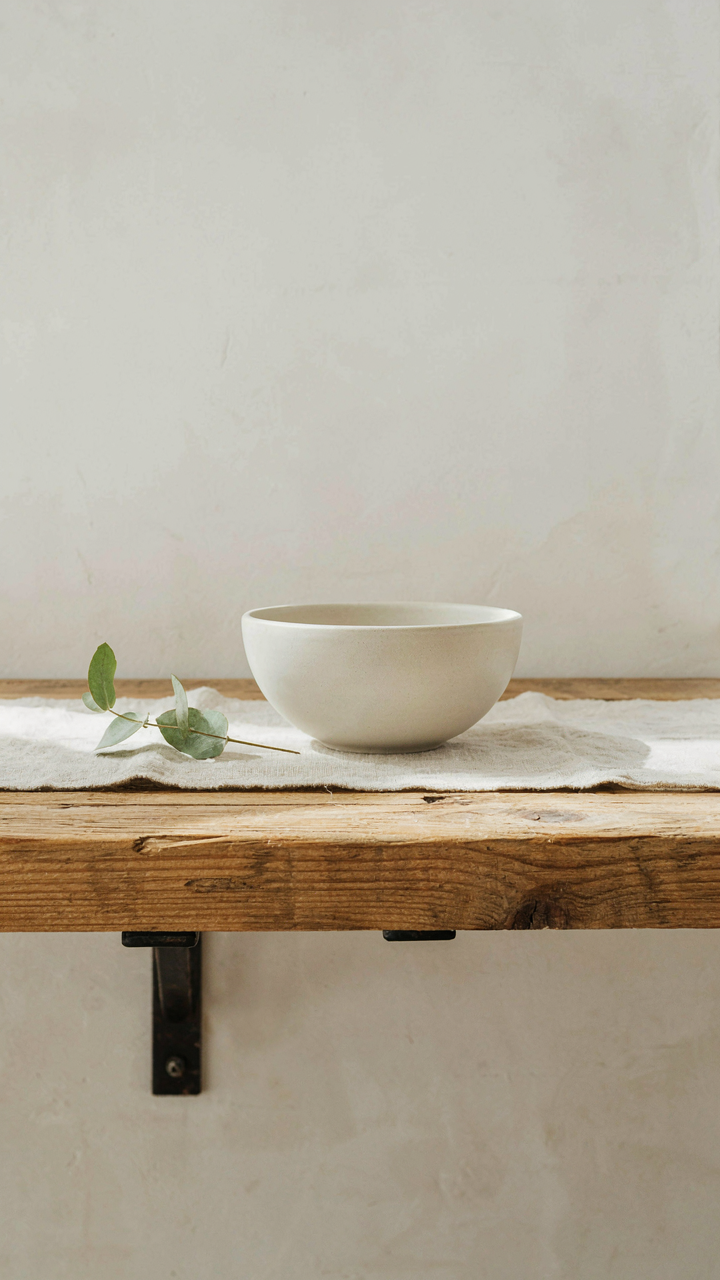
Old Pieces Need A Clear Function, Not A Museum Moment
You want the room to feel curated, not like you’re apologizing for keeping grandmother’s table. The real mechanism here borrows from architecture’s load-bearing principle: every aged wood or linen element must carry actual weight in the space, either functionally or visually, or it reads as decoration pretending to be restraint. A weathered farm table works because you eat at it. A reclaimed door hung as wall art fails because it does nothing except announce you tried.

Mixing eras demands intentionality most people skip. Place new pieces alongside old ones with zero transition objects between them. Let a modern ceramic vessel sit directly next to a century-old linen runner on open shelving. The contrast clarifies both. When you buffer old and new with “transitional” pieces, you actually muddy the narrative and train your eye to see clutter instead of layers.
Stop Performing Rusticity
The common advice says fill your space with “authentic” farmhouse finds and layers of texture. This is backwards. Actual French farmhouses weren’t decorated, they were lived in. The worn look came from function over decades, not from shopping vintage markets with a mood board. Real integration means removing the performance: no distressed finishes on new furniture, no faux aged paint, no new linen that’s artificially stonewashed to look old.
The mechanism is straightforward. Your eye detects fakery instantly because authenticity has an internal logic that reproduction doesn’t match. One genuine worn linen napkin placed beside five new ones trying to look worn creates visual noise instead of depth. Commit to either new or truly old in each zone. Your dining table is solid aged wood. Your chairs are new but unfinished oak. The contrast works because both are honest about their timeline.
The French Farmhouse Family Room: Designing For Connection, Not Display
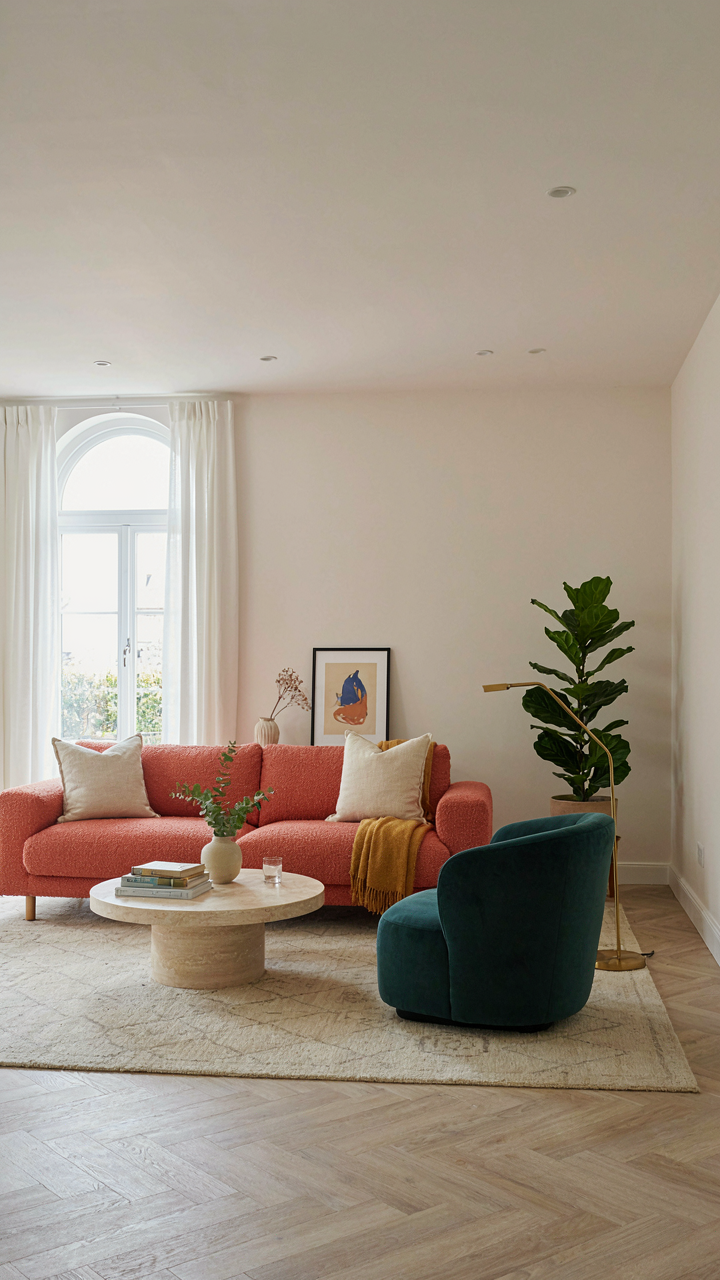
Proximity Forces Conversation
You want this room to feel intentional because you’re afraid yours feels staged. The mechanism is simple: distance kills interaction. French farmhouse design solves this using environmental psychology’s proximity principle, the same rule that explains why people seated closer together talk more and retain information better. In farmhouse interiors, this shows up as clustered seating around a focal point, not scattered furniture facing a television. Aged wood tables and linen-upholstered pieces sit close enough that conversation happens without shouting.

The room layout matters more than any object in it. Place a worn wooden table at the center, then arrange chairs within arm’s reach. Hardwood floors with layered linen runners create natural gathering zones. The textile choice is functional, not decorative: linen absorbs sound and encourages people to stay seated longer. Eliminate sight lines to exits and screens. A French farmhouse family room works because the architecture itself prevents people from leaving.
Low Stakes, Real Presence
Most advice says to eliminate distractions. That’s incomplete. You can’t remove all friction, so instead you create furniture that makes people want to be there without performing. French farmhouse design uses worn wood and aged finishes to signal that nothing here needs protecting. A scratched harvest table or distressed linen sofa tells visitors the space accepts use, not admiration. This removes the social tax of worrying whether you’ll damage something valuable. When guests relax, they stay longer and talk differently.
The tactile quality of materials drives this shift. Rough-hewn beams, chunky wood frames, and naturally frayed linen send the message that wear is expected. Weathered finishes on tables and dressers signal authenticity over pristine condition. This works because it allows genuine interaction to replace social performance. When a child spills water or someone sets a hot cup directly on wood, the room absorbs it without judgment. The design removes the friction that kills real connection.
The Permanent Collection Protocol: Building A Timeless Space
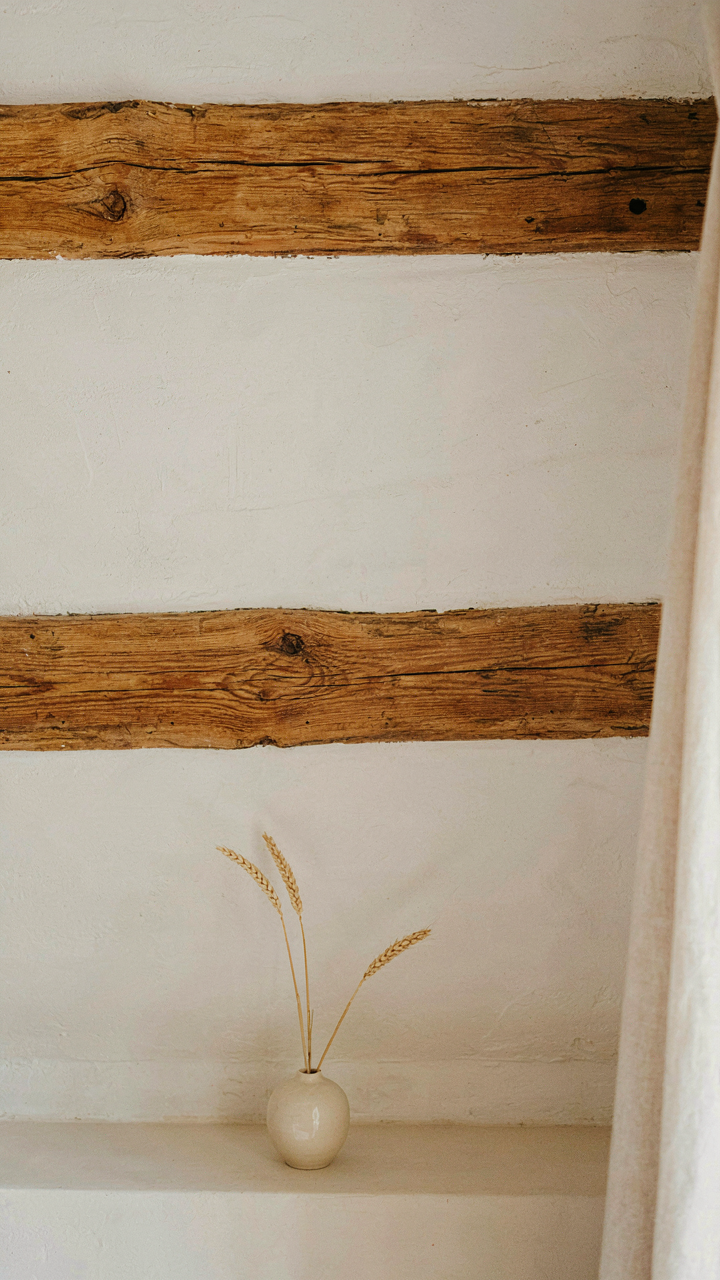
Know What You Actually Want
You’re reading this because you’re afraid of wasting money on things that will look dated in three years. The mechanism is simple: French farmhouse decor works because it’s built on constraint, not choice. Farmhouse aesthetics emerged from rural French life where families used what materials the region provided—linen from flax crops, wood from local forests, stone from the land itself. These weren’t design decisions. They were economic reality.
When you define your core aesthetic, you’re not picking a vibe. You’re establishing which materials and proportions you’ll repeat across every room. Linen, aged wood, and neutral earth tones become your vocabulary. Everything else gets filtered through that lens. This eliminates decision fatigue and prevents the visual chaos that kills a space in five years.
Ignore What’s Being Sold Right Now
Most design advice tells you to “stay current” while “keeping things timeless.” That’s backwards and contradictory. Trend cycles in home decor move fast because retailers need you to buy new things. French farmhouse decor survives trends because it predates them. A linen-covered chair from 1890 works today because the material and form haven’t changed. Linen doesn’t trend. It ages.
The real trap is mixing trend elements into a farmhouse foundation. Industrial pendant lights, reclaimed barn doors as accent walls, or “shabby chic” distressing are trend applications of farmhouse vocabulary. They’ll read as dated within a decade. Instead, buy timeless materials in timeless proportions and let them develop patina naturally. A worn linen slipcover or darkened wood beam doesn’t feel dated because nothing about its form chased a moment in time.
The Real Obstacle: Your Inability To Embrace Productive Constraints
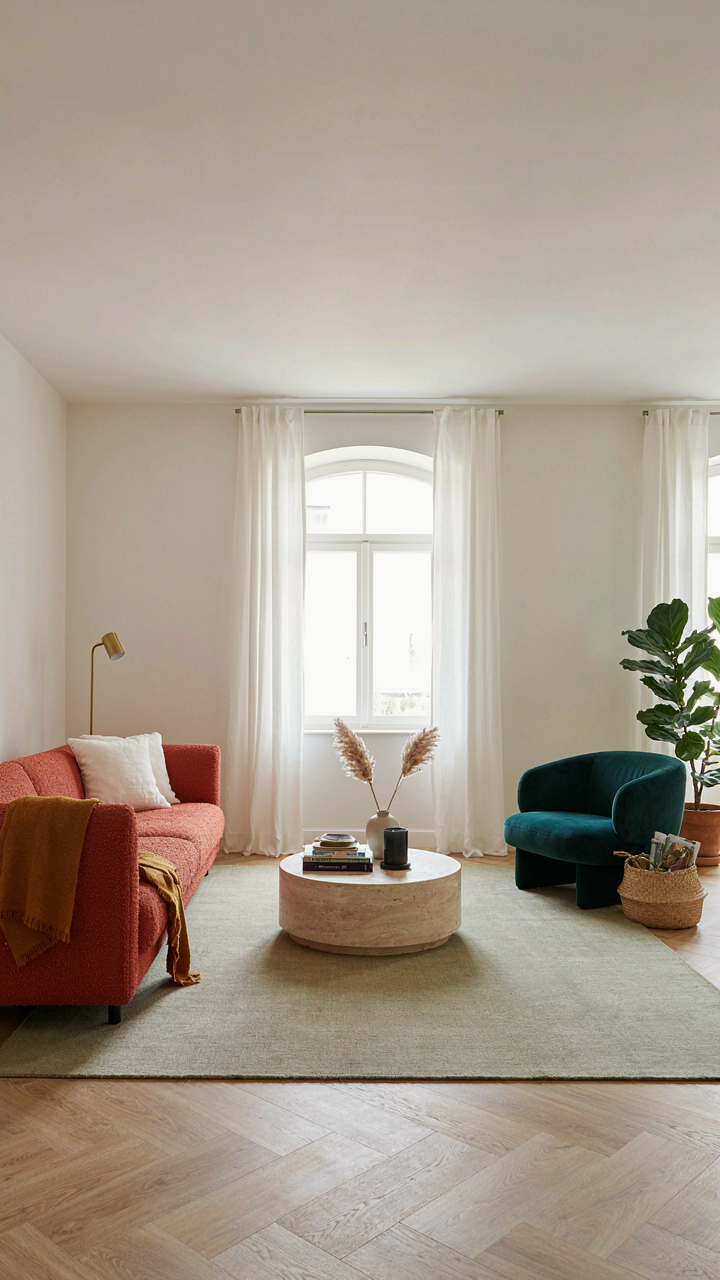
You think French farmhouse decor requires unlimited options. You want every piece perfect before you buy. This kills you. The aesthetic exists because farmers worked with what they had. Linen wrinkles. Wood ages. Imperfection became the style. Today, go buy one linen throw or reclaimed wood shelf without overthinking it. Stop waiting for the perfect version. Constraints don’t limit good design, they create it.



