The Illusion Of “Cozy”: Why Your Cabin Feels Generic

Manufactured Rustic And The Authenticity Trap
You want people to believe you live differently than you do. That’s why the cabin aesthetic appeals to you, and that’s exactly why you’ll end up with a space that looks like every other cabin nobody actually remembers visiting.
The rustic movement as a design category emerged in the late 1800s as a response to industrial excess, but what you buy today under the “rustic” label is industrial excess dressed up in flannel. Manufacturers mass-produce distressed wood, faux-weathered finishes, and barn-style fixtures specifically engineered to look aged. The mechanism is simple: authenticity has become a product category, which means it’s now manufactureable and therefore indistinguishable from everything else. Your cabin doesn’t feel warm because the decor is genuine. It feels hollow because you assembled it from a catalog designed for 50,000 other people.
Real cabin spaces developed their character through constraint and use, not intent. A hand-split log beam exists because someone needed it to hold up the roof, not because it looked period-appropriate. When you buy pre-distressed barn doors and reclaimed-looking shelving, you’re buying the aesthetic without the function, which your brain detects instantly. The fix isn’t to find more authentic sources. It’s to stop decorating for authenticity and start decorating for your actual life inside that space.
The Weight Of Intentional Accumulation
Clutter isn’t what happens when you ignore your cabin. Clutter is what happens when you try too hard to fill it.
Small spaces have a hard ceiling on how much texture and detail they can hold before they become visually exhausting. Economics calls this the concept of diminishing returns: each additional object adds less value than the one before it. In a 400-square-foot cabin, the fifth decorative element provides negative value. You see it and your nervous system registers chaos instead of comfort. The cabin doesn’t feel inviting. It feels crowded. People compensate by adding even more to justify what’s already there, creating a feedback loop where the space becomes harder to navigate and less pleasant to inhabit. The real cost isn’t money. It’s the constant low-level cognitive load of managing too many objects in too small a space.

Start by removing everything that doesn’t serve a function or carry genuine personal weight. Not sentimental weight, which is different. Genuine personal weight means you chose it because of what it does, not because you felt obligated to fill negative space. In a tiny cabin, every object costs you square footage and mental clarity. Make each one worth it.
Raw Authenticity: The Material Manifesto For Small Cabin Interiors Rustic Simple
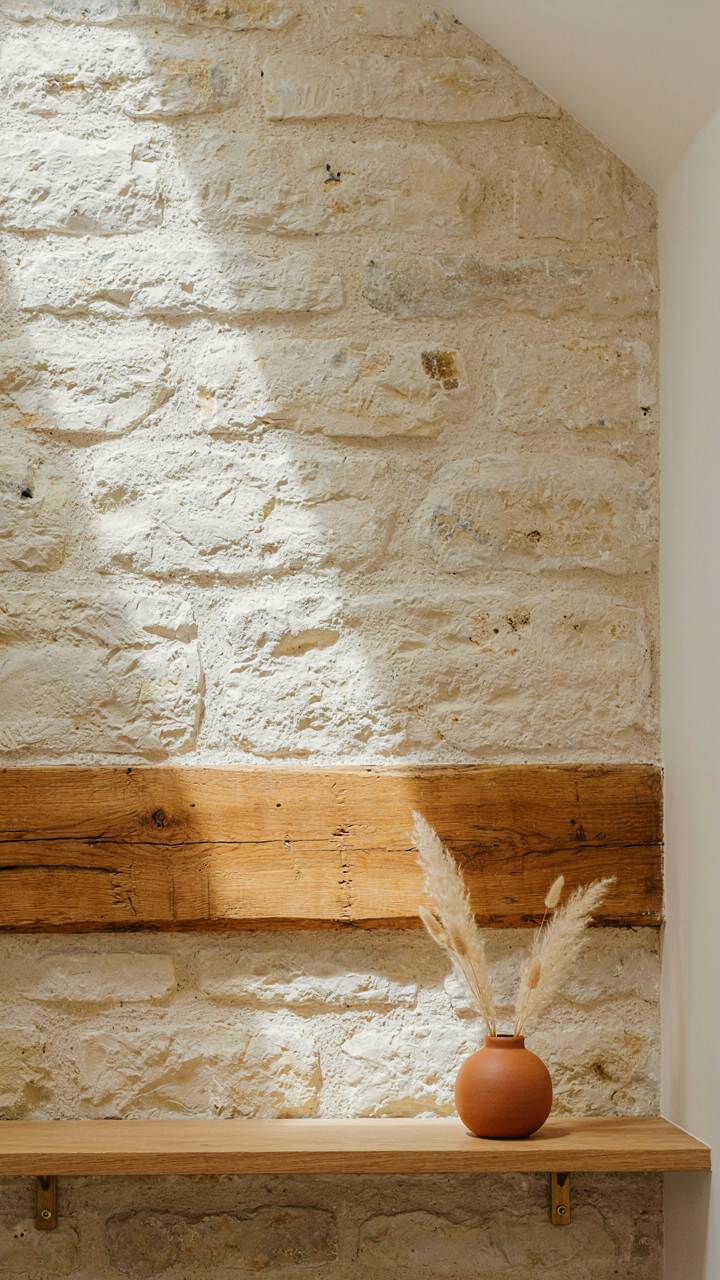
Unfinished Wood, Exposed Stone, Raw Metals
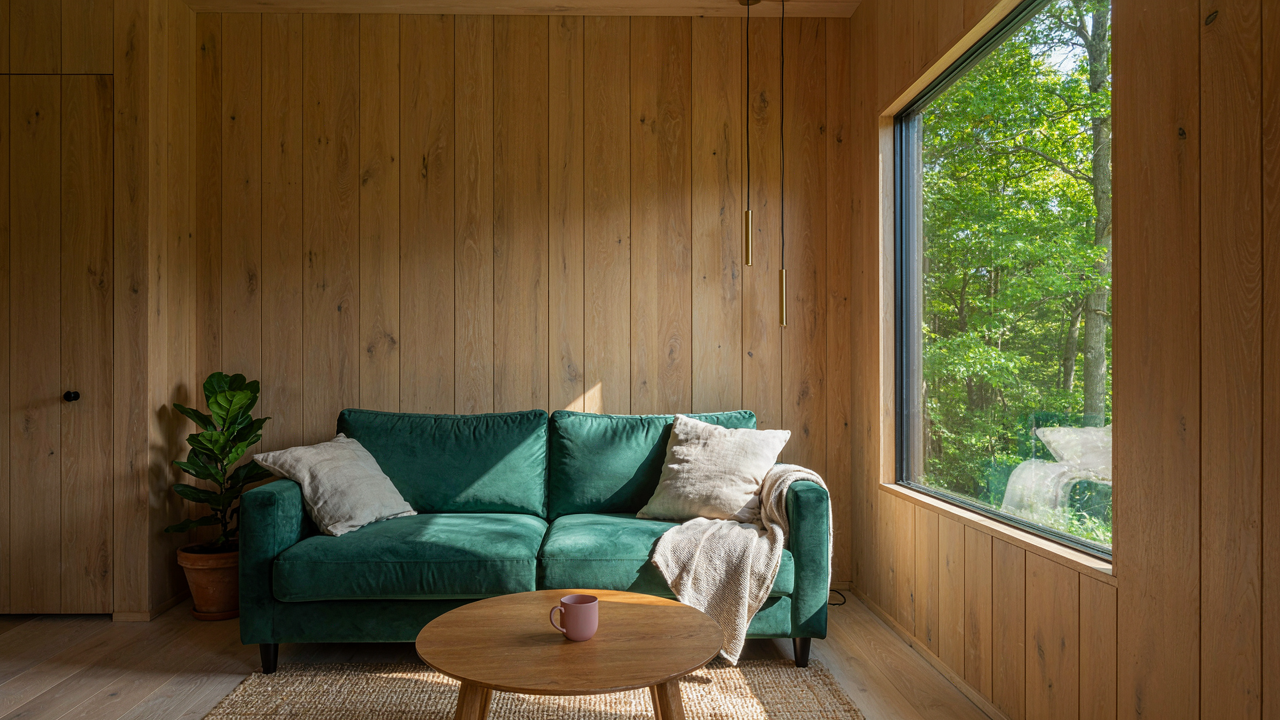
You want unfinished materials because they signal you’re not trying too hard, which paradoxically takes more work than buying finished pieces. But the real mechanism is simpler: raw materials refuse to compete with each other. In a small space, every surface fights for attention. Unfinished wood, exposed stone, and raw metals have visual weight that stays stable. They don’t demand upkeep theater. A sanded beam costs less to maintain than stained wood that shows dust and fingerprints. Raw metals like iron or bare copper oxidize predictably, aging into a consistent patina instead of flaking or fading unevenly.
Small cabin decor works best when materials age together rather than separately. Unfinished surfaces actually hide imperfection better than polished ones because texture disrupts the eye’s ability to track small flaws. Stone walls need no finish to communicate permanence. Rough-hewn wood beams develop a silvered surface over time that looks intentional, not neglected. This is the opposite of what most people assume about cabin design. The constraint of limited square footage makes authenticity a practical advantage, not a lifestyle choice.
Rejecting Veneer, Embracing Honest Texture
Most cabin advice tells you to use veneer to save money and space. That’s incomplete. Veneer fails in tiny cabins because it creates a false boundary your eye detects unconsciously. When a cabin is small, every material has nowhere to hide. Veneer shows seams, peeling edges, and the hollow sound when you walk past it. Real wood, real stone, and real metal communicate solidity. Your body reads that signal before your brain does.
Honest texture is not sentimental. It’s economic. Solid wood pieces last through decades of use in a confined space where wear is accelerated. A solid wood table in a tiny cabin takes the daily abuse better than veneered alternatives because the wood fibers run all the way through. Exposed stone walls need no finishing product to maintain their function or appearance. Start by auditing every surface in your cabin and asking whether it needs a false layer or can perform as-is. Keep only what works without deception.
The “Less But Better” Protocol For Mini Cabin Ideas
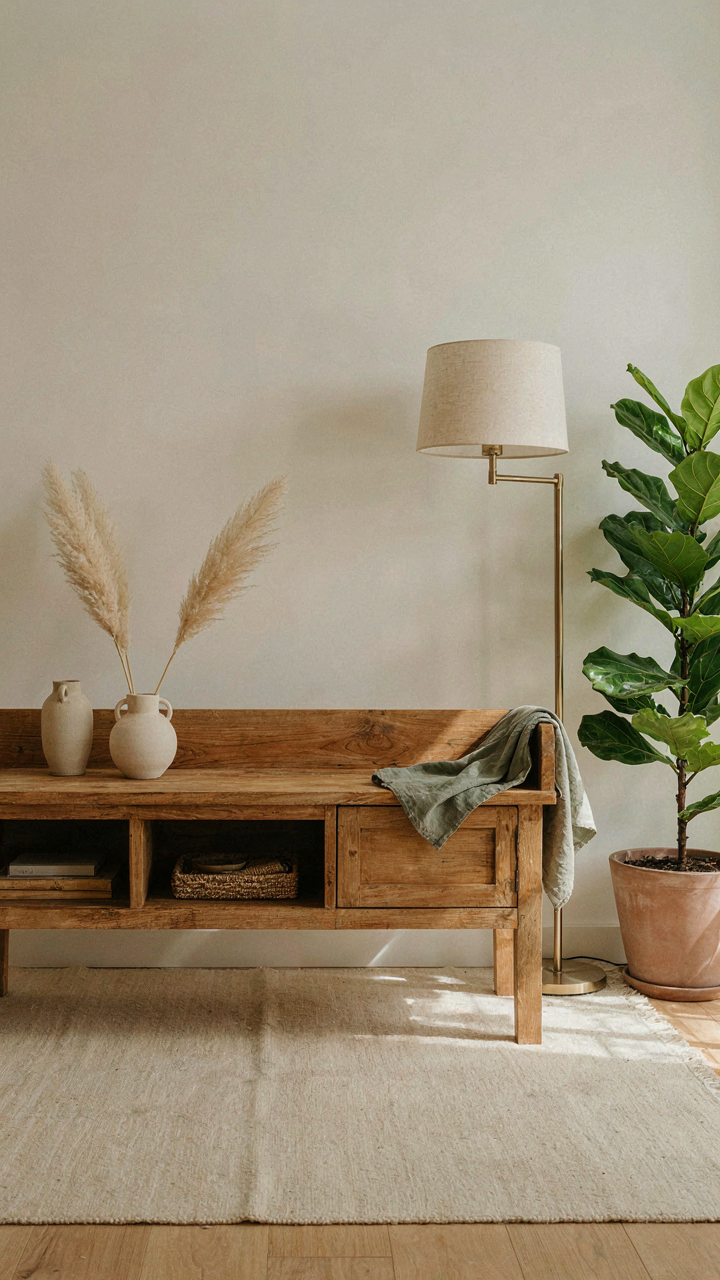
One Piece Does Two Jobs
You want permission to buy more stuff without admitting it. That’s the real tension here. But the mechanism is simple: in a 200-square-foot cabin, every object consumes two resources at once—physical space and visual weight. When you add something that serves only one function, you’re paying double the cost for single the return. A bench with storage underneath isn’t decoration. It’s math. It solves the equation that kills tiny spaces: clutter disguised as comfort.
The best cabin pieces work like load-bearing walls in architecture. They don’t just exist. They support something else. A reclaimed wood ladder leans against the wall while doubling as a blanket rack and bookshelf. A low wooden table holds your coffee and your firewood. A thick wool rug anchors the seating area while insulating the floor and dampening sound. Start by listing what you actually need—seating, storage, surfaces, warmth. Then find single pieces that tick two boxes minimum. Anything less is waste.
The Threshold For Saying No
Common advice says fill your cabin with things you love. Wrong. You’ll love things into a prison. Scarcity forces ranking. When you have room for only twelve objects in a room, you stop choosing based on sentiment and start choosing based on what actually matters. This is economic thinking applied to space: limited resources demand ruthless allocation. You can’t afford the emotional purchases. Every item competes for the same finite square footage.
The protocol is blunt: before buying or placing anything, ask what problem it solves. Not how it makes you feel. Not whether it’s aesthetically interesting. Does it provide storage, seating, light, warmth, or function? If the answer is no, it doesn’t belong. If the answer is maybe, it definitely doesn’t belong. You’re building utility wrapped in material that feels good to touch, not a gallery. The curated cabin beats the comfortable one every time because it’s actually comfortable to move through.
Tactical Warmth: Engineering Comfort In Tiny Cabin Interiors Small Cottages
Light Layers That Actually Work
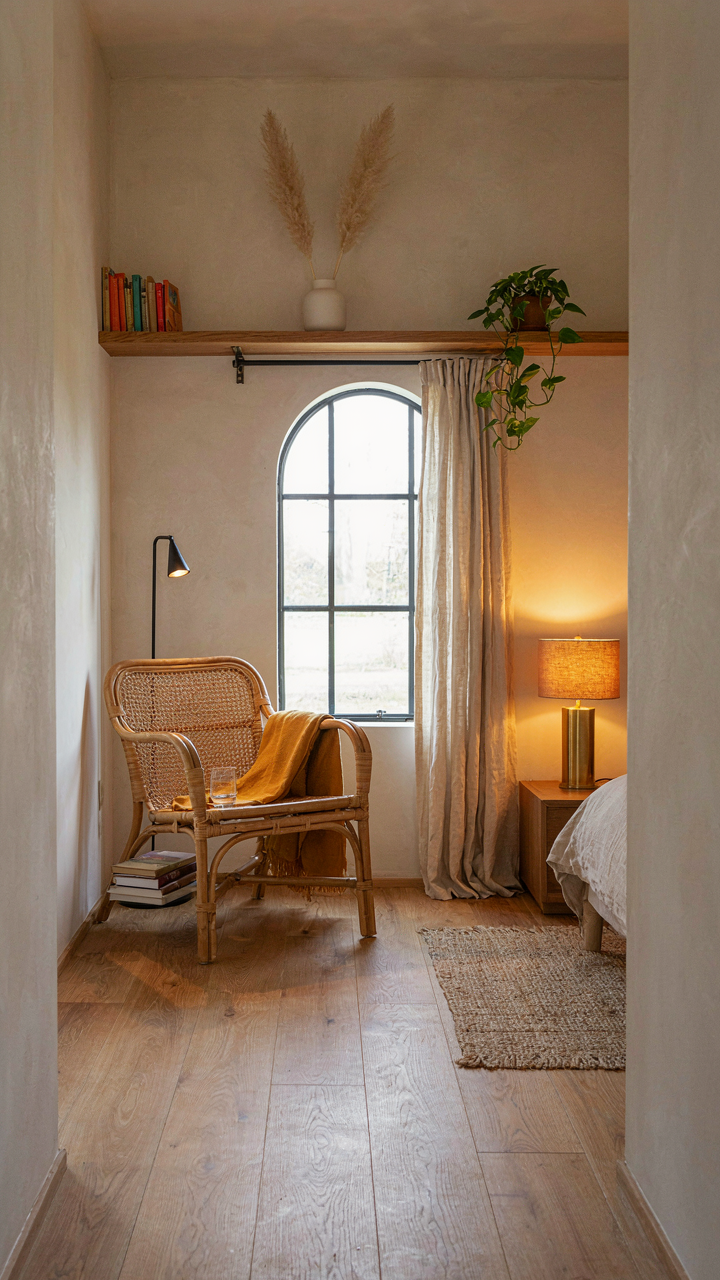
You want the cabin to feel intentional instead of like you’re camping in your living room. The real mechanism is this: layered lighting mimics how humans evolved to feel safe. Your brain expects multiple light sources at different intensities, not one overhead fixture or a single lamp. Task lighting, accent lighting, and ambient lighting create the psychological illusion of a larger, more controlled space. A tiny cabin with three light sources feels materially different than one with just overhead lighting, even at identical square footage.
Placement beats brightness every time. Position one warm lamp in the corner, one near seating, one along a shelf or accent wall. This strategy comes from theatrical lighting design, where focusing different intensities on different zones makes small stages feel expansive. The goal is to eliminate dead zones where your eye loses interest. Install dimmer switches where possible, not because dimmers are trendy, but because they let you adjust the total light quantity without switching fixtures on and off, which reads as jarring in confined spaces.
Natural Fibers, Chosen For Purpose
Most advice about “cozy textures” is lazy. People say add wool and linen without explaining why those materials actually matter in tiny cabins. Natural fibers regulate humidity and temperature through capillary action, meaning they absorb and release moisture based on ambient conditions. In a small, enclosed space with inconsistent climate control, this matters. A wool throw or linen curtains don’t just look warm, they buffer microclimate shifts that make small spaces feel unstable. You’re not decorating, you’re engineering a thermal and humidity buffer.
Choose specific fibers for specific functions, not for aesthetics. Jute or sisal work for rugs because they’re dense and don’t trap heat at your feet. Hemp or linen for curtains because they filter light without blocking airflow. Wool for throws and upholstery because it handles temperature swings. The rule is simple: fibers that breathe make small spaces feel less claustrophobic, and fibers that regulate moisture make the air itself feel different. Select based on what the fiber does, then let the color follow.
The “Biomimicry” Method: Off Grid Cabin Interior Ideas From Nature
Patterns That Guide, Not Compete
You want your cabin to feel intentional without screaming for attention. That’s the real game here. Biomimicry in interior design borrows from ecology’s principle of “edge habitat”—the transition zone where two ecosystems meet. In a cabin, this translates to visual boundaries that orient movement without creating visual noise.
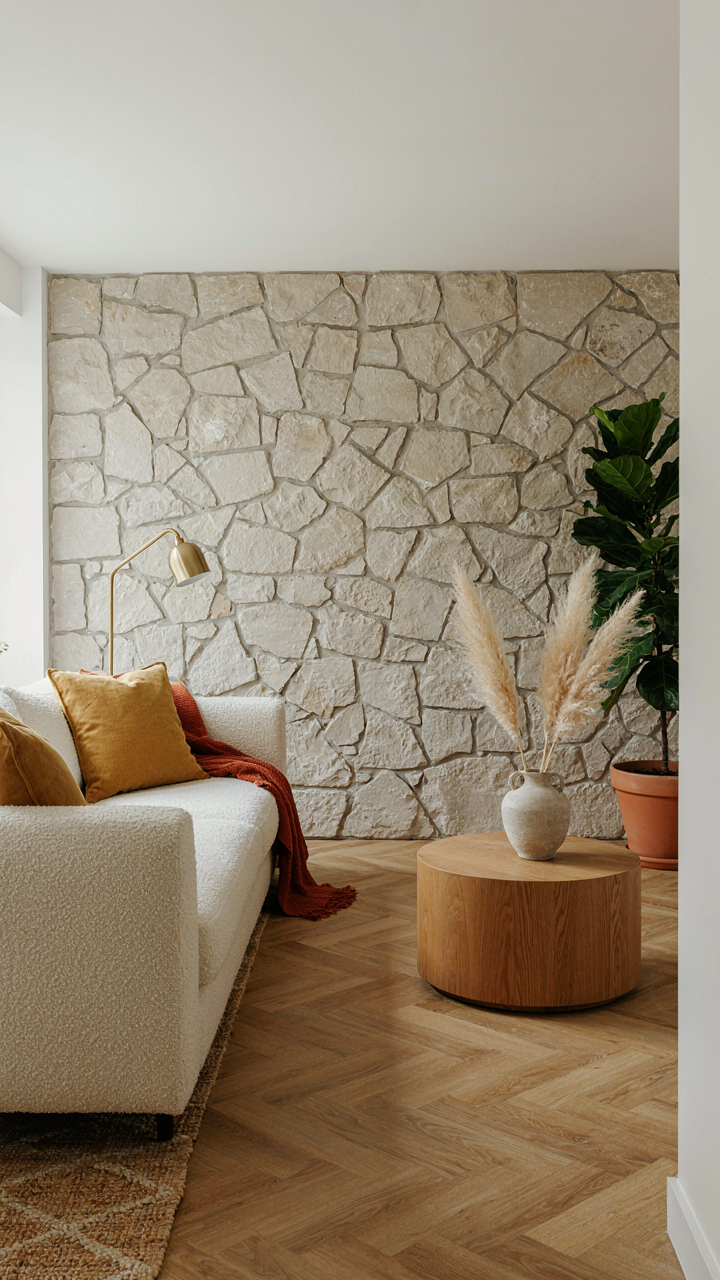
Natural patterns work best when they establish rhythm rather than spectacle. Wood grain, stone layering, and textile weaves all follow directional flow. A herringbone floor or stacked-stone accent wall doesn’t distract because the eye follows a clear path. The pattern becomes navigation, not decoration. Place these directional elements to guide traffic toward functional zones, not scatter them randomly across walls.
Shadow And Depth Over Flat Light
Flat overhead lighting kills the texture you’re trying to build. Ambient design uses the physics principle of contrast—light defines form only against shadow. In a tiny cabin, controlled shadows actually expand perceived space because depth creates distance.

Install warm-toned task lighting at two levels minimum. Low-angle lamps cast shadows that emphasize wood grain and stone texture. Wall sconces positioned to graze surfaces create relief and dimension. Firelight or candlelight serves the same function. The mechanism is simple: where light stops and shadow begins, the eye perceives boundary and depth. This counterintuitively makes small spaces feel larger than even, flat illumination ever could.
The Undecorated Aesthetic: Why Empty Space Is The Ultimate Luxury
Clear Surfaces Reset Your Nervous System
You want this section because you’re exhausted by the decorating industry telling you that more objects equal more personality. The mechanism is neurological, not aesthetic. Your brain processes each object in your field of vision as a micro-decision. A cluttered surface forces your prefrontal cortex to work constantly, burning cognitive energy on things you don’t actively need. Clear surfaces eliminate that drain.
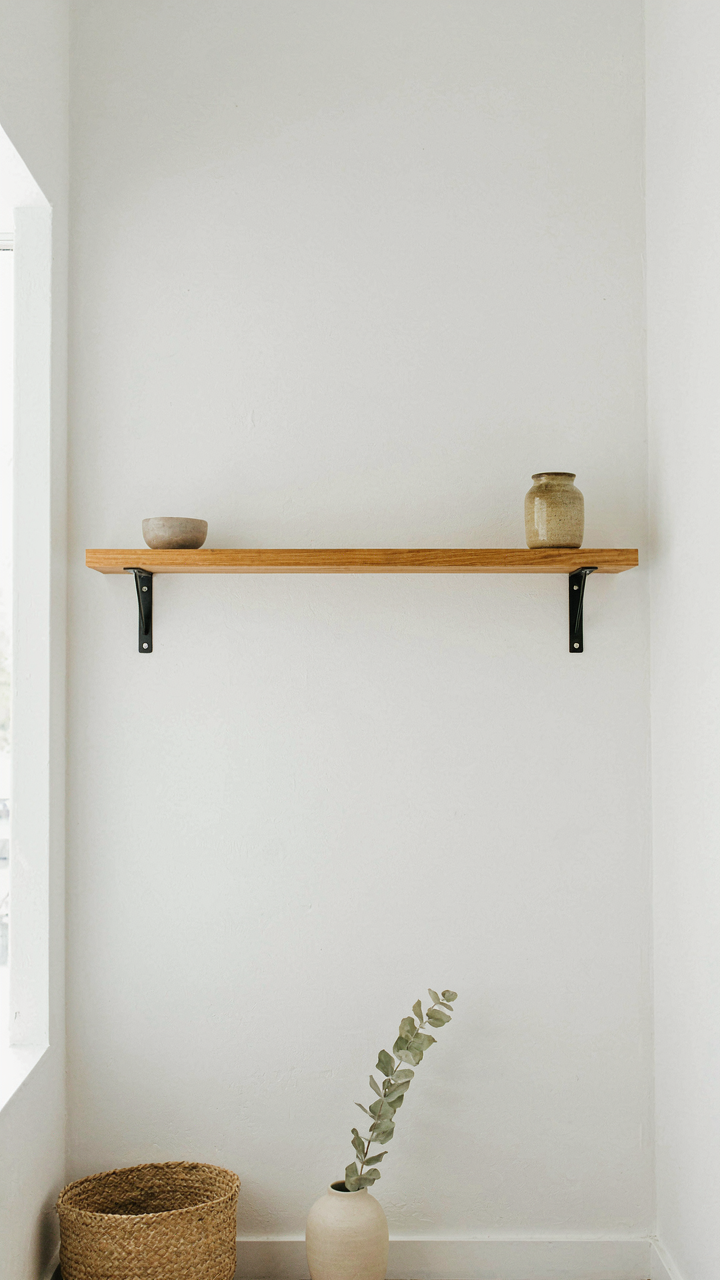
In a tiny cabin, this effect compounds. You have nowhere to look that isn’t within arm’s reach. Every shelf, table, and counter becomes part of your visual load. Minimalist designers understood this intuitively, but neuroscience confirms it: reduced visual complexity lowers cortisol levels. One empty pine shelf in your 200-square-foot cabin produces measurable calm. The absence of objects becomes the most valuable decoration.
Silence Your Eyes, Settle Your Mind
The common advice says “curate your objects carefully.” That’s incomplete. The real move is to curate what you remove. Visual noise operates like auditory noise: constant low-level irritation that you stop noticing until it’s gone. A cabin with five objects visible from your bed hits different than one with thirty. Your eyes need rest.

Breathing room in tiny cabins isn’t about looking sparse or minimal as a style choice. It’s a functional strategy. Empty wall space, bare counters, and unfilled shelf space allow your eyes to land somewhere neutral without processing information. This is how you actually relax in a small footprint. When every square inch demands visual attention, you never fully decompress. Leave surfaces empty by design, not accident.
The Gravity Of Guesthouses: Guest Cabin Ideas That Don’t Compromise
The Room Stops Working When Guests Arrive
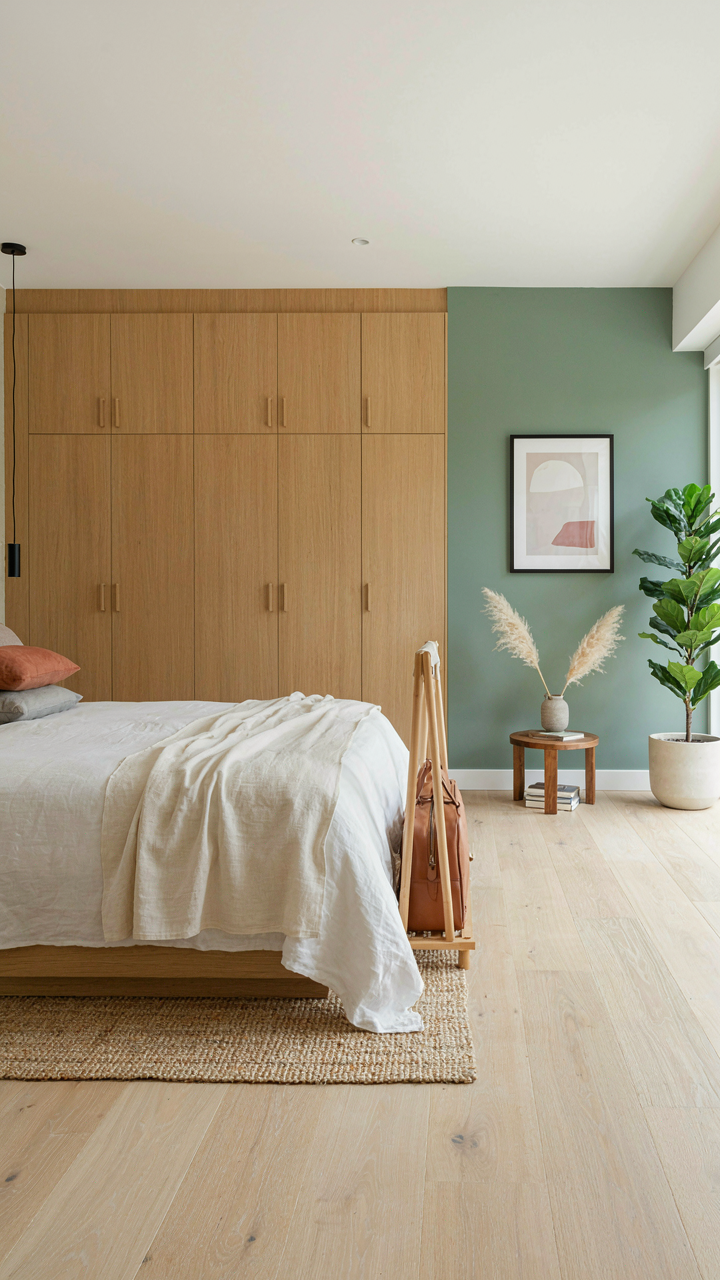
You want guests to feel welcomed without your cabin looking like a showroom you’ve staged for their approval. That’s the real tension here. The mechanism is simple: a guest cabin fails when it prioritizes appearance over function. People notice when there’s nowhere to put their bag, no hooks for their coat, no surface for their toiletries. Design from use backwards, not from aesthetics forward. A guest experiences the space through friction points—where they stub a toe, where they search for a light switch, where they can’t hang wet clothes. Remove those friction points and the warmth of the space becomes genuine rather than performed.
The common advice is to keep guest cabins minimal and open. That’s incomplete. Minimal only works if every inch serves a guest’s actual needs. A tiny cabin with one chair and bare walls isn’t minimal—it’s neglectful. True minimalism in a guest space means every object has a function for the person staying there. Wood beam walls feel warm because guests can mentally relax, not because the wood is expensive. Comfort comes from solved problems, not from decoration.
Built In Storage That Reads As Architecture
Borrowed from systems design, the concept of “constraint” transforms how you think about storage in a guest cabin. Constraint forces efficiency. Open shelving that guests see reads as clutter. Built-in cabinetry that matches the wall finish reads as part of the structure itself. This distinction matters more in tiny spaces because visual weight compounds fast. Install shallow shelving along the headboard at eye level when guests are seated. Recessed shelving into knee walls uses dead space. Frame out a closet with a sliding barn door that stacks flush against the wall when open, eliminating the swing radius that eats floor space in a tight room.
The mechanism is integration, not addition. You’re not placing storage in the room—you’re making storage part of the room’s bones. Use the same wood stain or finish that appears on other architectural elements. This makes the eye skip over stored items as part of the background. Guests need places for luggage, clothing, and personal items without seeing a furniture layout that screams “this is a guest room.” Build storage into the wall, and the space stays visually open while functionally complete.
The “Entropy Reversal” Protocol For One Room Cabin Ideas
Lessons From Thermodynamics: Containing Disorder
You want a cabin that feels intentional and controlled because chaos reads as failure, and you’re afraid a small space will amplify every mistake. Thermodynamics teaches us that entropy always increases in closed systems unless energy is applied to reverse it. In a one-room cabin, entropy is visual clutter, and the mechanism that stops it isn’t willpower—it’s structural containment. You build friction into disorder itself.
The moment you occupy a tiny cabin, disorder accelerates faster than in larger homes because there’s nowhere for visual noise to disperse. Every item competes for attention in the same visual field. The real leverage isn’t decorating better; it’s preventing accumulation at the source by designing storage that makes keeping things invisible easier than leaving them out.
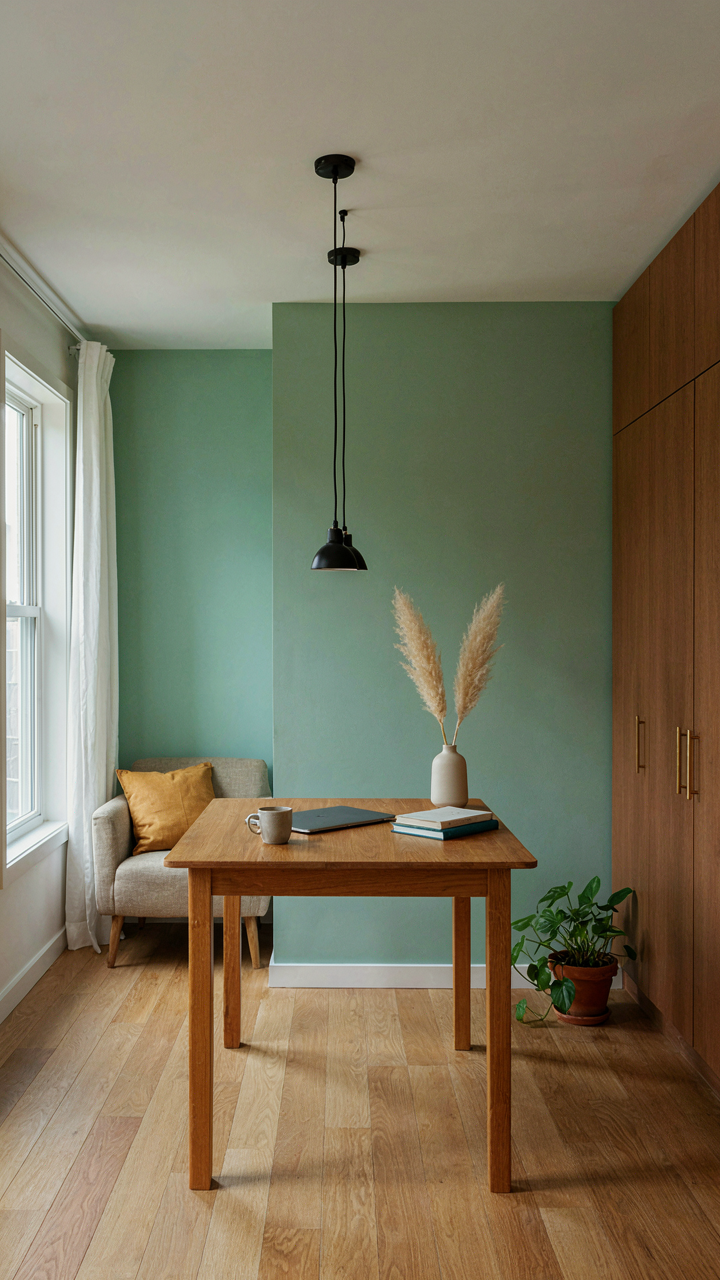
- Closed storage with opaque doors: Eliminates the psychological tax of seeing items you don’t actively need. Wood cabinet doors with simple hardware match cabin aesthetics while hiding daily miscellany completely.
- Vertical wall shelving with defined zones: Each shelf holds one category only. Labeling isn’t cute—it’s a behavioral checkpoint that forces decisions before items land on surfaces.
- Under bed storage containers with natural finishes: Cedar or pine boxes store seasonal items without adding visual weight. They blend with cabin materials while removing temptation to leave things on floors.
- Baskets integrated into furniture legs: Woven baskets under side tables or benches use dead space and obscure contents. This works because the basket becomes part of the furniture silhouette, not an afterthought.
- Wall-mounted pegboards with matching wooden pegs: Limits what you hang because every item needs a peg. This creates natural scarcity—you stop acquiring when all pegs fill up.
The protocol is simple: measure your total available storage first, then acquire only enough items to fill it completely. When storage is full, adding anything new requires removing something. This creates friction that reverses entropy automatically without daily decisions.
Systematizing Cleanliness, Minimizing Friction
Most cabin advice says “clean regularly” or “develop routines.” That’s generic noise. The real mechanism is removing steps between use and storage. In a one-room cabin, friction is your only defense against disorder accumulating invisibly until the space feels suffocating.

Design your cabin so the path to put something away is shorter than the path to leave it out. If your cooking tools live three feet from the stove, you clean after use. If they’re ten feet away in a back closet, they pile on the counter. Place your most-used items at chest height within arm’s reach of where you use them. Use open shelving for daily tools, closed storage for seasonal or backup items. Natural wood materials like pine and cedar hide dust better than painted surfaces—they show use rather than dirt. Establish one surface as your work zone. Everything else stays clear. This single protocol stops visual chaos before it forms because you have nowhere to set things down except the designated zone, and you clear it before bed every night.
Purposeful Imperfection: Embracing Wabi Sabi In Small Cabin Interiors
The Beauty Of Wear, Age, And Natural Patinas
You want permission to stop fighting decay because authenticity now signals taste instead of neglect. Here’s the mechanism: wabi-sabi, the Japanese design principle centered on accepting impermanence, works in tiny cabins because it eliminates the need for maintenance theater. A weathered wood beam doesn’t demand perfection. A patina on copper doesn’t require polishing. The space becomes easier to live in, not harder, because age becomes the aesthetic itself rather than the enemy of it.
Patina is oxidation made visible. It’s chemistry working openly. In small cabins, this principle solves a real problem: you have nowhere to hide damage or wear. Instead of fighting it with paint and sealant, you let natural materials age on schedule. Raw wood darkens over years. Untreated metal develops a protective oxide layer. Linen fades unevenly. Each surface tells a timeline of use. The cabin stops looking like a showroom and starts looking inhabited. Worn things don’t demand your attention to maintain them.
Character In The Handmade, Not Flawless
The common advice here is wrong: “embrace imperfection” usually means buy expensive artisan goods and call their slight irregularities charming. That’s just marketing. Real character comes from functional handmade items that show evidence of their maker’s choices, not from objects designed to look imperfect in a factory. A hand-forged hook has an off-center curve because the smith angled it to hang properly. A thrown ceramic bowl has a thicker rim where the potter’s thumb pressed. These aren’t flaws. They’re decisions.
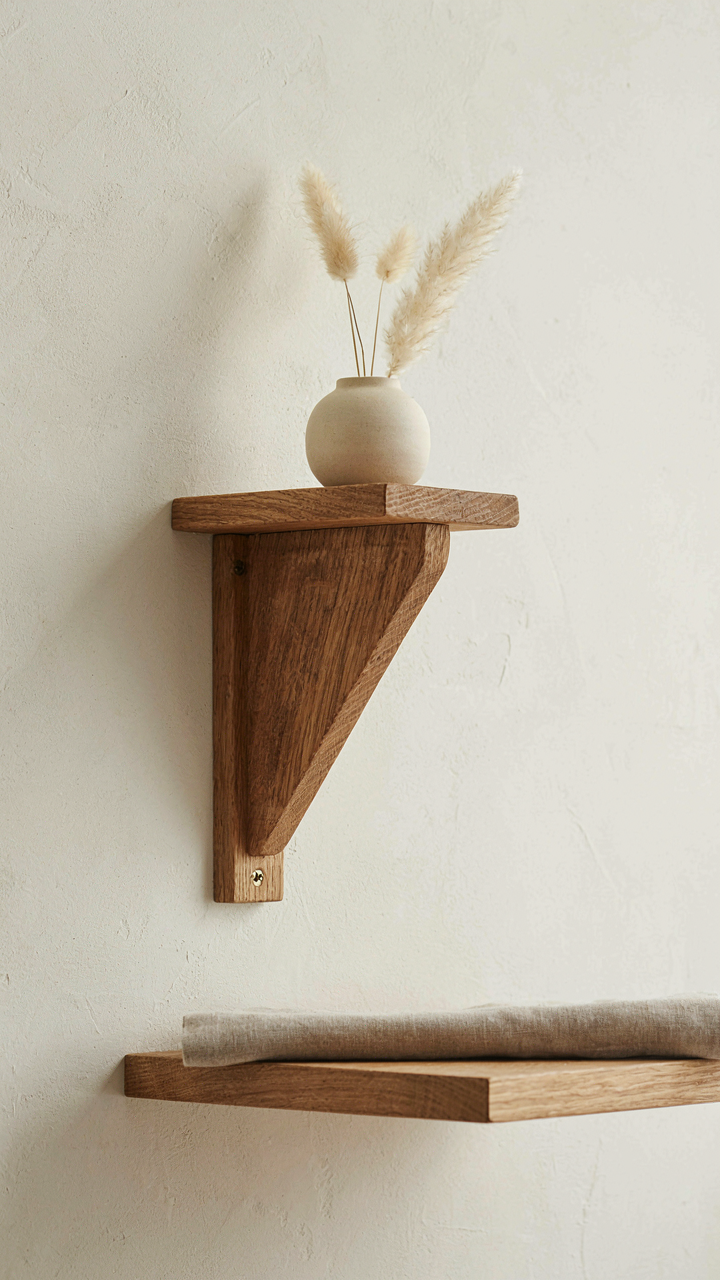
In a tiny cabin, handmade items earn their space by solving problems while bearing their creation marks. A whittled wooden shelf bracket works and displays the knife cuts. Linen stitched by hand shows variable thread tension. A blacksmith’s wall rack has hammer marks that reveal the metal’s construction. Buy or commission pieces made to function first. The visual character follows naturally from the method, not imposed onto it. This approach keeps your cabin from looking curated and instead makes it look lived-in by someone with actual needs.
The Legacy Of Less: Building Enduring Cabin Layout Ideas, Not Fleeting Trends
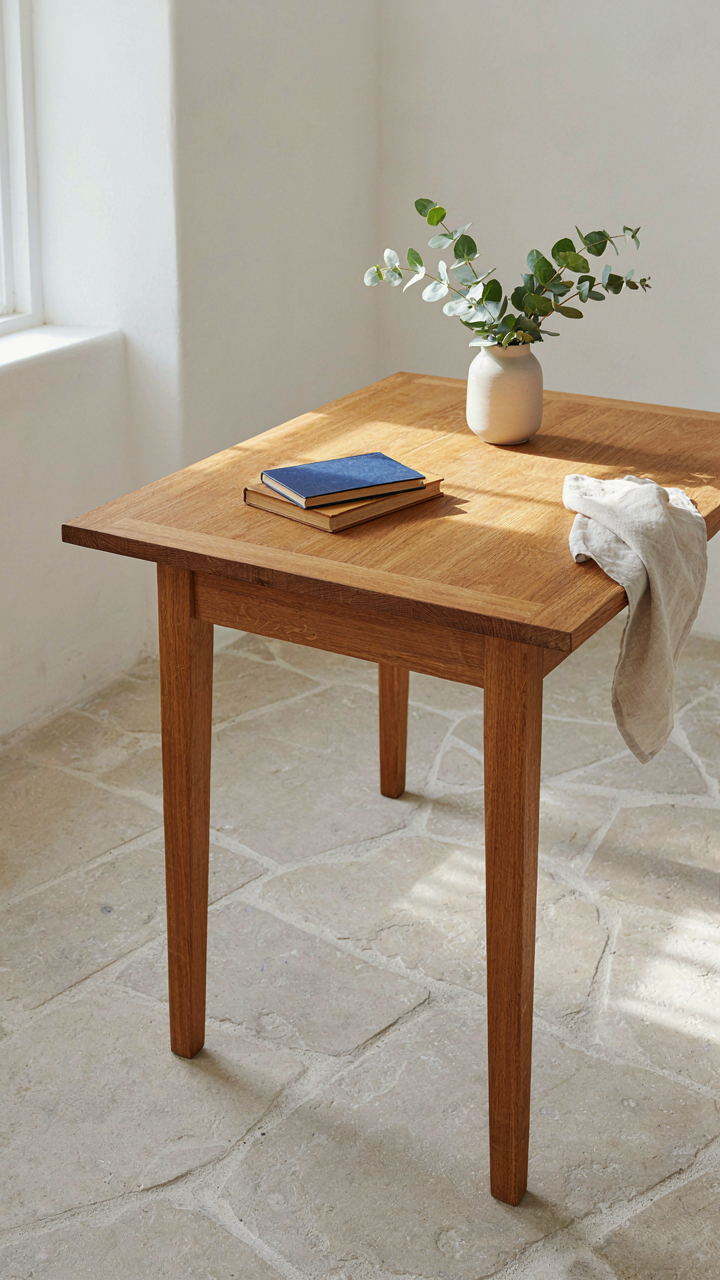
Wood That Actually Ages Better
You want proof your cabin won’t look dated in five years. That’s the real fear here, masked as a design question. The mechanism is simple: materials that patina or develop character don’t become obsolete. They become richer.
Reclaimed wood, solid hardwoods, and stone don’t trend. They absorb time. A hand-hewn beam from a barn looks intentional at year one and more intentional at year ten. Particleboard furniture trend-cycles every eighteen months. Solid oak doesn’t. Buy materials that improve with handling and weather rather than materials engineered to look fresh and new.
Flexibility Beats Perfection
Layout problems in cabins stem from treating them like permanent residential spaces. They aren’t. Cabins need what military strategists call “operational flexibility” and interior designers should call common sense. Arrange your pieces so you can repurpose them without waste or friction.
Use low, moveable furniture instead of built-ins. Keep your textures—wool, linen, raw wood—attached to items you can relocate, not to walls. A cabin decor system that forces you to live with one layout defeats itself. The goal is adaptability without redoing everything when your needs shift or someone else inherits the space.
Your Tiny Cabin Isn’t Small Because You Lack Space; It’s Small Because You Lack Ruthless Intentionality
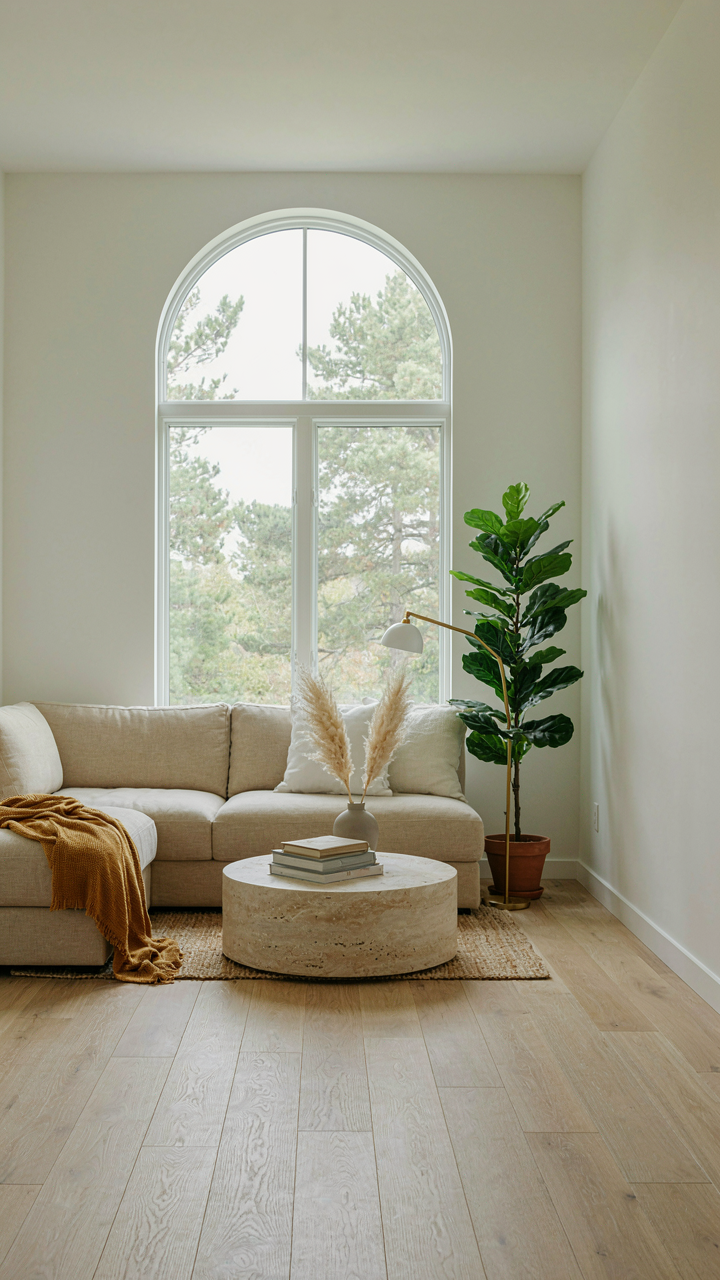
Most people fill tiny cabins because they’re afraid of emptiness. You fill them because you respect the space. Walk through your cabin right now and remove one thing that doesn’t serve a function or spark genuine feeling. That single act rewires how you see the entire room. Your cabin doesn’t need more texture. It needs you to stop apologizing for its size and start leveraging it. Small spaces don’t fail. People with unclear intentions do.